 English
 Español

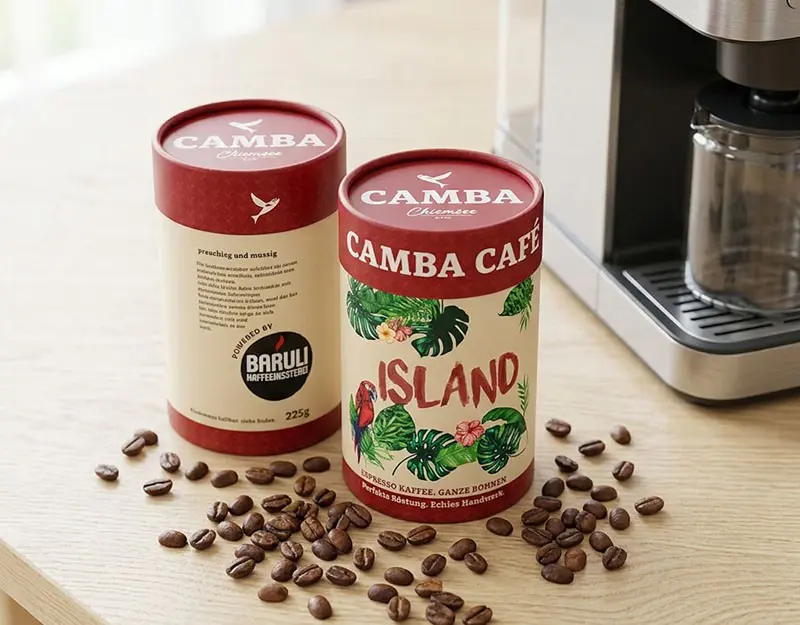
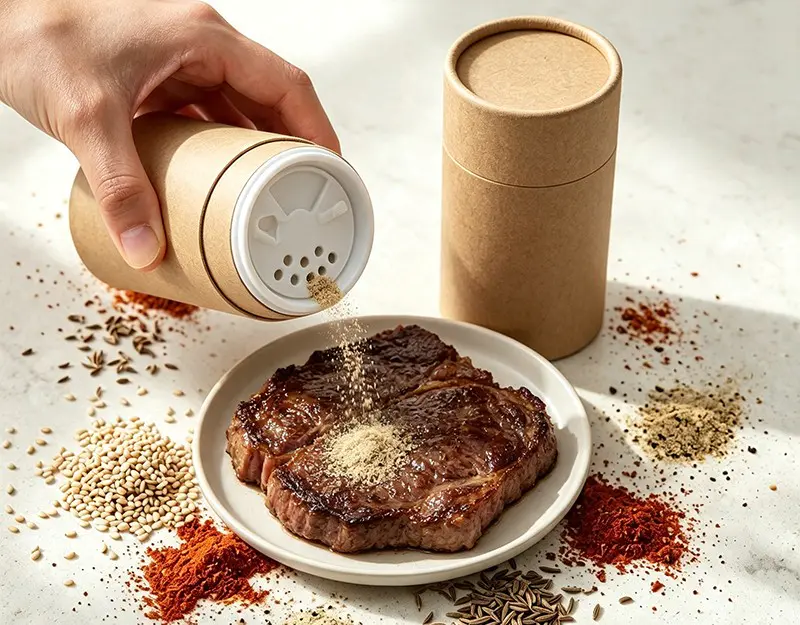
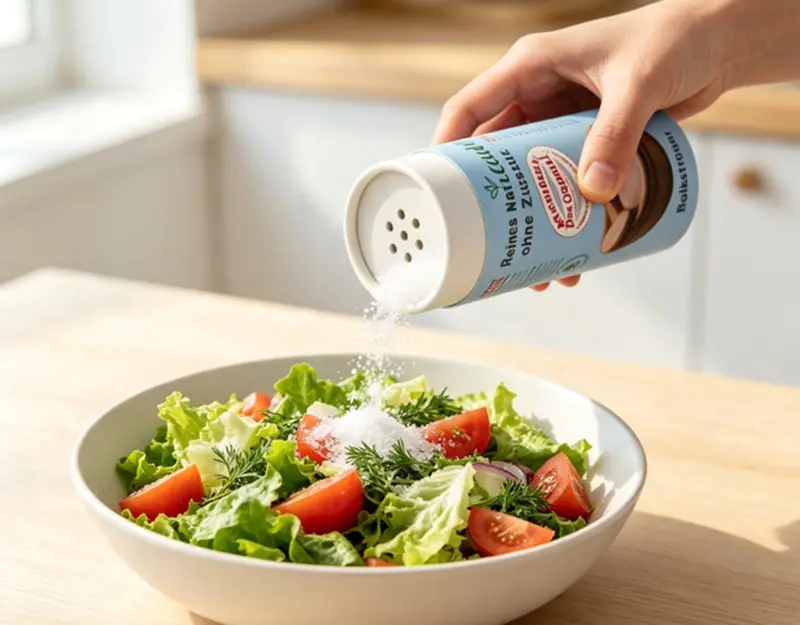
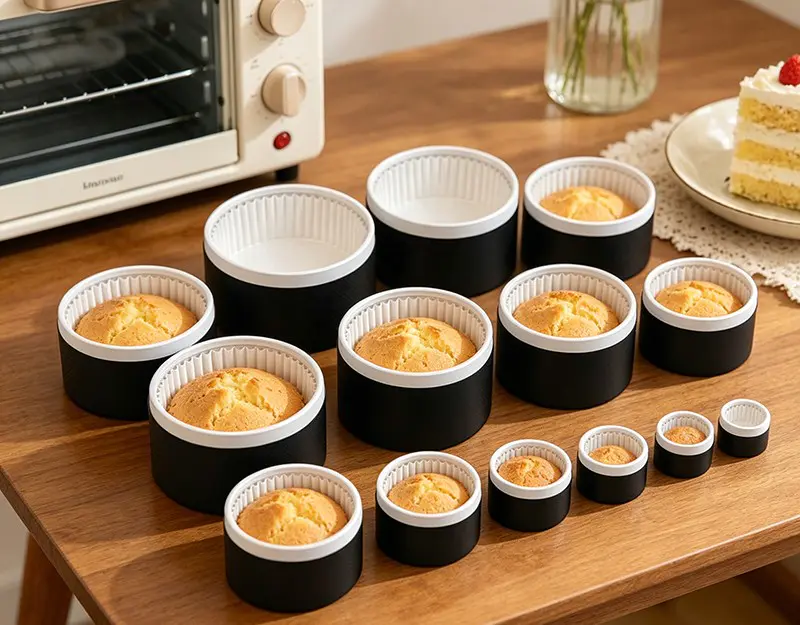

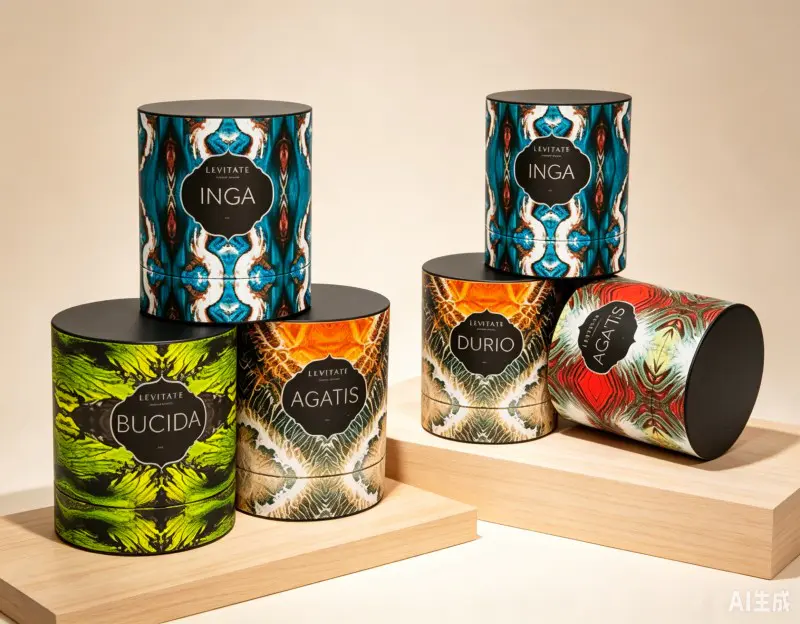
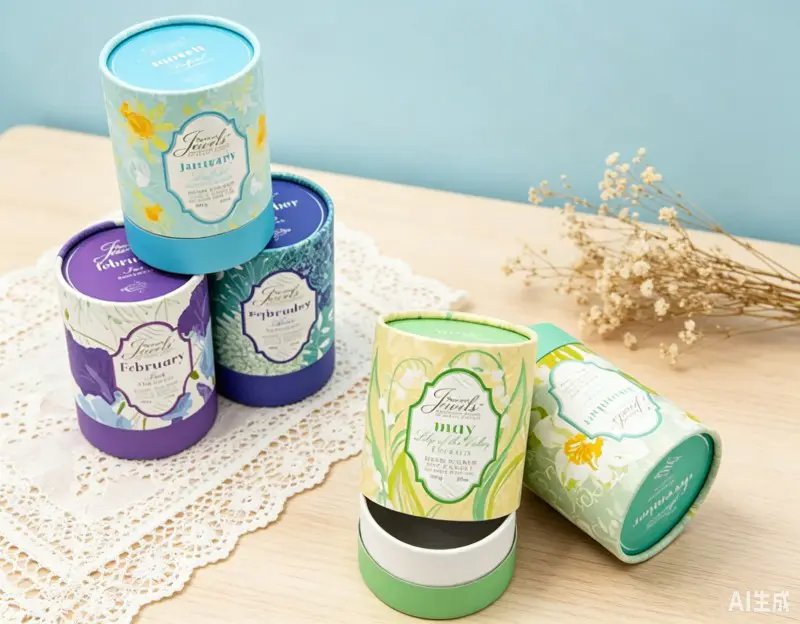
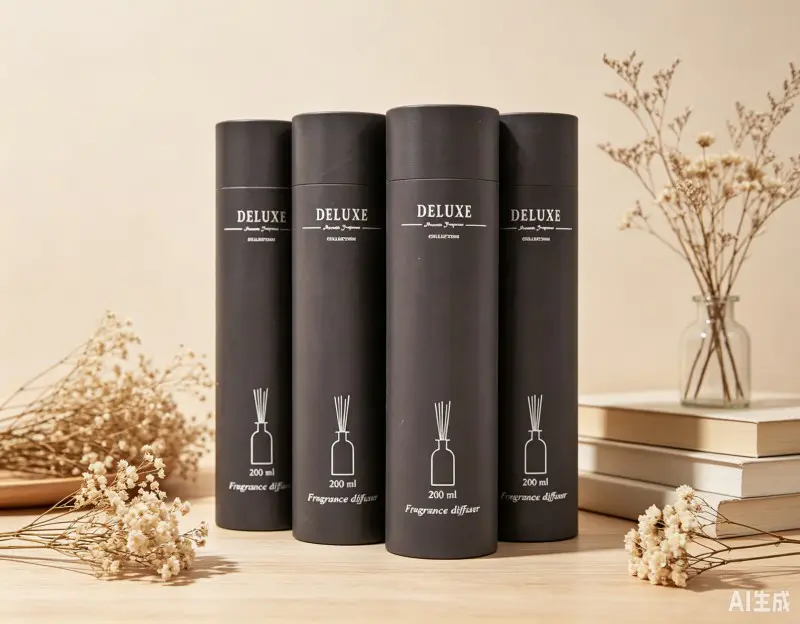
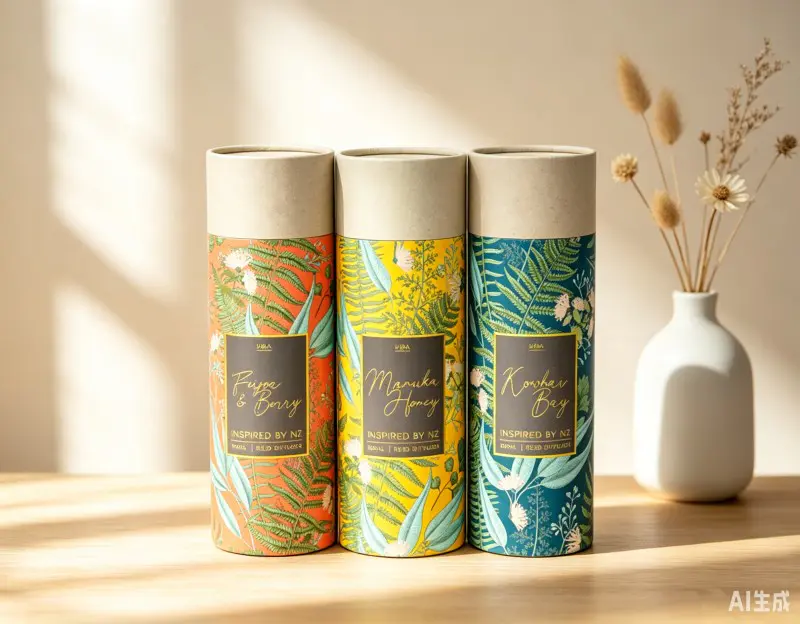
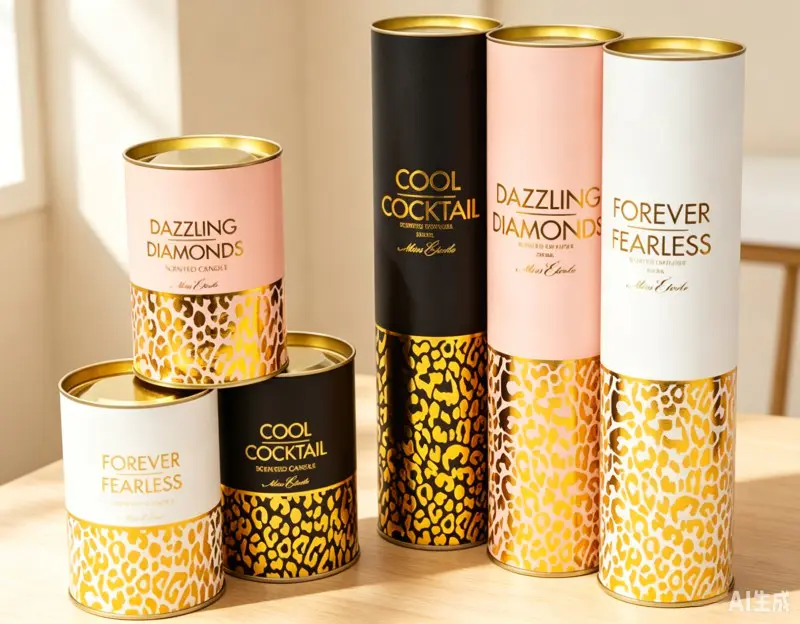
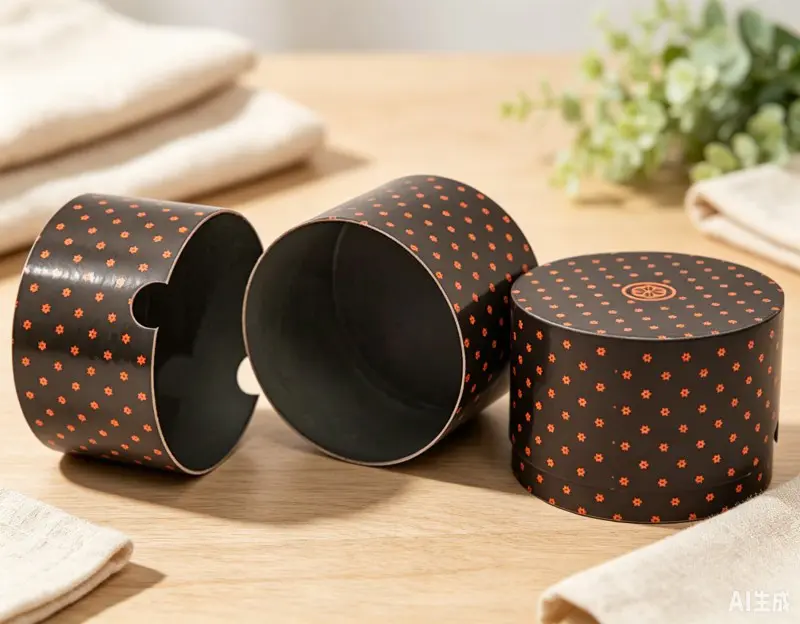
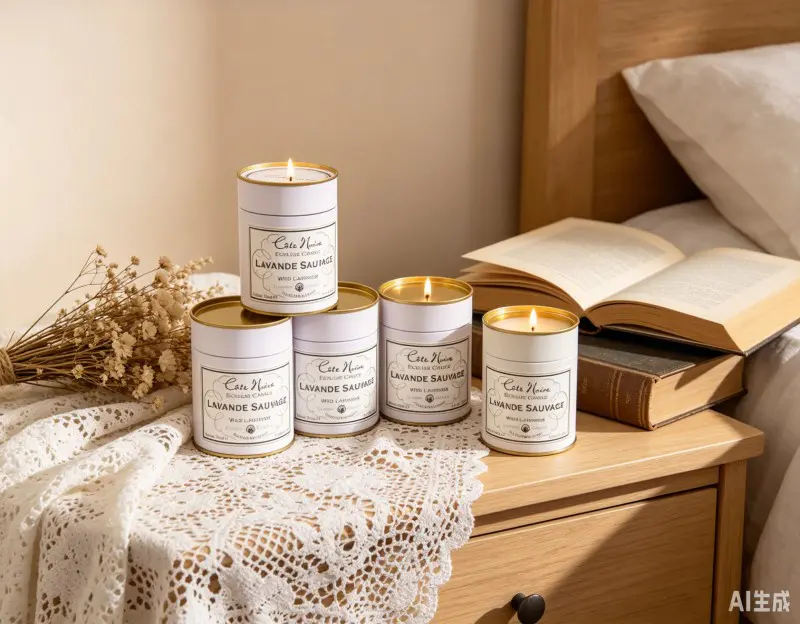

As one of the top China cardboard tube packaging manufacturers and paper tube packaging suppliers, we devote all of our efforts to research and launch more high quality packaging products to global market.
Packaging plays a decisive role in the way seasonings and spices are protected, presented, stored, and used. Although spices are often sold in small quantities, they are highly sensitive food ingredients. Moisture can cause caking, oxygen can accelerate the loss of aroma, light can affect color and quality, and external odors can interfere with the authentic character of the product. A suitable container must therefore perform more than a simple storage function. It must preserve freshness, support convenient dispensing, communicate product quality, and withstand transportation and retail handling.
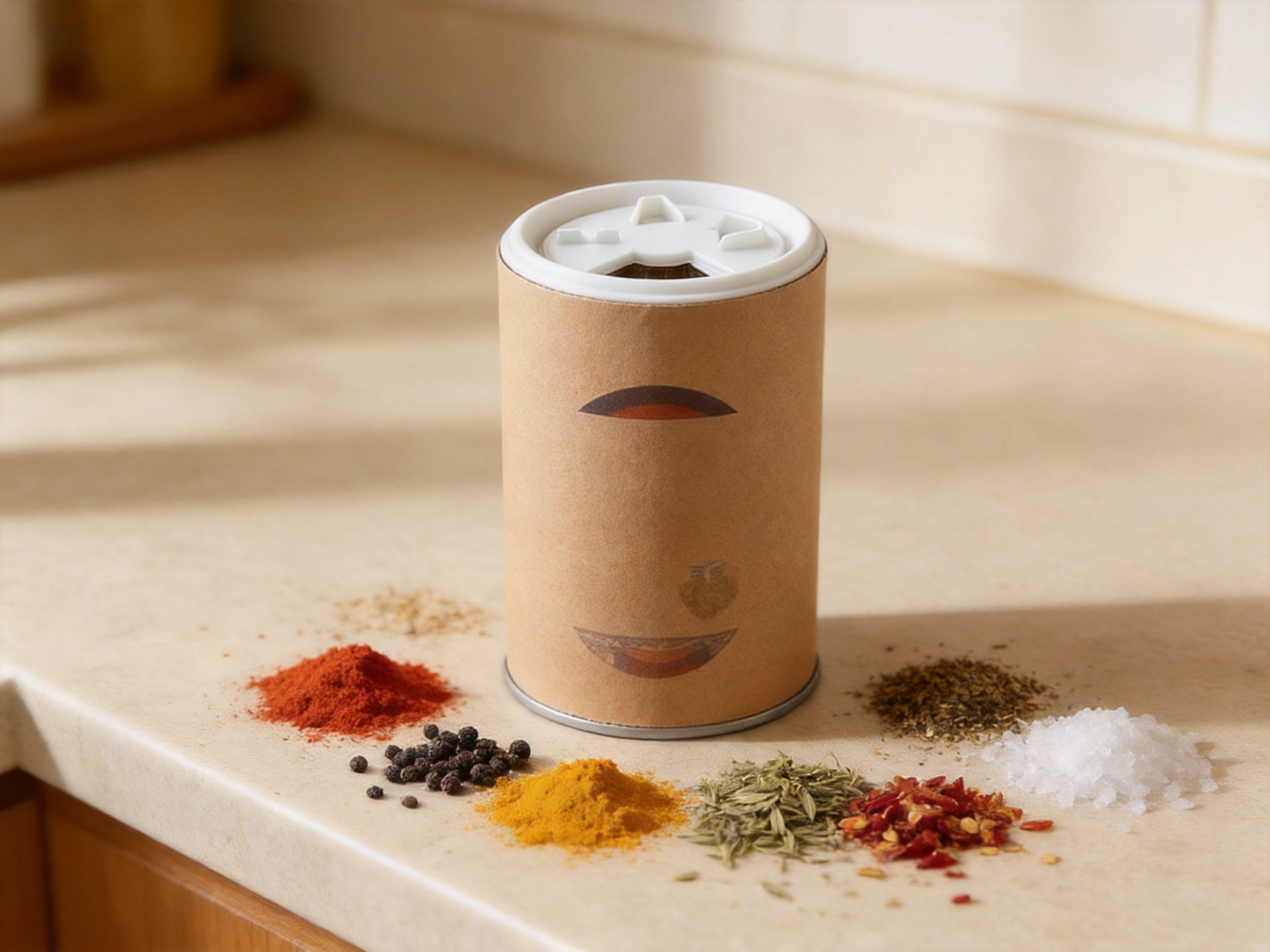
The 47 × 75 mm matte finish seasonings and spices paper can is designed to meet these requirements in a compact, practical, and visually appealing format. It combines a kraft paper tube, a coated printed exterior, an aluminum foil liner, and a plastic shaker top. This construction creates a balanced package for ground spices, seasoning blends, herbs, salt products, pepper, curry mixes, barbecue seasonings, and similar dry food ingredients.
With an internal diameter of 47 mm and a height of 75 mm, the container is sized for efficient use in spice racks, kitchen drawers, pantry organizers, and retail displays. Its matte exterior gives the package a smooth, premium appearance while helping reduce the visible effect of fingerprints and smudges. Full-color CMYK printing provides space for brand graphics, recipes, ingredient declarations, preparation instructions, nutritional information, and other essential packaging content.
More importantly, the container is engineered around the practical needs of spice manufacturers and consumers. The aluminum foil barrier helps protect the contents from moisture, oxygen, light, and external odors. The shaker top supports controlled dispensing, while the rigid paper tube helps maintain the package shape during storage, shipment, and everyday handling. These combined features make the can a strong alternative to ordinary paper cartons, unlined paper containers, and less differentiated plastic packaging.
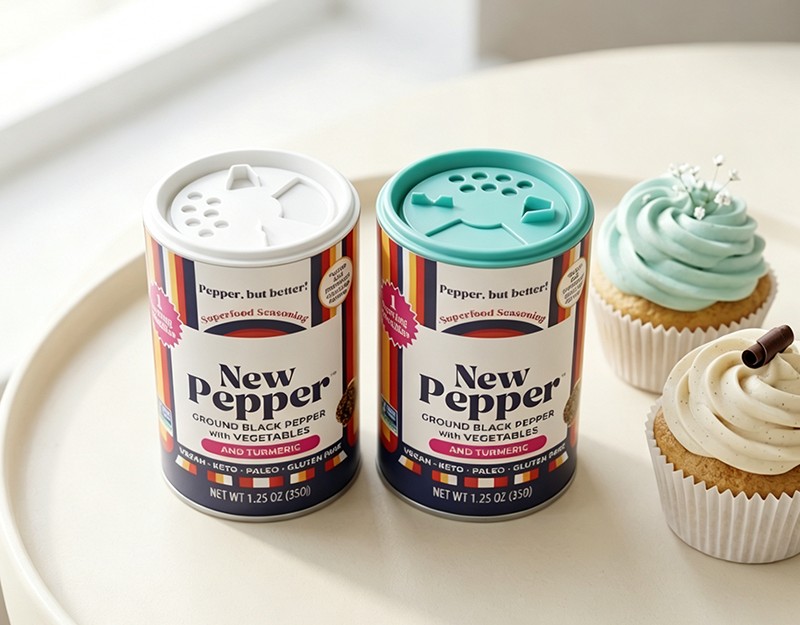
47*75MM Matte Finish Seasonings and Spices Paper Can
Content
- 1 Product Overview
- 2 Why Spice Protection Requires a High-Performance Package
- 3 Layered Construction and Functional Design
- 4 Advantages Over Conventional Packaging Formats
- 5 Matte Finish and Retail Presentation
- 6 CMYK Printing for Flexible Brand Communication
- 7 Practical Dispensing for Everyday Use
- 8 Compact Dimensions and Space Efficiency
- 9 Manufacturing Expertise and Process Strengths
- 10 Quality Control Considerations for the Spice Canister
- 11 Applications Across the Seasoning Market
- 12 Sustainability and Responsible Packaging Positioning
- 13 Benefits for Brands and Manufacturers
- 14 Customization Opportunities
- 15 Recommended Product Development Workflow
- 16 How the Product Supports Premium Positioning
- 17 Q&A
- 17.1 What products are suitable for this paper can?
- 17.2 What are the dimensions of the canister?
- 17.3 What is the main function of the aluminum foil liner?
- 17.4 Does the package include a shaker top?
- 17.5 Why is the exterior finished with a matte coating?
- 17.6 Can the outside be customized with brand artwork?
- 17.7 Is the canister suitable for premium spice products?
- 17.8 How does it compare with a glass spice jar?
- 17.9 How does it compare with a flexible pouch?
- 17.10 Is the paper can completely plastic-free?
- 17.11 Can the package protect spice aroma?
- 17.12 Can it be used for coarse spices or herb flakes?
- 17.13 What manufacturing experience does the supplier have?
- 17.14 Does the manufacturer have food packaging experience?
- 17.15 What equipment supports the manufacturing process?
- 17.16 Can the container be used for export products?
- 18 Conclusion
- 19 References
- 20 Product: 47*75MM Matte Finish Seasonings and Spices Paper Can
Product Overview
The 47 × 75 mm paper can is a cylindrical composite container intended for seasonings and spices. Its structure uses multiple layers, with each layer contributing a specific function. The kraft paper tube forms the primary structural body. The coated paper outer layer provides the printable surface and visual finish. The aluminum foil liner creates a high-performance internal barrier, and the plastic shaker top allows the contents to be dispensed in a controlled manner.
The product specifications are summarized below:
| Item | Specification |
|---|---|
| Primary application | Seasonings and spices |
| Container type | Composite paper canister with shaker top |
| Size | 47 mm internal diameter × 75 mm height |
| Body material | Kraft paper tube |
| Outer layer | Coated paper with printed graphics |
| Barrier layer | Aluminum foil liner |
| Dispensing component | Plastic shaker top |
| Printing | CMYK full-color printing |
| Surface treatment | Matte finish |
| Typical contents | Dry spices, herbs, salts, pepper, and seasoning blends |
The compact cylindrical shape is particularly suitable for products that are used frequently but stored in relatively small volumes. Unlike a wide pouch that may require a separate storage container after opening, this canister can remain upright and ready for use. The shaker top also eliminates the need for a spoon or secondary measuring tool for many everyday applications.
For food manufacturers, the format offers a useful balance between shelf presence and material efficiency. It provides a larger printable circumference than some small rectangular packages while occupying a limited footprint. For consumers, the rounded profile is comfortable to hold and easy to place in common kitchen storage systems.
Why Spice Protection Requires a High-Performance Package
Seasonings and spices contain volatile oils, pigments, aromatic compounds, and other components that contribute to flavor, fragrance, and appearance. These qualities can decline when the product is exposed to unsuitable environmental conditions. The package must therefore be selected according to the sensitivity of the contents rather than only according to appearance or initial cost.
Moisture Control
Moisture is one of the most common causes of quality problems in dry seasoning products. It may lead to clumping, poor flow, reduced visual quality, and changes in texture. In products containing salt, sugar, powdered herbs, or fine spice particles, even a relatively small amount of moisture can affect dispensing performance.
The aluminum foil liner inside this paper can acts as a barrier against moisture migration. It helps separate the contents from humid air and reduces the opportunity for water vapor to enter through the container wall. This is especially valuable when the package is stored in kitchens, warehouses, transport vehicles, or retail environments where temperature and humidity may fluctuate.
Moisture protection also supports a better user experience. A spice that remains free-flowing is easier to sprinkle evenly, easier to measure, and less likely to require shaking or tapping with excessive force. By helping preserve the physical condition of the contents, the package supports both product quality and consumer convenience.
Oxygen and Aroma Preservation
Oxygen can contribute to the gradual deterioration of spice aroma and flavor. Some seasonings contain oils and natural compounds that are sensitive to oxidation. As these compounds change, the product may lose intensity or develop a less desirable sensory profile.
The aluminum foil barrier helps limit the movement of oxygen through the package wall. This protective function is important for products whose selling point depends on freshness, fragrance, or a distinctive flavor experience. A more effective barrier can support a longer quality period when combined with appropriate filling, sealing, storage, and distribution practices.
Retaining aroma is particularly important in premium spice lines. Consumers purchasing saffron blends, smoked seasonings, specialty peppers, herbal mixtures, and gourmet salts often expect the package to protect the character of the ingredients. The internal barrier gives manufacturers a stronger foundation for presenting these products as carefully protected food items.
Light Protection
Light exposure can affect the color and quality of some spices. Bright colors are often associated with freshness and potency, while fading may create the impression that a product is old or poorly protected. Certain pigments and aromatic compounds are also sensitive to prolonged light exposure.
The multilayer structure of the canister provides an additional level of protection compared with a simple transparent or lightly constructed container. The printed outer body contributes to opacity, while the internal foil layer acts as an important barrier against light penetration. This allows the package to support both visual presentation and product protection.
Odor Protection
Spices are valued for their distinctive aromas, but the same aromatic characteristics can make them vulnerable to external odors. If a package does not provide sufficient protection, the contents may be affected by surrounding food smells, cleaning products, storage materials, or other strong odors.
The aluminum foil liner helps reduce the interaction between the spice product and the surrounding environment. This is useful not only for maintaining the intended aroma of the contents but also for avoiding unwanted odor transfer between products during storage and distribution.
Layered Construction and Functional Design
The strength of the paper can comes from the way its materials work together. Instead of relying on a single material to provide structure, barrier protection, appearance, and dispensing performance, the container assigns different responsibilities to different components.
Kraft Paper Tube Core
The kraft paper tube provides the main body of the container. Kraft paper is widely valued in packaging because it offers a favorable balance of strength, weight, printability, and a paper-based appearance. When formed into a cylindrical tube, it can provide useful rigidity while keeping the package lightweight and easy to handle.
For spice applications, structural rigidity is important because the container may be packed into cartons, transported over long distances, placed on retail shelves, and repeatedly handled by consumers. A rigid body is less likely to collapse than a flexible pouch and can help maintain a consistent display shape.
The kraft paper construction also supports the visual language of natural, responsible, and thoughtfully designed packaging. This does not mean that the package should be considered automatically biodegradable or recyclable in every market, because the actual disposal characteristics depend on the complete material structure and local recycling systems. However, the paper-based body provides a useful platform for businesses seeking to reduce reliance on an entirely plastic outer container.
Coated Printed Paper Exterior
The outer coated paper layer provides the main communication surface. It allows manufacturers to display product names, flavor descriptions, ingredient information, preparation suggestions, barcodes, brand colors, and regulatory details around the cylindrical body.
Because the package is printed around a continuous surface, the design can create strong shelf impact from multiple viewing angles. This is beneficial in crowded spice aisles where products may be viewed from the front, side, or at an angle. A well-designed wrap can use the full circumference to create a coherent visual story rather than limiting communication to a single narrow panel.
The coating also contributes to surface durability and print appearance. It creates a smoother foundation for high-resolution graphics and helps printed colors appear more consistent. For manufacturers that use detailed food photography, botanical illustrations, maps of ingredient origin, or complex pattern work, the coated surface supports a more refined result.
Aluminum Foil Liner
The internal aluminum foil layer is one of the most important functional features of the package. It is designed to act as a barrier against moisture, oxygen, light, and external odors. These properties are directly relevant to the protection of dry seasoning products.
A barrier liner can also help create a more reliable separation between the food contents and the outer package materials. The suitability of the complete package for a specific food product should always be verified through appropriate testing, regulatory review, and compatibility assessment. Nevertheless, the inclusion of aluminum foil reflects a deliberate focus on preserving product quality rather than merely providing a decorative paper shell.
Plastic Shaker Top
The plastic shaker top transforms the container from a simple storage can into a practical dispensing system. Openings in the shaker enable the user to distribute the spice gradually instead of removing the entire closure and pouring the contents freely.
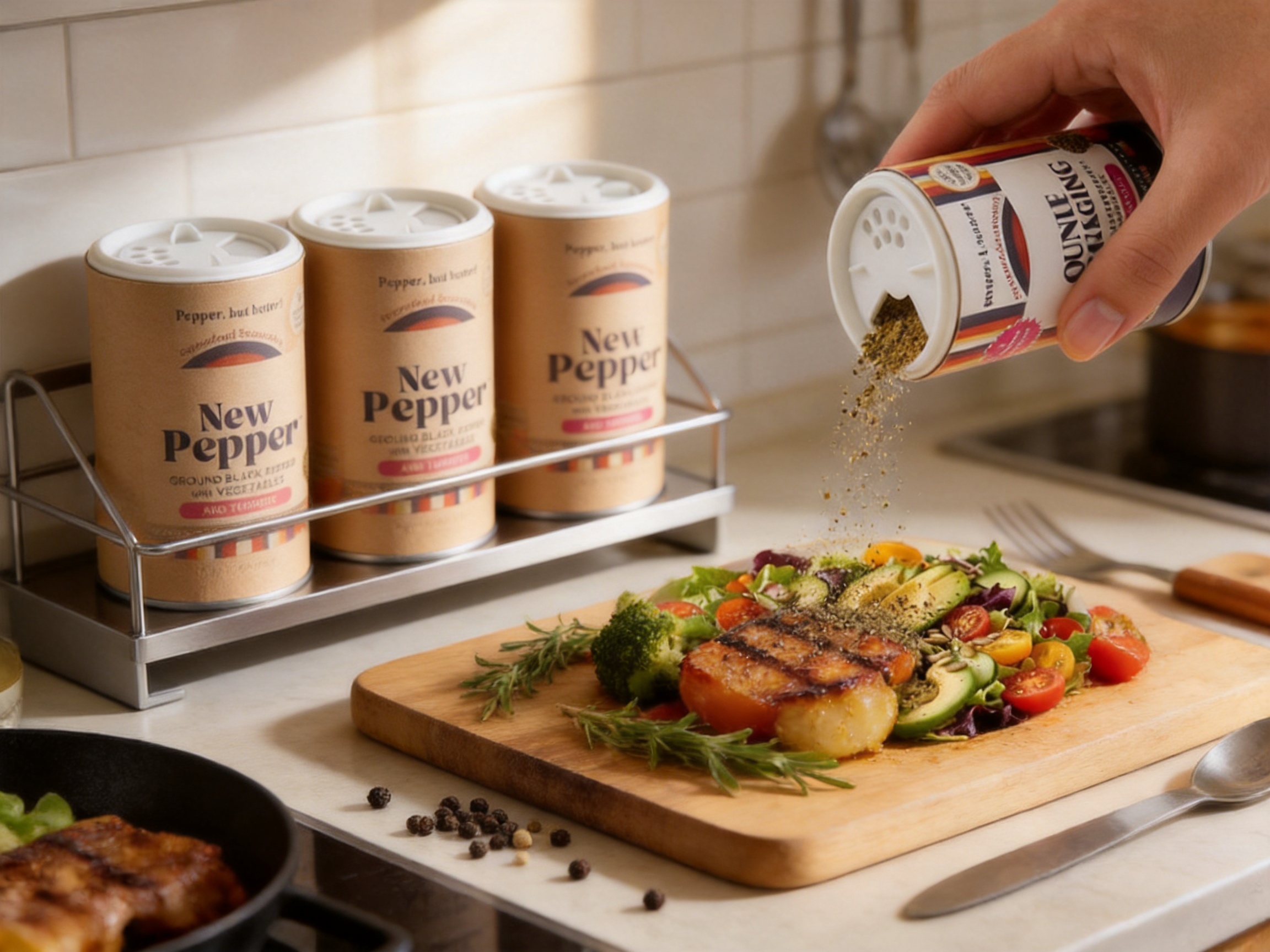
This feature is useful for everyday cooking. A light dusting can be applied to fries, vegetables, salads, soups, or prepared meals. A larger amount can be released for marinades, sauces, baking mixtures, or cooking preparation. Controlled dispensing can also reduce accidental over-pouring and help minimize product waste.
The shaker format makes the package accessible to a wide range of consumers. Home cooks can use it without an additional utensil, while food service operators can keep the container near preparation areas for quick access. The closure also supports a more orderly pantry or spice shelf because the package is designed to remain ready for repeated use.
Advantages Over Conventional Packaging Formats
The paper can offers several advantages when compared with common packaging alternatives. Each format has its own appropriate applications, but the composite can is especially effective when a product requires a combination of barrier protection, rigid presentation, attractive printing, and convenient dispensing.
Compared with Ordinary Paper Cartons
A basic paper carton may provide a printable surface, but it often requires an inner bag, pouch, or separate liner to contain powdered products. Such a structure can create additional packing steps and may be less convenient after opening. The 47 × 75 mm can integrates the rigid paper body with an internal aluminum foil barrier and a shaker top.
The cylindrical structure is also less vulnerable to the visual deformation that can occur when a thin carton is squeezed or exposed to uneven pressure. It can maintain a more consistent shape on the retail shelf and in the consumer’s pantry.
Compared with Unlined Paper Containers
An unlined paper container may provide a natural appearance, but it may not offer the same level of protection against moisture, oxygen, light, and odor transfer. For sensitive spices, appearance alone is not enough. The barrier system is essential for supporting quality over the intended storage period.
This product combines the visual advantages of a paper-based exterior with the protective function of an aluminum foil liner. It therefore offers a more complete packaging solution than a paper body without an internal barrier.
Compared with Flexible Pouches
Flexible pouches are lightweight and can be efficient for transportation, but they may not stand securely on shelves and often require a secondary container after opening. Their appearance can also change as the contents are used, which may reduce display consistency.
The rigid paper can remains upright, is easy to organize, and can be stored directly in a spice rack. The shaker top also provides an integrated dispensing function. For brands seeking a package that remains visible and functional throughout its use, the canister offers a strong alternative.
Compared with Glass Jars
Glass jars provide a premium appearance and strong rigidity, but they are heavier and more vulnerable to breakage during transportation and handling. Their weight can also increase logistics costs and make them less convenient for some consumers.
The paper tube construction provides a lighter alternative while maintaining a solid, shelf-ready form. It can help reduce the risks associated with broken glass and may be more comfortable to handle in kitchens, retail environments, and food service applications.
Compared with Standard Plastic Jars
Plastic jars are common in the spice industry, but a fully plastic package may not deliver the paper-based visual identity that some brands want to communicate. In a market where consumers increasingly notice packaging materials, a kraft paper tube with a carefully printed exterior can create a more distinctive position.
The composite paper can also gives brands more room to communicate a natural, artisanal, premium, or sustainability-minded identity. At the same time, the plastic shaker remains where it is functionally useful: at the dispensing point. This balanced construction avoids treating one material as responsible for every packaging requirement.
Matte Finish and Retail Presentation
The matte finish is a significant visual and tactile feature. A glossy surface reflects light strongly, while a matte surface diffuses reflected light and creates a softer appearance. This can help the product look calm, modern, and premium rather than overly bright or highly reflective.
Matte coatings are particularly suitable for spice packaging because they complement natural color palettes, botanical artwork, kraft-inspired graphics, and premium food photography. Deep greens, warm browns, rich reds, golden yellows, and neutral tones can appear sophisticated when combined with a non-reflective surface.
The finish also helps reduce the visibility of fingerprints and smudges. This is useful for packages that are handled frequently in stores, warehouses, kitchens, and homes. Keeping the exterior looking clean supports stronger shelf presentation and reinforces the perception of product care.
From a design perspective, the matte surface can create contrast with selected glossy elements. Brands may choose to use a primarily matte package with highlighted text, logos, illustrations, or product images. Such combinations can make important information easier to notice without compromising the overall refined appearance.
The tactile quality of the canister should not be overlooked. Consumers often form an opinion about product quality before opening a package. A firm cylindrical body and smooth matte surface can communicate stability and attention to detail, helping the product stand apart from basic commodity containers.
CMYK Printing for Flexible Brand Communication
Full-color CMYK printing gives manufacturers a broad visual vocabulary. Cyan, magenta, yellow, and black process colors can be used to produce detailed images, gradients, illustrations, patterns, icons, and text elements. This allows one container format to support many different product identities.
A premium pepper blend may use dark, dramatic photography and restrained typography. A family-oriented seasoning may use bright colors and clear serving suggestions. An organic herb product may use botanical illustrations and natural tones. A global spice collection may use regional imagery and distinctive color coding. The same canister can accommodate each concept through customized artwork.
Packaging artwork can also improve usability. Color bands can distinguish salt, pepper, herbs, spice blends, and specialty seasonings. Icons can communicate heat level, dietary characteristics, cooking applications, or ingredient origin. Recipe suggestions can inspire consumers and encourage them to use the product more frequently.
Because the canister has a substantial wraparound surface, brands can organize information in a logical sequence. The front area may focus on the product name and visual identity. Side areas can present ingredients, usage suggestions, nutritional information, or preparation instructions. A rear section can carry barcode data, company information, storage recommendations, and regulatory text.
High-resolution printing is also valuable for private-label customers. Retailers and food companies can develop distinct packaging programs without investing in a completely new container structure for every flavor. Shared dimensions and manufacturing processes can support a consistent product family while allowing each variety to maintain its own design.
Practical Dispensing for Everyday Use
Spices are not only purchased; they are repeatedly used. A package that performs well at the moment of purchase but creates frustration during cooking is incomplete. The plastic shaker top addresses the daily interaction between the consumer and the product.
The shaker openings enable portion control. Users can apply a small amount directly to food or increase the quantity gradually. This is more precise than removing a wide opening and pouring powder without control. It can also reduce mess on work surfaces and make it easier to season food while stirring or cooking.
Controlled dispensing is especially useful for strongly flavored products. Hot pepper, concentrated garlic powder, smoked paprika, chili blends, and intense curry seasonings can quickly overpower a dish if too much is added. A shaker top allows the user to build flavor step by step.
The design is also suitable for products used at the dining table. Salt blends, pepper mixtures, dry herb combinations, and finishing seasonings can be kept within reach without requiring a separate spoon. For restaurants, cafes, meal preparation services, and catering operations, the shaker format can support fast and consistent seasoning during service.
After opening, the closure helps keep the container in a recognizable ready-to-use format. When paired with proper sealing and storage practices, the package can continue to provide a practical balance between protection and accessibility.
Compact Dimensions and Space Efficiency
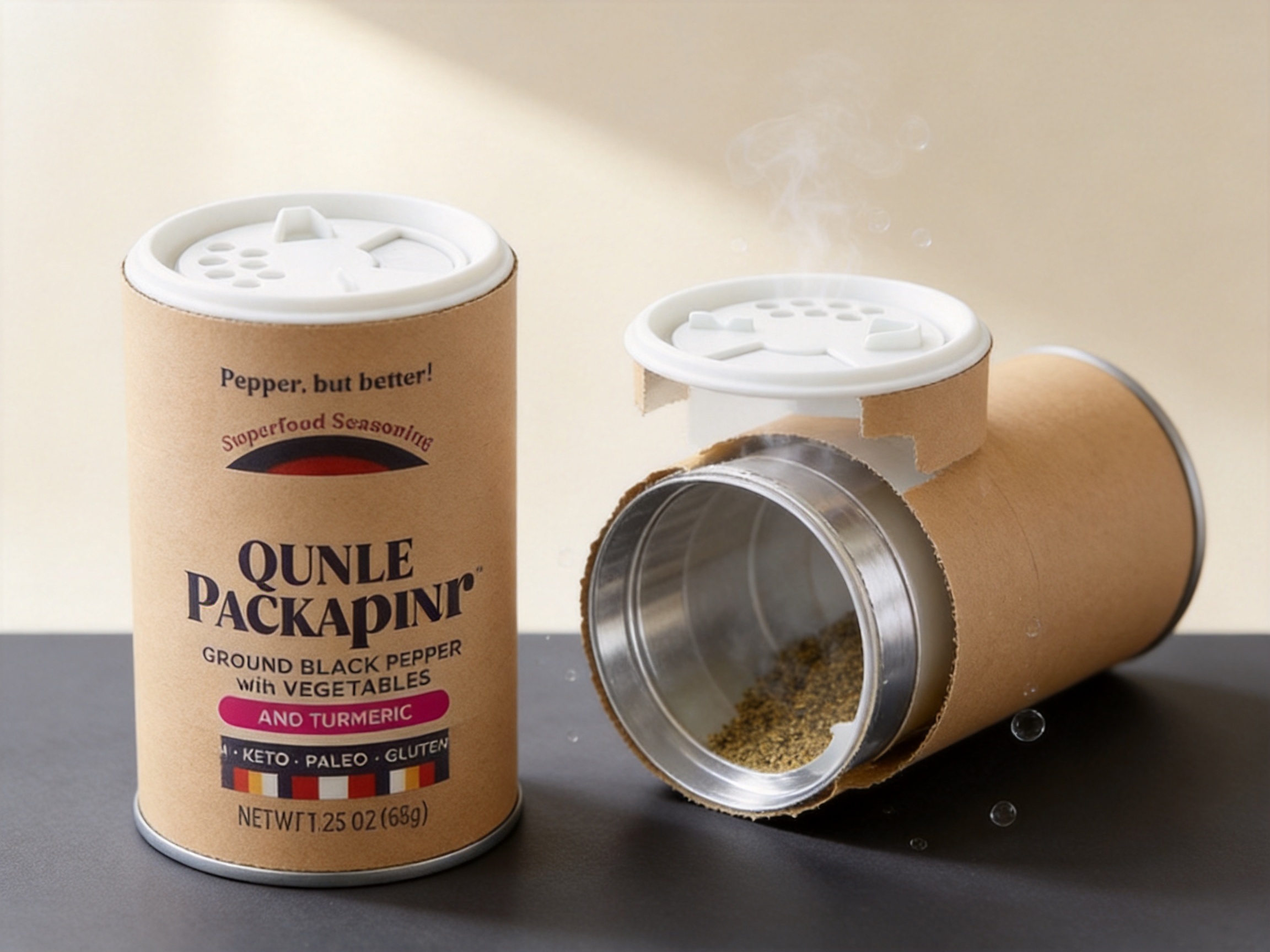
The 47 mm internal diameter and 75 mm height create a compact package with a useful vertical profile. Its footprint is small enough for standard spice storage systems, while its height provides room for visible labeling and comfortable handling.
In retail environments, compact dimensions allow multiple products to be grouped efficiently. A range of related seasonings can be displayed in rows or arranged by flavor category. The cylindrical shape can create a visually uniform shelf set, particularly when different variants use coordinated artwork and color coding.
In the home, the canister can fit into narrow shelves, kitchen drawers, countertop organizers, and cabinet compartments. Its upright format helps users see labels quickly instead of searching through flat pouches or stacked boxes.
Space efficiency also matters in secondary packaging. A consistent cylindrical format may simplify carton design, pallet planning, warehouse arrangement, and stock rotation. The precise logistics benefits depend on the final fill weight, closure configuration, shipping carton, and distribution method, but the compact form provides a practical foundation for efficient handling.
Manufacturing Expertise and Process Strengths
The quality of a composite paper can depends on more than its visible artwork. Tube formation, layer bonding, liner placement, printing accuracy, coating consistency, closure assembly, dimensional control, and food packaging suitability all influence final performance. An experienced manufacturer is therefore important for customers seeking reliable repeat production.
Hangzhou Qunle Packaging Co., Ltd. has been engaged in the composite can and paper can industry for more than 20 years. This long-term specialization provides an important knowledge base for developing and producing paper-based packaging for food, daily chemical products, fast-moving consumer goods, and related applications.
Specialization in Composite Cans and Paper Cans
Manufacturing specialization allows a company to understand the interaction between paper structures, barrier materials, coatings, printing, and closures. This is different from simply outsourcing a printed paper label or converting a standard carton. Composite cans require coordinated control of multiple production stages.
For seasoning packaging, the manufacturer must consider the relationship between the tube body and the aluminum foil liner, the fit of the plastic shaker top, the final dimensions, the external coating, and the visual registration of printed graphics. Experience across these stages can help reduce inconsistencies and support more dependable production.
International Industry Participation
Qunle Packaging is identified as the only member of the international Composite Can and Tube Institute in China’s packaging container industry. Participation in an international industry organization reflects an active connection with the wider composite can sector and provides a channel for technical exchange, industry awareness, and professional development.
For buyers, industry participation can be a useful indicator when evaluating a packaging supplier. It suggests that the manufacturer is engaged with the specialized field rather than treating composite cans as an incidental product category.
Food Packaging Qualification
The company was the first enterprise in China to pass the QS certificate for producing food packaging containers, according to the supplied company information. Food packaging production requires careful attention to materials, cleanliness, process control, and suitability for contact with the intended product.
Certification and qualification should always be reviewed according to the customer’s target market, product type, and applicable regulations. Nevertheless, a history of food packaging qualification is relevant when the container is intended for seasonings and spices. It indicates that food packaging requirements form part of the manufacturer’s operational experience.
European High-Speed Production Equipment
In 2015, the company introduced a high-speed composite can production line from Europe. The use of advanced production equipment can support greater consistency, improved throughput, and more coordinated manufacturing control when properly operated and maintained.
High-speed equipment is valuable for brands that need repeat production across multiple product variants. It can help manufacturers manage larger orders while maintaining stable dimensions and production rhythm. The exact output and quality performance depend on the production plan, materials, artwork, specifications, and inspection procedures, but modern equipment strengthens the supplier’s ability to serve international customers.
Patented Technologies and Product Development
Qunle Packaging has obtained more than 10 patented technologies and is committed to researching and launching higher-quality packaging products for the global market. Patents alone do not define the complete quality of a container, but they demonstrate an investment in technical development and product innovation.
For spice packaging, innovation may involve improvements in tube construction, barrier integration, closure compatibility, production efficiency, surface treatment, or product-specific functionality. A manufacturer with an active development approach is better positioned to respond to customer requirements involving dimensions, materials, finishes, print effects, and dispensing systems.
Quality Control Considerations for the Spice Canister
A reliable seasoning package should be evaluated through multiple quality dimensions. Visual appearance is important, but it should be assessed alongside structural, dimensional, barrier, and functional performance.
Dimensional Accuracy
The specified internal diameter is 47 mm and the height is 75 mm. Maintaining dimensional accuracy helps ensure compatibility between the tube body, liner, shaker top, and any secondary packaging. Consistent dimensions also support organized shelf displays and predictable packing operations.
Body Strength and Shape Retention
The paper tube should maintain its cylindrical shape during production, filling, carton packing, transportation, and consumer use. A stable body helps protect the contents from crushing and supports a neat shelf appearance.
Surface and Printing Inspection
The matte coating should be applied consistently, without visible streaks, excessive gloss variation, or surface defects. CMYK printing should be inspected for color consistency, registration, image clarity, text legibility, and correct placement of variable information.
Liner Integrity
The aluminum foil liner is central to the product’s barrier performance. It should be evaluated for continuity, proper bonding, and freedom from visible damage. The complete package should be tested under conditions appropriate to the target spice product and distribution environment.
Closure Fit and Dispensing Performance
The plastic shaker top should fit securely and function smoothly. The dispensing openings should release the product in a reasonably consistent manner without excessive blockage or uncontrolled flow. Because spice particle size and powder behavior vary, manufacturers should test the actual filled product rather than relying only on an empty-package evaluation.
Applications Across the Seasoning Market
The canister is suitable for a broad range of dry food products. Its protective construction and shaker format can support both everyday and premium product categories.
Single Spices
Ground black pepper, white pepper, paprika, chili powder, turmeric, cinnamon, ginger, cumin, coriander, and similar products can benefit from a compact container with controlled dispensing. Clear labeling and color-coded graphics can help consumers distinguish individual spices quickly.
Herb Blends
Italian herbs, Mediterranean mixtures, poultry seasoning, dried parsley blends, rosemary mixes, and other herbs can be presented in a format that protects aroma while providing easy use. Botanical illustrations and natural design elements work particularly well with the matte paper exterior.
Specialty Seasonings
Barbecue rubs, steak seasonings, seafood blends, taco mixtures, curry combinations, roasted vegetable seasonings, and flavored salts can use the package to communicate a specific culinary application. Recipe suggestions printed around the canister can help consumers understand how to use the product.
Premium and Gift Sets
The refined matte finish and rigid body make the container appropriate for gourmet spice collections, holiday gift sets, cooking kits, and specialty food assortments. Several coordinated canisters can be packaged together to create a visually consistent product family.
Private-Label Programs
Retailers, restaurants, food processors, and regional food brands can use customized CMYK artwork to create private-label spice products. The standard size can support a consistent packaging architecture while allowing separate graphics for each flavor or formulation.
Sustainability and Responsible Packaging Positioning
The kraft paper tube gives the package a paper-based outer structure that can appeal to consumers seeking alternatives to fully plastic packaging. It communicates a natural material story and can support brand messaging focused on thoughtful design, efficient format, and reduced dependence on conventional plastic containers.
However, responsible packaging communication should be accurate. The presence of an aluminum foil liner and plastic shaker means that the product is a composite package rather than a single-material paper container. Recycling and disposal options may differ according to local facilities and regulations. Brands should therefore confirm the actual end-of-life pathway before using specific environmental claims.
Even with these considerations, the design can contribute to a broader packaging strategy. Its rigid but lightweight body may offer a practical alternative to heavier glass. Its compact dimensions can support efficient storage and distribution. Its long-use shaker format can help consumers dispense the product gradually and reduce unnecessary mess or overuse.
Manufacturers can also consider responsible choices in artwork, material specifications, secondary packaging, shipping cartons, and production planning. Sustainability is most credible when evaluated across the complete packaging system rather than reduced to a single material claim.
Benefits for Brands and Manufacturers
The container delivers benefits beyond the end-user experience. For brands, it creates a strong platform for differentiation. The combination of cylindrical form, matte coating, full-color printing, and shaker functionality can make a seasoning product appear more complete and more premium than a basic sachet or plain jar.
For product developers, the package supports multiple product concepts without requiring a separate structural design for every variety. Flavor families can share the same dimensions while using different color systems, illustrations, and messaging. This creates consistency across a product range and may simplify packaging management.
For retail buyers, the canister can contribute to a clean and organized shelf presentation. Its upright body makes the label visible, while its small footprint allows multiple products to be displayed within limited space. A coordinated series can create a block of color and improve category recognition.
For logistics teams, the paper-based cylindrical body offers a lightweight alternative to glass while maintaining a rigid shape. The actual transport performance must be validated through drop testing, compression testing, vibration testing, and real distribution trials, but the basic structure is suitable for careful development as a transport-ready food package.
For consumers, the main benefits are freshness protection, easy storage, comfortable handling, and controlled dispensing. These practical advantages can contribute to repeat purchase because a package that is easy to use becomes part of the cooking routine.
Customization Opportunities
Although the supplied specification identifies a 47 × 75 mm format, packaging programs can often be developed around specific product and market requirements. Customers may discuss artwork, color systems, coating preferences, closure configurations, labeling content, filling volume, and secondary packaging with the manufacturer.
Artwork customization is particularly important for seasoning products because the package must quickly communicate taste, intensity, application, and product identity. A chili blend may require a heat-level indicator. A salt product may emphasize grain size or flavor infusion. An herb blend may need clear visual differentiation from other green seasonings.
Finishing decisions can also influence market position. A fully matte surface creates a restrained premium look, while selected gloss details can make logos or images more prominent. Other design elements may include metallic-style graphics, texture effects, color-coded caps, recipe panels, and bilingual or multilingual information, depending on the target market.
The plastic shaker top may also be selected according to the filling behavior of the product. Fine powders, coarse herbs, flakes, and blended particles can flow differently. Testing the actual product through the intended shaker opening is essential for achieving a satisfying consumer experience.
Recommended Product Development Workflow
A successful packaging project should begin with a clear product brief. The brief should identify the spice type, particle size, oil content, expected shelf life, filling weight, storage conditions, target markets, artwork requirements, and intended sales channels.
The next stage should evaluate material and barrier compatibility. The manufacturer and food producer should confirm whether the aluminum foil liner and complete closure system are suitable for the intended contents. Relevant food-contact requirements, migration considerations, and regulatory documentation should be reviewed before commercial production.
Prototype production allows the customer to assess the appearance, handling, dispensing behavior, and shelf presentation. Filled samples are more informative than empty containers because the weight and flow characteristics of the actual spice affect the user experience.
Testing should include closure fit, leakage or powder escape, body compression, drop resistance, vibration, print durability, surface appearance, and storage performance. Where applicable, accelerated shelf-life testing can help evaluate the package under controlled conditions.
Once the design and specifications are approved, a controlled production plan can be established. Artwork approval, color references, inspection standards, sampling procedures, packing instructions, and shipment requirements should be documented to support consistent repeat orders.
How the Product Supports Premium Positioning
Premium positioning is built from several coordinated signals. The package must look attractive, feel substantial, protect the contents, and provide convenient use. This paper can addresses each of these areas through its combined structure.
The matte finish communicates restraint and refinement. The CMYK printing enables rich and detailed graphics. The rigid tube gives the package a firm hand feel. The foil liner supports the protection of valuable aroma and flavor. The shaker top turns the package into a practical kitchen tool.
These features are especially useful for brands selling spices at a higher price point. Consumers are more likely to accept premium pricing when the package clearly demonstrates care and functionality. A high-quality container can also help protect the reputation of the contents by reducing the risk of poor appearance, stale aroma, or inconvenient dispensing.
Premium does not have to mean complicated. The 47 × 75 mm format remains compact and straightforward. Its value comes from integrating several useful functions into one coordinated package rather than adding unnecessary decorative components.
Q&A
What products are suitable for this paper can?
The canister is designed primarily for dry seasonings and spices. It may be suitable for ground spices, herbs, salt blends, pepper, chili products, curry mixtures, barbecue seasonings, and other dry food ingredients, subject to product compatibility and appropriate testing.
What are the dimensions of the canister?
The specified size is 47 mm internal diameter by 75 mm height. The final external dimensions may vary slightly depending on the thickness of the materials, coating, liner, and closure configuration.
What is the main function of the aluminum foil liner?
The aluminum foil liner acts as a barrier against moisture, oxygen, light, and external odors. These properties help protect spice freshness, aroma, color, and flow performance during the intended storage period.
Does the package include a shaker top?
Yes. The product specification includes a plastic shaker top. It is designed to support controlled portioning and even distribution during cooking or at the table.
Why is the exterior finished with a matte coating?
The matte coating creates a smooth, non-reflective appearance and a premium tactile impression. It can also help reduce the visible effect of fingerprints and smudges during handling and retail display.
Can the outside be customized with brand artwork?
Yes. The coated paper exterior supports CMYK full-color printing. Customers can normally develop customized artwork containing product names, logos, ingredient information, recipes, preparation instructions, barcodes, and other required content according to the project specifications.
Yes. Its matte finish, rigid paper tube, high-resolution printing capability, foil barrier, and shaker closure make it suitable for premium, gourmet, specialty, and gift-oriented seasoning products.
How does it compare with a glass spice jar?
The paper can provides a rigid format while generally offering a lighter paper-based body than glass. It can be easier to handle and may reduce breakage concerns. Glass may still be preferred for some applications, so the best choice depends on the product, market position, logistics, and sustainability goals.
How does it compare with a flexible pouch?
The canister stands upright, provides a consistent shelf shape, and includes an integrated shaker top. A flexible pouch may be lighter or more compact, but it may require a separate container after opening and may be less convenient for repeated dispensing.
Is the paper can completely plastic-free?
No. The specified construction includes a plastic shaker top and an aluminum foil liner. The body is kraft paper based, but the complete package is a composite structure. Disposal and recycling claims should be confirmed according to local systems and the final package specification.
Can the package protect spice aroma?
The aluminum foil barrier is designed to help limit exposure to oxygen, moisture, light, and external odors, all of which can affect aroma. Actual shelf-life performance depends on the product, filling process, closure, storage conditions, and testing results.
Can it be used for coarse spices or herb flakes?
It may be possible, but the shaker opening must be matched to the particle size and flow behavior of the contents. Prototype filling and dispensing tests are recommended for coarse, irregular, oily, or blended products.
What manufacturing experience does the supplier have?
Hangzhou Qunle Packaging Co., Ltd. has more than 20 years of experience in the composite can and paper can industry. The company serves food, daily chemical, fast-moving consumer goods, and other packaging sectors and has developed more than 10 patented technologies according to the supplied information.
Does the manufacturer have food packaging experience?
Yes. The company states that it was the first enterprise in China to pass the QS certificate for producing food packaging containers. Customers should still review current documentation and applicable compliance requirements for their specific market and product.
What equipment supports the manufacturing process?
The company introduced a high-speed composite can production line from Europe in 2015. This equipment supports the company’s composite can production capabilities and is part of its long-term investment in manufacturing capacity.
Can the container be used for export products?
The format can be developed for export products, but the final package must comply with the food-contact, labeling, recycling, language, and transport requirements of each destination market. These requirements should be confirmed during project development.
Conclusion
The 47 × 75 mm matte finish seasonings and spices paper can is a carefully balanced packaging solution for modern dry food products. It combines a kraft paper tube, coated printed exterior, aluminum foil liner, and plastic shaker top to address the main requirements of spice packaging: protection, presentation, convenience, and structural stability.
Its aluminum foil barrier helps defend the contents against moisture, oxygen, light, and external odors. Its matte finish provides a premium appearance with reduced glare and better resistance to the visible effects of handling. Its CMYK printing surface gives brands the freedom to create detailed, informative, and distinctive designs. Its shaker top provides practical portion control, while its compact cylindrical format supports efficient storage and attractive retail presentation.
Compared with ordinary cartons, unlined paper containers, flexible pouches, glass jars, and standard plastic jars, the canister offers a differentiated combination of useful functions. It provides the visual and tactile benefits of a paper-based package without abandoning the barrier and dispensing features required for sensitive seasoning products.
The product is supported by the manufacturing experience of Hangzhou Qunle Packaging Co., Ltd., a company with more than two decades of involvement in composite cans and paper cans. Its industry participation, food packaging background, European high-speed production line, patented technologies, and broad customer experience provide a strong foundation for developing packaging programs for global food brands.
For companies seeking a compact, customizable, and performance-oriented container for spices and seasonings, this paper can offers a practical route to stronger product protection and more distinctive shelf presentation. Final performance should always be confirmed through product-specific testing, regulatory review, and appropriate quality-control procedures, but the underlying design provides a solid platform for both everyday and premium seasoning applications.
References
1. Composite Can and Tube Institute. General principles of composite can construction and packaging applications.
2. Food and Agriculture Organization. Guidance on the storage and protection of dried herbs, spices, and food ingredients.
3. International Organization for Standardization. Packaging performance, transport testing, and quality-control principles.
4. Aluminium packaging industry technical literature. Barrier properties of aluminum foil against moisture, oxygen, light, and odor transfer.
5. Food packaging regulatory guidance. Materials, hygiene, compatibility, and food-contact considerations for dry food containers.
6. Packaging design and printing references. CMYK color reproduction, coated-paper surfaces, and matte-finish applications.
7. Manufacturer-provided product specifications for the 47 × 75 mm matte finish seasonings and spices paper can.
8. Manufacturer-provided company information concerning composite can production, industry participation, food packaging qualification, production equipment, and patented technologies.
