 English
 Español


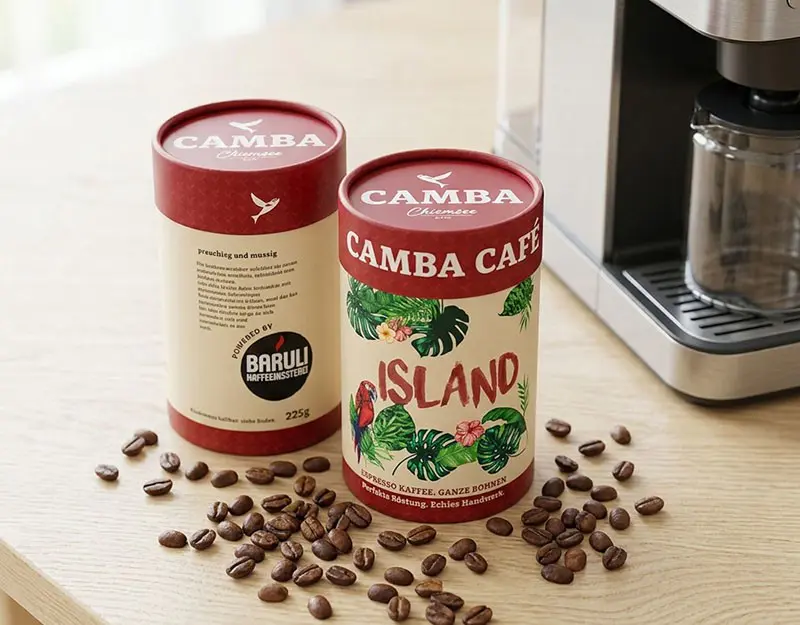



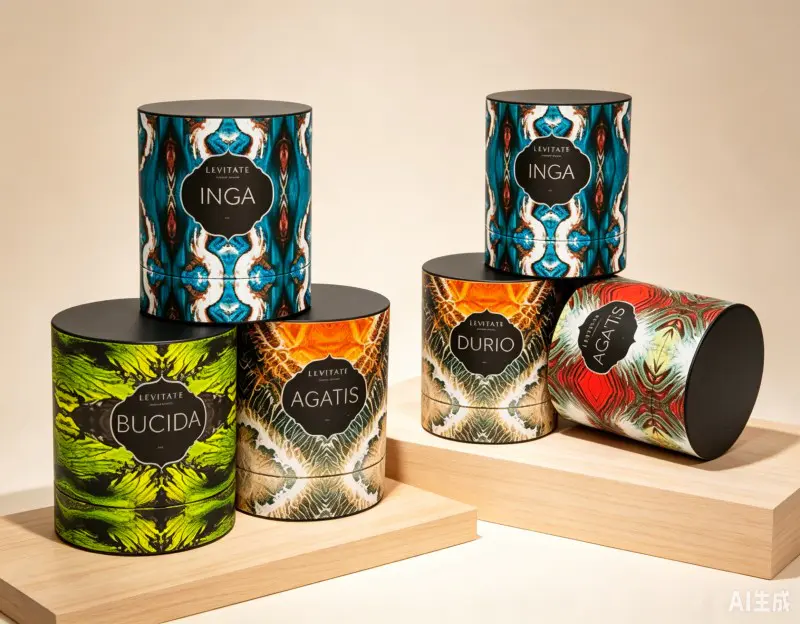

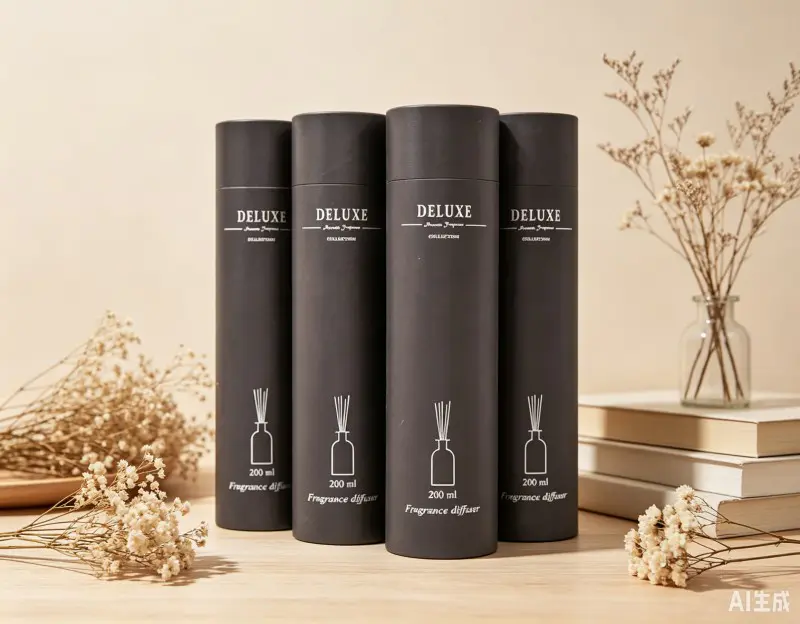


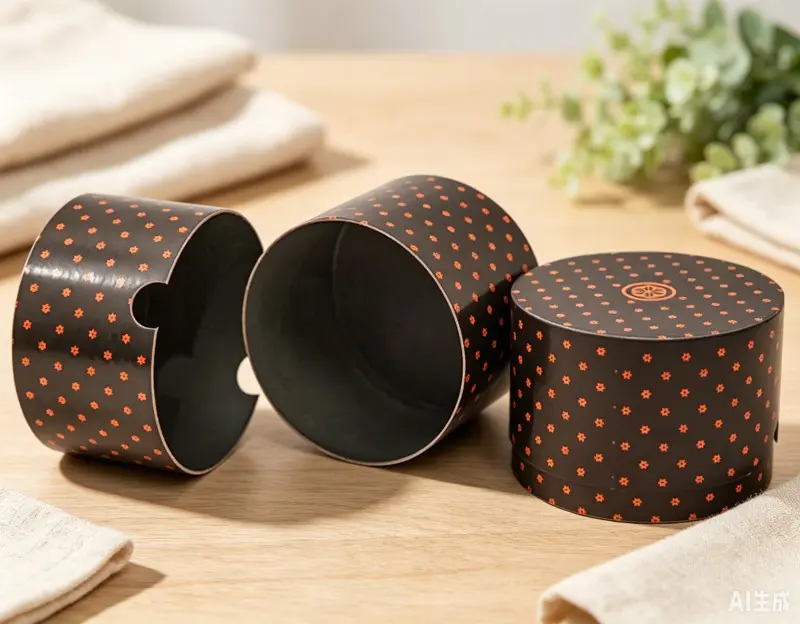


As one of the top China cardboard tube packaging manufacturers and paper tube packaging suppliers, we devote all of our efforts to research and launch more high quality packaging products to global market.

Packaging for tobacco leaves must do far more than provide an attractive exterior. It must help protect aroma, maintain product quality, withstand transportation, support efficient filling, and communicate a clear brand identity at the point of sale. For these reasons, the choice of container has a direct influence on product presentation, shelf performance, and consumer confidence. The 99×100 mm Cylinder Composite Can Tobacco Packaging is designed as a practical solution for tobacco leaves and related tobacco products that require a rigid, printed, and protective container.
This cylinder composite can combines a paper-based body with a plastic lid, an aluminum foil layer, and a recessed tear-tab aluminum membrane. The result is a multilayer packaging structure that balances appearance, functional protection, production efficiency, and cost control. Its internal diameter of 99 mm and height of 100 mm provide a compact cylindrical format suitable for a range of tobacco leaf packing applications, while its customizable exterior supports strong visual differentiation.
Manufactured by Hangzhou Qunle Packaging Co., Ltd., a packaging specialist with more than 20 years of experience in composite cans and paper cans, the product reflects a manufacturing philosophy centered on material engineering, precise forming, reliable sealing, and flexible decoration. The company operates in the food, daily chemical, fast-moving consumer goods, and other packaging sectors, giving it broad experience in producing containers for products that require dependable protection and consistent presentation.
For buyers seeking an alternative to conventional metal tins, glass jars, plastic containers, or basic paperboard boxes, this composite can offers a compelling combination of rigidity, print quality, handling convenience, and adaptable construction. It is especially suitable for brands that want a premium cylindrical package without losing the practical advantages of paper-based manufacturing.
Content
- 1 Product Overview
- 2 Why Cylinder Packaging Is Suitable for Tobacco Leaves
- 3 Multilayer Construction and Protective Performance
- 4 Advantages Compared with Conventional Packaging Options
- 5 CMYK Printing and Brand Customization
- 6 Advanced Manufacturing Capabilities
- 7 Company Manufacturing Strengths
- 8 Product Development and Customization Process
- 9 Operational Benefits for Brands and Packers
- 10 Storage, Transport, and Handling Considerations
- 11 Sustainability Considerations
- 12 Regulatory and Quality Responsibilities
- 13 How to Evaluate a Supplier
- 14 Recommended Quality Checklist
- 15 Commercial Positioning Opportunities
- 16 Frequently Asked Questions
- 16.1 What is the size of the cylinder composite can?
- 16.2 What product is this can designed for?
- 16.3 What materials are used?
- 16.4 Does the package provide an airtight seal?
- 16.5 Can the logo and artwork be customized?
- 16.6 Is the lid reusable?
- 16.7 Can the dimensions be changed?
- 16.8 What tests should be completed before ordering?
- 16.9 Is this packaging suitable for export?
- 16.10 What makes a composite can different from a simple paper tube?
- 16.11 How should empty cans be stored?
- 16.12 Can the package be used for premium or gift products?
- 17 Conclusion
- 18 References
- 19 Product: 99*100MM Cylinder Composite Can Tobacco Packaging
Product Overview
The 99×100 mm Cylinder Composite Can is a custom tobacco leaves packaging container with a cylindrical shape and a paper-based composite body. The body is made from paper and composite materials, while the closure system includes a plastic lid and a recessed tear-tab aluminum membrane. Aluminum foil is incorporated into the structure to strengthen the package’s barrier performance and help protect the packed contents from external influences.
The principal product specifications include an internal diameter of 99 mm, a height of 100 mm, CMYK printing, a customer-supplied logo, and a cylinder-shaped construction. Its intended use is tobacco leaves packaging, although the same structural concept can be adapted for other dry or semi-dry products when the package design, material selection, and regulatory requirements are appropriate.
| Specification | Details |
|---|---|
| Product type | Cylinder composite can |
| Primary application | Tobacco leaves packaging |
| Internal size | 99 mm diameter × 100 mm height |
| Shape | Cylindrical |
| Main materials | Paper, plastic lid, tin, and aluminum foil components |
| Printing method | CMYK printing |
| Branding | Customer logo and customized artwork |
| Sealing method | Recessed tear-tab aluminum membrane |
| Manufacturing location | Zhejiang, China |
The construction allows the package to serve both functional and marketing purposes. The rigid cylindrical body provides shape retention during handling, while the printable outer surface creates an area for product information, visual identity, usage instructions, warnings, and regulatory content. The closure system is designed to offer a visible opening feature and a more secure initial seal than an unsealed paperboard package.
Why Cylinder Packaging Is Suitable for Tobacco Leaves
Tobacco leaves and related tobacco products can be sensitive to moisture variation, odor transfer, compression, light exposure, and rough handling. A suitable container must therefore be carefully designed around the product’s physical characteristics. The cylinder format provides a strong structural profile with no sharp corners, allowing the package to resist edge damage and maintain a neat appearance through distribution.
The round body also supports a balanced internal shape. Compared with a flat carton, a cylindrical container can provide more consistent wall support around the packed material. This is useful when the product is filled into a defined volume and needs to retain a stable presentation on shelves, in storage areas, or during shipment.
The compact 99×100 mm format is large enough to create a visible retail presence while remaining convenient to hold. Its proportions can support single-unit sales, specialty tobacco offerings, sampler formats, and other products that require a moderate capacity. The exact filling weight will depend on tobacco density, product preparation, internal construction, and customer requirements, so filling trials should be conducted before final production.
A round container can also help create a distinctive shelf profile. Many tobacco products are sold in rectangular cartons or flexible pouches. A printed cylinder immediately creates visual variety and can communicate a more crafted, premium, or specialist positioning. It can also be used to develop a coordinated family of products through different colors, patterns, labels, and lid treatments.
Another advantage is the tactile experience. The paper composite body feels more substantial than a thin flexible pouch while remaining lighter than many fully metal alternatives. This balance can contribute to a positive first impression, particularly for products positioned around craftsmanship, heritage, natural materials, or premium preparation.

99*100MM Cylinder Composite Can Tobacco Packaging
Multilayer Construction and Protective Performance
The packaging is built around a composite material structure rather than a single-layer paper wall. Composite construction enables different materials to contribute different functions. Paper provides the main body and printable surface, plastic can provide a practical lid solution, and aluminum foil can contribute barrier support. The result is a container that can be designed according to the protection requirements of the packed tobacco product.
Paper Composite Body
The paper-based body gives the package a rigid form while providing a broad surface for high-quality decoration. Paper is widely used in packaging because it is versatile, printable, and compatible with cylindrical forming processes. In this product, the paper body is not treated as a simple disposable wrap. It forms part of a structured container intended to preserve shape and support a finished retail package.
The composite body can be engineered with multiple paper layers or laminated components according to the intended application. Layer construction can influence stiffness, surface smoothness, winding behavior, dimensional stability, and compatibility with the internal barrier layer. By adjusting the material specification, the manufacturer can support different customer requirements without changing the fundamental cylindrical concept.
Aluminum Foil Barrier Support
Aluminum foil is included as part of the material system to help improve resistance to moisture, oxygen, light, and odor migration. The precise performance of the finished package depends on the complete structure, material thickness, adhesive system, seam design, closure, and filling conditions. Nevertheless, an aluminum foil layer can be valuable when the packed product requires a stronger barrier than an ordinary paper tube can provide.
For tobacco leaves, protection from environmental variation is particularly important. Uncontrolled moisture exchange can affect texture, aroma, combustibility, and overall product consistency. A foil-supported composite structure can help reduce exposure to external conditions when combined with an appropriate internal seal and suitable storage practices.
The foil layer also supports a more controlled internal environment after the package is closed. It should not be understood as an absolute guarantee of airtightness under every condition; performance depends on the complete package system. For this reason, customers should evaluate the filled package through seal testing, aging tests, transport simulation, and product-specific storage trials.
Plastic Lid
The plastic lid offers a practical method for opening and closing the container. It can be designed to fit the cylindrical body securely and provide convenient access to the contents. A lid can also help protect the upper edge of the can from damage during handling and give the package a finished appearance.
Compared with a permanently fixed metal closure, a plastic lid may provide advantages in weight, design flexibility, and ease of use. The final performance depends on the lid geometry, fit tolerance, material selection, and production controls. During development, the lid should be evaluated for opening force, resealing behavior, dimensional consistency, and resistance to cracking or deformation.
Recessed Tear-Tab Aluminum Membrane
The recessed tear-tab aluminum membrane is a central functional feature of the package. It is designed to create a primary seal below or within the lid area and provide a controlled opening method. The tear tab can give consumers a clear indication that the package has been opened, which is useful for product integrity and user confidence.
A recessed membrane can also help maintain a clean top profile. Because the seal is integrated into the opening area, it may provide a more refined appearance than an exposed or loosely applied inner cover. The design can be particularly suitable for premium packaging where the opening moment is part of the product experience.
Seal integrity should be verified according to the customer’s product and distribution conditions. Important tests may include visual inspection, peel evaluation, leak testing, pressure or vacuum testing where appropriate, and storage simulation. The correct testing program should be determined by the customer, packaging engineer, and applicable regulatory requirements.
Advantages Compared with Conventional Packaging Options
The 99×100 mm Cylinder Composite Can has several potential advantages over common packaging alternatives. These advantages do not mean that one package is suitable for every tobacco product. Instead, they show why the composite cylinder can be a strong option when the buyer needs a balance of protection, appearance, usability, and customization.
Compared with Flexible Pouches
Flexible pouches are lightweight and efficient, but they may not provide the same rigidity or premium shelf presence as a composite can. A pouch can be more vulnerable to creasing, puncture, compression, and deformation during handling. By contrast, the cylindrical body maintains a defined shape and can offer stronger protection against ordinary retail and transportation pressure.
The can also provides a more substantial opening experience. A flexible pouch may require a zipper, adhesive strip, or tear notch, whereas the composite can combines a lid with a recessed tear-tab membrane. This construction can make the product easier to display and more attractive to consumers who value a durable container.
Compared with Basic Paperboard Cartons
Basic cartons can provide excellent graphics, but they may offer limited resistance to moisture, crushing, and odor transfer unless combined with additional inner packaging. The composite can integrates structural strength and barrier-supporting materials into one primary container. This can reduce the need for a separate rigid box and inner bag, depending on the product specifications.
The cylindrical body also offers a different tactile and visual identity. Instead of appearing like a standard rectangular carton, the container can be positioned as a specialty package with a distinctive silhouette. This can be useful for premium tobacco leaves, gift-oriented products, limited editions, and products that require strong differentiation on crowded shelves.
Compared with Glass Jars
Glass jars can provide strong visual appeal and good barrier performance, but they are heavier and more vulnerable to breakage. A composite can is generally easier to transport and handle because it combines a lighter body with a rigid form. Reduced weight can support logistics efficiency and make the product more convenient for consumers to carry.
The paper-based body can also be decorated over a large continuous area without relying only on labels. This enables more integrated branding, graphic storytelling, product information, and color management. For customers that need high-impact artwork, the composite can may offer a more flexible platform than a transparent glass jar with a small label.
Compared with Fully Metal Tins
Metal tins are durable and familiar in many tobacco applications, but they may involve higher material weight, different forming requirements, and a less flexible decoration process for certain designs. A paper composite can can offer a lighter alternative while retaining a rigid structure and a premium appearance.
The composite structure may also provide a warmer, more natural tactile impression than bare metal. This can support product positioning associated with paper, craftsmanship, sustainability goals, or contemporary design. The suitability of the material should always be assessed against the customer’s recycling, disposal, barrier, and regulatory requirements.
Compared with Standard Plastic Containers
Plastic containers can provide strong impact resistance and convenient molding options, but they may not deliver the same paper-based visual identity or print surface. The composite can allows the main body to function as a large decorated panel. This creates opportunities for rich CMYK graphics, textured visual themes, seasonal designs, and detailed product communication.
A composite package can also reduce the visual dominance of plastic while retaining a plastic lid where it contributes to closure performance. This hybrid strategy allows the manufacturer to use each material where it provides the most value.

CMYK Printing and Brand Customization
Packaging graphics are central to product recognition. The 99×100 mm cylinder provides a continuous curved surface that can be printed with customer artwork and logos. CMYK printing supports a broad range of colors and allows the package to reproduce photographs, illustrations, gradients, patterns, and detailed typography.
Customers can use the printable surface to communicate product origin, tobacco variety, preparation method, flavor profile, usage information, storage advice, warnings, and legal details. The design can be developed as a full-wrap composition or as a structured layout with clear front, side, and rear information zones.
Because the container is round, artwork preparation requires particular attention to repeat points, seam placement, text orientation, and distortion. Important information should be kept away from areas that may be affected by the forming seam or overlap. Before mass production, customers should approve a cylinder template or physical proof to confirm that the artwork aligns correctly on the finished can.
CMYK printing is especially useful for product families. A manufacturer can maintain a consistent container shape while changing the primary color, illustration, or information panel for different tobacco varieties. This creates a recognizable product architecture across a complete range while allowing each product to retain an individual identity.
Designers can also use the round format to develop a continuous visual story. Traditional motifs, botanical illustrations, landscape imagery, geometric patterns, and premium minimalist designs can wrap around the body. When the lid, membrane, and outer graphics are coordinated, the opening process becomes a more complete brand experience.
Color management is important for consistent results. Paper surface, ink coverage, varnish, lamination, cylinder curvature, and viewing conditions can influence the final appearance. Professional prepress procedures should include file checks, color profile management, trapping, bleed allowance, and approval of production samples.
Advanced Manufacturing Capabilities
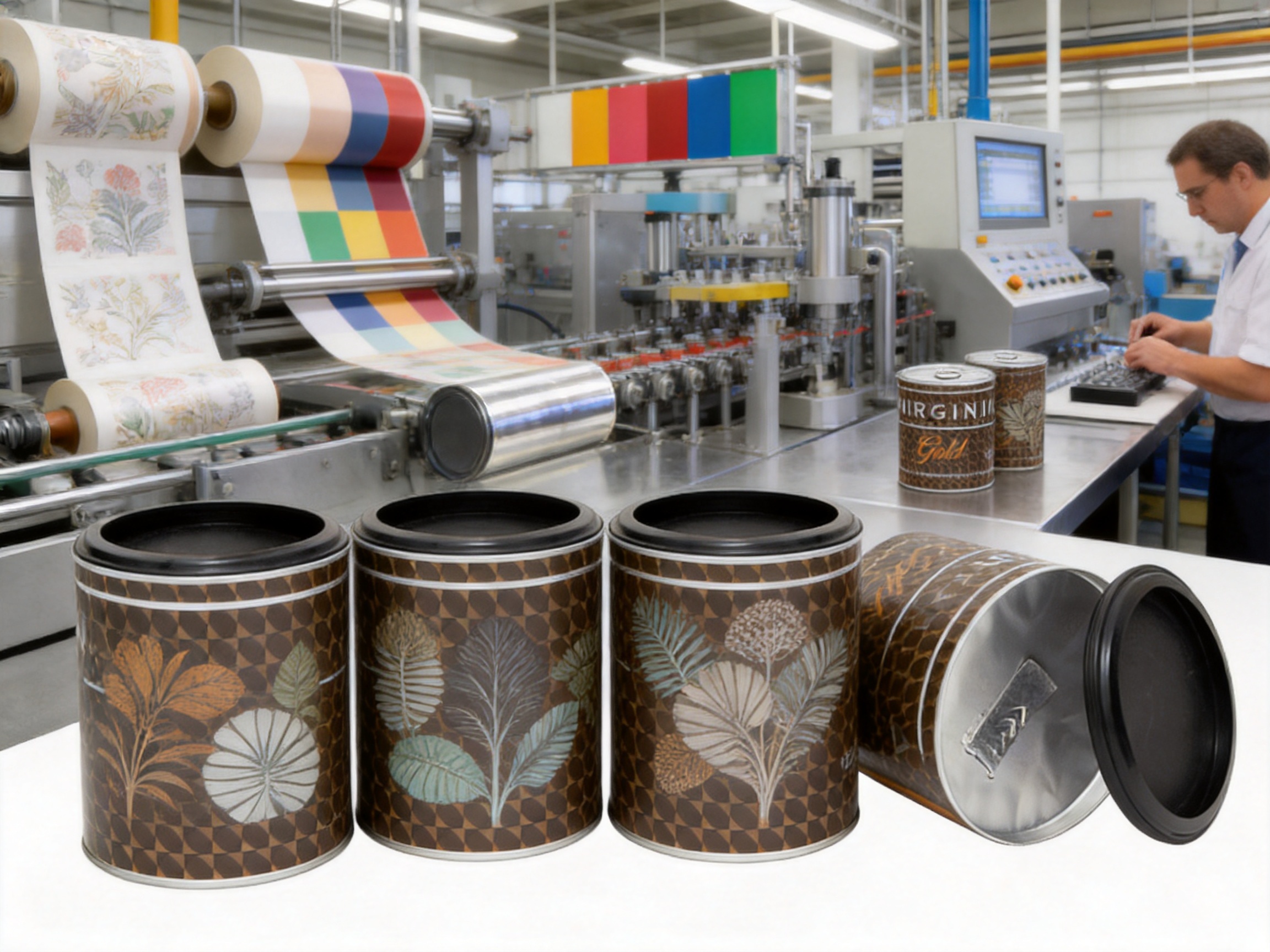
The manufacturer has been engaged in composite can and paper can production for more than 20 years. This experience supports a detailed understanding of paper selection, spiral or longitudinal forming, adhesive application, lamination, trimming, printing coordination, closure fitting, and quality inspection.
The company introduced a high-speed composite can production line from Europe in 2015. The addition of advanced production equipment strengthened its ability to produce composite cans and paper cans with improved consistency and efficiency. High-speed equipment is valuable not only because it increases output, but also because it can support more stable process conditions when properly managed.
Material Preparation
Manufacturing begins with the selection and preparation of raw materials. Paper, foil, adhesives, plastic components, and other materials must be checked against the required specifications. Key considerations include thickness, tensile strength, surface quality, moisture content, dimensional tolerance, printability, and compatibility with the intended product.
Material preparation is important because variation in one layer can affect the performance of the entire container. Paper that is too weak may reduce stiffness. Paper with inconsistent moisture may influence forming stability. Adhesive variation may affect lamination or seam strength. Foil damage may reduce barrier performance. A structured incoming inspection system helps identify these risks before materials enter production.
Printing and Surface Treatment
Customer artwork is converted into production-ready files before printing. The process may include color separation, proofing, registration control, and surface treatment. Printing quality is evaluated through checks for color consistency, image clarity, text legibility, registration accuracy, surface defects, and adhesion.
For cylindrical packaging, printing must be coordinated with the later forming process. The artwork must be positioned so that important design elements appear in the intended locations after the material is shaped. This requires coordination between prepress personnel, printing operators, and forming technicians.
Composite Lamination
Composite lamination brings together paper and barrier-supporting layers. The lamination process must achieve consistent bonding without wrinkles, bubbles, delamination, contamination, or excessive adhesive accumulation. Proper tension control is essential because different layers may respond differently to heat, moisture, and mechanical stress.
A stable lamination process creates a more uniform material web for subsequent forming. It also helps ensure that the foil layer remains continuous and correctly positioned within the structure. Production controls may include visual inspection, bond testing, dimensional checks, and monitoring of process parameters.
Cylinder Forming
The laminated material is formed into a cylindrical body with the required internal diameter and height. The forming stage determines much of the can’s structural quality. Accurate winding, seam bonding, trimming, and end preparation help maintain a consistent shape from one unit to the next.
The specified internal size of 99×100 mm requires controlled production tolerances. Dimensional consistency affects filling operations, lid fit, membrane application, stacking, and finished appearance. High-speed equipment can support repeatable output, but machine calibration and operator supervision remain essential.
End Finishing and Closure Assembly
After the body is formed, the can is prepared for the lid and membrane system. The upper edge must be clean, stable, and dimensionally consistent so that the recessed tear-tab aluminum membrane can be applied properly. The plastic lid must fit securely without excessive force or looseness.
Closure assembly may include membrane positioning, heat sealing or another appropriate sealing method, lid fitting, and visual inspection. The seal must be free from wrinkles, incomplete bonding, contamination, and misalignment. Finished cans can then proceed to quality control, packing, and shipment.
Quality Inspection
Quality inspection covers both appearance and function. Typical inspection points include body diameter, height, roundness, seam condition, print quality, color consistency, lid fit, membrane placement, opening performance, and surface cleanliness.
Depending on the customer’s application, additional testing can be performed. These may include compression testing, drop or impact evaluation, stacking tests, seal integrity checks, barrier assessment, odor evaluation, aging studies, and transportation simulation. Testing should be selected according to the product, filling process, distribution route, and regulatory requirements.
Company Manufacturing Strengths
Hangzhou Qunle Packaging Co., Ltd. combines long-term industry experience with specialized composite can manufacturing. Its business covers food packaging, daily chemical products, fast-moving consumer goods, and other applications. This diversity can contribute to a broader understanding of material performance, printing requirements, filling conditions, and customer quality expectations.
The company was the first enterprise in China to pass the QS certificate for producing food packaging containers, according to the supplied company information. This history indicates an emphasis on controlled production and packaging safety. Customers should confirm the current certifications and their applicability to the specific product, material combination, market, and intended use before placing an order.
The company is also identified as the only member of the international Composite Can and Tube Institute in China’s packaging container industry. Participation in an industry organization can support technical exchange, awareness of international practices, and continued attention to composite can development.
More than 10 patented technologies have been obtained by the company, according to the supplied information. Patented technologies may relate to structural design, forming, closure systems, material combinations, or manufacturing improvements. The practical benefit for customers is the possibility of accessing a more mature technical platform rather than relying on a basic tube-forming process alone.
The company has built long-term partnerships with customers in food, beverage, tea, confectionery, nutrition, and other sectors. Experience with well-known product categories can support better communication during packaging development. It can also help the manufacturer understand the importance of appearance, filling efficiency, protection, and delivery consistency for consumer products.
Product Development and Customization Process
A successful custom can begins with a clear product brief. The buyer should provide the tobacco type, expected filling weight, product density, desired shelf life, storage environment, distribution conditions, closure expectations, artwork, and target market. This information helps the manufacturer determine whether the standard 99×100 mm format is suitable or whether adjustments are required.
Step One: Application Review
The manufacturer reviews the intended use and identifies the primary protection requirements. Tobacco leaves that are loose, cut, rolled, blended, or otherwise prepared may behave differently during filling and storage. The internal dimensions, opening size, membrane type, and lid design should therefore be considered together.
Step Two: Material Selection
Materials are selected based on barrier needs, stiffness, appearance, sealing compatibility, and customer requirements. The paper grade, foil specification, adhesive system, plastic lid material, and printing finish may all influence the final result.
Step Three: Artwork Development
The customer provides a logo and packaging design. The manufacturer or packaging designer prepares the artwork for the cylindrical format, checking bleed, seam allowance, text positioning, color separation, and regulatory information. A digital proof or physical sample should be approved before production.
Step Four: Prototype and Testing
Prototype cans allow the customer to assess appearance, lid fit, opening performance, filling convenience, and product compatibility. The customer can also conduct internal testing under realistic storage conditions. This stage is especially important for tobacco leaves because product moisture, aroma, and texture may vary according to formulation and local climate.
Step Five: Mass Production
After approval, the manufacturer organizes material purchasing, printing, lamination, forming, closure assembly, inspection, and packing. Production planning should include agreed tolerances, inspection standards, packaging instructions, and shipment requirements.
Step Six: Continuous Quality Review
Quality feedback from production and customer use can be incorporated into later orders. Adjustments may involve color control, lid fit, membrane opening force, body stiffness, packing configuration, or artwork positioning. This continuous improvement approach is particularly useful for brands that intend to build a long-term product range.
Operational Benefits for Brands and Packers
The composite can can support more efficient product handling at several points in the supply chain. Its rigid shape makes it easier to orient, stack, label, display, and pack into secondary cartons. The consistent cylindrical form can also simplify the design of retail displays and gift boxes.
During filling, the open can provides a defined container shape. This may help operators or automated equipment maintain a consistent presentation, although filling compatibility must be tested with the customer’s specific line. The lid and membrane system can then be applied as part of a controlled closing process.
For retailers, a stable can is easier to place on shelves than a soft pouch that may collapse or lean. The package can stand upright and present the printed graphics from multiple viewing angles. For consumers, the container can be retained after opening for short-term storage, provided that the product and local regulations permit such reuse.
The package can also support promotional programs. A brand may use the same body size for standard products, seasonal artwork, gift editions, limited releases, or regional collections. Consistent dimensions reduce the need to redesign every secondary package while allowing visual changes at the primary packaging level.
Storage, Transport, and Handling Considerations
Although the composite can is designed for protection, proper storage remains important. Finished empty cans should be stored in clean, dry conditions away from excessive heat, direct sunlight, water, chemicals, and strong odors. The containers should remain protected from crushing and contamination before filling.
Filled cans should be transported according to the product’s requirements. Secondary cartons, dividers, shrink wrapping, or pallet protection may be used to prevent movement and reduce surface damage. Transport testing can help identify the most suitable packing configuration.
Humidity and temperature changes can affect paper-based packaging. The complete package should therefore be evaluated in the climates where it will be sold. A package that performs well in a dry warehouse may require additional validation in a humid environment. Customers should define the expected storage period and distribution conditions before finalizing specifications.
The recessed tear-tab membrane should remain intact until the package reaches the consumer. Any damage, lifted edge, puncture, or contamination should be treated as a quality concern. Inspection procedures should be established for both the manufacturing site and the customer’s filling operation.
Sustainability Considerations
Paper-based composite packaging can support sustainability strategies through the use of a renewable paper component, efficient material use, lightweight construction, and reduced dependence on heavy rigid materials. However, the environmental profile of a composite package depends on the complete structure, including foil, plastic, adhesives, inks, coatings, transportation, use phase, and end-of-life infrastructure.
Customers should avoid making broad environmental claims without verifying the applicable standards and disposal systems in the target market. A multilayer package may require specialized separation or recycling processes. The manufacturer and customer can work together to review material composition, recycled content options, responsible paper sourcing, and local waste management requirements.
One practical sustainability advantage may come from package durability. If the container protects the product effectively and reduces damage or quality loss, it can help prevent the waste of the packed tobacco product. The correct balance is therefore not simply a question of using fewer materials; it also involves ensuring that the package performs reliably throughout its intended life.
Regulatory and Quality Responsibilities
Tobacco packaging is subject to different regulations depending on the country or region where the product is sold. Requirements may cover health warnings, product information, language, advertising restrictions, child safety, traceability, packaging waste, labeling, and materials that come into contact with the product.
The composite can manufacturer can provide packaging specifications and production information, but the product owner remains responsible for confirming legal compliance in each market. Artwork should be reviewed by the customer’s regulatory and legal teams before production. This is especially important when the package includes mandatory warnings, tax information, excise markings, or claims about origin and quality.
Material suitability should also be verified. If the tobacco leaves directly contact an internal layer, the customer should confirm that the material combination is appropriate for that use. If an inner pouch or liner is included, the interaction between the liner and composite can should be evaluated as a complete system.
Quality documentation may include material specifications, inspection records, test results, production samples, and certificates where applicable. Customers should discuss documentation requirements at the quotation and sampling stages rather than waiting until mass production.
How to Evaluate a Supplier
When comparing suppliers, buyers should assess more than the unit price. Important factors include experience with composite cans, production capacity, material control, printing quality, dimensional consistency, closure performance, sample development, quality documentation, communication, and delivery reliability.
A supplier with a high-speed production line may offer advantages in output and repeatability, but equipment alone does not guarantee quality. Buyers should ask about process controls, inspection checkpoints, operator training, preventive maintenance, and corrective action procedures.
Technical communication is equally important. The supplier should be able to explain the material structure, barrier expectations, artwork limitations, closure design, testing options, and recommended storage conditions. Clear communication at the beginning of a project reduces the risk of costly changes later.
Long-term manufacturing experience can also be valuable. A supplier that has served multiple packaging sectors may have encountered a wide range of problems involving printing, forming, sealing, transportation, and customer filling operations. Such experience can contribute to more practical recommendations during product development.
Recommended Quality Checklist
Before approving the 99×100 mm Cylinder Composite Can for mass production, customers should consider the following checklist:
- Confirm the internal diameter and height of the finished can.
- Confirm the required filling weight and product density.
- Verify the paper, foil, plastic lid, and adhesive specifications.
- Inspect the body for roundness, seam quality, wrinkles, and delamination.
- Review CMYK color accuracy and artwork registration.
- Check logo size, text legibility, warnings, and regulatory information.
- Evaluate lid fit, opening force, and resealing behavior.
- Inspect the recessed tear-tab aluminum membrane for alignment and seal quality.
- Conduct product compatibility and storage testing.
- Perform transport and stacking evaluation where appropriate.
- Confirm the secondary packing method and pallet configuration.
- Review quality records and agreed acceptance criteria.
This checklist can be expanded according to the customer’s product and market. For premium tobacco products, sensory evaluation may also be useful. The customer can compare aroma, texture, moisture condition, and appearance before and after storage in the filled package.
Commercial Positioning Opportunities
The cylinder composite can can support several commercial positions. A premium tobacco leaf brand may use high-quality graphics, restrained colors, foil accents, and a carefully designed opening experience. A traditional product may use botanical illustrations, heritage motifs, and a paper texture that emphasizes authenticity. A modern product may use bold CMYK colors, simplified typography, and a coordinated product family.
The package is also suitable for gift-oriented presentation. Its compact cylindrical shape can fit into gift sets with accessories, tasting materials, or complementary products. A customized lid or coordinated outer sleeve can further increase its presentation value.
For specialty retailers, the can can help distinguish a product from standard pouches and cartons. The package may be displayed individually, grouped by flavor or variety, or arranged as a color-coded collection. Its stable form and printable surface make it suitable for both physical retail and product photography.
For exporters, the same base container can be adapted to different markets through changes in language, warning panels, and regulatory information. However, the customer should verify whether different market versions require separate artwork approval, packaging records, or production identification.
Frequently Asked Questions
What is the size of the cylinder composite can?
The specified internal size is 99 mm in diameter and 100 mm in height. The external dimensions may vary slightly depending on material thickness and construction. Customers should approve a production sample if precise secondary packaging dimensions are required.
What product is this can designed for?
It is designed primarily for tobacco leaves packaging. Other dry or semi-dry products may be considered after evaluating product compatibility, barrier requirements, filling conditions, and applicable regulations.
What materials are used?
The supplied specification identifies paper, a plastic lid, tin, and aluminum foil components. The exact material grades, thicknesses, adhesives, and layer arrangement should be confirmed in the final technical specification.
Does the package provide an airtight seal?
The package uses a recessed tear-tab aluminum membrane intended to create a sealed inner closure. Actual airtightness depends on the complete package design, sealing process, material condition, and testing method. Customers should request product-specific seal testing before mass production.
Can the logo and artwork be customized?
Yes. The product supports customer logos and CMYK printing. Artwork must be prepared for a cylindrical surface and should be reviewed for seam placement, bleed, text positioning, and color accuracy.
Is the lid reusable?
The plastic lid is designed to provide access to the container and may support practical reclosure. The exact resealing performance depends on the lid design and fit. Customers should test the lid with the actual product and intended usage pattern.
Can the dimensions be changed?
The listed product is based on a 99×100 mm internal size. Custom dimensions may be possible, but they require technical review, tooling or production assessment, minimum order evaluation, and confirmation of material and manufacturing feasibility.
What tests should be completed before ordering?
Recommended tests include dimensional inspection, lid fit, membrane seal integrity, opening performance, product compatibility, storage stability, transport simulation, and artwork approval. The final test plan should reflect the product and destination market.
Is this packaging suitable for export?
It can be developed for export applications, but the customer must confirm the labeling, warning, material, customs, recycling, and packaging regulations of each destination country. Export packaging should also be evaluated under the expected transportation and climate conditions.
What makes a composite can different from a simple paper tube?
A composite can is designed as a more complete container system. It can combine a rigid paper body with barrier-supporting layers, a fitted lid, and an inner membrane. A simple paper tube may not provide the same closure or protective structure.
How should empty cans be stored?
Empty cans should be kept in clean, dry, odor-free conditions and protected from crushing, water, excessive heat, direct sunlight, and chemical contamination. The recommended storage period and conditions should be confirmed with the supplier.
Yes. The cylindrical shape, large printable surface, rigid body, and tear-tab opening can support premium, specialty, seasonal, and gift-oriented product positioning.
Conclusion
The 99×100 mm Cylinder Composite Can Tobacco Packaging offers a balanced solution for brands seeking a rigid, customizable, and protective container for tobacco leaves. Its paper composite body provides a distinctive alternative to flexible pouches, ordinary cartons, glass jars, fully metal tins, and standard plastic containers. The inclusion of aluminum foil, a plastic lid, and a recessed tear-tab aluminum membrane allows the package to combine structural form, barrier support, convenient access, and visible opening protection.
Its CMYK printing capability creates broad opportunities for brand identity, product communication, and product-family development. The cylinder format delivers a strong shelf profile, comfortable handling, and a premium tactile experience. At the same time, the package can be developed through a structured process that includes material selection, artwork preparation, lamination, high-speed forming, closure assembly, inspection, and product-specific testing.
Hangzhou Qunle Packaging Co., Ltd. brings more than two decades of composite can and paper can experience, a European high-speed production line introduced in 2015, industry participation, patented technologies, and experience across food, daily chemical, and fast-moving consumer goods packaging. These strengths provide a foundation for developing consistent and customized packaging solutions for international customers.
For the best result, buyers should treat the can as a complete packaging system rather than evaluating the body alone. Product density, filling method, barrier requirements, membrane performance, lid fit, storage environment, transport conditions, artwork, and local regulations should all be reviewed before final approval. When these factors are coordinated, the 99×100 mm cylinder composite can can help protect tobacco leaf quality while giving the finished product a distinctive and professional market presence.
References
1. Composite Can and Tube Institute. General technical principles for composite can and tube packaging.
2. International Organization for Standardization. Packaging and transport testing principles for filled containers.
3. International Organization for Standardization. Quality management guidance for manufacturing and process control.
4. General packaging engineering references on paperboard, foil laminates, barrier structures, and cylindrical container design.
5. General printing industry references on CMYK color management, artwork preparation, registration, and packaging proofing.
6. General food and tobacco packaging guidance concerning material compatibility, seal integrity, labeling, storage, and regulatory review.
7. Manufacturer-provided product specifications for the 99×100 mm Cylinder Composite Can Tobacco Packaging.
8. Manufacturer-provided company information concerning composite can manufacturing experience, production equipment, industry participation, certifications, partnerships, and patented technologies.
