 English
 Español


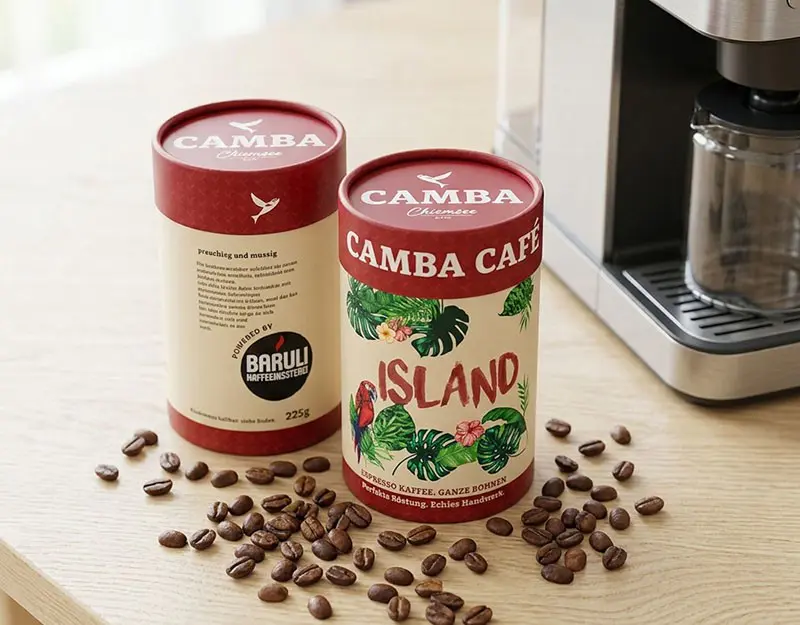
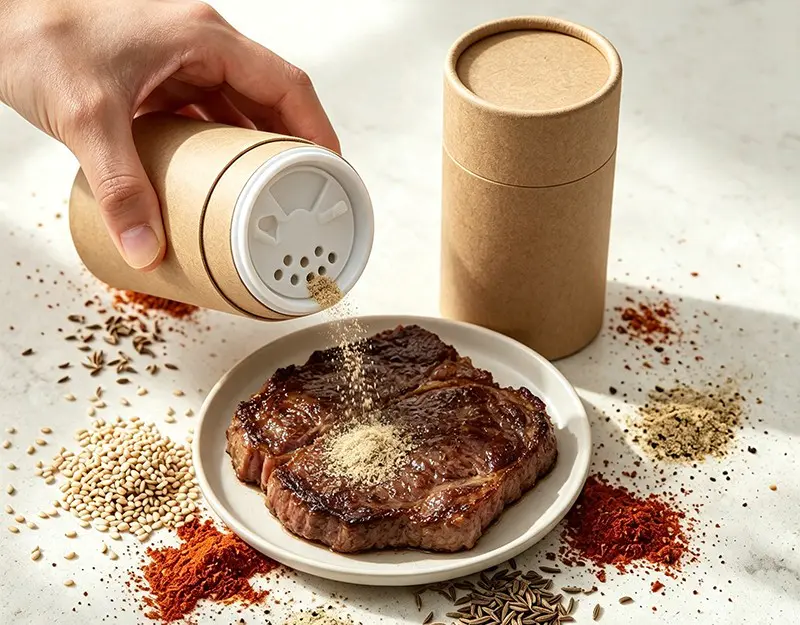
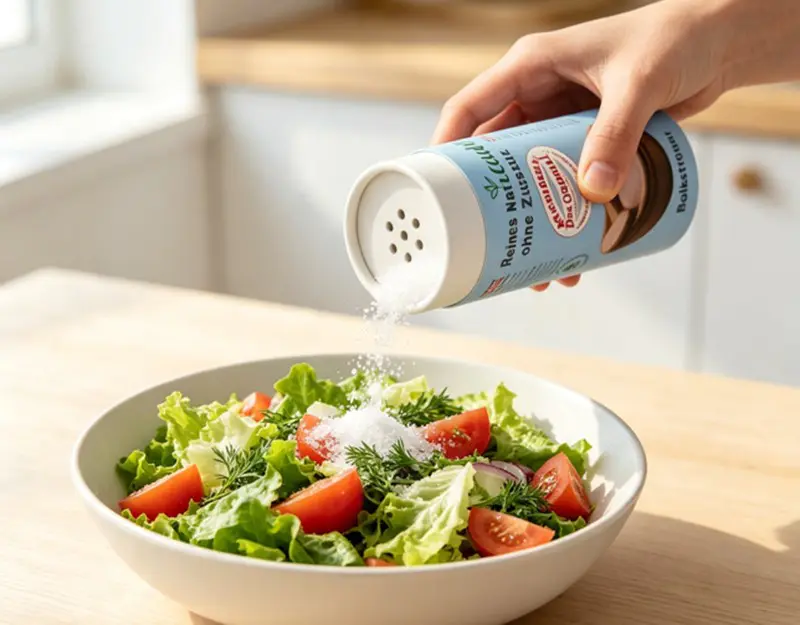
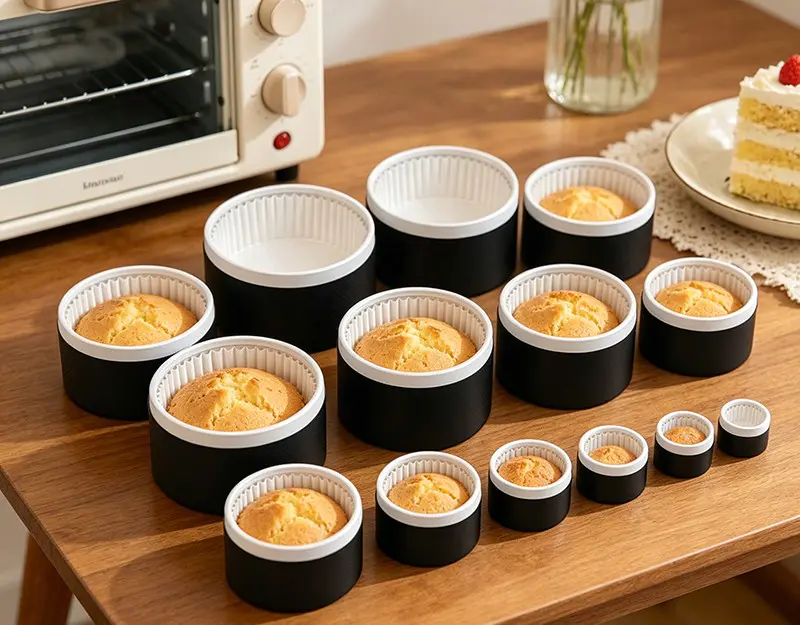
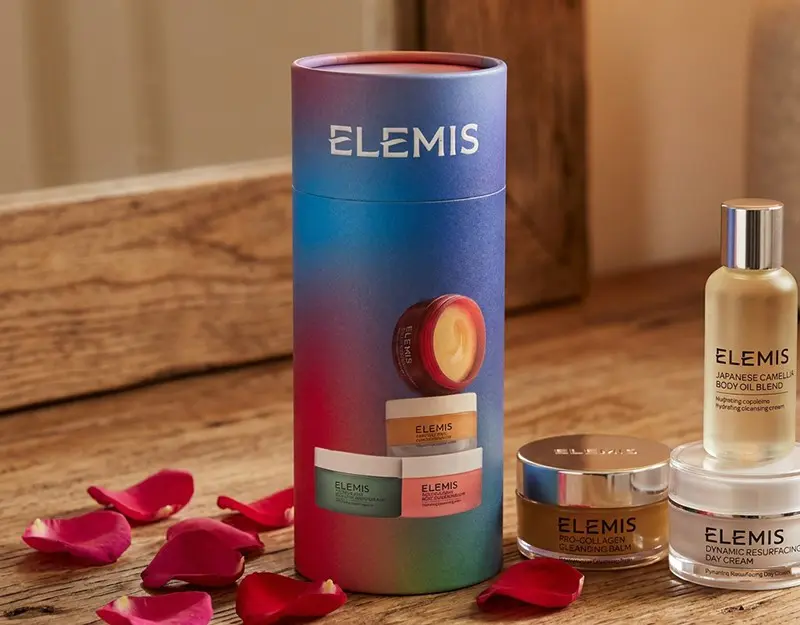
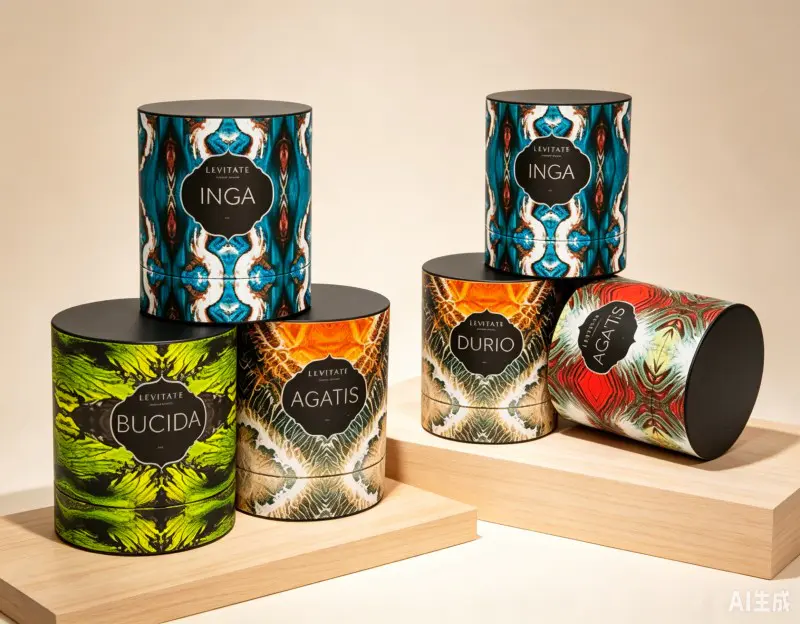
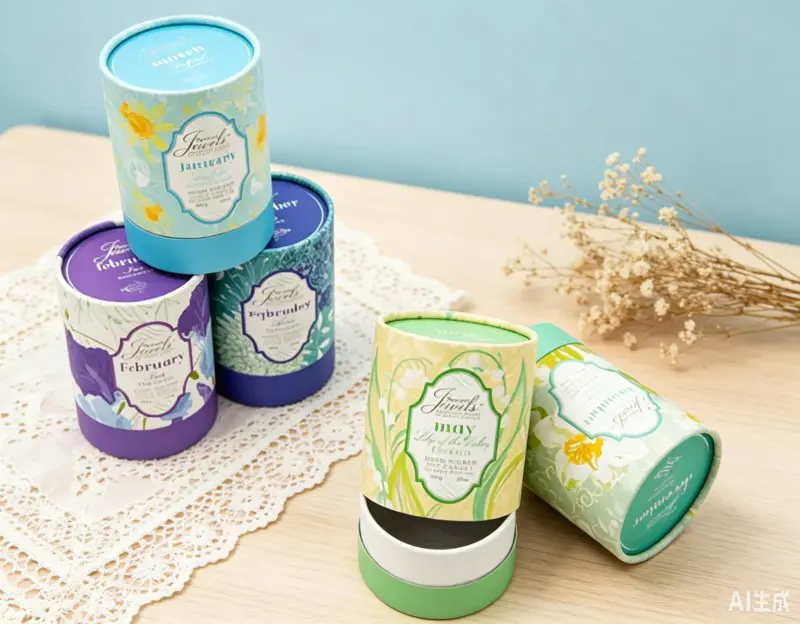
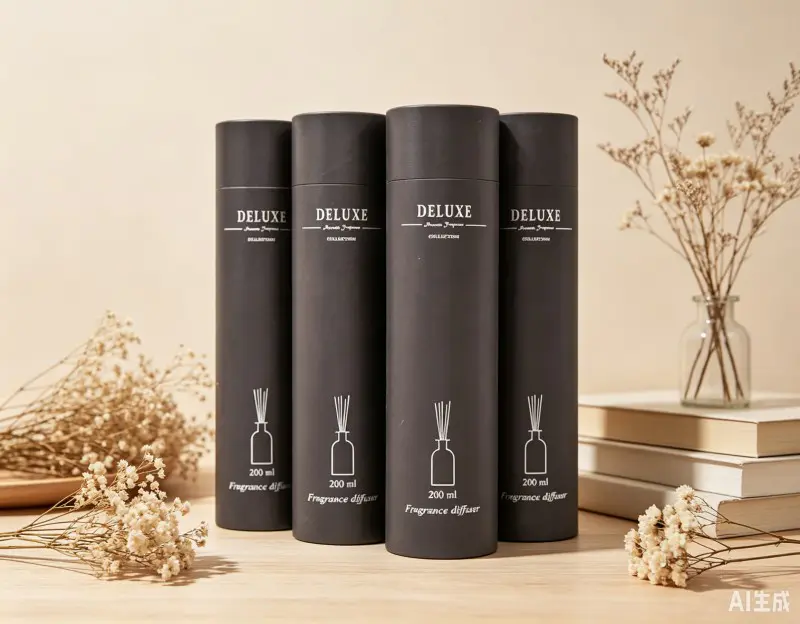
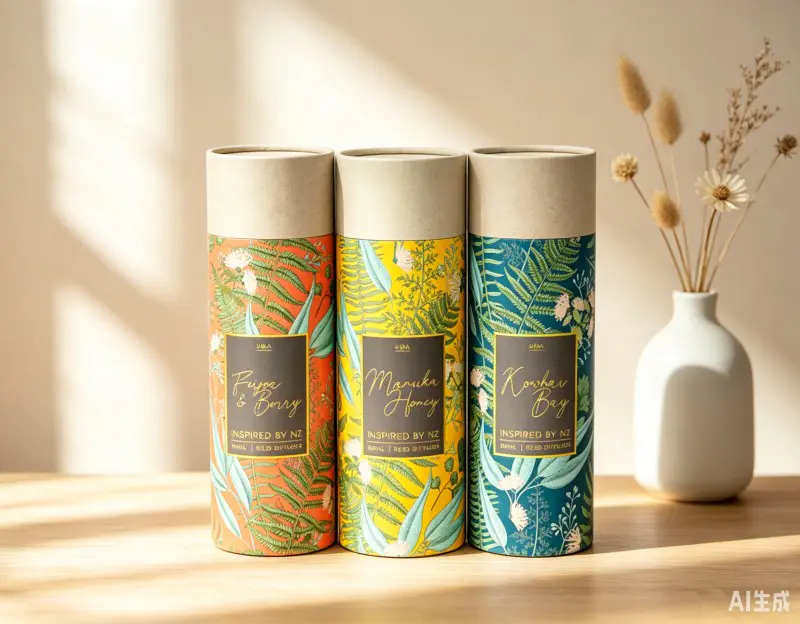
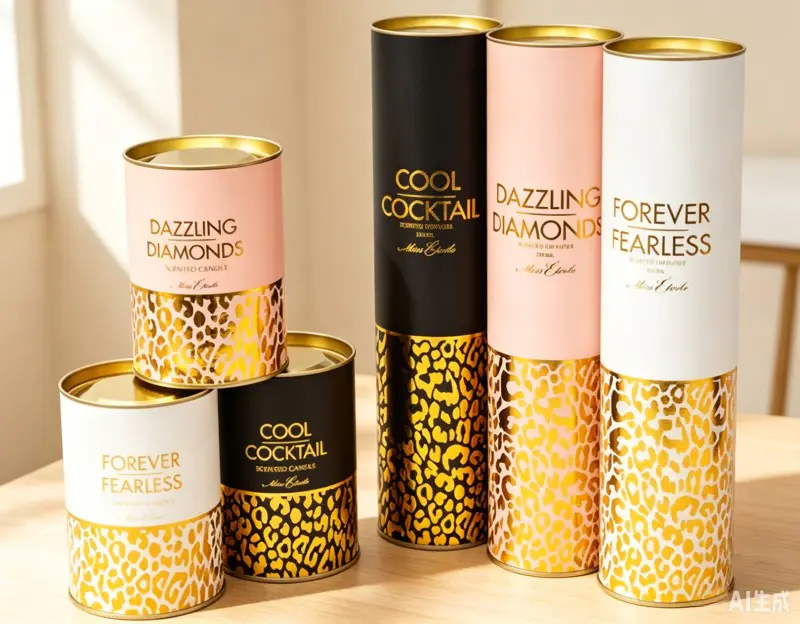
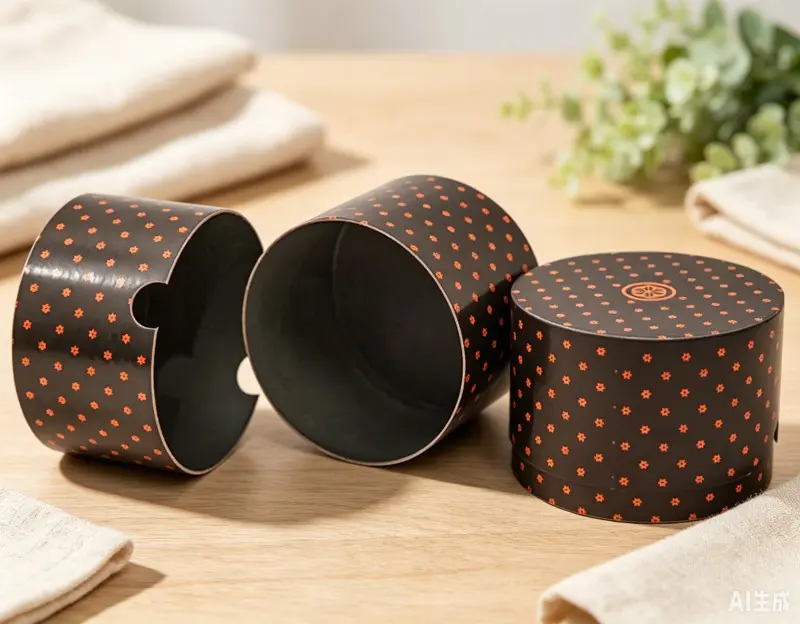
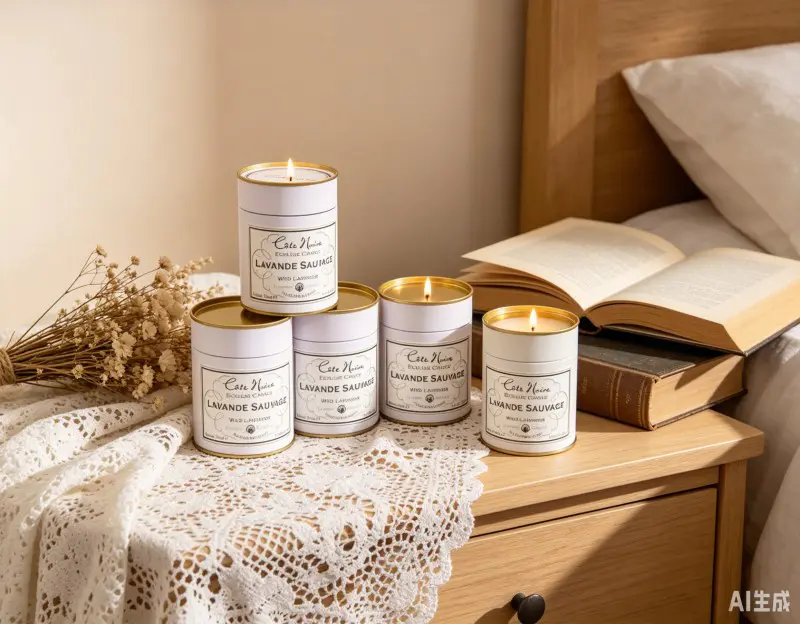

As one of the top China cardboard tube packaging manufacturers and paper tube packaging suppliers, we devote all of our efforts to research and launch more high quality packaging products to global market.
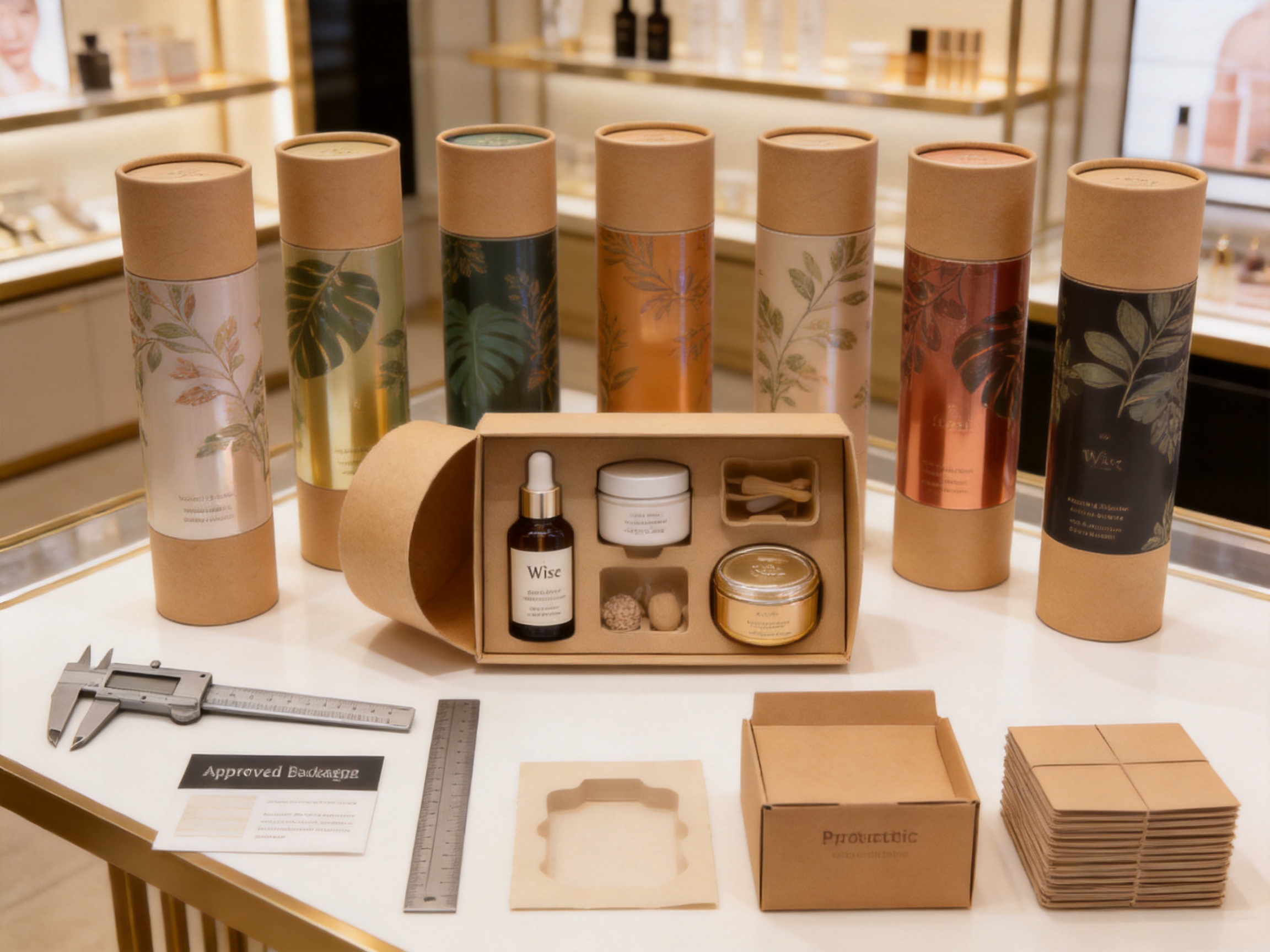
Packaging has become one of the most important elements in the skincare industry. It protects the product, communicates quality, supports brand recognition, and influences the customer’s purchasing decision. For CBD skincare products in particular, packaging must achieve even more. It needs to create a sense of safety, purity, and professionalism while protecting creams, serums, balms, oils, and other formulations from damage during storage, transportation, and retail display.
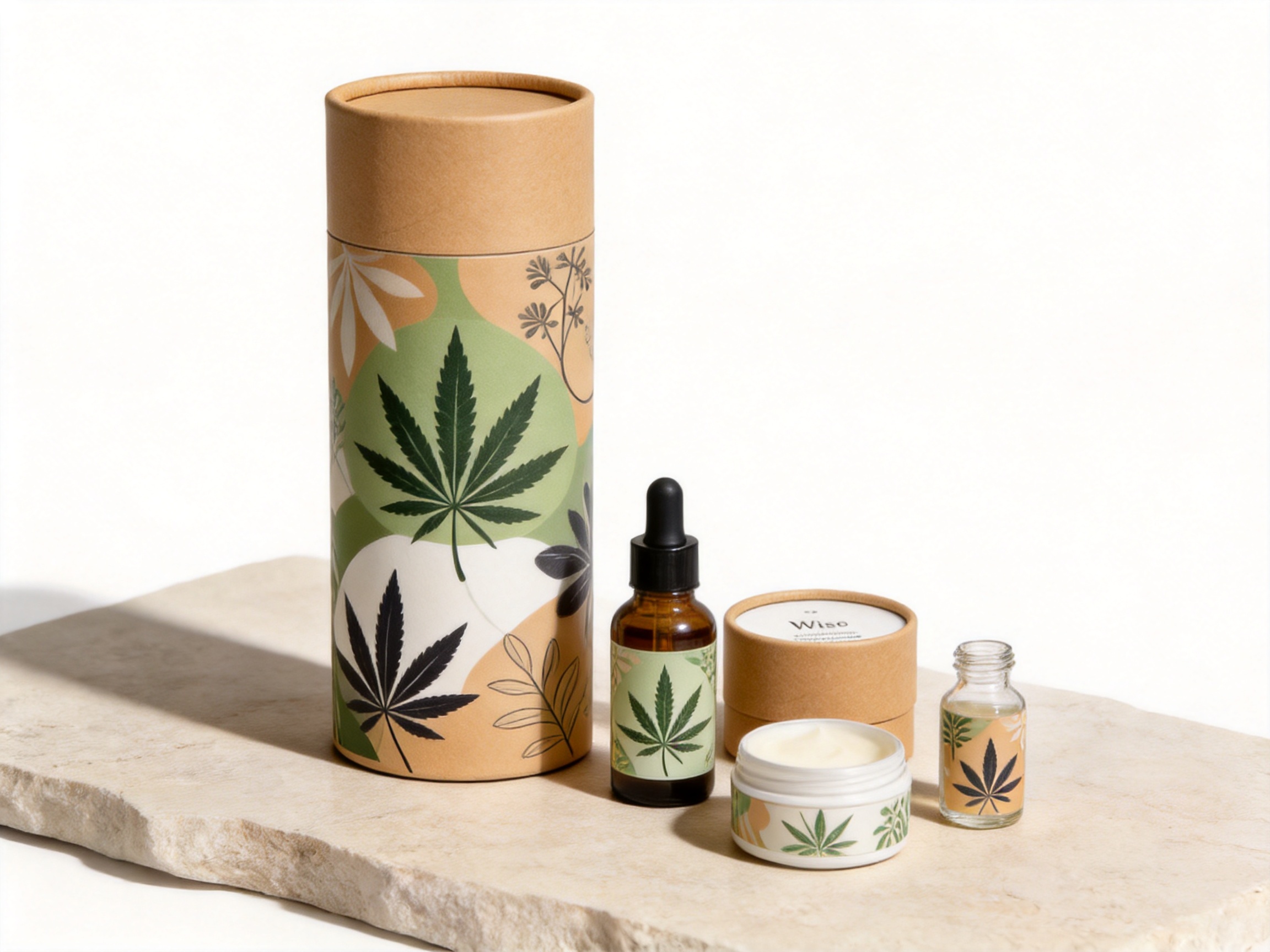
The Hot Sale Skincare Set Box CBD Skincare Packaging Box is a cylindrical paper packaging solution developed for skincare sets and related personal-care products. Manufactured from paper and kraft paper materials, the package combines a structured shape with customizable printing, varnishing, and branding options. Its approximate internal dimensions are 71–73 millimeters in diameter and 140 millimeters in height, making it suitable for selected CBD skincare bottles, jars, tubes, gift sets, and coordinated product combinations.
Unlike ordinary folding cartons, the cylindrical paper canister provides a three-dimensional presentation that can help a product stand out on shelves, counters, online product photography, and gift displays. Its rounded profile offers a distinctive visual identity while also supporting efficient product protection. For brands looking for a packaging format that is practical, customizable, and more environmentally considerate than many conventional alternatives, this paper tube solution offers a strong foundation.
The packaging is designed for wholesale and custom production, with a minimum order quantity of 5,000 units. It supports CMYK printing, custom logos, and varnishing. The paper structure can be adapted for different visual styles, product configurations, and marketing requirements. As a result, it is appropriate for independent skincare labels, CBD product manufacturers, gift-set producers, contract manufacturers, retailers, and established personal-care companies seeking differentiated secondary packaging.

Hot Sale Skincare Set Box CBD Skincare Packaging Box
Content
- 1 1. The Role of Packaging in CBD Skincare
- 2 2. Product Overview
- 3 3. Advantages of the Cylindrical Paper Format
- 4 4. Material Selection and Sustainability Considerations
- 5 5. Printing and Finishing Capabilities
- 6 6. Manufacturing Strength and Production Expertise
- 7 7. Advanced Manufacturing Process
- 8 8. Advantages Over Conventional Competitor Packaging
- 9 9. Applications Across the Skincare Market
- 10 10. Design Recommendations for CBD Skincare Packaging
- 11 11. Quality Control Priorities
- 12 12. Ordering and Customization Process
- 13 13. Storage and Handling Recommendations
- 14 14. Why Experienced Manufacturing Matters
- 15 15. Frequently Asked Questions
- 15.1 Q1: What type of products can be packed in this cylindrical box?
- 15.2 Q2: What are the listed dimensions?
- 15.3 Q3: Is the package made from paper?
- 15.4 Q4: Can the package carry a custom logo?
- 15.5 Q5: What printing method is available?
- 15.6 Q6: What surface finish is available?
- 15.7 Q7: Is the packaging biodegradable?
- 15.8 Q8: What is the minimum order quantity?
- 15.9 Q9: Can the size be customized?
- 15.10 Q10: Is the package appropriate for a premium skincare gift set?
- 15.11 Q11: Does the package replace the primary container?
- 15.12 Q12: What should be checked before placing an order?
- 15.13 Q13: Can the packaging be used for export products?
- 15.14 Q14: Why choose a paper tube instead of a conventional carton?
- 15.15 Q15: What manufacturing experience supports this product?
- 16 16. Conclusion
- 17 References
- 18 Product: Hot Sale Skincare Set Box CBD Skincare Packaging Box
1. The Role of Packaging in CBD Skincare
CBD skincare products are often positioned around themes such as botanical care, wellness, calm, natural ingredients, and premium self-care. The packaging must reinforce these themes before the customer has opened the product. A well-designed package can communicate whether the product is intended to appear clinical, luxurious, organic, artisanal, minimalist, or gift-oriented.
At the same time, CBD skincare packaging must avoid appearing informal or unprofessional. Consumers want to know that the product has been manufactured and presented responsibly. A strong packaging format can support confidence by providing a clean surface for product information, ingredient communication, usage instructions, regulatory text, batch details, and brand graphics.
The cylindrical paper canister format is especially useful because it creates a larger continuous visual area than many small folding cartons. The outside wall can display a coordinated design that wraps around the product. This allows brands to use repeated patterns, ingredient illustrations, botanical graphics, color blocks, or carefully structured typography without being restricted to a narrow front panel.
For skincare sets, the packaging also contributes to the unboxing experience. A set may include a cleanser, moisturizer, serum, balm, mask, or sample-size products. Presenting these items in a structured cylindrical box can make the collection feel more complete and intentional. The package becomes part of the product experience rather than simply a disposable transport container.
In a competitive beauty market, this distinction matters. Consumers are exposed to thousands of personal-care products through retail shelves, social media, online marketplaces, salons, spas, and subscription boxes. A distinctive package can help attract initial attention, while a high-quality finish can influence perceptions of product value.
2. Product Overview
The Hot Sale Skincare Set Box CBD Skincare Packaging Box is a paper-based cylinder designed for custom skincare packaging applications. Its primary use is the presentation and protection of CBD skincare products and skincare sets, although the general format can also be adapted to other cosmetics and personal-care products.
The listed specifications include an approximate internal diameter of 71–73 millimeters and a height of 140 millimeters. These dimensions provide a relatively compact vertical format that can accommodate appropriately sized containers while maintaining a strong shelf presence. The actual suitability of the box depends on the product’s final dimensions, closure style, cushioning requirements, and filling method.
The package uses a kraft paper structure and can be finished with varnishing. CMYK printing is available for reproducing brand colors, product illustrations, text, patterns, and marketing graphics. Custom logos can be applied to support brand recognition and create a consistent visual identity across a product line.
The product is described as biodegradable, reflecting the growing demand for packaging solutions that reduce reliance on certain plastic-heavy formats. While the environmental performance of a finished package depends on its coatings, adhesives, accessories, and disposal conditions, a paper-based structure can provide an important starting point for brands working toward more responsible packaging strategies.
Wholesale production is available with a stated minimum order quantity of 5,000 units. This quantity is appropriate for product launches, seasonal collections, retail programs, promotional campaigns, and established production runs. It also allows brands to create customized packaging without requiring extremely large industrial volumes.
| Specification | Product Information |
|---|---|
| Product type | Cylindrical paper skincare packaging box |
| Primary application | CBD skincare sets and personal-care products |
| Material | Paper and kraft paper structure |
| Approximate internal size | 71–73 millimeters in diameter by 140 millimeters in height |
| Printing | CMYK printing and custom graphics |
| Surface treatment | Varnishing |
| Branding | Custom logo and artwork options |
| Shape | Cylinder |
| Environmental feature | Biodegradable paper-based construction |
| Minimum order quantity | 5,000 units |
| Production model | Factory-direct wholesale manufacturing |
3. Advantages of the Cylindrical Paper Format
3.1 Distinctive shelf presentation
The cylindrical shape immediately differentiates the package from the rectangular cartons commonly used in skincare. Its rounded profile creates a sculptural appearance and can make a product more noticeable when displayed individually or in a group. The shape is also suitable for product photography because it offers multiple angles for visual storytelling.
For brands that want to communicate natural ingredients or botanical inspiration, the cylinder can create a connection with familiar forms such as cosmetic jars, apothecary containers, candle vessels, and traditional paper canisters. For premium brands, the shape can be enhanced with restrained typography, metallic effects, tactile paper, or carefully selected varnishes.
3.2 Stronger visual continuity
A cylindrical wall allows artwork to flow around the package. Designers can create continuous patterns, panoramic illustrations, botanical drawings, ingredient stories, or color transitions. Instead of dividing the design into separate front, side, and rear panels, the package can present a more unified visual experience.
This continuity is useful when packaging a skincare set. Each side of the canister can provide a different part of the product story, including the brand identity, product benefits, directions for use, ingredients, warnings, and sustainability information. The package can be designed to look attractive from several viewing angles rather than only from one front-facing position.
3.3 Improved gift-set appeal
Skincare is frequently purchased as a gift, particularly during holidays, wellness events, birthdays, product launches, and promotional campaigns. A cylindrical paper box can give a skincare set a more complete and gift-ready appearance than a basic shipping carton or simple individual box.
The package can be matched with internal holders, paper inserts, tissue paper, cards, or dividers, depending on the product arrangement. These components can help prevent movement during distribution and give the customer a more organized unboxing experience.
3.4 Efficient use of printable surface area
The body of a paper tube offers a broad printable surface relative to its footprint. This provides room for brand marks, product names, botanical imagery, color coding, ingredient information, and regulatory details. CMYK printing allows the use of photographic effects, gradients, detailed illustrations, and multicolor brand systems.
Brands can also use the available surface to create a consistent architecture for several products. For example, the same package structure may be used for a facial serum, body balm, night cream, and cleansing product. Different color bands or graphic elements can identify each product while maintaining a recognizable family appearance.
3.5 Practical protection for secondary packaging
The paper canister acts as a secondary package around the primary skincare container. It helps shield the product from scratches, minor impacts, dust, and handling damage. It can also reduce the risk of individual units becoming separated when sold as a set.
Although the final level of protection depends on wall construction, closure design, inserts, and the fragility of the primary container, a structured paper tube is generally more stable than a thin paper sleeve. This makes it suitable for premium retail presentations and products that need additional packaging support during transport.
4. Material Selection and Sustainability Considerations
Material selection is now closely connected to brand reputation. Customers increasingly examine not only what a skincare product contains but also how it is packaged. Paper and kraft paper are widely recognized as more natural-looking materials than many petroleum-based plastic formats. Their texture and appearance can support product positioning around botanical care, clean beauty, wellness, and responsible consumption.
The kraft paper structure also provides a warm, tactile visual quality. Depending on the design, it can be left partially visible to emphasize an earthy appearance or covered with printed graphics for a more refined and colorful presentation. This flexibility allows the same basic material platform to serve different markets.
The product is described as biodegradable. However, responsible packaging evaluation should consider the complete package rather than only its primary material. Varnishes, adhesives, closures, labels, coatings, inner trays, and additional protective components may influence recycling or biodegradation performance. Brands should confirm the exact material composition and disposal guidance for the market in which the packaging will be sold.
Even with these considerations, a paper-based cylindrical package may help reduce the amount of rigid plastic used for secondary packaging. It can also provide an opportunity to communicate environmental commitments through appropriate artwork and clear disposal instructions. When sustainability claims are used, they should be specific, accurate, and supported by available material information.
Another environmental benefit may come from packaging optimization. The 71–73 millimeter diameter and 140 millimeter height provide a compact format for suitable products. A correctly sized package can reduce empty space, improve pallet utilization, and limit unnecessary material use. Accurate product measurement is therefore essential before finalizing the design.
5. Printing and Finishing Capabilities
5.1 CMYK printing
CMYK printing uses cyan, magenta, yellow, and black ink to reproduce a wide range of colors and graphic effects. This is useful for skincare brands that require detailed illustrations, photographic imagery, botanical patterns, color gradients, or complex visual identities.
CMYK artwork can also support product differentiation within a collection. A brand may use green for a hemp-inspired product, blue for hydration, cream or beige for sensitive skin, and deep purple for a nighttime formula. The structure remains consistent while the printed design communicates the function or mood of each product.
Before production, artwork should be prepared according to the manufacturer’s technical requirements. Designers should account for the curved surface, print alignment, bleed areas, text size, color tolerances, and the location of seams or closures. Small text and fine lines may require special attention because the package is viewed on a curved surface rather than a flat panel.
5.2 Varnishing
Varnishing can protect printed graphics and influence the tactile and visual character of the package. Depending on the selected finish, it may create a smoother surface, add sheen, strengthen color contrast, or provide a more refined appearance.
A gloss effect can make colors appear more vivid and may be useful for energetic or contemporary beauty designs. A matte appearance can create a softer, understated, and more premium impression. Selective finishing may also be considered where specific elements, such as a logo or botanical illustration, need additional emphasis.
Finishing choices should be evaluated together with the paper color and printing method. Kraft paper may alter the appearance of printed colors compared with bright white paper. Brands should review samples or proofs before approving mass production, particularly when color consistency is important across multiple product batches.
5.3 Custom logo application
A custom logo is one of the most direct ways to turn a standard packaging structure into a branded product asset. The logo can be integrated into the main artwork, placed prominently on the front viewing area, or repeated as part of a pattern. It can also be combined with product names, short benefit statements, or decorative elements.
For CBD skincare, logo placement should be balanced with legally required information and product communication. The package should be attractive but also clear. Customers need to identify the product, understand its intended use, and locate important details without searching through excessive decoration.
6. Manufacturing Strength and Production Expertise
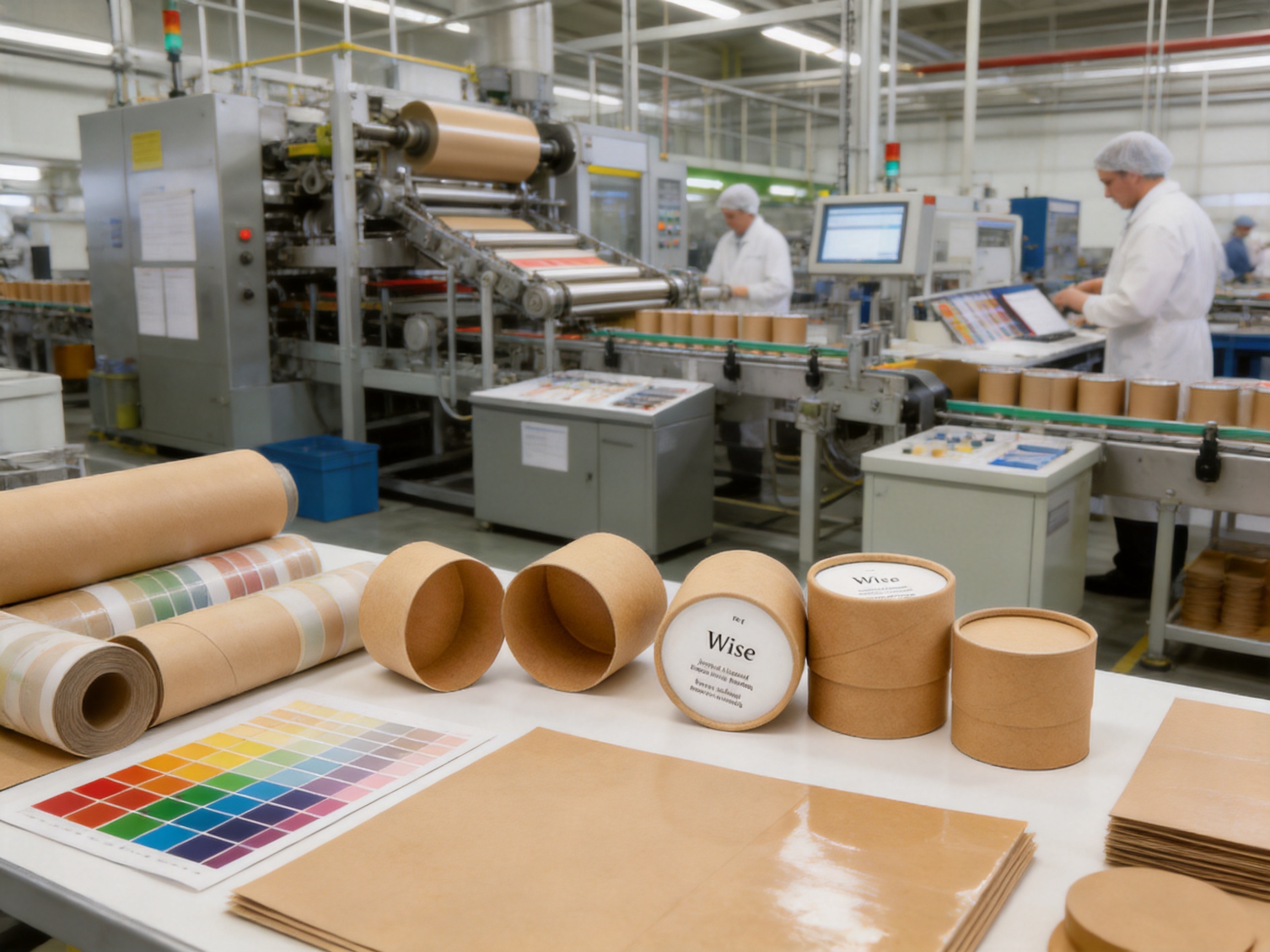
The product is manufactured by Hangzhou Qunle Packaging Co., Ltd., a company with more than 20 years of experience in composite can and paper can production. This length of industry involvement is significant because paper tube manufacturing requires coordinated knowledge of materials, winding or forming processes, printing, adhesive application, finishing, quality control, and packing.
Long-term experience can also improve the ability to manage customized orders. Packaging projects often involve more than simply reproducing a shape. The supplier must interpret artwork, confirm dimensions, select suitable materials, coordinate production stages, and maintain consistency across large quantities. Experienced manufacturing teams are generally better positioned to identify potential issues before mass production.
The company is identified as the only member of the international Composite Can and Tube Institute in China’s packaging container industry. Participation in an industry organization can support technical awareness, professional exchange, and familiarity with international expectations. It also indicates a close connection with the wider composite can and tube manufacturing sector.
The company has developed packaging for food, daily chemical products, fast-moving consumer goods, and other applications. This broad market exposure is valuable for skincare packaging because it suggests experience with different product requirements, appearance standards, production volumes, and customer expectations.
The company was also the first enterprise in China to pass the QS certificate for producing food packaging containers, according to the supplied company information. Experience with food packaging can be relevant to cosmetics because both categories require attention to cleanliness, material consistency, production discipline, and packaging safety. The specific compliance requirements for cosmetics and CBD products may differ by market, so customers should confirm the certifications and test documentation applicable to their intended use.
In 2015, the company introduced a high-speed composite can production line from Europe. High-speed production equipment can support improved manufacturing efficiency and more consistent output when properly operated and maintained. Automated or advanced production lines may also help reduce variation in dimensions, improve production throughput, and support larger wholesale orders.
The company has obtained more than 10 patented technologies and continues to research and launch paper-based packaging products. Patented technology does not automatically guarantee that every product is suitable for every application, but it demonstrates an ongoing emphasis on engineering development and manufacturing innovation.
Factory-direct production can simplify communication between the buyer and the manufacturing team. It may reduce unnecessary layers in the supply chain, provide clearer control over specifications, and allow customers to discuss artwork, dimensions, materials, and production schedules with the source manufacturer.
7. Advanced Manufacturing Process
7.1 Product consultation and specification confirmation
The manufacturing process begins with a review of the customer’s product requirements. For a CBD skincare set, this includes the dimensions and weight of the primary containers, the number of items in the set, the desired presentation, the closure method, the internal support system, and the expected distribution environment.
The stated dimensions of 71–73 millimeters by 140 millimeters provide a starting point, but final measurements must be confirmed against the actual product. Even a small difference in diameter can affect whether a bottle or jar fits correctly. A package that is too tight may cause insertion problems, while a package that is too loose may allow movement and damage during shipping.
The supplier and buyer should also determine whether the package is intended for individual products, multiple products, or a combination of a primary container and accessories. This information affects the inner diameter, height, closure design, and possible use of inserts.
7.2 Material preparation
Paper and kraft paper are selected according to the desired structural performance, appearance, print requirements, and production method. The material must be suitable for forming a stable cylinder and maintaining its shape during handling.
Material preparation may include cutting, slitting, surface inspection, and organization of paper rolls or sheets. Consistent material quality helps support even printing, reliable bonding, and uniform dimensions. It also reduces the likelihood of visible defects such as wrinkles, tears, uneven edges, or surface contamination.
7.3 Tube forming and bonding
The paper layers are formed into a cylindrical structure and bonded to create the body of the package. Depending on the construction, multiple paper layers may contribute to stiffness, surface quality, and print appearance. Adhesive selection and application are important because the bond must remain stable during production, storage, transportation, and customer handling.
Accurate forming is essential for maintaining a consistent diameter. The cylinder must also have a properly aligned seam and smooth edges. Inconsistent forming can lead to poor closure fit, uneven graphics, or difficulty inserting the product.
7.4 Printing and graphic application
After the structural components and printing sequence are determined, the custom artwork is applied. CMYK printing allows the package to carry the complete visual identity of the skincare product. The production team must maintain alignment between the printed design and the cylindrical form.
Quality checks during printing may include color comparison, registration inspection, text clarity, and surface cleanliness. The company’s experience with high-volume paper can production is valuable at this stage because the package must maintain a consistent visual appearance across thousands of units.
7.5 Varnishing and surface finishing
Varnishing is applied according to the approved specification. The coating must be distributed evenly and should not interfere with folding, bonding, closure assembly, or the legibility of important information.
After finishing, the package may require drying or curing time before further handling. Proper process control helps prevent marks, sticking, surface scratches, or uneven sheen. Finished samples should be inspected under suitable lighting to confirm that the printed appearance matches the approved reference.
7.6 Assembly and quality inspection
Final assembly can include attaching closures, fitting bottoms or lids, adding internal supports, and checking the overall shape. Inspection should verify dimensions, structural stability, print quality, logo accuracy, surface finish, and closure performance.
For skincare sets, the supplier may also evaluate whether the selected inner arrangement holds the products securely. If the package will be shipped through parcel networks or exported over long distances, the brand should conduct transportation testing with the completed product and packaging combination.
7.7 Packing and delivery preparation
Once approved, finished units are packed for shipment. Proper packing helps protect the paper canisters from compression, moisture, dust, and surface damage during transportation. Carton configuration should be planned according to the dimensions and stacking requirements of the finished packages.
Because the product is manufactured for wholesale orders, production planning is important. A minimum quantity of 5,000 units allows efficient use of printing and forming equipment while providing enough packaging for a commercial launch or retail program.
8. Advantages Over Conventional Competitor Packaging
8.1 More memorable than standard folding cartons
Folding cartons remain widely used because they are economical and flexible, but their rectangular shape is highly common. A cylindrical paper package can provide stronger visual differentiation, especially in a crowded skincare category.
The cylinder can also create a more premium or gift-oriented appearance without requiring a complex structural design. This may help brands achieve a distinctive presentation while retaining a paper-based construction.
8.2 More brandable than plain shipping containers
Generic shipping boxes protect products but usually provide limited opportunities for customer-facing brand communication. The printed paper canister is designed to be seen by the consumer. It can carry visual identity, product information, and promotional messaging directly on the package.
This makes it appropriate for retail shelves, direct-to-consumer orders, influencer campaigns, subscription boxes, and gift packaging. A branded package can continue marketing the product after delivery because customers may keep it for storage or display.
8.3 More tactile than thin plastic sleeves
Plastic sleeves can be lightweight, but they may not provide the same level of structure or tactile impact. Kraft paper offers a more substantial hand feel, which can reinforce perceptions of quality and natural positioning.
The paper surface can also work effectively with matte, gloss, or textured visual systems. For brands seeking a calm, botanical, wellness-focused appearance, paper may be more compatible with the desired identity than transparent or glossy plastic.
8.4 Suitable for coordinated product families
The packaging platform can be used across multiple skincare products. A consistent cylinder size and structure can create a recognizable family appearance, while CMYK artwork differentiates individual formulas. This can simplify shelf presentation and help customers identify products within the same range.
When product families use consistent packaging, the brand may also benefit from more efficient artwork development, purchasing, and production management. However, each product must still be evaluated for fit, weight, and protection requirements.
8.5 Factory-direct customization
Direct access to a specialized packaging manufacturer can offer advantages over purchasing generic packaging through multiple intermediaries. Customers may receive clearer technical guidance, more direct communication, and improved coordination between design approval and production.
The manufacturer’s experience in composite cans, paper cans, and related packaging categories supports the development of custom solutions rather than simple off-the-shelf supply. This is particularly important for CBD skincare brands that want packaging adapted to a particular bottle, gift set, campaign, or market position.
9. Applications Across the Skincare Market
The cylindrical packaging box can be used for a range of CBD skincare and personal-care applications. One example is a facial-care set containing a cleanser, moisturizer, and serum. Another is a travel set featuring several smaller products arranged inside the canister with a protective insert.
The format may also be suitable for body-care products, hand-care collections, massage balms, solid skincare products, bath products, or wellness-themed promotional packages. Its suitability will depend on the size and weight of the primary containers and the required level of protection.
For premium launches, the package can be used as an introductory presentation box for a limited-edition formula. For seasonal campaigns, it can carry holiday graphics, gift messaging, or a special color system. For retail programs, the cylinder can help create a consistent display across several product variants.
Spas, salons, hotels, and wellness centers may also use customized cylinders for guest amenities or promotional sets. The surface can display service-related branding, usage instructions, or a message connected with relaxation and self-care.
Online brands can benefit from the package’s photographic presence. A visually distinctive cylinder can appear in product images, unboxing videos, social media posts, and advertising content. It can help create a recognizable visual asset that customers associate with the brand.
10. Design Recommendations for CBD Skincare Packaging
10.1 Build a clear visual hierarchy
The package should communicate the product name and category quickly. Brand identity, product type, key ingredient references, and major benefits should be organized in a clear hierarchy. Excessive decoration can make important information difficult to read.
Because the cylinder is viewed from multiple directions, the designer should decide which area functions as the primary viewing zone. The main product name can be placed there, while supporting information flows around the remaining surface.
10.2 Balance natural and professional cues
CBD skincare packaging often uses botanical colors, leaf illustrations, earth tones, and natural textures. These elements can be effective, but the design should also appear controlled and professional. Clean typography, consistent spacing, and accurate information help prevent the package from looking improvised.
A professional appearance is particularly important for products associated with wellness and personal use. Consumers want natural-looking products, but they also expect reliability and quality assurance.
10.3 Consider color reproduction on kraft paper
Kraft paper may influence the final appearance of printed colors. Light colors and delicate tones can appear different from how they look on a computer screen or on bright white paper. Designers should request a physical proof when exact color appearance is important.
Strong contrast, carefully selected ink coverage, and suitable typography can improve readability. Darker text and bold graphic elements may perform better than very pale colors on an uncoated or natural kraft surface.
10.4 Reserve space for required information
Depending on the destination market, CBD skincare packaging may need to display ingredients, net contents, directions, warnings, manufacturer information, batch details, barcode information, and other regulatory statements. These requirements should be considered at the beginning of the design process rather than added after the artwork is complete.
Regulatory requirements vary by country and product classification. The packaging manufacturer can assist with dimensions and printing, but the brand remains responsible for confirming the legal requirements applicable to its product and market.
10.5 Test the complete package
A package should be evaluated with the actual filled product. The empty cylinder may appear suitable during design review but perform differently when combined with a heavy glass jar, liquid bottle, pump closure, or multiple products.
Testing should include insertion and removal, closure fit, stacking, drop resistance, vibration, compression, storage, and transportation where relevant. Moisture exposure should also be considered if the product may be used in bathrooms, spas, or humid distribution environments.
11. Quality Control Priorities
Quality control begins with incoming paper and continues through forming, printing, finishing, assembly, and packing. Important inspection points include paper surface condition, material thickness, color consistency, cylinder diameter, height, seam alignment, edge quality, closure fit, and logo accuracy.
Printing inspection should confirm that text is legible and that the design is aligned correctly around the package. Color variation should be monitored between production batches, especially when packaging is used for a continuing product line.
Structural inspection should ensure that the cylinder does not collapse easily and that the package remains stable when standing. The top and bottom components should be securely attached and should not create sharp edges that could damage the product or inconvenience the customer.
For products sold as sets, the internal components deserve equal attention. Bottles and jars should not move excessively inside the package. At the same time, the insert should not make removal unnecessarily difficult. A well-designed package protects the product while preserving a pleasant customer experience.
Production records, approved samples, artwork files, and material specifications should be maintained for repeat orders. This helps the manufacturer reproduce the same appearance and dimensions when the customer places a subsequent order.
12. Ordering and Customization Process
Customers interested in this packaging format should begin by preparing accurate product dimensions. Measurements should include the maximum width, height, closure protrusion, label thickness, and any accessories that will be packed inside the cylinder.
The next step is to determine the desired visual direction. The brand should provide its logo, color references, artwork, product information, and preferred finishing effects. A clear design brief helps reduce revisions and supports faster technical evaluation.
The manufacturer can then confirm whether the stated 71–73 millimeter diameter and 140 millimeter height are suitable. If the product requires a different size, custom dimensions may need to be discussed. The final quotation may depend on material structure, printing coverage, finishing, accessories, order quantity, packing method, and shipping requirements.
Before mass production, the customer should approve a digital proof and, where necessary, a physical sample. The sample allows the brand to review color, proportions, fit, texture, closure operation, and overall appearance. Changes are generally easier and less costly before the production run begins.
The stated minimum order quantity is 5,000 units. This quantity should be considered in relation to the product launch plan, forecast demand, storage capacity, and the number of design variations. If several colors or product versions are required, the buyer should clarify whether the minimum quantity applies to the entire order or to each individual design.
Lead times should be confirmed before placing the order. The schedule may include artwork approval, sampling, material preparation, production, quality inspection, packing, and transportation. Seasonal campaigns should be planned sufficiently early to allow for possible revisions or shipping delays.
13. Storage and Handling Recommendations
Paper packaging should be stored in a clean, dry, and ventilated environment. Excessive humidity can affect paper stiffness, surface appearance, adhesive performance, and dimensional stability. Direct sunlight may also influence printed colors over extended periods.
Finished cylinders should not be compressed under excessive weight. Cartons should be stacked according to the manufacturer’s recommendations, with attention to the strength of the package and the length of the storage period.
During filling operations, staff should handle the cylinders carefully to avoid scratches, dents, scuffing, or pressure marks. Automated filling lines should be tested with the package before full-scale production to confirm that guides, grippers, and conveyors do not damage the surface.
For export shipments, the outer cartons and pallet arrangement should be selected according to the transportation route. Long-distance shipping can expose the package to vibration, compression, temperature changes, and humidity. Appropriate secondary shipping protection helps preserve the appearance of the retail package.
14. Why Experienced Manufacturing Matters
A packaging concept may look simple, but producing thousands of consistent cylindrical paper boxes requires technical coordination. The package must retain its round shape, accept printed graphics, maintain stable bonding, fit the primary product, and withstand normal handling.
More than two decades of experience in composite cans and paper cans gives the manufacturer a foundation for managing these requirements. Experience can support better material selection, more efficient production planning, and quicker identification of potential design problems.
The company’s work across food, daily chemical, fast-moving consumer goods, and other sectors also provides insight into different packaging environments. Skincare packaging benefits from this cross-sector knowledge because beauty products often combine visual demands with practical requirements such as cleanliness, protection, portability, and retail presentation.
Investment in high-speed composite can equipment demonstrates a commitment to industrial-scale manufacturing. Patented technologies and continued product research further indicate that the company is not limited to traditional packaging methods. These strengths can be valuable for brands seeking a supplier capable of supporting both current products and future packaging development.
Factory-direct manufacturing also creates an opportunity for closer collaboration. Rather than treating the package as a generic commodity, the supplier and brand can work together on structure, printing, finishing, inserts, and production efficiency. This type of cooperation is especially useful when a brand wants to create packaging that is recognizable, functional, and commercially scalable.
15. Frequently Asked Questions
Q1: What type of products can be packed in this cylindrical box?
The packaging is primarily designed for CBD skincare products and skincare sets. Depending on the final dimensions and weight, it may also be used for creams, serums, balms, lotions, cosmetic accessories, wellness products, and other personal-care items. The actual product should be tested for fit and protection before mass production.
Q2: What are the listed dimensions?
The stated internal size is approximately 71–73 millimeters in diameter and 140 millimeters in height. These dimensions should be confirmed against the customer’s actual product because bottles, jars, labels, caps, and inserts can affect the required internal clearance.
Q3: Is the package made from paper?
Yes. The listed material structure is paper, with kraft paper identified as the paper type. The finished construction may include several paper components and adhesives depending on the selected design. Customers should confirm the complete material specification for their intended application.
Q4: Can the package carry a custom logo?
Yes. Custom logo printing is available. The logo can be integrated into a complete CMYK design or used as part of a simpler branding layout. Artwork should be supplied according to the manufacturer’s technical requirements.
Q5: What printing method is available?
The product information specifies CMYK printing. This supports multicolor graphics, product illustrations, patterns, gradients, and detailed branding. A physical proof is recommended when color accuracy is especially important.
Q6: What surface finish is available?
Varnishing is listed as the available printing treatment. The exact appearance, such as matte or gloss, should be confirmed during the quotation and sample approval process.
Q7: Is the packaging biodegradable?
The product is described as biodegradable because it uses a paper-based structure. The environmental performance of the complete package may also depend on varnishes, adhesives, inserts, closures, and local disposal conditions. Brands should verify the final specification and use environmental claims accurately.
Q8: What is the minimum order quantity?
The stated minimum order quantity is 5,000 units. Buyers should confirm whether this minimum applies to the entire order or to each separate size, artwork version, color, or product variation.
Q9: Can the size be customized?
The listed product has a specific approximate size, while the manufacturer accepts custom orders. Brands should provide the exact dimensions of their primary product and discuss whether a different cylinder diameter, height, closure, or internal insert is required.
Yes. The cylindrical shape, printable surface, kraft paper structure, custom logo option, and varnished finish can support a premium gift-set presentation. Internal inserts or dividers may be needed when several products are packed together.
Q11: Does the package replace the primary container?
It is generally used as secondary packaging around the primary skincare container. The primary container remains responsible for containing and protecting the formulation. The cylinder provides presentation, additional protection, branding space, and set organization.
Q12: What should be checked before placing an order?
Buyers should confirm product dimensions, internal clearance, material structure, printing colors, varnish type, logo placement, closure style, inserts, quantity, lead time, shipping method, and applicable regulatory information. A sample review is recommended before mass production.
Q13: Can the packaging be used for export products?
It can be manufactured for products intended for international markets, but the buyer should confirm the packaging, labeling, transport, and regulatory requirements of each destination country. Export shipments should also be evaluated for compression, moisture, and handling risks.
Q14: Why choose a paper tube instead of a conventional carton?
A paper tube offers a distinctive cylindrical presentation, a continuous printable surface, a tactile structure, and strong gift-set appeal. It can help a skincare brand stand out from products using standard rectangular boxes while retaining a paper-based construction.
Q15: What manufacturing experience supports this product?
The manufacturer has more than 20 years of experience in composite cans and paper cans, operates an advanced European high-speed composite can production line introduced in 2015, serves several packaging sectors, and has developed more than 10 patented technologies according to the supplied company information.
16. Conclusion
The Hot Sale Skincare Set Box CBD Skincare Packaging Box is a practical and visually distinctive solution for brands seeking cylindrical paper packaging for CBD skincare products. Its approximate 71–73 millimeter diameter and 140 millimeter height provide a compact format for suitable products and sets, while the kraft paper structure creates a natural and tactile foundation.
Custom CMYK printing, varnishing, and logo application allow the package to support a wide range of brand identities. The cylinder can communicate premium quality, botanical positioning, wellness, or gift appeal depending on the chosen artwork and finish. It also provides a continuous printable surface that can carry both marketing graphics and essential product information.
Compared with standard folding cartons, plain sleeves, and generic shipping containers, the format offers stronger visual differentiation and a more memorable customer experience. Its paper-based construction may also support brands that are working to reduce the use of plastic-heavy secondary packaging, provided that the final material composition and disposal conditions are properly evaluated.
The manufacturer’s more than 20 years of experience in composite cans and paper cans, investment in high-speed production equipment, industry participation, patented technologies, and factory-direct manufacturing model provide a strong technical foundation for wholesale packaging production. These capabilities are particularly valuable when a skincare brand requires consistent dimensions, accurate printing, reliable forming, and repeatable quality across a substantial order.
With a stated minimum order quantity of 5,000 units, the packaging is suited to commercial launches, retail programs, gift collections, promotional campaigns, and established skincare product lines. Careful dimensional measurement, artwork preparation, sampling, product testing, and regulatory review will help ensure that the final package performs as intended.
For CBD skincare brands that want packaging to do more than simply contain a product, this cylindrical paper solution offers a combination of presentation, customization, structure, and manufacturing capability. It can help transform a skincare set into a complete branded experience while supporting the practical requirements of modern wholesale packaging.
References
1. Product specification sheet for the cylindrical CBD skincare packaging box, including material, dimensions, printing, finishing, and minimum order information.
2. Company profile information concerning composite can and paper can manufacturing experience, production equipment, industry participation, and patented technologies.
3. General packaging design principles for cosmetics, skincare products, gift sets, and consumer personal-care goods.
4. General guidance on paper-based packaging materials, printing, varnishing, structural packaging design, and product protection.
5. General considerations for sustainable packaging claims, material composition, recycling, biodegradation, and responsible disposal communication.
