 English
 Español


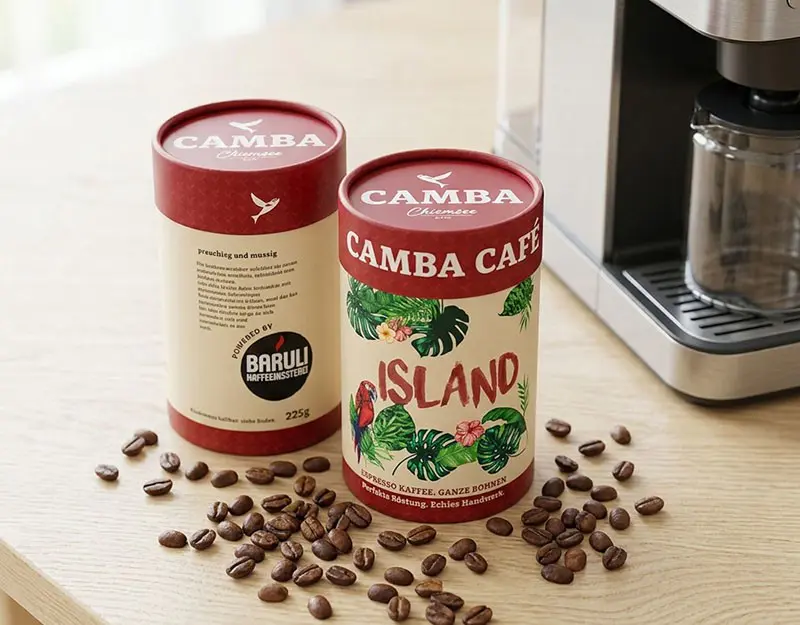
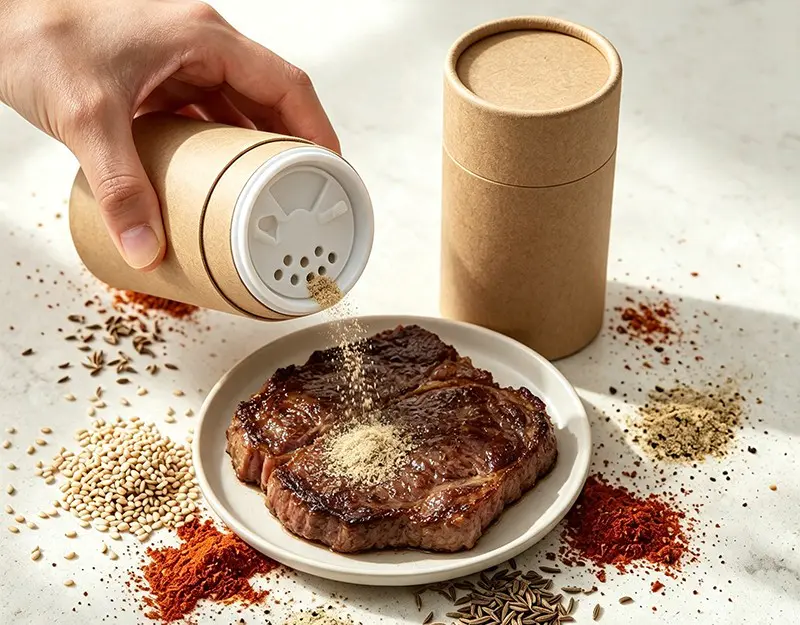
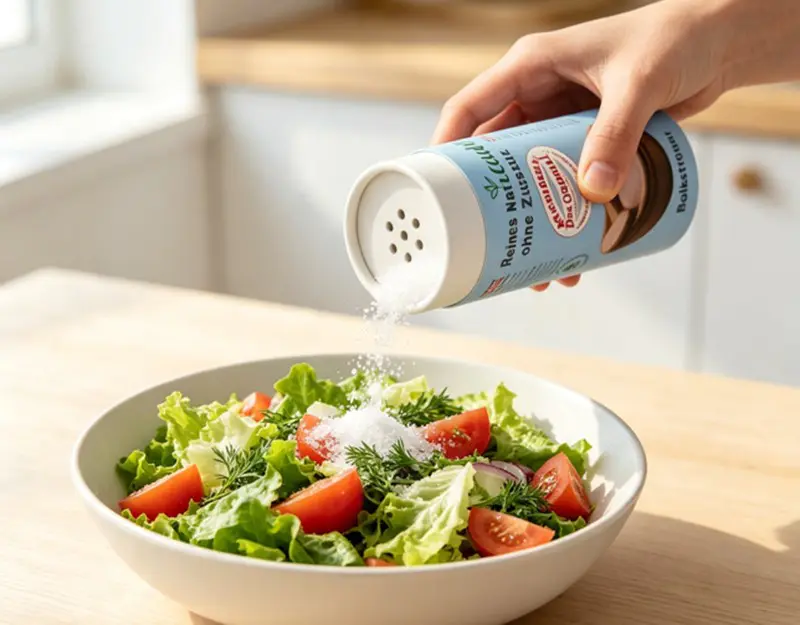
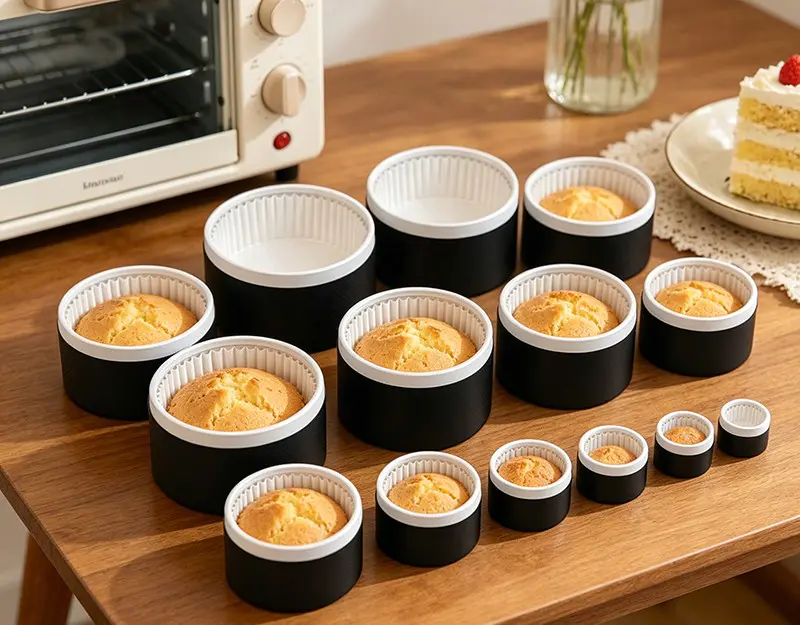

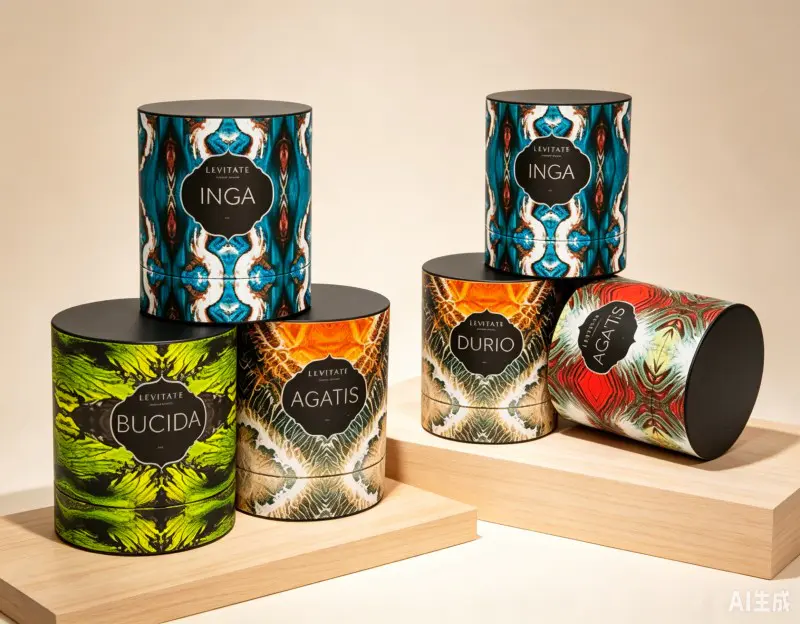
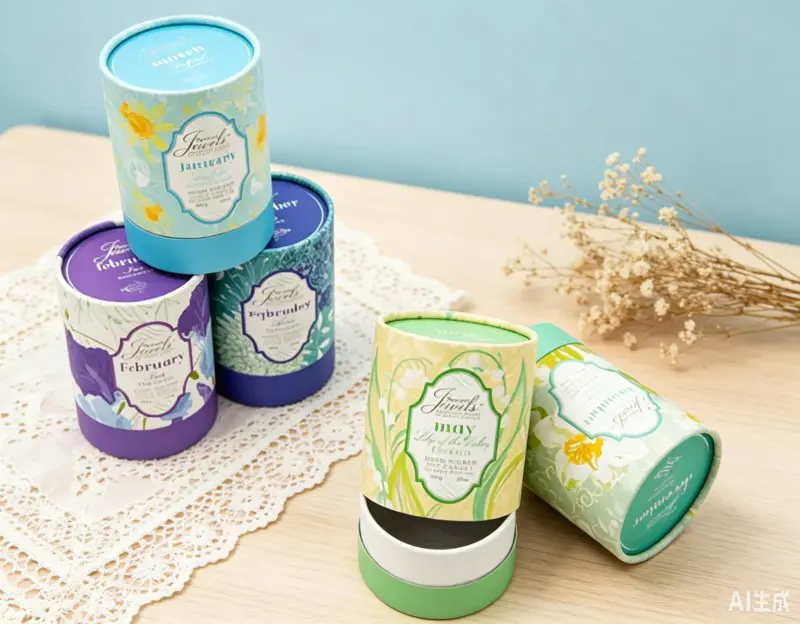
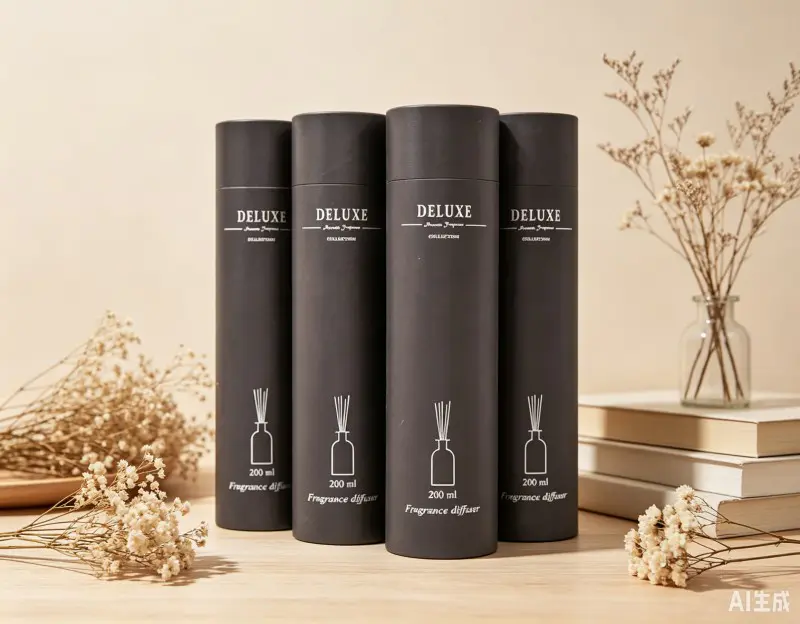
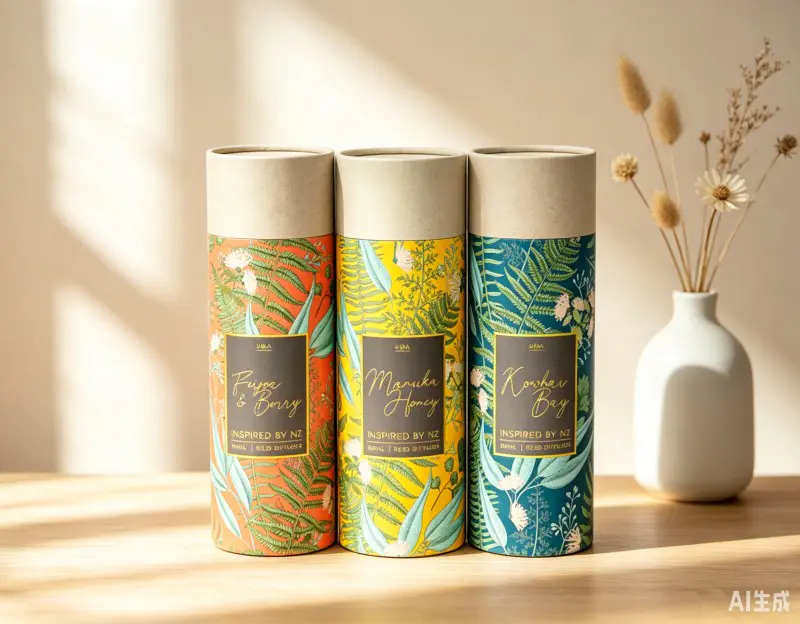
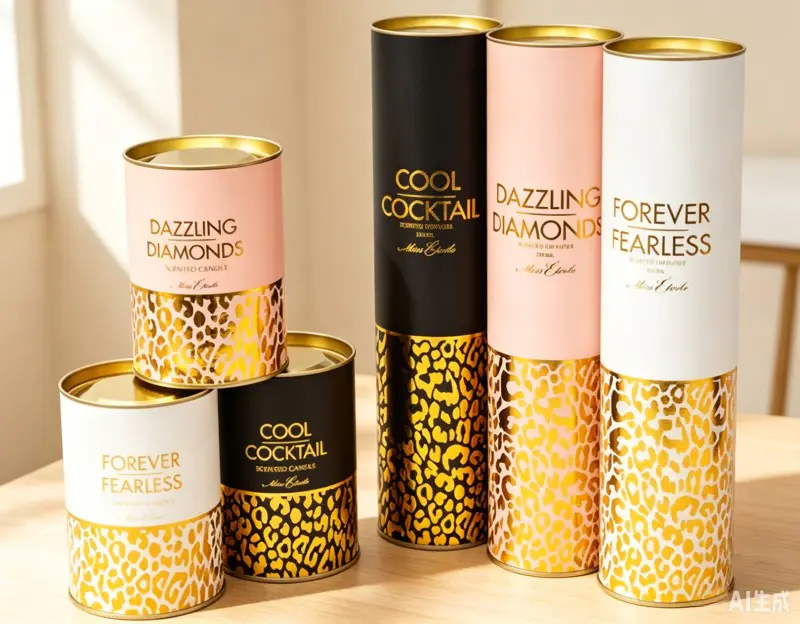
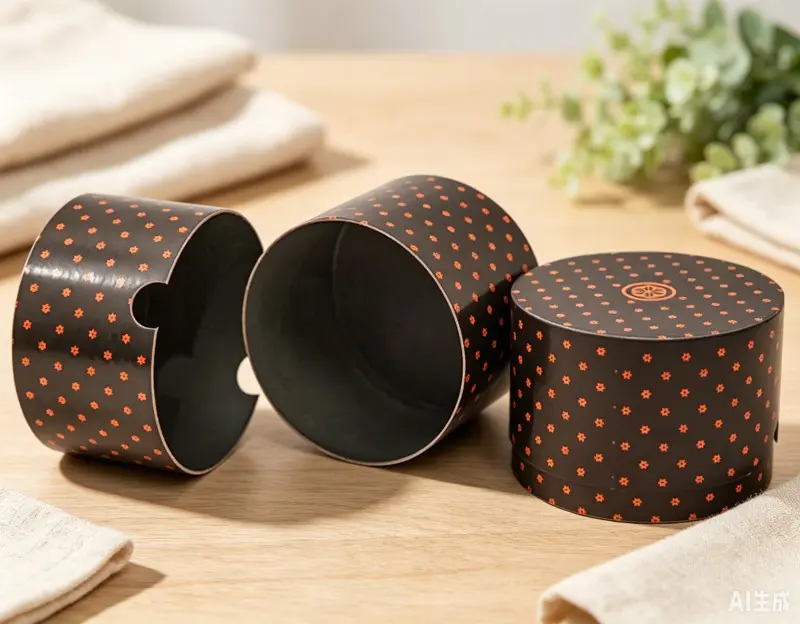
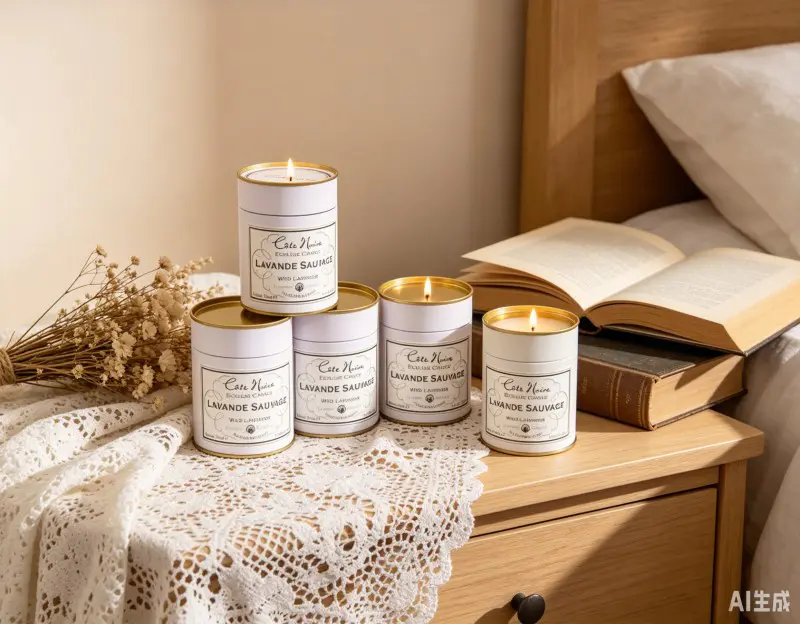

As one of the top China cardboard tube packaging manufacturers and paper tube packaging suppliers, we devote all of our efforts to research and launch more high quality packaging products to global market.
Packaging plays a central role in the quality, safety, presentation, and commercial success of baking powder and other dry baking ingredients. A well-designed container must protect the powder from moisture, preserve its free-flowing condition, support efficient filling and storage, and communicate product information clearly. At the same time, it should offer an attractive appearance that helps the product stand out on retail shelves and online product pages.
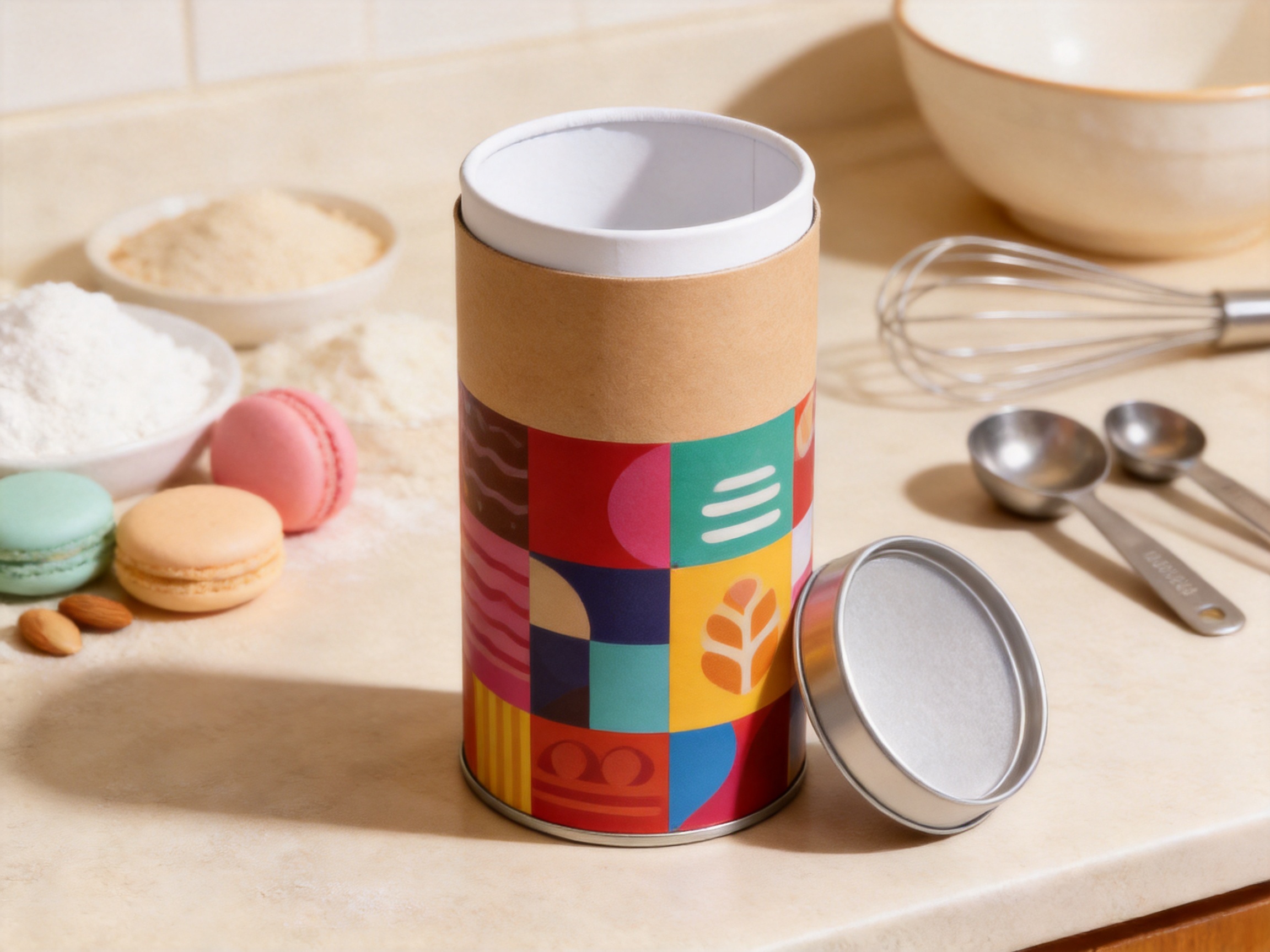
Custom paper canister packaging provides a practical solution for baking powder, macaron-making powder, cake ingredients, and similar dry food products. The featured canister is manufactured from kraft paper with a white uncoated paper liner, CMYK printing, matte lamination, and a tin slip top and tin bottom. Its stated size is an internal diameter of 124 millimeters and a height of 180 millimeters, with a tube thickness of approximately 1 to 1.2 millimeters.
This format combines the visual appeal of printed paper packaging with the structural stability of a rigid cylindrical container. Compared with flexible pouches, ordinary paper cartons, or thin plastic bags, the canister offers a more substantial package experience and improved resistance to crushing during handling. It can also be customized for different product volumes, branding programs, seasonal campaigns, and distribution requirements.
The packaging is suitable for industrial and commercial applications associated with macaron making powder and other dry baking materials. Its design also illustrates how a professional paper tube manufacturer can integrate material selection, structural engineering, printing, finishing, forming, and quality control into one coordinated manufacturing process.

Baking Powder Packaging
Content
- 1 Understanding the Packaging Requirements of Baking Powder
- 2 Product Overview
- 3 Structural Advantages of the Cylindrical Paper Canister
- 4 Material Construction and Functional Performance
- 5 Printing and Brand Communication
- 6 Advantages Compared with Common Alternative Packages
- 7 Manufacturing Process for a Custom Paper Canister
- 8 Manufacturing Strengths and Industry Experience
- 9 Quality Control Considerations for Baking Powder Packaging
- 10 Customization Opportunities
- 11 Storage, Filling, and Logistics Recommendations
- 12 Sustainability and End-of-Life Considerations
- 13 Commercial Benefits for Baking Brands
- 14 How to Develop a Successful Packaging Project
- 15 Frequently Asked Questions
- 15.1 What product is this paper canister designed to package?
- 15.2 What are the stated dimensions?
- 15.3 What material forms the main body?
- 15.4 What type of printing is available?
- 15.5 What is the purpose of matte lamination?
- 15.6 What closure does the package use?
- 15.7 Is the canister suitable for direct food contact?
- 15.8 Can the dimensions be customized?
- 15.9 How thick is the paper tube?
- 15.10 Why choose a cylindrical paper canister instead of a pouch?
- 15.11 Can the canister be used for repeated opening and closing?
- 15.12 What manufacturing experience supports this product?
- 15.13 What information should a buyer provide when requesting a quotation?
- 16 Conclusion
- 17 References
- 18 Product: Baking Powder Packaging
Understanding the Packaging Requirements of Baking Powder
Baking powder is a dry leavening ingredient that requires stable storage conditions. Its performance can be affected by moisture, contamination, excessive heat, improper closure, and prolonged exposure to unsuitable environments. Packaging must therefore do more than display a brand name. It must create an appropriate barrier system, protect the contents during transportation, and support the intended shelf-life requirements.
For manufacturers and brand owners, the container must also fit the filling line, accommodate the desired quantity, and provide enough space for ingredient declarations, nutrition information, usage instructions, lot codes, dates, warnings, and regulatory details. In many markets, baking powder is sold in a range of pack sizes, from small household containers to larger formats intended for bakeries, restaurants, food manufacturers, and professional pastry operations.
The cylindrical paper canister format is especially suitable when a brand wants to move beyond a basic sachet or rectangular carton. A rigid canister can create a stronger physical presence and offer a more distinctive shape. The round body is easy to hold, visually recognizable, and adaptable to high-impact graphics. It also provides a broad printable surface that can be used for product information and brand storytelling.
Macaron-making powder creates additional packaging considerations. Professional and home bakers often value ingredient consistency, clean handling, convenient storage, and accurate product identification. The packaging should help prevent powder loss, make opening and closing simple, and remain stable on shelves or work surfaces. If the product is used repeatedly, the closure should be designed to reduce unnecessary exposure between uses.
Because baking powders and related dry ingredients are sensitive to humidity, the final package specification should always be assessed according to the product formula, filling conditions, distribution climate, and required shelf life. The paper canister can form part of a broader packaging system, but the liner, closure, sealing method, and any additional inner protection should be selected through technical evaluation rather than by appearance alone.
Product Overview
The featured product is a custom cylinder paper canister developed for baking powder and macaron-making powder packaging. It uses kraft paper as the main structural material and includes a white uncoated paper liner. The exterior is finished with CMYK printing and matte lamination. A tin slip top and tin bottom provide a metal closure and base combination that complements the cylindrical paper body.
| Specification | Details |
|---|---|
| Primary application | Baking powder and macaron-making powder packaging |
| Container style | Custom cylindrical paper canister |
| Paper type | Kraft paper |
| Interior liner | White uncoated paper liner |
| Printing | CMYK printing |
| Surface finish | Matte lamination |
| Top closure | Tin slip top |
| Bottom style | Tin bottom |
| Reported size | Internal diameter 124 millimeters by height 180 millimeters |
| Tube thickness | Approximately 1 to 1.2 millimeters |
| Order model | Custom orders accepted |
| Product characteristic | Disposable paper-based packaging format |
The listed dimensions provide a starting specification rather than a universal standard for every baking powder product. The exact filling capacity will depend on powder density, particle size, fill weight, headspace, closure design, and filling equipment. A manufacturer should therefore confirm the actual capacity through sample testing before approving mass production.
The kraft paper body delivers a natural and substantial appearance. This can be especially valuable for baking brands that want to communicate craftsmanship, ingredient quality, simplicity, or a connection with traditional food preparation. At the same time, CMYK printing allows the package to carry colorful illustrations, technical information, product claims, preparation instructions, and visual elements that support a modern retail identity.
Structural Advantages of the Cylindrical Paper Canister
Rigid Protection for Handling and Distribution
A cylindrical paper canister has greater structural presence than a lightweight flexible bag. Its wound paper construction creates a firm wall that helps the package maintain its shape during filling, warehousing, display, and transportation. This is useful when containers are stacked in cartons or placed in retail displays where crushing and deformation can reduce visual quality.
The reported tube thickness of 1 to 1.2 millimeters provides a balance between rigidity and material efficiency. The correct thickness depends on the required load-bearing performance, canister diameter, product weight, pallet configuration, and distribution environment. A professional manufacturer can adjust the construction when a project requires greater compression resistance or a lighter package.
The round form also distributes certain external forces around the circumference of the container. Unlike a flat carton panel that may crease along a fold line, the curved wall can help the package retain a clean shape. The result is a container that looks more consistent on a shelf and remains comfortable to hold while ingredients are measured or poured.
Practical Closure and Repeated Use
The tin slip top is designed to provide a straightforward opening and closing experience. For dry baking ingredients, a practical slip-on closure can be convenient for consumers who need to access the product more than once. The metal component also contributes to the perceived quality of the package and creates a clear distinction from simple paperboard boxes.
Repeated-use performance must be evaluated according to the fit between the lid and body, the presence of any inner sealing element, the product’s moisture sensitivity, and the storage conditions. For a product that is expected to remain open and closed over an extended period, closure tolerances and sealing performance should be tested during development.
The tin bottom provides a firm base and helps the canister stand securely. Stable standing is important for retail presentation and household storage. It also reduces the likelihood that the container will tip when placed near mixing bowls, measuring equipment, pantry shelves, or commercial baking workstations.
Effective Use of the Printable Surface
A cylindrical package provides a continuous visual field around the container. This allows designers to create a wraparound graphic system rather than limiting information to separate front, side, and rear panels. A brand can use one area for the product name, another for preparation instructions, and additional areas for nutritional and regulatory information.
For baking powder packaging, the printable surface can include dosage recommendations, recipe applications, storage instructions, batch information, and product differentiation. A carefully planned design can also guide the user toward correct handling, such as closing the container after use and storing it in a cool, dry place.
The shape is also suitable for coordinated product families. A company may use one canister structure for baking powder, cocoa powder, vanilla powder, macaron mix, cake decoration ingredients, and other dry products. Consistent dimensions and a related graphic system can create a recognizable product range while allowing each variety to use different colors or illustrations.
Material Construction and Functional Performance
Kraft Paper as the Main Body Material
Kraft paper is widely used in rigid paper packaging because it offers a combination of strength, workability, and a natural visual character. In a wound paper canister, kraft paper forms the structural wall through layered construction. The number, orientation, and bonding of the layers influence the container’s rigidity, dimensional consistency, and resistance to handling stress.
The brown or natural appearance of kraft paper can be used as part of the package design. It can support an image of authenticity and straightforward ingredients, which are often relevant in the baking and food categories. When covered with printed artwork and matte lamination, the same substrate can also support a more refined or contemporary appearance.
Material selection should be aligned with the intended application. Baking powder packaging must be assessed not only for strength but also for compatibility with the product and the chosen liner. The packaging supplier, filling company, and brand owner should confirm that all components meet the applicable requirements for food-contact packaging in the intended sales markets.
White Uncoated Paper Liner
The white uncoated paper liner gives the inside of the canister a clean and consistent appearance. It may also serve as one part of the internal material system that separates the product from the structural kraft paper layers. The precise barrier performance will depend on the construction, adhesives, closure, and any supplementary sealing components used in the finished package.
For dry powders, the interior specification is particularly important. The liner should be selected according to the powder’s moisture sensitivity, oil content, aroma, particle size, and expected storage conditions. Product compatibility testing can help determine whether the liner provides the desired performance for the intended application.
A white interior can also support a cleaner user experience. If a small amount of powder contacts the inner wall during use, the light-colored surface may make residue easier to see and remove. The clean interior appearance can reinforce the perception that the package has been designed for food-related use rather than general non-food storage.
Matte Lamination
Matte lamination creates a low-gloss surface that can make the canister feel smooth and refined. It reduces strong reflections under store lighting and can improve the legibility of printed text in certain viewing conditions. The finish also supports a premium visual language that is often used for specialty baking products, artisan ingredients, and gift-oriented food collections.
Compared with a highly glossy surface, matte lamination can make fingerprints and glare less noticeable. It also gives designers a restrained background for illustrations, typography, and color blocks. However, the finish should be tested for scuff resistance, adhesion, and compatibility with the printing system before final approval.
Matte finishing does not replace the need for an appropriate internal barrier. Its primary role is exterior appearance and surface protection. Moisture protection for the baking powder must be considered through the complete package structure, including the liner, closure, seams, and any inner seal.
Printing and Brand Communication
CMYK printing provides a flexible foundation for full-color packaging graphics. The four-color process can reproduce photographs, illustrations, gradients, icons, ingredient images, and detailed patterns. For a product associated with macarons or baking, the design may include soft colors, pastry imagery, ingredient illustrations, or a clear visual cue describing the product’s application.
Good packaging communication begins with information hierarchy. The product name should be easy to locate, while the net quantity, flavor or formula, preparation instructions, and storage information should remain readable. The circular format requires designers to check how text flows around the body. Important information should not be placed across seams, under the lid edge, or in areas that may become difficult to read when the container is displayed at an angle.
Color management is important when printed artwork is applied to kraft paper. The substrate may influence color appearance, especially for pale tones and transparent areas. A suitable print proof or physical sample can help the brand owner evaluate how the colors appear on the actual canister rather than relying only on a digital screen.
Matte lamination can slightly change the visual character of printed colors. It may soften highlights and reduce apparent brightness, which can be beneficial for a premium design but should be considered during color approval. Artwork should be prepared with accurate dimensions, bleed, safe areas, seam allowances, barcode requirements, and regulatory copy.
The packaging can also support differentiation from competing products. Many baking powders are sold in small boxes or generic plastic containers. A professionally printed rigid paper canister creates a distinctive silhouette and offers more room for storytelling. The package may communicate a stronger sense of quality, specialization, and product dedication without requiring an overly complex structure.
Advantages Compared with Common Alternative Packages
Compared with Flexible Plastic Pouches
Flexible pouches are lightweight and can be efficient for transportation. However, they may require an additional carton or secondary container for retail presentation and physical protection. They can also be less convenient to stack, more vulnerable to puncture, and harder to reseal after opening unless a zipper or other closure is included.
The paper canister offers a firmer shape, stronger shelf presence, and an easier-to-hold body. Its cylindrical wall protects the contents from some common handling stresses and provides a stable base. For brands competing in a crowded baking ingredient category, these physical advantages can contribute to a more memorable product presentation.
The comparison should remain application-specific. A flexible pouch may be preferable when minimum transport weight or compact storage is the main priority. The paper canister is particularly advantageous when structure, appearance, repeated handling, and premium positioning are central to the packaging strategy.
Compared with Folding Cartons
Folding cartons are versatile and economical for many dry food products, but they are assembled from flat panels with scored folds. They can be susceptible to corner crushing, panel bending, and loss of shape when exposed to pressure or humidity. A cylindrical canister replaces those folding corners with a continuous curved body.
The canister also creates a more substantial consumer experience. A rigid round package may be retained for storage or repurposed after the original product has been used, depending on the interior construction and local reuse practices. Even when the package is intended to be disposable, its useful form can increase perceived value.
Compared with Conventional Plastic Jars
Plastic jars can provide effective moisture protection and are widely used for powders. Nevertheless, some brands prefer paper-based packaging to achieve a more natural appearance, reduce reliance on rigid plastic, or create a different visual identity. A paper canister can offer a warmer and more tactile exterior while retaining a firm container shape.
The choice between paper and plastic should be made according to product protection, regulations, manufacturing capabilities, logistics, and end-of-life considerations. The paper canister is not automatically suitable for every formula or climate. Its advantage is the balance it offers between structural performance, printed presentation, and a paper-forward material profile.
Compared with Metal Tins
Metal tins can be highly durable and provide strong barrier performance, but they may require more material, more energy-intensive forming, and a different cost structure. A composite paper canister with tin components can deliver a balance between a paper body and selected metal closure elements.
This combination can create an appealing tactile result without making the entire package from metal. It also allows the exterior wall to carry extensive printed artwork across a large surface. For brands seeking a premium appearance with a paper-based body, this construction can be a practical middle path.
| Packaging Format | Main Strengths | Potential Limitations | Where the Paper Canister Can Compete |
|---|---|---|---|
| Flexible pouch | Lightweight, compact, efficient for transport | Less rigid, may need secondary protection, variable resealing convenience | Offers stronger structure, easier shelf display, and a more substantial user experience |
| Folding carton | Efficient printing, familiar retail format, easy flat shipment | Folding corners can crush or bend | Provides a continuous curved body and stable cylindrical shape |
| Plastic jar | Strong closure options and established barrier systems | Different material image and possible sustainability concerns | Provides a paper-forward appearance with rigid container performance |
| Metal tin | Durable and potentially strong barrier performance | May involve higher material and forming requirements | Uses a paper body with selected tin components for balance |
Manufacturing Process for a Custom Paper Canister
1. Project Consultation and Specification Development
Manufacturing begins with a clear understanding of the product and the desired market position. The supplier reviews the powder characteristics, target fill weight, dimensions, closure preferences, printing requirements, annual volume, packing method, distribution environment, and regulatory expectations.
For the featured canister, the initial specification includes an internal diameter of 124 millimeters and a height of 180 millimeters. These measurements must be reviewed alongside the desired net quantity and powder density. If the product is light and aerated, the same volume may hold a different weight than a dense powder. Sample filling is therefore an essential part of confirming the final size.
The development team also considers the opening experience. A tin slip top may be selected for convenience and appearance, but the fit must be appropriate for the body diameter and intended usage pattern. If the package needs an additional inner seal, that requirement should be incorporated before production tooling and artwork are finalized.
2. Paper and Component Selection
The structural kraft paper, white liner, adhesive system, tin top, and tin bottom are selected as a coordinated package. Each component affects the performance of the others. Paper thickness influences the internal dimensions, adhesive selection affects bonding, and metal component tolerances affect closure fit.
For food-related packaging, material documentation and compliance information should be reviewed. The manufacturer and customer should establish which standards apply to the destination markets. Depending on the product and region, testing may address overall migration, specific substances, odor, cleanliness, printing inks, coatings, adhesives, and manufacturing hygiene.
3. Printing and Surface Preparation
Artwork is prepared for CMYK printing according to the canister’s circumference and height. The file must account for the seam, overlap, top and bottom clearances, barcode readability, and any areas hidden by the closure. Color proofs and pre-production samples can identify issues before a larger run begins.
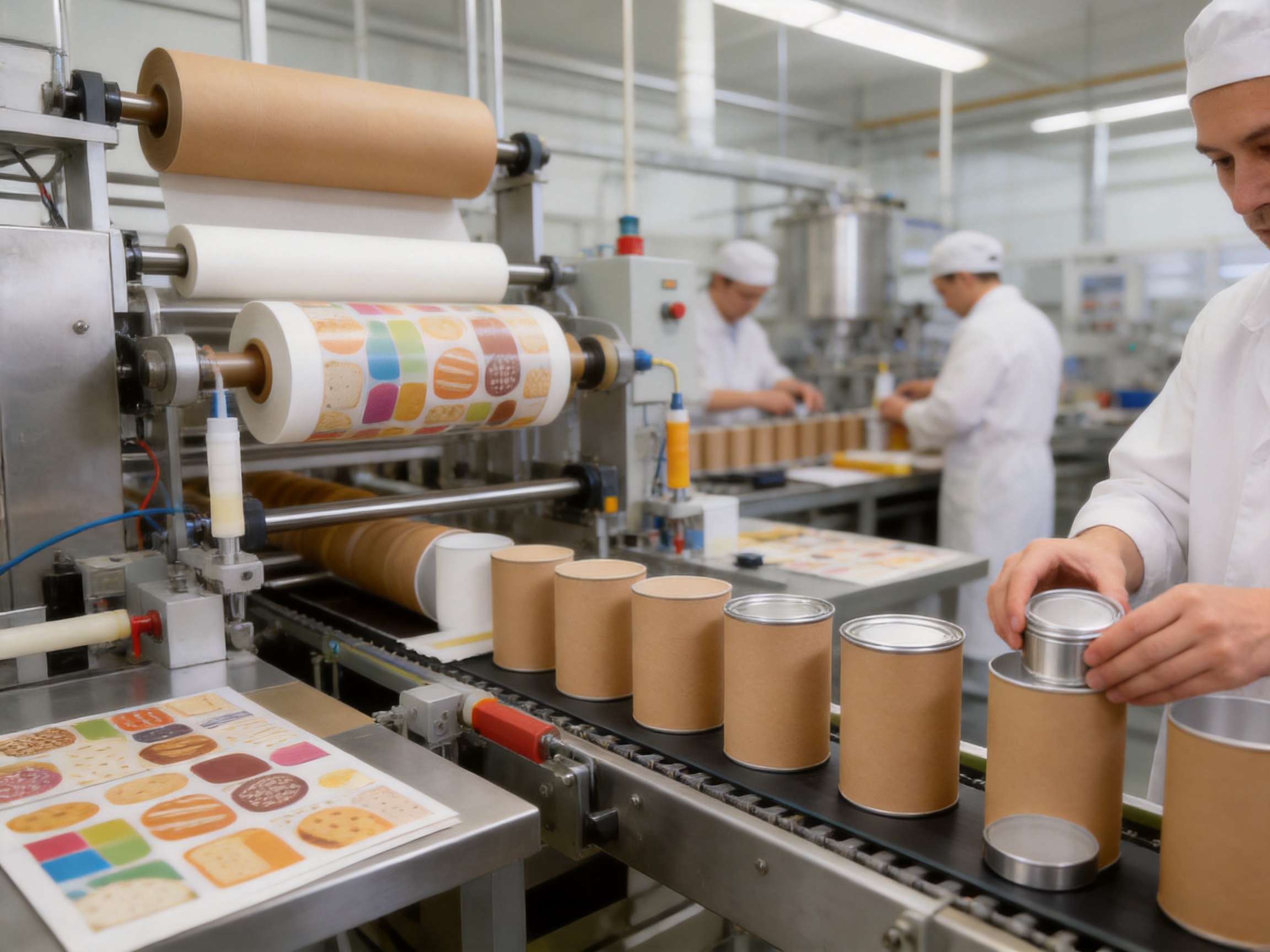
Printing may be applied to the designated outer paper layer before the canister is formed, depending on the production method. Registration, ink adhesion, color consistency, and print sharpness are monitored throughout the process. Matte lamination is then applied where specified to protect the exterior and provide the intended low-gloss finish.
4. Winding and Forming the Tube
The paper layers are wound around a cylindrical forming mandrel. Controlled tension and adhesive application help create a uniform tube wall. The tube must maintain consistent dimensions so that the tin top and bottom fit correctly and the finished package stands straight.
Winding quality affects more than appearance. Uneven layers can cause weak areas, irregular wall thickness, poor closure fit, or distortion during transportation. A modern production line helps improve speed and consistency while reducing variation between individual canisters.
The reported tube thickness of 1 to 1.2 millimeters is suitable as a defined starting point for this product. The final thickness may be adjusted after compression tests, drop tests, stacking evaluations, and filling-line trials. A strong package is not necessarily the heaviest package; the goal is to achieve the required performance efficiently.
5. Cutting, Trimming, and Component Assembly
After the paper tube has stabilized, it is cut to the required height and prepared for component assembly. Accurate trimming is important because even small deviations can affect the position of the lid, the appearance of the printed design, and the stability of the bottom.
The tin bottom is fitted to the lower edge, while the tin slip top is matched to the upper opening. Assembly pressure and alignment must be controlled to prevent dents, loose components, tilted closures, or visible damage to the printed surface. The finished canister should be checked for roundness, vertical alignment, and closure performance.
6. Inspection and Packing
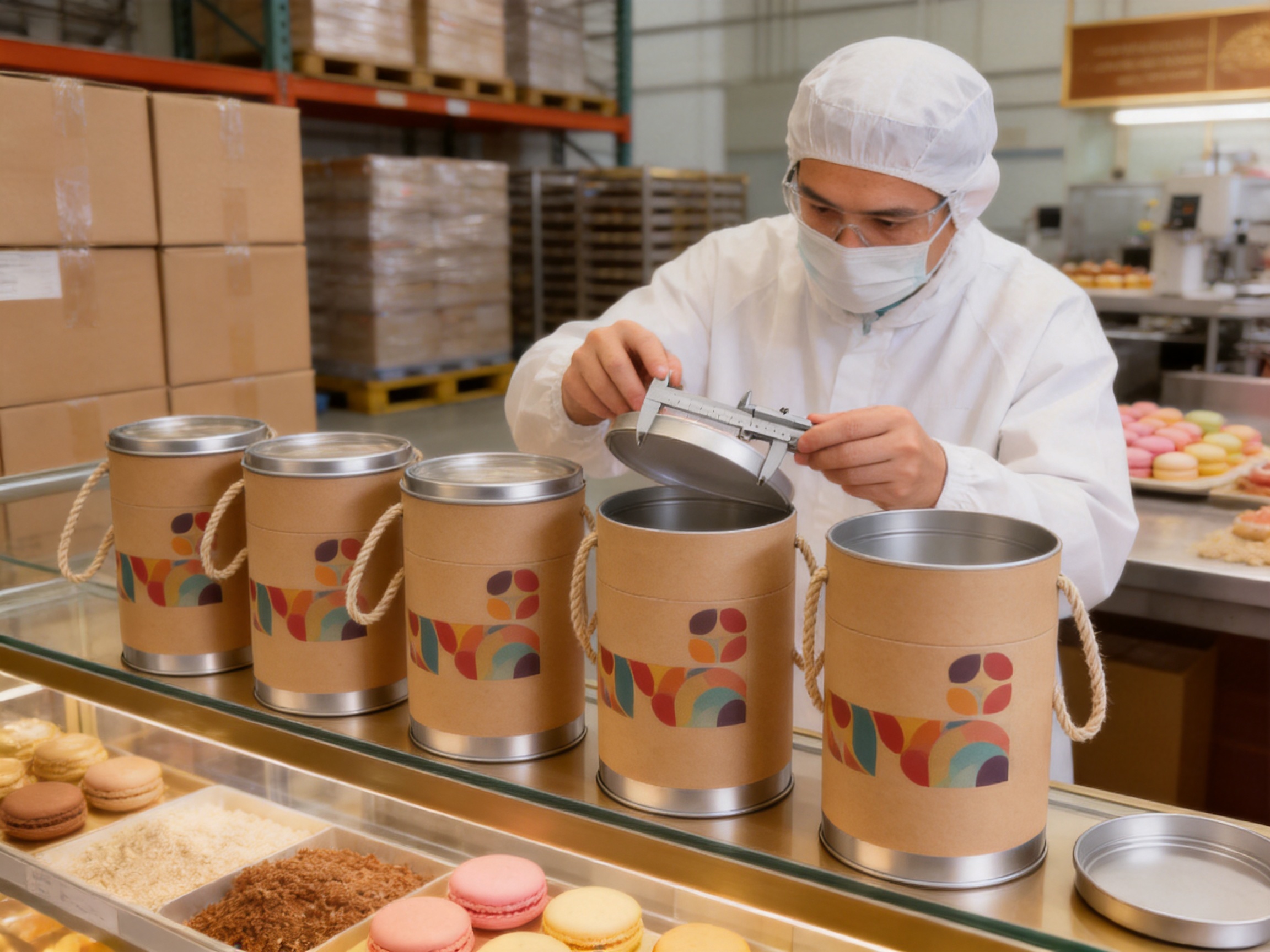
Quality inspection may include dimensional checks, visual examination, color comparison, surface inspection, closure testing, odor checks, and structural evaluations. The manufacturer can also review adhesive bonding, seam appearance, liner condition, and the absence of foreign matter.
Finished canisters should be packed in a way that protects the matte surface and metal components from scratching. Carton design, internal separators, pallet stacking, and moisture protection during transport should be considered. Packaging that leaves the factory in perfect condition must remain protected throughout shipping and storage before it reaches the filling facility or customer.
Manufacturing Strengths and Industry Experience
The supplier behind this product has been engaged in the composite can and paper can industry for more than 20 years. Long-term experience is valuable because paper canister production combines several disciplines: paper engineering, printing, adhesive control, metal component fitting, food packaging hygiene, and customer-specific development.
The company is identified as a member of the international Composite Can and Tube Institute and is described as the only member of that organization in China’s packaging container industry. Participation in an industry association can support technical awareness, exchange of manufacturing knowledge, and understanding of international expectations for composite cans and tubes.
The company also became the first enterprise in China to pass the QS certificate for producing food packaging containers, according to the supplied company information. Food packaging production requires greater attention to cleanliness, material traceability, process control, and suitability for contact with food. Certification history can therefore be an important consideration for buyers developing baking powder packaging.
In 2015, the company introduced a high-speed composite can production line from Europe. A high-speed line can strengthen production efficiency and consistency when supported by proper maintenance, process monitoring, trained operators, and inspection procedures. Equipment alone does not determine quality, but advanced machinery can provide a solid foundation for repeatable output.
The supplier reports more than ten patented technologies. Patents may relate to structural design, forming, sealing, production methods, or other technical areas. For customers, the practical value lies in how engineering knowledge is translated into stable products, useful customization options, and solutions to specific packaging challenges.
The company’s packaging business covers food, daily chemical products, fast-moving consumer goods, and other applications. Experience across multiple categories can help the technical team understand different requirements for strength, appearance, closure design, and filling operations. At the same time, a baking powder project should still receive application-specific testing because food powders have their own moisture and hygiene considerations.
The supplied company information also identifies long-term partnerships with companies and brands in the food, beverage, tea, coffee, and consumer product sectors. Such experience indicates familiarity with commercial packaging programs, although every new order should be evaluated according to its own specifications, quality standards, and delivery requirements.
Quality Control Considerations for Baking Powder Packaging
Dimensional Accuracy
Dimensional accuracy affects filling volume, closure fit, label or artwork alignment, case packing, and shelf presentation. The internal diameter and height should be measured according to an agreed tolerance. The canister should remain sufficiently round so that the tin top can be applied consistently.
Moisture and Barrier Evaluation
Moisture is one of the main concerns for baking powder packaging. A package development program should evaluate the complete system rather than focusing only on the outside paper. Testing may consider moisture transmission, closure fit, seams, liner performance, and storage under different temperature and humidity conditions.
The appropriate testing period depends on the product’s intended shelf life and distribution route. Samples may be stored in controlled environments and periodically evaluated for powder flow, clumping, chemical performance, odor, appearance, and container condition. Accelerated testing can provide useful comparative data, but it should not replace appropriate real-time evaluation where required.
Closure Performance
The tin slip top should open without excessive force and remain secure during normal handling. It should not be so loose that it falls off during transportation, nor so tight that users struggle to remove it. Repeated opening and closing tests can help determine whether the closure remains functional over the expected life of the product.
Print and Finish Inspection
Print inspection should review color consistency, registration, text clarity, barcode readability, seam position, and artwork completeness. Matte lamination should be checked for bubbles, wrinkles, lifting, scratches, and uneven coverage. The external surface should withstand normal packing and distribution without excessive scuffing.
Hygiene and Material Documentation
Food packaging production should be supported by documented procedures for raw material control, production cleanliness, personnel practices, storage, and traceability. Customers may request technical data sheets, declarations of compliance, test reports, or production samples before approving a purchase.
Customization Opportunities
The canister can be customized in several areas. Dimensions may be adjusted to suit a specific fill weight or product line. The height-to-diameter ratio can be changed to create a taller, more elegant container or a shorter format that is easier to store. Tube thickness can be reviewed when the product requires increased rigidity or when logistics call for a lighter construction.
Printing customization is another major advantage. Brands can develop separate designs for original baking powder, double-acting baking powder, macaron powder, cake mix, cookie ingredients, or seasonal baking collections. CMYK printing supports detailed graphics and coordinated product families without requiring a completely different container concept for each item.
The closure may also be evaluated according to the desired user experience. A tin slip top provides a classic and practical appearance, while the bottom construction supports standing stability. If a customer requires an inner seal, tamper evidence, or a different opening arrangement, these features should be discussed during the engineering stage.
Packaging can be created for retail, food-service, promotional, gift, or private-label applications. A bakery may use the canister for a house brand, while a food ingredient distributor may require multiple languages or country-specific regulatory information. The cylindrical body can accommodate multiple artwork versions while maintaining a common structural platform.
Custom orders also allow the manufacturer to coordinate packaging with the filling process. The customer can provide information about the filling machine, powder behavior, target speed, sealing method, and case-packing arrangement. Early collaboration reduces the risk that a visually attractive package will create unexpected problems during production.
Storage, Filling, and Logistics Recommendations
Before filling, empty canisters should be stored in a clean, dry location away from strong odors, direct sunlight, excessive heat, and high humidity. Cartons should remain sealed until the containers are needed. Proper storage protects the paper structure and reduces the likelihood of contamination or dimensional change.
At the filling facility, the canisters should be inspected before use. The operator can check for dents, loose metal components, damaged print, foreign matter, and closure irregularities. Any package that does not meet the agreed standard should be separated for review.
Powder filling equipment should be adjusted to the canister opening and the intended fill weight. Excessive dust generation can affect the closure and the appearance of the container. A suitable filling and cleaning procedure can help prevent powder from accumulating around the lid or seam.
Case packing should prevent movement that could produce scratches or dents. Dividers, sleeves, or correctly sized secondary cartons may be used when necessary. Pallets should be stacked according to the strength of the primary and secondary packaging. Heavy loads should not exceed the tested compression capacity of the canisters or shipping cartons.
Distribution conditions should be considered during package qualification. Long-distance shipping, sea freight, seasonal humidity, temperature changes, and warehouse storage can all affect a paper canister. Testing under representative conditions helps confirm whether the selected construction is suitable for the intended route.
Sustainability and End-of-Life Considerations
Paper-based packaging is often selected by brands that want to increase the visible use of renewable-fiber materials or reduce the amount of conventional rigid plastic in a product presentation. The kraft paper body gives the canister a paper-forward identity and may support sustainability communication when such claims are accurate and properly documented.
However, the complete structure must be considered. The canister contains paper, liner materials, adhesives, printing inks, lamination, and tin components. Recycling compatibility depends on local collection systems, material separation, contamination, and the construction of the final package. A responsible sustainability statement should be based on verified technical and regional information rather than on the word “paper” alone.
Material reduction is another possible strategy. The tube thickness can be optimized through testing so that the package provides the necessary rigidity without excessive material. Efficient packing and shipping may also reduce transport impacts by improving space utilization and reducing product damage.
Durability can support resource efficiency as well. A container that resists crushing and protects the product through distribution may reduce waste caused by damaged goods. If consumers reuse the canister for dry household storage, crafts, or other purposes, that may extend its useful life, although reuse suitability should not be claimed unless the interior and closure have been evaluated for the intended purpose.
Commercial Benefits for Baking Brands
A distinctive container can help a baking product occupy a stronger position in a crowded market. The round canister is immediately different from a flat carton or flexible pouch. Its shape can create a premium appearance, support giftable presentations, and make the product easier to recognize when several packages are displayed together.
The large printable circumference gives the brand space to communicate more effectively. Product benefits, instructions, recipes, serving suggestions, and storage guidance can be organized around the body without relying on a small front panel. This is especially helpful for products that require clear usage information.
The canister also supports product line architecture. A manufacturer can create a consistent family based on the same diameter and height while varying the color system and graphics. This approach can simplify shelf organization and help consumers identify related products from the same brand.
For wholesalers and private-label customers, custom manufacturing provides flexibility. The package may be developed for a specific market, sales channel, or promotional program. Rather than choosing a generic stock container, the buyer can specify dimensions, printing, closure details, and finishing according to the commercial purpose.
Packaging quality can influence perceived product quality, especially for specialty ingredients. A firm, clean, professionally printed canister suggests that the contents have been developed and handled with care. While packaging cannot replace product performance, it can strengthen the connection between the product formulation and the consumer’s expectations.
How to Develop a Successful Packaging Project
The first step is to define the product clearly. The customer should provide the powder type, formula characteristics, target net weight, density information if available, expected shelf life, filling method, distribution region, and storage conditions. These details help the manufacturer recommend a suitable internal volume and construction.
The second step is to agree on the physical specification. The proposed 124-millimeter internal diameter and 180-millimeter height can be evaluated through filling samples. If the product requires a different capacity, the dimensions or tube construction can be adjusted before artwork is finalized.
The third step is to review material and compliance requirements. The buyer should identify the destination markets and determine which food-contact standards, labeling rules, recycling statements, and documentation apply. The liner, adhesives, inks, coating, and metal components should be included in the review.
The fourth step is to approve the artwork and physical sample. Digital files should be checked for dimensions, text, colors, barcodes, translations, and regulatory information. A physical sample makes it possible to evaluate the actual surface, matte effect, closure fit, print quality, and overall appearance.
The fifth step is to conduct functional testing. Filling trials, closure trials, drop tests, stacking tests, humidity exposure, and transportation simulations may be appropriate depending on the product. Testing should be documented and reviewed by the customer before mass production.
The final step is to establish production and inspection standards. The purchase agreement should identify approved materials, dimensions, tolerances, print references, packaging method, sampling plan, and procedures for handling nonconforming products. Clear standards help both parties maintain consistency over repeated orders.
Frequently Asked Questions
What product is this paper canister designed to package?
The featured canister is described for baking powder and macaron-making powder. It may also be considered for other dry baking ingredients or powder products after compatibility, filling, and shelf-life requirements have been evaluated.
What are the stated dimensions?
The reported size is an internal diameter of 124 millimeters and a height of 180 millimeters. The actual filling capacity depends on powder density, fill weight, headspace, and closure design, so sample testing is recommended before final approval.
What material forms the main body?
The main body uses kraft paper, with a white uncoated paper liner on the inside. The exact barrier performance depends on the complete construction, including the liner, adhesives, seams, closure, and any additional inner seal.
What type of printing is available?
The product specification identifies CMYK printing. This supports full-color graphics, product information, illustrations, instructions, and coordinated designs for multiple varieties.
What is the purpose of matte lamination?
Matte lamination creates a low-gloss surface that can reduce glare, provide a smooth tactile finish, and support a premium appearance. It also helps protect the printed exterior, although it should be tested for scuff resistance and adhesion.
What closure does the package use?
The specified closure is a tin slip top, combined with a tin bottom. The top is designed for practical opening and closing, while the bottom provides a stable base. Closure fit and repeated-use performance should be tested for the final product.
Is the canister suitable for direct food contact?
Suitability must be confirmed according to the final construction, product formula, destination market, and applicable regulations. The customer should request appropriate compliance documentation and conduct product-specific testing before commercial use.
Can the dimensions be customized?
Custom orders are accepted, so dimensions can be discussed according to the product’s fill weight, powder density, filling line, shelf requirements, and market positioning. A physical sample is recommended for confirming capacity and usability.
How thick is the paper tube?
The listed tube thickness is approximately 1 to 1.2 millimeters. The final thickness may be adjusted based on compression requirements, product weight, distribution conditions, and the desired balance between strength and material efficiency.
Why choose a cylindrical paper canister instead of a pouch?
A cylindrical canister provides a more rigid body, stable shelf presentation, stronger tactile presence, and a large continuous surface for printing. A pouch may remain preferable when minimum weight and compact shipping are the primary objectives, but the canister offers distinct structural and branding advantages.
Can the canister be used for repeated opening and closing?
The tin slip top is suitable for a practical open-and-close format, but repeated-use performance depends on the closure fit, inner sealing system, powder characteristics, and storage conditions. These factors should be verified through testing.
What manufacturing experience supports this product?
The manufacturer has reported more than 20 years of experience in composite cans and paper cans, membership in the Composite Can and Tube Institute, food packaging certification history, a high-speed European composite can production line introduced in 2015, and more than ten patented technologies.
What information should a buyer provide when requesting a quotation?
A buyer should provide the product type, target fill weight, estimated annual quantity, desired dimensions, artwork requirements, closure preference, delivery destination, filling method, shelf-life target, applicable regulations, and any special testing or documentation requirements.
Conclusion
The custom paper canister developed for baking powder and macaron-making powder offers a practical combination of structure, printability, handling convenience, and visual differentiation. Its kraft paper body, white uncoated paper liner, CMYK printing, matte lamination, tin slip top, and tin bottom create a balanced format for dry baking products that need more presence than a basic pouch or carton.
The reported internal diameter of 124 millimeters, height of 180 millimeters, and tube thickness of 1 to 1.2 millimeters provide a defined starting point for product development. These specifications should be validated through filling trials, closure testing, environmental evaluation, and transportation simulation before mass production.
Its advantages over competing formats include a rigid cylindrical structure, a stable standing base, a broad printable area, a premium tactile experience, and flexible customization. At the same time, the package should be evaluated honestly as a complete system. Moisture protection, food-contact compliance, closure performance, and end-of-life conditions must be confirmed for the specific powder and market.
The manufacturer’s experience in composite cans and paper cans, food packaging production, international industry participation, advanced production equipment, and patented technologies provides a strong foundation for customized packaging development. With careful specification, sampling, testing, and quality control, the canister can support both the functional needs of baking powder and the commercial goals of modern food brands.
References
Composite Can and Tube Institute. Technical perspectives on composite cans, paper tubes, and cylindrical packaging construction.
International Organization for Standardization. General principles for packaging development, quality management, and product protection.
Food and Agriculture Organization of the United Nations. Guidance on food packaging, food safety, and protection of dry food products.
European Commission. General framework for materials and articles intended to come into contact with food.
U.S. Food and Drug Administration. Food-contact materials, packaging components, and compliance considerations for food products.
Packaging industry literature. Studies of paperboard structures, composite cans, moisture protection, printing finishes, and distribution testing.
Manufacturer-supplied product specification. Custom cylinder paper canister for baking powder and macaron-making powder, including dimensions, materials, closure components, printing, and finishing details.
