 English
 Español
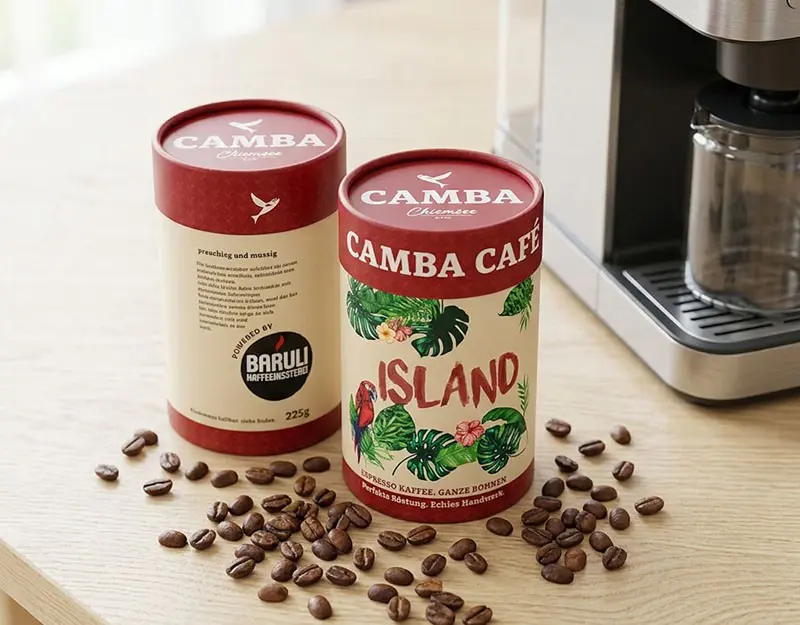
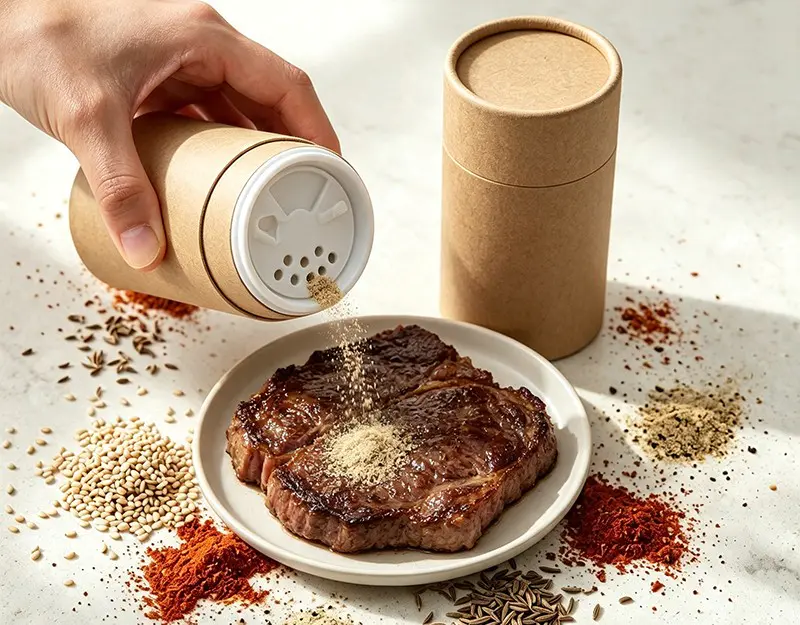
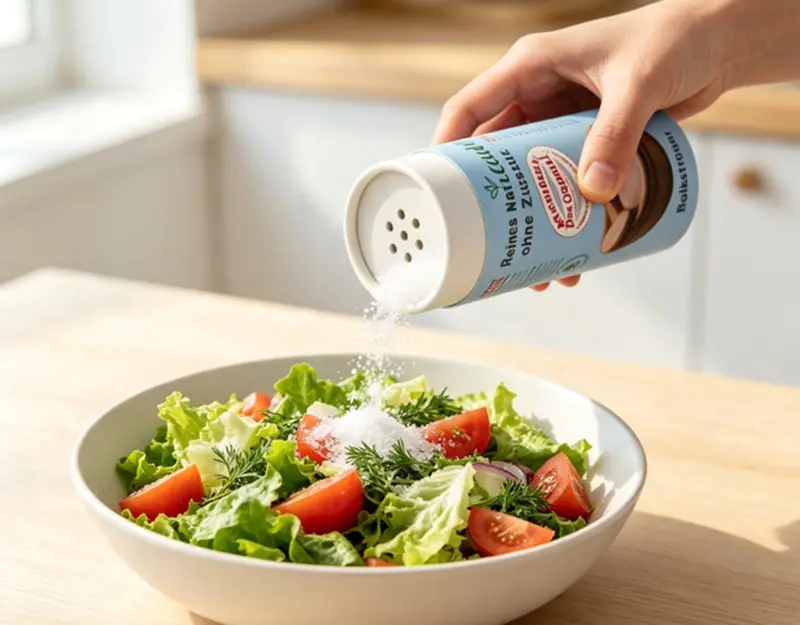
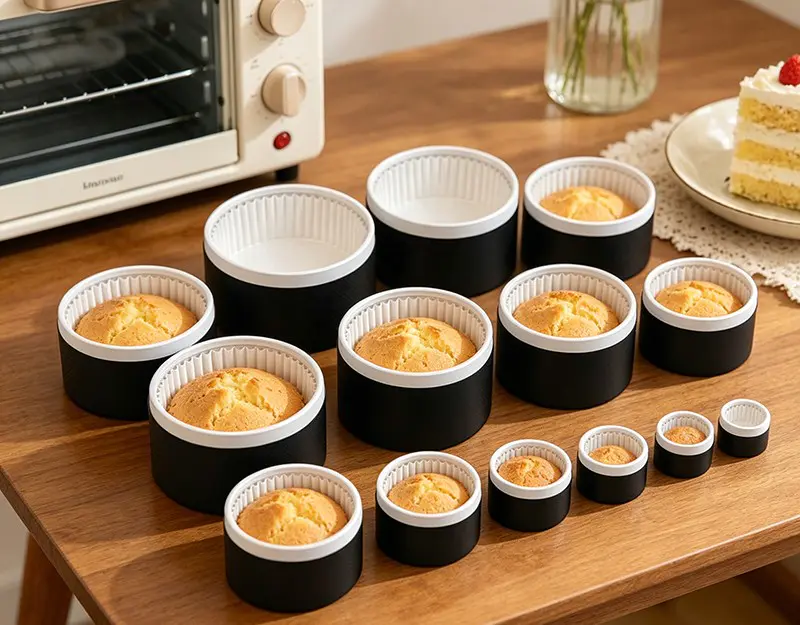

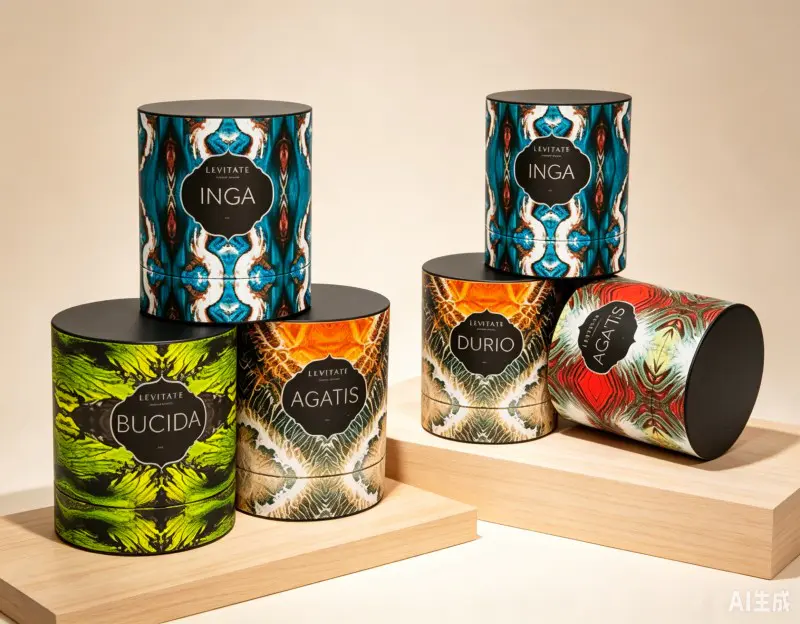
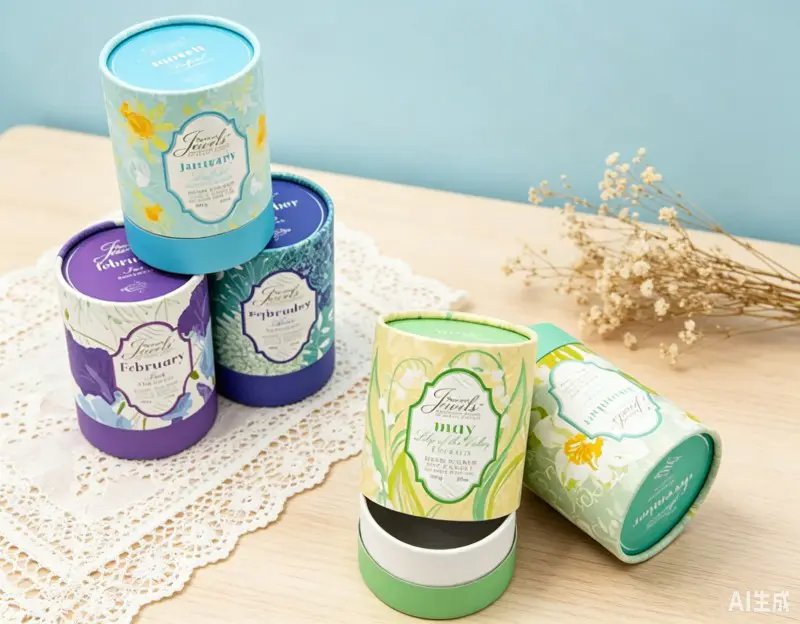
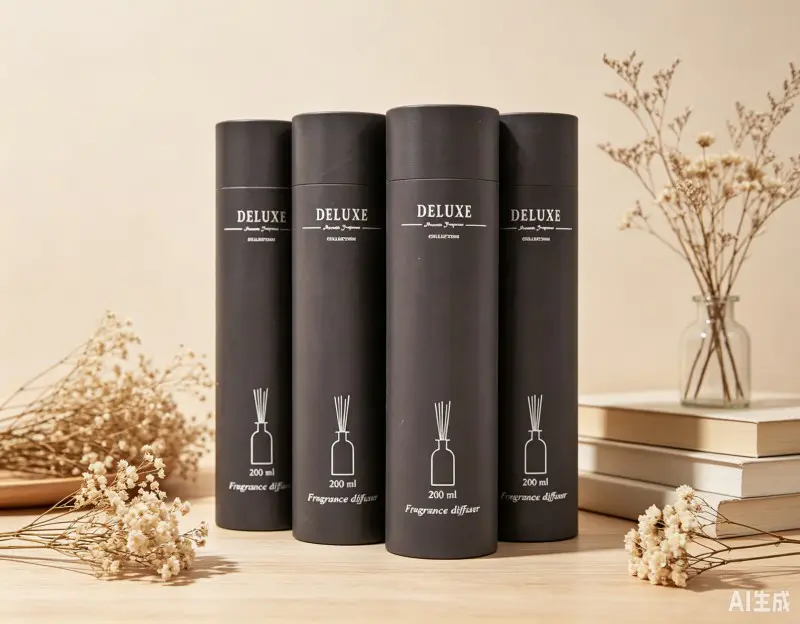
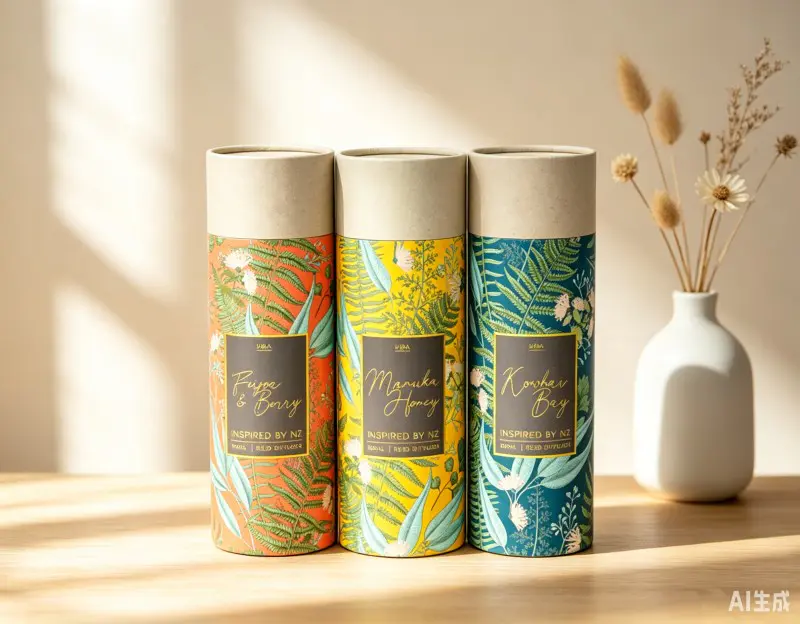
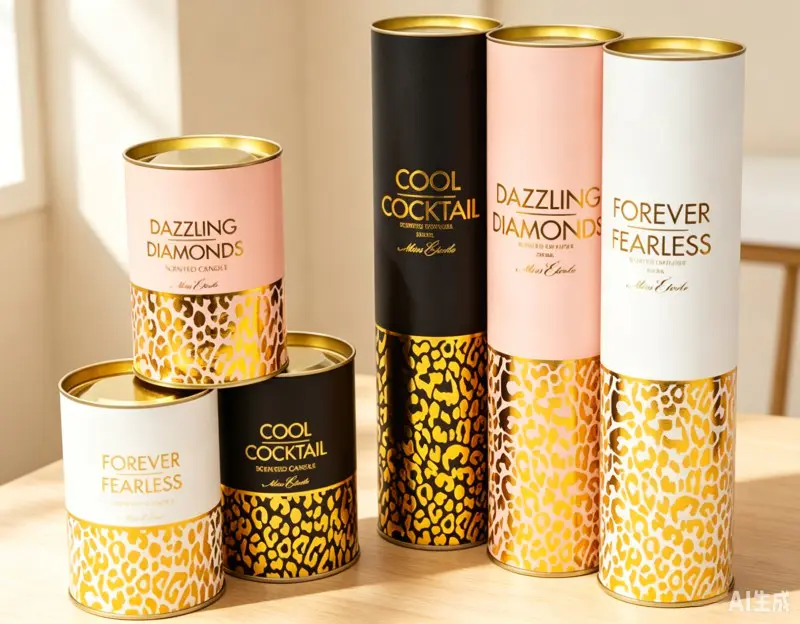
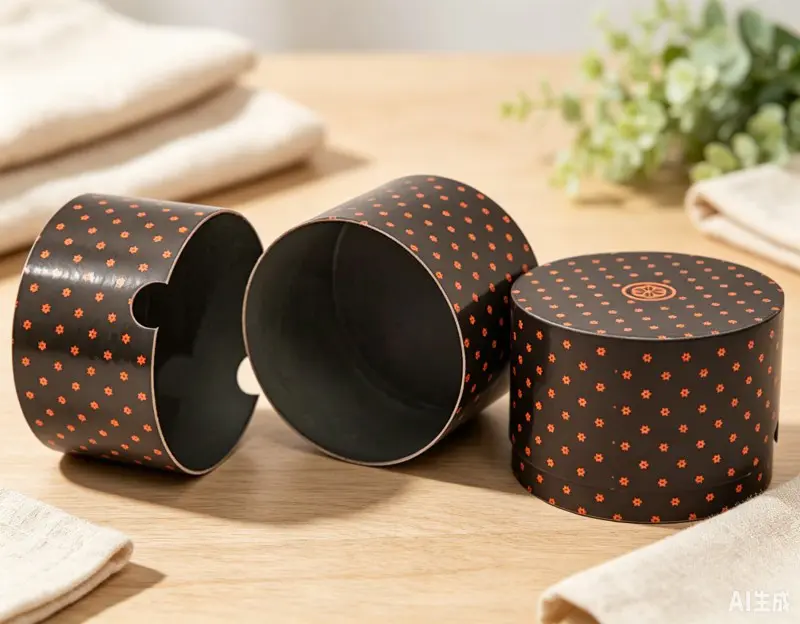
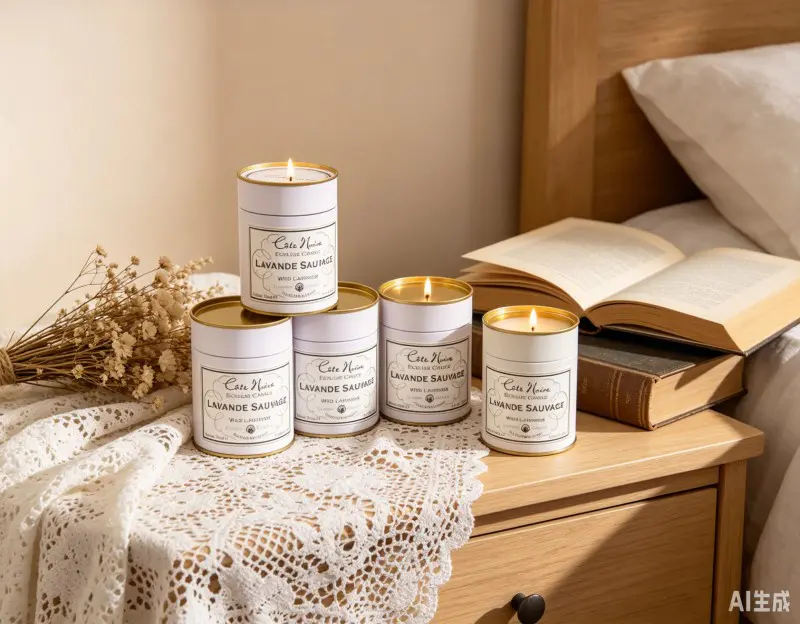

As one of the top China cardboard tube packaging manufacturers and paper tube packaging suppliers, we devote all of our efforts to research and launch more high quality packaging products to global market.
Content
- 1 What Is an Airtight Paper Can?
- 2 How Airtight Paper Cans Actually Work
- 3 Products That Benefit Most from Airtight Paper Canister Packaging
- 4 Airtight Paper Can vs. Other Packaging Formats
- 5 Sustainability Profile of Airtight Cardboard Cans
- 6 Custom Branding on Airtight Paper Cans
- 7 What to Check When Sourcing an Airtight Paper Can Supplier
- 8 Common Mistakes to Avoid with Airtight Paper Packaging
What Is an Airtight Paper Can?
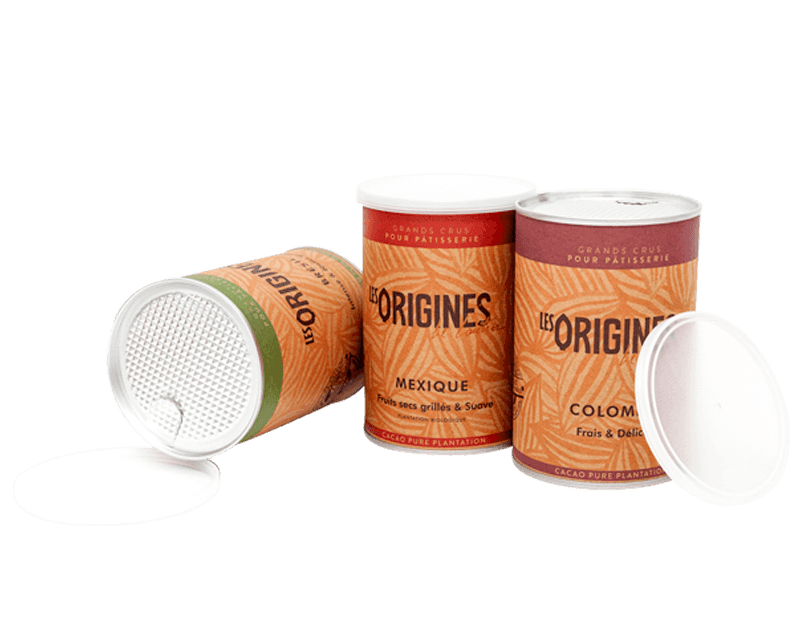
An airtight paper can is a cylindrical container made primarily from paperboard or composite paper materials, engineered to create a sealed environment that blocks oxygen, moisture, and external odors from reaching the contents inside. Unlike standard paper tubes or open-top canisters, airtight paper cans incorporate a fitted lid system — often a press-fit metal cap, a friction-lock paper lid, or a membrane seal — that minimizes air exchange and keeps products fresh for significantly longer.
These containers are widely used across the food, beverage, nutraceutical, cosmetic, and specialty retail industries. You will find them holding ground coffee, loose leaf tea, powdered supplements, spices, dried fruits, cocoa, protein powders, and even non-food items like bath salts and incense. The combination of paper-based construction with genuine sealing performance makes them one of the most versatile and commercially attractive packaging formats available today.
How Airtight Paper Cans Actually Work
The airtight performance of a paper can does not come from the paper itself — paper is naturally porous and breathable. Instead, it comes from a combination of structural design features and barrier materials layered within or applied to the can. Understanding these components helps you evaluate whether a specific paper canister will meet your product's preservation requirements.
Inner Barrier Liners
The most critical component in a sealed paper canister is the inner liner. Most airtight paper cans use one of three liner types: aluminum foil laminate, metallized film, or food-grade polyethylene (PE) coating. Aluminum foil liners provide the highest barrier performance, blocking virtually all oxygen transmission, moisture vapor, and UV light. Metallized film offers a middle ground — excellent barrier properties with lower material cost and weight than full foil. PE-coated liners are the most basic option, providing moisture resistance but limited oxygen barrier performance, making them suitable for products that are less sensitive to oxidation.
Lid and Seal Mechanisms
The lid is where most air infiltration occurs in poorly designed paper cans. High-quality airtight paper cans use one or more of the following sealing approaches. A press-fit metal lid creates a mechanical interference fit along the can's rim, compressing slightly upon closure to reduce the air gap. Some designs incorporate a rubber or silicone gasket inside the lid to create a positive seal. Membrane seals — a foil or film layer bonded across the opening before the lid is placed — add a secondary barrier that must be peeled away on first use, effectively proving tamper evidence while maintaining freshness from factory to consumer.
Body Construction and Wall Thickness
The body of a paper can typically consists of multiple spirally wound or convolute-wound layers of paperboard, creating a rigid tube that resists compression and maintains shape. The number of layers and the density of the board determine the can's structural integrity and its ability to hold a tight seal at the lid interface. Thicker walls also provide better insulation and crush resistance during transit, which indirectly preserves the seal's integrity through the supply chain.
Products That Benefit Most from Airtight Paper Canister Packaging
Not every product needs the highest level of barrier protection, but many categories gain a measurable shelf life and quality advantage from being packed in a sealed paper can. The following product types are particularly well-suited to this format.
- Ground coffee and whole bean coffee: Coffee is highly sensitive to oxygen and moisture. An airtight paper can with a foil liner and membrane seal can preserve roasted coffee aroma and flavor for 6–12 months without refrigeration.
- Loose leaf tea and matcha: Delicate teas absorb ambient odors and lose volatile aromatic compounds rapidly when exposed to air. A sealed paper canister keeps them shelf-stable and fragrant for far longer than a resealable pouch.
- Spices and dried herbs: Ground spices lose potency quickly when exposed to oxygen and humidity. Airtight paper cans lock in essential oils and prevent clumping caused by moisture absorption.
- Powdered supplements and protein powders: These fine powders are prone to moisture-induced clumping and oxidative degradation of active ingredients. A barrier-lined paper can maintains product integrity without the bulk of a plastic tub.
- Cocoa, drinking chocolate, and powdered milk: All are hygroscopic — they readily absorb water from the air — making an airtight sealed container essential for maintaining texture and solubility.
- Dried fruits, nuts, and snack mixes: Oxygen causes rancidity in fats found in nuts and dried fruits. A sealed paper food canister extends freshness without the need for synthetic preservatives.
- Bath salts, powdered cosmetics, and incense: Non-food products also benefit from moisture control and scent containment — especially important for fragrant products that could either lose their scent or contaminate other goods in storage.
Airtight Paper Can vs. Other Packaging Formats
It helps to understand where sealed paper canisters sit relative to competing packaging formats — particularly metal tins, plastic containers, and flexible pouches — to make an informed sourcing decision.
| Format | Barrier Performance | Sustainability | Branding Surface | Cost Level |
| Airtight Paper Can | High (with foil liner) | Good to Excellent | 360° full wrap | Medium |
| Metal Tin Can | Very High | Good (recyclable) | 360° printed | Medium–High |
| Plastic Tub / Jar | Medium–High | Poor | Label only | Low–Medium |
| Flexible Resealable Pouch | High | Poor–Medium | Front/back panels | Low |
| Glass Jar with Lid | Very High | Excellent | Label only | High |
The airtight paper can occupies a compelling middle ground: it matches or approaches metal and glass in barrier performance when properly lined, surpasses plastic and pouches in branding potential, and outperforms all of them on sustainability credentials — particularly when constructed from recycled board with a plastic-free lid.
Sustainability Profile of Airtight Cardboard Cans
One of the strongest commercial arguments for switching to an airtight cardboard can is its environmental profile compared to plastic or composite packaging. However, not all paper cans are equally sustainable, and the details matter significantly.
What Makes a Paper Can Truly Eco-Friendly
A paper can made from recycled or FSC-certified paperboard with a steel or aluminum lid is curbside recyclable in most developed markets, provided the body and lid are separated. The paper tube body, being predominantly fiber-based, can enter the paper recycling stream. The metal lid can be recovered in metals recycling. Where the complexity arises is in the inner liner — a bonded foil or film layer that is difficult to separate from the paperboard, potentially rendering the whole body non-recyclable in some facilities.
Emerging Plastic-Free and Compostable Options
Several manufacturers now offer airtight paper cans with bio-based or water-based barrier coatings instead of foil or PE liners. These coatings provide meaningful moisture resistance and, in some cases, adequate oxygen barrier performance for medium-sensitivity products. Fully compostable paper can systems — body, liner, and lid — are now commercially available, though typically at a higher unit cost and with slightly reduced barrier performance compared to foil-lined equivalents. For brands prioritizing end-of-life sustainability, these options are worth evaluating carefully against your product's actual shelf life requirements.
How to Make Honest Sustainability Claims
Brands should avoid vague sustainability language on their airtight paper packaging. Instead of printing "eco-friendly packaging," opt for specific statements such as "body made from 80% recycled paperboard" or "lid is 100% recyclable steel — separate before recycling." This specificity builds consumer trust, reduces the risk of greenwashing accusations, and complies with tightening advertising standards in markets like the EU and UK.
Custom Branding on Airtight Paper Cans
From a visual merchandising standpoint, the airtight paper can is one of the most brand-friendly formats on the market. Its cylindrical body presents a continuous 360-degree canvas that is visible from every angle on shelf — a significant advantage over boxes and pouches that only display two or four flat sides.
Printing Methods and Their Trade-Offs
Offset lithography applied to the paper wrap before winding delivers the sharpest image quality, finest color gradients, and most consistent results across long production runs. Digital printing is increasingly available for short-run custom orders, enabling cost-effective production of as few as 500–1,000 units with high-quality results and no plate costs. Flexographic printing is a mid-range option commonly used for food-grade paper cans with simple graphics and solid color blocks, offering fast turnaround at competitive pricing.
Surface Finishes That Add Premium Appeal
The outer wrap of an airtight paper food canister can be finished with a range of treatments that influence perceived quality and shelf presence significantly. Matte lamination creates a soft, tactile surface that photographs beautifully and positions the product in the premium or artisan segment. Gloss coating intensifies color vibrancy and is well-suited for products targeting a youthful or high-energy demographic. Spot UV varnish — applied selectively over a matte base — creates a contrast between flat and shiny areas that adds visual depth without increasing overall production cost dramatically. Hot foil stamping in gold, silver, or copper adds a luxury dimension that is especially effective for gift-oriented or limited-edition products.
Lid Color and Material as a Branding Element
The lid is a frequently overlooked branding opportunity. Metal lids can be powder-coated or printed in brand colors, creating a cohesive look across a product range. Matching lid colors to product variants — different colors for different tea flavors or supplement formulas — helps consumers navigate a product line quickly and builds a collectible visual identity that encourages multi-unit purchase.
What to Check When Sourcing an Airtight Paper Can Supplier
Choosing the right manufacturer for your sealed paper canister is critical. The following checklist covers the key due diligence points before placing a production order.
- Food contact certification: Confirm that all inner materials — liners, coatings, adhesives, and inks — carry applicable food safety approvals such as FDA 21 CFR, EU Regulation 1935/2004, or equivalent standards in your target market.
- Barrier test data: Ask for oxygen transmission rate (OTR) and water vapor transmission rate (WVTR) test results for the specific liner construction you are considering. Do not rely on general claims — request documented test data.
- Physical samples before production: Always evaluate a physical sample of the can with your actual product inside, closed and stored under realistic conditions for at least two to four weeks before approving a production run.
- Minimum order quantities: MOQs for custom airtight paper cans typically range from 1,000 to 10,000 units depending on size, liner type, and print method. Negotiate sample orders and pilot runs if you are testing a new SKU.
- Lead times and capacity: Custom paper cans generally require 4–8 weeks for production. Confirm whether your supplier has capacity to scale with you if your volume grows, and clarify reorder lead times for repeat production.
- Dieline accuracy and prepress support: Request an accurate, dimensioned dieline template and confirm that the supplier reviews artwork for print registration, color accuracy, and text legibility before plates are made.
- Quality control protocols: Ask what in-line and end-of-line quality checks the manufacturer performs — dimensional consistency, seal integrity, print registration, and leak testing are all relevant depending on your product category.
Common Mistakes to Avoid with Airtight Paper Packaging
Even well-designed airtight paper cans can underperform if certain packaging decisions are overlooked during the development phase. These are the most common pitfalls brands encounter.
- Choosing the wrong liner for the product: A PE-coated liner is inadequate for a highly oxidation-sensitive product like roasted coffee or omega-3 powder. Always match the liner specification to the product's actual barrier requirements, not just general cost targets.
- Ignoring headspace: Filling a paper can with too much headspace leaves excess oxygen in contact with the product. For sensitive products, consider nitrogen flushing before sealing to displace residual oxygen inside the sealed paper canister.
- Overfilling the can: Packing the can too tightly can prevent the lid from closing properly and forming a seal, or can deform the can body. Always test at the exact fill weight you intend to use commercially.
- Underestimating storage and transit conditions: A seal that performs under ambient warehouse conditions may fail if the can is exposed to high humidity, extreme temperature swings, or compressive stacking forces during shipping. Test under realistic worst-case conditions.
- Making unsubstantiated freshness claims: If your packaging states a specific shelf life enabled by the airtight seal, ensure this is backed by real-time or accelerated shelf life testing data, not just the supplier's general claims about their container format.
