 English
 Español
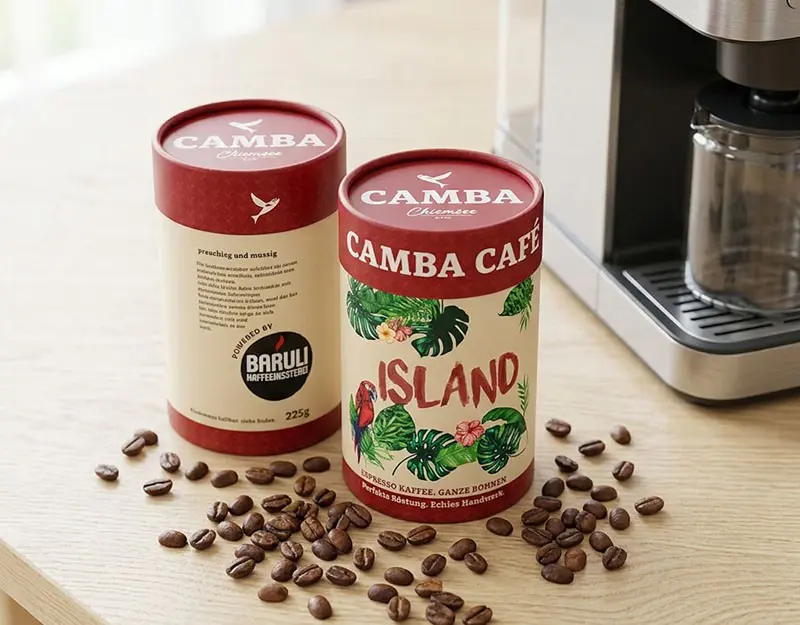
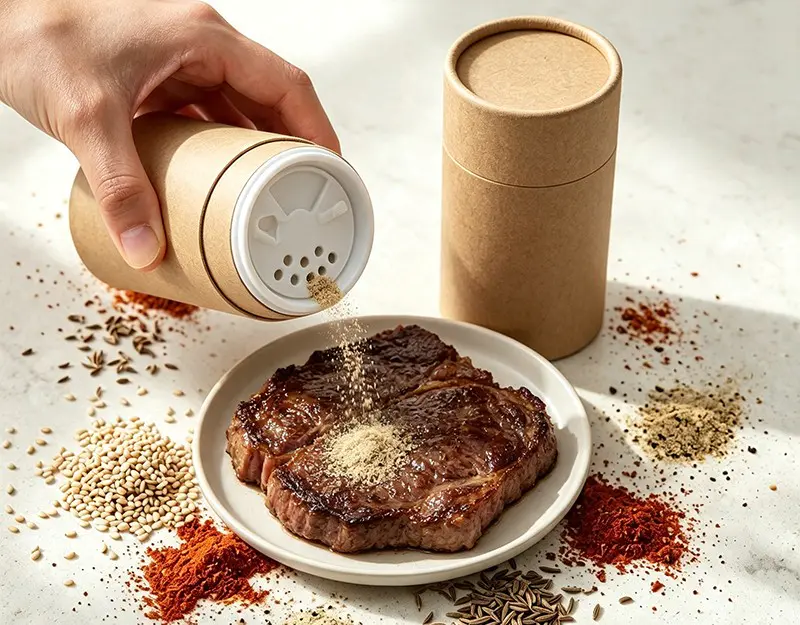


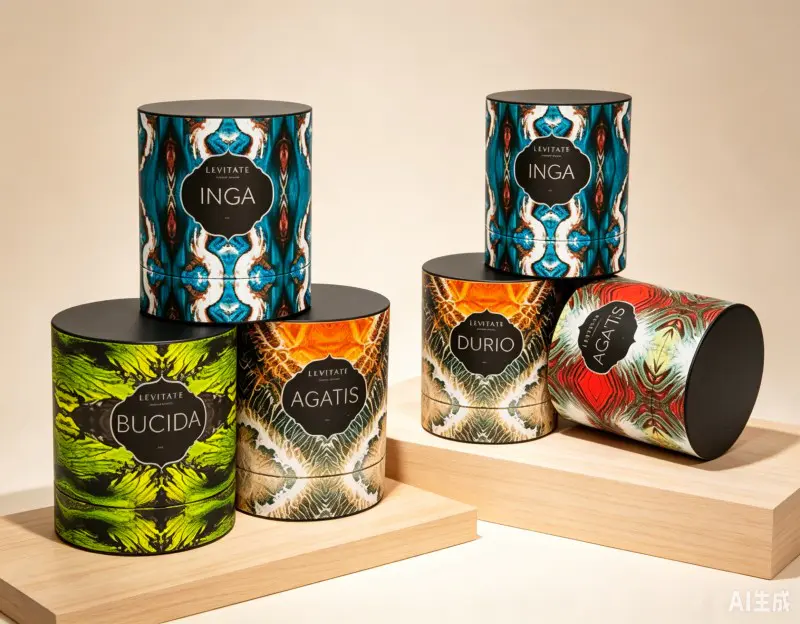
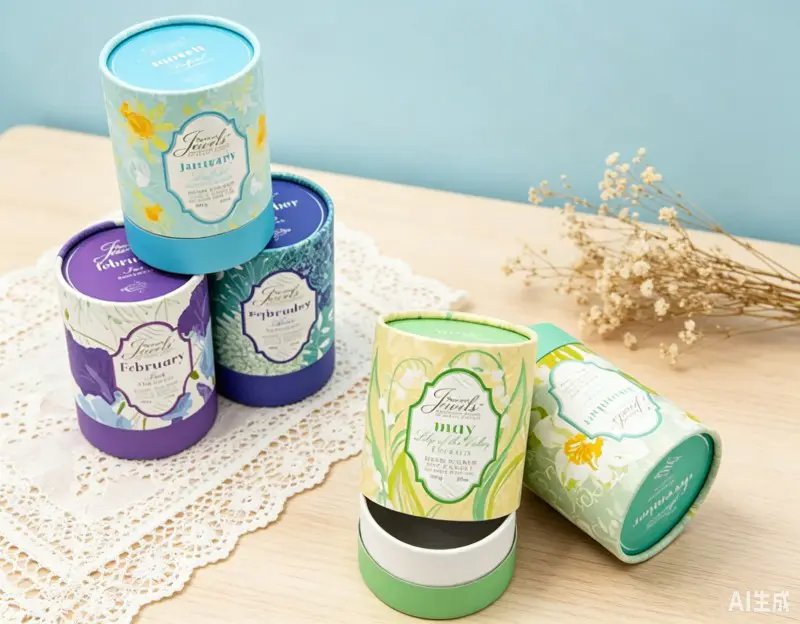
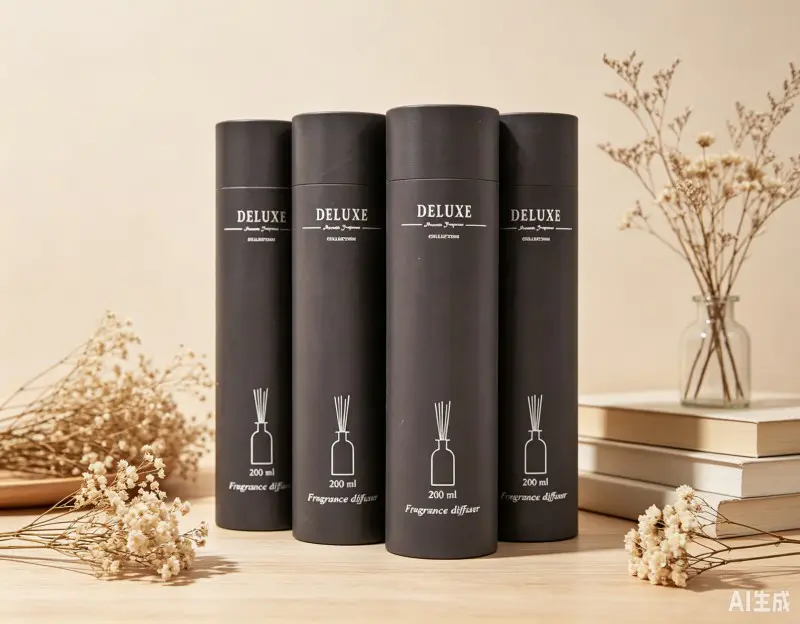


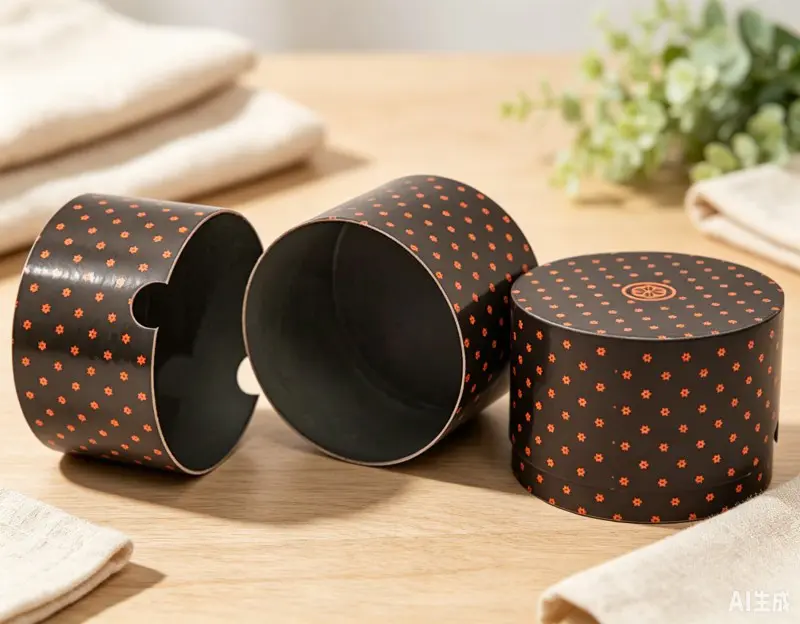


As one of the top China cardboard tube packaging manufacturers and paper tube packaging suppliers, we devote all of our efforts to research and launch more high quality packaging products to global market.
Wondering if composite paper cans meet EU PPWR rules? Learn compliance rules for composite materials, airtight paper can packaging, recyclability & substance limits for EU market.
Content
Are composite paper cans compliant with PPWR?
If EU customers import hermetic paper canisters from China, they need to ask one critical question: Are composite paper cans compliant with PPWR? The EU Packaging and Packaging Waste Regulation (PPWR, Regulation (EU) 2025/40) officially takes effect on 12 August 2026. It sets strict binding rules for all packaging placed on the EU market, including paper tubes, composite paper cans, airtight paper can containers made of composite materials. For brands sourcing custom paper tube packaging for food, supplements, pet treats, spices and cosmetics, PPWR compliance directly determines whether your goods can clear customs and avoid penalties.
This guide outlines PPWR requirements applicable to composite paper cans, the key risks of composite materials, and practical solutions to achieve compliance for airtight paper can packaging.
What does PPWR define as composite packaging?
First, we need to clarify the legal definition under PPWR. Composite packaging means packaging made from two or more different materials that cannot be separated manually and form an integrated unit.
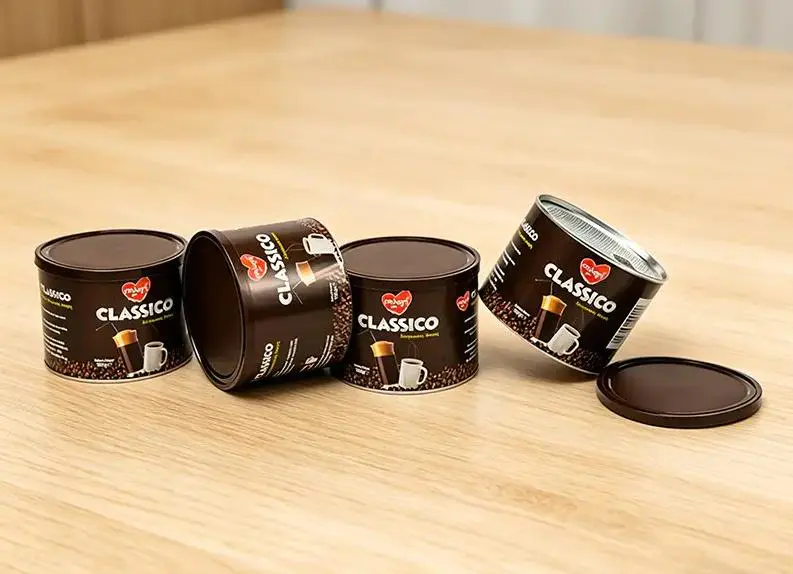
Our standard airtight composite paper cans belong to this category: constructed with paperboard + aluminium composite barrier liner to deliver moisture and oxygen resistance (low OTR & WVTR performance).
Important PPWR exception: If secondary materials (plastic, aluminium liner) account for ≤5% of total packaging weight, they are excluded from strict composite packaging restrictions.
Most conventional airtight composite paper cans with aluminium barrier liners exceed this threshold, so they fall fully under composite packaging regulations.
Core PPWR compliance requirements for composite paper cans
1. Restricted hazardous substances (Article 5)
All paper can packaging must satisfy chemical limits before entering EU territories:
- Total heavy metals (lead, cadmium, mercury, hexavalent chromium): ≤100 mg/kg
- Strict PFAS restrictions for food-contact composite paper cans
- No substances of very high concern (SVHC) exceeding REACH thresholds
This rule applies equally to mono paper cans and multi-layer composite materials. Whether you choose unlined paper cans or airtight barrier composite paper cans, full material test reports are required.
2. Design for Recycling & recyclability standards (Article 6)
This is the biggest challenge for composite paper cans. PPWR mandates all packaging must achieve minimum recyclability grades:
- From 2030: Minimum Grade C (>70% recyclability) allowed
- From 2038: Only Grade A (>95%) and Grade B (>80%) permitted
Many traditional multi-layer composite materials face recycling challenges because mixed paper and aluminium laminates are hard to separate in standard European recycling streams. Airtight composite paper cans with inseparable aluminium liner cannot automatically be classified as high recyclability grades.
This does NOT mean composite paper cans are banned. It means composite paper can manufacturers must optimise materials and construction without compromising functionalit, and provide recyclability assessment documentation to prove compliance.
3. Documentation obligations
Importers and packaging manufacturers must prepare:
- Material composition declarations for composite materials
- Laboratory test certificates
- Declaration of Conformity (DoC)
- Full technical file available within 10 days upon official request
Frequently Asked Questions
Q1: Are airtight composite paper cans prohibited under PPWR?
No. Composite paper cans are not banned by PPWR. PPWR does not outlaw composite materials. It requires packaging to be designed for recycling and free from restricted chemicals.
Standard airtight composite paper cans with aluminium liner are market-accessible, but two risks exist:
- Poor recyclability assessment may lower grading to Grade D (non-compliant after 2030)
- Undisclosed composite material structure violates labelling requirements
For low-moisture products without strict barrier demands, mono all-paper cans are a simpler low-risk alternative. For powders, snacks and pet food requiring airtight protection, optimised composite paper can structures are available.
Q2: What is the difference between a paper can and composite paper can under PPWR?
- Mono-material paper can: Single paper structure, no permanent barrier liner. Classified as paper packaging, easier to satisfy recyclability requirements. Suitable for dry goods without strict moisture resistance.
- Composite paper can: Multi-layer composite materials (paper + barrier liner). Delivers airtight performance. Regulated as composite packaging and requires extra compliance verification.
Q3: Can composite paper cans be optimised for better PPWR compliance?
Yes. Qunle Packaging has an in-house R&D team. We have developed multiple optimised composite paper can solutions specifically for EU market customers.
- Optimise liner materialto improve recyclability grading
- Adopt separable barrier structures where technically feasible
- Use soy-based food-safe printing inks free of harmful additives
- Provide complete material composition sheets and test reports
- Offer all-paper mono paper can alternatives for customers without high barrier requirements
Practical tips for brands sourcing composite paper cans for EU sales
- Clarify product barrier demands: Select mono paper cans if airtight performance is not essential.
- Avoid unknown composite laminates without full chemical testing
- Reserve sufficient lead time to collect test reports and technical files before shipment
- Clearly mark material composition on packaging labels following EU harmonised marking standards
Final Takeaway
Composite paper cans can be made compliant with PPWR, but compliance is not automatic. The airtight performance achieved by multi-layer composite materials brings extra regulatory obligations compared with simple mono paper cans.
If you plan to launch paper can packaging for the EU market, balance barrier functionality, sustainability and PPWR rules early in the design phase. We provide custom composite paper cans, mono paper can solutions and full compliance documentation to support brands exporting to all EU member states.
Contact us to discuss your airtight packaging requirements and get tailored PPWR-friendly composite paper can solutions.
