 English
 Español
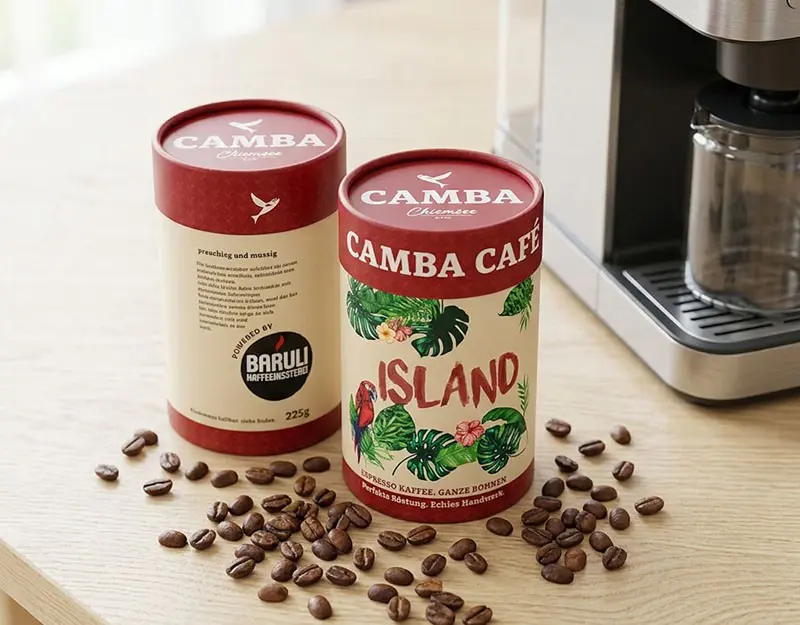
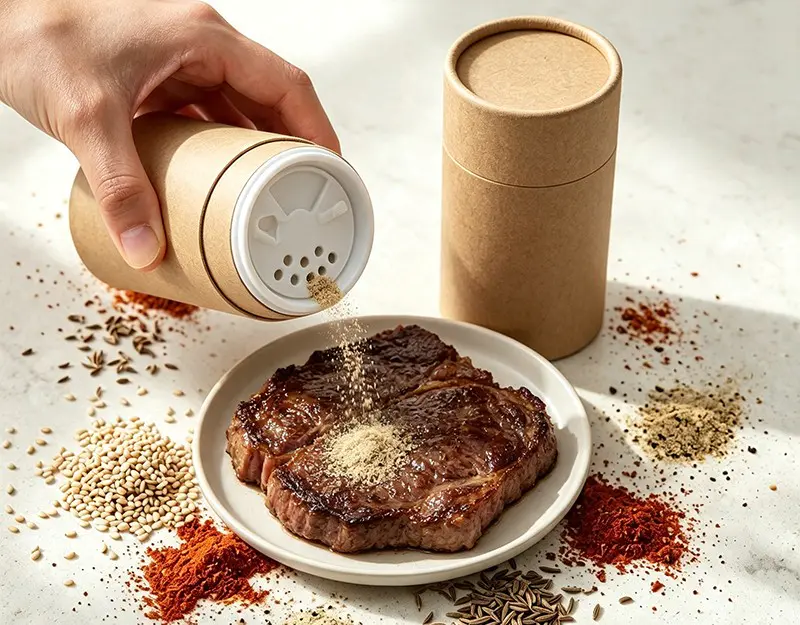

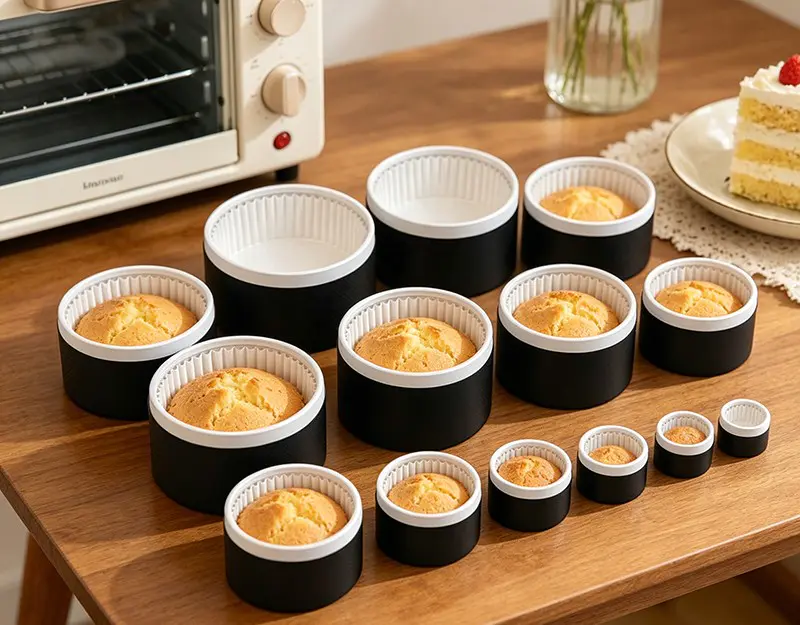

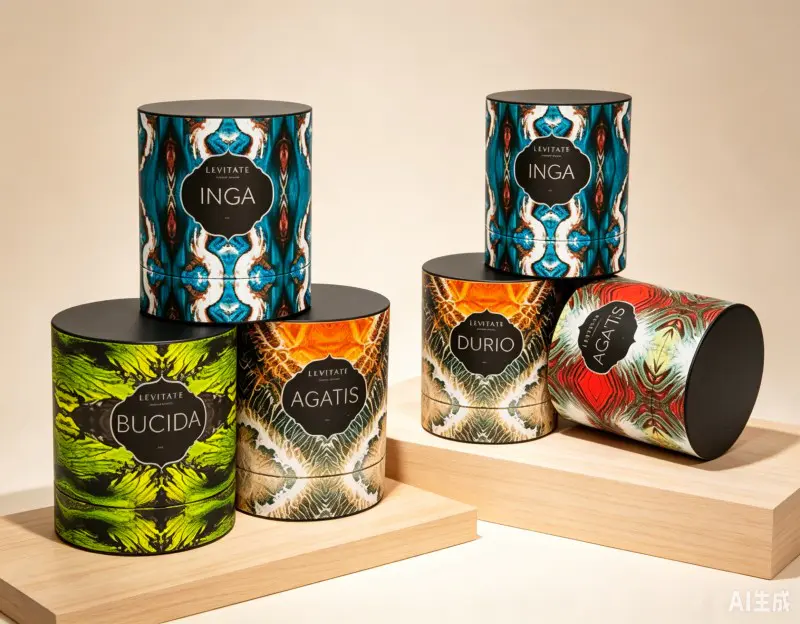
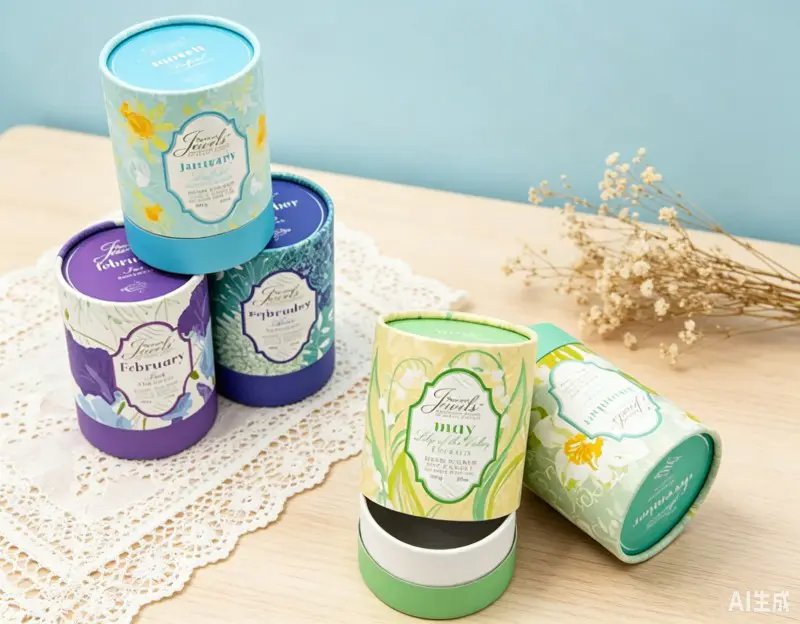
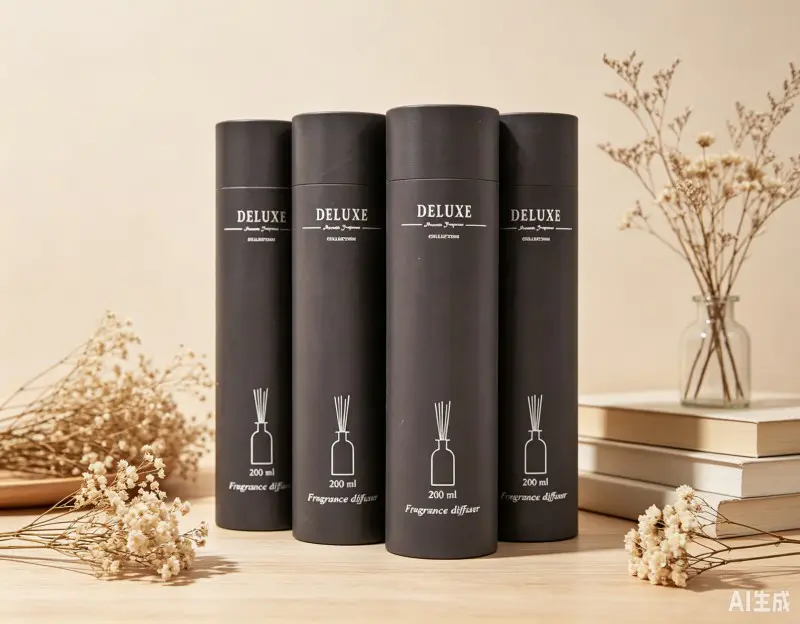


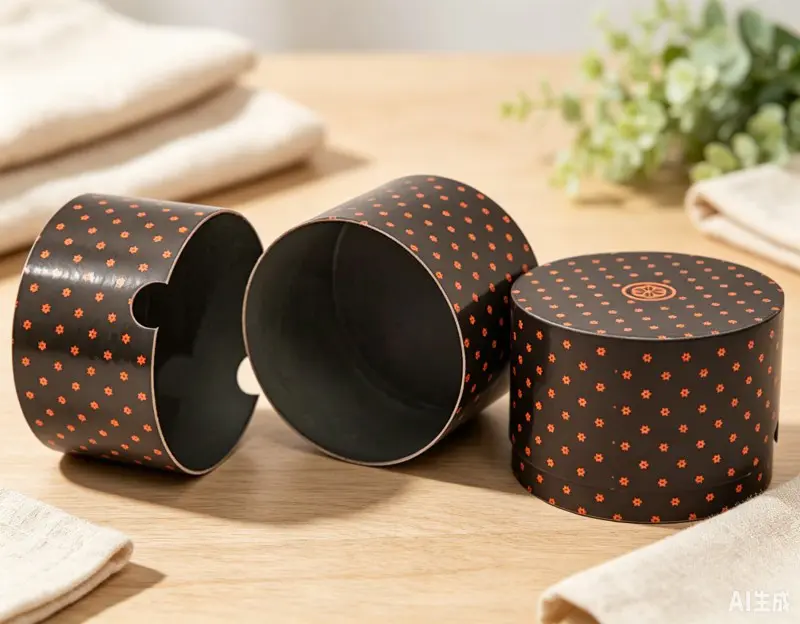


As one of the top China cardboard tube packaging manufacturers and paper tube packaging suppliers, we devote all of our efforts to research and launch more high quality packaging products to global market.
Content
- 1 What Is Cardboard Canister Packaging?
- 2 Why Brands Are Choosing Cardboard Canister Packaging
- 3 Common Industries Using Cardboard Canister Packaging
- 4 Key Factors to Consider When Choosing Cardboard Canister Packaging
- 5 How Cardboard Canister Packaging Compares to Alternatives
- 6 Tips for Designing Effective Cardboard Canister Packaging
- 7 Final Thoughts on Cardboard Canister Packaging
What Is Cardboard Canister Packaging?
Cardboard canister packaging refers to cylindrical containers made primarily from paperboard or kraft paper, often reinforced with metal or plastic end caps. Unlike traditional boxes, these canisters offer a distinctive tube-shaped structure that stands out on store shelves while remaining lightweight and easy to produce. Cardboard canister packaging has become a go-to solution for brands looking to combine functionality with a more sustainable material choice, replacing rigid plastic tubs or metal tins in many product categories.
The structure typically consists of a spiral-wound or convolute-wound paperboard body, a top lid (sometimes plastic, metal, or cardboard), and a bottom closure. This design makes cardboard canisters strong enough to hold powders, granules, snacks, and even liquids when paired with an inner liner, all while keeping the packaging recyclable and visually appealing.
Why Brands Are Choosing Cardboard Canister Packaging
The shift toward cardboard canister packaging isn't just a trend — it reflects real business advantages. From cost savings to consumer perception, here are the main reasons companies are making the switch.
Sustainability Appeal
Consumers increasingly favor products packaged in materials that feel environmentally responsible. Cardboard canisters are typically made from recycled or FSC-certified paperboard, and most components can be recycled after use. This directly supports brand positioning around eco-conscious values without requiring a complete overhaul of the supply chain.
Lightweight and Cost-Efficient
Compared to glass jars or metal tins, cardboard canisters weigh significantly less. This reduces shipping costs and carbon footprint during transportation. Manufacturing costs are also generally lower than injection-molded plastic containers, especially for mid-to-large production runs.
Strong Branding Opportunities
The cylindrical surface of a cardboard canister provides a 360-degree canvas for branding. Companies can print vibrant graphics, embossed logos, or matte/gloss finishes directly onto the paperboard, creating a premium unboxing experience that plastic packaging often struggles to match.
Common Industries Using Cardboard Canister Packaging
Cardboard canister packaging is versatile enough to serve many product categories. Below is a breakdown of common industries and typical uses.
| Industry | Typical Products | Canister Feature Needed |
| Food & Beverage | Tea, coffee, oatmeal, protein powder | Moisture-resistant liner |
| Cosmetics & Personal Care | Bath salts, powders, candles | Airtight lid seal |
| Household Goods | Cleaning wipes, sponges | Reusable pull-top lid |
| Gifting & Retail | Gift sets, candles, small electronics | Custom print finish |
Key Factors to Consider When Choosing Cardboard Canister Packaging
Selecting the right cardboard canister isn't just about appearance. Several practical factors determine whether the packaging will actually protect and present your product well.
- Wall thickness — thicker paperboard walls provide better structural support for heavier contents.
- Liner type — foil, wax, or plastic liners help protect against moisture, oxygen, or grease depending on the product.
- Lid style — snap-on, screw-top, or peelable lids each offer different levels of resealability and tamper resistance.
- Print method — digital printing works well for small batches, while offset printing suits large production runs with consistent color needs.
- Diameter and height ratio — proportions affect both shelf stability and how the canister feels in a customer's hand.
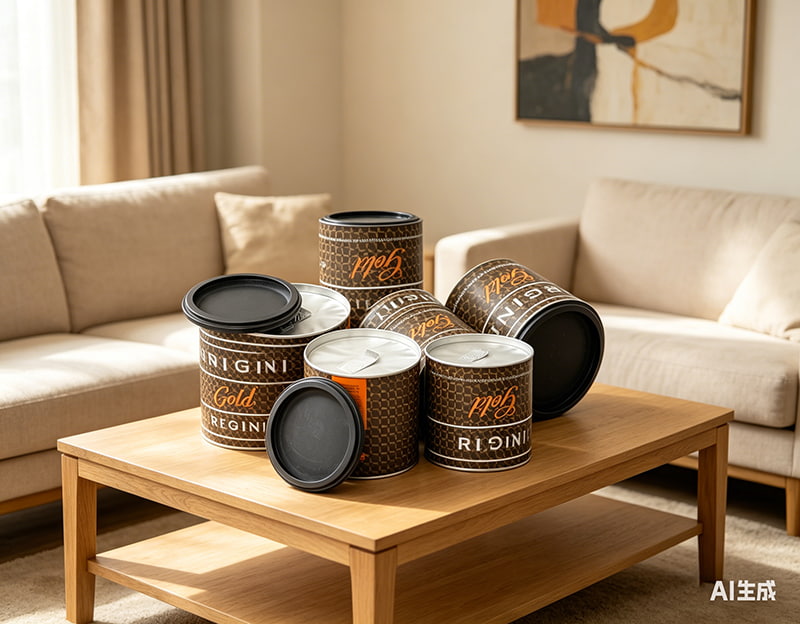
How Cardboard Canister Packaging Compares to Alternatives
Understanding how cardboard canisters stack up against other packaging types helps clarify when they're the right choice.
Cardboard Canisters vs. Plastic Tubs
Plastic tubs are often more airtight and durable for liquid products, but they carry a heavier environmental footprint and higher material cost. Cardboard canister packaging offers a lighter, more recyclable alternative for dry or semi-dry goods, though it may require an added liner to match plastic's moisture resistance.
Cardboard Canisters vs. Metal Tins
Metal tins offer excellent durability and a premium feel but are significantly more expensive to produce and heavier to ship. Cardboard canisters can achieve a similar upscale look through embossing and specialty printing at a fraction of the cost and weight.
Tips for Designing Effective Cardboard Canister Packaging
Good design goes beyond aesthetics — it should improve usability and protect the product inside. Consider these practical tips when designing cardboard canister packaging for your brand.
- Keep essential product information (ingredients, usage instructions) on the main label rather than the lid, since lids are often removed and misplaced.
- Test the canister with the actual product weight before finalizing wall thickness to avoid collapsing or bulging.
- Choose matte finishes for a natural, eco-friendly look, or gloss coatings for a more vibrant retail presence.
- Include a resealable feature if the product will be used multiple times rather than consumed in one sitting.
Final Thoughts on Cardboard Canister Packaging
Cardboard canister packaging strikes a practical balance between sustainability, cost, and shelf appeal. Whether you're packaging food, cosmetics, or gift items, this style of packaging offers flexibility in design while supporting eco-friendly initiatives that today's consumers increasingly expect. By carefully considering liner type, lid style, and print finish, brands can create cardboard canister packaging that not only protects the product but also strengthens their overall market presence.
