 English
 Español
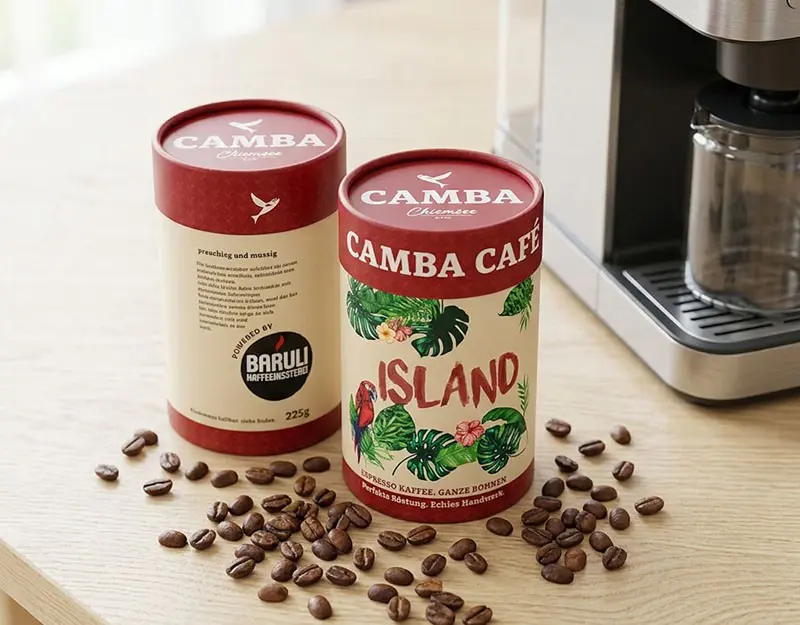
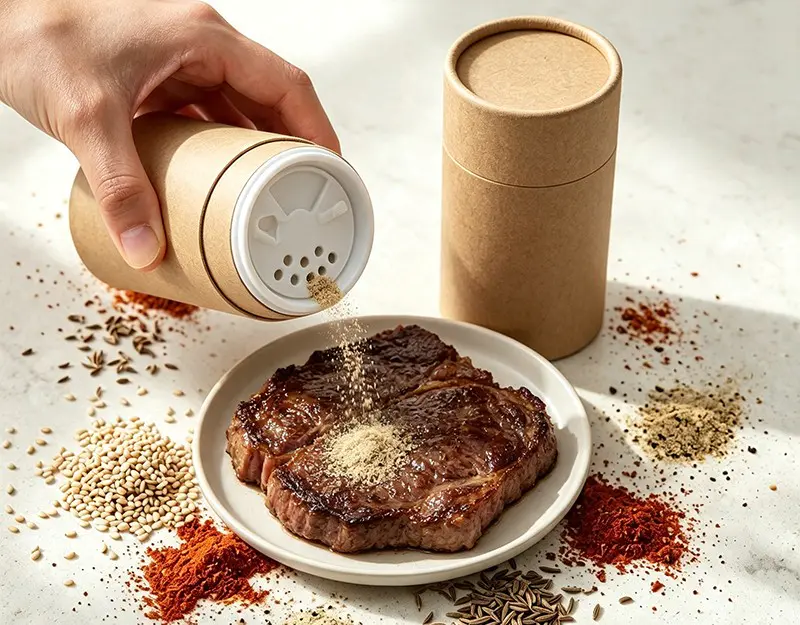
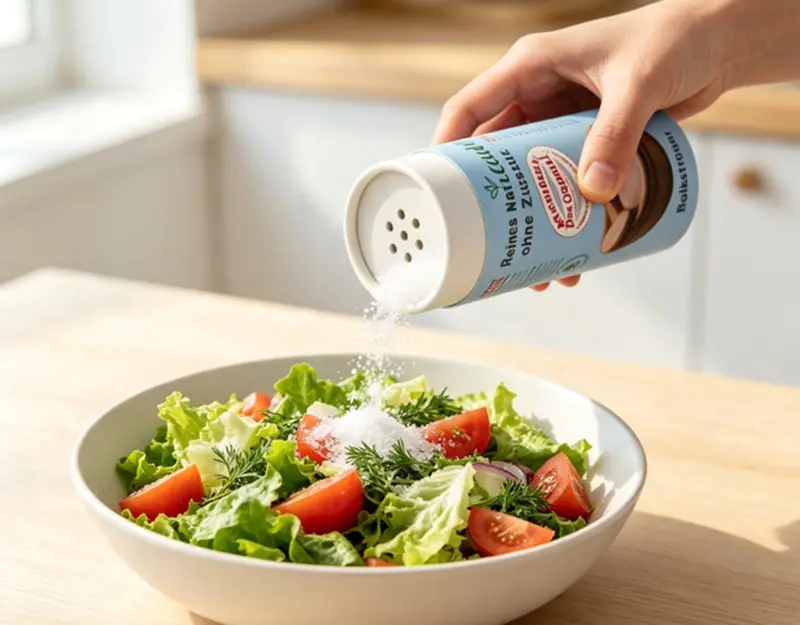
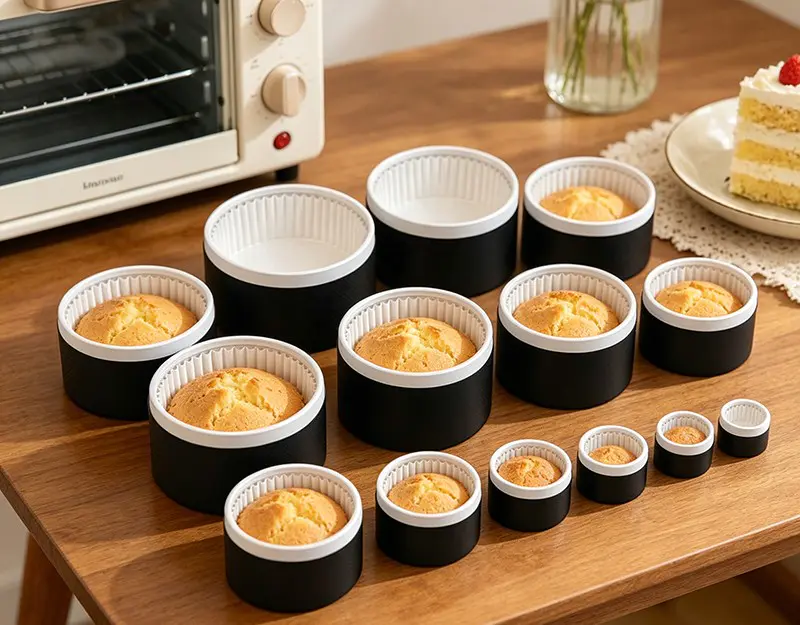
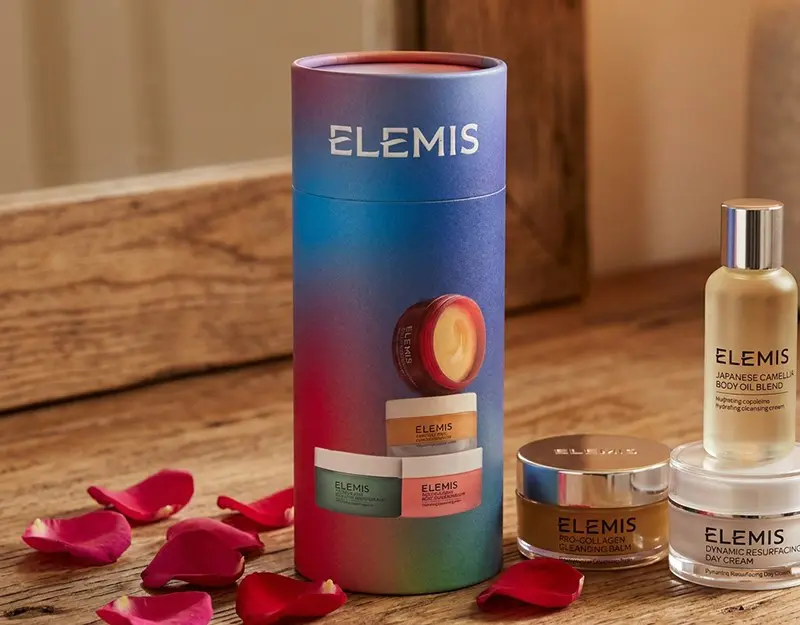
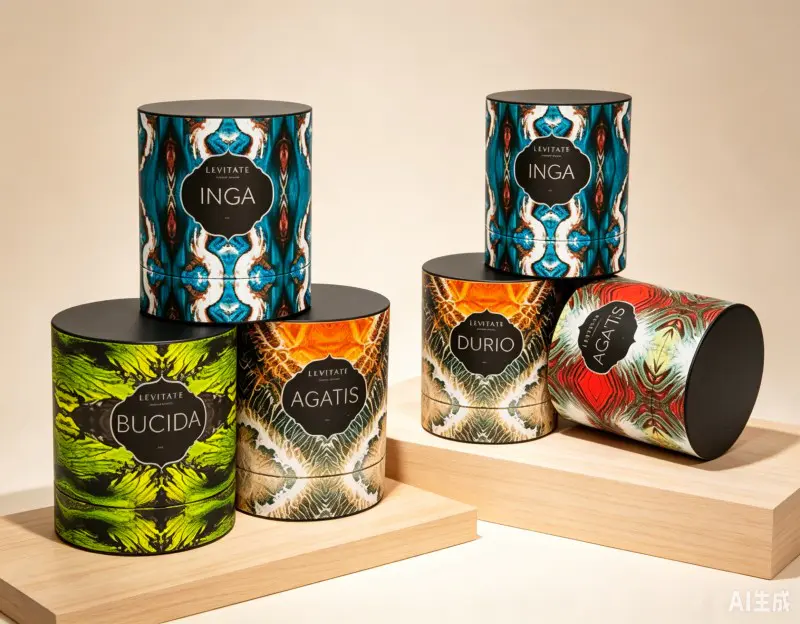
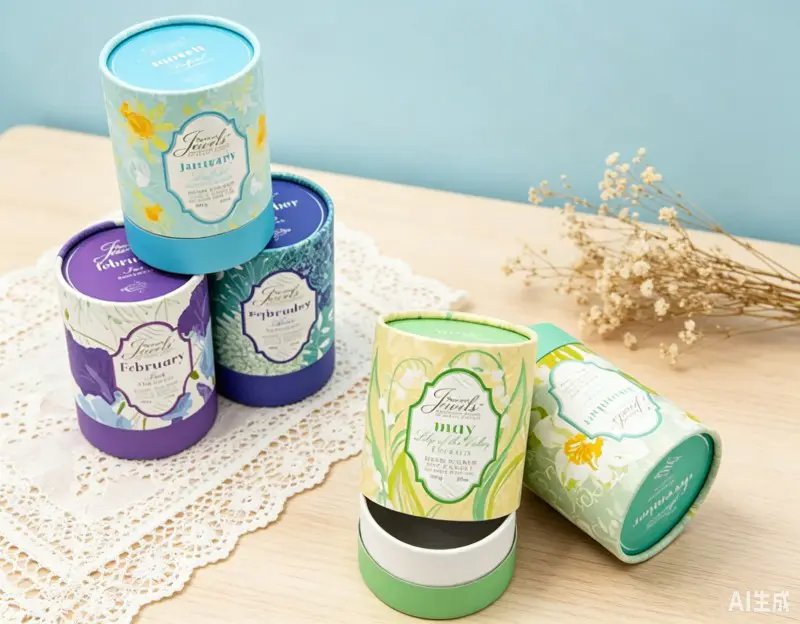
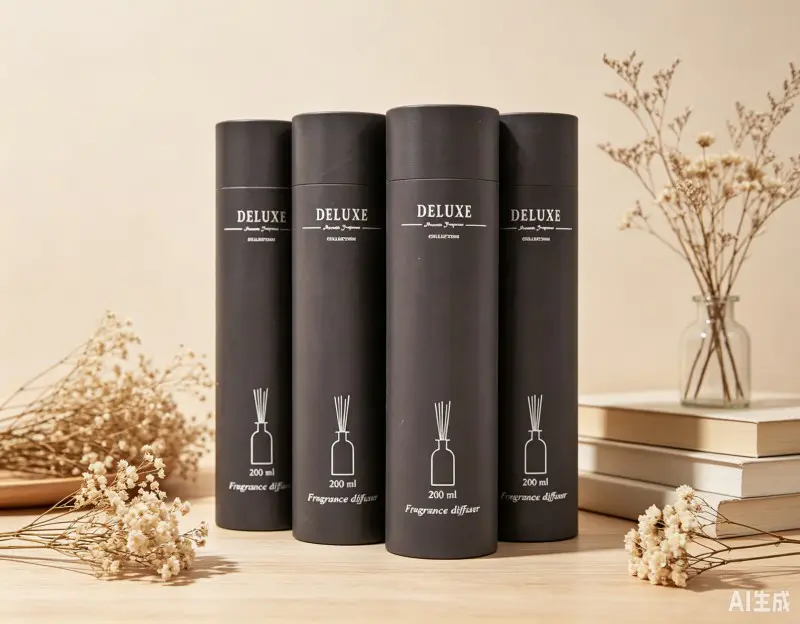


As one of the top China cardboard tube packaging manufacturers and paper tube packaging suppliers, we devote all of our efforts to research and launch more high quality packaging products to global market.
Every few years a packaging format quietly crosses over from fringe idea to mainstream shelf staple, and right now that format is the cardboard lip balm tube. Walk through a farmers market, a zero-waste refill shop, or an indie beauty aisle and you will find solid balms, salves, and even deodorants presented in a plain kraft cylinder instead of a plastic stick. It looks simple. It is not.
We have been manufacturing paper tubes and composite cans in Hangzhou for more than two decades, and small push-up tubes are among the most demanding formats we take on. The tolerances are tight, the formulas are oily, and the entire user experience depends on how smoothly a paperboard disc slides inside a cylinder that is barely wider than a thumb. This guide shares what we have learned about designing, printing, and producing cardboard lip balm tubes that behave well on a filling line and in a customer's pocket.
Content
- 1 What Exactly Is a Cardboard Lip Balm Tube?
- 2 How the Push-Up Mechanism Actually Works
- 3 Matching the Tube to Your Balm Formula
- 4 Sizes, Liners, and Caps at a Glance
- 5 Printing and Branding on a Cardboard Lip Balm Tube
- 6 Filling, Sealing, and Shelf Life
- 7 Quality Checks Before Production
- 8 Working With a Paper Tube Manufacturer
- 9 Frequently Asked Questions
What Exactly Is a Cardboard Lip Balm Tube?
A cardboard lip balm tube is a cylindrical paperboard container built around a push-up mechanism. Unlike a rigid plastic stick, the tube itself does the work: the product sits on a movable disc, and the user presses that disc upward from the bottom as the balm is consumed. Four parts make up the assembly, and each one affects how the finished pack performs.
- Outer body: spiral or convolute wound paperboard, usually kraft, white-lined, or coated stock with a wall thickness between 0.6 mm and 1.2 mm.
- Inner liner: a food-grade coating, wax layer, PLA film, or aluminum-laminated barrier that separates the formula from raw paper fibre and controls oil migration.
- Push disc: a paperboard or moulded pulp piston sized to the inner diameter so it grips the wall with predictable friction.
- Cap and closure: a paper, kraft, or recycled-plastic lid, sometimes paired with a tamper-evident band or a shrink seal for retail.
Get any of these four elements slightly wrong and the tube either refuses to push or slides down on its own. That is why we treat a lip balm tube as an engineered assembly rather than a decorated cylinder.
How the Push-Up Mechanism Actually Works
The principle is old and reliable, but the details decide whether your customers describe the pack as smooth or frustrating. In production, the sequence runs like this:
- The empty tube is placed upright on the filling line with the push disc seated at the bottom of its travel.
- Warm balm is poured or injected through the open top while the formula is still fluid.
- As the product cools, it bonds to the disc surface, so the balm and the piston move as one unit.
- The user presses the disc from below with a thumb or fingertip, and the balm rises a few millimetres at a time.
- Friction between the disc edge and the liner holds the product at whatever height the user chooses.
That friction fit is the whole design. Too much grip and the tube feels stiff; too little and the balm sinks back into the body. We tune it by adjusting disc diameter in fractions of a millimetre, changing the liner surface, and testing with the customer's actual formula rather than a laboratory substitute. The same two-piece telescopic construction we build for other solid formats, such as our 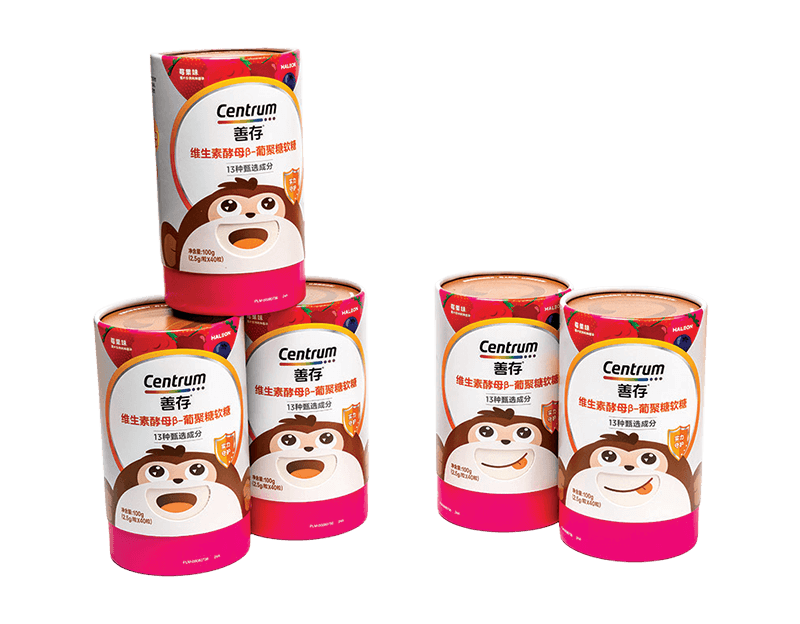 Eco Friendly Food Grade Cardboard Paper Can Packaging for Gummies with Custom PrintingCustom Printed Airtight Composite Paper Can for Coffee Beans & Ground Coffee PackagingView Product →, follows identical mechanical logic, which is why we can usually transfer what we learn from one project to the next.
Matching the Tube to Your Balm Formula
How oily is the formula?
Oil is the enemy of uncoated paperboard. A high-oil balm will wick into an unprotected wall within weeks, leaving translucent patches and a soft, stained surface. A coated board or an aluminum-laminated liner stops that migration and keeps the print crisp. If your balm contains more than roughly 40 percent liquid oils, an internal barrier is not optional.
How firm is the finished balm?
Firm butters hold their shape and travel well on a push disc. Softer formulas need a tighter disc fit, a stiffer liner, and often a wider diameter so the product columns do not slump sideways when the user presses up.
At what temperature is the product filled?
Most balms are poured between 60 and 75 degrees Celsius. Paperboard tolerates that heat well for short contact, but sustained fill temperatures above 80 degrees can soften the adhesive in laminated liners or distort a thin wall. If your formula runs hot, tell your manufacturer early so the wall thickness and liner adhesive can be specified accordingly.
Small-diameter tubes are the hardest to get right, because a 12 to 15 mm bore leaves very little room for a liner, a disc, and a clean fill. Formats like our 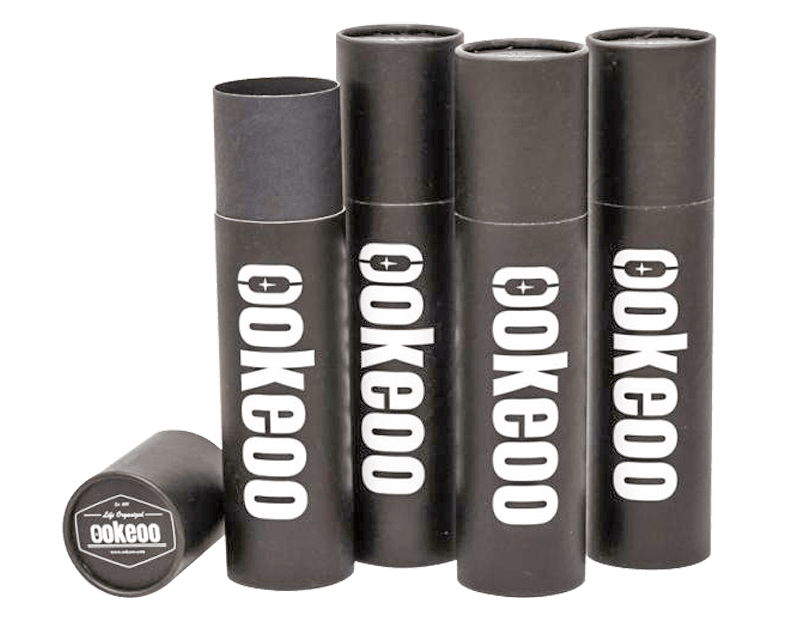 Paper Tube 30ml black White Amber Packaging CosmeticsIndustrial Use: Black Paper Tube Cosmetic PackagingView Product → show how compact a lined paper tube can be built while still holding shape through shipping and daily use.
Sizes, Liners, and Caps at a Glance
Most cardboard lip balm tube projects fall into one of four size bands. The table below summarises the configurations we see most often and the product types they suit.
| Tube diameter | Common fill weight | Typical liner | Best suited to |
|---|---|---|---|
| 12-14 mm | 2-4 g | Wax or PLA coating | Slim tinted sticks and sample sizes |
| 15-16 mm | 4-6 g | Food-grade coated board | Standard 0.15 oz lip balm sticks |
| 18-20 mm | 8-12 g | Aluminum-laminated barrier | Lip salves, balm butters, solid serums |
| 22-25 mm | 15-25 g | Aluminum-laminated barrier | Solid deodorant and body balm |
Caps deserve equal attention. A snap-fit paper cap is light, fully recyclable, and increasingly accepted by retailers, while a friction-fit paper lid with an inner plug gives a more premium click. Whatever you choose, the cap-to-body fit should be tested after filling, not on empty tubes, because warm product briefly expands the wall.
Printing and Branding on a Cardboard Lip Balm Tube
A paper tube is a small canvas, roughly 16 mm wide and 65 mm tall, so the artwork has to work hard. Direct printing on the tube wall gives the sharpest result and avoids a separate label operation. Offset-printed wraps, hot foil stamping, embossing, and matte or soft-touch varnishes all work on tube bodies, and a single strong colour against natural kraft often reads better than a busy multi-colour design.
Window options are worth considering if your balm is visually distinctive, since a die-cut panel lets buyers see the product colour before purchase. Custom printed cardboard tube packaging of this kind is produced the same way whether the tube holds a fragrance or a balm, as our 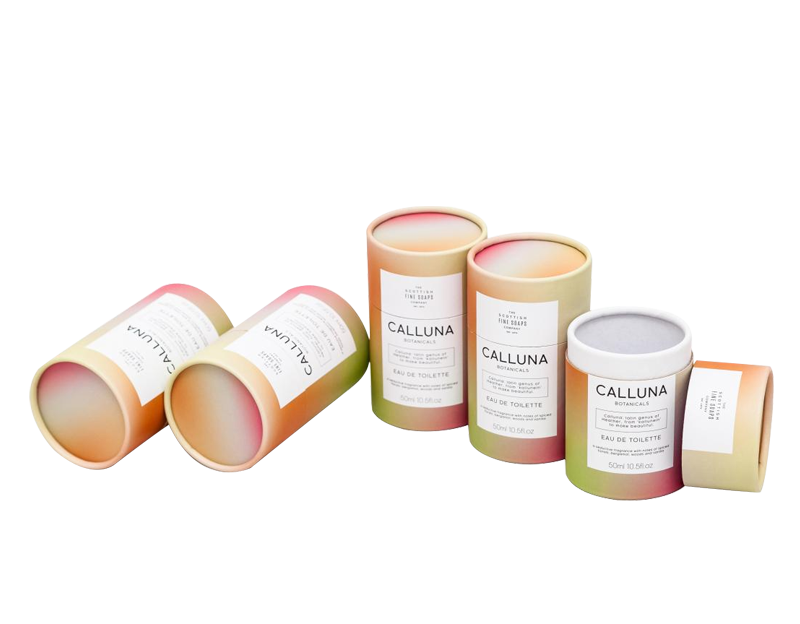 Custom Print Cardboard Paper Tube Packaging for PerfumeIndustrial Use: perfume bottle packagingView Product → illustrates for cosmetics-grade paper tubes.
Filling, Sealing, and Shelf Life
Once the tube is printed and wound, the practical questions shift to sealing and durability. A well-fitted cap limits moisture loss, protects the balm from dust, and keeps the surface clean in a handbag. The choice between a tight friction lid, a plug-style cap, and a tamper-evident band changes both the perceived value and the real protection, and it is worth understanding how the type of closure affects shelf life and everyday usability before you lock in a specification.
Temperature during transit matters just as much. A balm that softens in a hot container can migrate into the liner, so we recommend a short shipping simulation for any formula that melts below 45 degrees Celsius.
Quality Checks Before Production
Before any cardboard lip balm tube leaves our floor, it passes a short but strict checklist. These are the points that most often cause complaints when they are skipped.
- Push-disc fit: measured against the actual inner diameter and tested with the customer's balm, not a substitute.
- Cap fit: checked on filled tubes after cooling, including a drop test at handbag height.
- Liner compatibility: verified by a migration test that simulates several weeks of storage.
- Filling trial: a small run to confirm fill temperature, cooling time, and surface finish.
- Print consistency: colour matching across the full production batch, including foil registration.
- Final assembly audit: random sampling for disc movement, lid seating, and visual defects.
Working With a Paper Tube Manufacturer
Tooling, liner selection, and disc tolerance are the three areas where an experienced supplier saves a brand the most time. We have produced composite cans and paper tubes for more than twenty years, work from European high-speed production lines, and hold food packaging qualifications that matter for a product applied directly to the lips.
If you are weighing a plastic-free format for the first time, tell us your formula, fill weight, and target retail channel. We will suggest a diameter, liner, and closure combination, then send samples you can fill and test before committing to a print run. You can start by looking at our paper tube production and the applications we already serve.
Frequently Asked Questions
Are cardboard lip balm tubes strong enough for daily use?
Yes, when the wall is wound at 0.6 mm or more and the liner is bonded properly. The tube survives pocket pressure, repeated pushing, and normal temperature swings. It is not designed to be crushed or soaked, so a snug cap remains essential.
Will the balm leak if it gets warm?
A laminated liner prevents oil from reaching the paper, but a melted formula can still travel past the disc if the fit is loose. Choose a firmer recipe, a tighter disc, or a smaller diameter for hot-climate markets.
Can the whole package be recycled?
A single-material paper tube with a paper cap and no plastic window can go into most paper recycling streams. Aluminum-laminated liners improve barrier performance but should be confirmed with your local recycling authority before making claims.
What is the minimum order quantity?
It depends on whether the size already exists. Standard diameters need lower volumes, while a new diameter, custom liner, or multi-colour print usually requires a larger first run to absorb tooling setup.
A cardboard lip balm tube is a small object with a long list of decisions behind it: bore size, wall thickness, liner, disc tolerance, cap style, artwork, and fill temperature. Handle those decisions in the right order and the result is a package that feels considered, protects the formula, and tells your customers something honest about how your brand thinks. Handle them in the wrong order and you will hear about it in reviews. Either way, the tube is only as good as the conversation that happens before production starts.
