 English
 Español
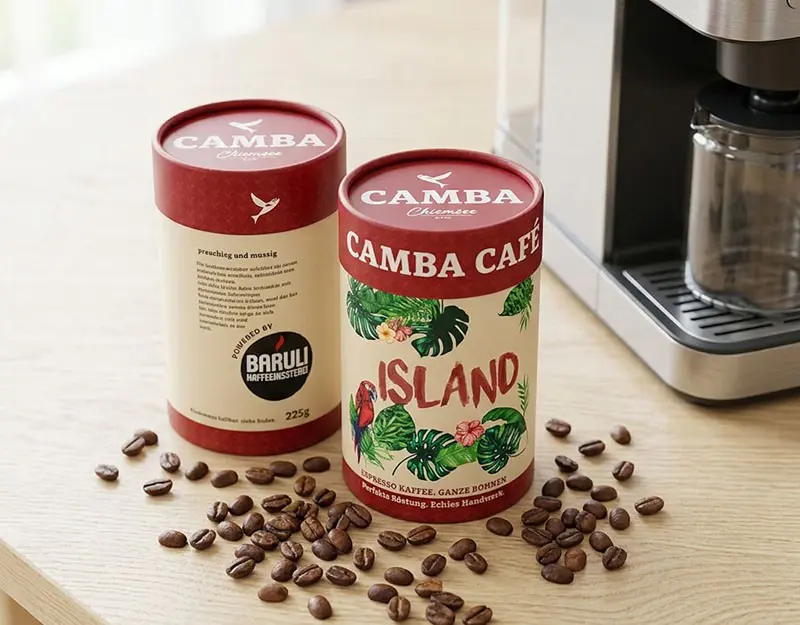


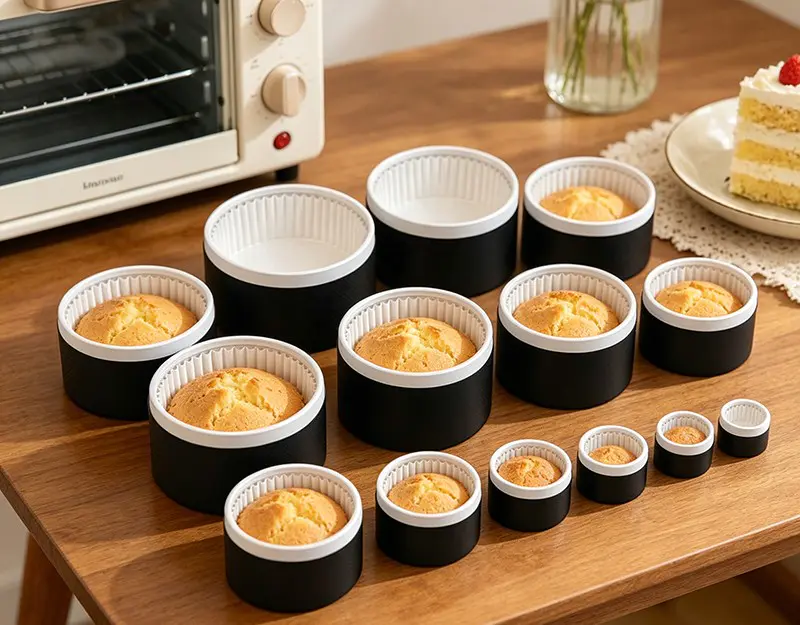

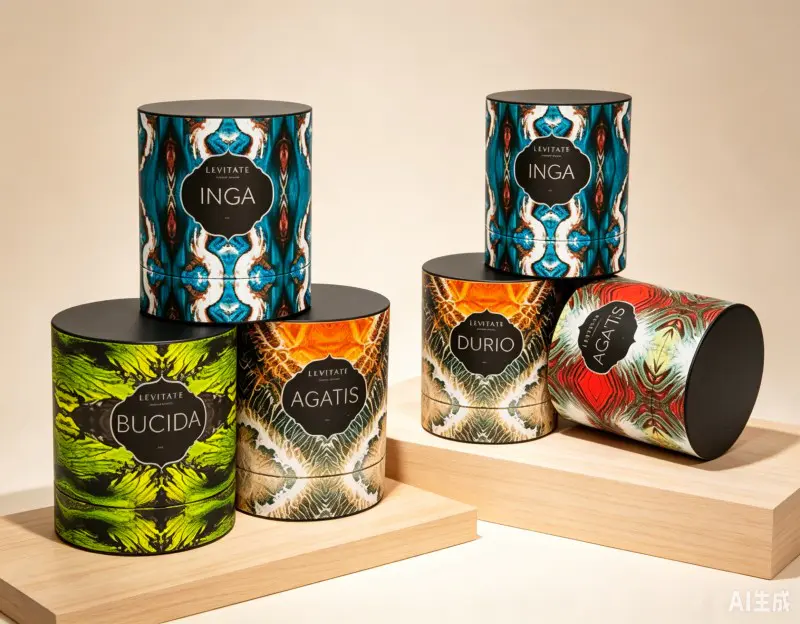
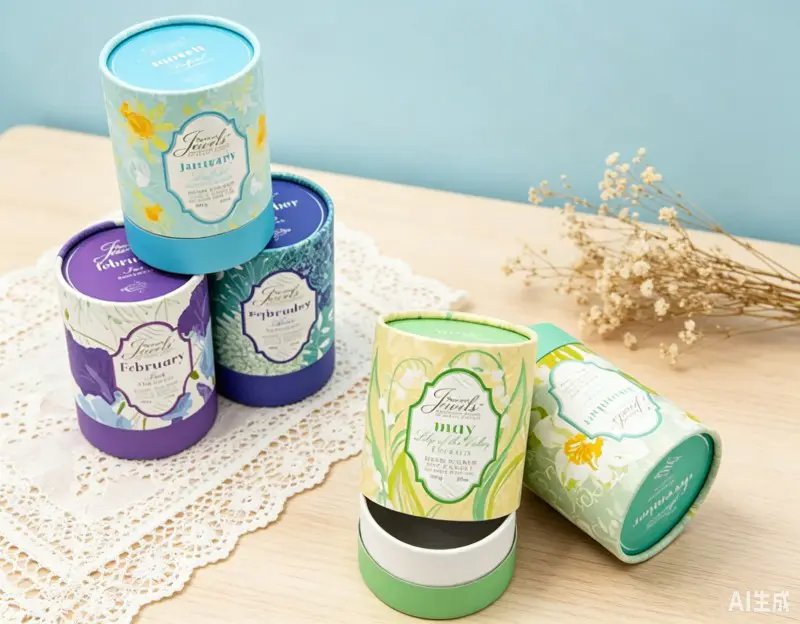




As one of the top China cardboard tube packaging manufacturers and paper tube packaging suppliers, we devote all of our efforts to research and launch more high quality packaging products to global market.
Content
- 1 What Is a Cardboard Tube and How Is It Made?
- 2 Types of Cardboard Tubes and Their Key Differences
- 3 Cardboard Tube Specifications: What the Numbers Mean
- 4 Industrial Applications of Paper Tubes Across Different Sectors
- 5 Choosing the Right Cardboard Tube for Your Application
- 6 Sustainability and Recyclability of Cardboard Tubes
- 7 Custom Cardboard Tubes: When Standard Sizes Are Not Enough
What Is a Cardboard Tube and How Is It Made?
A cardboard tube — also called a paper tube, paperboard tube, or fiber tube depending on the industry — is a hollow cylindrical structure manufactured by helically or convolutely winding multiple layers of paperboard or kraft paper strips around a mandrel, bonding each layer with adhesive to build up the required wall thickness and structural strength. The finished tube is cut to length, and depending on the application, may receive additional processing such as surface coating, printing, end plugging, or moisture-barrier treatment. The result is a lightweight, recyclable, cost-effective cylindrical container or structural core used across an enormous range of industries and applications.
The two fundamental winding methods used in cardboard tube manufacturing are spiral winding and convolute winding. Spiral wound tubes — the most common type — are made by winding narrow paper strips at an angle around a moving mandrel, with each successive layer overlapping the joints of the previous layer to create a strong, seamless-looking wall. Convolute wound tubes are made by winding a single wide sheet of paperboard around a stationary mandrel in a flat spiral, producing a tube with visible parallel seams along its length. Spiral wound tubes offer better dimensional consistency and are preferred for most packaging and industrial applications, while convolute wound tubes are used where very thick walls or specific structural properties are needed.
Paper tubes and cardboard cores serve purposes far beyond the familiar toilet paper roll or kitchen paper core that most consumers encounter daily. Industrial paper tubes carry everything from textiles and films to metal foils and printing paper. Structural fiber tubes form the cores of concrete columns and architectural elements. Specialty cardboard tubes package posters, technical drawings, wine bottles, and cosmetics. Understanding the full range of what cardboard tubes are, how they are specified, and how to choose the right type for a given application is valuable knowledge for purchasing managers, packaging engineers, and product designers alike.
Types of Cardboard Tubes and Their Key Differences
The category of "cardboard tube" encompasses a wide range of products that differ substantially in wall thickness, inner diameter, length, material composition, and surface treatment. Recognizing the main types and their characteristics is the starting point for correct specification.
Composite Paper Tubes (Industrial Cores)
Industrial paper cores — also called winding cores or mill cores — are heavy-wall cardboard tubes designed to serve as the central support around which flexible materials such as films, foils, fabrics, paper, nonwovens, and tapes are wound into rolls. These cores must withstand the radial compression forces of tightly wound material, the axial forces applied by winding machinery chucks, and the dynamic loads experienced during high-speed unwinding. Industrial paper tube cores are manufactured from multiple layers of recycled or virgin kraft paperboard, with wall thicknesses ranging from 5 mm to over 30 mm and inner diameters from 38 mm (1.5 inches) to 300 mm or more. Core specifications in the film and textile industries are often defined by industry-standard inner diameters — 38 mm, 76 mm (3 inches), 152 mm (6 inches), and 254 mm (10 inches) are the most common standard sizes.
Packaging Cardboard Tubes
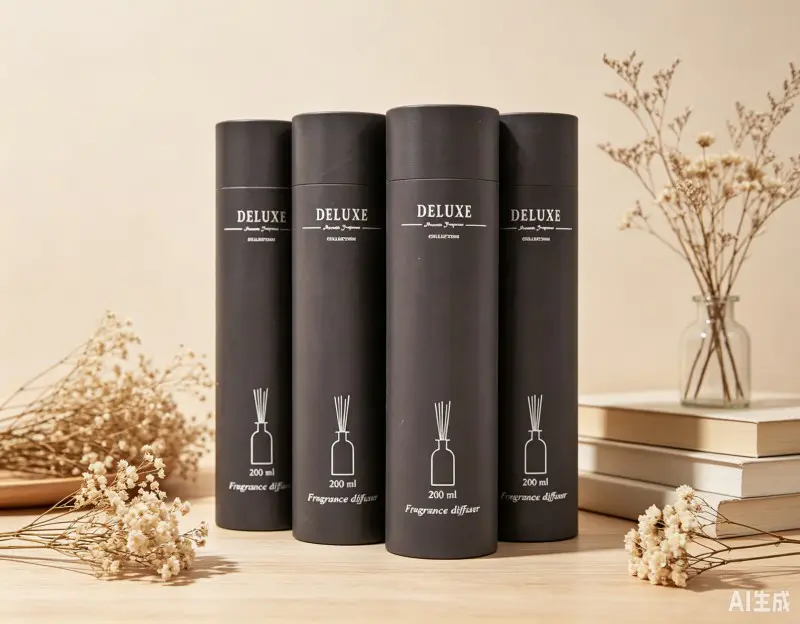
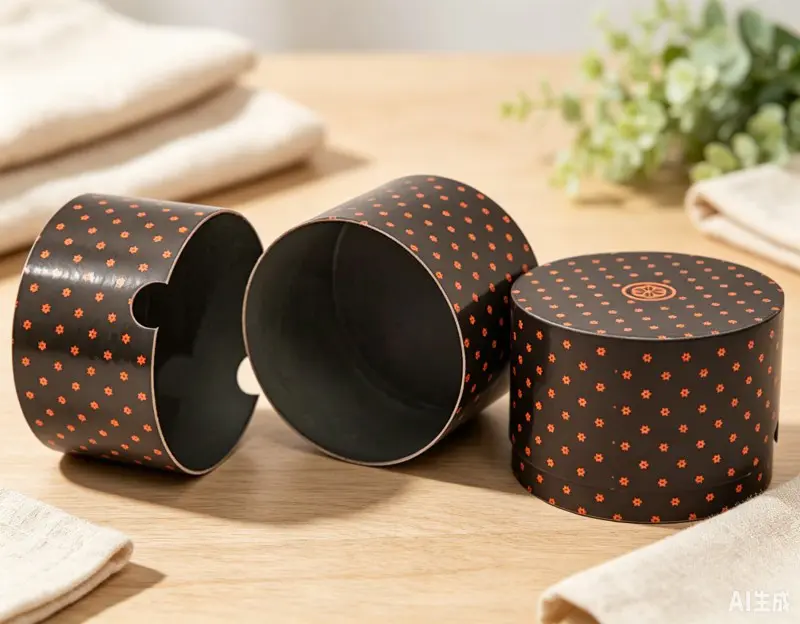
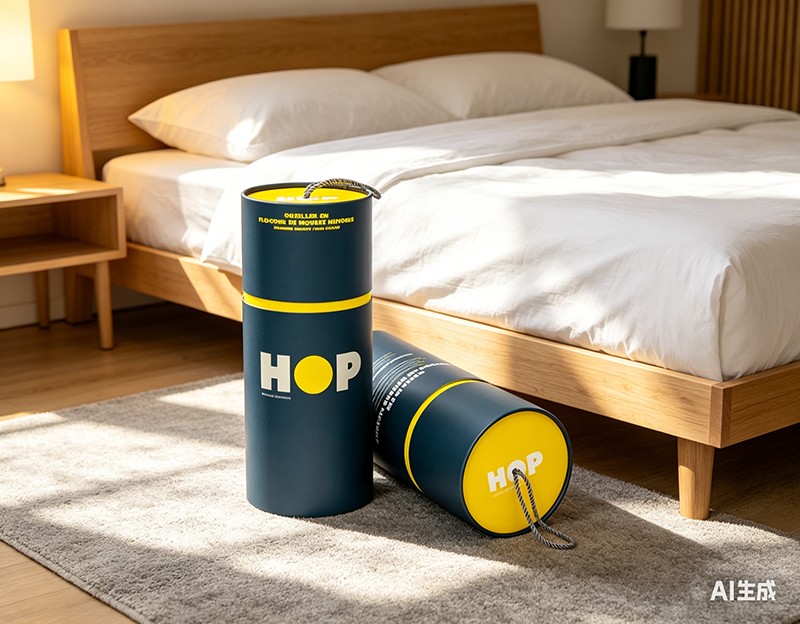
Packaging paper tubes are cylindrical containers used to protect and present products ranging from posters and architectural drawings to whisky bottles, tea caddies, cosmetics, and food products. These tubes prioritize appearance, printability, and structural protection over the extreme compression strength required of industrial cores. Packaging tubes typically have thinner walls (2–8 mm) than industrial cores but are manufactured with high-quality outer plies — smooth white paper, kraft paper, or specialty decorative papers — that accept printing, embossing, foiling, and other decorative treatments. Packaging cardboard tubes are supplied with metal, plastic, or cardboard end caps or plugs to complete the container. Their circular cross-section provides excellent resistance to crushing compared to rectangular boxes, making them ideal for protecting rolled or cylindrical items during shipping.
Structural Fiber Tubes (Sono Tubes / Column Forms)
Structural fiber tubes — commonly known by the brand name Sonotube in North America — are large-diameter, heavy-wall cardboard tubes used as formwork for casting concrete columns, piers, and footings in construction. These tubes are designed to be filled with concrete and then peeled away after the concrete cures, leaving a smooth cylindrical concrete surface. Structural fiber tubes are available in diameters from 150 mm (6 inches) to over 900 mm (36 inches), with wall thicknesses of 10–25 mm engineered to withstand the hydrostatic pressure of wet concrete during pouring. Their inner surface is typically treated with a release coating to facilitate clean stripping after concrete curing. Fiber tube column forms are significantly lighter and easier to handle than steel or wooden formwork, making them a highly practical choice for residential and commercial construction.
Mailing and Postal Tubes
Postal tubes and mailing tubes are lightweight cardboard tubes designed specifically for shipping rolled documents, posters, artwork, blueprints, and similar flat items through postal and courier systems. They are typically made with a thinner wall than industrial or structural tubes, prioritizing low weight and adequate crush resistance for single-use shipping applications. Standard mailing tubes are available in lengths from 300 mm to 1,500 mm with inner diameters from 38 mm to 100 mm. Most postal tubes are fitted with plastic end caps — one fixed and one removable — that seal the contents and allow easy access at the destination. Some premium mailing tubes include a telescoping design that allows length adjustment to match the document length, reducing wasted space and shipping cost.
Textile and Yarn Tubes
Textile tubes — also called yarn cones, dye tubes, or spinning tubes depending on their specific function — are paper tubes used in the textile industry as cores for winding yarn, thread, and fiber. They must meet very tight dimensional tolerances on inner diameter and wall thickness to work correctly with winding machinery. Dye tubes are manufactured with perforated walls to allow dye liquor to flow through the tube and evenly penetrate the yarn package during package dyeing. Textile tubes are made from high-quality paperboard with smooth, consistent surfaces that do not snag or contaminate the yarn wound around them.
Cardboard Tube Specifications: What the Numbers Mean
Specifying a cardboard tube correctly requires understanding the standard dimensional and physical parameters used to describe paper tube products. Misspecifying any of these parameters can result in tubes that are incompatible with the intended machinery or unable to withstand the required loads.
| Parameter | Definition | Typical Tolerance |
| Inner Diameter (ID) | Bore diameter — must match mandrel, chuck, or shaft size | ±0.2 mm to ±0.5 mm |
| Outer Diameter (OD) | External diameter — relevant for packaging fit and storage | ±0.3 mm to ±0.8 mm |
| Wall Thickness | Difference between OD and ID divided by 2; determines strength | ±0.2 mm to ±0.5 mm |
| Length | Cut length of the finished tube | ±1 mm to ±3 mm |
| Radial Compression Strength | Load at which the tube crushes radially; critical for winding cores | Specified in N/mm or kN |
| Moisture Content | Percentage moisture in tube wall; affects dimensional stability | 6–10% typical |
| End Squareness | Perpendicularity of cut ends to tube axis | ±0.5 mm per 100 mm diameter |
| Straightness | Maximum bow along tube length | ≤1 mm per 1,000 mm length |
When ordering cardboard tubes for industrial winding applications, the inner diameter is always the primary dimension — it must precisely match the winding mandrel or machine chuck diameter to ensure the core seats correctly without slipping or being too tight to remove after winding. For packaging tubes, the inner diameter determines what products fit inside, while the outer diameter affects how the tube fits into display or storage fixtures. Always specify both ID and wall thickness rather than ID and OD, as wall thickness is the directly controlled variable in tube manufacturing.
Industrial Applications of Paper Tubes Across Different Sectors
The range of industries and applications that depend on cardboard tubes and paper cores is far broader than most people realize. Each sector has specific performance requirements that drive the selection of tube material, wall construction, and dimensional specification.
Film, Foil, and Flexible Packaging
The flexible packaging industry is one of the largest consumers of industrial paper cores. Polyethylene film, BOPP film, aluminum foil, metallized films, and multi-layer barrier films are all wound onto cardboard tube cores at the film manufacturing stage and unwound from cores by packaging machine operators. Core specifications in this sector are extremely tight — inner diameter tolerances of ±0.1 mm are common — because film winding machines use precisely machined chucks that require consistent core IDs to grip reliably at high speed. Core compression strength is critical because films are wound under tension that generates substantial radial load on the core, and a core that collapses mid-wind causes a costly roll rejection.
Printing and Paper Industry
Paper mills wind finished paper onto large-diameter paper cores at the end of the paper machine, and these parent rolls are later rewound onto smaller cores for delivery to printers, converters, and end users. Printing paper cores range from 76 mm ID for small rolls used in office printers and plotters to 150 mm and 76 mm ID cores for newspaper and commercial printing press rolls. Core strength requirements in the paper industry are among the most demanding of any application — large printing press rolls can weigh several tonnes, and the core must withstand the concentrated chuck forces applied during high-speed unwinding without cracking or deforming.
Textile and Carpet Industry
Fabric, carpet, nonwoven materials, and yarn are wound onto paper tubes throughout the textile production and distribution chain. Carpet tubes must support heavy rolls — a 4-meter wide carpet roll can weigh 500 kg or more — requiring very high compression strength from relatively large-diameter tubes. Yarn cones and dye tubes must meet precise dimensional tolerances and surface smoothness standards to work on high-speed knitting and weaving machinery. Some specialty textile tube applications require antistatic properties to prevent static charge buildup when winding synthetic fiber materials.
Tape and Adhesive Products
Adhesive tapes — including masking tape, packaging tape, duct tape, double-sided tape, and specialty industrial tapes — are wound onto narrow cardboard tube cores. These cores must have very smooth, consistent inner and outer surfaces to ensure that the tape winds and unwinds evenly without telescoping or core pull. The adhesive chemistry of the tape must be compatible with the core material — some adhesive formulations can chemically interact with the paperboard and cause delamination of the inner plies, which is why some tape manufacturers specify specially treated or coated tube cores.
Construction and Civil Engineering
Beyond their use as concrete column forms, cardboard tubes appear in construction applications including void formers in concrete slabs (creating hollow cores that reduce slab weight without reducing structural capacity), protective sleeves for anchor bolts and conduits cast into concrete, and packaging for long items such as copper pipe, steel bar, and architectural profiles. Fiber tube column forms — available in standard diameters from 150 mm to 600 mm and in lengths up to 6 meters — are a standard product in the construction supply chain, sold through builders' merchants and concrete forming supply companies worldwide.
Choosing the Right Cardboard Tube for Your Application
Selecting the correct cardboard tube or paper core for a specific application involves matching several performance parameters to the demands of the intended use. The following checklist covers the key factors to evaluate:
- Define the required inner diameter precisely: Measure the mandrel, shaft, or chuck that the tube must fit. For winding applications, determine whether a clearance fit (tube slides on freely), a snug fit (slight hand pressure needed), or an interference fit (pressed on) is required by the winding process. This determines the ID tolerance specification.
- Calculate the required wall thickness from the load: For winding cores, calculate the maximum radial load the core will experience from the wound roll tension, then select a wall thickness that provides the required compression strength with an adequate safety factor — typically 2× the calculated maximum radial load. Core manufacturers can provide load-deflection data for their standard wall constructions.
- Specify the correct length: For packaging tubes, the length must accommodate the longest item to be packaged with some clearance for end cap fitment. For winding cores, the length must match the machine width plus any required overhang beyond the roll edge for chuck engagement.
- Consider the operating environment: If the tube will be used in a humid environment, a wet processing environment, or outdoors, specify moisture-resistant or waterproof treated tubes. Standard cardboard tubes absorb moisture and lose significant strength in humid conditions — moisture-resistant tubes use water-resistant adhesives and moisture-barrier liner papers that maintain dimensional stability and strength in challenging environments.
- Check for food contact or regulatory requirements: Tubes used in direct food contact applications — packaging for food products, cores for food wrapping films — must be manufactured from food-contact-approved materials with no harmful migrating chemicals. Request a food contact compliance declaration and confirm compliance with applicable regulations such as EU Regulation 10/2011 for plastic materials or FDA 21 CFR for US applications.
- Evaluate surface and appearance requirements: For retail packaging tubes, specify the outer ply paper grade (white, kraft, specialty), printing capability (surface printable, pre-printed, labelled), and any required surface treatments (gloss lamination, matte finish, foil stamping) that define the product's appearance on shelf.
Sustainability and Recyclability of Cardboard Tubes
Cardboard tubes and paper cores have strong sustainability credentials compared to alternative cylindrical packaging and core materials such as plastic tubes, metal cans, or PVC conduit. The paperboard and kraft paper used in tube manufacturing is predominantly sourced from managed forests with FSC (Forest Stewardship Council) or PEFC (Programme for the Endorsement of Forest Certification) certification, and a significant proportion of tube manufacturing uses recycled fiber content. Standard paper tubes are fully recyclable through the cardboard recycling stream in most countries — they are accepted alongside corrugated boxes and paper packaging by municipal recycling programs and industrial paper recycling contractors.
The adhesives used in paper tube manufacturing have historically been a recyclability concern — some older formulations used water-insoluble synthetic adhesives that contaminated paper recycling pulp. Modern paper tube adhesives are predominantly water-based PVA or starch-based formulations that dissolve readily in the repulping process, allowing high-quality fiber recovery. For tubes that require moisture resistance, barrier coatings, or specialty inner liner treatments, manufacturers should be asked to confirm the recyclability of the specific construction — some barrier coatings can impair recyclability and may be better suited to recovery through energy-from-waste streams rather than fiber recycling.
Compared to plastic tubes and containers, cardboard tubes have a substantially lower carbon footprint per unit of packaging performance when sourced from certified sustainable forests. Life cycle assessment (LCA) studies consistently show that paper-based packaging has lower greenhouse gas emissions than equivalent plastic or metal packaging when end-of-life recycling is accounted for. For businesses with sustainability reporting obligations or packaging reduction commitments, switching from plastic to cardboard tube packaging where technically feasible is a well-evidenced improvement with tangible environmental benefit.
Custom Cardboard Tubes: When Standard Sizes Are Not Enough
While paper tube manufacturers offer a range of standard sizes that cover the most common industrial and packaging applications, many users require custom-dimensioned or custom-specified tubes that standard product ranges cannot satisfy. Custom cardboard tube manufacturing is widely available from specialist tube mills and offers considerable design flexibility.
- Custom dimensions: Any inner diameter, wall thickness, and length combination can be manufactured to order. Minimum order quantities for custom sizes vary by manufacturer — typically 500 to 5,000 units depending on tube size and complexity — but bespoke dimensional specifications are routine for established industrial users.
- Custom materials: Tubes can be wound from specific paper grades to achieve required surface properties — smooth white outer plies for premium printed packaging, antistatic liner papers for electronics packaging, silicone-release inner liners for adhesive tape cores, or high-wet-strength papers for humid or wet processing environments.
- Custom printing and decoration: Packaging tubes for retail applications can be printed directly on the outer ply using flexographic or digital printing, wrapped in pre-printed paper labels, or finished with foil stamping, embossing, and gloss or matte lamination. Full-color, high-resolution printing on custom packaging cardboard tubes is achievable at medium run quantities.
- Custom end closures: Metal ends, plastic push-in plugs, friction-fit cardboard caps, threaded closures, and tamper-evident seals are all available as options on custom packaging tube orders, allowing the designer to select the closure system that best matches the product's opening experience and security requirements.
- Specialty treatments: Tubes for food packaging can be supplied with FDA-compliant inner liners, foil barriers for moisture and oxygen exclusion, or desiccant-integrated wall constructions. Tubes for hazardous material packaging can be manufactured to meet UN-certified performance specifications for postal and transport of dangerous goods.
When approaching a tube manufacturer for custom production, providing a complete written specification including all dimensional requirements with tolerances, performance requirements (compression strength, moisture resistance, food contact compliance), material preferences, finishing requirements, required quantity, and delivery schedule enables accurate quotation and avoids costly misunderstandings during production. Most paper tube manufacturers are experienced in translating application performance requirements into appropriate tube construction specifications, and their technical sales teams can add significant value in the specification process for buyers who are new to sourcing cardboard tubes.
