 English
 Español

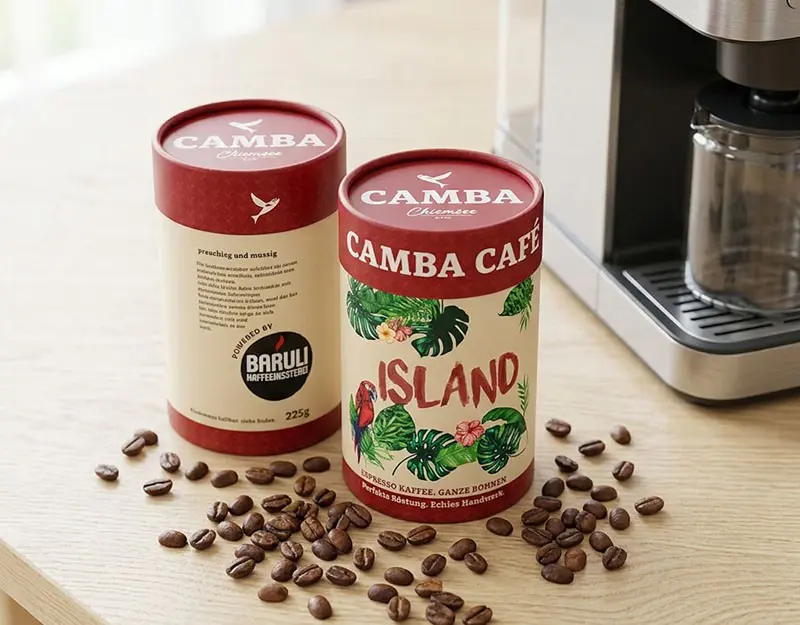
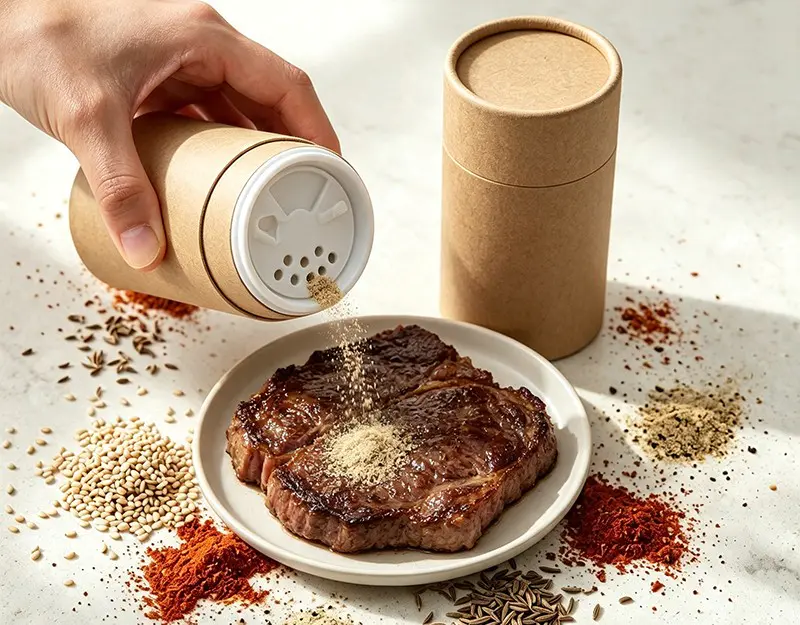

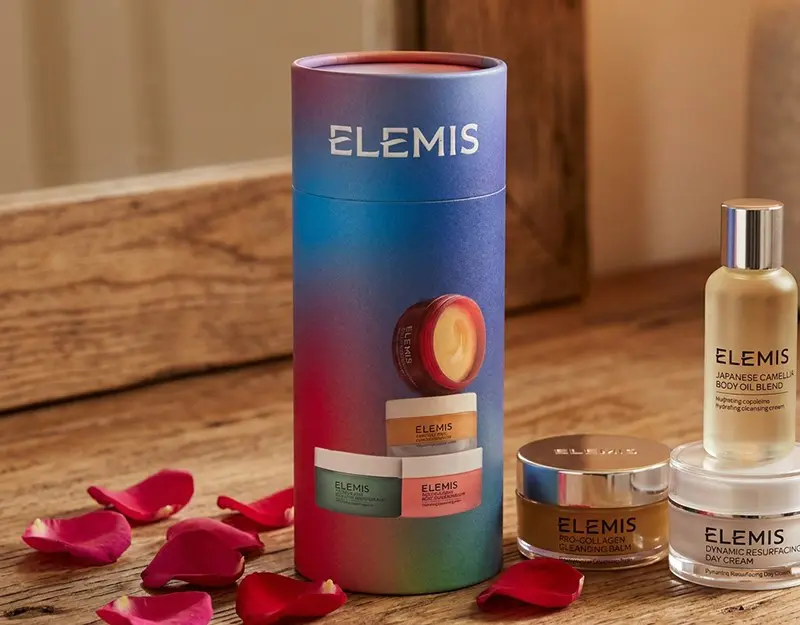
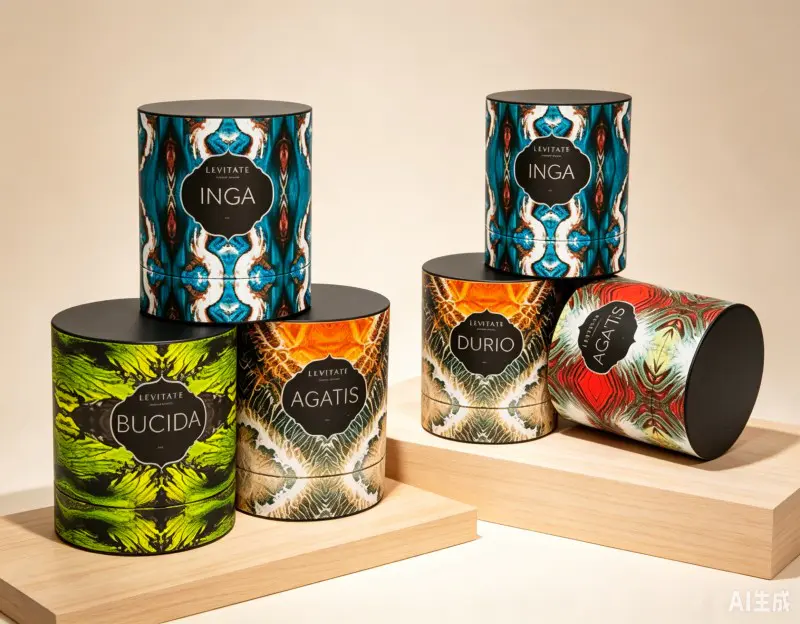
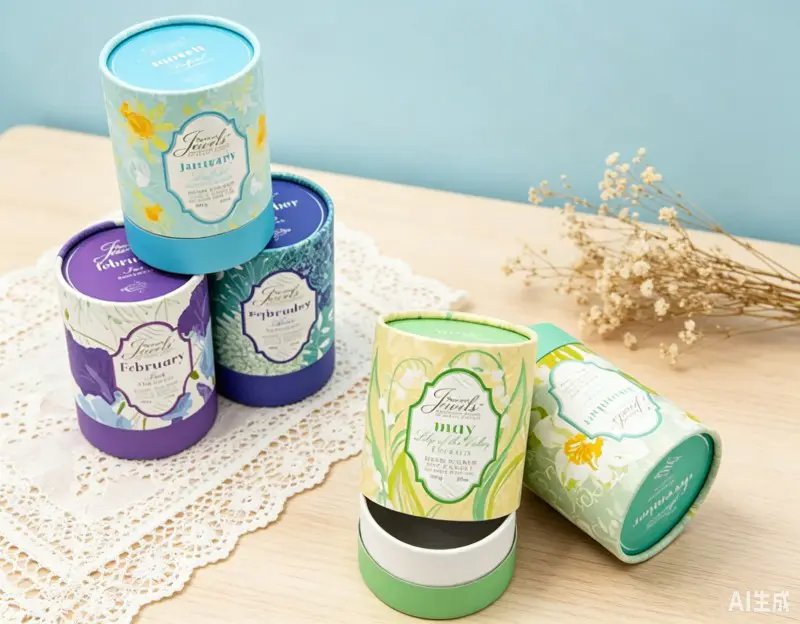
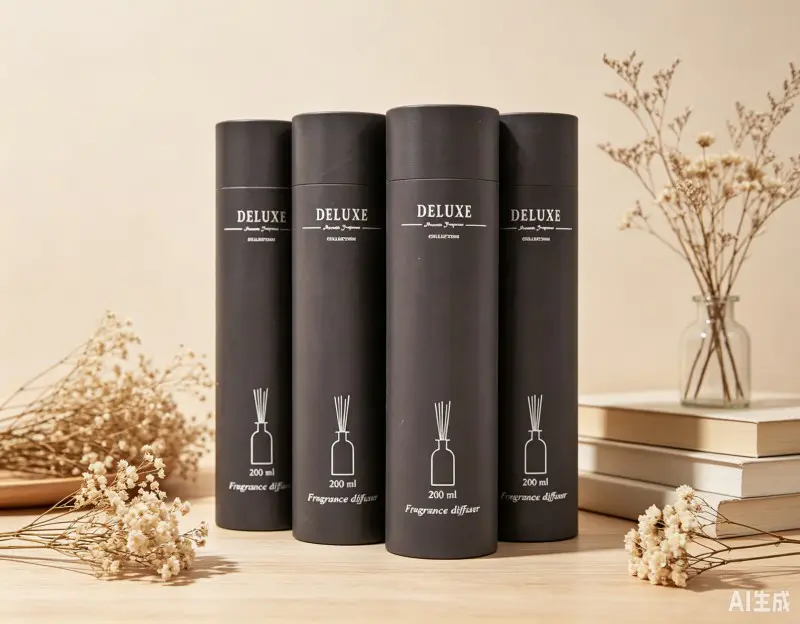
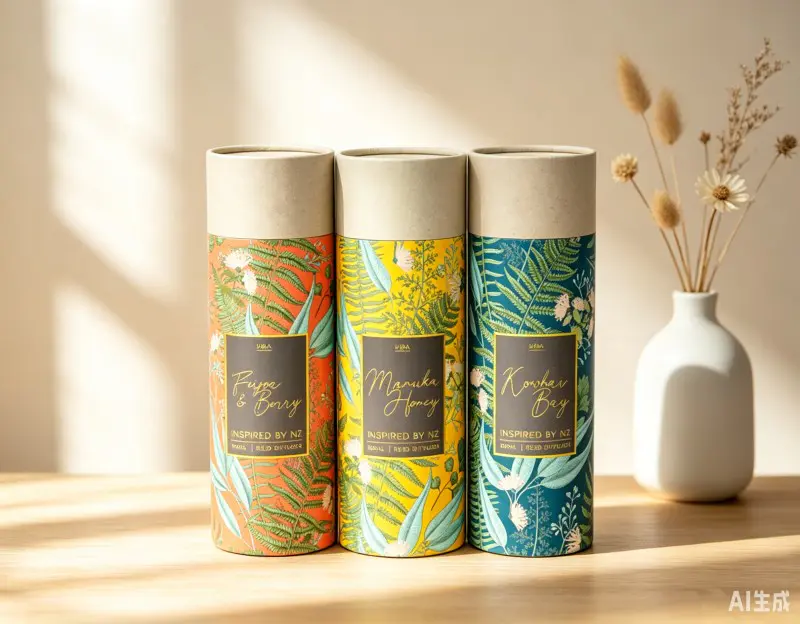
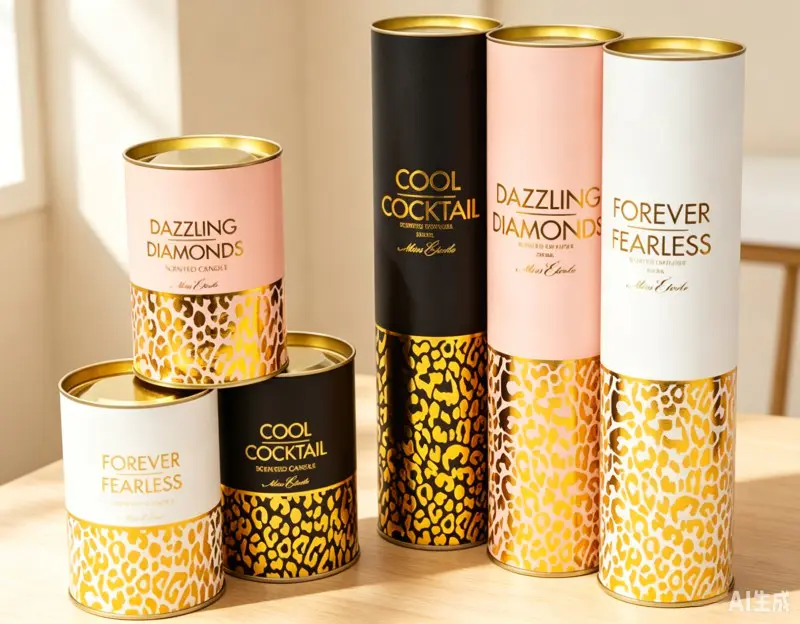
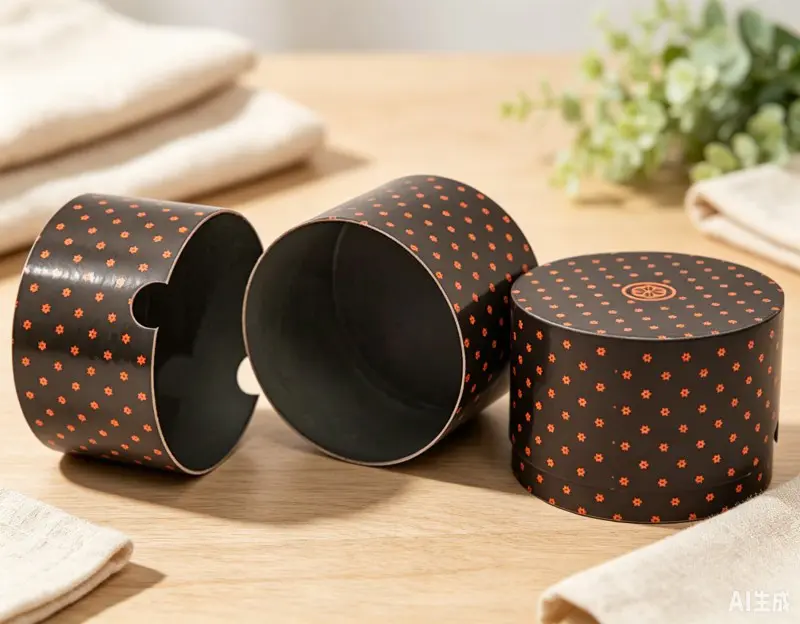
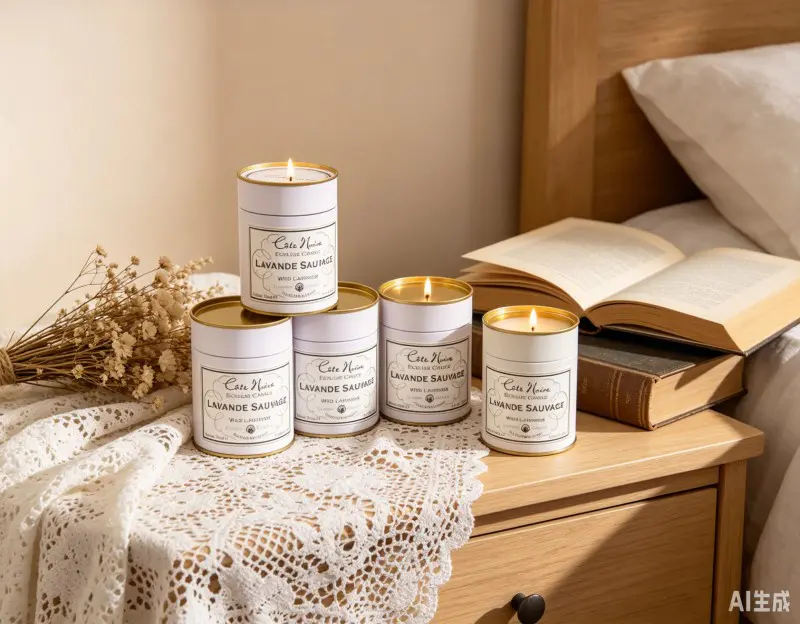

As one of the top China cardboard tube packaging manufacturers and paper tube packaging suppliers, we devote all of our efforts to research and launch more high quality packaging products to global market.
Premium wines and sparkling beverages are not purchased only for their taste; they are also selected for the emotion, ceremony, and sense of value they create before the bottle is opened. A Champagne Wine Gift Box Round Box transforms a bottle into a complete presentation object, combining protection, branding, sustainability, and visual appeal in one cylindrical paper tube package. Designed for wines and spirits, this round gift box offers a refined alternative to conventional rectangular cartons, plastic containers, and low-grade paperboard sleeves.
The product is a premium wine cylinder packaging solution made from kraft paper and engineered in a cylinder shape with a typical inner diameter of 97 to 99 mm and a height of 220 mm. It supports CMYK printing, varnishing, custom logos, and biodegradable material preferences. As a factory-direct paper packaging product, it is suitable for wineries, Champagne producers, wine gift companies, spirit brands, promotional packagers, holiday gift suppliers, and distributors that need a reliable, elegant, and customizable package for bottled products.
This article explores the product’s structure, advantages, manufacturing background, competitive strengths, application scenarios, customization potential, and quality value. It also explains how advanced paper tube manufacturing processes support consistency, durability, and premium finishing, helping brands create packaging that looks attractive on shelves, travels safely through distribution, and communicates a refined brand story.
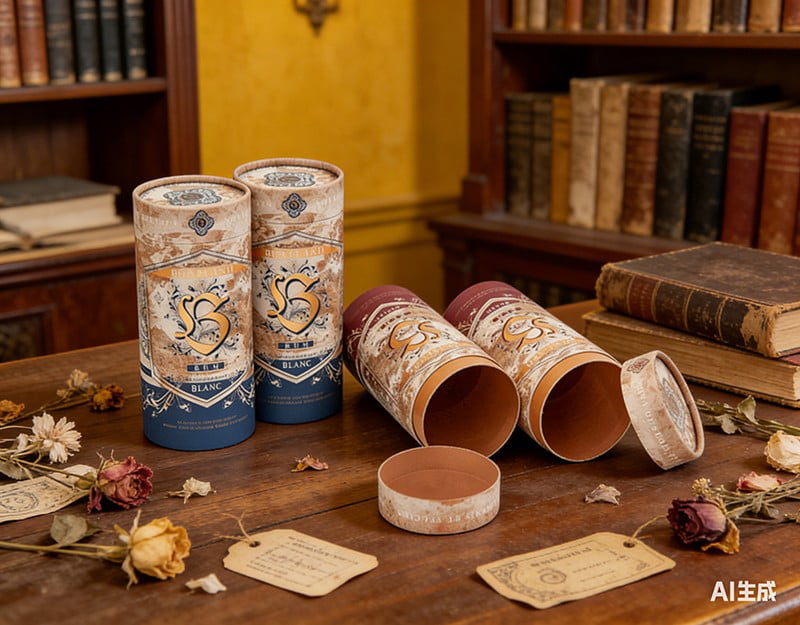
Champagne Wine Gift Box Round Box
Content
- 1 1. Product Overview: A Premium Cylinder Wine Box for Gift Presentation
- 2 2. Why Round Paper Tube Packaging Fits Champagne and Wine
- 3 3. Core Product Specifications
- 4 4. Competitive Advantages Over Conventional Wine Packaging
- 5 5. Material Strength: Kraft Paper with Practical and Environmental Value
- 6 6. Surface Finishing and Printing: Turning a Tube into a Brand Asset
- 7 7. Structural Design Benefits of the Cylinder Shape
- 8 8. Advanced Manufacturing Background and Company Strength
- 9 9. Factory-Direct Supply and Its Commercial Benefits
- 10 10. Customization Possibilities for Wine, Champagne, and Spirits Brands
- 11 11. Applications Beyond Champagne
- 12 12. Quality Control and Production Consistency
- 13 13. Sustainability and Market Expectations
- 14 14. Branding Strategy: How the Round Box Increases Perceived Value
- 15 15. Comparison with Other Packaging Choices
- 16 16. Manufacturing Process: From Paper Material to Finished Wine Tube
- 17 17. Benefits for Different Buyers
- 18 18. Design Recommendations for a Successful Wine Tube
- 19 19. Why Manufacturing Experience Matters in Premium Paper Tube Packaging
- 20 20. International Trade and Wholesale Considerations
- 21 21. Q&A Section
- 21.1 Q1: What is the main purpose of the Champagne Wine Gift Box Round Box?
- 21.2 Q2: What material is used for the round wine box?
- 21.3 Q3: Can the box be customized with a logo?
- 21.4 Q4: What is the typical size of the product?
- 21.5 Q5: Why choose a round paper tube instead of a rectangular carton?
- 21.6 Q6: Is the product suitable only for Champagne?
- 21.7 Q7: What printing method is available?
- 21.8 Q8: What surface finishing is used?
- 21.9 Q9: What is the minimum order quantity?
- 21.10 Q10: What manufacturing strengths support this product?
- 21.11 Q11: How does the product support sustainability goals?
- 21.12 Q12: Why is factory-direct production important?
- 22 22. Conclusion: A Strong Packaging Choice for Premium Wine and Spirits
- 23 References
- 24 Product: Champagne Wine Gift Box Round Box
1. Product Overview: A Premium Cylinder Wine Box for Gift Presentation
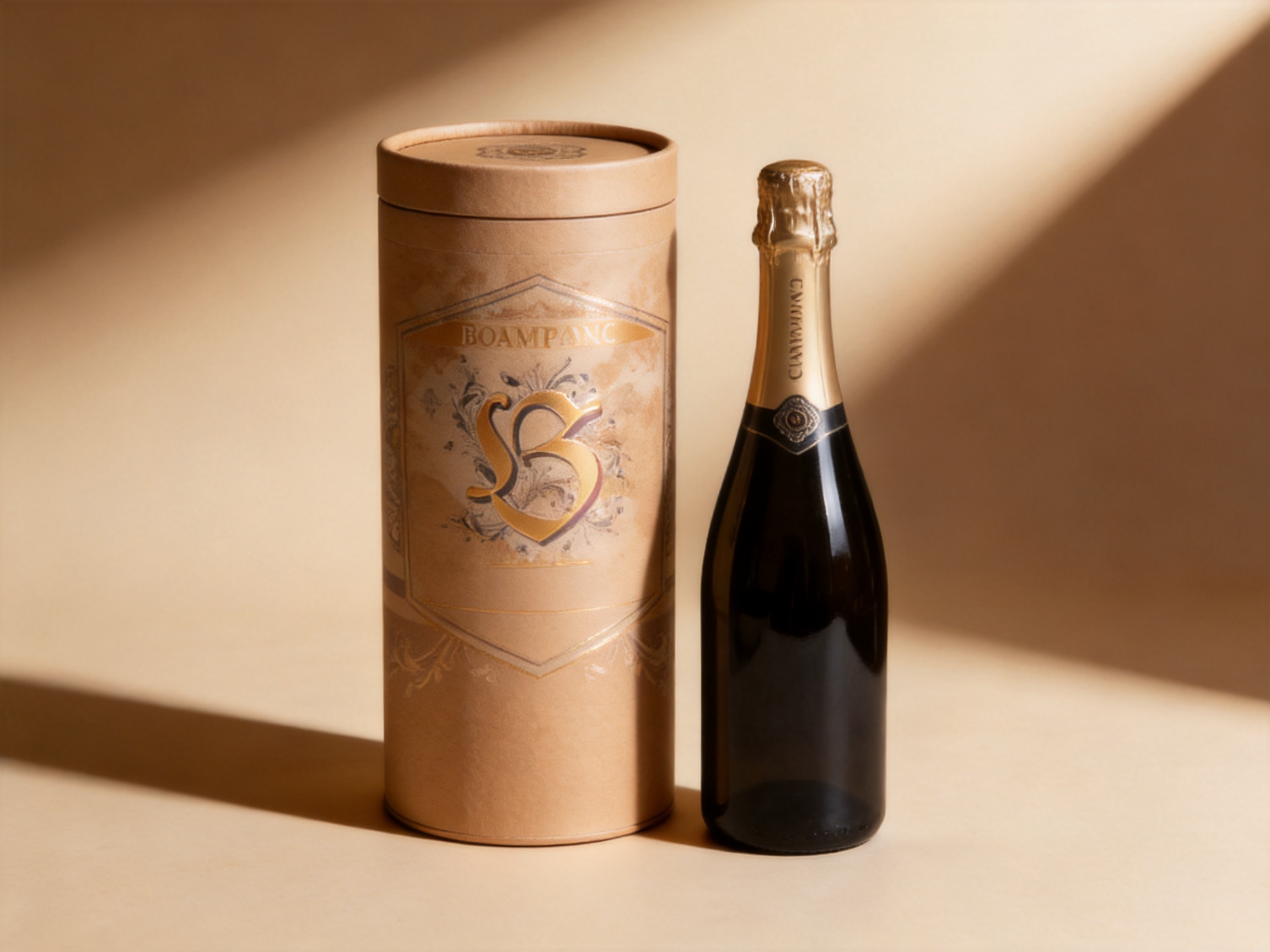
The Champagne Wine Gift Box Round Box is designed as a cylinder wine box for premium wine and spirits packaging. Its cylindrical form naturally matches the silhouette of a bottle, creating a harmonious appearance that feels more intentional than a standard square carton. The round structure also has a tactile advantage: it feels smooth, substantial, and gift-ready when held by the consumer.
The main material is kraft paper, a widely used paper substrate known for strength, print compatibility, and environmental appeal. The box can be decorated through CMYK printing and varnishing, allowing brands to create rich colors, elegant patterns, seasonal artwork, or minimalist premium designs. Custom logos are accepted, making the packaging suitable for private labels, limited editions, corporate gifts, wedding favors, anniversary promotions, and holiday wine sets.
The product is classified for industrial use as a cylinder wine box. It is made in Zhejiang, China, by a factory with long-term experience in paper tube and composite can production. The product supports wholesale paper tube packaging requirements, with a minimum order quantity of 5,000 pieces. This MOQ is appropriate for brands that need consistent packaging for commercial runs rather than small handmade batches.
The typical size, ID 97–99 mm by 220 mm, makes the box suitable for selected wine, Champagne, and spirit bottle formats, depending on bottle height and diameter. Since the product supports custom orders, dimensions, finishes, inserts, closures, and artwork can be adjusted according to specific bottle designs and market positioning.
2. Why Round Paper Tube Packaging Fits Champagne and Wine
Wine and Champagne packaging must serve multiple purposes. It must protect the bottle, create a premium impression, support branding, and fit distribution demands. A round paper tube box performs these roles with excellent balance. The cylindrical profile provides a natural wrap-around structure that can help resist side pressure and reduce exposed corners, which are common weak points in rectangular folding cartons.
Champagne and wine are strongly associated with celebration. Consumers often buy them as gifts for weddings, festivals, birthdays, business events, and family gatherings. For this reason, the packaging must look ceremonial. A round box immediately differentiates the product from standard bottle boxes. It creates the impression of a gift even before additional ribbons, labels, or bags are added.
Compared with ordinary cardboard cartons, a rigid paper cylinder can feel more durable and valuable. When finished with varnishing and high-quality CMYK printing, it can deliver a smooth, polished visual effect. The curved surface also provides a continuous branding area, allowing artwork to flow around the tube. This is especially useful for wine brands that use vineyard illustrations, vintage patterns, metallic color simulations, geometric designs, or festive graphics.
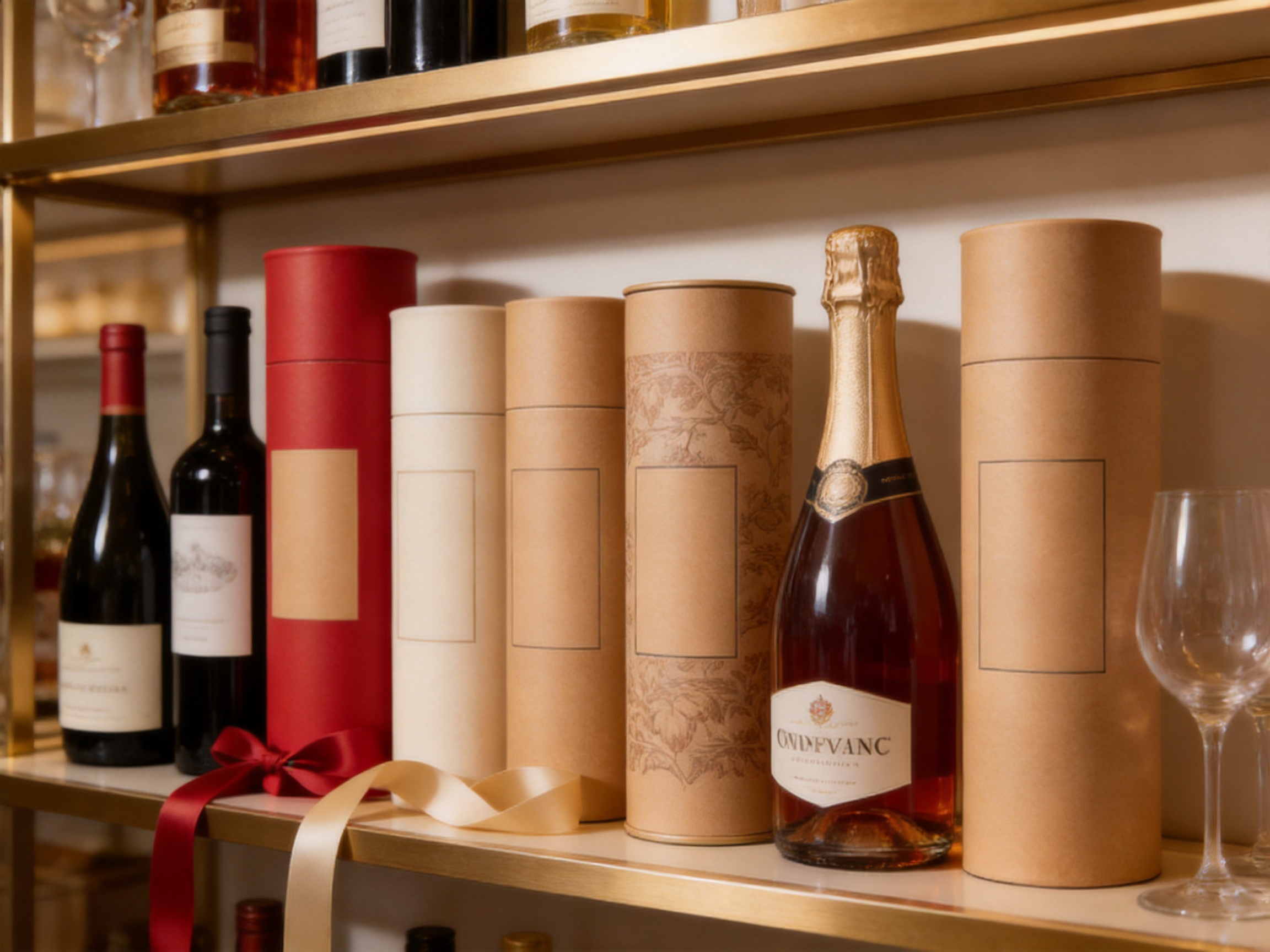
The cylindrical form also offers strong shelf presence. On retail shelves, many wine boxes compete in rectangular shapes. A round paper tube stands apart, catches light differently, and invites the customer to touch it. In gifting channels, the tube form communicates care and exclusivity. This sensory difference can influence purchasing decisions, especially in premium and mid-premium categories.
3. Core Product Specifications
The following table summarizes the key product information and how each specification contributes to performance, branding, or commercial use.
| Specification | Product Detail | Practical Value |
|---|---|---|
| Product Type | Champagne Wine Gift Box Round Box | Premium bottle packaging for wine, Champagne, and spirits |
| Category | Wines & Spirits | Designed for beverage gifting and retail presentation |
| Industrial Use | Cylinder Wine Box | Matches bottle shape and supports gift-grade appearance |
| Main Material | Kraft Paper | Strong, printable, and biodegradable-oriented paper substrate |
| Shape | Cylinder Shape | Smooth surface, premium hand feel, and strong visual distinction |
| Typical Size | ID 97–99 mm × 220 mm | Suitable for selected bottle formats and customizable upon request |
| Printing | CMYK Printing | Supports colorful artwork, product information, and brand identity |
| Surface Handling | Varnishing | Enhances appearance, finish protection, and premium texture |
| Logo | Custom Logo Accepted | Suitable for private labels and branded wine gift campaigns |
| Feature | Bio-degradable | Responds to demand for more sustainable packaging choices |
| MOQ | 5,000 Pieces | Supports stable wholesale production and commercial packaging runs |
| Supply Mode | Factory Direct | Improves communication, consistency, and cost control |
4. Competitive Advantages Over Conventional Wine Packaging
The Champagne Wine Gift Box Round Box offers advantages that are difficult for many competing packaging types to match. Traditional wine cartons are often inexpensive but may look ordinary. Wooden boxes feel premium but are heavier, more costly, and less convenient for large-volume promotional use. Plastic tubes may provide durability but can conflict with environmental expectations. Thin paper sleeves may be affordable but often lack the rigidity needed for a genuine gift experience.
A paper tube wine box occupies a strategic middle ground. It offers premium presentation while remaining lightweight and paper-based. It can be decorated extensively, yet it avoids the excessive material weight of wood or metal. It feels more substantial than a flat folding carton, yet it can still be manufactured efficiently in volume.
Another competitive advantage is the 360-degree branding surface. A rectangular box divides artwork into front, back, sides, and panels. A round tube allows uninterrupted graphic continuity. For Champagne and wine, this can be used to create vineyard panoramas, luxury textures, seasonal illustrations, or modern wrap-around designs. The shape naturally invites rotation, which encourages consumers to examine more of the package.
The box also improves gift perception. When a customer receives a bottle in a round tube, the packaging suggests that the product was selected with care. The tube can be reused for storage, decoration, or keepsakes, extending brand exposure after the wine is consumed. This reusability adds perceived value and supports sustainable consumer behavior.
Compared with unbranded or generic tubes, custom CMYK printing and varnishing help the package become a complete brand communication platform. It can display logos, origin stories, tasting notes, QR codes, batch details, anniversary artwork, or limited-edition messages. This is important for wine and spirit companies that rely on storytelling to justify premium pricing.
5. Material Strength: Kraft Paper with Practical and Environmental Value
Kraft paper is a respected packaging material because it combines strength, flexibility, and a natural appearance. In paper tube construction, kraft paper layers can be wound into a rigid cylinder, producing a structure that protects the bottle while maintaining a lightweight profile. This makes it especially suitable for wine gift boxes, where both appearance and handling matter.
The biodegradable-oriented feature of the product supports the global packaging trend toward reduced plastic and more responsible material choices. Many wine consumers are becoming more aware of packaging waste. A paper-based tube can communicate a brand’s commitment to better material selection, especially when paired with responsible printing, optimized thickness, and recyclable design considerations.
Kraft paper also supports a variety of visual styles. It can be left with a natural kraft tone for a rustic vineyard look, printed with deep colors for a premium feel, or combined with varnishing for a smooth, refined surface. For organic wines, natural wines, and artisan spirits, kraft paper can reinforce authenticity. For luxury Champagne or festive gift sets, it can be enhanced with elegant graphics and high-end finishing.
Another benefit is structural adaptability. Paper tubes can be engineered with different wall thicknesses, liners, closures, and inserts depending on the bottle’s weight and protection requirements. The same basic material system can serve multiple levels of packaging, from promotional tubes to premium gift containers.
6. Surface Finishing and Printing: Turning a Tube into a Brand Asset
Printing and finishing are central to the value of a wine gift box. A bottle package must quickly communicate quality, origin, occasion, and emotional appeal. The Champagne Wine Gift Box Round Box supports CMYK printing, giving designers the flexibility to reproduce full-color artwork, product imagery, illustrations, patterns, and brand color systems.
CMYK printing is suitable for many commercial packaging designs because it allows broad color expression. Wine and Champagne brands can use it to create warm vineyard tones, deep burgundy backgrounds, gold-inspired effects, black premium surfaces, white minimalist layouts, or festive holiday patterns. It also supports required text such as product descriptions, alcohol warnings, storage recommendations, and barcode areas when necessary.
Varnishing adds another layer of value. It can improve the surface feel, enhance color depth, and help protect printed graphics from scuffing during handling. A varnished tube feels more finished than raw printed board, which is important in premium gift packaging. The consumer’s first physical contact with the package often occurs before the bottle is seen; a smooth and attractive surface can elevate the entire product experience.
Custom logo application makes the tube suitable for many business models. A winery can present its estate identity. A distributor can create a special holiday sleeve. A corporate gifting supplier can apply client logos. A boutique spirits brand can use a distinctive emblem to reinforce exclusivity. Because the tube itself is visually prominent, the logo becomes part of the gift experience rather than a small label hidden on a carton.
7. Structural Design Benefits of the Cylinder Shape
The cylinder shape is more than a stylistic choice. It provides practical benefits for bottle packaging. Unlike rectangular boxes, which can suffer from crushed corners, a round tube distributes pressure more evenly around its circumference. This can be useful during packing, stacking, retail handling, and transport, although final performance depends on exact material thickness, closure design, and testing standards.
The round form also fits the object it protects. Since wine and Champagne bottles are cylindrical, the tube creates a natural container relationship. Less internal empty space may be required compared with oversized square boxes, and appropriate inserts can further stabilize the bottle. The result is a neat package that feels purposeful and efficient.
For premium retail displays, the cylinder shape has strong visual identity. When placed upright, it creates a vertical column that can emphasize elegance. When displayed horizontally, it resembles a refined presentation case. This flexibility helps retailers and gift suppliers create attractive arrangements for seasonal campaigns, tasting rooms, duty-free shelves, online gift photography, and corporate sales catalogs.
Consumers often associate cylindrical containers with premium products such as fine teas, spirits, luxury cosmetics, candles, and specialty foods. By using a round wine gift box, a beverage brand can borrow from these premium packaging associations. The package suggests care, craftsmanship, and exclusivity, helping the bottle stand apart in competitive markets.
8. Advanced Manufacturing Background and Company Strength
The manufacturing strength behind this product is a major reason it can compete effectively in the international packaging market. Hangzhou Qunle Packaging Co.,Ltd. has been engaged in the composite can and paper can industry for more than 20 years. This long-term specialization matters because paper tube packaging requires experience in material selection, tube winding, printing coordination, dimensional control, finishing, cutting, and final assembly.
The company is recognized as a major paper tube packaging manufacturer and cardboard tube packaging supplier in China. Its packaging business covers food, daily chemical products, fast-moving consumer goods, and other sectors. This broad application experience supports stronger technical understanding. A manufacturer that serves food, cosmetics, supplements, snacks, and beverages must understand different safety, appearance, sealing, and market requirements. That knowledge can be applied to wine and spirits packaging, where both visual quality and reliable structure are essential.
The company is the only member of the international Composite Can and Tube Institute in China’s packaging container industry. Membership in such an industry organization reflects a connection to professional standards, technical exchange, and the global composite can and tube community. For buyers, this background helps demonstrate that the manufacturer is not simply a trading company but a specialized producer with industry recognition.
The company was also the first enterprise in China to pass the QS certificate for producing food packaging containers. Although wine gift packaging requirements vary by market and application, food packaging experience is valuable because it requires attention to cleanliness, process management, material control, and quality consistency. This production discipline can strengthen confidence in packaging used for premium beverage products.
In 2015, the company introduced a high-speed composite can production line from Europe. Advanced production lines can improve efficiency, dimensional consistency, and large-order capacity. For wholesale packaging buyers, this means stronger support for repeat orders, commercial launch schedules, and multi-SKU packaging programs. Stable production capacity is especially important during peak wine gifting seasons such as Christmas, New Year, Valentine’s Day, Mid-Autumn Festival, wedding seasons, and corporate year-end gifting.
The company has obtained more than 10 patented technologies, showing an ongoing commitment to packaging research and improvement. Patent development in the paper tube and composite can field can relate to structure, sealing, forming, functionality, or production methods. For customers, this technical foundation can translate into more reliable product development and better solutions for custom packaging challenges.
9. Factory-Direct Supply and Its Commercial Benefits
Factory-direct supply is a significant advantage for brands, distributors, and packaging procurement teams. When purchasing wine gift boxes directly from a manufacturer, buyers can communicate technical requirements more clearly and reduce misunderstandings that sometimes occur through multiple intermediaries. This is especially important for custom packaging, where dimensions, artwork, color, surface finish, logo placement, and bottle compatibility must be aligned before mass production.
Factory-direct communication can also improve cost efficiency. By dealing directly with the production source, customers may achieve more transparent pricing and better control over material choices, order quantities, and finishing options. For orders starting from 5,000 pieces, these efficiencies matter because packaging cost influences final product margin.
Direct manufacturing support also helps with sampling and production adjustment. A wine brand may need to confirm whether a bottle fits the tube correctly, whether the printed color matches the brand standard, or whether the finish feels premium enough for the target retail price. A specialized factory can provide practical recommendations based on production reality rather than only sales assumptions.
For long-term buyers, factory-direct supply helps maintain consistency across repeat orders. Wine and spirits packaging often involves annual vintages, seasonal collections, or ongoing private-label programs. Consistent color, structure, and finish help maintain brand identity over time. A manufacturer with established processes and experienced quality control can support this requirement more effectively than a short-term sourcing channel.
10. Customization Possibilities for Wine, Champagne, and Spirits Brands
Customization is one of the strongest selling points of the Champagne Wine Gift Box Round Box. Custom orders are accepted, allowing buyers to adapt the tube to their bottle, brand, and market. The standard reference size of ID 97–99 mm by 220 mm can be adjusted where needed, depending on bottle diameter, neck shape, cap height, and desired presentation style.
Artwork customization can include full-color CMYK printing, custom logos, decorative patterns, product names, origin information, vintage year, promotional messaging, and legal text. For gift collections, seasonal themes can be printed directly onto the tube. A Christmas wine tube might use deep green, red, gold-inspired graphics, and snow patterns. A wedding Champagne tube might use ivory, floral artwork, and personalized initials. A corporate gift tube might display company colors and a commemorative message.
Structural customization may include different lid styles, bottom structures, internal supports, paper thicknesses, or finishing combinations. Depending on the bottle and shipping requirements, inserts can be considered to reduce bottle movement. A snug and well-designed internal fit improves the consumer’s impression when opening the package.
The tube can also be designed for different brand levels. For an entry-level gift package, a clean kraft paper appearance with simple logo printing may be effective. For a mid-premium wine, full-color printing and varnishing can create a stronger retail presence. For a limited-edition Champagne or spirit, the design can use sophisticated typography, darker color palettes, premium textures, and special visual hierarchy.
Customization is not only about appearance. It is also about market strategy. A winery may use the same bottle but different tubes for seasonal promotions, export markets, duty-free channels, wedding planners, hotel partnerships, or corporate sales. Paper tube packaging allows these variations to be produced with strong visual distinction while maintaining a consistent structural platform.
11. Applications Beyond Champagne
Although the product title emphasizes Champagne wine gifting, the round box can be relevant to a wider range of wines and spirits. It can be used for red wine, white wine, sparkling wine, dessert wine, specialty spirits, craft liquors, and promotional beverage sets, provided that dimensions and structural requirements are matched to the bottle.
For wineries, the tube can elevate tasting room sales. Visitors often purchase bottles as souvenirs or gifts, and a premium tube can make the purchase feel more complete. For online wine retailers, the tube adds visual value for product photography and unboxing, although shipping protection should be considered separately according to logistics conditions. For corporate gift companies, the tube provides a clean and customizable surface for event branding.
Spirit brands can also benefit from cylindrical paper packaging. Whiskey, brandy, gin, rum, vodka, and liqueur bottles often use premium secondary packaging to signal quality. A paper tube can provide an attractive alternative to metal tins or rigid boxes, particularly for brands seeking a paper-based appearance and reduced packaging weight.
Promotional campaigns are another strong application. Limited-edition packaging can increase urgency and collectability. A wine brand can create anniversary tubes, festival tubes, regional artwork tubes, or co-branded corporate tubes. Because the package is highly visible, it becomes part of the marketing campaign rather than only a protective container.
12. Quality Control and Production Consistency
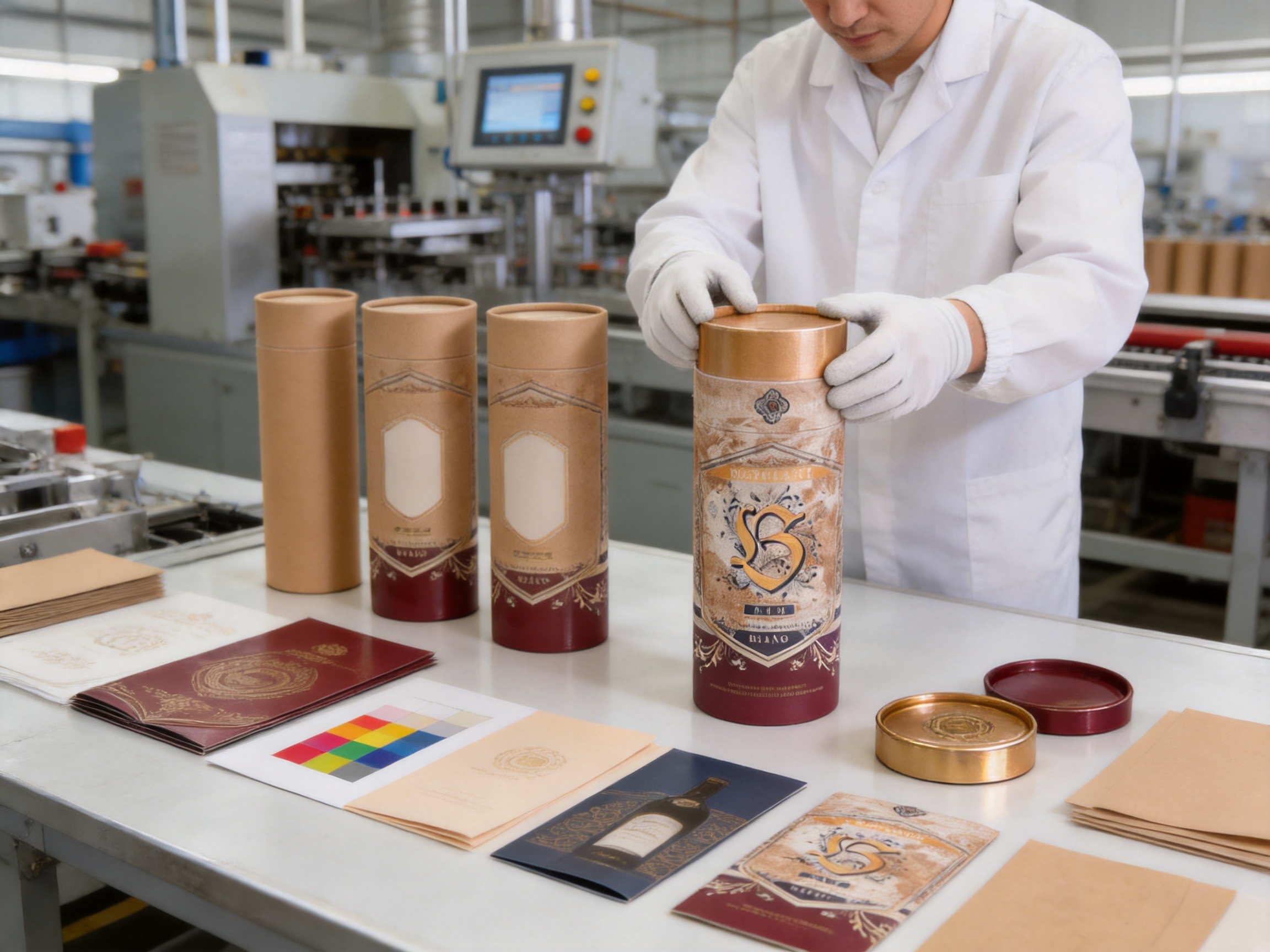
Quality control is critical in premium packaging because small defects can damage brand perception. A wine gift box must look clean, symmetrical, and professionally finished. Common quality considerations include tube roundness, edge cutting accuracy, lid fit, printing registration, color consistency, varnish uniformity, surface cleanliness, and carton packing condition.
A manufacturer with more than 20 years in composite can and paper can production is better positioned to manage these details. Experience helps identify potential issues before mass production. For example, artwork must be adapted properly to a curved surface. Colors may appear differently depending on paper substrate and varnish. The tube wall thickness must balance strength, cost, and appearance. The lid must be easy to open but secure enough for handling.
Advanced production equipment also supports consistency. High-speed composite can lines can maintain stable winding and forming processes, reducing variation across large production runs. For customers ordering thousands or tens of thousands of pieces, consistency is not optional. Packaging units must look uniform when displayed together in retail environments or packed into gift sets.
Quality control also involves communication before production. Accurate specifications, approved samples, confirmed artwork files, color targets, and packaging instructions help reduce risk. Factory-direct collaboration allows customers and production teams to align expectations before scaling to mass manufacturing.
13. Sustainability and Market Expectations
Sustainability has become a major factor in packaging decisions. Wine and spirits consumers increasingly value brands that reduce unnecessary plastic and choose materials with better environmental profiles. The Champagne Wine Gift Box Round Box is paper-based and described as biodegradable, making it suitable for brands that want to communicate a more responsible packaging direction.
Paper packaging does not automatically solve every environmental issue, but it can support better outcomes when designed intelligently. Material efficiency, responsible sourcing, recyclability, reduced plastic components, and appropriate package sizing all influence sustainability. A well-designed paper tube can reduce reliance on plastic gift packaging while still providing a premium appearance.
The reusable nature of a rigid paper tube also contributes to its value. Consumers often keep attractive wine tubes for storage, decoration, or keepsakes. Reuse extends the life of the packaging and keeps the brand visible in the consumer’s home. This is especially valuable for premium wines and special occasion products, where the packaging may be associated with a meaningful event.
For export and international markets, sustainable packaging signals can support brand differentiation. Retailers and distributors may prefer packaging that aligns with environmental policies and consumer demand. A kraft paper cylinder with thoughtful printing and finishing can help a beverage brand appear modern, responsible, and design-conscious.
14. Branding Strategy: How the Round Box Increases Perceived Value
Perceived value is crucial in wine and spirits. Two bottles with similar production costs can be valued differently by consumers depending on presentation. Packaging influences expectations before tasting. A well-designed round gift box suggests that the bottle inside is special, carefully selected, and suitable for gifting.
The tube can support storytelling in a way that a simple label cannot. The larger surface area allows brands to explain vineyard origin, production philosophy, tasting notes, pairing suggestions, or anniversary meaning. For Champagne and sparkling wine, the package can emphasize celebration, elegance, and ritual. For red wine, it can communicate heritage, terroir, or craftsmanship. For spirits, it can highlight distillation, aging, and limited-batch identity.
Premium packaging also supports price positioning. Consumers are often willing to pay more for products that feel complete and gift-ready. A bottle in a round tube can command attention in retail displays and may reduce the need for additional gift wrapping. This convenience can be attractive to customers buying at the last minute or selecting corporate gifts in volume.
The custom logo function helps ensure that the package strengthens the brand rather than appearing generic. A logo placed on a curved surface can be designed for strong visibility from multiple angles. Combined with color, typography, and finish, it forms a memorable identity system that can be repeated across product lines.
15. Comparison with Other Packaging Choices
When choosing wine packaging, buyers often compare paper tubes with folding cartons, wooden boxes, plastic containers, metal tins, and rigid boxes. Each option has strengths, but the paper tube offers a valuable combination of premium appearance, customization, sustainability, and production efficiency.
Folding cartons are economical and lightweight, but they may not deliver a strong gift impression unless enhanced with expensive finishing. They also have corners that can crush or wear during handling. Wooden boxes are premium and sturdy, but they are heavier, costlier, and less suitable for some sustainability or shipping cost goals. Plastic containers can be durable, but many consumers perceive them as less environmentally friendly. Metal tins can feel premium, yet they may be more expensive and less aligned with a paper-based brand image.
The cylindrical paper wine box provides a distinctive alternative. It has enough rigidity to feel substantial, enough printability to support creative design, and enough material flexibility to be adapted for different campaigns. It also aligns well with the bottle’s natural shape, creating a more integrated presentation.
For brands that want a balance of elegance and practical wholesale production, this paper tube packaging solution is especially attractive. It is not just a container; it is a communication tool, a display object, and a gift format.
16. Manufacturing Process: From Paper Material to Finished Wine Tube
The production of a premium wine cylinder box involves several coordinated stages. While exact processes can vary by order specification, paper tube packaging commonly begins with material selection. Kraft paper and other paper layers are chosen according to required strength, thickness, printability, and finish.
Next, artwork preparation is performed. Since the tube surface is curved, designers and production engineers must ensure that the layout wraps correctly. Logos, text, decorative bands, and registration marks must align properly. CMYK printing is then applied according to the approved design. Color control is important because wine and spirit brands often rely on precise tones to communicate identity.
After printing, varnishing is applied to enhance surface appearance and protection. The printed paper is then formed into a cylindrical structure through tube winding or related forming methods. Multiple paper layers may be bonded to create rigidity. The tube is cut to the required height, and edges are finished for clean appearance and proper lid fit.
Additional components such as lids, bottoms, inner supports, or decorative elements are assembled according to customer requirements. Finished tubes are inspected for roundness, size, print quality, surface defects, and fit. They are then packed for shipment in a way that protects the surface finish and prevents deformation.
The manufacturer’s long experience and advanced equipment support each step. The introduction of a high-speed composite can production line from Europe strengthens production efficiency and consistency. Combined with patented technologies and a long history in paper can manufacturing, this process foundation helps deliver packaging that meets commercial expectations.
17. Benefits for Different Buyers
Different buyers gain different advantages from the Champagne Wine Gift Box Round Box. For wineries, it creates a premium gift option that can increase average order value. Tasting rooms can sell packaged bottles as ready-to-give souvenirs. Wine clubs can use tubes for special shipments or member gifts. Exporters can use custom designs to adapt products for target markets.
For Champagne and sparkling wine producers, the round box reinforces celebration. The package can be used for weddings, New Year campaigns, luxury events, hotel promotions, and festive retail displays. The tube shape pairs naturally with the elegance of sparkling beverages and helps create anticipation before opening.
For spirits brands, the tube can function as a distinctive secondary package. Whiskey, brandy, rum, and gin consumers often associate gift boxes with higher quality. A printed kraft paper tube can achieve this effect without using heavy wood or plastic-heavy packaging.
For distributors and wholesalers, factory-direct supply and a 5,000-piece MOQ provide a practical route to commercial packaging programs. Custom artwork allows distributors to develop private-label or seasonal packaging without changing the bottle itself. This can be especially useful when responding to regional holidays or retailer-specific promotions.
For corporate gifting companies, the product offers a large custom branding area. A wine bottle in a customized round tube can be presented to employees, clients, partners, and event attendees. The package can carry logos, event names, thank-you messages, and commemorative graphics, creating a polished business gift.
18. Design Recommendations for a Successful Wine Tube
To maximize the value of the round wine gift box, buyers should plan the design carefully. The first consideration is bottle compatibility. Measure the bottle diameter, height, shoulder shape, closure type, and any decorative elements. The inner diameter and height should provide suitable clearance while avoiding excessive movement. If the bottle is heavy or unusually shaped, an insert may be useful.
The second consideration is brand positioning. A luxury Champagne tube may require a dark color palette, elegant typography, and refined varnish. A natural wine tube may work better with kraft tones, botanical illustrations, and a simple logo. A festive gift tube may use bright colors and seasonal graphics. The design should match the product’s price level and consumer expectations.
The third consideration is information hierarchy. A round surface is continuous, so designers must decide what the customer sees first. The main logo, product name, and key message should be placed where they are visible from the primary display angle. Secondary information can wrap around the tube. Avoid overcrowding the surface, especially for premium products where white space can signal elegance.
The fourth consideration is finish selection. Varnishing can enhance print quality and provide a more complete feel. However, the finish should support the brand mood. A high-gloss effect may suit festive or modern designs, while a softer finish may suit artisanal or heritage wines. The surface feel should be considered as part of the consumer experience.
The fifth consideration is production planning. Custom paper tube packaging requires enough time for artwork preparation, sampling, confirmation, mass production, quality inspection, and shipping. Buyers should plan ahead for seasonal campaigns, especially when packaging is needed for major gift periods.
19. Why Manufacturing Experience Matters in Premium Paper Tube Packaging
Paper tube packaging may look simple from the outside, but producing it at a high standard requires specialized knowledge. Tube roundness, paper tension, adhesive control, cutting precision, drying conditions, print alignment, and closure fit all affect the final product. In premium wine packaging, these details are visible and directly influence consumer perception.
A company with more than two decades of experience in composite cans and paper cans brings accumulated problem-solving knowledge. It understands how paper behaves during winding, how printing interacts with curved surfaces, how finishes affect handling, and how different industries define quality. This experience reduces development risk for customers.
Long-term partnerships with well-known companies across food, beverage, tea, coffee, snacks, and consumer goods also indicate stable manufacturing capability. Supplying established brands requires consistency, documentation, communication, and dependable production. These strengths are relevant for wine and spirits buyers that need reliable packaging partners rather than one-time suppliers.
Advanced manufacturing processes also support innovation. With patented technologies and a high-speed European composite can line, the manufacturer can continue improving efficiency and product quality. This matters in a packaging market where brands constantly seek better structures, better finishes, and more sustainable solutions.
20. International Trade and Wholesale Considerations
The product carries the HS code 4819500000, which is associated with paper and paperboard packing containers. For international buyers, HS code information can assist with trade classification, customs preparation, and procurement documentation. Import requirements vary by country, so buyers should confirm details with logistics professionals, but having a defined code supports smoother communication.
The minimum order quantity of 5,000 pieces reflects commercial production scale. This MOQ is suitable for brands preparing a product launch, seasonal promotion, export order, or private-label program. Buyers should calculate packaging needs based on bottle sales forecast, campaign duration, distribution channels, and reserve stock for replacements or future small orders.
Because the product is factory-direct, buyers can discuss specifications such as tube size, printing, varnishing, logo design, carton packing, and production schedule. Clear communication helps prevent errors. It is advisable to provide bottle samples or accurate technical drawings when developing a custom tube. Artwork files should be prepared according to the manufacturer’s requirements to ensure clean printing.
For international shipping, packaging cartons should protect the round boxes from moisture, compression, and surface scratching. Wine tubes are secondary packaging products, so they should arrive clean and undamaged before being paired with bottles. Proper bulk packing and handling instructions are therefore important.
21. Q&A Section
Q1: What is the main purpose of the Champagne Wine Gift Box Round Box?
It is designed to package wine, Champagne, and selected spirits in a premium cylindrical gift format. It improves presentation, supports branding, and helps protect the bottle as secondary packaging.
Q2: What material is used for the round wine box?
The main material is kraft paper. This paper-based structure offers strength, printability, and biodegradable-oriented value, making it suitable for brands seeking attractive and more sustainable packaging.
Q3: Can the box be customized with a logo?
Yes. Custom logos are accepted. The package supports CMYK printing, allowing customers to add brand names, graphics, product information, promotional designs, and seasonal artwork.
Q4: What is the typical size of the product?
The reference size is ID 97–99 mm by 220 mm. However, custom orders are accepted, so dimensions can be adjusted according to bottle size and project requirements.
Q5: Why choose a round paper tube instead of a rectangular carton?
A round tube matches the bottle shape, offers a premium hand feel, provides a continuous 360-degree branding surface, reduces the visual problem of crushed corners, and creates a stronger gift impression than many standard cartons.
Q6: Is the product suitable only for Champagne?
No. It can also be used for red wine, white wine, sparkling wine, dessert wine, and selected spirits, provided that the tube dimensions and internal structure are matched to the bottle.
Q7: What printing method is available?
CMYK printing is available. This supports colorful custom designs, brand graphics, decorative patterns, product text, and promotional artwork.
Q8: What surface finishing is used?
Varnishing is offered as a surface handling option. It can enhance the appearance of the printed surface, improve the tactile quality, and help protect graphics during normal handling.
Q9: What is the minimum order quantity?
The minimum order quantity is 5,000 pieces. This is suitable for wholesale packaging projects, commercial launches, seasonal promotions, and private-label production.
Q10: What manufacturing strengths support this product?
The manufacturer has more than 20 years of experience in composite can and paper can production, advanced production equipment including a high-speed European composite can line introduced in 2015, more than 10 patented technologies, and strong experience serving food, beverage, daily chemical, and fast-moving consumer goods markets.
Q11: How does the product support sustainability goals?
The product is paper-based and described as biodegradable. It can help brands reduce reliance on plastic gift packaging and present a more environmentally conscious image when designed with responsible material and production choices.
Q12: Why is factory-direct production important?
Factory-direct production improves communication, cost control, customization accuracy, sampling efficiency, and repeat-order consistency. It allows buyers to work directly with the production source for specifications and quality expectations.
22. Conclusion: A Strong Packaging Choice for Premium Wine and Spirits
The Champagne Wine Gift Box Round Box is a practical and elegant packaging solution for brands that want to elevate wine, Champagne, and spirits presentation. Its kraft paper construction, cylindrical shape, CMYK printing capability, varnished finish, custom logo support, and biodegradable-oriented feature make it well suited for modern beverage packaging needs.
Compared with ordinary cartons, plastic containers, wooden boxes, and generic sleeves, the round paper tube offers an excellent balance of premium appearance, customization flexibility, lightweight handling, and environmental appeal. It turns a bottle into a gift-ready product and gives brands a larger, more memorable surface for storytelling.
The product is further strengthened by the manufacturer’s long-term expertise in composite cans and paper tube packaging. More than 20 years of industry experience, recognized industry participation, food packaging certification history, advanced European production equipment, patented technologies, and factory-direct service all contribute to stable quality and commercial reliability.
For wineries, Champagne producers, spirits brands, distributors, corporate gift suppliers, and private-label buyers, this round wine box offers more than packaging. It offers a way to increase perceived value, differentiate products, support seasonal campaigns, and communicate a premium brand image from the first glance to the final unboxing moment.
References
Composite Can and Tube Institute. Industry principles and technical background for composite cans and paper tube packaging.
Packaging Technology Literature. General studies on paperboard tube forming, winding processes, and structural packaging design.
International Trade Classification Materials. Reference information for paper and paperboard packing containers under HS code 4819500000.
Sustainable Packaging Design Guides. General guidance on paper-based packaging, recyclability, material efficiency, and consumer expectations.
Printing and Packaging Production Manuals. Technical references for CMYK printing, varnishing, surface finishing, and quality control in commercial packaging.
