 English
 Español
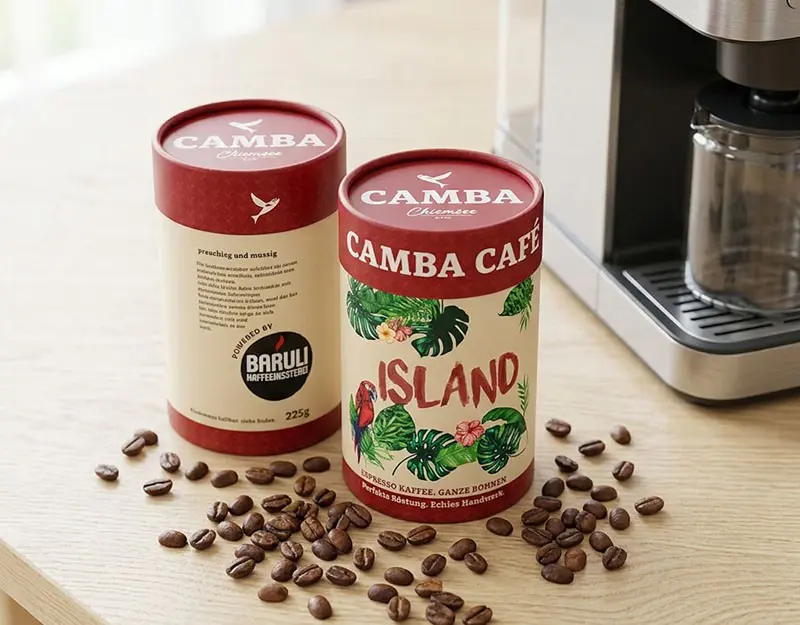


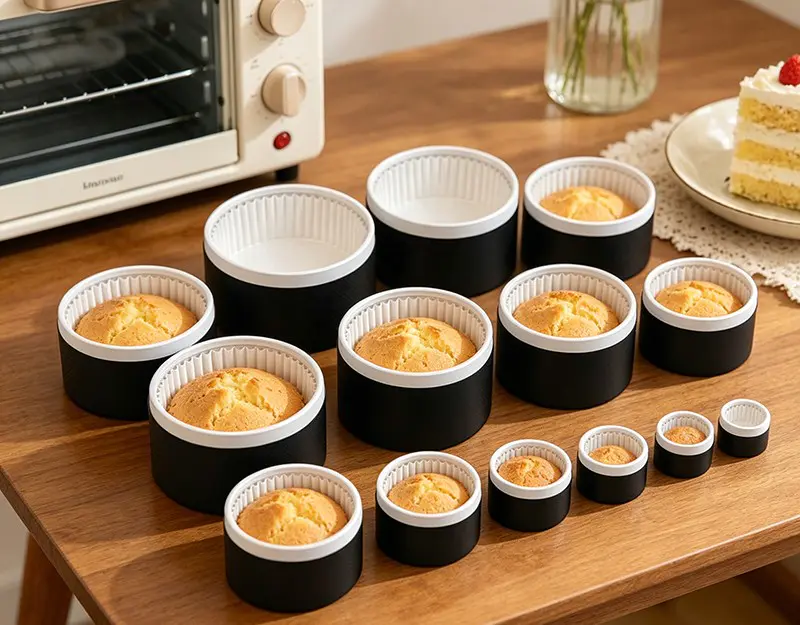

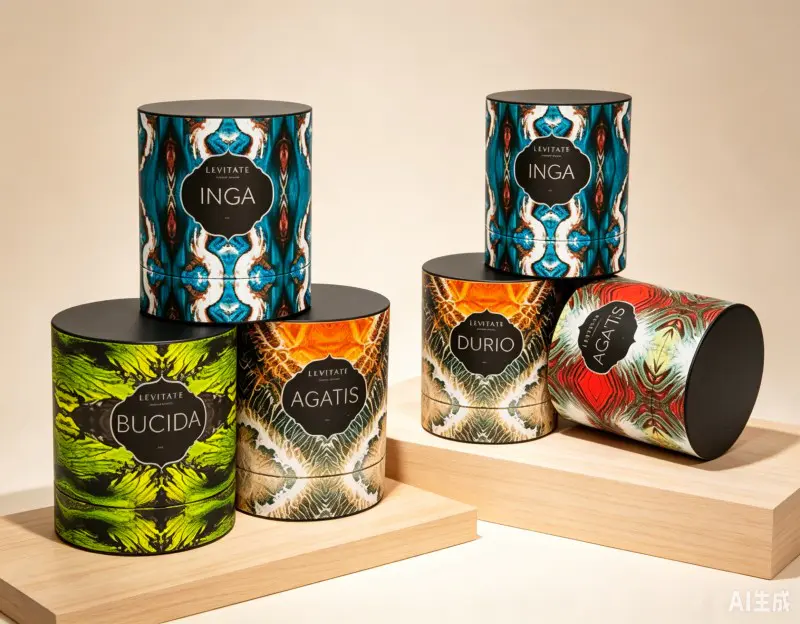
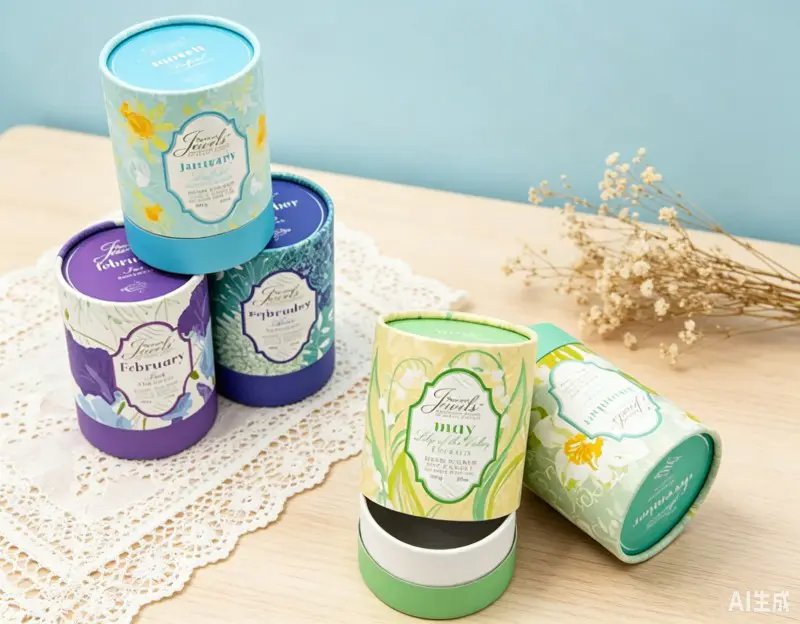
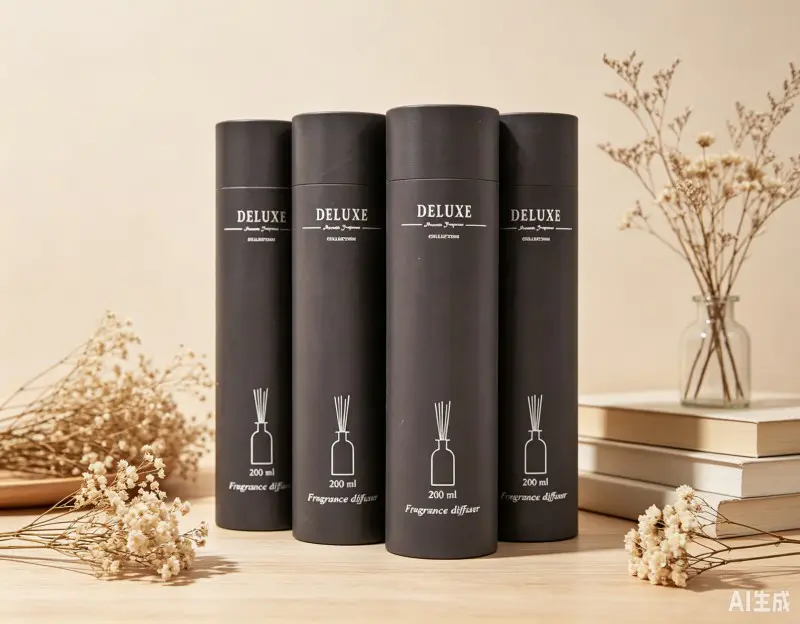


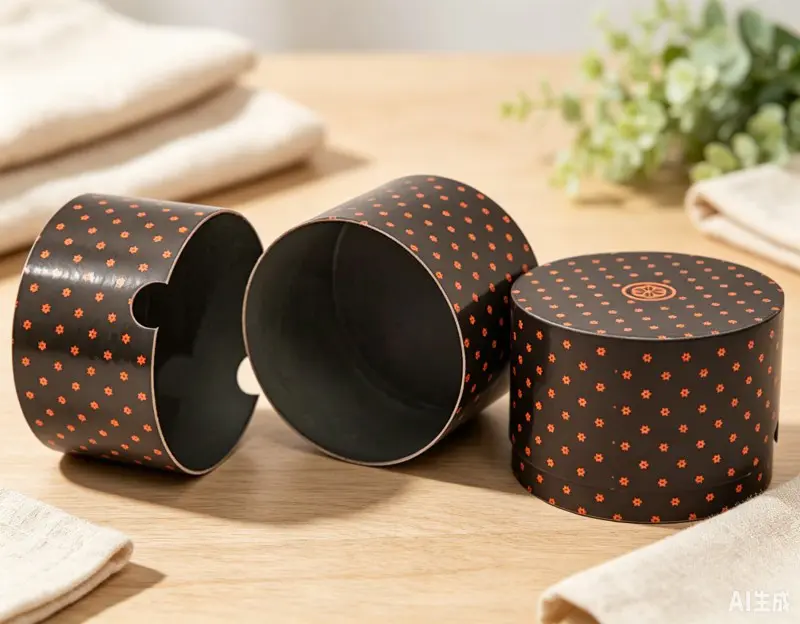


As one of the top China cardboard tube packaging manufacturers and paper tube packaging suppliers, we devote all of our efforts to research and launch more high quality packaging products to global market.
Content
- 1 What Composite Can Packaging Actually Is
- 2 How Composite Cans Are Built, Layer by Layer
- 3 Industries That Rely on Composite Can Packaging
- 4 Composite Cans Compared to Metal and Plastic Containers
- 5 How to Choose the Right Composite Can Packaging for Your Product
- 6 Sustainability Considerations Worth Understanding
- 7 Working With a Composite Can Manufacturer
What Composite Can Packaging Actually Is
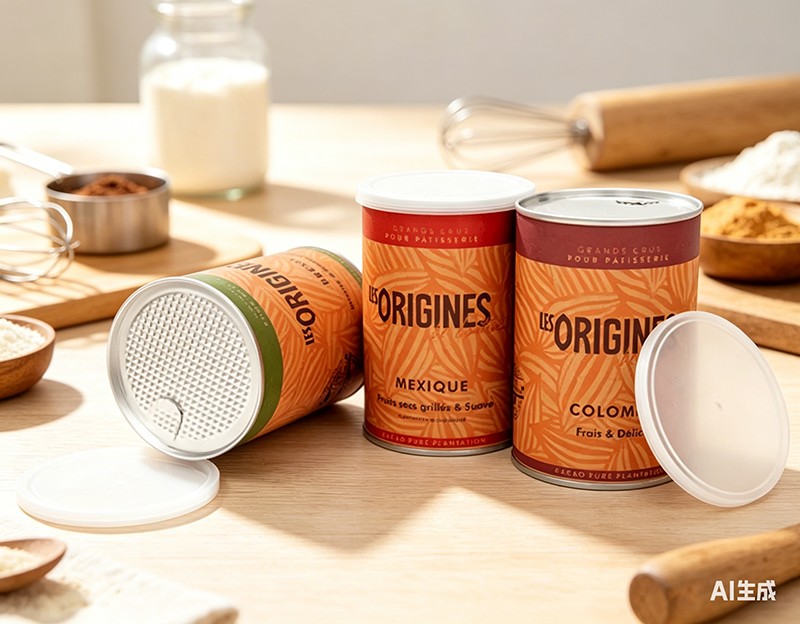
Composite can packaging refers to cylindrical containers built from multiple layers of different materials fused together, rather than a single material like solid metal or plastic. Most composite cans use a paperboard body as the main structural layer, combined with a metal or plastic bottom, and often a foil or film liner on the inside. This layered approach is why the packaging is called "composite" — it borrows the strength of paperboard, the sealing properties of foil, and the rigidity of a metal end, all in one container.
This style of packaging has been around for decades, most commonly recognized in products like frozen juice concentrate tubes, refrigerated dough containers, and snack canisters. But composite can packaging has expanded well beyond food, now showing up in cosmetics, powders, pet products, and even some industrial goods where a lightweight yet durable tube is needed.
How Composite Cans Are Built, Layer by Layer
Understanding the construction of composite can packaging helps explain why it performs the way it does. Each layer serves a specific purpose:
- Outer paperboard layer: Provides structure, printability, and a stable surface for branding and labeling.
- Inner foil or film liner: Blocks moisture, oxygen, and light to protect the contents and extend shelf life.
- Metal or plastic base: Adds rigidity to the bottom of the can and allows it to stand upright without deforming.
- Metal, plastic, or peel-off lid: Seals the top and can be designed for reclosability depending on the product.
Because each layer can be adjusted independently, manufacturers can fine-tune a composite can for a specific product — thicker foil for high-moisture contents, heavier board for products needing extra crush resistance, or a resealable plastic lid for repeat-use items like spice containers.
Industries That Rely on Composite Can Packaging
Composite can packaging has found a place in several industries because it strikes a balance between cost, protection, and shelf presence that single-material containers often can't match.
Food and Beverage
This remains the largest category, covering items like snack chips, protein powders, cocoa mixes, and frozen concentrate tubes. Composite cans protect against light and moisture while giving brands a large surface area for eye-catching label design.
Personal Care and Cosmetics
Powders, bath salts, and some skincare products are commonly packaged in composite canisters because the paperboard body feels premium in hand while still keeping the product sealed and shelf-stable.
Household and Pet Products
Items like wipes canisters, treats, and certain cleaning powders use composite can packaging for its combination of a rigid form factor with a lighter overall weight compared to full metal cans.
Composite Cans Compared to Metal and Plastic Containers
Brands often weigh composite can packaging against fully metal or fully plastic alternatives. Here's how they generally compare across the factors that matter most during a packaging decision:
| Factor | Composite Can Packaging | Full Metal Can | Full Plastic Container |
| Material Cost | Moderate | Higher | Lower to Moderate |
| Weight | Light | Heavy | Light |
| Print and Branding Space | Excellent | Good | Good |
| Moisture Barrier | Good (with liner) | Excellent | Good |
| Recyclability | Depends on Layers | High | Moderate |
How to Choose the Right Composite Can Packaging for Your Product
Selecting composite can packaging isn't just about picking a size and moving on. A few practical factors should guide the decision:
- Product sensitivity: Products sensitive to moisture or light need a stronger foil or film liner layer.
- Shelf life requirements: Longer shelf life demands better barrier performance, which affects liner thickness and lid sealing method.
- End use: Reclosable lids matter for products used repeatedly, like spices or powders, while single-use lids work fine for one-time consumption items.
- Branding needs: Paperboard surfaces allow for high-resolution printing, which matters for products competing on shelf appeal.
- Budget per unit: Composite cans typically sit between plastic and full metal in cost, making them a practical middle-ground option for many brands.
Sustainability Considerations Worth Understanding
One common misconception is that all composite can packaging is difficult to recycle. In reality, recyclability depends heavily on how the layers are separated during processing. Some regions have facilities that can split the paperboard body from the metal base and foil liner, allowing each material to be recycled separately. In areas without this infrastructure, composite cans may end up in general waste, which is why brands are increasingly working with manufacturers to reduce the number of material layers or switch to more easily separable components without sacrificing product protection.
Brands that want to highlight sustainability on packaging should confirm with their manufacturer exactly which layers are used and whether local recycling programs accept composite can packaging in their target markets, rather than assuming all composite cans are treated the same way.
Working With a Composite Can Manufacturer
Once a brand decides composite can packaging is the right fit, the next step is finding a manufacturer that can match the exact specifications needed. This includes confirming available sizes, liner options, lid types, and minimum order quantities. It's also worth asking whether the manufacturer offers custom printing directly on the paperboard body, since this affects both cost and lead time.
For businesses ordering at scale, working directly with a manufacturer rather than a reseller usually results in better pricing and more control over material specifications, especially when custom barrier properties or branding requirements are involved. Requesting product samples before committing to a full production run is a practical way to confirm the composite can meets both protection and presentation needs before scaling up.
