 English
 Español


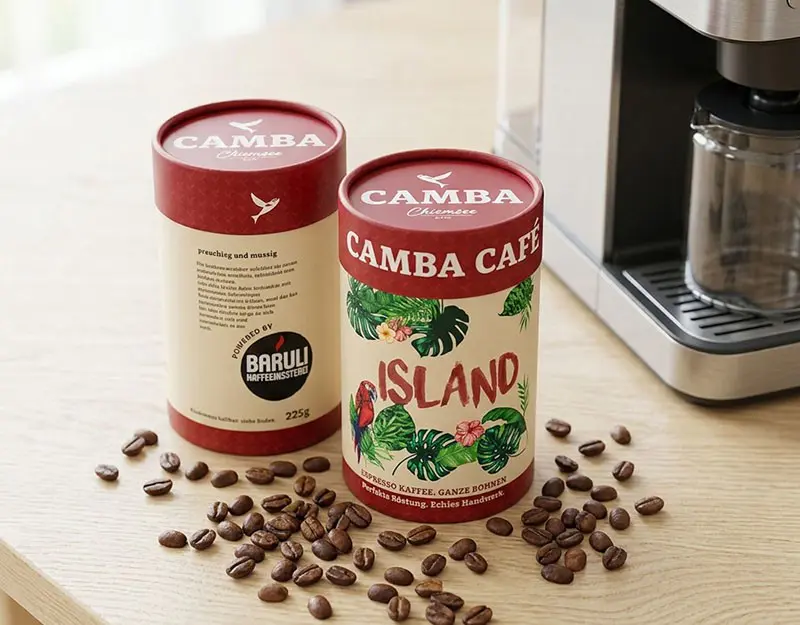
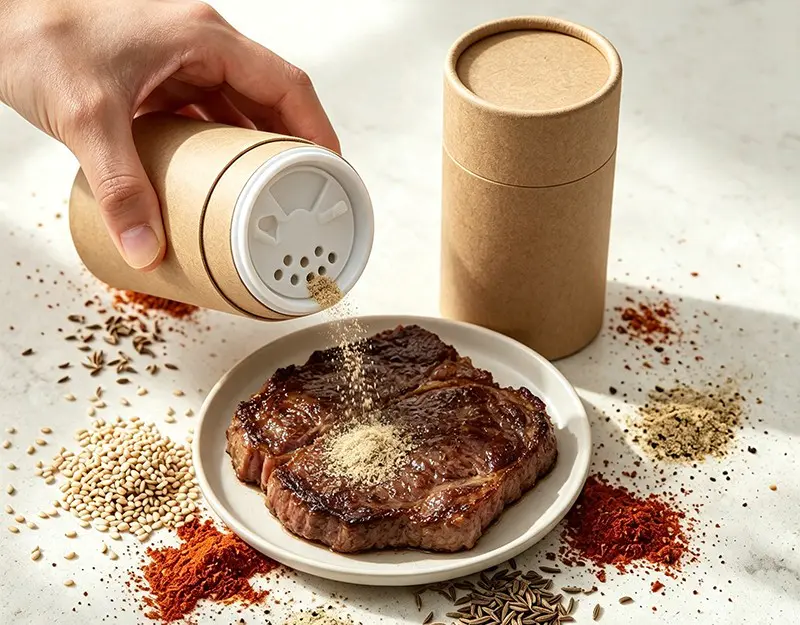
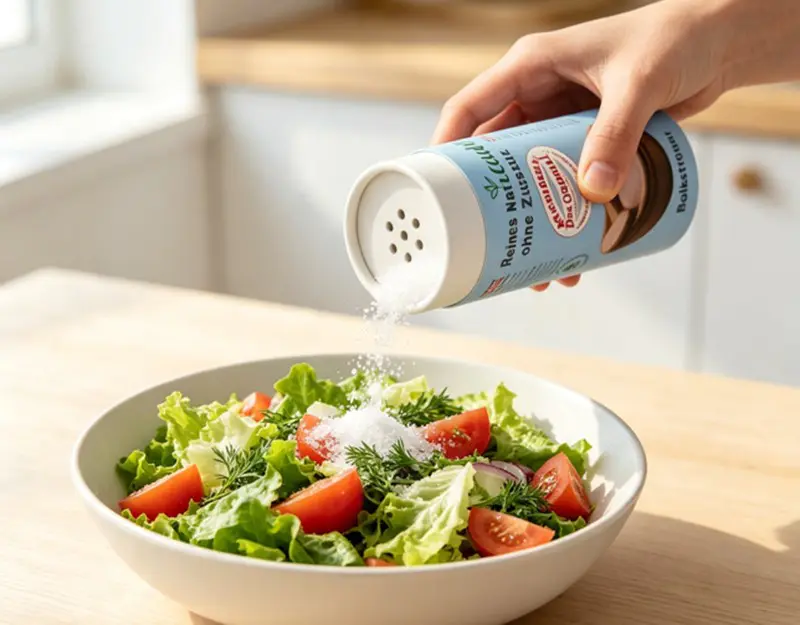
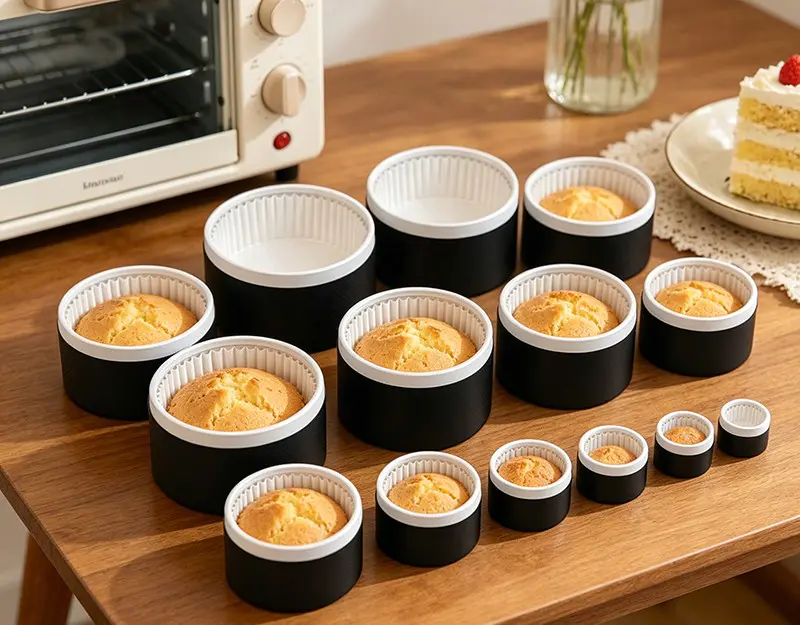

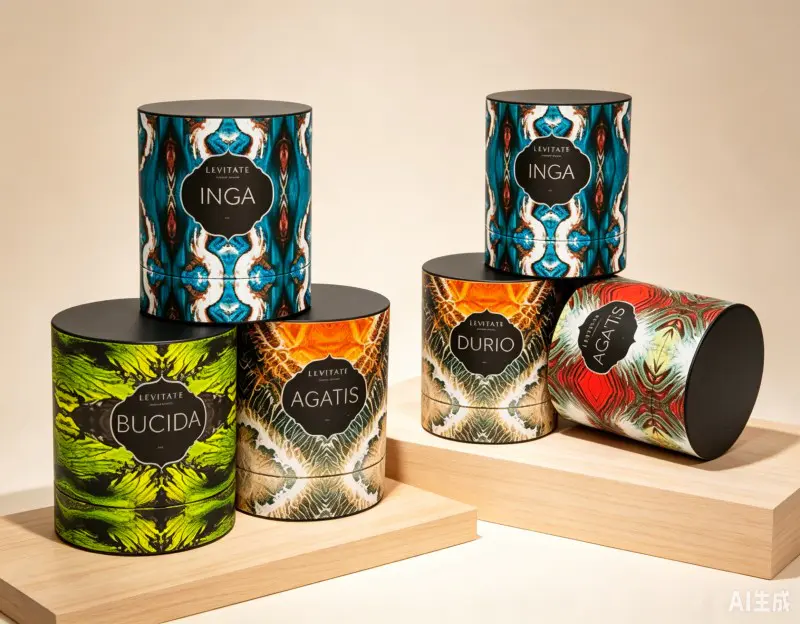
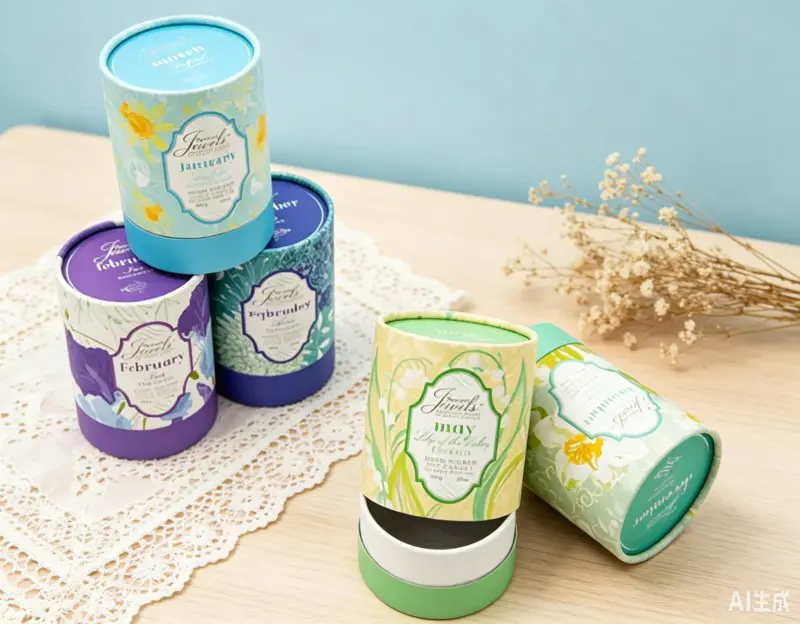
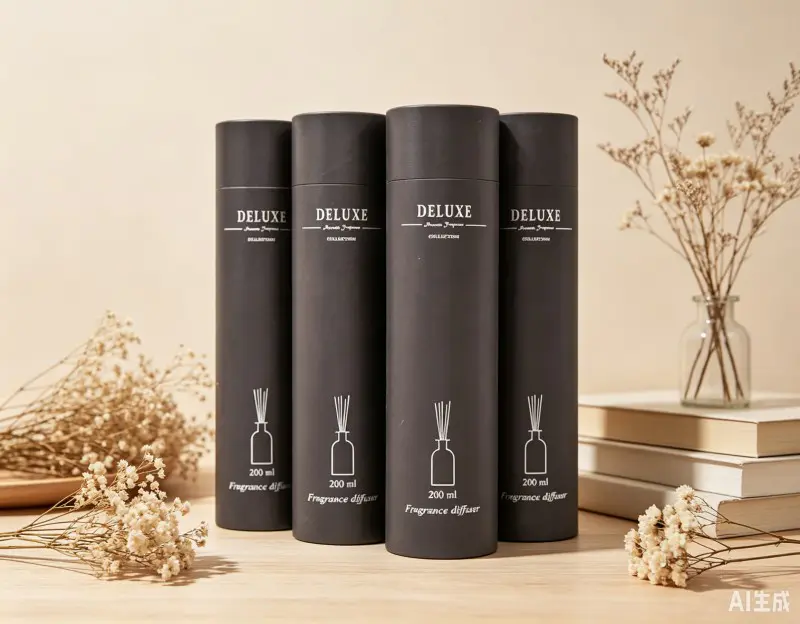
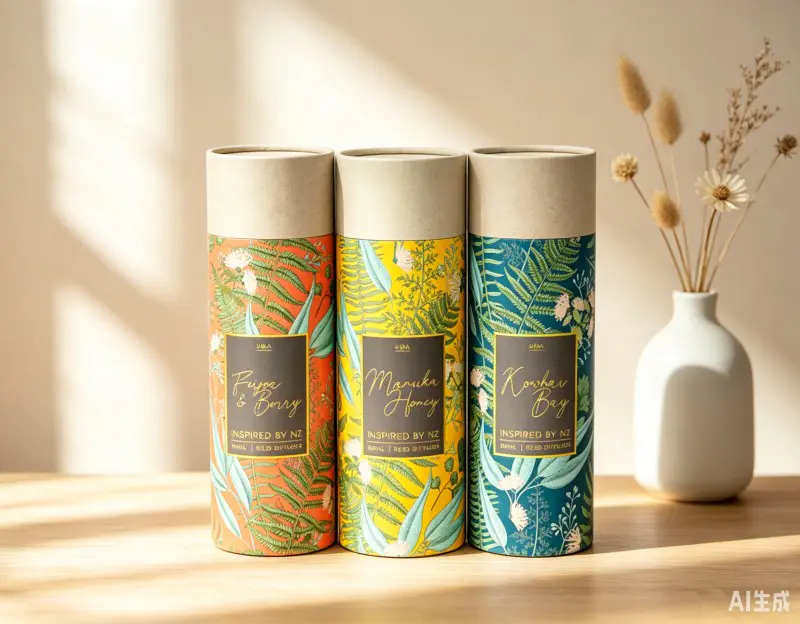

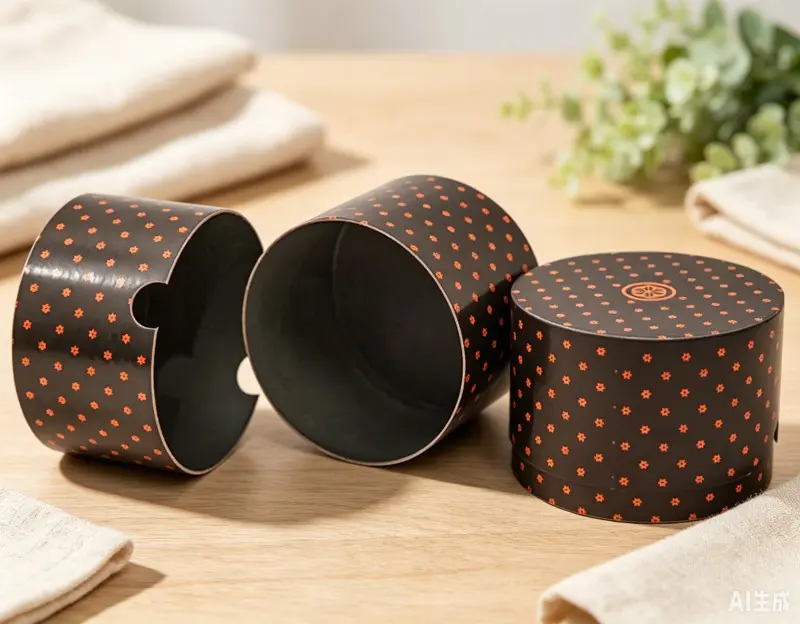
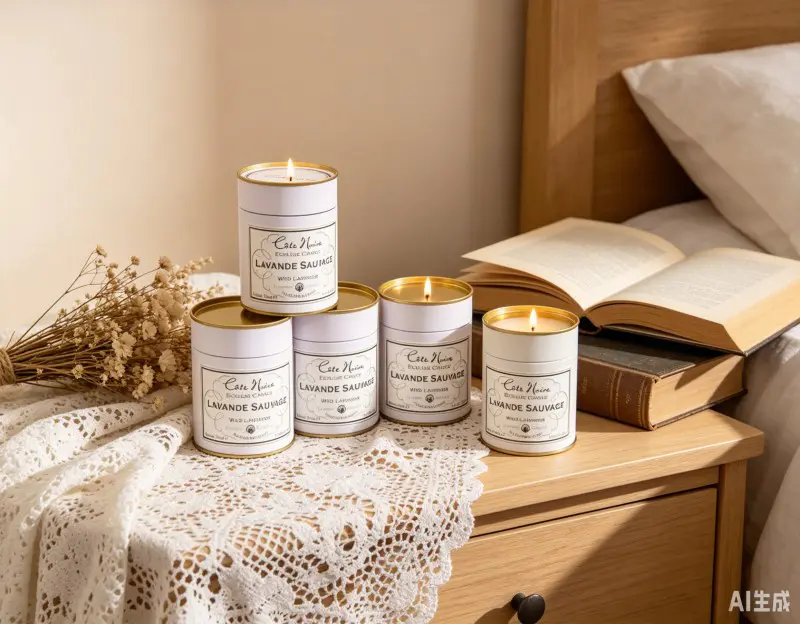

As one of the top China cardboard tube packaging manufacturers and paper tube packaging suppliers, we devote all of our efforts to research and launch more high quality packaging products to global market.
Fresh coffee begins with careful protection. From roasting and cooling to filling, transportation, retail display, and final preparation, coffee beans are exposed to oxygen, moisture, light, odor transfer, and physical handling. If packaging does not control these factors, the coffee can lose aroma, flavor complexity, and freshness long before the consumer opens it. Food direct composite paper cans with degassing valves provide a practical packaging solution designed specifically for the demanding requirements of roasted coffee beans.
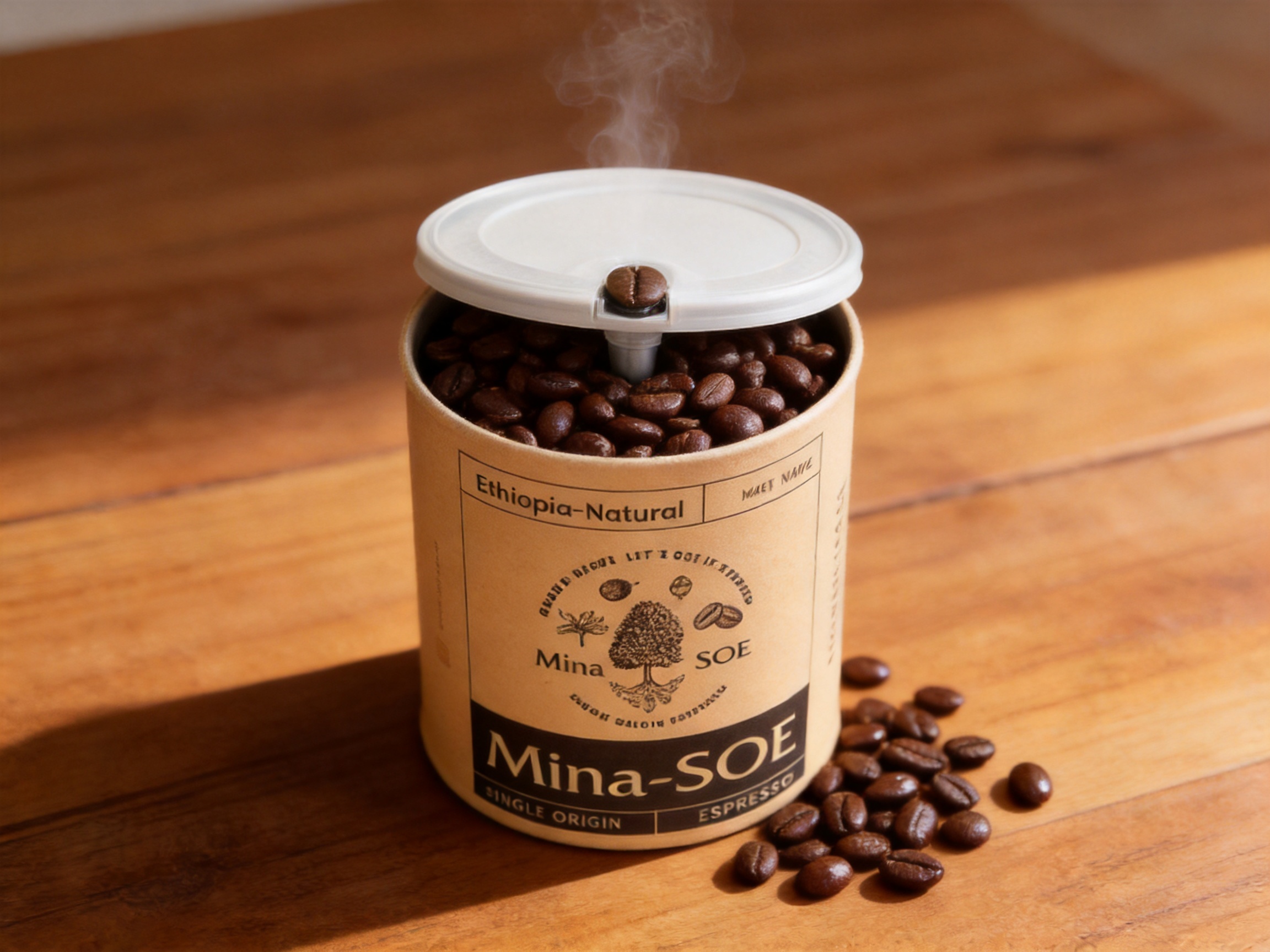
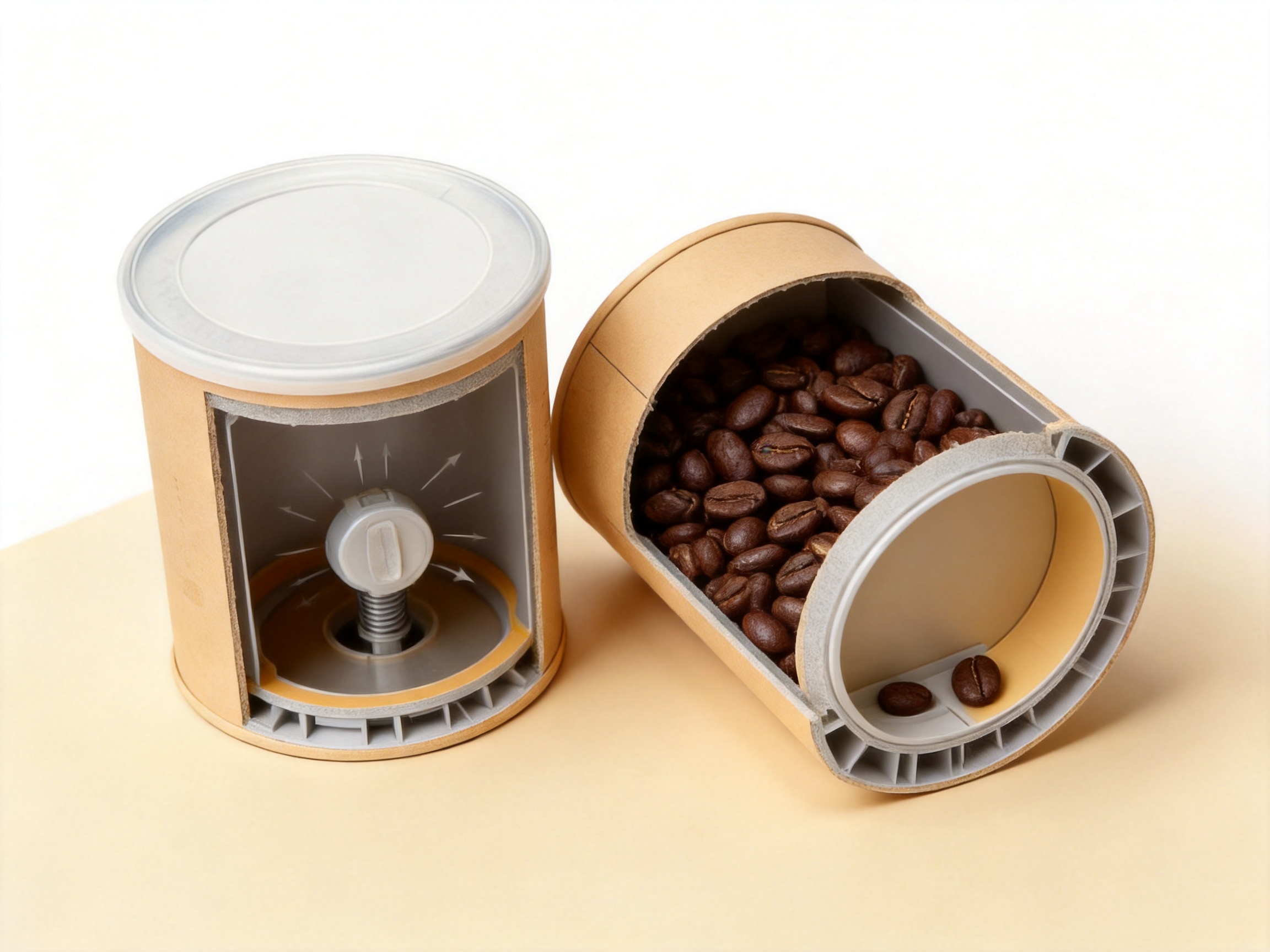
These cans combine a rigid paper-based body with a food-contact inner layer, a sealed closure, and a one-way degassing valve. The structure is intended to protect coffee beans while allowing naturally released carbon dioxide to escape after roasting. At the same time, the valve helps prevent outside air from entering the container. This balance is one of the most important advantages of valve-equipped coffee packaging: it supports freshness without forcing the package to swell or compromise its seal.
Manufactured by Hangzhou Qunle Packaging Co., Ltd., the product belongs to the coffee and tea packaging category and is designed for brands that need an attractive, functional, and scalable container for roasted coffee beans. The company has more than 20 years of experience in composite cans and paper cans, serves food and fast-moving consumer goods markets, and has developed production capabilities that support both performance and presentation.
Unlike ordinary cardboard boxes, thin paper bags, or decorative containers without controlled sealing, a composite coffee can is engineered as a packaging system. Its body, inner barrier, top closure, bottom construction, graphics, and valve work together to create a more dependable environment for coffee. This makes it suitable for whole-bean coffee, specialty roasts, private-label products, gift coffee collections, and premium retail lines.

Food Direct Composite Paper Cans with Degassing Valve for Cofee Beans
Content
- 1 Why Roasted Coffee Beans Need Specialized Packaging
- 2 Product Overview
- 3 How the Degassing Valve Supports Coffee Freshness
- 4 Composite Construction and Barrier Protection
- 5 Advantages Compared with Common Coffee Packaging Formats
- 6 Visual and Commercial Benefits for Coffee Brands
- 7 Manufacturing Strengths and Industry Experience
- 8 Advanced Process Considerations for Reliable Coffee Cans
- 9 Benefits for Different Coffee Business Models
- 10 Operational and Distribution Advantages
- 11 Customization Possibilities
- 12 Food Safety and Compliance Considerations
- 13 Sustainability and Responsible Material Choices
- 14 Recommended Development and Quality Process
- 15 Frequently Asked Questions
- 15.1 What is a composite paper can?
- 15.2 Why does coffee need a degassing valve?
- 15.3 Is the can suitable for direct contact with coffee beans?
- 15.4 Can the can be customized?
- 15.5 Is the can airtight?
- 15.6 Can the can be used for ground coffee?
- 15.7 Does the package guarantee a specific coffee shelf life?
- 15.8 What makes this can different from a normal cardboard tube?
- 15.9 How does the paper can compare with glass?
- 15.10 How should coffee brands begin a packaging project?
- 15.11 What manufacturing experience does the supplier have?
- 15.12 Can the cans be used for gift products?
- 16 Conclusion
- 17 References
- 18 Product: Food Direct Composite Paper Cans with Degassing Valve for Cofee Beans
Why Roasted Coffee Beans Need Specialized Packaging
Coffee beans continue changing after roasting. During roasting, chemical reactions create the compounds responsible for coffee’s aroma, taste, body, and color. After roasting, the beans gradually release carbon dioxide trapped within their cellular structure. They also react with oxygen and can absorb moisture and nearby odors. The packaging therefore needs to manage both internal gas release and external environmental exposure.
Oxygen is one of the main causes of coffee quality loss. Exposure can accelerate the oxidation of oils and aromatic compounds, resulting in stale notes and reduced fragrance. Moisture can affect texture, aroma, and grinding behavior. Light may contribute to degradation, especially when the package is repeatedly exposed to strong retail or sunlight conditions. Physical impacts during distribution can also damage closures, seams, and fragile packaging formats.
A coffee container must also address pressure. Freshly roasted beans may release carbon dioxide for days or weeks, depending on the roast profile, bean characteristics, processing method, and storage conditions. If the package is completely sealed without a pressure-management feature, gas accumulation can cause bulging or place stress on the closure. If the package is not sufficiently sealed, oxygen can enter and undermine freshness.
The degassing valve is designed to help solve this problem. It allows internal carbon dioxide to move outward while limiting the reverse movement of ambient air. The valve does not stop the natural evolution of coffee; rather, it gives the gas a controlled pathway. This is especially valuable for coffee brands that pack beans soon after roasting and want to preserve the product’s intended aroma profile through distribution.
Packaging also influences consumer perception. Coffee buyers often associate a well-designed rigid can with quality, care, and freshness. A cylindrical paper can provides a strong shelf presence and offers a broad printable surface for roast information, origin stories, preparation guidance, brand graphics, and regulatory content. It can serve both a technical role and a marketing role without requiring a separate outer box.
Product Overview
The food direct composite paper can is a rigid cylindrical container developed for coffee beans. Its construction is based on multiple layers that can be selected and assembled according to the intended product, barrier requirements, filling process, and market conditions. The outer paper body gives the can strength and printable area, while the inner food-contact structure supports product protection.
The phrase “food direct” indicates that the package is intended to support direct contact with food through its approved internal material or liner. For commercial use, the exact food-contact construction should be confirmed according to the target market, product requirements, filling conditions, and applicable regulations. This approach allows coffee businesses to select a package that is not only visually suitable but also appropriate for direct food packaging applications.
The main product elements include:
• A rigid composite paper body for structural support.
• A food-contact inner layer or liner selected for the intended coffee application.
• A sealed top closure designed to help protect the contents after filling.
• A one-way degassing valve to release carbon dioxide from freshly roasted beans.
• A bottom structure that supports stability during filling, transport, and display.
• An exterior surface suitable for printed graphics, labels, coatings, and branding.
The combination of these features makes the can more than a simple paper tube. It is a purpose-oriented package designed around the behavior of roasted coffee. The rigid form supports stacking and handling, while the valve and inner barrier address freshness-related requirements.
How the Degassing Valve Supports Coffee Freshness
The degassing valve is one of the defining features of this coffee can. After roasting, coffee beans naturally release carbon dioxide. The valve is structured to respond to pressure differences, allowing gas generated inside the can to escape while helping prevent external air from moving into the package under normal conditions.
This function is important because coffee packaging must balance two opposing needs. The container should remain sufficiently closed to limit oxygen exposure, but it must also accommodate the gas produced by fresh beans. A valve provides a controlled outlet without requiring the entire package to be opened or loosely closed.
For roasters, the valve can simplify production planning. Beans may be packed after an appropriate resting period, yet the package remains better prepared to manage continued degassing. The specific filling date and recommended resting time will depend on the roast and the roaster’s quality program. The container does not replace good roasting, cooling, filling, or storage practices, but it supports them by adding a dedicated gas-management feature.
For distributors and retailers, a controlled valve can help reduce the risk of package deformation caused by gas accumulation. It also makes the package suitable for coffee lines that emphasize freshness and recent roasting. The valve becomes a visible technical point that can be explained to consumers as part of the product’s freshness story.
For consumers, the value is straightforward: the package is designed with the natural behavior of roasted coffee in mind. When combined with a suitable inner barrier and reliable closure, the valve helps preserve the intended quality of the beans during the period between roasting and brewing.
Valve Performance Depends on the Complete Packaging System
A valve is most effective when it is integrated into a suitable container. Its performance depends on the valve design, attachment method, package sealing, internal pressure, coffee condition, storage environment, and filling process. A high-quality valve cannot compensate for an unsuitable liner, damaged closure, poor sealing, or excessive oxygen exposure during packing.
For this reason, coffee brands should evaluate the complete package rather than judging the valve alone. The container should be tested with the intended coffee product and filling conditions. Important considerations may include valve placement, seal integrity, closure fit, gas release behavior, resistance to handling, and the interaction between the coffee oils and the food-contact layer.
Composite Construction and Barrier Protection
The composite design is a central advantage of the paper can. Instead of relying on a single material to perform every function, the package can combine layers with different roles. The paper-based outer structure contributes rigidity, printability, and a natural visual character. The inner layer supports food contact and barrier performance. Adhesive and sealing components help join the structure into a finished container.
This layered approach allows packaging performance to be balanced with appearance. A paper exterior can provide a more premium and tactile impression than a thin flexible pouch, while the inner construction can be designed to protect the coffee. The result is a container that looks approachable and sustainable in character while still being engineered for a sensitive food product.
Barrier performance is particularly important for coffee. The required level of protection may vary according to the coffee type, roast, distribution time, package size, storage conditions, and product positioning. Some brands may require stronger oxygen and moisture protection for longer supply chains, while others may prioritize a specific material profile or end-of-life objective. The composite format enables the manufacturer and customer to discuss these needs during development.
The inner surface should be selected for compatibility with coffee beans and the intended food-contact application. It should support clean filling, help limit unwanted transfer, and maintain its integrity during handling. The external paper layer can then carry the visual identity of the product without being responsible for every barrier function.
Another advantage is the ability to create a robust cylindrical wall. Compared with a flat paperboard carton, the round body can provide strong compression behavior and a distinctive package profile. It can stand upright on shelves and can be arranged in gift sets, retail displays, subscription shipments, or café merchandising areas.
Advantages Compared with Common Coffee Packaging Formats
| Packaging format | Typical strengths | Potential limitations | Advantages of a valve-equipped composite paper can |
|---|---|---|---|
| Standard paper bag | Lightweight and economical | May offer limited rigidity, protection, and resealing performance | Provides a stronger body, premium display presence, and an integrated degassing solution |
| Flexible coffee pouch | Efficient shipping and broad barrier options | May be less suitable for rigid shelf presentation and repeated handling | Offers cylindrical stability, a larger structural presence, and a reusable-feeling format |
| Plastic tub | Rigid and convenient to handle | May not deliver the desired paper-based appearance or brand positioning | Combines rigid protection with a paper exterior and customizable printed surface |
| Glass jar | Premium appearance and strong rigidity | Heavy, breakable, and more demanding to transport | Provides a lighter paper-based alternative with lower breakage risk during distribution |
| Metal can | Strong and highly protective | May create a different material image and can require specialized forming | Offers a paper-forward appearance and flexible graphic presentation |
| Cardboard carton without liner | Printable and easy to form | May not provide the required food barrier or gas management | Uses a composite inner structure and degassing valve for coffee-specific performance |
No single package is ideal for every coffee business. Flexible pouches may be useful for compact shipping, glass may suit a refill concept, and metal may be selected for specific premium or long-term applications. However, the composite paper can is highly competitive when a brand needs a rigid, visually distinctive, food-oriented package with a controlled degassing function.
Its advantage is not based on one feature alone. The value comes from the combination of barrier construction, cylindrical strength, printability, closure design, valve integration, and customization potential. These features can help a coffee brand move beyond basic commodity packaging without immediately adopting a heavy or fragile container.
Visual and Commercial Benefits for Coffee Brands
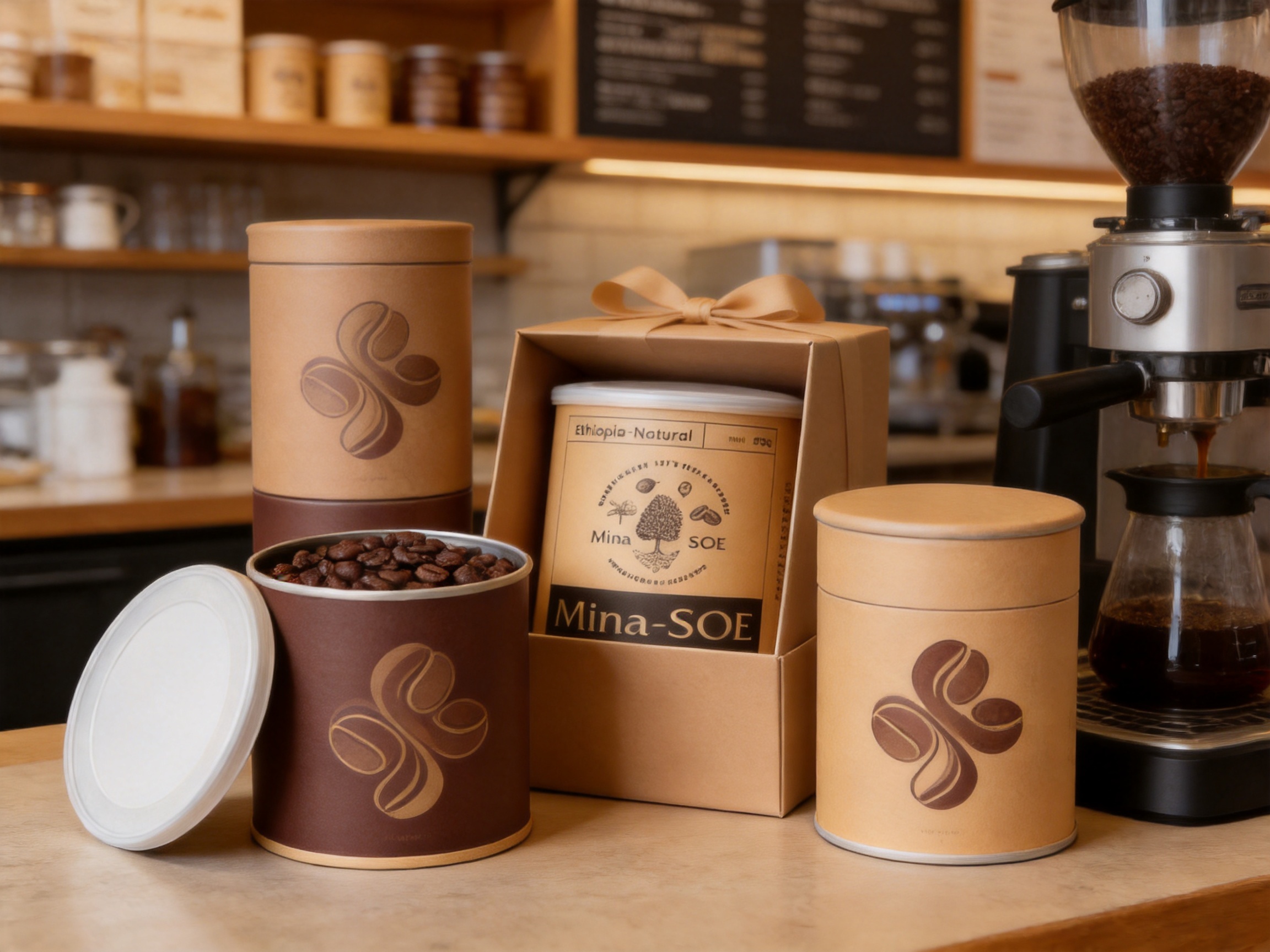
A coffee package communicates before the product is opened. Consumers often judge quality through shape, surface finish, color, typography, closure style, and the clarity of product information. The broad cylindrical surface of a paper can provides space for a cohesive design that can be viewed from multiple directions on a shelf.
The package can present the coffee name, origin, roast level, tasting notes, processing method, brewing recommendations, net weight, batch information, and storage instructions. It can also carry illustrations, patterns, seasonal graphics, or a minimalist premium design. Since the body is rigid, the printed artwork remains more stable than on a loosely filled bag, helping the product maintain a neat appearance during retail handling.
For specialty coffee brands, the can can support storytelling. A roaster may use one side for origin information, another for sensory notes, and another for preparation guidance. A larger brand may create a consistent family design in which different colors identify roast levels or origins. Private-label customers can use the same basic packaging concept while developing an exclusive exterior identity.
The format is also suitable for gift presentation. Coffee cans can be grouped with mugs, brewing tools, chocolate, or seasonal accessories. Their cylindrical form makes them easy to arrange in gift boxes and promotional displays. After the coffee has been consumed, some consumers may reuse the container for small household items, craft materials, or storage, depending on the final construction and cleaning instructions.
For cafés and roasters, the package may reinforce a handcrafted yet professional image. The paper exterior can support a warm, natural, and tactile aesthetic, while the engineered inner structure and degassing valve communicate technical care. This combination is useful for brands that want to balance artisanal identity with dependable production standards.
Manufacturing Strengths and Industry Experience
Hangzhou Qunle Packaging Co., Ltd. has been engaged in the composite can and paper can industry for more than 20 years. This long-term specialization is important because composite packaging requires coordinated knowledge of paper materials, inner barriers, adhesives, forming, sealing, printing, closures, and quality control. A manufacturer focused on this product category can bring more relevant experience than a supplier that treats paper cans as an occasional packaging project.
The company is identified as the only member of the international Composite Can and Tube Institute in China’s packaging container industry. Membership in an industry organization can support technical exchange, awareness of industry development, and engagement with specialized packaging practices. For customers, this background indicates that the supplier operates within a professional composite-container context rather than relying only on general paper converting capabilities.
The company’s packaging business covers food, daily chemical products, fast-moving consumer goods, and other applications. Experience across these sectors can strengthen manufacturing discipline because different product categories require different approaches to material selection, sealing, appearance, filling, and regulatory consideration. Coffee packaging benefits from this broader understanding while remaining a specialized product application.
The company was the first enterprise in China to pass the QS certificate for producing food packaging containers, according to the supplied company information. Food packaging certification and compliance documentation should always be confirmed for the specific product, material structure, and destination market, but this historical achievement reflects the company’s early attention to food-container production requirements.
In 2015, the company introduced a high-speed composite can production line from Europe. High-speed equipment can support more consistent forming and production efficiency when properly operated and maintained. It may also help a supplier serve larger orders and maintain repeatability across production runs. For coffee brands, consistency is important because packaging dimensions, closure fit, valve placement, graphics, and sealing quality all influence filling-line performance and the customer experience.
The company has obtained more than 10 patented technologies and continues to research and launch packaging products for global markets. Patents alone do not determine whether a package is suitable for every application, but ongoing technical development can be valuable when a customer needs a customized structure or wants to improve performance, appearance, or manufacturing efficiency.
Integrated Production Thinking
A strong coffee can manufacturer must consider the entire route from raw material to finished package. The process begins with selecting paper, inner barrier materials, adhesives, valve components, closures, and printing materials. These components must be compatible with one another and suitable for the intended filling environment.
The paper body is formed into a cylindrical structure with controlled dimensions. Layer alignment, bonding, tension, and roundness influence the final can’s strength and appearance. The inner material must remain properly positioned so that it supports the intended food-contact and barrier function. The outer surface must be prepared for printing or labeling without compromising the body.
After forming, the can may receive finishing operations such as trimming, bottom fitting, coating, printing, labeling, or top-end preparation. The degassing valve must be attached in a controlled location and sealed appropriately. The closure must fit the opening consistently and withstand normal handling, transport, and storage.
Quality checks can include visual inspection, dimensional measurement, closure evaluation, seam or seal assessment, valve positioning, print quality, and package integrity testing. The exact inspection plan should be matched to the product specification and customer requirements. A professional production system reduces variation and helps identify problems before the cans reach the filling line.
Advanced Process Considerations for Reliable Coffee Cans
Material Selection
Material selection is the foundation of the packaging design. The outer paper should provide the desired stiffness, surface quality, and print performance. The inner layer should be considered for food contact, coffee compatibility, barrier requirements, and sealing behavior. The closure and valve should be suitable for the package geometry and expected pressure conditions.
Customers should communicate the coffee type, roast level, expected degassing period, filling temperature, fill weight, storage conditions, distribution route, and desired shelf life during development. These details help the manufacturer recommend a suitable construction instead of treating every coffee product as identical.
Body Forming and Dimensional Control
A cylindrical container must maintain consistent diameter, height, opening dimensions, and bottom position. Small variations can affect closure fit, label alignment, filling equipment, stacking, and shelf appearance. Controlled forming is therefore an important part of the manufacturing process.
High-speed composite can equipment can improve output, but speed must be balanced with quality. The forming process should maintain stable material tension, adhesive application, layer positioning, and cutting accuracy. Regular equipment maintenance and process monitoring help ensure that production remains consistent from the beginning of an order to the end.
Printing and Surface Finishing
The exterior of the can is an important branding surface. Printing quality should support sharp graphics, readable text, accurate colors, and consistent repeat orders. The selected finish may be matte, gloss, textured, or otherwise customized according to the intended visual identity.
Surface finishing must also be considered from a practical perspective. The can may be exposed to friction, condensation, shelving, carton packing, and transport movement. The exterior treatment should therefore be evaluated for rub resistance, visual stability, and compatibility with the intended distribution environment.
Valve Integration
Valve integration requires attention to position, attachment, cleanliness, and sealing. A valve that is not correctly placed or adequately bonded may affect appearance or performance. The valve area should be protected from contamination during manufacturing and filling.
Because the valve supports one-way gas release, it should be evaluated with actual roasted coffee rather than only with an empty package. Coffee freshness testing may include sensory evaluation, oxygen exposure assessment, package pressure observation, and storage trials. These tests help confirm that the selected can structure meets the brand’s expectations.
Closure and Seal Evaluation
The closure is a critical part of the package because it is opened and closed by the consumer and must help protect the coffee between uses. Closure fit, insertion force, removal behavior, resealing performance, and resistance to accidental opening can all influence the user experience.
The closure should also work well with automated or semi-automated filling operations when applicable. A package that looks attractive but is difficult to fill efficiently may increase labor, waste, or line interruptions. Early sample testing allows the coffee brand and manufacturer to identify these issues before mass production.
Benefits for Different Coffee Business Models
Specialty Coffee Roasters
Specialty roasters often need packaging that reflects the care invested in sourcing, roasting, and quality control. A rigid paper can can communicate premium positioning while providing a valve for freshly roasted beans. The printable surface can carry detailed information about origin, altitude, variety, process, roast profile, and recommended brewing methods.
Small and growing roasters may also use the can to create a recognizable signature format. A consistent container across several coffees can strengthen shelf recognition, while color or label changes can distinguish individual products. Customized development should be discussed according to order quantity, design complexity, and production capability.
Private-Label Coffee Programs
Retailers, hospitality groups, cafés, and distributors may use private-label coffee cans to create an exclusive product line. The manufacturer can support the development of a package that matches the customer’s identity and target market. The can format is suitable for standard coffee, flavored coffee where compatible with the selected materials, seasonal editions, and curated gift programs.
Subscription Coffee Services
Subscription brands need packaging that protects coffee during repeated parcel handling and communicates a consistent brand experience. The rigid body can help the product arrive in a neat condition, while the valve supports freshly roasted coffee. The container can also make subscription deliveries feel more substantial and collectible than ordinary flexible packaging.
Gift and Seasonal Products
Coffee cans can be used for holiday editions, corporate gifts, festival collections, and promotional sets. Their shape allows them to be combined with other products and presented in structured packaging. A seasonal design can be applied to a standard can format, helping a brand launch limited editions without changing its entire packaging concept.
Operational and Distribution Advantages
Rigid cylindrical packaging can provide practical benefits during storage and display. The can stands upright, can be arranged in cartons, and can support a stable retail presentation. Its body is less likely to collapse than a lightly filled pouch, which can help maintain a consistent appearance throughout the supply chain.
The paper-based exterior may also offer a favorable balance between visual quality and transport practicality. Compared with glass, it presents less risk of breakage. Compared with some rigid plastic formats, it can provide a more paper-oriented appearance. Compared with a basic paper bag, it can deliver greater structural presence.
However, distribution performance depends on the complete package and logistics system. Carton design, pallet arrangement, temperature, humidity, drop handling, and storage duration should all be considered. Packaging trials are recommended before a large commercial launch, especially when the product will travel internationally or pass through multiple distribution centers.
The company’s experience with food packaging and fast-moving consumer goods can support customers that require repeat production and broader market distribution. Its manufacturing background, European high-speed composite can line, specialized industry position, and product development experience create a foundation for serving both established brands and new coffee businesses.
Customization Possibilities
Customization can be developed around dimensions, capacity, closure style, valve configuration, paper appearance, printing, surface finish, and product information. The correct options depend on coffee weight, bean size, filling equipment, expected headspace, distribution conditions, and the customer’s design objectives.
Possible customization discussions may include:
• Can diameter and height.
• Suitable fill volume for different coffee weights.
• Food-contact inner construction.
• Barrier requirements for the target supply chain.
• Valve type and placement.
• Closure color, style, and fit.
• Matte, gloss, natural, or specialty exterior finishes.
• Full-wrap printed artwork or applied labels.
• Batch coding and variable information areas.
• Individual retail packaging or multi-can gift sets.
Customization should be managed through a sample and approval process. The customer should review the physical package, artwork proof, closure operation, filling compatibility, and product performance before mass production. This process helps prevent misunderstandings and ensures that the finished can reflects both the commercial concept and the technical requirements.
Food Safety and Compliance Considerations
Food packaging must be evaluated according to the laws and standards of the destination market. A package intended for direct contact with coffee should use materials and components appropriate for that application. Documentation may include material declarations, food-contact statements, testing records, production controls, and other information requested by the customer or regulatory authority.
The precise compliance requirements vary by region. A package sold domestically may be subject to different requirements from one exported to Europe, North America, Asia, or another market. Customers should identify the destination countries early and request the relevant technical documents from the manufacturer.
Good manufacturing practice is also important. Food-contact components should be handled in a controlled manner, and production areas should support cleanliness and protection from contamination. Packaging should be stored appropriately before filling, and coffee roasters should establish their own inspection procedures for incoming cans.
It is also important to distinguish packaging capability from a guarantee of coffee shelf life. The final shelf life depends on the coffee, roast, filling process, residual oxygen, storage environment, seal quality, valve performance, and distribution period. Shelf-life testing should therefore be completed using the actual product and final package.
Sustainability and Responsible Material Choices
Paper-based packaging is increasingly considered by brands seeking a more natural material image and a different balance of renewable and non-renewable content. A composite paper can uses paper as a major structural component and can help a coffee brand communicate a paper-forward packaging concept.
At the same time, composite packaging should be assessed realistically. The presence of inner barrier layers, adhesives, valves, closures, coatings, and inks can influence recycling pathways and material separation. Sustainability claims should be based on the actual construction and the requirements of the target waste-management system.
A responsible packaging program may consider material reduction, appropriate can sizing, efficient shipping, durable construction, consumer reuse, and clear disposal guidance. If recycling or certification claims are important, the customer should request current documentation and confirm that the specific package structure qualifies in the intended market.
Durability can also contribute to resource efficiency. A container that protects coffee effectively may reduce product loss caused by leakage, crushing, or premature staling. Preventing product waste is an important part of packaging performance, because the environmental resources invested in coffee cultivation, processing, roasting, and transportation are substantial.
Recommended Development and Quality Process
Step One: Define the Coffee Product
The customer should provide information about whole-bean size, roast level, expected degassing behavior, fill weight, packaging date, intended shelf life, storage conditions, and distribution route. This information helps determine whether the proposed structure is appropriate.
Step Two: Select the Preliminary Structure
The manufacturer and customer can discuss the paper body, inner layer, closure, valve, bottom construction, and exterior finish. A preliminary specification should record the key dimensions and functional expectations.
Step Three: Produce Samples
Physical samples allow the customer to evaluate appearance, dimensions, closure operation, valve position, filling behavior, and compatibility with the coffee. Samples should be tested under realistic conditions rather than judged only from drawings or photographs.
Step Four: Conduct Performance Testing
Testing may include package integrity, closure fit, valve function, compression, drop handling, storage exposure, sensory quality, and shelf-life observation. The exact program should reflect the product and destination market.
Step Five: Approve Artwork and Preproduction Details
Artwork should be checked for color, text, legal information, barcode readability, logo placement, and alignment around the cylindrical body. The customer should approve a final proof before mass printing.
Step Six: Monitor Mass Production
During production, the supplier should maintain agreed specifications for dimensions, materials, graphics, closures, valves, and packaging quantity. Retained samples and inspection records can support repeat orders and help resolve any future questions.
Frequently Asked Questions
What is a composite paper can?
A composite paper can is a rigid cylindrical container made from multiple material layers. The outer paper-based body provides structure and printable surface, while inner layers can support food contact and barrier performance. Additional components such as a closure and degassing valve complete the package.
Why does coffee need a degassing valve?
Freshly roasted coffee beans naturally release carbon dioxide. A degassing valve provides a controlled pathway for this gas to leave the package while helping limit the entry of outside air. This supports the packaging of fresh roasted beans and helps reduce the risk of pressure buildup.
Is the can suitable for direct contact with coffee beans?
The product is designed as a food direct composite paper can, but the exact food-contact construction should be confirmed for the customer’s coffee, destination market, and regulatory requirements. Customers should request the relevant material and compliance documentation before commercial use.
Can the can be customized?
Customization may be available for dimensions, capacity, inner structure, closure, valve placement, exterior graphics, surface finish, and labels. The final options depend on order requirements, production capability, technical performance, and artwork specifications.
Is the can airtight?
The package is designed to provide controlled sealing and protection, while the degassing valve allows internal gas to escape. The final airtight or barrier performance depends on the selected materials, closure, sealing process, valve, and manufacturing tolerances. Testing with the actual coffee product is recommended.
Can the can be used for ground coffee?
The product is primarily described for coffee beans. Ground coffee may have different gas-release, filling, density, and oxygen-exposure characteristics. A ground-coffee application should be evaluated with the manufacturer to confirm the suitable structure and filling method.
Does the package guarantee a specific coffee shelf life?
No packaging format alone can guarantee a specific shelf life. Shelf life depends on roast characteristics, coffee quality, residual oxygen, filling conditions, storage temperature, humidity, closure performance, valve behavior, and distribution time. Shelf-life testing should use the final coffee and final package.
What makes this can different from a normal cardboard tube?
This product is designed for food packaging and includes a composite inner structure and degassing valve for coffee applications. A decorative cardboard tube may not have an appropriate food-contact liner, barrier system, closure, or gas-management feature.
How does the paper can compare with glass?
The paper can provides a rigid and premium presentation while generally reducing the breakage concerns associated with glass. It may also offer a lighter, more paper-forward visual identity. The best choice depends on the brand concept, logistics, product requirements, and sustainability objectives.
How should coffee brands begin a packaging project?
Brands should begin by providing the coffee type, fill weight, package dimensions, target market, expected shelf life, artwork requirements, filling method, and distribution conditions. The supplier can then recommend a preliminary structure and prepare samples for evaluation.
What manufacturing experience does the supplier have?
Hangzhou Qunle Packaging Co., Ltd. has more than 20 years of experience in composite cans and paper cans. The company is described as the only member of the international Composite Can and Tube Institute in China’s packaging container industry, introduced a European high-speed composite can production line in 2015, and has developed more than 10 patented technologies.
Can the cans be used for gift products?
Yes. Their cylindrical shape and printable surface make them suitable for seasonal editions, coffee gift sets, corporate gifts, and promotional collections. The final design should consider the coffee size, accessories, outer gift box, and distribution requirements.
Conclusion
Food direct composite paper cans with degassing valves offer a balanced solution for coffee brands seeking freshness protection, structural strength, premium presentation, and packaging differentiation. The valve addresses the natural release of carbon dioxide from roasted beans, while the composite structure supports food-contact requirements and barrier protection. The rigid cylindrical body provides a stable retail format and a broad surface for brand communication.
Compared with ordinary paper bags, the can offers greater rigidity and shelf presence. Compared with glass, it can reduce breakage concerns and provide a lighter paper-based identity. Compared with decorative tubes without functional inner layers, it is developed around the specific needs of coffee packaging. Its value comes from the integration of materials, closure, valve, manufacturing control, and design flexibility.
Hangzhou Qunle Packaging Co., Ltd. brings more than two decades of experience in composite and paper cans, food-container manufacturing history, specialized industry participation, European high-speed production equipment, and patented technical development. These strengths create a suitable foundation for coffee companies that need a reliable packaging partner for customized or repeat production.
The most effective development process combines the supplier’s packaging expertise with the customer’s knowledge of the coffee product, brand, filling operation, and market. By testing the complete system with the actual beans, brands can select a structure that supports freshness, presentation, logistics, and compliance. For specialty roasters, private-label programs, cafés, retailers, and gift-product developers, the valve-equipped composite paper can is a practical way to make coffee packaging more protective, distinctive, and commercially effective.
References
1. International Composite Can and Tube Institute. General industry information on composite cans, paper tubes, and packaging applications.
2. Specialty Coffee Association. Educational materials concerning coffee freshness, roasting, storage, packaging, and sensory quality.
3. Food and Agriculture Organization of the United Nations. General resources concerning food packaging, food loss prevention, and supply-chain protection.
4. International Organization for Standardization. General guidance related to packaging, quality management, food safety, and material evaluation.
5. Hangzhou Qunle Packaging Co., Ltd. Company information concerning composite can manufacturing, food packaging experience, production equipment, patents, and product development.
