 English
 Español


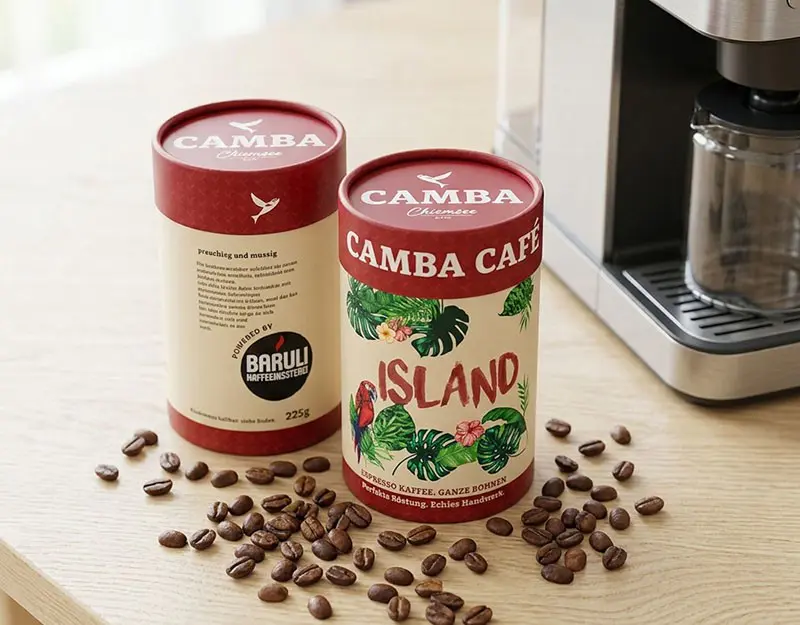
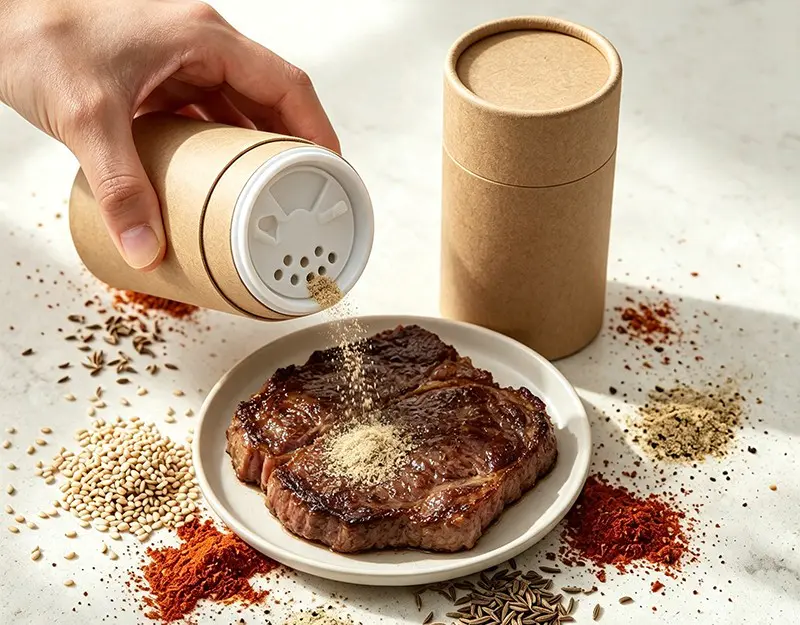

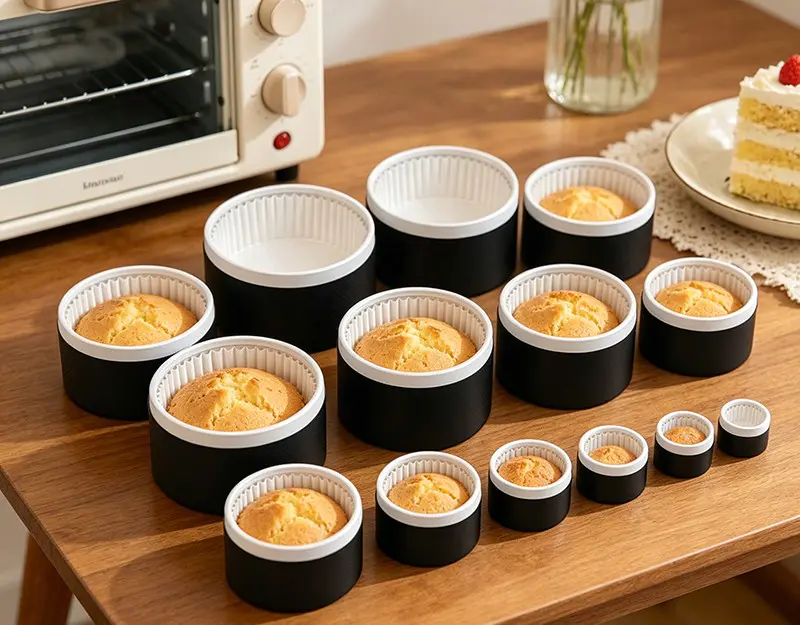

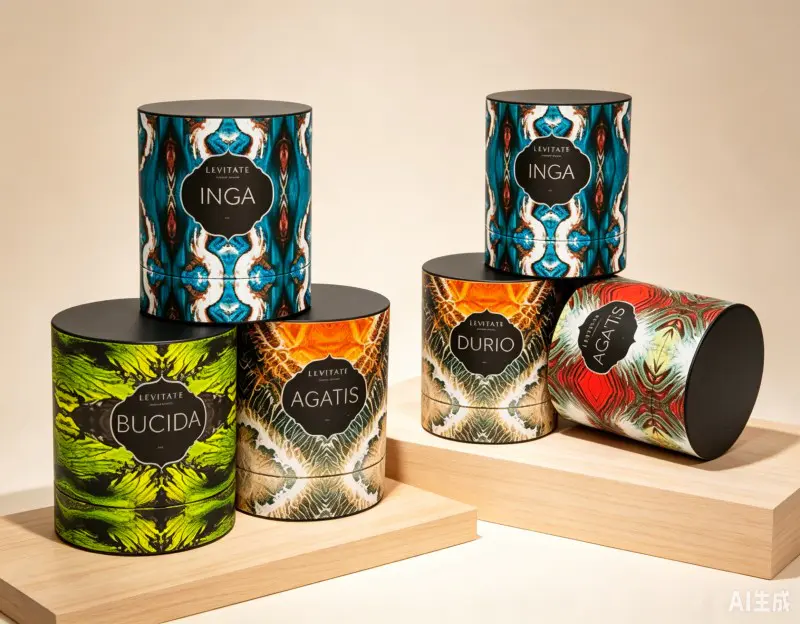
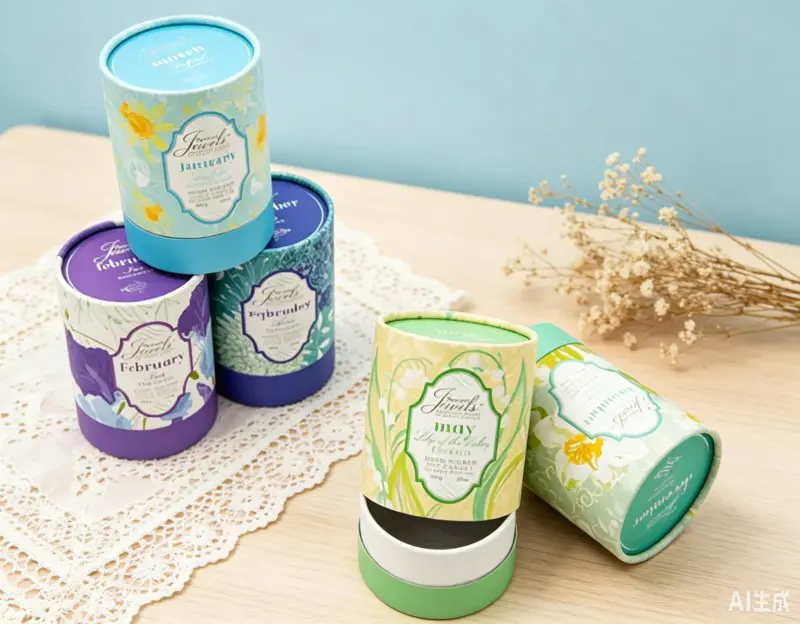
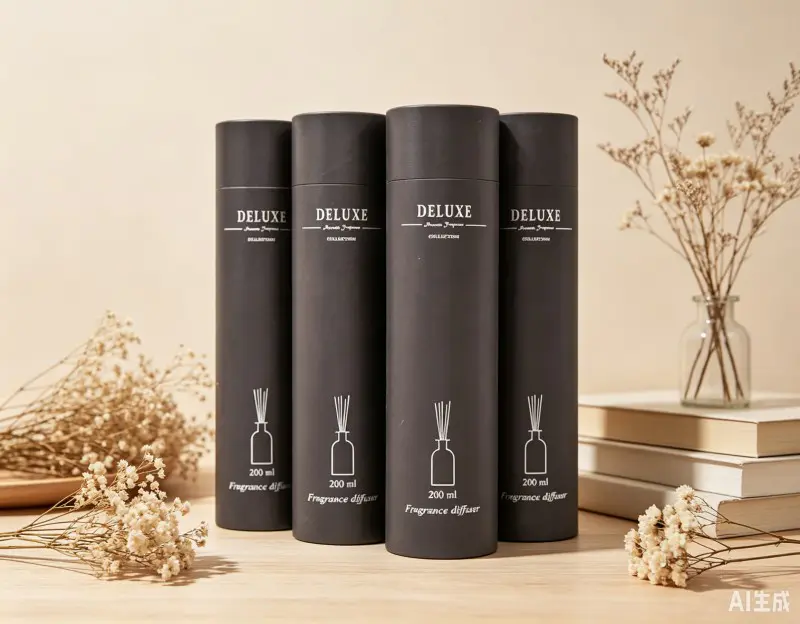
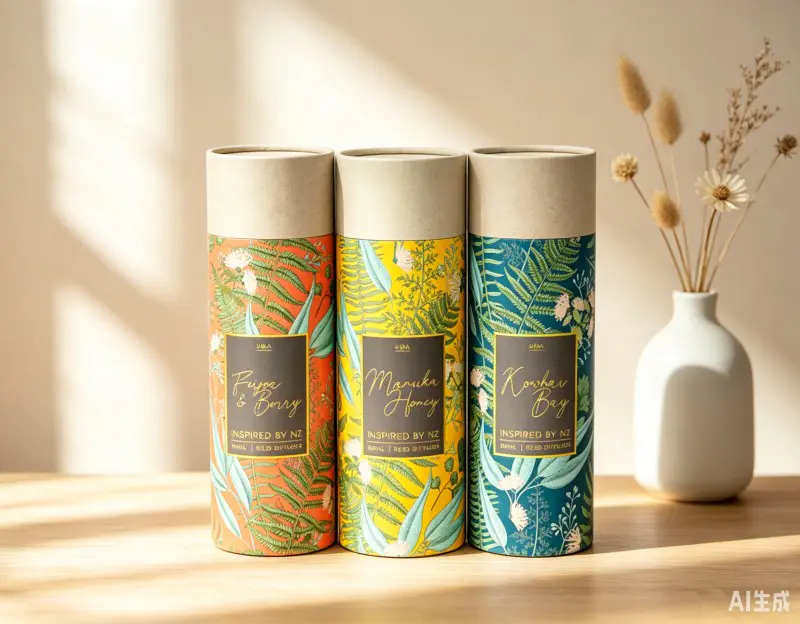

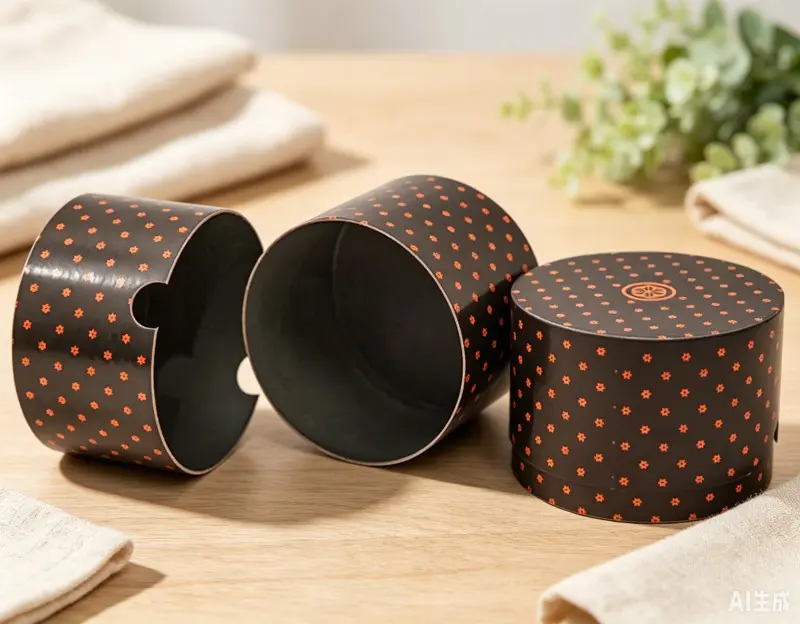

As one of the top China cardboard tube packaging manufacturers and paper tube packaging suppliers, we devote all of our efforts to research and launch more high quality packaging products to global market.
Packaging plays a decisive role in the quality, shelf life, presentation, and market performance of roasted coffee. Coffee beans are highly sensitive to oxygen, moisture, light, heat, and physical impact. Even when the beans are roasted to an excellent standard, poor packaging can allow aroma to escape, accelerate oxidation, and reduce the consumer’s experience. Food direct composite paper cans with degassing valves provide a practical solution for coffee brands seeking reliable protection, attractive shelf presentation, and a more responsible alternative to conventional rigid packaging.
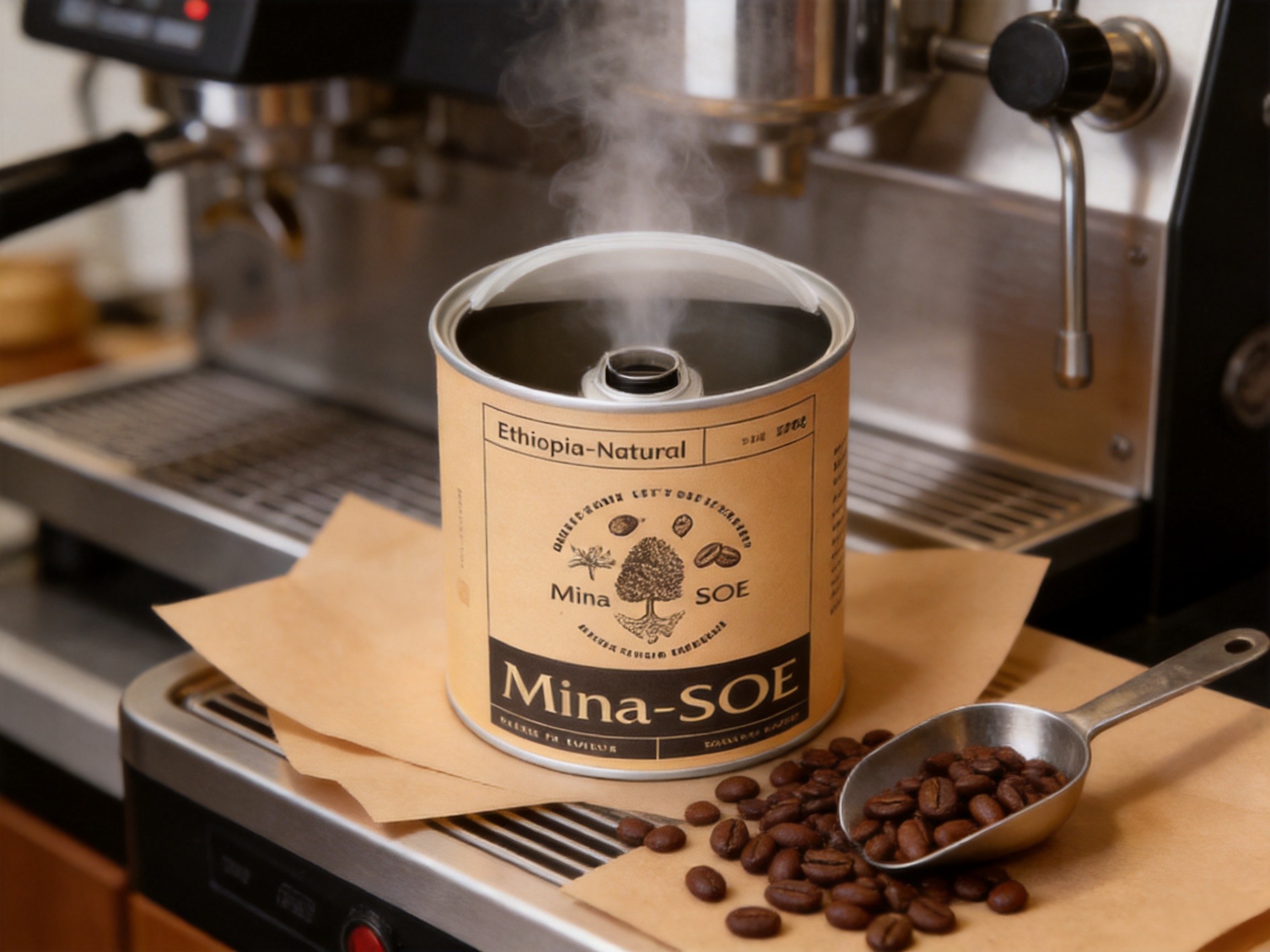
These paper cans combine a strong composite structure with a purpose-designed one-way degassing valve. The result is a container that can protect freshly roasted coffee while allowing naturally generated carbon dioxide to escape. This balance is essential because freshly roasted beans continue releasing carbon dioxide after roasting. If the gas is trapped inside a completely sealed container, internal pressure may increase and affect the package seal. If the package is not sufficiently airtight, oxygen can enter and damage the coffee’s flavor and aroma.
Manufactured for direct food contact applications, the cans are suitable for whole coffee beans and can be adapted for different coffee formats, filling volumes, branding requirements, and retail environments. Their cylindrical structure offers efficient strength, convenient stacking, and strong visual impact. At the same time, the paper-based body gives brands broad opportunities for high-quality printing, surface finishing, and customized design.
Hangzhou Qunle Packaging Co., Ltd. has more than 20 years of experience in composite cans and paper can manufacturing. Its expertise covers food packaging, daily chemical products, fast-moving consumer goods, and other markets that require dependable paper-based containers. The company’s production capabilities, food packaging experience, patented technologies, and international industry involvement support the development of coffee packaging that combines functionality with commercial appeal.

Food Direct Composite Paper Cans with Degassing Valve for Cofee Beans
Content
- 1 Why Coffee Beans Require Specialized Packaging
- 2 Product Overview
- 3 Advantages Over Conventional Coffee Packaging
- 4 Food-Direct Packaging Construction
- 5 Advanced Manufacturing Process
- 6 Manufacturing Strengths of the Supplier
- 7 Branding and Retail Presentation
- 8 Operational and Sustainability Considerations
- 9 Applications Beyond Coffee
- 10 Quality Control and Buyer Evaluation
- 11 Customization and Procurement Process
- 12 Why Choose This Coffee Can Format
- 13 Frequently Asked Questions
- 13.1 What is a composite paper can?
- 13.2 Why does coffee packaging need a degassing valve?
- 13.3 Is the can suitable for direct food contact?
- 13.4 Can the size and appearance be customized?
- 13.5 Can the can be used for ground coffee?
- 13.6 Does the valve make the package completely airtight?
- 13.7 What printing options are available?
- 13.8 Can the empty can be reused?
- 13.9 How should the package be tested before ordering?
- 13.10 What company manufactures this product?
- 14 Conclusion
- 15 References
- 16 Product: Food Direct Composite Paper Cans with Degassing Valve for Cofee Beans
Why Coffee Beans Require Specialized Packaging
Coffee is not a static food product. After roasting, coffee beans undergo physical and chemical changes that continue during storage. The roasting process creates the volatile compounds responsible for coffee’s aroma, flavor, and sensory character. These compounds can gradually dissipate when the beans are exposed to air. Oxygen can also react with oils and other components in the coffee, causing stale or flat flavors.
Moisture presents another major risk. Coffee beans can absorb water from the surrounding environment, especially when packaging is not properly sealed. Moisture may affect texture, aroma, and flavor stability. In severe conditions, it can also contribute to quality deterioration. Light and heat may accelerate these processes, particularly for coffee products displayed for extended periods in retail environments.
Mechanical protection is equally important. Coffee cans may be transported through multiple stages, including filling, warehousing, shipping, retail handling, and home use. Packaging must resist compression, vibration, abrasion, and accidental impact. A container that protects the beans from the atmosphere but becomes dented or deformed during distribution may still create problems for the brand and the consumer.
Freshly roasted coffee also releases carbon dioxide. This natural degassing activity is especially significant during the period immediately following roasting. A suitable package must therefore manage internal gas pressure without compromising protection against oxygen and moisture. The one-way valve in this product is designed to support that requirement by allowing gas to move outward while helping prevent external air from entering.
The importance of aroma retention
Aroma is one of the first qualities consumers notice when opening a coffee package. For specialty coffee, premium blends, single-origin beans, and freshly roasted products, the aromatic profile is a central part of the product’s value. Packaging that limits oxygen exposure and helps preserve volatile compounds can support a more consistent experience from production through consumption.
The composite paper can is designed to create a protective package around the coffee while offering a controlled opening and closing experience. Depending on the selected lid and closure system, the container can be used for an initial sealed presentation and subsequent consumer access. This makes it suitable for retail coffee as well as gift-oriented and premium coffee applications.
Balancing freshness and pressure control
A package for freshly roasted coffee must address two seemingly opposite needs. It should prevent oxygen from entering, but it should also release carbon dioxide produced by the beans. The degassing valve helps reconcile these requirements. It is engineered as a one-way component that supports outward gas release while reducing the possibility of outside air flowing back into the container.
The valve does not replace the need for a high-quality can body, appropriate inner barrier materials, reliable closures, or correct filling practices. Instead, it works as part of an integrated packaging system. The performance of the complete package depends on material selection, production precision, seal quality, storage conditions, and the coffee brand’s filling and distribution procedures.
Product Overview
The food direct composite paper can is a cylindrical paper-based container developed for coffee beans and other food products that require protection and premium presentation. Its main construction combines wound paperboard layers with functional inner materials. The layered design provides structural stability while helping the package meet the practical requirements of food packaging.
The container includes a degassing valve intended for roasted coffee. This feature makes the product especially suitable for roasters, coffee brands, specialty retailers, private-label suppliers, subscription services, and food companies that want to present freshly roasted beans in a distinctive package.
The product can be customized according to the needs of different coffee businesses. Possible customization areas include diameter, height, capacity, lid style, inner barrier, label or direct-print artwork, surface finish, color, opening format, and exterior decoration. These options allow brands to create packaging for everyday coffee, premium collections, seasonal products, gift sets, and limited editions.
| Product Element | Function | Commercial Benefit |
|---|---|---|
| Composite paper body | Provides structural strength and a stable cylindrical form | Protects coffee during handling and creates a premium package appearance |
| Food-contact inner construction | Separates the coffee from unsuitable outer materials and supports product protection | Helps the package meet the requirements of food packaging applications |
| Degassing valve | Allows carbon dioxide to escape from freshly roasted beans | Supports freshness management and pressure control |
| Rigid round format | Resists deformation and supports efficient presentation | Improves shelf visibility and product differentiation |
| Customizable exterior | Supports printing, labeling, and decorative finishing | Strengthens brand recognition and premium positioning |
| Compatible lid options | Provides access, closure, and resealing functions according to the selected design | Improves consumer convenience and product usability |
Advantages Over Conventional Coffee Packaging
Many coffee products are packed in flexible pouches, ordinary cartons, glass jars, metal tins, or rigid plastic containers. Each format has advantages, but composite paper cans offer a combination of performance and presentation that can be difficult to achieve with a single alternative.
Compared with ordinary paper cartons
Standard folding cartons are efficient for secondary packaging, but they generally do not provide the same level of structural protection or airtight performance as a purpose-built composite can. A carton may require an inner bag to protect the coffee, creating an additional packaging layer. The composite can integrates a rigid body with functional inner construction, helping create a more complete primary package.
The cylindrical shape also provides a different visual identity on the shelf. It can be easier for consumers to recognize, hold, and display. For brands that want their coffee to appear distinctive rather than interchangeable with boxed products, the round can provides a strong design platform.
Compared with flexible pouches
Flexible pouches are widely used in coffee packaging because they are lightweight and easy to transport. However, they may be more vulnerable to puncture, crushing, and shape distortion. Their flexible surfaces can also limit the tactile impact of the package. A composite paper can offers a more rigid and substantial feel, which can support premium positioning.
The can’s shape may also provide better protection when products are stacked or displayed. Depending on the logistics configuration, rigid cylindrical packages can maintain their form more effectively than flexible bags. They can also be easier to arrange in gift boxes, retail displays, and branded presentation sets.
Compared with metal tins
Metal tins are durable and visually attractive, but they may involve higher material and production costs, greater weight, and different recycling considerations. Composite paper cans can provide a rigid package with a paper-based outer body and broad printing options. For brands seeking a warm, natural, or environmentally conscious visual language, the paper exterior can communicate a different market position from traditional metal packaging.
The paper surface is also suitable for a wide range of graphics and finishing effects. Brands can use matte textures, bright colors, natural kraft-inspired designs, specialty coatings, foil effects, and high-resolution artwork to create a package aligned with their product story.
Compared with ordinary plastic containers
Plastic containers can offer good impact resistance and convenient molding, but their appearance may not always communicate the premium or artisanal character associated with freshly roasted coffee. Composite paper cans provide a distinctive balance between rigidity, printability, and a paper-forward appearance. They can help coffee brands appeal to consumers who value packaging design and material awareness.
The product should be evaluated according to the complete package specification and the intended market. Inner barrier requirements, closure types, recycling systems, local regulations, and filling conditions all influence the final choice. Even so, the composite paper can is a strong option for companies seeking a packaging format that combines performance, customization, and visual differentiation.
Food-Direct Packaging Construction
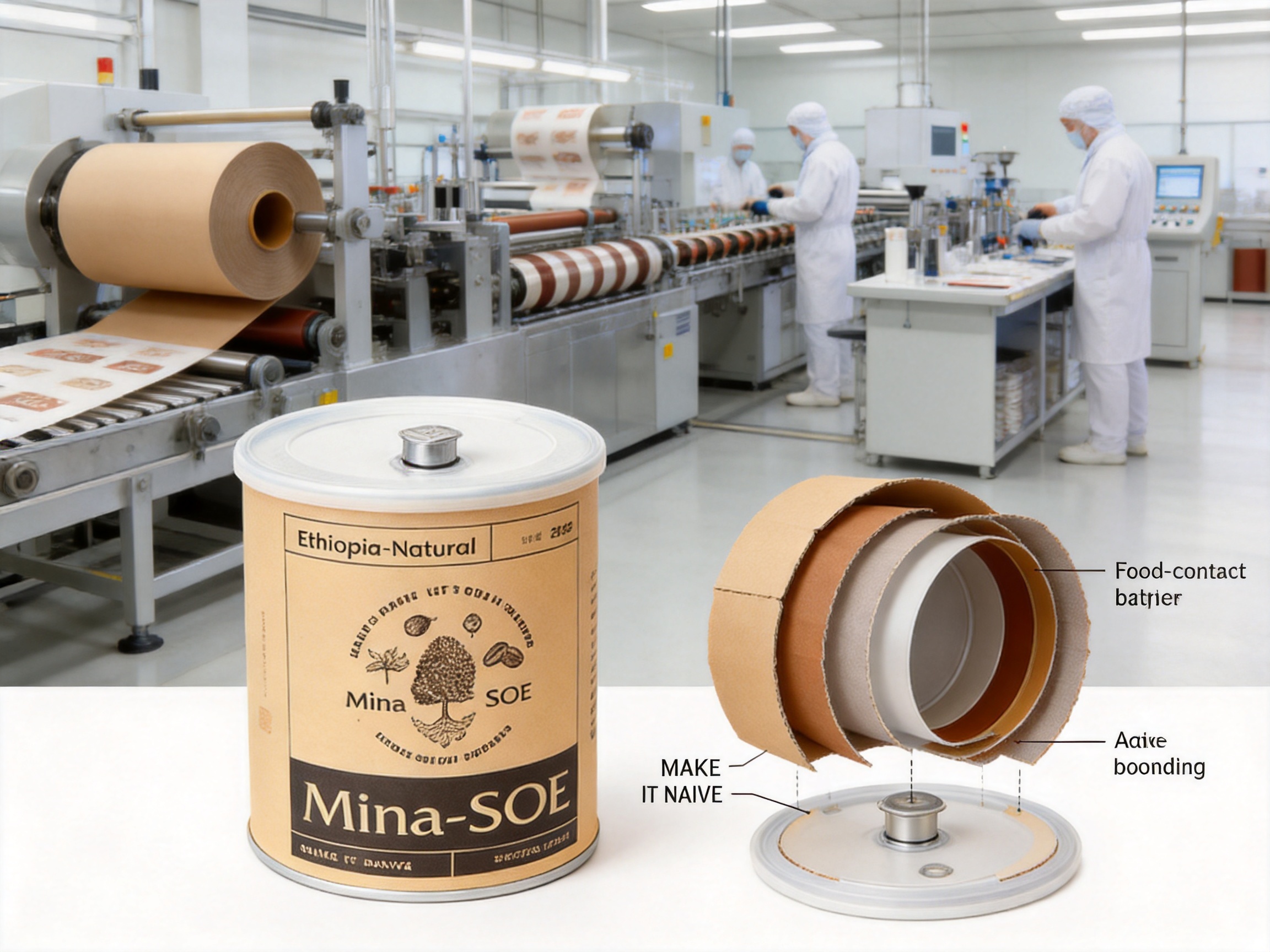
Food packaging requires careful attention to material selection and production control. The coffee must be protected from external contamination, while the package must remain stable during filling, sealing, transport, and storage. The construction of a composite paper can is therefore more than a simple paper tube. It is an engineered multilayer structure in which different materials contribute different functions.
Paperboard structural layers
The paperboard layers provide the main body and shape of the container. Through controlled winding, the layers are bonded around a forming mandrel to create a stable cylindrical wall. The number, thickness, and specification of the layers can be adjusted according to the required dimensions, strength, weight, and application.
A well-formed paperboard body can help the can resist compression and maintain its round profile. It also gives the package a solid hand feel. This is valuable for coffee brands because consumers often associate weight, rigidity, and surface quality with product value.
Functional inner barrier
The inner construction is selected to help protect the coffee from environmental factors. Depending on the required performance, the package may incorporate a suitable barrier against oxygen, moisture, aroma transfer, or grease. The exact specification should be confirmed with the manufacturer according to the coffee type, filling weight, expected shelf life, distribution conditions, and market regulations.
For direct food applications, the inner materials and contact surfaces must be suitable for the intended product. Production controls should help prevent contamination and maintain consistent package quality. This is particularly important for coffee because the package comes into direct or close contact with a product that contains aromatic oils and can be sensitive to external odors.
Closure and valve integration
The lid and valve are essential components of the final package. A suitable closure should provide a dependable seal while offering a practical consumer opening experience. The valve must be accurately positioned and securely integrated into the package so that it can perform consistently during the product’s intended life cycle.
Correct integration requires control of component dimensions, adhesive or sealing conditions, alignment, and inspection standards. A high-quality production process helps ensure that the valve is not blocked, damaged, or improperly installed. It also supports consistent appearance across large production runs.
Advanced Manufacturing Process
Qunle Packaging has been engaged in composite can and paper can manufacturing for more than 20 years. This experience supports an understanding of the complete production chain, from material preparation and structural design to forming, printing, assembly, inspection, and shipment. Experience is especially important for coffee packaging because the final product must combine appearance, dimensional accuracy, barrier performance, and reliable closure behavior.
Design and specification development
Production begins with a review of the coffee brand’s requirements. The manufacturer can evaluate the target filling volume, can diameter, height, lid style, valve position, artwork, surface treatment, case packing, and shipping conditions. This stage helps ensure that the package is designed for actual use rather than only for visual presentation.
For example, a specialty coffee intended for boutique retail may require a premium matte finish, a low-volume can, and a highly detailed printed design. A high-volume commercial coffee may prioritize line efficiency, stable case packing, and cost control. A gift product may need a more decorative exterior and compatibility with secondary presentation packaging.
Paper preparation and winding
Paper materials are prepared according to the approved specification. During the winding process, paperboard layers are formed around a cylindrical mandrel and bonded to one another. Tension, alignment, adhesive application, and winding consistency are important process parameters. Stable control helps maintain uniform wall thickness and accurate dimensions.
The quality of the winding process affects the can’s strength, roundness, surface smoothness, and ability to accept further components. Inconsistent winding may cause differences in diameter, irregular edges, weak bonding, or difficulties during lid assembly. Advanced production equipment and experienced operators help reduce these risks.
Body cutting and edge finishing
After the paper body has been formed, it is cut to the required height. The edges are finished to support a clean appearance and reliable assembly. Edge quality influences the fit of the lid and the overall consumer experience. Neat, consistent edges also contribute to a professional retail appearance.
Depending on the package design, the body may receive additional surface treatment before or after forming. The manufacturing sequence is selected to protect the artwork and maintain dimensional accuracy.
Printing and decorative finishing
One of the major advantages of composite paper cans is the opportunity for high-impact decoration. The outer surface can be developed with brand colors, product information, roast profiles, origin stories, preparation instructions, nutritional statements, and regulatory content. The round body creates a continuous communication surface that can be viewed from multiple angles.
Finishing options may include matte or gloss coatings, textured effects, metallic accents, spot effects, embossing, and other decorative treatments, depending on the approved specification. These features can help coffee brands create visual hierarchy and make key information easy to recognize.
Artwork preparation must account for the curved surface. Designers need to manage image distortion, panel transitions, barcode placement, seam areas, and text readability. An experienced manufacturer can support the prepress process by identifying technical issues before production begins.
Valve installation
The degassing valve is installed at the designated position after the relevant package layers have been prepared. Its placement should be consistent across the production batch. The installation process must protect the valve from damage while ensuring that it remains functional and properly sealed.
Quality checks may include visual inspection, dimensional verification, seal evaluation, and functional testing according to the product specification. A reliable process is important because valve performance directly affects the suitability of the can for freshly roasted coffee.
Lid assembly and final inspection
The selected lid is assembled with the can body according to the approved design. Depending on the closure type, the lid may be press-fitted, mechanically secured, or otherwise integrated into the package. The final assembly should provide consistent fit, attractive appearance, and appropriate consumer access.
Final inspection can cover body dimensions, print quality, surface defects, edge condition, lid fit, valve location, cleanliness, and packaging integrity. Inspection criteria should be established before mass production so that the customer and manufacturer share a clear understanding of acceptable quality.
Qunle Packaging introduced a high-speed composite can production line from Europe in 2015. This investment strengthened the company’s production capabilities and supported greater efficiency in composite can manufacturing. Modern equipment can improve production consistency, output stability, and process repeatability, while experienced personnel remain essential for material control, quality assessment, and customer communication.
Manufacturing Strengths of the Supplier
The company’s experience is supported by a broad product portfolio covering premium paper tube packaging, airtight paper canisters, food containers, packaging for coffee and tea, nutrition products, snacks, spices, pet care products, cosmetics, candles, gifts, and other applications. This cross-category experience is valuable because it exposes the manufacturer to different performance requirements and packaging challenges.
Qunle Packaging is identified as the only member of the international Composite Can and Tube Institute in China’s packaging container industry. Industry participation can provide a connection to technical discussion, market development, and evolving composite packaging practices. It also reflects the company’s focus on the specialized paper can sector rather than treating paper cans as a secondary product.
The company was the first enterprise in China to pass the QS certificate for producing food packaging containers, according to the provided company information. Food packaging qualifications and production controls are important when supplying containers for coffee and other edible products. Buyers should confirm current certificates, applicable standards, and product-specific compliance documents during the sourcing process.
Qunle Packaging has also obtained more than 10 patented technologies. Patented developments may relate to forming methods, structural designs, closures, materials, or other aspects of packaging production. For buyers, the practical value lies in the manufacturer’s ability to apply technical knowledge to real product requirements, including airtightness, dimensional stability, visual quality, and production efficiency.
Long-term cooperation with established food, beverage, tea, coffee, confectionery, and consumer product companies has given the manufacturer experience in serving different packaging programs. Such experience may assist with forecast planning, artwork coordination, trial production, mass production, and quality communication.
Branding and Retail Presentation
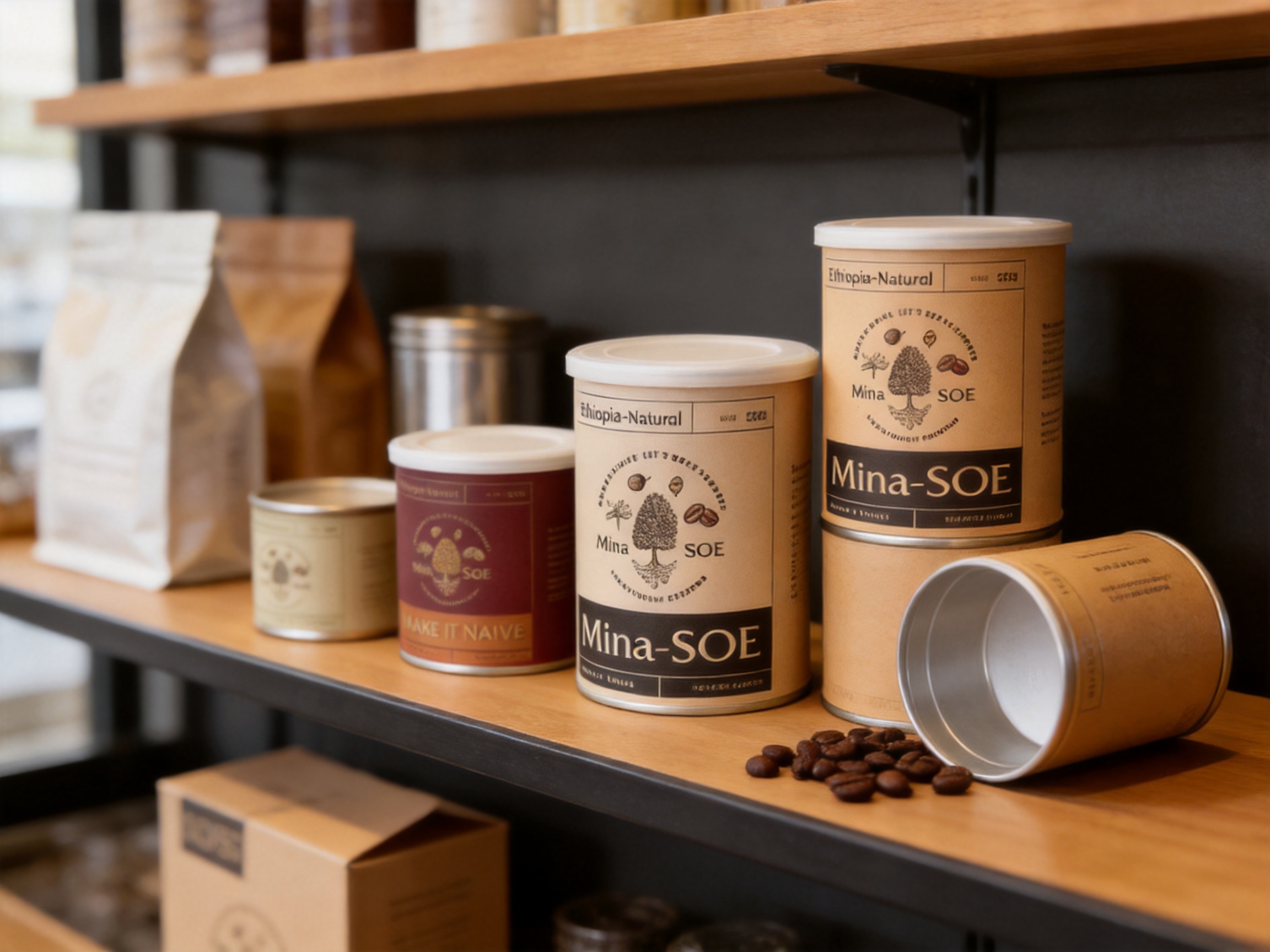
Coffee packaging must protect the product, but it must also communicate why the product deserves attention. The composite paper can provides a large cylindrical canvas for visual storytelling. A brand can use the package to present the coffee’s origin, roast level, tasting notes, processing method, farmer story, brewing recommendations, and brand philosophy.
Premium coffee often competes in a crowded retail environment. Many packages use similar colors, pouch shapes, and labels. A rigid paper can can create immediate differentiation through its form. Its round profile can be especially effective on shelves, in cafés, in specialty stores, and in gift displays.
Design flexibility
The exterior can be designed for minimalist, natural, modern, luxury, artisanal, or playful positioning. A restrained design may emphasize origin and craftsmanship, while a colorful design may target younger consumers or flavored coffee products. Seasonal graphics can be introduced for holidays, anniversaries, promotional collections, and limited releases.
The package may also be used as part of a broader product family. Different blends can share a common structure while using color coding, icons, or pattern variations to distinguish product lines. Consistent dimensions can help retailers create organized displays and simplify secondary packaging.
Consumer convenience
A rigid can is comfortable to hold and can provide a stable opening platform. After opening, the consumer may reuse the container for coffee, tea, baking ingredients, snacks, or household storage, depending on the package design and cleaning suitability. Reuse potential can extend the functional life of the container and create additional interaction with the brand.
The final consumer experience depends on the chosen lid and inner structure. Buyers should evaluate how easily the package opens, whether it can be closed again, how the valve is protected, and how the package performs after repeated use. These details should be considered alongside appearance and cost.
Operational and Sustainability Considerations
Paper-based packaging is increasingly considered by companies seeking to reduce the visual and material impact of their packaging systems. Composite paper cans can provide a paper-forward alternative to some rigid plastic or metal formats. Their sustainability profile, however, depends on the complete construction, including inner barriers, adhesives, coatings, lids, valves, printing materials, and local recycling infrastructure.
Responsible packaging decisions should therefore be based on verified material information rather than broad assumptions. Buyers should request details about the paper source, recycled content where applicable, food-contact suitability, barrier structure, adhesives, coatings, and end-of-life guidance. The package should also be evaluated for its ability to protect coffee effectively, because product waste can have a significant environmental impact.
A package that helps preserve coffee quality may reduce the likelihood of product loss caused by staleness or damage. The environmental value of packaging includes not only the material used but also the product it protects. A balanced design should aim for sufficient barrier performance without unnecessary material weight or excessive components.
Efficient transport and storage
The cylindrical can offers a stable form for handling and can be packed into shipping cartons according to the selected dimensions. Efficient case packing can help reduce movement during transportation and improve warehouse organization. The final logistics design should be tested for stacking strength, vibration, compression, and moisture exposure.
Packaging engineers may also consider pallet configuration, container utilization, retail shelf dimensions, and e-commerce shipment requirements. A package intended for direct-to-consumer delivery may require additional protective packing compared with a product shipped in a full retail case.
End-of-life communication
Because composite cans may contain multiple materials, brands should provide accurate disposal guidance for their target market. Recycling rules differ by region and may depend on whether the paper body can be separated from the lid, valve, lining, or other components. Clear communication helps consumers make more informed decisions.
Where appropriate, brands may also promote secondary use of the empty can. Reuse instructions can be included on the label or website, provided that they accurately reflect the package’s suitability for the proposed use. The manufacturer and brand owner should work together to ensure that sustainability claims are specific, supportable, and consistent with local regulations.
Applications Beyond Coffee
Although the degassing valve makes this product particularly appropriate for coffee beans, the composite paper can format can serve a range of food and consumer product applications. Paper cans can be developed for tea, cocoa, powdered beverages, snacks, nuts, cereals, cookies, confectionery, seasonings, spices, and selected nutrition products.
The valve configuration may not be necessary for every application. For products that do not release carbon dioxide, a different closure or inner construction may be more appropriate. The manufacturer can evaluate the contents and recommend a structure based on oxygen sensitivity, moisture sensitivity, aroma retention, grease resistance, filling temperature, and expected shelf life.
The broader product experience of Qunle Packaging includes daily chemical products, pet care products, cosmetics, skincare, candles, fragrances, gifts, crafts, and other packaged goods. This range demonstrates the flexibility of paper can technology while also emphasizing the importance of selecting the correct specification for each product category.
Quality Control and Buyer Evaluation
Before placing a production order, coffee brands should evaluate the complete package rather than judging only the printed sample. A packaging test should include the body, inner barrier, valve, lid, artwork, sealing system, and shipping configuration.
Recommended evaluation points
First, confirm the filling volume and dimensional tolerances. The internal capacity should accommodate the intended weight of coffee while allowing appropriate headspace for the selected closure and valve system.
Second, evaluate airtightness and seal integrity. The test method should reflect the package’s intended use and storage conditions. Particular attention should be paid to the lid-body interface, valve area, seams, and any opening or resealing features.
Third, conduct product compatibility testing. Coffee oils, aroma compounds, and roasted particles can interact differently with packaging materials. Testing should confirm that the package does not create undesirable odors, flavor transfer, staining, or loss of barrier performance.
Fourth, test the filled package after transport simulation. Vibration, compression, impact, and temperature changes can reveal weaknesses that are not visible in an empty sample. The package should maintain its shape, closure, artwork, and functional performance.
Fifth, review the print and finishing quality under normal retail lighting. Colors should be consistent, fine text should remain legible, and barcodes or codes should scan correctly. The curved body should not cause important information to fall across a seam or difficult viewing area.
Finally, request relevant food-contact and quality documentation. Documentation requirements vary by market, but responsible buyers should maintain records covering materials, manufacturing controls, testing, and conformity with applicable regulations.
| Evaluation Area | Key Questions | Reason for Evaluation |
|---|---|---|
| Dimensions | Does the can hold the required coffee weight and fit the intended closure? | Prevents filling and assembly problems |
| Barrier performance | Is the inner construction suitable for oxygen, moisture, aroma, and grease protection? | Supports coffee freshness and shelf life |
| Valve function | Does the valve release gas outward and remain properly sealed? | Helps manage post-roast degassing |
| Closure fit | Does the lid open, close, and reseal as intended? | Improves consumer convenience and package integrity |
| Print quality | Are color, registration, text, and barcodes consistent? | Protects brand presentation and regulatory communication |
| Transport durability | Can the filled package withstand shipping and retail handling? | Reduces damage, leakage, and deformation |
| Compliance | Are current food-contact and product documents available? | Supports responsible sourcing and market entry |
Customization and Procurement Process
A successful project begins with a clear packaging brief. The buyer should provide the product type, roasted bean condition, filling weight, target market, expected shelf life, filling method, annual volume, preferred lid, artwork requirements, and distribution environment. If the coffee will be packed immediately after roasting, the degassing behavior and filling timeline should be explained.
The manufacturer can then recommend a preliminary structure and prepare drawings or samples. Samples should be evaluated for size, appearance, closure operation, valve position, labeling area, and compatibility with the filling line. If the brand uses automated equipment, dimensional tolerances and machine compatibility should be reviewed before mass production.
Artwork preparation is an important part of the process. The brand should provide print-ready files that follow the manufacturer’s requirements for curved surfaces, color systems, bleed, safety areas, and barcode placement. A digital proof or physical pre-production sample can help confirm the final appearance.
Once the specification is approved, the production schedule should be coordinated with material procurement, printing, forming, valve installation, assembly, inspection, and shipment. Forecast information can help the supplier plan capacity and reduce avoidable delays. For new product launches, buyers should allow time for testing, approval, and possible adjustments.
Qunle Packaging’s long history in composite paper cans makes it suitable for projects that require technical discussion rather than simple catalog purchasing. Its experience with food packaging, high-speed production equipment, patented technologies, and international customers can support the development of a package tailored to the brand’s commercial and technical goals.
Why Choose This Coffee Can Format
The food direct composite paper can with a degassing valve offers a balanced combination of protection, usability, design flexibility, and production capability. It is designed for the specific needs of roasted coffee, where aroma retention and gas management are central concerns.
Its rigid paper-based body provides a strong alternative to ordinary cartons and flexible bags. Its cylindrical shape offers distinctive shelf presence. Its customizable exterior supports premium branding. Its valve helps accommodate the natural release of carbon dioxide. Its composite construction can be adapted to the barrier and food-contact requirements of different coffee products.
The value of the package is strengthened by the supplier’s manufacturing experience. More than two decades in the composite can industry, an international industry connection, food packaging qualifications, patented technologies, European high-speed production equipment, and experience serving recognized companies all contribute to a capable manufacturing platform.
For coffee roasters and food brands, the most important advantage is not one isolated feature. It is the coordination of many features into one package: suitable materials, controlled forming, accurate printing, reliable valve integration, consistent closure assembly, and quality inspection. When these elements work together, the result is a container that can protect the product while presenting it with confidence.
Frequently Asked Questions
What is a composite paper can?
A composite paper can is a cylindrical container made from multiple bonded paperboard and functional material layers. The paperboard provides structure, while the inner construction can be selected to support food protection, aroma retention, moisture resistance, and other application requirements.
Why does coffee packaging need a degassing valve?
Freshly roasted coffee beans naturally release carbon dioxide. A one-way degassing valve allows this gas to escape while helping reduce the entry of outside air. This supports pressure management and can help maintain coffee quality when combined with an appropriate airtight package structure.
Is the can suitable for direct food contact?
The product is developed for food direct applications, including coffee beans. The exact food-contact suitability depends on the selected materials, inner barrier, adhesives, valve, lid, and market requirements. Buyers should request current compliance and food-contact documentation for the final specification.
Can the size and appearance be customized?
Yes. The diameter, height, capacity, lid style, valve position, surface treatment, artwork, colors, and finishing options can be customized according to the project requirements. The final options depend on the desired production volume and technical specification.
Can the can be used for ground coffee?
The format may be suitable for ground coffee, but the correct package structure should be confirmed with the manufacturer. Ground coffee can have different filling density, aroma behavior, and oxygen sensitivity compared with whole beans. Testing is recommended before mass production.
Does the valve make the package completely airtight?
The valve is part of an integrated package system and is designed to support one-way gas release. Overall airtight performance depends on the can body, inner barrier, valve installation, lid, seals, and production controls. The complete filled package should be tested according to the intended application.
What printing options are available?
Composite paper cans can support a broad range of printed graphics and decorative effects. Options may include full-color artwork, matte or gloss finishes, textured effects, metallic accents, and other treatments. The manufacturer should review the artwork to ensure that it is suitable for a curved cylindrical surface.
Can the empty can be reused?
Many rigid paper cans can be reused for suitable dry goods or household storage after they are emptied, although the recommended use depends on the inner construction, closure, and cleaning limitations. Brands should provide accurate reuse guidance and should not imply suitability for uses that have not been evaluated.
How should the package be tested before ordering?
Testing should include dimensions, filling capacity, closure fit, valve function, airtightness, coffee compatibility, aroma protection, print quality, transport durability, and storage performance. Testing a filled package under realistic conditions is more informative than evaluating an empty sample alone.
What company manufactures this product?
The product is manufactured by Hangzhou Qunle Packaging Co., Ltd., a China-based supplier with more than 20 years of experience in composite cans and paper can packaging. The company serves food, daily chemical, fast-moving consumer goods, and other packaging markets.
Conclusion
Food direct composite paper cans with degassing valves provide coffee brands with a practical way to combine freshness protection and premium presentation. The composite body offers structural stability and a distinctive retail format, while the inner construction can be developed for food packaging and barrier requirements. The one-way valve addresses the natural release of carbon dioxide from freshly roasted beans, supporting a more appropriate packaging environment for coffee.
Compared with ordinary cartons, flexible pouches, metal tins, and standard plastic containers, this format offers a differentiated combination of rigidity, printability, customization, and coffee-specific functionality. Its value becomes even stronger when supported by careful material selection, controlled manufacturing, accurate valve integration, and effective quality inspection.
With more than two decades of experience, specialized composite can knowledge, food packaging experience, patented technologies, industry participation, and high-speed European production equipment, Hangzhou Qunle Packaging Co., Ltd. is positioned to support coffee brands seeking dependable paper can solutions. From initial design and sample development to mass production and shipment, the supplier can help transform packaging requirements into a finished container suited to the product and market.
For roasters, coffee companies, and food brands, the next step is to define the required volume, dimensions, barrier performance, closure, artwork, and distribution conditions. A carefully developed specification and realistic package testing program can ensure that the final can protects the coffee, communicates its value, and performs reliably throughout the supply chain.
References
1. International Coffee Organization. General information on coffee production, trade, quality, and market practices.
2. Specialty Coffee Association. Technical resources concerning roasted coffee quality, storage, packaging, and freshness.
3. Composite Can and Tube Institute. Industry information related to composite containers, paper cans, and tube packaging technology.
4. International Organization for Standardization. General principles and standards related to packaging, quality management, and food-contact materials.
5. European Commission. Regulatory guidance concerning materials and articles intended to come into contact with food.
6. United States Food and Drug Administration. General guidance concerning food-contact packaging materials and compliance considerations.
7. Hangzhou Qunle Packaging Co., Ltd. Product and company information concerning composite paper cans, food packaging containers, manufacturing capabilities, and packaging technologies.
