 English
 Español
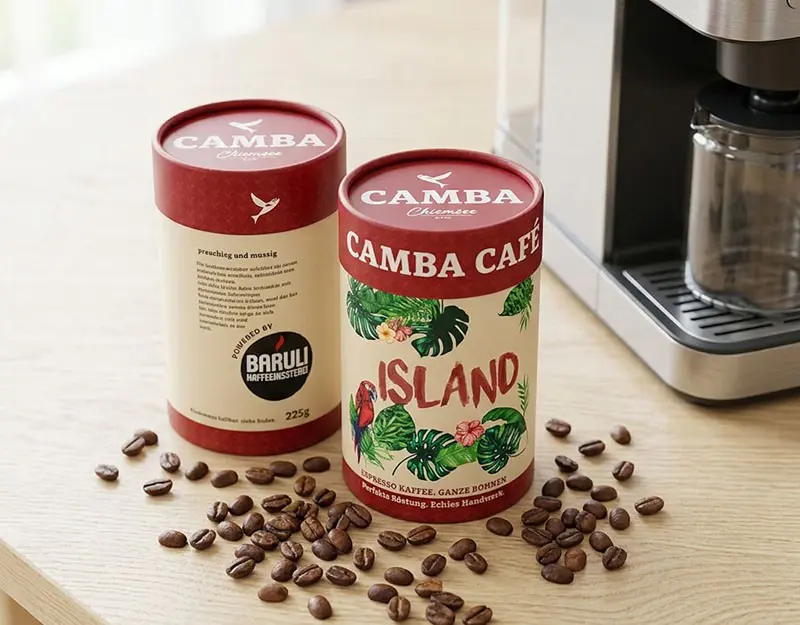
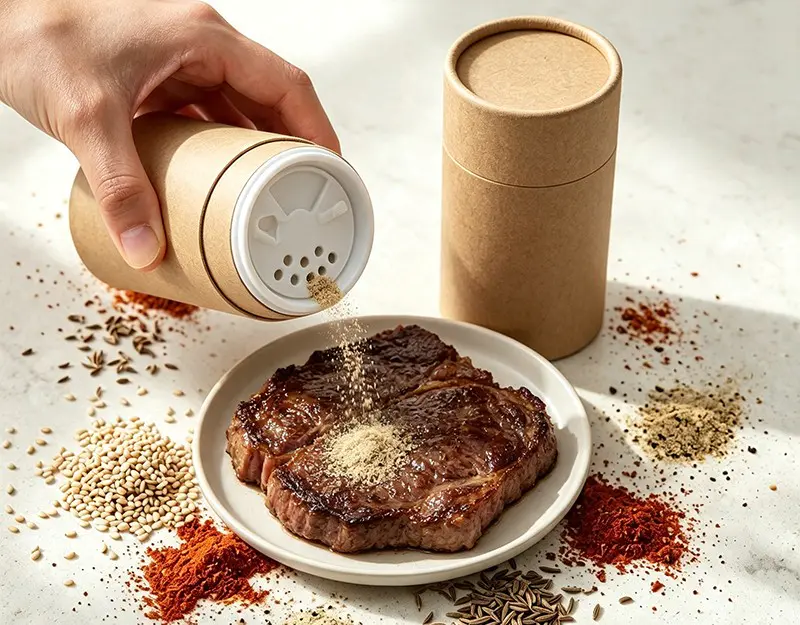

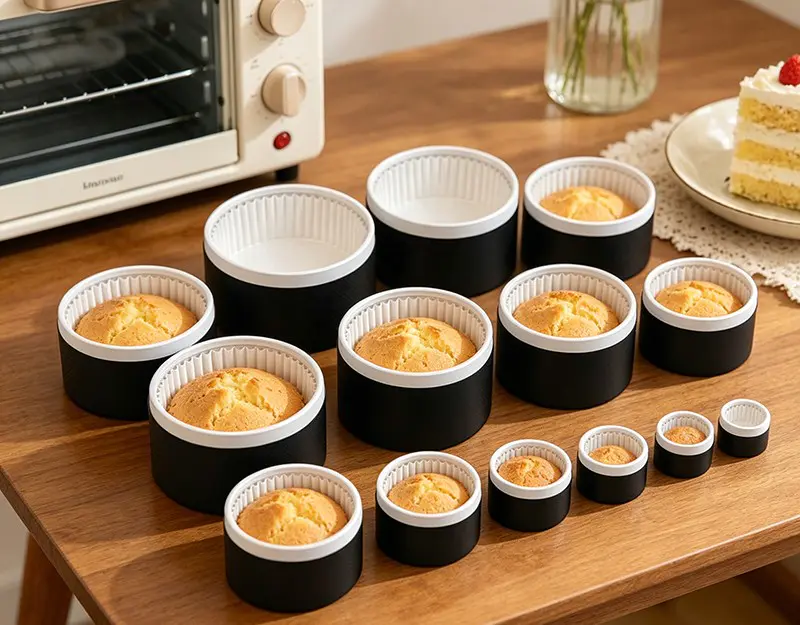

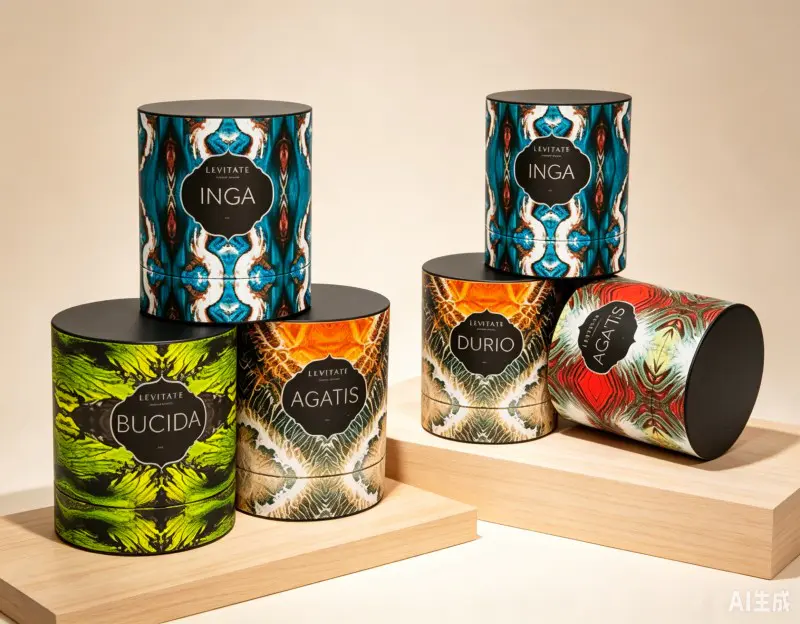
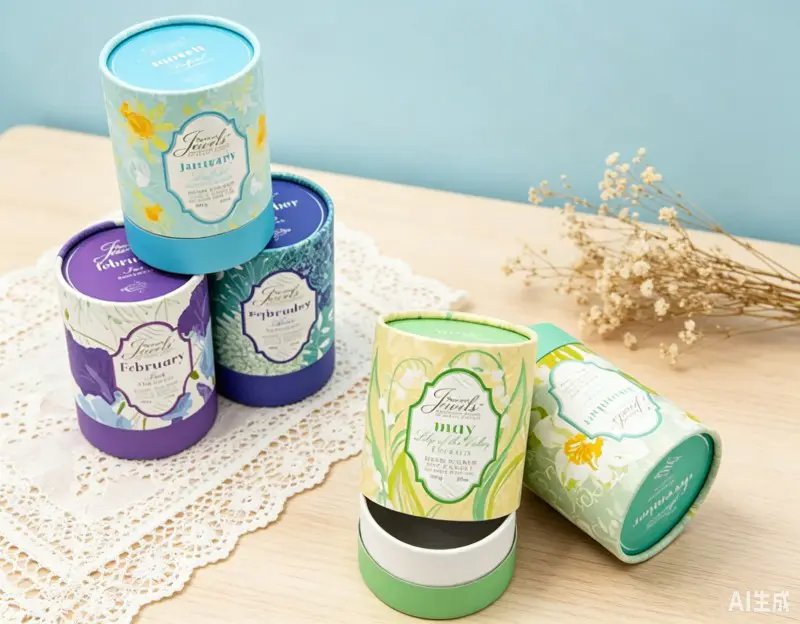
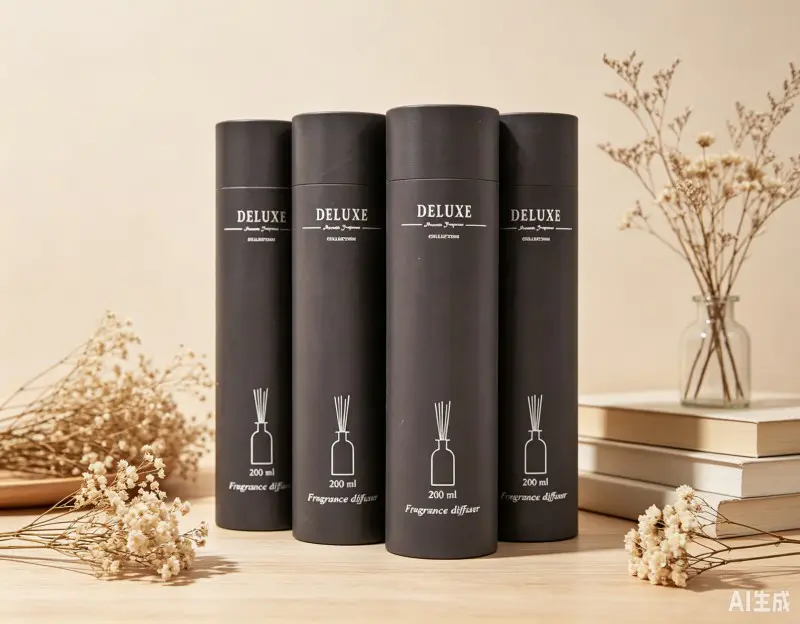
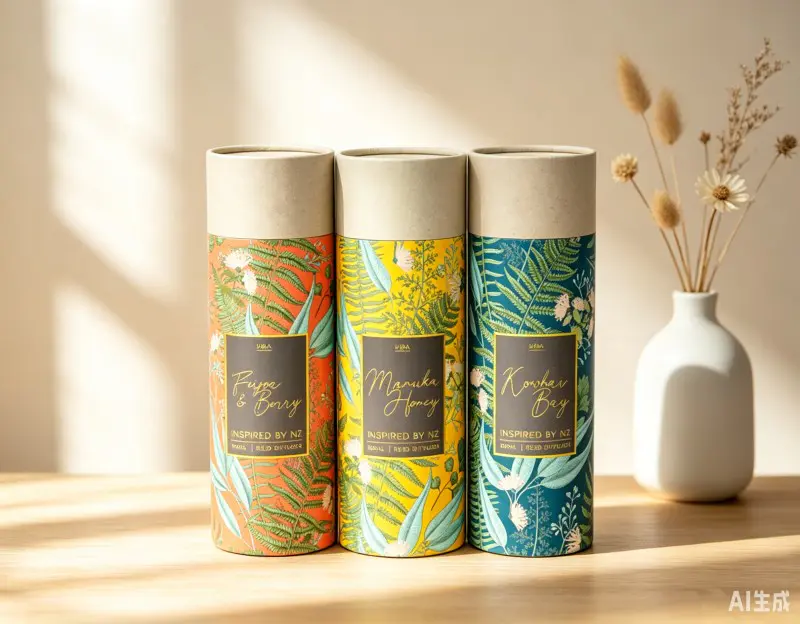

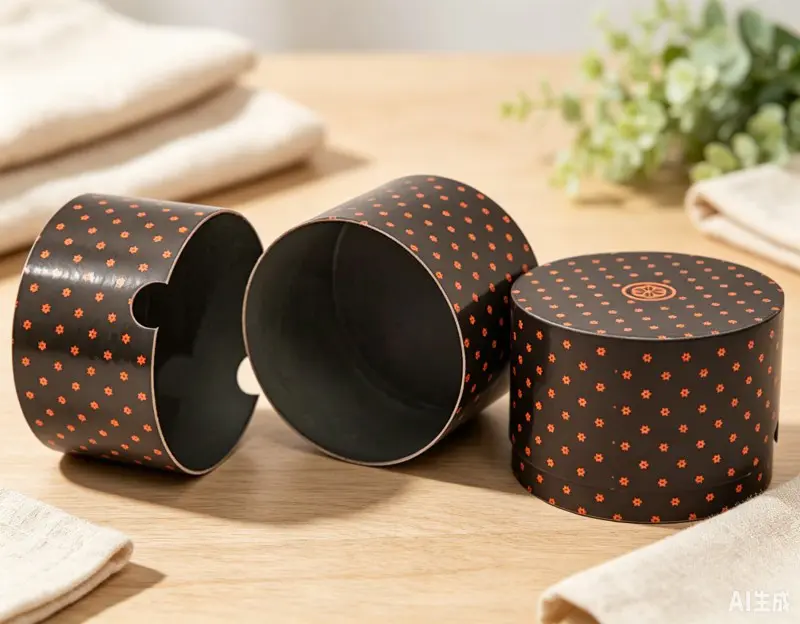


As one of the top China cardboard tube packaging manufacturers and paper tube packaging suppliers, we devote all of our efforts to research and launch more high quality packaging products to global market.
Ask most packaging buyers to picture a paper tube and they will describe a long cylinder with a diagonal seam running around it, the spiral-wound tube used for mailing rolls and industrial cores. Convolute tubes are built the other way round. Their paper plies run parallel to the tube's axis, wrapped layer over layer until the wall is as thick as the job requires. That single change of direction decides how strong a tube is, how short it can sensibly be, how well it keeps its round shape, and which closures it can carry.
Content
- 1 What Makes a Tube Convolute?
- 2 Convolute vs. Spiral Winding: A Practical Comparison
- 3 How Convolute Tubes Are Made, Step by Step
- 4 Paper, Adhesives, and Barrier Layers
- 5 Closures, Openings, and Finishing
- 6 Where Convolute Tubes Earn Their Keep
- 7 Convolute Tubes in Wine, Spirits, and Gift Packaging
- 8 Specifying a Convolute Tube: What to Have Ready
- 9 A Few Words on Quality and Sourcing
What Makes a Tube Convolute?
Convolute simply means wound together, and in tube making the word describes winding direction rather than material. A convolute tube is produced by wrapping a sheet of paper around a mandrel with the paper running parallel to the mandrel's axis. Every pass adds one ply, and where the sheet closes it overlaps, leaving a seam that runs the full length of the tube. Wall thickness is therefore a matter of ply count: more passes, thicker wall, same diameter.
Two practical consequences follow. First, convolute winding handles heavy walls far more comfortably than spiral winding, because the paper never travels along the mandrel and the diameter stays stable as plies build up. Second, the maximum tube length is tied to the mandrel, so convolute tubes tend to be short and sturdy rather than long and thin. Typical examples sit between 60 mm and 200 mm in length, with walls from roughly 1.5 mm to 6 mm.
Convolute vs. Spiral Winding: A Practical Comparison
Both methods turn paper into a cylinder, and both appear in food, cosmetic and household packaging. The decision usually comes down to wall thickness, tube length, and how tight the dimensional tolerances need to be.
| Consideration | Convolute winding | Spiral winding |
|---|---|---|
| Paper direction | Parallel to the tube axis | Angled roughly 30 to 45 degrees to the axis |
| Wall thickness | Easily built up, commonly 1.5-6 mm | Usually thinner, commonly 0.5-3 mm |
| Practical length | Limited by mandrel length, best for short tubes | Continuous production, cut to almost any length |
| Roundness and tolerances | Very tight, diameter stays stable as plies build | Good, varies with tension control |
| Crush resistance | Higher for the same wall thickness | Lower than convolute at equal wall |
| Setup and tooling | Size-specific mandrels, longer changeovers | Quicker changeovers, tooling shared across sizes |
| Typical uses | Cosmetic tubes, shaker tubes, candle tubes, canisters | Mailing tubes, industrial cores, long sleeves |
If your product needs a short, dense, perfectly round container that will not flex when a lid is pressed on, convolute winding is the natural answer. If you need a two-metre tube in one piece, spiral winding is the only sensible route. Plenty of projects use both: a convolute body for the container the customer actually sees, and a spiral-wound insert or sleeve where length matters more than wall strength.
How Convolute Tubes Are Made, Step by Step
- Paper selection and slitting. Board is chosen for strength, food contact and printability, then slit to the width the finished tube needs.
- Gluing. Adhesive is applied to one face of the sheet, evenly enough that no dry spots remain after winding.
- Winding onto the mandrel. The glued sheet is wrapped around a steel mandrel, ply over ply, with tension held constant so the wall stays uniform.
- Seam control. The final overlap is positioned and pressed so the seam bonds cleanly and stays flat.
- Drying and curing. Wound tubes rest until the adhesive sets. Rushing this stage is the most common cause of oval tubes later on.
- Cutting and squaring. Tubes are cut to length with clean, square ends and checked against the agreed tolerance.
- Finishing and inspection. Printing, lamination, windowing and closures are added, followed by dimensional and bond checks.
For a closer look at the machinery and controls behind these stages, this walkthrough of the paper tube manufacturing process goes into more detail than we can fit here.
Paper, Adhesives, and Barrier Layers
Three material choices shape how a convolute tube performs once it leaves the factory.
- Paper grade. Recycled kraft board is the everyday workhorse and keeps costs sensible. Virgin unbleached kraft gives higher stiffness and cleaner cut edges. White-lined board is used when the outside needs a smooth, bright print surface.
- Adhesive. Starch-based and PVA systems are the usual choices, with food-contact grades available for anything edible or applied to skin.
- Barrier liner. An aluminium foil, PE coating or greaseproof liner is added when the contents need protection from moisture, grease or aroma loss.
- Outer surface. Coated stock, matte laminate and soft-touch films change both the look and the scuff resistance of the finished tube.
For products that touch food, supplements or cosmetics, the adhesive, liner and outer inks all need to be chosen with the relevant food-contact rules in mind, with EU and US requirements as the usual benchmarks.
Closures, Openings, and Finishing
A thick, stable wall is what makes convolute tubes so easy to close. The wall holds its shape when a metal end is pressed in, when a plastic sifter is snapped over the rim, or when a peelable aluminium membrane is heat-sealed onto a tin bottom. Metal ends in tinplate or aluminium give the most premium feel and the longest shelf life. Plastic plugs and shaker tops suit powders. Foil membranes offer tamper evidence without extra parts, and paper lids keep the whole pack in a single recycling stream.
Finishing options are equally broad: offset and flexographic printing, hot foil, embossing, matte or soft-touch lamination, and die-cut windows for products that sell better when they can be seen.
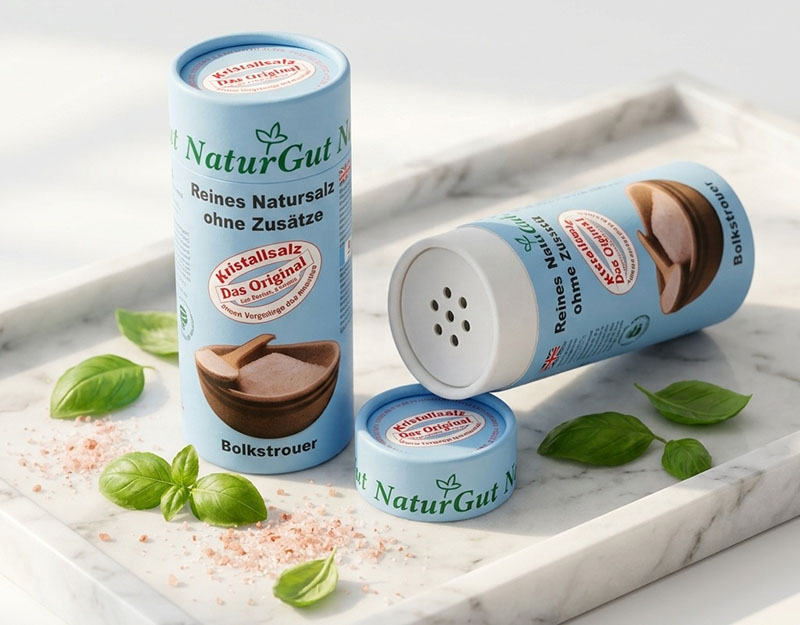 Biodegradable Cardboard Paper Tube Shaker for Salt and SeasoningsReview this FSC-certified, PPWR-compliant shaker for 350g salts; its matte kraft finish and compact tube suit seasoning lines.View Product →
Where Convolute Tubes Earn Their Keep
The combination of a thick wall and a short, precise cylinder suits a surprisingly wide range of products.
- Beauty and personal care. Loose powder, bath salts, deodorant, body butter, dry shampoo and soap.
- Food and beverage. Salt, pepper and spice blends with sifter tops, drinking chocolate, protein and supplement powders, coffee, dried fruit and cereal.
- Candles and home fragrance. Pillar candles, votives, wax melts and reed diffuser refills.
- Pet care. Treat tubes, food storage containers and cat snack packs with shaker tops.
- Gifts and crafts. Crayons, wedding favours, coin tubes and small promotional items.
Cosmetics is where the format shows off most. A convolute body with a soft-touch finish and a snug plug lid reads as a premium product while staying entirely paper-based.
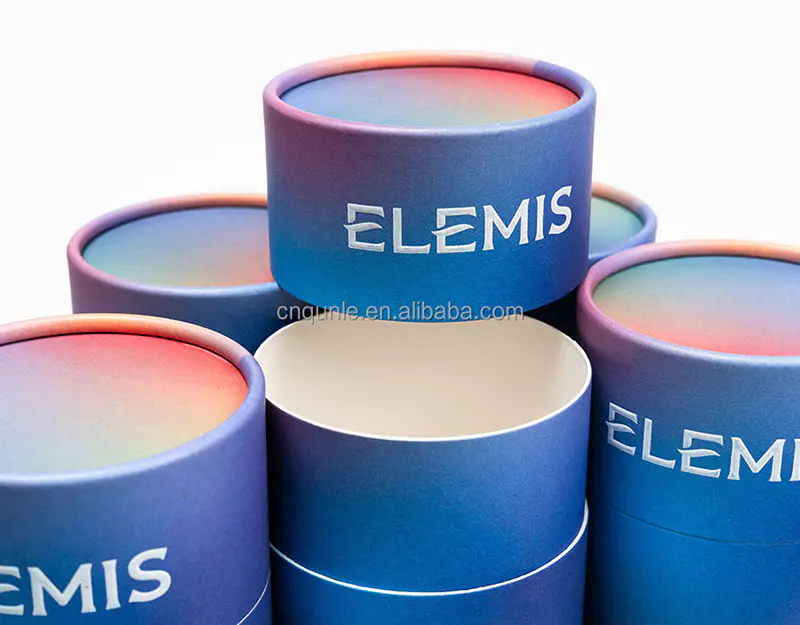 Plastic-Free Custom Printed Paper Tube for SkincareCustom-printed, plastic-free paper tube for skincare, with CMYK print, matte varnish and white kraft label on an ID83*180mm core, suited to cosmetics presentation.View Product →
Convolute Tubes in Wine, Spirits, and Gift Packaging
Wine and spirits packaging leans on convolute tubes for a different reason: weight and presentation. A single-bottle tube with metal ends protects glass in transit, gives the pack real rigidity on the shelf, and accepts the metal components that shoppers read as quality in a gift context. The same logic applies to glassware, oil bottles and premium tea sets, where the tube doubles as the box and the gift wrap at once.
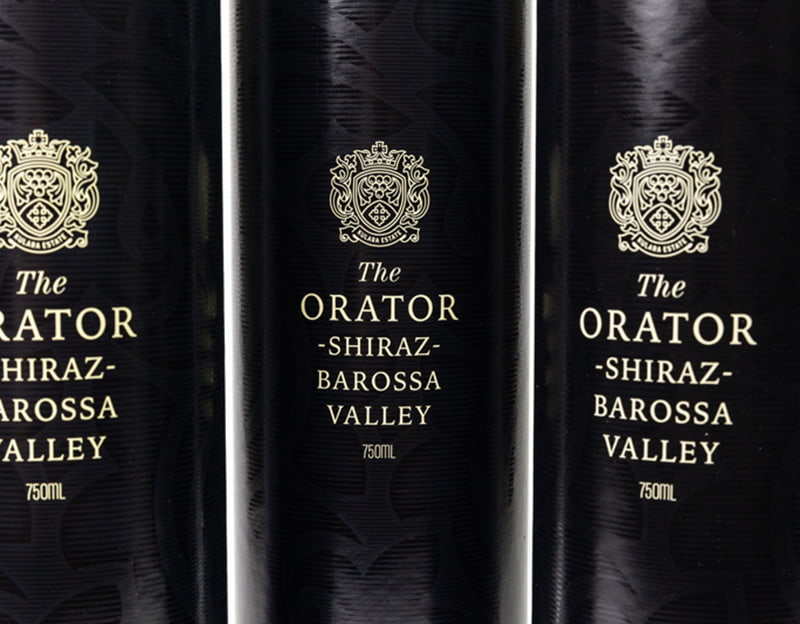 Luxury Wine Tube Boxes with Black Metal EndsA one-piece ID99*330mm wine tube with black metal plug and bottom, embossed lid, Pantone print and drip-off varnish, offering protective luxury retail presentation.View Product →
Specifying a Convolute Tube: What to Have Ready
Convolute tubes are made to order, so a clear brief saves at least one round of sampling. The items worth pinning down early are:
- Inside diameter and outside diameter, making clear which one your closure references.
- Wall thickness or ply count.
- Length plus cut tolerance, typically within half a millimetre on a well-run line.
- Paper grade, liner and adhesive, including any food-contact requirement.
- Closure type: metal end, plug, sifter, foil membrane or paper lid.
- Print method, colours and surface finish, along with the artwork file.
- Order quantity, target lead time and whether a physical sample is needed before production.
A Few Words on Quality and Sourcing
When samples arrive, roll the tube across a flat surface to check roundness, measure the wall at four points, flex the seam, and confirm how the tube responds to the closure it will carry. Ask about moisture content and drying time, because a tube that leaves the plant too wet will drift oval in storage. Ask, too, about the food-contact documentation that will travel with the shipment.
If you are weighing up a convolute tube project, whether it is a tricky size, an unusual closure or a strict food-contact requirement, our team is glad to talk it through before you commit to tooling.
Convolute tubes rarely get the attention that flashier packaging formats receive, yet they solve one specific set of problems better than anything else: short, strong, perfectly round cylinders with walls thick enough to carry real mechanical closures. Get the wall, the ply count and the liner right, and the rest of the pack tends to fall into place.
