 English
 Español
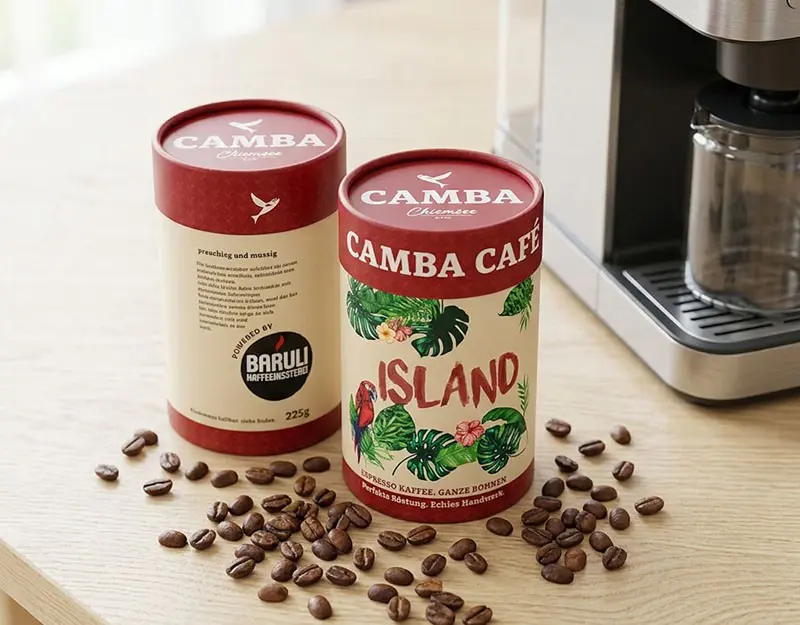
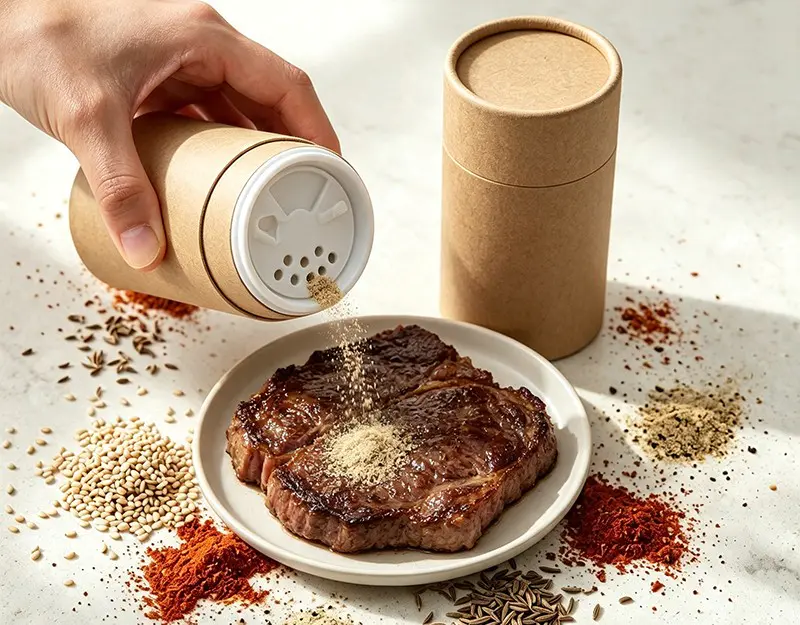
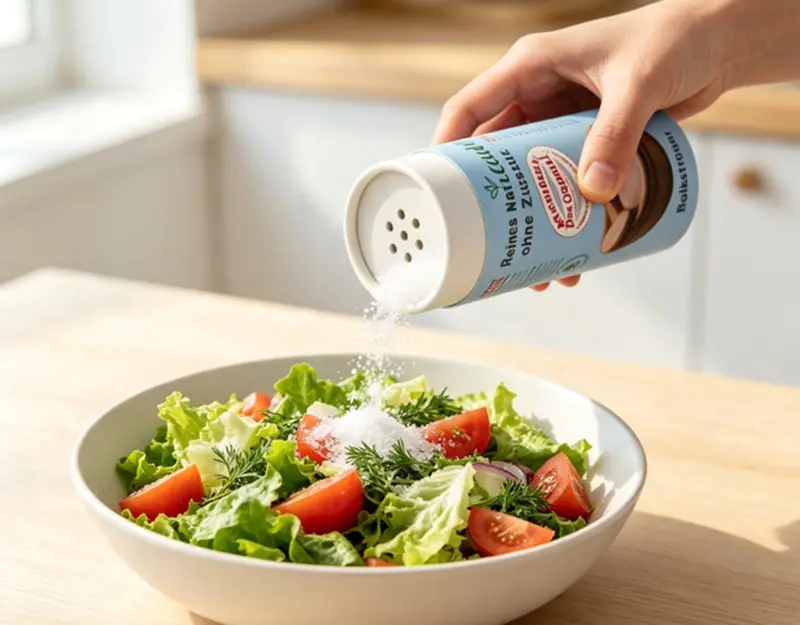
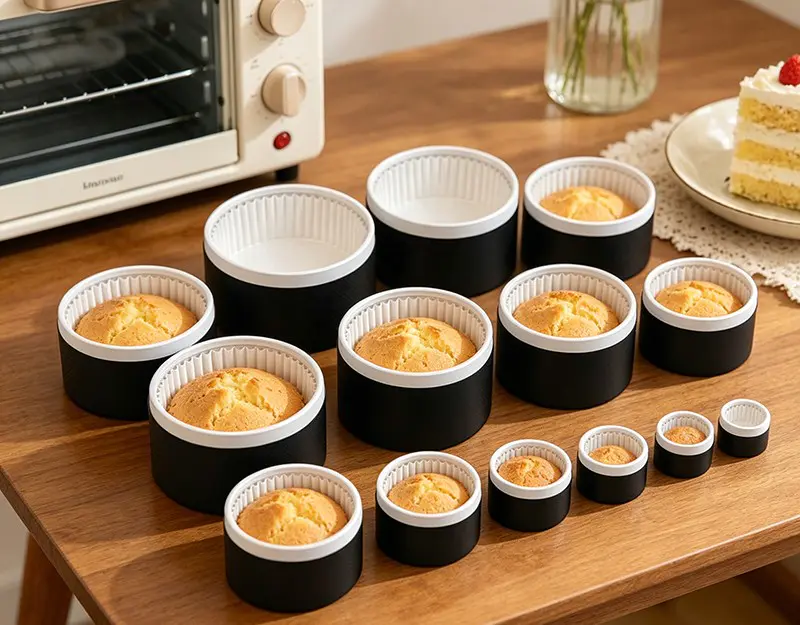

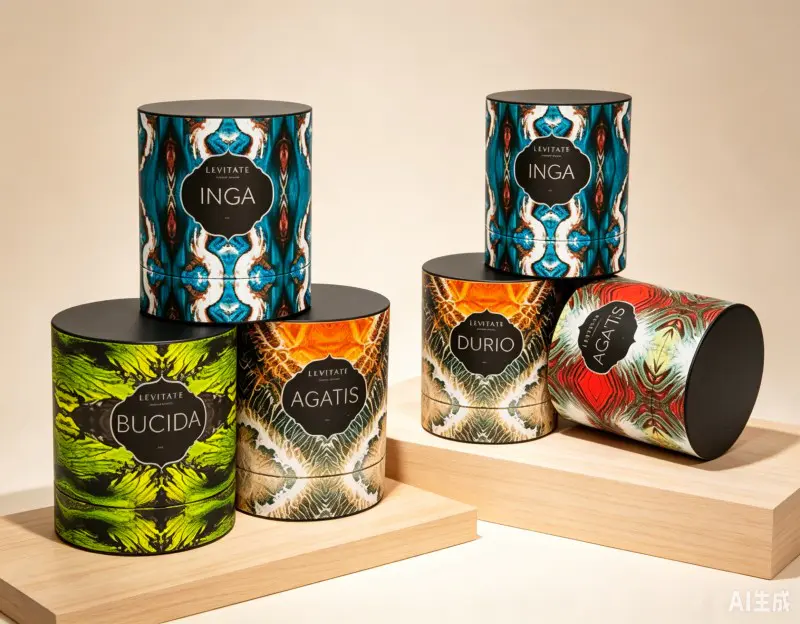
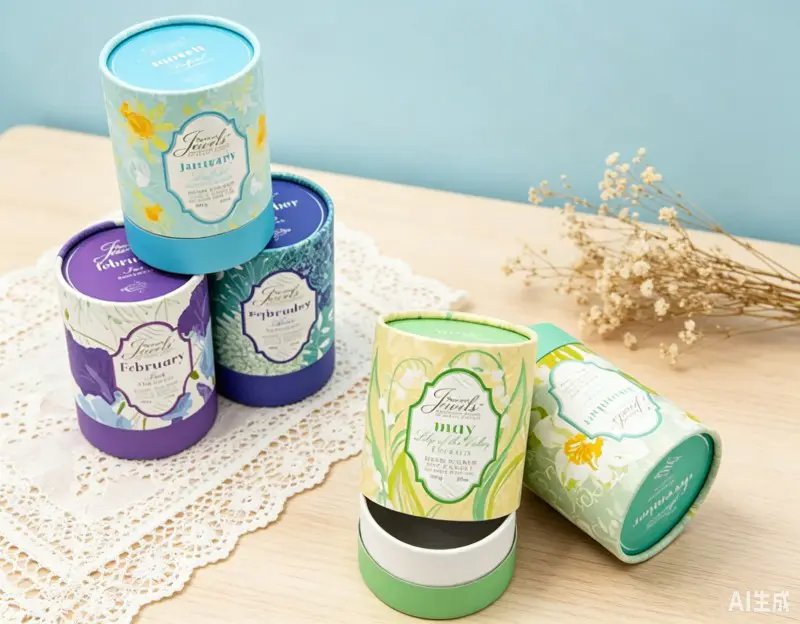
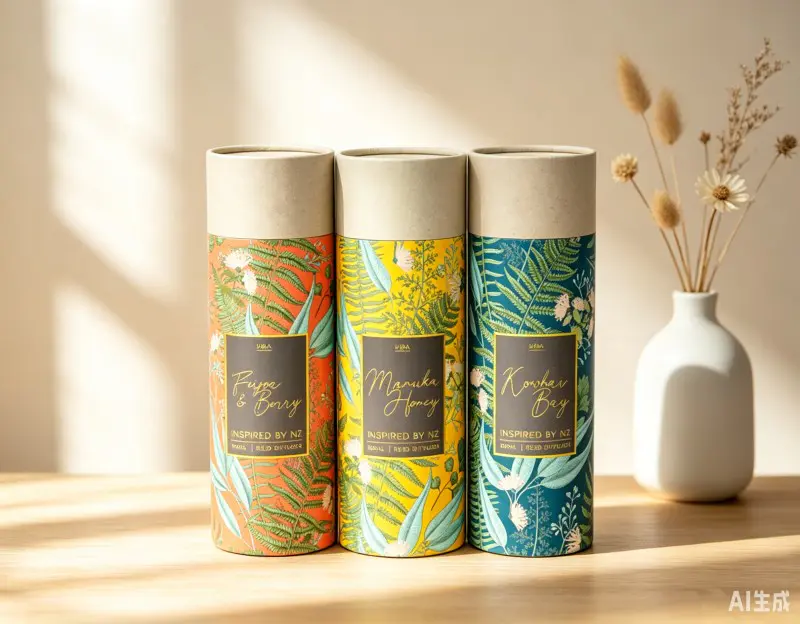
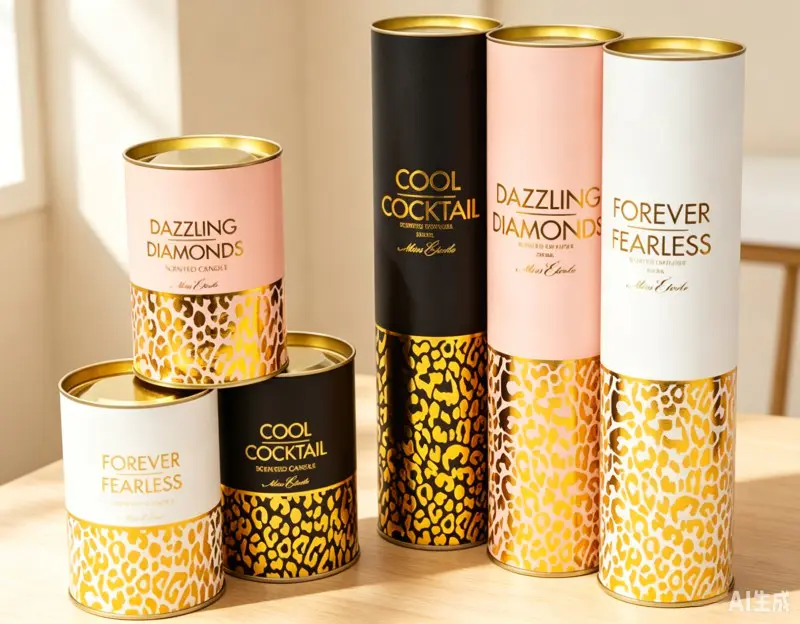
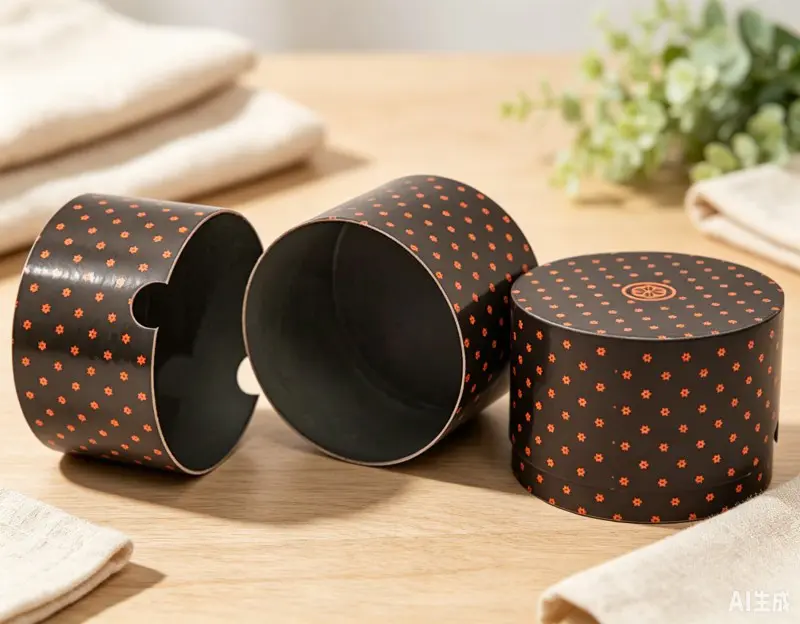
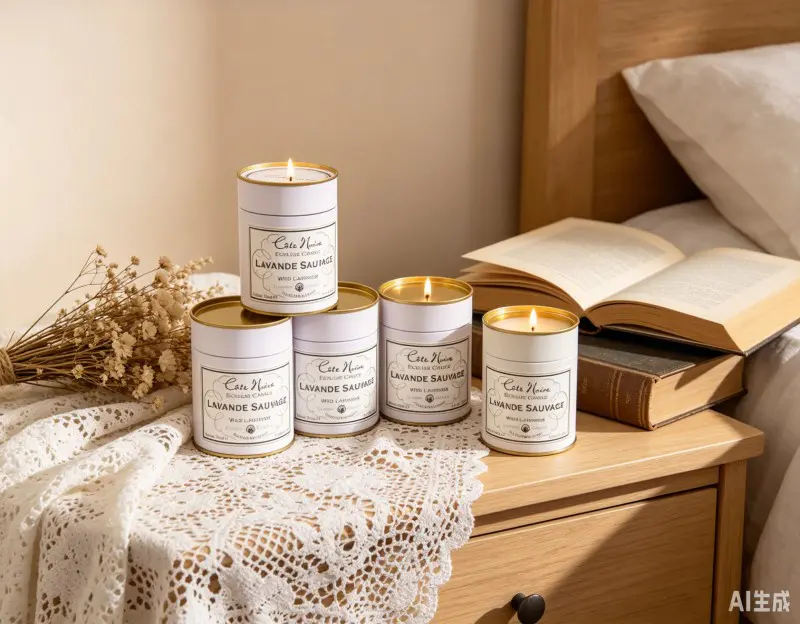

As one of the top China cardboard tube packaging manufacturers and paper tube packaging suppliers, we devote all of our efforts to research and launch more high quality packaging products to global market.
Content
- 1 What Is Cookie Tube Packaging?
- 2 Common Materials Used in Cookie Tube Containers
- 3 Standard Sizes and Dimensions for Cookie Tube Packaging
- 4 End Cap and Closure Styles for Cookie Tubes
- 5 Custom Printing and Branding on Cookie Tube Packaging
- 6 Cookie Tube Packaging for Gifting vs. Retail vs. Shipping
- 7 Food Safety and Compliance Considerations
- 8 How to Source Cookie Tube Packaging: What to Ask Suppliers
- 9 Cost Breakdown: What Affects the Price of Cookie Tube Packaging
- 10 Creative Ways to Use Cookie Tube Packaging Beyond the Basics
What Is Cookie Tube Packaging?
Cookie tube packaging refers to cylindrical or rectangular tube-shaped containers used to hold, protect, and present cookies, biscuits, and other baked snacks. Unlike flat boxes or bags, tube packaging wraps entirely around the product in a compact, upright column — stacking cookies neatly inside and protecting them from pressure, breakage, and moisture. You've almost certainly seen this format on store shelves: from classic wafer rolls in plastic tubes to premium shortbreads in decorative tin canisters.
The format has grown in popularity well beyond its traditional use in commercial confectionery. Today, small bakeries, home bakers, corporate gifting companies, and specialty food brands all use cookie tube containers to package everything from hand-decorated sugar cookies to artisan biscotti. The reasons are practical: tubes protect fragile products better than bags, they stand upright on shelves for better visibility, and their cylindrical form naturally lends itself to eye-catching custom printing and branding.
Common Materials Used in Cookie Tube Containers
The material of a cookie tube container directly affects product protection, shelf life, visual appeal, and cost. There is no single best material — the right choice depends on your product type, budget, and brand positioning. Here are the main options used in the industry today:
Paperboard and Kraft Paper Tubes
Composite paperboard tubes — made by winding layers of kraft or coated paper into a rigid cylinder — are the most widely used material for cookie tube packaging. They are lightweight, customizable, and relatively affordable, especially at higher print quantities. The outer surface can be printed using offset or digital printing, foil-stamped, embossed, or wrapped with a custom label. The interior is typically lined with food-safe material or a polyethylene (PE) barrier to protect cookies from moisture migration. Paperboard tubes are also recyclable, which makes them increasingly attractive to eco-conscious brands and consumers.
Metal Tin Tubes and Canisters
Tin-plated steel tubes and round cookie tins have been a staple of premium gifting for decades. They offer excellent product protection, a satisfying tactile experience, and a premium perceived value that paper simply can't replicate. Metal tubes are especially common for shortbread, Danish butter cookies, and holiday assortments. They seal very tightly, which extends shelf life, and many consumers reuse them for storage after the cookies are gone — a form of brand longevity that few other package types offer. The tradeoff is higher unit cost and more limited customization options compared to printed paperboard.
Clear Plastic Tubes
Transparent PET or PVC plastic tubes allow the cookies themselves to serve as the display. This format is especially effective for visually appealing products like decorated sugar cookies, colorful macarons, or layered cookie stacks. Clear plastic tubes come with snap-on or push-fit end caps in various colors. They're lightweight, shatter-resistant, and inexpensive in small quantities, making them a popular choice for small-batch bakers and gift packagers. However, plastic tube packaging comes under increasing scrutiny due to environmental concerns, and many brands are actively transitioning toward paper-based alternatives.
Biodegradable and Eco-Friendly Tubes
A newer category of cookie tube containers is made from materials like recycled paperboard, sugarcane pulp, bamboo fiber, or compostable films. These options are designed to minimize environmental impact while maintaining sufficient structural integrity to protect the product during shipping and retail display. They are particularly appealing to natural food brands, farmers market sellers, and specialty food companies whose customer base values sustainability. Cost per unit is typically higher than conventional options, but it often aligns with premium pricing strategies.
Standard Sizes and Dimensions for Cookie Tube Packaging
Choosing the right size is one of the most important decisions in cookie tube packaging. A tube that's too large leaves cookies shifting around and breaking; one that's too snug can crack delicate edges on insertion. Most manufacturers offer standard size ranges, and custom sizing is available at higher order quantities. Below are the most common dimensions used across the industry:
| Inner Diameter | Typical Length | Best Suited For |
| 1.5 – 2 inches | 6 – 10 inches | Wafer rolls, pirouette cookies, small biscuits |
| 2.5 – 3 inches | 7 – 12 inches | Round shortbread, thin mints, stackable cookies |
| 3.5 – 4 inches | 6 – 8 inches | Large decorated cookies, chunky biscuits |
| 4.5 – 6 inches | 4 – 6 inches | Assorted gift cookies, multi-variety tin sets |
When measuring for tube sizing, always measure the widest dimension of your cookie with a small buffer — typically 1/8 to 1/4 inch of clearance on each side. For stackable cookies, measure the height of a full stack plus an inch of headroom so the end cap seats properly without pressing down on the top cookie.
End Cap and Closure Styles for Cookie Tubes
The closure system on a cookie tube packaging unit does more than just seal the product — it also contributes to the unboxing experience, the airtight integrity of the seal, and the overall perceived quality of the package. Different closure styles suit different applications:
- Push-fit plastic caps: The most common closure for paperboard and plastic tubes. A rigid plastic end cap pushes snugly into or over the tube opening. Available in clear, black, white, and custom colors. Easy for consumers to open and reseal, and inexpensive to produce.
- Slip-lid metal caps: Used on premium tin tubes and canisters. The lid slides on and off with a friction fit. Provides a satisfying, tactile experience associated with high-end gifting and is very effective at keeping moisture out.
- Telescoping tube lids: A second, slightly larger tube section slides over the main tube to create the closure — similar to the classic Pringles-style design. Very snug fit and excellent for retail shelf integrity. Requires precise manufacturing tolerances.
- Heat-sealed foil ends: Some cookie tube packaging uses a foil membrane heat-sealed to one or both ends of the tube before a decorative outer cap is applied. This provides a tamper-evident, airtight inner seal and is common for extended shelf-life applications in commercial confectionery.
- Ribbon or twine tied ends: Found on artisan and gift-oriented packaging. The tube ends are folded down or capped with simple paperboard rounds and secured with ribbon. Visually charming and low-cost, but offers minimal product protection and is best for same-day or short-shelf-life gifting.
Custom Printing and Branding on Cookie Tube Packaging
One of the strongest selling points of cylindrical cookie tube packaging is the 360-degree printable surface. Unlike flat boxes that have distinct front, back, and side panels, a tube provides a continuous canvas that wraps entirely around the package. This uninterrupted surface is ideal for storytelling, pattern design, and visual brand identity.
Printing Methods Compared
Different printing methods suit different budgets, quantities, and design complexities. Here's a breakdown of the most common approaches used for custom cookie tube packaging:
| Printing Method | Min. Order Quantity | Color Range | Best For |
| Offset lithography | 500–1,000+ | Full color (CMYK + spot) | High-volume commercial production |
| Digital printing | 50–250 | Full color | Short runs, seasonal designs, small brands |
| Flexographic printing | 1,000+ | Limited spot colors | Simple designs at very high volume |
| Custom label wrap | 1–100 | Full color | Home bakers, pop-ups, test batches |
Design Tips for Maximum Shelf Impact
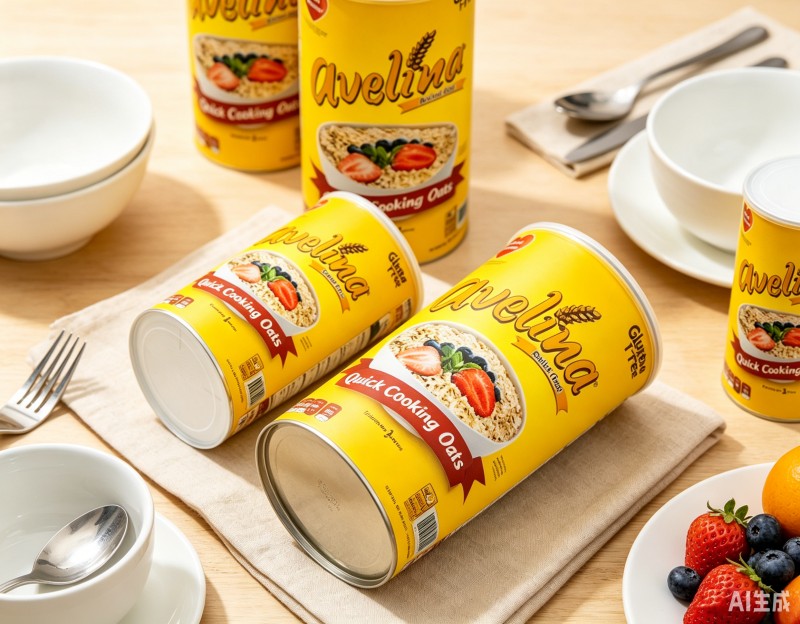
Because a tube is viewed from an angle rather than face-on, design elements need to be considered differently than on a flat box. Keep your primary logo and core message within a roughly 120-degree arc that faces outward when the tube is standing upright on a shelf. Use large, bold typography that reads clearly at a distance, since the rounded surface can cause some distortion to fine text. Pattern elements — florals, geometric prints, festive motifs — work beautifully on tubes because they naturally repeat around the cylinder without requiring awkward panel transitions.
Cookie Tube Packaging for Gifting vs. Retail vs. Shipping
Not all cookie tube packaging serves the same purpose. Understanding your end use — gifting, retail shelf display, or e-commerce shipping — will shape nearly every decision from material to size to closure type.
Gift Packaging
When the tube will be given directly as a gift — at a wedding, corporate event, holiday celebration, or farmers market — the unboxing experience and aesthetic appeal take priority. Premium tin tubes, matte-finish paperboard with foil accents, and decorative ribbon closures all signal thoughtfulness and quality. Consider adding tissue paper inside the tube before loading the cookies, using a monogram or personalized label, and selecting a tube length that fills the space elegantly without excess empty space at the top.
Retail Shelf Packaging
For retail environments, cookie tube containers need to stand upright reliably, display nutritional and ingredient information clearly, and survive the handling of a busy stockroom. UPC barcodes should be placed on a flat end cap or the bottom of the tube where a scanner can read them easily. The tube must be stable enough not to roll off slanted shelves — a flat-bottomed end cap is essential. Branding should be bold and legible from 3–5 feet away.
E-Commerce and Shipping
Cookie tubes shipped through the mail or courier networks face a very different set of challenges. The tube itself provides excellent crush resistance — far better than flat boxes — but the end caps are a potential weak point. Reinforce plastic end caps with a small strip of tape before placing the tube inside the outer shipping box. Always use adequate void fill (tissue, crinkle paper, or bubble wrap) around the tube inside the shipper to prevent it from rolling and impacting the walls. For very fragile cookies, consider inserting a small foam disc on top of the stack before capping the tube to cushion against vertical impacts.
Food Safety and Compliance Considerations
Any packaging that comes into direct contact with food must meet applicable food safety standards. This is true even for small-scale bakers and home cottage food businesses. Here are the key compliance areas to be aware of when selecting cookie tube packaging:
- Food-grade interior liners: The interior surface of any tube that contacts cookies directly must be made of a food-safe material. Paperboard tubes are typically lined with food-grade PE film or kraft paper treated with a food-safe coating. Always confirm food-grade certification with your supplier before purchasing.
- Ink and coating safety: Printing inks and surface coatings used on the outer surface of a tube must be non-migratory — meaning they should not transfer to the food through the packaging. Request a certificate of compliance or migration test results from your packaging supplier, especially for direct-contact applications.
- Labeling requirements: In most markets (including the US, EU, and Canada), packaged food for retail sale must include ingredient lists, allergen declarations, net weight, nutritional information, manufacturer name and address, and best-by date. All of this information must fit somewhere on your tube packaging — plan for it during the design phase, not after.
- Moisture barrier performance: Cookies are sensitive to humidity, which causes softening and shortens shelf life. If your cookies are meant to have a shelf life beyond 2–4 weeks, choose tubes with a moisture vapor transmission rate (MVTR) specification appropriate for your product. Laminated paperboard and sealed tin tubes offer the best moisture barrier performance.
How to Source Cookie Tube Packaging: What to Ask Suppliers
Finding the right supplier for biscuit tube packaging or custom cookie tubes requires asking the right questions upfront. Many first-time buyers underestimate the lead times, minimum order requirements, and sample costs involved, which leads to delays and budget surprises. Here's a practical checklist of what to confirm before placing an order:
- Minimum order quantity (MOQ): Most composite tube manufacturers have MOQs ranging from 500 to 5,000 units per SKU for custom printing. If you need smaller quantities, look for suppliers who offer digital printing at 50–250 units, or consider starting with a plain tube and applying a custom label.
- Sample availability: Always request physical samples — both blank size samples and printed proofs — before approving a full run. Verify dimensions with your actual cookies in hand. A sample that looks right on paper can reveal clearance issues or unexpected color shifts once you're holding it.
- Lead times: Standard production lead times for custom cookie tube packaging range from 3 to 8 weeks, not including shipping time. For holiday or seasonal launches, order significantly in advance and confirm exact timelines in writing.
- Food-grade certification: Ask for documentation confirming the inner liner and any inks meet FDA, EU, or other applicable food contact material regulations. A reputable supplier will provide this without hesitation.
- Custom sizing options: Confirm whether custom diameters and lengths are available, what the additional tooling cost is, and whether that cost is amortized across multiple orders or charged per run.
Cost Breakdown: What Affects the Price of Cookie Tube Packaging
Packaging costs vary widely depending on material, size, quantity, and customization level. Understanding what drives cost helps you make smarter trade-offs between budget and presentation quality.
| Cost Factor | Lower Cost | Higher Cost |
| Material | Plain kraft paperboard | Tin, premium coated board |
| Print complexity | 1–2 spot colors | Full CMYK + foil/emboss |
| Order quantity | High volume (1,000+) | Low volume (under 200) |
| Tube size | Standard diameter/length | Custom dimensions |
| Closure type | Basic plastic snap cap | Slip-lid tin, foil-sealed end |
As a rough benchmark, plain white paperboard cookie tubes in standard sizes typically run $0.30–$0.80 per unit at 500-piece quantities. Fully custom-printed tubes in the same quantity range from $1.00–$2.50 per unit. Premium tin tube packaging starts at approximately $2.00–$5.00 per unit depending on size, and decreases significantly with volume. Always get quotes from at least three suppliers before committing, and factor in freight costs, which can be significant for bulky packaging orders.
Creative Ways to Use Cookie Tube Packaging Beyond the Basics
Cookie tube containers have become a favorite canvas for creative packaging presentations that go well beyond simply holding a stack of cookies. Here are some ideas that brands and bakers have used to make their tube packaging more memorable and effective:
- Advent calendar sets: A set of 24 small tubes, each printed with a number and holding a different cookie variety, makes a stunning holiday advent calendar that can be sold as a premium gift product. This works particularly well with uniform round cookies or small biscuits.
- Personalized wedding favors: Small tubes printed with the couple's names and wedding date, filled with custom shortbread or stamped cookies, have become a popular alternative to traditional wedding favor boxes. They're compact, elegant, and stand upright easily on tables.
- Subscription box inclusions: Cookie tubes are ideal for inclusion in monthly subscription boxes because they protect fragile baked goods during shipping better than bags or flat boxes. They also add a premium look that elevates the overall box presentation.
- Seasonal limited editions: A brand's core product line can be given a seasonal refresh simply by changing the tube's outer wrap — a holiday pattern, a spring floral, a harvest theme — without changing the product itself. This drives repeat purchases and gift-buying impulses.
- Mixed-flavor variety packs: A single wide-diameter tube can hold several individually wrapped cookie flavors in a single unit, creating a gift-ready sampler that introduces new customers to a brand's full range without requiring them to commit to a large quantity of any one flavor.
