 English
 Español

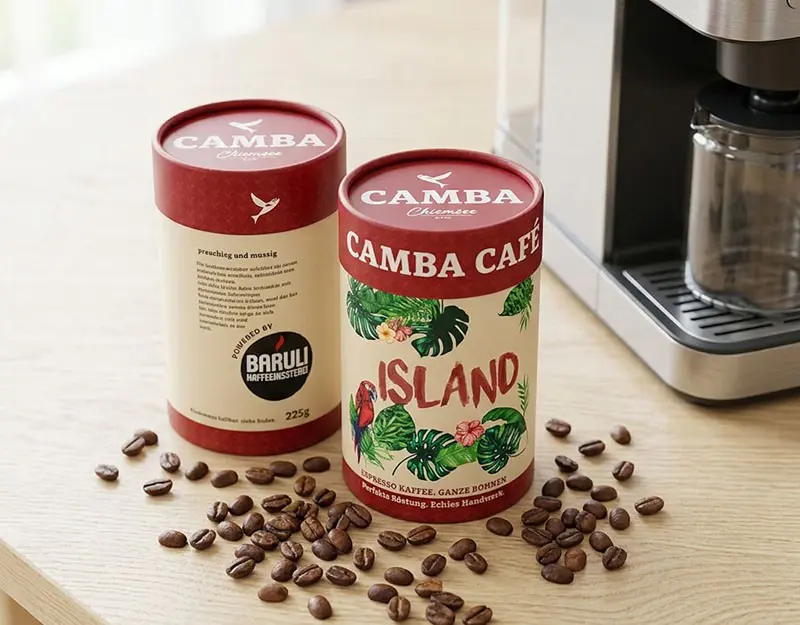
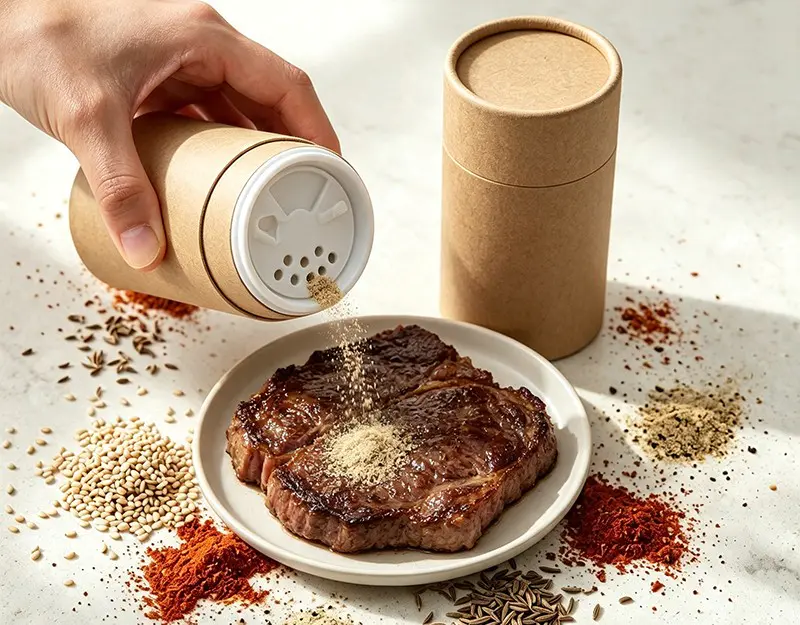

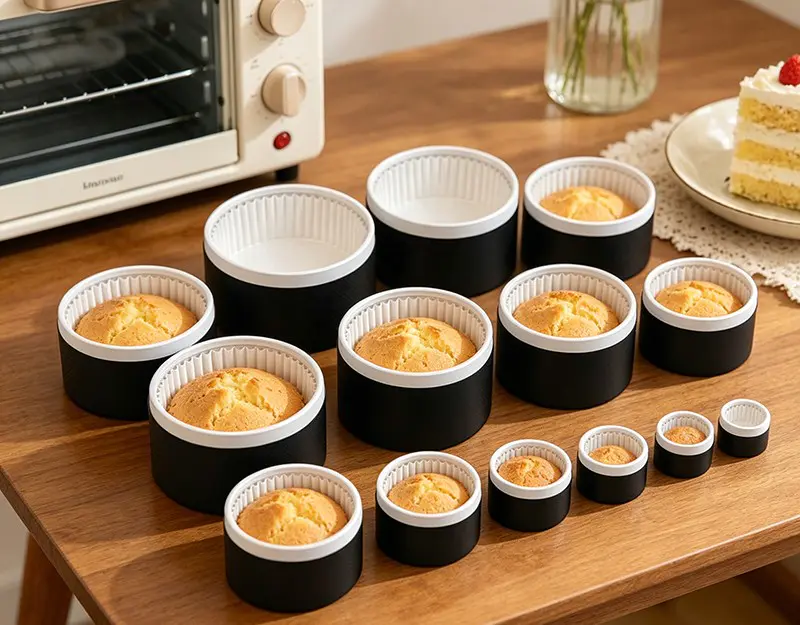
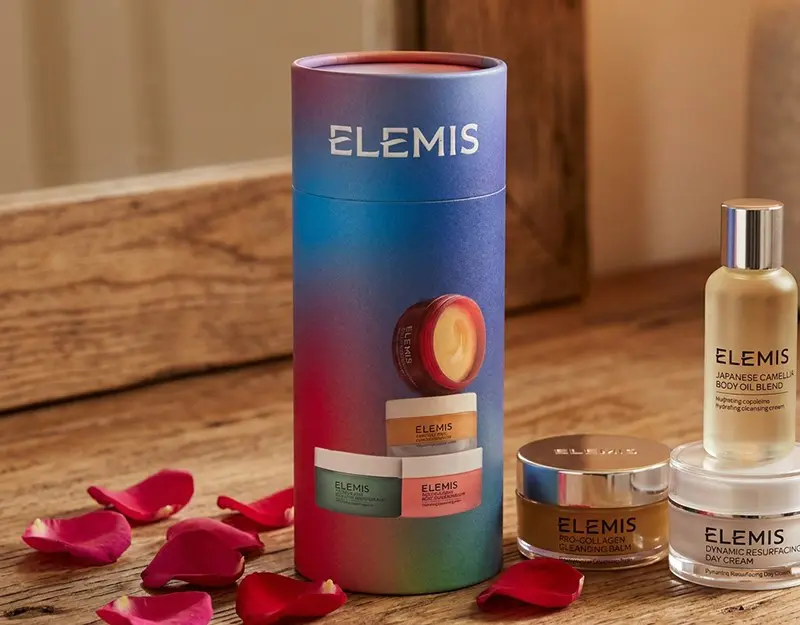
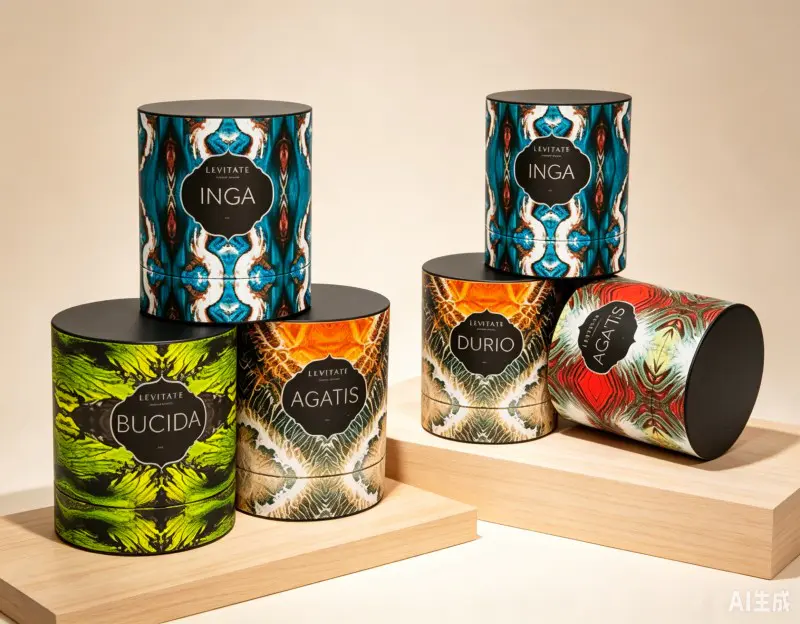
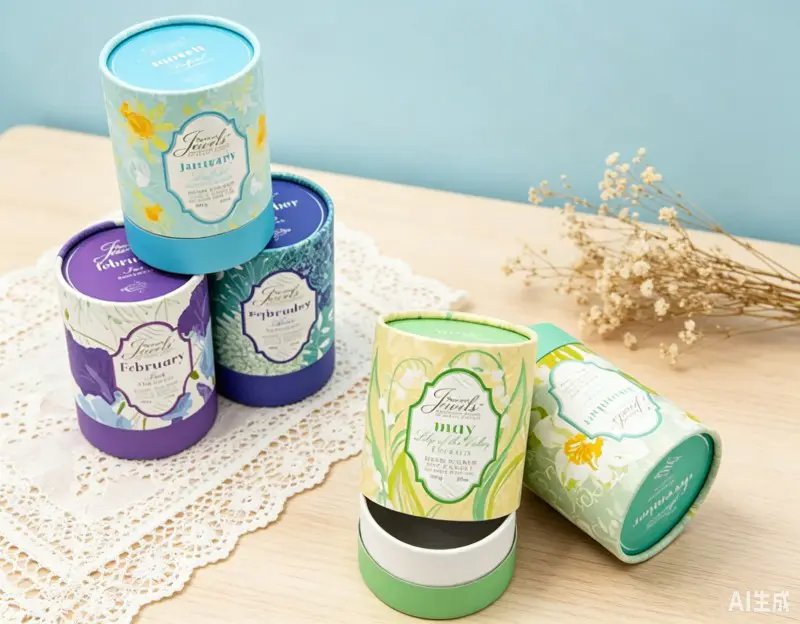
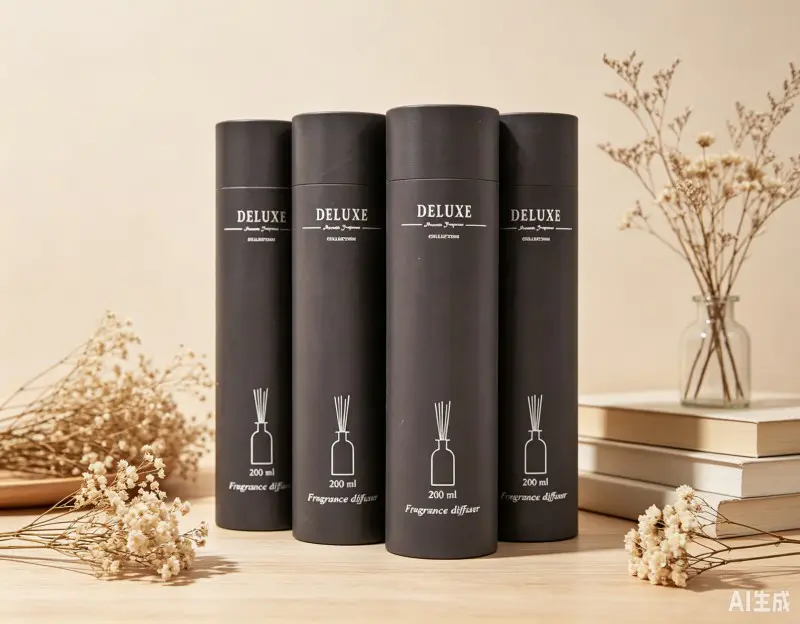
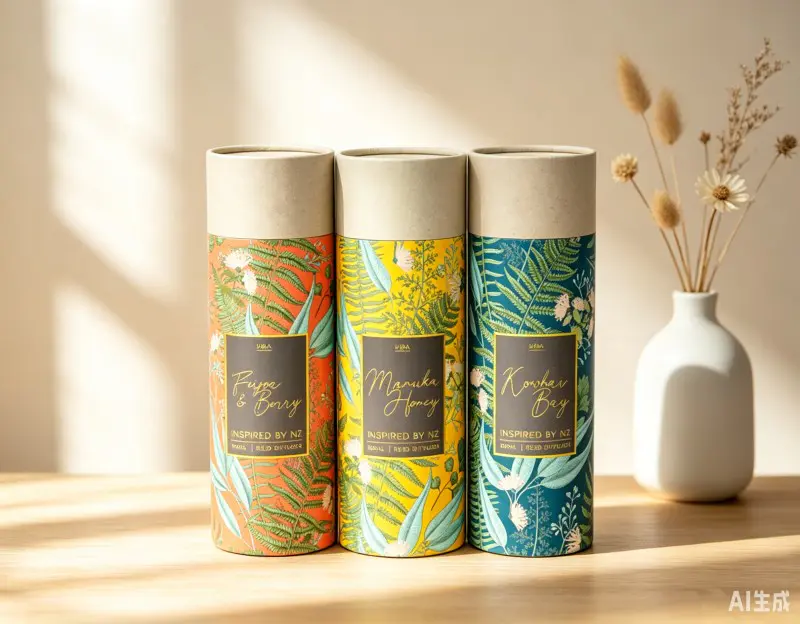
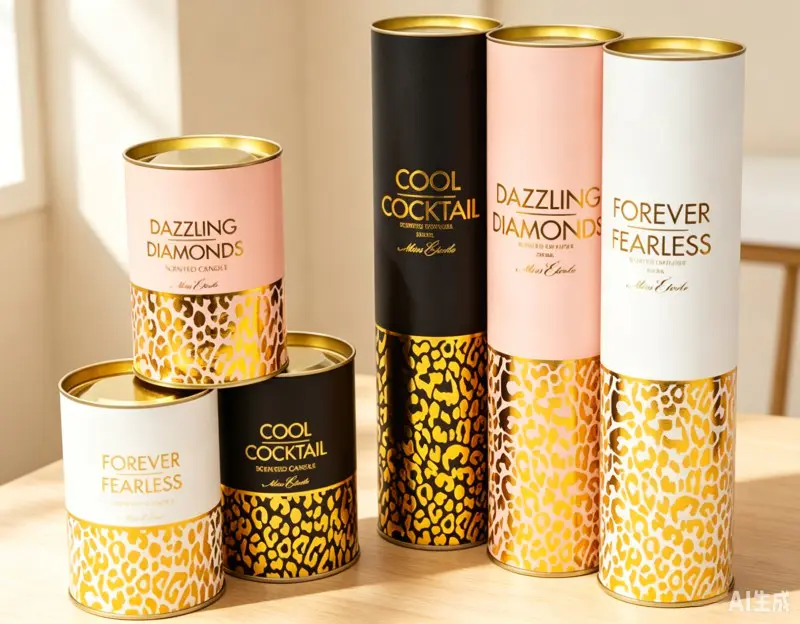
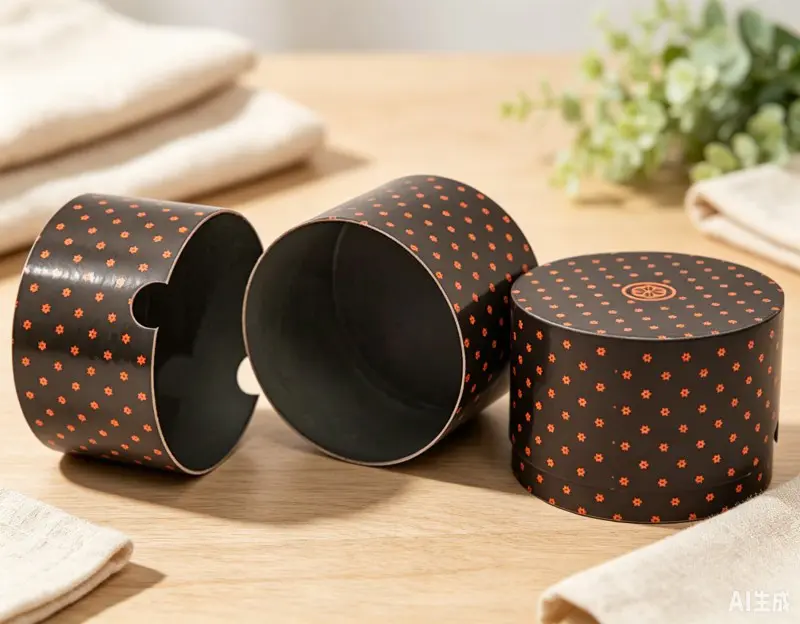
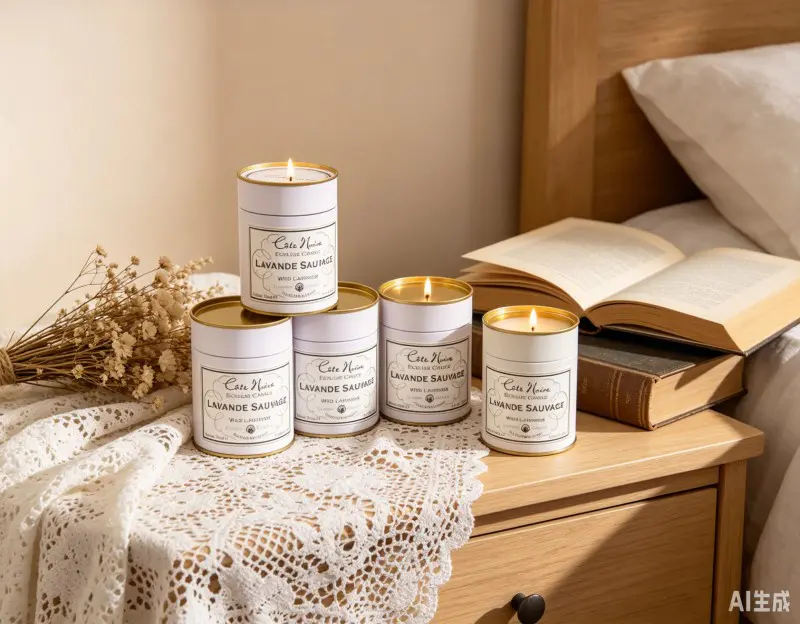

As one of the top China cardboard tube packaging manufacturers and paper tube packaging suppliers, we devote all of our efforts to research and launch more high quality packaging products to global market.
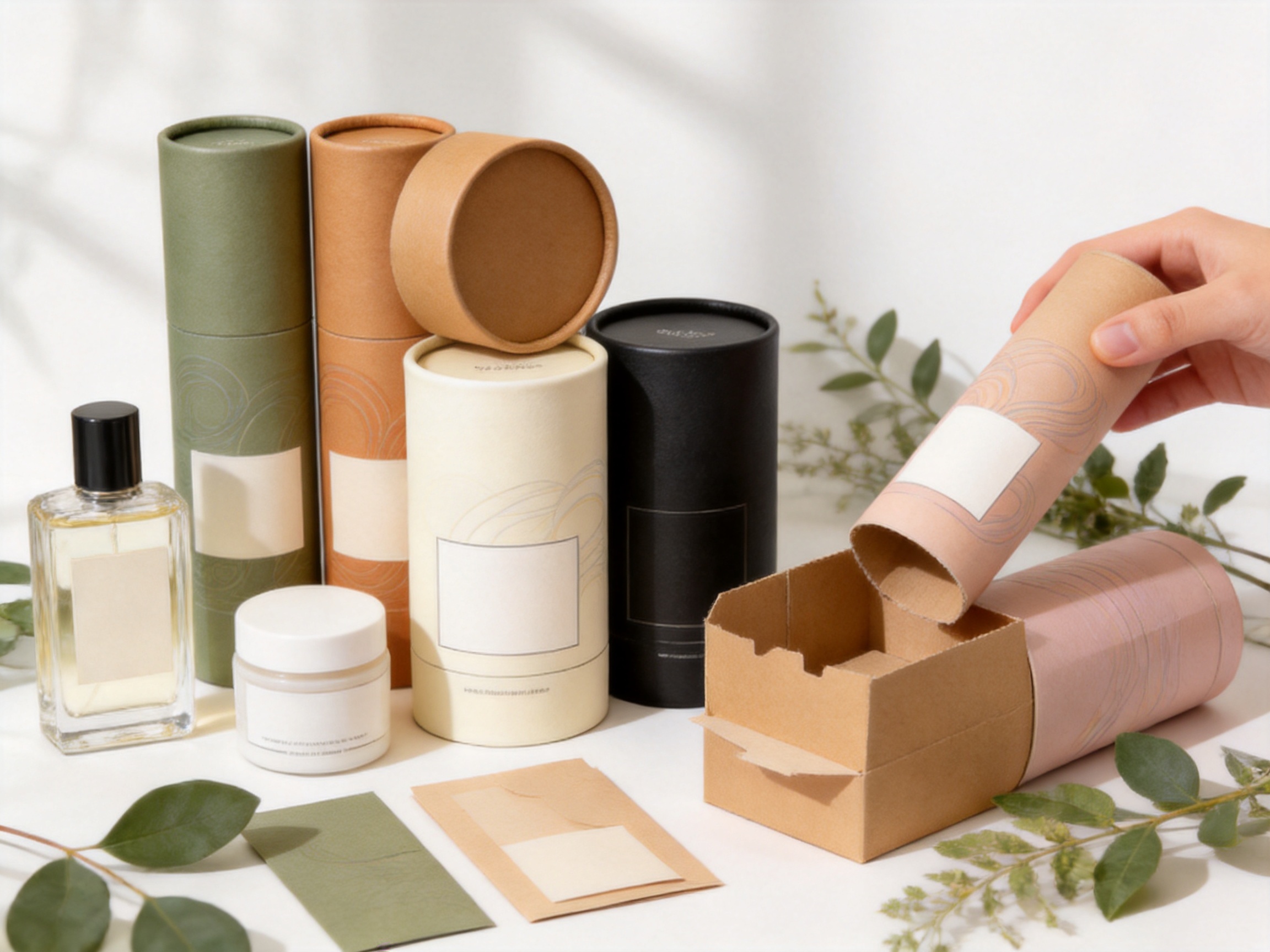
Packaging is often the first physical interaction a customer has with a cosmetic, perfume, essential oil, or personal-care product. Before a bottle is opened, a fragrance is experienced, or a formula is applied, the outer package communicates quality, personality, and brand positioning. A well-designed package must therefore do more than hold a product. It should protect the contents, present the product attractively, support efficient transportation, and reflect the values of the brand.
The custom 62–65 × 120 mm paper tube box is designed for these requirements. With a cylindrical structure, an all-paper construction, customizable printing, and options such as matte lamination, stamping, and UV coating, it provides a practical packaging format for cosmetic and perfume products. Its proportions are suitable for many compact bottles, containers, and personal-care items, while its circular form creates a distinctive alternative to conventional rectangular cartons.
Manufactured by an experienced paper and composite can specialist, this type of packaging combines carefully engineered paperboard construction with modern printing and finishing processes. It is intended for companies that want packaging with a premium appearance but also require dependable production, customization, and responsible material choices.
Content
- 1 Product Overview
- 2 Why a Paper Tube Is Effective for Cosmetic Packaging
- 3 Applications in Cosmetics, Perfume, and Personal Care
- 4 Dimensions and Fit Considerations
- 5 Material Structure and Paper-Based Advantages
- 6 Printing and Brand Presentation
- 7 Advantages Compared with Conventional Packaging
- 8 Manufacturing Experience and Technical Strength
- 9 Quality Considerations for Cosmetic Tube Packaging
- 10 Sustainability and Responsible Material Selection
- 11 Customization for Brand and Product Lines
- 12 Commercial Benefits for Brands
- 13 Recommended Development Workflow
- 14 How the Product Can Strengthen a Brand Experience
- 15 Ordering Information to Confirm
- 16 Q&A
- 16.1 What is the intended use of this paper tube box?
- 16.2 What does 62–65 × 120 mm mean?
- 16.3 Is the tube made from paper?
- 16.4 Can the tube carry a customer’s logo?
- 16.5 Can the packaging be used for perfume bottles?
- 16.6 Is the tube waterproof?
- 16.7 What printing and finishing options are available?
- 16.8 Can the design be used for several products in one cosmetic range?
- 16.9 Why is a physical sample important?
- 16.10 What are the main advantages over a conventional carton?
- 16.11 How should sustainability claims be evaluated?
- 16.12 What information should be supplied for a quotation?
- 17 Conclusion
- 18 References
- 19 Product: (62-65)*120MM Custom Paper Tube Box
Product Overview
The product is a custom paper tube box for cosmetic applications, including perfume packaging and related personal-care products. It has a cylinder shape and is manufactured from paper-based materials. The stated internal diameter is approximately 62–65 millimeters, while the height is approximately 120 millimeters. Because the diameter is identified as an internal dimension, final packaging development should always include a product sample, closure specifications, and an allowance for inserts or protective components.
The tube can be printed in CMYK and customized with a customer’s logo, artwork, color palette, product information, and visual identity. Available printing and finishing treatments include matte lamination, stamping, and UV coating. These options allow the same basic tube structure to be adapted for different market positions, from natural and minimalist skincare to luxurious fragrance and gift packaging.
Although the basic design is cylindrical, the packaging can be developed around the requirements of the product inside. Internal fit, lid structure, opening experience, label placement, and decorative effects may all be considered during the design process. This makes the tube suitable for both established product lines and new launches that need a distinctive shelf presence.
| Item | Specification | Packaging Benefit |
|---|---|---|
| Product type | Custom paper tube box | Suitable for branded cosmetic and personal-care presentation |
| Shape | Cylinder | Creates a distinctive alternative to rectangular cartons |
| Approximate size | Internal diameter: 62–65 mm; height: 120 mm | Suitable for selected perfumes, cosmetics, and compact containers |
| Material | All-paper construction | Supports a paper-based packaging strategy |
| Printing | CMYK | Enables detailed graphics and brand-color reproduction |
| Finishing | Matte lamination, stamping, UV coating | Adds visual contrast, tactile value, and premium appeal |
| Customization | Customer logo and artwork | Supports private-label and original-brand packaging |
| Primary application | Cosmetics and perfume packaging | Protects and presents products in retail and gift environments |
Why a Paper Tube Is Effective for Cosmetic Packaging
Cosmetic packaging must balance appearance and performance. A package that looks attractive but is difficult to handle may create a poor customer experience. Conversely, packaging that is highly protective but visually ordinary may fail to communicate the value of a premium formula. The paper tube format addresses both sides of this challenge through its structure, surface area, and adaptability.
The cylindrical body provides a continuous printable surface. Unlike a small rectangular box with only a few primary panels, a tube can display graphics around its entire circumference. This creates more room for decorative patterns, ingredient stories, product directions, brand messages, and visual details. It also allows the package to look complete from multiple angles on a retail shelf or in a product photograph.
The rounded form is particularly suitable for products associated with fragrance, wellness, beauty, and self-care. A cylinder can suggest softness, elegance, naturalness, or modern simplicity depending on the selected paper, colors, and finishing treatments. Its visual character can be changed substantially without changing the basic structure.
Paper tubes also provide a degree of dimensionality that flat cartons cannot easily achieve. The body feels more substantial in the hand, and the opening process can be designed as part of the product experience. For gift sets, limited editions, seasonal launches, and premium perfume collections, this physical presence may help a product appear more valuable.
At the same time, paper-based packaging can be integrated into a broader sustainability strategy. The product is specified as made from all paper and is described as using recycled and eco-friendly materials. The exact environmental performance depends on the paper grades, adhesives, coatings, inks, and disposal systems selected for a particular order. Nevertheless, an all-paper starting point can help brands reduce reliance on mixed-material structures when the product and protection requirements permit.
Applications in Cosmetics, Perfume, and Personal Care
The 62–65 × 120 mm format is intended for products that can be securely accommodated within a compact cylindrical package. Potential applications include perfume bottles, essential-oil containers, skincare products, cosmetic accessories, travel-size beauty products, and selected personal-care items. The final suitability depends on the product’s actual dimensions, weight, shape, fragility, and closure system.
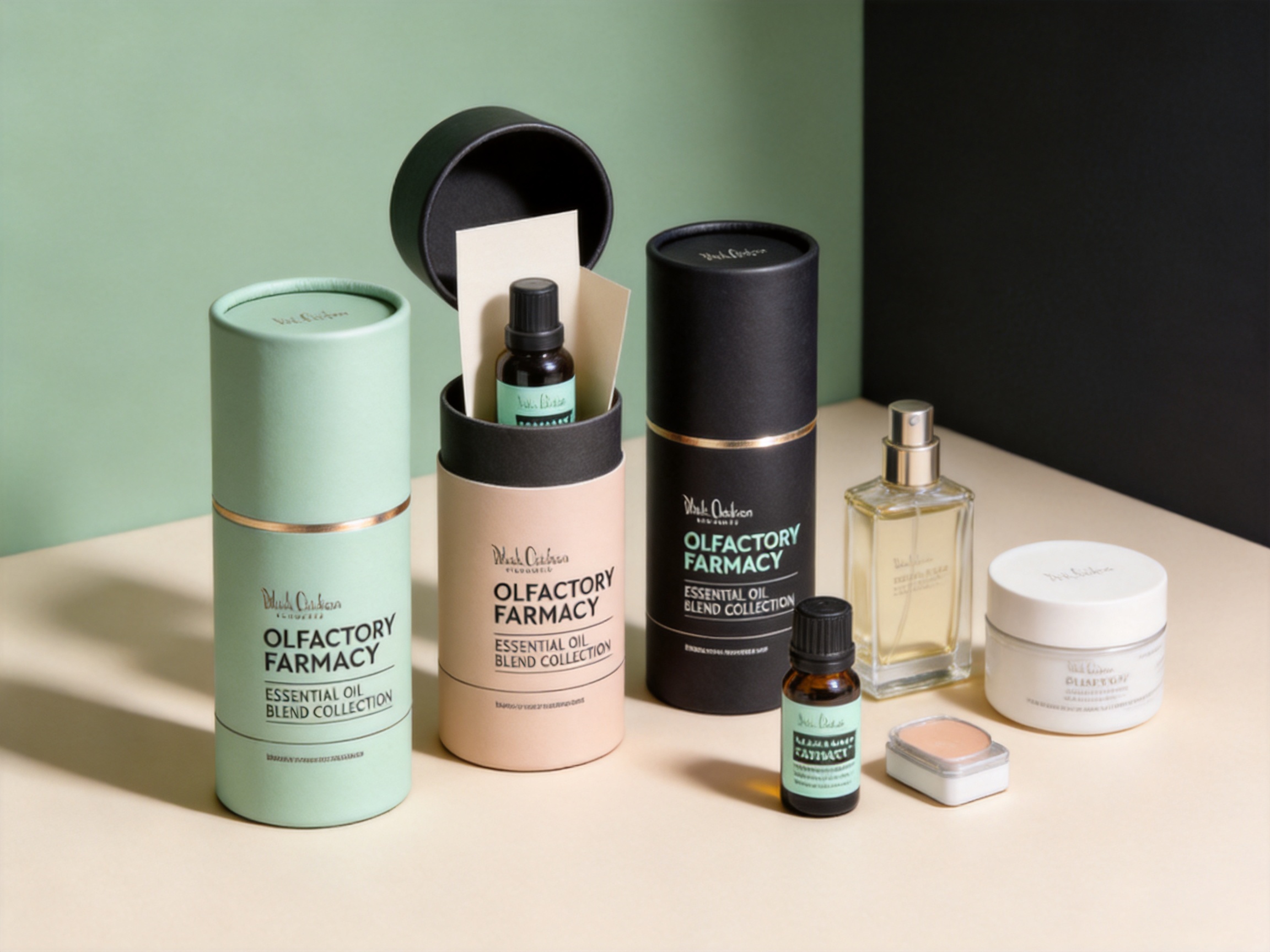
Perfume packaging is one of the most natural applications for this format. Fragrance products are often purchased for personal use, gifting, or special occasions, so the package must support both protection and emotional appeal. A matte black tube with metallic stamping can communicate sophistication, while a lightly colored tube with restrained graphics can communicate freshness or botanical inspiration.
Essential-oil packaging may benefit from the tube’s protective and decorative qualities as well. Small glass bottles can be vulnerable to impact, abrasion, and movement during distribution. A correctly fitted internal structure can help reduce unnecessary motion and provide a more secure presentation. For products positioned around natural ingredients, the outer tube can use kraft paper, earth-tone printing, botanical illustrations, and minimal finishing.
Skincare products may also be packaged in cylindrical tubes when the container inside has an appropriate profile. Creams, serums, facial oils, masks, and selected treatment products can be presented in a tube that gives the product a coordinated visual identity. A family of products can use the same structural format while varying colors, labels, and printed patterns for different formulas or skin types.
For cosmetics sold as gifts, the tube can function as part of the unboxing experience. Its dimensions are compact enough for individual products, while its height and circular surface provide room for a strong visual presentation. The packaging can be paired with a paper insert, protective pad, or custom-fit internal component when required.
Suitable Product Categories
Examples of possible product categories include perfume, eau de parfum, essential oils, facial oils, body-care products, skincare accessories, solid cosmetics, beauty tools, and selected small gift items. Brands should confirm the compatibility of the tube with the product before mass production, especially when the contents are oily, volatile, fragile, or sensitive to light.
For liquid products, the inner container must be leak-resistant on its own. A paper tube is an outer package and should not be treated as the primary liquid barrier unless a specific engineered structure has been developed for that purpose. When glass or plastic bottles are used, the tube can provide presentation and secondary protection while the bottle maintains product containment.
Dimensions and Fit Considerations
The stated size of the product is 62–65 × 120 millimeters, with the product information identifying the diameter as an internal dimension. This is an important distinction. An internal diameter determines the maximum usable space inside the tube, while the external diameter will be larger after accounting for the wall thickness and exterior materials.
Because the diameter is presented as a range, the final production specification should be confirmed during quotation and sampling. A 62-millimeter internal diameter and a 65-millimeter internal diameter represent different fitting conditions. The correct choice depends on the size of the inner product, the presence of an insert, the required clearance, and the desired ease of insertion and removal.
Height also requires careful review. A nominal 120-millimeter height may refer to the body, the complete tube including the lid, or another measurement convention. The brand and packaging supplier should agree on a technical drawing that identifies body height, total height, inner clearance, wall thickness, lid depth, and any overlap between components.
| Design Check | Why It Matters | Recommended Action |
|---|---|---|
| Product width or diameter | Determines whether the item can enter the tube without excessive movement | Measure the widest point of the filled product |
| Product height | Affects closure, clearance, and the appearance of the package | Confirm whether 120 mm refers to body or total height |
| Protective clearance | Prevents pressure on glass, caps, and delicate surfaces | Allow space for inserts or cushioning where necessary |
| Wall thickness | Influences external dimensions, strength, and perceived quality | Approve a structural sample before production |
| Closure depth | Determines opening experience and overall package height | Specify lid overlap and removal force |
| Product movement | Excessive movement can cause noise, abrasion, or breakage | Test the filled package during transport simulation |
A sample is especially valuable for cosmetic products because the package is often judged by hand. The customer should be able to remove the lid without excessive force, but the closure must remain secure during shipping and retail handling. The bottle or container should sit centrally and should not rattle or scrape against the internal wall.
Material Structure and Paper-Based Advantages
The product is described as using all-paper materials. Paper tubes are generally built from wound or layered paperboard, creating a rigid cylindrical wall. The exact construction may vary according to diameter, height, product weight, required compression strength, printing method, and desired finish.
A paper-based structure can offer several practical advantages. It is lightweight compared with many rigid alternative materials, while still providing a strong shape for compact products. It can also be cut, wrapped, printed, laminated, and finished using established packaging processes. The cylindrical body distributes certain external forces around the circumference, which can contribute to useful rigidity when the wall structure is correctly designed.
Paper is also a versatile communication surface. It accepts a wide range of graphic treatments, from high-contrast CMYK artwork to subtle monochrome designs. Kraft paper may emphasize a natural or handmade identity, while a coated outer paper may provide a smoother surface for detailed graphics and refined finishing.
The eco-friendly and recycled-material claims should be considered as part of a complete packaging assessment rather than as an isolated promise. Brands should review the recycled content, coating type, adhesive system, printing inks, and local recycling conditions. A tube with heavy plastic lamination or multiple inseparable materials may have different end-of-life characteristics from a minimally finished paper tube. The most responsible configuration is the one that meets protection and appearance requirements with no unnecessary material complexity.
Printing and Brand Presentation
CMYK printing provides a flexible foundation for custom cosmetic packaging. It can reproduce photographs, illustrations, gradients, patterns, botanical artwork, and many brand colors. A carefully prepared print file helps ensure that the finished tube communicates the intended identity across multiple production batches.
Because the tube is curved, artwork should be prepared with attention to wrap direction, seam position, repeat patterns, and alignment. Critical text should not be placed too close to the seam or to the edges of the body. The design team should also confirm how the graphics will align with the lid and whether the print continues across separate components.
Matte lamination is one of the listed finishing options. It can reduce surface glare and create a soft, understated appearance. Matte surfaces are often associated with skincare, wellness, luxury, and modern minimalist design. They may also make printed colors appear more muted and refined, although the final result depends on the paper, ink coverage, and proofing method.
Stamping can be used to create selective highlights. Metallic stamping in gold, silver, copper, or another effect can draw attention to a logo, product name, pattern, or decorative border. Stamping is particularly effective when used sparingly. Too many metallic elements can reduce clarity, while a carefully placed accent can make the package feel more premium.
UV coating provides another way to create contrast. A gloss UV area on a matte surface can highlight a logo, leaf pattern, symbol, or product name without requiring a different color. This approach can add both visual and tactile interest. It is also useful for creating a subtle pattern that becomes visible as the package moves under light.
Design Strategies for Different Market Positions
A luxury perfume brand may select a dark base color, restrained typography, metallic stamping, and a soft matte surface. A natural skincare brand may use kraft paper, botanical illustrations, muted greens, and limited coating. A youthful cosmetics brand may use saturated CMYK colors, playful graphics, and spot gloss effects. A professional or clinical skincare line may prefer white space, precise typography, and a clean information hierarchy.
The same tube format can therefore support different brand strategies. Its competitiveness does not depend only on the shape; it comes from the ability to combine the shape with printing, finishing, fit, and a consistent visual system.
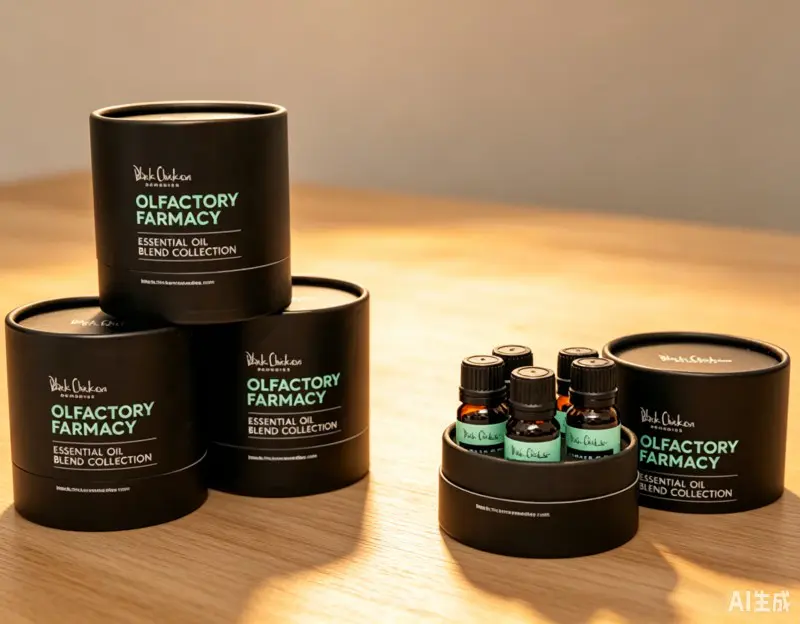
(62-65)*120MM Custom Paper Tube Box
Advantages Compared with Conventional Packaging
Rectangular folding cartons remain a practical packaging option, but a cylindrical paper tube can provide a different set of benefits. The most visible advantage is distinctiveness. On a shelf or in an online product image, a round package can immediately separate a product from a field of rectangular boxes.
The tube also provides a continuous surface for graphics. This can be useful when a brand wants to create a wraparound illustration, a repeating pattern, or a 360-degree product story. The package can remain visually engaging even when viewed from an angle rather than directly from the front.
Compared with some plastic rigid boxes, an all-paper tube may support a more natural material story and a lighter visual impression. Compared with a simple paper sleeve, it offers a more protective and substantial structure. Compared with an ordinary paperboard carton, it can deliver a stronger tactile and dimensional experience.
| Packaging Format | Potential Strength | How the Paper Tube Responds |
|---|---|---|
| Folding carton | Efficient flat shipping and broad printing capability | Offers a more distinctive cylindrical form and dimensional presentation |
| Plastic box | Rigid structure and product visibility | Provides a paper-based alternative with customizable printed surfaces |
| Paper sleeve | Low material use and simple application | Provides greater structural presence and stronger secondary protection |
| Glass presentation jar | Premium weight and visual impact | Can provide premium presentation with lower outer-package weight |
| Plain shipping tube | Basic cylindrical protection | Adds cosmetic-grade printing, finishing, and brand communication |
These comparisons should not be interpreted as universal performance claims. The best format depends on the product, distribution channel, budget, required protection, and recycling infrastructure. The principal advantage of the custom tube is its balance: it can be protective, decorative, customizable, and paper-based in one compact format.
Manufacturing Experience and Technical Strength
The supplier behind this product has been engaged in the composite can and paper can industry for more than 20 years. This experience is significant because paper tube production requires more than printing a flat sheet. The manufacturer must manage paper selection, winding or forming, adhesive control, dimensional consistency, surface preparation, printing, finishing, cutting, assembly, and inspection.
Long-term specialization in composite cans and paper cans gives the manufacturer a practical understanding of cylindrical packaging. The company is identified as the only member of the international Composite Can and Tube Institute in China’s packaging container industry. Membership in an industry organization can support technical exchange, professional standards, and awareness of developments in composite can and tube production.
The company has also introduced a high-speed composite can production line from Europe. Modern high-speed equipment can improve production efficiency and support more consistent processing when it is combined with appropriate quality control. Equipment alone does not guarantee quality, but advanced machinery can provide a stronger manufacturing platform for repeat orders and large-volume programs.
More than 10 patented technologies are associated with the company’s development work. Patents may relate to specific structures, processes, or equipment applications. For customers, the practical value of this research orientation is the possibility of receiving packaging based on accumulated technical knowledge rather than a generic off-the-shelf design.
The manufacturer was also the first enterprise in China to pass the QS certificate for producing food packaging containers, according to the provided company information. While the present product is intended for cosmetics and perfume rather than food, experience with food packaging can indicate familiarity with controlled production conditions, material evaluation, and packaging safety requirements. Cosmetic customers should still confirm the compliance documents required for their own markets and product formulas.
Production Process
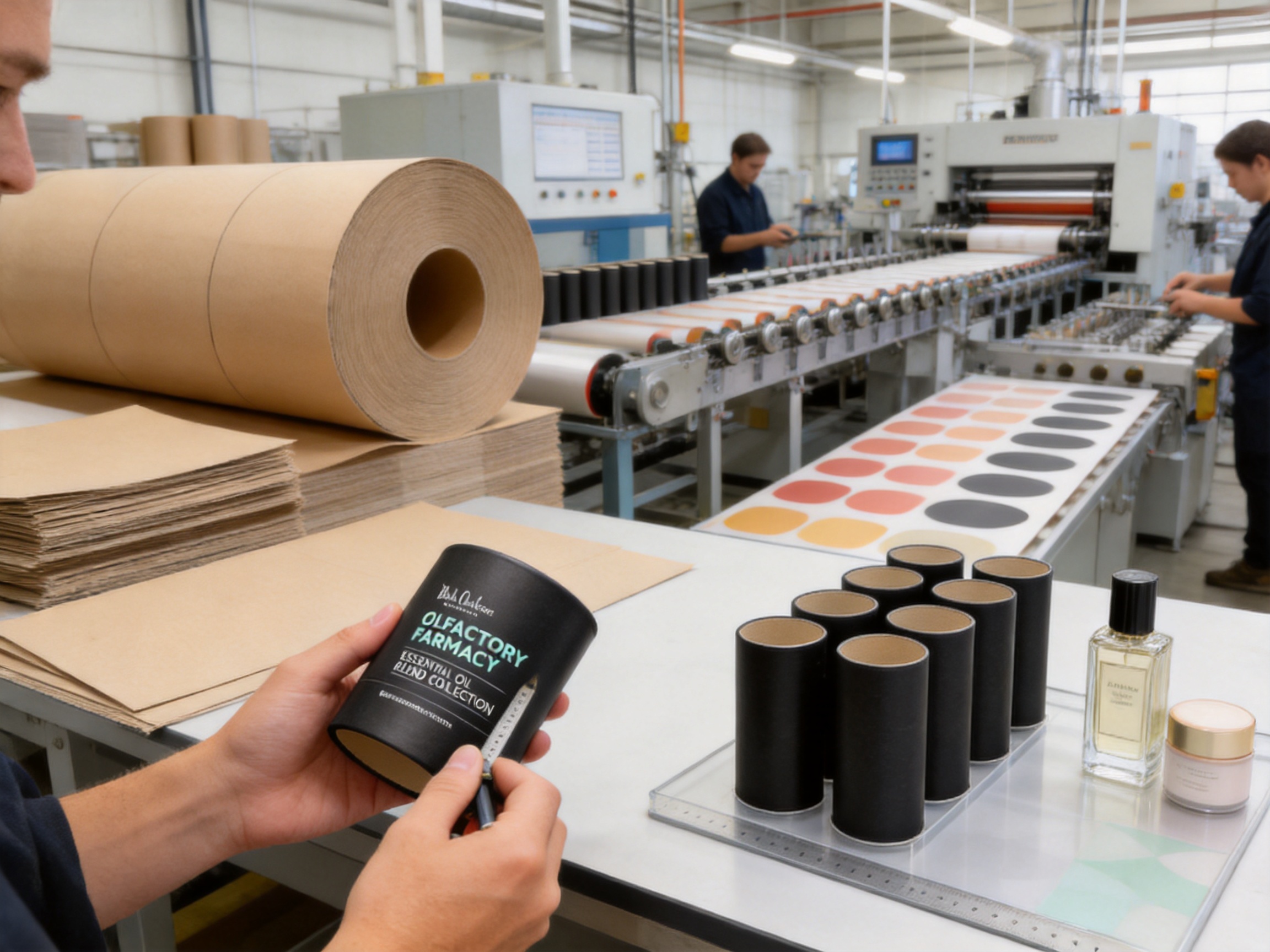
A typical custom paper tube project begins with product and packaging requirements. The customer provides the dimensions of the inner product, target quantity, artwork, preferred materials, finishing requests, delivery destination, and intended sales channel. The supplier then evaluates the structure and proposes a suitable tube specification.
After the dimensions are confirmed, the paper and board materials are selected. Considerations may include rigidity, surface smoothness, color, recycled content, printability, and compatibility with the selected finishing process. For cosmetic packaging, the outer paper must also support the desired visual quality and resist ordinary handling during filling, transport, and retail display.
The body is then formed through a cylindrical paper-processing method suitable for the required specification. Layered paper construction can provide a stable wall, while controlled winding and adhesive application help maintain roundness and structural integrity. Production controls should monitor the body diameter, wall formation, seam appearance, and height.
The exterior is printed according to the approved artwork. CMYK printing requires attention to color consistency, registration, ink coverage, and the behavior of the paper surface. Proofs and production samples are useful for confirming how the artwork appears after wrapping around the tube.
Finishing processes are applied after printing or at the appropriate stage of production. Matte lamination may be used to create a soft surface, stamping may add metallic or decorative details, and UV coating may create selective gloss or protection. Each process must be matched to the paper, adhesive, and intended appearance.
The tube components are assembled and inspected. Inspection may include dimensional checks, visual review, surface quality, print registration, closure fit, logo accuracy, and general cleanliness. For a cosmetic product, the finished package should be free from visible contamination, major scratches, dents, loose paper, and unwanted adhesive marks.
Before mass production, a physical sample should be evaluated with the actual product. This allows the customer to check the fit, opening force, visual proportions, print color, handling comfort, and compatibility with filling equipment. A transport test can also reveal whether the tube and internal protection are sufficient for the intended distribution route.
Quality Considerations for Cosmetic Tube Packaging
Quality is multidimensional. A package may have excellent printing but poor dimensional accuracy, or a strong body but an unsuitable closure. For this reason, cosmetic tube production should be evaluated through a combination of structural, visual, functional, and logistical criteria.
Dimensional Accuracy
The tube must remain within the agreed dimensional tolerance. Internal diameter is particularly important because the product has to fit without excessive force while also avoiding unwanted movement. Height, lid depth, wall thickness, and component alignment should be measured using a consistent inspection method.
Surface and Print Quality
The outer surface should be evaluated for smoothness, wrinkles, bubbles, scuffing, uneven lamination, and visible defects. Printed graphics should be checked for color consistency, sharpness, registration, and correct text. If stamping or UV coating is used, the finish should be located accurately and remain securely bonded to the surface.
Closure Performance
The lid is part of the customer experience. It should open and close smoothly, remain secure during normal handling, and present an appropriate level of resistance. A premium package may benefit from a firm, controlled closure, but a lid that is excessively tight can frustrate users. The closure should also be tested repeatedly to assess durability.
Protection During Distribution
Cosmetic products can be damaged by compression, impact, vibration, moisture, and temperature changes. The tube should be assessed with the actual product and any insert. A glass perfume bottle, for example, may need more internal support than a lightweight plastic container. Packaging tests should reflect the intended shipping method, from parcel delivery to retail pallet distribution.
Sustainability and Responsible Material Selection
Many cosmetic consumers are paying closer attention to packaging waste, material origin, and recyclability. An all-paper tube can help a brand communicate a paper-based packaging direction, particularly when the design avoids unnecessary components and uses responsibly sourced or recycled paper where appropriate.
The product information identifies recycled materials and eco-friendly characteristics. These features can be valuable for brands seeking to reduce their dependence on conventional plastic packaging. However, sustainability should be evaluated across the complete package life cycle. Important questions include the percentage of recycled fiber, the source of virgin fiber, the type of lamination, the composition of adhesives, the use of coatings, and the recycling facilities available in the target market.
Matte lamination, stamping, and UV coating can improve the appearance of packaging, but each finishing process may influence end-of-life treatment. Brands that prioritize recyclability may choose a simpler surface treatment or ask for a technically compatible coating. Brands that prioritize a premium unboxing experience may accept a more complex finish after evaluating the environmental trade-off.
Efficient sizing is another sustainability consideration. A tube that is too large uses additional material and may require more shipping space. A tube that is too small may not protect the product adequately. The 62–65 × 120 mm format can be efficient for suitable products because it is compact, but the final dimensions should be based on the actual contents and required protection.
Packaging weight and shipping volume should also be considered. A well-designed tube can combine presentation and secondary protection without the need for a separate decorative box. Reducing duplicate packaging may lower material consumption and simplify the customer’s unboxing process.
Customization for Brand and Product Lines
Customization is central to the value of this product. A customer’s logo can be printed prominently, repeated as a pattern, or incorporated into a more elaborate design. Product names, scent descriptions, usage instructions, batch information, regulatory text, and barcode areas can be integrated into the artwork according to the market requirements.
Brands with several fragrances or cosmetic formulas can create a coordinated packaging family. The tube dimensions and structural style can remain consistent while colors, illustrations, product names, and finishing details distinguish each variation. This creates a unified appearance across the product line and can simplify future packaging development.
Seasonal and limited-edition designs are another possible application. A standard cylinder can be refreshed with holiday artwork, anniversary graphics, collaboration branding, or a special color scheme. Stamping and UV coating can add exclusivity without requiring a completely new structural format.
For private-label customers, customization allows the package to support the retailer’s own identity. The customer can select the paper appearance, print design, logo treatment, and finishing level while using a proven tube structure. This can help smaller brands present a professional product without developing a fully independent packaging system from the beginning.
Artwork preparation should follow the supplier’s dieline and technical instructions. The design team should confirm bleed areas, safe zones, seam placement, color references, minimum text size, barcode requirements, and the acceptable tolerance for artwork alignment. A digital proof is useful, but a physical sample remains the most reliable way to judge the final curved appearance.
Commercial Benefits for Brands
Packaging must be commercially practical as well as visually attractive. A custom paper tube can support product differentiation in crowded cosmetic and perfume categories. Its round profile may attract attention in retail displays, subscription boxes, gift collections, and e-commerce photography.
The format can also help create a stronger perceived value. Consumers often associate a substantial, carefully finished package with a more considered product. This perception is not a substitute for product quality, but it can influence first impressions and gift suitability.
For online sales, the tube’s surface provides a useful background for product photography. The logo, scent name, and decorative artwork can remain visible from several angles. When the package is included in social media content or unboxing videos, the cylindrical opening process can add visual interest.
From a sourcing perspective, working with a specialized manufacturer can simplify development. The company’s experience in paper cans, composite cans, and related packaging may allow customers to discuss structure, printing, finishing, and production in one project. A manufacturer with established equipment and technical capabilities may also be better positioned to support repeat orders and packaging extensions.
Customers should still evaluate minimum order quantities, sampling costs, production lead times, color standards, inspection procedures, packaging for shipment, and after-sales support. Commercial competitiveness depends on the entire supply relationship rather than the unit price alone.
Recommended Development Workflow
A successful project generally begins with a complete product brief. The brief should identify the product category, container material, filled weight, dimensions, closure type, sales channel, target market, expected quantity, and desired appearance. If the product is a liquid or oil, the brief should also identify any known leakage, compatibility, or sensitivity considerations.
The next step is structural confirmation. The customer and supplier should agree on whether the stated 62–65 millimeter measurement is an internal diameter, external diameter, or acceptable range. They should also confirm the meaning of the 120-millimeter height and whether the lid is included.
After structural requirements are established, the customer selects the paper appearance and finishing treatments. A simple matte finish may be appropriate for a natural product, while stamping and UV coating may be selected for a more decorative presentation. Material and finishing choices should be evaluated together because they affect color, texture, recyclability, and cost.
Artwork is then prepared using the supplier’s specifications. The file should include the correct logo, fonts, regulatory information, color references, and barcode details. The customer should review a proof carefully, especially where the artwork crosses the tube seam or joins the body and lid.
A physical sample should be produced before mass production. The sample should be tested with the actual product, not merely inspected as an empty tube. The customer should assess fit, closure, appearance, hand feel, insert performance, and filling compatibility.
Once the sample is approved, the production order can proceed. The approved sample, artwork, material specification, and inspection criteria should become the reference for the manufacturing batch. Any later changes should be documented to prevent confusion between versions.
| Stage | Customer Responsibility | Supplier Responsibility |
|---|---|---|
| Requirement definition | Provide product dimensions, quantity, application, and design goals | Review feasibility and identify technical questions |
| Structural design | Confirm fit and acceptable clearances | Develop tube dimensions, wall structure, and closure details |
| Material selection | Choose appearance and sustainability priorities | Recommend compatible paper, adhesive, and finishing options |
| Artwork preparation | Submit accurate logo, graphics, and product information | Check file suitability and production alignment |
| Sampling | Test with the actual product and approve appearance | Produce a representative physical sample |
| Mass production | Confirm order details and inspection requirements | Manufacture, inspect, assemble, and prepare the goods |
| Delivery and review | Check received packaging and report any issues | Provide support for quality follow-up and repeat orders |
How the Product Can Strengthen a Brand Experience
A successful package creates a sequence of positive interactions. It should look appealing before purchase, remain intact during delivery, feel comfortable in the hand, open smoothly, and communicate the product’s identity immediately. The custom paper tube can contribute to each of these stages.
Before purchase, the continuous printed surface and cylindrical profile can improve shelf and photographic visibility. During delivery, the rigid tube body can provide an additional layer around the primary container when properly designed. At the point of opening, the lid and rounded shape can create a more deliberate experience than a basic folding carton. After use, the tube may be retained for storage or repurposed, depending on its construction and the customer’s preferences.
The package can also communicate a brand’s approach to materials. A clean all-paper appearance may appeal to consumers who prefer a natural tactile experience. A sophisticated finish can communicate luxury without relying exclusively on heavier or more complex materials. By selecting the right combination of paper, color, printing, and finishing, a brand can make packaging an extension of its product philosophy.
Ordering Information to Confirm
Before requesting a quotation or placing an order, buyers should prepare clear technical and commercial information. The following points are especially important for the specified format:
First, confirm the exact internal diameter within the 62–65 millimeter range. Second, confirm the body height and complete height, including the lid if applicable. Third, provide the filled product or an accurate production sample for fit testing. Fourth, identify whether the product requires a paper insert, foam support, molded component, or other protection.
Buyers should also specify the preferred paper appearance, recycled content expectations, printing method, finishing treatments, logo placement, color references, and approximate order quantity. If the package will be sold in a regulated market, the artwork and material documentation should be reviewed against local cosmetic packaging requirements.
It is also useful to clarify the manufacturing timeline. Sampling, artwork approval, material preparation, printing, finishing, assembly, inspection, and shipping each require time. Early planning can reduce pressure and provide room for testing or design changes.
Q&A
What is the intended use of this paper tube box?
It is intended primarily for cosmetic and perfume packaging. It may also be suitable for essential oils, skincare items, personal-care products, and selected small gift products, provided that the product fits securely and the required protection is achieved.
What does 62–65 × 120 mm mean?
The product information identifies the diameter as an internal measurement and gives the size as approximately 62–65 millimeters in diameter by 120 millimeters in height. The exact interpretation of the height and the selected diameter should be confirmed in the technical drawing before production.
Is the tube made from paper?
Yes. The product is described as using all-paper materials. The exact paper grades, adhesives, coatings, and recycled content should be confirmed for each order because these factors affect strength, appearance, and end-of-life characteristics.
Can the tube carry a customer’s logo?
Yes. Customer logos and custom artwork can be printed on the tube. CMYK printing is specified, and the design may also include finishing treatments such as matte lamination, stamping, and UV coating.
Can the packaging be used for perfume bottles?
Yes, perfume is one of the stated applications. The bottle must be measured carefully, and a sample should be tested to confirm that the bottle fits securely without excessive pressure or movement. Glass bottles may require an internal insert or protective component.
Is the tube waterproof?
A paper tube should not automatically be considered waterproof. Matte lamination or another coating may improve surface resistance, but the tube is generally an outer package rather than a liquid barrier. The primary container must provide reliable containment for perfume, oils, creams, or other liquids.
What printing and finishing options are available?
The listed options include CMYK printing, matte lamination, stamping, and UV coating. The best combination depends on the desired appearance, budget, product positioning, and sustainability objectives.
Can the design be used for several products in one cosmetic range?
Yes. A consistent tube structure can be used across a product family while colors, graphics, product names, and finishing details vary. This creates a unified brand appearance while allowing each formula or fragrance to remain recognizable.
Why is a physical sample important?
A physical sample verifies more than artwork. It allows the customer to assess internal fit, closure force, body rigidity, color, surface feel, lid alignment, and the overall relationship between the tube and the product. Sampling is particularly important when the contents are fragile or expensive.
What are the main advantages over a conventional carton?
The cylindrical tube offers a more distinctive shape, a continuous printable surface, a substantial hand feel, and a potentially stronger premium or gift presentation. A conventional carton may still be preferable where flat shipping, very low cost, or a specific rectangular format is the main priority.
How should sustainability claims be evaluated?
Buyers should review the paper source, recycled content, coatings, adhesives, printing inks, and local recycling conditions. An all-paper structure can support a paper-based packaging strategy, but the full material configuration determines practical environmental performance.
What information should be supplied for a quotation?
Useful information includes product dimensions, filled weight, container material, required internal clearance, target quantity, artwork, paper preference, finishing requirements, delivery destination, and any regulatory or testing needs. A product sample or technical drawing can make the quotation more accurate.
Conclusion
The custom 62–65 × 120 mm paper tube box provides a flexible packaging solution for cosmetics, perfume, essential oils, and related personal-care products. Its cylindrical shape creates a distinctive retail presence, while its continuous printable surface supports detailed brand communication. CMYK printing, matte lamination, stamping, and UV coating offer multiple ways to create a refined appearance suited to natural, modern, premium, or gift-oriented product lines.
The all-paper construction and stated use of recycled and eco-friendly materials may support brands that are seeking alternatives to more material-intensive packaging formats. Responsible selection remains essential, and customers should evaluate coatings, adhesives, recycled content, and local recycling conditions as part of the final specification.
The product’s value is strengthened by the manufacturer’s more than two decades of experience in composite cans and paper cans, its industry participation, European high-speed production equipment, patented technologies, and background in controlled packaging manufacturing. These capabilities provide a solid foundation for custom development, repeat production, and packaging programs that require both visual quality and structural consistency.
For the best result, buyers should confirm the internal diameter, height definition, product fit, closure design, protective requirements, artwork, and finishing treatments before production. With these details carefully coordinated, the paper tube can become more than a container: it can serve as a recognizable, tactile, and commercially effective part of the cosmetic product experience.
References
1. Composite Can and Tube Institute. General industry principles for composite cans and paper tube packaging.
2. International Organization for Standardization. Packaging and environmental considerations for paper-based packaging systems.
3. International Organization for Standardization. Quality management principles applicable to packaging manufacturing and production control.
4. Packaging professionals’ guidance on cosmetic, perfume, and personal-care packaging development, including fit testing, artwork approval, and transport evaluation.
5. Manufacturer-provided product specifications for custom cosmetic paper tube packaging, including dimensions, materials, printing, and finishing options.
6. Manufacturer-provided company information concerning composite can experience, production equipment, industry participation, patented technologies, and packaging manufacturing history.
