 English
 Español

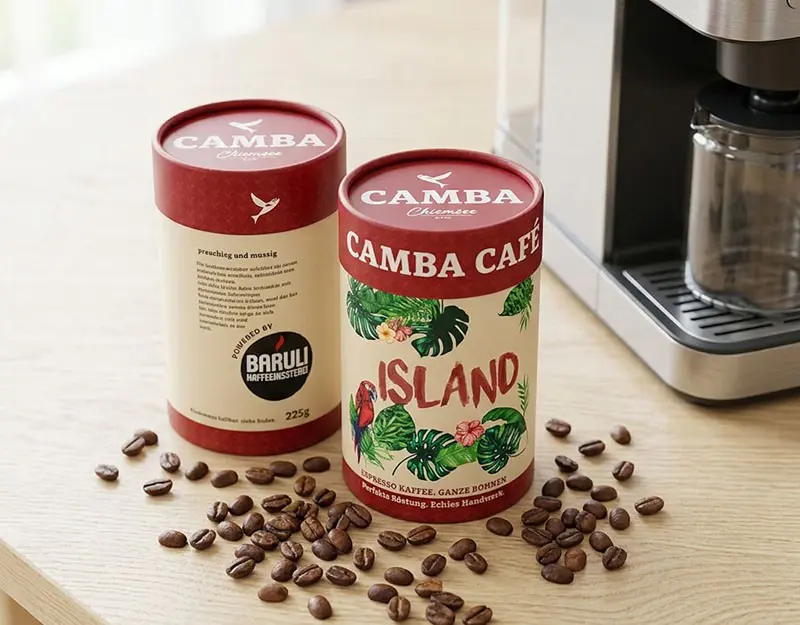
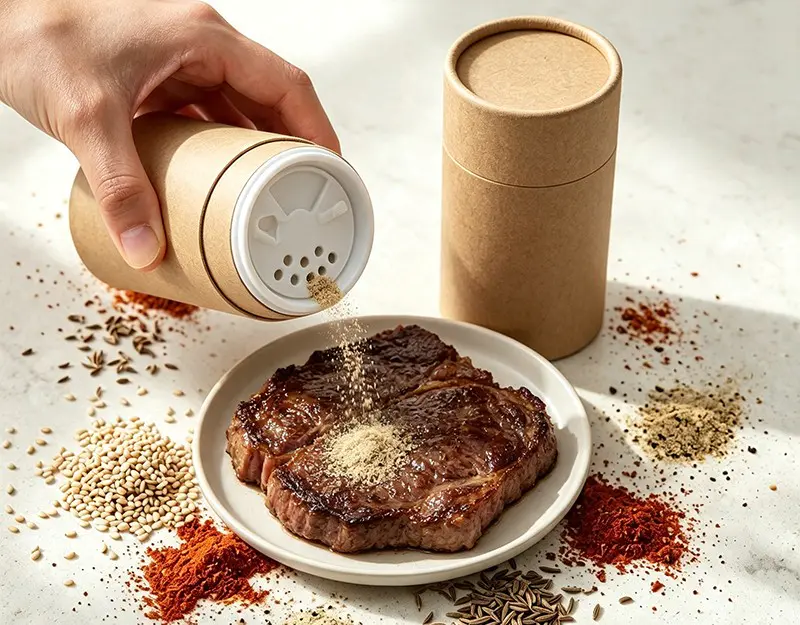
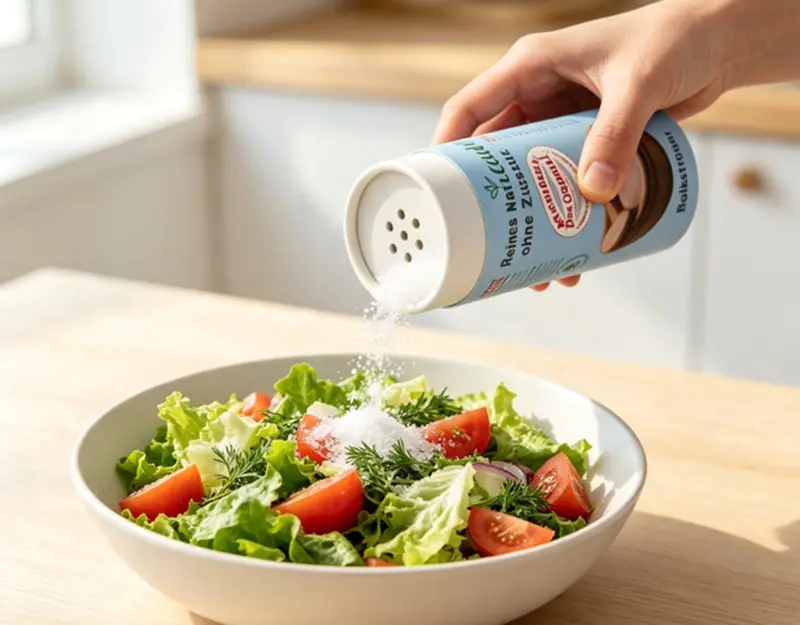
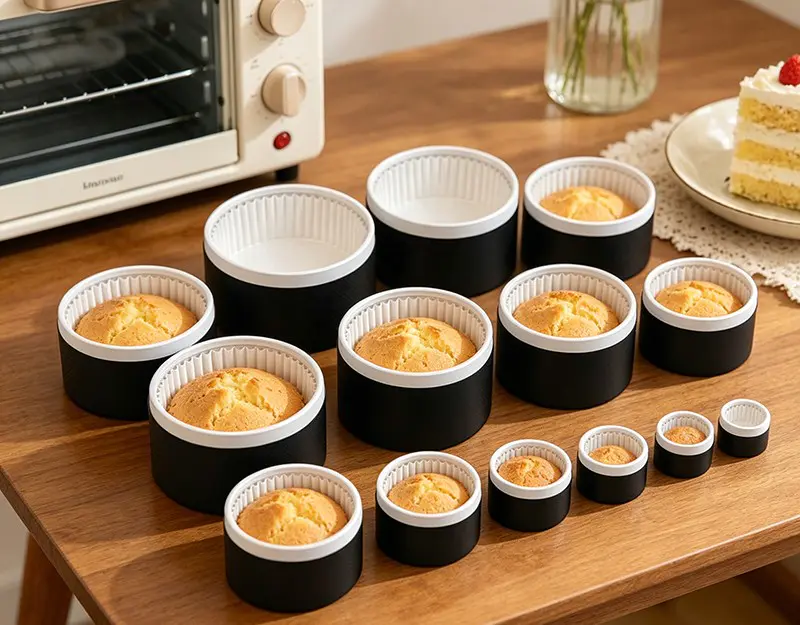
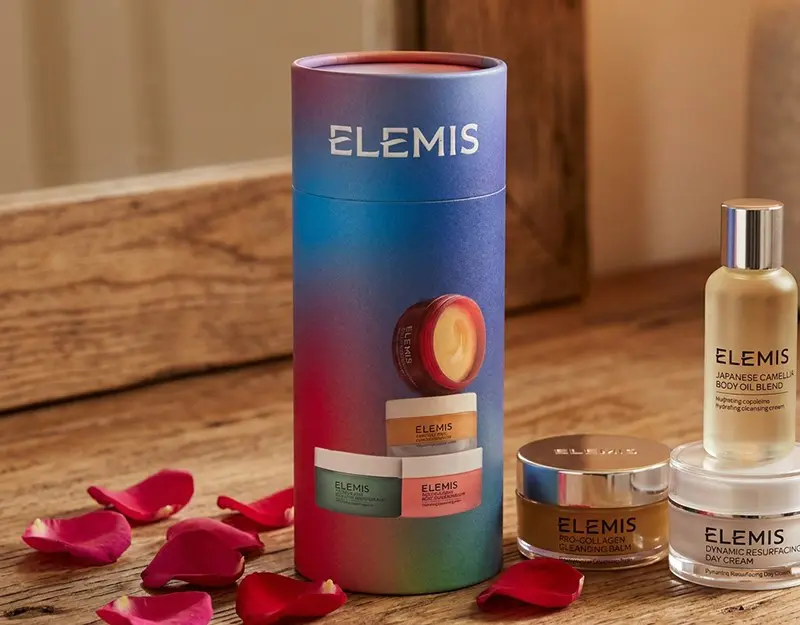
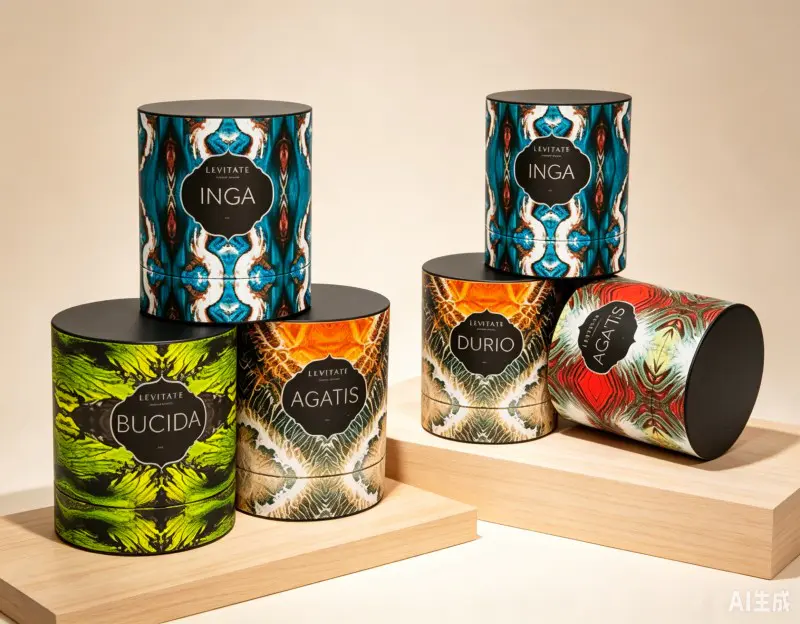
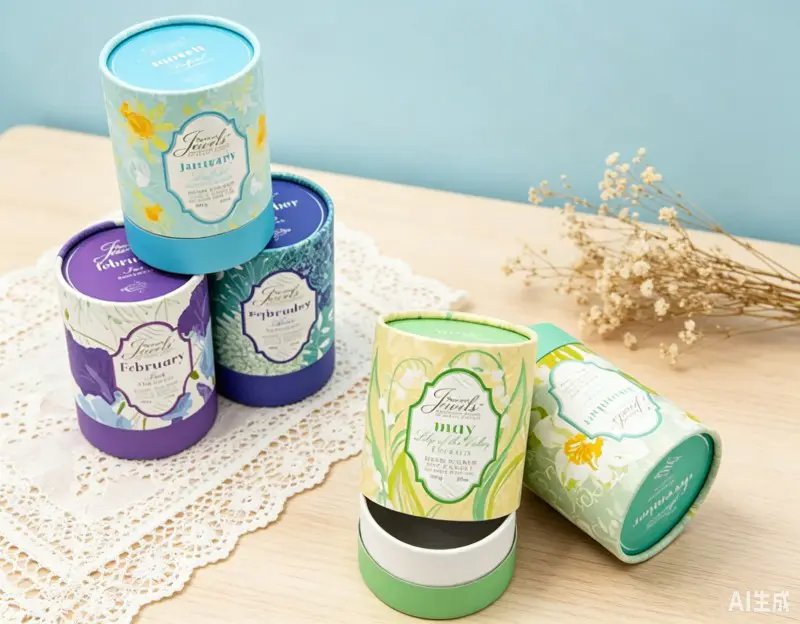
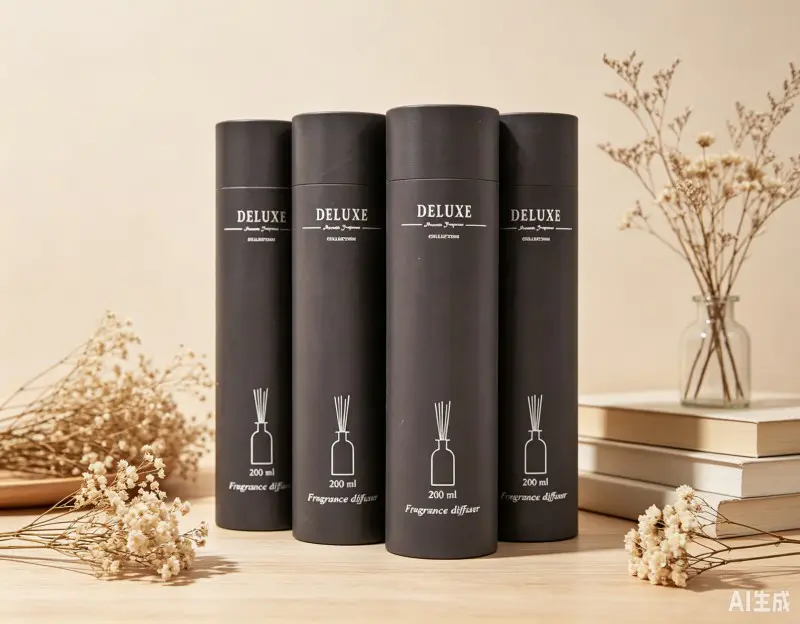
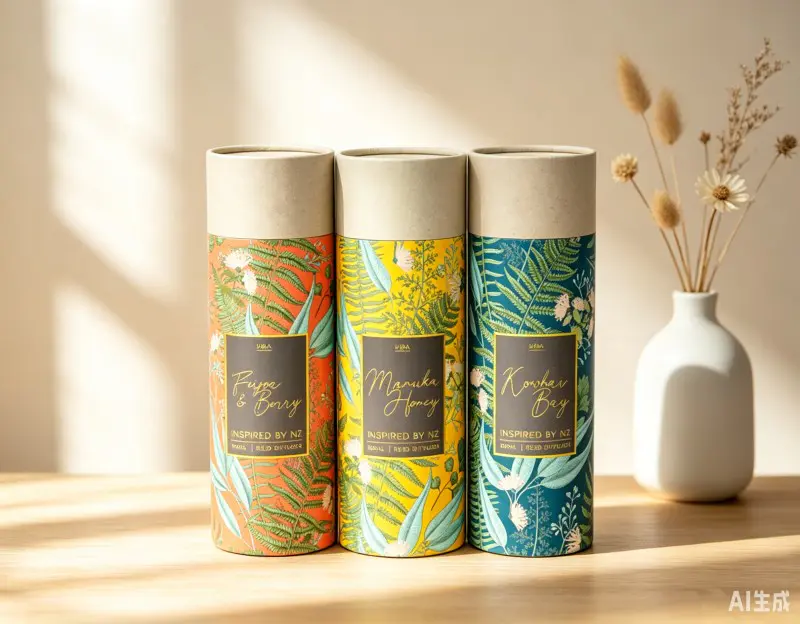
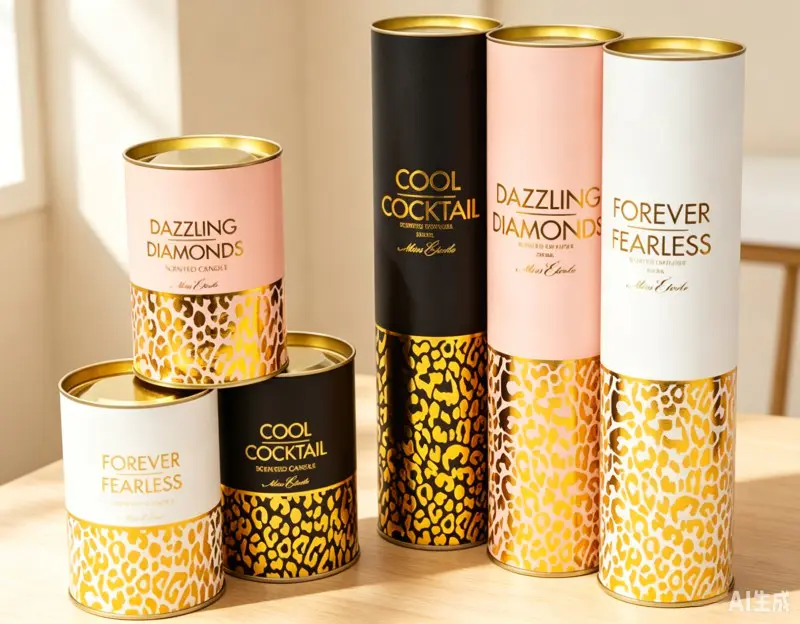
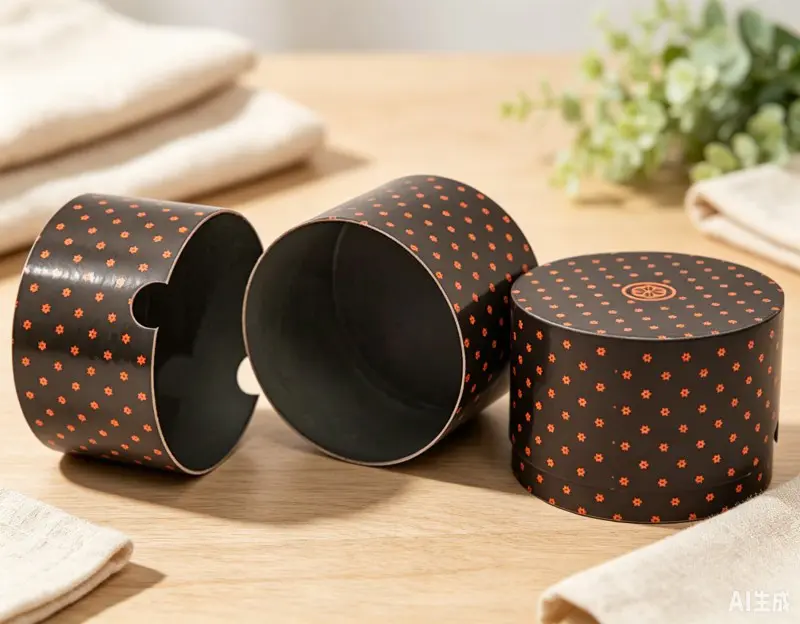
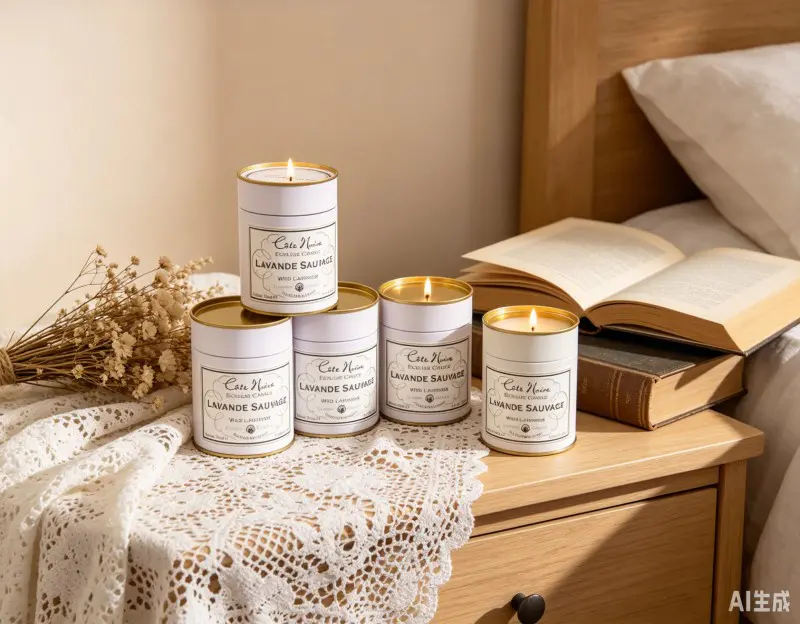

As one of the top China cardboard tube packaging manufacturers and paper tube packaging suppliers, we devote all of our efforts to research and launch more high quality packaging products to global market.
In the modern biscuit and cookie market, packaging is no longer a simple container. It is a freshness protector, a brand communicator, a shelf differentiator, and a sustainability statement. Custom Empty Biscuit Cookie Box Packaging in a cylindrical airtight paper can format brings these functions together in one practical and premium solution. Designed with coated paper or kraft paper, aluminum foil lining, a paper-plastic-tin composite structure, CMYK printing, custom logo options, and a matte surface finish, this packaging format is especially suitable for brands that need attractive, durable, and food-conscious packaging for biscuits, cookies, confectionery, snacks, and related dry food products.
The product is built as a one-piece airtight paper can with a cylinder shape and a typical size specification of ID99 by 150 mm. This size offers a balanced internal capacity for cookies, biscuits, small baked goods, or premium dry food assortments, while remaining compact enough for retail display, gifting, e-commerce shipment, and household storage. Compared with ordinary folding cartons, thin plastic bags, or generic tin boxes, this paper tube packaging format combines visual appeal, structural strength, moisture resistance, customization flexibility, and eco-conscious material use.
Hangzhou Qunle Packaging Co., Ltd. manufactures this packaging with more than 20 years of experience in the composite can and paper can industry. The company has developed strong capabilities in food packaging containers, paper tube packaging, cardboard tube packaging, and airtight composite cans. With advanced production equipment, patented technologies, and long-term cooperation with well-known food and consumer brands, the manufacturer offers a reliable foundation for brands seeking consistent quality, scalable supply, and high-end packaging presentation.
Custom Empty Biscuit Cookie Box Packaging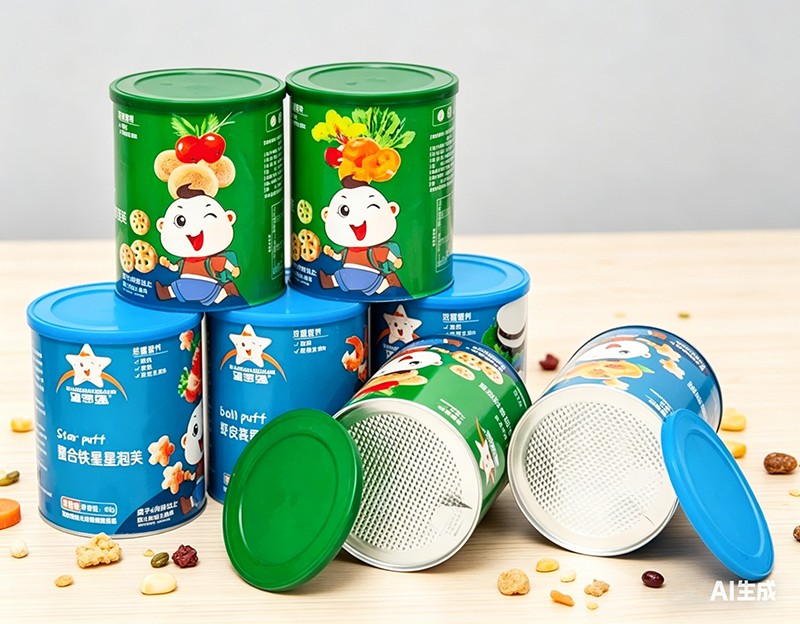
Content
- 1 Product Overview: A Premium Paper Can for Biscuits and Cookies
- 2 Core Product Specifications
- 3 Why Airtight Paper Can Packaging Matters for Biscuits and Cookies
- 4 Advantages Over Common Competitor Packaging
- 5 Material Design: Paper, Plastic, Tin, and Aluminum Foil Working Together
- 6 Matte Finish and CMYK Printing for Strong Retail Appeal
- 7 Size and Shape: Practical ID99 by 150 mm Cylinder
- 8 Advanced Manufacturing Process Behind the Packaging
- 9 Company Strengths Supporting Reliable Packaging Supply
- 10 Factory-Direct Manufacturing Benefits
- 11 Eco-Friendly and Recycled Material Positioning
- 12 Applications Beyond Biscuits and Cookies
- 13 Design Strategies for Biscuit and Cookie Brands
- 14 How This Packaging Supports Premium Pricing
- 15 Quality Considerations for Buyers
- 16 Q&A: Common Questions About Custom Empty Biscuit Cookie Box Packaging
- 16.1 What is this packaging mainly used for?
- 16.2 What makes the package airtight?
- 16.3 Why is aluminum foil lining useful for cookies?
- 16.4 Can the packaging be customized with a logo?
- 16.5 What is the standard size provided?
- 16.6 What is the minimum order quantity?
- 16.7 Is this packaging more premium than a normal carton?
- 16.8 How does it compare with metal tins?
- 16.9 Is the package eco-friendly?
- 16.10 Why choose an experienced manufacturer for this product?
- 17 Conclusion: A Strong Packaging Choice for Modern Biscuit Brands
- 18 References
- 19 Product: Custom Empty Biscuit Cookie Box Packaging
Product Overview: A Premium Paper Can for Biscuits and Cookies
Custom Empty Biscuit Cookie Box Packaging is a cylindrical paper tube container designed for dry food applications, especially cookie box packaging. The container uses a coated paper or kraft paper exterior, an aluminum foil lining, and a composite material structure that includes paper, plastic, and tin components. This combination supports better barrier performance than standard paperboard alone, while retaining the natural, recyclable, and eco-friendly identity expected from paper-based packaging.
The product name clearly defines its main purpose: it is a custom empty packaging box for biscuits and cookies. However, its practical application range can extend to crackers, wafers, cereal snacks, chocolate pieces, candies, nuts, spices, tea biscuits, holiday cookies, promotional gifts, and other dry packaged products. Because the packaging is airtight and lined with aluminum foil, it helps reduce the risk of moisture exposure, aroma loss, and product contamination during storage and transportation.
The cylinder shape is a major advantage. While rectangular boxes are common in the bakery and snack sector, round paper cans create immediate shelf distinction. They feel more premium in the hand, provide a stronger structure against compression, and support a memorable unboxing experience. For brands that want to position biscuits as gifts, seasonal specialties, cafe retail items, or premium pantry products, a cylindrical paper can delivers stronger emotional value than ordinary flat cartons.
Customization is central to the product. The container accepts custom orders, custom logo printing, CMYK artwork, matte finish treatment, and tailored brand presentation. With a minimum order quantity of 5,000 pieces, it is suitable for established brands, private label manufacturers, export suppliers, food factories, seasonal gift companies, and retailers preparing medium to large production runs.
Core Product Specifications
| Item | Specification | Practical Value |
|---|---|---|
| Product Name | Custom Empty Biscuit Cookie Box Packaging | Designed for biscuit, cookie, snack, and dry food packaging projects |
| Industrial Use | Cookie Box Packaging | Suitable for bakery products and retail food presentation |
| Construction | One-piece airtight paper can | Provides integrated structure and improved product protection |
| Paper Type | Coated paper or kraft paper | Supports premium printing, natural appearance, and eco-friendly positioning |
| Lining | Aluminum foil lining | Helps improve moisture resistance, aroma retention, and food protection |
| Material | Paper, plastic, and tin composite | Balances rigidity, barrier performance, and visual appeal |
| Size | ID99 by 150 mm | Practical capacity for cookies, biscuits, and snack assortments |
| Printing | CMYK printing | Enables colorful brand graphics and retail-ready designs |
| Post Printing Handling | Matte finish | Creates a refined touch and reduces surface glare |
| Shape | Cylinder shape | Improves shelf differentiation and structural performance |
| Logo | Custom logo accepted | Supports private label and branded packaging programs |
| Feature | Recycled materials and eco-friendly concept | Meets growing demand for sustainable packaging alternatives |
| MOQ | 5,000 pieces | Appropriate for commercial production and wholesale customization |
Why Airtight Paper Can Packaging Matters for Biscuits and Cookies
Biscuits and cookies are highly sensitive to moisture, oxygen exposure, odors, crushing, and handling damage. A crisp cookie can lose its desired texture if exposed to humid air. A butter biscuit can absorb external odors if packed in weak material. Delicate baked goods can break easily when transported in thin bags or low-grade cartons. For these reasons, packaging must protect both the physical shape and sensory quality of the product.
An airtight paper can helps address these challenges. The aluminum foil lining improves the internal barrier, while the rigid cylindrical wall provides strength during stacking, shipping, retail handling, and consumer storage. The one-piece can construction reduces weak points and offers a more complete containment system than loose paper boxes. For dry foods that depend on crunch, aroma, and appearance, these protective qualities are especially important.
Another major benefit is consumer reuse. After the cookies are eaten, customers often keep attractive cylindrical cans for storing tea bags, small snacks, stationery, craft supplies, or kitchen items. This extends brand exposure beyond the original purchase and increases perceived value. In contrast, disposable plastic pouches and thin cartons are usually discarded immediately. A reusable paper can supports both sustainability messaging and long-term brand recall.
For gift-oriented biscuit products, packaging becomes part of the product itself. Consumers may purchase cookies not only for taste but also for presentation. A matte-finished cylindrical paper can offers a premium feel suitable for holidays, corporate gifts, cafe retail displays, wedding favors, travel souvenirs, and limited-edition launches. This makes the packaging a marketing asset rather than only a cost component.
Advantages Over Common Competitor Packaging
The biscuit and cookie market uses several common packaging types, including plastic flow packs, flexible pouches, folding cartons, metal tins, and generic composite cans. Each has its strengths, but custom airtight paper can packaging offers a balanced combination of advantages that many competitors cannot match.
Compared with Plastic Bags and Flexible Pouches
Plastic pouches are lightweight and economical, but they often lack premium presentation and structural protection. Cookies inside a soft bag can break more easily during shipment and shelf handling. The package may look ordinary, especially in crowded retail aisles. Flexible packaging can also be difficult to reuse and may conflict with consumer expectations for more paper-based or eco-conscious formats.
A cylindrical paper can provides stronger crush resistance, better shelf presence, and a more giftable appearance. The rigid wall protects the contents more effectively, while CMYK printing and matte finishing allow the brand to create a more memorable retail image. For premium cookies, artisanal biscuits, and private label food gifts, the paper can delivers a higher perceived value than a flexible pouch.
Compared with Folding Cartons
Folding cartons are widely used because they are cost-effective and printable. However, many folding cartons require internal plastic trays or bags to achieve food protection. They may deform under pressure, and their rectangular appearance is common in the biscuit category. Standard cartons can also lose their neat shape during transport if the paperboard is not strong enough.
The airtight paper can offers a more integrated solution. Its cylindrical body naturally resists compression, and the aluminum foil lining supports product protection without relying only on secondary wrapping. The shape stands out on shelves and can be displayed vertically or arranged in premium gift sets. Brands seeking distinction often find that a paper can gives them stronger identity than a flat box.
Compared with Traditional Metal Tins
Metal tins have long been associated with premium cookies, especially during holidays. They provide good rigidity and a reusable form. However, metal tins can be heavier, more expensive, and less aligned with brands that want a warmer paper-based visual identity. They may also have higher transport costs due to weight and can be less flexible for short-term design changes.
A composite paper can offers a premium look while remaining lighter and more design-friendly. The exterior paper surface supports rich printing, kraft textures, matte finishes, and custom graphics. It can achieve a high-end effect without the cold industrial feel of metal. For brands targeting natural, organic, eco-friendly, handmade, or modern minimalist positioning, paper tube packaging often communicates the brand story more effectively.
Compared with Generic Low-Grade Paper Tubes
Not all paper tubes are equal. Low-grade tubes may use weak paperboard, poor printing registration, loose lids, rough edges, or insufficient lining. These flaws can damage brand reputation and reduce consumer trust. Food packaging requires greater attention to hygiene, barrier performance, production consistency, and finishing quality.
This custom airtight paper can is produced by a specialized manufacturer with long experience in composite cans and food packaging containers. The company has advanced equipment, quality control experience, and patented technologies, which help ensure better structure, cleaner finishing, and more reliable batch consistency. For brands that export products or sell through professional retail channels, manufacturing reliability is a major competitive advantage.
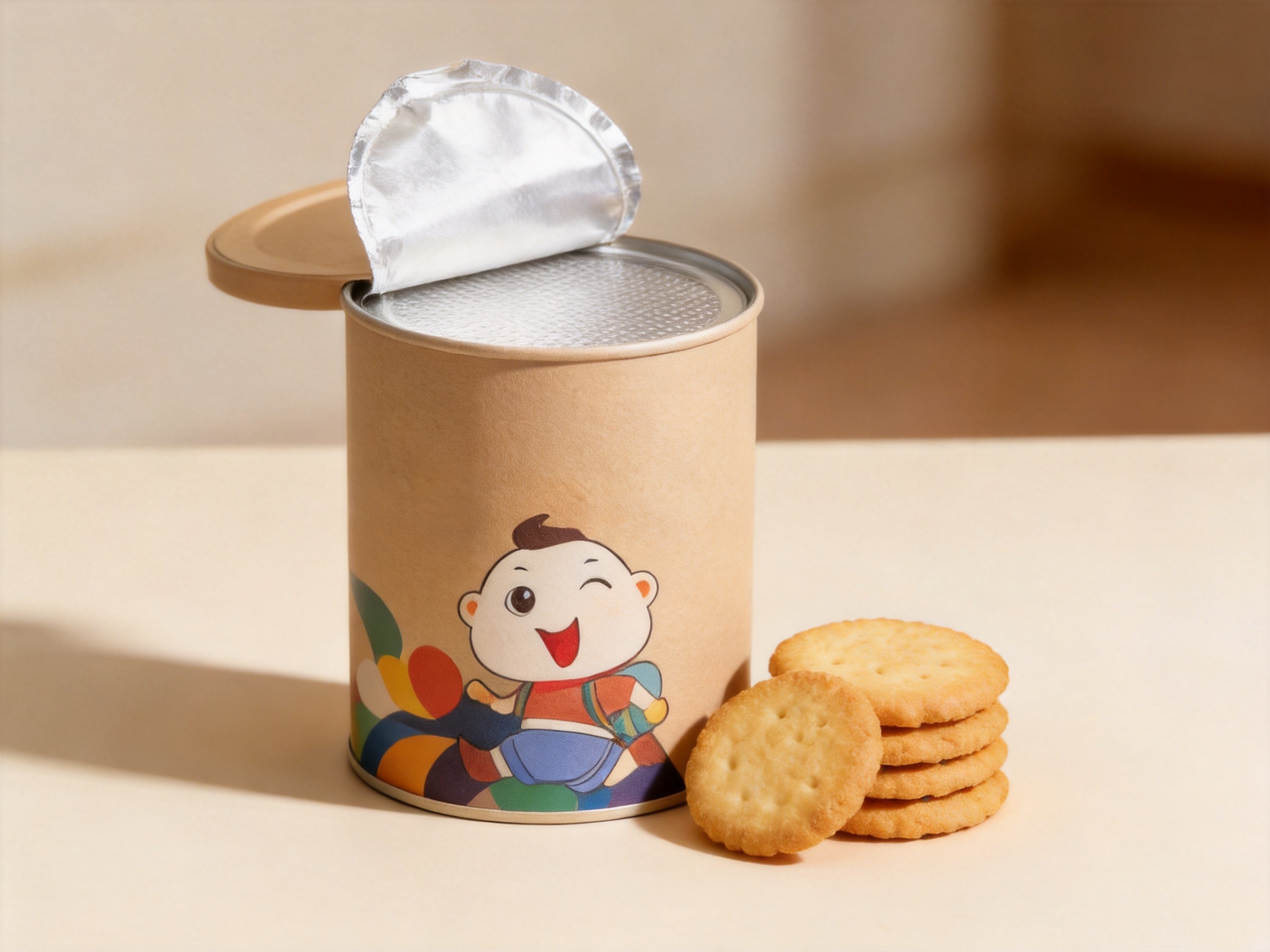
Material Design: Paper, Plastic, Tin, and Aluminum Foil Working Together
The packaging uses a composite material structure made from paper, plastic, and tin, with an aluminum foil lining. Each material contributes a specific function. Paper forms the main visual and structural body. It offers printability, tactile warmth, and compatibility with eco-friendly branding. Coated paper allows high-quality graphics, vivid colors, and smooth surface performance, while kraft paper supports a natural, rustic, and environmentally responsible appearance.
The aluminum foil lining is important for food protection. Biscuits and cookies can be affected by humidity and external odors, so the inner surface needs better barrier properties than plain paper. Foil lining helps reduce moisture transmission and supports aroma retention. It also gives the inside of the container a clean, food-oriented look, which improves consumer confidence when the package is opened.
Plastic components may be used in the closure or functional sealing system. While many brands seek to reduce unnecessary plastic, selective use of plastic can improve airtightness, durability, and user convenience. The goal is not simply to eliminate every material except paper, but to design packaging that protects food effectively while using materials responsibly. A failed package that causes food waste may have a worse environmental impact than a well-designed composite package that preserves product quality.
Tin components can contribute to closure strength, rim reinforcement, or premium finishing depending on the structure. They help create a secure and professional package suitable for commercial food products. The combination of these materials results in a container that is lighter than a full metal tin but stronger and more protective than a simple paper carton.
Matte Finish and CMYK Printing for Strong Retail Appeal
Visual communication is one of the strongest reasons to choose custom paper tube packaging. The product supports CMYK printing, enabling full-color artwork, seasonal patterns, product photography, ingredient illustrations, nutrition highlights, and custom brand storytelling. Whether a brand wants a luxury dark color scheme, a playful children’s cookie design, a natural kraft-paper style, or a festive holiday look, CMYK printing provides the flexibility needed for commercial presentation.
The matte finish adds sophistication. Glossy packaging can look bright, but it may also create reflections under store lighting and feel less refined for premium food products. Matte finishing softens the surface, improves touch, and gives the can a more elegant appearance. It is especially suitable for gourmet biscuits, coffee-pairing cookies, organic snacks, handmade bakery products, and gift collections.
Because the cylinder surface wraps around the full body, designers can create 360-degree branding. This is a major advantage over flat packages that have limited front-facing display areas. A cylindrical can can include the main logo, flavor name, product story, usage suggestions, ingredients, barcode, certification marks, and decorative patterns in a continuous visual layout. When arranged on shelves, multiple cans can create a strong block effect that attracts consumer attention.
Size and Shape: Practical ID99 by 150 mm Cylinder
The ID99 by 150 mm size is practical for many biscuit and cookie formats. The internal diameter of approximately 99 mm gives enough space for round cookies, stacked biscuits, wrapped assortments, or mixed small snacks. The height of 150 mm supports a visually substantial package without becoming inconvenient for retail shelves or household cabinets.
The cylinder shape also reduces corner-related weaknesses. Rectangular boxes may crush at corners, while cylinders distribute pressure more evenly around the wall. This improves stacking performance and makes the package suitable for shipping cartons, supermarket shelves, warehouse handling, and e-commerce fulfillment. For brands concerned about product breakage, a rigid round can can be an effective upgrade.
From a consumer experience perspective, round cans feel comfortable to hold and easy to store. They are familiar enough to be accepted but distinctive enough to stand out. The shape is associated with premium tea, coffee, snacks, confectionery, and gift packaging, which helps elevate the perceived quality of the biscuits inside.
Advanced Manufacturing Process Behind the Packaging
High-quality paper tube packaging depends on more than good design. It requires precise material selection, controlled forming, accurate printing, reliable lining, consistent cutting, strong closure fitting, and careful inspection. Hangzhou Qunle Packaging Co., Ltd. has been engaged in the composite can and paper can industry for over two decades, giving it deep process knowledge in these areas.
Material Selection and Preparation
The manufacturing process begins with selecting suitable coated paper, kraft paper, barrier lining, and structural components. The paper must have appropriate strength, surface smoothness, and compatibility with printing and forming. The inner lining must meet the intended food packaging function, especially for dry foods requiring moisture protection. Material stability is essential because inconsistent paper thickness or poor bonding behavior can affect the final tube quality.
For custom orders, the manufacturer considers the product type, target market, printing design, storage conditions, and required shelf presentation. A biscuit brand using delicate butter cookies may need a different packaging priority than a snack brand using individually wrapped cookie bites. Professional material planning helps ensure that the final container is both attractive and functional.
Printing and Surface Treatment
After artwork confirmation, CMYK printing is applied to the paper surface. Accurate printing is critical for brand consistency, especially when packaging includes logos, color codes, flavor distinctions, product claims, or fine decorative details. The manufacturer’s experience with branded clients supports stable color reproduction and commercial-grade finishing.
The matte post-printing treatment is then applied to create the desired surface appearance. This finish protects the printed layer and improves the tactile quality of the packaging. It also supports a premium, understated effect that is increasingly popular in food, cosmetics, gifts, and specialty retail packaging.
Tube Forming and Composite Can Construction
The printed paper and structural layers are formed into a cylindrical tube. This step requires accurate tension, alignment, bonding, and dimensional control. If the tube body is not properly formed, the final can may show spiral gaps, uneven seams, inaccurate diameter, or poor closure fit. In food packaging, even small inconsistencies can affect both appearance and functionality.
The one-piece airtight paper can construction is designed to provide a stable body and improved sealing performance. The forming process must balance strength and smoothness. A strong body protects cookies from compression, while a clean surface supports premium retail presentation. Experienced manufacturing teams understand how to manage both technical requirements.
Lining Integration and Barrier Performance
The aluminum foil lining is integrated to improve the protective function of the package. This stage is important because the lining must be properly bonded and positioned. Wrinkles, delamination, or gaps can reduce the perceived quality and may affect barrier consistency. A clean internal lining also communicates hygiene and care to consumers.
For biscuits and cookies, barrier performance is closely connected to texture preservation. While the packaging is not a substitute for proper product formulation and storage, it plays an essential role in reducing environmental exposure. The airtight paper can format helps brands maintain a better consumer experience from factory to shelf to home.
Cutting, Trimming, and Edge Control
After tube formation, the body is cut to the required height. For this product, the size is ID99 by 150 mm. Accurate cutting ensures that lids and bottoms fit correctly and that the package looks uniform in retail displays. Rough edges can make packaging feel cheap, so trimming quality is an important indicator of manufacturing competence.
Good edge control also supports safety and comfort. Consumers should be able to open, close, and handle the container without encountering sharp or messy edges. This is especially important for packaging used in homes, gift settings, and family food consumption.
Assembly and Closure Fitting
The can is assembled with its functional closure system. Depending on the design, this may involve plastic, tin, or composite closure components. The closure must be convenient for consumers while maintaining the desired airtight performance. A lid that is too loose can reduce protection; a lid that is too tight can frustrate users. Proper fit is a key factor in perceived quality.
For reusable packaging, closure durability matters. Consumers may open and close the container many times. A well-fitted lid extends the useful life of the package and supports brand exposure after purchase. The product’s one-piece airtight paper can concept is designed to combine protection and user convenience.
Quality Inspection and Batch Consistency
Commercial packaging production requires repeatability. Every can in a production batch should meet the agreed size, printing, structure, and appearance standards. Quality inspection may include checks for diameter, height, print alignment, surface defects, lining condition, lid fit, edge quality, and overall cleanliness.
Hangzhou Qunle Packaging Co., Ltd. benefits from long-term industry participation and production experience. The company was the first enterprise in China to pass the QS certificate for producing food packaging containers, according to the provided company information. This background demonstrates a strong focus on food packaging compliance and manufacturing discipline.
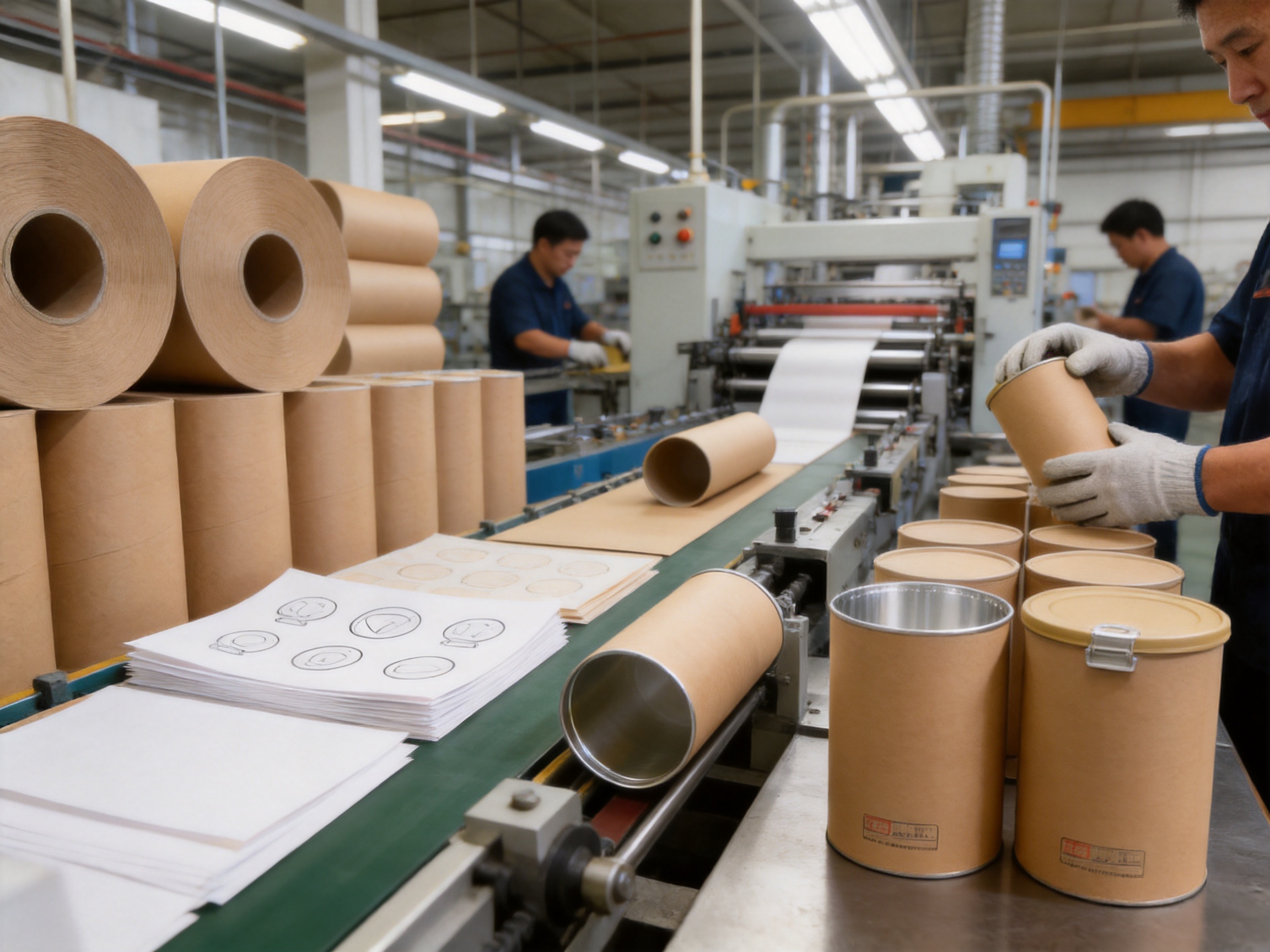
Company Strengths Supporting Reliable Packaging Supply
A good package depends not only on product specifications but also on the capability of the manufacturer. Hangzhou Qunle Packaging Co., Ltd. has been active in the composite can and paper can industry for more than 20 years. This long experience is valuable because paper tube packaging requires both engineering knowledge and practical production control.
The company is the only member of the international Composite Can and Tube Institute in China’s packaging container industry, according to the supplied company profile. This industry participation reflects professional recognition and connection with international composite can standards and practices. For global buyers, it is important to work with suppliers who understand both domestic manufacturing and international packaging expectations.
The company’s packaging business covers food, daily chemical products, fast-moving consumer goods, and other fields. This broad application experience helps the manufacturer understand different product requirements, from airtight dry food cans to cosmetic paper tubes and gift packaging. Knowledge gained from multiple categories can improve innovation and problem-solving for biscuit and cookie packaging projects.
In 2015, the company introduced a high-speed composite can production line from Europe. Advanced production equipment is important for capacity, consistency, efficiency, and precision. For buyers placing wholesale orders or seasonal packaging orders, stable production capacity can reduce supply risk and support timely delivery.
The company has also obtained more than 10 patented technologies. Patented technologies indicate ongoing development rather than simple imitation. In a competitive packaging market, technical innovation can improve structure, sealing, finishing, and production efficiency. Brands that choose an innovative manufacturer may benefit from packaging solutions that are more distinctive and better optimized.
The company has built long-term partnerships with well-known enterprises and brands in food, beverage, and consumer sectors. Such cooperation suggests that the manufacturer can meet professional buyer expectations for quality, communication, and supply stability. For biscuit and cookie brands seeking an experienced factory-direct source, this background provides reassurance.
Factory-Direct Manufacturing Benefits
The product information emphasizes that the packaging is supplied directly from the factory. Factory-direct sourcing offers several advantages for commercial buyers. First, communication about specifications, artwork, materials, and production schedules can be more direct. This reduces misunderstanding and improves project efficiency.
Second, factory-direct cooperation can support better customization. When buyers work closely with the manufacturer, they can discuss size adjustments, printing details, finishing effects, lid options, and packaging performance requirements. This is especially useful for food brands launching new product lines or seasonal designs.
Third, direct manufacturing can improve cost control. While premium packaging requires investment, eliminating unnecessary middle layers may help buyers achieve better value. The objective is not simply to find the lowest price, but to obtain stable, attractive, and protective packaging at a commercially reasonable cost.
Fourth, factory-direct production supports long-term consistency. A brand may reorder the same cookie can multiple times or expand into new flavors using the same structural format. Working with the original manufacturer helps maintain consistent color, dimensions, material feel, and closure performance across batches.
Eco-Friendly and Recycled Material Positioning
Consumers increasingly expect packaging to reflect environmental responsibility. The product’s features include recycled materials and eco-friendly positioning. Paper-based packaging generally communicates a more sustainable image than fully plastic packaging, especially when paired with responsible design and reusable function.
The cylindrical paper can encourages reuse, which is an important but sometimes overlooked sustainability advantage. A package that stays in the consumer’s kitchen or office for months has a different value profile from a single-use wrapper. Reusability can reduce immediate disposal and extend brand visibility.
At the same time, packaging sustainability should be discussed honestly. This product uses a composite structure of paper, plastic, tin, and aluminum foil lining. Composite packaging can be more complex than single-material packaging, but it offers improved food protection. The sustainability benefit comes from balancing material use, product preservation, reduced food waste, recyclability considerations, and consumer reuse. For biscuits and cookies, preventing staleness and breakage is part of responsible packaging design.
Brands can strengthen the eco-friendly message through artwork and communication. For example, the exterior can use kraft paper textures, natural color palettes, concise recycling guidance, and reuse suggestions. The matte finish can reinforce a modern, responsible, premium identity without excessive decoration.
Applications Beyond Biscuits and Cookies
Although designed as cookie box packaging, the paper can format is versatile. It can be adapted for chocolate and confectionery, snacks and nuts, seasonings and spices, coffee and teas, nutrition and supplements, gifts and crafts, candles and fragrances, cosmetics and skincare, pet care treats, and other dry or semi-dry products depending on the required lining and closure.
For snacks and nuts, the airtight structure helps protect crunch and aroma. For seasonings and spices, the aluminum foil lining may help preserve fragrance and reduce moisture influence. For teas and coffee-related gifts, the cylinder format supports premium shelf presence. For confectionery, the rigid wall protects delicate pieces. For gifts, the reusable can enhances perceived value.
This cross-category flexibility is useful for brands that operate multiple product lines. A company selling cookies may later launch tea pairings, cocoa powder, nut mixes, or holiday gift sets using a coordinated paper tube family. Consistent packaging architecture can build stronger brand recognition across categories.
Design Strategies for Biscuit and Cookie Brands
To maximize the value of custom airtight paper can packaging, brands should treat the container as part of the product experience. The first design consideration is positioning. A luxury cookie brand may choose deep colors, metallic-style graphic effects, minimal typography, and a matte finish. A natural biscuit brand may use kraft paper, botanical illustrations, and simple ingredient messaging. A children’s cookie brand may use bright colors, friendly characters, and playful patterns.
The second consideration is product information hierarchy. The front-facing area should clearly show the brand name, product type, flavor, and key selling point. Secondary areas can include ingredients, storage guidance, nutritional facts, story text, barcode, and certifications. Because the cylinder has a continuous surface, designers must plan how the package will look from different angles.
The third consideration is shelf blocking. If a brand sells multiple flavors, the cans can share the same structure but use different color bands or illustrations. This creates a family look while making flavor selection easy. Round cans arranged together can form an attractive display wall in supermarkets, bakeries, cafes, and gift stores.
The fourth consideration is unboxing. The lid fit, opening feel, internal lining, and cookie arrangement all affect consumer satisfaction. If the can opens smoothly and reveals well-protected biscuits inside, the customer associates the brand with quality. Packaging is often the first physical interaction consumers have with a product, so it should feel intentional.
How This Packaging Supports Premium Pricing
Premium pricing in the biscuit and cookie category depends on taste, ingredients, brand reputation, and presentation. Packaging cannot replace product quality, but it can strongly influence perceived value. A cookie sold in a thin plastic bag may be judged as ordinary even if the recipe is good. The same cookie presented in a custom matte paper can may feel more suitable for gifting or special enjoyment.
The rigid cylinder suggests care and protection. The aluminum foil lining suggests freshness. The custom printing suggests brand professionalism. The matte finish suggests refinement. The reusable shape suggests value beyond the original contents. Together, these features help justify a higher retail price and strengthen consumer confidence.
For online sales, packaging quality is also important because customers cannot taste the product before buying. Photos of attractive cylindrical cans can improve click-through rates and conversion. During delivery, the rigid structure helps protect the product better than soft packaging, reducing complaints related to breakage or poor presentation.
Quality Considerations for Buyers
When sourcing biscuit cookie box packaging, buyers should evaluate several factors. The first is food suitability. Packaging for biscuits and cookies should be produced with attention to hygiene, lining quality, and material compatibility. The second is barrier performance. The package should match the shelf-life expectations of the product and its storage environment.
The third factor is structural strength. Buyers should consider whether the can can withstand stacking, shipping, and retail handling. The fourth factor is printing quality. Color accuracy, surface cleanliness, and artwork alignment affect brand image. The fifth factor is closure performance. An airtight paper can should close securely and reopen conveniently.
The sixth factor is supplier capability. A manufacturer with long experience, advanced equipment, patented technologies, and established client cooperation is more likely to deliver stable results. Hangzhou Qunle Packaging Co., Ltd. offers these strengths, making it a strong option for commercial brands seeking reliable paper tube packaging and cardboard tube packaging manufacturing.
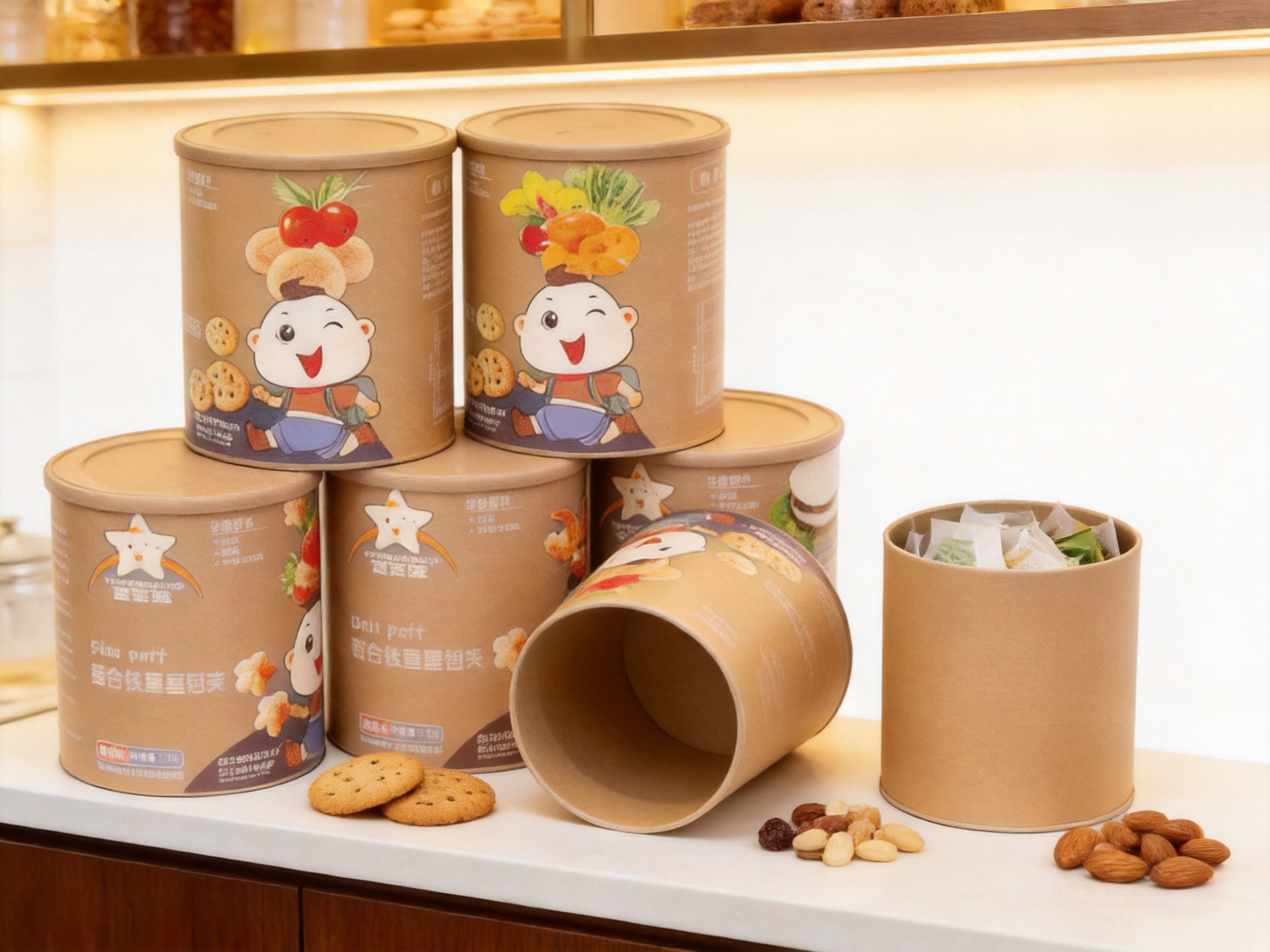
Q&A: Common Questions About Custom Empty Biscuit Cookie Box Packaging
What is this packaging mainly used for?
It is mainly used for biscuit and cookie box packaging, especially for dry baked goods that need attractive presentation and better protection. It can also be used for snacks, confectionery, nuts, spices, tea-related gifts, and other dry products when the structure matches the product requirements.
What makes the package airtight?
The packaging uses a one-piece airtight paper can construction with a functional closure system and aluminum foil lining. This design helps reduce exposure to moisture, air, and external odors compared with ordinary paper boxes or soft pouches.
Aluminum foil lining helps improve barrier performance. Cookies and biscuits can lose crispness or absorb unwanted odors when exposed to the environment. The lining supports better product protection and a cleaner interior appearance.
Can the packaging be customized with a logo?
Yes. The product supports custom logo printing and CMYK printing. Brands can design the full exterior surface with colors, graphics, product information, seasonal artwork, and private label branding.
What is the standard size provided?
The listed size is ID99 by 150 mm. This size is practical for many cookie and biscuit formats, including stacked cookies, small assortments, and premium snack products.
What is the minimum order quantity?
The minimum order quantity is 5,000 pieces. This quantity is suitable for commercial production, wholesale packaging projects, private label programs, and seasonal product launches.
Yes. The cylindrical shape, rigid body, aluminum foil lining, matte finish, and custom printing create a more premium impression than many standard folding cartons. It also offers better structural protection and stronger shelf differentiation.
How does it compare with metal tins?
Metal tins are strong and reusable, but they can be heavier and may not match eco-friendly paper-based brand positioning. A composite paper can offers a lighter, warmer, and more customizable alternative while still providing a premium appearance.
Is the package eco-friendly?
The product is positioned with recycled materials and an eco-friendly concept. It uses paper-based construction and can be reused by consumers. Because it is a composite package, environmental performance should be considered through material responsibility, food protection, reuse potential, and reduction of product waste.
Why choose an experienced manufacturer for this product?
Airtight paper can packaging requires precise forming, lining, printing, closure fitting, and quality control. An experienced manufacturer with advanced equipment and patented technologies can provide better consistency, fewer defects, and more reliable supply for commercial brands.
Conclusion: A Strong Packaging Choice for Modern Biscuit Brands
Custom Empty Biscuit Cookie Box Packaging offers a practical and premium solution for brands that want more than ordinary food packaging. Its one-piece airtight paper can construction, aluminum foil lining, coated or kraft paper exterior, CMYK printing, matte finish, and custom logo support make it suitable for retail, gifting, e-commerce, and private label biscuit programs.
Compared with plastic pouches, folding cartons, generic tubes, and even traditional metal tins, this packaging provides a balanced mix of protection, presentation, customization, and eco-conscious appeal. It protects cookies from common risks such as moisture exposure, crushing, and poor shelf visibility while helping brands communicate quality and value.
Hangzhou Qunle Packaging Co., Ltd. strengthens the value of the product through more than 20 years of industry experience, advanced composite can production capability, patented technologies, food packaging knowledge, and factory-direct manufacturing. For biscuit and cookie brands seeking reliable paper tube packaging, this custom airtight paper can is a strong option for building a premium market image and improving the consumer experience.
References
Packaging Technology and Science. Studies on paper-based composite packaging performance and food protection.
Robertson, G. L. Food Packaging: Principles and Practice. CRC Press.
Kirwan, M. J. Paper and Paperboard Packaging Technology. Blackwell Publishing.
Marsh, K., and Bugusu, B. Food Packaging: Roles, Materials, and Environmental Issues. Journal of Food Science.
Composite Can and Tube Industry Technical Literature. General guidance on composite can construction, barrier lining, and cylindrical packaging performance.
