 English
 Español


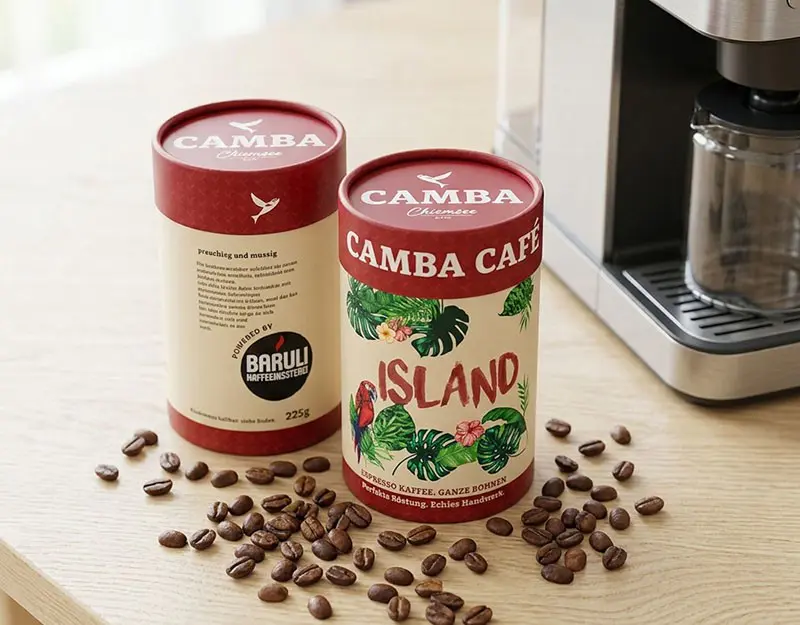
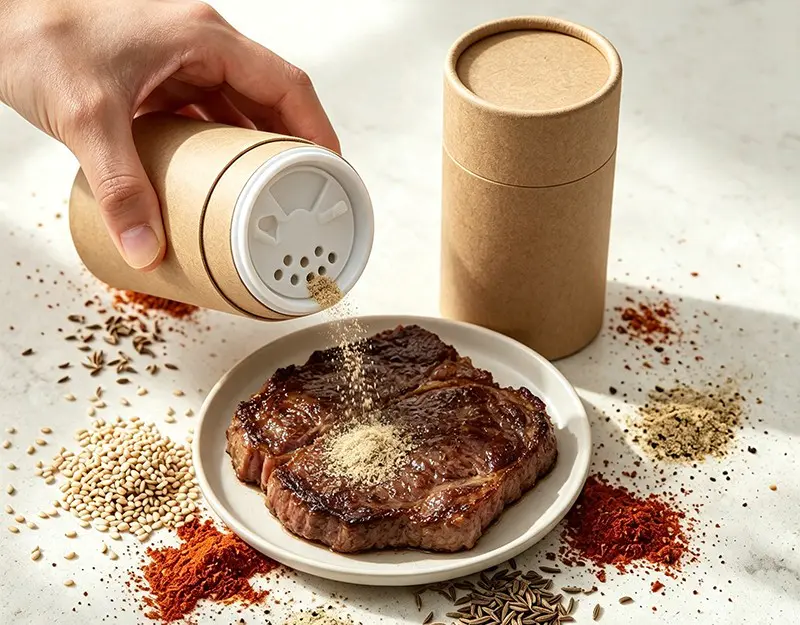
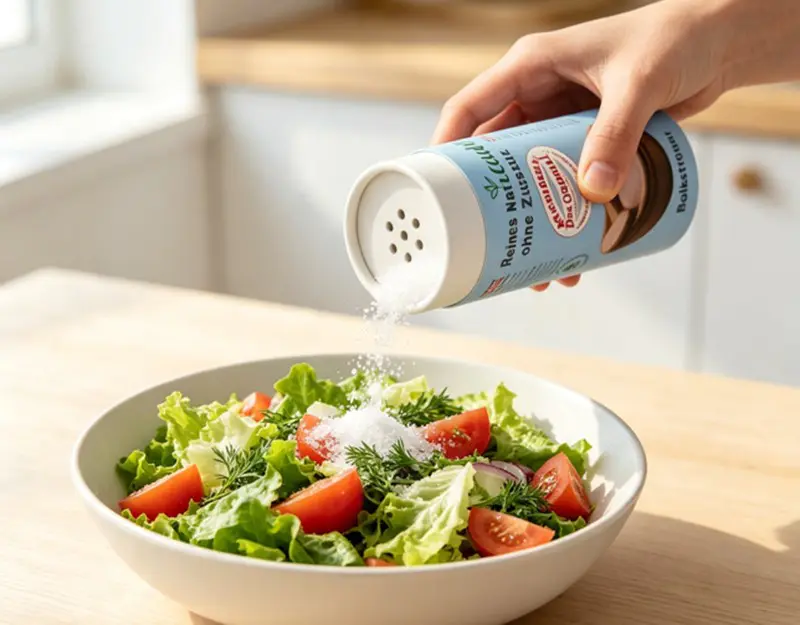
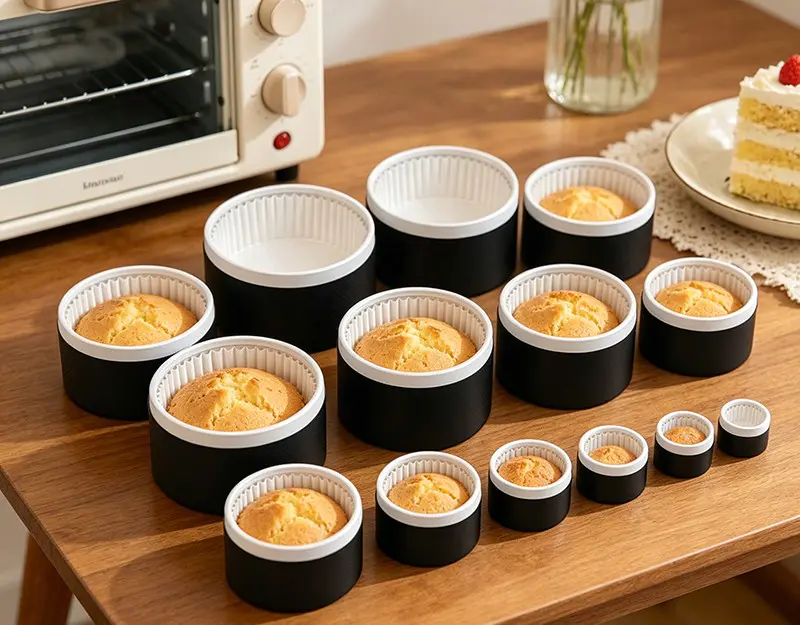

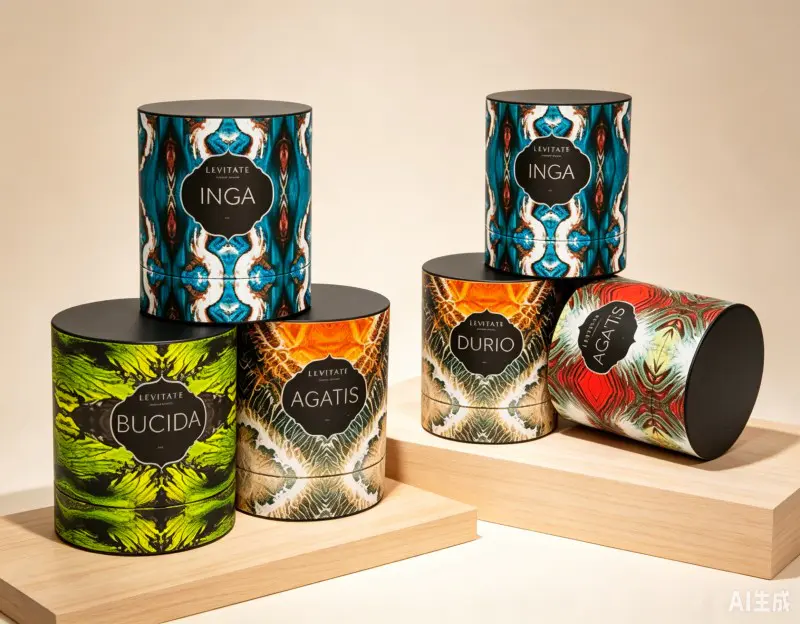
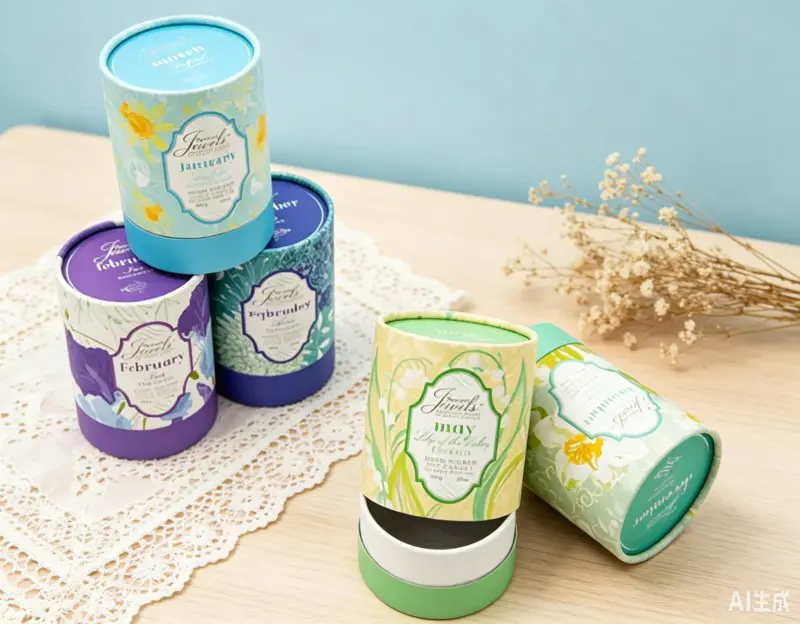
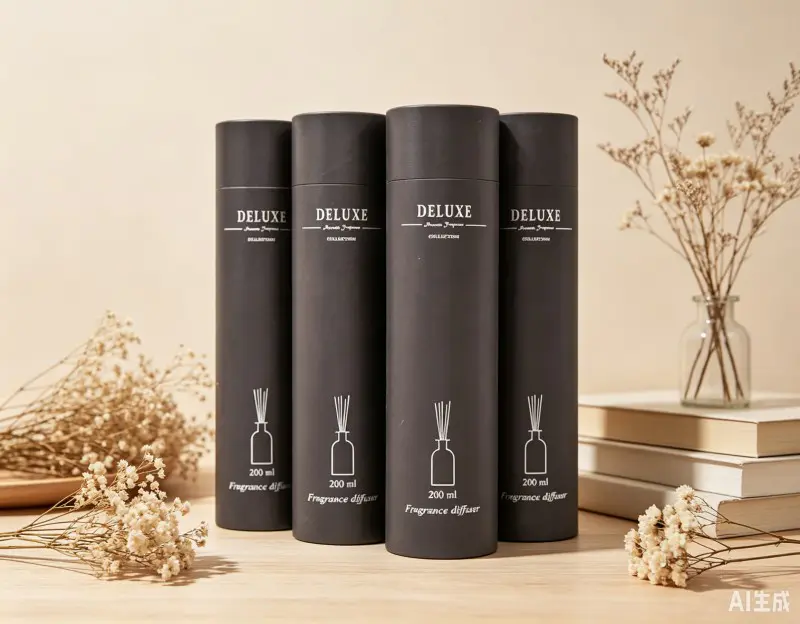
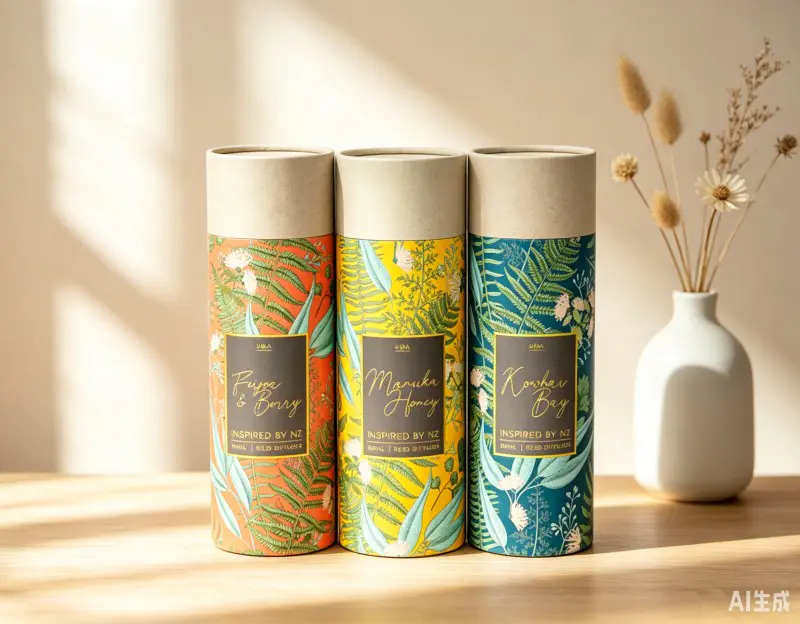
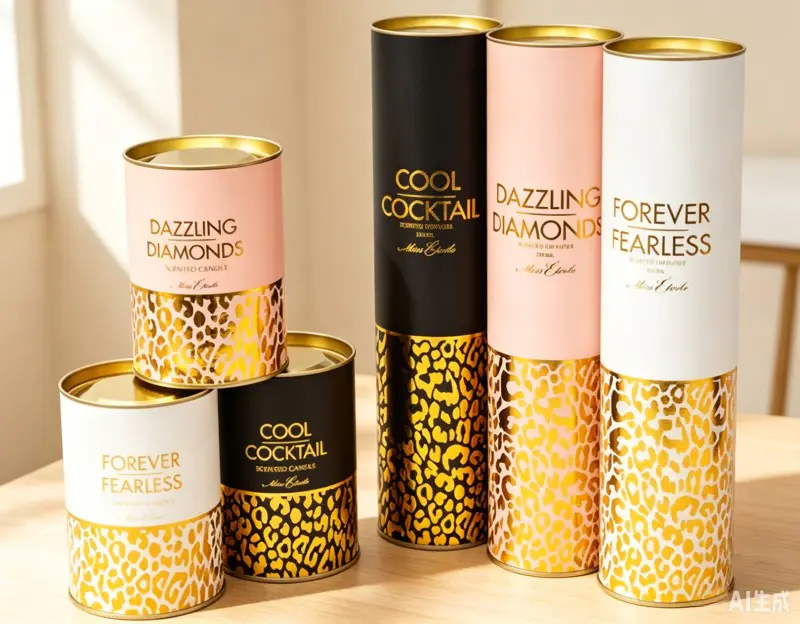
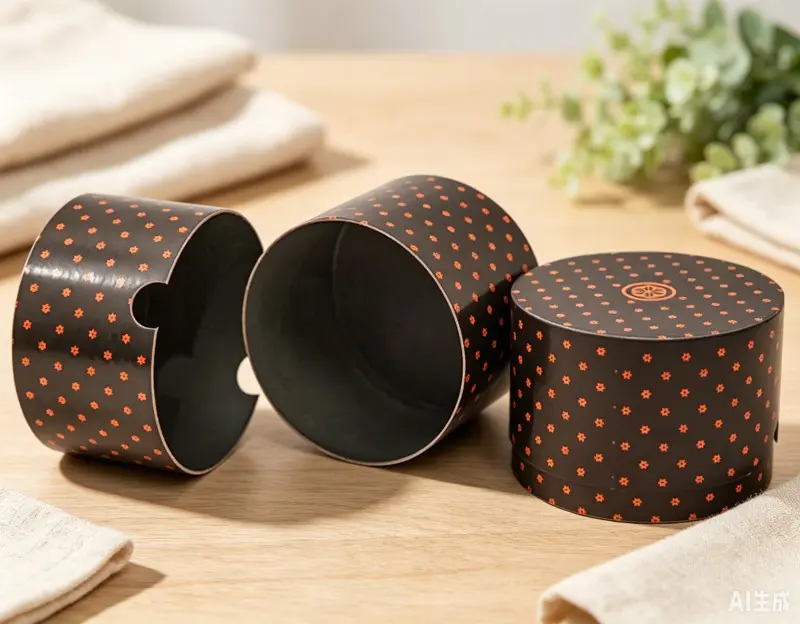
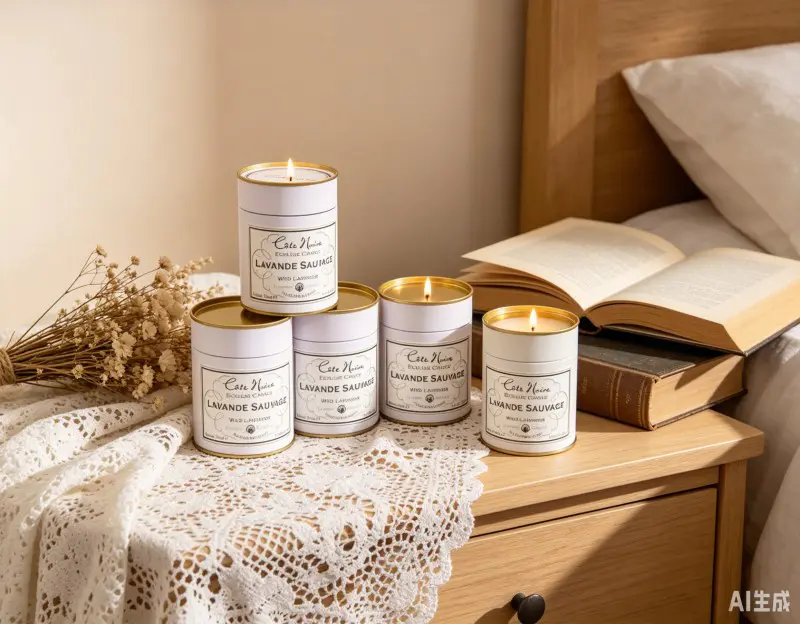

As one of the top China cardboard tube packaging manufacturers and paper tube packaging suppliers, we devote all of our efforts to research and launch more high quality packaging products to global market.
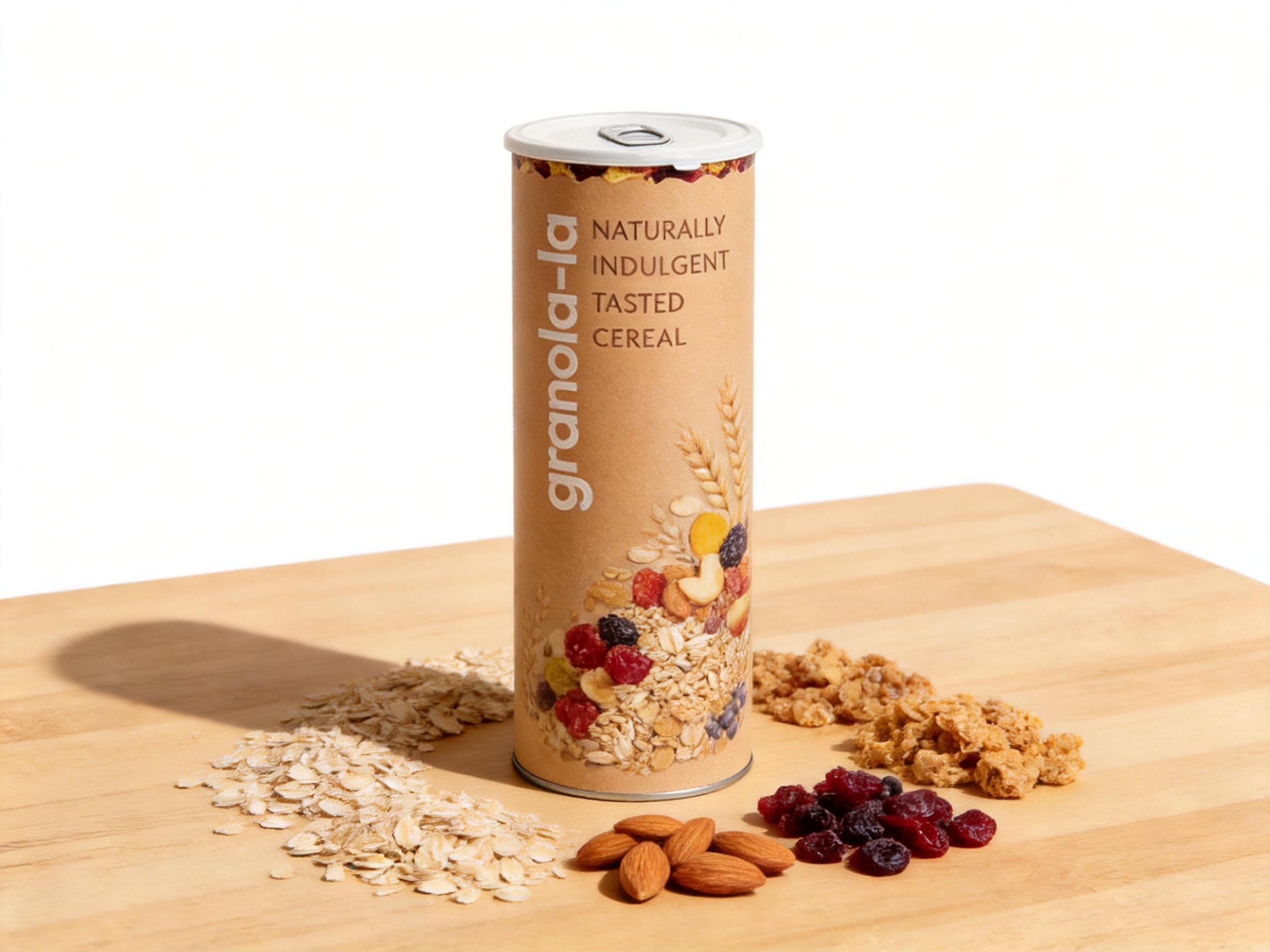
Modern cereal packaging must do more than hold a product. It must protect food quality, communicate a brand’s identity, support efficient logistics, and provide a convenient experience for consumers. The custom food-grade cylindrical barrier paper can with POE seal lid is designed to meet these demands in a single packaging format. Developed for muesli, cereal, granola, and related dry foods, this paper can combines a rigid cylindrical structure, a kraft paper core, a printed exterior, and a protective POE seal lid.
Compared with ordinary paper boxes, thin flexible pouches, and conventional plastic containers, the cylindrical paper can offers a distinctive balance of structure, presentation, customization, and responsible material use. Its round profile gives products a premium appearance on retail shelves, while its composite construction helps support protection against the environmental conditions that can affect dry food quality. The format can also be adapted to different dimensions, print designs, closure specifications, and labeling requirements.
For food brands seeking packaging that is visually memorable and commercially practical, this type of paper can provides a strong platform. It can be used for muesli cereal, oat mixes, granola, cereal clusters, snacks, nuts, seeds, powdered foods, and other dry products. The packaging is particularly suitable for brands that want to combine an artisanal or premium appearance with scalable manufacturing and reliable product protection.

Custom LOGO Food Grade Cylindrical Barrier Paper Can with POE Seal Lid for Muesli Cereal
Content
- 1 1. Product Overview
- 2 2. Why Cylindrical Paper Packaging Suits Muesli and Cereal
- 3 3. Main Advantages Over Conventional Packaging
- 4 4. Manufacturing Strengths and Technical Capabilities
- 5 5. Printing, Finishing, and Brand Presentation
- 6 6. Food Safety and Quality Considerations
- 7 7. Manufacturing Workflow for a Custom Paper Can
- 7.1 Step 1: Product and Packaging Consultation
- 7.2 Step 2: Structural Design
- 7.3 Step 3: Material Selection
- 7.4 Step 4: Artwork and Prepress
- 7.5 Step 5: Forming and Composite Can Production
- 7.6 Step 6: Printing and Surface Finishing
- 7.7 Step 7: Lid Matching and Quality Inspection
- 7.8 Step 8: Packing and Shipment
- 8 8. Applications Beyond Muesli Cereal
- 9 9. Sustainability and Responsible Packaging Decisions
- 10 10. How the Product Compares with Alternative Formats
- 11 11. Commercial Benefits for Food Brands
- 12 12. Recommended Buyer Evaluation Checklist
- 13 13. Why an Experienced Composite Can Supplier Matters
- 14 14. Frequently Asked Questions
- 14.1 Q1: What products can be packed in this cylindrical paper can?
- 14.2 Q2: Is the paper can food grade?
- 14.3 Q3: What is the function of the POE seal lid?
- 14.4 Q4: Can the can be customized with a logo?
- 14.5 Q5: Is the package airtight?
- 14.6 Q6: Can the package be used for products containing nuts or oils?
- 14.7 Q7: What printing methods are available?
- 14.8 Q8: Does the cylindrical shape make filling more difficult?
- 14.9 Q9: Is the paper can recyclable?
- 14.10 Q10: What makes this package different from a regular paper tube?
- 14.11 Q11: Can the same design be used for several cereal flavors?
- 14.12 Q12: What information should be supplied for a quotation?
- 15 15. Conclusion
- 16 References
- 17 Product: Custom LOGO Food Grade Cylindrical Barrier Paper Can with POE Seal Lid for Muesli Cereal
1. Product Overview
The product is a custom logo food-grade cylindrical barrier paper can designed for muesli cereal packaging. It uses a kraft paper core as the structural foundation and is supplied with a POE seal lid. The external surface can receive offset printing, matte finishing, stamping, UV coating, varnishing, and custom label treatments. These options allow a brand to create packaging that matches its visual identity and product positioning.
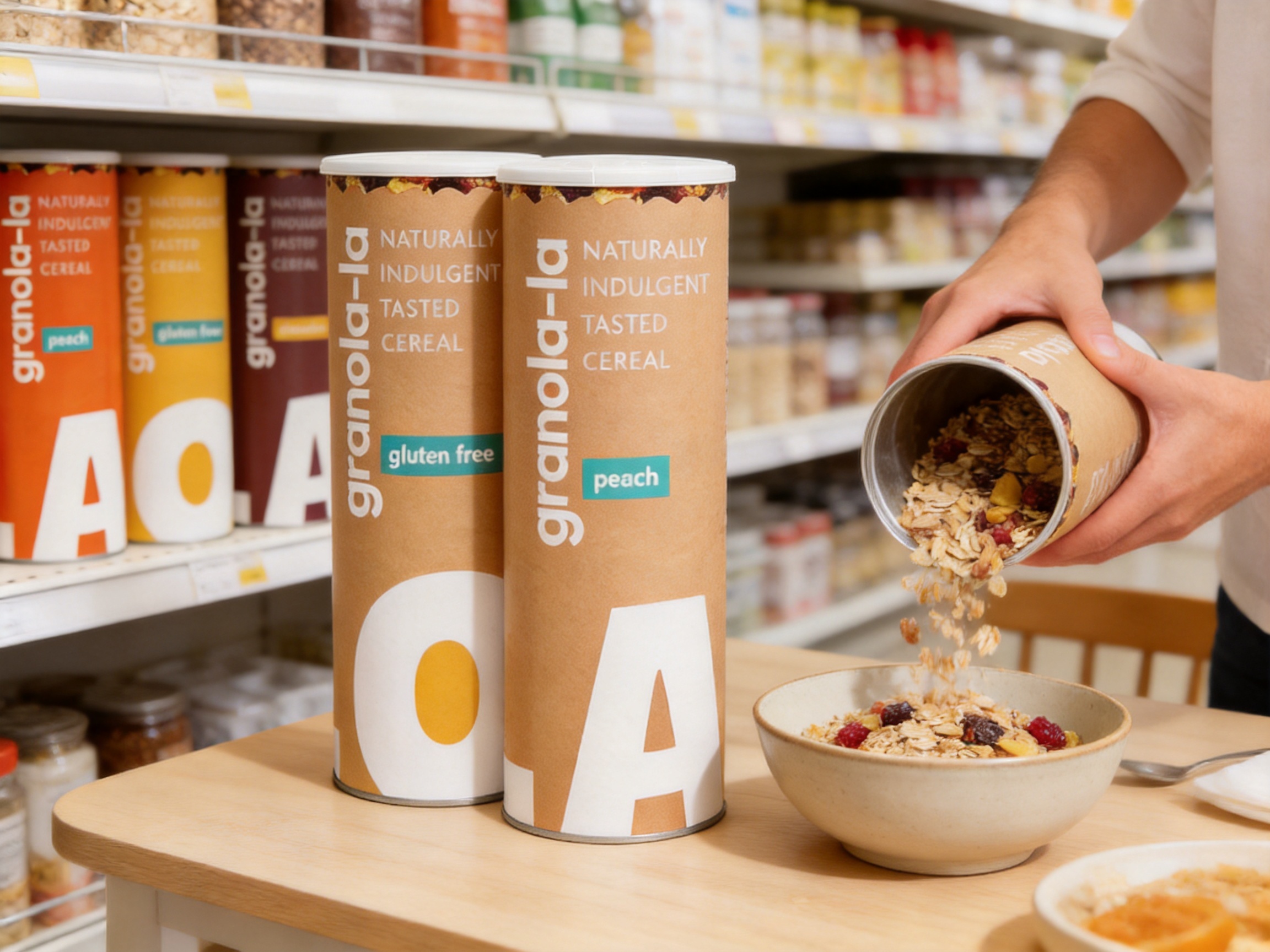
The cylindrical body is one of the product’s most recognizable features. Unlike a conventional rectangular carton, a round can creates a different visual presence and can be easier for consumers to identify at a glance. The curved surface offers a continuous area for graphics, nutritional information, preparation instructions, brand storytelling, and decorative patterns. It also supports a premium shelf appearance when several cans are displayed together.
The product is categorized for snacks and nuts, but its application extends naturally to cereal and breakfast foods. Muesli often contains a combination of oats, grains, seeds, dried fruits, nuts, and other ingredients. These products benefit from packaging that can help reduce exposure to humidity, oxygen, light, dust, and handling conditions. The barrier design and sealed lid are intended to support the product’s protection requirements, subject to the final material specification, filling process, and storage environment.
The paper can can be produced as a custom packaging solution rather than a standard stock container. This means that dimensions, artwork, surface treatment, lid configuration, labeling, and other specifications can be coordinated around the customer’s product. Customization is particularly valuable for food brands that need packaging to match a specific serving size, retail channel, sales region, or product line.
Core Product Specifications
| Item | Specification or Option | Application Benefit |
|---|---|---|
| Packaging format | Cylindrical paper can | Creates a distinctive shelf profile and rigid package structure |
| Structural material | Kraft paper core | Provides body strength and a paper-based appearance |
| Closure | POE seal lid | Supports closure performance and product protection |
| Product use | Muesli, cereal, snacks, nuts, and other dry foods | Suitable for multiple food categories |
| Printing | Offset printing, stamping, UV coating, and varnishing | Supports detailed, durable, and customized graphics |
| Surface finish | Matte finish and other treatments | Creates a refined tactile and visual effect |
| Label option | Art paper label | Provides an additional area for branding and information |
| Order type | Custom orders accepted | Allows packaging to be developed for a specific product |
The final performance of any paper can depends on the complete construction rather than one component alone. The paper core, barrier layer, exterior paper, lid, seam, printing treatment, and filling process must work together. For this reason, packaging development should include product testing, dimensional confirmation, closure evaluation, and compatibility checks before full-scale production.
2. Why Cylindrical Paper Packaging Suits Muesli and Cereal
Muesli and cereal products are often sold in competitive retail environments where packaging must attract attention quickly. A cylindrical package helps create differentiation without requiring an unusually complex shape. Its vertical profile can display graphics from multiple viewing angles, allowing the package to remain visually recognizable even when placed among rectangular cartons and flexible bags.
The rigid body also helps the product maintain a stable form during storage and transport. A box can be compressed at its corners, while a flexible pouch may require an additional carton or display tray to stand upright. A cylindrical can offers inherent shape retention, which can help products remain organized on shelves and in pantry storage. The precise structural performance depends on the selected wall thickness, diameter, height, and material configuration.
Breakfast foods also benefit from convenient handling. A round can can be easy to grip, rotate, open, and place back on a shelf. If the closure is properly matched to the body, the package can support repeated access during normal household use. This is useful for products consumed over multiple servings rather than in one sitting.
The format is suitable for premium and mainstream positioning. A matte printed exterior may support an organic, natural, or craft-oriented image, while glossy UV details can highlight a logo, ingredient illustration, or product name. Metallic stamping may be used for a premium line, and a clean offset-printed design can support a modern health-food brand. The same basic cylindrical construction can therefore be adapted to different market segments.
Protection Requirements for Dry Breakfast Foods
Dry cereal and muesli are sensitive to several environmental factors. Moisture can reduce crispness and encourage undesirable texture changes. Oxygen can contribute to the deterioration of oils in nuts, seeds, and grains. Light may affect color and certain ingredients, while dust and handling can compromise product cleanliness. Mechanical impacts may crush clusters or damage the package during distribution.
A barrier paper can is intended to address these concerns through its composite structure and sealed closure. The barrier performance should be specified according to the food formulation, expected shelf life, distribution route, filling conditions, and local regulatory requirements. A cereal containing dried fruit or nuts may have different packaging needs from a simple oat product. Packaging selection should therefore be based on testing rather than appearance alone.
The POE seal lid adds an important layer to the package system. A lid must fit consistently, support a reliable closure, and work smoothly for the consumer. The actual seal performance is influenced by lid design, body dimensions, production tolerances, filling equipment, and storage conditions. A suitable seal can help reduce unnecessary air exchange and protect the contents after filling.
3. Main Advantages Over Conventional Packaging
3.1 Stronger Shelf Differentiation
Many cereal products use rectangular folding cartons or flexible plastic bags. While these formats remain useful, they can make it difficult for a new product to stand out. A cylindrical paper can creates a recognizable silhouette that can become part of a brand’s identity. The round format also provides a continuous graphic surface, making it possible to use wraparound illustrations, repeating patterns, ingredient imagery, or vertically arranged information.
For premium muesli, specialty granola, and gift-oriented food products, the can can communicate a more substantial and carefully designed presentation. Consumers may associate the rigid format with quality, durability, and value. These perceptions do not replace objective product performance, but they can strengthen the first impression at the point of purchase.
3.2 Rigid Structure and Better Product Presentation
Flexible pouches can be lightweight and efficient, but they may wrinkle, slump, or require an external display system. A folding carton can provide a rectangular shape, yet its corners may become dented during transport. The cylindrical paper can is engineered as a rigid or semi-rigid container, helping it remain upright and presentable through normal handling.
This structural quality is useful for both retail shelves and online fulfillment. A well-designed package can reduce the visual impact of minor handling marks and help maintain a consistent shape in cartons. It may also reduce the need for a secondary display box in certain sales environments, although the exact logistics benefits depend on the distribution system and package dimensions.
3.3 Customizable Barrier Construction
The product is not limited to a single paper layer. Composite paper can technology allows different layers and materials to be combined for a balance of strength, appearance, and protective performance. A barrier construction can be selected according to the sensitivity of the food, the intended shelf life, and the customer’s required specifications.
This flexibility gives the paper can an advantage over simple uncoated paper packaging. Uncoated paper alone may not provide sufficient protection for products affected by moisture or oxygen. By contrast, a composite barrier structure can be developed to improve the package’s suitability for dry food applications. The final material choice should always be validated for food contact, sealing, migration, and shelf-life requirements.
3.4 High-Quality Printing and Finishing
Offset printing supports detailed graphics, fine typography, and consistent color reproduction across a production run. This is important for food packaging because the exterior must combine attractive design with mandatory information such as ingredients, allergen statements, net weight, nutrition facts, storage instructions, and traceability details.
Matte finishing can create a soft, understated surface that complements natural food positioning. UV coating can add contrast by making selected areas appear brighter or more tactile. Varnishing can support protection and visual refinement, while stamping can introduce a premium highlight. These treatments can be used individually or in combination, allowing brands to create different visual tiers within one product family.
3.5 Practical Customization
Custom orders allow the packaging to be adapted to product requirements rather than forcing the product into a standard container. The diameter can be selected according to serving size and filling volume. The height can be coordinated with shelf dimensions and shipping cartons. The lid and body can be reviewed together to support user convenience and closure performance.
Customization also extends to artwork. A cereal producer can create separate designs for original muesli, fruit muesli, chocolate granola, protein cereal, children’s cereal, or seasonal editions while retaining a consistent package architecture. This strengthens portfolio recognition and may simplify future product launches.
3.6 A More Paper-Oriented Brand Message
Paper-based packaging can help a brand communicate a preference for renewable-looking, fiber-based materials. The kraft paper core and paper exterior create a natural visual language that is often associated with grains, organic foods, craft production, and responsible consumption. This does not automatically mean the entire package is recyclable in every local system. The complete material structure, barrier layer, adhesives, lid, and regional recycling infrastructure must be considered.
Responsible packaging communication should therefore be accurate and specific. Brands can explain the use of paper-based components, the package’s durability, and any verified recycling or disposal guidance without making unsupported environmental claims. Clear communication can help consumers understand how to handle the container after use.
4. Manufacturing Strengths and Technical Capabilities
The supplier behind this product has more than two decades of experience in the composite can and paper can industry. This length of experience is important because successful paper can production requires more than printing paper and forming a tube. It involves material selection, winding or forming control, dimensional accuracy, seam consistency, lid compatibility, printing quality, and final inspection.
The company is identified as a member of the international Composite Can and Tube Institute and is described as the only member of that organization in China’s packaging container industry. Industry participation can support technical exchange, awareness of international practices, and continued attention to composite packaging development.
The company was also the first enterprise in China to pass the QS certificate for producing food packaging containers, according to the supplied company information. Food packaging certification is significant because containers intended for direct or indirect food contact must be produced under controlled conditions and according to applicable regulatory requirements. Buyers should still confirm current certificates, test reports, and compliance documents for the exact material and production batch.
European High-Speed Production Equipment
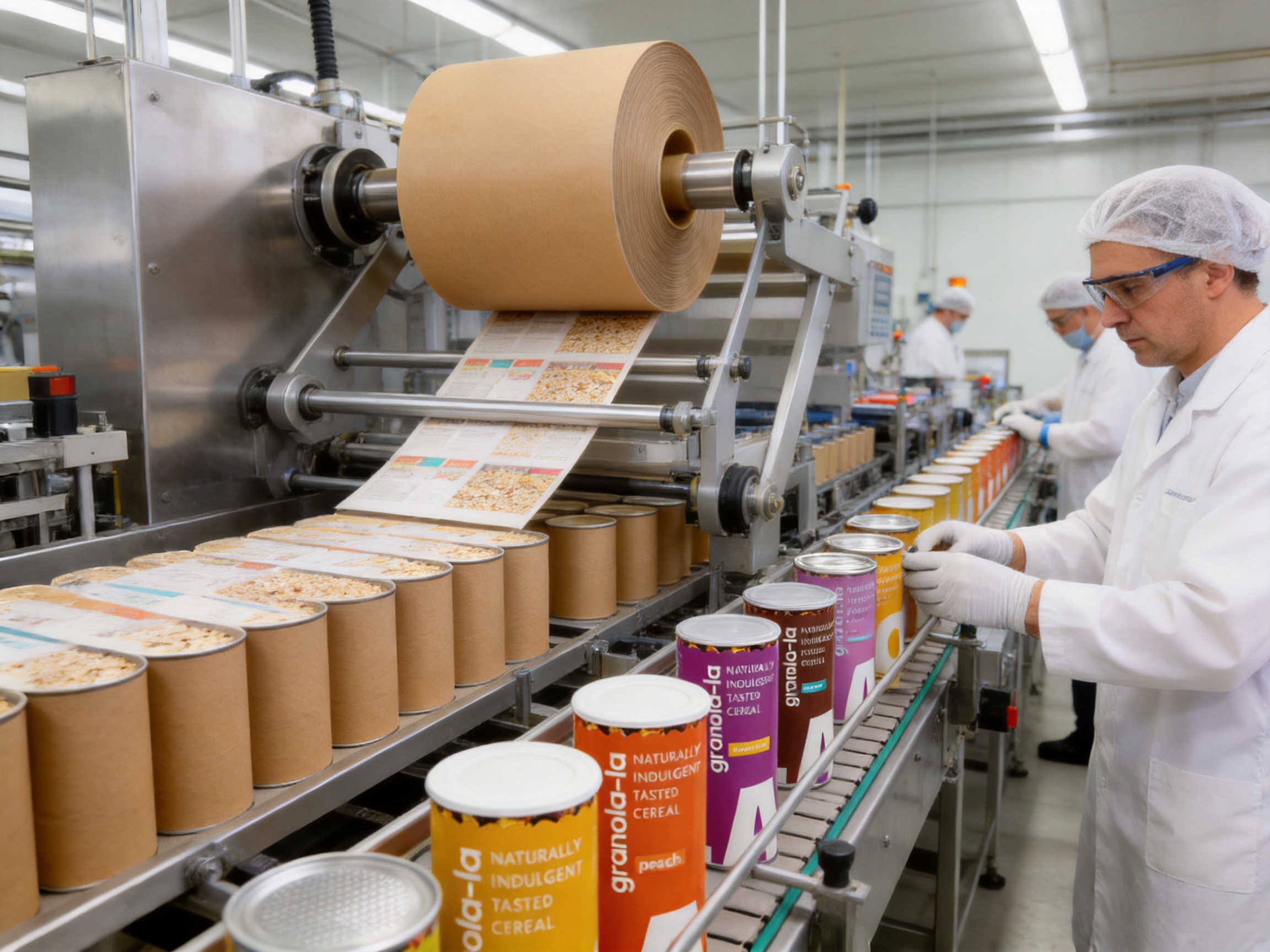
In 2015, the company introduced a high-speed composite can production line from Europe. Advanced production equipment can improve manufacturing consistency by providing more controlled processing, higher throughput, and better repeatability. For large or recurring orders, stable production speed is valuable because it supports predictable delivery schedules and reduces variation between batches.
High-speed equipment is most effective when supported by trained operators, preventive maintenance, appropriate process parameters, and inspection procedures. A modern line does not remove the need for quality management. Instead, it gives the manufacturer a stronger technical platform for controlling the process and scaling output while maintaining specifications.
Composite can manufacturing generally involves the preparation of paper and barrier materials, controlled adhesive application or lamination, body formation, cutting or finishing, lid matching, and inspection. Each stage can influence the final result. Inaccurate material alignment may affect appearance. Uneven winding or forming may influence strength and roundness. Inconsistent dimensions can affect the lid fit. Printing and finishing errors can reduce shelf appeal even when the structure is sound.
Research, Patents, and Product Development
The company has obtained more than ten patented technologies and continues to research and launch paper can and composite packaging products. Patent activity may indicate ongoing investment in equipment, forming technology, material construction, or product design. For customers, the practical value lies in whether this technical development produces measurable benefits such as improved consistency, better closure performance, expanded size options, or more efficient production.
Product development should be guided by the needs of the food manufacturer. A cereal brand may prioritize barrier performance and filling line compatibility. A specialty snack brand may focus on tactile finishing and small-batch customization. A high-volume customer may require automated packing, stable dimensions, and reliable delivery capacity. An experienced manufacturer can help translate these priorities into a suitable package specification.
5. Printing, Finishing, and Brand Presentation
The exterior of a paper can functions as both a protective surface and a communication medium. For muesli packaging, the design may need to suggest nutrition, natural ingredients, energy, convenience, or premium quality. The cylindrical shape provides a 360-degree visual field, but the design must be planned carefully so that key information remains visible from the most common shelf angles.
Offset Printing
Offset printing is appropriate for detailed food packaging artwork and can reproduce photographs, illustrations, color blocks, ingredient images, and small text. It is especially useful when a brand needs a controlled visual identity across multiple package sizes. Color specifications should be approved through proofs, and important text should be reviewed at actual production scale.
Because the can is curved, artwork preparation requires attention to panel positioning, overlap, seam areas, and distortion. Logos, bar codes, nutrition information, and legal text must be placed where they can be read and scanned reliably. A professional prepress process should check the dieline, print area, bleed, safe zones, and color requirements before production.
Matte Finish
A matte finish reduces surface shine and gives the container a calm, refined appearance. It can be useful for natural or premium food brands that want a tactile package rather than a highly reflective one. Matte surfaces may also make certain text areas easier to view under strong retail lighting, although the final effect depends on ink, coating, and illumination.
UV Coating and Varnishing
UV coating can be applied across the surface or selectively to emphasize a logo, product name, illustration, or decorative pattern. Selective gloss against a matte background creates contrast without requiring a complicated package shape. Varnishing can help improve surface appearance and provide an additional finish layer, subject to the selected formulation and food packaging requirements.
Stamping and Art Paper Labels
Stamping can add a metallic or distinctive visual highlight to premium product lines. It may be used on the brand mark, a certification symbol where permitted, or a decorative border. An art paper label provides another way to create a high-quality presentation. Labels can be used for product naming, limited editions, flavor variants, or information that changes between markets.
All decorative processes should be evaluated for scuff resistance, adhesion, readability, and compatibility with packaging handling. A package that looks attractive when newly produced must also retain acceptable appearance after filling, cartoning, transportation, and shelf placement.
6. Food Safety and Quality Considerations
Food packaging must be designed with the intended product and contact conditions in mind. Muesli and cereal may come into direct contact with an inner surface, or they may be filled into a separate inner bag placed inside the can. The appropriate construction depends on the package design, filling process, product formulation, and legal requirements in the target market.
Food-grade status should be supported by documentation for the specific materials used. Buyers may request declarations of compliance, migration test results, material specifications, adhesive information, coating details, and production hygiene procedures. These documents help confirm that the package is appropriate for the intended food application.
Quality control should cover incoming materials, printing, forming, dimensions, body strength, seam condition, lid fit, surface appearance, and cleanliness. Where barrier performance is important, testing may include moisture vapor transmission, oxygen transmission, seal integrity, compression, drop, vibration, and accelerated shelf-life evaluation.
It is also important to distinguish between the package’s designed function and guaranteed shelf life. A barrier can can contribute to product protection, but shelf life is determined by the food formulation, initial microbial and moisture condition, filling environment, headspace, closure, storage temperature, distribution exposure, and many other factors. Product-specific validation remains essential.
Traceability and Batch Consistency
For commercial food packaging, traceability supports efficient investigation if a material or production issue occurs. Production records can connect raw materials, artwork versions, machine settings, inspection results, and shipment information. Consistent color and dimensions are also important when a brand orders the same can repeatedly or uses several package sizes in one product family.
Quality agreements should define acceptable tolerances, inspection standards, approval procedures, and responsibilities for artwork and specification changes. This reduces uncertainty during repeat production and makes communication between the food brand and packaging supplier more efficient.
7. Manufacturing Workflow for a Custom Paper Can
Step 1: Product and Packaging Consultation
The process begins with an understanding of the food product. The manufacturer should review the product type, ingredients, oil content, moisture sensitivity, target shelf life, filling weight, filling method, expected distribution conditions, and preferred opening experience. These details influence the can dimensions, barrier structure, lid selection, and testing plan.
Step 2: Structural Design
The body diameter and height are selected according to volume, shelf space, consumer handling, and shipping efficiency. The structural design must allow enough room for the product while considering headspace and filling tolerance. The lid should be designed with the body rather than treated as a separate afterthought.
Step 3: Material Selection
Kraft paper is used as the core structural material in the supplied product. Additional layers or coatings may be specified to achieve the desired barrier, surface, and food-contact performance. Material selection should balance protection, appearance, manufacturability, cost, and end-of-life considerations.
Step 4: Artwork and Prepress
The customer’s artwork is adapted to the cylindrical template. This stage includes checking the print area, seam position, barcode placement, text size, color references, and finishing locations. A proof or sample can help confirm how the design appears on a curved surface before mass production.
Step 5: Forming and Composite Can Production
The prepared materials are processed through the composite can production system. Controlled forming creates the cylindrical body, while equipment settings influence roundness, strength, seam quality, and dimensional accuracy. The company’s high-speed European production line provides a foundation for efficient and repeatable manufacturing.
Step 6: Printing and Surface Finishing
Printing, labeling, coating, varnishing, stamping, or other treatments are completed according to the approved specification. The order of operations may vary depending on the construction and selected finish. Inspection at this stage helps identify color differences, registration errors, scratches, coating defects, or missing information.
Step 7: Lid Matching and Quality Inspection
The POE seal lid is matched with the body and checked for fit. Closure performance is especially important because even a well-formed body cannot protect the product if the lid is loose, damaged, or difficult to use. Finished cans may be inspected for dimensions, appearance, cleanliness, structural integrity, and packaging count.
Step 8: Packing and Shipment
Finished cans are packed to reduce the likelihood of damage during storage and transportation. Export packing should consider carton strength, pallet arrangement, humidity exposure, and handling conditions. The packaging supplier and food brand should coordinate delivery schedules so that cans are available for filling and launch activities.
8. Applications Beyond Muesli Cereal
Although the product is designed for muesli cereal, the cylindrical barrier can can support a broad range of dry food applications. Granola, oat clusters, breakfast mixes, nuts, seeds, trail mixes, dried fruit, cookies, crackers, snack blends, and powdered nutritional products may all be considered, subject to product compatibility and regulatory review.
The same package architecture can be used for different flavor varieties. A brand may use one diameter and several heights for different pack sizes, or create a coordinated family of cans for a complete breakfast range. Consistent proportions help consumers recognize the brand, while color and illustration changes distinguish individual products.
The format may also be useful for seasonal gift packaging. A festive print, premium finish, and reusable rigid structure can increase perceived value for holiday cereal, snack assortments, and food gift sets. In these applications, the external appearance may be as important as the package’s protective function.
Beyond food, paper can technology is used in categories such as daily chemical products, cosmetics, gifts, crafts, candles, fragrances, and other consumer goods. However, each category requires its own compatibility review. A package designed for dry cereal should not automatically be used for liquids, volatile fragrances, wet products, or chemically aggressive formulations without appropriate testing.
9. Sustainability and Responsible Packaging Decisions
Paper-based packaging is increasingly considered by brands looking for alternatives to conventional plastic-heavy formats. The kraft paper core provides a fiber-based structural component and gives the package a natural appearance. A durable can may also be used for longer than a single shopping trip if consumers repurpose it for storage or household organization.
Nevertheless, responsible packaging evaluation must consider the entire product system. Barrier layers, coatings, adhesives, printing inks, labels, and the POE seal lid can affect recyclability and separation. Local recycling facilities may accept some composite paper packages but not others. Brands should obtain current guidance for their target markets and communicate disposal instructions accurately.
Material reduction is another part of sustainable design. A package should use enough material to meet protection and handling requirements but avoid unnecessary excess. Efficient dimensions can improve shipping utilization, while appropriate stacking can reduce wasted transport space. These benefits should be evaluated through the complete supply chain rather than assumed from the material category alone.
Durability may also have an environmental value when it prevents damaged products and reduces the need for secondary protective packaging. If a rigid can protects cereal effectively during distribution, it may help lower product loss. The best solution depends on the product, transportation route, retail environment, and end-of-life infrastructure.
10. How the Product Compares with Alternative Formats
| Packaging Format | Typical Strengths | Potential Limitations | Where the Paper Can Offers Value |
|---|---|---|---|
| Folding carton | Lightweight, printable, familiar, easy to stack | Less rigid; corners may dent; may need an inner bag | Provides a more distinctive cylindrical form and stronger shelf presence |
| Flexible pouch | Low material weight, efficient shipping, convenient for some products | May slump, wrinkle, or require a display tray; appearance can be less premium | Offers shape retention, rigid presentation, and a substantial consumer feel |
| Rigid plastic container | Strong structure, established closure systems, broad availability | May conflict with paper-oriented brand positioning; material and disposal concerns vary | Combines rigid handling with a paper-based exterior and customizable graphics |
| Metal can | Strong barrier performance and robust structure | May be heavier or more costly; visual style may not suit every cereal brand | Provides a warmer paper appearance and flexible print finishing options |
| Simple paper tube | Paper appearance and basic cylindrical structure | May lack the barrier or closure performance required for sensitive foods | Uses a composite barrier approach and POE seal lid for a more complete food package |
This comparison does not mean one format is universally superior. The right package depends on product sensitivity, target price, distribution conditions, sustainability objectives, filling equipment, and consumer expectations. The custom barrier paper can is most compelling when a brand values strong presentation, a rigid shape, paper-based visual identity, and customized food protection.
11. Commercial Benefits for Food Brands
A custom cylindrical can can support a more memorable launch. New products often struggle to gain attention because they appear similar to established competitors. A distinctive package gives retailers and consumers an immediate visual cue. It can also support social media photography, gift presentation, and online product imagery.
The package can be used to organize a product range. A company may standardize the can structure while changing artwork for different recipes or nutritional profiles. This approach can reduce the need to redesign the entire packaging system for each product. It also provides a consistent visual language across retail shelves.
For premium products, finishing options can reinforce pricing strategy. Matte surfaces, selective UV coating, stamping, and art paper labels can make a product feel more considered without requiring a completely different package architecture. The manufacturer can help determine which treatments are practical for the desired order quantity and production schedule.
For established brands, the paper can can provide a packaging refresh. A cereal that has traditionally used a carton may gain renewed attention through a cylindrical format. A limited edition can test consumer response before the format is introduced across a wider range. The final decision should consider filling line changes, shipping cartons, shelf planograms, and cost per unit.
12. Recommended Buyer Evaluation Checklist
Before placing a production order, buyers should prepare a detailed packaging brief. The brief should identify the product name, formula type, filling weight, required shelf life, target market, storage conditions, dimensions, closure preferences, artwork requirements, estimated order volume, and delivery schedule.
Buyers should request samples that represent the final structure as closely as possible. A blank sample can help evaluate size and handling, while a printed sample shows how the artwork behaves on the curved surface. If barrier performance is important, material samples and test data should be reviewed rather than relying on a visual prototype alone.
The following questions can help guide supplier discussions:
- What barrier construction is recommended for the specific cereal or muesli formula?
- Is the inner surface intended for direct food contact?
- How is the POE seal lid fitted and tested?
- What dimensional tolerances apply to the body and lid?
- Which printing and finishing options are available for the planned order quantity?
- What food-contact documentation is available for the exact materials?
- Can the package run on the customer’s filling and sealing equipment?
- What testing is recommended for moisture, oxygen, compression, and shelf life?
- How are production batches inspected and traced?
- What disposal or recycling information is appropriate for the destination market?
Clear answers to these questions reduce the risk of delays and help ensure that the finished package performs as expected. Packaging is a system, and successful results depend on cooperation between the brand owner, packaging manufacturer, food technologist, printer, and filling operation.
13. Why an Experienced Composite Can Supplier Matters
An experienced supplier can contribute at every stage, from preliminary concept to repeat production. This is especially important for custom packaging because the customer may not have an existing specification for a cylindrical barrier can. The supplier’s technical team can help identify practical dimensions, suitable materials, finishing combinations, and production constraints.
More than twenty years in the composite can and paper can industry provides a substantial base of manufacturing experience. The company’s work across food, daily chemical products, fast-moving consumer goods, and other categories may also support cross-category knowledge. Lessons from one application can sometimes improve material control, finishing quality, or process efficiency in another, provided that food-specific requirements remain the priority.
Long-term cooperation with recognized companies and brands, including food and beverage businesses, indicates experience with commercial packaging expectations. Such experience may include artwork control, production scheduling, quality documentation, repeat orders, and export coordination. Customers should still conduct their own qualification process, but an established manufacturing background can make that process more efficient.
The combination of industry participation, food packaging certification history, European high-speed equipment, patented technologies, and long-term manufacturing experience positions the supplier as a capable partner for customized paper can projects. The most important measure remains the supplier’s ability to produce the customer’s specified package consistently, safely, and on schedule.
14. Frequently Asked Questions
Q1: What products can be packed in this cylindrical paper can?
The primary application is muesli cereal, but the format may also be suitable for granola, cereal mixes, oats, nuts, seeds, snacks, dried fruit, cookies, crackers, and other dry foods. Compatibility depends on the food’s moisture, oil, oxygen, aroma, and shelf-life requirements. The construction should be confirmed through product-specific evaluation.
Q2: Is the paper can food grade?
The product is presented as a food-grade paper can. Buyers should request current food-contact documentation for the exact body, barrier layer, adhesive, ink, coating, label, and lid materials used in their order. Compliance requirements may differ between countries and food applications.
Q3: What is the function of the POE seal lid?
The POE seal lid is designed to close the cylindrical container and support protection of the contents. Its effectiveness depends on the lid design, dimensional fit, closure process, body construction, and storage conditions. Closure testing should be completed during product development.
Q4: Can the can be customized with a logo?
Yes. The product is intended for custom orders and can be printed with a customer’s logo, product name, colors, illustrations, nutrition information, and regulatory text. Offset printing, stamping, UV coating, varnishing, matte finishing, and art paper labels are among the available options listed for the product.
Q5: Is the package airtight?
The product is described as a cylindrical barrier paper can with a seal lid. Whether it achieves a specific airtight or hermetic performance level depends on the final construction and closure specification. If airtight performance is critical, the buyer should define the target test method and acceptance criteria before production.
Q6: Can the package be used for products containing nuts or oils?
It may be suitable for nuts, seeds, and products containing oils, but the barrier and food-contact construction must be selected according to the formulation. Oil migration, oxidation, aroma retention, and shelf life should be evaluated through testing.
Q7: What printing methods are available?
The listed options include offset printing, stamping, UV coating, and varnishing. A matte finish and art paper label can also be specified. The best combination depends on the artwork, order quantity, surface requirements, budget, and desired shelf appearance.
Q8: Does the cylindrical shape make filling more difficult?
Filling compatibility depends on the can dimensions, lid design, filling equipment, product flow characteristics, and production speed. The package supplier should review the customer’s filling process before finalizing the design. Samples and line trials are recommended for automated operations.
Q9: Is the paper can recyclable?
Recyclability depends on the complete package construction and the recycling facilities available in the destination market. Composite layers, coatings, labels, adhesives, and the POE lid may influence sorting and processing. The brand should obtain market-specific guidance and provide accurate disposal instructions.
Q10: What makes this package different from a regular paper tube?
This product is designed as a food-oriented composite barrier can rather than a basic decorative tube. It combines a kraft paper core with a barrier-oriented construction, customized printing, and a POE seal lid. The exact performance depends on the selected specification, but the format is intended to provide a more complete solution for dry food packaging.
Q11: Can the same design be used for several cereal flavors?
Yes. A standardized cylindrical structure can support multiple artwork versions for different flavors, recipes, or pack sizes. Consistent dimensions help create family recognition, while colors, illustrations, and product names distinguish each variant.
Q12: What information should be supplied for a quotation?
Useful information includes the product type, filling weight, desired dimensions, estimated order quantity, artwork status, printing requirements, lid preference, barrier expectations, destination market, delivery location, and required delivery date. Product samples or technical data may also help the supplier recommend a suitable structure.
15. Conclusion
The custom food-grade cylindrical barrier paper can with POE seal lid offers a practical and visually distinctive solution for muesli cereal and other dry foods. Its kraft paper core provides a strong paper-based foundation, while the composite barrier construction and sealed lid are intended to support product protection. The cylindrical shape creates a recognizable shelf presence and provides a continuous surface for branding, product information, and decorative artwork.
Its advantages over conventional cartons, pouches, simple tubes, and some rigid containers include strong visual differentiation, stable presentation, flexible customization, and a paper-oriented brand message. Offset printing, matte finishing, UV coating, varnishing, stamping, and art paper labels allow the package to be adapted to premium, natural, modern, or gift-oriented product positioning.
The supplier’s more than twenty years of industry experience, membership in the international Composite Can and Tube Institute, food packaging certification history, European high-speed production line, patented technologies, and broad customer experience provide a strong manufacturing foundation. These capabilities can support the development of packaging that is consistent, scalable, and tailored to the requirements of food brands.
For the best result, the packaging should be evaluated as a complete system. Material selection, food-contact compliance, barrier performance, closure testing, artwork preparation, filling-line compatibility, logistics, and end-of-life considerations all deserve attention. When these elements are coordinated carefully, the cylindrical paper can can help muesli and cereal brands protect their products, strengthen their shelf identity, and deliver a more premium consumer experience.
References
1. Composite Can and Tube Institute. General technical principles for composite can and paper tube packaging.
2. Food and Agriculture Organization. General considerations for food packaging, storage, and product protection.
3. International Organization for Standardization. Quality management principles applicable to packaging manufacturing and process control.
4. International Organization for Standardization. Packaging and the environment: general requirements for responsible packaging evaluation.
5. United States Food and Drug Administration. General guidance on food-contact packaging materials and compliance documentation.
6. European Commission. General principles concerning materials and articles intended to come into contact with food.
7. Supplier technical information provided for the custom food-grade cylindrical barrier paper can with POE seal lid for muesli cereal.
8. Supplier company information concerning composite can manufacturing experience, production equipment, food packaging certification history, patents, and industry partnerships.
