 English
 Español



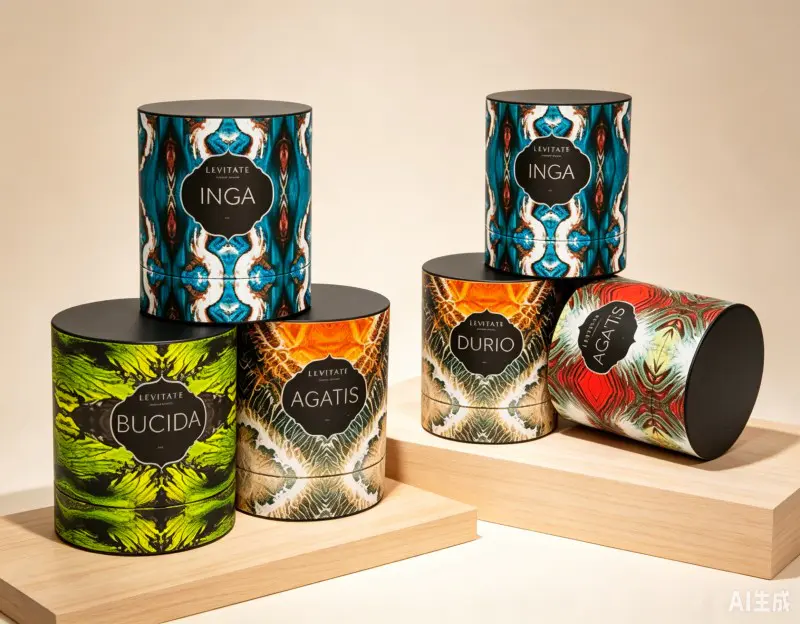
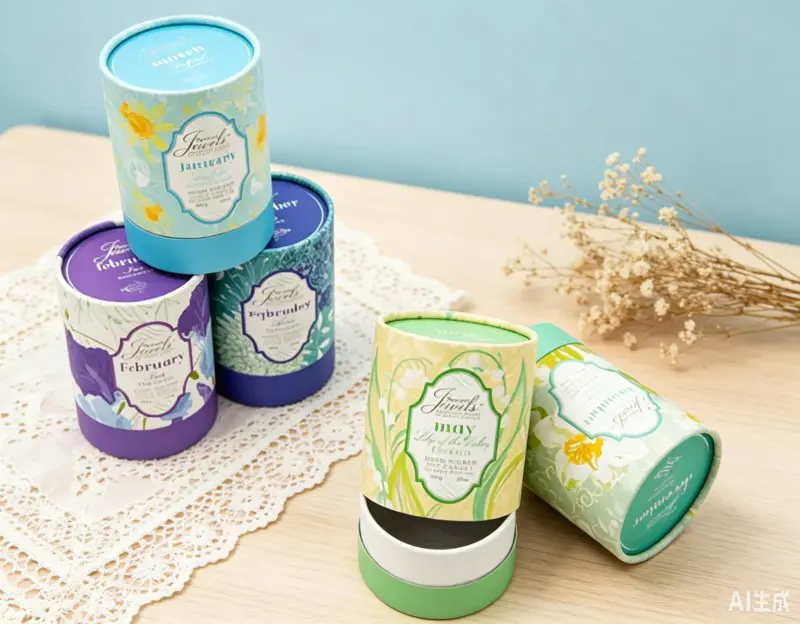
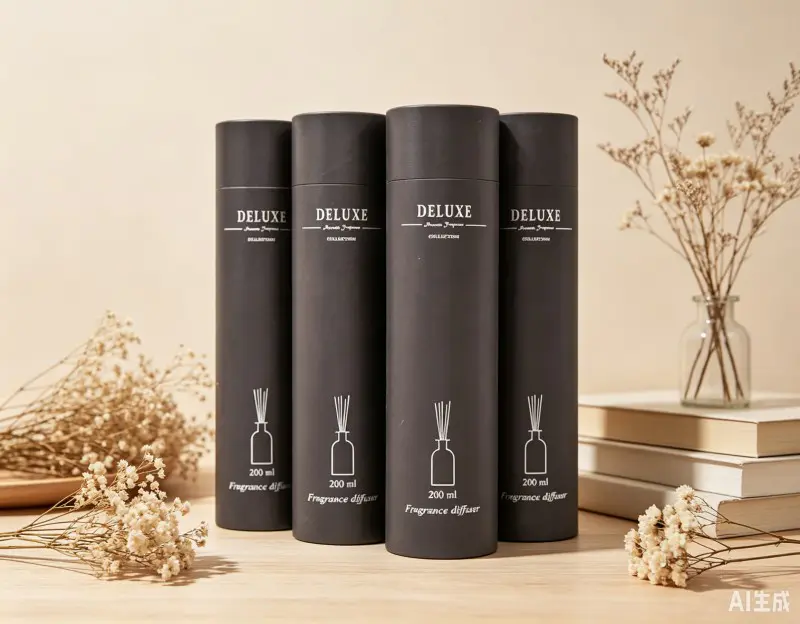
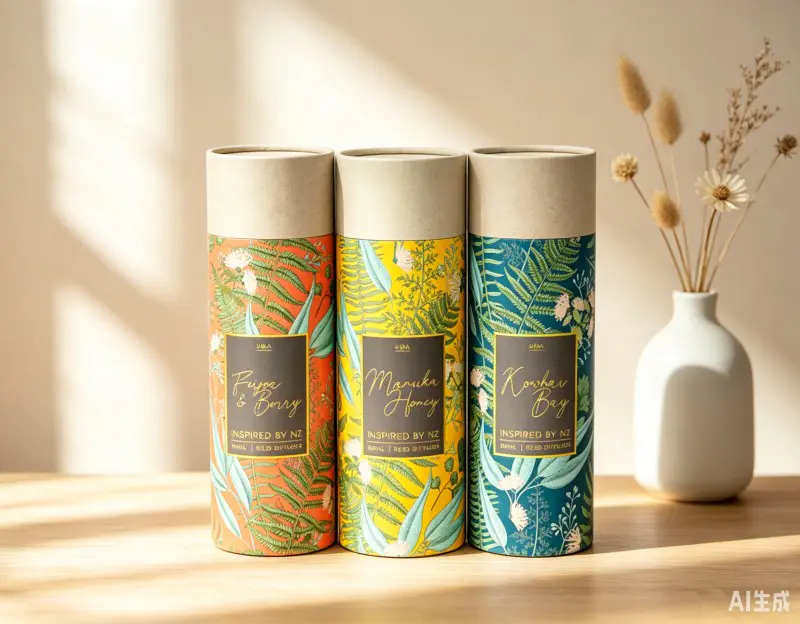
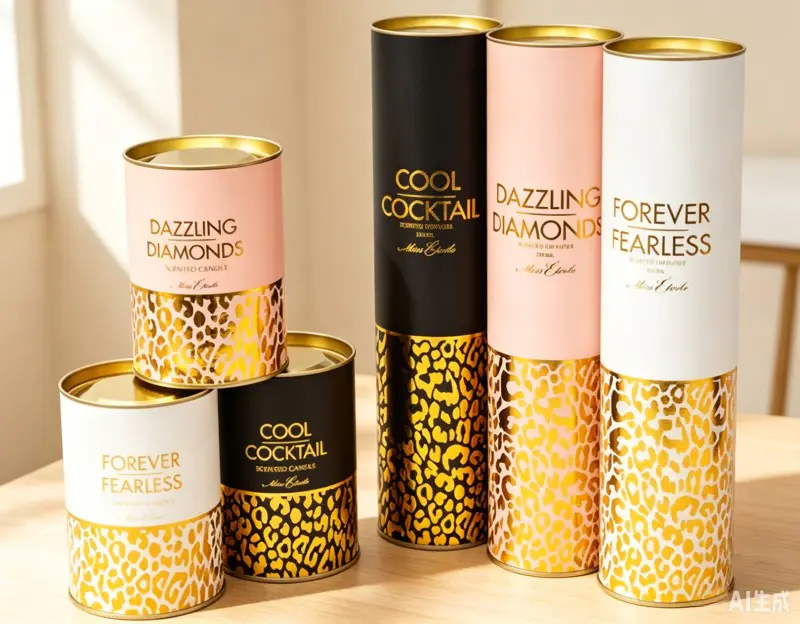
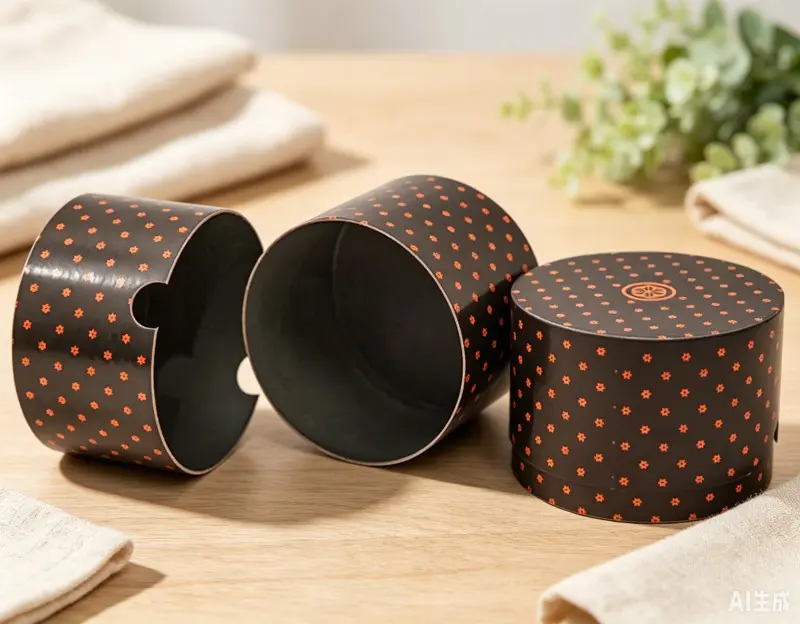
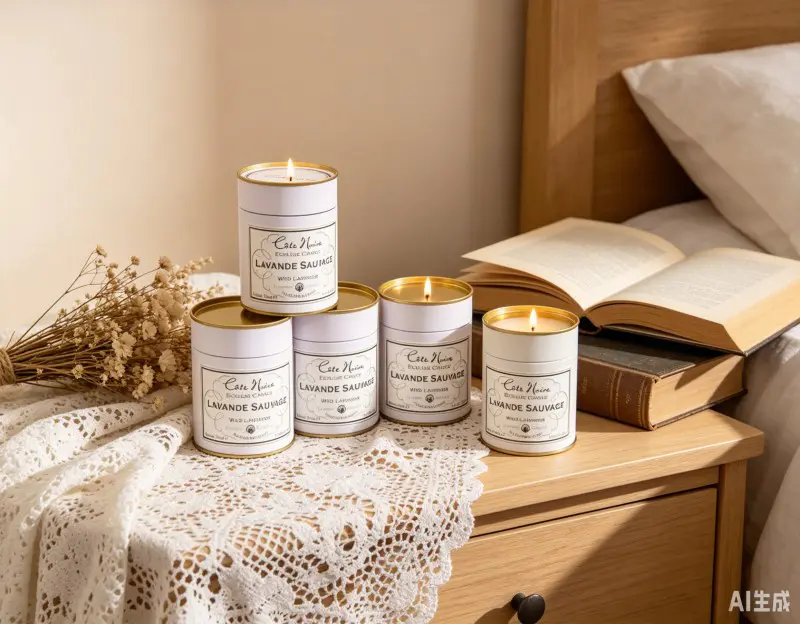

As one of the top China cardboard tube packaging manufacturers and paper tube packaging suppliers, we devote all of our efforts to research and launch more high quality packaging products to global market.
Premium cereals, oats, granola, muesli, and other dry breakfast foods increasingly require packaging that does more than hold the product. The package must protect freshness, communicate quality, support efficient distribution, and create a memorable experience at the point of sale. A well-designed container can also help a food brand reduce its reliance on conventional plastic packaging while presenting a more natural and responsible image.
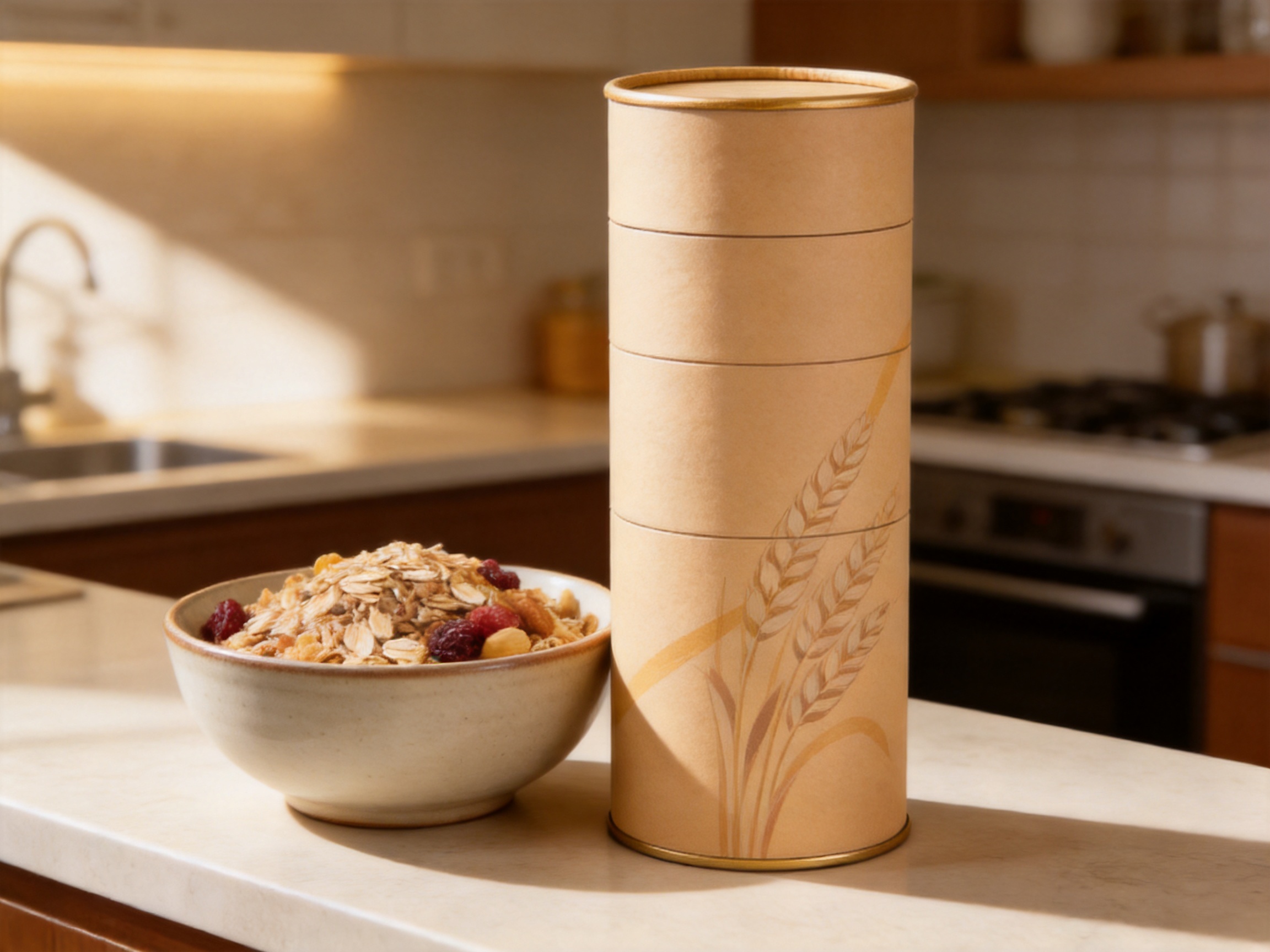
The custom luxury cereal container described in this article is a cylindrical, three-piece paper tube developed for dry food applications. It combines a rigid paper structure, rolled edges, aluminum foil lining, custom printing, and a matte finish. With an internal diameter of approximately 95–97 millimeters and a height of 235 millimeters, the container is designed for products such as premium oats and cereals. Its construction provides a practical balance between protection, visual appeal, customization, and operational efficiency.
Manufactured by Hangzhou Qunle Packaging Co., Ltd., a specialist with more than 20 years of experience in composite cans and paper cans, the packaging is intended for brands seeking a higher-quality alternative to ordinary cartons, flexible pouches, and basic plastic containers. The manufacturer’s experience in food packaging, advanced composite can production, patented technologies, and direct-factory capabilities supports the development of consistent packaging solutions for domestic and international markets.

Custom Made Ideal Packaging Solution for Premium-quality Oats and Creals
Content
- 1 1. Why Premium Cereal Packaging Matters
- 2 2. Product Overview
- 3 3. Three-Piece Paper Tube Construction
- 4 4. Aluminum Foil Lining for Dry Food Protection
- 5 5. Advantages Compared with Common Packaging Alternatives
- 6 6. Premium Printing and Matte Surface Finishing
- 7 7. Eco-Friendly and Recycled Material Considerations
- 8 8. Manufacturing Strengths and Technical Experience
- 9 9. Factory-Direct Production and Custom Order Support
- 10 10. Recommended Development Process
- 11 11. Applications Beyond Oats and Cereals
- 12 12. Logistics, Storage, and Retail Presentation
- 13 13. Quality and Compliance Considerations
- 14 14. How the Packaging Supports Premium Brand Positioning
- 15 15. Frequently Asked Questions
- 15.1 Q1: What products can be packed in this paper tube?
- 15.2 Q2: What are the stated dimensions?
- 15.3 Q3: Why is an aluminum foil lining used?
- 15.4 Q4: Is the tube suitable for premium cereal brands?
- 15.5 Q5: Can the design and logo be customized?
- 15.6 Q6: What printing method is available?
- 15.7 Q7: What does the matte finish offer?
- 15.8 Q8: What is the minimum order quantity?
- 15.9 Q9: Is the package recyclable?
- 15.10 Q10: Can the container protect cereal after opening?
- 15.11 Q11: Does the manufacturer have food packaging experience?
- 15.12 Q12: Why should a brand request a sample?
- 16 16. Overall Assessment
- 17 References
- 18 Product: Custom Made Ideal Packaging Solution for Premium-quality Oats and Creals
1. Why Premium Cereal Packaging Matters
Cereals and oats are usually classified as dry foods, but their packaging requirements are demanding. The contents must be protected from moisture, air, light, handling damage, and contamination throughout filling, storage, transportation, retail display, and consumer use. Even when the product itself has a long shelf life, inadequate packaging can quickly reduce its quality.
Oats, granola, cereal flakes, puffed grains, and mixed breakfast products may lose their desired crispness when exposed to humidity. Oxidation can also affect ingredients such as nuts, seeds, oils, dried fruit, and flavor coatings. A package that appears attractive but fails to provide suitable protection may lead to soft texture, stale flavor, product waste, and customer dissatisfaction.
At the same time, premium food products are often purchased partly because of their presentation. Consumers associate a carefully designed package with attention to ingredients, manufacturing standards, and brand values. A rigid paper tube gives a cereal product a stronger physical presence than a thin bag or standard folding carton. Its round profile stands out on shelves, in gift assortments, and in online product photography.
Packaging also influences how consumers use and store a product after opening. A sturdy container can be easier to handle than a flexible pouch. When properly closed, it can help keep the product organized in a kitchen cupboard or pantry. Its tall cylindrical shape can use vertical shelf space efficiently, while its rigid walls help resist crushing during everyday use.
For food manufacturers, the package must also be practical to produce. It should support reliable printing, suitable filling operations, efficient shipping, and reasonable minimum order quantities. The custom paper tube solution addresses these requirements through a factory-direct manufacturing model, customizable dimensions and artwork, and a construction developed specifically for dry food containers.
2. Product Overview
The product is a luxury cereal container made from paper and formed as a cylindrical three-piece paper tube with rolled edges. It is designed for dry foods, including premium oats and cereals. The outer surface can be printed with custom artwork using CMYK printing and finished with a matte treatment.
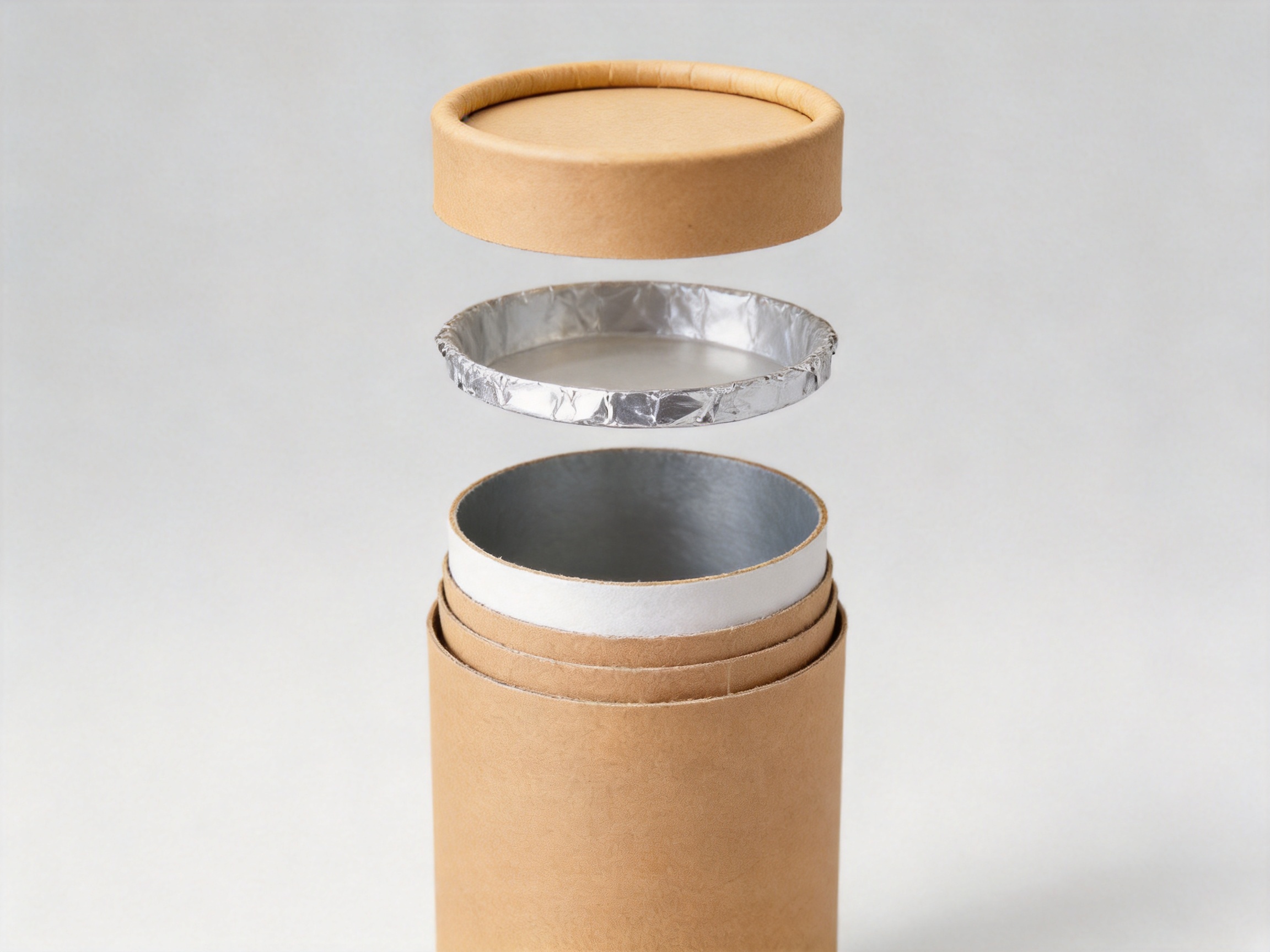
The main structure uses white kraft paper and kraft paper. This combination can provide a natural, tactile appearance while preserving a suitable surface for high-quality graphics. The container also includes an aluminum foil lining. For dry food packaging, the lining is an important structural feature because it can improve the barrier system against moisture, oxygen, and external influences when properly engineered and sealed.
The listed size is approximately ID 95–97 millimeters by 235 millimeters. “ID” refers to the internal diameter. Actual filling capacity will depend on the density, particle size, shape, and settling behavior of the cereal product. Oats, flakes, granola clusters, and mixed cereals can occupy different volumes even when their net weights are identical. Final capacity should therefore be confirmed through product trials before mass production.
| Item | Specification | Packaging relevance |
|---|---|---|
| Primary application | Dry food container | Suitable for oats, cereal, granola, and related products |
| Construction | Three-piece paper tube with rolled edges | Creates a rigid cylindrical body with finished edge details |
| Material | Paper, white kraft paper, and kraft paper | Supports a natural appearance and customizable exterior |
| Internal lining | Aluminum foil lining | Supports barrier performance for dry food protection |
| Shape | Cylinder | Provides shelf distinction and practical handling |
| Approximate size | 95–97 mm internal diameter × 235 mm height | Suitable for a tall, premium food container format |
| Printing | CMYK custom printing | Allows full-color graphics, product information, and branding |
| Surface treatment | Matte finish | Creates a refined, low-gloss appearance |
| Order model | Custom orders accepted | Supports tailored dimensions, artwork, and packaging concepts |
| Minimum order quantity | 5,000 units | Appropriate for established launches and planned production runs |
3. Three-Piece Paper Tube Construction
The three-piece format is a proven approach for producing rigid composite paper containers. Although the exact layer arrangement can be adjusted according to the required performance, the construction generally combines a paper body with additional paper layers and an internal barrier layer. The structure can be engineered to deliver strength, dimensional stability, and a suitable surface for printing.
Rolled edges add both function and visual refinement. A rolled edge helps create a smoother, more finished rim than a simple cut edge. It can improve the tactile experience when consumers handle the container and can contribute to the premium appearance of the package. The edge design may also be coordinated with the lid or closure system selected for the final product.
Rigid paper tubes have an important advantage over many flexible packages: they maintain their shape. This makes the container more resistant to deformation during stacking, warehouse handling, and retail display. A rigid body can also provide a more substantial opening and closing experience, helping the product appear more carefully made.
Compared with a conventional folding carton, the cylindrical paper tube may provide greater crush resistance in selected directions and a distinctive three-dimensional form. Compared with a flexible pouch, it can offer better standing stability and a more premium tactile experience. Compared with a basic plastic jar, it can provide a paper-forward presentation that aligns more closely with natural, sustainable, or artisanal product positioning.
The three-piece construction also supports customization. The outer paper can carry printed graphics, while the internal layers can be selected to support food protection requirements. Tube diameter, height, edge details, closure compatibility, printing coverage, and finish can be discussed during the design stage.
4. Aluminum Foil Lining for Dry Food Protection
Dry cereal products need protection from the environment even when they are not liquid or highly perishable. Moisture is one of the most significant threats because it can soften flakes, reduce crunch, cause clumping, and change the eating experience. Oxygen and light can also affect ingredients containing natural oils, nuts, seeds, chocolate pieces, or flavor coatings.
The aluminum foil lining forms part of the container’s barrier system. Aluminum foil is widely used in food packaging because it can provide strong resistance to light, gases, and moisture when correctly incorporated into a suitable laminate or lining structure. Its role in this paper tube is to help create an internal environment that is more suitable for protecting dry food than an unlined paper container.
Barrier performance depends on more than the presence of foil alone. The lining must be properly bonded, the seams must be controlled, and the closure must be compatible with the expected shelf-life requirements. Filling conditions, product moisture content, storage temperature, transportation exposure, and opening frequency also influence final performance. For this reason, brands should validate the complete package with appropriate shelf-life, seal, and migration testing before commercial release.
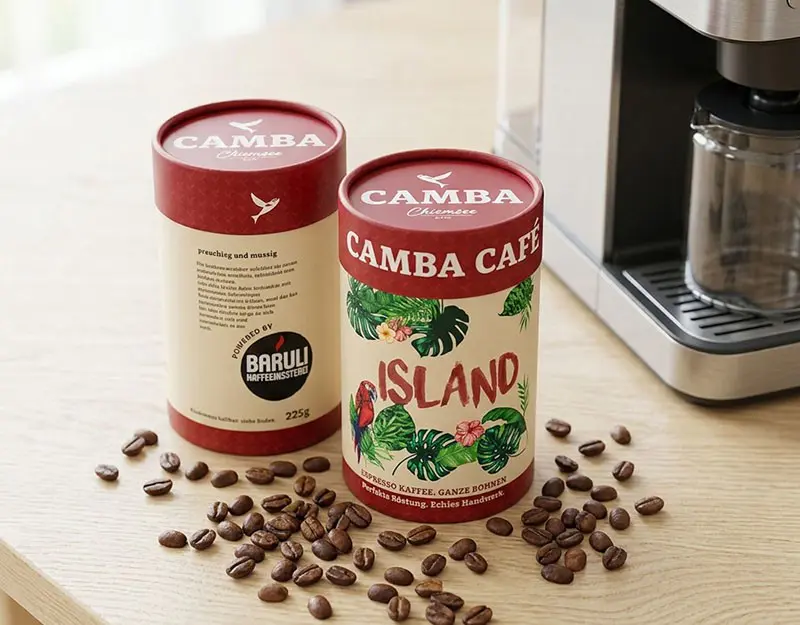
The use of an internal barrier layer gives the tube broader application potential. It may be used for oats, breakfast cereals, granola, muesli, grain mixes, powdered dry foods, and selected snack products, provided the final package is tested for the specific product. The same principle can also be adapted for coffee, tea, nutrition powders, spices, and other dry goods that require additional protection.
For premium cereals, the barrier layer supports an important marketing promise: the package is not only attractive but also designed around product preservation. This combination of presentation and functionality is one reason rigid composite containers are often selected for higher-value food products.
5. Advantages Compared with Common Packaging Alternatives
5.1 Compared with Standard Folding Cartons
Folding cartons are efficient and economical, but they can provide limited protection against moisture unless combined with an internal bag or coating. A carton may also lose its shape when exposed to humidity or pressure. The cylindrical paper tube offers a more rigid structure and a more distinctive shelf profile.
A tube can create a stronger premium impression because it resembles a reusable canister rather than a disposable box. Its vertical shape can make the product easier to identify from a distance. The curved surface also provides a continuous 360-degree area for graphics, usage instructions, nutrition information, and storytelling.
However, folding cartons may remain advantageous for flat stacking and high-volume commodity products. The paper tube is best suited to brands that value presentation, structural strength, and product differentiation rather than the lowest possible packaging cost.
5.2 Compared with Flexible Pouches
Flexible pouches are lightweight and can be highly efficient for transportation. Nevertheless, they can be difficult to stack after opening, may require an additional storage container, and can appear less substantial in premium retail environments. A rigid tube provides a stable form that can stand on a shelf and remain easier to handle during repeated use.
The tube also creates an opportunity for a more deliberate opening experience. A well-fitted closure can help consumers reseal the product between servings, although the actual protection after opening depends on the closure design and how consumers use it. The package can therefore combine a strong first impression with practical household storage.
5.3 Compared with Plastic Jars
Plastic jars often provide rigidity and convenience, but they may not communicate the same paper-based, natural, or craft-oriented identity. A paper tube can support brands that want to reduce the visual dominance of plastic in their packaging system. It also offers a broad printable surface with a warm tactile character.
The environmental profile of any package should be evaluated across its complete structure, including coatings, adhesives, foil, closures, transport, and end-of-life systems. A paper tube should not be described as automatically sustainable in every market. Its advantages are strongest when material selection, manufacturing, sourcing, and disposal pathways are considered together. The product’s use of recycled materials and eco-friendly positioning can support a responsible packaging strategy, but specific environmental claims should be verified against applicable standards.
5.4 Compared with Metal Cans
Metal cans can provide excellent strength and barrier performance, but they may be heavier and can require different forming, printing, and recycling processes. A paper composite tube offers a lighter visual and tactile identity while still providing a rigid container format. It can be especially attractive for cereal, coffee, tea, confectionery, and gift products that need a premium appearance without adopting a fully metal package.
6. Premium Printing and Matte Surface Finishing
Packaging design plays a central role in the success of premium oats and cereals. The product may compete with many similar items, so the package needs to communicate flavor, ingredients, quality, and usage quickly. CMYK printing enables a broad range of colors, photographic elements, illustrations, patterns, and information panels.
The cylindrical surface offers a continuous design area that can be divided into clear communication zones. The front-facing area can present the product name and serving image. Side panels can display nutrition information, preparation suggestions, sourcing stories, certifications, or brand statements. A rear panel can carry barcode information, contact details, storage instructions, and regulatory text.
Matte finishing gives the container a restrained and sophisticated appearance. Unlike a highly glossy surface, matte paper tends to reduce reflections under retail lighting and can create a softer tactile effect. It is particularly suitable for brands positioned around natural ingredients, premium quality, wellness, gifting, or modern minimalism.
Good design also considers the curvature of the tube. Text and important symbols should be placed so they remain easy to read from the most likely viewing angles. Designers should account for overlap areas, seam locations, edge tolerances, and the visual impact of the lid. A production-ready artwork file should be prepared only after the manufacturer confirms the exact dieline and print specifications.
Color management is another important part of premium production. The appearance of ink can vary according to the paper surface, coating, lighting, and viewing conditions. A physical proof or pre-production sample can help confirm the final result. Color references, brand guidelines, and acceptable tolerances should be agreed upon before mass production.
7. Eco-Friendly and Recycled Material Considerations
The product is described as using recycled materials and as eco-friendly. This positioning is relevant to current food packaging development, particularly as consumers and retailers seek alternatives to unnecessary plastic and excessive secondary packaging. Paper-based structures can support a more renewable material narrative and may fit sustainability-focused product portfolios.
Nevertheless, responsible packaging communication should be precise. A composite package may contain multiple materials, including paper, foil, ink, adhesive, and a closure. These components can influence recycling compatibility and local waste management. The package should therefore be evaluated in relation to the collection and recycling infrastructure available in the target market.
Material efficiency is also important. A right-sized container can reduce unnecessary material use and transportation volume. The tall cylindrical format should be matched to the product’s actual fill level so that the package does not appear misleadingly oversized. At the same time, sufficient headspace may be needed to prevent product damage and support filling operations.
Durability can contribute to sustainability because a package that protects its contents effectively may help reduce food waste. If a stronger barrier and rigid structure extend product usability or prevent damage in transit, the environmental value of the protected food should be considered alongside the packaging materials themselves.
For brands making formal environmental claims, recommended actions include confirming recycled content, reviewing adhesive and lining specifications, assessing applicable packaging regulations, and obtaining documentation from the packaging supplier. Clear claims are more credible than broad statements that cannot be verified.
8. Manufacturing Strengths and Technical Experience
Hangzhou Qunle Packaging Co., Ltd. has been engaged in the composite can and paper can industry for more than 20 years. This long operating history provides experience in material selection, tube forming, barrier integration, printing, finishing, quality control, and customer-specific development.
The company is identified as the only member of the international Composite Can and Tube Institute in China’s packaging container industry. Participation in an industry organization can support technical awareness, professional exchange, and alignment with developments in composite can manufacturing. It also reflects the company’s focus on paper-based rigid packaging rather than treating paper tubes as a secondary product category.
The manufacturer’s packaging business covers food, daily chemical products, fast-moving consumer goods, and other applications. Experience across multiple sectors can be valuable because it exposes production teams to different requirements for barrier protection, appearance, filling, handling, and regulatory documentation.
The company was the first enterprise in China to pass the QS certificate for producing food packaging containers, according to the supplied company information. Food-contact packaging requires careful control of raw materials, production conditions, hygiene, traceability, and documentation. Certification history can therefore be an important consideration for cereal brands evaluating a packaging supplier.
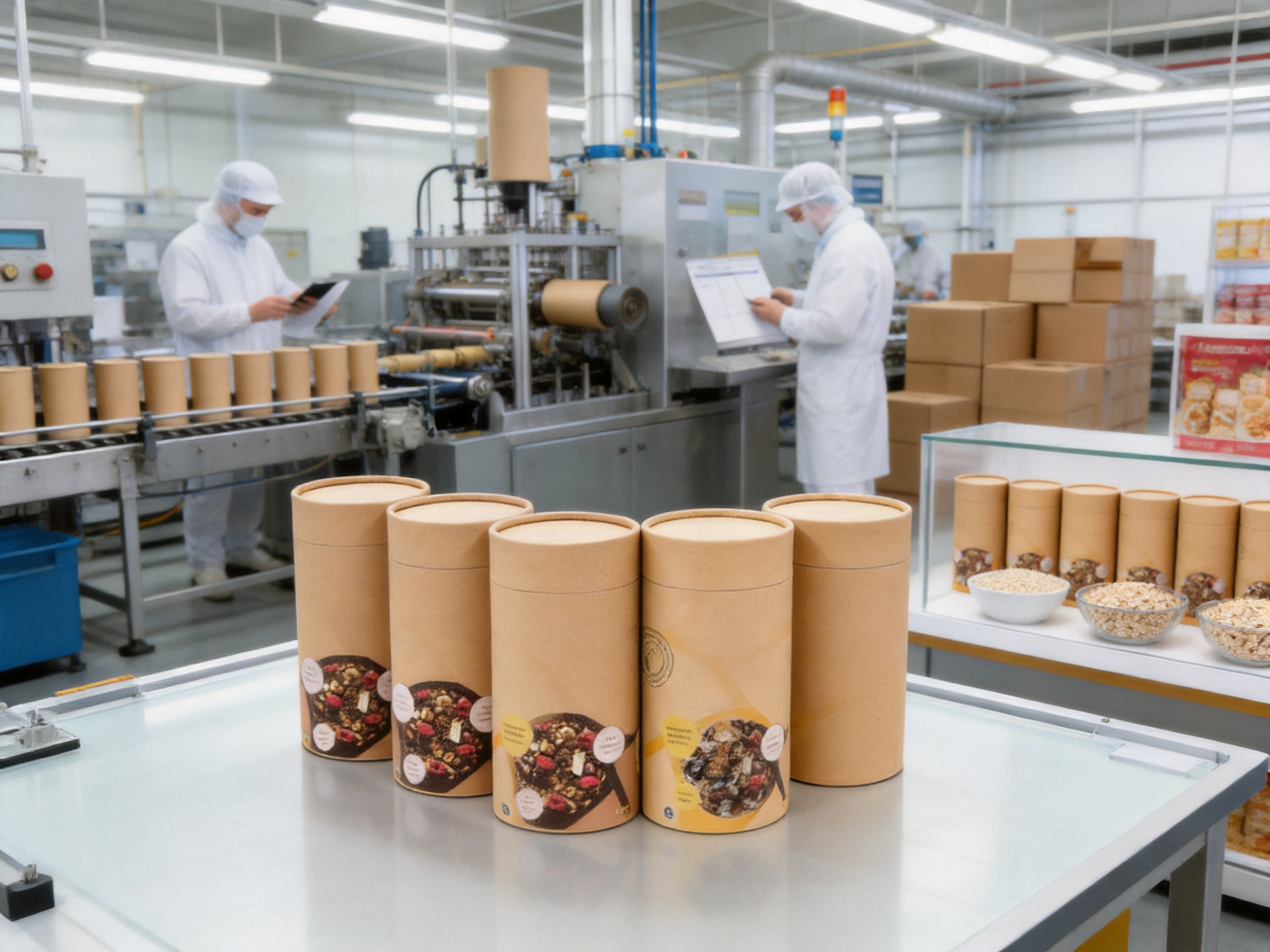
In 2015, the company introduced a high-speed composite can production line from Europe. A high-speed production line can support more efficient and consistent manufacturing when correctly operated and maintained. It may improve production rhythm, reduce manual variation, and help support larger orders while maintaining standardized forming and finishing procedures.
The company has also obtained more than 10 patented technologies. Patents alone do not guarantee that every product will outperform every alternative, but they indicate ongoing investment in technical development. In a custom packaging project, this experience can help the manufacturer identify practical solutions for tube structure, material bonding, edge finishing, barrier requirements, and production stability.
9. Factory-Direct Production and Custom Order Support
The product information identifies the manufacturer as a 100% factory and states that custom orders are accepted. Factory-direct production can simplify communication by allowing customers to work with the team responsible for manufacturing rather than relying entirely on multiple intermediaries.
Direct communication may help reduce delays during artwork review, sampling, specification changes, and production planning. It can also make it easier to discuss technical questions such as internal diameter, height, lining, closure fit, print coverage, matte treatment, and filling compatibility.
The minimum order quantity is listed as 5,000 units. This quantity can be appropriate for a premium cereal launch, seasonal gift program, regional retail rollout, or established product line. It may be less suitable for a very small test batch, so new brands should confirm whether sampling, pilot production, or lower-quantity development options are available.
Custom production does not mean that every feature can be changed without limits. The selected diameter, wall construction, lining, printing process, finish, and closure must work together. A professional supplier should review the product’s weight, density, filling method, target shelf life, shipping environment, and required certifications before confirming the final specification.
The manufacturer’s reported partnerships with companies and brands in food, beverages, tea, coffee, confectionery, water, and nutrition indicate experience with recognizable consumer product categories. Such experience may help the supplier understand the importance of appearance, consistency, delivery schedules, and packaging performance in competitive retail markets.
10. Recommended Development Process
10.1 Define the Cereal Product
The first step is to provide detailed information about the cereal or oat product. This should include net weight, bulk density, particle size, oil content, moisture sensitivity, presence of nuts or dried fruit, filling temperature, and expected shelf life. A granola product with oily clusters may require different validation from a dry oat flake.
10.2 Confirm the Container Dimensions
The listed internal diameter is approximately 95–97 millimeters, with a height of 235 millimeters. These dimensions should be tested with the actual product. A laboratory filling trial can determine the appropriate net weight, headspace, and closure fit. The final dimensions may also need to account for automatic filling equipment and transport cartons.
10.3 Select the Barrier Structure
The aluminum foil lining is a central feature of the proposed container. The supplier and food manufacturer should confirm the lining structure, adhesive system, seam construction, and food-contact suitability. Moisture vapor transmission and oxygen transmission requirements should be linked to the desired shelf life rather than selected only for visual or marketing reasons.
10.4 Prepare Artwork and Brand Guidelines
Artwork should be developed using the supplier’s confirmed template. Designers should reserve areas for legally required information, barcode placement, batch coding, recycling instructions, and closure overlap. Because the tube is curved, a physical mock-up can be useful for checking how the graphics appear when the package is viewed from different angles.
10.5 Approve a Physical Sample
A sample should be checked for dimensions, edge quality, surface appearance, color, print registration, lining integrity, closure fit, and overall handling. The cereal product can also be placed inside the sample to evaluate filling, emptying, shaking, and resealing behavior.
10.6 Conduct Performance Testing
Testing may include compression, drop resistance, transportation simulation, moisture protection, oxygen protection, seal integrity, migration, and shelf-life studies. The exact testing program depends on the product, market, filling process, and regulatory requirements. Commercial production should begin only after the brand approves the relevant results.
10.7 Plan Mass Production and Quality Control
Before placing the full order, the customer and supplier should agree on specifications, acceptable tolerances, inspection standards, delivery schedule, packaging method, and documentation. Quality control should cover incoming paper and lining materials, tube dimensions, print quality, edge formation, surface finish, and final packing.
11. Applications Beyond Oats and Cereals
Although the product is positioned as a luxury cereal container, the same general paper tube platform can support many other dry or semi-dry products. Potential applications include muesli, granola, breakfast mixes, dry baking ingredients, tea, coffee, spices, nuts, snack mixes, nutrition powders, confectionery, and selected pet care products.
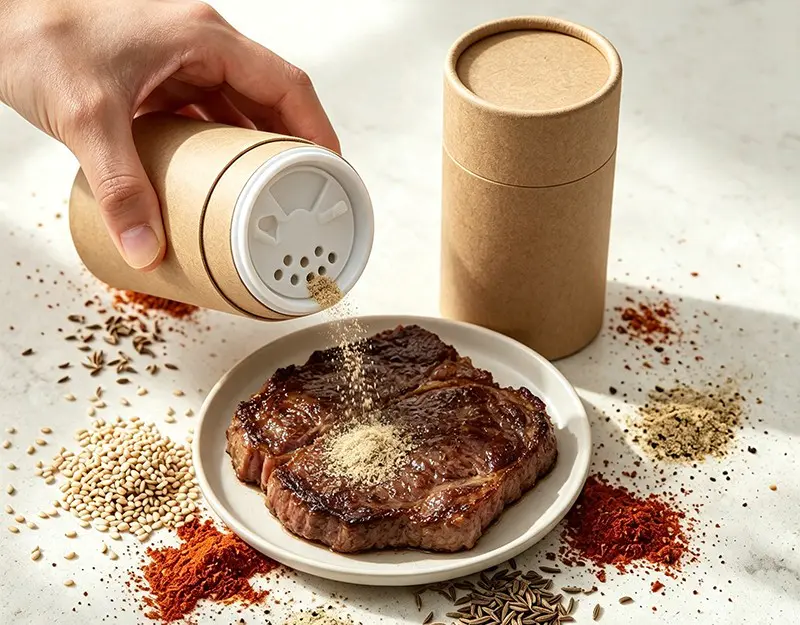
For coffee and tea, aroma retention and oxygen protection may become especially important. For spices and seasonings, odor control and powder containment may require additional evaluation. For confectionery, the internal lining and closure should be assessed against oils, fats, sugar coatings, and possible temperature changes.
Nutrition and supplement products may require strong regulatory control over food-contact materials, labeling, tamper evidence, and dosage information. The cylinder can support a premium wellness aesthetic, but the complete package must be designed according to the specific product and market requirements.
For gifts and seasonal food collections, the tube’s rigid shape and high-quality printing offer opportunities for decorative editions, limited runs, holiday graphics, and coordinated sets. The package may also be suitable for corporate gifts or specialty retail products where presentation is part of the purchase value.
12. Logistics, Storage, and Retail Presentation
The cylindrical shape can improve shelf visibility because it presents a vertical front and allows graphics to wrap around the package. Multiple tubes can be arranged in rows, grouped by flavor, or displayed in gift sets. The rounded profile can also help a product stand apart from rectangular cartons in a crowded breakfast aisle.
For transportation, the package should be protected against crushing, abrasion, moisture, and movement inside the master carton. The supplier can help determine the appropriate shipping carton dimensions, divider requirements, pallet pattern, and stacking limits. A rigid tube is more resistant to some handling stresses than a flexible pouch, but it still requires appropriate secondary packaging.
Warehouse storage conditions should be reviewed because paper-based packaging can be affected by high humidity. Even with an aluminum foil lining, the exterior paper and adhesives should be stored in a clean, dry environment. Temperature and humidity control may be especially important before filling and during long-distance shipping.
The printed surface can be used to create a consistent visual system across several flavors. For example, a cereal range may use one common layout while changing color bands, ingredient illustrations, or flavor names. This makes the products easy to recognize as a family while allowing individual varieties to remain distinct.
13. Quality and Compliance Considerations
Food packaging must be selected and manufactured with attention to applicable regulations in the destination market. The paper, ink, adhesive, aluminum foil, and any closure components should be reviewed for food-contact suitability. The supplier should provide available technical documentation, declarations, test reports, and certification information as required.
Quality control should include dimensional checks. Internal diameter and height affect filling volume, closure fit, label placement, and case packing. Even small variations can influence automatic filling or the visual alignment of the finished package.
Print quality should be evaluated for color consistency, registration, sharpness, coverage, and resistance to normal handling. Matte finishing should be inspected for uniformity, scuff resistance, and compatibility with coding or labeling equipment.
Barrier performance should be considered in relation to the actual cereal product. A package intended for dry oats may not automatically be suitable for high-oil granola, chocolate-coated cereal, or products containing volatile flavors. Testing should be based on the most demanding ingredient and the longest expected storage period.
Traceability is also important. Production records should identify raw material batches, manufacturing dates, inspection results, and shipment details. A strong quality system helps the manufacturer and customer investigate any issue quickly and maintain consistent performance across repeat orders.
14. How the Packaging Supports Premium Brand Positioning
A premium food package communicates value through several sensory cues. The container should look well made, feel substantial, open smoothly, display graphics clearly, and protect the product until the final serving. The proposed paper tube addresses these cues through its rigid body, rolled edges, matte surface, and custom printing capability.
The cylindrical form can also support storytelling. A brand may use the full circumference to explain the origin of the oats, describe preparation methods, highlight recipe suggestions, or present a farm-to-table narrative. This additional communication space can be particularly helpful when a product has distinctive ingredients or a strong sustainability story.
For online retail, the tube can create attractive product images because its shape provides a recognizable silhouette. Multiple viewing angles can reveal the graphics and make the product appear more substantial in photographs. Strong packaging can also improve the unboxing experience when the product is sold through e-commerce channels.
Premium positioning should be supported by product quality rather than packaging alone. The cereal itself, the accuracy of claims, the ease of use, and the reliability of delivery all contribute to consumer trust. The paper tube is most effective when it reinforces genuine product value.
15. Frequently Asked Questions
Q1: What products can be packed in this paper tube?
The container is primarily designed for dry foods such as oats, breakfast cereals, granola, muesli, and grain mixes. It may also be adapted for tea, coffee, snacks, nuts, spices, nutrition powders, confectionery, and other products after application-specific testing.
Q2: What are the stated dimensions?
The listed size is approximately 95–97 millimeters in internal diameter and 235 millimeters in height. The final usable capacity depends on product density, particle size, filling method, headspace, and closure design.
Q3: Why is an aluminum foil lining used?
The aluminum foil lining forms part of the barrier structure. It can help protect dry foods from moisture, oxygen, and light when properly integrated and sealed. Final performance must be verified through testing with the actual product.
Yes. Its rigid cylindrical shape, rolled edges, CMYK custom printing, and matte finish provide a premium presentation suitable for specialty cereals, oats, granola, and gift-oriented food products.
Q5: Can the design and logo be customized?
Custom orders are accepted, and the product information specifies custom logo capability. Artwork, colors, dimensions, surface treatment, lining, and other details should be confirmed with the manufacturer before production.
Q6: What printing method is available?
The listed printing method is CMYK printing. This supports full-color graphics, product photography, illustrations, ingredient images, and regulatory information. A physical proof is recommended before mass production.
Q7: What does the matte finish offer?
A matte finish provides a low-gloss appearance and a softer visual impression. It can reduce reflections and support a refined, natural, or modern packaging style.
Q8: What is the minimum order quantity?
The stated minimum order quantity is 5,000 units. Customers should confirm current production conditions, sampling policies, and any quantity options directly with the manufacturer.
Q9: Is the package recyclable?
Recyclability depends on the complete structure, including paper, aluminum foil, adhesives, printing materials, closure components, and local collection systems. Brands should obtain specific technical information and confirm disposal guidance for each target market.
Q10: Can the container protect cereal after opening?
The package is designed to provide protection as a container, but performance after opening depends on the closure, seal quality, storage conditions, and consumer handling. Keeping the container closed in a dry environment is recommended.
Q11: Does the manufacturer have food packaging experience?
According to the supplied company information, the manufacturer has worked in composite cans and paper cans for more than 20 years, has food packaging experience, and was the first enterprise in China to pass the QS certificate for producing food packaging containers.
Q12: Why should a brand request a sample?
A sample allows the customer to check size, capacity, graphics, color, edge quality, closure fit, handling, and product compatibility before committing to a full production order. It is an important step in reducing risk during a packaging launch.
16. Overall Assessment
This custom paper tube is a strong packaging option for brands that want to present oats and cereals as premium, carefully designed food products. Its main advantages are the rigid three-piece structure, rolled edges, internal aluminum foil lining, custom CMYK printing, matte finish, and cylindrical format. Together, these features support product protection, shelf differentiation, brand storytelling, and a more refined consumer experience.
The package can offer meaningful advantages over ordinary cartons, flexible pouches, basic plastic jars, and selected metal formats. It provides a distinctive form, a substantial feel, and a broad printable surface while retaining the paper-forward character increasingly valued in modern food packaging. Its use of recycled materials and eco-friendly positioning may further support sustainability-focused product strategies, provided that environmental claims are verified accurately.
The supplier’s more than two decades of composite can experience, high-speed European production line, food packaging background, patented technologies, industry participation, and factory-direct model strengthen the development proposition. These capabilities are particularly relevant for customers that need custom dimensions, controlled printing, barrier integration, and consistent repeat production.
Successful implementation still depends on technical validation. Cereal manufacturers should confirm product capacity, barrier performance, food-contact compliance, closure behavior, transportation durability, and end-of-life considerations. With the correct testing and artwork preparation, the container can become more than a vessel for oats or cereal: it can serve as a durable product platform that combines protection, premium presentation, and responsible packaging intent.
References
1. Supplied product specifications for the custom luxury cereal container, including construction, dimensions, lining, printing, finish, material, and minimum order quantity.
2. Supplied company information regarding composite can manufacturing experience, food packaging certification history, production equipment, patented technologies, and industry partnerships.
3. General principles of dry food packaging design, including moisture control, oxygen protection, shelf-life validation, and packaging-performance testing.
4. General technical guidance on paper-based composite containers, rigid tube construction, rolled edges, printing, matte finishing, and barrier-layer integration.
5. General packaging sustainability principles concerning recycled content, material composition, food waste prevention, recyclability, and local waste-management systems.
6. General food-packaging quality practices covering sampling, dimensional inspection, print approval, migration assessment, traceability, transportation testing, and production controls.
