 English
 Español
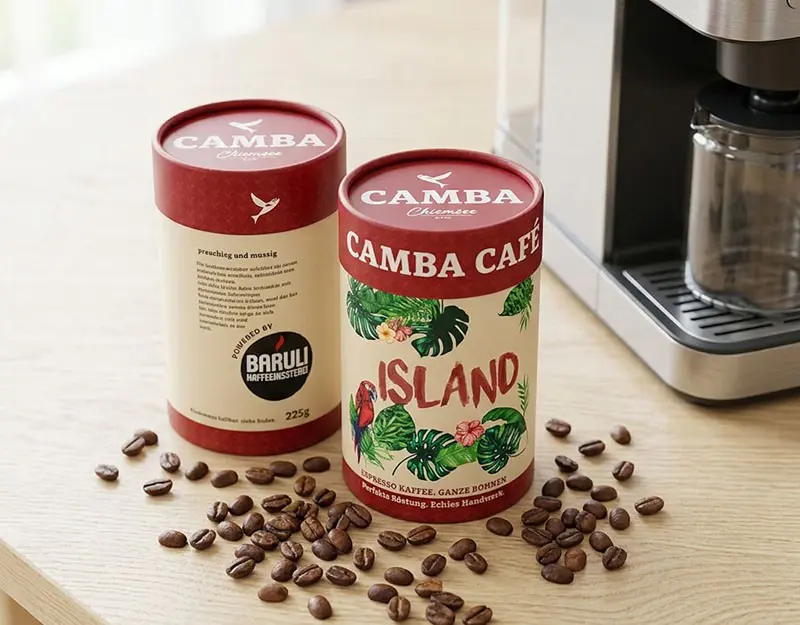
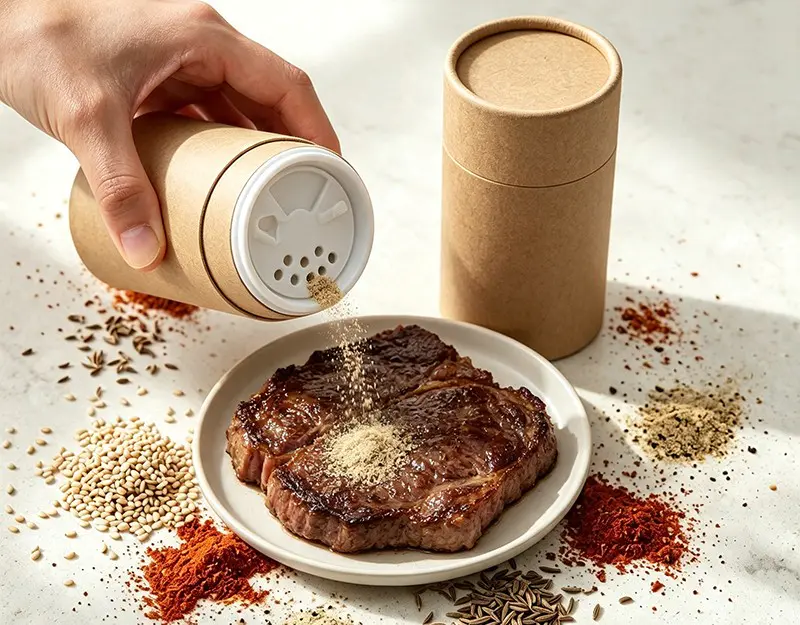

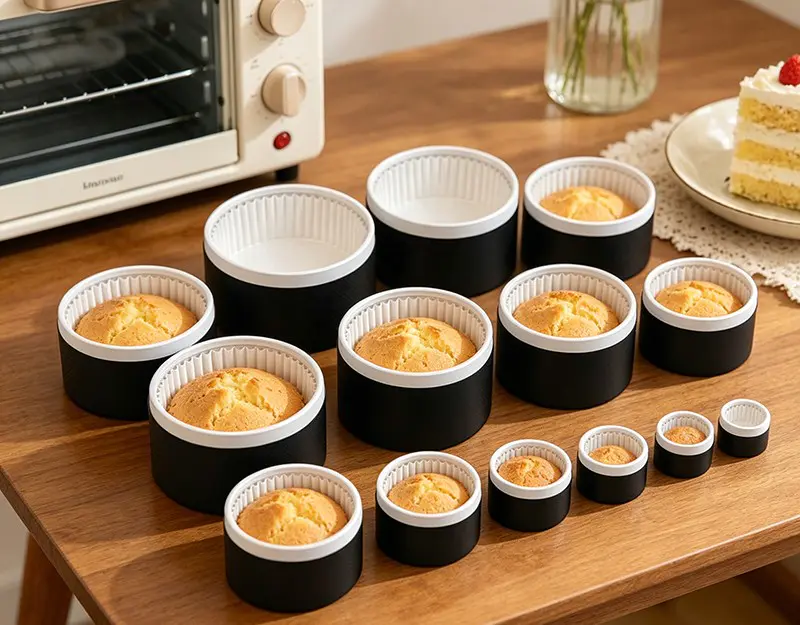

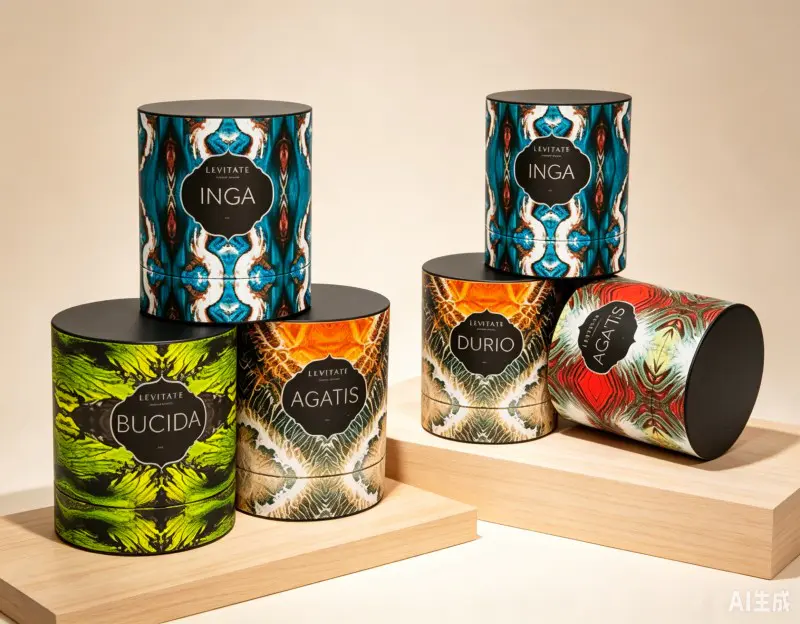
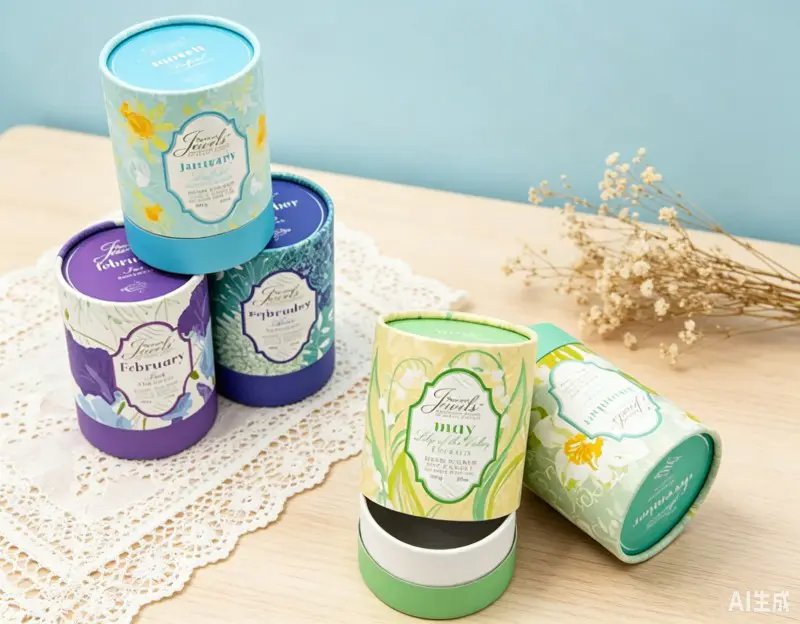
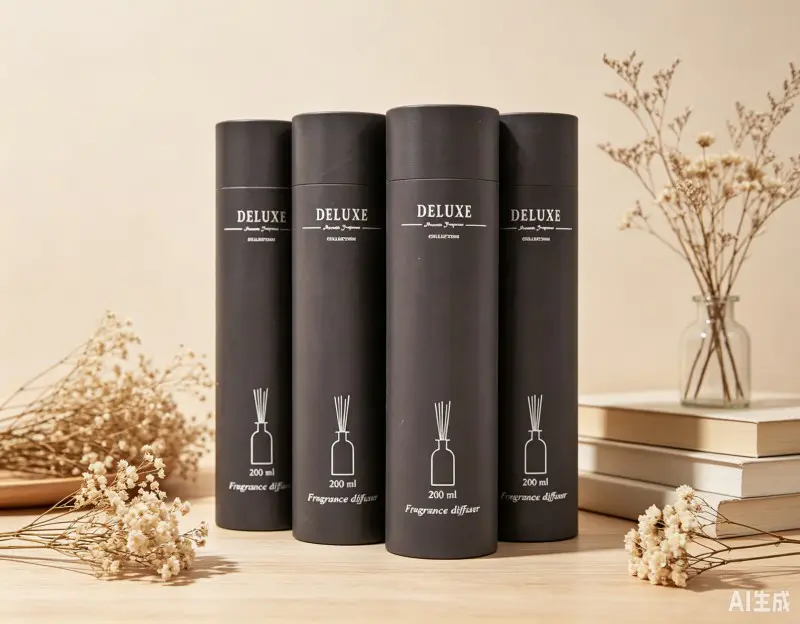
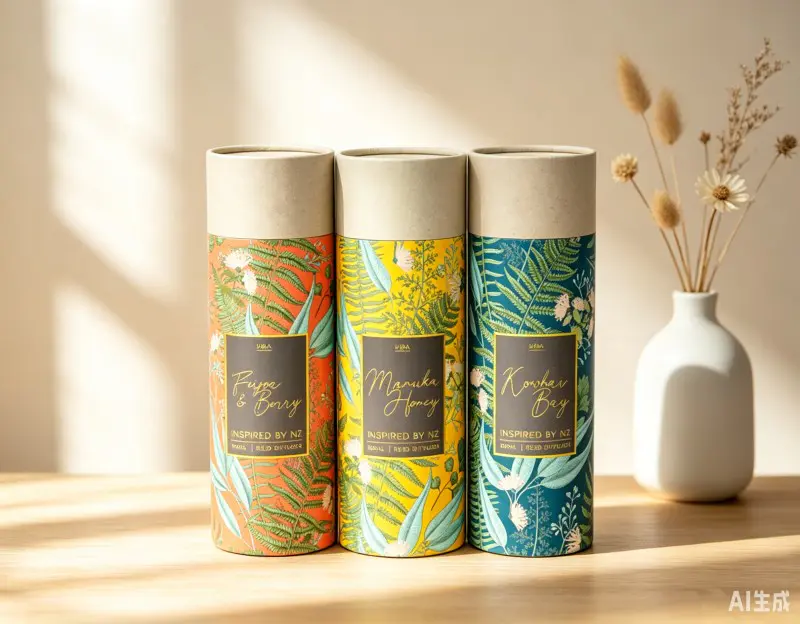
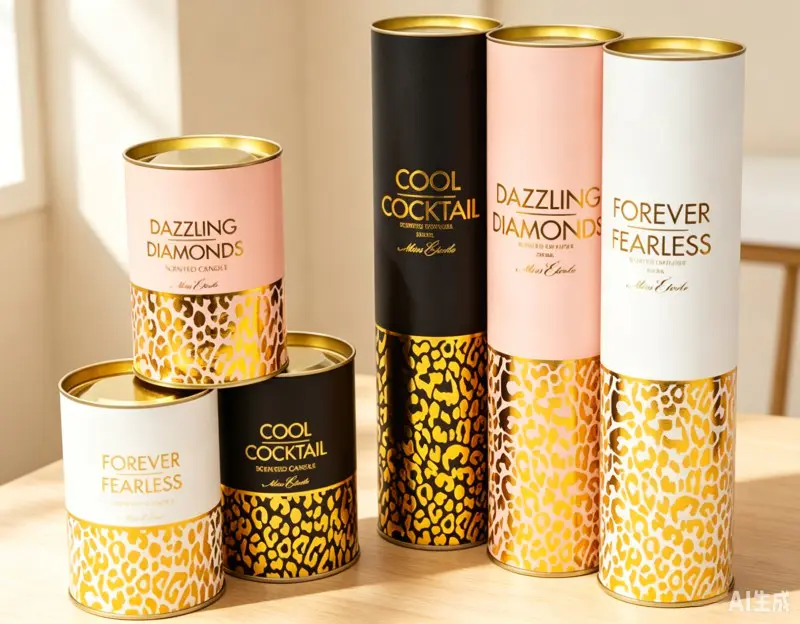
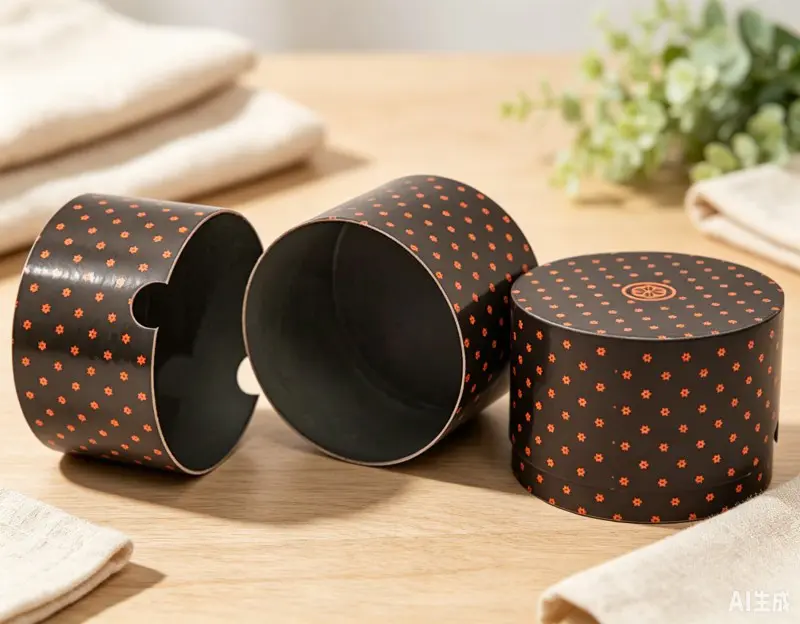
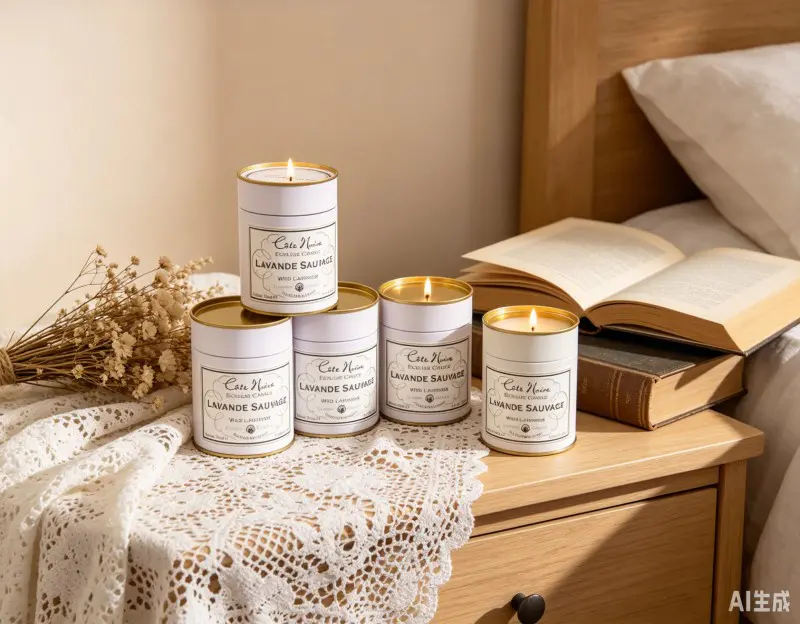

As one of the top China cardboard tube packaging manufacturers and paper tube packaging suppliers, we devote all of our efforts to research and launch more high quality packaging products to global market.
If you have ever twisted a metal cap off a coffee canister, slid a candle out of its round box, or shaken salt from a cardboard shaker, you have already handled a custom paper tube. The format is almost deceptively simple. A cylinder wastes very little material, resists crushing far better than a flat carton, and offers a brand a tall, uninterrupted surface to print on. That combination is why tubes keep appearing in categories where they were once considered unusual.
We have been producing composite cans and paper tubes for more than twenty years, and most new buyers open the conversation with the same question: what do I actually need to decide before I ask for a price? The short answer is that a paper tube is a system, not a single product. Diameter, wall thickness, liner, closure and print method all talk to each other, and changing one usually shifts the others. The notes below follow the order those decisions tend to come up in real projects.
Content
- 1 Why Custom Paper Tubes Keep Winning Packaging Budgets
- 2 The Specifications That Actually Drive the Quote
- 3 Materials and Barrier Layers, Explained Plainly
- 4 Closures, Openings and the Small Parts That Decide Everything
- 5 Where Custom Paper Tubes Genuinely Earn Their Place
- 6 Print, Finish and the Details Buyers Notice
- 7 A Short Checklist Before You Request Pricing
- 8 Food Contact, Recycling and the Questions to Ask
Why Custom Paper Tubes Keep Winning Packaging Budgets
Tubes are no longer a novelty format, yet they continue to take share from both folding cartons and rigid plastic jars. The reasons are practical rather than fashionable.
- Material efficiency. A wound cylinder uses almost its entire surface to contain product, so there is very little trim waste compared with a die-cut carton.
- Structural strength. Multiple paper plies handle top-load compression well, which matters once pallets start stacking in a warehouse.
- Shelf presence. A tall round container interrupts a wall of rectangles, and that interruption is free advertising.
- Printable area. The full circumference is available for artwork, with no corner panels to work around.
- Material story. A paper-forward container is easier to explain to a customer than a mixed-material jar.
None of those advantages are automatic. A tube only performs when the wall, the liner and the closure are matched to the product inside it. Get that match wrong and you end up with a beautiful container that leaks, dents, or fails a shelf-life test three months after launch.
The Specifications That Actually Drive the Quote
When a buyer asks for pricing, the numbers that move the price most are not the print colors. They are the physical dimensions and the barrier structure. The table below shows the ranges we see most often across food, supplement, cosmetics and gift work.
| Specification | Common range | What it affects |
|---|---|---|
| Inner diameter | 30 to 150 mm | Fill speed, hand feel, shelf impression |
| Body height | 50 to 400 mm | Capacity and stacking strength |
| Wall thickness | 0.6 to 3.0 mm | Rigidity, weight, cost per unit |
| Outer wrap | Kraft, white board, foil-laminated | Print quality and surface feel |
| Inner liner | Food-grade PE, foil, wax | Moisture and oxygen protection |
| Closure type | Metal lid, plug, shaker, peelable membrane | Opening experience and seal level |
Two dimensions are worth calling out because they cause the most back-and-forth. Inner diameter is usually fixed by the filling equipment, so it should be confirmed with the production team before artwork is finalized. Wall thickness is generally the cheapest way to add rigidity, but it also adds weight, and weight is what shipping rates respond to. If you want to work through how these numbers interact, our guide to paper tube dimensions covers the arithmetic in more detail.
Materials and Barrier Layers, Explained Plainly
A paper tube is built in layers, and each layer has a job. Understanding them makes specification conversations much faster.
The outer wrap
This is the layer your customer sees and touches. Kraft gives a warm, natural look and takes single-color printing cleanly. White board or coated stock gives sharper photographic reproduction and brighter colors. Foil lamination sits at the premium end and adds a metallic finish that reads immediately as gift packaging.
The structural plies
Beneath the wrap are the wound paper plies that give the tube its strength. More plies mean a stiffer wall, which matters for heavier contents such as a wine bottle or a large powder fill. Recycled board is common here because this layer never touches the product.
The inner liner
The liner is the only layer that touches the contents, so it carries the food-contact responsibility. A polyethylene liner handles dry powders and most ambient goods. Aluminum foil raises the barrier substantially and is the usual choice for coffee, tea and anything sensitive to oxygen or aroma loss. Wax liners still appear for certain bakery and confectionery applications.
Closures, Openings and the Small Parts That Decide Everything
If there is one area where a good tube project goes wrong, it is the closure. The lid is what a customer interacts with every single time they use the product, and it is also the part that determines whether the package actually holds a seal.
The common options are metal lids with a rolled edge, plastic plugs that press into the bore, shaker tops with perforated holes, and peelable aluminum membranes for tamper evidence. A tube can combine several of these: a membrane seal under a metal lid gives both tamper evidence and a resealable top, which is standard practice for powders.
For coffee specifically, a one-way degassing valve changes what the tube can do. Roasted beans release carbon dioxide for days after roasting, and a sealed container without a valve will either bulge or force aroma out through the seams. A valve lets gas escape while keeping oxygen out, which is the entire point of the package.
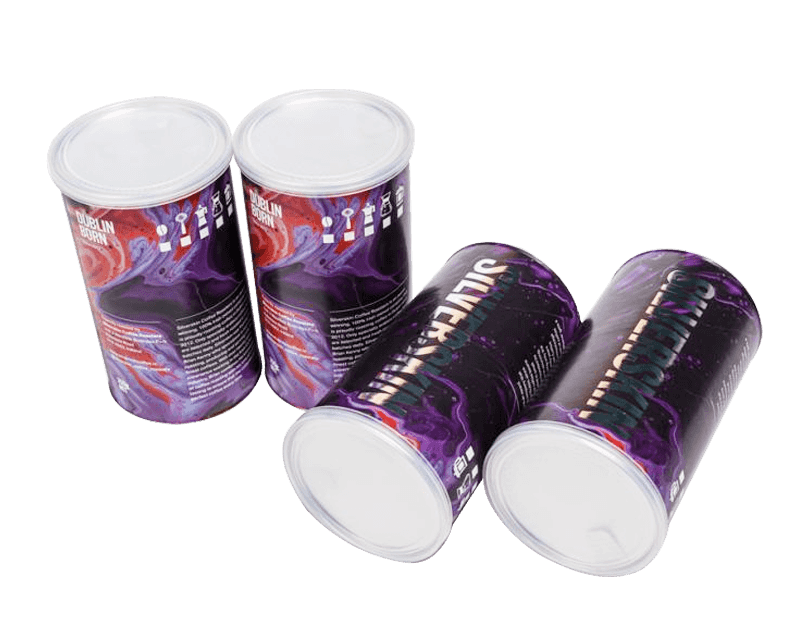 Airtight Coffee Bean Packaging Tube with Degassing Valve for 250gBuilt for 250g roasted coffee, this composite paper tube includes a valve, foil peel-off end, plastic cover, and tin bottom for airtight bean packaging.View Product →
Where Custom Paper Tubes Genuinely Earn Their Place
Not every product belongs in a tube. The format rewards categories where portioning matters, where the container needs to stand on a counter, or where the packaging itself is part of the gift.
Coffee, tea and dry beverages
Whole beans, ground coffee, loose leaf tea and matcha all benefit from a wall that blocks light and a liner that blocks moisture. The round shape also suits the ritual of the category, which is why so many specialty roasters have moved away from flat bags for their gift and subscription lines.
Nutrition and supplement powders
Protein, greens blends and meal replacements are dense, they settle in transit, and they are usually scooped rather than poured. A wide-diameter tube with a full-bore lid is easier to scoop from than a narrow jar, and the extra wall thickness handles the weight of a 500 g or 1 kg fill without bulging.
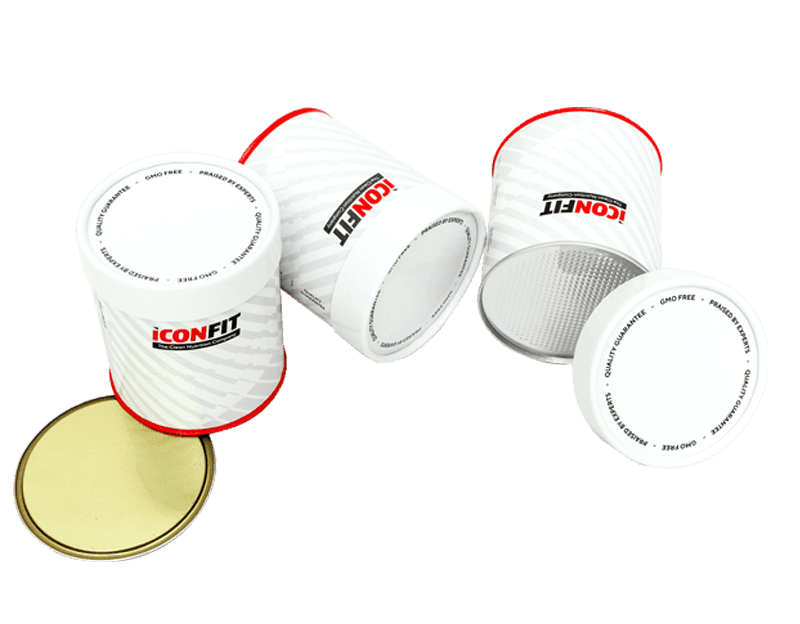 Custom Printed Airtight Paper Tube for Collagen and Protein PowderFood-grade recyclable composite canister with custom printing and logo options, sized ID99*120MM, suitable for collagen, protein, or whey powder packaging.View Product →
A single bottle inside a printed tube is one of the most cost-effective ways to turn an ordinary bottle into a gift. The tube protects the glass, carries the brand story, and can be finished with metal ends or a ribbon handle for the top tier.
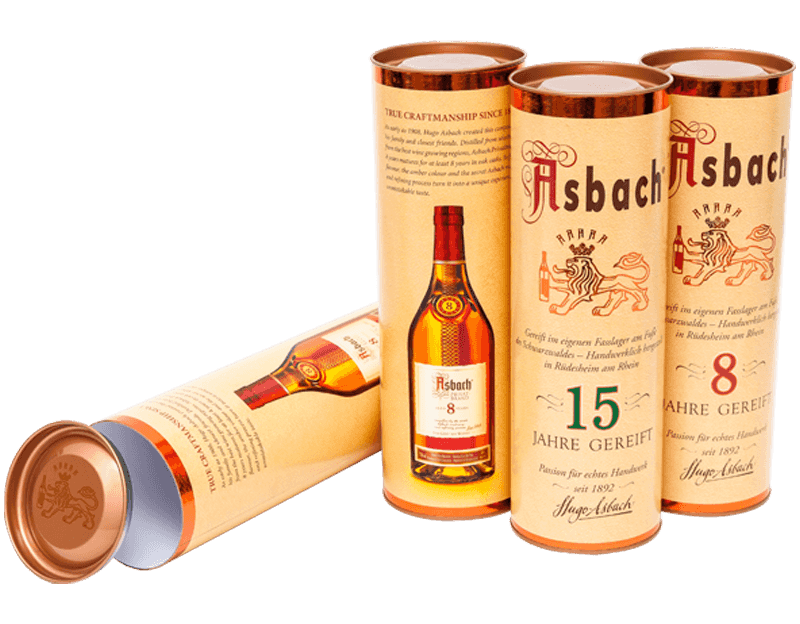 Custom Kraft Paper Wine Tube Box with Tin EndsOffset-printed wine packaging tube in ID99mm x H316mm, made with kraft paper, coated liner, label art paper, and tin lid/bottom; custom colors accepted.View Product →
Print, Finish and the Details Buyers Notice
Print is where most of the emotional value is created, and it is also where minimum order quantities are decided. Flexographic printing is the workhorse for large runs and simpler artwork. Offset gives finer detail and is usually the better fit for photographic imagery or fine type. Digital printing has changed the economics for short runs, letting a brand test a design or produce a limited seasonal batch without committing to a full print cylinder.
- Foil stamping and embossing, for gift and spirits lines where the tube is handled before it is opened.
- Matte or soft-touch lamination, which makes a paper surface feel noticeably more expensive than it costs.
- Spot colors, for brands that need the printed tube to match a logo color exactly.
- Interior printing, a small surprise for the customer at the moment of unboxing.
One practical warning: artwork should only be finalized after the tube dimensions are locked. A design that was drawn for a 73 mm diameter body will need to be re-flowed if the diameter moves to 83 mm, and that re-flow costs time.
A Short Checklist Before You Request Pricing
Most quoting delays come from missing information rather than from the factory. If you can answer the following, a supplier should be able to come back with a usable number quickly.
- Confirm the inner diameter and check it against your filling equipment.
- Estimate the filled weight and describe the shipping conditions, including pallet stacking.
- Choose the liner based on how sensitive the contents are to moisture, oxygen and aroma.
- Decide the closure: metal lid, plug, shaker top, peelable membrane, or a combination.
- State the print method and have print-ready files available.
- Confirm target volume, delivery window and any inspection requirements.
- Ask for a physical sample before approving the final specification.
Food Contact, Recycling and the Questions to Ask
Because paper tubes are often used for food and supplements, compliance is not a detail that can be handled later. Ask your supplier which materials make up the food-contact layer, what documentation they can provide, and whether the liner and membrane have been assessed for direct contact with the specific type of product you are filling.
Recyclability deserves an honest answer too. A tube with a paper body, paper liner and metal lid is straightforward to separate at the end of its life. A tube with a foil laminate and a plastic plug requires more sorting effort. The right structure depends on whether freshness or end-of-life simplicity is the priority, and a good manufacturer will say so rather than promise both at once.
Regulations in major markets are also tightening around packaging waste and recycled content, and paper-based cylindrical containers are generally well positioned in that shift. It is worth asking early how a proposed structure would be described under the rules that apply to your market.
Custom paper tubes reward a little planning. Lock the diameter, decide the liner, settle the closure, and the rest of the project moves quickly. Skip those steps and you will spend the same time later, usually under more pressure.
We work with brands of very different sizes, from single-site roasters testing a first gift tube to international food companies running multi-SKU programs, and the conversation is always easier when the buyer arrives with the checklist above in hand. If you would like to see the range in one place, our paper tube and composite can catalogue is a reasonable place to start, and we are happy to talk through the specification that fits your product.
