 English
 Español

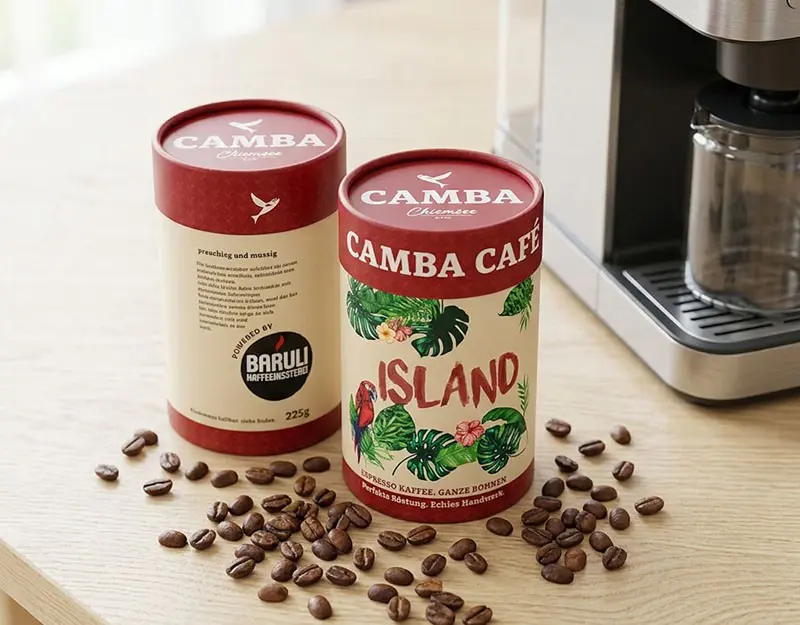
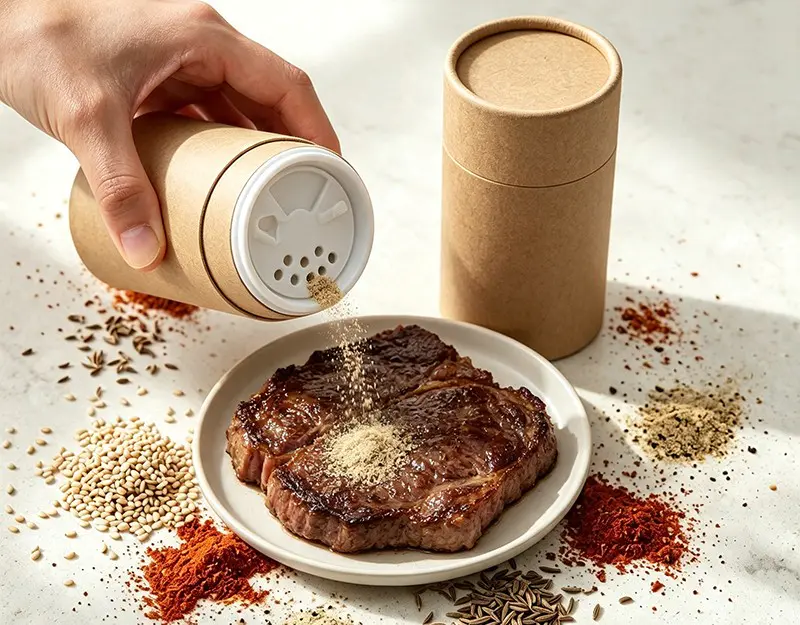

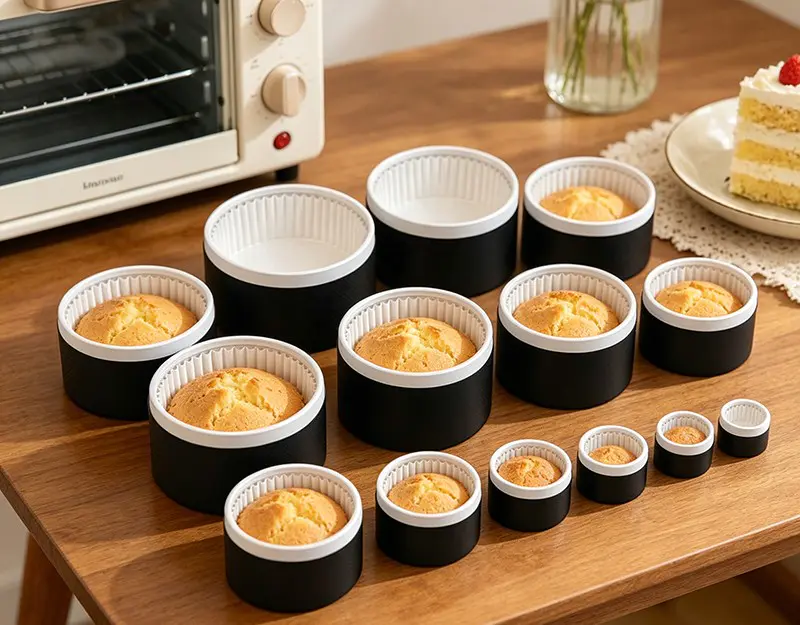
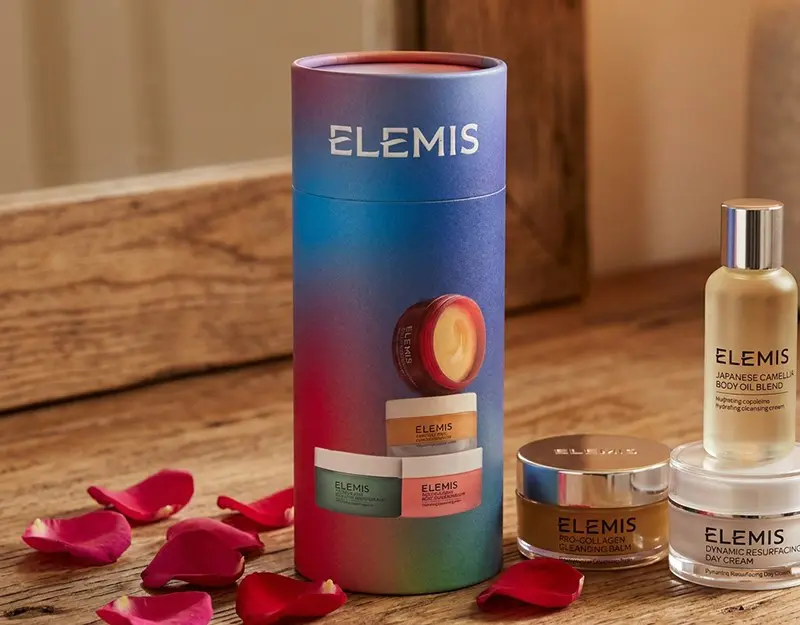
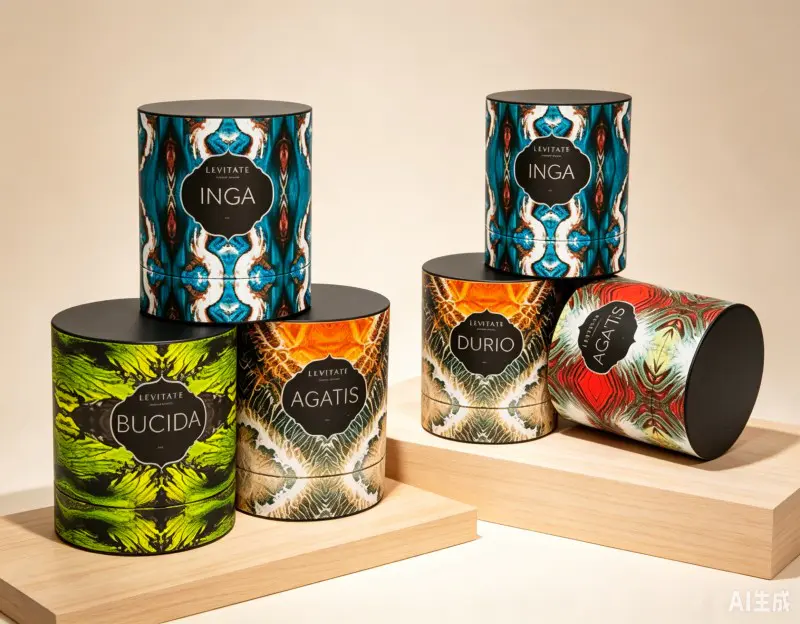
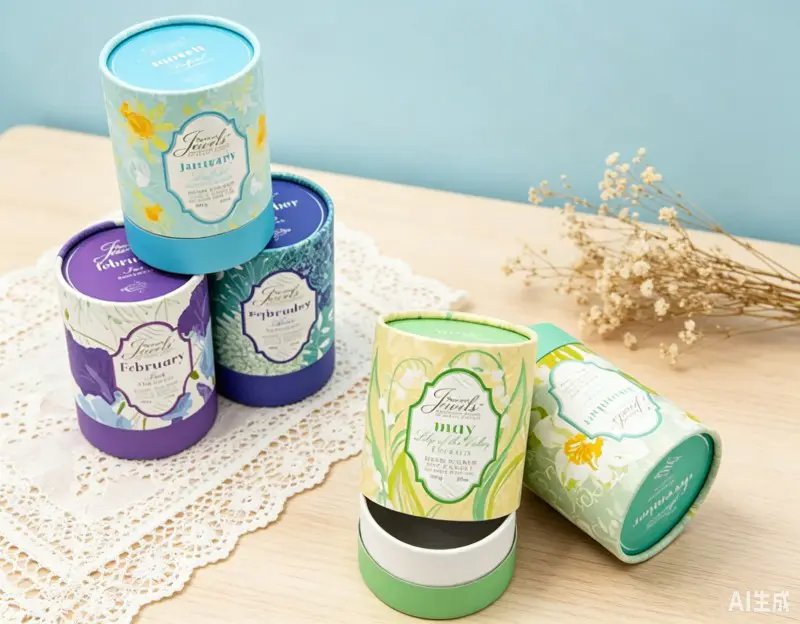
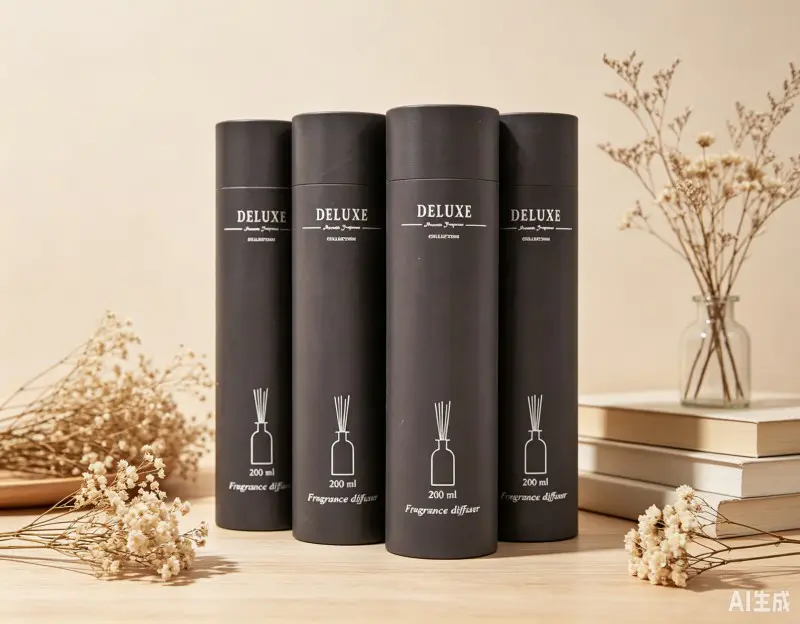
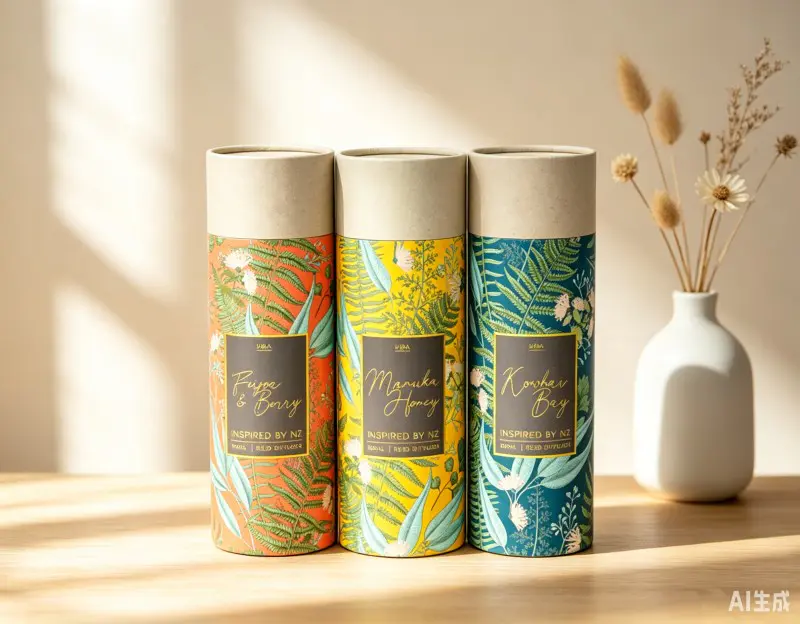
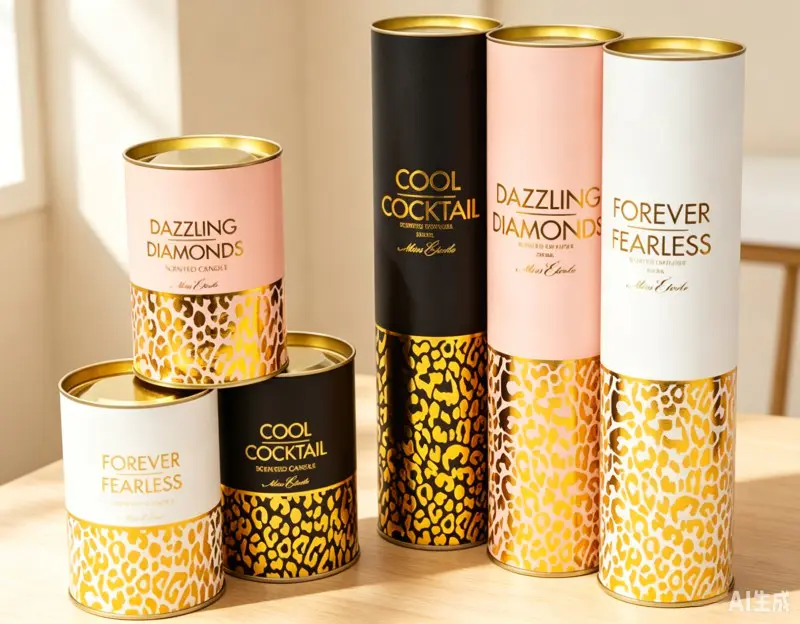
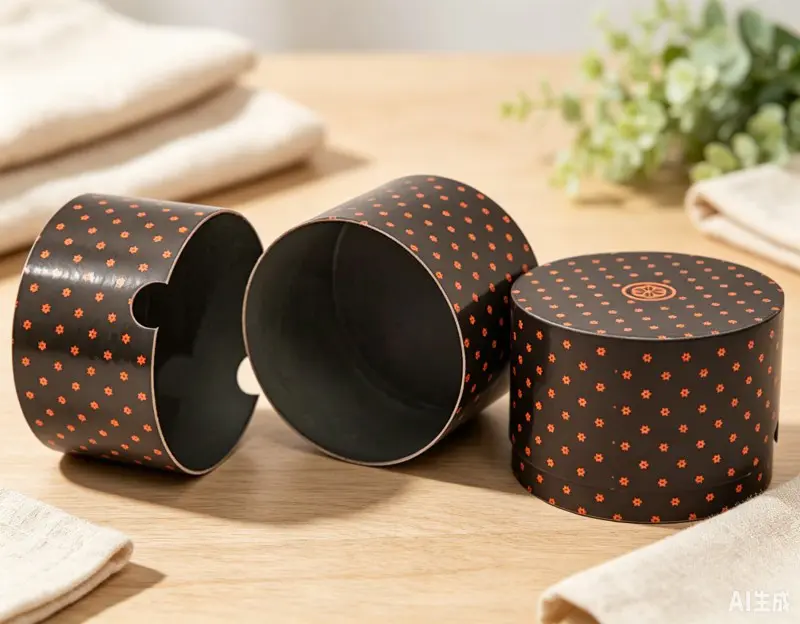
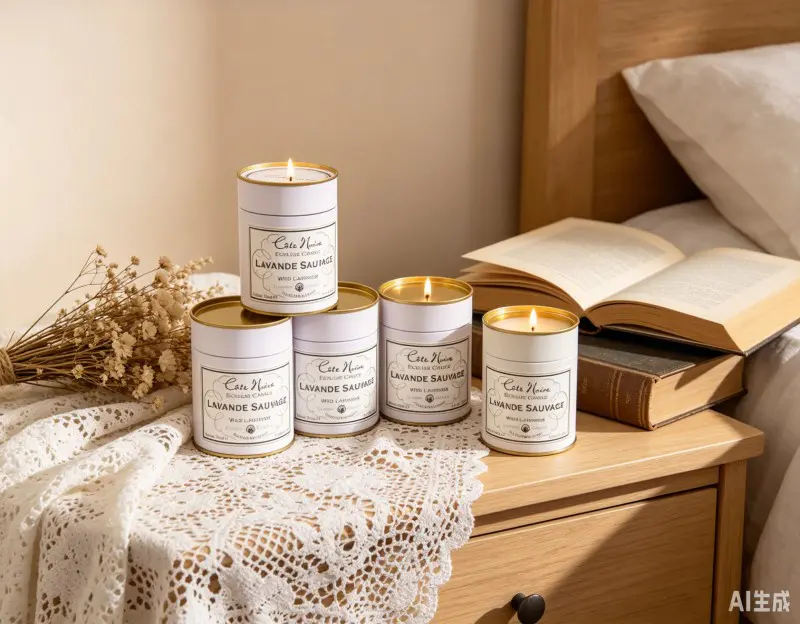

As one of the top China cardboard tube packaging manufacturers and paper tube packaging suppliers, we devote all of our efforts to research and launch more high quality packaging products to global market.
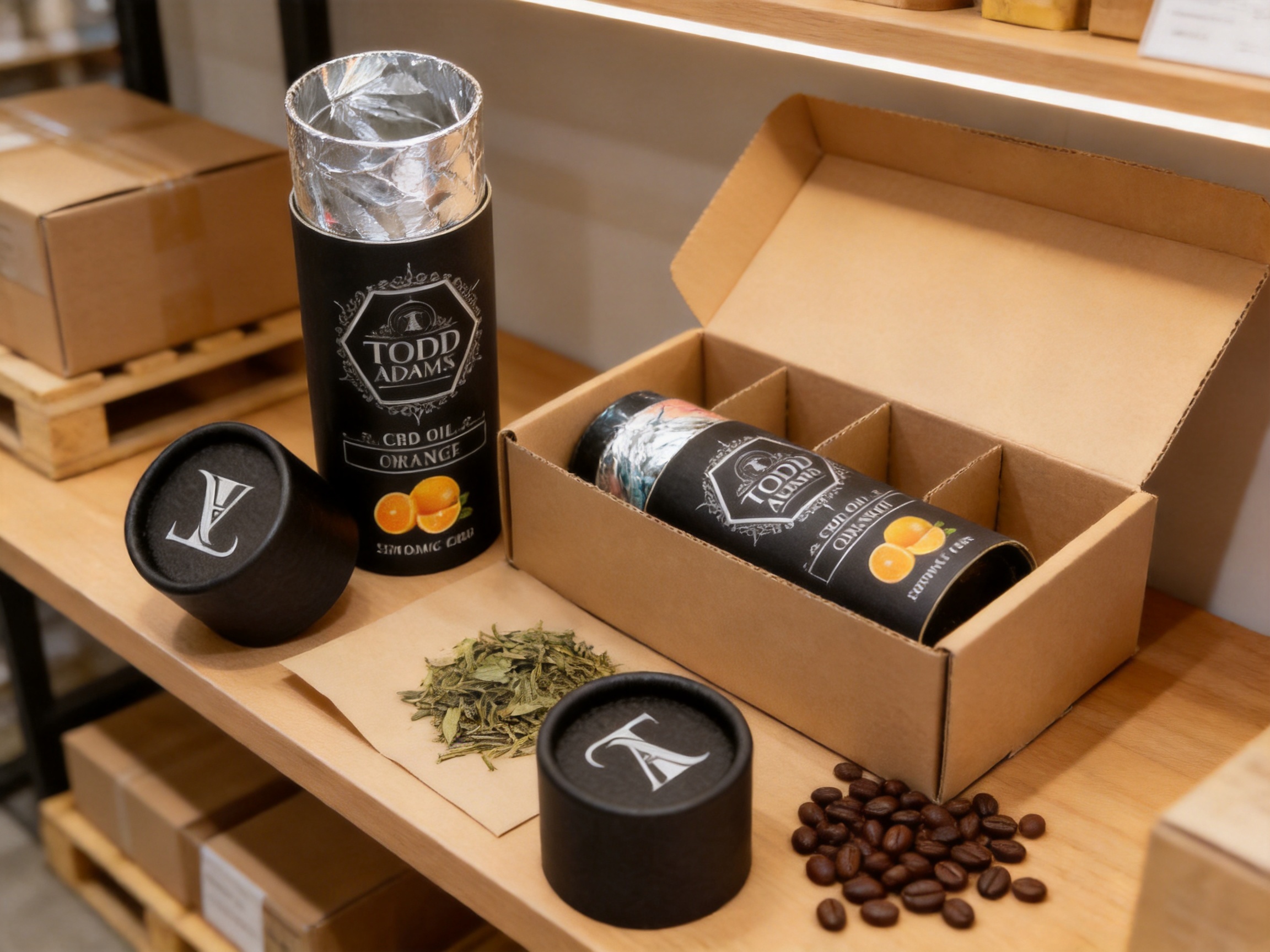
Custom printed cardboard paper tube packaging has become an increasingly attractive solution for brands that want a distinctive presentation, dependable product protection, and a more responsible alternative to conventional rigid plastic containers. The cylinder format offers a memorable shape, while high-quality printing and silver foil decoration create the visual impact expected in premium retail markets. When designed with suitable inner barriers, closures, and finishing treatments, the package can also protect sensitive products from moisture, light, air exchange, and handling damage.
The custom printed cardboard paper tube described in this article is especially suitable for CBD products, wellness items, specialty foods, teas, coffee, confectionery, snacks, supplements, cosmetics, candles, gifts, and other products that benefit from a premium cylindrical container. Its structure can be adapted to different diameters, heights, wall thicknesses, closure styles, lining materials, and decoration requirements. The result is packaging that combines shelf appeal with practical performance.
Silver foiling is one of the principal decorative features available for this packaging format. It can be applied to logos, product names, patterns, borders, illustrations, or selected visual details. Against a matte, gloss, dark, natural, or brightly colored printed background, silver foil produces a refined metallic contrast. This allows brands to communicate quality without relying exclusively on expensive materials such as metal tins, glass jars, or fully rigid plastic containers.
Beyond its appearance, the product is supported by a factory-direct manufacturing model, food-packaging experience, a quality-oriented production system, and more than two decades of involvement in the composite can and paper can industry. These capabilities help brands move from a packaging concept to a scalable commercial solution with better control over structure, decoration, safety, and cost.
Content
- 1 1. Product Overview
- 2 2. Main Structural Components
- 3 3. The Visual Impact of Silver Foiling
- 4 4. Advantages Compared with Conventional Packaging
- 5 5. Product Protection and Freshness Considerations
- 6 6. Suitable Product Categories
- 7 7. Advanced Manufacturing Capabilities
- 8 8. Manufacturing Process
- 9 9. Quality Control Priorities
- 10 10. Sustainable Packaging Considerations
- 11 11. Branding and Design Opportunities
- 12 12. Packing, Shipping, and Logistics
- 13 13. Ordering and Customization Process
- 14 14. Frequently Asked Questions
- 14.1 Q1: What products can be packed in a custom cardboard paper tube?
- 14.2 Q2: Is the cardboard paper tube completely airtight?
- 14.3 Q3: Can the tube be used for food packaging?
- 14.4 Q4: What is the purpose of silver foiling?
- 14.5 Q5: Can the dimensions be customized?
- 14.6 Q6: Can the packaging include a tamper-evident feature?
- 14.7 Q7: Is the packaging suitable for CBD products?
- 14.8 Q8: Can the tube protect tea aroma?
- 14.9 Q9: What packing methods are available?
- 14.10 Q10: Is factory-direct purchasing available?
- 14.11 Q11: Can the package be recycled?
- 14.12 Q12: What information is needed for a quotation?
- 15 15. Why Choose This Packaging Platform?
- 16 16. Conclusion
- 17 References
- 18 Product: Custom Printed Cardboard Paper Tube CBD Packaging Box with Silver Foiling
1. Product Overview
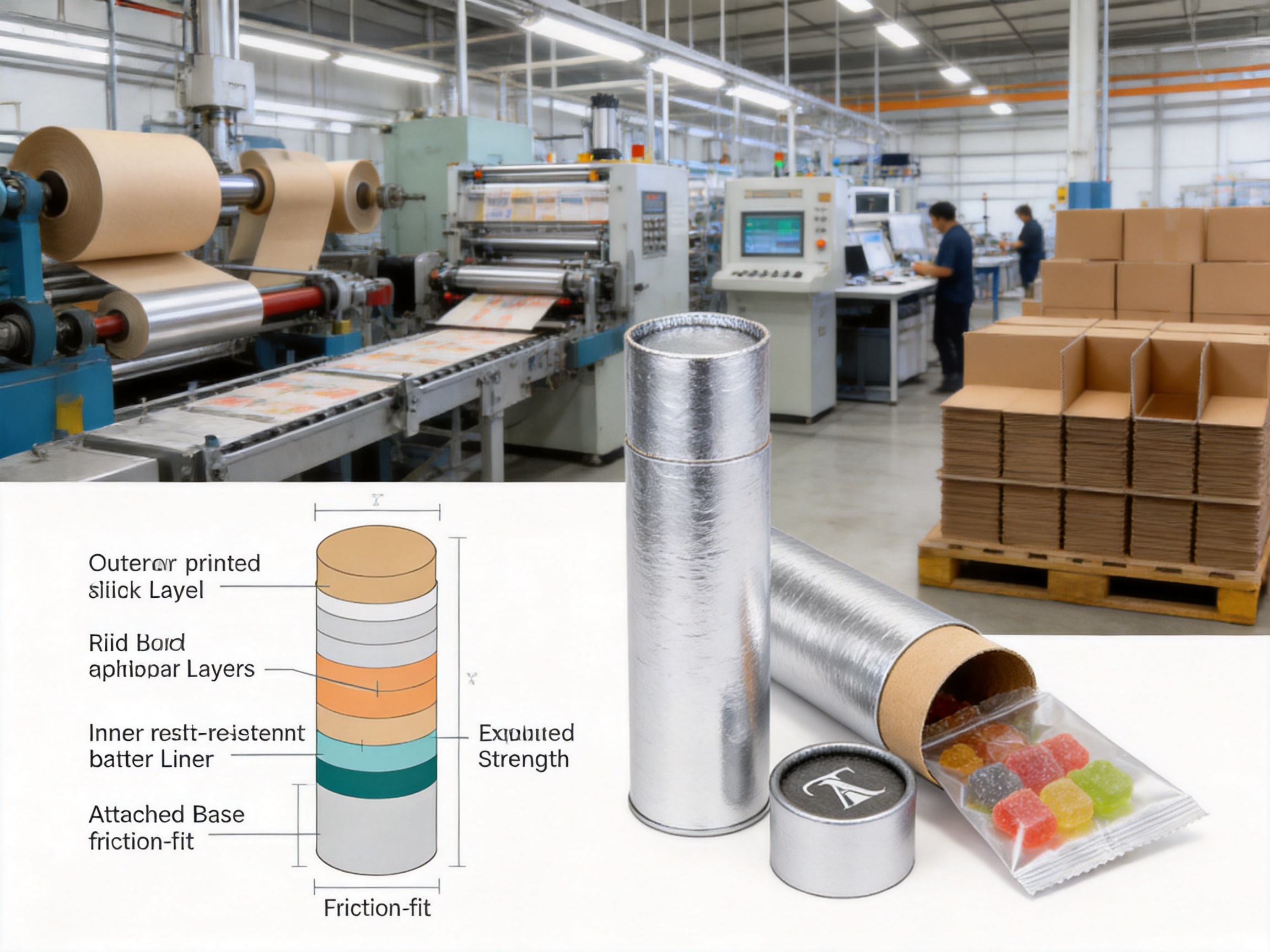
Custom printed cardboard paper tube packaging is a cylindrical container manufactured primarily from paper-based board. The tube body is formed by winding or laminating paper layers to achieve the required strength and dimensional stability. Depending on the product application, the structure may include an outer printed layer, structural paperboard, an inner liner, a base, and a removable or friction-fit lid.
For a CBD packaging application, the tube may be used for products such as CBD gummies, capsules, balms, small wellness accessories, aromatic products, or carefully protected powdered and solid goods. The exact internal construction should be selected according to the product’s sensitivity, regional regulations, filling method, storage environment, and required shelf life. CBD packaging must also be designed in accordance with the laws of the target market, including applicable labeling, child-safety, tamper-evidence, and product-contact requirements.
For tea, coffee, snacks, and other food products, the package can be configured with a food-grade inner liner or barrier layer. A suitable liner helps reduce moisture transfer and protect aroma. Depending on the design, the interior may use PE-coated paper, a foil laminate, or another approved barrier material. The appropriate specification should always be confirmed through technical evaluation and product compatibility testing.
The outer cylinder provides a generous printable area. Compared with a small pouch or a narrow rectangular carton, the cylindrical surface can offer a continuous brand presentation that is visible from several directions. This is valuable in retail displays, gift sets, subscription boxes, hotel amenities, specialty stores, and e-commerce shipments where packaging contributes substantially to the customer’s first impression.
The product can be manufactured with customized dimensions, artwork, colors, logos, surface finishes, and closure configurations. It may be supplied as an individual tube, as part of a multi-piece gift set, or in shipment-ready cartons with dividers and pallet arrangements. This flexibility allows the same general packaging platform to serve different product categories while maintaining a consistent brand identity.
2. Main Structural Components
2.1 Cylindrical Paperboard Body
The tube body provides the basic shape and structural support. Multiple paper layers can be combined to create a rigid wall that resists compression during filling, storage, transport, and retail handling. The thickness can be adjusted to match the weight and fragility of the packaged product.
A rigid paper tube is particularly useful for products that need more protection than a flexible pouch can provide. It helps maintain a defined retail shape and can reduce the likelihood of crushing under ordinary handling conditions. It also provides a premium hand feel that communicates greater substance than thin flexible packaging.
2.2 Printed Outer Surface
The external paper layer is the primary communication surface. It may contain brand graphics, product information, usage instructions, ingredients, regulatory statements, barcodes, recycling information, illustrations, and decorative patterns. Printing can be designed around the curvature of the cylinder to create a seamless appearance.
Color management is important because the final appearance depends on the selected paper surface, ink system, coating, and foil treatment. Before mass production, brands should approve artwork proofs and, where necessary, physical samples. This helps verify text readability, logo proportions, color accuracy, foil placement, and the alignment of artwork around the tube.
2.3 Inner Liner or Barrier Layer
The inner liner is selected according to the product’s technical needs. For dry foods, tea, herbs, coffee, powders, or supplements, the liner may help limit moisture penetration and preserve aroma. For products that are especially sensitive to oxygen, light, or volatile compounds, a higher-barrier structure may be required.
Paper-based packaging does not automatically provide airtight or moisture-proof performance. A paper tube intended for a sensitive product must therefore be engineered with the correct liner, base construction, lid fit, and sealing method. Product testing is essential before commercial launch. The correct claim may be “moisture-resistant,” “barrier-lined,” or “protective against environmental exposure,” depending on validated performance.
2.4 Lid and Base
The lid may be made from paperboard or another approved material, depending on the product and required performance. A friction-fit lid is convenient because it can be removed and replaced quickly. It is suitable for many dry products and gift applications. A tighter closure can help reduce air exchange and protect aroma between uses.
Some products may require an additional inner seal, membrane, foil seal, or tamper-evident feature. These elements should be considered where product safety, freshness, or consumer confidence requires evidence of first opening. The base must be securely attached to the tube body and should be evaluated for the product weight and expected transport conditions.
3. The Visual Impact of Silver Foiling
Silver foiling is a decorative process in which a metallic silver film is transferred to selected areas of the printed surface. It can be used for logos, lettering, lines, symbols, botanical illustrations, geometric designs, or complete decorative panels. The reflective appearance gives the package a premium and contemporary character.
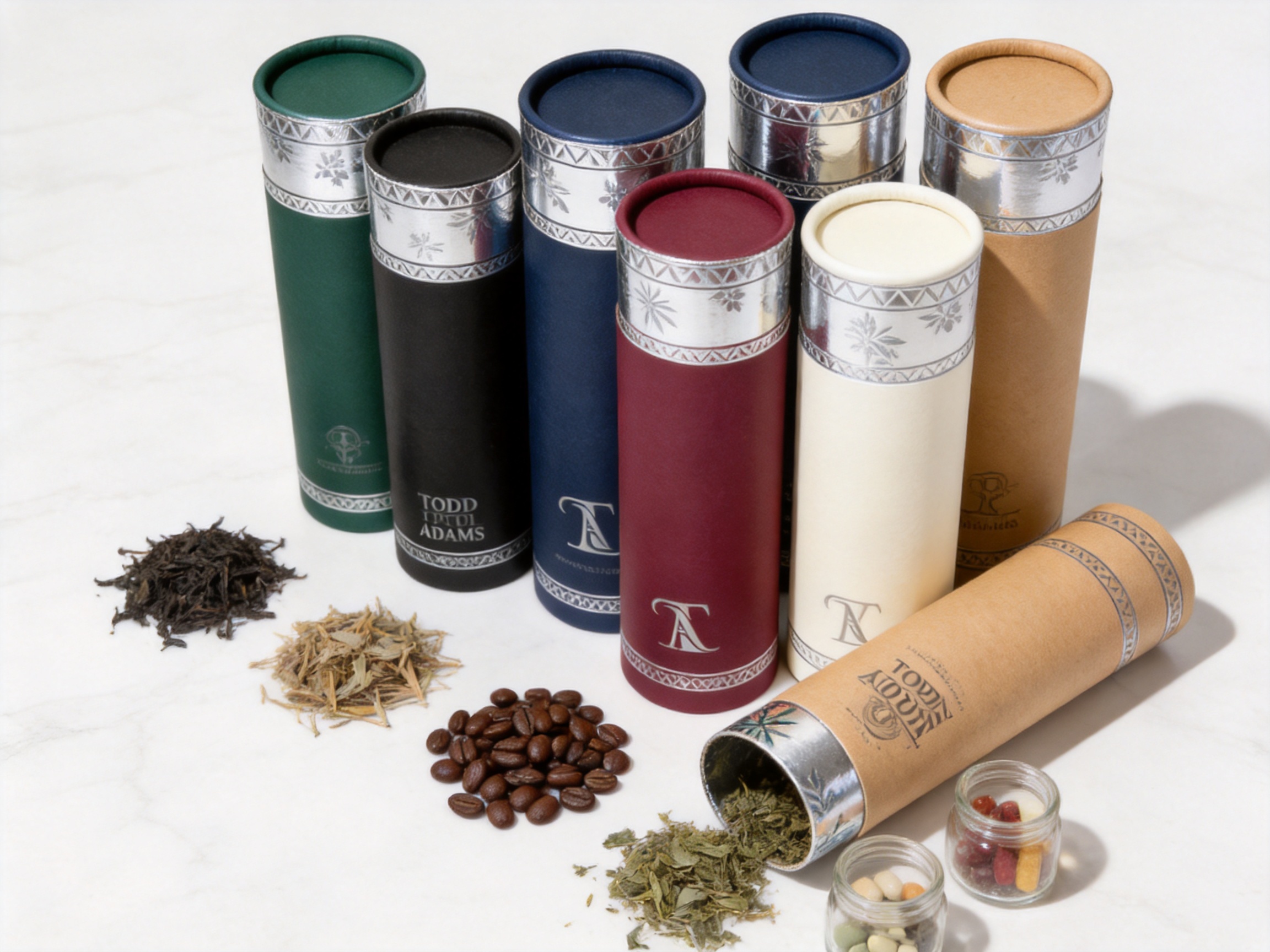
Silver foil is particularly effective on dark backgrounds such as black, deep green, navy, burgundy, charcoal, and dark brown. It can also produce an elegant result on white, cream, kraft, or pastel backgrounds when used with restraint. A designer may combine silver foil with matte lamination for a soft contrast or with gloss coating for a brighter, more reflective presentation.
For CBD and wellness packaging, silver foil can support a clean, modern, laboratory-inspired, or luxury visual identity. For coffee and tea, it can highlight origin, roast level, collection names, or limited-edition details. For confectionery and gift products, it can emphasize seasonal graphics and premium product names.
One advantage of selective foiling is that the brand does not need to cover the entire package with metallic decoration. Strategic use can create strong shelf recognition while controlling material consumption and production cost. It also allows a product range to use a consistent visual system. For example, different product variants can share the same silver logo treatment while using different background colors for flavor, strength, or collection identification.
Foil artwork should be prepared with appropriate separation and sufficient line weight. Very small text, delicate lines, and highly detailed images may require special review. The foil layer should be evaluated against the selected surface finish to ensure that the intended contrast and legibility are achieved.
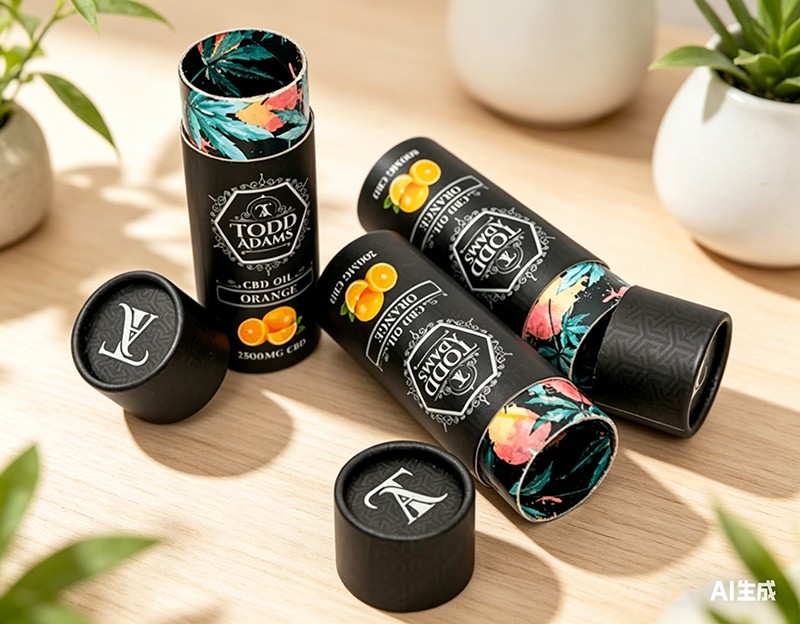
Custom Printed Cardboard Paper Tube CBD Packaging Box with Silver Foiling
4. Advantages Compared with Conventional Packaging
4.1 Stronger Shelf Differentiation
Many retail products are packed in rectangular cartons, stand-up pouches, or standard plastic jars. A cylinder creates an immediate shape difference. Its vertical profile can be visible from several angles, and its rounded surface gives the package a distinctive presence on shelves, counters, and display tables.
The format is especially useful for premium products competing in crowded categories. A visually memorable container can help a consumer identify a product more quickly and may encourage closer inspection. The package can also become part of the product experience, particularly for gift items, collectible editions, and products displayed in boutiques.
4.2 Premium Appearance without a Fully Metal Container
Metal tins can offer strength and a high-end appearance, but they may involve higher material costs, specialized forming, heavier shipping weight, and less flexibility for certain printing and structural requirements. A paper tube with silver foiling can achieve a comparable premium impression while remaining primarily paper-based.
The final cost depends on dimensions, order quantity, artwork, liner, finishing, and logistics. However, the factory-direct model can help reduce unnecessary intermediary margins. This gives brands an opportunity to invest in high-impact decoration while maintaining better control of unit economics.
4.3 More Rigid Protection than Flexible Pouches
Flexible pouches are lightweight and efficient, but they can be vulnerable to puncture, creasing, compression, or loss of shape. A rigid paper tube provides a stronger outer structure for small and medium-sized products. It can help protect the contents during normal distribution and create a stable presentation after filling.
The tube does not eliminate the need for appropriate shipping cartons and protective packing. Nevertheless, its rigid form can improve the overall packaging system and reduce the likelihood that the retail package will arrive looking deformed or heavily wrinkled.
4.4 Adaptable Internal Protection
Unlike a simple unlined paper container, the tube can be configured with a barrier liner that matches the product. This makes it more versatile for dry goods, tea, coffee, supplements, snacks, and certain wellness products. The interior may also accommodate an insert, pouch, sealed sachet, or secondary container where additional product protection is required.
This adaptability is an important advantage over packaging formats that have one fixed barrier level. A brand can select a structure based on the actual requirements of the contents rather than using the same specification for every product.
4.5 Recyclable Paper-Based Construction
Paper-based packaging can support a more responsible material strategy when it is designed with compatible components and processed through appropriate recycling systems. The cylinder body, paper lid, and paper components may be recyclable, subject to the final construction, coatings, adhesives, inks, liners, and local recycling rules.
It is important to avoid making broad environmental claims without reviewing the complete package. A package containing plastic or foil barriers may not be accepted in every local recycling stream. Brands should communicate sustainability information accurately and consider whether components can be separated by consumers or recycling facilities.
Compared with packaging made entirely from virgin plastic or heavier mixed materials, a paper tube may provide a more favorable foundation for a lower-impact packaging strategy. It can also support a natural, artisanal, organic, or wellness-oriented brand story through its tactile paper surface and visible printed design.
5. Product Protection and Freshness Considerations
Packaging performance must be matched to the product. A paper tube is a structural format, not a universal guarantee of airtightness. For tea, coffee, supplements, CBD products, and other sensitive goods, the packaging design should consider moisture, oxygen, light, aroma, temperature, filling conditions, and expected storage duration.
A moisture-resistant liner can help reduce the transfer of humidity into or out of the package. This is important for tea leaves, coffee, powders, herbs, and dry snacks that may lose texture or quality when exposed to moisture. For products that release aroma, a well-fitted lid and suitable inner barrier can help limit the escape of volatile compounds.
Products that are highly oxygen-sensitive may require a foil laminate, a hermetic inner pouch, nitrogen flushing, or another validated preservation method. A brand should not rely solely on a friction-fit lid if the product requires a certified airtight or gas-barrier package. The manufacturer and filling partner can evaluate the application and recommend the appropriate structure.
Light protection may also be relevant. Dark printed outer layers and opaque barriers can limit direct light exposure. This may benefit certain botanicals, teas, oils, supplements, and wellness formulations. If light sensitivity is critical, laboratory testing should be used to verify the package’s protective performance.
For CBD products, packaging should also consider odor control, dosage presentation, tamper evidence, child-resistant requirements where applicable, and compatibility between the product formulation and all internal materials. Requirements differ by jurisdiction and product type, so regulatory review is necessary before production.
6. Suitable Product Categories
6.1 CBD and Wellness Products
The package can be used for selected CBD and wellness products that fit the dimensions and protection requirements of a paper tube. Gummies, capsules, tea blends, botanical products, aromatherapy items, and small accessories may benefit from the format. The printed exterior can communicate product strength, flavor, usage guidance, and brand positioning.
Because CBD regulations vary considerably, the package should be designed only after reviewing the target market’s requirements. The manufacturer can produce the container, while the brand remains responsible for accurate labeling, legal claims, dosage information, warnings, and market-specific compliance.
6.2 Tea and Herbal Infusions
Loose-leaf tea, tea bag collections, herbal infusions, matcha, wellness teas, and gift samplers are natural applications for a cylindrical package. The upright form suggests craftsmanship and quality, while the printable surface provides room for origin stories, brewing instructions, flavor notes, and collection information.
A barrier liner and suitable lid are important for maintaining aroma and reducing moisture exposure. For premium tea, the packaging may be paired with a sealed inner bag or pouch to provide an additional freshness layer.
6.3 Coffee
Specialty coffee brands can use paper tubes for ground coffee, coffee beans, drip bag sets, or gift collections, subject to the required barrier specification. Silver foiling can highlight roast names, origin details, harvest information, or limited-release branding.
Coffee is sensitive to oxygen and can release gas after roasting. The final package should therefore be tested with the chosen filling process. In some cases, a valve, inner pouch, or additional high-barrier component may be necessary.
6.4 Snacks, Nuts, and Confectionery
Cookies, candies, chocolate pieces, nuts, dried fruit, and snack assortments can benefit from the rigid tube format. The package protects the product from ordinary crushing and provides an attractive presentation for gifting and seasonal promotions.
For food applications, the material selection, inks, adhesives, and inner liner should meet applicable food-contact requirements. The package may be supplied with dividers or internal arrangements for assorted products and gift sets.
6.5 Nutrition and Supplements
Powdered supplements, tablets, capsules, and wellness assortments may be packaged in paper tubes when the internal protection and closure system are suitable. The format can help a supplement brand move away from generic plastic bottles and establish a more premium identity.
The package should be evaluated for powder leakage, moisture sensitivity, filling speed, closure security, and label space. A secondary sealed pouch or inner container may be appropriate for products requiring a stronger barrier.
6.6 Cosmetics and Skincare
Cosmetic accessories, solid skincare products, bath products, soaps, small creams, masks, and gift collections can be presented in a custom printed tube. Silver foil is useful for luxury, minimalist, botanical, and modern skincare concepts.
Where the product may contain oils, alcohol, water, or volatile ingredients, compatibility testing is recommended. The interior should be selected to prevent staining, softening, odor transfer, or adhesive failure.
6.7 Candles, Fragrances, and Gifts
Small candles, fragrance accessories, gift items, craft products, and promotional merchandise can use the tube as both a protective container and a decorative presentation box. The rounded format works well for boutique displays and coordinated gift collections.
For candles and fragrance products, the package should be assessed for heat exposure, oil migration, scent interaction, and storage conditions. Appropriate inserts can prevent movement inside the tube and improve the unboxing experience.
7. Advanced Manufacturing Capabilities
7.1 Long-Term Industry Experience
The manufacturer has been engaged in the composite can and paper can industry for more than 20 years. This experience is significant because paper tube production requires coordination among paper selection, winding or forming, adhesive application, drying, printing, finishing, cutting, closure assembly, and quality inspection.
Long-term industry participation also supports practical knowledge of different product categories and export requirements. Packaging for food, daily chemical products, fast-moving consumer goods, and promotional applications often involves different performance priorities. Experience across these sectors helps the factory identify potential issues earlier in the development process.
7.2 European High-Speed Production Technology
In 2015, the company introduced a high-speed composite can production line from Europe. Modern high-speed equipment can strengthen production consistency, improve throughput, and support repeatable tube dimensions when properly operated and maintained.
High-speed production is valuable for brands that need reliable supply during seasonal campaigns, new product launches, or large retail programs. It can also help reduce variation between production batches. However, speed must be combined with process control. A fast line is useful only when material feeding, adhesive application, forming pressure, curing, cutting, and inspection are managed accurately.
7.3 Food-Packaging Quality Credentials
The company was the first enterprise in China to pass the QS certification for producing food packaging containers, according to the supplied company information. This background demonstrates a long-standing focus on food-packaging safety and manufacturing controls.
Food-contact suitability depends on the complete specification, including paper, coatings, inks, adhesives, liners, and production conditions. A certificate or historical qualification should be supported by current technical documentation for the specific product being ordered. Buyers should request the relevant declarations, test reports, and compliance documents for their target market.
7.4 Patented Technologies and Product Development
The company has obtained more than 10 patented technologies and continues to research and launch paper-based packaging products. Patented processes may relate to structural design, forming, closure systems, production methods, or other packaging improvements. The practical value for customers is the ability to develop packaging that is not limited to standard stock formats.
Custom development is especially important when a brand needs a specific diameter, unusual height, special lid, internal insert, enhanced barrier, or distinctive opening experience. A manufacturer with in-house product development capabilities can evaluate the concept more efficiently than a supplier that only resells standard packaging.
7.5 Factory-Direct Supply
Factory-direct purchasing provides a direct communication channel between the brand and the production team. This can simplify discussions about artwork, dimensions, samples, materials, testing, order quantities, packing methods, and delivery schedules.
It may also reduce the cost added by trading companies or agents. The final quotation still depends on the complete specification, order volume, tooling, printing, foil, barrier materials, and shipping arrangements. Nevertheless, direct sourcing can improve transparency and enable faster technical feedback.
8. Manufacturing Process
8.1 Requirement Confirmation
Production begins with a technical review of the product and its market requirements. The buyer and manufacturer confirm the product dimensions, fill weight or volume, desired opening, closure type, liner, surface finish, artwork, printing method, foil details, expected quantity, and shipping configuration.
For food, CBD, supplement, cosmetic, and fragrance applications, the product’s sensitivity and regulatory requirements should be discussed at the beginning. This prevents a visually attractive package from being developed with an unsuitable internal structure.
8.2 Material Selection
The factory selects paperboard and liner materials according to the required rigidity, print quality, barrier performance, and appearance. The outer paper must accept the intended inks and foil treatment. The structural layers must provide sufficient strength for the tube dimensions and product weight.
Material selection also affects sustainability and recyclability. If the buyer wants a high paper content or a particular environmental profile, the entire package should be reviewed rather than evaluating the outer paper alone.
8.3 Tube Forming
Paper layers are formed into a cylindrical body using controlled winding, bonding, or composite-can production methods. The forming process determines wall thickness, roundness, seam quality, and structural stability.
Consistent forming is essential for the fit between the body, lid, and base. If the diameter varies excessively, the lid may be too loose or too tight. Precise process control therefore contributes directly to consumer convenience and product protection.
8.4 Printing and Surface Decoration
The outer label or paper layer is printed according to the approved artwork. The process may include multiple colors, gradients, fine graphics, text, and background patterns. After printing, selected areas can receive silver foil or other finishing effects.
The production team checks the relationship between printed graphics and the cylindrical seam. Important text and logos should be positioned where they remain readable and visually balanced. Foil registration must also be controlled so that metallic details align correctly with the printed artwork.
8.5 Coating and Finishing
Optional surface treatments include matte coating, gloss coating, soft-touch effects, spot finishes, embossing, debossing, and metallic foiling. The choice depends on the desired appearance, handling conditions, and budget.
A matte finish can create a restrained and sophisticated appearance, while a gloss finish can increase color brightness and visual energy. Combining matte and foil may create a particularly strong contrast. The selected finish should also be tested for scuff resistance during packing and transportation.
8.6 Liner and Closure Assembly
The inner liner is installed according to the selected design. The base is attached, and the lid is checked for fit. If the package includes a membrane, seal, insert, or secondary pouch, these elements are assembled or prepared according to the agreed production method.
Closure testing may include repeated opening and closing, dimensional measurement, leakage assessment where relevant, and evaluation after environmental exposure. The final test plan should reflect the actual product and distribution chain.
8.7 Inspection and Packing
Finished tubes are inspected for printing defects, foil omissions, scratches, dents, uneven seams, dimensional variation, lid fit, liner damage, and contamination. Products that do not meet the agreed quality standard should be separated before packing.
The supplied packaging configurations include individual poly-bag protection, corrugated cartons, dividers, and pallets. Individual bags can help keep retail units clean. Dividers can reduce contact between products in mixed assortments or gift sets. Corrugated cartons and pallets support larger-volume transportation.
9. Quality Control Priorities
| Quality Area | What Should Be Checked | Why It Matters |
|---|---|---|
| Dimensions | Height, diameter, wall thickness, base depth, and lid size | Ensures filling compatibility, stable stacking, and proper closure fit |
| Structure | Roundness, seam bonding, compression resistance, and base attachment | Protects the product and maintains a premium retail appearance |
| Printing | Color consistency, text clarity, artwork alignment, and barcode readability | Supports brand recognition and regulatory communication |
| Silver Foiling | Registration, coverage, adhesion, brightness, and scratch resistance | Preserves the intended premium visual effect |
| Inner Barrier | Liner integrity, material specification, odor transfer, and moisture performance | Helps protect sensitive products during shelf life |
| Closure | Lid fit, opening force, resealing behavior, and tamper features where required | Improves usability and limits unwanted exposure |
| Food or Product Contact | Material declarations, ink and adhesive suitability, and relevant test documentation | Supports market compliance and consumer safety |
| Transport Packing | Carton strength, divider placement, pallet stability, and unit protection | Reduces damage during handling and delivery |
A structured inspection system should cover both appearance and performance. Visual inspection alone cannot confirm barrier performance or product compatibility. Where needed, the package should undergo dimensional testing, compression testing, drop testing, moisture evaluation, odor assessment, and shelf-life trials.
Sampling plans should be agreed before mass production. Buyers may request a pre-production sample, a signed color sample, a production proof, or a shipment inspection. Clear acceptance criteria help reduce disputes and ensure that both sides share the same expectations.
10. Sustainable Packaging Considerations
The paper tube format can contribute to a lower-impact packaging strategy through its paper-based structure, efficient cylindrical design, and potential recyclability. Paper is widely recognized by consumers and is often associated with renewable materials and responsible packaging. The visible paper surface can reinforce an environmental brand message without requiring excessive graphics.
However, sustainability is determined by the complete package. Plastic coatings, foil laminates, adhesives, inks, lids, membranes, and secondary bags may affect recyclability. Some barriers are necessary to protect the product, particularly when freshness and safety are priorities. The goal should be a technically appropriate package with accurate environmental communication.
Brands should consider material reduction, right-sizing, efficient shipping, responsible sourcing, and end-of-life instructions. A tube that is unnecessarily large may consume more material and increase transport volume. A properly sized tube can provide an attractive presentation while avoiding excess space.
The packaging may be described as recyclable or paper-based only when the claim is supported by the actual construction and the recycling infrastructure in the target market. Buyers should request the material composition and consult local recycling guidance before printing disposal instructions.
11. Branding and Design Opportunities
11.1 Full-Surface Storytelling
The cylindrical surface can be used to create a visual story that continues around the package. One section may present the product name, another may explain the ingredients or origin, and a third may include usage instructions or brand values.
This is useful for specialty tea, coffee, wellness, and gift products, where consumers often appreciate additional information. The design should still prioritize essential information because excessive text can become difficult to read on a curved surface.
11.2 Product Range Organization
A coordinated tube collection can use a consistent logo and silver foil treatment while assigning different colors to product variants. For example, a tea series may use green for herbal blends, blue for calming infusions, and burgundy for premium black tea. A CBD line may use different colors for flavor, format, or concentration, provided all required information remains clear and legally appropriate.
11.3 Tactile and Visual Contrast
Combining paper texture, matte coating, gloss details, embossing, and silver foil can create a rich tactile experience. The design should remain purposeful. Too many effects may make the package appear crowded or increase production complexity without improving recognition.
11.4 Gift and Limited Editions
The tube is well suited to limited-edition packaging, seasonal releases, corporate gifts, and curated product assortments. A special foil pattern or exclusive color can distinguish a seasonal edition without requiring a completely different structural design.
12. Packing, Shipping, and Logistics
Packaging performance continues to matter after production. A premium tube can be damaged by poor packing, excessive compression, moisture exposure, or careless handling. The supplied packing options are designed to support different distribution requirements.
Individual poly bags can help protect finished tubes from dust and surface rubbing. Corrugated cartons provide an outer layer for transport. Dividers may be used where products need separation, especially in gift sets or mixed-size shipments. Pallets improve warehouse handling and can help stabilize large-volume orders.
The correct carton size should balance protection and shipping efficiency. Excessive empty space may permit movement and increase freight volume, while insufficient space may compress the tubes. Carton drop tests and trial shipments can help identify weaknesses before a major order is dispatched.
The available ports include Ningbo and Shanghai. The final logistics plan should consider production lead time, inspection, export documentation, container availability, destination requirements, and whether the shipment is arranged as a full container, less-than-container load, or another freight method.
13. Ordering and Customization Process
13.1 Submit the Product Brief
The buyer should provide the product type, approximate dimensions, target capacity, expected order quantity, preferred material appearance, closure requirements, and destination market. If the product is food, CBD, cosmetic, or supplement related, its sensitivity and compliance requirements should also be described.
13.2 Confirm the Technical Structure
The manufacturer evaluates the desired tube size, wall thickness, liner, lid, base, seal, insert, and finishing options. This stage is important because an attractive exterior cannot compensate for an unsuitable internal structure.
13.3 Prepare Artwork
Artwork should be supplied in the requested professional format with correct dimensions, bleed, color specifications, foil layers, embossing layers, barcode information, and legally required text. The factory can review the file for production feasibility before creating a proof.
13.4 Approve a Sample
A sample allows the buyer to evaluate dimensions, lid fit, printing, foil appearance, color, surface feel, and product presentation. For sensitive products, a filling trial may also be appropriate. The approved sample becomes an important reference for mass production.
13.5 Complete Mass Production
After approval, the factory schedules material preparation, forming, printing, decoration, assembly, inspection, and packing. Lead time depends on quantity, customization, production capacity, and the complexity of the specifications.
13.6 Inspect and Ship
Before shipment, the buyer may arrange an inspection or request production photographs, sample checks, packing details, and documentation. The finished goods are then packed in the agreed configuration and shipped through the selected port and logistics route.
14. Frequently Asked Questions
Q1: What products can be packed in a custom cardboard paper tube?
The tube can be used for many dry, solid, powdered, and gift products, including CBD items, tea, coffee, supplements, snacks, nuts, confectionery, cosmetics, candles, fragrances, crafts, and promotional goods. The inner liner and closure must be matched to the specific product.
Q2: Is the cardboard paper tube completely airtight?
Not every paper tube is airtight by default. Airtight or highly sealed performance requires a suitable barrier liner, closure, sealing method, and validation testing. Brands should discuss the product’s requirements with the manufacturer and avoid making performance claims before testing.
Q3: Can the tube be used for food packaging?
Yes, the format can be developed for food applications when the paper, inks, adhesives, liner, and manufacturing process meet the applicable food-contact requirements. Current technical documentation and market-specific compliance confirmation should be obtained for the final specification.
Q4: What is the purpose of silver foiling?
Silver foiling adds a reflective metallic effect to selected parts of the design. It can emphasize logos, product names, borders, illustrations, and premium details. It works particularly well with matte surfaces and dark printed backgrounds.
Q5: Can the dimensions be customized?
Yes. The diameter, height, wall thickness, lid, base, liner, and internal configuration can be developed according to the product and filling requirements. Custom dimensions should be confirmed through a technical drawing and sample.
Q6: Can the packaging include a tamper-evident feature?
Additional seals, membranes, shrink bands, or other tamper-evident solutions may be possible depending on the product and tube structure. The required feature should be discussed during the design stage and tested for reliable application and removal.
Q7: Is the packaging suitable for CBD products?
It may be suitable for selected CBD products, including gummies, capsules, botanical items, and wellness products, provided the internal structure and closure meet the product’s needs. CBD labeling, safety, child-resistance, dosage, and marketing regulations vary by location and must be reviewed separately.
Q8: Can the tube protect tea aroma?
A suitable inner barrier and tight-fitting lid can help limit moisture exposure and aroma loss. The level of protection depends on the liner, closure, product condition, filling method, and storage environment. Shelf-life and compatibility testing are recommended.
Q9: What packing methods are available?
Available configurations include individual poly bags, corrugated cartons, dividers, and pallets. The packing method can be selected according to retail presentation, warehouse handling, mixed-product shipment, and export requirements.
Q10: Is factory-direct purchasing available?
The manufacturer operates as a direct production supplier rather than relying solely on a trading intermediary. This can simplify technical communication and may provide competitive unit pricing. The quotation depends on materials, dimensions, order volume, finishing, testing, and logistics.
Q11: Can the package be recycled?
Many paper tube components may be recyclable, but the final result depends on coatings, liners, foil, adhesives, lids, and local recycling systems. Buyers should confirm the complete material composition and use accurate disposal guidance for the destination market.
Q12: What information is needed for a quotation?
Useful information includes the product category, tube dimensions, capacity, expected quantity, printing colors, silver foil requirements, liner, lid type, finishing, packing method, destination, and any certification or testing requirements.
15. Why Choose This Packaging Platform?
This custom printed cardboard paper tube offers a combination of visual differentiation, structural protection, flexible customization, and paper-based material appeal. Its cylinder shape separates products from ordinary cartons and pouches. Its large printable surface provides space for brand storytelling. Silver foiling adds a premium effect without requiring a fully metallic package.
The format is also adaptable. It can be designed for tea, coffee, CBD products, supplements, snacks, confectionery, cosmetics, candles, gifts, and other product categories. Different liners and closures allow the package to respond to different protection requirements. The same basic platform can therefore support an entire product family.
Manufacturing experience is another important consideration. More than 20 years in the composite can and paper can industry, a European high-speed production line, food-packaging qualifications, patented technologies, and a factory-direct supply model provide a strong foundation for custom projects. These capabilities support both standard orders and more specialized packaging development.
For buyers, the most important step is to treat packaging as a complete system. Exterior decoration, tube strength, inner barrier, closure, filling operation, regulatory information, shipping protection, and end-of-life considerations should be evaluated together. When these elements are properly coordinated, the result is not merely an attractive container but a practical commercial package.
16. Conclusion
Custom printed cardboard paper tube packaging with silver foiling is a versatile solution for brands seeking a premium cylindrical format. It offers strong shelf presence, a substantial hand feel, broad customization options, and an opportunity to reduce dependence on conventional plastic or metal packaging where the product allows.
Its performance depends on careful engineering. A correctly selected liner can improve moisture and aroma protection, while a well-designed lid can support convenient opening and resealing. Printing, silver foiling, coating, embossing, and other finishing options can transform the tube into a powerful branding tool. Individual bags, cartons, dividers, and pallets help protect the package throughout distribution.
The manufacturer’s long-term experience, food-packaging background, high-speed composite can equipment, patented technologies, and direct factory supply model further strengthen the product’s value. These capabilities make it possible to develop packaging that balances appearance, protection, compliance, sustainability goals, and cost.
For CBD, wellness, food, beverage, cosmetic, gift, and lifestyle brands, the paper tube can provide a distinctive way to present products while supporting a more thoughtful packaging strategy. The best results come from early technical consultation, accurate artwork, sample approval, product compatibility testing, and clear quality requirements before mass production.
References
1. Supplier-provided product specifications for custom printed cardboard paper tube packaging with silver foiling.
2. Supplier-provided information regarding composite can and paper can manufacturing experience, production capabilities, and packaging applications.
3. Supplier-provided company information concerning food-packaging quality credentials, patented technologies, factory-direct production, and export packing configurations.
4. General principles of paperboard packaging design, barrier selection, closure engineering, and transport protection.
5. General guidance on food-contact packaging evaluation, product compatibility testing, recycling claims, and market-specific packaging compliance.
