 English
 Español

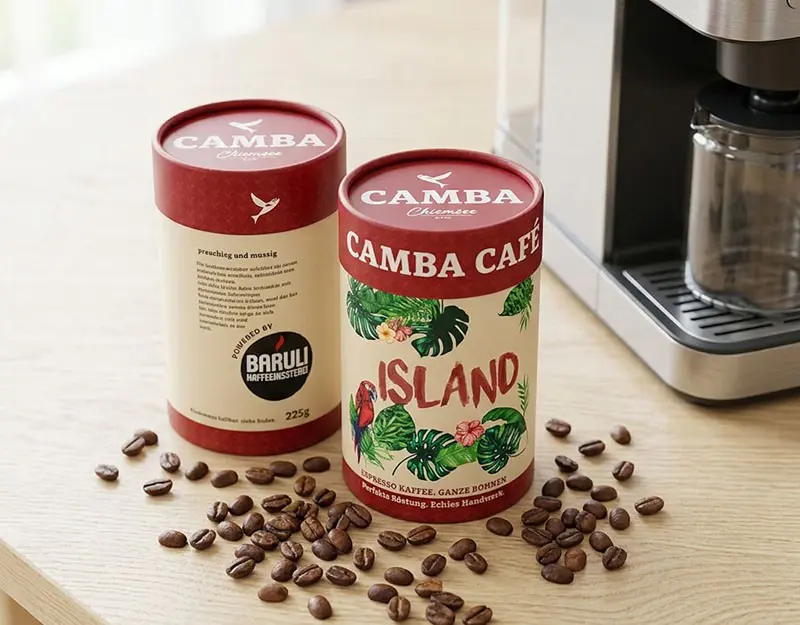
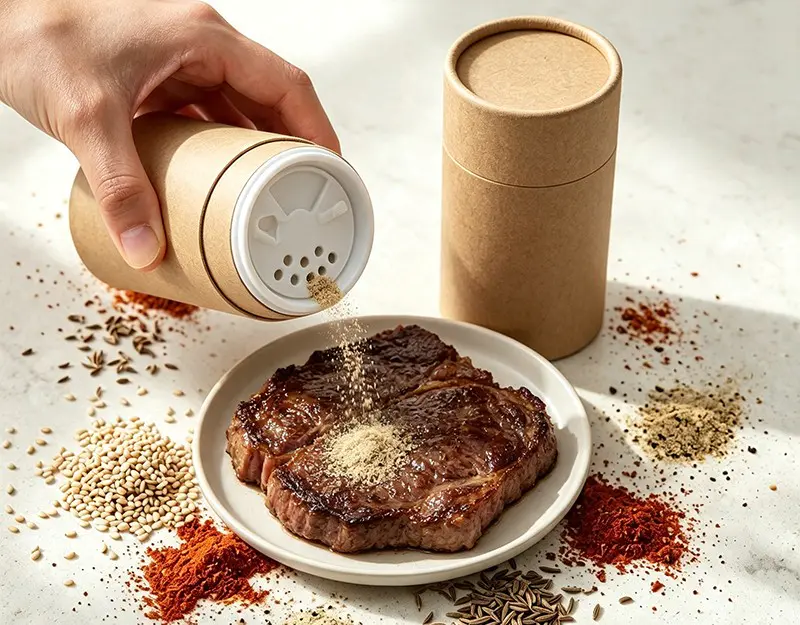
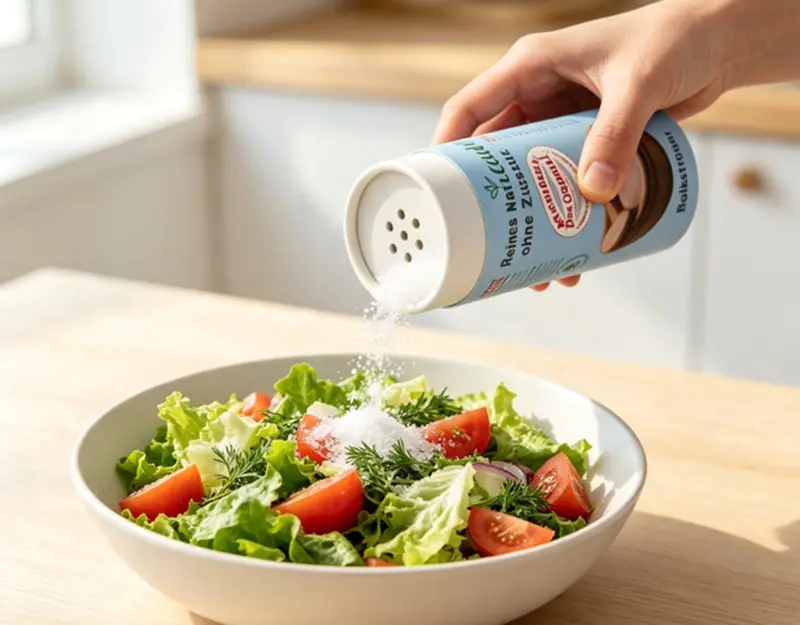
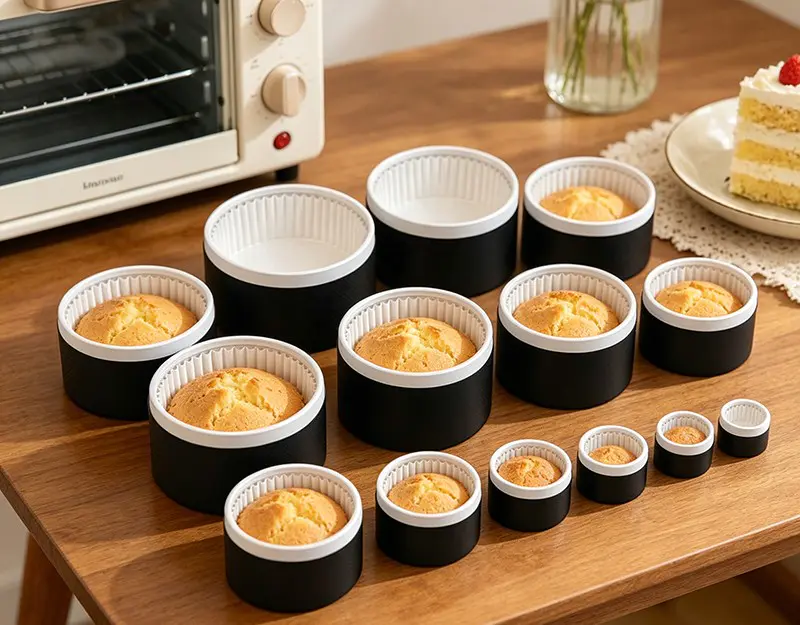
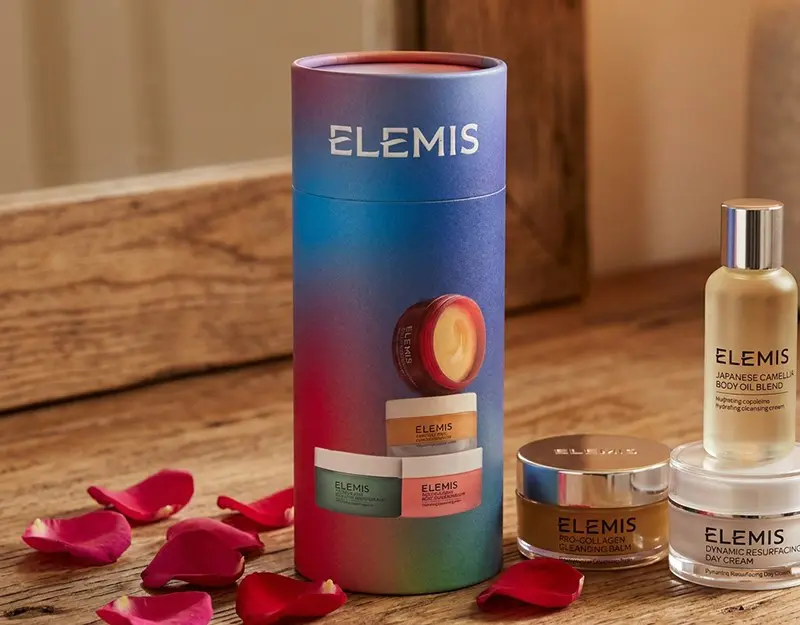
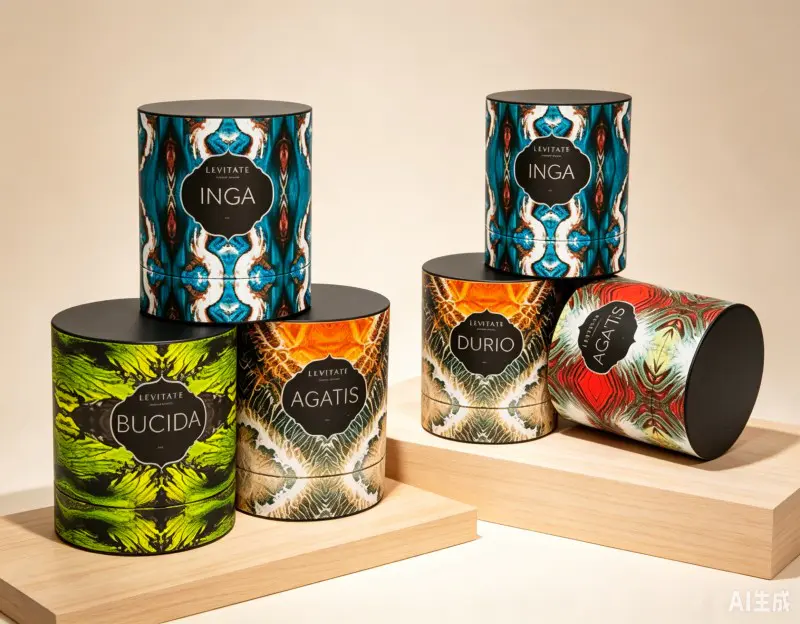
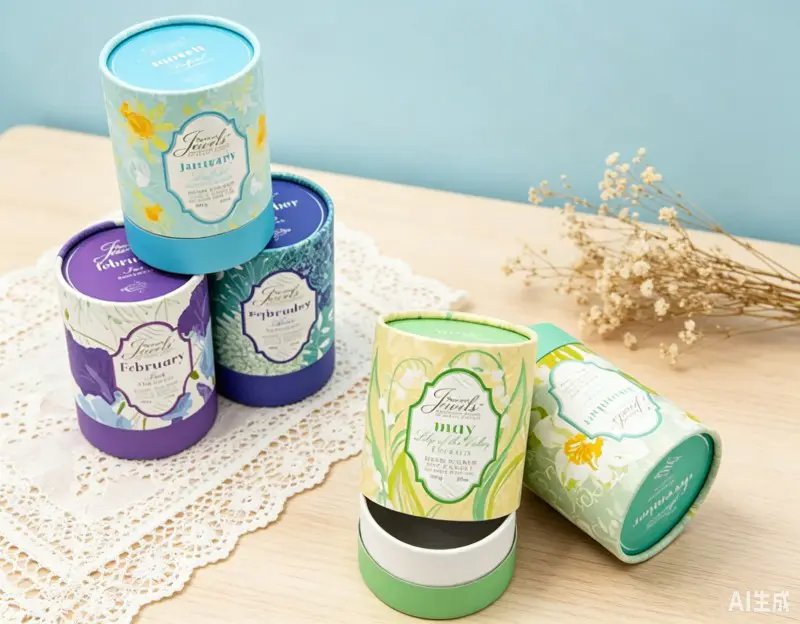
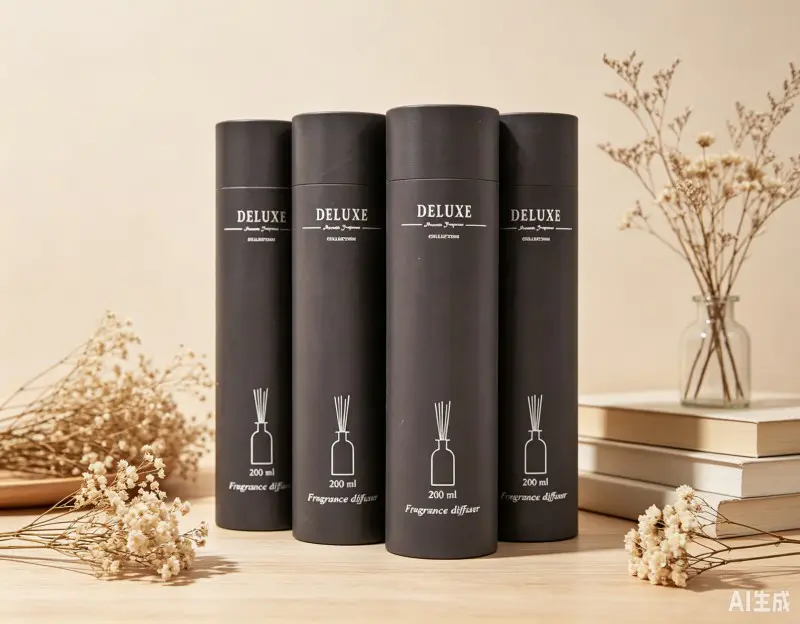
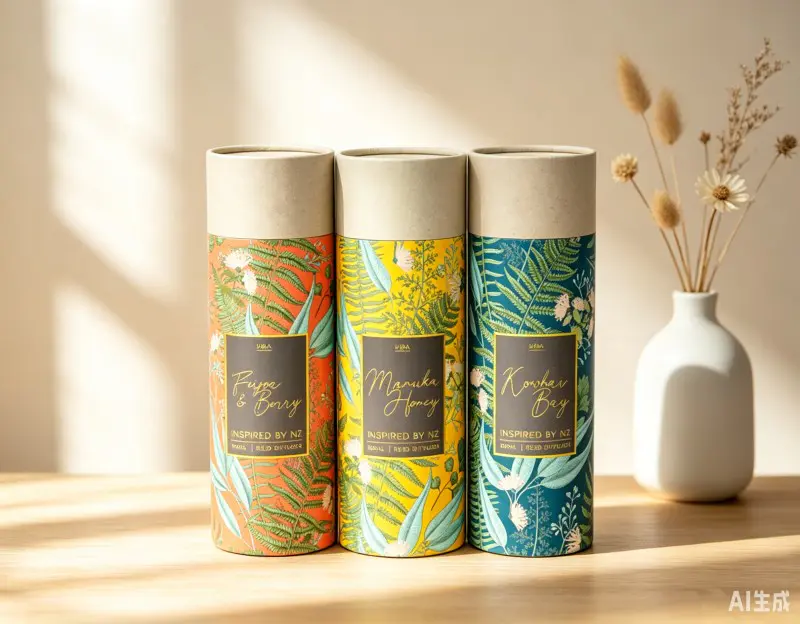
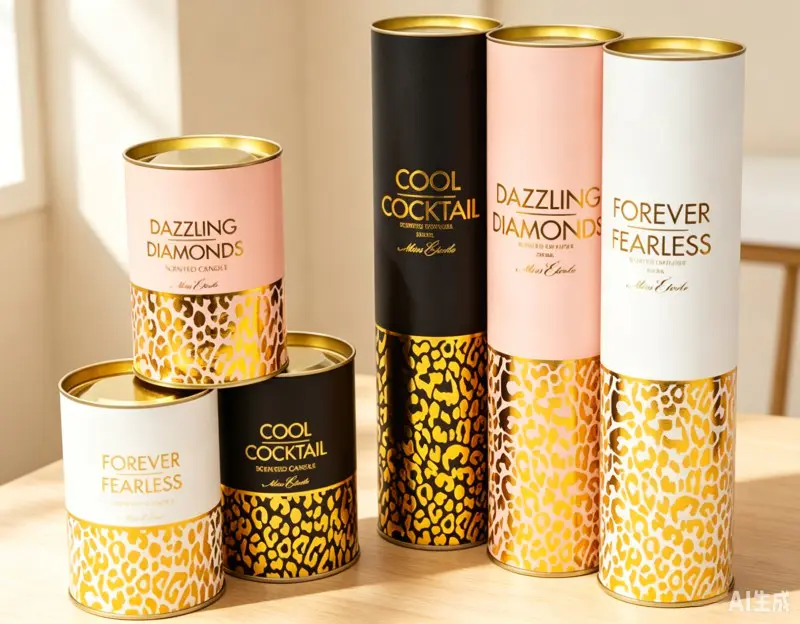
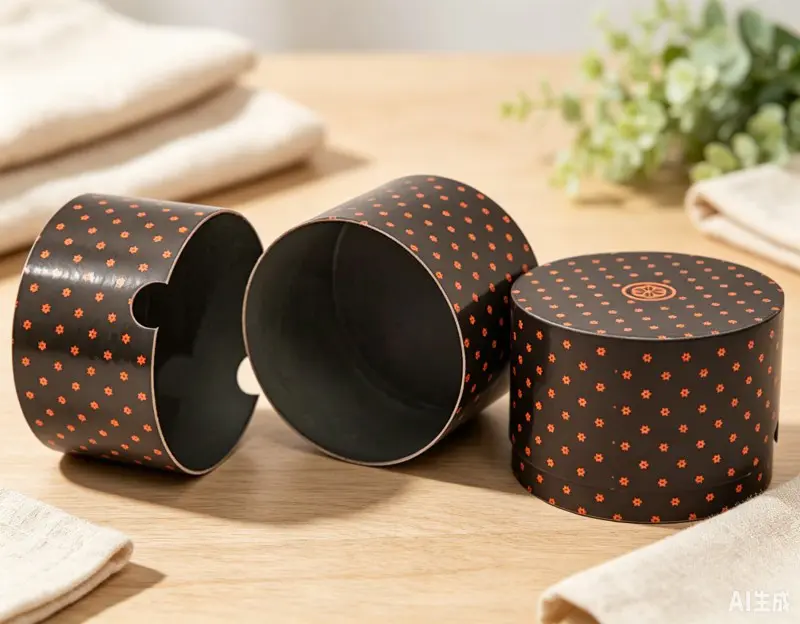
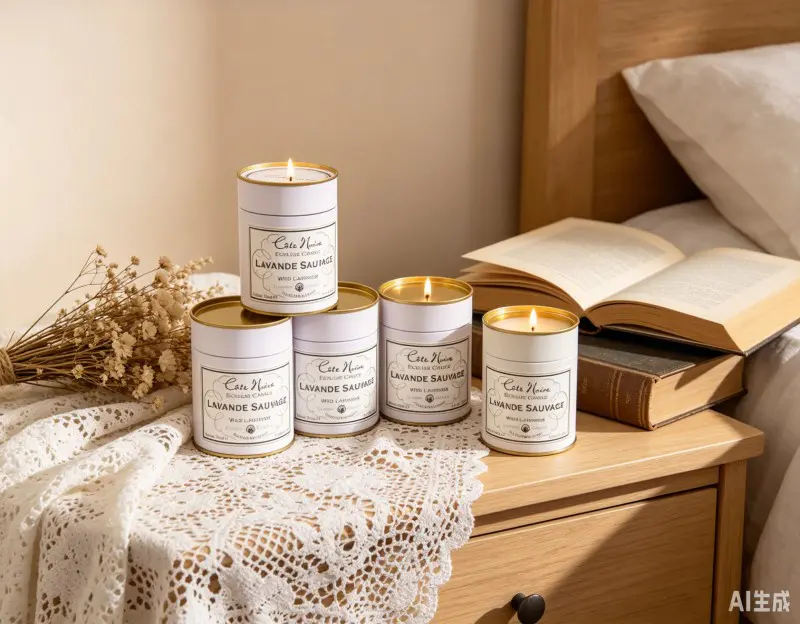

As one of the top China cardboard tube packaging manufacturers and paper tube packaging suppliers, we devote all of our efforts to research and launch more high quality packaging products to global market.
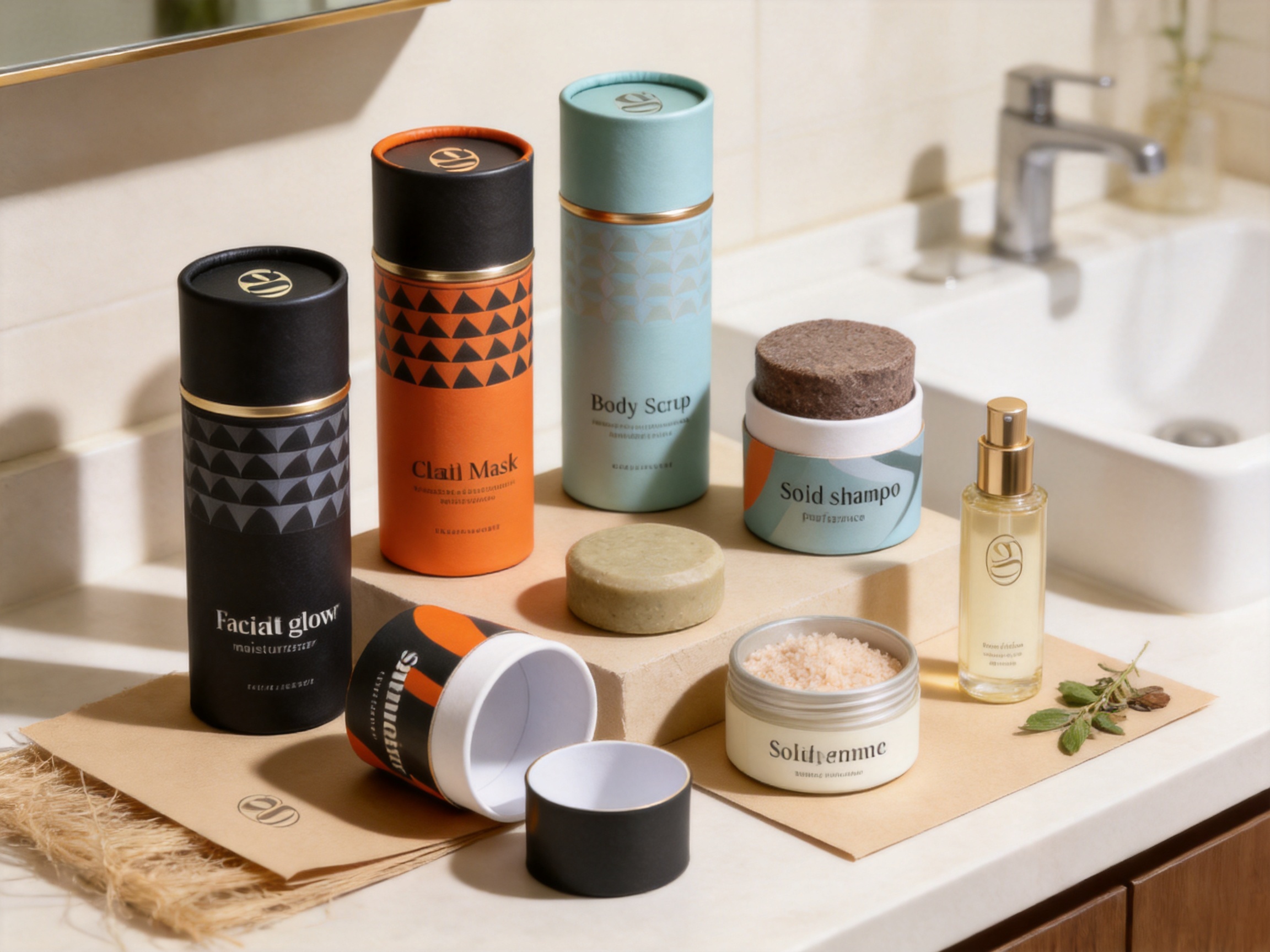
Packaging is one of the most important elements in the cosmetics and skincare market. It protects the product, communicates quality, creates a recognizable shelf presence, and influences how customers perceive a brand before they experience the formula inside. For premium cosmetic products, packaging must do more than contain the product. It must express sophistication, support safe handling, withstand transportation, and provide a memorable opening experience.
Custom printed double paper tube packaging with a curling highlight finish is designed to meet these requirements. Combining a structured paperboard body, a refined double-tube construction, and a high-gloss curled-edge effect, this packaging format offers a distinctive alternative to conventional plastic jars, standard cartons, and ordinary single-wall paper tubes. It is particularly suitable for cosmetics, skincare products, personal-care items, gift sets, and other beauty products that require a premium presentation.
The design provides an attractive balance between appearance, structural performance, customization, and environmental considerations. Its cylindrical form gives the product a smooth, modern silhouette, while the double-tube construction adds strength and creates opportunities for layered visual design. The curling highlight effect contributes a polished, high-end appearance that can help a product stand out in retail displays, online product photography, and promotional campaigns.
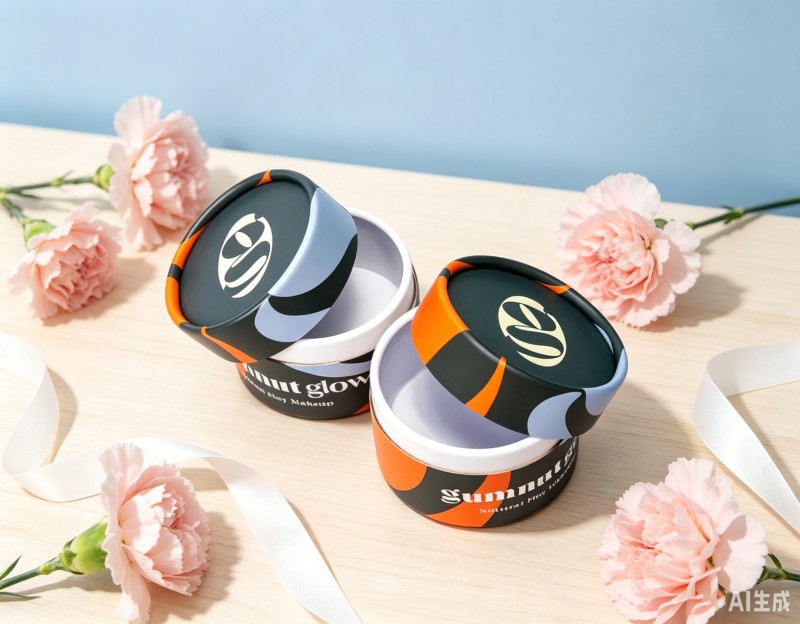
China Wholesale Custom Printed Cardboard Cosmetic Paper Tube Packaging Supplier
Content
- 1 What Is Double Paper Tube Cosmetic Packaging?
- 2 Core Features of the Product
- 3 Advantages Over Conventional Cosmetic Packaging
- 4 Applications in Cosmetics and Skincare
- 5 Manufacturing Strengths and Production Expertise
- 6 Production Process for Custom Double Tube Packaging
- 7 Quality Considerations for Cosmetic Brands
- 8 Design Strategies for Premium Cosmetic Packaging
- 9 Customization Options
- 10 Why Manufacturing Experience Matters
- 11 Packaging Sustainability Considerations
- 12 Development Process for New Projects
- 13 Comparison of Packaging Formats
- 14 Ordering and Supplier Communication
- 15 Benefits for Brand Positioning
- 16 Frequently Asked Questions
- 16.1 What products are suitable for this double paper tube packaging?
- 16.2 What does the curling highlight mean?
- 16.3 Is the package made entirely from paper?
- 16.4 Can the tube be printed with custom artwork?
- 16.5 Can the packaging be developed in different sizes?
- 16.6 Does the double structure make the package stronger?
- 16.7 Can the package be used for oily or wet cosmetic formulas?
- 16.8 Is the package suitable for e-commerce shipping?
- 16.9 Can the finish be matte instead of glossy?
- 16.10 What information should be supplied for a quotation?
- 16.11 How should a brand approve a packaging sample?
- 16.12 Why choose an experienced paper tube manufacturer?
- 17 Conclusion
- 18 References
- 19 Product: China Wholesale Custom Printed Cardboard Cosmetic Paper Tube Packaging Supplier
What Is Double Paper Tube Cosmetic Packaging?
Double paper tube packaging is a cylindrical packaging structure formed with two coordinated paperboard tube components or tube layers. Depending on the application, the inner and outer structures may work together to improve rigidity, create a decorative border, support a fitted lid, or produce a visually layered appearance. The structure can be adapted for different cosmetic products, dimensions, closure systems, and branding requirements.
Unlike a simple paper sleeve, a paper tube is a complete packaging format with a rounded body and compatible base and lid components. The tube can be produced in a range of diameters and heights, making it suitable for products such as facial creams, body scrubs, masks, bath products, solid perfumes, hair-care products, candles, and selected dry cosmetic formulations.
The double-tube design is especially useful when a brand wants packaging with additional body strength and a more substantial hand feel. The extra layer can help create a firm structure that feels more premium when held. It may also help protect the product from compression during storage and transportation, provided that the complete package is engineered appropriately for the filling and distribution conditions.
The curling highlight finish refers to a decorative edge treatment that creates a smooth, curved, and reflective visual detail. This feature may be applied around the top, bottom, lid, or other selected part of the tube. When combined with high-gloss printing or surface finishing, the curled edge can produce a refined contrast between the cylindrical body and the highlighted rim.
This combination of structure and decoration gives cosmetic brands a packaging format that is both functional and visually expressive. It allows the packaging to communicate elegance without relying solely on complex plastic components or excessive external decoration.
Core Features of the Product
Double-Layer Paperboard Construction
The double-tube format provides a stronger and more substantial body than many basic single-wall paper containers. The two-layer structure can be engineered to support the product’s weight, reduce deformation, and provide a stable surface for printing. It also creates additional design flexibility because the outer layer may be used primarily for branding while the inner structure contributes to strength and fit.
A well-designed paperboard tube must maintain its cylindrical shape throughout production, filling, storage, shipment, and retail display. The double construction supports this objective by helping the body resist bending and local pressure. The actual performance depends on material selection, board thickness, adhesive compatibility, tube dimensions, closure design, and the expected distribution environment.
High-Gloss Curling Highlight
The curling highlight is the most distinctive visual feature of this packaging concept. A curved, polished edge can catch light on a retail shelf and create a premium visual cue. It can be coordinated with metallic colors, dark backgrounds, soft neutral tones, or bright cosmetic color palettes.
Glossy surfaces can also improve the appearance of printed graphics by increasing color intensity and contrast. When used selectively, the highlight does not need to cover the entire package. A brand may apply the effect to a rim, logo area, pattern, or selected decorative band. This creates a controlled visual hierarchy rather than an overly reflective appearance.
Custom Printing Capability
Cosmetic brands often require packaging that reflects a specific visual identity. Custom printing allows the tube to carry logos, product names, ingredient information, usage instructions, regulatory text, color systems, illustrations, patterns, and campaign graphics.
The cylindrical surface offers a continuous area for design. It can support a minimal layout with a centered logo or a full-wrap pattern that creates a more immersive visual effect. Brands may also use the curved format to establish a distinctive shelf family across multiple products. Different colors, labels, or decorative details can identify product variants while preserving a consistent overall design.
Premium Hand Feel
In the cosmetics industry, tactile experience strongly influences perceived value. A package that feels rigid, smooth, and carefully finished can reinforce the positioning of a product as premium. The double tube provides a more solid grip, while the curled highlight adds a refined edge detail that distinguishes the package from ordinary paper containers.
The tactile experience may be further adjusted through paper texture, coating, embossing, debossing, foil effects, matte and gloss contrasts, or other compatible finishing methods. These options should be selected according to the product identity and intended price level rather than applied without a clear design purpose.
Adaptability for Beauty Products
The cylindrical format is suitable for a broad range of cosmetic and skincare packaging concepts. It can be developed for cream products, dry formulations, solid products, bath products, gift items, and selected accessories. The package can be designed around the dimensions, filling method, and closure requirements of the product.
For products that require direct contact with the package, an appropriate inner barrier or compatible inner component may be necessary. Paperboard packaging should not be assumed to provide complete protection against oils, moisture, volatile ingredients, or other formulation characteristics without technical evaluation. Product compatibility, migration requirements, humidity exposure, and shelf-life expectations should be assessed during development.
Advantages Over Conventional Cosmetic Packaging
More Distinctive Than Standard Folding Cartons
Folding cartons are widely used in cosmetics because they are printable, lightweight, and efficient to ship. However, a flat carton does not always provide the same three-dimensional presence or tactile impact as a cylindrical paper tube. The double tube creates a stronger physical form and can make the product appear more substantial on a retail shelf.
The rounded shape also offers a different visual language. It can communicate softness, elegance, natural beauty, or contemporary design depending on the graphics and finishes. For brands seeking to move away from generic rectangular packaging, the tube format provides a recognizable alternative.
More Premium Than Basic Single-Wall Tubes
Single-wall paper tubes may be suitable for simple applications, but they can offer less structural depth and fewer visual opportunities. A double-tube design can create a more robust body and support a carefully integrated lid, rim, or decorative edge. The additional construction allows the package to feel more engineered and more luxurious.
The curling highlight further separates the product from ordinary paper tubes. A standard tube may rely mainly on printed graphics, while the highlighted edge introduces a physical feature that can be seen and felt. This detail may be especially valuable for skincare collections, premium gift products, and seasonal cosmetic launches.
A Paper-Based Alternative to Some Plastic Formats
Paperboard tubes can help brands explore alternatives to conventional plastic packaging. Paper is familiar to consumers, printable across broad design areas, and capable of supporting a natural or premium brand story. The use of paper-based structures may also contribute to packaging reduction strategies when the design is optimized for the product and local recovery systems.
However, responsible packaging communication should be precise. The environmental performance of a package depends on the total material composition, coatings, adhesives, inner barriers, closures, production methods, transportation, consumer use, and end-of-life infrastructure. A paper tube is not automatically recyclable or environmentally preferable in every configuration. The final design should therefore be evaluated as a complete system.
Strong Shelf and Online Visibility
Cosmetic products compete in crowded retail environments and digital marketplaces. A distinctive package must remain recognizable when viewed from a distance, placed among competing products, or shown in a small online image. A cylindrical double tube with a glossy highlighted edge creates several visual cues: shape, height, surface reflection, and layered construction.
These cues can support brand recognition across product lines. The package may look elegant in professional photography, while the curved body and highlighted rim provide additional depth in close-up images. This can be useful for online stores, social media campaigns, influencer content, and product launch materials.
Applications in Cosmetics and Skincare
Facial Creams and Moisturizers
Facial creams and moisturizers are often positioned as premium daily-use products. A double paper tube can provide a sophisticated exterior for these products, especially when combined with a fitted lid and suitable inner protection. Soft color palettes, clean typography, and subtle gloss details can communicate hydration, purity, or dermatological care.
For cream formulations, the packaging must be evaluated for resistance to oils, moisture, and prolonged contact. An inner cup, liner, pouch, or barrier layer may be used where necessary. The final packaging format should be selected after confirming the product’s formula, filling temperature, storage conditions, and expected shelf life.
Facial Masks and Body Scrubs
Mask powders, clay products, bath salts, and dry body scrubs can be suitable applications for paper tube packaging when the product and inner protection are compatible. These products often benefit from packaging that communicates natural ingredients, spa-like quality, or an artisanal identity.
The cylindrical body can accommodate botanical illustrations, ingredient stories, usage instructions, and a consistent collection design. A high-gloss edge may be used to elevate the visual presentation without overwhelming a natural or minimalist brand concept.
Solid Cosmetics
Solid products such as solid perfumes, cleansing bars, balm products, and selected solid skincare items may be packaged in paper tubes with an appropriate internal structure. The tube may provide a compact format that is easy to store and display. For these products, the inner surface and closure should be evaluated for friction, product transfer, aroma retention, and resistance to oils.
Hair and Body Care Products
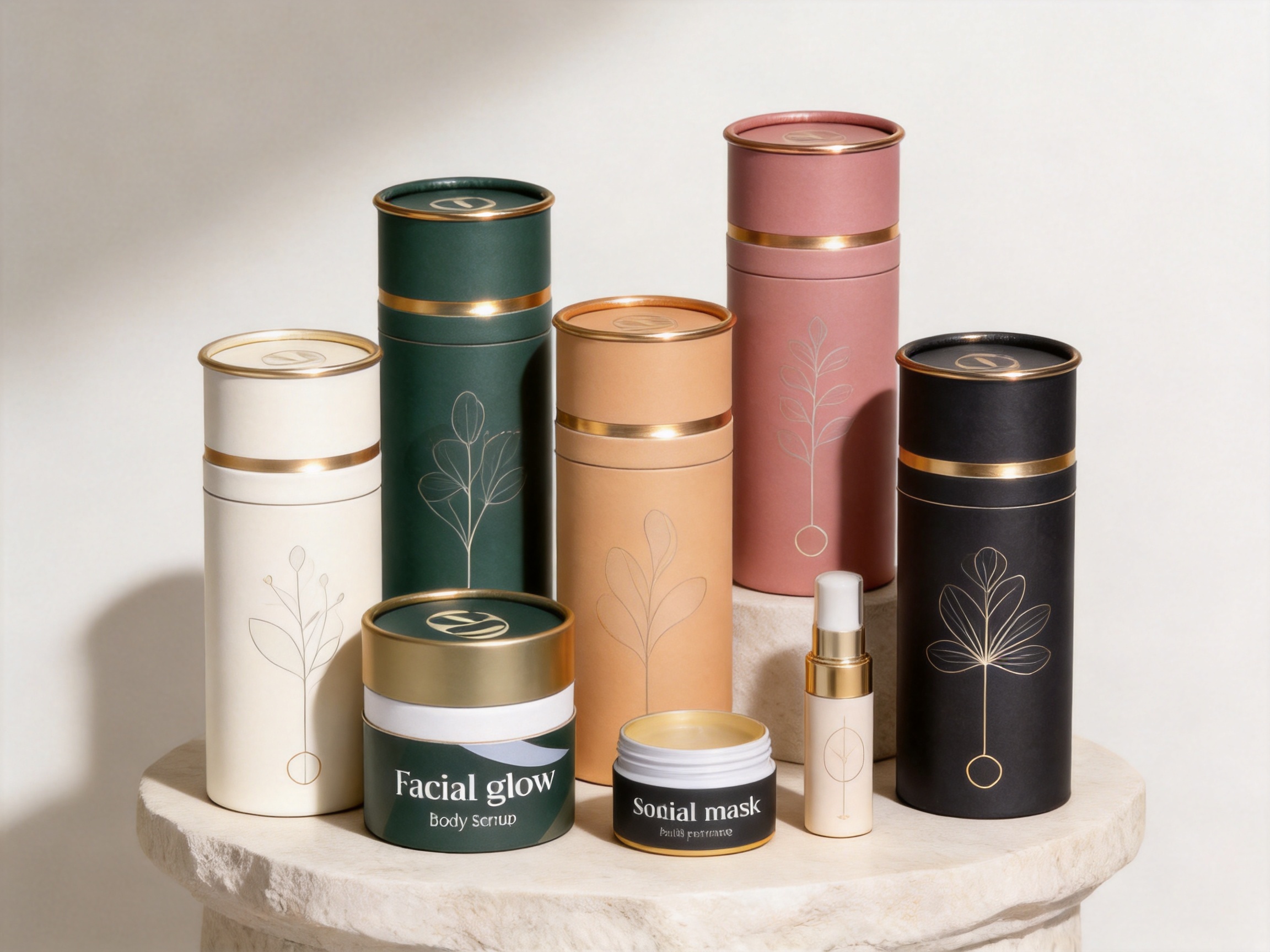
Hair waxes, solid shampoo products, body balms, and travel-size personal-care products can benefit from cylindrical packaging. The package can be customized for different heights and diameters to create a complete product family. A coordinated collection of paper tubes can help a brand maintain visual consistency across different categories.
Cosmetic Gift Sets
Gift packaging requires a strong combination of appearance and protection. The double-tube design can be used for individual gift products or integrated into a broader gift set. A premium print treatment, decorative rim, and carefully selected color scheme can support seasonal collections, holiday campaigns, wedding favors, and corporate gifts.
Manufacturing Strengths and Production Expertise
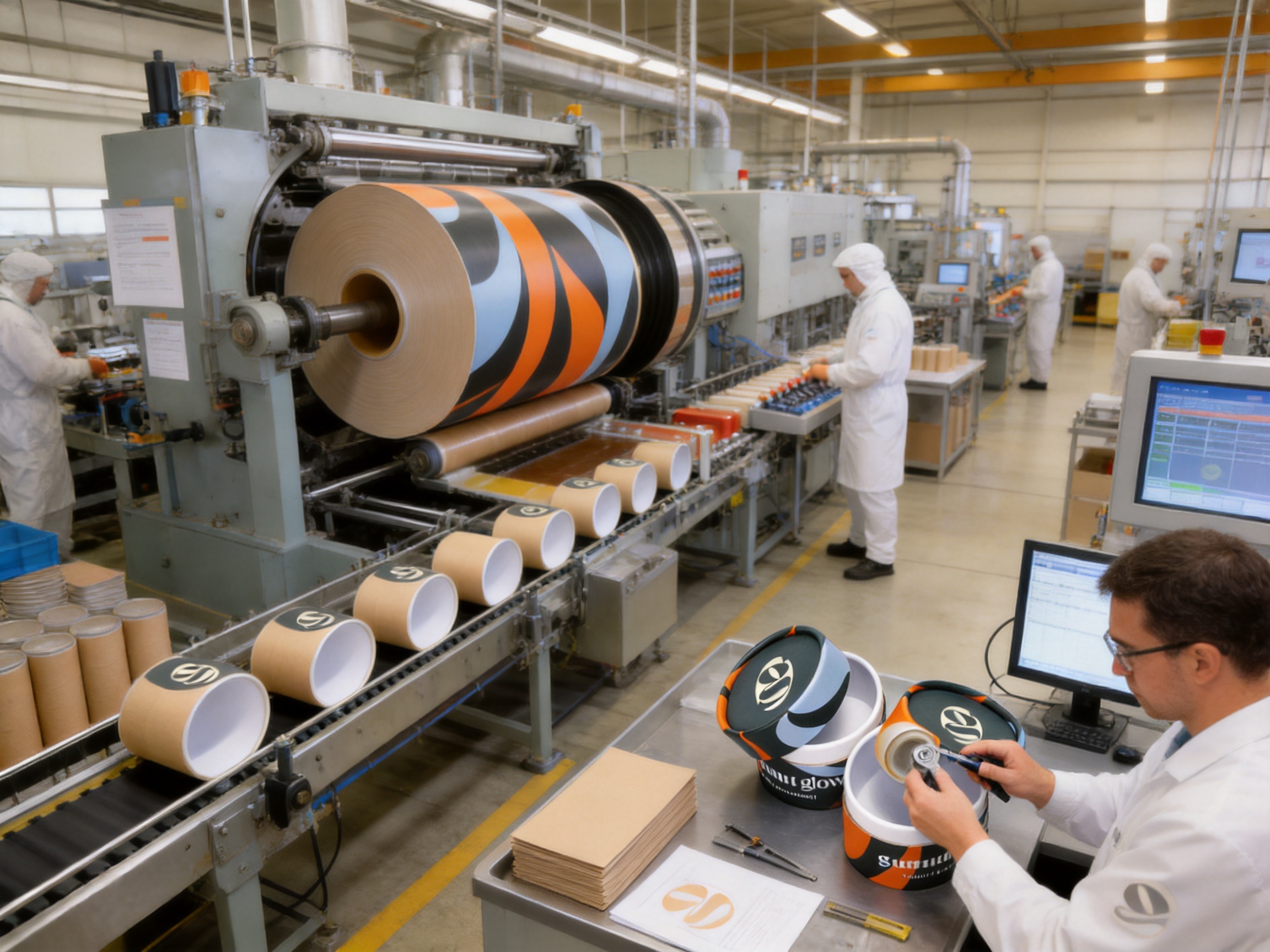
Hangzhou Qunle Packaging Co., Ltd. has been engaged in the composite can and paper can industry for more than 20 years. This long-term experience is important because paper tube packaging requires control over multiple stages, including paper selection, winding, bonding, shaping, printing, surface treatment, assembly, and quality inspection.
The company’s business covers food, daily chemical products, fast-moving consumer goods, and other packaging applications. Experience across these sectors supports a broader understanding of packaging performance, consumer handling, product protection, and presentation requirements.
Qunle Packaging is identified as the only member of the international Composite Can and Tube Institute in China’s packaging container industry. Participation in an industry organization can support awareness of technical developments, manufacturing practices, and market expectations related to composite cans and paper tubes.
Long-Term Composite Can Experience
Composite can production requires consistency in the formation of cylindrical bodies. The tube must maintain an even shape, stable dimensions, and reliable bonding. Small variations can affect lid fit, stacking, label alignment, or the appearance of the final package. A manufacturer with long-term experience is better positioned to understand these interactions and establish repeatable production controls.
This experience is directly relevant to cosmetic packaging because beauty products often require precise visual presentation. A slightly uneven rim, inconsistent gloss area, or loose-fitting lid can reduce perceived quality. Proper process management helps ensure that the packaging meets both functional and aesthetic expectations.
High-Speed European Composite Can Production Line
In 2015, Qunle Packaging introduced a high-speed composite can production line from Europe. The investment strengthened the company’s position in the composite can and paper can sector and expanded its production capabilities.
High-speed equipment can support more consistent processing when operated with appropriate material controls and inspection procedures. Automated or semi-automated production may help manage winding accuracy, adhesive application, cutting, forming, and throughput. The benefits are most valuable when equipment capability is combined with experienced operators, preventive maintenance, and documented quality standards.
For custom cosmetic packaging, production equipment must be flexible enough to support different dimensions, artwork requirements, surface treatments, and order quantities. A capable production line can help balance customization with manufacturing efficiency, allowing brands to develop distinctive packaging without relying entirely on manual processes.
Research and Patented Technologies
Qunle Packaging has obtained more than 10 patented technologies. Patents alone do not determine the suitability of a package, but they indicate ongoing investment in product research, process development, and technical differentiation. Packaging innovation may address areas such as tube forming, structural design, closure compatibility, production efficiency, or decorative treatment.
The company’s commitment to researching and launching high-quality packaging products is relevant to brands that need more than an off-the-shelf container. Custom packaging development often requires communication between the brand, designer, filling partner, and manufacturer. Technical experience can help identify practical solutions when appearance, cost, product protection, and production efficiency must be balanced.
Food Packaging Quality Experience
Qunle Packaging was the first enterprise in China to pass the QS certificate for producing food packaging containers, according to the supplied company information. Although cosmetic packaging has its own requirements, experience with food-contact packaging can indicate familiarity with controlled production environments, material considerations, hygiene expectations, and documentation practices.
Cosmetic brands should still confirm the exact compliance requirements for their product, destination market, formulation, and package configuration. Food-related qualifications do not automatically replace cosmetic packaging testing. Nevertheless, experience with demanding packaging sectors can provide a useful foundation for quality-oriented development.
Production Process for Custom Double Tube Packaging
1. Product and Packaging Consultation
The process begins with a review of the cosmetic product and the brand’s packaging objectives. Important information includes the formulation type, fill weight or volume, product dimensions, filling method, closure preference, expected shelf life, distribution route, target market, and desired visual style.
At this stage, the manufacturer can discuss whether a paper tube, double tube, inner liner, insert, or additional barrier is suitable. The brand should also identify whether the package will be used in retail stores, e-commerce shipments, gift sets, travel kits, or professional beauty channels.
2. Structural Design
Structural design determines the tube diameter, height, wall construction, lid style, base structure, rim treatment, and internal components. The double-tube format may be adjusted to provide a close-fitting lid, a decorative shoulder, a raised edge, or a layered visual effect.
The package should be designed for both appearance and manufacturability. Excessively tight tolerances may increase production difficulty, while insufficient tolerances may create loose closures or poor alignment. The selected structure must also account for the product’s weight and the forces experienced during transportation.
3. Material Selection
Paperboard selection affects stiffness, surface quality, printability, tube formation, and overall appearance. The appropriate board depends on the desired thickness, color, texture, finish, and structural performance. If the product contains oils, moisture, fragrance, or volatile ingredients, the inner material and barrier system require particular attention.
Adhesives must also be compatible with the materials and intended application. Bond strength, drying behavior, odor, temperature resistance, and production speed may all influence the choice of adhesive. A suitable material system should be confirmed through testing rather than selected solely on appearance.
4. Artwork Preparation
Cosmetic packaging artwork must be adapted to a curved surface. The designer should account for the tube circumference, seam location, print tolerances, rim position, lid alignment, and any areas that may be hidden or overlapped during assembly.
Text should remain legible after the design is wrapped around the cylinder. Logos, product names, ingredient information, and regulatory statements should be positioned so they can be viewed easily. Color proofing is also important because the final result may vary according to the paper surface, ink system, coating, and gloss treatment.
5. Tube Forming and Bonding
Paper layers are formed into a cylindrical body through controlled winding or related tube-forming methods. Adhesive application must be consistent so that the layers remain securely bonded without visible excess. The tube body is then cut or finished according to the specified height and edge requirements.
Accurate forming is essential for cosmetic packaging because it influences lid fit, stability, print alignment, and visual symmetry. Production controls should monitor tube diameter, wall construction, edge condition, bonding, and surface cleanliness.
6. Printing and Surface Finishing
After the tube structure is prepared, the package receives its custom print and decorative treatment. Depending on the approved design, this may include full-color graphics, solid colors, fine text, patterns, metallic effects, matte coatings, gloss coatings, or selective highlights.
The curling highlight must be integrated carefully with the body structure. Its position, curvature, width, and reflectivity should remain consistent from one package to another. A high-quality finish should appear smooth and intentional rather than uneven or excessively thick.
7. Assembly and Closure Fitting
The base, lid, inner cup, liner, or other components are assembled according to the approved construction. Closure performance should be checked to ensure that the lid is secure but practical for consumers to remove. The package should not be so tight that it damages the rim, nor so loose that it opens during normal handling.
Assembly quality also affects the visual relationship between the double layers and the curling highlight. Correct alignment helps preserve the intended premium appearance. Any decorative border or rim should sit evenly around the circumference.
8. Quality Inspection and Shipment Preparation
Finished packaging should be inspected for dimensions, print accuracy, color consistency, surface defects, bonding, lid fit, edge quality, and general cleanliness. Depending on the project, additional checks may include compression testing, drop testing, humidity exposure, product compatibility testing, and transportation simulation.
Before shipment, the packaging should be packed to reduce scuffing, crushing, moisture exposure, and deformation. Cosmetic packaging often travels through multiple handling stages, so protective packing is an important part of the complete manufacturing process.
Quality Considerations for Cosmetic Brands
| Evaluation Area | What Should Be Reviewed | Why It Matters |
|---|---|---|
| Tube dimensions | Diameter, height, wall thickness, and dimensional tolerance | Supports product fit, lid compatibility, and consistent appearance |
| Structural strength | Resistance to compression, bending, and deformation | Helps protect the package during handling and transportation |
| Surface quality | Smoothness, cleanliness, gloss uniformity, and absence of marks | Influences premium perception and print quality |
| Print accuracy | Color, registration, text clarity, logo placement, and artwork alignment | Protects brand identity and improves shelf recognition |
| Curling highlight | Evenness, curvature, edge stability, and reflective consistency | Creates the intended decorative and high-end appearance |
| Closure fit | Opening force, retention, alignment, and repeatability | Supports a practical and reliable consumer experience |
| Product compatibility | Resistance to oils, moisture, fragrance, and formulation contact | Helps preserve package integrity throughout the product life |
| Transport performance | Protection against crushing, vibration, humidity, and abrasion | Reduces damage during distribution and delivery |
Quality control should be planned from the earliest design stage rather than added only after production begins. A beautiful package that does not fit the product, withstand distribution, or satisfy market requirements can create avoidable costs. Early testing helps identify potential problems before tooling, bulk production, and filling.
Design Strategies for Premium Cosmetic Packaging
Use the Cylindrical Shape as a Brand Asset
The round body should be treated as part of the brand identity rather than merely a container shape. Typography can follow the natural flow of the tube, while illustrations can wrap around the body to create continuity. A central front panel may be reserved for the logo and product name, with supporting information placed around the sides.
For a minimalist brand, a single color with a small logo and a contrasting curled rim may be sufficient. For a botanical or natural skincare line, the curved body can carry leaves, flowers, minerals, or landscape illustrations. For a modern beauty brand, bold color blocks and high-contrast typography can create a strong visual effect.
Balance Gloss and Matte Finishes
High gloss can attract attention, but excessive gloss may reduce readability or conflict with a calm skincare identity. A balanced approach may combine a matte paper surface with a selective glossy curling highlight. This contrast helps the decorative edge stand out while preserving a sophisticated overall appearance.
Gloss and matte areas should be tested under different lighting conditions. A finish that looks attractive in a design file may behave differently under store lighting, studio photography, or direct sunlight. Sampling is therefore essential before approving mass production.
Coordinate the Lid and Body
The lid is an important part of the package’s first impression. It may match the body, contrast with it, or use a special finish to create a visual cap. The relationship between the lid, rim, and curling highlight should be considered as one complete design system.
A contrasting lid can help distinguish product variants, while a matching lid can create a seamless, luxurious appearance. The closure should also be easy to grip, especially if the product is used with wet or moisturized hands.
Make Information Easy to Find
Premium appearance should not compromise communication. Product names, shade information, net contents, instructions, warnings, batch details, and required market information must remain clear and legible. The curved surface should be considered when selecting font size, line spacing, and text placement.
Brands should work with their regulatory or compliance teams to confirm the information required for each destination market. The packaging manufacturer can support the physical print format, but the brand remains responsible for approving the final content and legal statements.
Customization Options
Custom double paper tube packaging can be adapted in several ways. Dimensions may be developed around the product, from compact travel formats to larger gift or body-care containers. The outer paper may be printed with brand colors, product illustrations, photographic graphics, patterns, or restrained monochrome designs.
Finishing options may include gloss, matte, selective coating, foil-style effects, embossing, debossing, textured paper, decorative bands, and special edge treatments. The most suitable combination depends on the brand’s positioning, target customer, budget, minimum order requirements, and production schedule.
Interior customization may include an inner cup, barrier layer, insert, platform, protective pad, or fitted component. These additions can improve product compatibility, presentation, or stability, but they also influence material use and end-of-life considerations. Each component should have a clear functional or aesthetic purpose.
Packaging can also be customized for product collections. For example, a skincare series may use one tube diameter and a consistent curled rim while assigning a different body color to each formulation. A premium gift series may use coordinated patterns, seasonal artwork, and a more reflective highlight.
Why Manufacturing Experience Matters
Custom packaging is not simply a printing project. It is a combination of material science, structural engineering, surface finishing, machinery, quality management, and supply-chain coordination. A supplier may produce attractive samples but struggle to maintain consistency at scale. Long-term experience helps reduce this risk by building familiarity with material behavior and production variables.
Qunle Packaging’s more than two decades in the composite can and paper can industry provide a foundation for producing cylindrical packaging formats. Its work with food, daily chemical products, fast-moving consumer goods, and other sectors exposes the company to different requirements for strength, printing, filling, storage, and consumer handling.
The company has developed long-term partnerships with recognized companies and brands, including COFCO, STANDERS, DAVIDsTEA, Avalanche Coffee, Whittaker’s, McSteven’s, Nongfu Spring, and Beingmate, according to the supplied information. These partnerships demonstrate experience working with established customers and varied packaging applications.
For a cosmetic brand, supplier experience can simplify the transition from concept to production. A knowledgeable manufacturer may help identify whether a particular rim, lid, coating, or paper structure is practical. This collaborative approach can reduce unnecessary revisions and support a more predictable development timeline.
Packaging Sustainability Considerations
Paper-based packaging is increasingly considered by brands seeking to reduce reliance on conventional plastic formats. The double paper tube provides an opportunity to use a renewable-looking, printable exterior with a strong visual connection to paper and fiber materials. It may also support efficient branding with less dependence on secondary labels or additional decorative sleeves.
At the same time, sustainability claims must be based on the actual package. Coatings, adhesives, plastic liners, metal components, inks, and mixed-material closures can influence recyclability and recovery. If the product requires an inner barrier, the brand should understand how that component affects disposal in the intended market.
Material reduction should be considered alongside protection. A package that uses less material but causes product damage, leakage, or premature disposal may not deliver the expected environmental benefit. The correct objective is an efficient package that protects the product with an appropriate amount of material.
Brands should also consider shipping efficiency. Cylindrical packages may require careful carton design to avoid unused space. Proper secondary packaging can reduce movement, scuffing, and damage while improving pallet utilization. Testing the complete distribution system is more reliable than evaluating only the empty primary package.
Development Process for New Projects
Define the Product Requirements
Begin by recording the product type, fill quantity, dimensions, formulation characteristics, filling temperature, expected shelf life, storage conditions, and distribution route. Include whether the product will be sold in humid bathrooms, warm climates, refrigerated environments, retail stores, or e-commerce channels.
Prepare the Brand Brief
The brand brief should describe the target customer, market position, color preferences, visual references, desired tactile experience, sustainability objectives, estimated order quantity, and launch schedule. Clear information helps the packaging supplier recommend realistic structures and finishes.
Review Structural Concepts
Several tube sizes, lid options, wall constructions, and rim treatments may be compared. The brand should review not only front-facing appearance but also how the package feels in the hand, how it opens, how it stacks, and how it will be filled.
Approve Samples
Samples should be reviewed under practical conditions. Check print color, logo alignment, lid fit, surface feel, edge quality, package stability, and product presentation. If possible, fill samples with the actual formulation or a representative substitute to assess compatibility and handling.
Conduct Testing
Testing may include compression, vibration, drop, humidity, temperature, leakage, compatibility, and shelf-life evaluations. The exact test plan depends on the product and market. Testing should be completed before approving the final production version.
Confirm Production Details
Before bulk manufacturing, confirm artwork, dimensions, materials, finishing methods, tolerances, packing method, quantity, inspection standards, and delivery requirements. Written approval of these details helps reduce misunderstandings between the brand and supplier.
Comparison of Packaging Formats
| Packaging Format | Main Strengths | Potential Limitations | Best Use Case |
|---|---|---|---|
| Double paper tube | Premium shape, strong visual identity, substantial hand feel, broad print area | Requires careful compatibility and closure design | Premium cosmetics, skincare, gift products, solid beauty products |
| Single paper tube | Simple construction, paper-based appearance, efficient branding | May provide less structural depth and decoration flexibility | Lightweight products and straightforward packaging concepts |
| Folding carton | Efficient shipping, broad print capability, easy external labeling | Less tactile and three-dimensional than a tube | Secondary packaging and standard retail presentation |
| Plastic jar | Familiar closure systems, broad product compatibility options | May provide less paper-based brand appeal and a different sustainability profile | Moisture-sensitive or complex cosmetic formulations |
| Glass jar | Premium weight, strong barrier characteristics, luxurious appearance | Heavier, more fragile, and potentially more expensive to transport | Luxury creams and high-value skincare products |
This comparison does not mean that one format is suitable for every cosmetic product. The best solution depends on the formula, filling system, product positioning, distribution environment, and legal requirements. Double paper tube packaging is particularly compelling when a brand values distinctive presentation, cylindrical form, and a premium paper-based exterior.
Ordering and Supplier Communication
Successful custom packaging projects depend on accurate communication. Brands should provide technical drawings, product samples, artwork files, color references, estimated quantities, and required delivery dates as early as possible. If the product has unusual characteristics, such as high oil content, strong fragrance, low viscosity, or temperature sensitivity, this information should be shared during the initial discussion.
It is also useful to clarify whether the quotation includes tooling, sampling, printing plates, surface finishing, inner components, assembly, inspection, and export packing. Different suppliers may define these items differently. A clear quotation makes it easier to compare proposals and avoid unexpected charges.
Brands should request confirmation of production tolerances and inspection procedures. The curling highlight, lid fit, color consistency, and tube dimensions should be included in the approval criteria. If the packaging will be filled by a third-party contract manufacturer, that filling partner should review the tube design before mass production.
Lead time should include design review, sample production, testing, artwork approval, material preparation, bulk manufacturing, inspection, and shipment. Rushing one stage may create delays later, especially when a package includes several layers or specialized finishing processes.
Benefits for Brand Positioning
Packaging can influence how customers classify a cosmetic product. A refined paper tube with a polished curled rim can suggest attention to detail, premium ingredients, craftsmanship, and a carefully developed brand experience. These signals are valuable in skincare, where consumers often compare products based on both visible presentation and perceived quality.
The format can also support differentiation in crowded categories. Many cosmetic packages use similar rectangular cartons, plastic jars, or pump bottles. A rounded double tube introduces a recognizable profile that can become associated with a particular product family.
For emerging brands, custom printing creates a way to communicate a distinctive story without requiring an extremely complex package. For established brands, the tube can serve as a special edition, limited release, gift format, or extension of an existing visual system.
The high-gloss curling highlight can be used to emphasize specific product attributes. A silver or gold effect may support a luxury message, while a colored highlight may coordinate with the product shade. A subtle gloss rim can provide sophistication for a clean beauty concept without changing the entire surface finish.
Frequently Asked Questions
What products are suitable for this double paper tube packaging?
The format can be considered for cosmetics, skincare, solid beauty products, facial masks, body scrubs, balms, solid perfumes, bath products, hair-care products, and cosmetic gift items. Suitability depends on the product’s formula, moisture level, oil content, storage conditions, and required shelf life.
What does the curling highlight mean?
The curling highlight is a curved decorative edge treatment that creates a polished or reflective visual detail around part of the tube. It may be used on the rim, lid, base, or another selected area, depending on the structural design and artwork.
Is the package made entirely from paper?
The primary body is paper-based, but the complete package may include liners, barriers, adhesives, coatings, inserts, or other components. The exact composition should be confirmed for each project. Brands seeking specific recyclability or material claims should evaluate the full package configuration.
Can the tube be printed with custom artwork?
Yes. The cylindrical body can be customized with logos, product names, colors, patterns, illustrations, ingredient information, and other approved artwork. Designs should be prepared specifically for the tube circumference and account for seams, edges, and alignment tolerances.
Can the packaging be developed in different sizes?
Custom dimensions can generally be developed according to the product’s fill quantity, shape, and presentation requirements. Diameter, height, wall structure, lid style, and internal components should be reviewed together to ensure a practical final package.
Does the double structure make the package stronger?
The double construction is intended to provide greater structural depth and a more substantial body than many basic single-wall designs. Actual performance depends on the paperboard, tube dimensions, adhesives, closure, product weight, and distribution conditions. Testing is recommended for every application.
Can the package be used for oily or wet cosmetic formulas?
Some oily or wet formulas may require an inner barrier, liner, cup, or other protective component. Paperboard should not be assumed to resist every formulation. Compatibility testing should be performed using the actual product or a representative formula before mass production.
Is the package suitable for e-commerce shipping?
It may be suitable, but the complete shipping system must be evaluated. The primary tube should be combined with appropriate secondary packaging and tested for vibration, compression, impact, abrasion, and humidity. Online orders may experience more handling than products placed directly on retail shelves.
Can the finish be matte instead of glossy?
Many cosmetic packaging concepts can combine matte surfaces with selective gloss details. The final options depend on the paperboard, coating system, printing method, and desired appearance. A matte body with a high-gloss curling highlight can create an attractive contrast.
What information should be supplied for a quotation?
Useful information includes product type, dimensions, fill quantity, preferred tube structure, lid style, artwork requirements, printing colors, surface finish, estimated order quantity, inner components, destination market, and delivery schedule. Product samples or technical drawings can improve quotation accuracy.
How should a brand approve a packaging sample?
The sample should be reviewed for dimensions, appearance, color, print alignment, lid fit, edge quality, surface feel, stability, and product presentation. If possible, the actual cosmetic formula should be used to review filling, compatibility, and consumer handling.
Why choose an experienced paper tube manufacturer?
An experienced manufacturer understands the relationship between paper materials, tube forming, adhesive application, printing, finishing, assembly, and inspection. This knowledge can help reduce design problems, improve production consistency, and support the transition from prototype to commercial quantity.
Conclusion
Custom printed double paper tube packaging with a curling highlight offers cosmetic and skincare brands a distinctive combination of structure, visual appeal, and customization. Its cylindrical form creates a recognizable shelf profile, while the double construction provides a substantial hand feel and supports a premium presentation. The high-gloss curled edge adds a refined decorative feature that can help the package stand apart from ordinary paper tubes, folding cartons, and standard plastic containers.
The format is suitable for a broad range of beauty applications, including creams, masks, scrubs, solid cosmetics, balms, bath products, hair-care items, and gift packaging. Its success depends on thoughtful engineering, appropriate material selection, compatible inner protection, accurate printing, reliable closure performance, and testing under realistic conditions.
Hangzhou Qunle Packaging Co., Ltd. brings more than 20 years of experience in composite cans and paper cans, along with experience serving food, daily chemical, fast-moving consumer goods, and other packaging sectors. Its industry participation, European high-speed composite can production line, patented technologies, and long-term partnerships provide a manufacturing foundation for customized paper tube development.
For brands seeking a premium package with a strong tactile identity and a paper-based visual character, the double-tube curling-highlight design is a practical concept to explore. When the structural design, product compatibility, printing, finishing, and distribution requirements are developed together, the result can protect the product while strengthening the brand experience from the first visual impression to the final consumer interaction.
References
1. Hangzhou Qunle Packaging Co., Ltd. Company information and product materials supplied for this article.
2. Composite Can and Tube Institute. General industry principles for composite cans and paper tube packaging.
3. International Organization for Standardization. Packaging and environmental management principles related to material selection and recovery.
4. International Organization for Standardization. General guidance on packaging performance, transport testing, and quality evaluation.
5. Cosmetic packaging development practices covering product compatibility, labeling, closure performance, and shelf-life assessment.
