 English
 Español

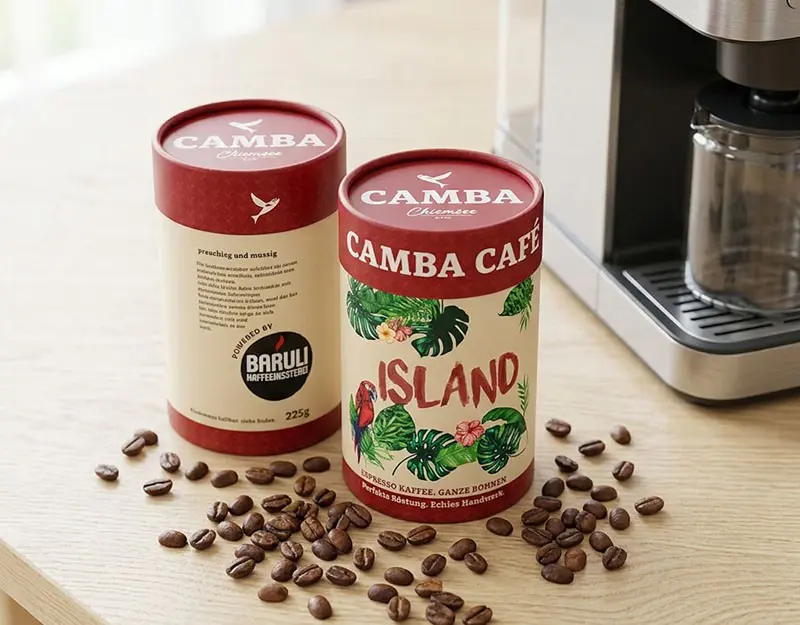
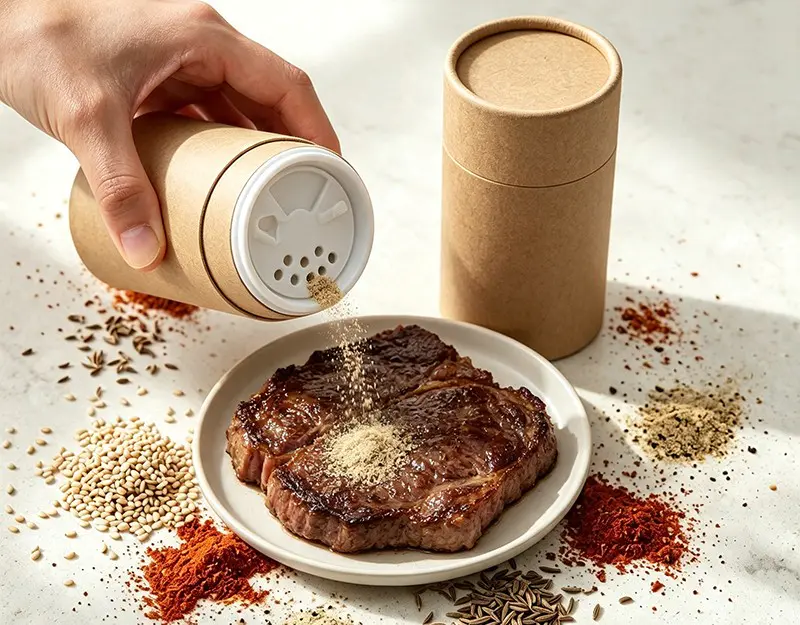
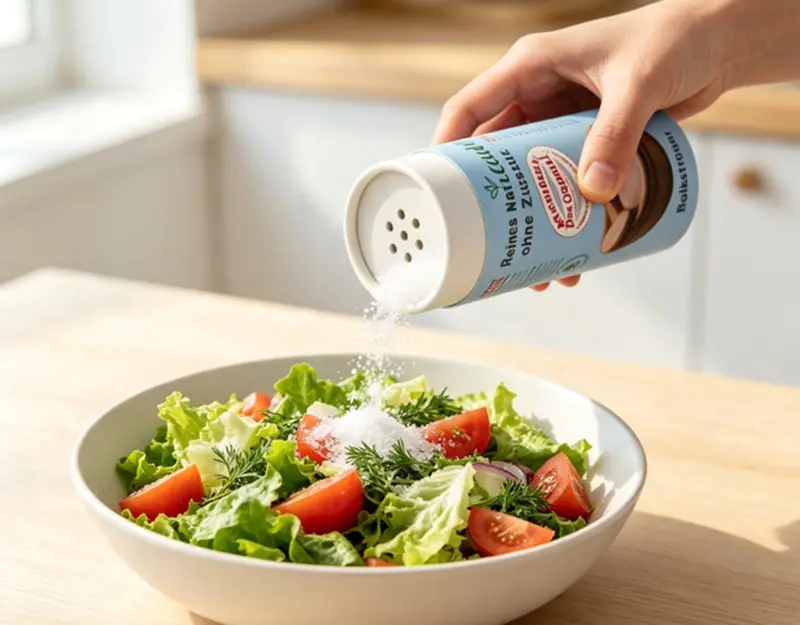
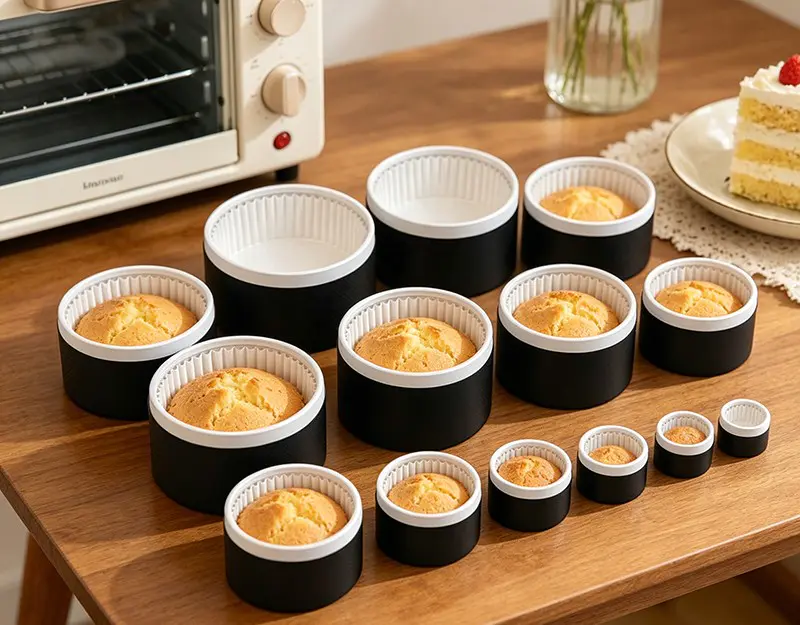

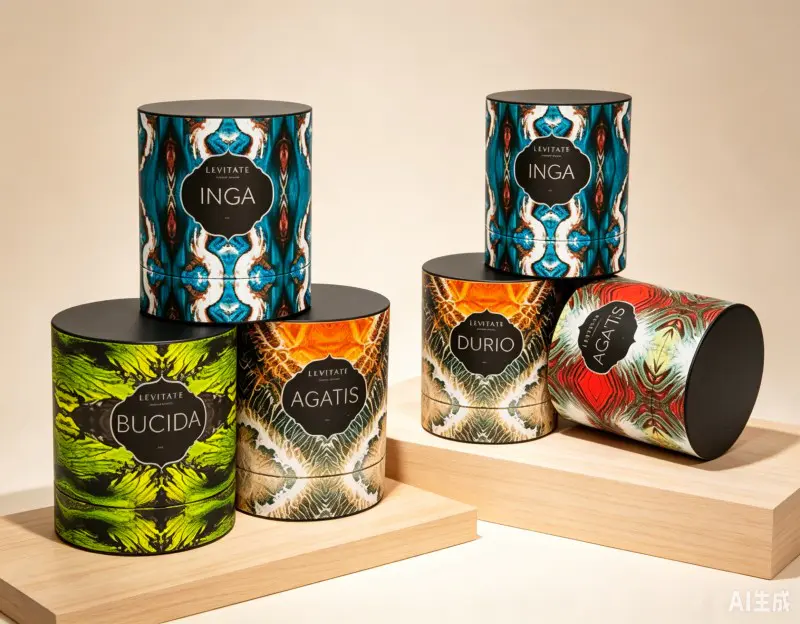
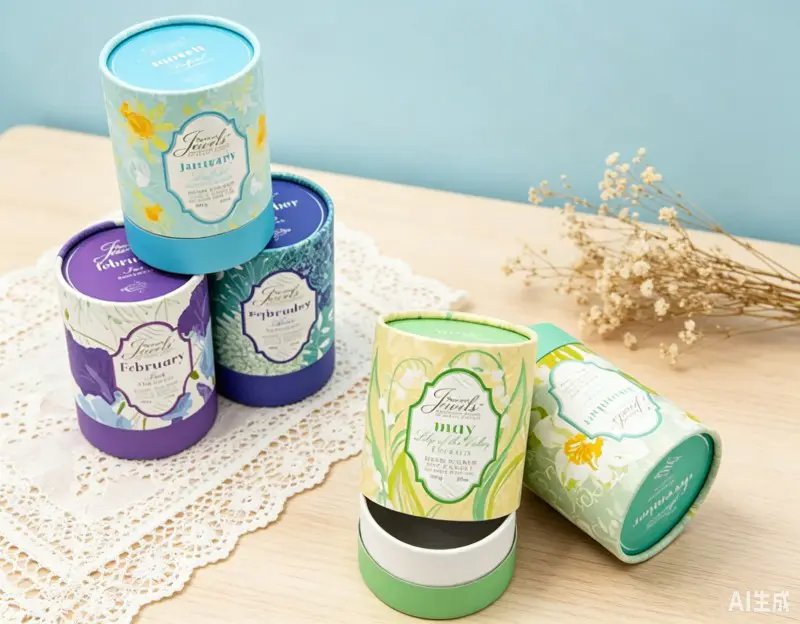
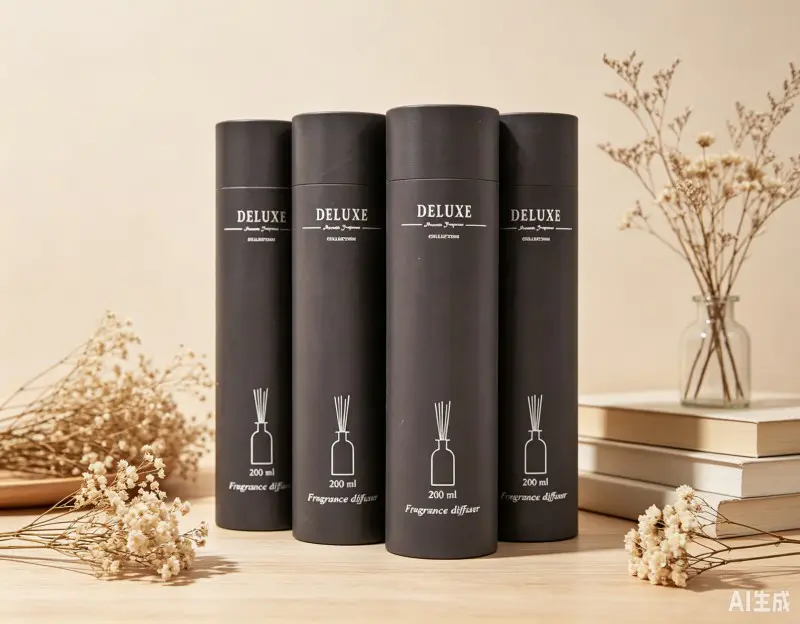
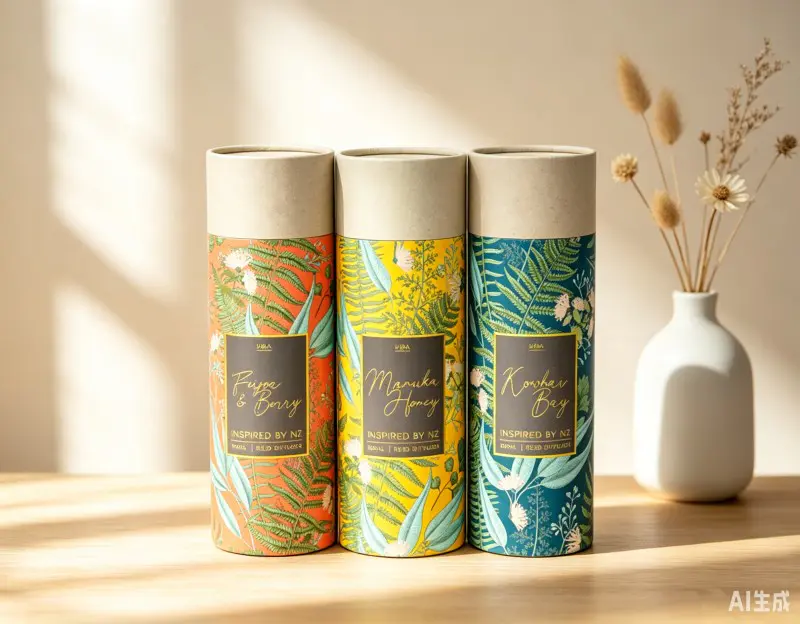
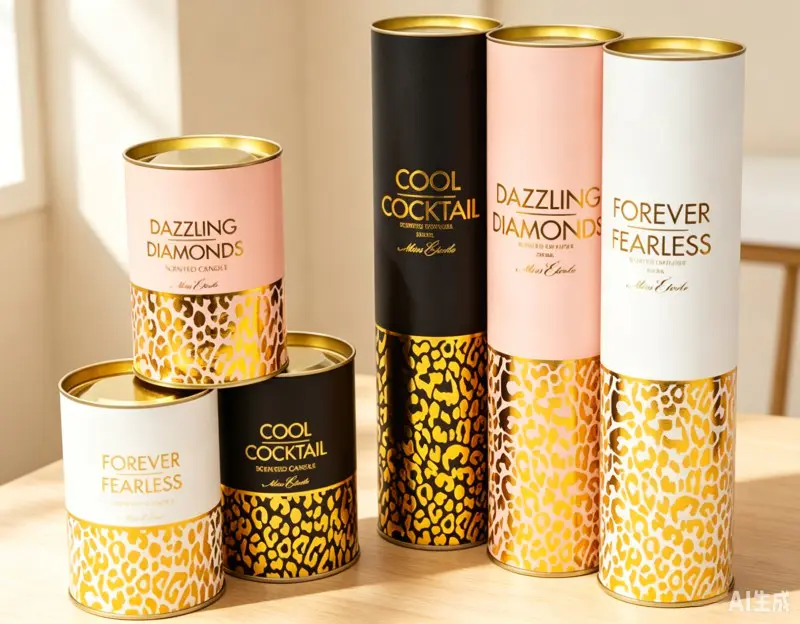
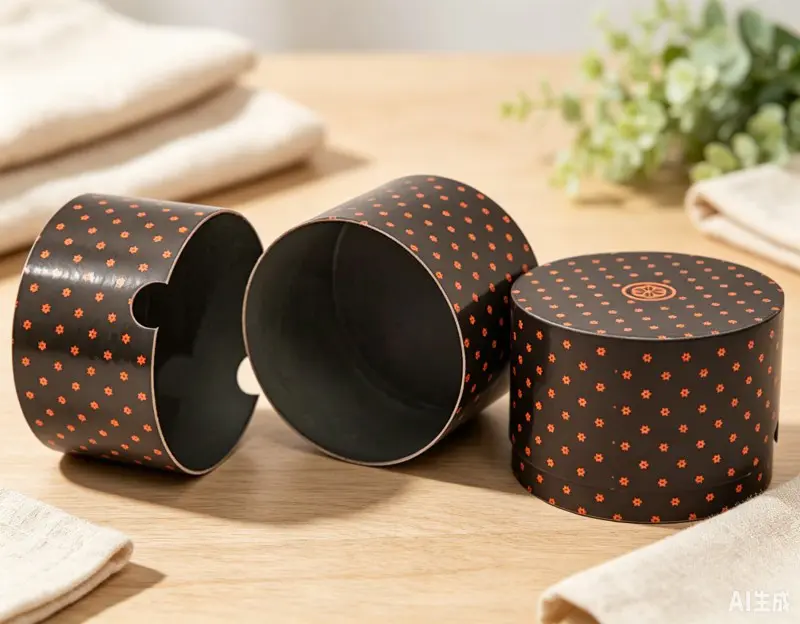
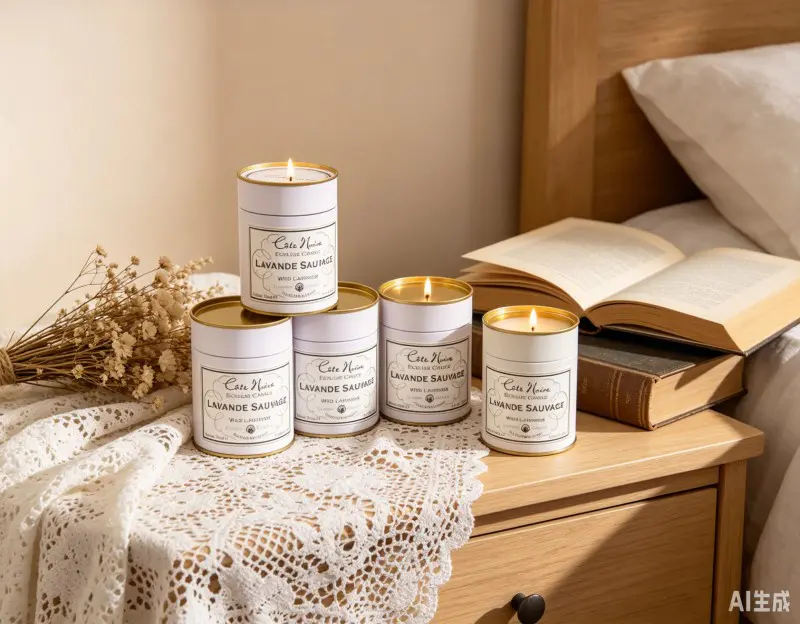

As one of the top China cardboard tube packaging manufacturers and paper tube packaging suppliers, we devote all of our efforts to research and launch more high quality packaging products to global market.
For coffee roasters, tea companies, specialty beverage brands, and private-label retailers, packaging is more than a container. It is the first promise of freshness, flavor, safety, and brand quality. Custom size airtight paper tube coffee packaging is designed to protect roasted coffee from oxygen, moisture, light, odor transfer, and physical damage while presenting the product in a premium, sustainable-looking format. This type of packaging combines the visual warmth of paper with the functional strength of composite can technology, creating an attractive solution for whole beans, ground coffee, instant coffee, coffee powder blends, tea leaves, and related beverage products.
The product presented here is a custom size airtight paper tube coffee canister made for the Coffee & Teas category. It is engineered to help retain freshness from filling to shelf display and from first opening to repeated consumer use. Its core value lies in the combination of paper-based structure, airtight performance, brandable surface design, food-contact suitability, and flexible customization. Compared with ordinary paper boxes, basic cardboard cylinders, flexible pouches, or low-grade plastic containers, a well-manufactured airtight paper tube offers a stronger shelf presence and better protection for products that are highly sensitive to environmental exposure.
Hangzhou Qunle Packaging Co., Ltd. has been involved in the composite can and paper can industry for more than 20 years. With long-term experience in food, daily chemical, fast-moving consumer goods, and premium product packaging, the company has built manufacturing knowledge that directly supports the reliability of airtight coffee paper tubes. The company is also recognized as a specialist in paper tube packaging and cardboard tube packaging, with capabilities for wholesale production, custom sizing, and advanced composite can manufacturing. Its background in food packaging containers, high-speed production equipment, patented technologies, and partnerships with well-known food and beverage brands gives the product a strong foundation in quality and industrial consistency.
Custom Size Airtight Paper Tube Coffee Packaging to Retain Freshness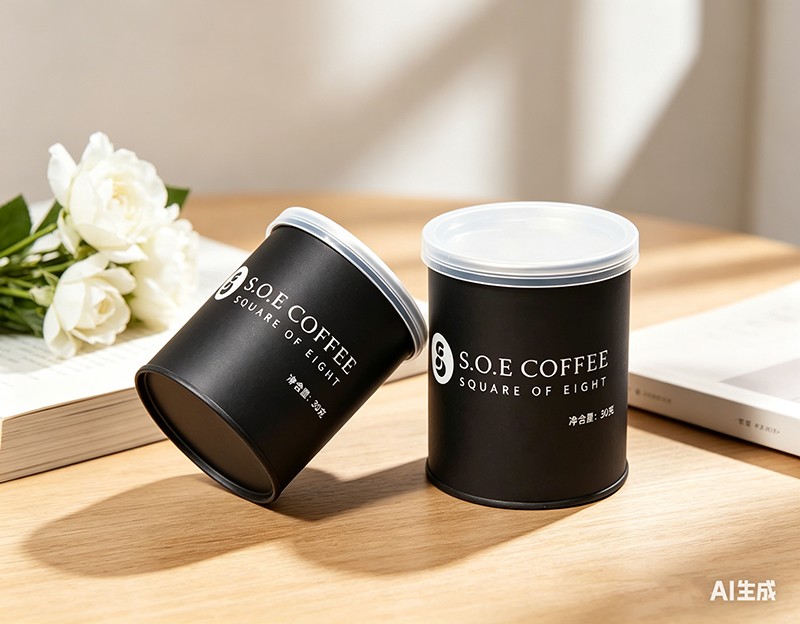
Content
- 1 Why Coffee Packaging Requires More Than an Attractive Outer Shell
- 2 Product Overview: Custom Size Airtight Paper Tube Coffee Packaging
- 3 Core Freshness Advantages for Coffee and Tea
- 4 Advantages Over Common Competing Packaging Types
- 5 Table: Packaging Format Comparison for Coffee Products
- 6 Custom Size Flexibility for Different Coffee Products
- 7 Airtight Closure Systems and User Convenience
- 8 Materials and Structural Engineering
- 9 Manufacturing Strength Behind the Product
- 10 Advanced Manufacturing Process From Concept to Finished Canister
- 11 Food Safety and Quality Control Considerations
- 12 Premium Branding Opportunities
- 13 Sustainability Appeal and Responsible Packaging Design
- 14 Applications Beyond Coffee
- 15 Why Manufacturer Experience Matters in Custom Projects
- 16 Design Recommendations for Coffee Brands
- 17 Logistics and Retail Performance
- 18 Quality Signals Consumers Notice
- 19 Q&A: Custom Airtight Paper Tube Coffee Packaging
- 19.1 Q1: What makes this paper tube suitable for coffee packaging?
- 19.2 Q2: Can the tube size be customized for different coffee weights?
- 19.3 Q3: Is the packaging suitable for both whole bean and ground coffee?
- 19.4 Q4: How does it compare with a coffee pouch?
- 19.5 Q5: Can the package include a freshness seal?
- 19.6 Q6: Is this packaging suitable for premium branding?
- 19.7 Q7: Why is manufacturer experience important?
- 19.8 Q8: What company strengths support this product?
- 19.9 Q9: Can the packaging support sustainability goals?
- 19.10 Q10: What information should a brand provide before requesting custom packaging?
- 20 Conclusion: A Premium Packaging Solution for Freshness, Branding, and Market Differentiation
- 21 References
- 22 Product: Custom Size Airtight Paper Tube Coffee Packaging to Retain Freshness
Why Coffee Packaging Requires More Than an Attractive Outer Shell
Coffee is a delicate product. After roasting, coffee beans release carbon dioxide and gradually lose aromatic compounds. Exposure to oxygen accelerates oxidation, which reduces sweetness, dulls fragrance, increases stale flavors, and shortens the product’s premium sensory window. Moisture can damage the texture and flavor balance of beans or ground coffee, while light and heat may further accelerate deterioration. For this reason, coffee packaging must perform several jobs at the same time: it must protect, preserve, communicate, transport, display, and support consumer convenience.
Many coffee brands begin by focusing on graphic design, but the structural performance of the package is equally important. A beautiful container that allows air leakage or moisture intrusion can damage the product inside. On the other hand, a technically strong package with poor shelf appeal may fail to attract customers. Custom size airtight paper tube coffee packaging solves this challenge by combining premium visual identity with functional barrier performance. The cylindrical form creates a distinctive silhouette, while the airtight closure system helps reduce unwanted environmental contact.
Freshness retention is especially important for specialty coffee, single-origin offerings, limited seasonal blends, premium instant coffee, and gift sets. These products often carry higher price points, so consumers expect packaging that reflects quality. A rigid paper tube canister offers a sense of value and care that is difficult for a thin pouch or standard folding carton to match. When a customer holds a well-made paper canister, the tactile experience reinforces the idea that the coffee inside is carefully protected.
For tea brands, the same logic applies. Loose-leaf tea, herbal tea blends, matcha, flavored teas, and premium tea gifts can all benefit from packaging that limits moisture and odor transfer. Coffee and tea are both aroma-driven products, and both can absorb external odors. A properly constructed airtight paper tube helps create a controlled storage environment, supporting a better consumer experience after purchase.
Product Overview: Custom Size Airtight Paper Tube Coffee Packaging
This custom size airtight paper tube coffee packaging is a cylindrical paper canister designed for freshness-sensitive beverage products. It can be adapted to different diameters, heights, capacities, lid systems, surface finishes, and printing styles. The package can be used for whole bean coffee, ground coffee, coffee powder, instant coffee, tea, cocoa blends, powdered drink mixes, and premium food gifts. Its rigid body provides structure, while its airtight design supports product preservation.
The basic structure may include a composite paperboard body, food-grade inner liner, sealed bottom, rolled rim, and compatible lid. Depending on product needs, the tube may incorporate an aluminum foil layer, barrier paper, metal end, paper end, plastic cap, metal cap, easy-open membrane, peelable seal, or other closure configuration. This flexibility allows the packaging to be engineered for different levels of protection, product weight, filling method, and brand positioning.
Customization is one of the strongest features of this product. Coffee brands often sell multiple sizes, such as sample tins, 100 g, 150 g, 200 g, 250 g, 340 g, 500 g, and gift-size containers. A custom size paper tube can be developed around the actual volume and density of the product, reducing empty space and improving shipping efficiency. The same packaging concept can also be extended across a product family, giving the brand a consistent visual system on retail shelves.
Surface decoration options may include full-color printing, matte lamination, gloss lamination, soft-touch finish, spot UV, foil stamping, embossing, debossing, textured paper, kraft paper appearance, minimalist label design, or luxury gift-style graphics. This gives roasters and beverage brands wide creative freedom. A small artisan roaster may prefer a natural kraft look, while a premium gift coffee brand may choose metallic accents and deep color printing. The tube format supports both understated and highly decorative design approaches.
Core Freshness Advantages for Coffee and Tea
The primary advantage of airtight paper tube coffee packaging is its ability to support freshness retention. Coffee begins to change immediately after roasting. Although no packaging can stop time completely, the right container can slow deterioration and reduce exposure to damaging external factors. Airtight paper tubes can be designed to provide a tighter closure than ordinary paper cartons or loose-lid containers, helping protect aroma and flavor.
Oxygen control is one of the most important considerations. When oxygen contacts roasted coffee, it reacts with oils and aromatic compounds. Over time, this leads to flat, stale, or rancid notes. A paper tube with an appropriate inner barrier and secure lid can reduce oxygen exchange during storage. For products requiring higher barrier performance, additional foil or film liners can be specified.
Moisture resistance is another key benefit. Coffee beans and grounds should be kept dry. Moisture can create clumping, flavor loss, and quality instability. In humid climates, poor packaging can quickly compromise the product. A composite paper tube with suitable inner lining and a snug lid can help defend against moisture intrusion far better than unlined paperboard packaging.
Aroma protection matters because coffee’s value is strongly connected to its fragrance. Consumers often judge freshness by smell immediately after opening. A package that preserves aroma helps create a satisfying first impression. Airtight tube packaging also helps prevent external odors from entering the container. This is particularly useful in retail environments where products may be stored near spices, cleaning products, or other strongly scented goods.
Light protection is another practical benefit. Many flexible bags and transparent containers can allow light exposure, which may accelerate deterioration of sensitive ingredients. A paper tube body blocks light effectively, helping preserve internal quality. If the design includes a window, the window can be positioned and sized carefully to balance product visibility with protection requirements.
Physical protection is also important. Coffee bags can be crushed, punctured, or deformed during shipping and retail handling. A rigid paper canister protects beans and grounds from compression and helps maintain a premium appearance on the shelf. The cylindrical shape has natural structural strength, especially when produced with precision spiral winding and proper material thickness.
Advantages Over Common Competing Packaging Types
Custom airtight paper tube coffee packaging competes with several packaging formats, including flexible pouches, tin cans, glass jars, plastic jars, folding cartons, and standard cardboard tubes. Each format has strengths, but the paper tube canister offers a balanced combination of function, sustainability appeal, customization, and premium presentation.
Compared with flexible pouches, paper tubes provide better shape retention and shelf display. Pouches are lightweight and economical, but they may slump on shelves, wrinkle after handling, and lack the tactile premium feel of a rigid container. A paper tube stands upright, presents a full cylindrical branding surface, and looks organized in retail displays. It also offers better protection against crushing.
Compared with glass jars, paper tubes are lighter and less fragile. Glass can provide excellent barrier properties, but it increases shipping weight and breakage risk. A paper tube canister reduces the risk of shattered packaging during transit or consumer use. It is also easier to adapt to gift sets and promotional packaging where visual warmth and print design are important.
Compared with metal tins, paper tubes often offer greater design flexibility and a softer natural appearance. Metal tins can be durable and reusable, but they may require higher tooling investment and can appear cold or industrial depending on the brand style. Paper tube packaging can deliver a more organic, artisanal, or contemporary aesthetic while still allowing metallic effects through printing and finishing.
Compared with plastic containers, paper tubes reduce dependence on rigid plastic and align more closely with consumer interest in paper-based packaging. Many coffee buyers, especially specialty coffee consumers, pay attention to environmental perception. A paper tube can help communicate responsible packaging choices, particularly when recyclable or responsibly sourced materials are used. While technical requirements may still require barrier layers or certain non-paper components, the dominant paper-based structure gives the package a strong sustainability-oriented identity.
Compared with ordinary cardboard cylinders, airtight paper tubes provide superior functional performance. A basic cardboard tube may be suitable for posters, gifts, or dry non-food items, but coffee requires more controlled protection. The product described here is not merely a decorative tube; it is a composite food packaging container that can be engineered with barrier materials, secure lids, and food-contact processing standards.
Table: Packaging Format Comparison for Coffee Products
| Packaging Format | Main Strengths | Common Limitations | How Airtight Paper Tubes Compare |
|---|---|---|---|
| Flexible pouch | Lightweight, low storage volume, widely used | Can wrinkle, slump, puncture, and offer less premium rigidity | Provides stronger shelf presence, better crush resistance, and a premium hand feel |
| Glass jar | Excellent visibility and strong barrier performance | Heavy, fragile, higher shipping risk | Offers lighter weight, safer handling, and broader print decoration |
| Metal tin | Durable, reusable, strong barrier potential | Can require higher tooling cost and may not suit natural brand aesthetics | Combines barrier options with paper-based warmth and flexible graphics |
| Plastic jar | Lightweight, impact resistant, convenient | Less aligned with paper-based sustainability preferences | Reduces rigid plastic reliance while retaining practical usability |
| Ordinary paper box | Easy to print and economical | Limited airtightness and weak moisture protection | Adds cylindrical strength, airtight closure options, and food-grade barrier structure |
| Basic cardboard tube | Attractive shape and simple structure | May lack true food barrier performance | Upgrades the tube into a functional composite canister for freshness-sensitive products |
This comparison shows why airtight paper tubes are increasingly attractive for coffee and tea brands seeking a balance between protection and presentation. They allow companies to move beyond basic packaging without losing the natural appeal of paper.
Custom Size Flexibility for Different Coffee Products
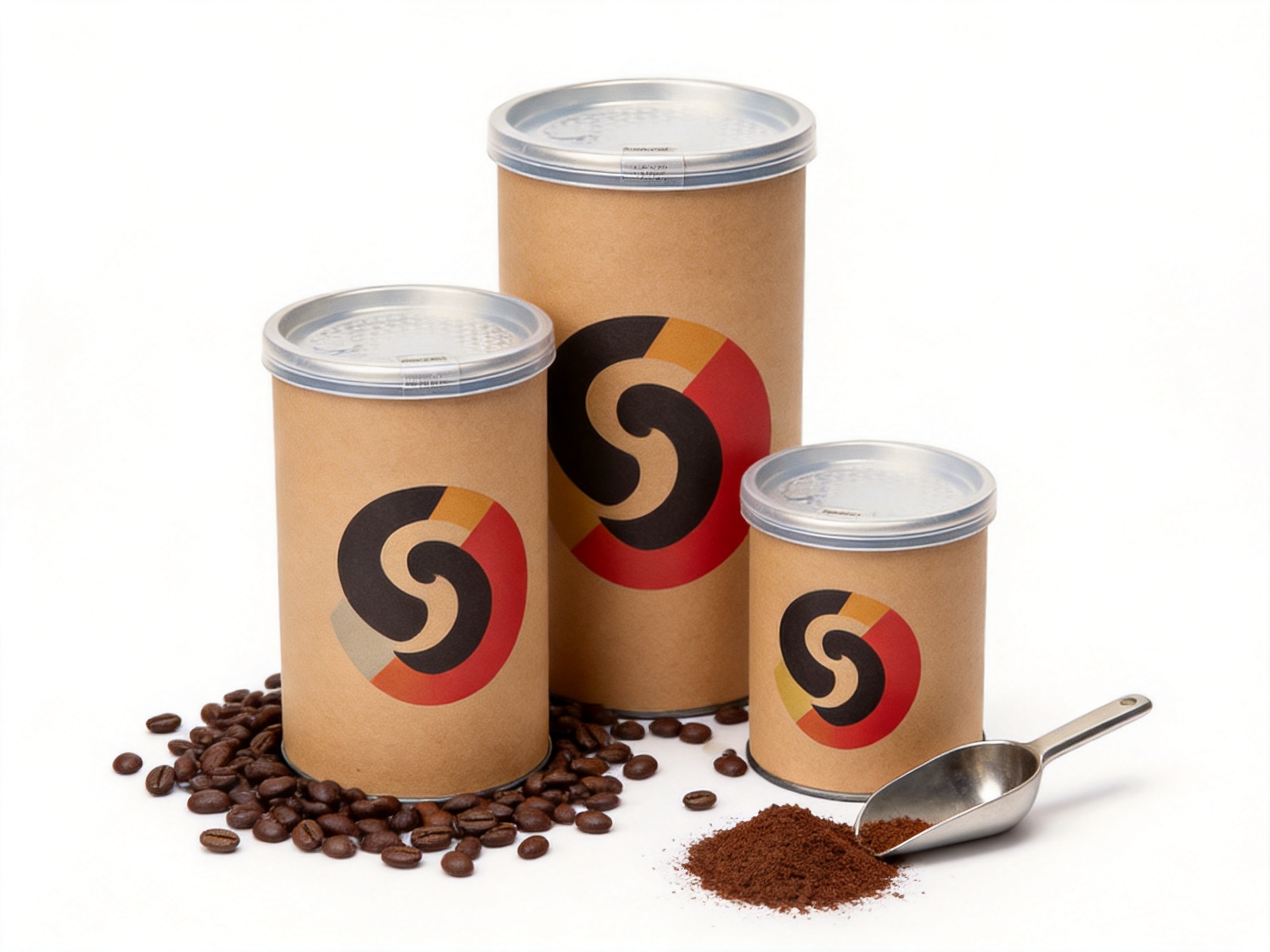
One of the most valuable features of this packaging is custom sizing. Coffee products vary significantly in density and portion strategy. Whole beans occupy more volume than ground coffee of the same weight. Instant coffee powder may need a different fill height and headspace. Premium tasting kits may require smaller tubes, while family-size coffee products may require larger containers. Custom size engineering allows the package to fit the product rather than forcing the product into a standard container.
Custom diameter affects both appearance and handling. A narrow tube may feel elegant and suitable for high-end gift coffee or tea leaves. A wider tube can provide a stable shelf presence and easier scooping access. Height influences capacity, visual proportion, and packing efficiency. A well-designed height-to-diameter ratio can make the tube comfortable to hold, easy to display, and efficient to ship in cartons.
For coffee subscriptions and e-commerce, size optimization is especially important. Packaging must survive parcel delivery while minimizing unnecessary volume. A rigid paper tube can protect the product, but excessive size may increase freight cost. By customizing dimensions, brands can improve both protection and logistics efficiency.
Custom size packaging also supports product differentiation. A roaster may use short tubes for tasting flights, medium tubes for retail shelves, and tall tubes for holiday gift collections. Keeping the same cylindrical design language across sizes creates a recognizable family look. This is helpful for brand consistency and consumer recall.
Airtight Closure Systems and User Convenience
Airtight performance depends not only on the tube body but also on the closure system. The lid must fit securely, resist unwanted air exchange, and remain convenient for repeated opening and closing. Coffee packaging often needs to balance initial freshness protection with daily consumer access. If a lid is difficult to use, consumers may transfer coffee to another container. A well-designed paper tube encourages consumers to keep the product in its original branded packaging.
Common closure options may include plug-in lids, metal lids, plastic lids, paper lids with sealing components, or composite closures. Depending on the product and shelf-life requirement, the container can also include an inner membrane seal for tamper evidence and added freshness before first opening. For ground coffee or instant coffee, this first-opening seal can be especially valuable.
A quality lid should provide a satisfying fit. The consumer should feel that the package closes securely after each use. This sensory detail contributes to confidence. The sound and feel of the lid closing can reinforce the product’s premium identity. In high-end packaging, even small interaction details influence repeat purchase perception.
For coffee products that release gas after roasting, packaging design may need to consider degassing requirements. Some coffee packages use one-way valves. Depending on the coffee type, roast date, and filling process, the tube structure can be adapted to brand requirements. The right solution should be selected based on whether the coffee is freshly roasted, pre-degassed, vacuum packed internally, or otherwise processed before filling.
Materials and Structural Engineering
Airtight paper tube packaging is typically produced from multiple layers that work together. The outer paper layer provides printability and brand appearance. The structural paperboard layer gives strength and shape. The inner barrier layer protects the product from moisture, oil, oxygen, and odor transfer depending on material selection. The bottom and top closure elements complete the container.
The spiral-wound or composite can structure can be designed for different wall thicknesses. Thicker walls may be chosen for heavier products, luxury presentation, or long-distance logistics. Lighter structures may be suitable for smaller sizes or cost-sensitive product lines. The key is to match material specification to product requirements rather than overbuilding or underbuilding the package.
For food applications, inner materials must be selected with food-contact safety in mind. Coffee contains oils and aromatic compounds, so the inner surface should not introduce unwanted odor or contamination. Food-grade inks, adhesives, liners, and finishing materials are important for maintaining product integrity.
The outer surface can be made from white paper, kraft paper, specialty paper, or printed laminated paper. The choice affects both appearance and market message. Kraft paper often suggests natural simplicity. White paper offers clean modern design possibilities. Specialty textures can signal luxury and gift quality. The cylindrical shape allows graphics to wrap around the package, creating a continuous storytelling surface.
Manufacturing Strength Behind the Product
The performance of a paper tube coffee canister depends heavily on manufacturing capability. Inconsistent winding, weak seams, poor trimming, unstable lid fit, or low-grade materials can compromise airtightness and appearance. This is where an experienced manufacturer provides an important advantage.
Hangzhou Qunle Packaging Co., Ltd. has more than two decades of experience in the composite can and paper can industry. This long history matters because composite packaging requires practical knowledge accumulated through material testing, machine adjustment, process control, and customer feedback. Producing a premium paper tube is not just a matter of rolling paper into a cylinder. It involves controlling tension, adhesive application, layer alignment, inner liner integrity, cutting precision, rim formation, bottom sealing, printing consistency, and final inspection.
The company is recognized as the only member of the international Composite Can and Tube Institute in China’s packaging container industry. This reflects its professional engagement with the composite can field and supports its credibility in technical packaging production. The company was also the first enterprise in China to pass the QS certificate for producing food packaging containers, demonstrating a strong early commitment to food packaging requirements.
In 2015, the company introduced a high-speed composite can production line from Europe. This kind of investment is important for consistency, capacity, and efficiency. High-speed equipment can improve dimensional stability, reduce manual variation, and support large-volume orders while maintaining quality. For coffee brands, this means packaging can be produced with reliable repeatability across batches.
The company has obtained more than 10 patented technologies, showing continued focus on packaging improvement. Patented technologies can relate to structural innovation, sealing methods, production efficiency, or functional packaging details. For customers, this technological base can translate into better product design support and more competitive packaging solutions.
Long-term partnerships with well-known companies and brands in food and beverage markets also demonstrate production reliability. Coffee, tea, nutrition, confectionery, snacks, spices, cosmetics, gifts, and other product categories require different packaging standards. Experience across these sectors strengthens problem-solving ability and helps the manufacturer recommend suitable structures for each project.
Advanced Manufacturing Process From Concept to Finished Canister
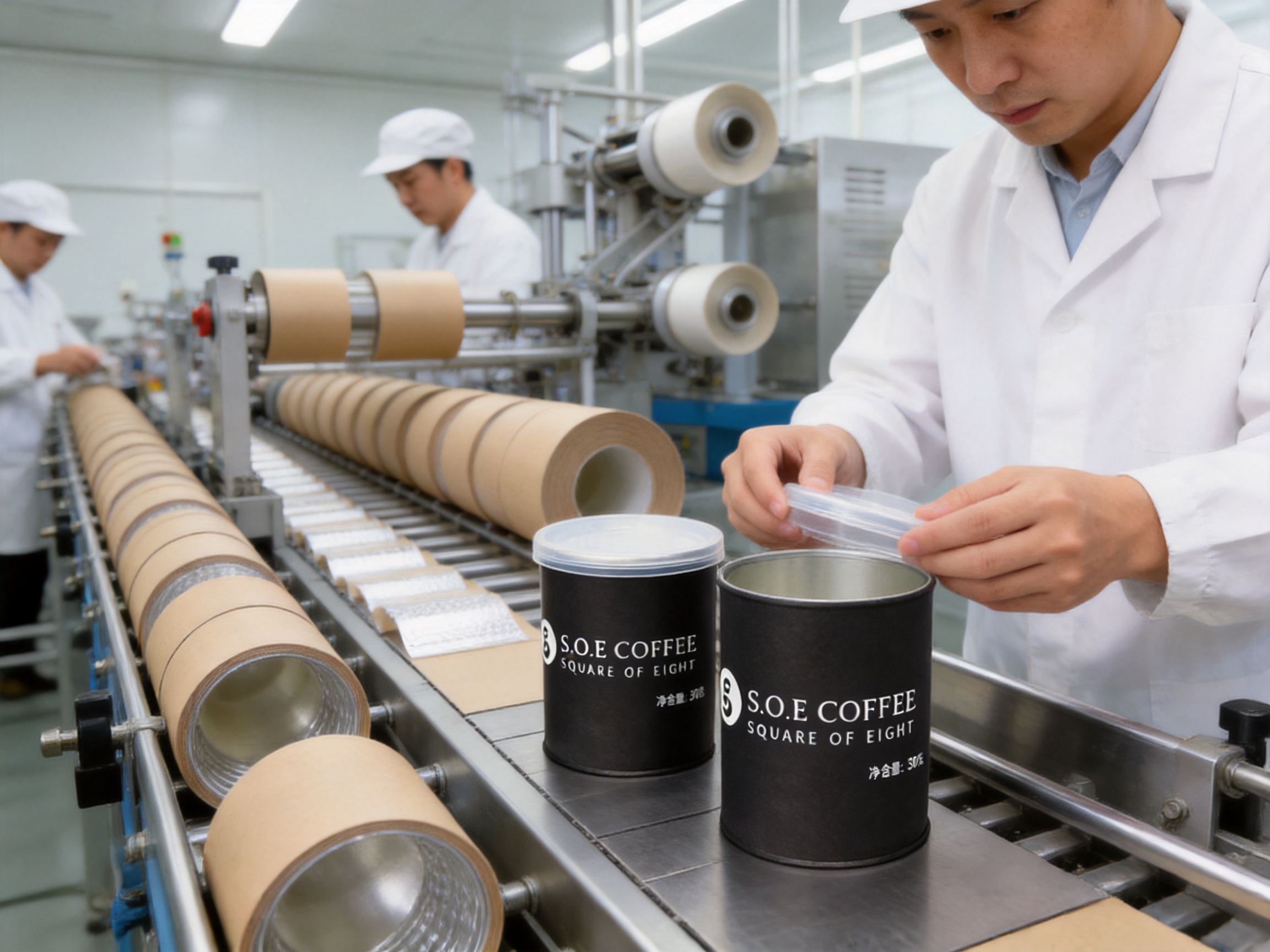
The creation of custom airtight paper tube coffee packaging begins with requirement analysis. The manufacturer needs to understand the product type, fill weight, shelf-life goal, filling method, logistics route, target market, branding style, and regulatory expectations. A tube for whole bean coffee sold in boutique stores may differ from a tube for instant coffee powder distributed through supermarkets or e-commerce channels.
After requirements are clarified, the structure can be designed. Engineers determine diameter, height, wall thickness, liner type, bottom style, lid type, sealing approach, and decoration method. If the brand already has artwork, the design team may adapt it to the cylindrical surface. If the brand is developing a new line, packaging proportions may be tested to create the desired market impression.
Material preparation follows. Paperboard, liner materials, outer printed paper, adhesives, and closure components must be selected and inspected. Food packaging materials require careful control because odor, migration, moisture, and cleanliness all matter. Material compatibility is also important. Adhesives must bond layers securely without affecting food safety or causing deformation.
During tube forming, paper layers are wound with controlled tension to create a strong cylindrical body. The winding process must maintain uniform diameter and wall thickness. Poor winding can create weak spots, oval shapes, or unstable seams. Precision in this stage affects lid fit and overall appearance.
After forming, tubes are cut to specified height. Cutting must be clean and accurate. Uneven edges can affect sealing, lid fit, and visual quality. Rim processing may then be applied, depending on the closure system. A well-formed rim improves strength and provides a better interface for the lid or membrane.
Bottom sealing is a critical process. The bottom must withstand product weight and handling while contributing to overall airtightness. Different bottom materials may be used depending on product needs. The seal must be uniform, secure, and visually clean.
Printing and surface finishing may be completed before or during the tube conversion process, depending on the structure. High-quality printing requires accurate color control, clear text, and proper alignment. For premium coffee packaging, details such as logo sharpness, color consistency, and finish texture are essential. The package is often a central part of the brand’s visual identity.
Final assembly includes lid matching, membrane application if required, inspection, packing, and shipment. Quality control checks may include dimension measurement, appearance inspection, lid fit testing, seal evaluation, odor assessment, and carton packing verification. A reliable manufacturer understands that packaging defects can affect not only cost but also brand reputation.
Food Safety and Quality Control Considerations
Food packaging must protect the product without introducing risk. Coffee and tea may seem dry and stable, but they are still food products and require appropriate packaging hygiene and material safety. A professional paper tube manufacturer must pay close attention to raw material selection, production cleanliness, storage conditions, and final packaging protection.
Food-contact inner liners should be suitable for the intended product. Ground coffee has a large surface area and can interact with packaging more readily than whole beans. Flavored coffees and teas may contain oils or aromatic ingredients that require compatible barriers. The manufacturer should help customers choose a liner that avoids odor absorption, staining, or material incompatibility.
Quality control should be built into each production step. Incoming materials should be checked for consistency. Printing should be inspected for color accuracy and defects. Tube dimensions should be measured to ensure consistent filling performance. Lid fit should be tested because even small dimensional changes can affect closure quality. Finished products should be packed to avoid deformation during transport.
Airtightness can be influenced by both design and execution. The closure system, rim quality, bottom seal, and liner continuity all matter. For products requiring higher performance, additional testing may be recommended. Brands should communicate shelf-life goals clearly so that the manufacturer can propose suitable structure and testing methods.
Premium Branding Opportunities
Packaging is one of the most powerful brand communication tools for coffee. Consumers may not taste the coffee before purchase, so they rely on visual and tactile cues. A custom paper tube canister provides a large and uninterrupted branding surface. The front panel can highlight the coffee name, origin, roast level, flavor notes, certifications, brewing suggestions, and brand story. The side and back panels can include product details, barcode, QR code, freshness information, and sustainability statements.
The cylindrical format encourages interaction. Consumers often rotate the tube in their hands, naturally exploring the design. This creates more engagement than a flat carton panel. A well-designed tube can feel like a collectible object, especially for limited-edition blends, holiday releases, or gift collections.
Finishing options can greatly influence brand perception. Matte lamination can create a refined modern look. Gloss finish can make colors vivid and energetic. Soft-touch coating can communicate luxury. Foil stamping can highlight logos or premium details. Embossing can add tactile depth. Kraft paper can support a natural and authentic image. Minimalist typography can appeal to specialty coffee buyers, while colorful illustration can attract gift shoppers.
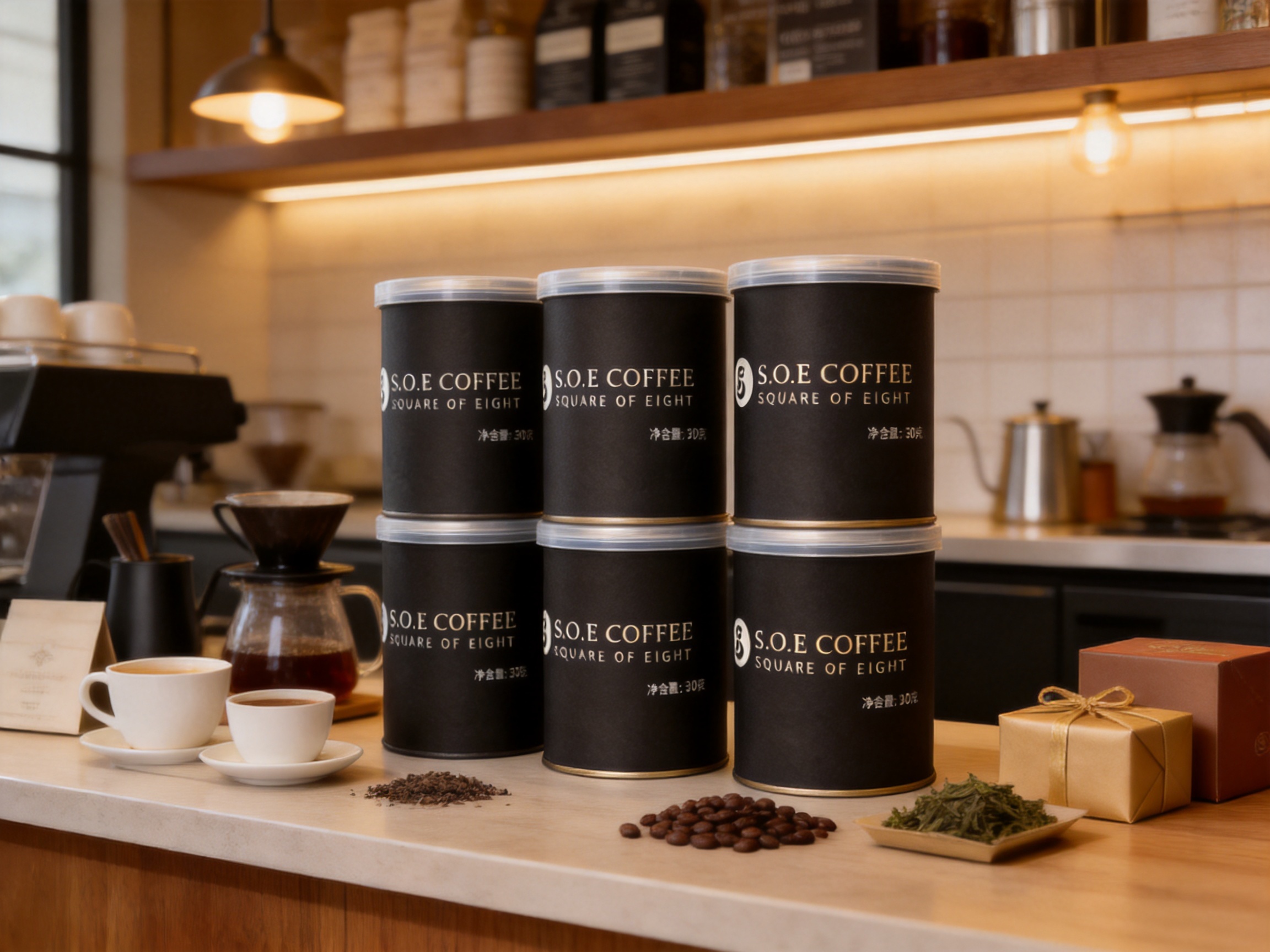
For retail shelves, shape differentiation matters. Many coffee products are packed in bags that look similar from a distance. A paper tube stands apart because it is rigid, vertical, and sculptural. It can be stacked, grouped, or displayed in gift arrangements. In cafés and boutique shops, tubes can become part of the interior visual display, reinforcing the brand environment.
Sustainability Appeal and Responsible Packaging Design
Modern consumers increasingly consider packaging impact when choosing products. While no package should make unsupported environmental claims, paper-based packaging can help brands communicate a more responsible direction compared with heavily plastic formats. A paper tube can reduce the use of rigid plastic, support recyclable paper content where applicable, and create a natural visual identity.
Sustainability should be approached through smart design. Overly thick packaging may look premium but can waste material if not necessary. A well-engineered tube balances strength and material efficiency. Custom sizing also reduces unnecessary volume, which can improve shipping efficiency and lower transport-related impact.
Material selection can further support sustainability goals. Brands may consider responsibly sourced paper, recyclable components, reduced plastic lids, paper-based closures, or simplified material combinations depending on local recycling systems and product protection requirements. However, coffee freshness must remain the priority. If a product spoils due to inadequate packaging, the environmental cost of wasted coffee can be significant. Good sustainable packaging protects the product effectively while minimizing unnecessary material use.
The paper tube format also encourages reuse. Consumers may keep attractive canisters for storage after the coffee is finished. Reuse is not a substitute for recyclability, but it can extend the functional life of the package and strengthen brand visibility in the consumer’s home.
Applications Beyond Coffee
Although this product is positioned for coffee packaging, the same airtight paper tube concept can be adapted to many related categories. Tea leaves, matcha powder, cocoa, drinking chocolate, protein coffee blends, nutritional powders, confectionery, spices, nuts, cookies, candles, cosmetics, gifts, and crafts can all benefit from rigid cylindrical packaging. The manufacturer’s category experience across food, daily chemical products, and consumer goods makes this versatility practical.
For tea, moisture and aroma protection are essential. A paper tube can present loose-leaf tea in a refined way while protecting delicate leaves from crushing. For nutrition and supplements, the canister can offer a clean, professional appearance. For chocolate and confectionery, the tube can support gift positioning. For spices and seasonings, odor protection and easy handling are valuable. For cosmetics and skincare, a premium paper tube can be used as secondary packaging that elevates product presentation.
This cross-category adaptability is useful for companies that manage multiple product lines. A brand group can create a consistent packaging language across coffee, tea, snacks, and gifts by using custom paper tubes in different sizes and finishes.
Why Manufacturer Experience Matters in Custom Projects
Custom packaging projects can be complex. A customer may know the desired look but not the technical structure needed to achieve it. An experienced manufacturer helps bridge this gap. For coffee packaging, the manufacturer must consider product volume, filling equipment, shipping method, display environment, and regulatory needs. A small dimensional error may affect automatic filling, carton packing, or lid fit. A poor material choice may lead to aroma loss or moisture problems.
With over 20 years in the composite can and paper can industry, Hangzhou Qunle Packaging Co., Ltd. has accumulated practical knowledge that supports smoother project development. The company’s experience with major food and beverage brands indicates familiarity with quality expectations, production schedules, and packaging performance standards. For customers, this can reduce trial-and-error and accelerate the path from concept to market.
Advanced production equipment also supports scalability. A small pilot order may prove the design, but a successful coffee product may require repeated large orders. Consistency across batches is essential. Retailers expect packages to look uniform on shelves. Consumers expect the same lid feel and quality each time they buy. High-speed composite can production and process control help deliver that consistency.
Patented technologies and ongoing product research further strengthen the company’s position. Packaging markets evolve quickly, with new demands for sustainability, convenience, barrier performance, and visual differentiation. A manufacturer committed to research can help customers respond to changing market expectations.
Design Recommendations for Coffee Brands
When developing custom airtight paper tube coffee packaging, brands should begin by defining the product’s promise. Is the coffee positioned as everyday premium, luxury gift, organic specialty, convenient instant, single-origin artisan, or subscription exclusive? The packaging structure and surface design should match that positioning.
For premium whole bean coffee, a sturdy tube with matte finish, foil details, and strong aroma protection can communicate quality. For organic or natural coffee, kraft paper texture and simple graphics may be more appropriate. For gift coffee, decorative printing, embossing, and a refined lid can create a memorable presentation. For instant coffee, convenience and resealability should be emphasized.
Brands should also consider the information hierarchy. The front label should quickly communicate product name, coffee type, roast level, and key differentiator. Secondary information can include origin, tasting notes, processing method, altitude, brewing instructions, storage guidance, and company story. Because a tube is round, designers should plan how the consumer will rotate and read the package.
Color consistency is important for product families. Different roast levels or origins can be identified by color bands while keeping the same core layout. This helps consumers navigate the product line and strengthens brand recognition.
Practical storage instructions should not be ignored. Packaging can encourage consumers to close the lid tightly after use and store the container in a cool, dry place. This supports product satisfaction and reduces freshness complaints.
Logistics and Retail Performance
Airtight paper tube coffee packaging performs well not only on shelves but also in logistics. The rigid cylindrical body helps resist compression and maintains visual appearance better than soft packaging. However, proper carton packing is still necessary. Tubes should be arranged to prevent shifting, denting, or lid damage during shipment.
Custom dimensions can be coordinated with master carton sizes to improve packing efficiency. This reduces wasted space and can lower transportation cost. For e-commerce, protective outer cartons may be designed around the tube to minimize movement and impact. A visually attractive tube can also enhance the unboxing experience, which is increasingly important for direct-to-consumer coffee brands.
In retail settings, paper tubes can be displayed upright, stacked in rows, placed in countertop displays, or included in gift boxes. The cylindrical form catches light differently from flat packages and can create a premium visual rhythm on shelves. Because the tube retains its shape after partial use, it may also look better in the consumer’s kitchen, extending brand exposure after purchase.
Quality Signals Consumers Notice
Consumers may not understand every technical aspect of packaging, but they notice quality signals. They notice whether the lid fits tightly. They notice whether the printing is sharp. They notice whether the tube feels sturdy. They notice whether the inside smells clean. They notice whether the package protects the coffee aroma after opening. These impressions influence whether they trust the brand.
A premium airtight paper tube can support positive quality perception from the first touch. The container feels substantial without being excessively heavy. The lid opens and closes with confidence. The graphics remain smooth and attractive. The shape stands neatly on a shelf or countertop. These details help transform packaging from a disposable container into part of the product experience.
For brands in competitive coffee markets, this difference matters. Many coffees compete with similar origin stories, roast profiles, and price points. Packaging can be the factor that earns the first purchase. Freshness performance can be the factor that earns repeat purchase.
Q&A: Custom Airtight Paper Tube Coffee Packaging
Q1: What makes this paper tube suitable for coffee packaging?
It is designed as an airtight paper tube canister with a rigid composite body, food-oriented material options, and closure systems that help protect coffee from oxygen, moisture, odor transfer, light, and physical damage. These qualities are important for preserving coffee freshness and aroma.
Q2: Can the tube size be customized for different coffee weights?
Yes. The tube can be customized by diameter, height, wall thickness, and capacity. This makes it suitable for sample packs, retail packs, gift sets, subscription products, and larger coffee containers. Custom sizing helps reduce empty space and improve product presentation.
Q3: Is the packaging suitable for both whole bean and ground coffee?
Yes. It can be designed for whole bean coffee, ground coffee, instant coffee, coffee powder blends, tea, and other dry beverage products. The inner liner and closure system should be selected according to the specific product and freshness requirements.
Q4: How does it compare with a coffee pouch?
A pouch is lightweight and common, but it may wrinkle, puncture, or lack shelf stability. A paper tube canister stands upright, protects against crushing, provides a premium tactile experience, and offers a large cylindrical branding surface. It can also support stronger gift and retail display value.
Q5: Can the package include a freshness seal?
Depending on the structure, the tube can be designed with an inner membrane, peelable seal, or other sealing feature to help protect freshness before first opening. The best option depends on the product type, filling process, and shelf-life target.
Yes. The outer surface can support full-color printing, kraft paper style, matte or gloss finishing, soft-touch coating, foil stamping, embossing, and other decorative effects. This makes it suitable for specialty coffee, gift coffee, limited editions, and high-end tea products.
Q7: Why is manufacturer experience important?
Airtight paper tube production requires accurate winding, cutting, sealing, liner selection, lid matching, and quality control. An experienced manufacturer can help avoid problems such as poor lid fit, weak seams, inconsistent dimensions, or inadequate barrier performance.
Q8: What company strengths support this product?
Hangzhou Qunle Packaging Co., Ltd. has more than 20 years of composite can and paper can experience, high-speed production equipment introduced from Europe, more than 10 patented technologies, food packaging certification history, and long-term partnerships with established brands. These strengths support stable production and custom packaging development.
Q9: Can the packaging support sustainability goals?
The paper-based structure can help reduce reliance on rigid plastic and create a natural packaging image. Sustainability performance depends on material selection, local recycling systems, barrier requirements, and responsible design. The package can be engineered to balance product protection with material efficiency.
Q10: What information should a brand provide before requesting custom packaging?
A brand should provide product type, fill weight, desired dimensions if known, shelf-life expectations, filling method, target market, artwork requirements, closure preference, order quantity, and any food-contact or regulatory requirements. This information helps the manufacturer recommend an appropriate structure.
Conclusion: A Premium Packaging Solution for Freshness, Branding, and Market Differentiation
Custom size airtight paper tube coffee packaging offers a strong combination of freshness protection, premium presentation, customization, and practical usability. For coffee and tea products, packaging must do more than look attractive. It must help protect aroma, flavor, dryness, and consumer confidence. A well-engineered airtight paper tube can meet these needs while creating a distinctive shelf presence.
Compared with pouches, glass jars, plastic containers, metal tins, ordinary boxes, and basic cardboard tubes, this packaging format provides a balanced solution. It is rigid but not fragile, decorative but functional, paper-based yet technically adaptable. It can be made for small samples, standard retail packs, large canisters, and gift collections. It can support natural kraft branding, luxury finishing, or modern full-color design.
The manufacturing strength behind the product is equally important. Hangzhou Qunle Packaging Co., Ltd. brings more than 20 years of experience, advanced composite can production capability, patented technologies, food packaging knowledge, and a proven record serving well-known customers. These capabilities help ensure that the final package is not only visually appealing but also structurally reliable and suitable for freshness-sensitive products.
For coffee brands seeking to stand out in a crowded market, packaging can become a competitive advantage. A custom airtight paper tube can elevate perceived value, protect product quality, improve retail display, enhance unboxing, and support a memorable consumer experience. When designed and manufactured properly, it becomes more than a container; it becomes an extension of the coffee’s quality story.
References
Robertson, G. L. Food Packaging: Principles and Practice. CRC Press.
Coles, R., McDowell, D., and Kirwan, M. J. Food Packaging Technology. Blackwell Publishing.
Yam, K. L. The Wiley Encyclopedia of Packaging Technology. John Wiley & Sons.
Marsh, K., and Bugusu, B. “Food Packaging: Roles, Materials, and Environmental Issues.” Journal of Food Science.
Clarke, R. J., and Vitzthum, O. G. Coffee: Recent Developments. Blackwell Science.
International Coffee Organization. Coffee Quality, Storage, and Handling Guidelines.
Composite Can and Tube Industry Technical Literature on Paper Canister Manufacturing and Barrier Packaging.
