 English
 Español

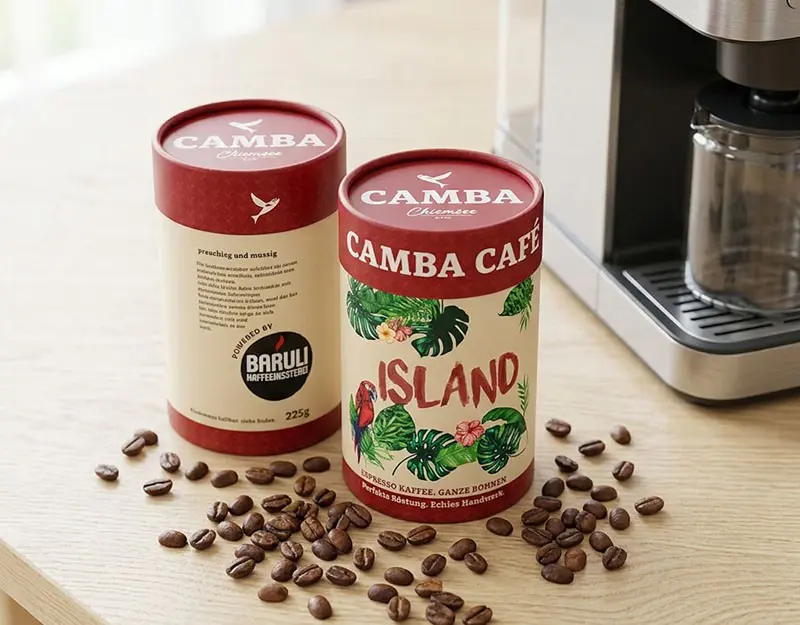
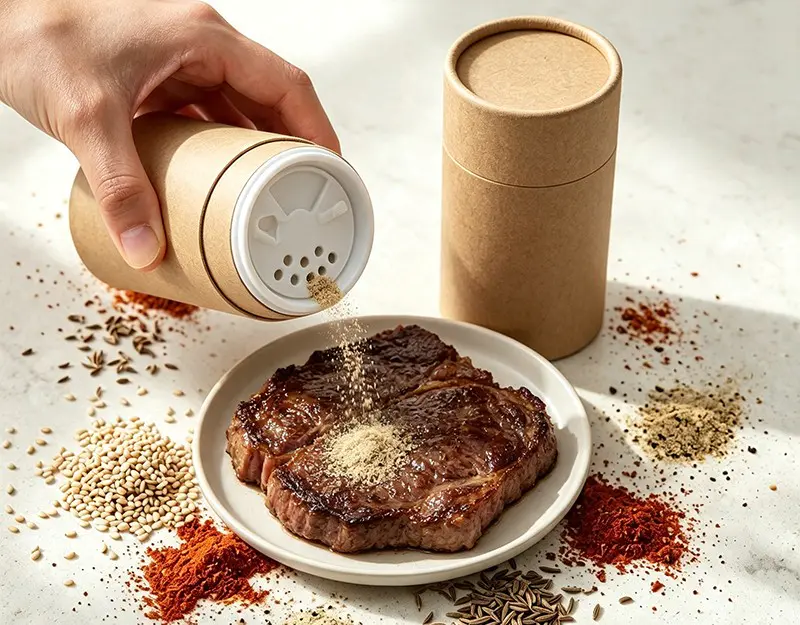
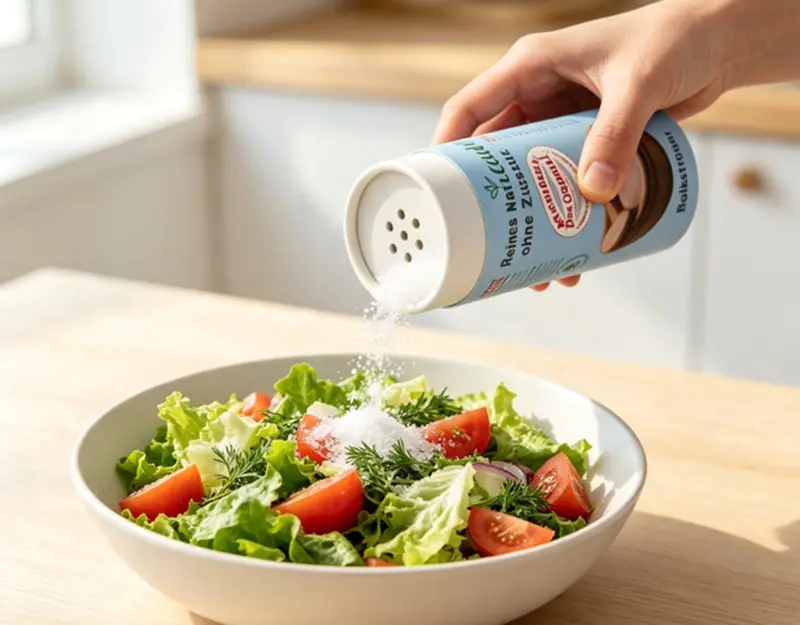
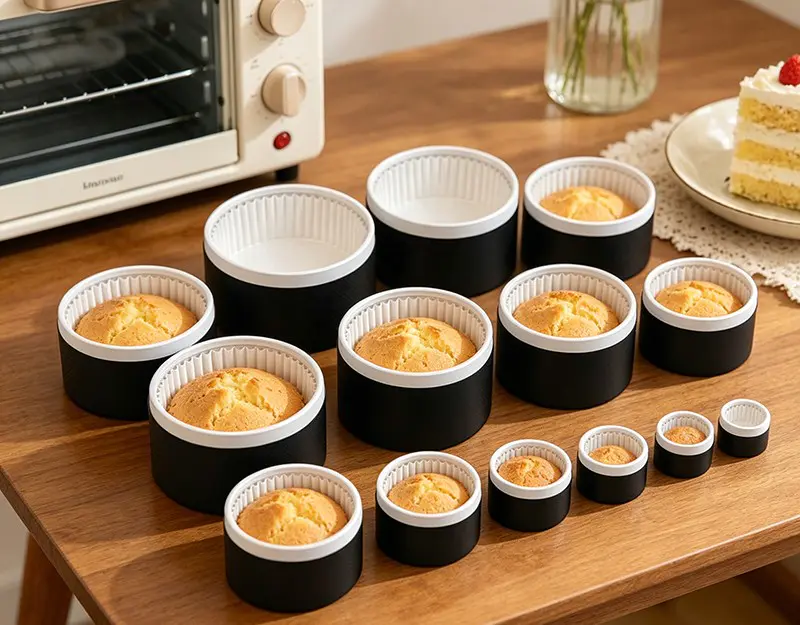
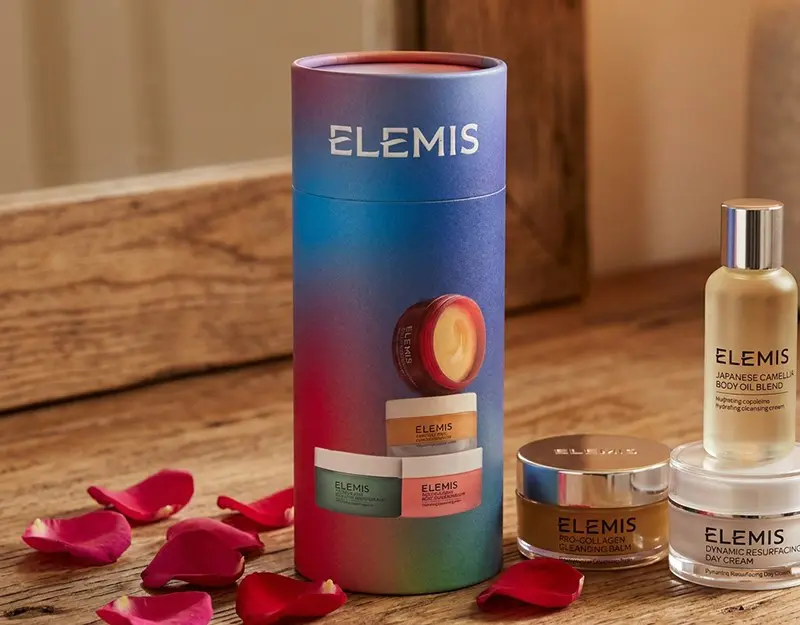
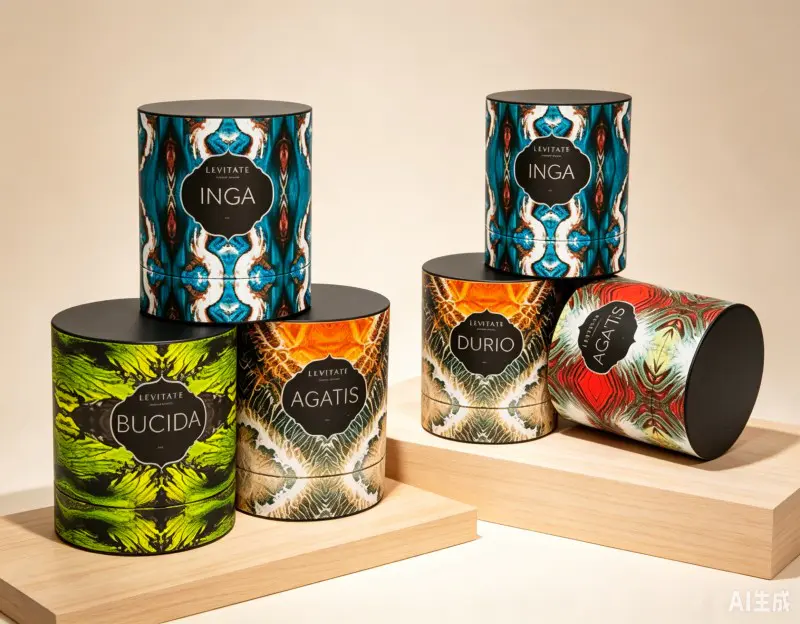
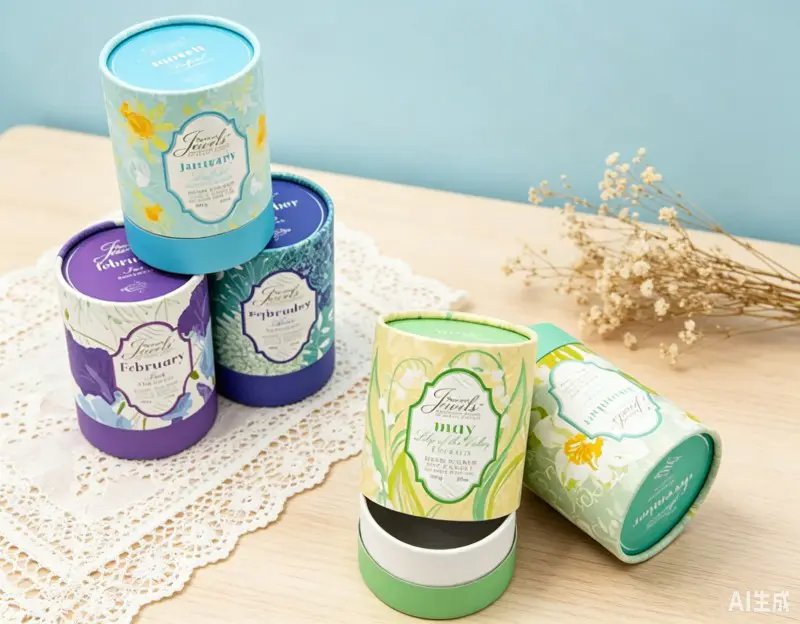
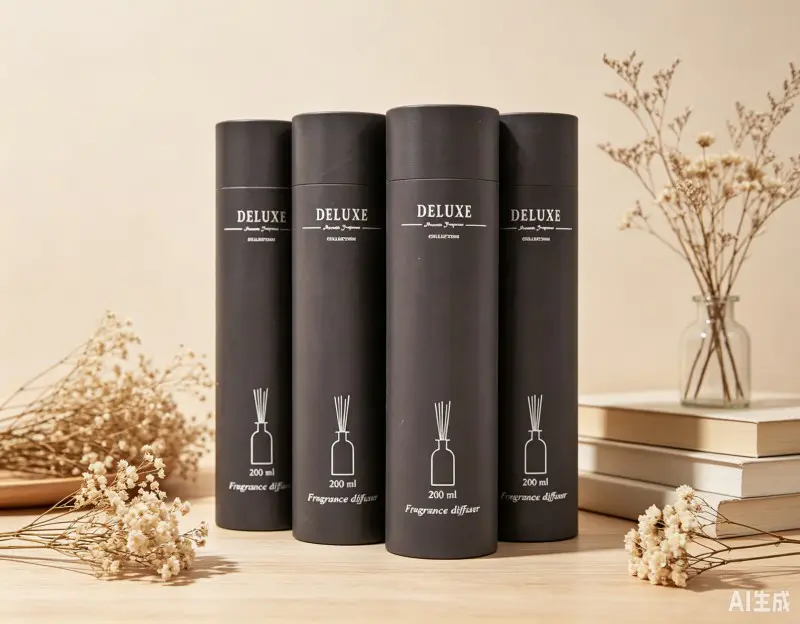
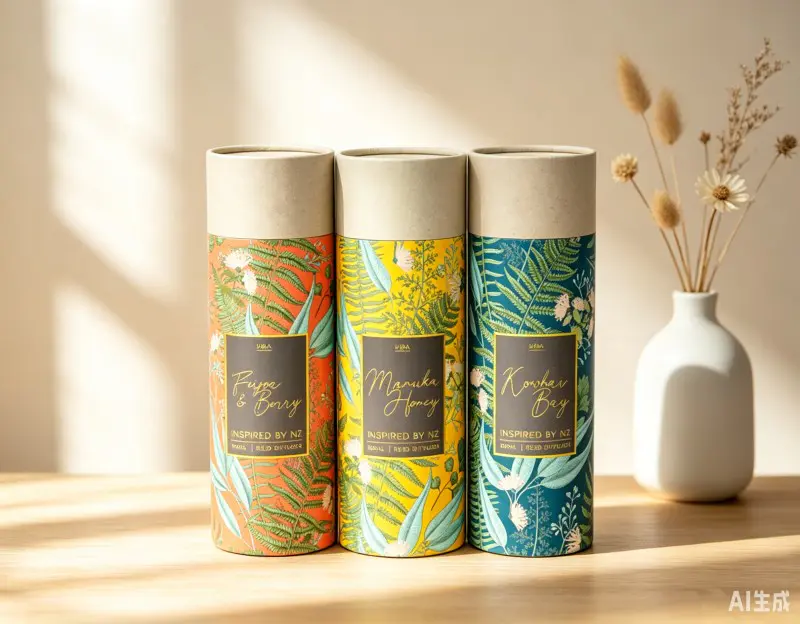
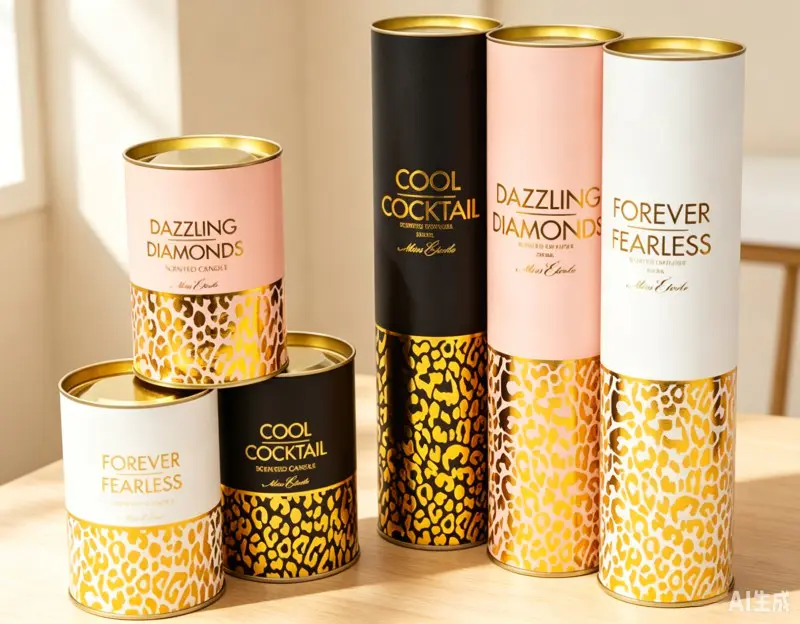
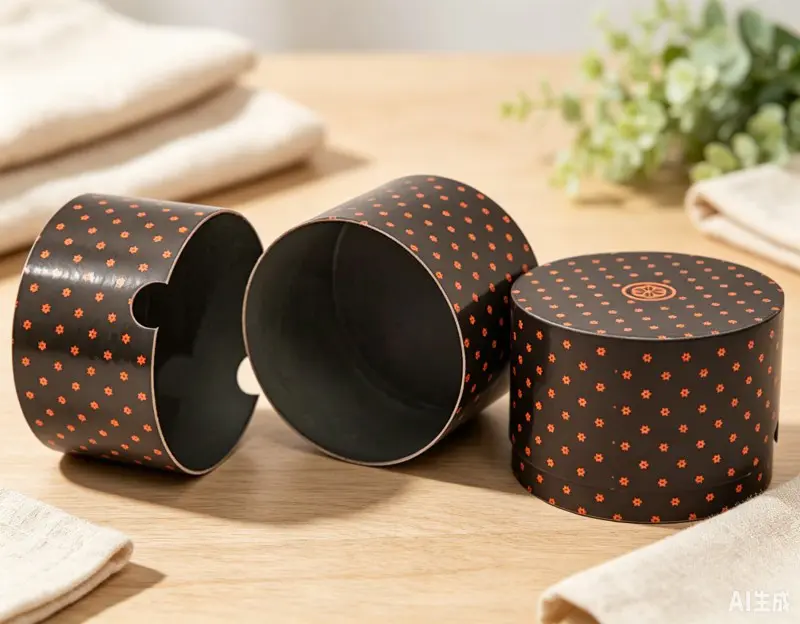
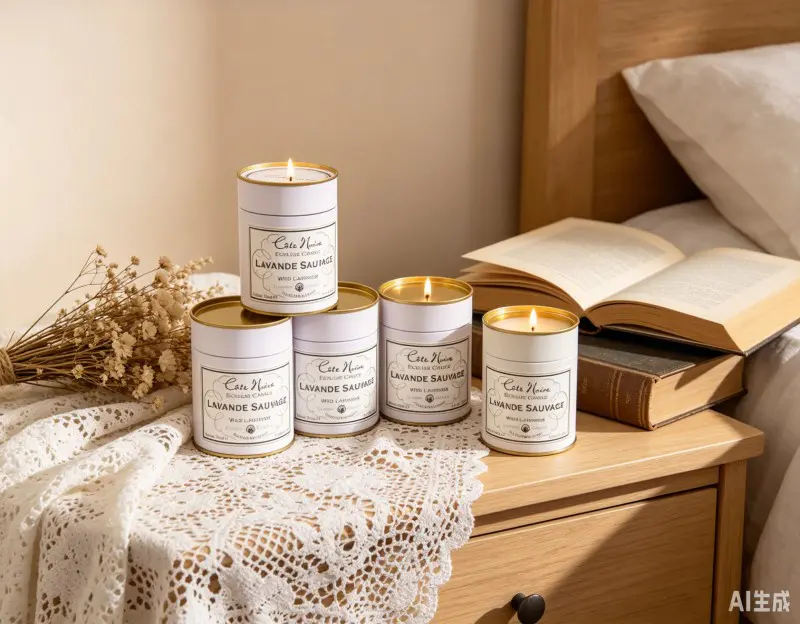

As one of the top China cardboard tube packaging manufacturers and paper tube packaging suppliers, we devote all of our efforts to research and launch more high quality packaging products to global market.
Packaging plays a central role in the skincare industry. It protects formulas, communicates product value, supports brand recognition, and influences purchasing decisions at the point of sale. For products such as serums, creams, facial masks, and treatment products, the outer package must combine attractive appearance with dependable protection. It also needs to support increasingly important goals, including sustainability, efficient transportation, customization, and competitive pricing.
Custom logo skincare paper tubes offer a practical solution for cosmetic brands looking to create a distinctive presentation without relying entirely on rigid plastic, metal, or glass packaging. These cylindrical containers can be designed for a wide range of skincare products and can be customized with brand logos, colors, patterns, finishes, labels, and structural details. Their rounded profile gives them a premium appearance, while their paper-based construction can help brands reduce the visual and material dependence on conventional packaging formats.
The custom logo skincare paper tube for serums, creams, and masks is designed for companies that need packaging with both commercial appeal and dependable manufacturing performance. It can function as a primary container in selected applications or as an attractive secondary package surrounding a bottle, jar, tube, sachet, or other inner package. This flexibility makes the format suitable for retail products, gift sets, promotional collections, travel kits, limited editions, and professional skincare lines.
Produced by Hangzhou Qunle Packaging Co., Ltd., this packaging solution is supported by more than two decades of experience in the composite can and paper can industry. The company serves food, daily chemical, fast-moving consumer goods, and other packaging sectors. Its manufacturing background, specialized production equipment, patented technologies, and experience with international customers provide a strong foundation for developing reliable cosmetic packaging.
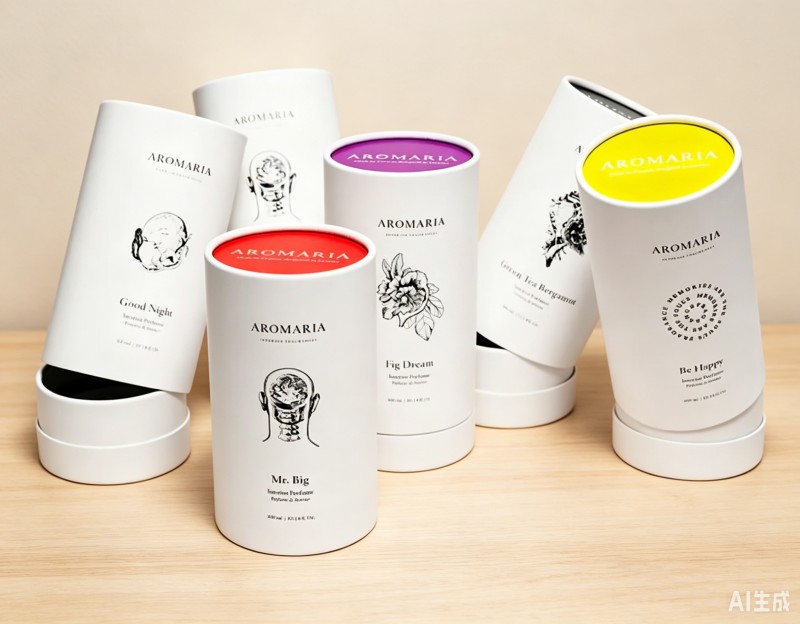
Custom LOGO Skincare Paper Tube for Serums, Creams & Masks Competitive Price
Content
- 1 Why Paper Tube Packaging Is Becoming Important in Skincare
- 2 Product Overview
- 3 Advantages Over Conventional Cosmetic Packaging
- 4 Construction and Material Considerations
- 5 Printing and Finishing Options
- 6 Advanced Manufacturing Strengths
- 7 Competitive Pricing and Commercial Value
- 8 Designing a Tube for Serums, Creams, and Masks
- 9 Brand Experience and Shelf Appeal
- 10 Manufacturing and Development Workflow
- 11 Why Choose an Experienced Paper Tube Manufacturer
- 12 Practical Sustainability Guidance for Brands
- 13 Frequently Asked Questions
- 13.1 Can the paper tube be customized with a brand logo?
- 13.2 Are these tubes suitable for serums, creams, and masks?
- 13.3 Is the tube used as primary or secondary packaging?
- 13.4 Can the tube include a lid and internal insert?
- 13.5 What printing and finishing effects are available?
- 13.6 How can a brand control the cost of a custom tube?
- 13.7 What should be provided when requesting a quotation?
- 13.8 How does the manufacturer support quality consistency?
- 13.9 Can the same tube design be used for a complete skincare line?
- 13.10 What makes this packaging competitive compared with conventional cartons?
- 14 Conclusion
- 15 References
- 16 Product: Custom LOGO Skincare Paper Tube for Serums, Creams & Masks Competitive Price
Why Paper Tube Packaging Is Becoming Important in Skincare
Skincare brands are operating in a market where packaging must satisfy several demands at the same time. Consumers expect products to look refined and contemporary, but they are also paying closer attention to materials, waste, durability, and responsible production. Retailers want packages that are easy to handle, stack, display, and ship. Brand owners need customization, consistent quality, and reasonable unit costs. A packaging format that addresses only one of these concerns may not be sufficient for a competitive product launch.
Paper tubes respond to these requirements through a combination of structure and presentation. Their cylindrical body creates a recognizable silhouette that can stand apart from ordinary boxes and rectangular cartons. The surface offers an effective area for printing logos, product information, ingredient highlights, usage instructions, and visual identity elements. At the same time, the tube structure can provide a strong protective shell around an inner product or inner container.
For skincare products, the outer package is often the first physical interaction a customer has with the brand. A serum may be stored in a glass bottle, a cream in a jar, or a mask in a pouch, but the addition of a custom paper tube can create a more complete unboxing experience. The tube can communicate the product’s positioning before the consumer opens it. Matte colors may suggest calm and clinical care, textured paper may express natural ingredients, and metallic or gloss details may support a luxury presentation.
Paper tubes are also appropriate for brands that want to create a coordinated product family. One tube diameter and construction style can be adapted to multiple heights, graphics, and inner package sizes. A brand may use one visual system for a serum collection, another color for moisturizers, and a third variation for masks or seasonal products. This creates shelf consistency without making every product appear identical.
Product Overview
The custom logo skincare paper tube is a cylindrical packaging format developed for cosmetic and personal-care applications. Its exact construction can be adapted according to the product, required dimensions, closure style, filling method, distribution environment, and desired appearance. Common applications include serum sets, facial creams, sleeping masks, clay masks, cleansing products, body-care products, sample kits, and premium gift collections.
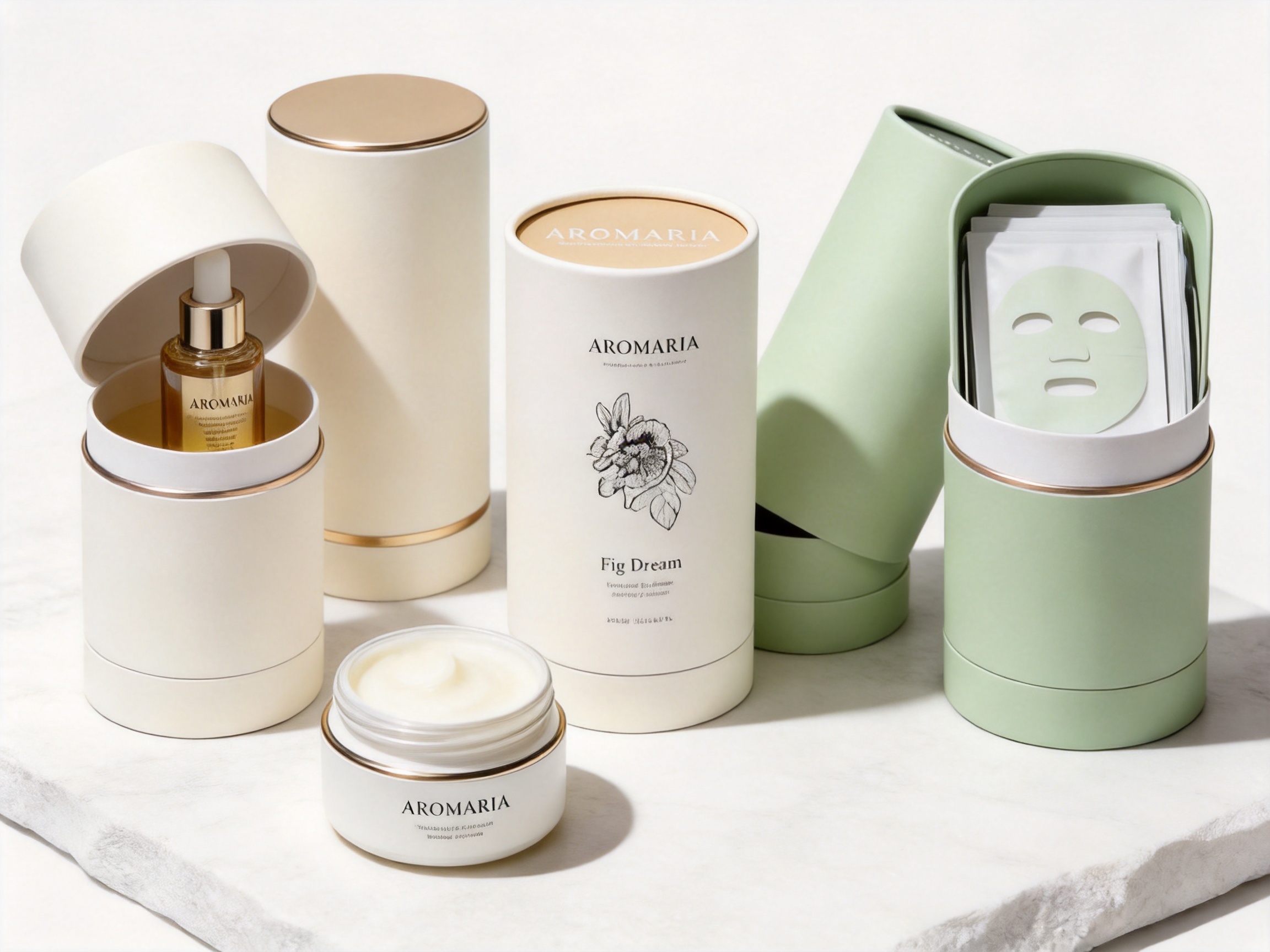
The tube may be engineered as a protective secondary package or configured to support direct product packaging where the application and material specifications permit. When used as secondary packaging, it can surround an internal bottle, jar, pouch, or molded insert. This approach allows the inner container to provide product-contact protection while the outer paper tube delivers branding, structure, and an enhanced customer experience.
Customization can include the tube height, diameter, wall construction, lid style, internal fit, surface finish, printing method, color system, and decorative components. A custom logo can be prominently placed on the front panel or incorporated into a larger pattern. Additional printing areas can display the product name, skin concern, formula type, volume, usage instructions, regulatory information, and brand story.
The design is suitable for businesses of different sizes. Emerging skincare companies can use a compact custom run for a product launch or test market. Established brands can develop coordinated tube packaging for a complete collection. Contract manufacturers, beauty retailers, salons, spas, and gift companies can also use the format for exclusive products and private-label programs.
Typical Product Applications
Serums benefit from paper tube packaging because they are frequently positioned as concentrated, specialized, and premium products. A cylindrical tube can protect a slender serum bottle and create a more substantial presentation. It can also be designed with an internal insert to prevent movement during transportation.
Creams and moisturizers are commonly packaged in jars or tubes, and a paper tube can be used as an outer sleeve that enhances shelf appeal. The added structure can help prevent scratching, improve product grouping, and provide additional space for communication. It is especially useful for day creams, night creams, eye creams, hand creams, and limited-edition formulations.
Facial masks and treatment products can be packaged in paper tubes when the tube is sized to accommodate the chosen inner package. Sheet-mask sets, powdered masks, wash-off treatments, and small mask jars can all be considered during package development. A tube may also be used for travel-size collections or multi-step skincare routines.
Gift packaging is another important application. A skincare tube can hold one product or a coordinated set of products, depending on its dimensions and internal arrangement. Seasonal graphics, embossed details, ribbons, inserts, and special closures can transform a standard product into a gift-ready package.
Advantages Over Conventional Cosmetic Packaging
Distinctive Cylindrical Presentation
Most skincare products are presented in rectangular cartons, bottles, jars, or flexible pouches. While these formats remain useful, they can make products look similar when placed together on a crowded shelf or online product page. The cylindrical shape of a paper tube immediately creates a different visual impression. It can help a product appear more memorable without requiring an unusually complex structure.
The tube’s shape is also well suited to premium and natural skincare positioning. Its proportions can be tall and elegant for serum products, compact and substantial for creams, or wider and shorter for masks. Because the design can be adjusted, the package does not need to follow a one-size-fits-all approach.
Large Customizable Printing Area
A paper tube provides a continuous outer surface for branding and product communication. This is valuable for skincare products because customers often want to understand the product’s purpose, skin type, key ingredients, usage sequence, and brand values before purchasing. The available surface can accommodate visual storytelling without the restrictions of a small bottle label.
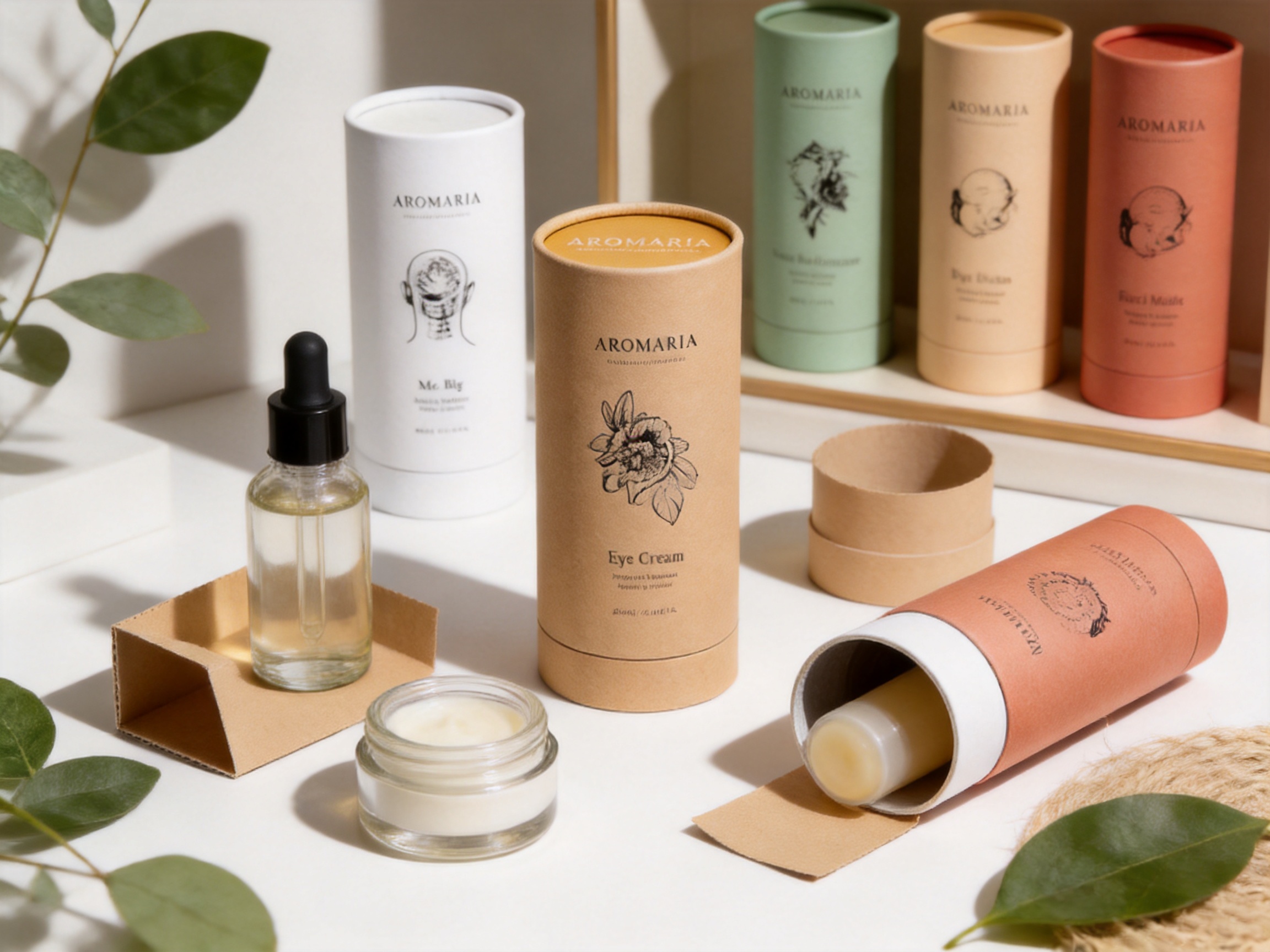
Brand owners can use a restrained design with a small logo and simple typography, or create an expressive pattern with illustrations and color transitions. Different surface treatments can be selected to support the intended market position. A soft-touch or matte appearance may communicate gentle care, while high-gloss details, foil effects, or precise contrast can create a more luxurious impression.
Lightweight and Space-Efficient Structure
Compared with many rigid packaging formats, paper tubes can offer a favorable balance between weight and protective form. Lower packaging weight may help reduce handling effort and transportation burden, although the final result depends on the tube dimensions, wall thickness, closures, inner package, and shipping requirements.
The cylindrical form can also be efficient for grouping products into gift sets or display arrangements. Tubes may be packed into cartons with suitable dividers or protective materials. Their consistent shape can simplify certain packing and storage procedures, particularly when the dimensions are standardized across a product family.
Potential Sustainability Benefits
Paper-based packaging is increasingly considered by brands seeking alternatives to packaging formats that rely heavily on plastic or other energy-intensive materials. The sustainability performance of any package depends on its complete structure, including coatings, adhesives, lids, inserts, labels, and the inner product container. Nevertheless, a paper tube can help increase the visible paper content of a package and support a more material-conscious brand story.
For responsible packaging communication, brands should avoid broad environmental claims that are not supported by testing or local recycling rules. Instead, they can describe the actual material composition, the use of paper components, the packaging reduction strategy, or the design’s intended recyclability where appropriate. A well-engineered paper tube can contribute to this strategy while maintaining a premium appearance.
Branding Flexibility
Custom logo production allows the package to become a direct extension of the brand identity. The logo can be printed in a single color, repeated as a pattern, positioned with a metallic effect, or combined with product illustrations. A coordinated design can be created for different product categories while retaining common brand recognition.
This flexibility is particularly useful for skincare brands that frequently introduce new formulas. A standardized tube structure can remain consistent while the graphics change according to the product function. For example, blue may represent hydration, green may indicate botanical care, white may be used for sensitive skin, and gold may identify a premium treatment line.
Useful Protection for Secondary Packaging
When used around an inner container, the paper tube can provide an additional layer between the product and external handling. It may help reduce direct contact with surfaces, minimize cosmetic damage to the inner package, and maintain a more orderly appearance during storage and delivery. An accurately sized tube with an appropriate insert can also limit movement inside the package.
Protection requirements vary according to the product and supply chain. A package shipped internationally may need stronger walls, an internal support component, or additional outer cartons. The important advantage is that the tube structure can be developed around the actual product rather than selected only for its appearance.
Construction and Material Considerations
A paper tube is typically formed from paper or paperboard layers that are wound, bonded, cut, and finished to create a rigid cylindrical body. The number of layers and the paper grades can be adjusted according to the required strength, diameter, height, surface quality, and application. A thicker wall may be appropriate for premium gift packaging or products that require higher resistance to compression.
The outer layer is especially important for cosmetic presentation. It may be selected to support smooth printing, a natural paper texture, a particular color tone, or a finishing process. The internal construction must be compatible with the product configuration. If the tube is used as secondary packaging, the main requirement may be accurate sizing and clean presentation. If it is considered for direct contact with a cosmetic formula, additional evaluation of barrier properties, coatings, adhesives, and regulatory requirements is necessary.
Closures can influence both appearance and usability. A paper lid can create a consistent all-paper impression, while a metal, plastic, wood, or composite closure may provide a contrasting premium detail. The choice depends on the target market, the product’s positioning, the desired opening experience, and the brand’s material strategy.
Internal inserts may be used to hold a bottle, jar, or collection of products in place. Inserts can be designed to improve presentation and reduce movement. They may also help create a layered unboxing experience, revealing the product gradually as the customer opens the tube.
| Packaging Element | Customization Possibilities | Importance for Skincare Applications |
|---|---|---|
| Tube body | Diameter, height, wall thickness, paper structure, shape | Determines fit, durability, visual proportion, and storage efficiency |
| Outer surface | Printing, color, texture, matte or gloss finish, decorative effects | Communicates brand identity and product positioning |
| Closure | Paper lid, composite lid, contrasting cap, fitted cover | Influences opening experience, protection, and overall appearance |
| Inner support | Paper insert, molded support, divider, fitted platform | Reduces movement and improves product presentation |
| Information panel | Logo, ingredients, directions, claims, barcode, regulatory text | Provides essential product and brand communication |
| Finishing details | Embossing, debossing, foil-style effects, spot gloss, labels | Adds tactile and visual distinction for premium collections |
Printing and Finishing Options
The printing method should be selected according to the artwork, order quantity, color requirements, surface material, and desired result. A simple one-color logo may be highly effective on an uncoated or natural-looking paper surface. More detailed artwork may require a process capable of reproducing fine lines, gradients, multiple colors, and small text with consistency.
Color management is important for skincare brands with established visual guidelines. A tube design may need to match existing cartons, bottles, labels, or retail displays. Before mass production, the artwork should be reviewed for readability on a curved surface. Text that appears clear on a flat digital proof may become visually compressed when wrapped around a small-diameter tube.
Matte finishes are frequently selected for skincare because they create a calm, refined, and tactile impression. Gloss finishes can make selected colors appear brighter and may be used to highlight logos or decorative patterns. Embossing and debossing add physical texture and can help a simple package feel more distinctive. Foil-style details or metallic effects may be used for premium products, although brands should evaluate how these features affect material recovery and sustainability goals.
Natural kraft-style surfaces can support botanical, organic, handmade, or environmentally conscious positioning. White or coated surfaces may be preferred when the brand requires bright colors and high contrast. Dark surfaces can create a dramatic appearance but may require careful consideration of ink coverage and fine text visibility.
The best result comes from treating the tube as a complete design system. Logo placement, typography, graphics, lid color, inner insert, and product orientation should work together. A tube should not be overloaded with information simply because it has more printable area. Clear hierarchy is essential: the brand, product name, primary benefit, and key instructions should be easy to find.
Advanced Manufacturing Strengths
The quality of custom skincare packaging depends not only on design but also on manufacturing control. A visually attractive concept must be translated into repeatable dimensions, clean construction, stable printing, and reliable assembly. Hangzhou Qunle Packaging Co., Ltd. has been engaged in the composite can and paper can industry for more than 20 years, giving it extensive experience with cylindrical paper packaging and related production requirements.
The company’s manufacturing background covers packaging for food, daily chemical products, fast-moving consumer goods, and other sectors. This broad experience is valuable for cosmetic applications because it exposes the production team to different demands related to appearance, structure, safety, performance, and market presentation.
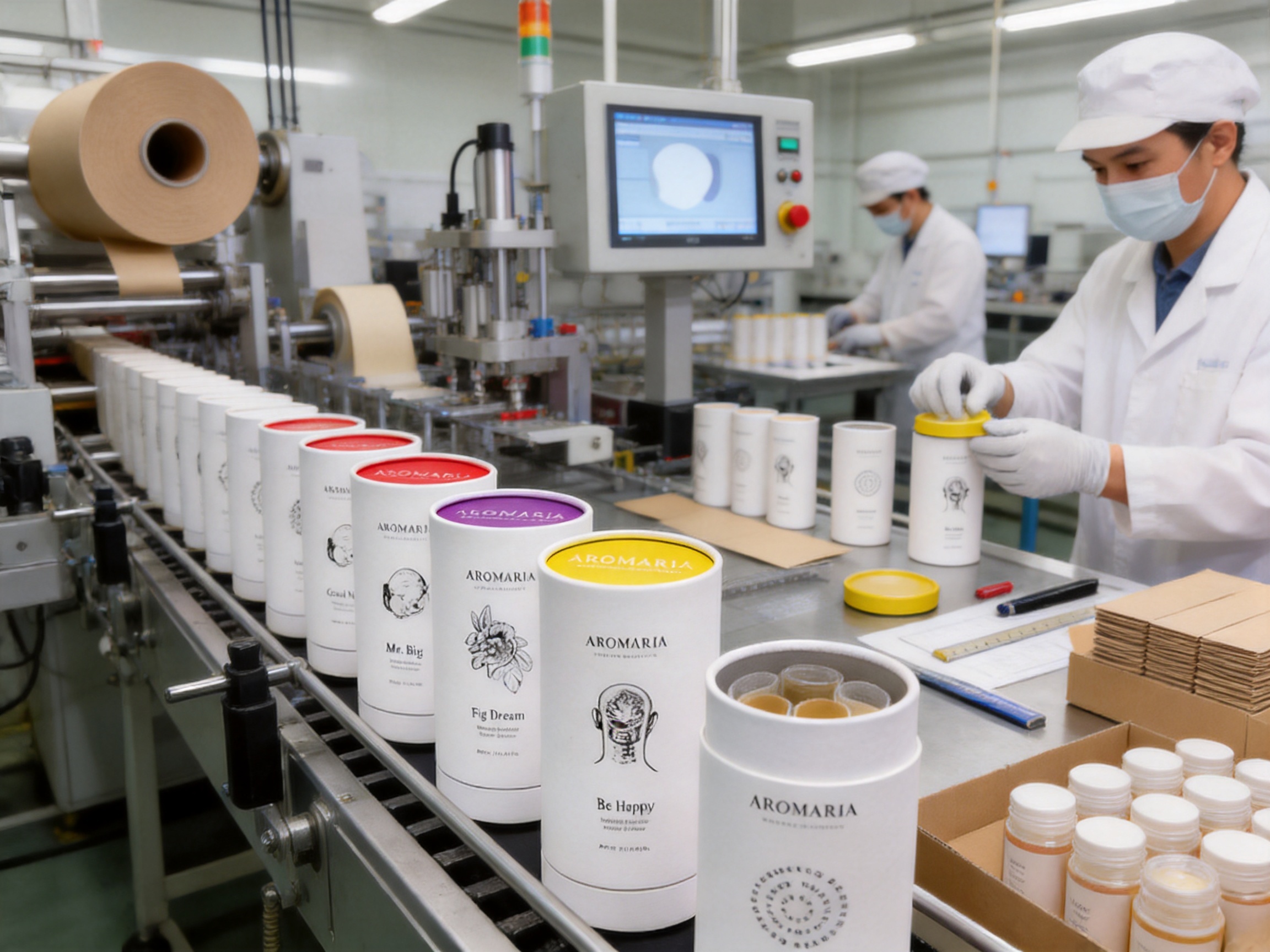
In 2015, the company introduced a high-speed composite can production line from Europe. The investment strengthened its production capabilities in composite cans and paper cans and supported a more advanced approach to manufacturing efficiency and consistency. High-speed equipment can be beneficial when it is combined with effective quality control, accurate material preparation, trained operators, and suitable inspection procedures.
Production begins with the review of the customer’s packaging requirements. Dimensions, artwork, product fit, closure style, inner support, order quantity, shipping conditions, and intended use must all be considered. A technical review can identify potential issues before tooling or mass production begins. For example, the team may need to confirm that a serum bottle can be inserted smoothly, that the lid will remain secure, or that the printed design will align correctly around the cylindrical body.
Material preparation is another important stage. Paper, paperboard, adhesives, coatings, lids, and inserts must be selected according to the package specification. Consistency in material thickness and surface quality supports more stable forming and printing. If the package requires a specific tactile effect or color appearance, the material choice should be confirmed through physical samples rather than relying only on digital images.
The tube-forming process must create a body with consistent dimensions and secure layer bonding. Poor alignment, uneven edges, weak adhesion, or inconsistent winding can affect the appearance and function of the finished tube. Experienced manufacturing teams understand how material behavior, humidity, adhesive application, machine settings, and forming speed can influence the result.
After forming, the tube may be cut, trimmed, printed, coated, decorated, fitted with a lid, or combined with an insert. Each stage presents opportunities for quality variation. An organized production process therefore requires attention to dimensional tolerance, print registration, surface cleanliness, edge finishing, closure fit, and overall appearance.
Qunle Packaging has obtained more than 10 patented technologies. Patents alone do not define product quality, but they indicate an ongoing emphasis on technical research and product development. For customers, this research orientation can support the development of packaging structures that are better adapted to new dimensions, specialized applications, and evolving market requirements.
Quality Control Priorities
For a custom skincare tube, quality control should cover both functional and visual characteristics. Dimensional checks help verify that the tube matches the approved specification. Visual inspection can identify scratches, dents, uneven edges, color differences, ink smudges, or misaligned artwork. Closure testing can confirm that the lid fits properly and can be opened without excessive force.
Product fit testing is especially important. The inner bottle, jar, pouch, or insert should be tested with production-intent samples. The package should not be so tight that product loading becomes difficult, nor so loose that the product shifts during transport. Where required, the assembled package can be evaluated through handling, stacking, vibration, or drop simulation appropriate to the distribution environment.
Cosmetic brands should also clarify any relevant regulatory or material requirements before production. The requirements will differ depending on whether the tube is a secondary package or is intended to contact the cosmetic formula. Product-contact applications may require additional information about coatings, adhesives, barrier performance, and material safety. Clear communication between the brand, filling partner, and packaging manufacturer helps prevent avoidable problems.
Competitive Pricing and Commercial Value
A competitive price does not mean reducing the package to the lowest possible specification. It means balancing appearance, structure, performance, order volume, and manufacturing efficiency. The custom skincare paper tube is commercially attractive because it can provide a premium presentation without requiring the same material weight or structural complexity as some rigid packaging alternatives.
Cost is influenced by tube dimensions, paper grades, wall thickness, closure type, printing coverage, finishing effects, inserts, tooling, order quantity, packing method, and shipping requirements. A simple design with standardized dimensions will usually be easier to produce than a highly specialized package with multiple decorative components. However, a carefully developed custom package can still provide strong value when its design supports efficient production and helps the product stand out in the market.
Brands can manage cost by separating essential requirements from optional embellishments. A durable tube body, accurate fit, clear printing, and reliable closure may be more important than adding several decorative effects. Alternatively, a luxury launch may justify embossing, special paper, and a complex insert. The right specification depends on the product’s price point, sales channel, customer expectations, and marketing objectives.
Large-volume orders may benefit from improved production efficiency, while smaller brands can often begin with a focused design that limits unnecessary complexity. It is important to discuss minimum order quantities, sampling, production schedules, packaging configurations, and shipping terms at the quotation stage. A complete cost comparison should consider the finished package rather than only the price per tube.
Because Qunle Packaging has experience serving well-known companies and brands in several industries, its production systems are designed for commercial packaging rather than occasional craft production. The company has built long-term partnerships with organizations including COFCO, STANDERS, DAVIDsTEA, Avalanche Coffee, Whittaker’s, McSteven’s, Nongfu Spring, and Beingmate. These relationships reflect experience with customer specifications, repeat orders, and the need for stable manufacturing performance.
Designing a Tube for Serums, Creams, and Masks
Serum Packaging
Serum bottles are often narrow and relatively tall, which makes them well suited to an elongated tube. The internal diameter should provide enough clearance for smooth loading while preventing excessive movement. If the serum bottle includes a dropper or pump, the tube height should protect the top closure without making the package unnecessarily large.
The design can emphasize precision and concentration through clean typography, restrained graphics, and a refined surface. A fitted insert may keep the bottle centered and create a premium opening experience. If the serum is sold as part of a routine, multiple tubes can use a consistent structure with different colors or symbols to identify the steps.
Cream Packaging
Creams may be supplied in jars, airless containers, squeeze tubes, or other formats. The paper tube should be designed around the actual primary package and the way the customer will remove it. A wider tube may be appropriate for a jar, while a tall narrow structure may better suit an airless bottle.
Moisturizing and sensitive-skin products often benefit from a soft visual language. Warm neutrals, pale colors, botanical graphics, or subtle textures can support a gentle positioning. More technical or anti-aging products may use contrasting colors, precise grids, or metallic details. Regardless of style, the package should remain easy to read and consistent with the product’s claims.
Mask Packaging
Mask products vary significantly in size and format. A paper tube can hold a small mask jar, a pouch collection, or a coordinated set of treatment products. For powder masks, the inner container may require additional protection from moisture. In such cases, the paper tube should be treated as part of a complete packaging system rather than as the only barrier.
A mask tube can also be designed as a gift or trial package. A set containing several sachets or small containers can be arranged with an insert that prevents movement and presents the products in an orderly sequence. Seasonal graphics and limited-edition artwork can make the same structure suitable for holiday promotions, event kits, or influencer campaigns.
Brand Experience and Shelf Appeal
Packaging is not simply a protective shell; it is part of the product experience. A custom tube creates a series of interactions: the customer sees the shape, reads the printed message, touches the surface, opens the lid, discovers the inner product, and decides whether to keep or discard the package. Each interaction can influence how the brand is remembered.
The cylindrical form gives the package a strong presence in retail displays. Multiple tubes can be arranged vertically or horizontally, depending on the display system. The continuous graphics can remain visible from several angles, increasing the likelihood that the logo or product name will be noticed. In e-commerce, the distinctive shape can also make product photography more recognizable.
Unboxing is particularly important for premium skincare. A well-fitted lid and carefully positioned product can create a sense of anticipation. An insert may reveal the inner product in a controlled way, while a printed interior can add a message or usage ritual. These details should be considered early because they affect the tube’s dimensions and assembly process.
Packaging should support the product rather than make promises that the formula cannot fulfill. A luxury-looking tube can attract attention, but it must be accompanied by accurate information, reliable construction, and a product that meets customer expectations. The strongest packaging strategy aligns the visual message with the actual quality and positioning of the skincare product.
Manufacturing and Development Workflow
A successful custom project generally follows a structured development process. The first stage is requirements collection. The brand provides the product dimensions, inner package drawings or samples, desired tube size, artwork, estimated order quantity, delivery region, and market positioning. Information about shipping conditions and retail display requirements is also useful.
The second stage is structural design. The manufacturer evaluates the tube diameter, height, wall construction, lid, internal insert, and product clearance. At this stage, the team can identify whether the tube is best used as a secondary package or whether additional technical investigation is needed for another application.
The third stage is sampling. A physical sample allows the customer to assess the fit, proportion, opening experience, surface appearance, and artwork placement. Sampling is more reliable than digital visualization because cylindrical packages can appear different when viewed in the hand. The brand can also test the sample with its filling line or product-loading process.
The fourth stage is artwork approval and pre-production confirmation. The customer should review text, colors, logo size, barcode placement, regulatory information, and graphic alignment. Any special finish should be confirmed through a physical reference or approved standard where possible.
The fifth stage is mass production. Materials are prepared, tube bodies are formed, printing and finishing are completed, components are assembled, and the finished units are inspected. Production scheduling depends on order quantity, construction complexity, material availability, sampling requirements, and shipping arrangements.
The final stage is packing and delivery. Tubes should be protected against crushing, moisture, contamination, and movement during transportation. The shipping configuration should reflect the package’s dimensions and the expected handling conditions. Brands may also request carton markings, batch identification, or other logistics information.
| Development Stage | Main Activities | Customer Review Points |
|---|---|---|
| Requirement review | Collect product dimensions, artwork, quantity, application, and shipping information | Confirm objectives, budget, timeline, and packaging role |
| Structural design | Develop tube size, wall construction, closure, and insert | Confirm product fit and desired opening experience |
| Sampling | Produce physical samples for evaluation | Check dimensions, graphics, finish, closure, and loading process |
| Artwork approval | Prepare final print files and production references | Verify text, colors, logo position, barcode, and regulatory details |
| Mass production | Form, print, finish, assemble, and inspect tubes | Monitor approved specifications and quality expectations |
| Packing and delivery | Pack finished units and arrange shipment | Confirm carton configuration, shipping documents, and delivery plan |
Why Choose an Experienced Paper Tube Manufacturer
Custom packaging involves more than selecting a shape from a catalog. It requires coordination among design, materials, equipment, printing, assembly, quality control, and logistics. An experienced manufacturer can help identify practical solutions that balance appearance and performance.
Hangzhou Qunle Packaging Co., Ltd. has focused on composite cans and paper cans for over 20 years. This specialization provides a relevant technical base for cylindrical packaging projects. The company is also the only member of the international Composite Can and Tube Institute in China’s packaging container industry, according to the supplied company information. Participation in an industry organization can support awareness of sector developments and technical practices.
The company was the first enterprise in China to pass the QS certificate for producing food packaging containers, as stated in its company profile. Although cosmetic packaging requirements may differ from food packaging requirements, this history demonstrates experience with formal packaging production standards and controlled manufacturing environments.
Its business serves multiple packaging sectors, including food, daily chemical products, and fast-moving consumer goods. Exposure to these categories can be useful when developing skincare tubes because cosmetic packaging often requires the balance of consumer appeal, production speed, consistent quality, and practical distribution performance.
Long-term relationships with recognized customers also indicate experience in supporting repeat business and customer-specific requirements. For a skincare brand, this may be valuable when the initial package evolves into a wider product family or when the brand needs consistent supply for multiple markets.
Practical Sustainability Guidance for Brands
Brands interested in paper tube packaging should evaluate sustainability across the entire package life cycle. The paper body is only one component. The lid, adhesive, coating, print layer, inner container, insert, and shipping carton all affect material use and disposal options.
A useful first step is to reduce unnecessary packaging volume. The tube should be large enough to protect and present the product, but not excessively oversized. A properly fitted insert can improve protection while allowing the outer structure to remain efficient. Standardizing tube dimensions across several products may also simplify production and reduce the number of specialized components.
Brands should communicate disposal guidance clearly and accurately. Recycling availability differs by location, and composite structures may be treated differently from uncoated paper. If the package includes materials that require separation, instructions can help consumers make better disposal decisions. Environmental claims should be supported by relevant documentation and should describe the actual package rather than implying universal recyclability.
Durability is another sustainability factor. A package that protects the product throughout its intended distribution and use period can help prevent product damage and waste. A tube that is attractive but too weak for the supply chain may create more waste through damaged products and replacements. Therefore, structural performance and sustainability should be considered together.
Frequently Asked Questions
Can the paper tube be customized with a brand logo?
Yes. The tube can be customized with a logo, product name, brand colors, illustrations, patterns, and supporting product information. The artwork should be prepared for a curved surface, and the final design should be checked through a physical sample before mass production.
Are these tubes suitable for serums, creams, and masks?
They can be developed for all three product categories, provided the tube dimensions and internal construction are matched to the selected inner container or product format. Serums may use tall, narrow tubes, creams may require wider structures, and masks may need larger tubes or internal dividers for sets.
Is the tube used as primary or secondary packaging?
It can be considered for secondary packaging around a bottle, jar, pouch, or other inner container. Certain direct-contact applications may also be possible only after a technical review of the materials, coatings, adhesives, barrier performance, and applicable requirements. The manufacturer and product owner should confirm the intended use before production.
Can the tube include a lid and internal insert?
Yes. The lid can be selected according to the desired appearance and opening experience, while an internal insert can hold the product in place and improve presentation. The exact options depend on the product dimensions, package structure, order quantity, and design requirements.
What printing and finishing effects are available?
Possible options include single-color or multi-color printing, matte or gloss surfaces, textured paper, embossed or debossed details, metallic-style effects, and decorative labels. The most suitable choice depends on the artwork, budget, product positioning, and material strategy.
How can a brand control the cost of a custom tube?
Cost can be managed by selecting suitable standard dimensions, avoiding unnecessary structural components, limiting complex finishing effects, confirming the required quantity early, and designing the package for efficient assembly and shipping. A complete quotation should include the tube, closure, insert, decoration, tooling if applicable, packing, and delivery-related costs.
What should be provided when requesting a quotation?
The brand should provide the inner product or container dimensions, desired tube height and diameter, application category, artwork or logo, estimated quantity, preferred materials and finishes, closure requirements, shipping destination, and target delivery schedule. A physical product sample can make structural evaluation more accurate.
How does the manufacturer support quality consistency?
Consistency is supported through material selection, controlled tube forming, printing and finishing procedures, dimensional checks, visual inspection, closure evaluation, and product-fit testing. The specific quality-control plan should be agreed according to the package design and customer requirements.
Can the same tube design be used for a complete skincare line?
Yes. A common tube structure can be adapted through different heights, graphics, colors, labels, or product-specific inserts. Standardization can help create a recognizable product family while allowing each formula or skin concern to have its own visual identity.
What makes this packaging competitive compared with conventional cartons?
The cylindrical paper tube offers a distinctive silhouette, a large printable surface, a premium opening experience, flexible customization, and a protective structure around an inner package. It may also support a paper-focused packaging strategy. The best choice depends on the product, supply chain, target market, and required sustainability performance.
Conclusion
Custom logo skincare paper tubes provide a versatile packaging option for serums, creams, masks, gift sets, and other cosmetic products. Their cylindrical form creates a memorable presentation, while the printable surface gives brands room to communicate identity, product benefits, usage information, and premium positioning. When correctly designed, the tube can also protect the inner product, improve transport organization, and contribute to a more material-conscious packaging strategy.
The strongest advantage comes from combining customization with manufacturing experience. A good tube must have accurate dimensions, dependable layer bonding, clean printing, secure closure performance, and a structure suited to the real distribution environment. It should also be developed with attention to cost, filling procedures, sustainability communication, and the customer’s opening experience.
With more than 20 years in the composite can and paper can industry, a high-speed composite can production line introduced from Europe, more than 10 patented technologies, and experience across food, daily chemical, and fast-moving consumer goods packaging, Hangzhou Qunle Packaging Co., Ltd. offers a strong manufacturing base for customized paper tube projects. Its background in structured cylindrical packaging supports the development of skincare solutions that are visually attractive, commercially practical, and suitable for brand-specific requirements.
For a skincare company preparing a new launch, refreshing an existing package, or creating a premium gift collection, the paper tube should be evaluated as part of the complete product system. The right combination of tube structure, inner package, artwork, finish, insert, and closure can create packaging that protects the product while strengthening the customer’s perception of quality.
References
1. Company information supplied for Hangzhou Qunle Packaging Co., Ltd., including corporate history, product sectors, manufacturing development, certifications, partnerships, and patented technologies.
2. Product information supplied for the custom logo skincare paper tube designed for serums, creams, and masks.
3. General packaging development principles relating to paperboard structures, cylindrical containers, printing, finishing, product fit, and quality control.
4. General sustainable packaging principles concerning material selection, packaging reduction, product protection, recycling communication, and life-cycle considerations.
5. General cosmetic packaging design practices relating to brand identity, shelf presentation, unboxing experience, product information, and secondary packaging.
