 English
 Español


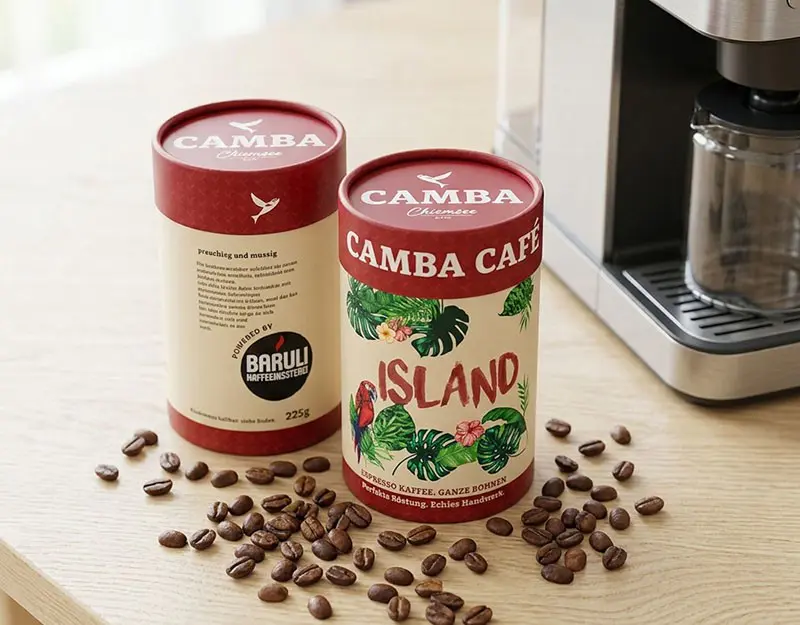
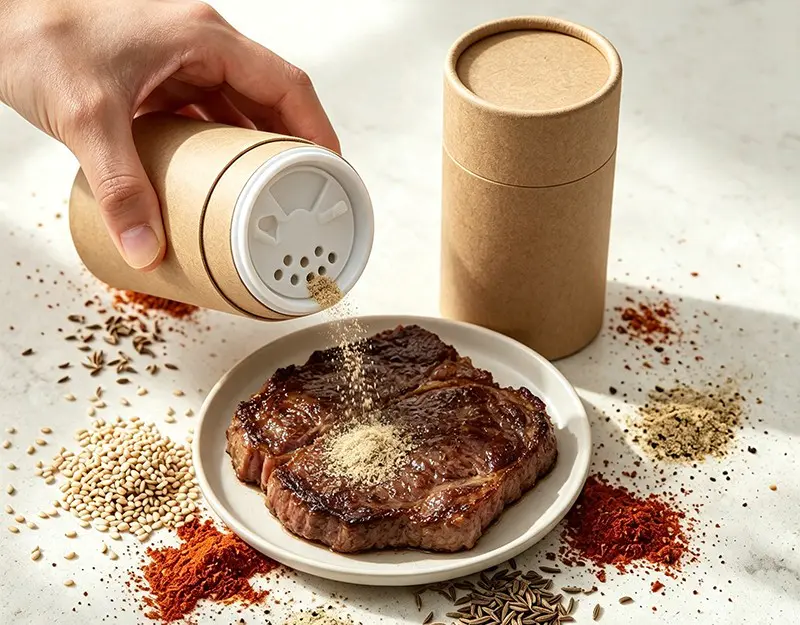

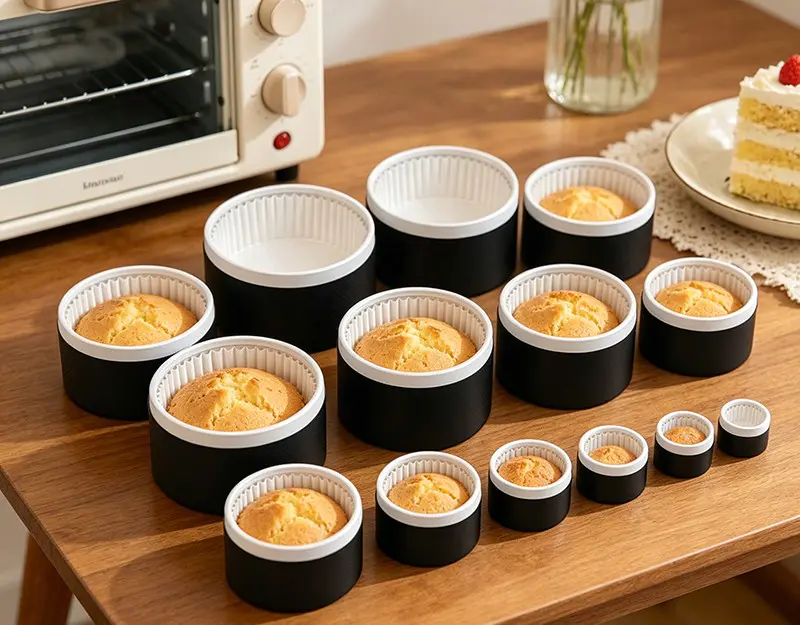
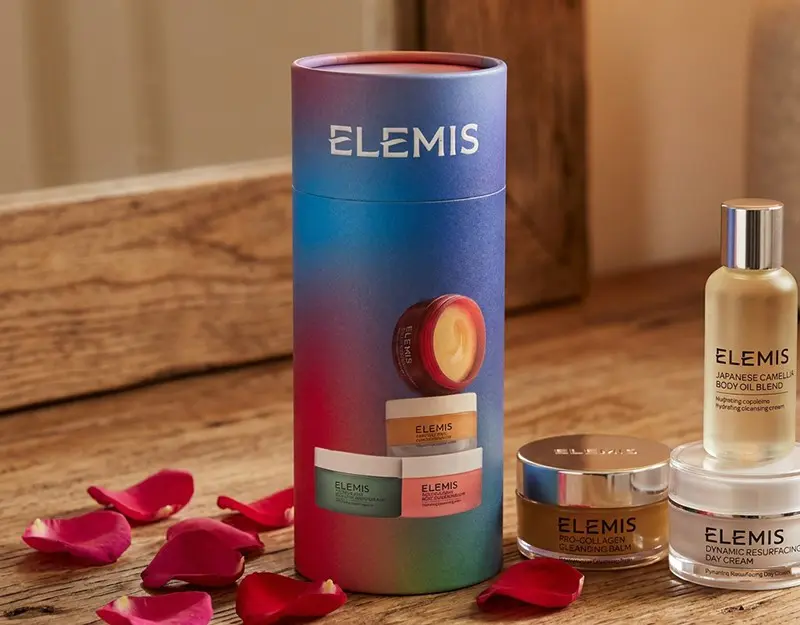
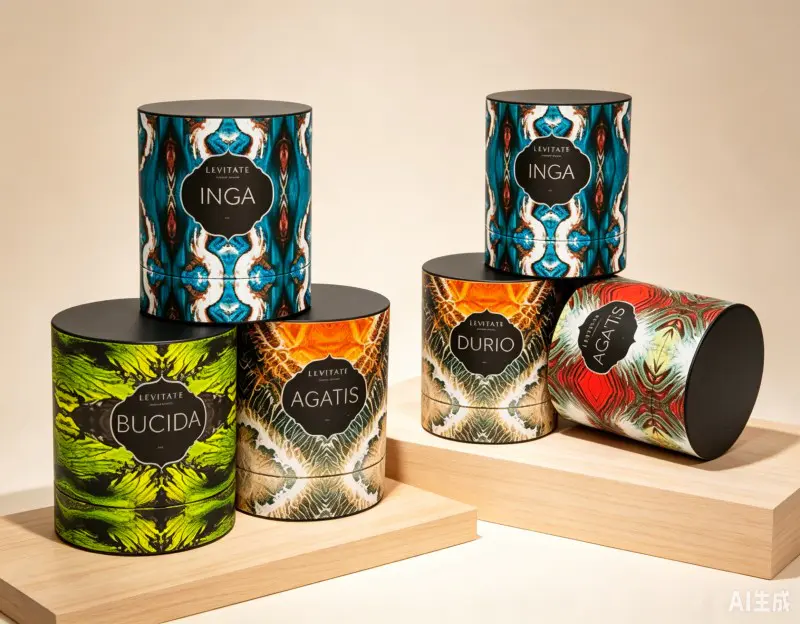
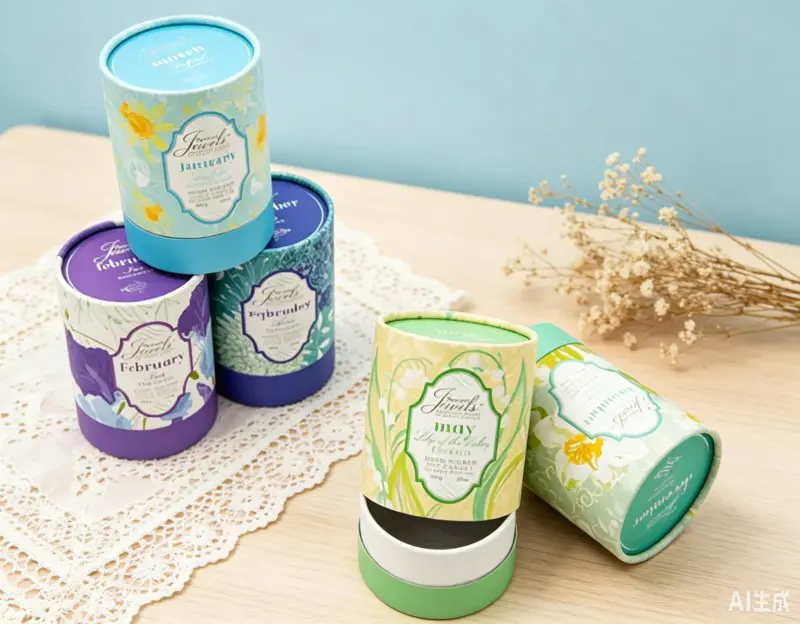
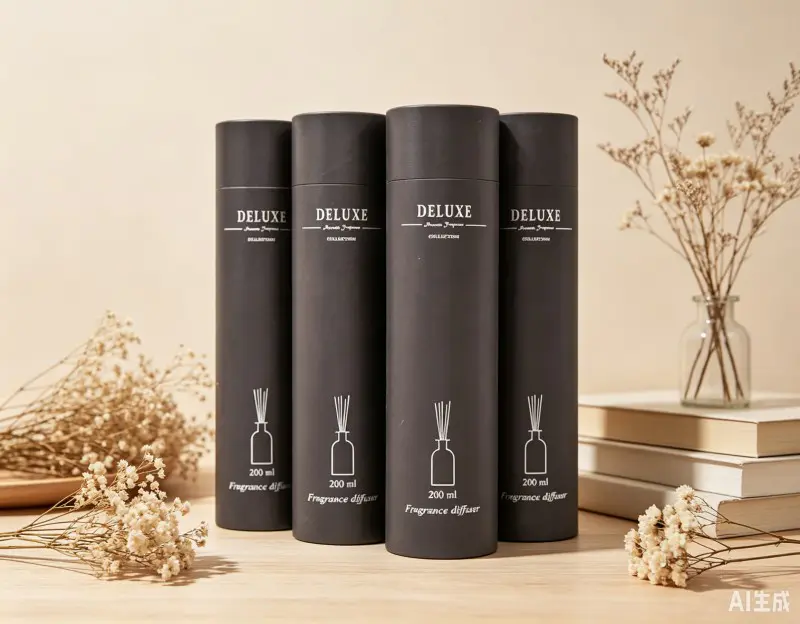
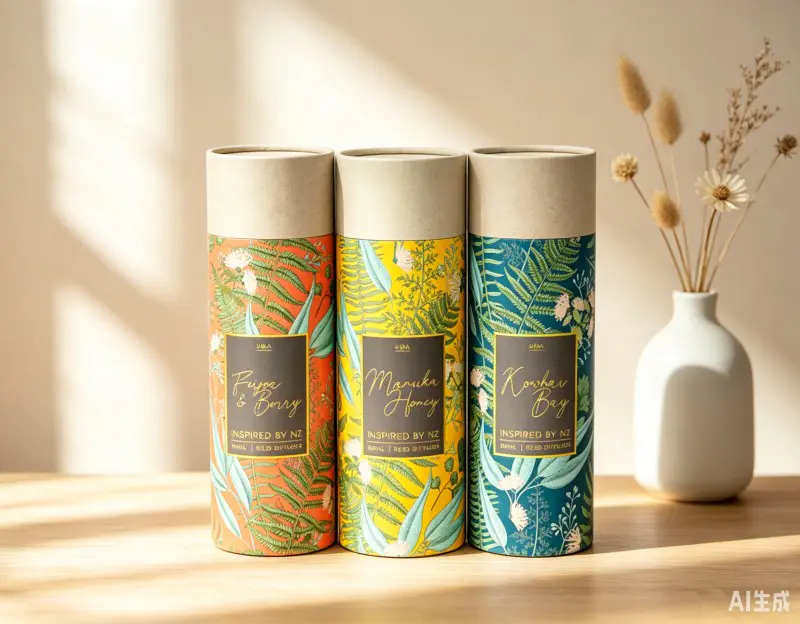
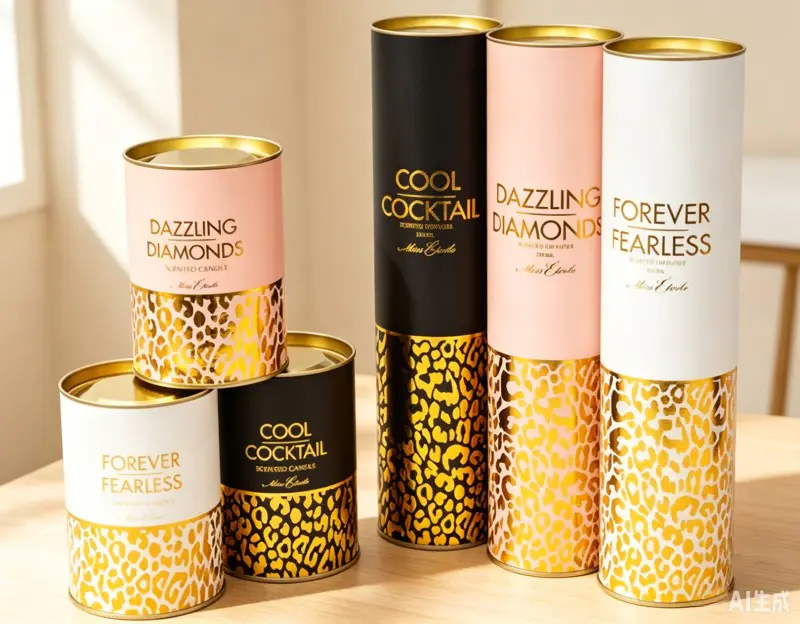
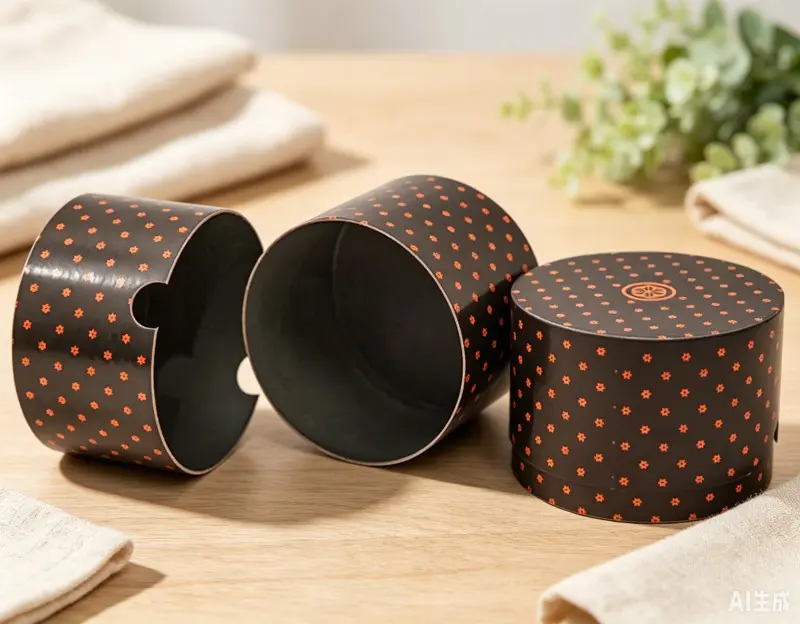
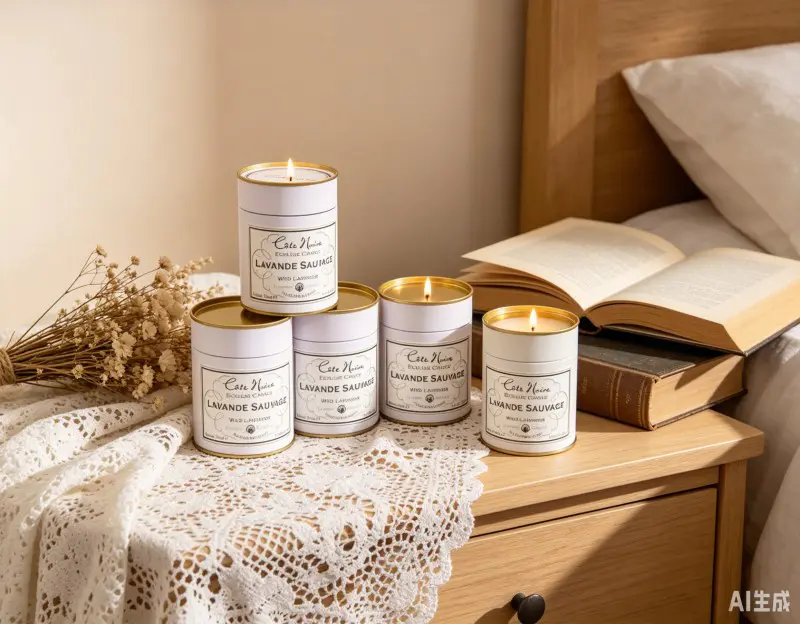

As one of the top China cardboard tube packaging manufacturers and paper tube packaging suppliers, we devote all of our efforts to research and launch more high quality packaging products to global market.
Content
- 1 Why Packaging Matters in the Wine and Spirits Market
- 2 Product Overview
- 3 Hybrid Paper-and-Tin Construction
- 4 Protection from Warehouse to Customer
- 5 Premium Visual Presentation
- 6 Advantages Compared with Conventional Packaging
- 7 Recycled Materials and Responsible Packaging
- 8 Customisation for Different Beverage Brands
- 9 Manufacturing Expertise and Production Capability
- 10 Manufacturing Process for Custom Wine Tubes
- 11 Quality and Reliability Considerations
- 12 Applications across Wine and Spirits
- 13 Design Guidance for Effective Packaging
- 14 Ordering and Development Process
- 15 Why Choose an Experienced Composite Packaging Manufacturer
- 16 Environmental and Commercial Value
- 17 Frequently Asked Questions
- 17.1 What products can be packed in this paper tube?
- 17.2 What is the reference size of the tube?
- 17.3 What materials are used?
- 17.4 Is the paper made from recycled material?
- 17.5 Can the tube be customised?
- 17.6 What printing method is available?
- 17.7 What finishing methods are available?
- 17.8 Why is a cylindrical tube useful for bottle packaging?
- 17.9 Does the tube eliminate the need for secondary packaging?
- 17.10 Can the tube be used for export shipments?
- 17.11 How does this packaging compare with a basic folding carton?
- 17.12 What should customers provide before requesting a quotation?
- 17.13 Why is sampling important?
- 17.14 Can the tube support premium or limited-edition products?
- 18 Conclusion
- 19 References
- 20 Product: Custom Spirits and Wine Paper Tubes for Bottle Packaging Cardboard Wine Tube
Custom Spirits and Wine Paper Tubes for Premium Bottle Packaging
Premium wine and spirits packaging must do more than contain a bottle. It must protect the product during storage and transportation, communicate quality at the point of sale, support brand recognition, and respond to growing consumer expectations for responsible material choices. A well-designed package becomes part of the product experience, particularly when the bottle is intended for gifting, seasonal promotions, limited editions, or premium retail presentation.
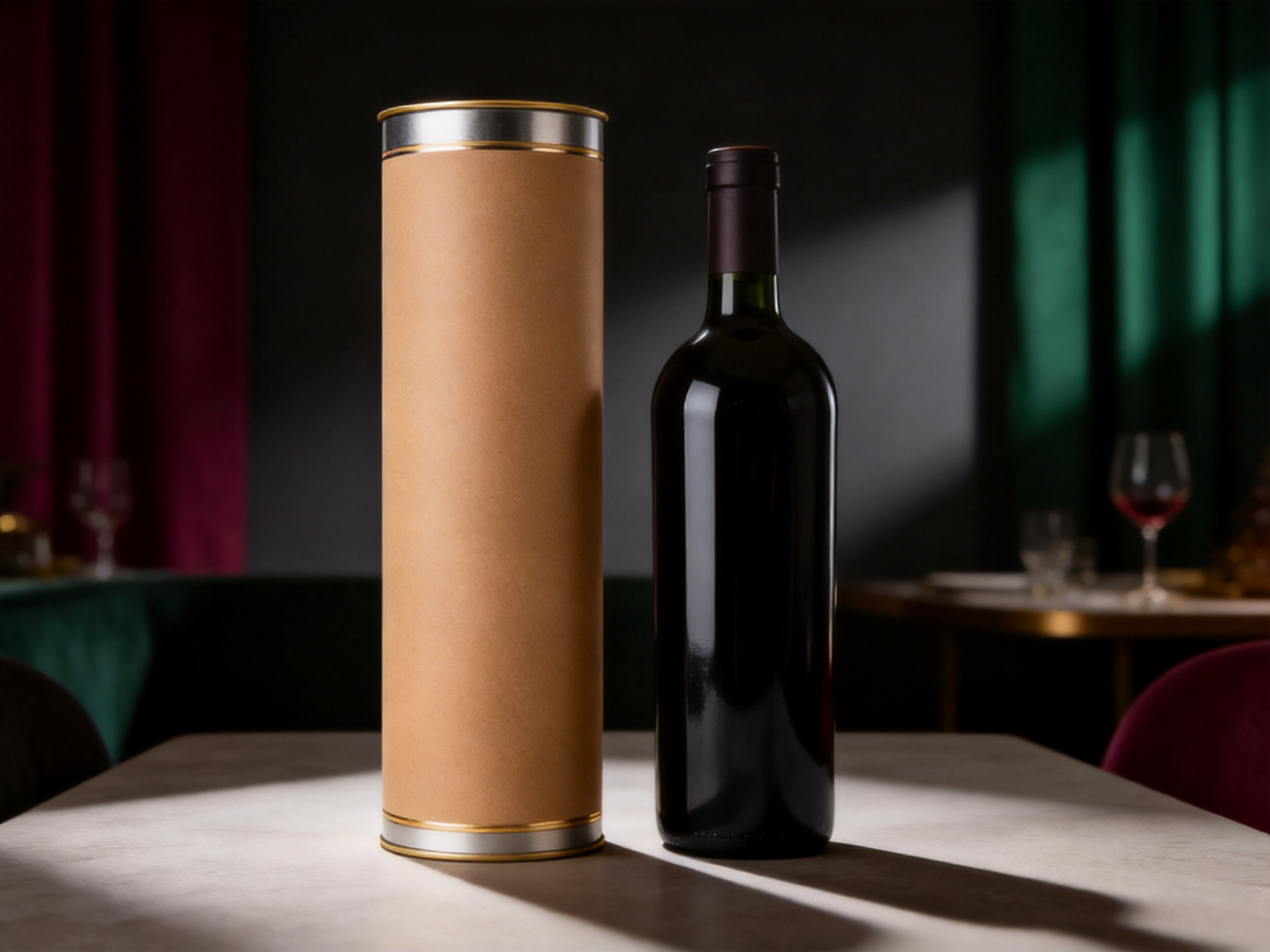
The custom spirits and wine paper tube described in this article combines a kraft paper body with tin components to create a cylindrical package that is protective, visually distinctive, and suitable for high-value beverages. Designed for bottle packaging, the tube has a stated internal size of ID99 × H330 millimetres, making it suitable for selected wine, spirit, and glass bottle formats. It can be customised with Pantone printing, matte lamination, and hot foil stamping, allowing beverage brands to develop packaging that reflects their visual identity with precision.
This packaging solution is manufactured by Hangzhou Qunle Packaging Co., Ltd., a Chinese packaging producer with more than 20 years of experience in composite cans and paper cans. The company serves food, daily chemical, fast-moving consumer goods, beverage, and other markets. Its background in composite packaging gives it valuable experience in material selection, paper forming, structural engineering, printing, surface finishing, and quality management.
Why Packaging Matters in the Wine and Spirits Market
Wine and spirits are often purchased for occasions that involve ceremony, celebration, hospitality, and gifting. The package therefore influences the customer before the bottle is opened. A standard bottle may communicate the product’s basic identity, but an outer tube can create a more complete presentation by adding structure, decoration, and a sense of anticipation.
Packaging also performs several practical functions. It can reduce exposure to impact, help prevent surface scratching, shield the bottle from some handling risks, and provide a convenient format for storage or gift presentation. For manufacturers and retailers, an outer package can offer additional space for brand graphics, product information, origin details, serving suggestions, or campaign messaging.
In a competitive beverage market, packaging differentiation is increasingly important. Many bottles share similar shapes, colours, and label formats. A cylindrical paper tube gives the product a distinctive silhouette that can stand out on shelves, in gift displays, and in online product photography. It can also create a coordinated appearance for product families, including wine, whisky, vodka, rum, liqueur, and other bottled beverages.
For premium products, the package must balance appearance and performance. A design that looks attractive but is easily crushed can damage the customer experience. Conversely, a package that offers strong protection but lacks visual appeal may not communicate the product’s value. The paper-and-tin construction addresses both requirements by combining the warm, printable surface of paper with the reinforcement and rigidity associated with metal components.
Product Overview
This custom wine and spirits tube is a cylindrical cardboard packaging solution developed for bottle presentation and protection. Its principal material is kraft paper, supported by tin elements that strengthen the overall structure. The product can be produced according to customer requirements, with custom printing, dimensions, finishing, and presentation details available for suitable orders.
The listed product specification includes an internal diameter of 99 millimetres and a height of 330 millimetres. These dimensions provide a useful starting point for bottles with compatible proportions, although final packaging development should always be based on the exact bottle, closure, label, and internal protection requirements.
| Specification | Details |
|---|---|
| Primary application | Wine and spirits bottle packaging |
| Packaging form | Cylindrical paper tube |
| Materials | Kraft paper and tin components |
| Reference size | Internal diameter 99 mm × height 330 mm |
| Printing | Pantone colour printing |
| Surface treatment | Matte lamination and hot foil stamping |
| Customisation | Custom design and order production |
| Material feature | Recycled paper materials |
| Shape | Cylindrical |
| Manufacturing location | Zhejiang, China |
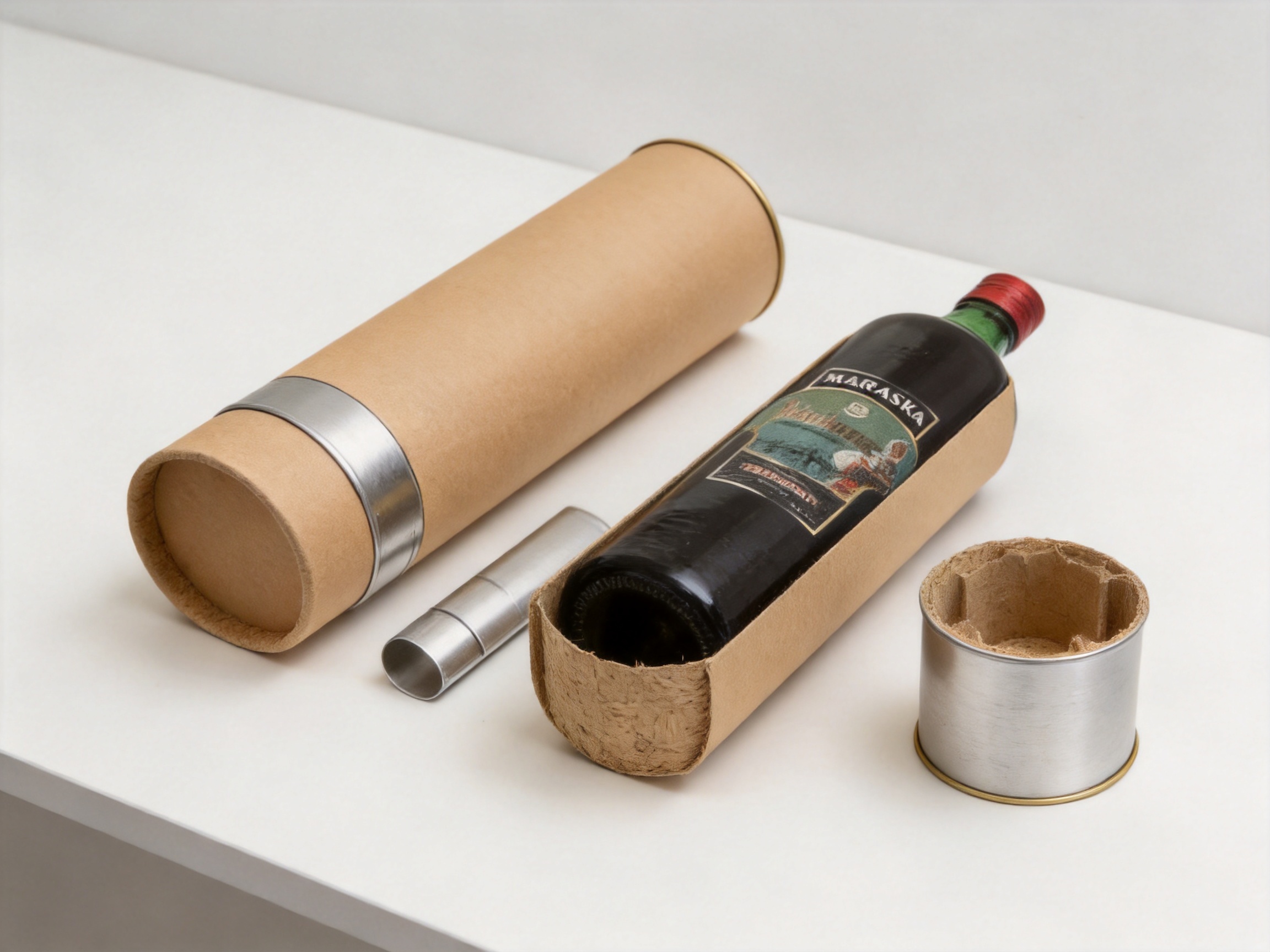
The combination of a cylindrical structure, kraft paper surface, and metallic reinforcement creates a package that is both recognisable and versatile. It may be used for individual bottles, gift sets, promotional editions, corporate gifts, hospitality products, and special event packaging. Depending on the design and internal configuration, the tube can also accommodate protective inserts or presentation components.

Custom Spirits and Wine Paper Tubes for Bottle Packaging Cardboard Wine Tube
Hybrid Paper-and-Tin Construction
The most distinctive feature of this packaging is its hybrid material construction. The paper body provides a natural visual character and a broad printable surface, while the tin components contribute to the tube’s structural integrity. This approach is different from using a basic paperboard sleeve alone because the metal reinforcement can help the package maintain its shape under normal handling and stacking conditions.
Kraft paper is widely valued for its natural appearance, tactile texture, and compatibility with printed branding. It can create a warm and authentic impression that is especially appropriate for wine, craft spirits, organic products, and products positioned around heritage or responsible sourcing. The surface can be printed with colour graphics while retaining a sophisticated paper-based character.
Tin components add a contrasting material experience. The cool, firm feel of metal against the textured paper surface gives the package a more substantial impression. This contrast can help the tube communicate quality before the bottle is removed. It also gives designers the opportunity to incorporate metallic details into the physical construction rather than relying entirely on printed effects.
From a protection standpoint, a hybrid structure can offer advantages over a thin paper sleeve. A rigid cylindrical wall can help resist dents, compression, and deformation. The round shape also distributes pressure around the circumference, which may support consistent performance during transportation and storage. The precise result depends on wall thickness, material grades, closure design, bottle weight, and testing conditions, so these factors should be confirmed during product development.
Protection from Warehouse to Customer
Bottles may pass through several handling stages before reaching the final customer. They can be packed at the filling facility, placed into cartons, moved through warehouses, loaded onto pallets, transported by road or sea, displayed in retail environments, and finally carried home or delivered as a gift. Each stage presents opportunities for impact, abrasion, compression, or accidental contact with other products.
A rigid paper tube can provide an additional protective layer around the bottle. It helps separate the bottle from external contact and may reduce the likelihood of labels being scratched or surfaces being marked during routine handling. The tube can also support a more controlled presentation when the bottle is removed from a shipping case and placed on a shelf or gift table.
For online sales, packaging design is particularly important because the product may be handled by fulfilment staff and delivery networks that are outside the brand owner’s direct control. A sturdy outer presentation can help the product arrive in a condition that matches the customer’s expectations. It may also reduce the need for adding visually unattractive protective materials around an otherwise premium product.
Packaging engineers should evaluate the complete system rather than the tube alone. Important considerations include bottle weight, glass thickness, closure type, internal clearance, cap height, transport orientation, secondary carton design, humidity exposure, and expected distribution distance. A suitable insert may be required to prevent movement inside the tube. Prototypes and transport testing can help confirm the final configuration.
Premium Visual Presentation
The package is designed to support a premium appearance through coordinated printing and finishing. Pantone printing provides a controlled method for reproducing specified brand colours. Colour consistency is especially important for established beverage brands because customers may associate particular shades with authenticity, product tier, or brand recognition.
Matte lamination creates a smooth, low-reflection surface. Compared with a high-gloss finish, matte lamination can produce a quieter and more refined visual effect. It can also provide a pleasant tactile quality that encourages customers to handle the package. The soft appearance of a matte surface is often suitable for whisky, wine, premium tea, coffee, fragrance, and luxury gift packaging.
Hot foil stamping introduces a contrasting metallic accent. Gold, silver, copper, coloured metallic, and other foil effects may be considered depending on the available production specification and design requirements. Foil can be used on a logo, product name, crest, border, vintage statement, or limited-edition message. When applied selectively, it draws attention without overwhelming the main artwork.
The combination of Pantone printing, matte lamination, and hot foil stamping provides several layers of visual communication. Colour establishes brand identity, the matte surface creates refinement, and foil adds a controlled highlight. Together, these techniques can produce a package that appears more considered than a basic printed carton or uncoated sleeve.
Designers can also use the cylindrical format to create a continuous graphic composition. A label may wrap around the tube, a pattern may flow from one side to the other, or the front panel may be aligned with the bottle label. The top and bottom areas can be treated as separate design zones, making it possible to create a reveal sequence as the package is opened.
Advantages Compared with Conventional Packaging
Compared with Basic Paper Sleeves
A basic paper sleeve is generally lightweight and economical, but it may offer limited resistance to crushing and bending. It may also require a separate structure to hold its shape around the bottle. The cylindrical paper tube provides a more substantial format and can create a stronger gift-ready presentation.
The tube also gives the brand more physical volume. This can make a product easier to identify in a display and can create a more memorable unboxing experience. For premium beverages, this added presence may support a higher perceived value.
Compared with Ordinary Folding Cartons
Folding cartons are efficient and highly printable, but their flat panels and angular construction create a different visual language. A cylindrical tube offers a distinctive alternative that may be especially suitable for bottle-shaped products. Its round profile can echo the form of the bottle while providing a separate outer layer.
A tube can also feel more tactile and gift-like. The opening process may be slower and more deliberate than opening a standard carton, which can be valuable for limited releases, holiday editions, and products purchased for presentation.
Compared with Plastic Packaging
Paper-based packaging can provide a more natural and responsible visual message than conventional plastic packaging. The recycled kraft paper component supports a brand narrative centred on material awareness, while the cylindrical form offers strong shelf presence without requiring a fully plastic outer container.
Material claims must always reflect the actual production specification and local recycling facilities. However, the use of recycled paper and separable material components can provide a practical foundation for more responsible packaging communication.
Compared with Single-Material Paper Tubes
A standard paper tube may be suitable for many applications, but adding tin components can increase rigidity and create a more premium tactile experience. The hybrid design is therefore useful when a brand needs both paper’s visual warmth and additional structural support.
The metal components also introduce design opportunities. They can serve as functional reinforcement while complementing foil details, bottle closures, or other metallic elements in the overall product presentation.
Recycled Materials and Responsible Packaging
The paper component of the tube is made with recycled materials. Using recycled fibre can reduce reliance on virgin pulp and support a more resource-conscious packaging strategy. For brands that communicate environmental responsibility, the material choice can reinforce broader commitments related to sourcing, waste reduction, and product lifecycle management.
The package is also described as using components that can be separated and recycled. Paper and metal recycling systems vary by location, and practical recyclability depends on adhesives, coatings, contamination, local infrastructure, and the way consumers dispose of the package. Brands should provide accurate disposal guidance based on the markets where the product is sold.
Responsible packaging is not limited to material selection. Efficient dimensions can reduce unused space, suitable protection can reduce product damage, and durable construction can help prevent packaging failure during distribution. If the tube protects a valuable glass bottle effectively, it may contribute to reducing product loss and the environmental impact associated with damaged goods.
Brands should also avoid making broad environmental statements without appropriate verification. Specific claims such as recycled content, recyclability, or separability should be supported by supplier documentation and, where required, testing or certification. Transparent communication is more credible than vague sustainability language.
Customisation for Different Beverage Brands
Custom production allows the tube to be adapted to the identity and commercial objectives of the beverage brand. A traditional winery may choose deep green, burgundy, cream, or textured natural tones. A contemporary gin brand may prefer a minimal layout with a strong contrast between a dark background and silver foil. A premium whisky label may use a restrained palette, heritage typography, and a metallic crest.
Customisation can cover more than colour. The artwork may include regional references, production history, tasting notes, awards, serving instructions, social messages, or a gift message. The package can also be coordinated with bottle labels, shipping cartons, point-of-sale materials, and promotional displays.
Different product tiers may use the same tube structure while applying different finishes. A core range could use standard Pantone printing and matte lamination, while a limited edition could add extensive foil stamping or a special graphic treatment. This approach can help create a unified brand family without making every product identical.
For corporate and hospitality applications, the tube can be customised for events, anniversaries, client gifts, hotel programmes, and restaurant wine selections. A branded tube may make an ordinary bottle feel more appropriate for a formal occasion, especially when the package is presented directly to a guest or business partner.
Manufacturing Expertise and Production Capability
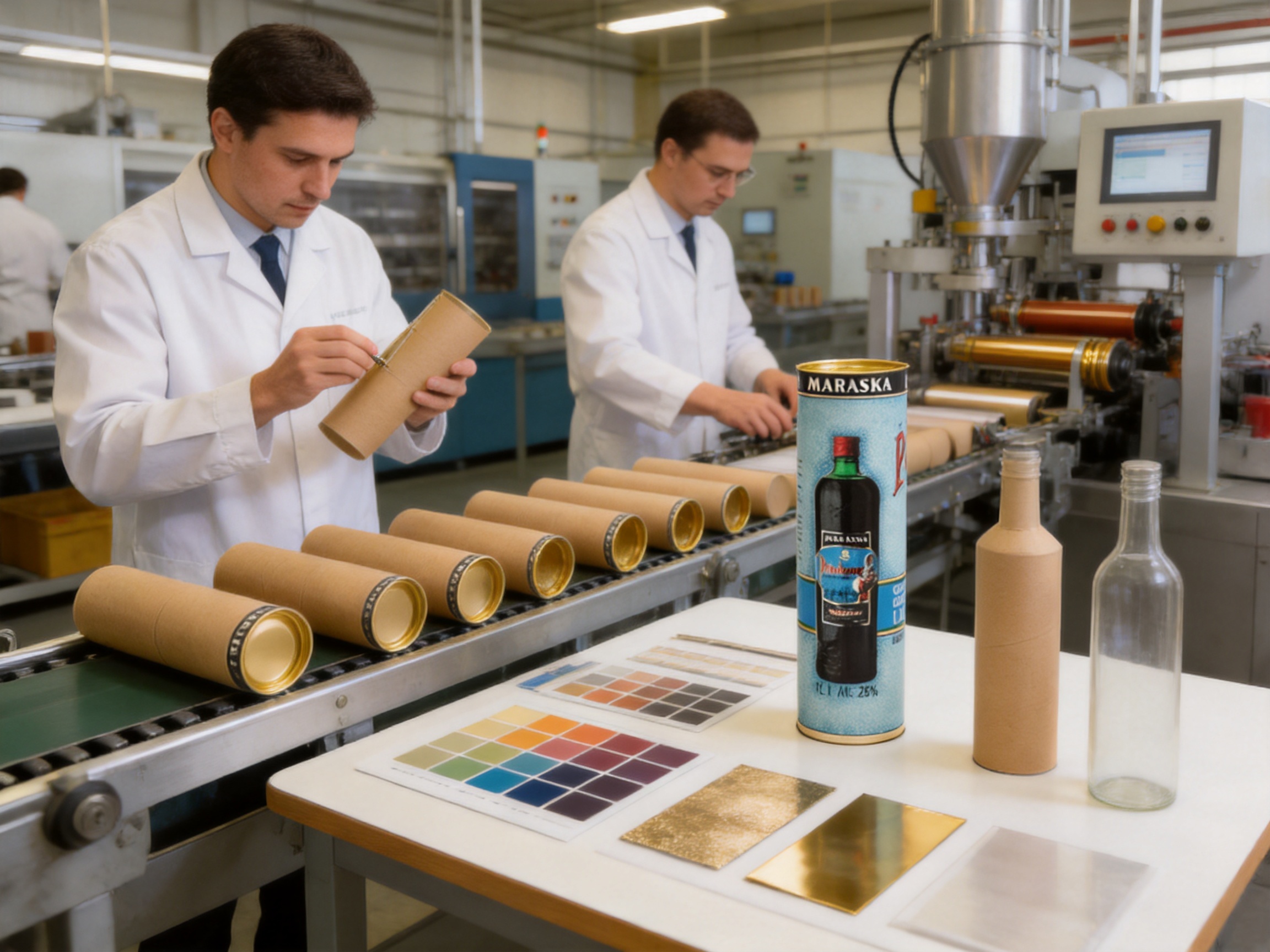
The manufacturer behind this packaging has been active in the composite can and paper can industry for more than 20 years. Long-term experience is important because composite packaging requires coordination between paper materials, forming methods, adhesives, closures, printing, finishing, and quality control.
According to the supplied company information, the manufacturer is a member of the international Composite Can and Tube Institute and is the only member located in China’s packaging container industry. Membership in an industry organisation can support technical exchange and awareness of developments in composite container production.
The company also introduced a high-speed composite can production line from Europe in 2015. Advanced production equipment can improve manufacturing efficiency, process consistency, and repeatability when it is correctly integrated with experienced technical personnel and appropriate inspection procedures.
The manufacturer reports more than 10 patented technologies. Patents alone do not determine product quality, but they indicate a continuing investment in research and development. In packaging production, technical development may involve forming stability, seam performance, material compatibility, printing registration, closure fit, moisture resistance, and production automation.
The company’s experience covers food packaging, daily chemical products, fast-moving consumer goods, and other applications. This broad market exposure can be valuable for beverage packaging because it demonstrates familiarity with different performance requirements, regulatory expectations, design languages, and production volumes.
Manufacturing Process for Custom Wine Tubes
Design and Specification Review
Production normally begins with a review of the customer’s product and design requirements. For a wine or spirits tube, the supplier needs information about the bottle’s height, diameter, shoulder shape, closure, label position, total weight, and intended use. The stated reference size of ID99 × H330 millimetres provides a starting point, but the final dimensions should be confirmed against the actual bottle.
The design review should also consider how the tube will be opened, whether it will include a top or bottom closure, whether a viewing window is required, and whether an internal insert is necessary. These decisions influence material usage, tooling, printing area, assembly, and final cost.
Material Preparation
Kraft paper and tin components are selected according to the required structure and appearance. The paper must provide suitable strength, surface quality, and printability. Recycled content, thickness, colour, and coating requirements should be aligned with the customer’s intended claims and design.
Material preparation also includes checking dimensions, surface condition, and compatibility with adhesives or finishing processes. Consistent raw materials help reduce variation during forming and printing.
Tube Forming
The paper body is formed into a cylindrical structure using controlled winding or equivalent composite tube production methods. The process must maintain a consistent diameter and wall alignment so that the finished tube accepts the bottle and closure components properly.
In a hybrid construction, tin components are integrated into the design to reinforce selected areas or provide specific functional features. The precise configuration depends on the product specification. Attention to alignment is essential because even small deviations can affect closure fit, internal clearance, and visual quality.
Printing and Colour Control
After the surface is prepared for decoration, the tube receives the approved artwork. Pantone printing is specified for this product, enabling the reproduction of selected brand colours according to established colour references. The production team must manage registration, ink coverage, repeat alignment, and the relationship between printed areas and finishing zones.
Colour proofs and production samples are useful for approving the appearance before a full order is manufactured. Customers should assess samples under suitable lighting and compare them with the approved reference. The paper substrate, lamination, and foil can affect how colours are perceived, so approval should consider the complete finished surface.
Surface Treatment
Matte lamination is applied to create the specified low-gloss appearance and tactile finish. The lamination process must be controlled to avoid bubbles, wrinkles, uneven adhesion, or visible edge defects. The final surface should be inspected for consistency across the tube.
Hot foil stamping is then used for selected decorative elements. Heat, pressure, timing, and registration must be controlled so that foil adheres cleanly and maintains sharp edges. Fine lettering and intricate logos may require design adjustments to ensure reliable reproduction at production scale.
Assembly and Inspection
After decoration, the tube is assembled with its closures or additional components. Inspection may include checks of diameter, height, roundness, surface finish, colour, foil position, closure fit, and general appearance. Where the packaging is intended to protect a glass bottle, functional testing should also be considered.
Inspection standards should be agreed before production. A professional packaging project benefits from clear definitions of acceptable colour variation, print registration, surface marks, foil imperfections, structural defects, and dimensional tolerance.
Quality and Reliability Considerations
Reliable packaging depends on both material quality and process control. A tube that looks attractive but has inconsistent dimensions may create difficulty during filling or packing. A structurally strong tube with poor printing registration may fail to support the brand’s presentation. The final product must therefore be evaluated as a complete packaging system.
Important quality considerations include the following:
Dimensional accuracy: The internal diameter and height must be suitable for the bottle and closure design.
Structural stability: The tube should maintain its shape during normal handling, packing, and storage conditions.
Surface quality: Matte lamination should be even, without prominent bubbles, wrinkles, or delamination.
Print consistency: Colours, artwork alignment, and repeat patterns should remain within approved tolerances.
Foil appearance: Hot foil details should be clean, legible, and correctly positioned.
Closure performance: The top and bottom components should fit securely while remaining practical to open.
Material compatibility: Paper, tin, coatings, adhesives, and inks should function together without unwanted cracking or separation.
Transport performance: The completed package should be assessed in the context of the intended distribution route and secondary packaging.
Because wine and spirits are often sold in glass bottles, the cost of product damage can be high. Packaging validation is therefore a worthwhile investment, especially for export orders, long-distance shipping, or premium limited editions.
Applications across Wine and Spirits
Wine Bottles
The tube can be used for selected still wines, sparkling wines, dessert wines, and regional specialities, subject to bottle size and packaging requirements. Wineries may use it for reserve collections, harvest celebrations, gift packs, and seasonal promotions.
Whisky and Whiskey
Whisky brands often use cylindrical formats because they suit the tall shape of many bottles and support a strong premium presentation. Matte surfaces, foil crests, dark colours, and heritage graphics can work particularly well for this category.
Gin and Vodka
Contemporary gin and vodka brands may benefit from the tube’s ability to display bold graphics and controlled metallic details. A clean design can support a modern brand, while decorative printing can help communicate botanical, regional, or craft positioning.
Rum, Brandy, and Liqueurs
Rum, brandy, and liqueur products often use rich colours, illustrated graphics, and gift-oriented presentation. The tube provides a broad wraparound surface for storytelling and can add value to products sold during holidays or special occasions.
Corporate and Hospitality Gifts
Hotels, restaurants, event organisers, and corporate buyers can use customised tubes to create branded beverage gifts. A tube printed with an event name, anniversary message, or company identity can transform a standard bottle into a more personal presentation.
Design Guidance for Effective Packaging
A successful tube design should be visually attractive but also easy to understand. The product name, category, origin, volume, and brand should remain clear even when the tube is viewed from a distance. Decorative elements should support hierarchy rather than make the package difficult to read.
Designers should consider how the tube appears from every angle. Since the package is cylindrical, customers may not see the intended front panel immediately. Important information may need to be repeated or arranged so that the package remains recognisable as it rotates.
Foil stamping is most effective when used selectively. A logo, border, short name, or small emblem can create a premium accent. Excessive foil coverage may reduce readability or make the design visually heavy. Matte lamination can provide an excellent background for foil because its low-reflection surface allows metallic details to stand out.
Typography should be chosen with the printing process and tube curvature in mind. Very small text or delicate lines may become difficult to read after wrapping. A production-ready design should include bleed, safe areas, registration allowances, and clear instructions for artwork orientation.
Brands should also plan the unboxing sequence. The top of the tube may contain a message, the interior may reveal a secondary colour, and the bottle may be protected by an insert that supports a smooth removal process. These details can help turn packaging into a memorable part of the customer experience.
Ordering and Development Process
The first step is to provide the supplier with the bottle sample or accurate technical drawings. The packaging team can then confirm whether the reference internal size is appropriate or whether the dimensions should be adjusted. Allowances for labels, bottle variation, protective components, and closure fit should be included.
The next step is artwork and finish selection. Customers should identify Pantone colours, lamination requirements, foil colours, logo placement, text content, and any regulatory information. If the product will be sold in different countries, mandatory labelling requirements should be reviewed before artwork approval.
A prototype or pre-production sample is recommended for premium packaging. The sample allows the customer to evaluate the fit, structure, colour, surface finish, foil appearance, and opening experience. It also provides an opportunity to identify issues before mass production.
Before placing a full order, customers should confirm production quantity, lead time, packing method, shipping configuration, inspection standards, and acceptance criteria. Clear communication at this stage can reduce rework and help ensure that the finished tubes meet commercial expectations.
For repeat orders, maintaining an approved reference sample can help improve consistency. The supplier and customer can compare subsequent production against the approved standard, particularly for colour, foil positioning, dimensions, and surface finish.
Why Choose an Experienced Composite Packaging Manufacturer
Composite packaging involves more than printing a flat sheet. It requires knowledge of material behaviour, cylindrical forming, structural reinforcement, surface treatment, closure design, and production repeatability. An experienced manufacturer is better positioned to identify potential problems during the development stage and recommend practical solutions.
Hangzhou Qunle Packaging Co., Ltd. has operated in the composite can and paper can sector for over two decades. Its reported experience with food packaging, daily chemical products, fast-moving consumer goods, and other categories suggests a broad understanding of packaging applications. Such experience can help when a wine or spirits project includes specific requirements for appearance, protection, sustainability, or large-scale production.
The company’s reported customer partnerships include recognised food, beverage, tea, coffee, and consumer brands. Long-term relationships with established customers may indicate experience with repeat production, quality expectations, and supply coordination. The company also reports food packaging certification history and investment in European high-speed composite can equipment.
For international customers, a manufacturing partner should be evaluated not only on price but also on technical communication, sampling capability, artwork management, production controls, inspection procedures, and export support. A packaging supplier that can participate in design development may contribute more value than a supplier that only produces from a finished drawing.
Environmental and Commercial Value
The commercial value of premium packaging comes from the combined effect of protection, presentation, differentiation, and customer experience. A tube that helps prevent damage can protect product revenue. A visually distinctive package can improve shelf recognition. A carefully finished surface can support premium positioning. A recycled paper component can strengthen the product’s responsible packaging story.
These benefits should be considered against the total packaging cost, including manufacturing, transport, storage, assembly, and potential reductions in product damage. The right packaging is not necessarily the lightest or least expensive option. It is the option that delivers an appropriate balance between performance, appearance, environmental considerations, and commercial objectives.
The cylindrical format may also support efficient product-family development. Once a brand establishes a tube structure, the same format can be adapted for different flavours, ages, origins, or seasonal editions. Changes to artwork and finishing can create a varied range while maintaining a consistent physical identity.
Frequently Asked Questions
What products can be packed in this paper tube?
The primary application is bottle packaging for wine and spirits. Depending on the final dimensions and internal protection, it may also be considered for selected premium beverages, gift products, or glass containers with compatible proportions.
What is the reference size of the tube?
The listed reference size is an internal diameter of 99 millimetres and a height of 330 millimetres. The final size should be confirmed against the exact bottle, closure, label, and insert requirements before production.
What materials are used?
The product uses kraft paper together with tin components. The paper body provides a printable and tactile surface, while the tin elements contribute reinforcement and a contrasting premium material effect.
Is the paper made from recycled material?
The supplied specification identifies recycled materials as a product feature. Customers should request detailed information about recycled content, material grades, coatings, and applicable documentation when they need to make specific environmental claims.
Can the tube be customised?
Yes. The product is described as custom-made and suitable for custom orders. Artwork, colour, printing, surface treatment, dimensions, closure details, and other design features can be reviewed during development.
What printing method is available?
Pantone printing is specified for the product. This allows the customer to define colours using recognised colour references and supports more consistent brand reproduction.
What finishing methods are available?
The listed treatments are matte lamination and hot foil stamping. Matte lamination provides a smooth, low-gloss finish, while hot foil stamping adds metallic details to selected design elements.
Why is a cylindrical tube useful for bottle packaging?
The cylindrical shape provides a distinctive appearance, can support a strong gift presentation, and distributes the outer structure around the bottle. It also offers a continuous surface for wraparound graphics and branding.
Does the tube eliminate the need for secondary packaging?
Not necessarily. Secondary packaging requirements depend on bottle weight, distribution conditions, shipping regulations, and the desired level of protection. The tube may be used inside a transport carton or as part of a larger packaging system.
Can the tube be used for export shipments?
It may be suitable for export applications, but the complete package should be assessed for the intended transport route. Testing should consider vibration, compression, impact, humidity, stacking, and the performance of the shipping carton.
How does this packaging compare with a basic folding carton?
The tube provides a different visual and tactile experience, with a round profile, composite construction, and potential for a more substantial gift presentation. Folding cartons may offer different advantages in flat packing, high-speed filling, or large graphic panels, so the best choice depends on the product and distribution needs.
What should customers provide before requesting a quotation?
Useful information includes the bottle drawing or sample, required quantity, target dimensions, artwork, Pantone colours, finishing preferences, closure requirements, delivery destination, packing requirements, and any testing or certification expectations.
Why is sampling important?
A sample allows the customer to verify bottle fit, tube dimensions, closure performance, print colour, matte finish, foil appearance, and the overall customer experience before committing to mass production.
Yes. The combination of controlled colour printing, matte lamination, hot foil stamping, and hybrid paper-and-tin construction is well suited to reserve products, seasonal releases, anniversary editions, gift sets, and other premium presentations.
Conclusion
The custom spirits and wine paper tube is a premium bottle packaging solution that combines kraft paper, tin reinforcement, precise printing, and decorative finishing. Its cylindrical structure offers a distinctive alternative to basic sleeves and conventional cartons, while the hybrid construction supports a more substantial and protective presentation.
The product’s main advantages include a reference format suitable for selected bottles, recycled paper materials, Pantone colour printing, matte lamination, hot foil stamping, and custom production capability. These features allow beverage brands to create packaging that protects the product, supports shelf differentiation, and adds value to gifting and unboxing.
The manufacturer’s more than 20 years of experience in composite cans and paper cans, investment in high-speed production equipment, reported patented technologies, and work across multiple packaging sectors provide a strong technical foundation for custom projects. With appropriate bottle evaluation, prototyping, artwork control, and transport testing, this type of tube can become an effective part of a complete wine or spirits packaging strategy.
For brands seeking a package that feels natural yet premium, decorative yet functional, and distinctive yet adaptable, the paper-and-tin bottle tube offers a well-balanced option. It brings together protection, tactile quality, brand communication, and material-conscious design in one cylindrical format.
References
Composite Can and Tube Institute. Industry guidance on composite cans, paper tubes, and packaging production practices.
International Organization for Standardization. General principles for packaging and environmental management.
Packaging Institute. Technical considerations for protective packaging, transport performance, and package testing.
Paper and Packaging Board. Background information on paper fibres, recycled materials, and paper-based packaging systems.
Printing Industries Association. General principles of colour management, Pantone matching, and print production control.
Packaging supplier technical information. Product specifications for custom kraft paper and tin bottle tubes, including dimensions, printing, lamination, and foil stamping.
Manufacturer-provided company information. Background on composite can production, packaging applications, manufacturing equipment, industry experience, and research and development activities.
Product: Custom Spirits and Wine Paper Tubes for Bottle Packaging Cardboard Wine Tube