 English
 Español


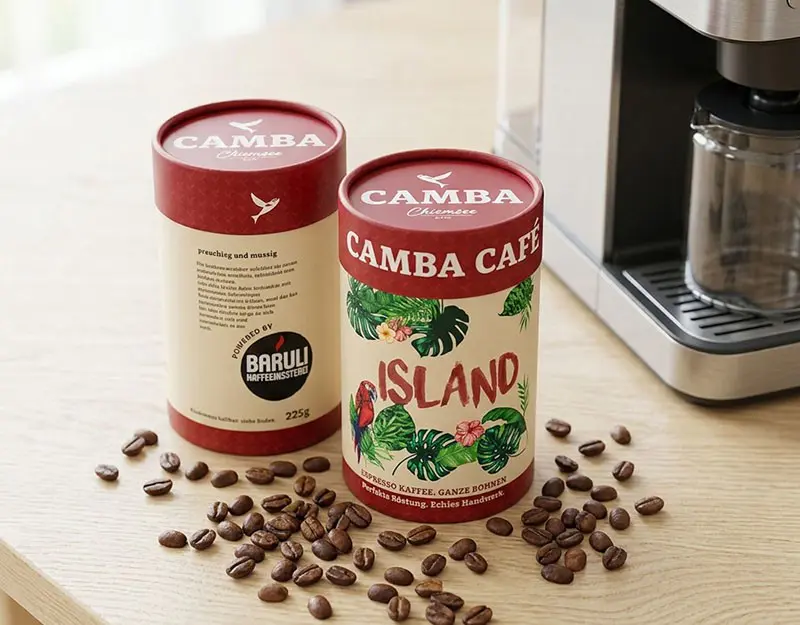
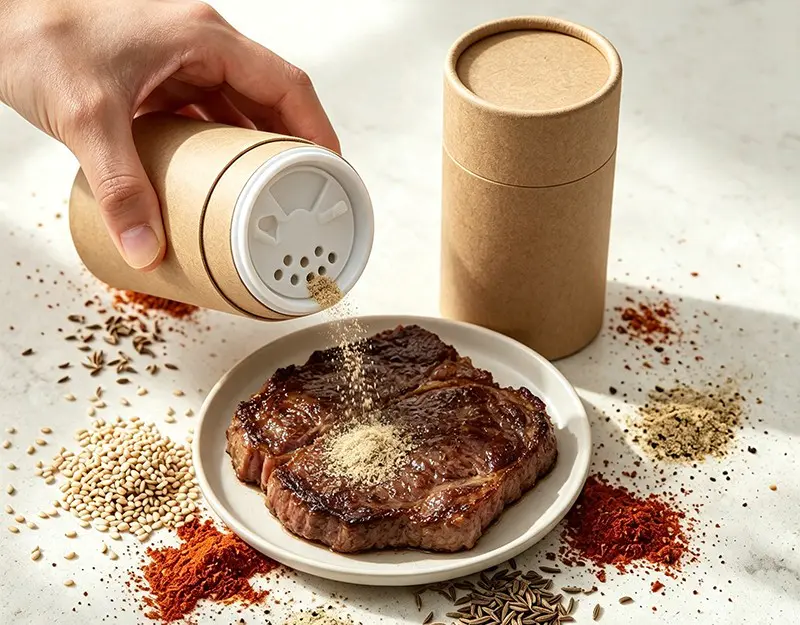

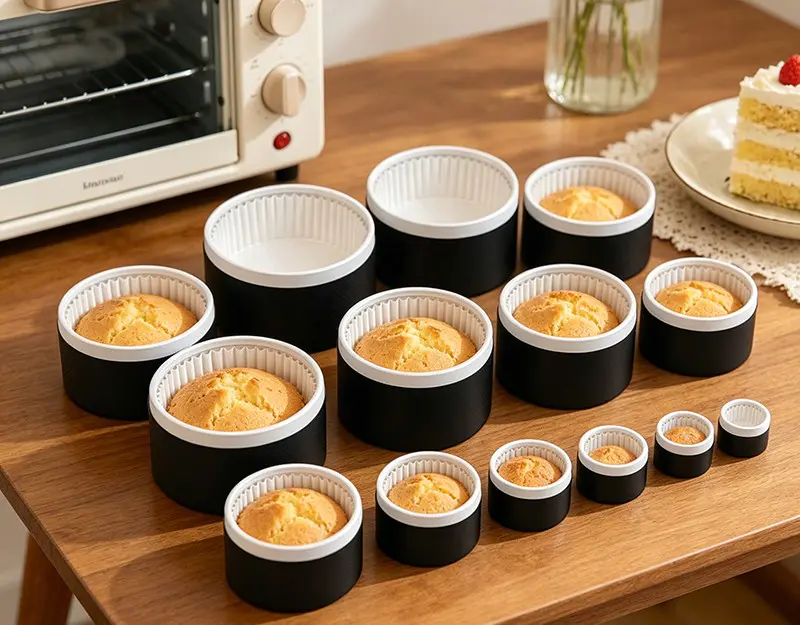
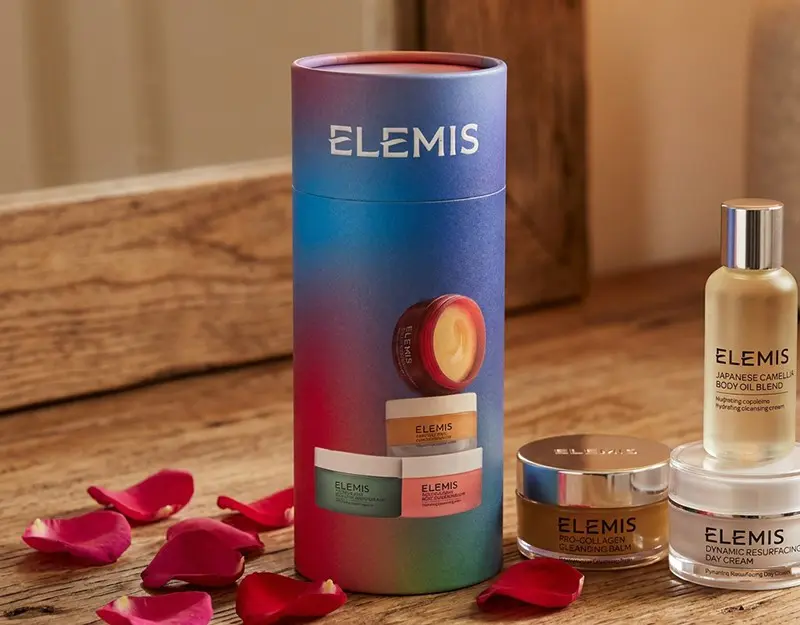
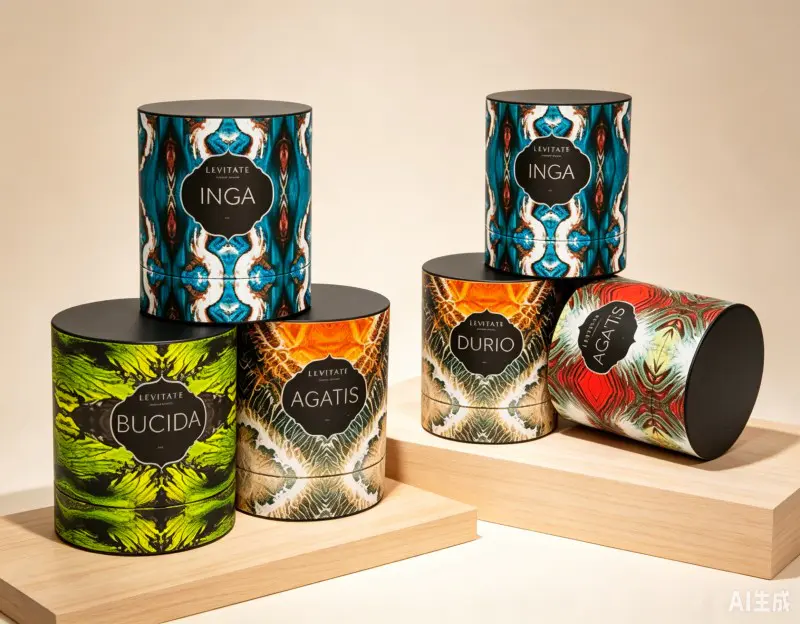
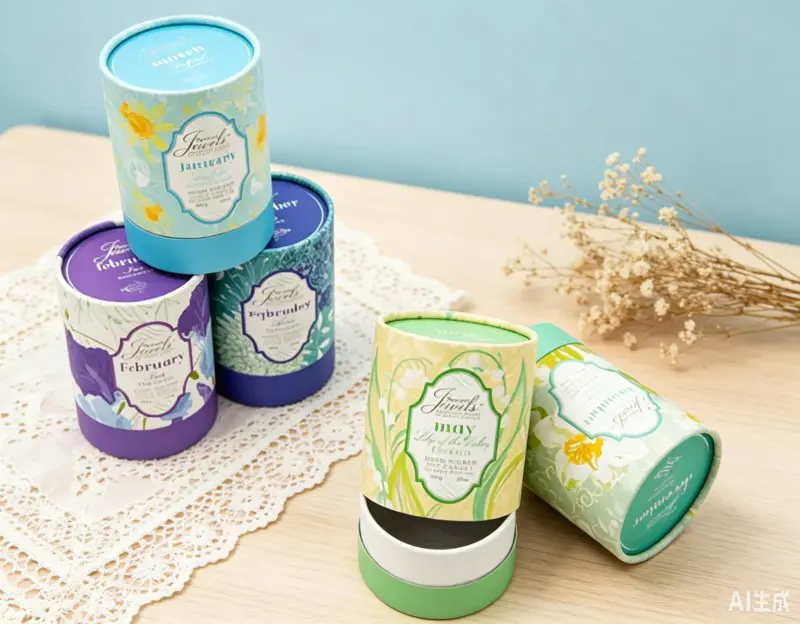
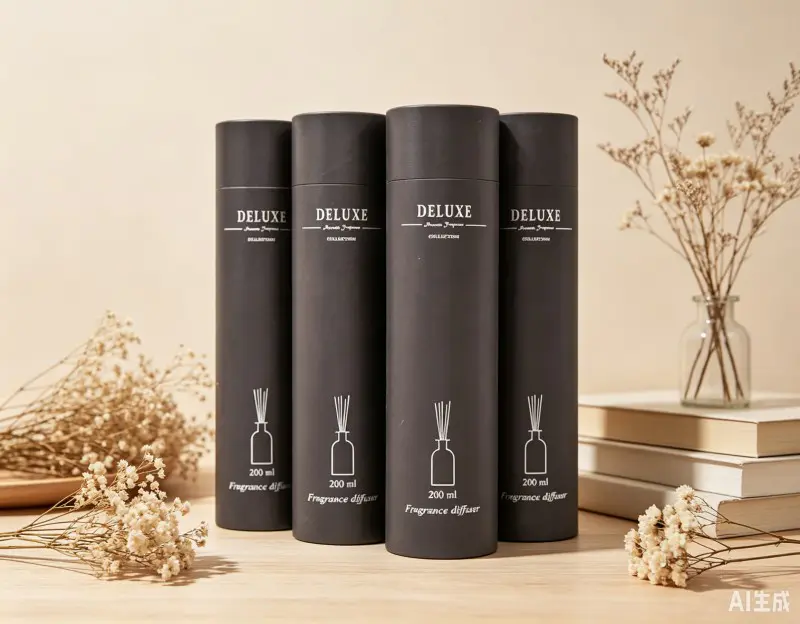
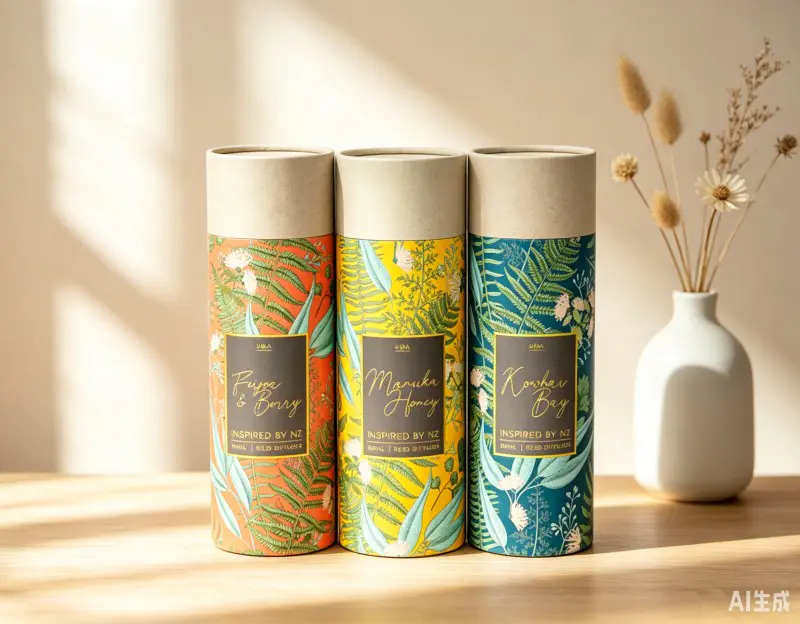
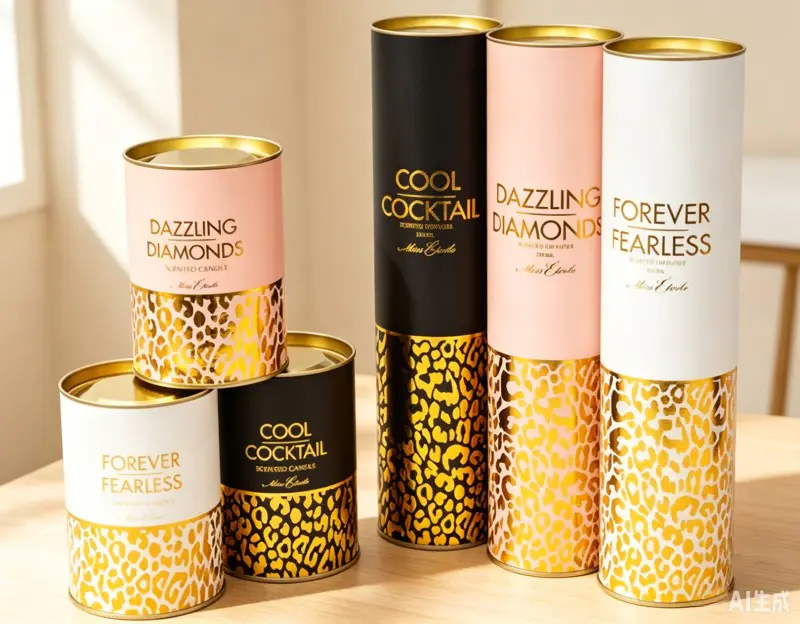
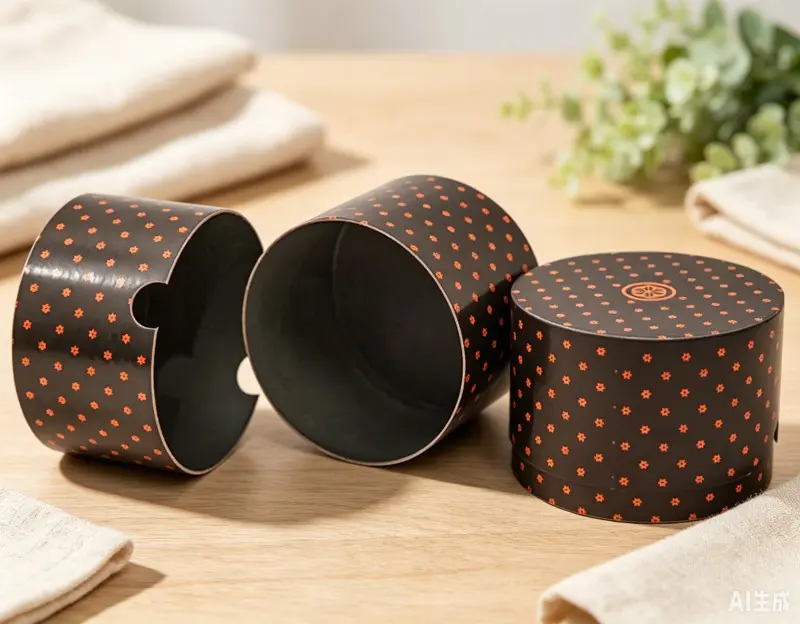
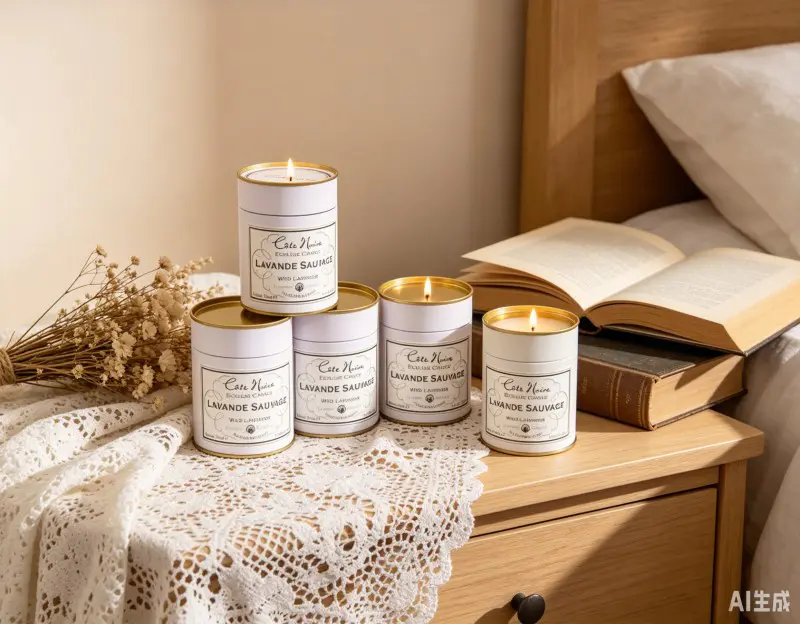

As one of the top China cardboard tube packaging manufacturers and paper tube packaging suppliers, we devote all of our efforts to research and launch more high quality packaging products to global market.
A coin bank is more than a simple container for loose change. It can be a learning tool, a decorative object, a promotional gift, a retail product, or a memorable part of a brand experience. The DIY Kraft Paper Coin Bank Money Saving Box combines these functions in a practical cylindrical package made from paper and tin. Designed for customization and suitable for money-saving activities, this paper coin bank offers an attractive alternative to conventional plastic, ceramic, and purely metallic savings boxes.
With an internal diameter of 73 millimeters and a height of 150 millimeters, the product provides a compact but useful format for coins, notes, tokens, and other small items. Its kraft paper construction, recycled-material positioning, CMYK printing capability, custom-logo service, and cylinder shape make it suitable for retailers, promotional campaigns, educational programs, gift companies, financial institutions, event organizers, and organizations seeking a distinctive sustainable product.
The product is manufactured by Hangzhou Qunle Packaging Co., Ltd., a packaging company with more than 20 years of experience in composite cans and paper cans. The company’s capabilities include custom paper packaging, food and consumer-goods containers, high-speed production technology, quality-focused manufacturing, and product development supported by patented technologies. These strengths provide an important foundation for businesses that need more than a generic stock coin bank.
This article examines the product’s construction, practical applications, customization possibilities, environmental advantages, manufacturing strengths, quality considerations, and competitive value. It also explains how brands can use a paper coin bank to create a stronger connection between packaging, savings behavior, sustainability, and customer engagement.
Content
- 1 1. Product Overview
- 2 2. Main Product Specifications
- 3 3. Why a Paper Coin Bank Is Different from Conventional Alternatives
- 4 4. Construction and Material Advantages
- 5 5. DIY Function and User Engagement
- 6 6. Custom Printing and Brand Presentation
- 7 7. Manufacturing Experience and Company Strengths
- 8 8. Advanced Manufacturing Process
- 9 9. Quality and Reliability Considerations
- 10 10. Sustainability and Responsible Packaging Positioning
- 11 11. Applications Across Different Markets
- 12 12. Designing a Successful Custom Order
- 13 13. Advantages of Factory-Direct Cooperation
- 14 14. How the Product Supports Brand Differentiation
- 15 15. Storage, Shipping, and Merchandising Benefits
- 16 16. Practical Limitations and Buyer Responsibilities
- 17 17. Frequently Asked Questions
- 17.1 Q1: What is the primary material of the coin bank?
- 17.2 Q2: What are the listed dimensions?
- 17.3 Q3: Can the coin bank carry a custom logo?
- 17.4 Q4: Is custom ordering available?
- 17.5 Q5: Why is the cylindrical shape useful?
- 17.6 Q6: Is the product suitable for children?
- 17.7 Q7: Can the product be used as a promotional item?
- 17.8 Q8: Can the product support an environmental marketing campaign?
- 17.9 Q9: What printing method is identified?
- 17.10 Q10: What is the listed wall thickness?
- 17.11 Q11: Why is manufacturer experience important for this product?
- 17.12 Q12: Should a buyer request a sample?
- 18 18. Conclusion
- 19 References
- 20 Product: DIY Cardboard Paper Coin Bank Money Saving Box Coin Bank
1. Product Overview
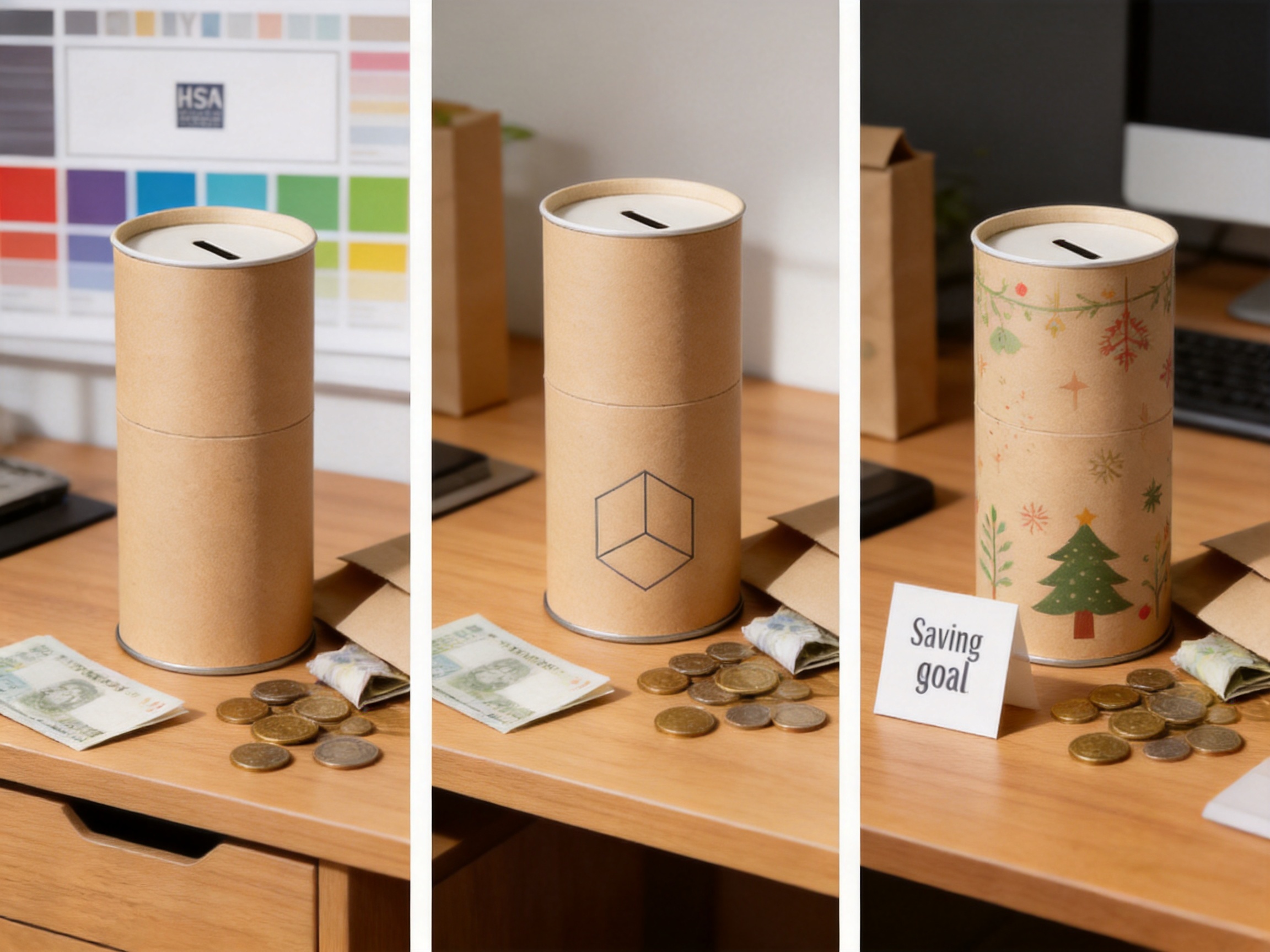
The DIY Kraft Paper Coin Bank Money Saving Box is a cylindrical money-saving container constructed primarily from paper, with tin included in its material structure. The listed wall thickness is 1.2 millimeters, giving the container a balance of light weight, rigidity, and everyday usability. Its kraft-paper surface creates a natural visual impression while also providing a suitable base for printed graphics, logos, instructions, seasonal artwork, or educational content.
The product is designed around a simple purpose: helping users collect and save money in a visible, organized, and engaging way. Unlike a conventional opaque plastic box that may look disposable or a ceramic bank that can be heavy and fragile, the paper coin bank offers a lightweight format with broad opportunities for graphic customization.
The cylindrical shape is especially valuable from a packaging and merchandising perspective. Cylinders use a compact footprint, can be arranged efficiently on shelves, and offer a continuous printable surface around the body. A brand can place its logo on the front, savings instructions on the back, illustrations around the sides, and a motivational message near the top or bottom. The round format also gives the product a tactile, giftable quality.
The product information identifies the size as ID73*150MM. This compact dimension is appropriate for desktop placement, bedroom shelves, children’s study areas, retail displays, office counters, and promotional gift sets. It can hold accumulated coins over time without occupying excessive space. The format can also support a themed savings challenge, such as a holiday fund, travel fund, education fund, emergency fund, or family goal.
Customization is a central feature of the product. Custom orders are accepted, and the product supports CMYK printing and custom logos. This means buyers can develop packaging that reflects their own visual identity rather than relying on a standard unprinted container. The same basic structure can therefore serve multiple markets while maintaining a consistent manufacturing platform.
2. Main Product Specifications
| Item | Specification | Business Value |
|---|---|---|
| Product type | DIY cardboard paper coin bank and money-saving box | Combines practical storage with user participation and gifting potential |
| Shape | Cylinder | Efficient footprint, rounded appearance, and continuous printable area |
| Size | Internal diameter approximately 73 mm; height approximately 150 mm | Compact format suitable for retail, promotional, educational, and household use |
| Material | Paper and tin; kraft paper; paper construction | Lightweight structure with a natural appearance and reinforced packaging design |
| Thickness | Approximately 1.2 mm | Supports structural stability for regular handling |
| Printing | CMYK printing | Allows colorful graphics, branding, instructions, and themed artwork |
| Logo | Custom logo accepted | Supports private-label, promotional, and corporate applications |
| Order type | Custom orders accepted | Enables adaptation to different markets and campaign requirements |
| Material positioning | Recycled materials and eco-friendly design direction | Supports sustainability-focused product stories and responsible packaging programs |
| Manufacturing model | Factory-direct production | Facilitates communication, customization, and supply coordination |
These specifications make the product flexible enough for both small-scale promotional projects and larger customized packaging programs. Exact production details, such as opening style, closure construction, insert design, finishing treatment, and packaging method, can be confirmed during the quotation and sampling process.
3. Why a Paper Coin Bank Is Different from Conventional Alternatives
The coin-bank market includes plastic boxes, ceramic piggy banks, metal tins, glass jars, and low-cost disposable containers. Each material has its own characteristics, but the DIY Kraft Paper Coin Bank offers a distinctive combination of printability, light weight, sustainability messaging, and customization.
3.1 Compared with Plastic Savings Boxes
Plastic savings boxes are often inexpensive and durable, but they may provide limited opportunities for premium branding. Many plastic products rely on molded shapes or small labels, which can restrict the amount of artwork that can be displayed. Plastic can also create challenges for brands that are working to reduce the use of conventional petroleum-based materials in promotional merchandise.
The paper coin bank provides a broader decorated surface and a more natural appearance. CMYK printing can be used to display full-color artwork across the cylindrical body. The kraft-paper texture can support a handmade, educational, organic, or environmentally responsible visual identity. For brands that want their promotional items to communicate values as well as functions, this distinction is important.
Paper construction also makes the product easier to position within a broader sustainable packaging strategy. Sustainability claims should always be supported by accurate material and end-of-life information, but the use of paper and recycled-material positioning gives buyers a useful foundation for responsible product development.
3.2 Compared with Ceramic Coin Banks
Ceramic coin banks can be attractive and substantial, but they are heavier and more vulnerable to breakage during transport. Their weight may increase freight costs, while fragile construction can require additional protective packaging. Ceramic products may also need specialized molds, glazing, and decoration processes, making design changes more complicated.
The paper coin bank is lighter and easier to transport. Its cylindrical format is suitable for efficient packing, and its paper surface can be redesigned without developing a new ceramic mold. This flexibility is particularly valuable for seasonal collections, school campaigns, short-term promotions, and products that require frequent artwork updates.
For children, the paper format can also reduce concerns associated with sharp ceramic fragments if the product is accidentally dropped. Nevertheless, adult supervision and age-appropriate product instructions should be considered when the product is used by young children.
3.3 Compared with Plain Metal Tins
Metal tins offer strength and a familiar packaging appearance, but their visual identity can be more industrial. A plain tin may not communicate the warmth, creativity, or educational character that many savings products require. Metal decoration may also involve separate printing and finishing considerations.
The paper-and-tin structure combines a paper-forward exterior with the reinforcing characteristics associated with a composite container. It can provide a more approachable appearance while retaining a solid cylindrical form. The outer paper surface is suitable for detailed graphics, brand storytelling, savings charts, and user instructions.
3.4 Compared with Glass Jars
Glass jars make savings visible, which can be motivating, but they are heavy and breakable. Coins may also scratch the interior or produce considerable noise when dropped into the jar. The paper coin bank creates a more controlled and branded user experience. Brands can print a progress scale, a goal statement, or an illustration that turns saving into a structured activity rather than simple storage.
4. Construction and Material Advantages
The product uses paper as its primary visible material, with tin included in the listed composition. This construction is suitable for businesses seeking a balance between appearance and structural performance. Paper brings printability and a natural touch, while the composite approach can support the rigidity required for a standing cylindrical container.
The stated 1.2-millimeter thickness is an important product characteristic. A coin bank must remain upright, resist ordinary handling, and maintain its shape as users add coins. A container that is too thin may dent or collapse, while an unnecessarily heavy container can increase material consumption and shipping weight. The specified thickness is positioned as a practical middle ground for a compact savings product.
Kraft paper contributes a warm and recognizable appearance. It can be used as part of a minimalist design, a rustic collection, a children’s educational series, a natural-product campaign, or a premium gift set. The visual character of kraft paper also allows designers to reduce unnecessary decorative complexity. In some applications, a restrained logo and one or two accent colors may create a stronger impression than an overloaded design.
The paper body is also appropriate for communication. In addition to a logo, the surface can show:
• A savings target, such as a travel, education, or emergency goal.
• A progress scale with spaces for users to mark deposits.
• A motivational sentence or financial literacy message.
• Brand information and product instructions.
• Seasonal artwork for holidays, birthdays, or special events.
• Illustrations designed for children or family savings activities.
• Promotional details for banks, credit unions, retailers, charities, or community programs.
Because the container is customized through printing rather than relying solely on external labels, the brand identity can become part of the object itself. This improves visual consistency and may create a more durable connection between the user and the sponsoring organization.

DIY Cardboard Paper Coin Bank Money Saving Box Coin Bank
5. DIY Function and User Engagement
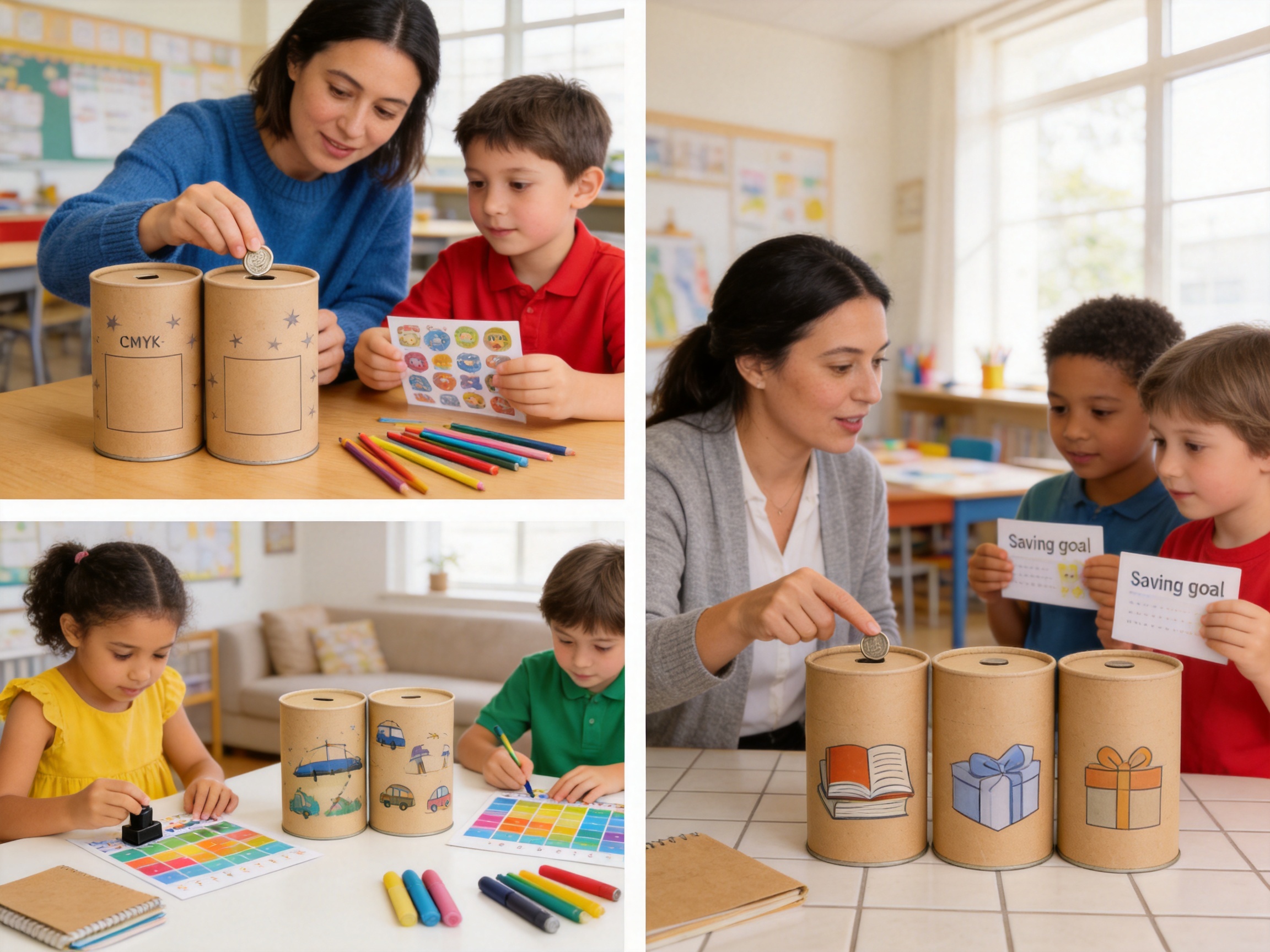
The term “DIY” adds an important dimension to the product. A standard coin bank is simply a storage container, while a DIY coin bank can become an activity. Users may decorate it, set a financial goal, track progress, attach stickers, write notes, or personalize the container for a particular purpose.
For children, this can support early lessons in saving, delayed gratification, counting, and goal setting. Parents and teachers can use the product to introduce practical discussions about money in an age-appropriate format. A child may save for a toy, book, outing, or charitable donation, then observe the progress over time.
For adults, the product can be positioned as a simple visual reminder. A printed savings challenge can encourage users to deposit a fixed amount each day or week. A travel-themed coin bank can be included with a holiday promotion. A financial institution can use it as part of a youth account campaign. A retailer can offer it as a gift-with-purchase item tied to a seasonal event.
The DIY concept can also be expanded through packaging inserts or printed activity panels. A product may include a monthly savings chart, a list of personal goals, a “start date” field, or an area where the user can write the target amount. These features do not necessarily require changes to the basic cylindrical structure; they can be incorporated into the printed artwork or accompanying materials.
5.1 Educational Applications
Schools, libraries, nonprofit organizations, and financial-literacy programs can use customized paper coin banks to create interactive educational campaigns. A teacher might distribute one coin bank to each student and organize a classroom savings challenge. A community organization could use the product to teach budgeting and responsible spending. A financial services company could provide the product during a youth banking event.
The printed design can use simple language and visual cues appropriate for the target age group. For younger users, large illustrations and colorful characters may be effective. For teenagers, the design may focus on travel, technology, education, or personal independence. For adults, the product may be presented as an elegant desktop savings tool with a clean, understated design.
5.2 Promotional Applications
A customized coin bank offers a longer useful life than many disposable promotional items. Once received, it can remain on a desk or shelf for weeks, months, or even years. Every time the user adds a coin, the product reinforces the sponsoring brand’s presence.
Potential promotional users include banks, insurance providers, accounting firms, financial-education platforms, retailers, supermarkets, family-oriented brands, charities, travel agencies, and employers. The product can be distributed at trade shows, customer appreciation events, school programs, loyalty campaigns, or holiday promotions.
5.3 Gift and Retail Applications
Retailers can sell the coin bank as a standalone gift or include it in a themed set. For example, a travel company might pair it with a passport cover and luggage accessories. A children’s brand might combine it with a storybook or educational activity kit. A financial institution might include it with a welcome package for a child’s savings account.
Because the product accepts custom artwork, different designs can be developed for different seasons or customer groups without changing the basic packaging concept. This makes it suitable for product lines that depend on limited editions, holiday collections, or co-branded projects.
6. Custom Printing and Brand Presentation
CMYK printing gives buyers access to a broad range of colors and detailed visual communication. A customized coin bank can use a single strong logo or a complete illustrated theme. The design approach should reflect the intended audience, sales channel, and desired product position.
For a premium brand, a restrained palette with carefully selected typography may communicate quality. For a children’s program, bright colors and friendly illustrations may increase appeal. For an eco-focused business, kraft paper can be paired with natural tones, botanical artwork, and concise environmental messaging. For a corporate campaign, the design may emphasize a logo, campaign slogan, QR-free printed instructions, and a savings objective.
The cylindrical body should be treated as a three-dimensional design surface. Artwork must account for the curve, seam area, top and bottom construction, and viewing angle. Important information should be placed where it remains readable when the product is displayed. Designers should also allow appropriate margins and avoid placing critical text too close to edges or closures.
Before mass production, buyers should request a digital proof and, where appropriate, a physical sample. A sample allows the buyer to evaluate color, logo scale, paper texture, structural feel, opening design, and overall shelf appearance. It also helps identify any problems caused by artwork wrapping around the cylindrical body.
Custom printing can create strong competitive differentiation. Many generic coin banks look similar because they use the same shapes and limited decoration. A fully branded paper surface allows the product to function as both a savings tool and a communication medium. This dual role increases its value in promotional programs and private-label retail.
7. Manufacturing Experience and Company Strengths
The manufacturing background behind a packaging product is a major consideration for buyers. Hangzhou Qunle Packaging Co., Ltd. has been engaged in the composite can and paper can industry for more than 20 years. This long operating history suggests familiarity with paper-based cylindrical packaging, material coordination, printing requirements, and production planning.
The company describes itself as a member of the international Composite Can and Tube Institute and identifies itself as the only member from China in the packaging container industry. Membership in an industry organization can support professional exchange, awareness of sector practices, and continued attention to composite-can technology.
The company’s packaging business serves food, daily chemical products, fast-moving consumer goods, and other markets. This broad application range is relevant because each market requires different approaches to printing, structure, appearance, and supply consistency. Experience across several packaging sectors can help a manufacturer understand how to adapt a common paper-container platform to different customer needs.
The company also states that it was the first enterprise in China to pass the QS certificate for producing food packaging containers. Buyers should confirm current certification status and the precise scope applicable to their project, but this history indicates an established focus on packaging quality and regulatory requirements.
Long-term partnerships with recognized companies and brands, including businesses in food, tea, coffee, snacks, beverages, and consumer goods, are presented as part of the company’s experience. Such relationships can indicate familiarity with commercial production schedules, repeat-order expectations, product consistency, and brand-sensitive packaging programs.
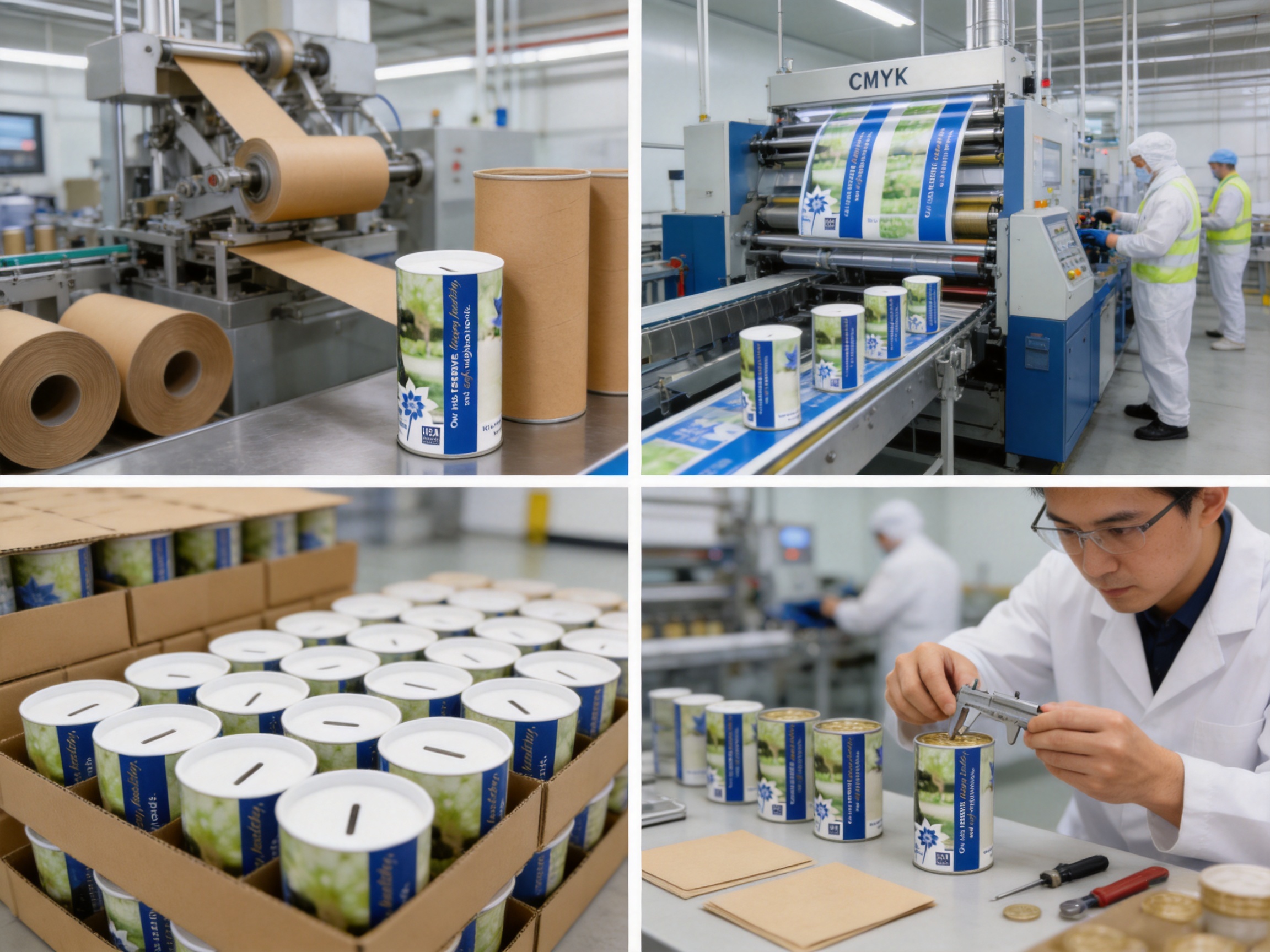
In 2015, the company introduced a high-speed composite can production line from Europe. Investment in high-speed equipment can support production efficiency, repeatability, and higher-volume orders. Modern equipment may also help control winding, forming, cutting, printing coordination, and other steps involved in composite paper-can production. The exact process used for each coin-bank order should be confirmed based on the selected specifications.
The company reports more than 10 patented technologies and a continuing focus on research and product development. Patented technologies can reflect investment in problem solving and process improvement, although buyers should evaluate the relevance of specific technologies to their selected product. The broader point is that the manufacturer is not positioned solely as a trading intermediary; it presents itself as an experienced production company with technical capabilities in paper and composite packaging.
8. Advanced Manufacturing Process
The manufacturing process for a customized paper coin bank generally begins with product planning. The buyer and manufacturer confirm the dimensions, paper type, thickness, tin or composite components, closure design, printing requirements, logo files, order quantity, packaging method, and delivery schedule. This stage is essential because small structural decisions can affect tooling, print layout, strength, and final cost.
8.1 Material Preparation
Paper materials are selected according to the required appearance, strength, printability, and intended use. Kraft paper may be chosen for its natural appearance and recognizable texture. Recycled-material options can be considered when they meet the necessary performance and printing requirements. The manufacturer should confirm the material composition and provide relevant documentation when sustainability or regulatory claims are important to the buyer.
Material preparation may include slitting, cutting, surface treatment, and preparation for forming or printing. Consistent material handling helps reduce variation in dimensions and appearance. For branded orders, paper must be compatible with the selected ink system and finishing requirements.
8.2 Printing and Artwork Control
CMYK artwork is prepared for production after the buyer approves the design. Prepress checks typically review color separation, image resolution, text legibility, bleed, margins, logo proportions, and the alignment of graphics around the cylinder. The manufacturer may also check whether the artwork fits the actual printable area.
Color management is particularly important for corporate and retail orders. Buyers should provide standardized color references when exact brand colors are required. A physical sample or proof can help confirm how colors appear on kraft paper, since the paper’s natural tone may influence the final result.
8.3 Forming the Cylindrical Body
The paper body is formed into a cylindrical structure using controlled winding, bonding, or composite-forming methods appropriate to the design. The production line must maintain consistent diameter, roundness, wall thickness, and seam quality. These factors influence how the product stands, how the lid fits, and how the printed design appears.
A well-formed cylinder should maintain its shape during ordinary handling. The stated 1.2-millimeter thickness supports the product’s structural role, but final performance also depends on paper grade, adhesive selection, layer arrangement, end construction, and production controls.
8.4 Integration of Tin and End Components
The product information identifies paper and tin as materials. Tin components may be used in the top, bottom, opening, reinforcement, or another part of the container, depending on the confirmed design. Metal components can support closure performance and add structural stability, while the paper body provides the main decorated surface.
End components must be fitted consistently to reduce looseness, misalignment, or uneven edges. The final design should be reviewed for safe handling, especially if the product is marketed to children. Any slot for inserting coins should be designed to support the intended currency and user group.
8.5 Inspection and Packing
Finished products can be inspected for dimensions, print quality, logo placement, surface damage, seam appearance, closure fit, and general structural integrity. Quality-control criteria should be agreed upon before production, particularly for large orders or products intended for retail sale.
After inspection, coin banks are packed for storage and transportation. Appropriate inner protection can help prevent scuffing and deformation. Buyers should confirm carton quantities, pallet requirements, shipping marks, and export documentation during order planning.
9. Quality and Reliability Considerations
A successful coin-bank project depends on more than attractive printing. The product must arrive in good condition, stand properly, accept coins smoothly, and maintain its appearance during ordinary use. A reliable supplier should therefore address both visual and functional quality.
Important quality points include consistent internal diameter, stable height, even cylindrical form, secure component attachment, clean printing, accurate color reproduction, and a surface free from significant scratches, stains, dents, or peeling. The closure should fit as intended, while the coin slot should be suitable for the target currency and user age.
For promotional programs, consistency from one batch to the next is especially important. A brand may reorder the same product several times, and artwork or colors should remain as consistent as practical. Clear approval procedures and retained production samples can help manage repeat orders.
Buyers should also consider testing requirements. Depending on the market, the product may need evaluations related to material safety, packaging regulations, ink suitability, migration, heavy metals, or child-product requirements. The exact requirements vary by country and intended use. A manufacturer can provide available documentation, but the buyer remains responsible for confirming compliance with the laws applicable to the destination market.
10. Sustainability and Responsible Packaging Positioning
The product’s paper-based construction and recycled-material positioning can support a sustainability-oriented marketing strategy. Paper is widely recognized as a renewable packaging material, and kraft paper often communicates a natural, responsible visual identity. However, responsible communication requires precision. Buyers should distinguish between recycled content, recyclability, renewable sourcing, and actual end-of-life performance.
A paper coin bank may be used repeatedly before disposal, which can increase its practical value. Its long period of use gives the material a purpose beyond a single promotional impression. Brands can encourage users to keep the product, reuse it for a new savings goal, or repurpose it for small-item storage after the savings activity is complete.
Packaging designers should avoid making unsupported claims such as “100 percent sustainable” or “fully recyclable” unless these statements are confirmed for the complete product, including tin, coatings, adhesives, inks, and closures. A more accurate message may refer to the paper-based construction, recycled-material option, or reduced reliance on conventional plastic, subject to verification.
Responsible sourcing can also include selecting the appropriate product size, reducing unnecessary secondary packaging, optimizing carton packing, and avoiding excess decorative materials. Since the coin bank is compact, efficient shipping and storage may be possible when cartons are designed correctly.
11. Applications Across Different Markets
11.1 Financial Institutions
Banks, credit unions, and financial education providers can use customized coin banks to encourage saving behavior among children, teenagers, and families. The product may be distributed when opening an account, attending a financial-literacy workshop, or participating in a community event.
Financial institutions can print a savings chart, a simple budgeting message, or an age-appropriate explanation of goal setting. The product can also serve as a physical reminder of the institution’s educational role rather than functioning as a one-time advertisement.
11.2 Schools and Nonprofit Programs
Schools can use coin banks in classroom projects that teach mathematics, planning, and personal responsibility. Nonprofit organizations can adapt the product for fundraising, charitable giving, or community savings initiatives. A customized design can identify the project while leaving enough space for users to personalize the container.
11.3 Retail and Consumer Brands
Consumer brands can use the coin bank as a gift-with-purchase item, loyalty reward, or limited-edition product. Food, beverage, snack, tea, coffee, children’s, and household brands may create themed designs linked to their existing product packaging.
The manufacturer’s experience with food, daily chemical products, fast-moving consumer goods, and related categories can be valuable for buyers who want the coin bank to coordinate with a wider packaging program.
11.4 Travel and Hospitality
Travel agencies, hotels, airlines, and tourism organizations can use the product to promote vacation savings. A printed destination illustration or travel goal can transform an ordinary promotional item into a useful planning tool. The compact cylinder is suitable for hotel welcome gifts, loyalty campaigns, and family travel programs.
11.5 Corporate Events
Companies can customize the product for anniversaries, employee engagement programs, charitable campaigns, and customer appreciation events. A corporate savings challenge may encourage employees to collect funds for a community project or shared activity.
12. Designing a Successful Custom Order
A well-planned custom order begins with a clear product brief. The brief should identify the target user, intended application, sales channel, required quantity, preferred material appearance, printing artwork, delivery location, and compliance expectations.
Buyers should provide editable logo files and high-quality artwork whenever possible. The design should specify colors, fonts, images, slogans, and any required legal information. If the product will be sold in multiple countries, text should be reviewed for translation accuracy and cultural suitability.
It is also useful to define the product’s functional expectations. Buyers should explain whether the coin bank is intended for children, adults, promotional distribution, retail sale, or inclusion in a gift set. This information helps guide decisions about closure, coin-slot size, surface finish, edge treatment, packaging, and inspection standards.
Sampling is strongly recommended for customized products. A digital proof confirms the artwork, but a physical sample reveals the relationship between the design and the actual curved paper surface. The buyer can evaluate the product’s weight, firmness, texture, stability, print clarity, and overall appearance before approving mass production.
For larger orders, a written specification sheet can reduce misunderstandings. It may include dimensions, tolerances, material description, printing method, color references, acceptable defects, packing instructions, carton information, and approval signatures.
13. Advantages of Factory-Direct Cooperation
Factory-direct sourcing can offer several benefits when the manufacturer has established production capabilities. Buyers may communicate directly with the team responsible for materials, printing, forming, quality control, and packing. This can shorten the path between design feedback and production decisions.
Direct communication is particularly valuable for customized cylindrical packaging. A trading intermediary may need to relay technical questions between the buyer and an outside factory, while a direct manufacturer can often assess feasibility more quickly. Buyers can discuss material alternatives, print limitations, sampling schedules, and volume requirements with a team familiar with the product category.
Factory-direct cooperation may also support more efficient repeat ordering. Once the artwork, dimensions, and production parameters are approved, the manufacturer can retain the relevant specifications for future production, subject to the buyer’s confirmation and quality requirements.
Cost should not be evaluated only by comparing the lowest unit price. A lower-quality product may create hidden expenses through rework, damaged shipments, inconsistent printing, customer complaints, or missed promotional deadlines. A more experienced factory can potentially reduce these risks through stronger process management and established equipment.
14. How the Product Supports Brand Differentiation
In a crowded promotional-products market, differentiation often comes from usefulness and emotional relevance. A coin bank has a clear everyday function, but the printed design can give it a specific purpose. It may represent a family goal, a child’s dream, a travel plan, a charity campaign, or a brand’s commitment to responsible consumption.
The paper format adds another differentiating element. Its kraft appearance separates it from glossy plastic merchandise and highly decorative ceramic items. The cylindrical shape is familiar but adaptable, allowing a designer to create a product that looks traditional, modern, playful, minimalist, or premium.
Customization also enables limited editions. A brand can produce different artwork for holidays, school terms, annual campaigns, product launches, or regional events. This flexibility helps maintain interest without requiring a completely new product category.
The product can further differentiate a brand through storytelling. Printed text can explain the purpose of the savings challenge, encourage responsible financial habits, or connect the activity with a social cause. When users interact with the product repeatedly, the brand message may become associated with positive behavior rather than a short promotional encounter.
15. Storage, Shipping, and Merchandising Benefits
The compact cylindrical format can be practical for storage and display. Retailers may place units in bins, on shelves, in gift sections, or beside related products. Promotional buyers can pack them into event kits, welcome boxes, or educational packages.
Compared with fragile ceramic products, the paper coin bank may be easier to manage during transportation. Its lower weight can also be beneficial for international distribution, although actual shipping efficiency depends on carton design, order quantity, and protection requirements.
Merchandising should take advantage of the printed surface. Products can be arranged with the most important artwork facing forward. Multiple designs can be displayed together to create a collection effect. If the coin bank is sold as part of a themed series, consistent dimensions can help produce a cohesive retail presentation.
Secondary packaging should protect the product while avoiding unnecessary material. Depending on the sales channel, the coin bank may be packed individually, grouped in cartons, or included in a gift box. The best solution depends on the required shelf presentation, transportation distance, and customer expectations.
16. Practical Limitations and Buyer Responsibilities
No packaging material is ideal for every application. Paper coin banks are not automatically suitable for prolonged exposure to water, high humidity, extreme heat, or rough industrial handling. Buyers should communicate the expected environment so that the manufacturer can recommend appropriate materials and finishes.
The product is intended for money saving and small-item storage, not for heavy mechanical loads. Users should avoid overfilling it or forcing objects through the coin slot. If it is marketed to children, the buyer should review age guidance, supervision requirements, edge safety, and applicable product regulations.
Environmental performance also depends on the complete construction. Paper, tin, adhesives, coatings, and inks may require different recycling processes. Buyers should obtain accurate material information before publishing disposal instructions or environmental claims.
Finally, all dimensions and construction details should be confirmed before ordering. Product information may describe a standard model, while a custom order can involve changes to size, opening, closure, printing, or materials. A final approved sample remains the best reference for mass production.
17. Frequently Asked Questions
Q1: What is the primary material of the coin bank?
The listed materials are paper and tin, with paper identified as the main material. The exterior is designed around a kraft-paper appearance, while tin may be included in structural or end components. The exact layer arrangement should be confirmed in the final technical specification.
Q2: What are the listed dimensions?
The stated size is an internal diameter of approximately 73 millimeters and a height of approximately 150 millimeters. Buyers should confirm dimensional tolerances and external measurements before production because the final outside size can vary according to wall thickness and component design.
Q3: Can the coin bank carry a custom logo?
Yes. Custom logos are accepted, and the product supports CMYK printing. Buyers can develop artwork that includes logos, illustrations, savings instructions, campaign information, or seasonal designs.
Q4: Is custom ordering available?
Yes. Custom orders are accepted. The buyer should discuss artwork, dimensions, material preferences, quantity, sampling, packaging, delivery requirements, and compliance documentation with the manufacturer.
Q5: Why is the cylindrical shape useful?
The cylinder offers a compact footprint, a stable standing form, and a continuous printable surface. It is also easy to display and can be adapted to different visual themes without changing the basic product structure.
Q6: Is the product suitable for children?
It may be suitable for children when designed, labeled, and tested for the intended age group. Buyers should review the coin slot, closure, edges, inks, materials, and applicable child-product regulations. Adult supervision may be appropriate for younger children.
Q7: Can the product be used as a promotional item?
Yes. Its practical function, customizable surface, and compact size make it suitable for financial institutions, schools, consumer brands, nonprofit organizations, travel companies, and corporate events.
Q8: Can the product support an environmental marketing campaign?
It can support a sustainability-oriented campaign because it uses a paper-based construction and is presented with recycled-material and eco-friendly features. However, all environmental claims should be verified against the complete material composition and applicable standards.
Q9: What printing method is identified?
CMYK printing is identified in the product information. The buyer should confirm the print area, color references, surface treatment, proofing process, and acceptable color tolerance before production.
Q10: What is the listed wall thickness?
The listed thickness is approximately 1.2 millimeters. Final performance also depends on the paper grade, construction layers, adhesives, end components, and manufacturing process.
Q11: Why is manufacturer experience important for this product?
A paper coin bank involves more than printing. The supplier must coordinate paper materials, cylindrical forming, structural components, artwork alignment, quality control, and packing. A manufacturer with long-term experience in composite cans and paper cans may be better prepared to manage these interconnected requirements.
Q12: Should a buyer request a sample?
Yes. A sample allows the buyer to review color, logo placement, paper feel, shape, strength, closure fit, slot design, and overall presentation before approving mass production.
18. Conclusion
The DIY Kraft Paper Coin Bank Money Saving Box is a versatile product that combines practical savings functionality with customizable paper packaging. Its cylindrical shape, kraft-paper appearance, paper-and-tin construction, 1.2-millimeter listed thickness, CMYK printing capability, and custom-logo support make it suitable for a wide variety of commercial, educational, promotional, and retail applications.
Compared with plastic, ceramic, glass, or plain metal alternatives, the product offers a distinctive balance of lightweight handling, broad printability, natural visual appeal, and design flexibility. It can become a child’s first savings tool, a financial-literacy resource, a promotional gift, a travel-saving reminder, or a branded retail product.
The manufacturer’s more than 20 years of experience in composite cans and paper cans, its high-speed European production-line investment, industry involvement, food-packaging background, long-term customer relationships, and reported patented technologies provide a strong manufacturing foundation. These capabilities are especially relevant for buyers who require consistent quality, custom printing, repeat production, and professional packaging support.
For the best result, buyers should define the application clearly, prepare accurate artwork, confirm materials and dimensions, request a sample, review quality requirements, and verify all regulatory and environmental claims. When these steps are managed carefully, the paper coin bank can deliver more than basic storage. It can turn saving into an engaging experience while giving brands a practical, memorable, and highly customizable packaging product.
References
1. Product specification materials supplied for the DIY Kraft Paper Coin Bank Money Saving Box.
2. Manufacturer information concerning composite cans, paper cans, production experience, and packaging applications.
3. General principles of paper-based packaging design, cylindrical container construction, and CMYK prepress preparation.
4. General guidance on sustainable packaging communication, recycled materials, recyclability, and responsible environmental claims.
5. General considerations for promotional-product quality control, sampling, artwork approval, and customized packaging production.
