 English
 Español


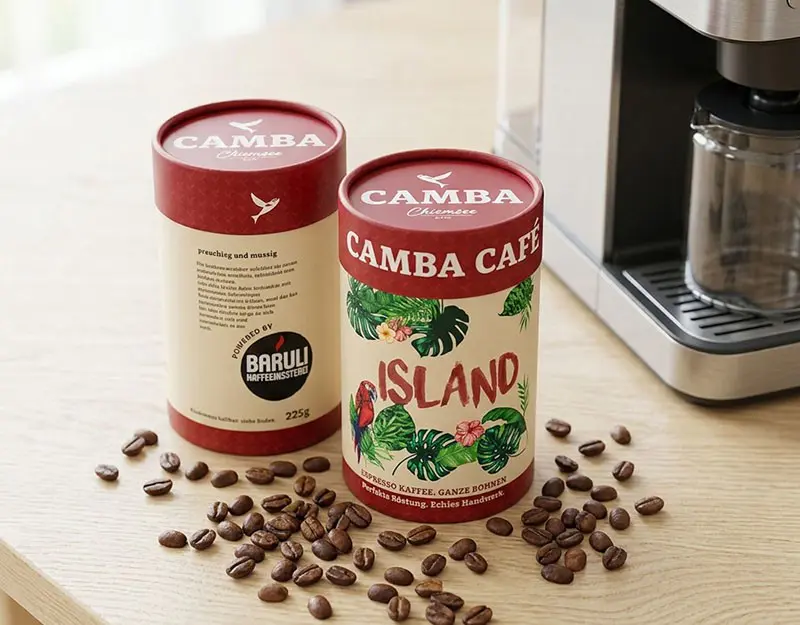
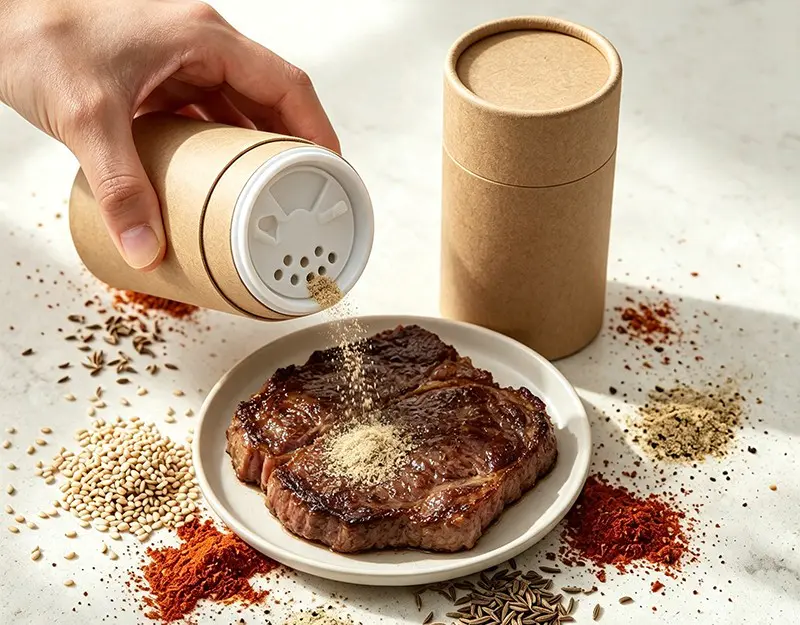

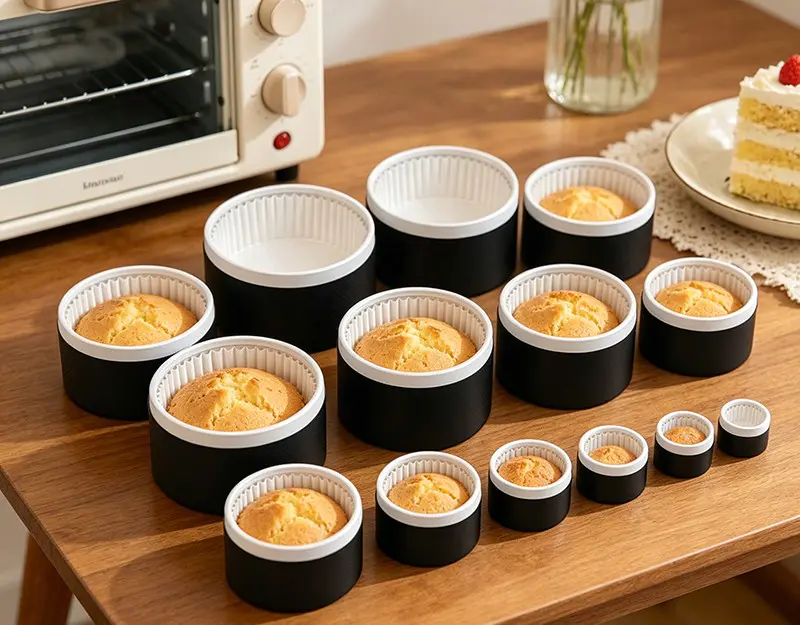
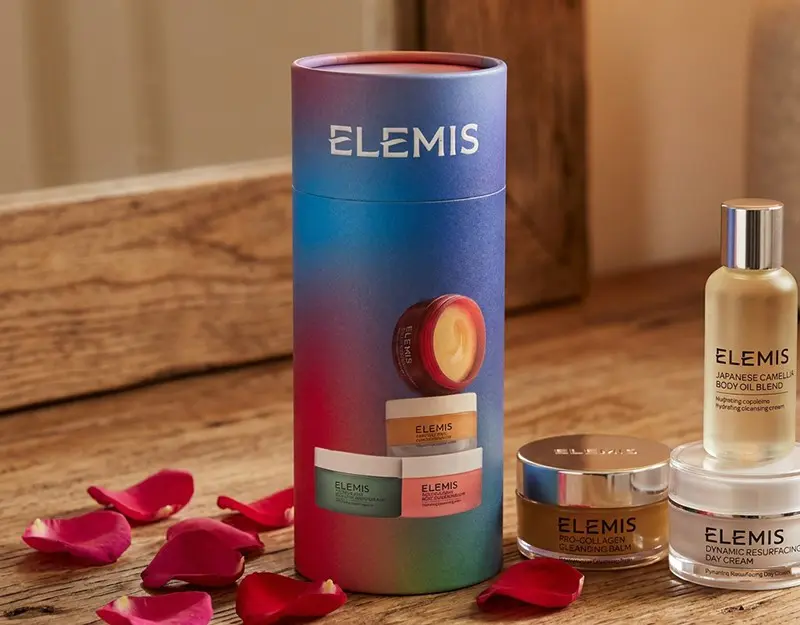
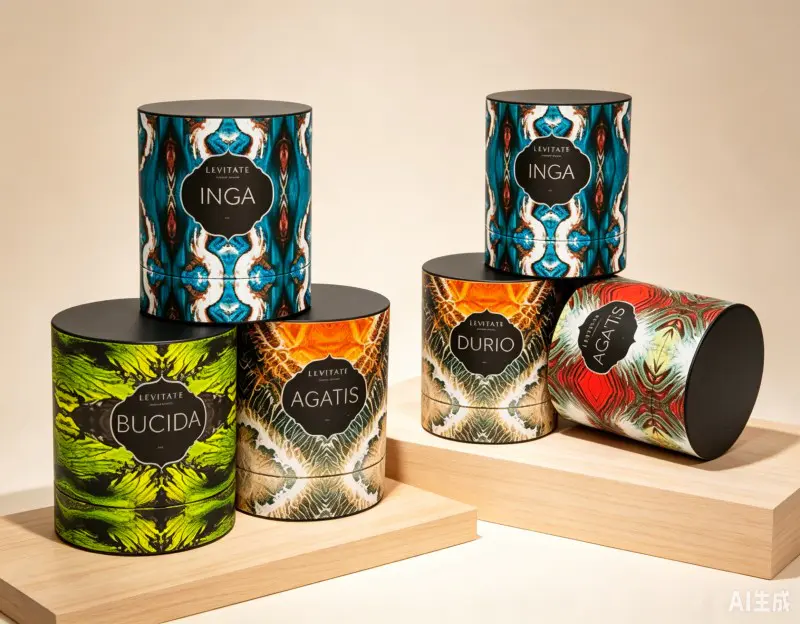
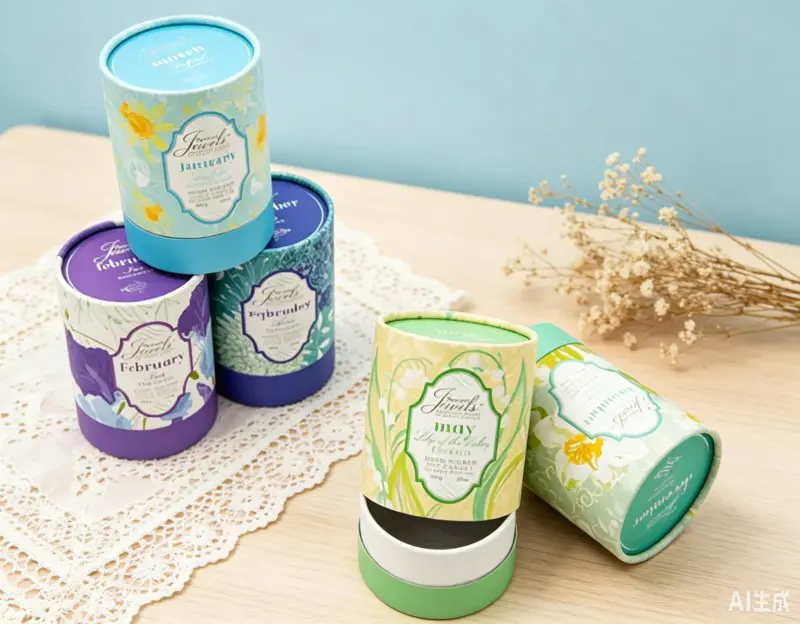
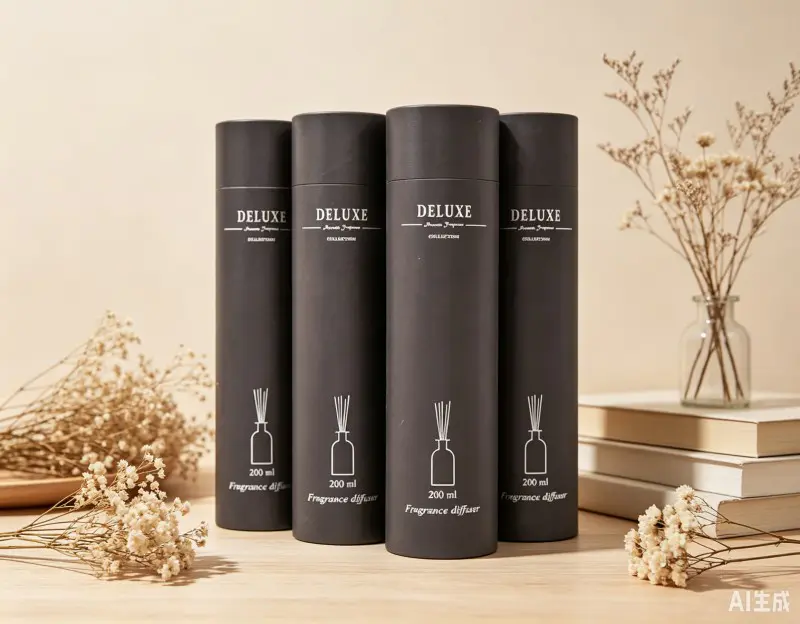
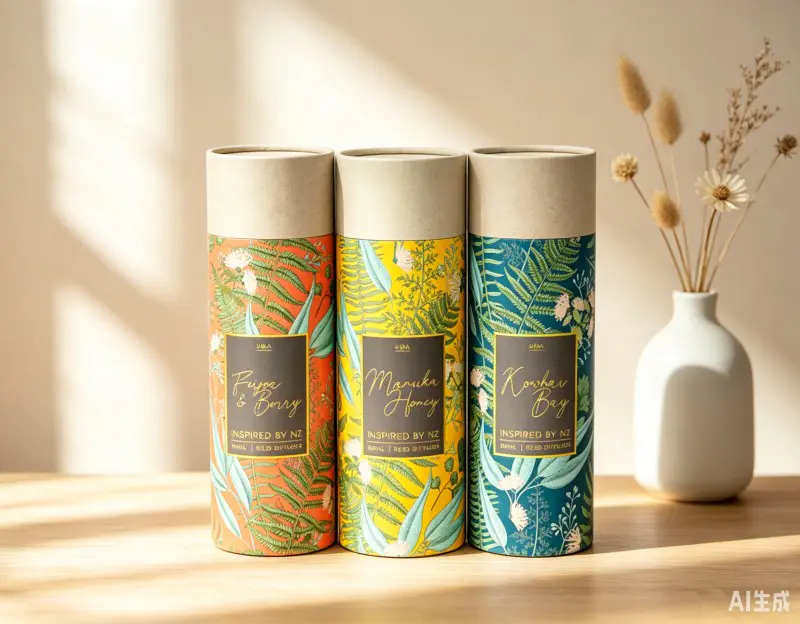
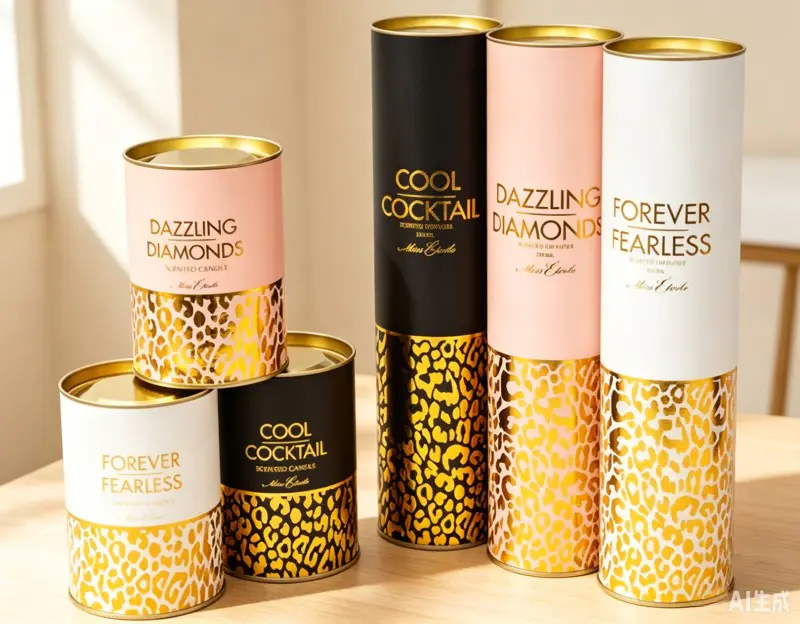
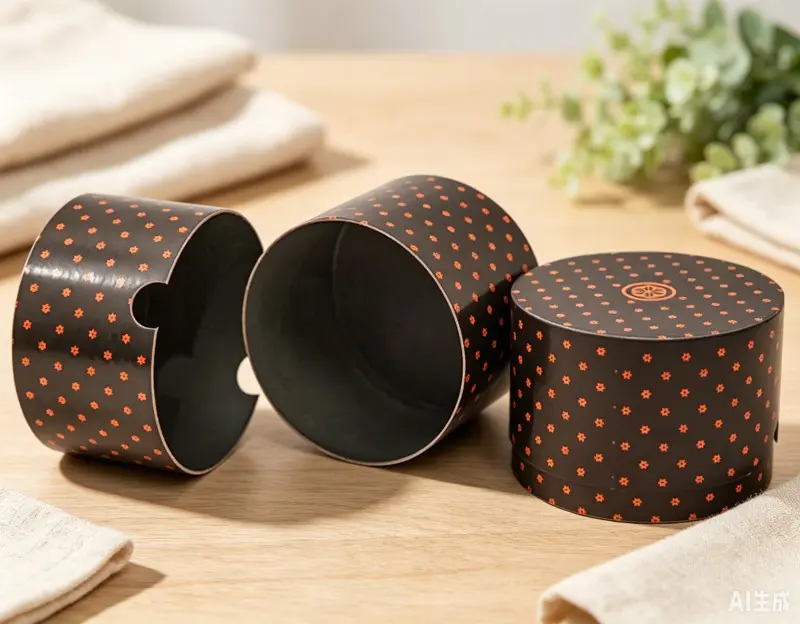


As one of the top China cardboard tube packaging manufacturers and paper tube packaging suppliers, we devote all of our efforts to research and launch more high quality packaging products to global market.

Beauty packaging is undergoing a major transformation. Consumers increasingly expect cosmetic containers to look refined, perform reliably, and support more responsible material choices. At the same time, cosmetic brands need packaging that protects delicate formulas, communicates product value on the shelf, and can be adapted to different market positions. The paper tube sifter for loose powder responds to these needs by combining the familiar functionality of a powder dispenser with the visual appeal and material efficiency of a paper-based cylindrical package.
Designed for loose powders, setting powders, mineral cosmetics, body powders, and similar beauty products, this packaging format offers an alternative to conventional rigid plastic jars and compact containers. Its structure can be developed around a paper tube body, an inner protective layer, a fitted sifter, and a closure system. The result is a packaging solution that supports controlled dispensing while creating broad opportunities for printing, finishing, customization, and brand storytelling.
As an OEM packaging product, the paper tube sifter is not limited to one standard appearance. Cosmetic companies can work with a packaging manufacturer to adjust dimensions, capacity, opening performance, surface finish, decoration, internal components, and closure style. This flexibility makes the format suitable for emerging indie beauty brands, established cosmetic companies, private-label manufacturers, and businesses developing environmentally conscious product lines.
Content
- 1 What Is a Paper Tube Sifter for Loose Powder?
- 2 Why Loose Powder Brands Are Exploring Paper-Based Packaging
- 3 Core Product Advantages
- 4 Comparison with Conventional Loose Powder Packaging
- 5 Material and Construction Considerations
- 6 Advanced Manufacturing Process
- 6.1 1. Product Brief and Engineering Review
- 6.2 2. Structural Design and Sampling
- 6.3 3. Paper Preparation and Slitting
- 6.4 4. High-Speed Tube Forming
- 6.5 5. Adhesive Bonding and Curing
- 6.6 6. Surface Printing and Finishing
- 6.7 7. Sifter and Closure Assembly
- 6.8 8. Inspection and Quality Control
- 6.9 9. Packing and Delivery
- 7 Manufacturing Strengths and Industry Experience
- 8 Why Manufacturer Capability Matters to Cosmetic Brands
- 9 Design Customization Opportunities
- 10 Quality, Safety, and Compliance Considerations
- 11 Sustainability Considerations for Paper Tube Packaging
- 12 Applications and Target Customers
- 13 Recommended OEM Development Workflow
- 14 Cost and Supply Chain Considerations
- 15 Common Challenges and How to Address Them
- 16 Branding Value and Consumer Experience
- 17 Frequently Asked Questions
- 17.1 Q1: What products can be filled into a paper tube sifter?
- 17.2 Q2: Can the tube dimensions be customized?
- 17.3 Q3: Does the paper tube provide enough protection for cosmetic powder?
- 17.4 Q4: Can the package be printed with a full-color design?
- 17.5 Q5: Can special finishes be added?
- 17.6 Q6: Is the paper tube completely plastic-free?
- 17.7 Q7: Can the package be used for travel-size cosmetics?
- 17.8 Q8: How does the sifter improve the user experience?
- 17.9 Q9: Can the tube be supplied assembled?
- 17.10 Q10: What should be tested before mass production?
- 17.11 Q11: Is the package suitable for premium cosmetics?
- 17.12 Q12: What makes an experienced tube manufacturer valuable?
- 18 Conclusion
- 19 References
- 20 Product: Eco Beauty Packaging OEM Service Paper Tube Sifter for Loose Powder
What Is a Paper Tube Sifter for Loose Powder?
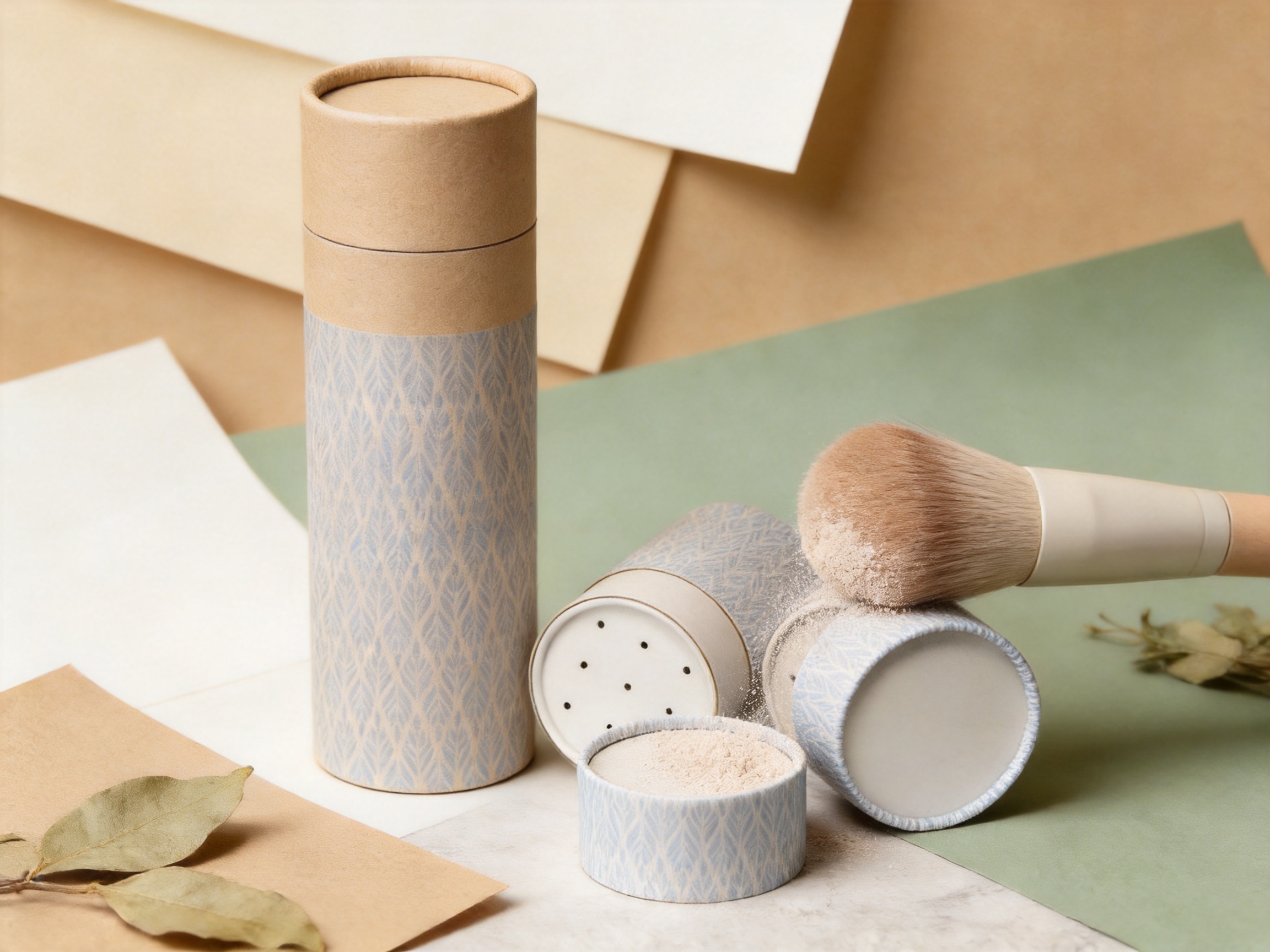
A paper tube sifter for loose powder is a cylindrical cosmetic container developed to store and dispense finely milled beauty products. The main body is formed from paper-based tube materials, while the product-contact area and dispensing components can be designed with suitable barrier and hygiene considerations. A sifter insert separates the powder from the application area and helps regulate the quantity released when the package is tilted, tapped, or gently shaken.
The tube format provides a tall, efficient profile that can be adapted to different fill volumes. Compared with a wide, shallow jar, a cylindrical tube can create a distinctive silhouette and may use less shelf width. It also gives the package a large continuous surface for artwork, technical information, ingredient communication, instructions, and promotional graphics.
The sifter is central to the product experience. Loose powder can be difficult to manage when the package releases too much material at once. A well-designed sifter helps create a more controlled flow and reduces unnecessary mess during use. It can also support a more consistent application routine for products such as translucent setting powder, mineral foundation, finishing powder, shimmer powder, dry shampoo powder, and body fragrance powder.
The package can be configured with a removable or integrated sifter, depending on the intended user experience and filling method. The closure may be designed to protect the powder between applications and help reduce accidental spillage during transportation. The precise construction should be selected according to the formula, filling process, expected distribution conditions, and regulatory requirements of the target market.
Why Loose Powder Brands Are Exploring Paper-Based Packaging
Loose powder packaging has traditionally relied heavily on plastic jars, acrylic containers, and composite plastic closures. These formats remain useful in many applications, but they can limit visual differentiation and may not align with a brand’s sustainability strategy. Paper tube packaging gives cosmetic developers another option, especially when the brand wants to reduce the visual dominance of plastic and present a more natural or design-led identity.
Paper-based materials can create a warmer tactile impression than glossy plastic. A matte paper surface may feel soft, understated, and premium, while textured paper or specialty printing can emphasize a handmade, botanical, artisanal, or environmentally conscious positioning. The package can be decorated with muted natural tones, bold fashion colors, metallic effects, minimalist typography, or high-resolution photographic graphics.
Paper tubes also provide a strong foundation for structural creativity. A brand can choose a simple clean cylinder for a modern skincare line, a colored tube with foil stamping for luxury cosmetics, or a printed tube with playful graphics for a younger audience. The same basic packaging architecture can therefore serve a wide range of price points and product concepts.
However, a paper package must do more than look attractive. It must withstand handling, filling, transportation, storage, and normal consumer use. A professional manufacturer must balance paper selection, winding strength, adhesive performance, surface treatment, dimensional accuracy, closure fit, and product compatibility. This is why the manufacturer’s engineering experience is as important as the appearance of the finished tube.
Core Product Advantages
Controlled Dispensing for Better Powder Application
The integrated sifter is one of the most important advantages of this packaging format. Loose powder is lightweight and mobile, so uncontrolled openings can release an excessive amount of product. A suitable sifter limits the opening area and encourages gradual dispensing. Users can place a brush, puff, or sponge over the sifter and gently tap the package to obtain a manageable dose.
Controlled dispensing can improve the perceived quality of the cosmetic. When the package releases a consistent amount, users are less likely to experience spills, airborne powder, or product waste. This is especially important for finely milled powders, which can spread quickly across a countertop or dressing table.
The sifter design can be adjusted for different powder characteristics. A very fine mineral powder may require different perforation considerations from a heavier body powder or granulated cosmetic blend. During development, the manufacturer can evaluate the relationship between hole pattern, powder flow, vibration, filling level, and closure performance. The objective is to create a practical balance between easy dispensing and secure containment.
Paper-Based Structure with a Premium Cosmetic Appearance
The paper tube body offers a distinctive alternative to conventional cosmetic jars. Its cylindrical profile is simple, recognizable, and easy to customize. The outer wrap can be printed across a broad surface, allowing the design to continue around the entire package instead of being restricted to a small label.
Brands can use the available surface to create a coherent visual system. The front panel can communicate the product name and shade, while the remaining circumference can present directions, ingredients, batch information, usage warnings, recycling guidance, and brand messaging. This is particularly valuable for compact products where a small jar offers limited space for communication.
Paper can also support different levels of visual refinement. Uncoated surfaces can create a natural and tactile effect. Coated surfaces may improve color density and resistance to handling. Embossing, debossing, foil effects, spot finishes, and special inks may be considered when compatible with the product’s cost target and environmental objectives.
Efficient Cylindrical Format
The tube format uses a vertical footprint that can be advantageous for retail displays, ecommerce packaging, and organized storage. Multiple units can be arranged in rows, trays, cartons, or merchandising fixtures. A narrow cylindrical package may also help a brand build a visually consistent family across loose powders, skincare powders, sample products, and travel-size items.
The dimensions can be developed according to the powder’s density and target fill weight rather than relying only on nominal volume. Loose powder may occupy different volumes depending on particle size, compression, and formulation. For this reason, packaging development should consider the actual product and the intended filling conditions.
A tube can also be coordinated with secondary packaging. It may be placed in a folding carton, shipped in a protective set, or packed with a brush, puff, or applicator. The cylindrical shape can support gift sets and seasonal collections while maintaining a consistent packaging identity.
Adaptable for Multiple Cosmetic Applications
Although the product is described as a loose powder sifter, the basic format can be considered for many powder-based beauty applications. Potential uses include setting powder, mineral foundation, finishing powder, highlighter, blush powder, bronzing powder, body powder, foot powder, dry shampoo powder, bath powder, and cosmetic glitter blends, subject to compatibility testing.
Different applications may require different internal protection, sifter dimensions, closures, and labeling. A professional OEM partner can help determine whether the same tube construction is suitable for several products or whether each formula requires a dedicated configuration.
Suitable for OEM and Private-Label Development
OEM production allows brands to develop packaging around their own product concepts rather than selecting an inflexible catalog item. The paper tube sifter can be customized in terms of diameter, height, capacity, body construction, sifter arrangement, cap design, decoration, and packing method.
This is useful for companies that want to launch a new powder product quickly while maintaining control over brand presentation. It also benefits private-label buyers that need a reliable packaging platform for multiple clients. A modular design approach may allow related products to share a common tube family while using different artwork, colors, sizes, or closures.

Eco Beauty Packaging OEM Service Paper Tube Sifter for Loose Powder
Comparison with Conventional Loose Powder Packaging
Every packaging format has strengths and limitations. The value of a paper tube sifter is best understood by comparing it with common alternatives such as plastic jars, acrylic containers, metal tins, and simple paper tubes without dispensing components.
| Packaging format | Typical strengths | Potential limitations | Positioning opportunity |
|---|---|---|---|
| Paper tube with sifter | Distinctive appearance, printable surface, controlled dispensing, adaptable OEM structure | Requires careful barrier and compatibility design | Eco-conscious, premium, natural, modern, or craft-led cosmetics |
| Plastic jar | Established supply chain, familiar use, broad component availability | Can appear conventional and may rely heavily on plastic | Mass-market and highly standardized cosmetics |
| Acrylic container | High visual clarity and premium appearance | Higher material presence and potentially greater weight or cost | Luxury and display-oriented cosmetics |
| Metal tin | Strong body, distinctive tactile character, reusable impression | May require specialized decoration and can be less convenient for some powder applications | Vintage, artisanal, travel, or gift products |
| Paper tube without sifter | Simple construction and strong printable body | Less control over loose powder dispensing | Products with an internal pouch, liner, or alternative dispenser |
The paper tube sifter can distinguish a product in several ways at once. It offers the communication space of a paper package, the recognizable dispensing function of a cosmetic jar, and the structural flexibility of OEM development. This combination is especially attractive when the brand wants its packaging to communicate both performance and material awareness.
It is important not to treat paper packaging as automatically sustainable in every situation. The complete package must be evaluated, including coatings, adhesives, plastic or metal components, printing processes, transport requirements, and end-of-life conditions. A responsible manufacturer should help the customer understand the construction rather than making unsupported environmental claims.
Material and Construction Considerations
Paperboard and Tube Body Selection
The body material must provide sufficient rigidity for filling, stacking, transport, and consumer handling. Paperboard thickness, winding method, layer arrangement, and adhesive bonding all influence the performance of the finished tube. The appropriate structure depends on the tube dimensions and whether the container will be placed inside secondary packaging or shipped as an individual retail unit.
For cosmetic packaging, the outer paper should also support the desired decoration. A smooth surface may be preferred for fine text and high-resolution graphics, while a more textured stock may be selected for tactile differentiation. The manufacturer must balance printability with mechanical strength and the intended finish.
Barrier and Product Protection
Loose powders are generally less sensitive to liquid leakage than creams or oils, but they still need protection from humidity, contamination, odor transfer, and handling. Some powders may absorb moisture or change flow characteristics when exposed to high humidity. The internal construction should therefore be considered according to the specific formula.
Barrier layers, liners, inner coatings, or suitable inserts may be incorporated where needed. These components should be evaluated for compatibility with the cosmetic formulation and for their effect on the package’s recycling or disposal pathway. The objective is not simply to add more layers, but to use an appropriate construction that protects the product without creating unnecessary complexity.
Sifter Design
The sifter determines how users access the powder. Its perforations, thickness, placement, and fit influence the release rate and overall convenience. A well-fitted sifter should remain stable during normal use and should not create excessive powder accumulation under the cap.
Development should consider the intended applicator. A brush may require a different dispensing pattern from a puff or a fingertip application. If the product is designed for professional makeup use, the user may prefer a relatively open sifter for fast access. If the product is intended for travel or everyday handbag use, controlled release and spill resistance may receive greater priority.
Closure and Seal Performance
The closure should protect the sifter between uses and help prevent accidental release. Threaded, friction-fit, snap-fit, or other closure concepts may be considered depending on the selected tube architecture. The closure should be easy enough for the intended consumer to open but secure enough to resist loosening during distribution.
Closure fit is also important for the package’s visual quality. A cap that sits unevenly or feels loose can make an otherwise attractive product appear inexpensive. Dimensional control and assembly inspection are therefore essential parts of OEM production.
Advanced Manufacturing Process
The quality of a paper tube sifter depends on a sequence of connected manufacturing operations. A strong production system controls not only the final appearance but also the consistency of materials, dimensions, bonding, printing, assembly, and packing.
1. Product Brief and Engineering Review
Production begins with an understanding of the cosmetic product and the brand’s packaging objectives. The manufacturer reviews the powder type, target fill weight, tube dimensions, dispensing expectations, decoration requirements, closure preferences, distribution environment, and expected order volume.
This stage is important because a package that works for one powder may not work identically for another. Particle size, density, flow behavior, moisture sensitivity, and filling method can affect the final design. A technical review can identify potential issues before tooling or mass production begins.
2. Structural Design and Sampling
After the initial brief, the packaging structure is developed. The tube diameter, height, wall construction, sifter position, cap dimensions, and internal components are considered together. Samples may be produced to assess appearance, handling, dispensing, and compatibility.
Sampling gives the brand an opportunity to review the package as a complete user experience. The tube should be tested not only on a computer screen but also in the hand. Opening force, grip, tapping behavior, powder release, cap placement, and storage stability all provide valuable information.
3. Paper Preparation and Slitting
Paper materials are prepared according to the dimensions required for the tube body and outer decoration. Slitting accuracy is important because inconsistent material width can affect winding, alignment, and finished tube dimensions. The material must also be stored appropriately to help control moisture-related changes.
For printed tubes, the relationship between the printed layout and the winding direction should be considered at the design stage. Text, logos, shade information, and decorative elements need to remain correctly positioned when the sheet or label is formed around the cylindrical body.
4. High-Speed Tube Forming
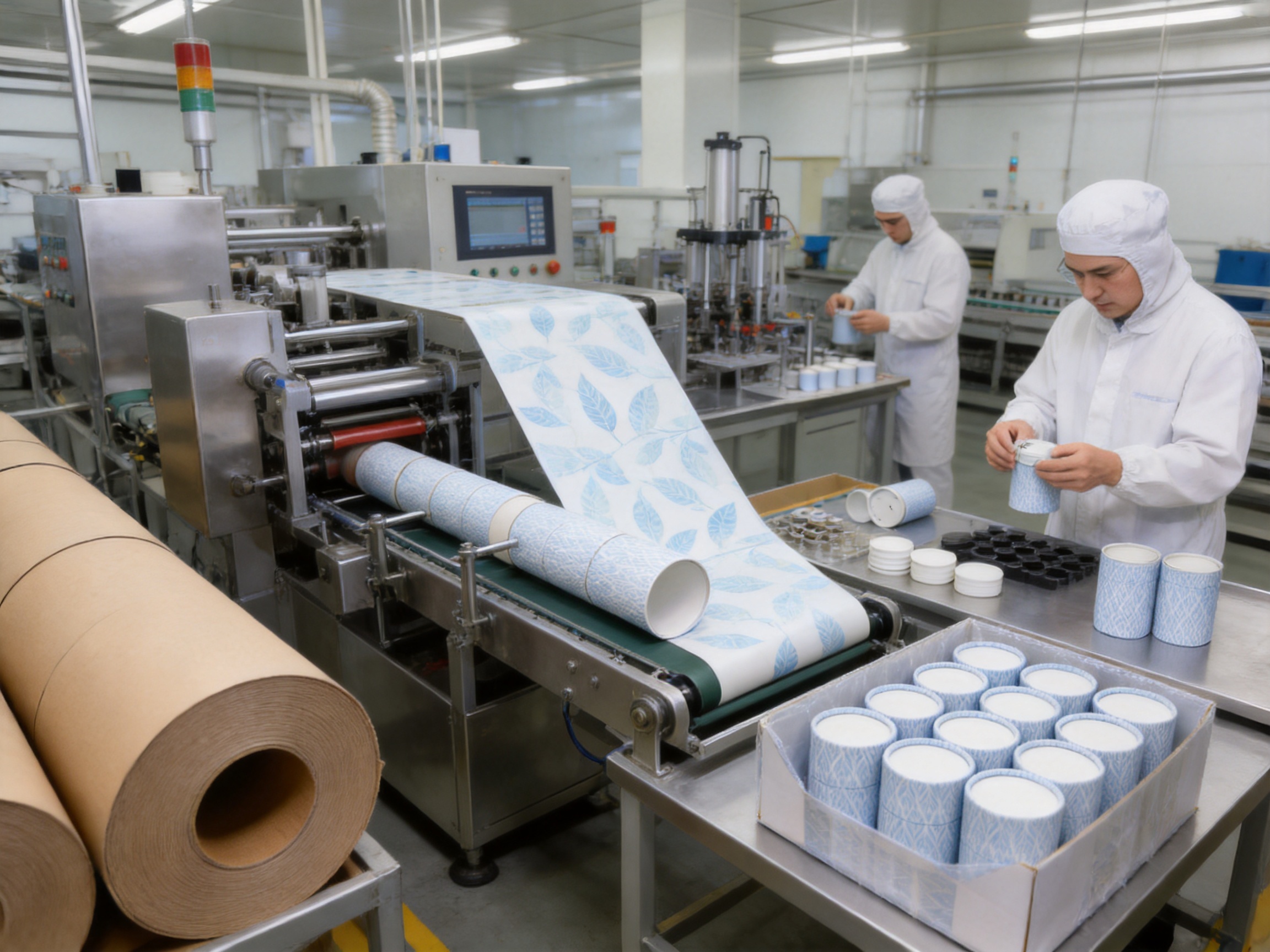
The tube body is formed by winding paper layers around a mandrel or equivalent forming system. Depending on the construction, multiple layers may be bonded to create the required stiffness and dimensional stability. Controlled tension and accurate alignment help maintain a consistent cylindrical shape.
High-speed production equipment can improve efficiency and repeatability when supported by appropriate process controls. The manufacturer’s experience is important because speed alone does not guarantee quality. Adhesive application, winding tension, layer positioning, curing conditions, and cutting accuracy must remain within controlled parameters.
5. Adhesive Bonding and Curing
Adhesives hold the paper layers together and help maintain the tube’s structural integrity. The adhesive must be applied evenly and in a quantity appropriate to the paper construction. Excess adhesive may affect appearance or assembly, while insufficient adhesive may weaken the body.
Curing conditions influence final strength and dimensional stability. Production planning should allow sufficient time and suitable environmental control for the adhesive system to reach the required performance before further processing.
6. Surface Printing and Finishing
The outside of the tube can be decorated using printing and finishing processes selected for the desired appearance. Depending on the artwork and budget, options may include conventional color printing, digital printing for shorter or variable runs, matte or gloss coatings, foil effects, embossing, debossing, and spot treatments.
Cosmetic packaging often requires precise color management because shade names, product families, and brand colors must remain consistent across production batches. A professional packaging supplier can establish approved color references and inspection procedures to reduce unwanted variation.
7. Sifter and Closure Assembly
After the tube body is prepared, the sifter and closure components are assembled according to the approved structure. Assembly accuracy affects dispensing, fit, and the overall appearance of the package. The sifter should be seated correctly, and the cap should close without damaging the component or distorting the tube.
Depending on the project, assembly may be performed before shipment to the cosmetic filler or supplied as separate components for integration at the customer’s facility. The preferred approach depends on the filling line, logistics plan, order quantity, and customer’s technical capabilities.
8. Inspection and Quality Control
Quality control may include inspection of raw materials, print registration, color, tube dimensions, wall condition, bonding, sifter fit, cap fit, surface cleanliness, and packaging integrity. Sampling plans can be established according to the customer’s quality requirements and the intended market.
Functional tests may examine dispensing behavior, closure security, resistance to handling, and stability under simulated transportation conditions. The exact test program should be determined by the product and distribution environment. Cosmetic packaging should also be assessed for regulatory labeling requirements and product-contact considerations relevant to the destination market.
9. Packing and Delivery
Finished tubes and components should be packed to prevent dust, deformation, abrasion, and accidental mixing during transportation. Protective dividers, inner cartons, polybags, or other packing methods may be selected according to the package structure and shipping route.
Good logistics planning is especially important for customized OEM products. The manufacturer and customer should agree on carton quantities, palletization, labeling, production lead times, inspection procedures, and documentation before mass production begins.
Manufacturing Strengths and Industry Experience
The company behind this paper tube sifter has been engaged in the composite can and paper can industry for more than 20 years. This long operating history provides experience in paper-based cylindrical packaging, material coordination, production management, and customer development across multiple application areas.
The business is described as the only member of the international Composite Can and Tube Institute in China’s packaging container industry. Participation in an industry organization can provide a connection to technical discussions, market developments, and professional standards related to composite cans and tubes. For buyers, this background may support confidence that the manufacturer understands the specialized requirements of cylindrical paper packaging.
The company’s packaging business covers food, daily chemical products, fast-moving consumer goods, and other sectors. Experience across these categories can be valuable for cosmetic customers because it exposes the manufacturer to different requirements for structure, printing, filling, product protection, and supply coordination.
The company was also the first enterprise in China to pass the QS certificate for producing food packaging containers, according to the supplied company information. Although cosmetic packaging has its own regulatory and compatibility requirements, experience with food packaging containers suggests familiarity with controlled production, hygiene awareness, material management, and documentation practices.
In 2015, the company introduced a high-speed composite can production line from Europe. Investment in high-speed production equipment can improve manufacturing capacity and process repeatability when combined with skilled operators and effective quality control. It also indicates a willingness to modernize production rather than relying only on manual or fragmented processes.
More than 10 patented technologies are associated with the company’s packaging development. Patents alone do not determine whether a specific package is suitable for every application, but technical development activity can indicate a continuing focus on engineering and product improvement.
The company has built long-term partnerships with organizations and brands in food, beverage, tea, coffee, nutrition, and consumer products. These partnerships include COFCO, STANDERS, DAVIDsTEA, Avalanche Coffee, Whittaker’s, McSteven’s, Nongfu Spring, and Beingmate, as stated in the supplied company profile. Experience with recognized customers may reflect the ability to manage repeat production, specifications, quality expectations, and delivery requirements.
Why Manufacturer Capability Matters to Cosmetic Brands
Cosmetic packaging is highly visible. A small printing error, uneven cap, poor sifter fit, or inconsistent color can affect consumer perception immediately. The package must perform as a functional container while also supporting the brand’s identity. This combination requires coordination between design, engineering, production, and quality control.
An experienced paper tube manufacturer can help identify practical issues that may not be visible in an initial concept. For example, a very narrow tube may be attractive but difficult to fill or may not provide enough space for a suitable sifter. A complex finish may look premium but increase production time or reduce recyclability. A cap may appear secure in a sample but require adjustment for automated filling or high-volume assembly.
OEM cooperation is most effective when the supplier participates early in the development process. Instead of receiving only finished artwork, the manufacturer can review the complete package concept and recommend adjustments. This collaborative approach may reduce redesign, improve manufacturability, and support a more predictable launch schedule.
Design Customization Opportunities
Dimensions and Capacity
The tube can be developed in different heights and diameters to meet the target fill weight and visual proportions. A small tube may be appropriate for travel or sampling, while a larger format may be suitable for professional or family-size products. The selected dimensions should be confirmed through filling trials and powder behavior testing.
Color and Graphic Identity
Artwork can be developed to match a complete cosmetic range. Color coding may distinguish shades, formulas, or functions. Typography and graphic hierarchy can be used to make the product easy to identify in stores or online photography. The large cylindrical surface provides room for both front-facing branding and practical information.
Surface Finishes
Different finishes can produce very different impressions. A matte coating may support a soft and sophisticated appearance. Gloss may increase color intensity and visual contrast. Embossing can give the package a tactile signature, while foil effects can highlight a product name or decorative detail. The finish should be selected in relation to the brand’s sustainability goals, budget, and expected handling conditions.
Closure Styles and Component Colors
Closure color and shape can be coordinated with the paper body. A neutral cap may emphasize minimalism, while a contrasting cap can create a stronger retail presence. The closure should remain practical and secure, with opening and closing behavior matched to the target consumer and application method.
Secondary Packaging
The tube may be supplied with a folding carton, paper sleeve, insert card, protective shipping box, or application accessory. Coordinating the primary and secondary packaging can create a more complete unboxing experience while supporting product protection during distribution.
Quality, Safety, and Compliance Considerations
Cosmetic packaging should be developed with the relevant regulations of the destination market in mind. Requirements may cover ingredient declarations, mandatory product information, responsible person details, batch coding, warnings, recycling marks, and restrictions on certain materials or substances. The brand owner remains responsible for confirming regulatory compliance, while the packaging supplier should provide appropriate technical information for the packaging components.
Product compatibility is another essential consideration. The formula should be evaluated in contact with any internal layer, sifter, adhesive, liner, or closure component that could affect its stability or safety. Testing may include odor evaluation, visual inspection, powder flow, moisture exposure, accelerated storage, and other assessments selected by the cosmetic developer.
Package cleanliness is important because loose powder is dispensed directly through the sifter. Manufacturing areas, component storage, assembly procedures, and packing controls should be managed to reduce the possibility of contamination. The precise hygiene system will depend on the factory, product requirements, and customer specifications.
Transportation testing can help reveal weaknesses in the design. Packages may be exposed to vibration, compression, impact, temperature changes, and humidity during distribution. Testing can assess whether the cap loosens, the sifter shifts, the tube deforms, or the powder escapes under expected conditions.
Sustainability Considerations for Paper Tube Packaging
Paper-based packaging can support a more material-conscious product strategy, but sustainability should be evaluated across the entire lifecycle. The paper source, manufacturing energy, inks, coatings, adhesives, sifter, cap, secondary packaging, shipping weight, and end-of-life pathway all influence the overall impact.
Brands should avoid vague claims and instead communicate accurately. If a package contains multiple materials, consumers may need clear instructions for separation. If a coating or component affects recyclability, the product information should not imply that the complete package is universally recyclable without qualification.
At the design stage, unnecessary components can be reduced where performance permits. The tube may be optimized for the required fill volume rather than made excessively large. Decoration can be chosen to achieve the desired visual effect without adding layers that do not contribute meaningful value. Secondary packaging can also be reviewed to prevent avoidable material use.
The paper tube’s environmental advantages may be strongest when the design uses an appropriate amount of paper, avoids unnecessary over-packaging, and provides honest disposal guidance. A manufacturer with experience in paper cans and composite tubes can help evaluate these trade-offs from a practical production perspective.
Applications and Target Customers
The paper tube sifter is suitable for brands that want a distinctive loose powder package with a controlled dispensing experience. It can be considered by natural beauty brands, mineral makeup companies, professional makeup lines, skincare companies developing powder products, wellness businesses, travel-size product developers, and private-label cosmetic manufacturers.
Indie beauty brands may value the strong visual identity and customizable surface. Established brands may use the format for a limited edition, a sustainability-focused collection, or a new product category. Contract fillers can use it as an additional packaging option for customers seeking alternatives to standard jars.
The format may also be useful for gift collections and seasonal launches. A printed tube can be designed around a holiday theme, botanical story, travel concept, or artist collaboration. Because the cylindrical body provides a continuous canvas, it can support artwork that feels more immersive than a small jar label.
Recommended OEM Development Workflow
Step One: Define the Product
Provide the manufacturer with information about the powder type, target fill weight, density, moisture sensitivity, applicator, expected shelf life, sales channel, and destination markets. The more complete the brief, the easier it is to identify a suitable starting structure.
Step Two: Establish the Packaging Concept
Decide whether the brand wants a natural, luxury, minimalist, playful, professional, or mass-market appearance. Select preferred tube proportions, closure direction, surface finish, color strategy, and information hierarchy.
Step Three: Review Technical Options
Ask the manufacturer to explain the available paper structures, internal barriers, sifter arrangements, closures, printing methods, and assembly options. A technical comparison can clarify the balance between appearance, performance, cost, and production speed.
Step Four: Produce Functional Samples
Evaluate the sample with the actual powder or a representative substitute. Check how the package opens, how much powder is dispensed, whether the cap remains clean, and whether the tube feels stable during use. Review the sample under realistic storage and transport conditions where possible.
Step Five: Confirm Artwork and Specifications
Once the structure is approved, finalize the artwork, dimensions, material specifications, tolerances, closure details, packing requirements, and inspection criteria. All critical requirements should be documented before mass production.
Step Six: Conduct Pre-Production Approval
Review a production sample or proof before the full order is manufactured. Confirm color, print position, surface finish, assembly, sifter fit, cap fit, and overall appearance. This stage is especially important for customized packaging.
Step Seven: Monitor Mass Production
Agree on inspection points and communication procedures. Depending on the order, customers may request sample retention, inspection reports, batch records, or third-party quality checks. Clear documentation supports repeatability for future orders.
Cost and Supply Chain Considerations
The final cost of a paper tube sifter depends on many variables. These include tube dimensions, paper construction, sifter and cap materials, printing method, number of colors, special finishes, tooling, assembly, order quantity, packing method, and shipping requirements. A lower unit price is not always the best result if it creates dispensing problems, appearance defects, or delays.
For new brands, it may be useful to begin with a practical structure and a controlled decoration plan, then introduce additional finishes after the product has established market demand. For larger brands, investing in customized components or dedicated tooling may be justified by higher volumes and stronger visual differentiation.
Lead time should be discussed at the beginning of the project. Sampling, artwork preparation, tooling, material procurement, production, inspection, and shipping each require time. Early planning can reduce the risk of rushing artwork approval or compromising testing before launch.
Supply continuity is also important. Brands should understand whether paper, closures, sifters, and decorative materials are sourced from stable channels. A manufacturer with established experience across paper tube products may be able to coordinate these elements more effectively than a supplier that only performs one isolated operation.
Common Challenges and How to Address Them
Powder Escapes During Transport
Possible causes include an insecure cap, an unsuitable sifter, poor assembly, or vibration during shipping. The solution may involve improving the closure fit, adjusting the sifter, adding an internal protective element, or strengthening the packing configuration. Transport simulation should be performed before final approval.
Dispensing Is Too Slow
A very restrictive sifter may frustrate users, particularly when the product is intended for fast professional application. The perforation pattern, powder formulation, and user method should be reviewed together. A controlled but practical release rate is the goal.
Powder Becomes Difficult to Use in Humid Conditions
Humidity may affect powder flow and cause clumping in sensitive formulas. The package may require a more suitable barrier, liner, closure, or storage recommendation. Formula and package development should be coordinated rather than treated as separate tasks.
Artwork Does Not Align Correctly
Cylindrical printing requires careful attention to winding direction, seam position, repeat length, and artwork tolerances. Design files should be prepared according to the manufacturer’s dieline and production guidance. A pre-production proof can help identify alignment concerns.
The Package Looks Different from the Digital Design
Screen colors, printed colors, paper tone, coatings, and lighting can influence the final appearance. Approved physical color references and production samples are more reliable than relying only on digital visualization. The brand and manufacturer should agree on acceptable tolerances before production.
Branding Value and Consumer Experience
Packaging is often the first physical contact between a consumer and a cosmetic product. A paper tube with a well-designed sifter can communicate a sense of thoughtful design before the powder is even used. The tactile paper body, clear dispensing function, and distinctive silhouette can help the product stand apart in an increasingly crowded beauty market.
The user experience should remain central to every design decision. A package may look beautiful but fail if it is difficult to open, releases too much product, or becomes messy after repeated use. Conversely, a simple package can build strong loyalty when it is clean, intuitive, secure, and pleasant to handle.
For ecommerce brands, the tube can also perform well in product photography and unboxing content. Its vertical shape and printable surface offer strong visual opportunities for online listings, social media campaigns, influencer demonstrations, and tutorial videos. The sifter mechanism gives creators a clear functional feature to explain and demonstrate.
Frequently Asked Questions
Q1: What products can be filled into a paper tube sifter?
The format is primarily intended for loose powders, including setting powder, mineral powder, finishing powder, body powder, dry shampoo powder, blush, bronzer, highlighter, and similar formulations. Suitability depends on the product’s particle size, density, moisture sensitivity, and compatibility with the internal package components.
Q2: Can the tube dimensions be customized?
Yes. OEM development can consider different diameters, heights, fill capacities, body constructions, sifter arrangements, and closure styles. The final dimensions should be confirmed through product filling and dispensing tests.
Q3: Does the paper tube provide enough protection for cosmetic powder?
It can provide suitable protection when the tube body, internal layers, sifter, closure, and packing method are designed for the formula and distribution environment. Barrier requirements should be evaluated individually, especially for powders that are sensitive to humidity or odor transfer.
Q4: Can the package be printed with a full-color design?
Full-color decoration may be available depending on the selected paper surface and printing process. The manufacturer should review the artwork, color requirements, cylinder dimensions, seam position, and desired finish before confirming the production method.
Q5: Can special finishes be added?
Potential options may include matte or gloss coatings, foil effects, embossing, debossing, specialty inks, and other decorative treatments. The best option depends on the visual objective, order quantity, cost target, and material strategy.
Q6: Is the paper tube completely plastic-free?
Not necessarily. The tube body may be paper-based, but the complete package could include a sifter, cap, liner, coating, adhesive, or other components made from different materials. The exact construction should be confirmed with the manufacturer, and disposal guidance should reflect the actual package.
Q7: Can the package be used for travel-size cosmetics?
Yes, a smaller tube configuration may be developed for samples, travel products, gift sets, or trial sizes. The package should be tested for portability, cap security, vibration, and accidental pressure during transportation.
Q8: How does the sifter improve the user experience?
The sifter helps regulate how much powder exits the container. This can reduce sudden releases, improve application control, and help limit product waste. The most appropriate sifter depends on the formula and applicator.
Q9: Can the tube be supplied assembled?
Assembly options depend on the production arrangement and customer’s filling process. The manufacturer may supply assembled tubes, separate components, or packaging prepared according to an agreed filling and assembly workflow.
Q10: What should be tested before mass production?
Brands should consider testing dimensions, cap fit, sifter stability, powder flow, odor, product compatibility, humidity response, transportation resistance, print quality, surface durability, and consumer handling. The test plan should reflect the formula, market, and distribution conditions.
Yes. Premium positioning can be supported through carefully selected paper, precise printing, tactile finishes, coordinated closures, controlled color management, and refined assembly. Premium appearance should be matched by reliable function and consistent production quality.
Q12: What makes an experienced tube manufacturer valuable?
An experienced manufacturer can contribute to structural design, paper selection, forming, adhesive control, printing, assembly, inspection, and logistics. This integrated knowledge helps reduce the risk of treating each packaging operation as an isolated task.
Conclusion
The paper tube sifter for loose powder offers a compelling combination of practical dispensing, customizable design, cylindrical efficiency, and paper-based visual appeal. It gives cosmetic brands an alternative to conventional jars while preserving the controlled access that loose powder products require.
Its advantages are strongest when the package is developed as a complete system. The paper body, barrier structure, sifter, cap, decoration, filling method, and shipping configuration must work together. A package that simply replaces a plastic jar with a paper exterior may not deliver the desired performance. Effective OEM development requires attention to product behavior, consumer use, manufacturing tolerances, and end-of-life communication.
With more than two decades of experience in composite cans and paper cans, high-speed European production equipment, patented technologies, industry participation, and relationships across food and consumer packaging markets, the manufacturer described in the supplied materials has a strong foundation for developing customized paper tube solutions. Its experience can help cosmetic businesses move from an initial concept to a practical and scalable package.
For brands seeking a distinctive container for loose powder, the paper tube sifter creates opportunities across natural beauty, mineral makeup, professional cosmetics, wellness, private label, gifting, and travel formats. When supported by careful testing and disciplined production, it can combine a memorable shelf presence with a convenient consumer experience and a more thoughtful approach to packaging design.
References
1. Company-provided information on composite can and paper tube manufacturing experience, production capabilities, industry participation, patents, and customer partnerships.
2. General principles of cosmetic packaging development, including product compatibility, dispensing performance, closure security, labeling, and transportation testing.
3. Packaging engineering practices for paperboard tubes, composite cans, adhesive bonding, cylindrical forming, printing, finishing, and quality inspection.
4. General guidance on sustainable packaging design, material reduction, component separation, recycling communication, and lifecycle evaluation.
5. General cosmetic industry practices concerning loose powder formulation, controlled dispensing, consumer usability, hygiene, and package-product compatibility.
