 English
 Español
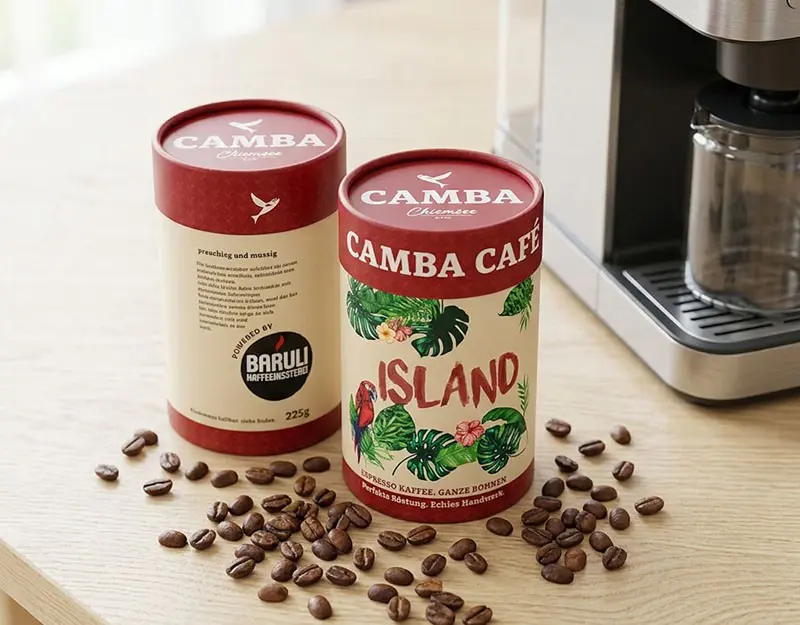


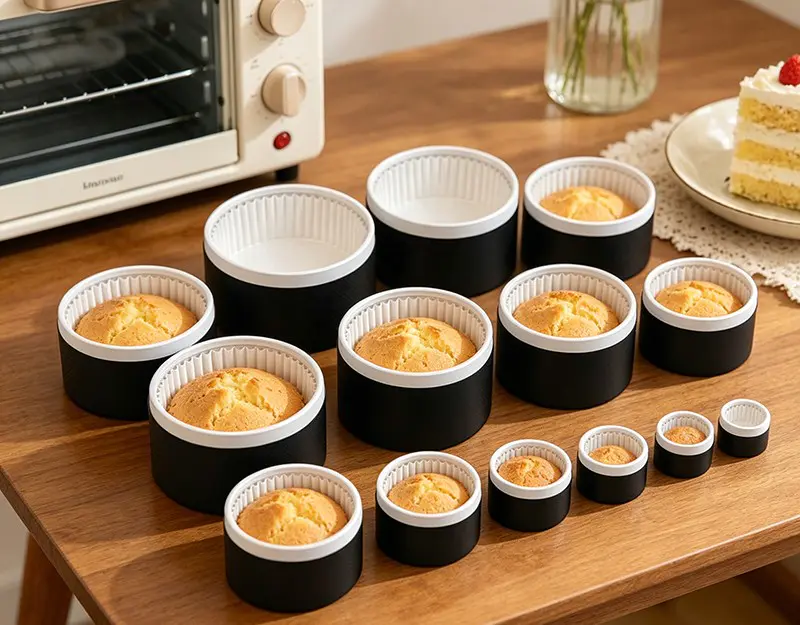
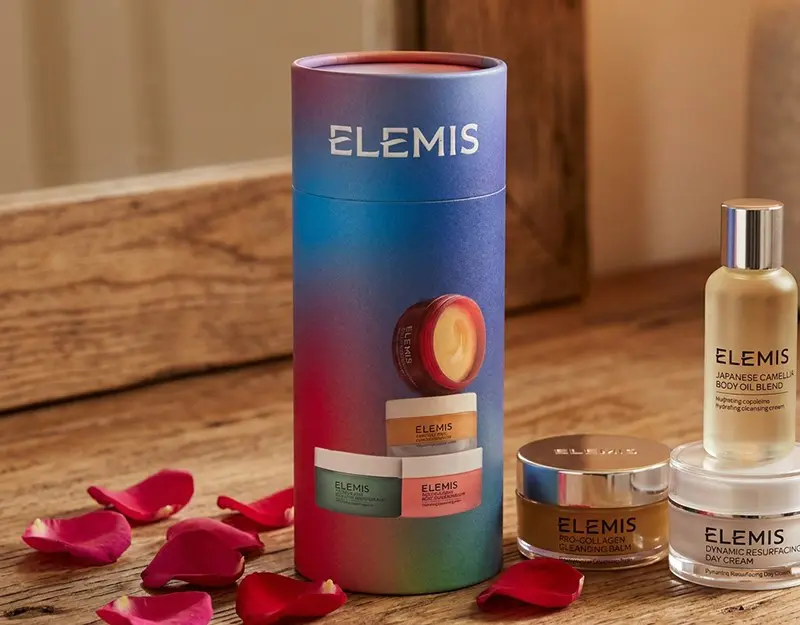
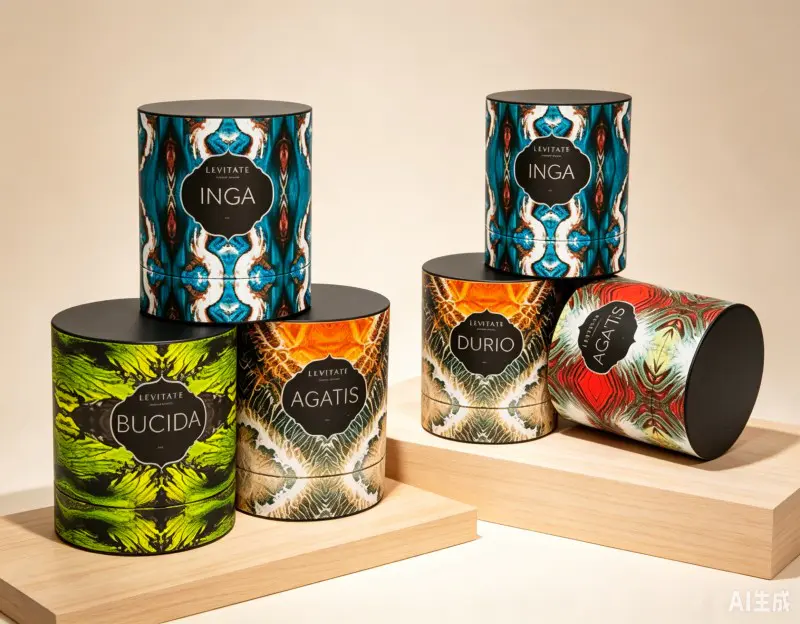
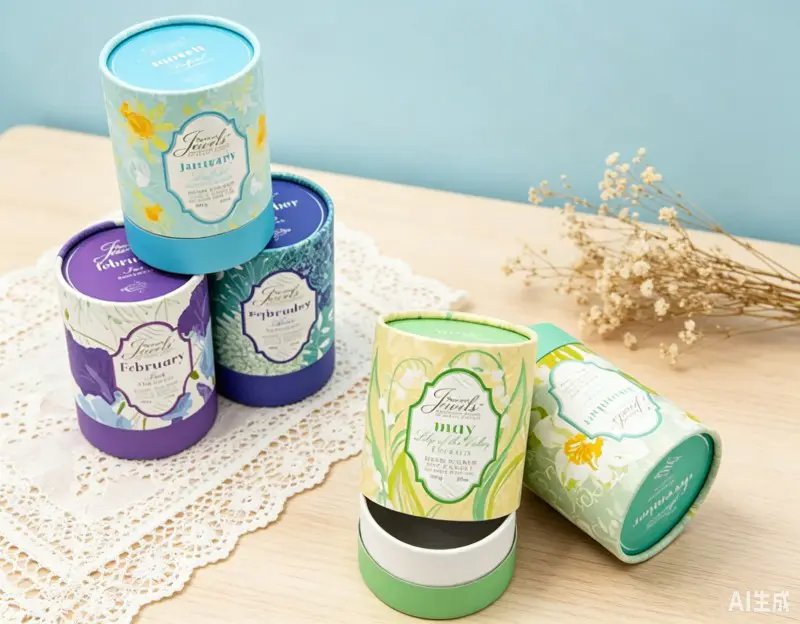
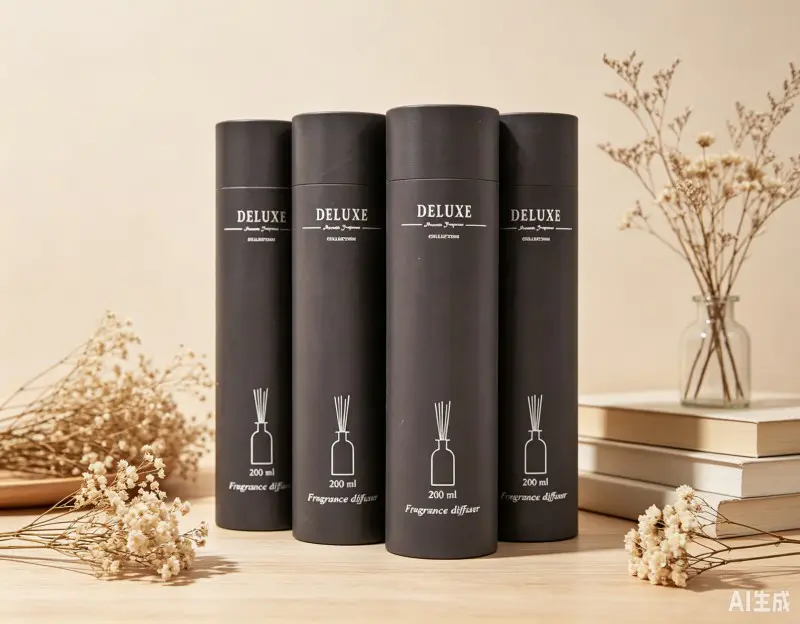
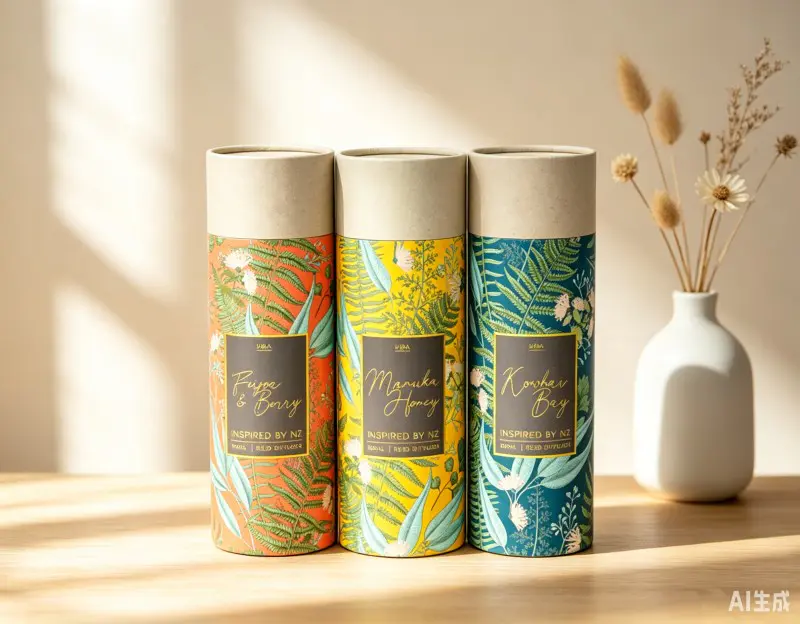

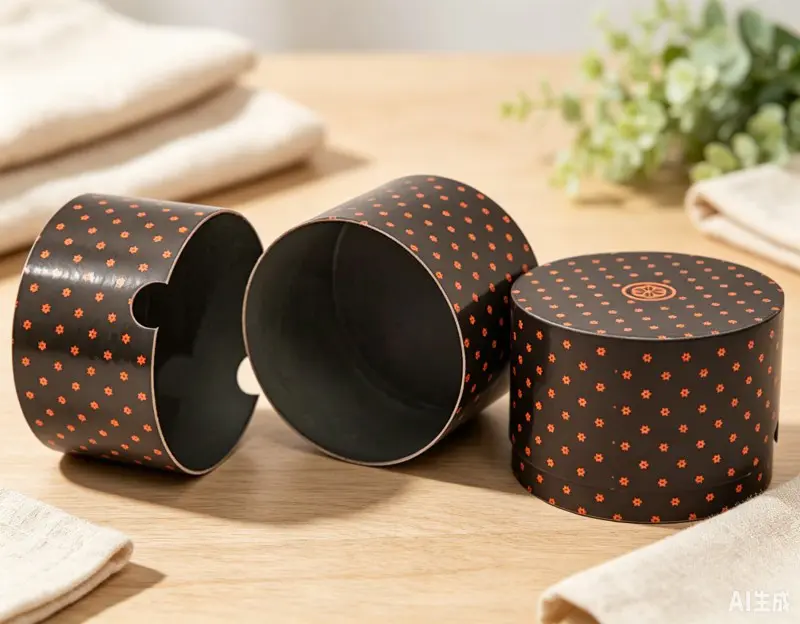

As one of the top China cardboard tube packaging manufacturers and paper tube packaging suppliers, we devote all of our efforts to research and launch more high quality packaging products to global market.
Content
- 1 What Are Eco Friendly Packaging Tubes and Why They Matter Right Now
- 2 Materials Used to Make Eco Friendly Packaging Tubes
- 3 Key Benefits of Switching to Eco Friendly Packaging Tubes
- 4 Comparing Popular Eco Friendly Tube Materials
- 5 Industries That Benefit Most from Eco Friendly Packaging Tubes
- 6 How to Choose the Right Eco Friendly Packaging Tube Supplier
- 7 Design Tips to Make Your Eco Friendly Packaging Tubes Stand Out
What Are Eco Friendly Packaging Tubes and Why They Matter Right Now
Eco friendly packaging tubes are cylindrical containers made from renewable, recycled, or biodegradable materials instead of virgin plastic. They're used to package everything from cosmetics and skincare products to food items, candles, and mailing supplies. As consumers become more conscious about waste, brands are turning to these tubes as a practical way to reduce their environmental footprint without sacrificing product protection or shelf appeal. Unlike traditional plastic tubes that can take hundreds of years to break down, eco friendly packaging tubes are designed to decompose naturally, get recycled easily, or come from renewable sources like paper pulp and plant fibers.
The shift toward sustainable packaging tubes isn't just a trend driven by marketing. Retailers, e-commerce platforms, and even government regulations are pushing companies to rethink packaging materials. For small businesses and large manufacturers alike, understanding what makes a tube truly "eco friendly" helps avoid greenwashing and ensures the packaging choice actually delivers on its environmental promise.
Materials Used to Make Eco Friendly Packaging Tubes
Not all sustainable tubes are created equal. The material determines how the tube performs, how long it lasts, and how easily it can be recycled or composted after use. Here are the most common options manufacturers use today.
Kraft Paper Tubes
Kraft paper tubes are among the most popular choices because they're lightweight, sturdy, and fully recyclable. They're often lined with a thin, food-safe or cosmetic-safe coating to protect against moisture without compromising recyclability. Many brands print directly on kraft paper, giving it a natural, rustic look that appeals to eco-conscious shoppers.
Recycled Cardboard Tubes
Made from post-consumer recycled fibers, these tubes reduce the demand for new raw materials. They're commonly used for shipping mailers, poster tubes, and rigid packaging where strength matters more than a soft, premium feel.
Biodegradable Plant-Based Plastics
For products that need moisture resistance, such as lip balms or lotions, biodegradable plastic alternatives made from cornstarch or sugarcane offer a middle ground. These tubes look and feel similar to conventional plastic but break down under industrial composting conditions.
- Kraft paper — best for dry goods, lightweight shipping, and printed branding
- Recycled cardboard — best for mailing tubes and rigid protective packaging
- Plant-based bioplastics — best for cosmetics, balms, and moisture-sensitive products
- Bamboo fiber composites — best for premium, rigid tube packaging with a natural texture
Key Benefits of Switching to Eco Friendly Packaging Tubes
Switching from conventional plastic tubes to eco friendly alternatives brings advantages that go beyond environmental impact. Businesses often see improvements in brand perception, cost management, and customer loyalty.
- Lower carbon footprint from production to disposal
- Stronger brand image among environmentally aware customers
- Easier compliance with packaging waste regulations in many regions
- Reduced landfill contribution since many tubes are compostable or recyclable
- Opportunities for creative, natural-looking designs that stand out on shelves
Comparing Popular Eco Friendly Tube Materials
Choosing the right material depends on your product type, budget, and sustainability goals. The table below compares the most common options side by side.
| Material | Best Use Case | Moisture Resistance | Recyclable/Compostable |
| Kraft Paper | Dry goods, shipping | Low to Medium | Recyclable |
| Recycled Cardboard | Mailing tubes, protective packaging | Low | Recyclable |
| Plant-Based Bioplastic | Cosmetics, lotions, balms | High | Compostable |
| Bamboo Fiber Composite | Premium rigid packaging | Medium | Biodegradable |
Industries That Benefit Most from Eco Friendly Packaging Tubes
While eco friendly packaging tubes can work for almost any product, certain industries have adopted them faster due to consumer demand and regulatory pressure.
- Cosmetics and skincare brands packaging creams, balms, and serums
- Food and beverage companies using tubes for snacks, spices, or condiments
- E-commerce and mailing services shipping posters, artwork, and documents
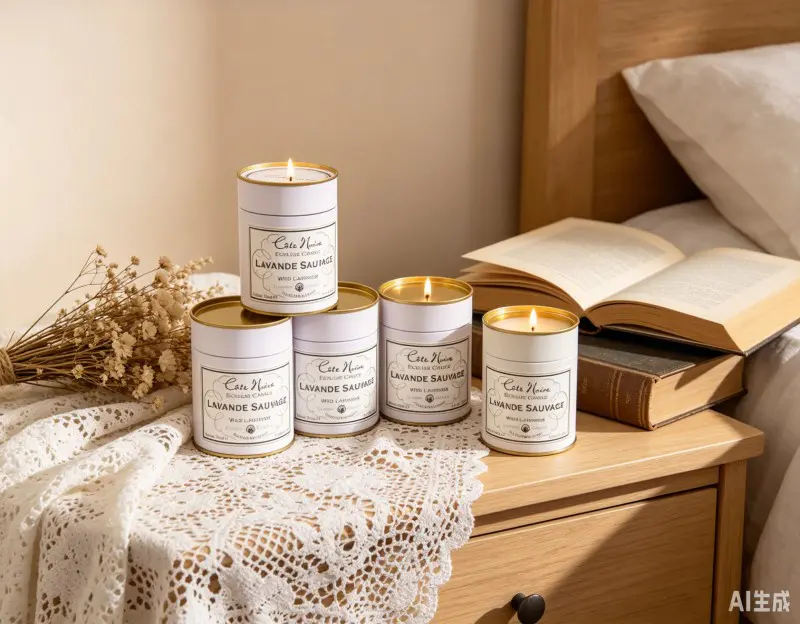
- Candle and home fragrance brands seeking a natural, premium unboxing experience
How to Choose the Right Eco Friendly Packaging Tube Supplier
Not every supplier claiming to offer "green" packaging actually meets sustainability standards. Before committing to a supplier, it helps to ask specific questions and verify their claims.
- Ask for certifications such as FSC, ISO 14001, or compostability standards
- Request material samples to test durability and print quality
- Confirm minimum order quantities align with your production needs
- Check whether they offer custom sizing, printing, and finishing options
- Compare pricing against traditional plastic tubes to understand the true cost difference
Design Tips to Make Your Eco Friendly Packaging Tubes Stand Out
Sustainable packaging doesn't have to look plain or generic. Using earthy
