English
 Español


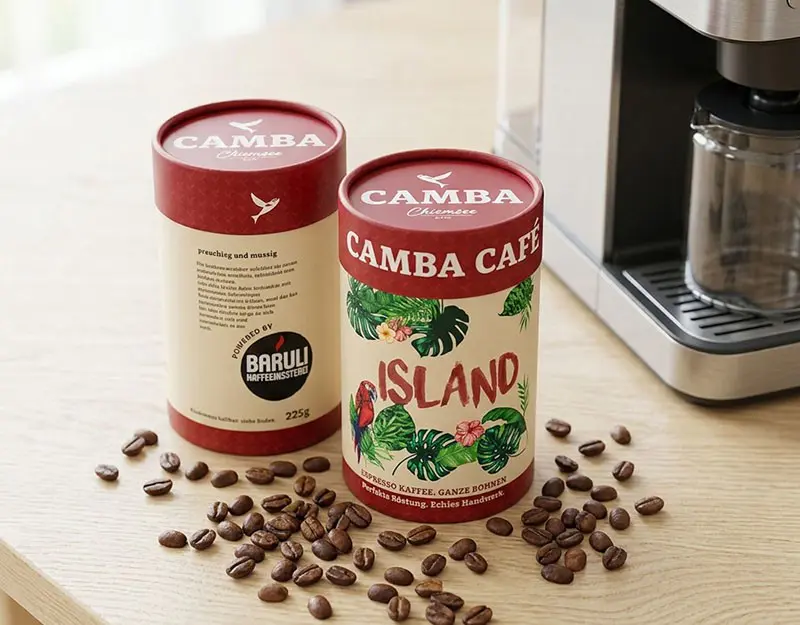
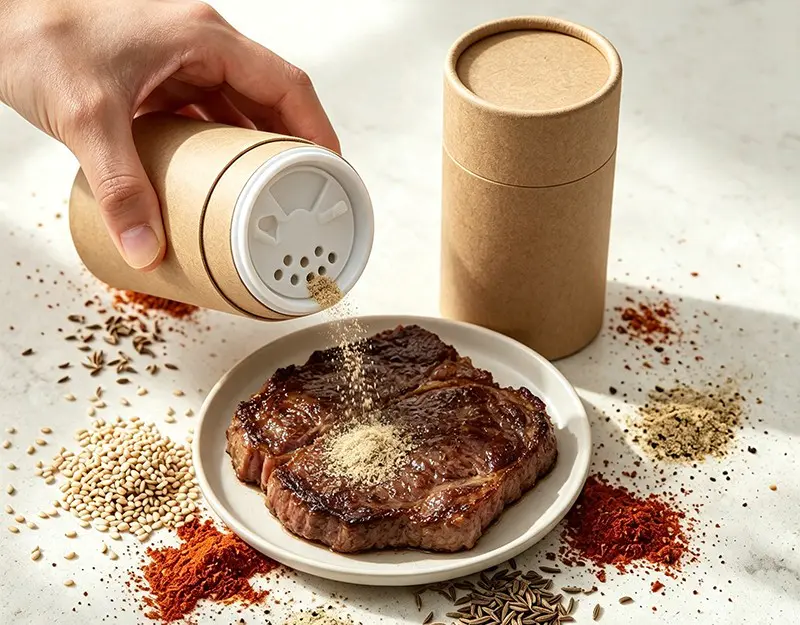

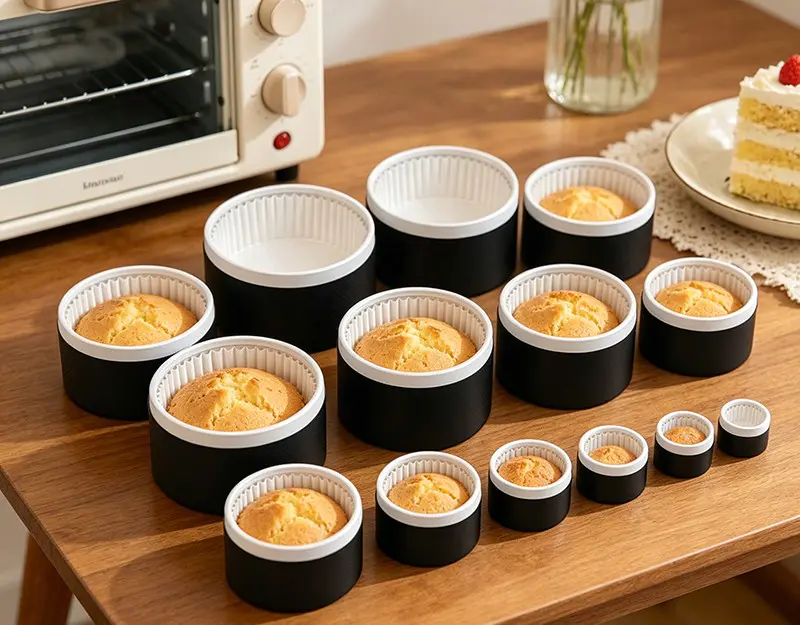

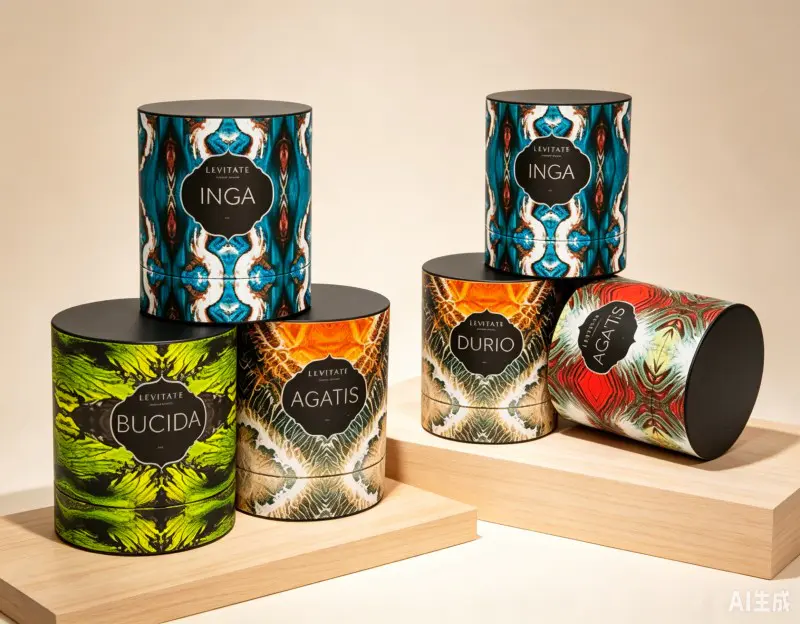
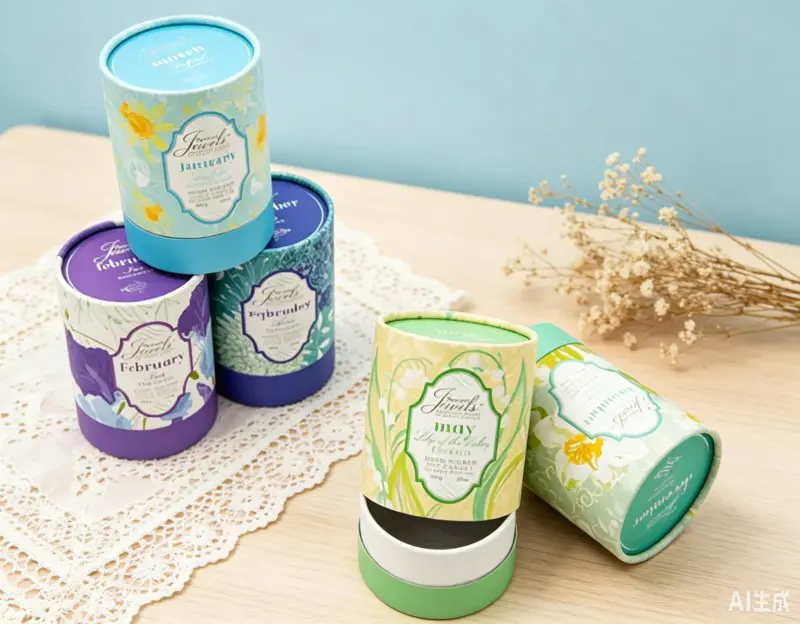
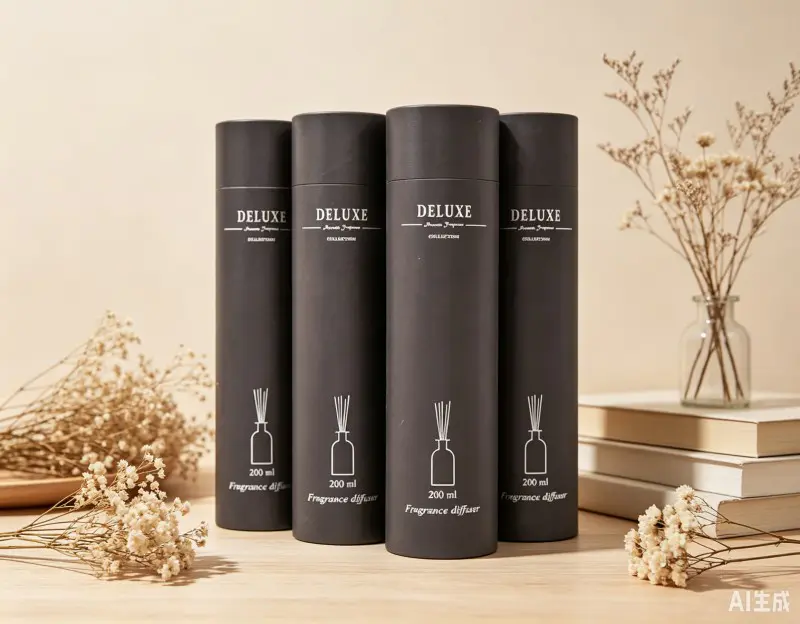
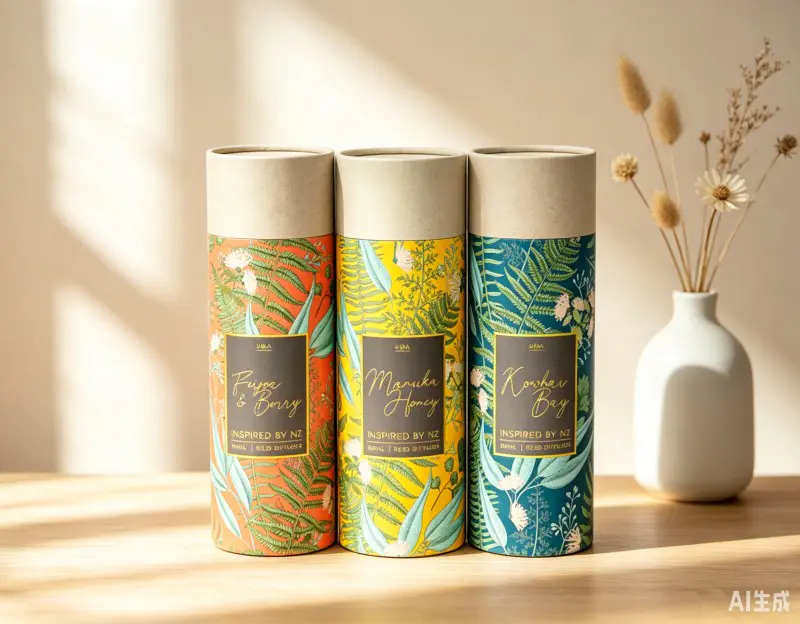
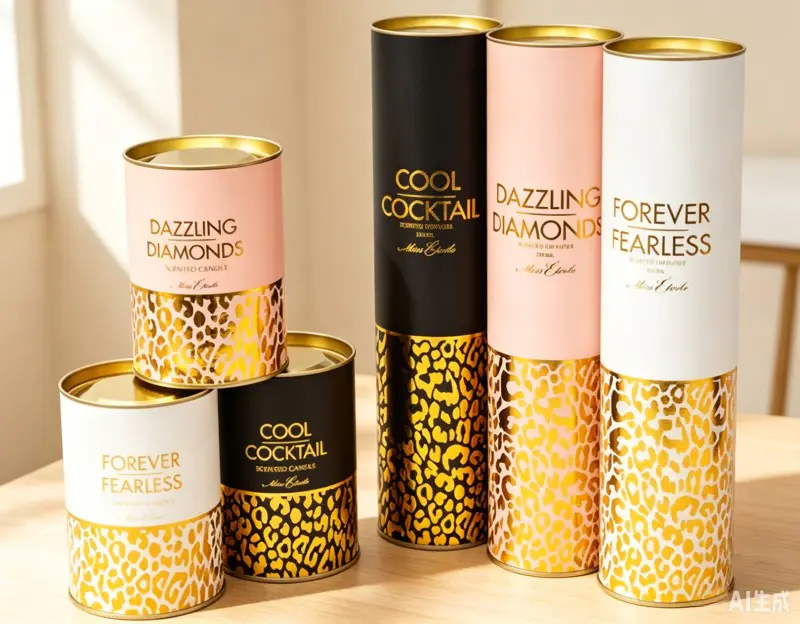
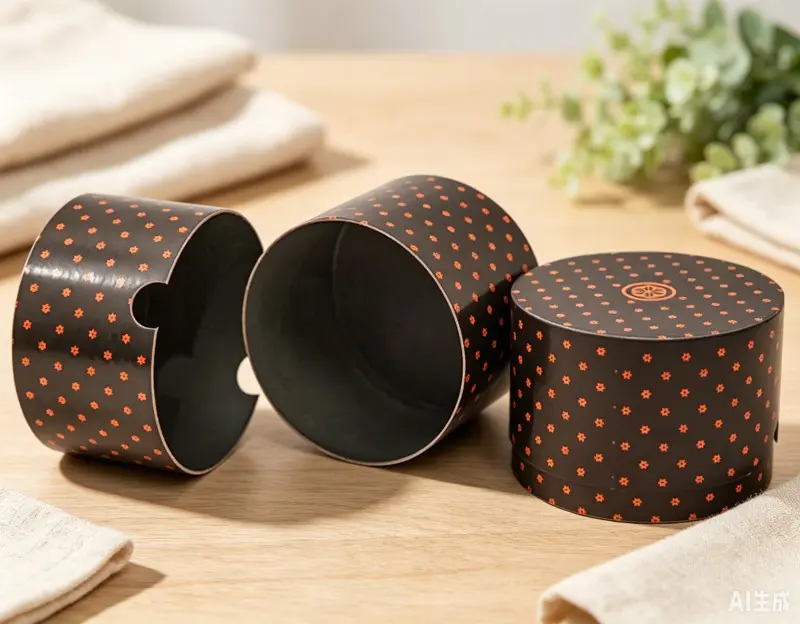
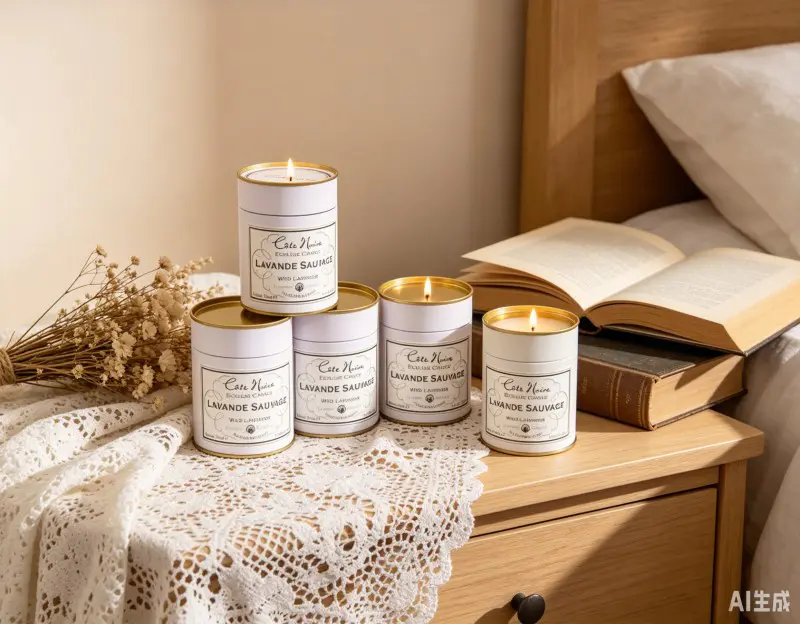

As one of the top China cardboard tube packaging manufacturers and paper tube packaging suppliers, we devote all of our efforts to research and launch more high quality packaging products to global market.
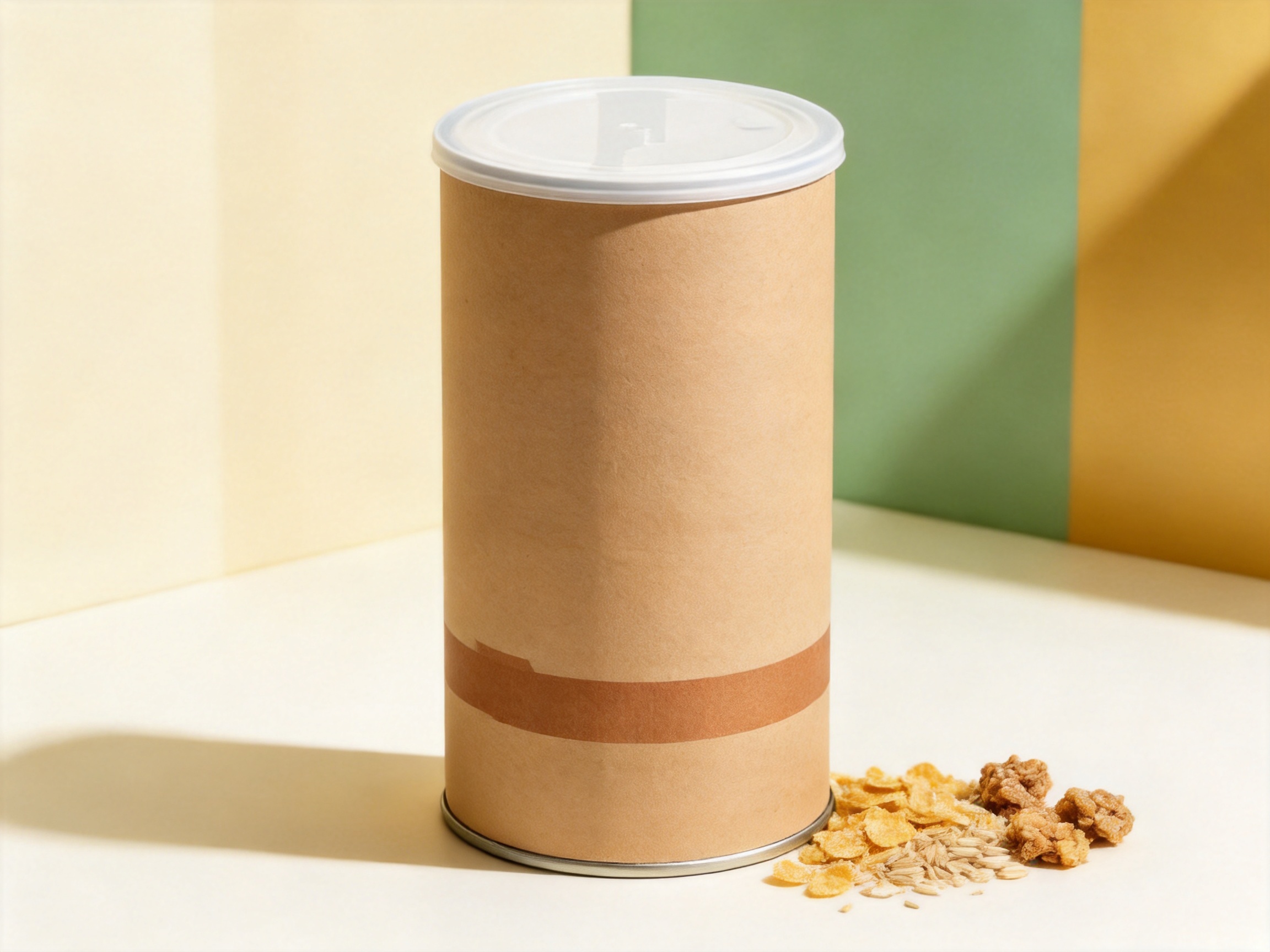
Packaging plays a central role in how cereal products are protected, transported, displayed, and perceived by consumers. A well-designed container must preserve freshness, resist handling damage, communicate product value, and support the sustainability goals increasingly expected by retailers and shoppers. The Custom Paper Can Cereal Airtight Container 1000g is designed to meet these requirements through a cylindrical composite structure that combines coated paper, kraft paper, an aluminum foil lining, plastic components, and a tin closure system.
With an internal diameter of approximately 99 millimeters and a height of approximately 180 millimeters, this container offers a practical format for cereal, grains, granola, cookies, snacks, and other dry food products. Its 1000-gram capacity provides a generous retail size while maintaining a compact footprint suitable for shelves, pantry storage, and e-commerce fulfillment.
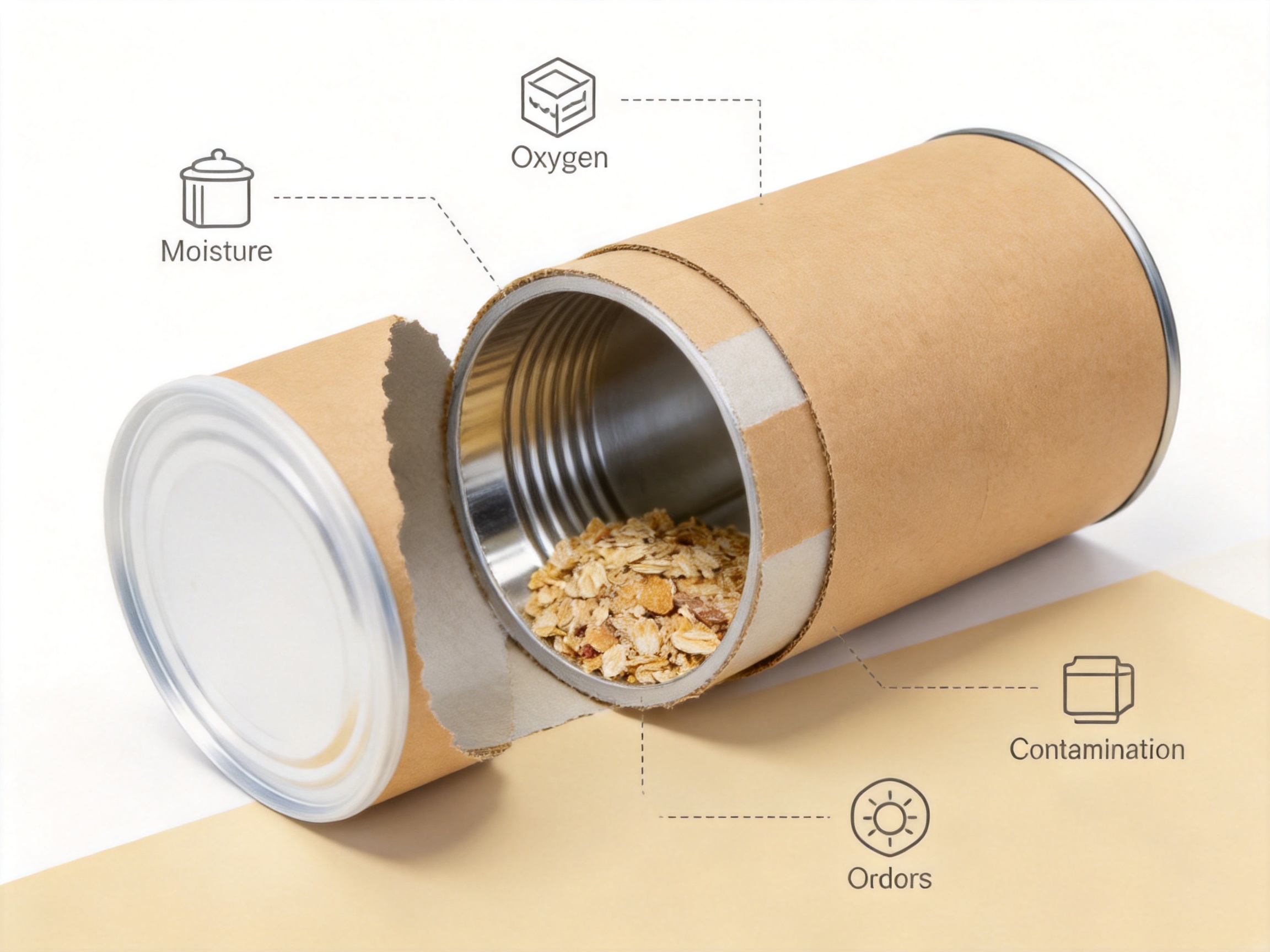
The container is produced for brands seeking custom packaging rather than a standard, off-the-shelf solution. CMYK printing, custom logos, matt finishing, and tailored structural details allow the package to represent a distinct visual identity. At the same time, its airtight construction and barrier lining help protect dry foods from moisture, oxygen, light, odors, and external contamination.
This article examines the product’s construction, performance, sustainability characteristics, manufacturing advantages, customization opportunities, quality considerations, and potential applications. It also explains why composite paper cans can provide a valuable alternative to conventional plastic bags, folding cartons, and metal containers in the cereal and dry-food sector.

Eco-Friendly Composite Paper Cans for Cereal | Custom Sustainable Food Packaging
Content
- 1 1. Product Overview
- 2 2. Why Airtight Cereal Packaging Matters
- 3 3. Construction and Material Engineering
- 4 4. Competitive Advantages Over Conventional Packaging
- 5 5. Sustainability Considerations
- 6 6. Advanced Manufacturing Capabilities
- 7 7. Manufacturing Process from Paper to Finished Can
- 8 8. Printing and Branding Opportunities
- 9 9. Applications Beyond Cereal
- 10 10. Quality, Safety, and Compliance Considerations
- 11 11. Ordering and Customization Process
- 12 12. Benefits for Retail and E-Commerce
- 13 13. Environmental and Commercial Value for Brands
- 14 14. Practical Design Recommendations
- 15 15. Why Specialized Experience Matters
- 16 16. Frequently Asked Questions
- 16.1 Q1: What products can be packed in this container?
- 16.2 Q2: Is the container genuinely airtight?
- 16.3 Q3: What are the approximate dimensions?
- 16.4 Q4: Can the container hold 1000 grams of every cereal product?
- 16.5 Q5: Can the logo and graphics be customized?
- 16.6 Q6: What is the minimum order quantity?
- 16.7 Q7: Is the package suitable for food contact?
- 16.8 Q8: Is the container recyclable?
- 16.9 Q9: Why choose a paper can instead of a plastic pouch?
- 16.10 Q10: Why choose a paper can instead of a folding carton?
- 16.11 Q11: Can the package be used for coffee or tea?
- 16.12 Q12: Does the manufacturer support large-volume production?
- 17 17. Conclusion
- 18 References
- 19 Product: Eco-Friendly Composite Paper Cans for Cereal | Custom Sustainable Food Packaging
1. Product Overview
The Custom Paper Can Cereal Airtight Container 1000g is a one-piece cylindrical paper can developed for industrial food packaging applications. It is especially suitable for cereal and grain products that require dependable protection during storage and distribution. The structure is based on multiple layers rather than a single sheet of paper, allowing the package to balance rigidity, printability, barrier performance, and visual appeal.
The primary paper materials include coated paper and kraft paper. Coated paper provides a smooth exterior surface for high-quality CMYK graphics, while kraft paper contributes a natural, fibrous appearance and structural strength. The combination can be adjusted according to the desired brand image, product requirements, and printing specification.
An aluminum foil lining forms an important part of the internal barrier system. Aluminum foil is widely used in food packaging because it offers strong resistance to light, moisture, oxygen, and many external odors. For dry products such as cereal, these properties can help reduce the risk of texture deterioration, flavor loss, oxidation, and premature staleness.
The stated material construction is paper, plastic, and tin. This combination supports the product’s airtight function and provides a practical closure system for opening, sealing, storage, and repeated use. The paper body delivers a renewable and printable outer structure, while the plastic and tin components can contribute to sealing reliability, lid performance, and mechanical durability.
The container has a cylinder shape, a format that is familiar to consumers and efficient for many retail environments. Round containers are easy to pick up, comfortable to hold, and visually distinctive when placed beside rectangular boxes or flexible pouches. Their vertical form also makes effective use of shelf height.
| Product Attribute | Specification | Packaging Benefit |
|---|---|---|
| Product type | Composite airtight paper can | Combines paper presentation with protective barrier performance |
| Primary application | Cereal, grains, and dry food | Suitable for products requiring protection from moisture and air |
| Approximate size | ID 99 × 180 mm | Practical vertical format for retail and home storage |
| Material system | Coated paper, kraft paper, aluminum foil, plastic, and tin | Balances appearance, strength, sealing, and barrier properties |
| Printing | CMYK printing | Supports detailed graphics and multi-color branding |
| Surface treatment | Matt finish | Creates a refined appearance and reduces excessive glare |
| Shape | Cylinder | Offers distinctive shelf presence and comfortable handling |
| Customization | Custom logo and custom order accepted | Allows packaging to be adapted to individual brand requirements |
| Minimum order quantity | 5,000 units | Suitable for commercial product launches and production programs |
2. Why Airtight Cereal Packaging Matters
Cereal is often sensitive to changes in moisture and oxygen. Although many cereal products are dry and shelf-stable, their eating quality can decline when exposed to humid air. Crunchy flakes, granola clusters, toasted grains, and similar products may soften, lose aroma, or develop undesirable flavors if the package does not provide sufficient protection.
Airtight packaging helps create a more controlled internal environment. By limiting the exchange of air and moisture between the product and its surroundings, the container can support longer-lasting texture and flavor. This is especially important in regions with high humidity, during international transportation, or when the product is opened and stored over an extended period.
The aluminum foil lining adds a high-performance barrier layer within the paper can. It can help prevent external odors from entering the container and reduce exposure to light that may affect sensitive ingredients. For cereals containing nuts, seeds, dried fruit, chocolate pieces, or nutritional oils, effective barrier protection can be particularly valuable.
Airtight design also supports consumer convenience. A rigid can is less likely than a thin flexible bag to collapse or become difficult to reseal after opening. When paired with an appropriate closure, the container can be used repeatedly in the home. This creates a more orderly storage experience and may reduce the need for consumers to transfer cereal into a separate storage jar.
Compared with an ordinary folding carton, an airtight composite can provides stronger resistance to compression and a more controlled internal barrier. A folding carton may require an inner plastic bag to protect the food, whereas a composite can integrates structural and barrier functions into one primary container. This can simplify the visual presentation and give the finished package a more premium appearance.
3. Construction and Material Engineering
3.1 Coated Paper Exterior
The coated paper exterior provides a smooth and consistent surface for graphic reproduction. This is important for cereal brands that depend on bright product photography, ingredient illustrations, nutritional messaging, or colorful character graphics. A smoother surface can support sharper text, cleaner color blocks, and more precise small details than an untreated paper surface.
Coated paper also gives the container a polished appearance suitable for premium food products. It can be combined with a matt finish to create a low-glare surface that feels contemporary and sophisticated. The finish may also make the printed package easier to view under strong retail lighting because reflections are reduced.
3.2 Kraft Paper Contribution
Kraft paper can provide a natural visual character and a strong connection with environmental messaging. Its brown or earthy appearance is commonly associated with responsible material choices, natural ingredients, and minimalistic design. Depending on the construction and printing approach, kraft paper may be used as part of the structural body or incorporated into selected layers of the can.
From a functional perspective, paper layers contribute to the rigidity of the cylinder. A rigid wall protects the cereal from crushing during transportation and helps the package retain its form on the shelf. This is an important difference between a paper can and a lightweight flexible pouch, which may require a secondary carton for support.
3.3 Aluminum Foil Lining
The aluminum foil lining is designed to strengthen the package’s barrier performance. It acts as a protective layer against moisture, oxygen, light, and odor transmission. The lining is especially useful for dry food categories where freshness depends on maintaining a low-moisture environment.
Aluminum foil also adds a degree of protection against external contamination. While no package should be treated as a substitute for proper food safety controls, a well-constructed internal barrier can help preserve the integrity of the packed product throughout normal logistics and storage conditions.
3.4 Plastic and Tin Components
Plastic and tin components are used in the overall material system to support the closure and sealing functions. The exact component design can be selected according to the desired level of resealability, opening convenience, and product protection. These materials may also help the container withstand repeated consumer handling.
The combination of materials is purposeful rather than arbitrary. Paper provides a printable, rigid, and visually appealing body. Aluminum foil contributes barrier performance. Plastic can support sealing or closure functions, while tin may provide a durable lid or structural element. Together, these components allow the package to serve as both a marketing surface and a protective food container.
4. Competitive Advantages Over Conventional Packaging
4.1 Compared with Flexible Plastic Bags
Flexible plastic bags are widely used for cereal because they are lightweight and economical. However, they can be difficult to stack, vulnerable to puncture, and inconvenient to store after opening. Their appearance may also depend heavily on a secondary carton or printed film structure.
The composite paper can offers a more rigid and premium alternative. Its cylindrical form remains stable on the shelf, resists many forms of compression, and can be placed directly in the pantry without requiring an additional storage container. The airtight structure also provides a stronger sense of product protection than a simple folded or clipped bag.
For brands seeking a more distinctive presentation, the paper can creates a larger three-dimensional printed surface. The package can be held comfortably, displayed upright, and used as a visual feature in retail arrangements. This can help the product stand apart from rows of flat bags and rectangular boxes.
4.2 Compared with Folding Cartons
Folding cartons offer excellent printability and efficient transport, but they often need an inner liner or bag to provide direct food protection. Once the inner bag is opened, the carton itself may not provide adequate resealing or moisture resistance.
The composite can integrates structural support and internal barrier protection in one package. Its rigid walls help maintain the shape of the container, while the foil lining and airtight closure help protect the cereal after filling. This integrated construction can create a more convenient experience for consumers and a more premium product presentation.
4.3 Compared with Conventional Metal Cans
Metal cans are strong and provide good barrier properties, but they can be heavier, less visually warm, and more resource-intensive in certain production and transportation contexts. Their surfaces may also require specialized printing or labels to achieve the desired brand appearance.
A paper can offers a softer and more approachable visual identity while preserving a rigid cylindrical format. It can communicate natural, artisanal, modern, or environmentally conscious brand values. The paper exterior is also well suited to detailed CMYK printing and matt finishing.
4.4 Compared with Standard Paper Containers
Not every paper container provides the same level of protection. Basic paperboard packages may absorb moisture, allow greater air exchange, or deform more easily when exposed to pressure. The composite construction of this product is designed to address those limitations by combining paper with a foil barrier and sealing components.
This means the package can occupy a useful middle position between a simple paperboard box and a fully rigid metal container. It offers paper-based visual appeal and structural efficiency while adding the protective features needed for dry food storage.
5. Sustainability Considerations
The product is specified as using recycled materials and being eco-friendly. These characteristics are important for brands responding to consumer demand for packaging with a reduced environmental profile. Paper is a widely recognized renewable packaging material, and its use as the primary exterior can help reduce dependence on a fully plastic package.
However, responsible sustainability communication should be accurate and specific. Because the container uses a composite structure containing paper, plastic, tin, and aluminum foil, recyclability may depend on local collection systems, separation technology, and the final package design. Brands should confirm the appropriate disposal instructions for each target market rather than making broad claims without verification.
The sustainability value of the can may come from several factors. First, the paper body can replace a larger proportion of conventional fossil-based material in comparison with an all-plastic rigid container. Second, the package is durable and suitable for repeated household use after opening. Third, its rigid structure may reduce the need for secondary protective packaging in some distribution scenarios. Fourth, the large printable surface can allow product information to be placed directly on the primary package.
Material efficiency should also be evaluated together with product protection. Food waste can create a significant environmental burden because it represents wasted agricultural resources, energy, water, transportation, and labor. If an airtight package helps maintain cereal quality and reduces spoilage or premature staleness, the protective function can support the overall sustainability performance of the product system.
Brands can further improve the environmental profile of the package by selecting appropriate paper sources, minimizing unnecessary components, optimizing wall thickness, using responsible inks, and providing clear disposal instructions. They may also investigate whether the closure components can be reduced, separated, or recovered within the intended market.
6. Advanced Manufacturing Capabilities
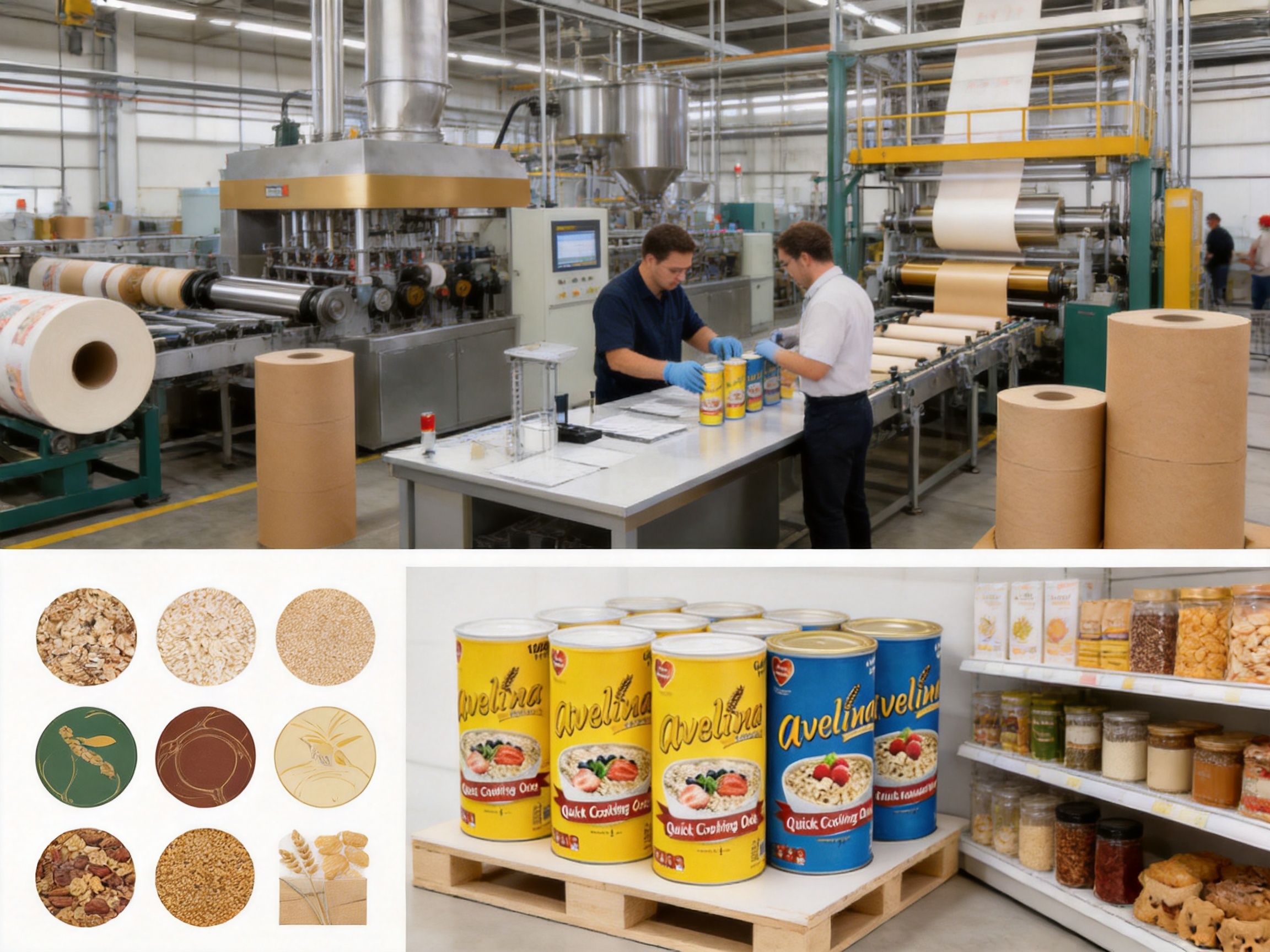
The manufacturer behind this product has more than two decades of experience in the composite can and paper can industry. Long-term specialization is valuable because composite containers require coordinated control of paper selection, layer bonding, forming, printing, sealing, dimensional accuracy, and quality inspection.
The company is described as the only member of the international Composite Can and Tube Institute in China’s packaging container industry. Participation in an international professional organization indicates engagement with industry standards, technical exchange, and developments in composite can manufacturing.
The company has also obtained more than ten patented technologies. Patents alone do not guarantee performance, but they demonstrate a history of technical development and process innovation. In a specialized packaging category, accumulated process knowledge can help improve consistency, reduce production defects, and support customized structures for different food applications.
In 2015, the manufacturer introduced a high-speed composite can production line from Europe. The use of high-speed production equipment can increase manufacturing capacity and support more stable output for commercial orders. It may also improve process repeatability by reducing variation in body forming, layer application, and line handling.
High-speed equipment is most valuable when supported by experienced operators, documented production procedures, preventive maintenance, and inspection systems. The combination of machinery and technical expertise allows a factory to manage larger order volumes while maintaining dimensional accuracy and visual quality.
The manufacturer was also the first enterprise in China to pass the QS certificate for producing food packaging containers, according to the supplied company information. Food packaging certification and compliance history are important considerations for cereal brands because the package must be appropriate for direct or indirect contact with food, depending on its construction and use.
7. Manufacturing Process from Paper to Finished Can
7.1 Specification Confirmation
Production begins with the confirmation of the customer’s technical requirements. These requirements include the internal diameter, overall height, capacity, closure style, paper materials, barrier lining, printing colors, surface treatment, and intended product category.
For the 1000-gram cereal format, the stated internal dimensions are approximately 99 millimeters in diameter and 180 millimeters in height. These dimensions should be reviewed against the density and volume of the specific cereal product because different flakes, grains, granolas, and clusters occupy different amounts of space.
Technical confirmation should also address the filling method, closure equipment, packing orientation, shipping cartons, pallet configuration, and storage conditions. Early coordination helps ensure that the container fits the complete filling and distribution system rather than being evaluated only as an isolated object.
7.2 Paper and Barrier Material Preparation
Coated paper and kraft paper are selected according to appearance, strength, print requirements, and structural function. The aluminum foil lining is prepared as part of the internal barrier system. Materials should be inspected for surface quality, thickness consistency, cleanliness, and compatibility with the bonding process.
Material preparation is an important stage because variation in paper moisture, roll tension, or surface condition can affect later forming and printing. A professional production line uses controlled handling procedures to maintain stable material behavior throughout manufacturing.
7.3 Printing and Surface Treatment
CMYK printing is used to reproduce custom graphics. The four-color process can create a broad range of visual effects, including product images, illustrations, color gradients, icons, text, and brand graphics. Artwork should be prepared with suitable resolution, bleed allowances, color profiles, and print tolerances.
The matt finish gives the outer surface a refined, low-reflection appearance. It can make the container feel more tactile and premium while supporting a natural or contemporary brand image. The finish should be evaluated for rub resistance, color consistency, and compatibility with the planned filling and transport process.
Before mass production, a proof or pre-production sample should be reviewed. This allows the customer to check logo placement, color balance, text legibility, nutritional information, barcode readability, and the alignment of graphics around the cylinder.
7.4 Composite Body Formation
After material preparation and printing, the paper and barrier layers are formed into the cylindrical body. The layers must be aligned and bonded with sufficient consistency to create a stable, smooth, and structurally reliable can wall.
Body formation requires control of diameter, roundness, seam integrity, height, and surface appearance. A poorly controlled process may result in ovality, uneven edges, visible wrinkles, weak seams, or inconsistent closure fit. Experienced manufacturing teams use process controls and inspections to identify these issues before the product reaches the customer.
7.5 Sealing and Closure Assembly
The airtight function depends on the interaction between the can body, lining, rim, and closure. The closure must fit securely and maintain the intended level of protection during normal storage and handling. The sealing process should be checked for uniformity around the opening.
Depending on the final design, the container may be opened by lifting, pulling, twisting, or removing a lid component. The selected system should balance tamper evidence, ease of opening, resealability, and production efficiency. Food brands should test the finished package with the actual product and filling line to confirm reliable performance.
7.6 Inspection and Packing
Finished containers may be inspected for dimensions, print quality, surface defects, seam condition, closure fit, and general cleanliness. Functional testing can include compression evaluation, leakage or seal assessment, drop testing, and storage trials under relevant environmental conditions.
After inspection, the cans are packed into shipping cartons to prevent damage during transportation. Proper packing design is especially important for printed surfaces because scuffing, crushing, or friction can affect the retail appearance even when the container remains structurally usable.
8. Printing and Branding Opportunities
Packaging is often the first physical interaction between a consumer and a cereal brand. The large cylindrical surface provides a continuous communication area for product identity, flavor cues, preparation suggestions, nutritional claims, ingredient information, usage instructions, and sustainability messaging.
CMYK printing allows brands to create a broad range of visual styles. A cereal marketed toward children may use bright illustrations and energetic color combinations. A premium granola may use restrained typography, natural colors, and photographic images. A health-oriented product may emphasize clean layouts, ingredient imagery, and nutritional information.
The matt finish supports several positioning strategies. It can create an understated premium effect, reduce visual glare, and complement kraft-paper-inspired artwork. It may also make the package more comfortable to handle because the surface does not feel excessively glossy.
Because the container is cylindrical, artwork must be prepared carefully. Important text should not be placed too close to the seam or curved edge. Logos and front-panel messages should be positioned according to the shelf-facing orientation. The design team should also consider how the graphics appear when multiple cans are displayed side by side.
Custom logo printing helps transform a standardized container format into a recognizable brand asset. The same basic structure can support multiple flavors, recipes, or product lines through coordinated color systems and graphic variations.
9. Applications Beyond Cereal
Although the product is specified for cereal food grain containers, its construction can support a wider range of dry products. The airtight paper can may be considered for granola, oats, rice-based snacks, trail mixes, cookies, crackers, flour-based dry mixes, and other products that benefit from rigid packaging and barrier protection.
Seasonings and spices can also be evaluated where the filling volume, particle size, and aroma characteristics are compatible with the container. Strong barrier properties may help reduce odor transfer and protect sensitive powders or dried herbs. The package should be tested carefully for fine-particle leakage and closure performance.
Tea and coffee products may require specialized barrier and aroma-retention testing. The foil lining and airtight construction can be advantageous, but each product should be evaluated for oxygen sensitivity, degassing behavior, volatile aroma retention, and filling requirements.
The same visual format can also be adapted for snacks, nuts, confectionery, pet treats, and gift food collections. For oily products such as nuts or some snack mixes, material compatibility and seal performance should be validated under actual storage conditions.
The container may also be suitable for non-food applications such as candles, bath products, cosmetics, craft kits, or gift packaging. However, non-food use requires separate review of material compatibility, odor migration, regulatory requirements, and closure design.
10. Quality, Safety, and Compliance Considerations
Food packaging should be evaluated as part of a complete product safety system. The container materials, adhesives, coatings, inks, and closures should be suitable for the intended use. Brands should request relevant documentation and confirm that the final package complies with the regulations of the destination market.
Migration testing may be required depending on the food type, contact conditions, temperature, storage duration, and material composition. The presence of aluminum foil, plastic components, coatings, and adhesives means that the full composite structure should be assessed rather than relying only on the compliance status of an individual layer.
Dimensional tolerances are also important. The can must fit filling equipment, lids, transport cartons, shelf displays, and any automated handling system. A small variation in diameter or height may affect closure fit or line efficiency when production volumes are high.
Visual inspection should cover color accuracy, print registration, scratches, dents, wrinkles, seam appearance, rim condition, and closure alignment. Functional inspection should assess airtightness, opening force, resealing behavior, and resistance to expected distribution stresses.
Storage tests can help determine how the package performs under different humidity and temperature conditions. These trials should use the actual cereal formulation whenever possible because food composition, oil content, particle size, and moisture level can influence package performance.
11. Ordering and Customization Process
The stated minimum order quantity is 5,000 units. This quantity is appropriate for established brands, commercial launches, seasonal programs, private-label projects, and product lines requiring a meaningful volume of customized packaging.
A typical ordering process begins with a product brief. The brief should identify the food product, target fill weight, approximate bulk density, desired shelf life, distribution markets, closure preferences, visual design, and expected annual volume.
The next stage is structural confirmation. The packaging supplier and customer should review the proposed diameter and height, filling capacity, lid configuration, barrier requirements, and compatibility with the filling line. If the cereal is unusually bulky or fragile, the internal dimensions may need adjustment even when the target net weight remains 1000 grams.
Artwork preparation follows structural approval. The customer provides the logo, product graphics, legal text, barcode, nutritional panel, and other required information. The manufacturer prepares the print layout for the cylindrical surface and supplies a digital proof or physical sample for review.
Sampling is recommended before mass production. A sample allows the customer to evaluate appearance, handling, closure operation, filling behavior, shelf presentation, and compatibility with secondary packaging. It is also an opportunity to identify any text, color, or alignment changes before the production order is released.
After approval, the factory schedules material procurement, printing, body forming, closure assembly, inspection, and shipment. Clear communication about delivery timing, carton quantities, palletization, and export documentation helps reduce delays during the final logistics stage.
12. Benefits for Retail and E-Commerce
The cylindrical shape can create strong shelf visibility because it differs from the rectangular geometry used by many cereal cartons. A distinctive silhouette may help consumers recognize the product from a distance and support premium positioning.
The rigid body is also useful for e-commerce distribution. Flexible bags can be squeezed or punctured during parcel handling, while a rigid can may provide improved resistance to crushing. Protective shipping design is still necessary, but the container itself contributes to product stability.
For retailers, vertical cans can be arranged in multiple patterns, including front-facing rows, stacked displays, and promotional groupings. The 180-millimeter height provides a compact profile that can work across various shelf layouts, although final fit should always be checked against the retailer’s planogram.
For consumers, the container offers a reusable storage format. After the cereal is consumed, the can may be repurposed for pantry organization, craft storage, gift packaging, or other household uses, subject to cleanliness and the condition of the materials.
13. Environmental and Commercial Value for Brands
Packaging decisions increasingly influence purchasing behavior, retailer acceptance, and corporate sustainability reporting. A paper-based composite can can help a brand communicate a more responsible visual identity while preserving the protective features required for food distribution.
The product can support a premium price strategy because consumers often associate rigid, carefully printed packaging with higher quality. A matt finish, custom logo, and well-designed graphics can reinforce that perception without requiring a complex secondary package.
From a commercial perspective, custom packaging can improve differentiation. Cereal is a crowded category with many similar product types. A distinctive container can help a new product gain attention and help an established product refresh its shelf presence.
Brands should connect packaging claims with measurable facts. Statements about recycled content, recyclability, responsible sourcing, or reduced plastic use should be supported by supplier documentation and market-specific guidelines. Transparent communication protects consumer trust and helps avoid environmental claims that may be considered misleading.
14. Practical Design Recommendations
14.1 Match the Barrier to the Product
Different cereals require different protection levels. A dry toasted grain may have different oxygen and moisture sensitivity from a cereal containing nuts, chocolate, dried fruit, or added oils. The lining and closure should therefore be confirmed according to the actual formula and expected shelf life.
14.2 Design for Filling Efficiency
The container should be tested on the intended filling line. Important factors include opening diameter, product flow, dust generation, filling speed, headspace, lid placement, and closure pressure. Early testing can prevent costly changes after printing and production.
14.3 Prioritize Legibility
The cylindrical surface offers substantial design space, but excessive graphics can reduce readability. Brand identity, product name, flavor, net weight, preparation information, and key claims should remain easy to identify from the front-facing position.
14.4 Consider Consumer Opening and Storage
A closure should be easy to open without compromising protection. If the product is intended for repeated use, consumers should be able to close the package securely after each serving. Opening force, lid alignment, and resealing behavior should be evaluated with real users whenever possible.
14.5 Plan for End-of-Life Communication
Because the container is a composite package, disposal instructions should be developed for each sales market. The brand may include concise guidance on the label or provide additional information through consumer communication channels.
15. Why Specialized Experience Matters
Composite paper cans are more technically demanding than simple paper sleeves or folding cartons. They require multiple layers to work together without compromising shape, print quality, sealing, food safety, or production efficiency.
A specialized manufacturer understands the relationship between material selection and forming behavior. The company’s more than twenty years in the composite can and paper can industry provide accumulated experience in selecting structures for food, daily chemical products, fast-moving consumer goods, and other packaging applications.
Experience with well-known food and consumer brands, as stated in the supplied company information, also indicates familiarity with commercial quality expectations, large-scale supply, artwork management, and production coordination. Such experience can be particularly useful for customers moving from prototype packaging to regular factory production.
The combination of a high-speed European composite can production line, patented technologies, food packaging certification history, and direct factory production supports a reliable foundation for customized orders. Customers can benefit from communicating with a manufacturer that understands both packaging engineering and practical commercialization.
Direct factory production may also improve communication efficiency. Instead of coordinating separately with a designer, material converter, forming plant, and assembly supplier, customers can discuss the main packaging requirements with one specialized production partner. This can simplify sampling, revisions, quality follow-up, and order planning.
16. Frequently Asked Questions
Q1: What products can be packed in this container?
The primary application is cereal and grain food. It may also be evaluated for granola, oats, cookies, snacks, nuts, dry mixes, tea, coffee, seasonings, spices, pet treats, and selected confectionery products. Suitability depends on moisture level, oil content, aroma sensitivity, particle size, filling process, and required shelf life.
Q2: Is the container genuinely airtight?
The product is designed as an airtight paper can with an aluminum foil lining and plastic and tin components. Final airtight performance depends on the specific closure, sealing process, material tolerances, and filling conditions. Brands should conduct functional testing with the final product and closure configuration.
Q3: What are the approximate dimensions?
The stated size is approximately ID 99 by 180 millimeters. The internal diameter is about 99 millimeters, while the height is about 180 millimeters. Actual tolerances and usable filling volume should be confirmed during technical approval.
Q4: Can the container hold 1000 grams of every cereal product?
Not necessarily. A 1000-gram reference depends on product density and physical form. Flakes, puffs, clusters, grains, and mixed cereals occupy different volumes. The selected size should be validated using the actual product and filling method.
Q5: Can the logo and graphics be customized?
Yes. Custom orders and custom logos are accepted. CMYK printing supports detailed multi-color graphics, while the matt finish provides a refined surface appearance. Artwork should be reviewed in a cylindrical print template before production.
Q6: What is the minimum order quantity?
The stated minimum order quantity is 5,000 units. Customers should confirm whether the minimum applies per size, design, artwork version, or production batch.
Q7: Is the package suitable for food contact?
The container is specified for cereal food grain containers and is produced by a company with a stated history of food packaging certification. Customers should still request current documentation and verify compliance with the regulations of the destination country and the intended food application.
Q8: Is the container recyclable?
The package contains paper together with plastic, tin, and aluminum foil components. Recycling outcomes vary by market and collection system. Brands should confirm local requirements and provide accurate disposal instructions rather than assuming that every composite component will be recovered together.
Q9: Why choose a paper can instead of a plastic pouch?
A paper can provides a rigid, upright format, a larger three-dimensional printing surface, improved shelf presence, and convenient home storage. Its multilayer structure can also provide strong barrier protection. A pouch may remain advantageous where the lowest possible weight and maximum packing efficiency are the main priorities.
Q10: Why choose a paper can instead of a folding carton?
A composite paper can can combine structural rigidity, airtight protection, and an integrated barrier lining. A folding carton often needs an inner bag to protect the cereal. The paper can may therefore provide a more complete primary package and a more premium consumer experience.
Q11: Can the package be used for coffee or tea?
It may be considered for coffee or tea, but these products have specialized requirements related to oxygen protection, aroma retention, degassing, and closure performance. Product-specific testing is necessary before commercial approval.
Q12: Does the manufacturer support large-volume production?
The manufacturer operates as a direct factory and has a high-speed composite can production line introduced from Europe. Its long industry experience and specialized production capabilities are intended to support commercial customized orders.
17. Conclusion
The Custom Paper Can Cereal Airtight Container 1000g offers a balanced packaging solution for cereal and other dry foods. Its coated paper and kraft paper structure provides a printable and visually appealing exterior, while the aluminum foil lining strengthens protection against moisture, oxygen, light, and odors. Plastic and tin components support the closure and sealing system, helping the package deliver a more convenient storage experience.
Compared with flexible bags, folding cartons, basic paper containers, and conventional metal cans, the composite paper can provides a distinctive combination of rigidity, barrier performance, shelf visibility, and customization. Its cylindrical form is practical for retail and e-commerce, while CMYK printing and matt finishing create strong opportunities for brand differentiation.
The product is also supported by a manufacturer with more than twenty years of composite can experience, specialized production technology, a high-speed European production line, patented technologies, food packaging certification history, and direct factory manufacturing. These capabilities are important for brands that require consistent quality, technical cooperation, and scalable customized production.
For companies developing cereal, grain, snack, tea, coffee, spice, pet treat, or gift food products, this type of packaging can provide a practical route toward a more premium and potentially more sustainable presentation. The most successful projects will combine careful product testing, accurate environmental communication, suitable barrier selection, clear artwork preparation, and close coordination between the brand, filling facility, and packaging manufacturer.
References
1. Composite Can and Tube Institute. Industry guidance and technical information concerning composite cans and paper tube packaging.
2. International Organization for Standardization. Packaging and environmental management principles relevant to paper-based and composite packaging systems.
3. Codex Alimentarius Commission. General principles of food hygiene and considerations for materials used in contact with food.
4. European Commission. General regulatory principles for materials and articles intended to come into contact with food.
5. United States Food and Drug Administration. General guidance concerning food-contact packaging materials and supplier compliance documentation.
6. Technical product information supplied for the Custom Paper Can Cereal Airtight Container 1000g.
7. Manufacturer information concerning composite can production, patented technologies, food packaging certification, and high-speed manufacturing equipment.
8. Packaging engineering references concerning moisture barriers, oxygen transmission, aluminum foil structures, paperboard forming, and dry-food shelf-life protection.