 English
 Español


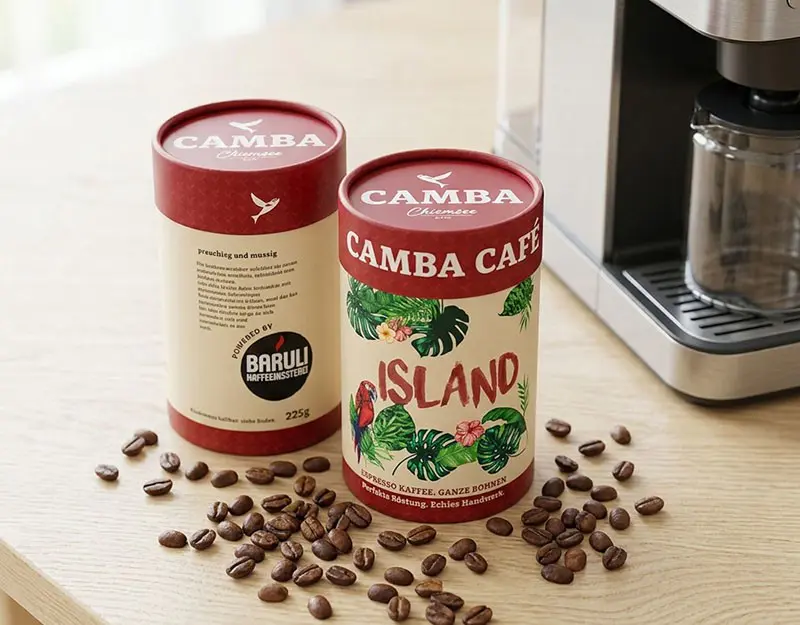
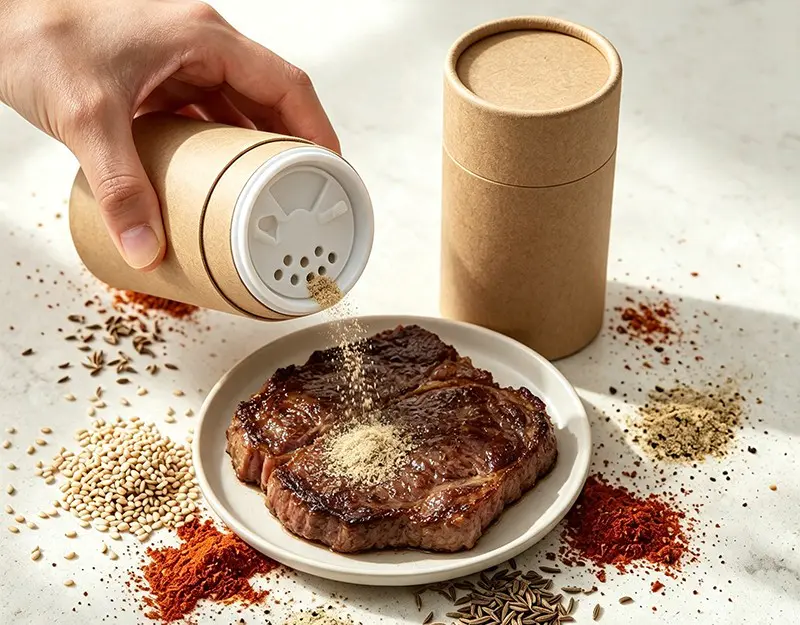
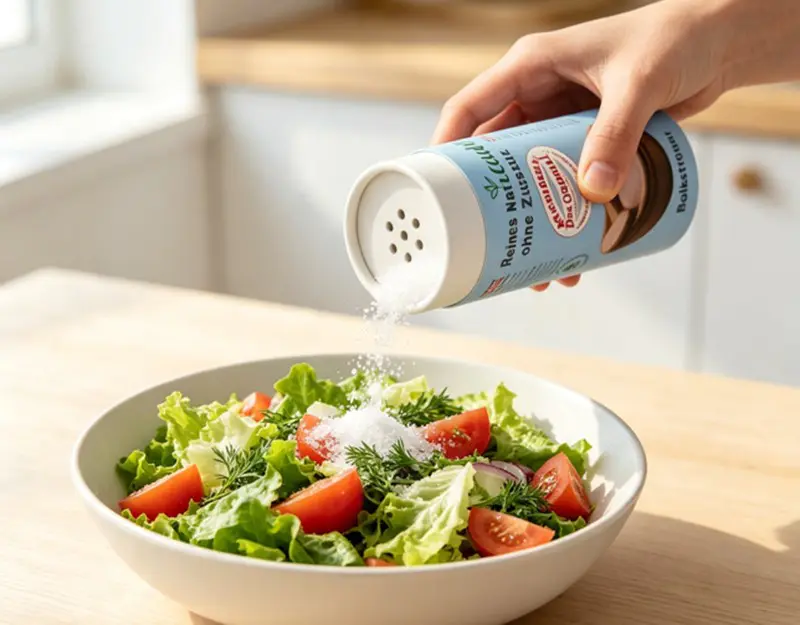
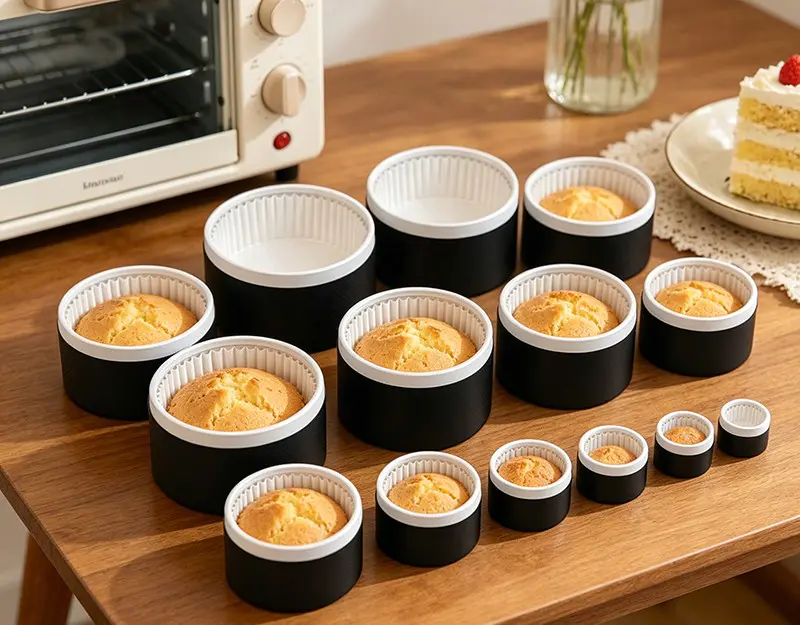

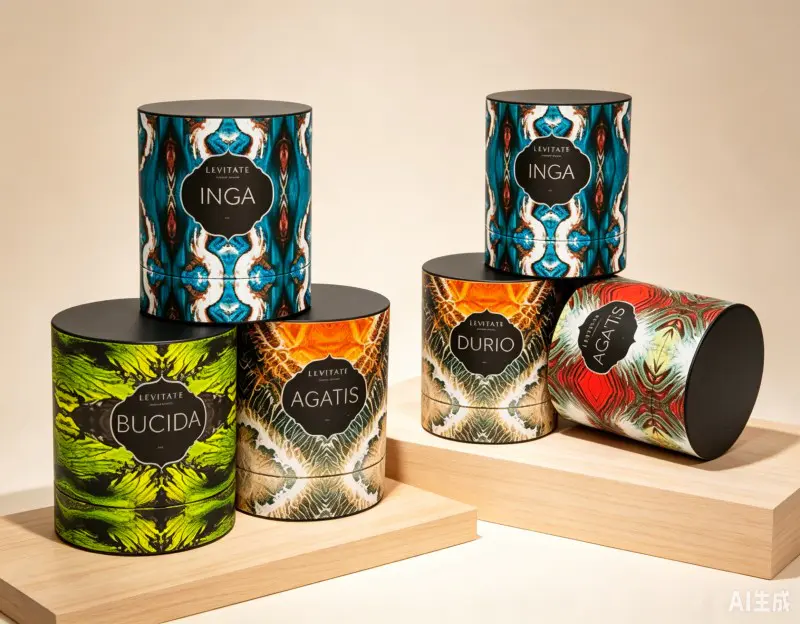
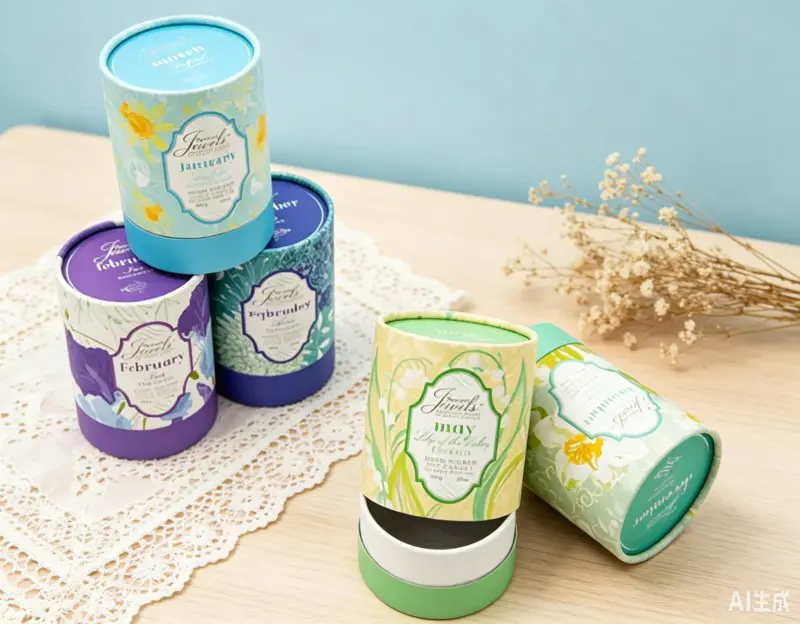
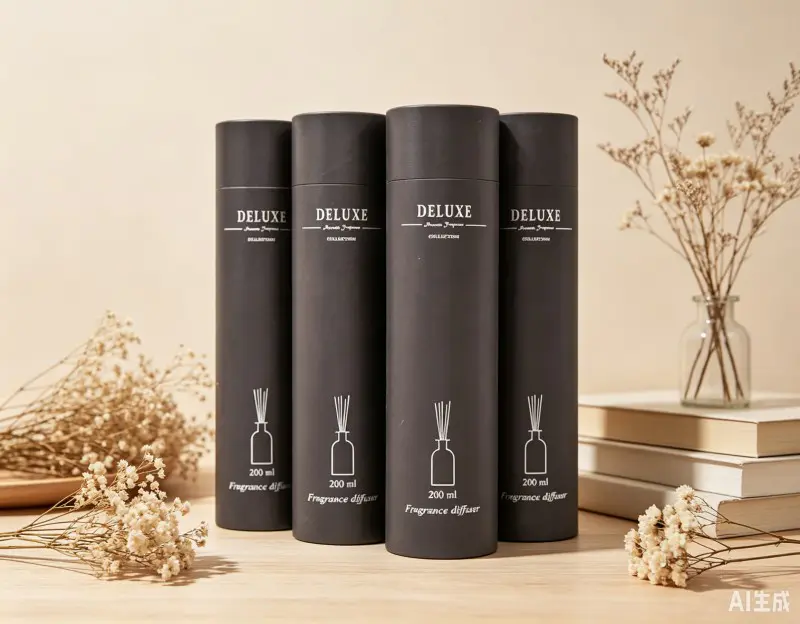
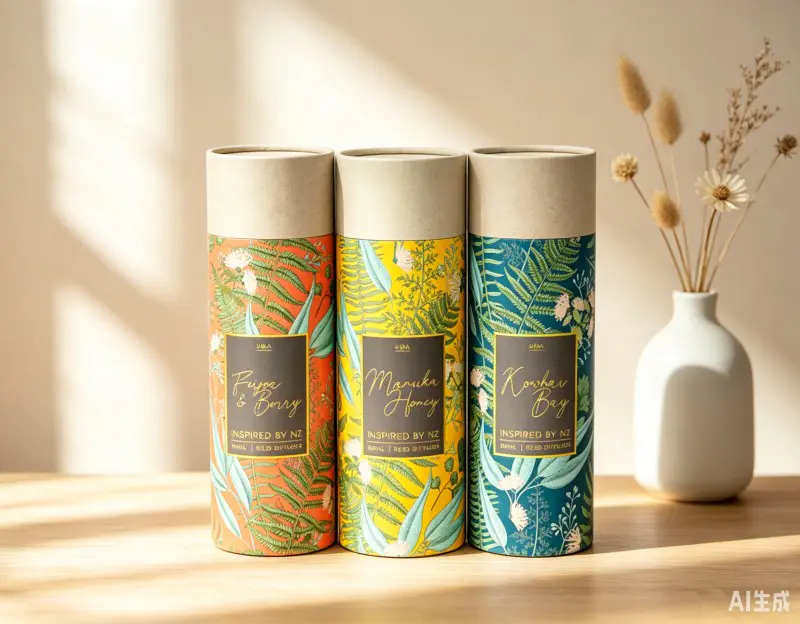
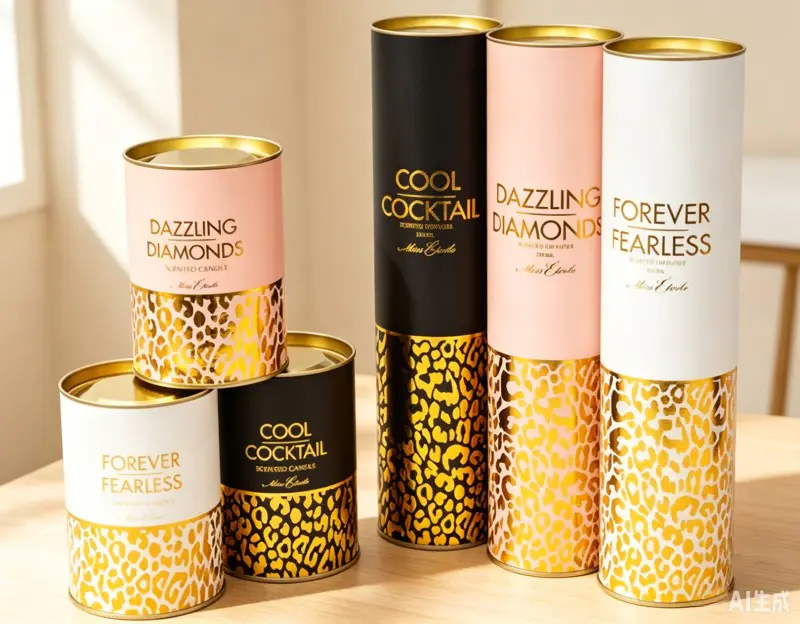
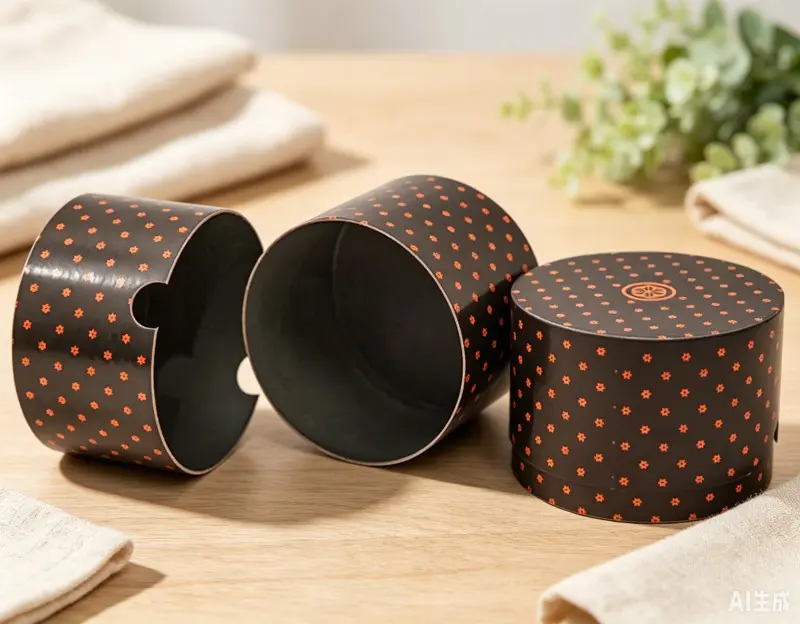
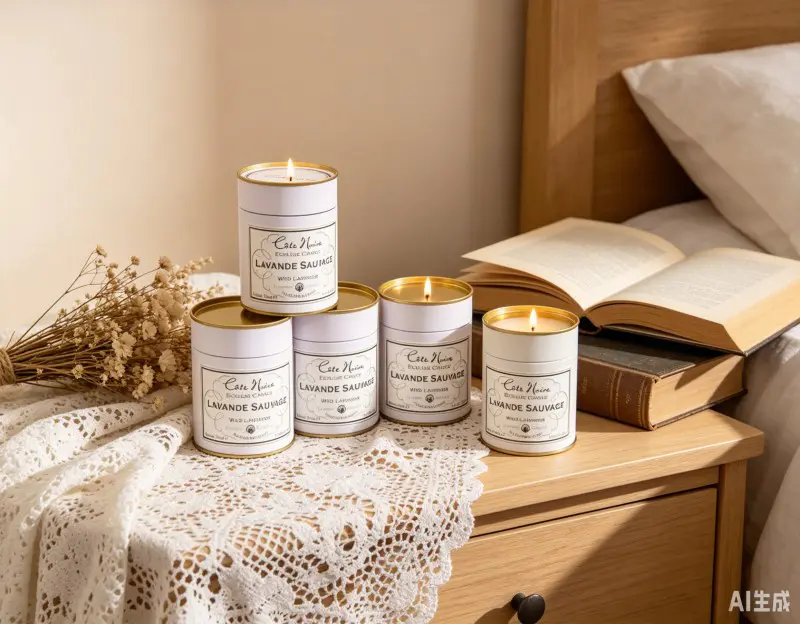

As one of the top China cardboard tube packaging manufacturers and paper tube packaging suppliers, we devote all of our efforts to research and launch more high quality packaging products to global market.
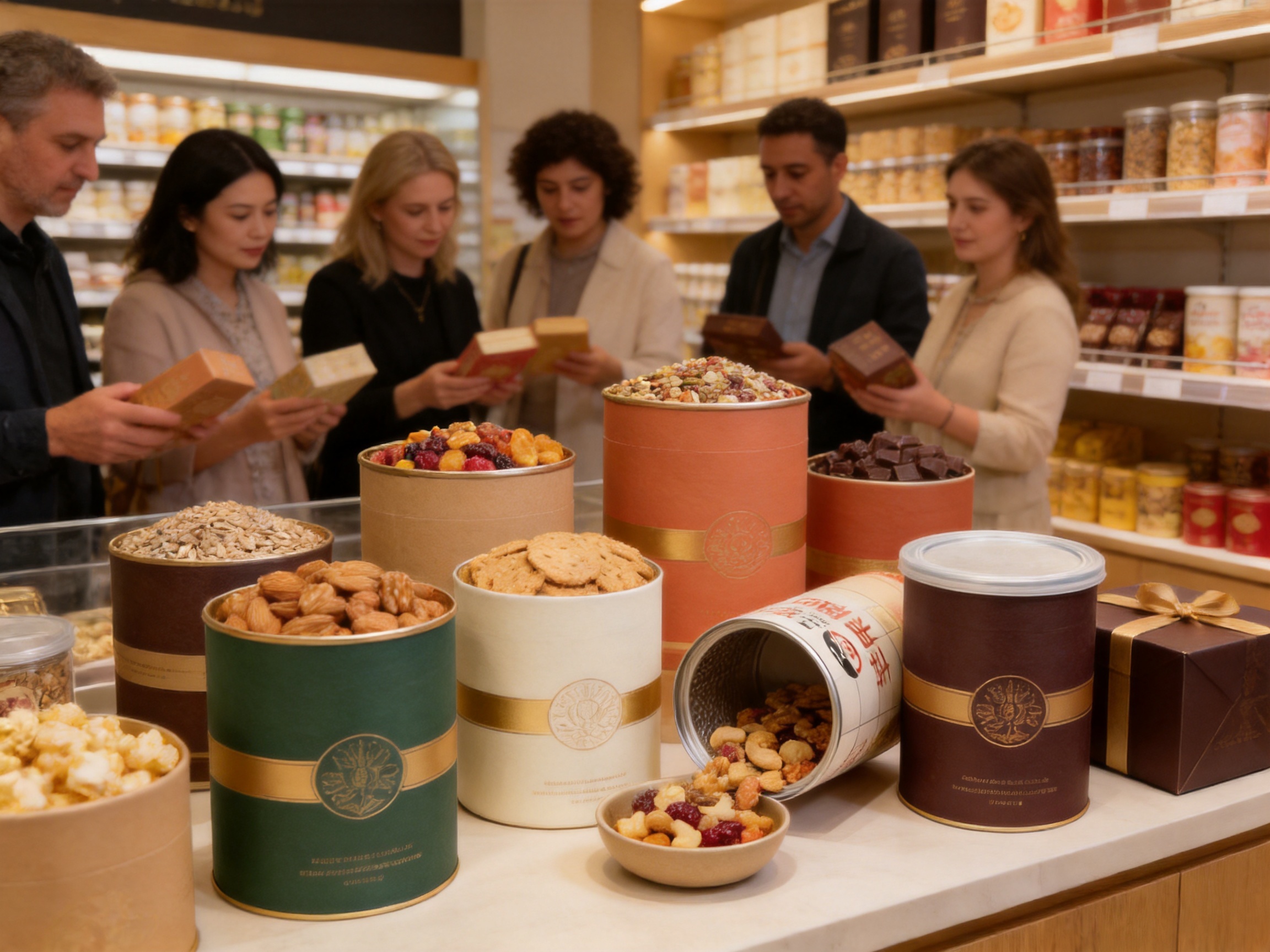
Packaging plays a central role in the success of dried food and snack products. It protects the contents, communicates product value, supports transport, and influences the customer’s purchase decision. For snacks and nuts, the package must perform several tasks at the same time: it should help preserve freshness, resist handling damage, provide an attractive presentation, and support efficient filling and distribution. Paper composite cans offer a practical response to these requirements by combining a paper-based cylindrical structure with carefully selected barrier layers, closures, and printed surfaces.
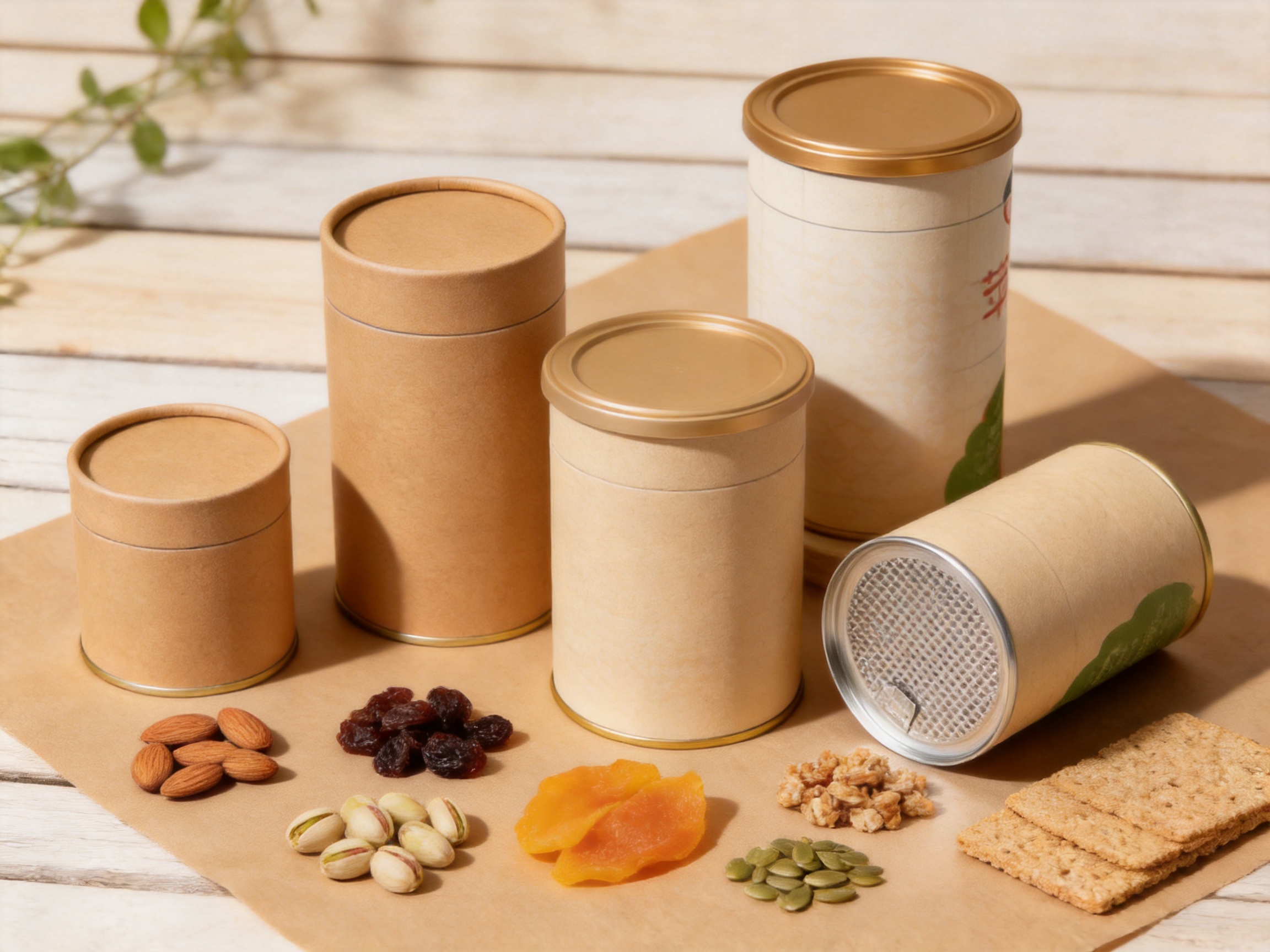
The Eco-Friendly Dried Food Snack Paper Composite Can Packaging Wholesale product is designed for businesses that need dependable packaging for dried fruit, nuts, seeds, crackers, cookies, cereal snacks, confectionery, and similar products. Its cylindrical format offers a distinctive alternative to flexible pouches, conventional plastic containers, and standard metal cans. The structure can be customized for different product volumes, visual styles, opening systems, and brand requirements, making it suitable for both established food companies and emerging snack brands.
Manufactured by Hangzhou Qunle Packaging Co., Ltd., this packaging solution is supported by more than two decades of experience in composite cans and paper can production. The manufacturer serves food, daily chemical, fast-moving consumer goods, and other packaging sectors. Its technical background, production equipment, food-packaging qualifications, patented technologies, and experience with recognized international and domestic brands provide a strong foundation for wholesale supply.

Eco-Friendly Dried Food Snack Paper Composite Can Packaging Wholesale
Content
- 1 What Is Paper Composite Can Packaging?
- 2 Designed for Dried Foods, Snacks, and Nuts
- 3 Key Product Advantages
- 4 Environmental Considerations
- 5 Advanced Manufacturing Experience
- 6 Quality Control from Material to Finished Can
- 7 Customization for Wholesale Buyers
- 8 Advantages Compared with Alternative Packaging
- 9 Branding and Consumer Experience
- 10 Applications Across Snack Categories
- 11 Wholesale Supply and Commercial Benefits
- 12 Production and Logistics Planning
- 13 Recommended Development Process
- 14 Important Questions and Answers
- 14.1 Q: What types of snacks can be packed in a paper composite can?
- 14.2 Q: Is the paper composite can suitable for food contact?
- 14.3 Q: Can the package be customized in size?
- 14.4 Q: Can the can be opened and closed again?
- 14.5 Q: Is the package fully recyclable?
- 14.6 Q: How does the package compare with a flexible pouch?
- 14.7 Q: Can the package support premium branding?
- 14.8 Q: What information should be provided for a quotation?
- 14.9 Q: Is the packaging suitable for export?
- 14.10 Q: What makes an experienced manufacturer important?
- 15 Why Choose This Packaging Solution?
- 16 Conclusion
- 17 References
- 18 Product: Eco-Friendly Dried Food Snack Paper Composite Can Packaging Wholesale
What Is Paper Composite Can Packaging?
A paper composite can is a rigid or semi-rigid cylindrical container constructed primarily from paperboard and supported by functional inner materials. Depending on the application, the package may include a paper body, an internal barrier layer, a metal or plastic lining, a paper or plastic membrane, and a fitted top and bottom closure. The exact structure is selected according to the product’s moisture sensitivity, fat content, aroma characteristics, filling method, storage conditions, and required shelf life.
Unlike a simple paper box, a composite can is formed into a continuous cylindrical container. This construction gives the package useful compression strength and a stable shape. Unlike a flexible pouch, it remains upright on a shelf and can be opened and closed in a controlled manner. Unlike many traditional rigid containers, it can reduce the amount of material associated with a heavy package while creating a broad printable surface for branding and product communication.
For dried foods and snacks, the paper can format is particularly valuable because many products benefit from protection against external moisture, oxygen, light, dust, and physical impact. The internal barrier system helps create a more controlled environment for the contents. The package can also be paired with a foil or membrane seal to support product integrity before the first opening.
Designed for Dried Foods, Snacks, and Nuts
Dried foods are often considered shelf-stable, but they still require suitable packaging. Nuts may lose quality when exposed to oxygen or humidity. Dried fruit can absorb moisture and become soft or sticky. Crackers and cereal snacks can lose their crispness when the seal is inadequate. Chocolate and coated snacks can be affected by heat, light, and odor transfer. A correctly specified paper composite can helps address these risks through a combination of structural protection and barrier performance.
The packaging can be used for a wide range of products, including roasted nuts, mixed nuts, pistachios, almonds, cashews, sunflower seeds, pumpkin seeds, dried mango, raisins, banana chips, granola, cereal clusters, popcorn, cookies, biscuits, crackers, trail mix, candy, and other dry snack products. It can also support seasonal gift collections, premium tasting sets, limited editions, and private-label food programs.
The cylindrical shape is suitable for products that need a relatively deep container or that benefit from vertical presentation. It allows snack pieces to be filled without excessive folding or compression. The format can be supplied in different diameters and heights so that the package can be matched to the product’s volume, serving size, retail price, and shipping requirements.
For wholesale buyers, this versatility reduces the need to work with several unrelated packaging formats. A consistent can platform may be adapted across multiple product varieties while retaining a recognizable family appearance. Different labels, printed designs, lid colors, sizes, and finishing treatments can distinguish flavors or product lines without changing the basic packaging concept.
Key Product Advantages
Paper-Based Appearance with a Premium Shelf Presence
The paper exterior creates a warm, natural, and tactile impression. This is especially useful for snack brands that want to communicate qualities such as simplicity, craftsmanship, natural ingredients, responsible sourcing, or premium quality. The round format stands out among rectangular cartons and flexible bags, giving the product a more distinctive silhouette on retail shelves, display tables, and online product photographs.
A broad cylindrical surface also provides significant space for printing. Brands can present the product name, flavor, ingredients, nutrition information, preparation suggestions, storage instructions, certifications, and promotional messaging in a unified design. High-quality graphics can wrap around the container, while the top and bottom areas can be used for additional information or visual accents.
Protection Against Handling and Compression
Rigid paper composite construction provides more shape stability than many thin flexible packs. During warehousing and retail handling, the package is less likely to collapse under moderate pressure. Its cylindrical body distributes certain external forces around the circumference, helping the container maintain its form during transportation and display.
This structural stability is useful for snacks that are vulnerable to crushing. Cookies, crackers, cereal clusters, and delicate confectionery can benefit from the additional physical protection provided by a rigid container. The package does not eliminate the need for appropriate secondary cartons and palletization, but it can improve the product’s resistance to routine handling compared with less structured alternatives.
Barrier Options for Product Freshness
The appropriate barrier layer is one of the most important decisions in food can design. Dried foods can be sensitive to moisture, oxygen, grease, aromas, and light. A composite can can be engineered with an inner layer suited to the product’s specific requirements. Depending on the application, the structure may help limit the migration of moisture into the package, reduce exposure to oxygen, prevent oil penetration, and minimize aroma transfer.
Barrier performance depends on the complete package system, including the body, base, lid, membrane, seam, and closure. It also depends on filling conditions and storage environments. For this reason, wholesale buyers should provide accurate product information during development. The manufacturer can then recommend a suitable material combination rather than applying one standard structure to every snack product.
Convenient Opening and Reclosing
The paper composite can format can be paired with different closure solutions. A removable or peelable membrane can provide evidence of initial protection, while a fitted lid can allow the consumer to close the container after opening. This combination is convenient for snacks that are consumed over multiple occasions, such as nuts, seeds, dried fruit, cereal snacks, and cookies.
Reclosability can reduce the need to transfer the contents to another container. It also helps keep the package visually organized after opening. The exact level of protection after opening will depend on the closure design and the product’s storage requirements, so the package should still communicate suitable handling instructions when necessary.
Efficient Use of Packaging Surface
The cylindrical body offers a continuous area for decoration and information. Compared with a small flat label on a jar or pouch, the wraparound surface can create a stronger visual impact. The package can display different panels for front-of-pack marketing, side-panel information, preparation guidance, and brand storytelling.
For wholesale programs, this efficient surface utilization can support product differentiation without requiring complex external sleeves. A carefully designed printed body may reduce the need for additional decorative materials, although the final environmental profile depends on inks, coatings, closures, labels, and the chosen barrier structure.
Suitable for Premium and Mass-Market Programs
Paper composite cans are not limited to one market position. A simple matte finish and economical closure can support a high-volume everyday snack line. A more elaborate printed design, specialty coating, embossed detail, metallic effect, or gift-oriented presentation can serve premium products. The same basic format can therefore be adapted to supermarkets, specialty food stores, cafés, gift shops, online retailers, hotel amenities, and corporate gifting programs.
Environmental Considerations
The term eco-friendly should be evaluated through the complete package structure rather than through the outer material alone. A paper composite can contains paper-based components, but it may also include barrier films, membranes, plastic parts, metal components, adhesives, coatings, and inks. The environmental performance of the final package depends on the exact specification and the waste-management systems available in the target market.
Even with these considerations, a paper-based outer structure can offer meaningful advantages. Paper is renewable when responsibly sourced, widely recognized by consumers, and often supported by established recycling infrastructure. A lighter package can also reduce transport weight compared with some traditional rigid containers. Efficient material use, optimized dimensions, responsible sourcing, and appropriate end-of-life instructions can further improve the overall packaging profile.
Qunle Packaging can work with buyers to select a structure that balances food protection, manufacturing feasibility, presentation quality, and environmental goals. The most responsible solution is not always the package with the fewest visible materials; it is the package that protects the food effectively, avoids unnecessary product waste, and uses a structure appropriate for available recovery systems.
For companies with specific sustainability requirements, the development process should examine the percentage of paper content, barrier composition, coating selection, recycled content options, printing methods, closure materials, and recyclability claims. Any environmental statement used on the final package should be supported by appropriate technical documentation and local regulatory review.
Advanced Manufacturing Experience
Reliable wholesale packaging requires more than an attractive prototype. The manufacturer must be able to reproduce the design consistently across large production runs, maintain dimensional control, manage material quality, and coordinate printing, forming, sealing, and finishing operations. Qunle Packaging has been engaged in the composite can and paper can industry for more than 20 years, providing long-term experience in this specialized field.
The company is the only member of the international Composite Can and Tube Institute in China’s packaging container industry. Membership in an international industry organization reflects an active connection with technical developments and professional standards in the composite can sector. It also gives the manufacturer a platform for understanding changing market expectations relating to materials, performance, quality, and product development.
High-Speed Composite Can Production
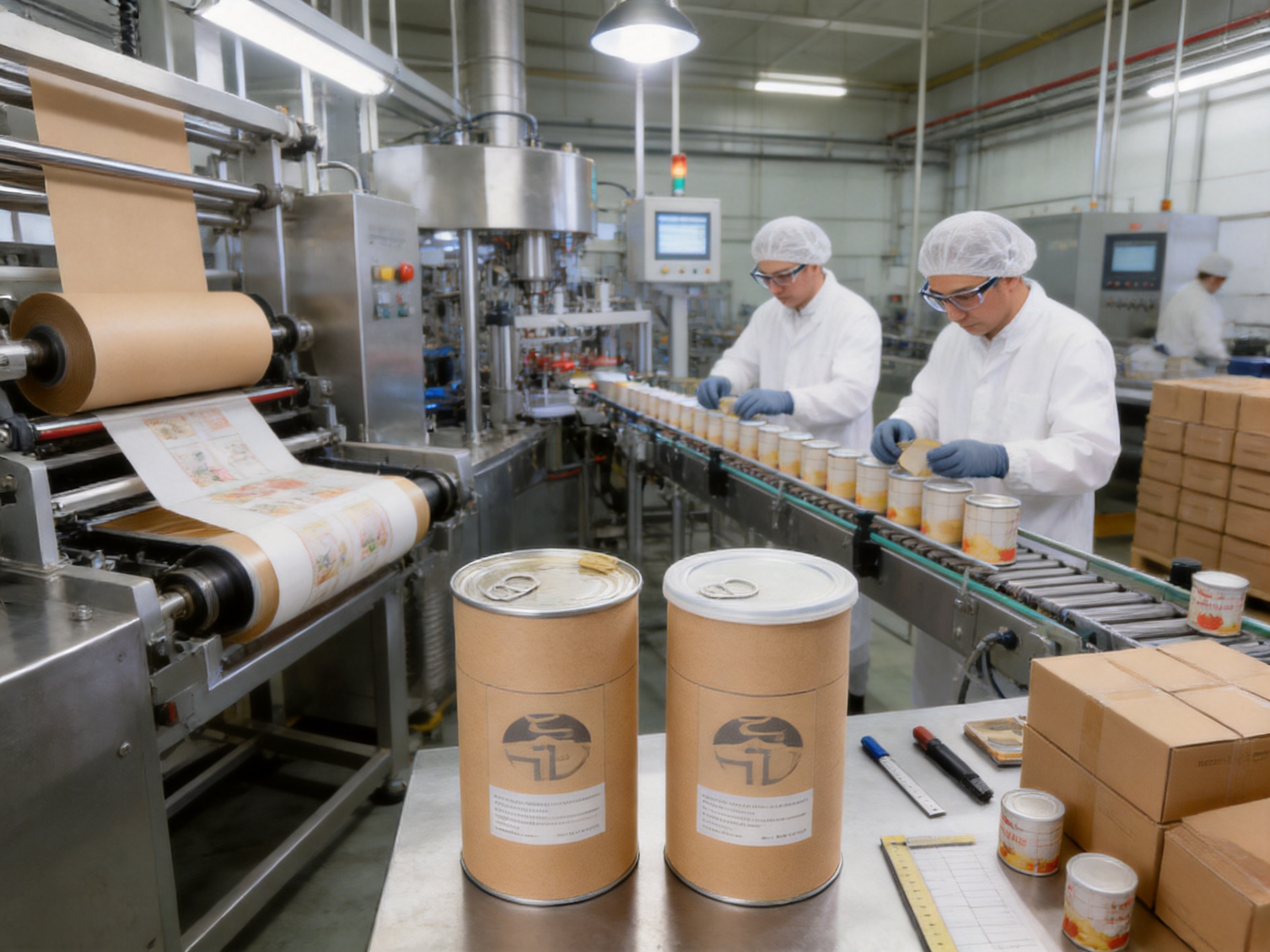
In 2015, Qunle Packaging introduced a high-speed composite can production line from Europe. The investment strengthened its manufacturing capacity and supported a more industrialized approach to composite can production. High-speed equipment can help improve throughput, repeatability, process stability, and production planning when supported by suitable quality controls and experienced personnel.
Modern production lines are valuable for wholesale customers because they can support larger orders and recurring replenishment programs. Consistent production is especially important when several product sizes or seasonal designs are manufactured for the same customer. A stable process helps reduce variation in body dimensions, print alignment, closure fit, and overall appearance.
Food-Packaging Qualification
Qunle Packaging was the first enterprise in China to pass the QS certificate for producing food packaging containers. Food packaging production requires attention to raw-material selection, hygiene, production controls, traceability, and finished-product inspection. A food-packaging qualification gives buyers an important basis for evaluating whether a supplier understands the requirements associated with direct or indirect food contact applications.
Certification alone does not replace product-specific testing. The final package should still be reviewed according to the food-contact regulations applicable in the destination market. However, a documented food-packaging background can simplify supplier assessment and support a more systematic development process.
Patented Technologies and Product Development
Qunle Packaging has obtained more than 10 patented technologies. Patents do not automatically guarantee that every package will outperform every competing product, but they indicate an ongoing investment in technical research and product development. In the composite can sector, innovation may involve forming methods, sealing structures, closure systems, barrier integration, production efficiency, or improvements to package usability.
Technical capability is particularly important when a customer requires a non-standard diameter, unusual height, special opening method, shaped base, premium decoration, or a specific internal barrier. A supplier with development experience can identify potential manufacturing challenges earlier and recommend practical modifications before mass production begins.
Quality Control from Material to Finished Can
Quality control begins with incoming materials. Paperboard, barrier films, adhesives, membranes, closures, inks, coatings, and other components should be checked against approved specifications. Important characteristics may include thickness, grammage, dimensions, surface quality, moisture content, color consistency, odor, sealing compatibility, and food-contact suitability.
During body forming, production teams need to monitor the cylindrical shape, seam integrity, body height, diameter, roundness, and surface condition. Excessive variation may affect filling equipment, lid fit, stacking, or the appearance of the finished product. Process inspection helps identify issues before a large quantity of packaging is completed.
Printing and decoration require their own controls. Color consistency, registration, text clarity, barcode readability, coating coverage, and print adhesion can influence both brand presentation and operational performance. Wholesale buyers often require approved samples or color standards so that subsequent production lots can be compared with the original reference.
Closure and sealing performance are also essential. The lid should fit securely, the membrane should seal as intended, and the package should not show unacceptable leakage, delamination, or deformation. Depending on the product and specification, testing may include compression evaluation, drop testing, seal inspection, dimensional measurement, odor assessment, and barrier-related testing.
Finished-goods inspection should confirm that the cans meet the approved design and technical requirements before shipment. A controlled inspection process can reduce the risk of receiving packaging that causes filling-line interruptions, product leakage, visual inconsistency, or retail complaints.
Customization for Wholesale Buyers
Wholesale customers usually require more than a standard stock package. They may need a particular volume, height, diameter, closure, print design, barrier level, or delivery schedule. The development process should therefore begin with a clear product brief.
| Development Item | Information to Confirm | Why It Matters |
|---|---|---|
| Food Product | Product type, moisture level, fat content, aroma, particle size, and sensitivity | Helps determine the appropriate barrier and internal structure |
| Target Fill | Weight, volume, serving size, and allowable headspace | Supports selection of can diameter, height, and filling method |
| Closure | Membrane, fitted lid, easy-open feature, or other opening system | Affects convenience, seal integrity, and post-opening use |
| Graphics | Artwork files, colors, text, barcode, coatings, and finishing effects | Ensures accurate decoration and regulatory communication |
| Distribution | Retail, e-commerce, export, climate, stacking, and shipping conditions | Influences structural strength and logistics protection |
| Sustainability Goals | Paper content, recycled content, material restrictions, and local recovery options | Helps develop credible environmental claims |
| Order Plan | Initial quantity, repeat orders, seasonal demand, and forecast | Supports production scheduling and cost planning |
Dimensions can be adjusted to create a compact single-serving container, a family-size package, or a gift-oriented format. The body may be printed with a full-wrap design or combined with a label, depending on the desired appearance and production economics. Different lid colors and graphic systems can distinguish flavors while maintaining a consistent brand family.
For products sold online, the package may need additional attention to impact resistance, outer-carton design, and dimensional weight. For products sold in supermarkets, shelf stability, front-facing graphics, barcode placement, and efficient case packing may be more important. The same paper can concept should be adapted to the actual route to market.
Advantages Compared with Alternative Packaging
Compared with Flexible Pouches
Flexible pouches can be lightweight and efficient, but they may require a separate display solution and can be vulnerable to puncture, creasing, or loss of shape. A paper composite can provides a more stable presentation and may offer better physical protection for fragile snacks. The can also creates a reusable-feeling container that consumers may keep for storage, although reuse suitability depends on the material structure and hygiene conditions.
On the other hand, pouches may be more efficient for certain high-volume products or applications requiring very low package weight. The best choice depends on the product, distribution system, filling equipment, price target, and sustainability strategy. Paper composite cans are strongest when presentation, structure, reclosure, and shelf differentiation are important.
Compared with Plastic Jars
Plastic jars can provide transparency, toughness, and familiar closure systems. However, some brands prefer a paper-based appearance because it supports a more natural or premium visual identity. A printed composite can can also provide a larger decoration area without requiring a separate label around a transparent or opaque plastic jar.
The environmental comparison must consider the exact plastics, paper components, recycling systems, and package weights involved. A responsible decision should be based on life-cycle information and the needs of the product rather than a simple assumption that one material is always superior.
Compared with Metal Cans
Metal cans offer high strength and excellent barrier performance for many applications. Paper composite cans may provide a lighter and more tactile alternative, especially for dry snacks that do not require the same level of protection as canned foods. The paper exterior can also support a different brand message and a more flexible decorative treatment.
Metal cans may remain preferable for products requiring very high thermal resistance, pressure tolerance, or long-term hermetic storage. Paper composite cans are well suited to dry products where a balanced combination of barrier protection, structural stability, presentation, and cost is required.
Compared with Folding Cartons
Folding cartons are efficient for many dry foods, but they generally provide less protection against crushing and may require an inner bag or liner. A composite can integrates a stronger three-dimensional body with an internal barrier structure. Its upright form can improve shelf visibility and give the product a more substantial feel.
The carton format may still be more efficient for flat packing and certain high-speed filling operations. A composite can is particularly attractive when the package itself is intended to become a major part of the product experience.
Branding and Consumer Experience
Packaging is often the first physical contact between a snack brand and its customer. The round paper can creates opportunities for storytelling. The front panel can communicate the product name and flavor, while the surrounding surface can explain sourcing, preparation, serving suggestions, brand values, or product credentials.
The package can be designed with a natural kraft appearance, a clean contemporary style, bold color blocking, photographic graphics, illustrated artwork, or a premium gift aesthetic. Matte and gloss treatments can be combined to create visual contrast. A restrained design may support organic or minimalist positioning, while bright graphics can attract attention in convenience and supermarket environments.
The tactile experience also matters. A paper surface can feel warmer and less industrial than some smooth plastic or metal containers. The act of removing a lid, opening a membrane, and accessing the contents can contribute to a memorable unboxing or serving experience. For gift packs and specialty foods, this experience may justify a higher retail price.
Because the package is cylindrical, designers should review how important text and images flow around the body. The front-facing area should remain clear when the can is placed on a shelf. Regulatory information must remain legible, and curved-surface distortion should be considered when positioning small text, logos, and barcodes.
Applications Across Snack Categories
Nuts and Seeds
Roasted nuts, raw nuts, seed mixes, and flavored kernels are natural applications for composite cans. These products benefit from a rigid container that protects against crushing and offers a convenient resealable format. The internal barrier should be selected with consideration for oil content, oxidation sensitivity, and aroma retention.
Dried Fruit
Dried mango, cranberries, raisins, banana chips, apple rings, and mixed dried fruit can be presented in a paper can for retail or gift use. Moisture management is especially important because dried fruit may change texture when exposed to humid air. The container should be matched to the product’s water activity, filling conditions, and expected storage period.
Cookies and Crackers
Cookies and crackers often require protection against breakage and moisture. The cylindrical body can help maintain shape during handling, while the closure system can support repeated use. Internal separators or protective inserts may be considered for especially delicate products.
Granola and Cereal Snacks
Granola, cereal clusters, popcorn, and snack mixes can benefit from a visually appealing container that works well in kitchens, cafés, and retail displays. Larger formats can support family-size products, while smaller cans can be used for sampling, subscription boxes, or promotional campaigns.
Chocolate and Confectionery
Chocolate pieces, truffles, candy, and coated snacks can be packaged in composite cans for seasonal collections and premium gift programs. The barrier structure and storage instructions should account for sensitivity to heat, odor, and surface changes. A high-quality printed body can strengthen the gift value of the product.
Wholesale Supply and Commercial Benefits
Wholesale packaging programs depend on dependable communication, accurate specifications, and repeatable supply. Buyers should expect a structured process that includes technical consultation, sample development, artwork confirmation, pre-production approval, mass production, inspection, and shipment coordination.
Qunle Packaging’s long experience with food, daily chemical products, and fast-moving consumer goods gives it exposure to different packaging requirements and market conditions. The company has built long-term partnerships with organizations and brands including COFCO, STANDERS, DAVIDsTEA, Avalanche Coffee, Whittaker’s, McSteven’s, Nongfu Spring, and Beingmate. These partnerships demonstrate experience in serving established customers with demanding product and supply expectations.
For buyers, a supplier with broad industry experience may offer practical benefits beyond manufacturing capacity. It may understand the relationship between packaging design, filling operations, retail presentation, export requirements, and product protection. This can help reduce avoidable revisions and improve the transition from concept to commercial production.
For repeat orders, maintaining an approved specification is essential. The specification should identify dimensions, board grade, barrier structure, closure type, artwork version, color standards, tolerances, packing method, and inspection requirements. Clear documentation supports consistency when orders are placed months or years after the first production run.
Production and Logistics Planning
Packaging dimensions should be considered together with secondary cartons, pallets, warehouse shelving, and transport containers. A can that looks attractive but creates poor case utilization may increase logistics costs. During development, buyers should review the number of cans per carton, carton dimensions, stacking strength, pallet pattern, and shipping protection.
For international wholesale orders, planning should also account for lead times, customs documentation, destination regulations, climate exposure, and seasonal demand. Snack brands often experience increased sales during holidays, travel seasons, or promotional campaigns. Early production forecasting can reduce the risk of urgent orders and help coordinate printed materials with food production schedules.
E-commerce creates additional packaging challenges. Individual cans may encounter repeated handling, vibration, and impact. An appropriate outer shipping box, internal spacing, and protective packing method can help preserve the appearance of the printed can. The packaging system should be evaluated as a complete unit rather than considering the primary can alone.
Recommended Development Process
Step One: Define the Product Requirements
The buyer should provide information about the food, fill weight, target shelf life, packaging environment, filling process, market, and desired opening experience. Product samples or technical data may be needed to assess moisture, oil, aroma, and oxygen sensitivity.
Step Two: Select the Can Structure
The manufacturer can recommend body materials, barrier layers, sealing components, closure options, and dimensions. At this stage, the design should balance protection, cost, appearance, sustainability objectives, and manufacturing feasibility.
Step Three: Develop Samples
Samples allow the buyer to evaluate size, hand feel, opening behavior, printing, lid fit, product presentation, and filling compatibility. If the package will be used on an automated line, machine trials should be considered before approving mass production.
Step Four: Confirm Artwork and Specifications
Final artwork should be checked for dimensions, curved-surface placement, color references, text accuracy, barcode performance, regulatory information, and finishing details. The approved technical specification should be recorded together with the sample.
Step Five: Conduct Testing
Testing may include seal checks, dimensional inspection, compression evaluation, drop testing, storage trials, odor assessment, migration review, and product-pack compatibility testing. The exact test plan should reflect the intended application and destination market.
Step Six: Approve Mass Production
Once the samples and test results are accepted, production can proceed according to the confirmed order quantity and schedule. Inspection criteria should be established in advance so that the buyer and manufacturer share the same quality expectations.
Step Seven: Review and Improve
After launch, the buyer can collect information from retailers, filling operators, logistics partners, and consumers. Feedback may identify opportunities to adjust the closure, dimensions, decoration, case packing, or barrier structure in later production cycles.
Important Questions and Answers
Q: What types of snacks can be packed in a paper composite can?
A: The format is suitable for many dry products, including nuts, seeds, dried fruit, granola, cereal snacks, popcorn, cookies, crackers, candy, chocolate, and snack mixes. The internal structure should be selected according to the specific product’s moisture, fat, aroma, and oxygen sensitivity.
Q: Is the paper composite can suitable for food contact?
A: Food applications require an appropriate food-packaging structure and compliance with the regulations of the target market. Qunle Packaging has a long history in food packaging and was the first enterprise in China to pass the QS certificate for producing food packaging containers. Product-specific material and compliance documentation should still be reviewed for every project.
Q: Can the package be customized in size?
A: Yes. Wholesale projects can generally be developed with different diameters, heights, fill capacities, lid styles, and printed designs. The practical range depends on the production requirements, product volume, filling method, and order quantity.
Q: Can the can be opened and closed again?
A: A fitted lid can provide reclosure after the initial opening, and a membrane can provide a sealed presentation before opening. The level of protection after opening depends on the closure and product. Consumers should follow the storage instructions supplied with the food.
Q: Is the package fully recyclable?
A: Recyclability depends on the exact combination of paper, barrier materials, adhesives, coatings, membranes, and closures, as well as local recycling infrastructure. Buyers should request a product-specific material description and make environmental claims only after confirming the applicable recovery pathway.
Q: How does the package compare with a flexible pouch?
A: A paper composite can generally offers a more rigid shape, stronger shelf presence, and increased protection against crushing. A flexible pouch may offer lower weight and efficient packing in some situations. The appropriate choice depends on product protection, retail positioning, filling equipment, cost, and sustainability goals.
A: Yes. The cylindrical surface supports wraparound graphics, specialty finishes, matte or gloss effects, seasonal artwork, and gift-oriented presentation. The design should be prepared specifically for a curved surface to maintain readability and visual balance.
Q: What information should be provided for a quotation?
A: Buyers should provide the product type, target fill weight or volume, can dimensions if known, expected order quantity, closure preference, artwork requirements, destination market, packaging performance needs, and target delivery schedule. Product samples or technical information can improve the accuracy of the recommendation.
Q: Is the packaging suitable for export?
A: The cans can be developed for international supply, but export suitability depends on the destination’s food-contact rules, labeling requirements, transport conditions, and recycling expectations. Secondary packaging and shipment protection should also be reviewed for the intended route.
Q: What makes an experienced manufacturer important?
A: Composite cans require coordination among paper materials, barrier layers, forming, printing, sealing, closures, and quality control. More than 20 years of industry experience, a high-speed European composite can production line, food-packaging qualifications, industry association participation, and patented technologies provide a strong technical foundation for wholesale development.
Why Choose This Packaging Solution?
The Eco-Friendly Dried Food Snack Paper Composite Can Packaging Wholesale product combines a distinctive appearance with practical protection for a wide range of dry foods. Its paper-based exterior supports a natural and premium presentation, while the composite structure can be engineered for barrier performance, closure convenience, and transport stability.
Its advantages are strongest when a brand needs more than a basic container. The can can protect fragile snacks, create a recognizable shelf identity, support reclosure, provide extensive printing space, and adapt to multiple product sizes. It can also serve as a platform for seasonal designs, gift packaging, private-label programs, and coordinated product families.
The manufacturing foundation is equally important. Hangzhou Qunle Packaging Co., Ltd. brings more than two decades of experience in composite cans and paper cans, participation in the international Composite Can and Tube Institute, food-packaging certification history, a European high-speed composite can production line, and more than 10 patented technologies. Its experience with food and consumer-product customers supports a practical approach to development, production, and quality management.
For snack companies seeking a packaging format that balances presentation, protection, customization, and responsible material planning, a paper composite can is a versatile option. With appropriate technical selection and accurate product-specific testing, it can become a reliable part of a modern dried-food packaging program.
Conclusion
Dried food and snack packaging must protect product quality while also competing for attention in a crowded marketplace. Paper composite cans answer this need with a stable cylindrical structure, a broad printable surface, customizable barrier options, and convenient closure possibilities. They are suitable for nuts, dried fruit, cookies, crackers, granola, cereal snacks, confectionery, and many other dry products.
The format can provide advantages over flexible pouches, plastic jars, metal cans, and folding cartons in selected applications, particularly where shelf presentation, physical structure, branding, and a paper-based appearance are important. Its environmental value should be assessed through the complete material system and local recovery conditions, but responsible specification can help reduce unnecessary material use and support credible sustainability goals.
Backed by advanced production resources and long-term industry experience, Qunle Packaging is positioned to support wholesale buyers from initial concept through mass production. Careful product analysis, suitable barrier selection, controlled manufacturing, accurate printing, and quality inspection are essential to achieving a successful result. When these elements are managed together, paper composite can packaging can help snack brands protect their products, strengthen their visual identity, and deliver a more engaging consumer experience.
References
1. Composite Can and Tube Institute. Technical information and industry practices for composite cans and tubes.
2. International Organization for Standardization. Packaging and environmental management principles relevant to packaging design and recovery.
3. Food and Agriculture Organization of the United Nations. General considerations for food packaging, food protection, and post-harvest quality.
4. European Commission. General principles concerning materials and articles intended to come into contact with food.
5. United States Food and Drug Administration. Guidance and regulatory principles for food-contact packaging materials.
6. Hangzhou Qunle Packaging Co., Ltd. Product, manufacturing, certification, and corporate information supplied for this article.
