 English
 Español

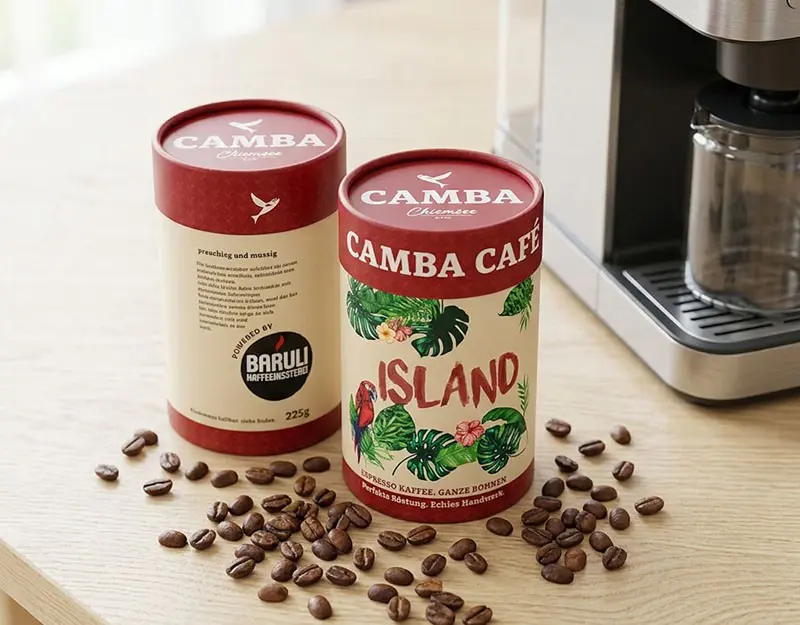
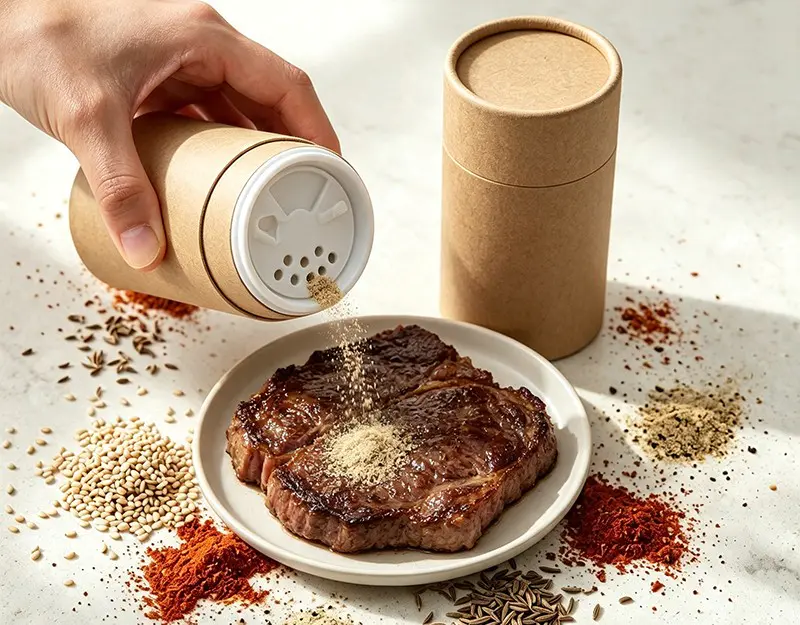
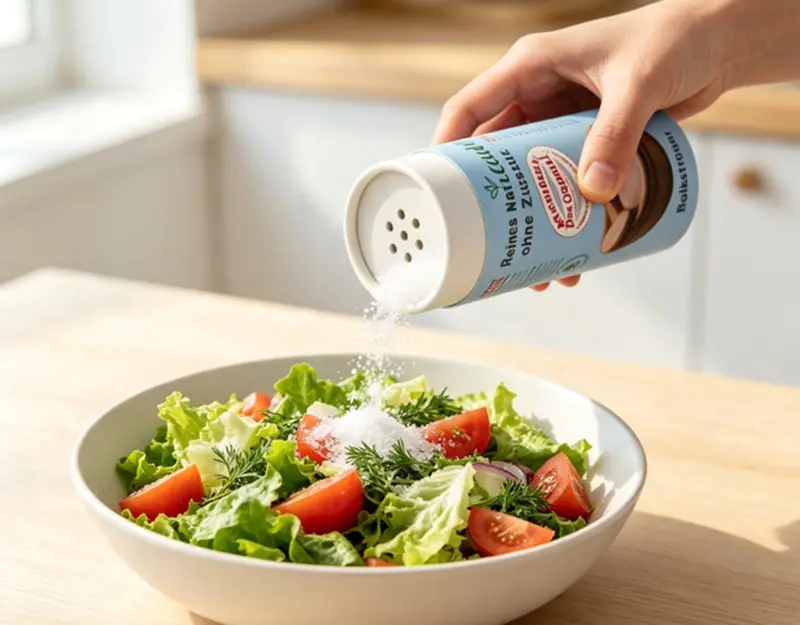
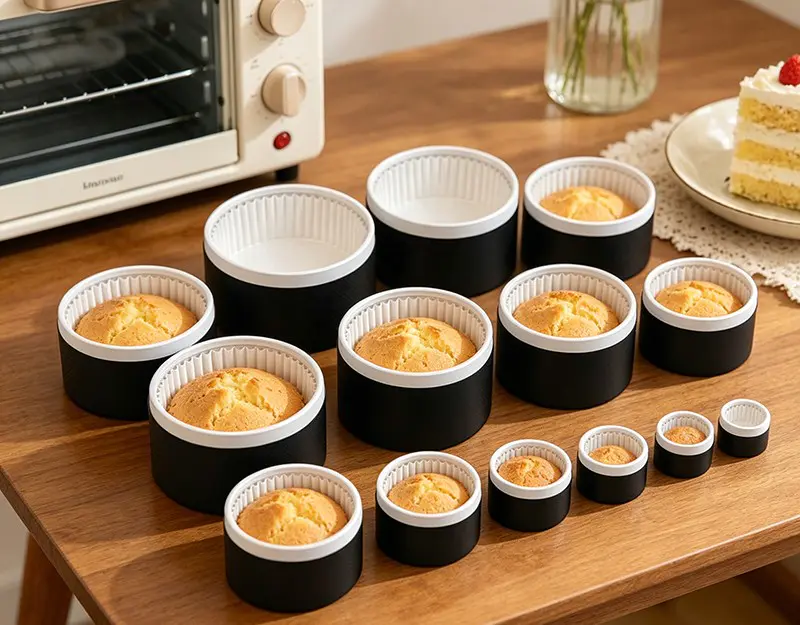

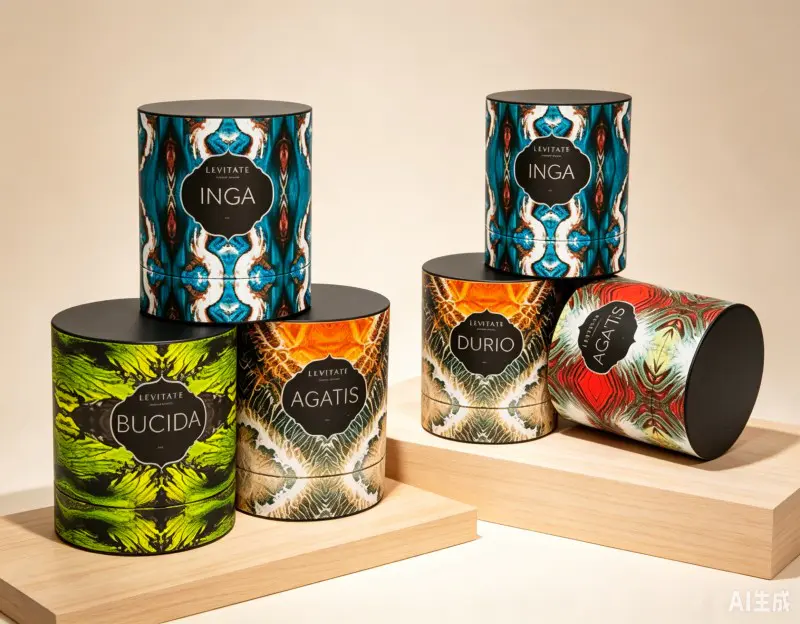
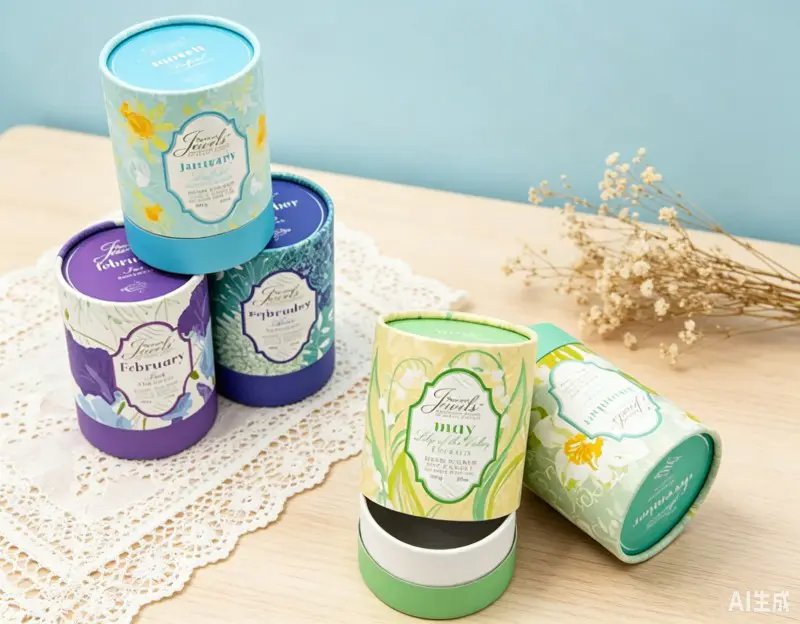
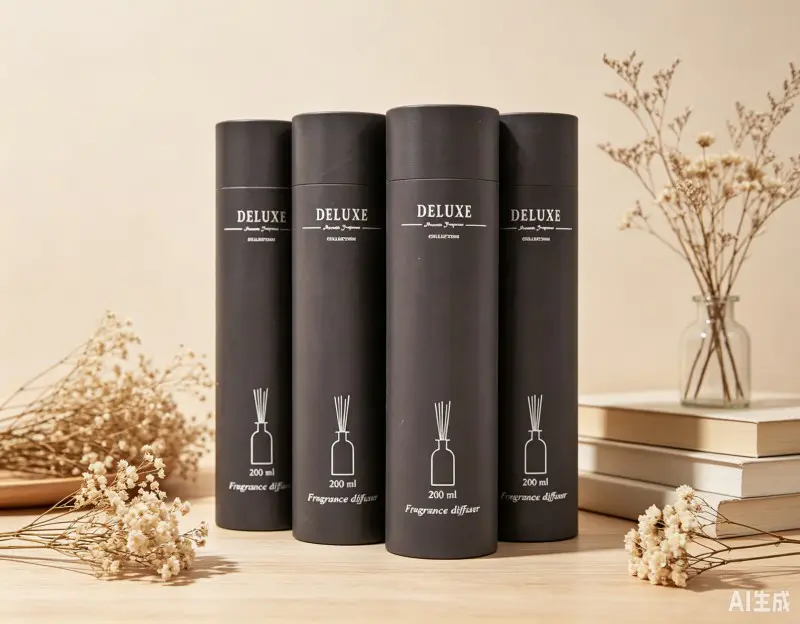
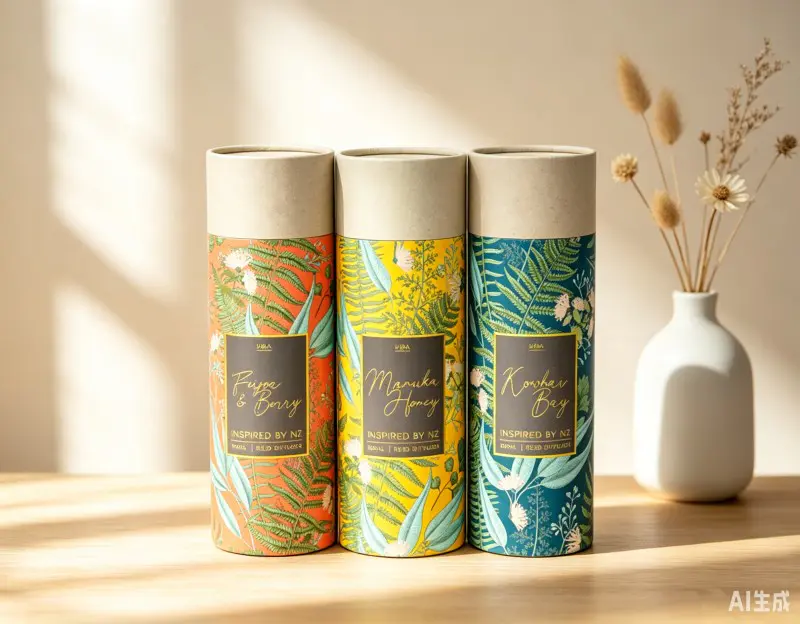
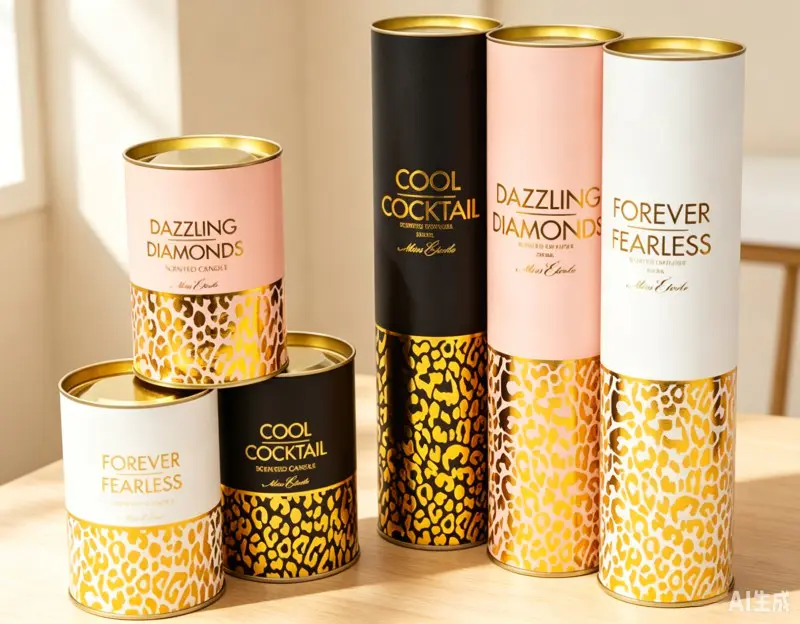
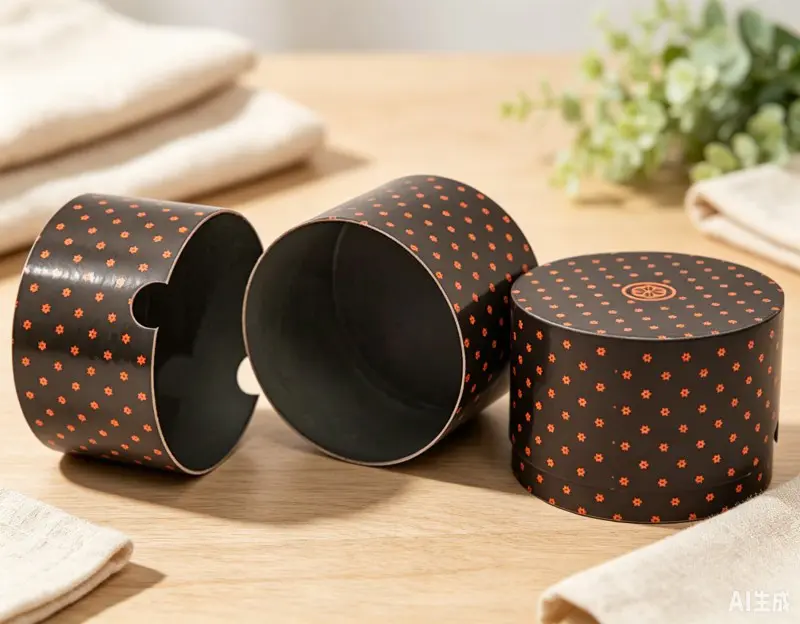
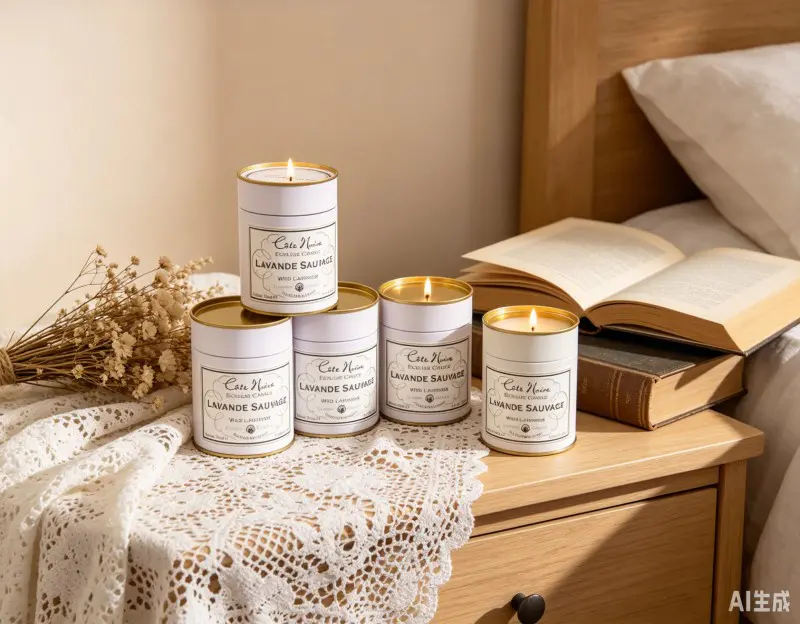

As one of the top China cardboard tube packaging manufacturers and paper tube packaging suppliers, we devote all of our efforts to research and launch more high quality packaging products to global market.
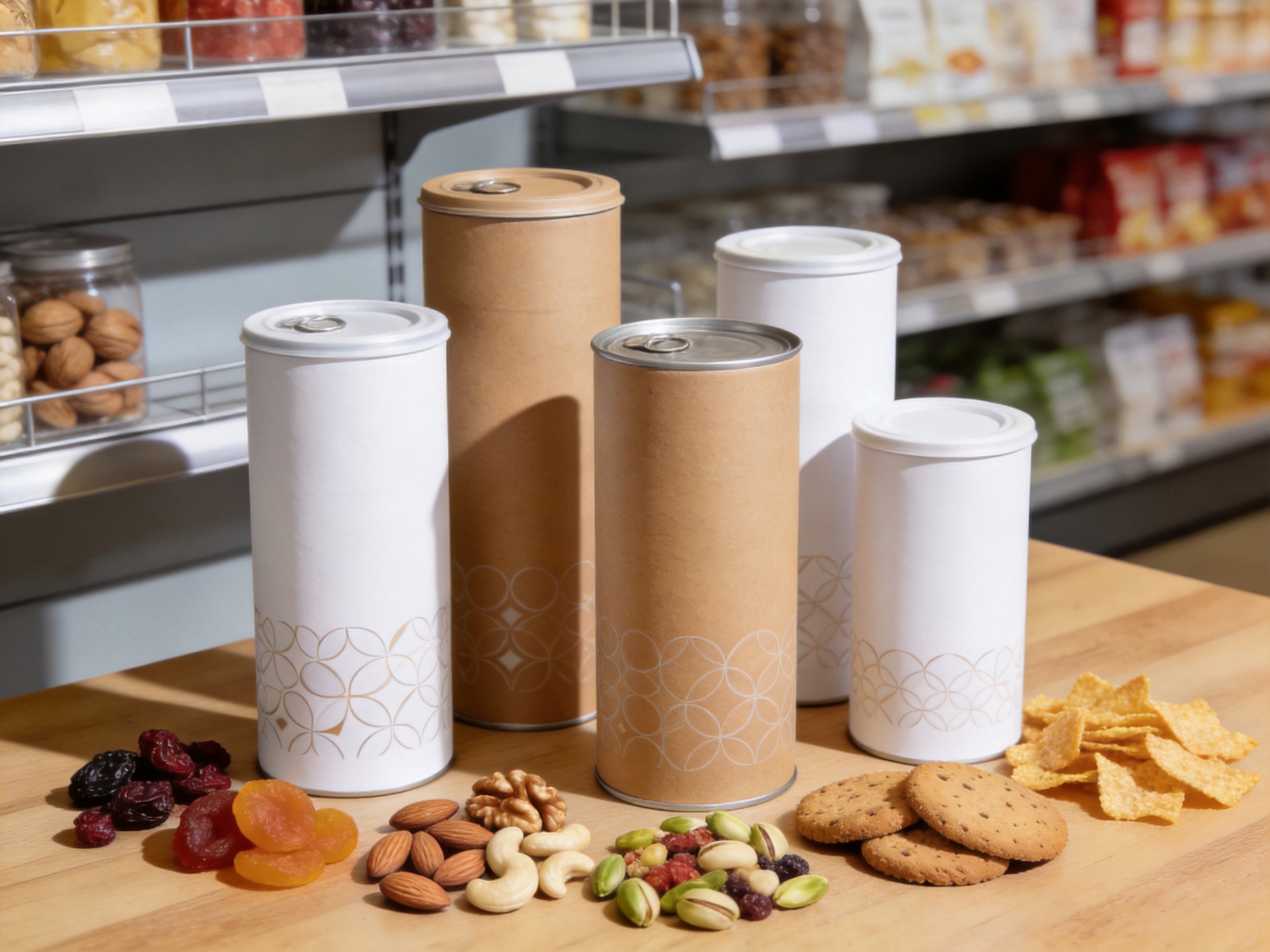
Eco-friendly dried food snack paper composite can packaging is becoming a preferred solution for brands that need attractive shelf presentation, dependable product protection, and a more responsible packaging profile. For snacks and nuts, packaging is not only a container; it is a silent salesperson, a freshness barrier, a logistics protector, and a brand communication platform. A well-designed paper composite can can help dried fruit, roasted nuts, trail mixes, crisps, granola bites, cookies, and specialty snacks maintain their quality while standing out in crowded retail environments.
This article focuses on wholesale paper composite can packaging for dried food snacks, with emphasis on product advantages, manufacturing strength, material performance, customization options, sustainability value, and the production capabilities behind reliable bulk supply. It also explains why paper tube packaging and cardboard tube packaging are increasingly chosen by food brands seeking a balance between visual appeal, practicality, and environmental responsibility.
Hangzhou Qunle Packaging Co.,Ltd. has worked in the composite can and paper can industry for more than 20 years. The company’s experience covers food packaging, daily chemical packaging, fast-moving consumer goods packaging, and other paper tube applications. With long-term production expertise, patented technologies, and advanced manufacturing equipment, the company provides wholesale paper tubes and paper composite cans for global customers that require stable quality and scalable production.
Content
- 1 Understanding the Product: Paper Composite Can Packaging for Dried Food Snacks
- 2 Why Dried Food Snacks Need Stronger Packaging
- 3 Key Advantages Over Competing Packaging Options
- 4 Core Product Benefits for Snacks and Nuts
- 5 Material Structure and Barrier Performance
- 6 Food Safety and Packaging Hygiene
- 7 Advanced Manufacturing Processes Behind the Packaging
- 8 Company Strengths Supporting Wholesale Customers
- 9 Customization Options for Dried Food Snack Brands
- 10 Wholesale Supply Considerations
- 11 How Paper Composite Cans Improve Brand Positioning
- 12 Applications Across the Snack and Nut Market
- 13 Comparison With Common Snack Packaging Types
- 14 Sustainability and Eco-Friendly Value
- 15 Design Strategy for Successful Snack Paper Can Packaging
- 16 Quality Factors Buyers Should Evaluate
- 17 Role of Experience in Composite Can Manufacturing
- 18 Why This Packaging Is Suitable for Global Snack Brands
- 19 Practical Ordering Process for Wholesale Packaging
- 20 Cost and Value Considerations
- 21 Storage, Transport, and Handling Benefits
- 22 Innovation Opportunities in Snack Paper Can Packaging
- 23 Frequently Asked Questions
- 23.1 What types of snacks can be packed in paper composite cans?
- 23.2 Are paper composite cans airtight?
- 23.3 Why choose paper composite cans instead of plastic jars?
- 23.4 Can the size and design be customized for wholesale orders?
- 23.5 What makes this packaging suitable for premium snack brands?
- 23.6 How does the manufacturer support food packaging quality?
- 23.7 Are paper composite cans environmentally friendly?
- 23.8 Can paper composite cans be used for e-commerce snack products?
- 24 Conclusion
- 25 References
Understanding the Product: Paper Composite Can Packaging for Dried Food Snacks
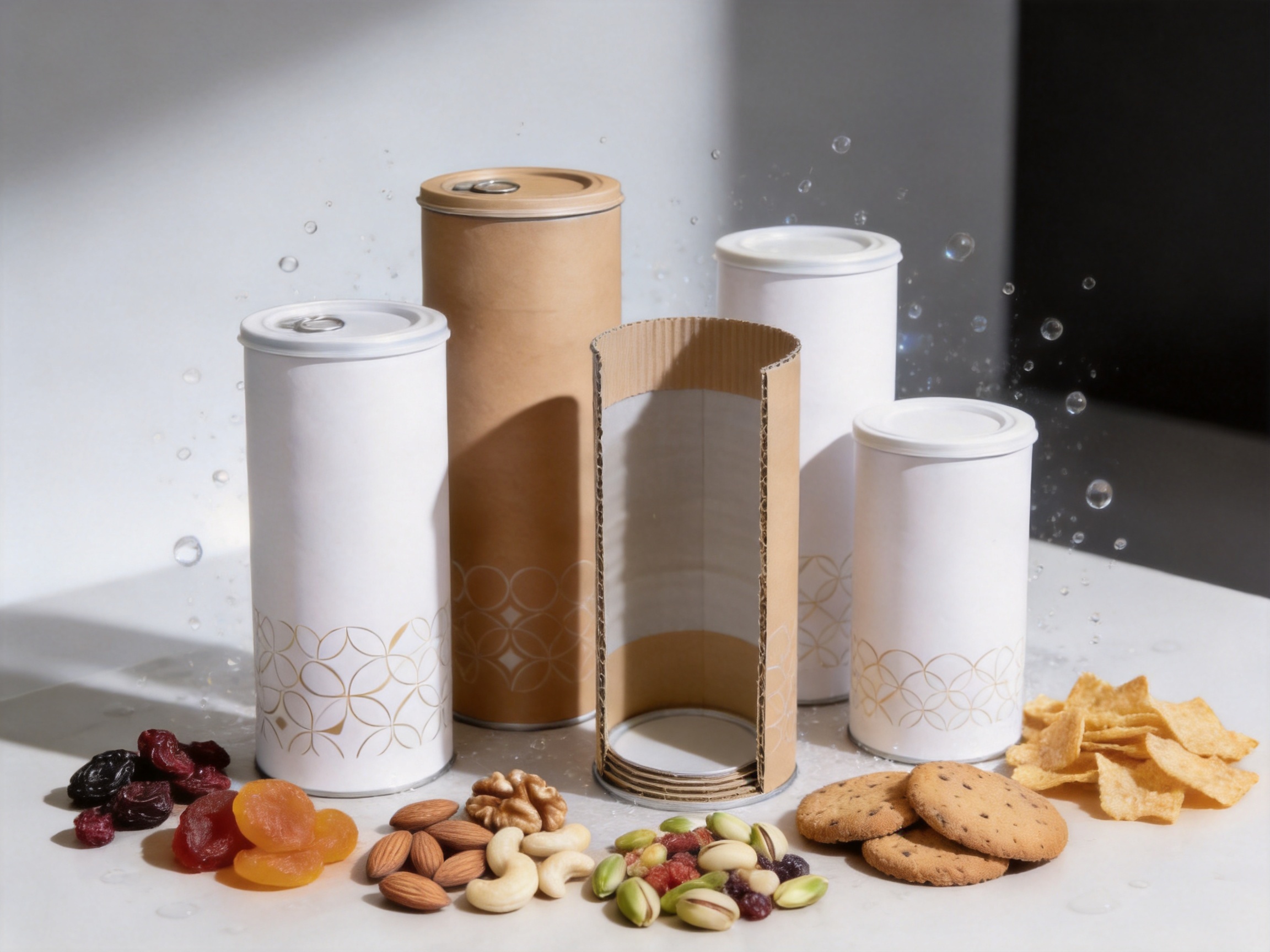
A paper composite can is a cylindrical packaging container made primarily from paperboard and composite barrier materials. For dried food snacks, it is designed to protect contents from moisture, oxygen, odor transfer, light exposure, and physical damage during transportation and storage. Compared with ordinary boxes, flexible pouches, or low-grade plastic containers, a high-quality paper composite can offers stronger structure, better retail presence, and broader design flexibility.
The product discussed here is an eco-friendly dried food snack paper composite can packaging solution supplied for wholesale orders. It belongs to the snacks and nuts packaging category and can be adapted for different dried foods, including almonds, walnuts, cashews, pistachios, peanuts, sunflower seeds, dried mango, dried berries, banana chips, cereal snacks, cookies, protein bites, rice crackers, and festive snack assortments.
The cylindrical form is practical and recognizable. It is easy to hold, easy to stack, and easy to display. In retail spaces, round paper cans create a premium impression because they differ from flat cartons and flexible bags. Their upright shape allows brands to display graphics over a continuous curved surface, making the packaging suitable for colorful snack branding, nutritional claims, ingredient storytelling, and seasonal gift editions.
The phrase “paper composite can” is important because the package is not simply a paper tube. It can include multiple layers engineered for performance, such as food-grade paperboard, aluminum foil barrier layers, inner liners, adhesive systems, printed outer paper, lids, and bottom structures. Depending on the product’s requirements, the can may be designed to provide airtight performance, moisture resistance, grease resistance, and tamper-evident features.
Why Dried Food Snacks Need Stronger Packaging
Dried food snacks may appear stable, but they are sensitive to environmental conditions. Nuts contain natural oils that can oxidize and become rancid when exposed to oxygen, light, or heat. Dried fruits can absorb moisture, become sticky, lose texture, or develop quality defects. Crispy snacks and cookies can break easily during shipping. Seasoned snack mixes may lose aroma if the package does not provide a suitable barrier.
For this reason, snack packaging must perform several jobs at once. It must protect the product’s sensory quality, maintain texture, reduce contamination risk, support food safety, improve consumer convenience, and present the product in a marketable form. Paper composite can packaging is well suited for these needs because it combines structural strength with barrier functionality and customizable visual design.
Wholesale snack brands also need packaging that performs well throughout the entire supply chain. A package may travel from a filling facility to a warehouse, from a warehouse to a distributor, from a distributor to a retail shelf, and then to a consumer’s home. During this journey, weak packaging can collapse, puncture, wrinkle, or lose its seal. A rigid paper composite can helps reduce these risks and supports a better customer experience.
Key Advantages Over Competing Packaging Options
Stronger Shelf Presence Than Flexible Pouches
Flexible pouches are common in the snack industry because they are lightweight and economical. However, they can look similar on shelves, and they may not communicate a premium value as effectively as rigid cylindrical packaging. A paper composite can stands upright, maintains its shape, and provides a clean display surface. This gives dried food snack brands a stronger chance to attract attention in supermarkets, specialty stores, gift shops, coffee shops, and e-commerce product photos.
For premium nuts, healthy snack mixes, and gift-oriented dried foods, consumers often associate rigid packaging with higher quality. The can form can also support resealable lids, making it suitable for repeated use after opening. This adds convenience and can encourage consumers to keep the package on a countertop, desk, or pantry shelf instead of transferring the contents to another container.
Better Structure Than Ordinary Folding Cartons
Folding cartons are easy to print and transport flat, but they may require inner bags for food protection. They can crush under pressure and may not protect fragile snacks adequately. Paper composite cans provide a rigid wall and stable round structure that distributes pressure more evenly. This is particularly helpful for cookies, crackers, coated nuts, and brittle snack clusters.
Because the paper can itself can provide both container structure and brand surface, it can reduce the need for secondary rigid packaging. The combination of strength and design gives snack brands a more integrated packaging solution.
More Sustainable Appeal Than Many Plastic Containers
Plastic jars and tubs are also used for snacks and nuts, but many brands are reducing plastic dependence due to consumer preference and retailer sustainability goals. Paper composite cans use paperboard as the main structural material, which can support a more eco-conscious brand image. While the exact environmental profile depends on material composition, local recycling systems, and barrier requirements, paper-based packaging often communicates sustainability more naturally than fully plastic containers.
For brands seeking eco-friendly dried food snack packaging, the paper composite can provides an effective balance: it offers the rigidity and protection associated with containers while using renewable paper materials as a core component. This is especially valuable for natural food, organic snack, vegan snack, and health-oriented product lines.
Premium Customization Compared With Standard Containers
Standard packaging often limits brand differentiation. In contrast, paper composite cans can be customized in diameter, height, surface finish, lid type, internal barrier, printing style, and structural details. Brands can choose matte finishes for a natural look, glossy finishes for vivid colors, metallic effects for festive editions, or minimalist kraft paper designs for eco-positioned snacks.
Customization is not only decorative. It can also improve function. For example, snack brands can choose easy-open membranes, plastic or paper lids, metal bottoms, food-grade liners, window options, or special closure designs depending on the product and market. Wholesale customization gives brands the ability to build packaging around their actual product requirements rather than forcing the product into a generic container.
Core Product Benefits for Snacks and Nuts
The main benefits of eco-friendly paper composite can packaging for dried food snacks can be grouped into protection, presentation, convenience, sustainability, and supply efficiency. Each benefit matters to brand owners, distributors, and end consumers.
| Benefit Area | Packaging Advantage | Value for Snack Brands |
|---|---|---|
| Product Protection | Rigid paperboard wall with optional barrier layers | Helps reduce crushing, moisture impact, aroma loss, and oxidation risk |
| Retail Presentation | Round upright form with full-surface printing | Improves shelf visibility and supports premium brand positioning |
| Consumer Convenience | Easy handling, stackability, and resealable lid options | Encourages repeated use and improves user satisfaction |
| Sustainability Image | Paper-based structure and eco-oriented design options | Supports responsible packaging communication and market differentiation |
| Wholesale Supply | Custom sizes, scalable production, and mature manufacturing processes | Helps brands maintain consistent packaging quality across large orders |
Material Structure and Barrier Performance
The performance of a paper composite can depends heavily on material selection and construction. A typical snack paper can may include a spiral-wound or composite paperboard body, printed outer paper, internal food-grade barrier layer, top closure, bottom closure, and lid. Each part is selected according to the snack’s shelf-life needs, filling method, and customer market.
For dried foods, moisture control is a key requirement. Many dried snacks are low-moisture products, meaning they can easily absorb humidity from the surrounding environment. If the packaging has poor moisture resistance, the snack may lose crispness, clump together, or experience flavor changes. Composite barrier layers can help reduce moisture vapor transmission and maintain product quality for a longer period.
Oxygen control is also important, especially for nuts and snacks containing oils. Oxidation can lead to rancid odors and reduced nutritional quality. Paper composite cans can be designed with barrier liners that help slow oxygen ingress. When combined with appropriate sealing, filling, and storage practices, this can support better shelf-life performance.
Aroma protection matters for flavored snacks. Seasoned nuts, spicy snack mixes, coffee-flavored snacks, chocolate-coated items, and fruit blends all rely on aroma for consumer satisfaction. Packaging that allows aroma loss can make the product seem stale even when it is safe. A properly specified composite can helps retain the intended sensory profile.
Food Safety and Packaging Hygiene
Food packaging must be manufactured with careful attention to hygiene, material safety, and process control. For snack packaging, food-contact materials should be suitable for the intended use, and the production environment should support clean handling. Hangzhou Qunle Packaging Co.,Ltd. was the first enterprise in China to pass the QS certificate for producing food packaging containers, reflecting its early commitment to food packaging compliance and quality systems.
The company’s long experience in food packaging gives it practical knowledge of requirements for dry food containers. This includes awareness of liner selection, adhesive control, odor management, container cleanliness, dimension accuracy, and sealing compatibility. For wholesale customers, such expertise reduces the risk of packaging mismatch and supports smoother filling operations.
Food safety is not only about the materials used; it is also about consistency. A supplier must produce packaging that meets specifications order after order. Diameter, height, roundness, wall thickness, seam quality, and closure fit can affect filling efficiency and shelf performance. Mature manufacturing controls help ensure that cans work reliably on customer production lines.
Advanced Manufacturing Processes Behind the Packaging
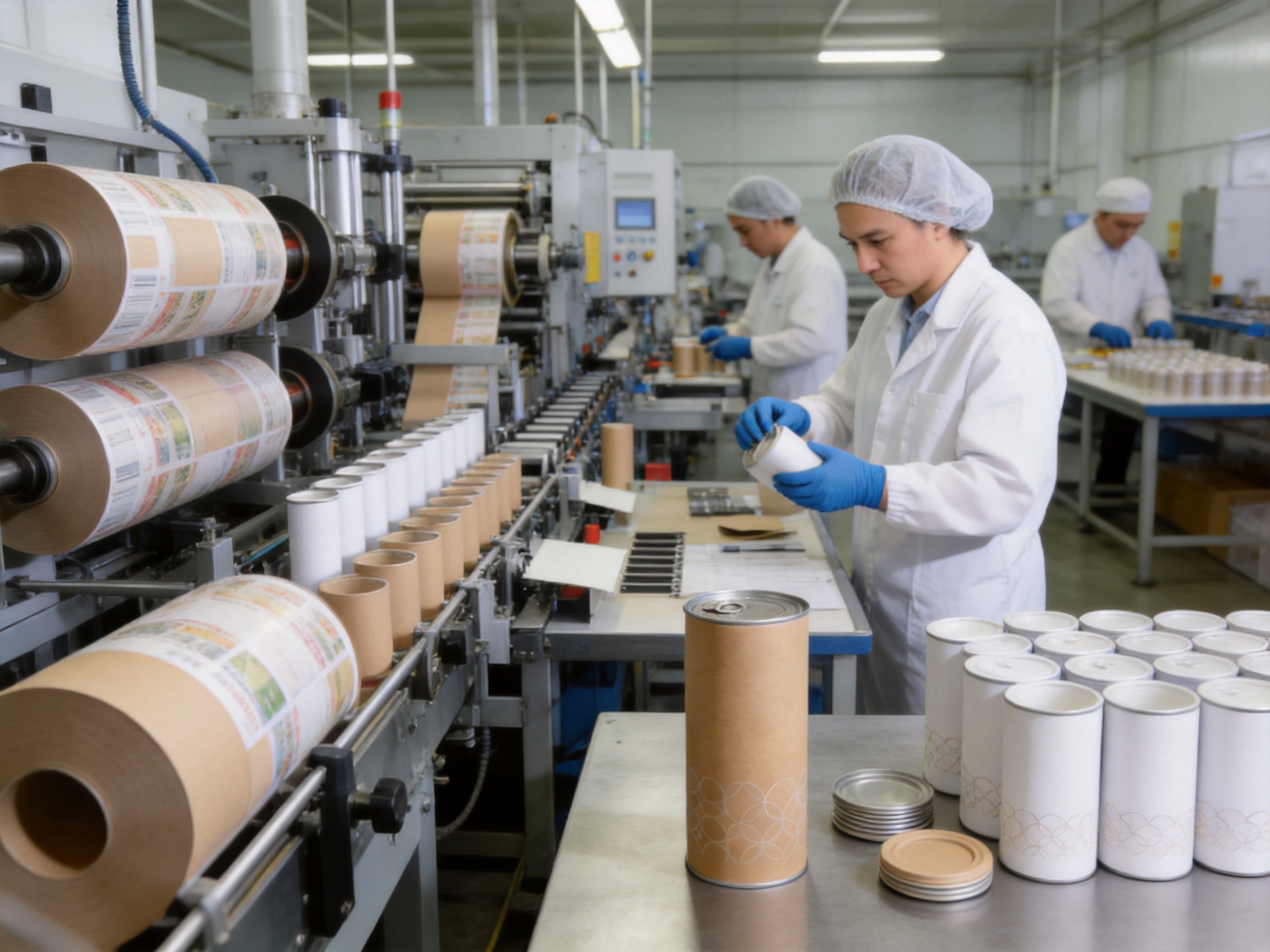
High-quality paper composite cans require a combination of material engineering, precision forming, printing control, finishing expertise, and inspection. Hangzhou Qunle Packaging Co.,Ltd. has been engaged in composite can and paper can manufacturing for more than two decades. This experience is important because paper tube packaging may look simple from the outside, but stable mass production requires specialized equipment and know-how.
Material Preparation
The manufacturing process begins with selecting suitable paperboard and composite materials. Paper strength, stiffness, surface smoothness, barrier properties, and food-contact suitability must be considered. For snack packaging, the material must be strong enough to support stacking while remaining compatible with printing and finishing processes.
Outer paper may be selected according to the desired appearance. White paper can deliver bright colors and sharp graphics. Kraft paper can create a natural and eco-friendly impression. Specialty papers can provide texture, tactile quality, or premium visual effects. The choice of outer material plays a direct role in how consumers perceive the snack brand.
Printing and Surface Finishing
Printing transforms a simple can into a branded sales tool. Paper composite cans can carry product names, flavor colors, ingredient illustrations, nutritional highlights, certification marks, storage instructions, and promotional content. Depending on the project, printing can be combined with surface treatments such as matte lamination, gloss lamination, spot coating, foil effects, or embossing.
Good printing quality is essential for premium snack packaging. Blurry graphics, inconsistent color, or surface defects can weaken brand trust. A professional packaging manufacturer controls print registration, color stability, and finishing quality so that every batch reflects the customer’s brand standards.
Tube Forming and Composite Can Production
The body of the can is formed by winding paperboard and composite layers into a cylindrical structure. The winding process must control tension, layer alignment, adhesive application, and body dimensions. If these factors are unstable, the can may become oval, weak, or inconsistent in size.
In 2015, Hangzhou Qunle Packaging Co.,Ltd. introduced a high-speed composite can production line from Europe. This investment strengthened the company’s manufacturing efficiency and helped improve its leading role in the composite can and paper can industry. High-speed equipment can support large wholesale orders while maintaining more consistent production output.
Advanced production lines are especially valuable for wholesale snack packaging because customers often need stable delivery schedules, repeatable specifications, and coordinated supply for product launches. Efficient production capacity helps reduce delays and supports customers that distribute products across multiple markets.
Seaming, Bottoming, and Closure Assembly
After tube forming, the can body is cut and assembled with suitable top and bottom components. The bottom may be made from paper, metal, or composite material depending on the design. The top may include a membrane seal, easy-open structure, plug lid, overcap, or other closure. For snacks and nuts, resealable lids are commonly preferred because consumers may not finish the product in one serving.
The fit between the can body and closure is crucial. A loose lid can reduce freshness and create a poor consumer experience. An overly tight lid can be inconvenient. A professional manufacturer uses dimensional control and testing to achieve the intended balance between security and ease of use.
Inspection and Quality Control
Quality inspection may include checks for dimension accuracy, appearance defects, print consistency, seam integrity, lid fit, cleanliness, and packaging strength. For food packaging, odor inspection and material suitability are also important. Batch control and inspection records help ensure that wholesale customers receive packaging that meets agreed standards.
Because snack brands may use automated or semi-automated filling equipment, packaging consistency can affect operational efficiency. A can that varies too much in diameter or height may cause filling jams, sealing issues, or packing inefficiencies. Strong quality control supports both the packaging supplier and the snack producer.
Company Strengths Supporting Wholesale Customers
Hangzhou Qunle Packaging Co.,Ltd. is one of China’s experienced paper tube packaging manufacturers and cardboard tube packaging suppliers. The company has been active in the composite can and paper can industry for over 20 years, giving it strong technical understanding and practical production knowledge.
The company is the only member of the international Composite Can and Tube Institute in China’s packaging container industry. This membership reflects a connection with the broader global composite can and tube field and demonstrates the company’s professional focus on this specialized packaging category.
The company has obtained more than 10 patented technologies, showing its commitment to technical development and packaging innovation. Patented technologies can help improve product structure, production efficiency, closure performance, appearance, or application adaptability. For customers, this means access to a supplier that does more than produce standard items; it continues to research and develop better packaging products for the global market.
Long-term partnerships with recognized companies and brands, including COFCO, STANDERS, DAVIDsTEA, Avalanche Coffee, Whittaker’s, McSteven’s, Nongfu Spring, and Beingmate, show that the company has experience serving demanding customers across food and consumer goods sectors. Such relationships indicate the ability to meet quality expectations, coordinate production, and support brand packaging requirements over time.
Customization Options for Dried Food Snack Brands
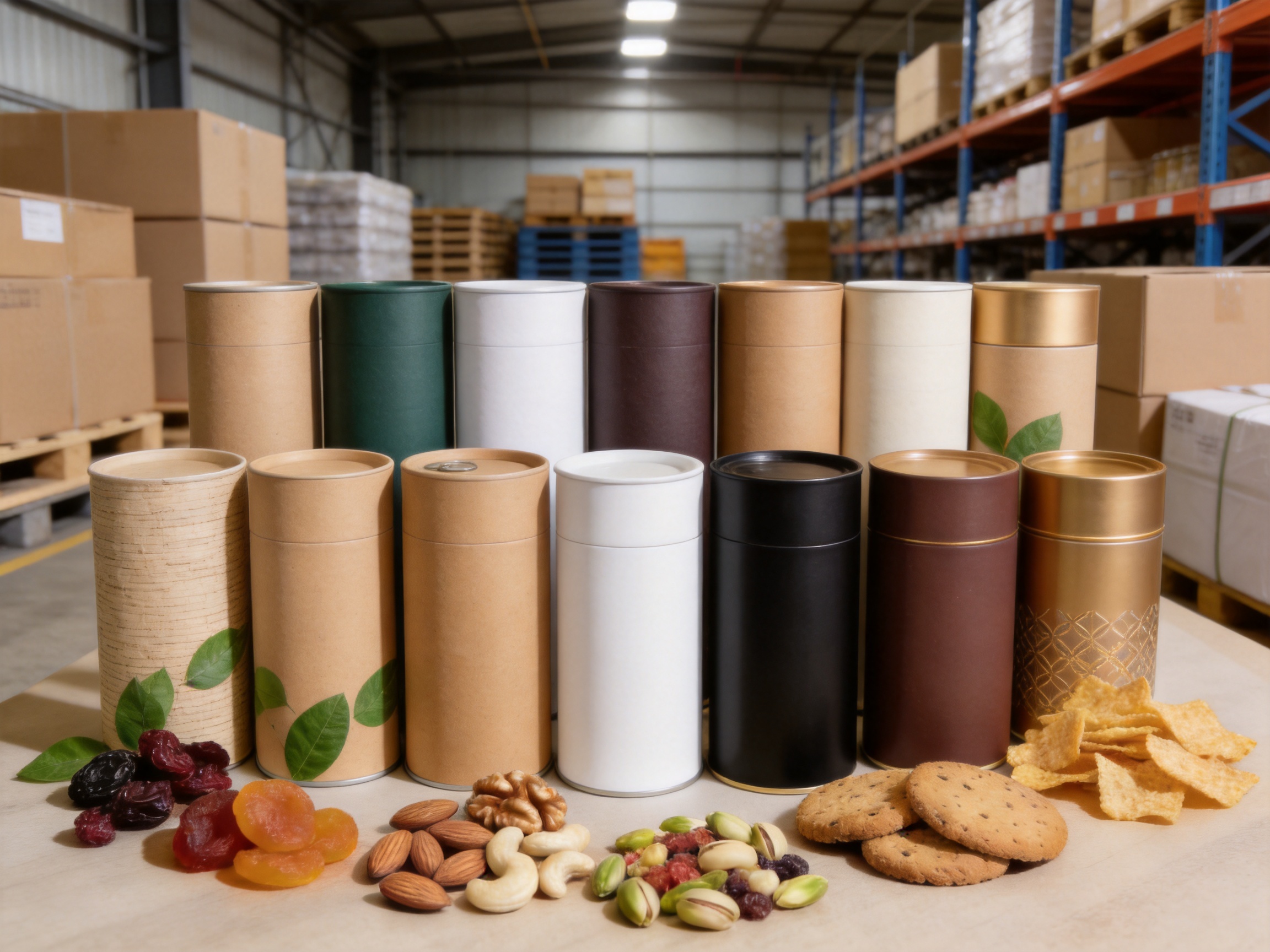
One of the strongest advantages of paper composite can packaging is customization. Different snacks require different packaging solutions. A premium almond brand may want a tall matte black can with gold foil printing. A family-friendly dried fruit brand may prefer bright colors and a resealable lid. A health food brand may choose kraft paper with simple typography and eco-focused messaging. A gift snack collection may need festive artwork and a more decorative finish.
Size and Capacity
Paper composite cans can be customized by diameter and height. Small cans are suitable for sample packs, single-serve snacks, hotel amenities, and promotional gifts. Medium cans can serve retail snack products. Large cans can be used for family-size nut mixes, sharing packs, or holiday assortments. Wholesale customization allows each brand to choose packaging that matches portion size, price point, and shelf strategy.
Printing and Branding
The curved body of the can provides a continuous branding surface. This is ideal for product storytelling. Brands can highlight natural ingredients, roasting methods, origin information, nutrition benefits, serving ideas, or sustainability commitments. The package can also include QR codes, batch information, barcodes, and regulatory text.
High-impact printing helps products stand out in the snack aisle. For dried food snacks, color coding can differentiate flavors or product lines. For example, green may indicate pistachio or matcha flavor, red may indicate berry mixes, brown may indicate chocolate or roasted nuts, and gold may signal premium festive editions.
Finishing Effects
Surface finishing can reinforce brand identity. Matte finishes feel modern and natural. Gloss finishes make colors more vivid. Soft-touch finishes create a premium tactile experience. Metallic effects can be used for holiday gifts or luxury snack lines. Embossing and debossing can add texture and perceived value.
Closure Choices
Closures influence both freshness and user experience. Snack packaging may use an inner seal for first-opening security and an outer lid for resealing. Some products may require easy-open membranes. Others may use plug lids or overcaps. The correct closure depends on product weight, filling process, distribution method, shelf-life expectations, and consumer habits.
Eco-Oriented Design Choices
For brands emphasizing sustainability, design choices may include paper-rich structures, kraft appearance, minimal ink coverage, recyclable material consideration, and clear disposal communication. While technical requirements may still require barrier layers for food protection, thoughtful material selection can help balance environmental goals with product safety.
Wholesale Supply Considerations
Wholesale packaging customers need more than an attractive sample. They need a supplier capable of converting a design into stable mass production. This includes engineering support, sample confirmation, material planning, production scheduling, quality control, packing, export coordination, and after-sales communication.
For dried food snack brands, timing is often critical. Product launches may be linked to harvest seasons, retail promotions, holiday gift periods, or trade shows. A packaging delay can affect the entire supply chain. Working with an experienced manufacturer helps reduce uncertainty because the supplier understands production lead times, tooling requirements, printing approval, and logistics planning.
Wholesale customers should also consider minimum order quantities, artwork requirements, food-contact documentation, sample testing, carton packing, palletization, and container loading. These practical details can influence total cost and delivery performance. A mature manufacturer can guide customers through the process and help prevent common mistakes.
How Paper Composite Cans Improve Brand Positioning
Packaging affects how consumers judge a product before they taste it. A snack in a flimsy pouch may be perceived as ordinary, while the same snack in a sturdy, beautifully printed paper can may be perceived as more premium, giftable, and trustworthy. This perception can support higher pricing, better shelf impact, and stronger repeat purchase.
For health-focused snacks, paper composite cans can communicate cleanliness and naturalness. For luxury confectionery snacks, they can communicate elegance. For children’s snacks, they can provide colorful and playful presentation. For travel snacks, they can offer portability and better crush resistance. For office snacks, they can sit neatly on desks and pantry shelves.
The round can shape also creates opportunities for limited editions. Seasonal graphics for holidays, festivals, local events, or promotional collaborations can be applied to the same structural format. This allows brands to refresh their packaging without completely changing the product line.
Applications Across the Snack and Nut Market
Eco-friendly paper composite can packaging is highly versatile. In the snacks and nuts category, it can be used for many product types and brand positions. Roasted nuts benefit from oxygen and aroma protection. Dried fruit benefits from moisture control and premium presentation. Cookies and crackers benefit from structural protection. Snack mixes benefit from resealability and convenient storage.
The packaging is also suitable for gourmet gift sets. A set of small paper cans can hold different nut flavors, fruit mixes, chocolate snacks, or regional specialties. The cylindrical shape is attractive for gift boxes and display trays. Because paper cans can be printed with festive artwork, they are well suited to holiday promotions and corporate gifts.
For e-commerce, rigid packaging is useful because products face more handling during parcel delivery. While outer shipping cartons remain necessary, the internal retail package should resist crushing and maintain appearance. Paper composite cans can help reduce product breakage and support positive unboxing experiences.
Comparison With Common Snack Packaging Types
Choosing packaging requires balancing cost, protection, appearance, sustainability, and logistics. No single format is perfect for every product, but paper composite cans offer a compelling combination for many dried food snacks.
| Packaging Type | Strengths | Limitations | Paper Composite Can Advantage |
|---|---|---|---|
| Flexible Pouch | Lightweight, economical, compact | Less rigid, lower premium impression, can wrinkle | Stronger structure and more premium shelf display |
| Plastic Jar | Rigid, transparent options, resealable | Higher plastic use, may conflict with eco positioning | Paper-based structure supports a more natural brand image |
| Folding Carton | Printable, efficient shipping before filling | Often needs inner bag, less crush resistance | Integrated rigid container with strong branding surface |
| Metal Tin | Durable, premium, reusable | Higher cost, heavier, more energy-intensive production | Lighter and often more cost-effective for wholesale snack lines |
| Glass Jar | Premium, inert, transparent | Heavy, breakable, higher shipping risk | Safer transport and lighter weight for many applications |
Sustainability and Eco-Friendly Value
Eco-friendly packaging is now a major concern for food companies, retailers, and consumers. Paper composite can packaging supports this trend by using paperboard as the principal structural material. Paper is widely understood by consumers as renewable and familiar. When combined with responsible design, paper-based packaging can help snack brands express environmental awareness.
However, sustainability should be approached honestly. Food packaging must protect the product first because food waste has a significant environmental cost. If a package is too weak or lacks sufficient barrier performance, it may lead to spoiled snacks, returns, and wasted resources. A good eco-friendly packaging strategy balances material reduction, renewable content, recyclability considerations, product protection, and consumer communication.
Paper composite cans can be optimized according to the product’s real needs. Not every snack requires the highest barrier structure. Some products may use simpler paper-rich designs. Others may require stronger liners to maintain shelf life. A skilled manufacturer helps customers choose the right structure instead of over-packaging or under-protecting the product.
The reusable nature of rigid paper cans also adds value. Consumers often keep attractive snack cans for storing small items, tea bags, craft materials, office supplies, or refill snacks. Reuse extends the life of the package and reinforces the brand in the consumer’s environment.
Design Strategy for Successful Snack Paper Can Packaging
To get the best results from paper composite can packaging, brands should define product requirements before finalizing design. Important questions include: What is the target shelf life? Is the snack oily, dry, crispy, sticky, or powder-coated? Does it need oxygen protection? Does it need a resealable lid? Will it be sold in stores, online, or both? Is the product premium, family-oriented, healthy, or gift-focused?
Once these needs are clear, the packaging structure can be matched to performance goals. The graphic design should then support the product’s market positioning. A natural dried fruit product may use botanical illustrations and earthy colors. A spicy nut mix may use bold graphics and high-energy color contrast. A premium chocolate snack may use dark tones, metallic accents, and a refined logo layout.
Clear information hierarchy is essential. Consumers should quickly understand what the snack is, what flavor it offers, and why it is worth buying. The can body should balance visual attraction with readability. Because the surface is curved, designers should consider how the package appears from the front, side, and back.
Quality Factors Buyers Should Evaluate
Wholesale buyers should evaluate paper composite cans from both appearance and performance perspectives. A visually attractive can is not enough if it fails during filling or storage. Likewise, a strong can may not sell well if its print quality is poor. The best packaging combines both functional reliability and commercial appeal.
Key factors include material safety, odor neutrality, inner liner suitability, body strength, roundness, surface smoothness, print clarity, color consistency, lid fit, seal performance, edge finishing, and carton packing quality. Buyers may also request samples for filling trials, drop tests, stacking tests, and shelf-life evaluation.
Communication with the supplier is also important. Customers should provide product details, filling weight, storage conditions, shipping method, target market, artwork files, and expected order volume. The more complete the information, the more accurately the manufacturer can recommend a suitable packaging structure.
Role of Experience in Composite Can Manufacturing
Experience matters greatly in composite can manufacturing. Small variations in paper tension, adhesive amount, cutting accuracy, or closure assembly can affect the final product. A manufacturer with more than 20 years in the industry has likely handled many product categories, structural challenges, and customer requirements.
Hangzhou Qunle Packaging Co.,Ltd. has served food, daily chemical products, fast-moving consumer goods, and other markets. This broad application experience helps the company understand how different products interact with packaging. For dried food snacks, experience with food-grade composite cans is especially useful because the packaging must balance hygiene, barrier performance, appearance, and efficiency.
The company’s investment in a high-speed European composite can production line also indicates a focus on advanced manufacturing. Modern equipment can improve production speed, dimensional accuracy, and batch stability. Combined with quality control and technical knowledge, it supports reliable wholesale supply for domestic and international customers.
Why This Packaging Is Suitable for Global Snack Brands
Global snack brands need packaging that can adapt to different markets. Retail expectations, language requirements, portion sizes, and design preferences may vary by region. Paper composite cans are flexible enough to accommodate these differences. A single structural concept can be customized with different artwork, labels, capacities, and finishes for multiple markets.
The format is also familiar to consumers in many countries. Paper cans are used for snacks, tea, coffee, spices, confectionery, nutrition products, and gift items. This familiarity helps reduce consumer hesitation while still providing a distinctive premium look.
For importers and distributors, paper composite cans can support private label programs. A distributor can develop a snack line under its own brand using customized packaging, while relying on an experienced manufacturer for packaging supply. This is especially useful for specialty food businesses, supermarket private labels, health food brands, and seasonal gift companies.
Practical Ordering Process for Wholesale Packaging
A typical wholesale ordering process begins with product consultation. The customer shares the snack type, filling weight, target size, desired shelf life, market positioning, and artwork needs. The manufacturer recommends a suitable can structure, material combination, closure type, and finishing option.
Next, samples may be prepared for approval. Sampling helps customers evaluate size, appearance, lid function, and compatibility with the snack product. For food packaging, customers may conduct shelf-life testing or filling line trials before mass production.
After sample confirmation, artwork files are prepared for printing. Accurate artwork is important because curved packaging requires proper layout and bleed settings. The customer reviews proofs or printed samples where applicable. Once approved, the manufacturer schedules production, prepares materials, prints outer paper, forms can bodies, assembles closures, performs quality inspection, and packs the finished products for shipment.
Clear communication during each stage helps ensure that the final packaging matches expectations. Wholesale packaging is a collaborative process, and the best results come from early technical discussion and careful sample confirmation.
Cost and Value Considerations
Packaging cost should not be evaluated only by unit price. A cheaper package may increase product damage, reduce shelf appeal, shorten shelf life, or weaken brand positioning. A better package can help protect product value, reduce complaints, improve consumer perception, and support higher retail pricing.
Paper composite cans often provide strong value for premium and mid-range snack products. They may cost more than a simple pouch, but they deliver better rigidity, stronger branding, and a more giftable appearance. Compared with metal tins or glass jars, they are often lighter and more practical for large-scale snack distribution.
For wholesale buyers, total value includes manufacturing quality, customization capability, delivery reliability, communication efficiency, and supplier experience. A capable supplier can help avoid costly redesigns, production delays, and quality issues.
Storage, Transport, and Handling Benefits
Paper composite cans are designed to be stable during storage and transport. Their round structure provides good compression resistance, and their rigid body helps protect snacks from crushing. When properly packed in outer cartons, they can travel through distribution channels while maintaining their retail appearance.
Stackability is another benefit. Cylindrical cans can be arranged efficiently in cartons and on shelves. Their uniform shape supports neat retail displays and warehouse organization. For e-commerce, the rigid container helps preserve product presentation after parcel shipping.
Handling convenience also matters to consumers. A paper can is easy to grip and pour from. It can sit upright on a table or shelf. If fitted with a resealable lid, it helps keep snacks organized after opening. These small user-experience benefits can influence repeat purchase.
Innovation Opportunities in Snack Paper Can Packaging
The paper composite can format continues to evolve. Future opportunities include more paper-based barrier technologies, improved recyclable structures, smart packaging elements, interactive printed content, lightweight construction, and refillable snack systems. Brands can use these innovations to create stronger consumer engagement and reduce environmental impact.
For example, a snack brand could use a paper can with a QR code that shares sourcing stories, nutrition information, or recycling guidance. A seasonal nut collection could use collectible can designs. A health snack company could develop refill packs that allow consumers to reuse the original paper can. These ideas show how packaging can become part of a broader brand experience.
Hangzhou Qunle Packaging Co.,Ltd. is committed to researching and launching more high-quality packaging products for the global market. Its patented technologies and long-term industry focus provide a foundation for continued development in paper tube packaging and composite can packaging.
Frequently Asked Questions
What types of snacks can be packed in paper composite cans?
Paper composite cans are suitable for many dried food snacks, including nuts, dried fruit, cookies, crackers, cereal snacks, trail mixes, chocolate-coated snacks, puffed snacks, and specialty snack assortments. The exact structure should be selected according to the product’s moisture, oil content, aroma, and shelf-life requirements.
Are paper composite cans airtight?
They can be designed with airtight or high-barrier features depending on the closure and liner structure. For products that require stronger freshness protection, options may include barrier liners, sealed membranes, easy-open ends, and resealable lids. The final performance should be confirmed through product testing.
Why choose paper composite cans instead of plastic jars?
Paper composite cans provide a paper-based structure, premium appearance, strong print customization, and good rigidity. They can reduce reliance on plastic containers and support an eco-conscious brand image while still offering practical protection for dried snacks.
Can the size and design be customized for wholesale orders?
Yes. Diameter, height, printing, surface finish, lid type, barrier structure, and decorative effects can be customized. Wholesale customization allows snack brands to create packaging that matches product weight, brand identity, retail channel, and consumer expectations.
The rigid cylindrical shape, large branding surface, high-quality printing options, resealable closure possibilities, and strong shelf presence make paper composite cans suitable for premium dried fruits, gourmet nuts, gift snacks, and specialty food products.
How does the manufacturer support food packaging quality?
Hangzhou Qunle Packaging Co.,Ltd. has more than 20 years of experience in composite can and paper can manufacturing. The company was the first enterprise in China to pass the QS certificate for producing food packaging containers and uses advanced production equipment, quality control processes, and patented technologies to support reliable packaging supply.
Are paper composite cans environmentally friendly?
They can support eco-friendly packaging strategies because paperboard is the main structural material. The environmental performance depends on the final material composition, barrier requirements, local recycling systems, and disposal practices. A responsible design balances sustainability with food protection to reduce both packaging waste and food waste.
Can paper composite cans be used for e-commerce snack products?
Yes. Their rigid structure helps protect snacks during handling and shipping, especially when combined with suitable outer cartons. They also create a better unboxing impression than many flexible packaging formats.
Conclusion
Eco-friendly dried food snack paper composite can packaging is a strong choice for brands that want to combine product protection, premium presentation, customization, and sustainability-oriented design. For snacks and nuts, the package must preserve freshness, resist damage, attract consumers, and support convenient use. A well-engineered paper composite can meets these needs while giving brands a distinctive and professional image.
Compared with flexible pouches, folding cartons, plastic jars, metal tins, and glass containers, paper composite cans offer a balanced solution. They provide rigidity without excessive weight, strong shelf presence without sacrificing practicality, and paper-based appeal without ignoring food protection requirements. For wholesale customers, they also offer broad customization and scalable supply potential.
Hangzhou Qunle Packaging Co.,Ltd. brings more than 20 years of composite can and paper can manufacturing experience, advanced production lines, patented technologies, and long-term cooperation with recognized brands. Its capabilities make it a reliable supplier for snack companies, private label businesses, distributors, and global food brands looking for high-quality paper tube packaging and cardboard tube packaging solutions.
As consumers continue to seek better packaging experiences and more responsible material choices, paper composite cans are well positioned to serve the future of dried food snack packaging. They protect the product, elevate the brand, and create a package that consumers can notice, trust, and reuse.
References
1. Robertson, G. L. Food Packaging: Principles and Practice. CRC Press.
2. Marsh, K., and Bugusu, B. “Food Packaging: Roles, Materials, and Environmental Issues.” Journal of Food Science.
3. Coles, R., McDowell, D., and Kirwan, M. J. Food Packaging Technology. Blackwell Publishing.
4. Yam, K. L. The Wiley Encyclopedia of Packaging Technology. John Wiley & Sons.
5. Soroka, W. Fundamentals of Packaging Technology. Institute of Packaging Professionals.
