 English
 Español
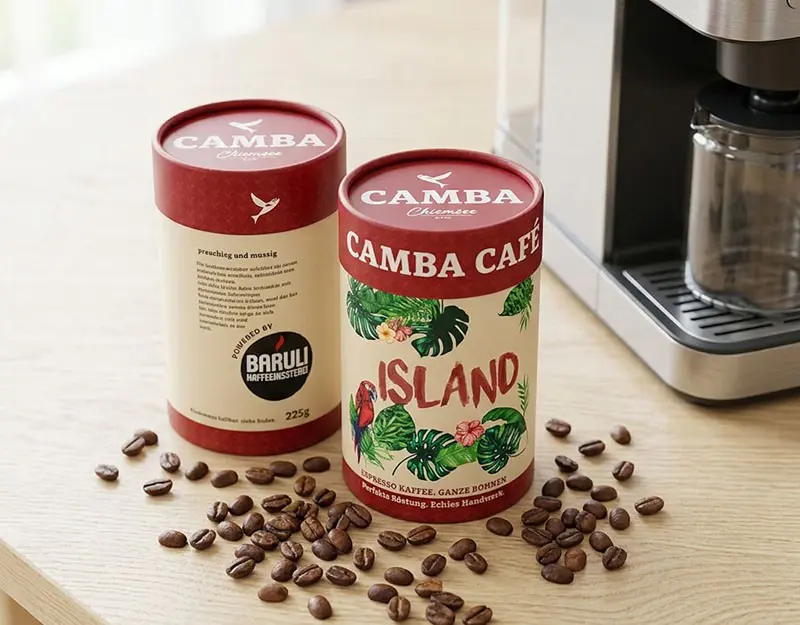
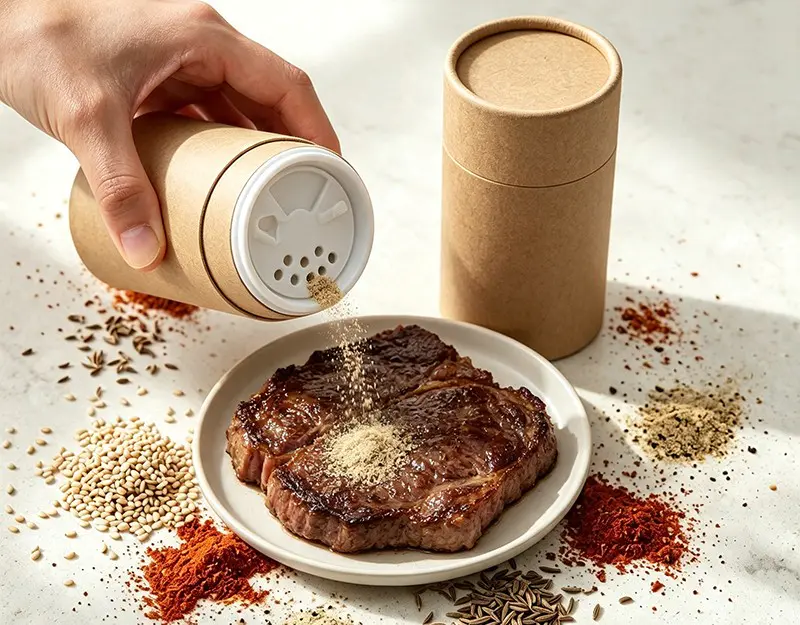

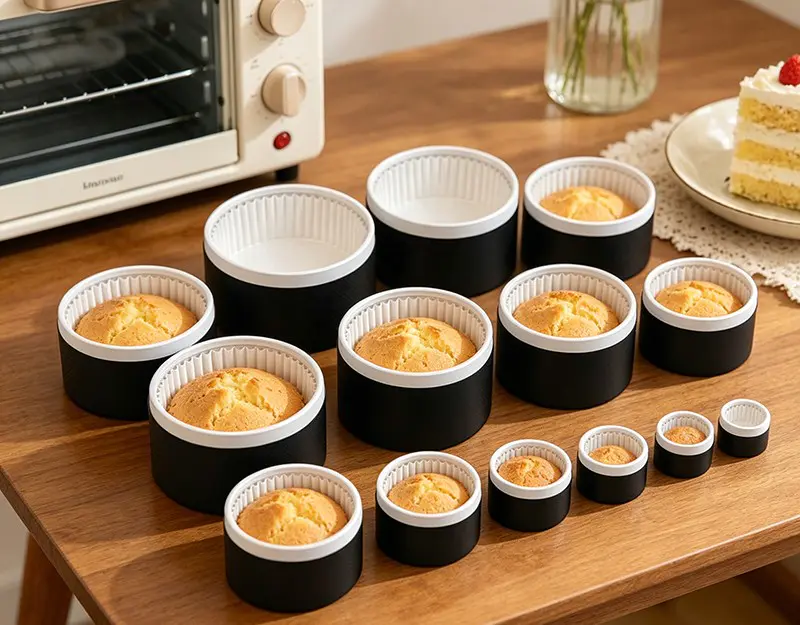

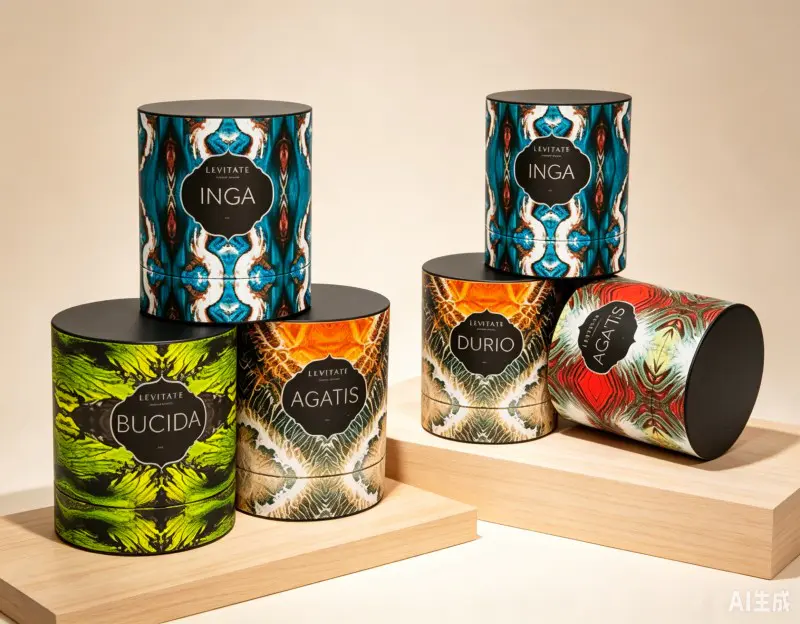
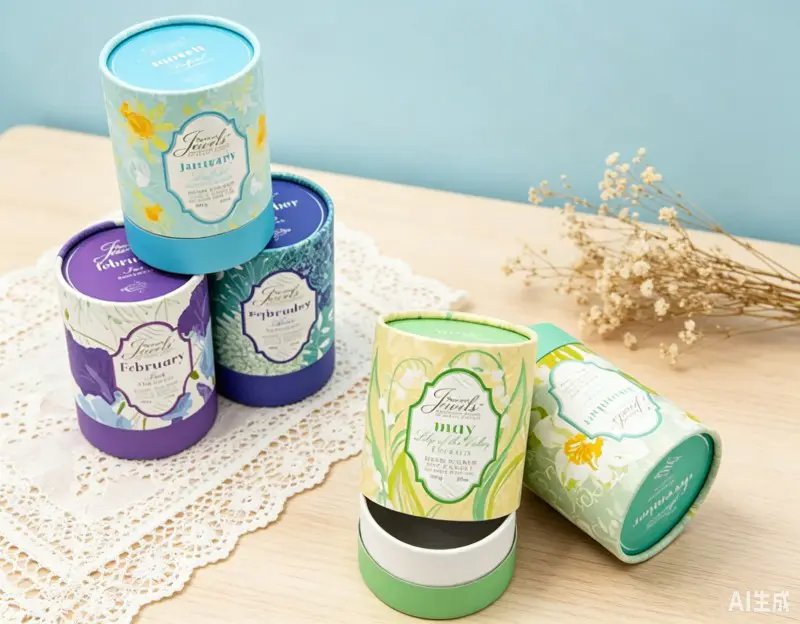
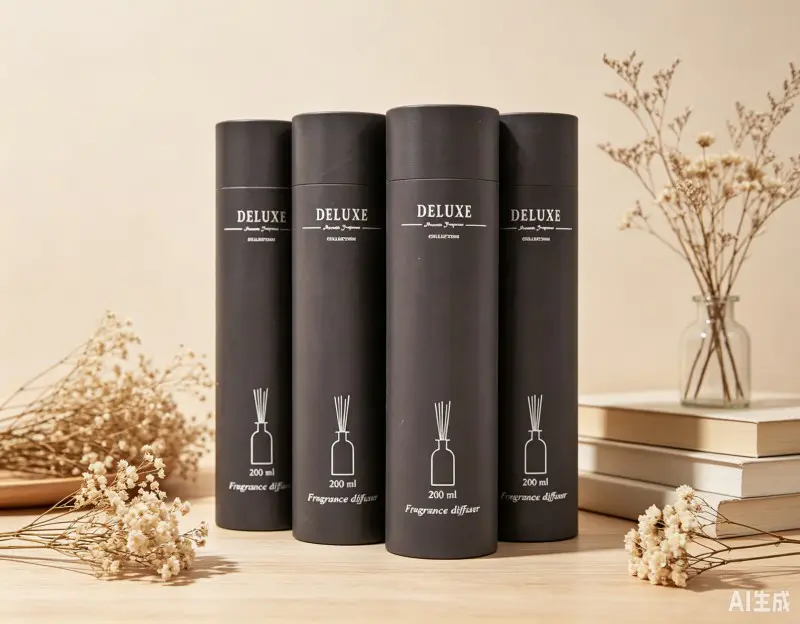
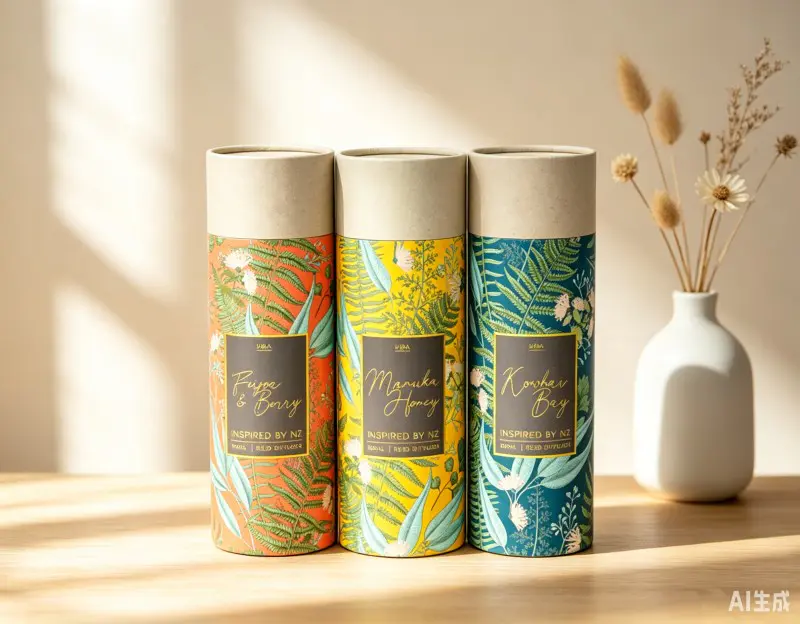
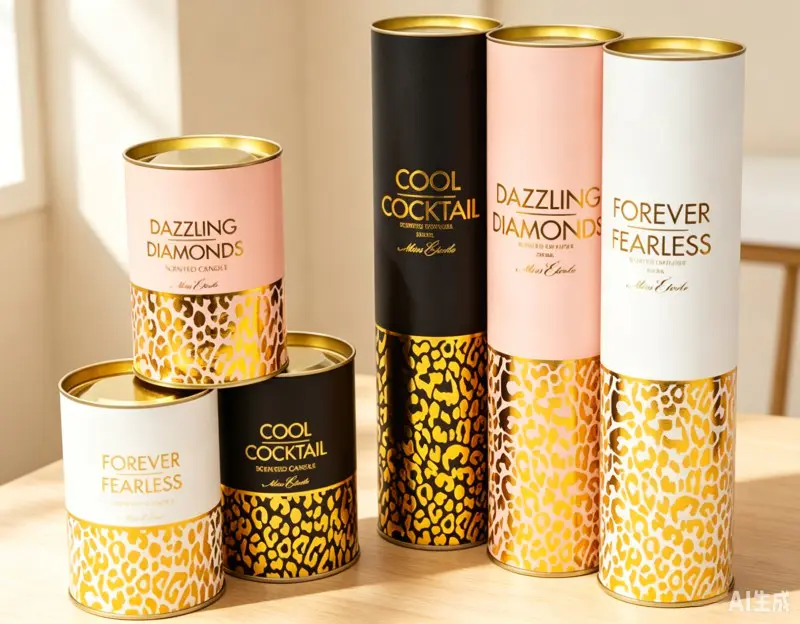
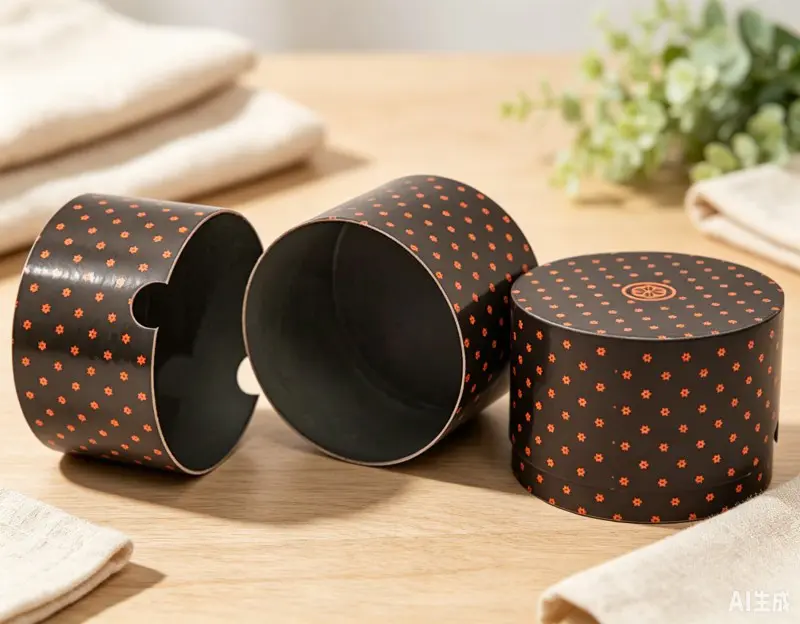
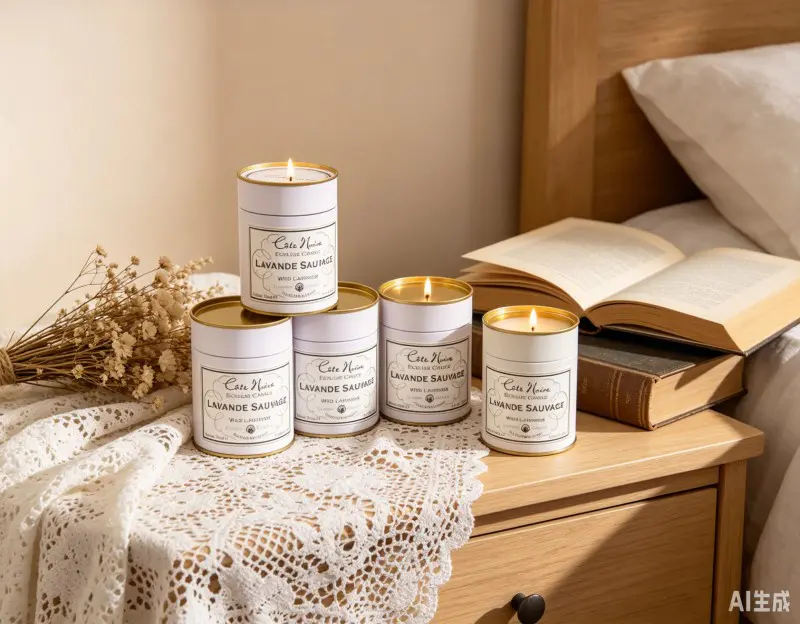

As one of the top China cardboard tube packaging manufacturers and paper tube packaging suppliers, we devote all of our efforts to research and launch more high quality packaging products to global market.
Content
- 1 What Are Paper Candle Tubes?
- 2 Why Candle Brands Choose Paper Tube Packaging
- 3 Common Types of Paper Candle Tubes
- 4 Standard Sizes and Dimensions for Candle Paper Tubes
- 5 Materials Used in Paper Candle Tube Manufacturing
- 6 Printing and Finishing Options for Custom Paper Candle Tubes
- 7 Inserts and Protective Packaging Inside Paper Candle Tubes
- 8 How to Source Paper Candle Tubes: Key Questions to Ask Suppliers
- 9 Paper Candle Tubes for Small Batch and Indie Candle Makers
- 10 Design Tips for Paper Candle Tube Packaging That Sells
- 11 Sustainability Credentials of Paper Candle Tubes
What Are Paper Candle Tubes?
Paper candle tubes are cylindrical cardboard or paperboard containers specifically designed to hold, protect, and present candles. Unlike standard cardboard boxes or plastic sleeves, these tubes are purpose-built for the candle industry — engineered with the right wall thickness to support the weight of filled candle vessels, the right inner diameter to accommodate common jar and pillar candle sizes, and a surface finish suitable for high-quality printing and branding. They typically come in two-piece constructions with a separate lid and base, though telescoping and sliding-drawer styles also exist for different aesthetic and functional needs.
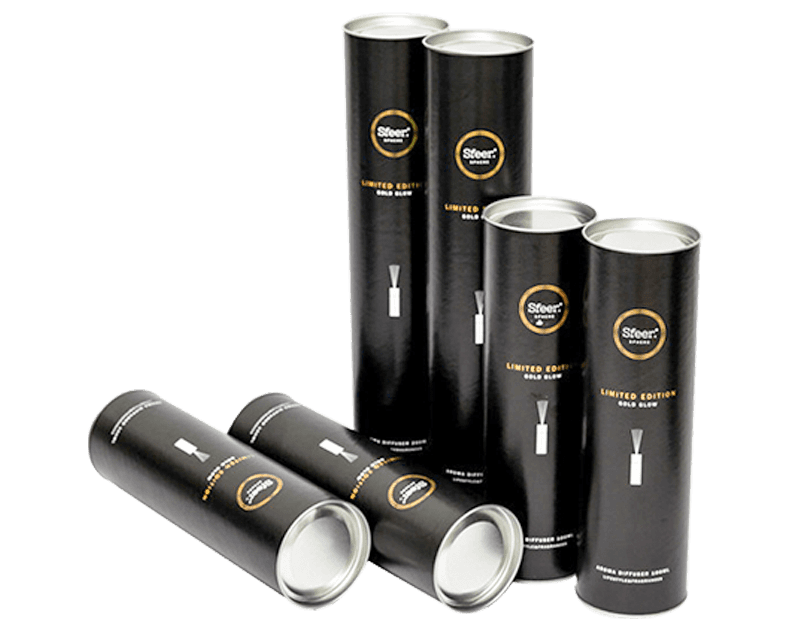
The core material is most commonly spiral-wound kraft paper or grey board wrapped in a printed outer layer — a construction method that results in a tube strong enough to protect fragile glass candle jars during shipping while still being fully recyclable and biodegradable. For premium candle brands, paper candle packaging tubes serve a dual role: they protect the product during transit and storage, and they function as the first physical brand touchpoint the customer interacts with, making the unboxing moment a deliberate part of the brand experience.
Round paper tubes for candles are available from specialized packaging manufacturers in a wide range of standard sizes, and most suppliers offer custom sizing, custom printing, and surface finishing options for brands that want something beyond an off-the-shelf solution. Whether you are a small-batch candle maker sourcing packaging for the first time or a scaling candle brand revisiting your packaging strategy, understanding what paper candle tubes are and how they are made is the foundation for making smart sourcing decisions.
Why Candle Brands Choose Paper Tube Packaging
The shift toward paper candle tube packaging over the past several years is not simply a trend — it reflects a convergence of practical, commercial, and consumer-driven factors that make cylindrical paper packaging genuinely well-suited to candles as a product category.
- Sustainability alignment: Candle consumers skew heavily toward buyers who value natural ingredients, clean burning, and environmentally responsible sourcing. Paper tubes made from recycled kraft or FSC-certified paperboard align directly with these values in a way that plastic or mixed-material packaging does not. Brands can credibly market their packaging as recyclable, compostable, or made from post-consumer waste — claims that resonate strongly in the candle market.
- Premium perceived value: The weight, rigidity, and tactile quality of a well-made paper candle tube communicates quality before the candle itself is even seen. Customers who receive a candle in a solid, beautifully printed cylindrical tube perceive the product inside as more premium than the same candle arriving in a plain kraft mailer box — even at the same price point.
- Shape differentiation on shelf: Most candle packaging is rectangular. A round paper tube immediately stands out in a retail environment, drawing the eye with its unconventional silhouette. This shape differentiation requires no additional marketing spend — it works passively wherever the product is displayed.
- Gift-ready presentation: Candles are among the most commonly gifted consumer products. Paper tubes require no additional gift wrapping — the tube itself functions as attractive gift packaging, which removes a friction point for gift buyers and increases the product's appeal as a grab-and-go gift option at retail.
- Protective performance: The cylindrical structure of paper tubes distributes compressive forces evenly around the candle jar or vessel, providing superior side-impact protection compared to a flat cardboard box of equivalent wall thickness. This is particularly important for glass candle containers, which are vulnerable to chipping or cracking at corners and edges.
- Stackability and storage efficiency: Cylindrical tubes stack vertically with a smaller footprint per unit than rectangular boxes of equivalent volume, which improves storage efficiency in warehouses, retail stockrooms, and e-commerce fulfillment centers.
Common Types of Paper Candle Tubes
Not all paper candle packaging tubes are built the same way. Understanding the main construction types helps you match the right tube style to your product, price point, and production volume.
Two-Piece Lid and Base Tubes
The most common format for candle tubes. A separate cylindrical lid slides over or onto a base tube that holds the candle. The fit between lid and base — called the "tolerance" — can be engineered as a tight friction fit (harder to open, more secure during transit) or a loose fit (easier to open, better for display). This style is the most versatile for candle packaging because the lid can be kept by the customer to cover the candle between uses, which adds ongoing functional value beyond the initial unboxing.
Telescoping Paper Tubes
Telescoping tubes have a base and lid of equal or near-equal length that slide into each other rather than one fitting over the other. This construction allows the tube to be adjusted to different fill heights, making it useful for candle brands with multiple candle sizes that share a common diameter. Telescoping paper tubes are also common for pillar candles and taper candle sets where the length of the candle is the variable, not the diameter.
Sliding Drawer Paper Tubes
In a drawer-style tube, an inner sleeve holding the candle slides out horizontally from an outer shell. This construction creates a distinctive unboxing experience that feels more engineered and intentional than a standard lid-off tube. Drawer tubes are typically used for higher-end candle gift sets and retail-focused packaging where the opening mechanism itself is part of the brand statement.
Seamless Spiral-Wound Tubes
Spiral-wound paper tubes are made by winding strips of kraft paper at an angle around a mandrel, creating a continuous, seamless cylindrical wall. This manufacturing method produces extremely strong tubes with no vertical seam — the seam is a spiral running up the body of the tube and is either hidden under an outer wrapper or becomes a design feature. Spiral-wound construction is the standard for heavy-duty candle shipping tubes where structural integrity is the primary requirement.
Standard Sizes and Dimensions for Candle Paper Tubes
Candle paper tubes need to be sized to match the candle vessel they will contain. The key dimensions to specify are inner diameter (ID), outer diameter (OD), and height. Wall thickness — which determines the difference between ID and OD — is typically 3mm to 8mm depending on the tube grade and required strength. The table below shows common paper tube dimensions matched to standard candle container sizes:
| Candle Type | Typical Vessel Diameter | Recommended Tube ID | Common Tube Height |
| 4 oz tin or jar | 65–70mm | 72–76mm | 70–80mm |
| 8 oz jar candle | 80–85mm | 87–92mm | 90–100mm |
| 10 oz glass jar | 88–95mm | 97–102mm | 100–115mm |
| 3-inch pillar candle | 76mm (3 inches) | 80–84mm | 100–200mm (variable) |
| Votive candle set | 45–55mm per votive | Custom multi-cavity insert | 60–70mm per votive depth |
Always measure your candle vessel's actual diameter at its widest point — often the lid or flange — rather than the body diameter, and add at least 4–6mm clearance on each side to ensure easy insertion and removal. If your candle will be placed in the tube with tissue paper or a foam insert, account for that additional material when calculating the required inner diameter.
Materials Used in Paper Candle Tube Manufacturing
The quality and performance of a paper candle tube depend heavily on the specific materials used in its construction. Most tubes combine multiple paper grades in a laminated or wound structure, with each layer serving a distinct role.
Grey Board and Chipboard Core
The structural core of most high-end paper candle packaging tubes is made from grey board — a dense, recycled paperboard made from recovered fibers — or chipboard, a similar material made from compressed waste paper. Grey board is available in thicknesses from 1mm to 4mm per layer, and multiple layers are laminated together to achieve the required wall thickness and rigidity. This core material provides the tube's crush resistance and determines how much weight the tube can bear without deforming.
Kraft Paper Wrapping
The inner and outer surfaces of paper candle tubes are typically wrapped in kraft paper — either natural brown kraft for a raw, eco-aesthetic or bleached white kraft for a cleaner printing surface. The inner kraft lining provides a smooth contact surface that won't scratch candle glass, while the outer kraft wrap serves as the printing substrate for branding, labels, and decorative finishes.
Specialty Outer Wraps
For premium candle brands, the outer wrap can be upgraded from standard kraft to specialty papers that dramatically change the look and feel of the tube. Common options include coated art paper (for vivid color printing and gloss finishes), textured paper stocks (linen, felt, or embossed patterns), duplex boards with colored or metallic surfaces, and handmade or lokta paper wraps for artisan and botanical candle brands. The outer wrap is the most visible and tactile part of the tube, and investing in a distinctive wrap material is one of the highest-impact ways to differentiate candle packaging at the shelf level.
Printing and Finishing Options for Custom Paper Candle Tubes
One of the greatest advantages of paper candle tubes as a packaging format is the breadth of printing and finishing options available for customization. Because the outer wrap is a flat paper sheet before it is applied to the tube, it can be printed using virtually any commercial printing process before assembly.
- Offset lithographic printing: The standard process for high-volume custom printed candle tubes. Offset printing delivers sharp detail, accurate color reproduction, and consistent results across large print runs. It is cost-efficient at quantities of 500 units or more per design and supports the full CMYK color space plus Pantone spot colors for precise brand color matching.
- Digital printing: For short runs or designs requiring variable data (like personalized gift messages or numbered limited editions), digital printing on the wrap sheet eliminates plate costs and minimum quantity requirements. Print quality has improved significantly and is now suitable for most candle packaging applications at quantities under 300 units.
- Hot foil stamping: A metallic or pigment foil is applied under heat and pressure to specific areas of the tube surface, creating mirror-bright metallic accents — gold, silver, rose gold, holographic — that cannot be replicated by printing alone. Foil stamping is extremely popular for luxury candle brands because it signals premium quality instantly and photographs exceptionally well for social media and product photography.
- Embossing and debossing: The tube surface or lid can be embossed (raised) or debossed (pressed inward) with logos, patterns, or text, creating a tactile dimension that makes the packaging feel more considered and crafted. Blind embossing (without foil or ink) on a colored tube surface produces a sophisticated tonal effect that is increasingly popular among minimalist candle brands.
- Spot UV varnish: A high-gloss UV varnish is applied selectively over specific printed elements — a logo, a botanical illustration, a product name — creating a contrast between the glossy accent and the surrounding matte surface. This finishing technique is relatively cost-effective compared to foil stamping and delivers a strong visual impact with excellent durability.
- Soft-touch matte lamination: A velvety matte laminate applied to the outer surface transforms the tactile experience of the tube, making it feel smooth and almost rubberized. Soft-touch lamination is a hallmark of premium beauty and lifestyle packaging and has become a popular choice for candle brands targeting the luxury gifting market.
Inserts and Protective Packaging Inside Paper Candle Tubes
The tube body alone is rarely sufficient to fully protect a glass candle jar during transit. Most candle brands pair their paper tubes with an inner insert or protective material that cushions the candle vessel, centers it within the tube, and prevents movement during shipping. The right insert choice depends on your candle's weight, fragility, and the shipping conditions it will face.
- Foam inserts: Precision-cut EVA or polyethylene foam inserts provide excellent shock absorption and hold the candle jar firmly centered in the tube regardless of orientation. They are the most protective option for heavy glass jars but add cost and are not recyclable, which creates a conflict with eco-positioning.
- Tissue paper padding: Crinkle-cut or flat tissue paper wrapped around the candle vessel fills the gap between vessel and tube wall and adds a layer of cushioning. Tissue is inexpensive, biodegradable, available in dozens of colors, and contributes to the unboxing experience. It is adequate for lighter tin or small jar candles but may not provide sufficient protection for heavy glass jars over long shipping distances.
- Molded pulp inserts: Made from recycled paper pulp, molded inserts are custom-formed to cradle the specific candle jar shape and are 100% recyclable and compostable. They are the premium eco-friendly alternative to foam and are increasingly popular with candle brands that want consistent protective performance without compromising on sustainability credentials.
- Cardboard sleeves and trays: A die-cut cardboard tray or sleeve inserted into the base of the tube holds the candle vessel at the correct height and prevents it from sinking to the bottom. This is a cost-effective solution for candle jars that fit snugly in the tube with minimal lateral movement but need vertical positioning control.
How to Source Paper Candle Tubes: Key Questions to Ask Suppliers
Whether you are sourcing paper candle tubes domestically or from overseas manufacturers, the quality of the supplier relationship and the clarity of your specifications determine whether your packaging arrives as expected. Before placing any order, work through the following questions with your potential supplier:
- What is the minimum order quantity (MOQ)? Specialty paper tube manufacturers typically have MOQs ranging from 100 to 1,000 units per size for custom printed tubes. If your volumes are below 200 units, look for suppliers who specialize in short-run custom packaging or who offer digital printing on tubes.
- Can you provide a physical sample before production? Always request a pre-production sample — ideally a printed and finished sample using your actual artwork — before approving a full production run. Color, finish, and fit tolerances are impossible to evaluate from digital proofs alone.
- What paper certifications do you hold? For brands making eco-friendly claims, confirm that the supplier's paperboard is FSC-certified, PEFC-certified, or made from a verifiable percentage of recycled post-consumer waste. Request the relevant certification documentation.
- What is the wall thickness and compression strength of the tube? Ask for the tube's wall thickness in millimeters and, for shipping applications, the top-load compression rating in kilograms. This tells you whether the tube can survive stacking in a shipping carton without deforming.
- What are the lead times for samples and production? Sample lead times are typically 7–15 business days; full production lead times range from 3 to 6 weeks depending on finishing complexity and order volume. For overseas suppliers, add 2–4 weeks for sea freight shipping.
- What artwork format do you require? Most suppliers require print-ready PDF or AI files with specified bleed margins, color mode (CMYK), and resolution. Ask for a dieline template in the correct tube dimensions before starting your design work.
Paper Candle Tubes for Small Batch and Indie Candle Makers
For small-batch candle makers, the economics of custom printed paper candle tubes can seem challenging at first. Minimum order quantities and setup costs for custom printing make fully bespoke tubes inaccessible for makers producing under 200 units per SKU. However, there are practical approaches that allow small candle businesses to use quality paper tube packaging without committing to large minimum orders.
The most accessible option for small makers is purchasing plain kraft or white paper candle tubes in small quantities and applying custom branding through a printed label, a custom belly band, or a branded sticker. A well-designed label applied to a quality plain tube creates a professional, branded result that photographs well and presents nicely at markets and retail. Belly bands — strips of printed paper that wrap around the center of the tube — are particularly effective because they allow you to use the same plain tube across multiple scents or product lines, changing only the band for each variant. This approach dramatically reduces packaging inventory complexity and minimum order costs.
Another route for indie candle makers is sourcing from packaging suppliers who specialize in small-run custom orders using digital printing. Digital printed tubes at quantities of 50–250 units are available from a growing number of suppliers who cater specifically to the artisan food, beauty, and candle markets. While the per-unit cost is higher than offset-printed tubes at large volumes, the total investment is manageable and the result is a fully customized tube with your artwork directly printed on the surface.
Design Tips for Paper Candle Tube Packaging That Sells
The cylindrical format of paper candle tubes presents unique design considerations that differ from flat-sided box packaging. Applying standard box design thinking to a tube often produces mediocre results. These specific design principles will help you make the most of the format.
- Design for 360-degree viewing: Unlike a box with a defined front panel, a tube is seen from every angle simultaneously in a retail setting. Your design should work as a wrap — with key brand elements and the product name visible from at least two sides — rather than concentrating all information on one panel as you would on a box.
- Use the lid as a design element: The top of the lid is frequently neglected in candle tube design but is highly visible in retail displays, product photography, and social media flat-lay shots. A logo, pattern, or decorative element on the lid top adds polish and improves photography without significant added cost.
- Account for the seam: All wrapped paper tubes have a seam where the outer wrap meets itself. Most manufacturers can position this seam at the back of the tube, but you should design with awareness of where the seam will fall and avoid placing critical design elements across it.
- Contrast texture and finish for impact: Combining a matte base with selective gloss or foil accents creates visual and tactile contrast that is far more memorable than an all-matte or all-gloss tube. Even a simple soft-touch matte tube with a single foil-stamped logo outperforms an equivalent tube with only printed branding in perceived premium value.
- Keep typography legible at small sizes: The curved surface of a tube slightly distorts the appearance of text, particularly fine serif fonts at small point sizes. Test your design on a physical sample before committing to production — what reads clearly in a flat digital proof may become illegible when wrapped around a 75mm tube.
Sustainability Credentials of Paper Candle Tubes
Paper candle tubes have genuine sustainability credentials that set them apart from mixed-material or plastic packaging alternatives — but it is important to understand the nuances rather than making blanket claims that may not hold up to scrutiny.
A standard paper candle tube made from recycled grey board with a kraft paper outer wrap and no lamination is recyclable through standard household paper recycling streams in most countries and will biodegrade in landfill conditions within months rather than centuries. This represents a significant environmental improvement over tubes with plastic windows, plastic liners, or mixed-material construction that cannot be easily separated for recycling. If your paper candle tube includes a soft-touch laminate, foil stamping, or a plastic insert, those elements technically make the tube non-recyclable through standard streams — a fact worth being transparent about with customers who care about end-of-life disposal.
For candle brands making substantiated eco-packaging claims, the most defensible position is to specify FSC-certified paperboard, water-based printing inks, and no plastic lamination, and to verify these specifications in writing with your supplier. Third-party certifications — particularly FSC chain-of-custody certification — provide verifiable proof that the paper content in your tubes comes from responsibly managed sources, which is a more credible claim than general language about being "eco-friendly" or "sustainable."
