 English
 Español

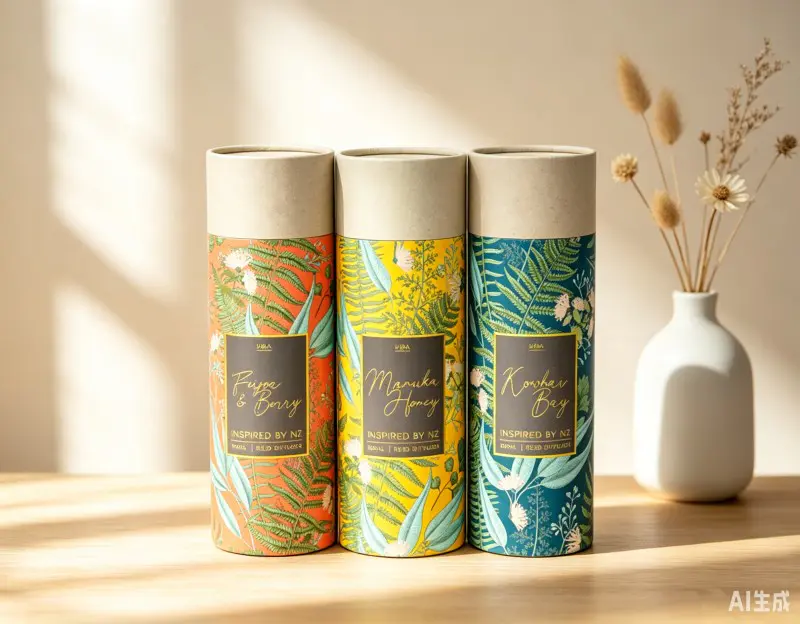
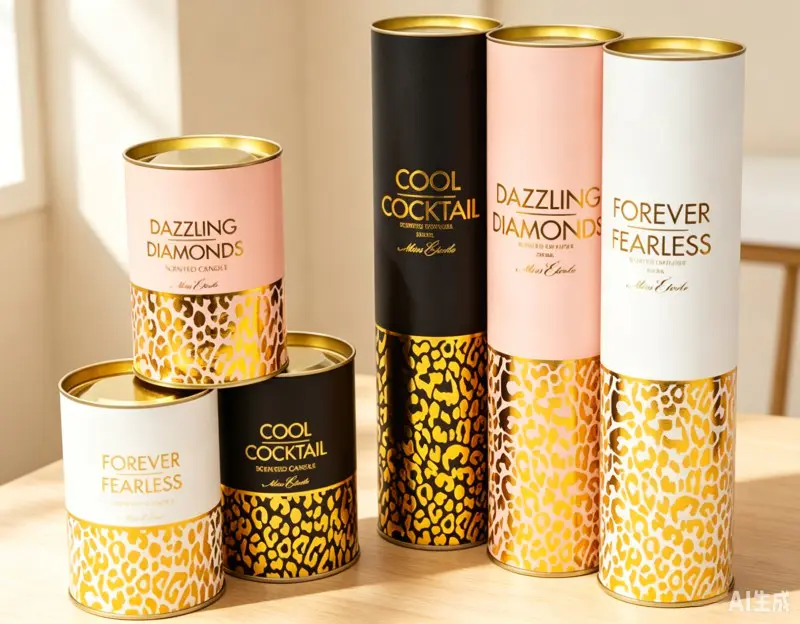
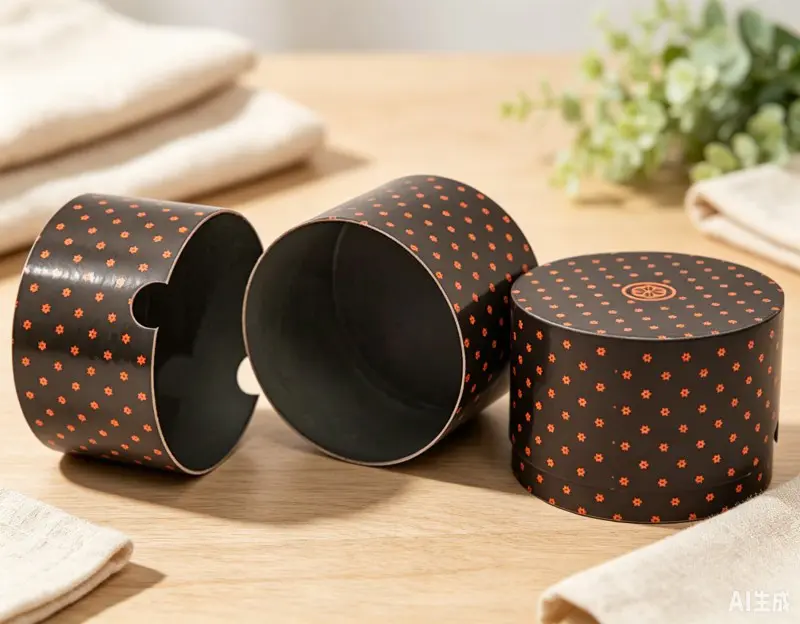
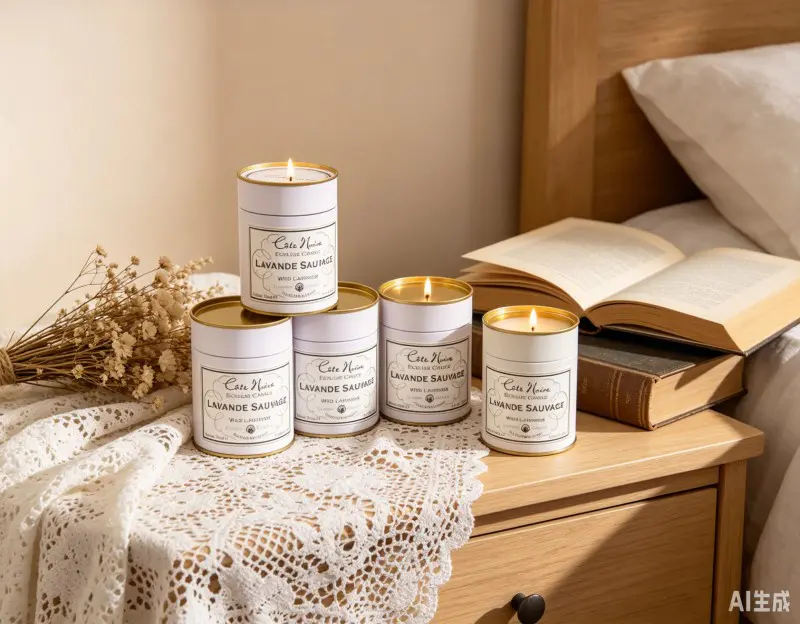

As one of the top China cardboard tube packaging manufacturers and paper tube packaging suppliers, we devote all of our efforts to research and launch more high quality packaging products to global market.
Content
- 1 What Is Tube Food Packaging and Why Does It Matter?
- 2 Common Types of Tube Packaging Used for Food Products
- 3 Which Food Products Are Best Suited for Tube Packaging?
- 4 Key Benefits of Using Tubes for Food Packaging
- 5
- 6 Filling and Sealing: How Food Tubes Are Manufactured
- 7 Sustainability Challenges and Solutions in Food Tube Packaging
- 8 Choosing the Right Tube Packaging Supplier: What to Look For
- 9 Market Trends Shaping the Future of Food Tube Packaging
What Is Tube Food Packaging and Why Does It Matter?
Tube food packaging refers to a cylindrical or elongated container format used to store, preserve, and dispense a wide range of food products. From tomato paste and anchovy paste to honey, mustard, and baby food, the tube format has become a go-to solution for both manufacturers and consumers. Unlike jars or cans, tubes allow for precise portion control, easy dispensing, and a longer shelf life once opened. As consumer habits shift toward convenience and reducing food waste, tube packaging has quietly become one of the most practical formats on the market.
The format is not new — toothpaste tubes have existed for well over a century — but applying the same concept to food has taken off significantly in recent decades. Today, you'll find food-grade tubes made from aluminum, plastic laminates, and even recyclable or biodegradable materials, each suited to different product types and shelf-life requirements.
Common Types of Tube Packaging Used for Food Products
Not all food tubes are created equal. The material and construction of a tube directly affect its barrier properties, squeeze performance, compatibility with the food product inside, and sustainability profile. Here are the main types used in the food industry:
Aluminum Tubes
Aluminum tubes offer excellent barrier protection against light, oxygen, and moisture, making them ideal for sensitive products like anchovy paste, caviar, and concentrated tomato purée. They are 100% sealable after each use and maintain their shape without springing back, which means the product doesn't get sucked back inside after squeezing. This makes aluminum tubes particularly good for hygiene-critical applications. However, they can be more expensive and are harder to recycle in some regions.
Plastic Laminate Tubes
Plastic laminate tubes are the most widely used type in modern food packaging. They consist of several layers — typically polyethylene, aluminum foil, and outer polyethylene — bonded together. This structure gives them a strong oxygen and moisture barrier while keeping costs lower than pure aluminum. Products like mayonnaise, mustard, flavored butters, and baby food purées commonly use this format. The tube is flexible, easy to label, and compatible with high-speed filling lines.
Mono-Material Plastic Tubes
Driven by sustainability goals, many manufacturers are transitioning to mono-material tubes — typically made entirely from polyethylene (PE). These are easier to recycle than multilayer laminates since they don't require separation of materials. While they may offer slightly lower barrier performance compared to foil-based laminates, advances in PE resin technology are closing that gap. Brands targeting eco-conscious consumers increasingly favor this option.
Bio-Based and Compostable Tubes
A newer category, bio-based tubes are made partially or entirely from renewable plant sources such as sugarcane-derived polyethylene. Some compostable options also exist, though they face challenges in maintaining the same shelf life and moisture resistance as conventional materials. These are mostly used by premium or organic food brands looking to align their packaging with their overall sustainability messaging.
Which Food Products Are Best Suited for Tube Packaging?
Tube packaging works best with semi-solid, paste-like, or viscous food products that need to be dispensed in controlled amounts. Below is a breakdown of product categories that commonly use this format:
| Product Category | Examples | Preferred Tube Material |
| Condiments & Sauces | Mustard, ketchup, mayo, aioli | Plastic laminate / mono-PE |
| Concentrated Pastes | Tomato paste, harissa, miso | Aluminum / laminate |
| Seafood & Meat Pastes | Anchovy paste, shrimp paste, pâté | Aluminum |
| Baby & Infant Food | Fruit purées, veggie blends | Laminate / bio-based PE |
| Spreads & Butters | Nut butters, flavored butter, cream cheese | Plastic laminate |
| Sweeteners | Honey, agave, maple syrup | Mono-PE / laminate |
Products that are too liquid (like water or juice) or too chunky (like salsa with large pieces) are generally not suitable for tube packaging. The ideal viscosity is thick enough to stay in place but fluid enough to be squeezed out without excessive force.
Key Benefits of Using Tubes for Food Packaging
The growing adoption of food tube packaging is not accidental. It offers a set of practical advantages that both manufacturers and end users find compelling:
- Portion control: Tubes allow users to dispense exactly how much they need, reducing over-pouring and waste. This is especially valuable for expensive or calorie-dense products like anchovy paste or flavored butter.
- Extended shelf life after opening: Because the product is not exposed to air every time it's used, tubes help preserve freshness significantly longer than jars or cans after the first opening.
- Hygienic dispensing: The sealed nozzle means no spoons, knives, or fingers go into the product. This is particularly important for foodservice and commercial kitchen environments.
- Space efficiency: Tubes are slim and stackable, making them easy to store in refrigerators, pantries, or commercial coolers without taking up much space.
- Lightweight and durable: Compared to glass jars, food tubes are far lighter and virtually shatterproof, reducing shipping costs and breakage risk throughout the supply chain.
- On-the-go convenience: Tubes are a natural fit for outdoor activities, travel, and on-the-go eating. Campers, hikers, and athletes frequently use tube-packaged foods because of their compactness and no-mess dispensing.
Filling and Sealing: How Food Tubes Are Manufactured
Understanding how food tubes are filled helps manufacturers evaluate suppliers and ensure quality control. The production process typically follows these steps:
Tube Formation or Procurement
For plastic laminate and mono-material tubes, the tube body is usually formed by rolling a flat sheet of material into a cylinder and sealing the side seam. The shoulder and nozzle are injection-molded separately and then attached. For aluminum tubes, the body is impact-extruded from an aluminum slug in a single piece. Both types arrive at the food manufacturer with one end open (the tail end) for filling.
Filling Process
Tube filling machines insert the product through the open tail end. For viscous products, piston fillers or gear pump fillers are typically used to achieve accurate dosing with minimal air inclusion. Eliminating air during filling is critical, as any trapped oxygen can accelerate spoilage and shorten shelf life.
Tail Sealing
Once filled, the open end of the tube is sealed. For aluminum tubes, the tail is mechanically folded two or three times. For plastic tubes, the tail is heat-sealed using a hot-jaw or ultrasonic sealing system. A properly formed tail seal is critical — poor seals are a leading cause of leakage, contamination, and product recalls.
Coding and Labeling
After sealing, each tube receives a lot number and expiration date via inkjet or laser coding. Labels can be applied as pressure-sensitive stickers, or the graphics can be printed directly on the tube surface before filling using offset, flexographic, or digital printing methods.
Sustainability Challenges and Solutions in Food Tube Packaging
Sustainability is one of the biggest challenges facing the food tube packaging sector. While tubes reduce food waste — which itself has a significant environmental footprint — the packaging materials themselves have historically been difficult to recycle.
Multilayer laminate tubes, because they combine aluminum foil with multiple plastic layers, are not accepted in standard curbside recycling programs in most countries. This has pushed both tube manufacturers and food brands to explore alternatives:
- PCR (post-consumer recycled) content: Some manufacturers now offer tubes made with a percentage of recycled plastic, reducing the demand for virgin materials.
- Foil-free barrier technologies: Advanced EVOH (ethylene vinyl alcohol) or SiOx (silicon oxide) coatings can replace the aluminum foil layer in laminate tubes, making the tube easier to recycle as a single-material stream.
- Dedicated recycling schemes: Some brands partner with specialist recyclers or take-back programs to ensure used tubes are properly processed even where municipal recycling doesn't accept them.
- Refillable or reusable formats: A small but growing number of premium brands are exploring refillable tube concepts, particularly for products sold directly to consumers through subscriptions or specialty retail channels.
Regulatory pressure from the EU's Packaging and Packaging Waste Regulation (PPWR) and similar legislation in other markets is accelerating this transition. Brands that get ahead of these requirements now will be better positioned as compliance deadlines approach.
Choosing the Right Tube Packaging Supplier: What to Look For
For food manufacturers evaluating tube packaging options, selecting the right supplier is a critical decision that affects product quality, compliance, and brand perception. Here are the most important factors to assess:
Food Safety Certifications
Ensure the supplier holds relevant certifications such as ISO 15378 (primary pharmaceutical/food packaging), BRC/IOP Packaging Materials standard, or FDA food contact compliance documentation. These confirm that the materials and manufacturing processes meet food-grade requirements.
Material Compatibility Testing
Not every tube material is compatible with every food product. Acidic, high-fat, or high-salt products may interact with certain inner lacquers or barrier layers. Always request migration testing data and compatibility studies for your specific formulation before committing to a tube specification.
Minimum Order Quantities and Lead Times
Tube manufacturing typically involves significant setup costs, especially when custom printing is involved. Understand the supplier's minimum order quantities (MOQs) upfront — some suppliers require 50,000 units or more for custom-printed tubes. Lead times for decorated tubes can range from 6 to 14 weeks depending on the complexity and origin.
Printing and Decoration Capabilities
The visual quality of your tube directly impacts shelf appeal. Check what printing processes the supplier supports (offset, flexo, digital), the number of colors available, and whether special finishes like matte varnish, spot UV, or metallic inks are offered. Request physical samples before finalizing artwork.
Sustainability Credentials
Ask potential suppliers about their current and roadmap sustainability offerings — including recyclable structures, recycled content availability, and carbon footprint data. This is increasingly a requirement from retail partners and an expectation from consumers.
Market Trends Shaping the Future of Food Tube Packaging
The food tube packaging market is evolving rapidly, driven by shifts in consumer behavior, retail dynamics, and regulatory requirements. A few key trends stand out:
- Premiumization: High-end food brands are adopting tubes to differentiate their products on shelf. A matte-finish aluminum tube of single-origin harissa paste feels premium compared to a jar — and commands a higher retail price.
- Foodservice growth: Portion-controlled tubes are increasingly used in hotels, restaurants, and catering operations to deliver condiments and sauces hygienically without the mess of bulk dispensers or single-use sachets.
- E-commerce optimization: As more food is sold online, leak-proof and shatterproof tube packaging becomes even more valuable. Tubes withstand the rigors of parcel shipping far better than glass jars.
- Functional and fortified foods: Tubes are being used to package nutrient-dense foods aimed at athletes, seniors, and medical nutrition patients — populations that value precise dosing and easy consumption.
- Smart packaging integration: Some forward-looking brands are beginning to explore QR codes, NFC tags, and freshness indicators printed or embedded on tube packaging to connect consumers with product information and authenticity verification.
Overall, tube food packaging is well-positioned for continued growth. As long as food manufacturers prioritize waste reduction, hygiene, and convenience — and as long as consumers reward those values with their purchasing decisions — the tube format will keep expanding its footprint across grocery aisles and foodservice operations alike.
