 English
 Español

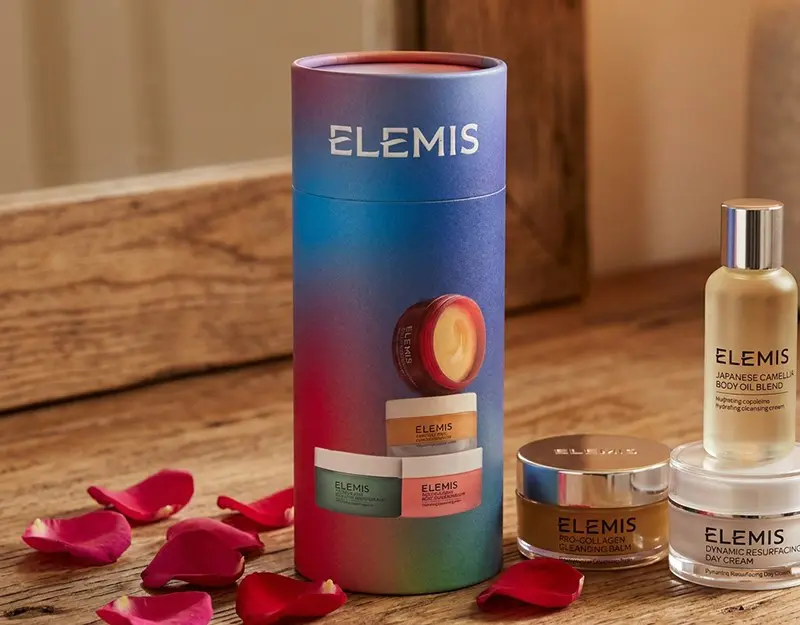
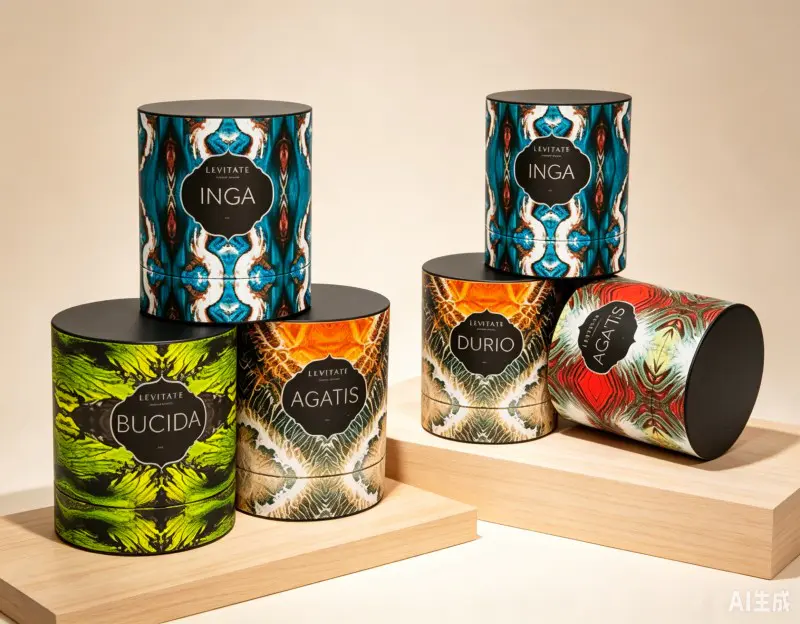
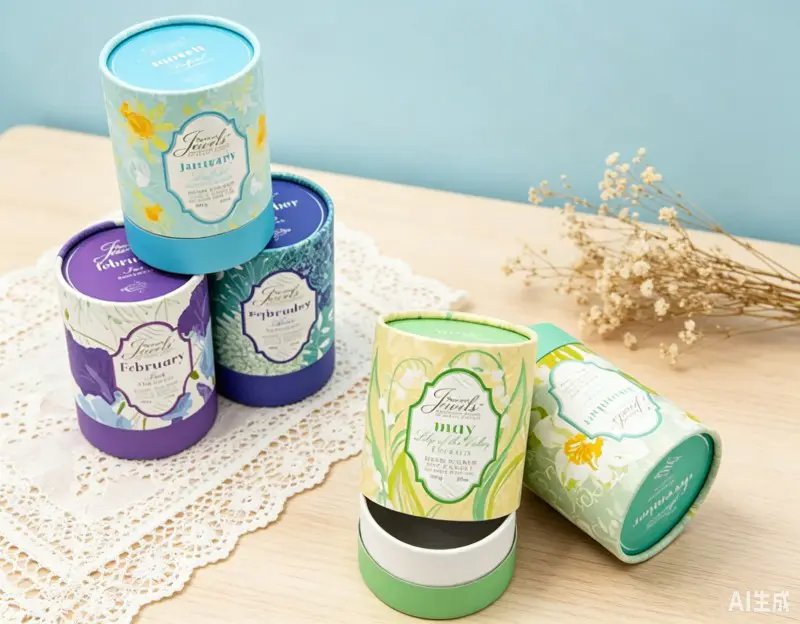
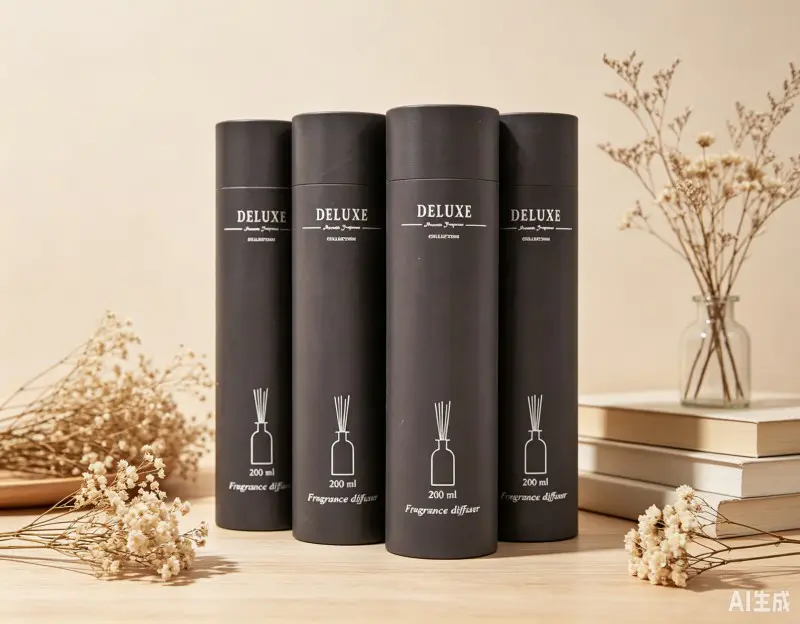
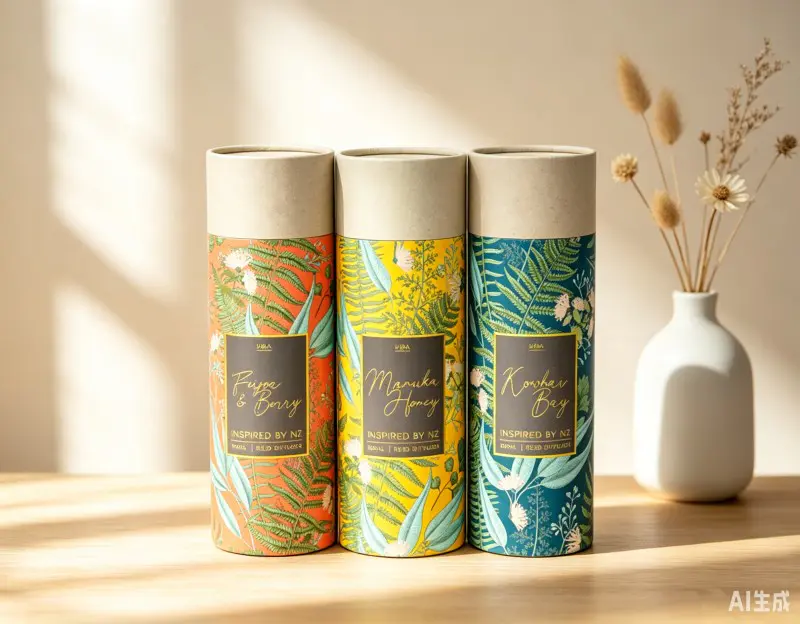
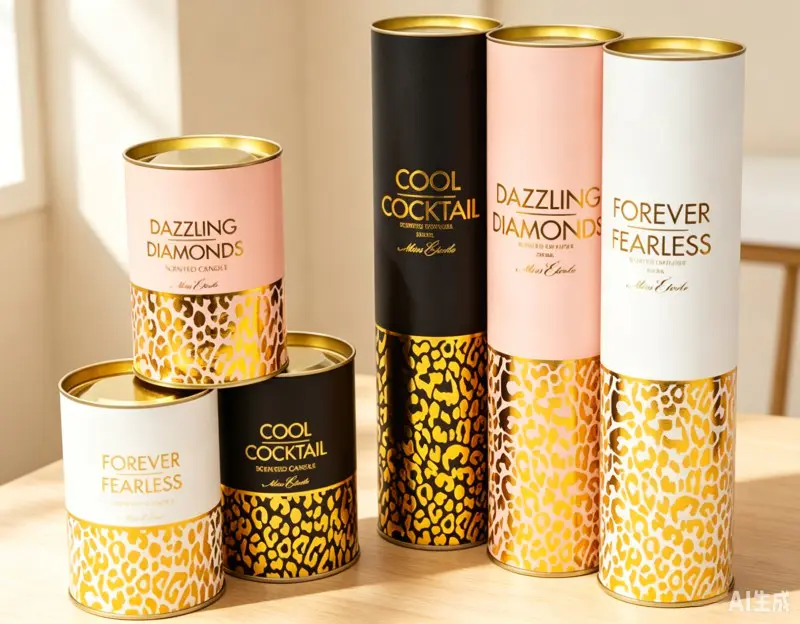
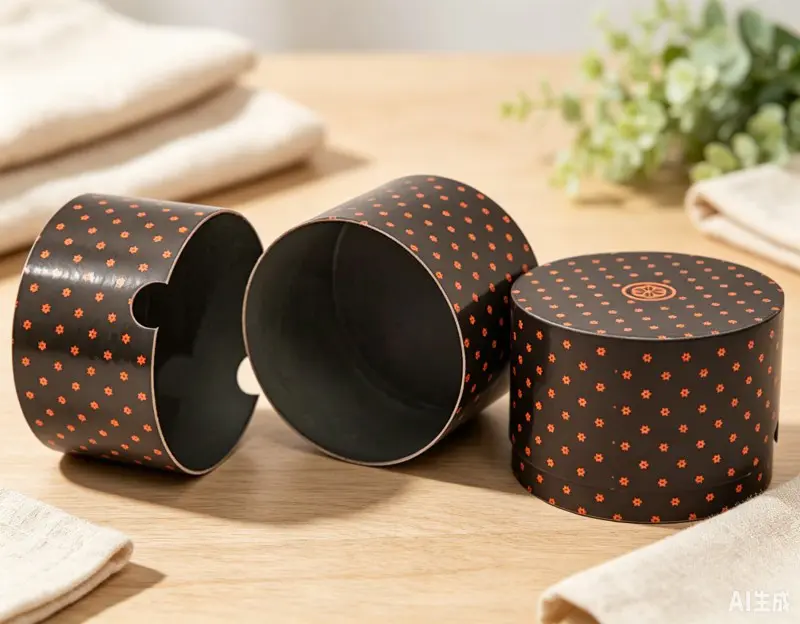
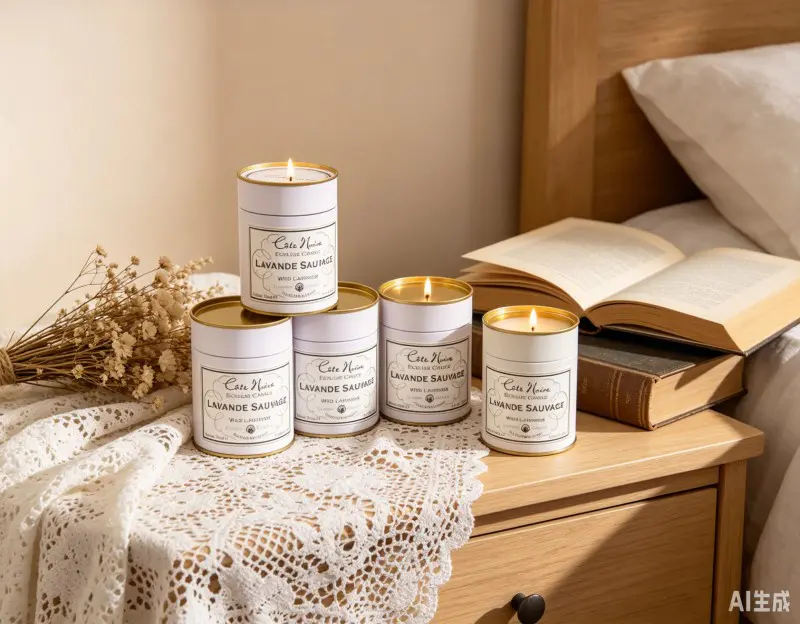

As one of the top China cardboard tube packaging manufacturers and paper tube packaging suppliers, we devote all of our efforts to research and launch more high quality packaging products to global market.
Content
- 1 What Are Wine Package Tubes and Why Do They Matter?
- 2 Common Materials Used in Wine Tube Packaging
- 3 Standard Sizes and Dimensions to Know
- 4 Closure Types: How Wine Tubes Are Sealed
- 5
- 6 Custom Printing and Branding Options
- 7 Wine Gift Tubes: Making an Impression for Special Occasions
- 8 Wine Tube Packaging for Shipping: What You Need to Know
- 9 Sustainability and Eco-Friendly Wine Tube Options
What Are Wine Package Tubes and Why Do They Matter?
Wine package tubes are cylindrical containers designed specifically to hold, protect, and present wine bottles. Unlike flat boxes or open carriers, these tube-shaped enclosures wrap snugly around the bottle, offering full 360-degree protection while giving the product a premium, gift-ready appearance. You'll find them used everywhere — from boutique wineries packaging single bottles for retail to corporate clients ordering custom wine tube boxes for client appreciation gifts.
The appeal goes beyond aesthetics. A well-made wine bottle tube guards against breakage during shipping, shields the label from scuffing, and signals quality before the recipient even opens the package. In a crowded market where first impressions are everything, wine cylinder packaging has become a practical and marketing necessity for brands that take presentation seriously.
Common Materials Used in Wine Tube Packaging
The material of a wine packaging tube directly affects its durability, weight, eco-friendliness, and visual impact. Manufacturers typically work with four main material categories, each with distinct advantages depending on the intended use.
Cardboard and Kraft Paper Tubes
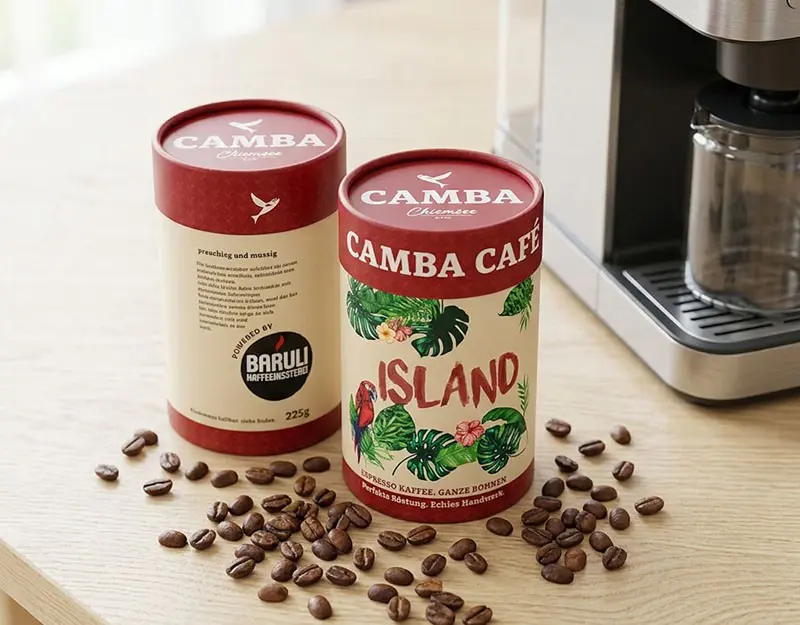
Cardboard wine tubes are the most widely used option. They're lightweight, easy to print on, recyclable, and available at relatively low cost for bulk orders. Kraft paper varieties lean into a natural, earthy look that suits organic or artisanal wine brands. These tubes typically feature a spiral-wound construction that gives them surprising strength despite their modest weight.
Tin and Metal Wine Tubes
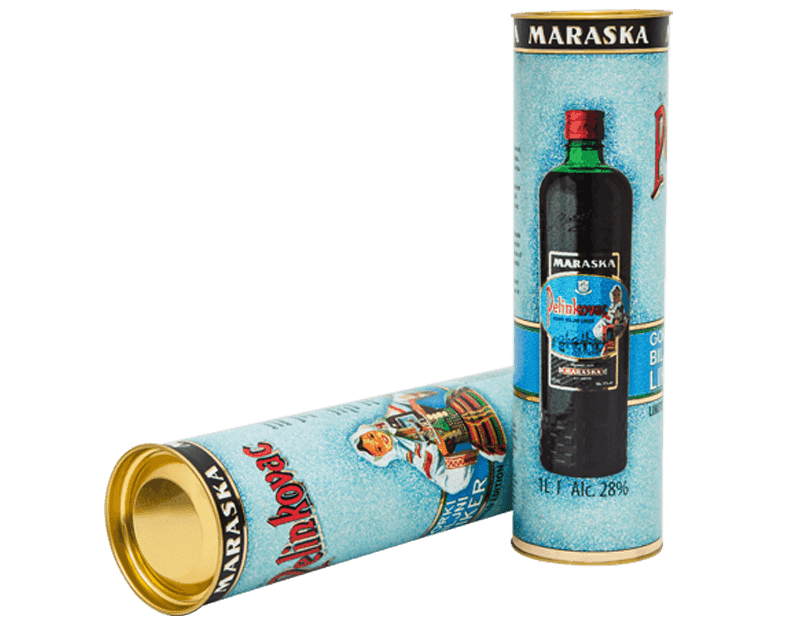
Tin wine tube packaging offers a more upscale feel with excellent structural rigidity. Metal tubes protect the bottle from physical impact far more effectively than paper alternatives and have a reusability factor that many gift recipients appreciate. They're a popular choice for premium wines, holiday collections, and corporate gifting where perceived value is paramount.
Wooden Wine Tubes and Cases
Though less common than cardboard or tin, wooden wine tube-style cases convey a rustic, artisanal quality that few other materials can match. These are often used for high-end or collector wines and tend to be kept as keepsake containers long after the bottle is empty. They're heavier to ship but create an unboxing experience that customers genuinely remember.
PVC and Acrylic Clear Tubes
Transparent wine packaging tubes made from PVC or acrylic allow the bottle — and its label — to be fully visible inside the packaging. This approach is common in retail settings where the product needs to sell itself visually without being unwrapped. The see-through design can be paired with a decorative ribbon or branded insert card for a finished look.
Standard Sizes and Dimensions to Know
Not all wine bottles are the same shape, which means wine tube packaging must accommodate a range of sizes. Understanding standard dimensions helps you order the right fit the first time, avoiding loose rattling or tubes that can't be properly closed.
| Bottle Type | Typical Height | Typical Diameter | Recommended Tube Inner Dia. |
| Standard Bordeaux (750ml) | 30–31 cm | 7.5–8 cm | 9–9.5 cm |
| Burgundy / Pinot (750ml) | 29–30 cm | 8.5–9 cm | 10–10.5 cm |
| Champagne / Sparkling | 31–32 cm | 9–9.5 cm | 10.5–11 cm |
| Magnum (1.5L) | 36–38 cm | 10–11 cm | 12–12.5 cm |
Always add at least 10–15mm to the bottle's outer diameter when choosing the inner diameter of a wine gift tube — you need room to insert and remove the bottle smoothly without forcing it.
Closure Types: How Wine Tubes Are Sealed
The closure mechanism of a wine tube packaging solution affects both the ease of use and the overall presentation. The most common closure styles include:
- Slip-lid caps — A flat cap that slides over or presses into the top of the tube. Simple, clean, and widely used on cardboard and metal wine tubes alike.
- Screw-top lids — Common on tin wine tube packaging, these provide a secure seal and a slightly more premium feel. They're also reusable, which adds perceived value.
- Ribbon pull — Found on gift-oriented designs, a ribbon threaded through the base allows the recipient to open the tube by pulling downward, creating a ceremonial unboxing moment.
- Cork stopper — Used occasionally on wooden or kraft tubes for an artisanal aesthetic; the cork echoes the wine bottle itself.
- Magnetic closure — Seen on high-end cardboard wine cylinder packaging, a hidden magnet snaps the cap shut securely without visible hardware.
Custom Printing and Branding Options
One of the biggest advantages of wine tube packaging over standard cardboard boxes is the large, uninterrupted surface area that wraps continuously around the cylinder. This makes custom-printed wine tubes an excellent branding canvas.
Printing Techniques
The printing method chosen affects both the cost and the visual quality of the finished tube. Offset printing delivers sharp, color-accurate results for large runs but requires a higher setup cost. Digital printing is more economical for short runs or highly personalized designs. Screen printing is popular for metal wine tubes where inks need to adhere to a non-porous surface.
Finishing Effects
Finishes transform a basic printed tube into something genuinely luxurious. Popular options for custom wine package tubes include:
- Matte lamination — Soft, non-reflective surface that feels premium to the touch and photographs well.
- Gloss lamination — High-shine coating that makes colors pop and gives the tube a polished, retail-ready appearance.
- Spot UV coating — A selective high-gloss finish applied only to specific design elements like a logo or crest, creating a contrast between matte and gloss areas.
- Hot foil stamping — Metallic gold, silver, or colored foil pressed into the surface for a genuinely upscale look popular in luxury wine gift tubes.
- Embossing and debossing — Raises or recesses the design into the tube material itself for a tactile, three-dimensional effect.
Wine Gift Tubes: Making an Impression for Special Occasions
Wine gift tubes are a step up from standard packaging — they're specifically designed for occasions where the presentation of the bottle is as important as the bottle itself. Whether it's a wedding favor, a corporate holiday gift, a birthday present, or a thank-you from a winery to its best customers, the wine gift tube frames the experience before the recipient even pops the cork.
Common additions that elevate wine gift tubes beyond basic packaging include tissue paper lining, crinkle paper filler at the base, satin ribbon ties around the outside, personalized gift tags, and small gift inserts like a folded tasting note or a branded corkscrew. Many retailers and wineries offer these as ready-to-ship gift sets during peak seasons.
For corporate gifting in particular, custom-printed wine tube boxes bearing the company logo create a cohesive brand experience. Recipients associate the quality of the packaging with the quality of the organization behind it — a subtle but powerful impression that a plain bag or bubble wrap will never deliver.
Wine Tube Packaging for Shipping: What You Need to Know
Using wine cylinder packaging for direct-to-consumer shipping introduces a different set of requirements compared to in-store gifting. The tube must not only look good — it has to survive transit without allowing the bottle to shift, crack, or leak.
Inner Cushioning
A well-fitted wine bottle tube should have some form of cushioning at the base and around the neck of the bottle. Foam inserts, molded pulp forms, and custom-cut cardboard dividers are all commonly used. The goal is to prevent the bottle from moving inside the tube during transit — any movement amplifies the risk of breakage.
Outer Shipper Requirements
Most carriers require wine bottles — even those in tube packaging — to be placed inside an outer corrugated shipper box for transit. The wine packaging tube itself provides aesthetic protection but isn't typically thick enough to absorb the shocks and drops of a delivery network on its own. A tube-inside-a-box approach gives you the best of both worlds: beautiful presentation at the point of unboxing and reliable protection in transit.
Weight and Shipping Costs
Tin and wooden wine tubes add meaningful weight compared to cardboard alternatives. For direct-to-consumer shipping where postage is calculated by dimensional weight, the extra grams from a premium tin wine tube can noticeably increase per-shipment costs. If you're shipping at volume, run a cost-per-unit comparison across material options before committing to a large order.
Sustainability and Eco-Friendly Wine Tube Options
With consumers increasingly scrutinizing the environmental credentials of brands they buy from, wine tube packaging suppliers have responded with a growing range of sustainable alternatives. Here's how the main materials compare on environmental impact:
- Recycled cardboard tubes — Made from post-consumer waste paper, these are fully recyclable at end of life and carry the lowest carbon footprint among all wine tube options.
- FSC-certified kraft tubes — Paper sourced from responsibly managed forests, certified by the Forest Stewardship Council. A reliable choice for brands with a sustainability commitment.
- Tin wine tubes — Tin is highly recyclable, but the energy required to produce it is significantly higher than paper. Reusability by consumers partially offsets this impact.
- Bamboo composite tubes — A newer option, made from fast-growing bamboo pulp. Biodegradable and renewable, though currently more expensive and less widely available than paper alternatives.
- PVC clear tubes — The least eco-friendly option; PVC is difficult to recycle and can release harmful compounds if incinerated. Many brands are phasing these out in favor of PET or rPET alternatives.
If sustainability is a brand value you actively promote, choosing the right wine tube material isn't just an environmental decision — it's a marketing one. Printing eco-certifications or recycling instructions directly on the wine packaging tube reinforces that message at the moment of unboxing.
