 English
 Español
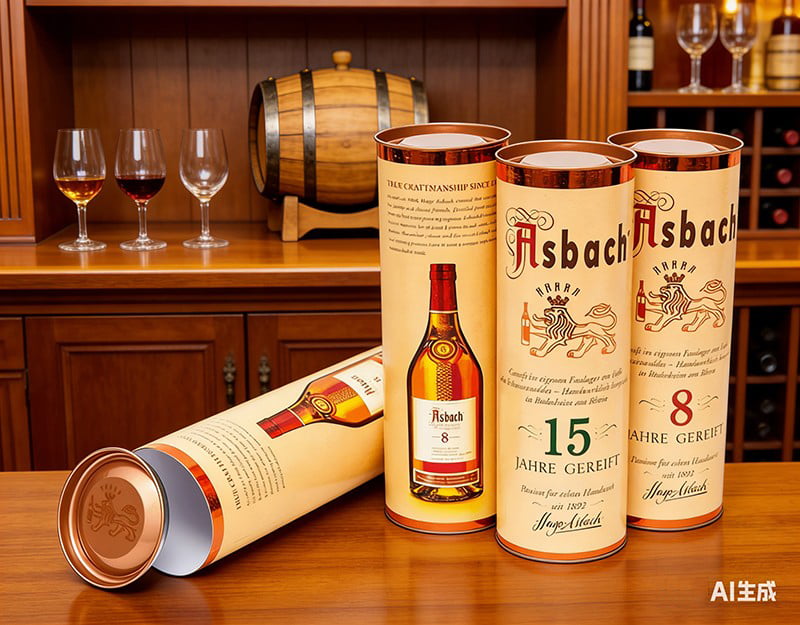
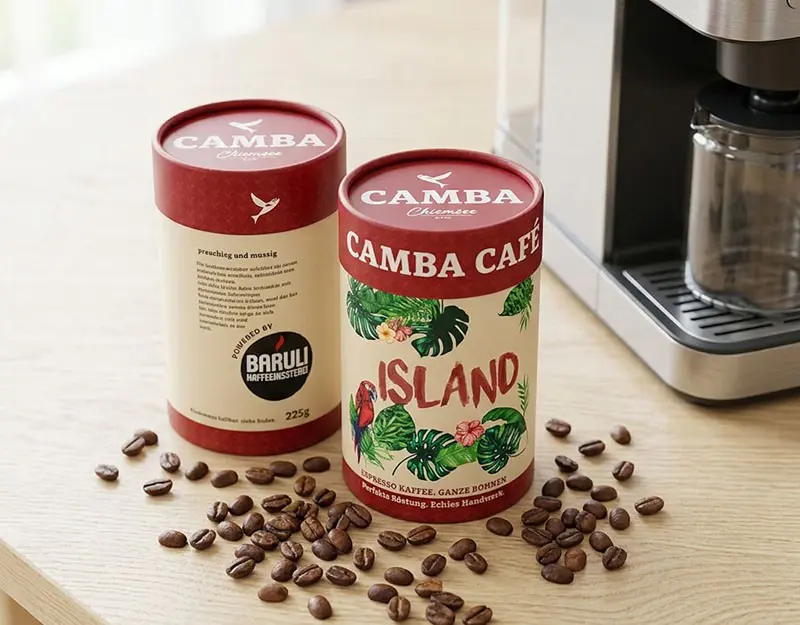
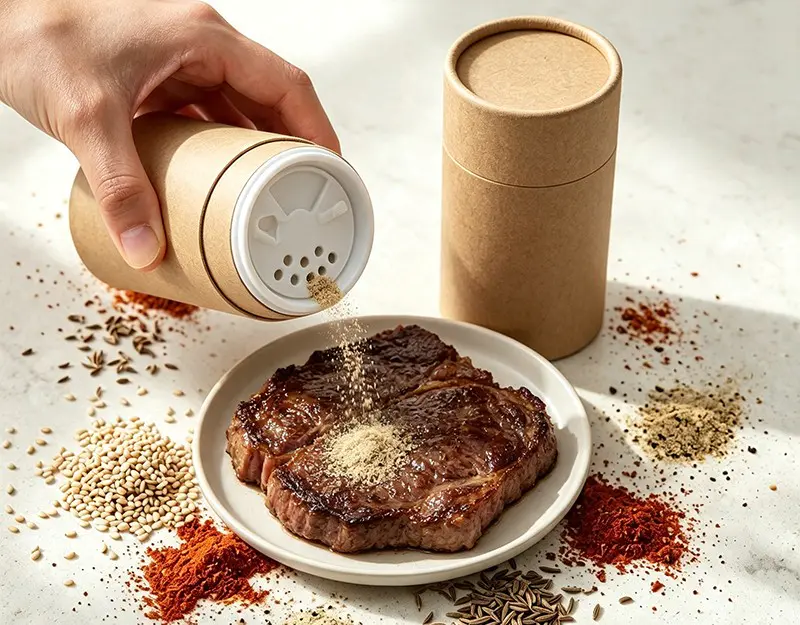
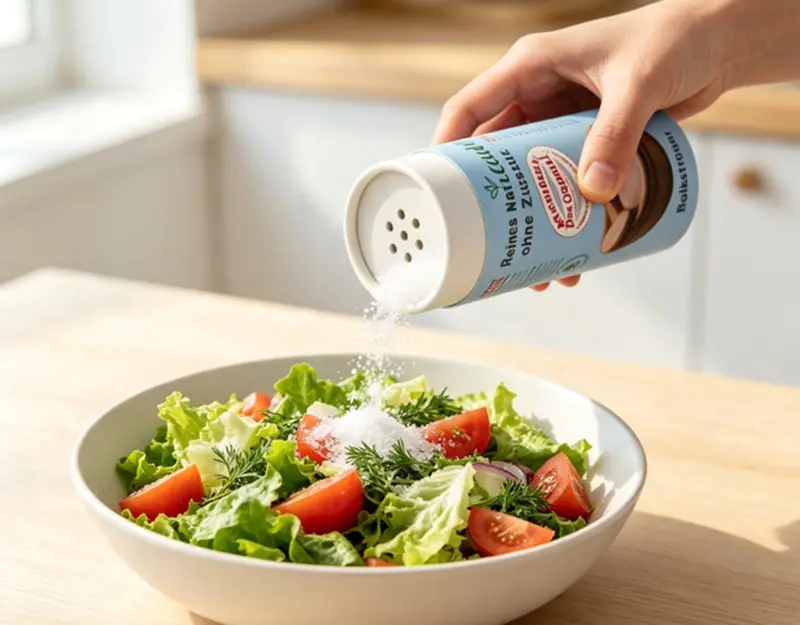


As one of the top China cardboard tube packaging manufacturers and paper tube packaging suppliers, we devote all of our efforts to research and launch more high quality packaging products to global market.
Content
- 1 Kraft, Coated, or Recycled Board: Choosing the Right Material for Your Wine Paper Tube
- 2 Tube Structures and Cap Types: What the Configuration Actually Changes
- 3 Sizing a Wine Tube Correctly: Internal Diameter, Height, and Wall Thickness Explained
- 4 Printing Techniques for Wine Tube Packaging: What Each Method Delivers
- 5
- 6 Interior Protection: Inserts, Liners, and Cushioning for Wine Bottle Tubes
- 7 Custom Wine Tube Ordering: MOQ, Lead Times, and What to Prepare Before You Quote
- 8 Sustainability Credentials That Wine Tube Packaging Can Credibly Claim
Kraft, Coated, or Recycled Board: Choosing the Right Material for Your Wine Paper Tube
The material you build a wine paper tube from is the single most consequential decision in the entire packaging design process. It determines structural strength, surface printability, moisture resistance, sustainability credentials, and cost per unit — all at once. The three primary material categories cover the vast majority of production wine tube packaging, and each suits a different brand positioning and distribution requirement.
Kraft Paper
Unbleached kraft paper is made from wood pulp processed through the kraft method, which preserves more of the wood's natural lignin and produces a fiber with unusually high tensile and tear strength compared to bleached equivalents. The characteristic earthy brown tone and fibrous surface texture have become strongly associated with natural, artisanal, and organic brand identities — kraft wine tubes immediately communicate a different brand personality than a glossy black tube, before a single word is read. Kraft accepts letterpress printing, minimalist single-color graphics, and debossing particularly well. It is less suited to photorealistic CMYK printing because its surface is not optimally smooth for fine halftone detail. For wineries marketing biodynamic, small-batch, or organic labels, the material is a visual statement as much as a structural choice.
Coated Paperboard
Coated paperboard — typically Solid Bleached Board (SBB) or Folding Box Board (FBB) coated with polyethylene or a water-based polymer on one or both sides — offers the best printability of any standard wine tube material. The coating creates a smooth, uniform surface that accepts high-resolution offset and digital printing with sharp dot reproduction, wide color gamut, and accurate Pantone color matching. The coating also provides meaningful moisture resistance, which matters significantly during shipping through humid environments or cold-chain transit where condensation on the outside of refrigerated wine creates repeated moisture exposure. Premium coated boards are available in weights from 250 to 400 gsm, with heavier weights used for larger-format tubes housing magnums or multi-bottle sets.
Recycled Paperboard
Recycled paperboard — produced from post-consumer and post-industrial paper waste — is the most cost-effective core material and the most straightforward sustainability choice. Modern recycled boards used in quality wine tube production reach 90% or higher recycled content while maintaining adequate rigidity for single-bottle 750ml packaging. The visible gray fleck pattern of some recycled boards can be a design consideration; fully de-inked recycled boards offer a cleaner surface. FSC (Forest Stewardship Council) and PEFC (Programme for the Endorsement of Forest Certification) certified recycled boards allow producers to carry third-party certification of responsible sourcing on their packaging, which is increasingly requested by major retail and e-commerce partners as part of supplier sustainability requirements.
| Material | Print Quality | Moisture Resistance | Brand Positioning | Relative Cost |
|---|---|---|---|---|
| Unbleached Kraft | Moderate (best for minimal design) | Low (untreated) | Natural, artisanal, organic | Low–Medium |
| Coated Paperboard (SBB/FBB) | Excellent (full CMYK + Pantone) | Good–High | Premium, luxury, contemporary | Medium–High |
| Recycled Paperboard | Good (dependent on surface prep) | Low–Moderate | Eco-conscious, value, honest | Low |
| Black-dyed Kraft | Good (high contrast; suits metallic finishes) | Low–Moderate | Premium dark aesthetic, spirits | Medium |
Tube Structures and Cap Types: What the Configuration Actually Changes
Wine paper tubes are not one structural format — they come in several configurations that differ in how they open, how they're assembled, what closure they use, and how they affect the customer's unboxing experience. Selecting the right combination of tube body structure and cap type is as important as the material choice because it determines both the perceived quality of the packaging and the practical constraints of filling, sealing, and shipping at volume.
One-Piece vs. Two-Piece Body Construction
A one-piece tube body is a single cylinder to which a separate lid is attached. This is the simplest construction to produce, the easiest to fill on a production line, and the lowest-cost option per unit at scale. The lid fits either over the top (slip-on) or inside the tube opening (push-in). A two-piece construction uses an outer sleeve and an inner neck — a shorter tube glued inside the bottom of the outer body — which creates the telescoping fit between body and cap. The inner neck prevents the bottle from resting directly on the tube base and distributes impact forces more effectively. This construction also produces a more satisfying closure feel, which is perceptible to the consumer and contributes to the impression of quality.
Cardboard Lid vs. Metal Cap
Cardboard lids are the most flexible closure option. They can be any diameter, fully custom-printed with the same color and finish as the tube body, fitted with a slip-on or push-on configuration, and produced at low minimum order quantities. Because the lid is made from the same material as the tube, the entire package is recyclable as a single material stream. Metal caps — available in standard sizes in silver, gold, and black — add a premium tactile and visual quality that cardboard lids cannot fully replicate. The cold, weighty feel of a metal cap creates a distinct sensory impression when removed. The trade-off is that standard metal caps come in fixed diameters, so if a bottle size falls outside those standard dimensions, custom metal tooling becomes necessary — an expensive step that requires higher minimum order quantities to amortize. For most wineries below a certain production volume, cardboard lids deliver 90% of the luxury impression at a fraction of the tooling cost.
Rope Handle and Carry Modifications
A rope or ribbon handle attached to the tube cap or body converts the wine tube from a packaging item into a ready-to-carry gift bag substitute. The handle threads through two small holes near the top of the tube and is typically knotted inside or anchored to a card insert to prevent pull-through. Cotton rope, satin ribbon, and twisted kraft cord are the most common materials, each suited to different brand aesthetics — cotton for natural brands, satin for luxury, kraft cord for artisanal. Adding a handle meaningfully increases the per-unit cost but significantly improves the product's utility for retail gift purchases where the customer wants to carry it immediately without a separate bag.
Sizing a Wine Tube Correctly: Internal Diameter, Height, and Wall Thickness Explained
A wine paper tube that doesn't fit the bottle precisely creates two problems simultaneously: a poor impression when the bottle rattles inside the tube, and a real risk of breakage during shipping when the bottle can move freely and impact the tube wall. Getting the dimensional specification right before tooling is confirmed is essential, and it requires understanding three interdependent measurements.
The internal diameter of the tube is the measurement that determines fit. A standard 750ml Bordeaux bottle has a body diameter of approximately 73–79mm depending on the producer. The internal diameter of the wine tube should be 3–8mm wider than the bottle's maximum body diameter to allow insertion and removal without requiring force, while still providing enough lateral support to prevent movement in transit. For tubes without interior foam or paper inserts, the tighter end of that range is preferred. For tubes that will use a foam collar insert to center and cushion the bottle, the internal diameter can be 10–15mm larger than the bottle, with the insert making up the difference.
The height of the tube should accommodate the bottle with 10–20mm of clearance at the top after the base has been set. This clearance allows the cap to seat properly without pressing against the bottle closure, and provides room for any interior tissue or padding without compressing it against the neck. For a standard 750ml Bordeaux at approximately 300mm tall, a tube height of 315–330mm before lid depth is typical. Champagne and Burgundy bottle profiles — which are wider-shouldered and often shorter for the same volume — require different height specifications despite being the same nominal bottle size.
The wall thickness of the tube body is typically expressed as the weight of the outer wrap paper and the thickness of the inner board core combined. Standard production wine tubes use a core of 1.0–2.0mm greyboard or chipboard wound or glued inside the outer printed wrap. The combined wall thickness determines the tube's crush resistance — the critical parameter for stacking loaded shipping cartons. A wall construction totaling 3.0mm or more is generally adequate for single-bottle retail tubes. For multi-bottle tubes or tubes expected to withstand stacked pallet loads during long-distance shipping, a minimum of 4.0–5.0mm combined wall thickness with a corrugated inner layer provides the compression strength needed to prevent deformation under load.
Printing Techniques for Wine Tube Packaging: What Each Method Delivers
The printing method used on a wine paper tube is not simply a production detail — it directly determines color accuracy, the premium finishes available, minimum order quantity requirements, and unit cost. Understanding the practical differences between printing methods helps match the right production approach to the brand's volume, budget, and visual requirements.
Offset Lithography
Offset printing transfers ink from a printing plate to a rubber blanket, then from the blanket to the paper surface. It delivers the highest color consistency across large runs, the finest halftone detail in photographic imagery, and the most accurate Pantone color matching of any standard printing method. The limitation is that plates must be made for each color and design revision, creating a fixed setup cost that makes it uneconomical for runs below approximately 500–1,000 units depending on the number of colors. For winery brands ordering seasonal label variants or limited releases, offset's per-unit cost advantage over digital printing only materializes at meaningful volumes. The standard printing area for offset presses typically accommodates a flat sheet that will then be wrapped around the tube, not direct cylinder printing.
Digital Printing
Digital printing transfers the design directly from a file without plates, eliminating setup costs entirely and making short runs of 50–200 units economically feasible. Color accuracy has improved significantly with modern digital press technology, though Pantone color matching remains less precise than offset for most systems. The practical advantage for wine brands is the ability to produce multiple label variants — different vintages, different varietal labels, different market versions — in the same production run without reprinting costs for each design. Digital printing is also the only practical method for print-on-demand wine tube production, which suits direct-to-consumer subscription and gifting businesses that cannot forecast order volumes in advance.
Screen Printing
Screen printing forces ink through a fine mesh stencil directly onto the tube surface. It delivers extremely vibrant, opaque colors — particularly whites and metallics on dark tube backgrounds — that other methods cannot achieve. It is the preferred method for bold, graphic designs on black or dark kraft tubes where other printing processes would struggle to produce an opaque white. The minimum quantities for screen printing typically start at 500 units per color, and multicolor designs require a separate screen and pass for each color, increasing cost and registration complexity. It is not suited to photographic or gradient imagery.
Premium Finishing Options
- Hot foil stamping: Transfers metallic or holographic foil from a film carrier to the tube surface using a heated die. Gold, silver, rose gold, and holographic variants are all available. The die leaves a precisely defined, metallic impression with a tactile raised feel. Effective for logos, borders, and specific text elements where a metallic accent communicates premium positioning.
- Embossing and debossing: Creates raised (embossing) or recessed (debossing) relief areas by pressing the board between a die and a counter-die. When combined with foil stamping (foil embossing), the result is a three-dimensional metallic element that is strongly associated with luxury wine and spirits packaging.
- Spot UV coating: Applies a clear, high-gloss UV-cured coating to specific areas of the printed surface — logo, graphic element, or pattern — while leaving the surrounding area in matte. The contrast between the high-gloss spot and the matte background creates a dramatic visual effect that is particularly effective on dark-background designs and does not require a metallic foil budget.
- Soft-touch lamination: A matte laminate film with a distinctive velvety tactile quality, often described as resembling a peach skin. It resists fingerprints, scuffs less than standard matte film, and communicates understated premium quality — it is one of the most commonly requested finishes on high-end wine tube packaging across European and North American markets.
Interior Protection: Inserts, Liners, and Cushioning for Wine Bottle Tubes
The exterior of a wine paper tube communicates brand identity; the interior protects the bottle. These two functions require separate design decisions, and the interior protection specification is particularly critical for any tube that will be shipped rather than handed directly to a customer in a retail setting. A tube that arrives with a cracked bottle inside destroys the brand impression that the exterior was designed to create.
The most effective interior protection strategy combines a bottom cushion with a neck or collar restraint. The bottom cushion — typically 5–10mm of die-cut foam, corrugated pad, or molded pulp — absorbs the vertical impact when a box is dropped, which is the most common shipping damage event. A foam collar insert around the bottle's shoulder and upper body prevents lateral movement within the tube, which causes the bottle to strike the tube wall repeatedly during transit vibration. Foam collars can be cut to the exact bottle profile for a custom fit, or standard ring inserts can be used for bottles within a size range.
Interior liner materials serve a secondary role in both protection and presentation. Tissue paper wrapping around the bottle inside the tube adds a tactile gift-reveal experience while preventing surface contact that could mark the bottle label. Crinkle-cut paper filler around the base is the most economical solution and is fully recyclable. For premium gifting tubes, a complete interior lining with felt, fabric, or microfoam sheet creates a jewelry-box quality interior that strongly signals luxury positioning — typically used for tubes housing aged wines, limited releases, or corporate gift orders where the recipient experience is a primary design objective.
For brands primarily distributing through e-commerce channels, the tube itself should be treated as an inner package nested within an outer shipping box, with sufficient protective fill between the two. A wine tube is engineered for retail shelf and gifting use, not for the repeated drops and compressions of parcel carrier handling as a standalone mailer. Shipping the tube inside a corrugated outer box with void fill reduces the damage rate dramatically and protects the brand's investment in premium tube packaging from arriving dented or crushed.
Custom Wine Tube Ordering: MOQ, Lead Times, and What to Prepare Before You Quote
The procurement process for custom wine bottle paper tubes has a number of decision points that affect both cost and timeline. Understanding what manufacturers need from you before you approach them for a quote significantly reduces the back-and-forth that slows custom packaging projects.
Minimum Order Quantities
Minimum order quantities for custom wine paper tubes vary considerably based on the closure type and production method. Fully cardboard tube packaging — body, lids, and inserts all in paperboard — typically carries a minimum of 500–1,000 pieces per design for custom printing runs. Tubes with metal caps require higher minimums because metal tooling costs must be amortized: standard metal cap sizes can accommodate lower quantities, but custom metal caps to match non-standard bottle diameters typically require 2,000–5,000 pieces minimum to be economically viable. Digital printing methods can bring minimums down to 100–200 pieces, which suits boutique wineries or seasonal release programs where large inventories are not practical.
Production Lead Times
Standard lead times from artwork approval to finished goods shipment typically range from 15 to 25 business days for cardboard tube packaging with conventional printing. Rush production at premium cost can reduce this to 7–10 days for urgent requirements, though this is dependent on press availability. Sampling — producing a pre-production prototype or physical sample for approval before the full production run — typically requires 3–7 additional days and is strongly recommended for any new tube design or size, as dimensional tolerances and print color accuracy on the physical sample can differ meaningfully from digital proofs. Allow at minimum 6–8 weeks from initial briefing to delivery for a comfortable first-order timeline that includes one round of sample revision.
What to Prepare Before Quoting
- Bottle dimensions: Maximum body diameter, total height including closure, and bottle weight. Provide the actual bottle or a dimensional drawing — nominal "750ml Bordeaux" descriptions are not sufficient because bottle diameter varies by producer.
- Required internal diameter and tube height: If you don't know these, the manufacturer can calculate them from bottle dimensions, but confirming your tolerance preference (tight fit vs. room for insert) speeds the process.
- Quantity per order and annual volume: Even if you're ordering one small run initially, stating your anticipated annual volume allows the manufacturer to propose tooling amortization strategies that reduce per-unit cost on repeat orders.
- Artwork files: Vector files (AI, EPS, or high-resolution PDF) for all graphic elements. If brand colors require Pantone matching, specify the Pantone codes — CMYK approximations of Pantone colors consistently produce different results on physical paperboard than on screen.
- Finish requirements: Specify each surface finish — matte lamination, soft-touch, gloss, spot UV — and which elements require foil stamping or embossing. Leaving these as "options to discuss" after quoting delays the process and can invalidate the initial quote entirely.
- Certification requirements: If your retail or wholesale partners require FSC certification, food-contact compliance, or specific regional packaging regulations, state these upfront. Not all manufacturers hold FSC chain-of-custody certification, and sourcing an alternative supplier after artwork is complete is costly.
Sustainability Credentials That Wine Tube Packaging Can Credibly Claim
Sustainability has become a genuine purchasing factor in wine retail, not merely a marketing trend. Studies consistently show that a significant portion of wine buyers — particularly in premium price tiers — actively consider the environmental credentials of packaging when choosing between comparable products. Wine paper tubes have real sustainability advantages over alternative packaging formats, but brands need to understand which claims are substantiated and which require qualification to remain accurate.
The strongest and most defensible sustainability credential for a wine paper tube is recyclability. Paper-based cylindrical packaging — when the tube body, cap, and any inserts are all paper-based materials without non-paper coatings heavier than light surface treatments — is accepted by standard residential paper recycling programs in most developed markets. This is a genuine advantage over alternatives that combine multiple material types (paper body with plastic film, non-paper inserts, or hard plastic caps) that make the assembly non-recyclable as a unit. The caveat is that metal caps, aluminum foil liners, and heavy PE coatings can disqualify a tube from simple paper recycling. If recyclability is a stated brand value, the design specification must explicitly exclude these elements or clarify that they should be separated before recycling.
FSC or PEFC certification of the paper materials used in production is the most credible third-party sustainability certification available for wine tube packaging. These certifications are issued to the paper mill, not the tube manufacturer, but a manufacturer who can provide FSC chain-of-custody documentation can pass the certification claim through to the end product, allowing the FSC logo to appear on the tube with legitimate authorization. This is a frequently misunderstood point: a manufacturer claiming to use FSC paper without a chain-of-custody certificate cannot legally support an FSC logo on the final package.
Biodegradability and compostability claims require the most care. Untreated kraft paper tubes are genuinely biodegradable under appropriate composting conditions. However, tubes with PE coatings, foil lamination, or synthetic adhesives are not biodegradable, and claiming otherwise is greenwashing. For brands that want to make compostability a feature, the entire tube construction — materials, adhesives, and finishes — must be certified compostable to a recognized standard such as EN 13432 (Europe) or ASTM D6400 (North America), and the tube must carry that certification mark to substantiate the claim.
