 English
 Español
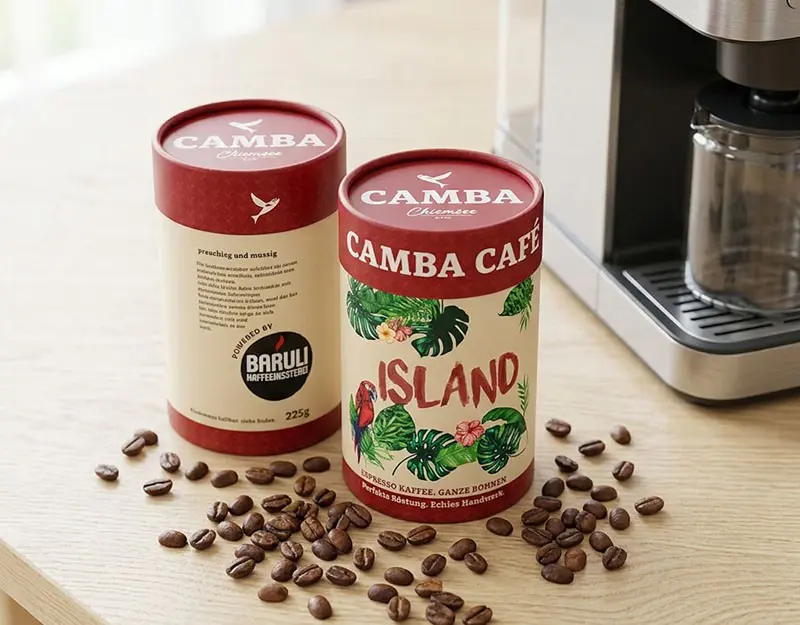
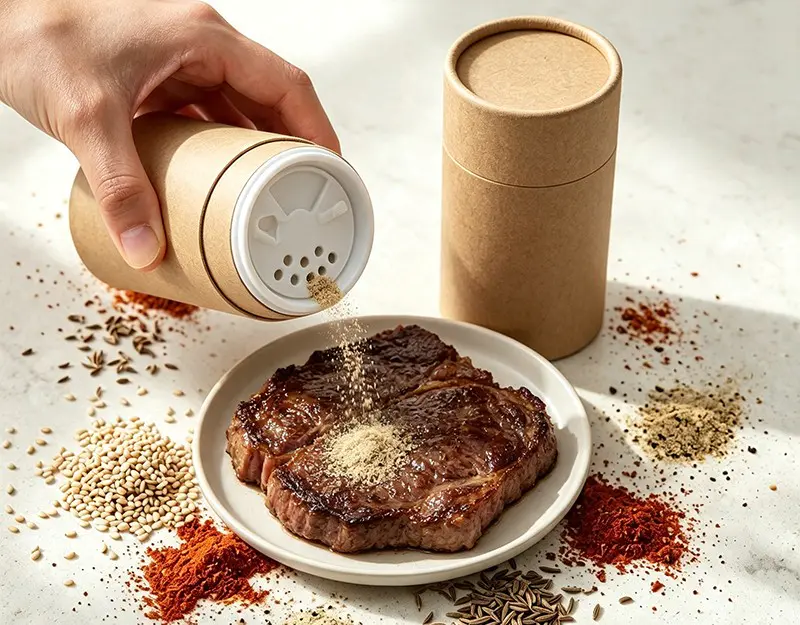
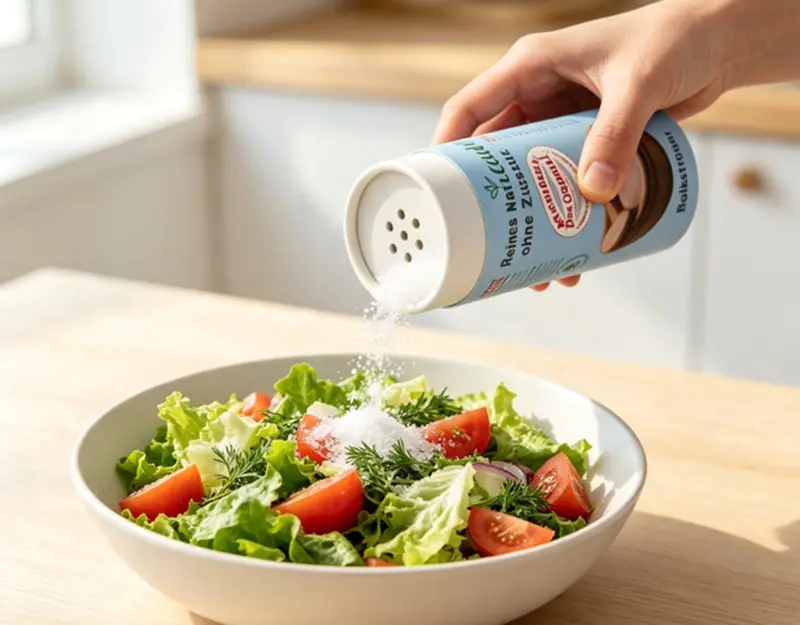
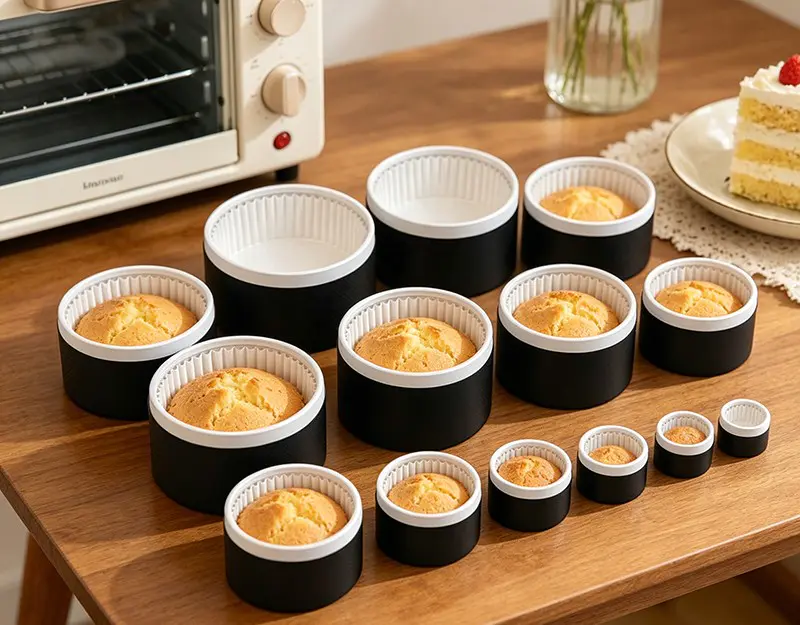
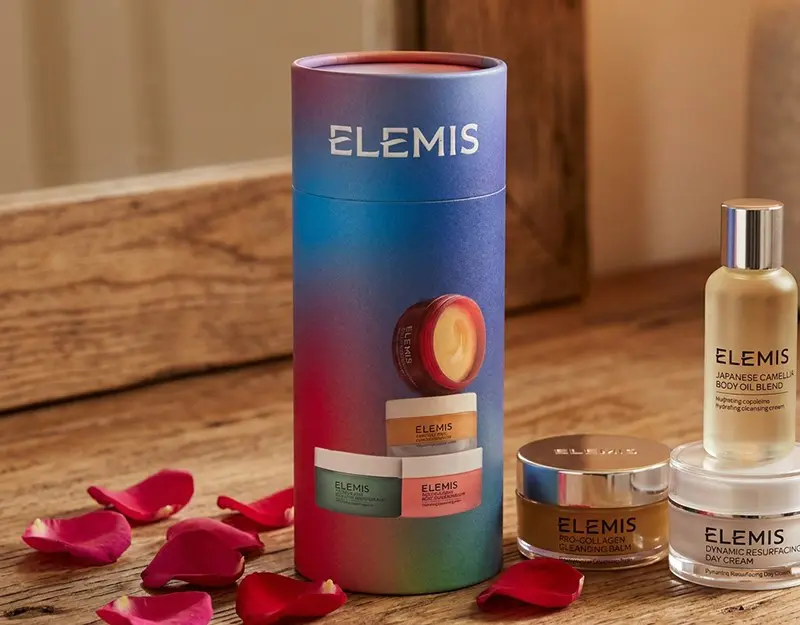
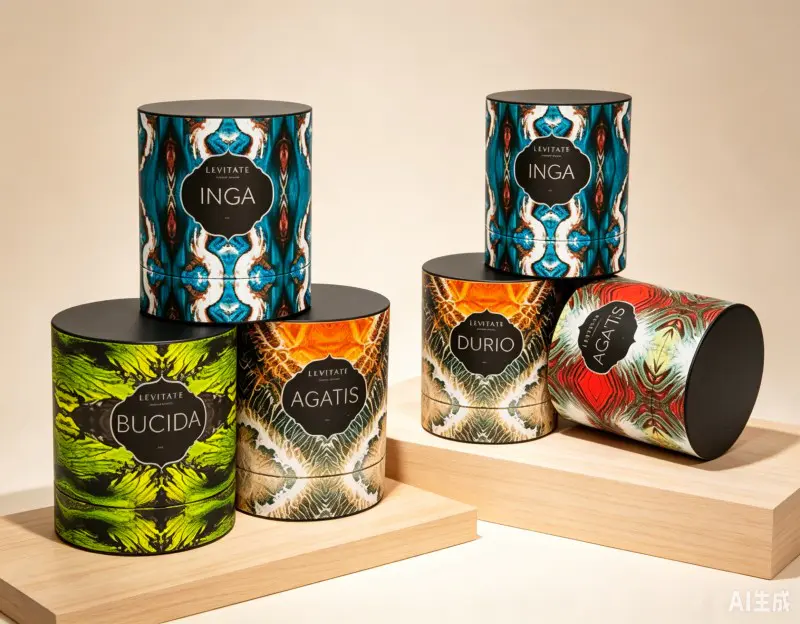
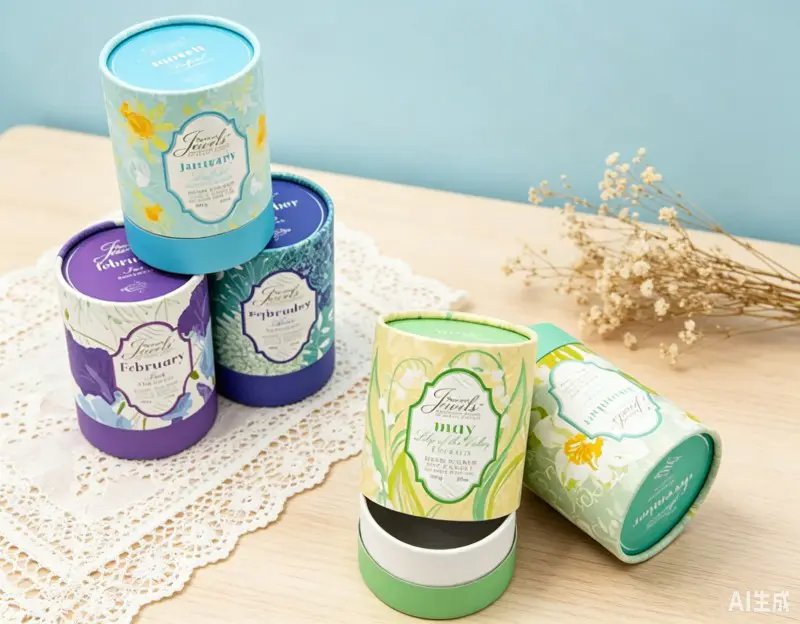
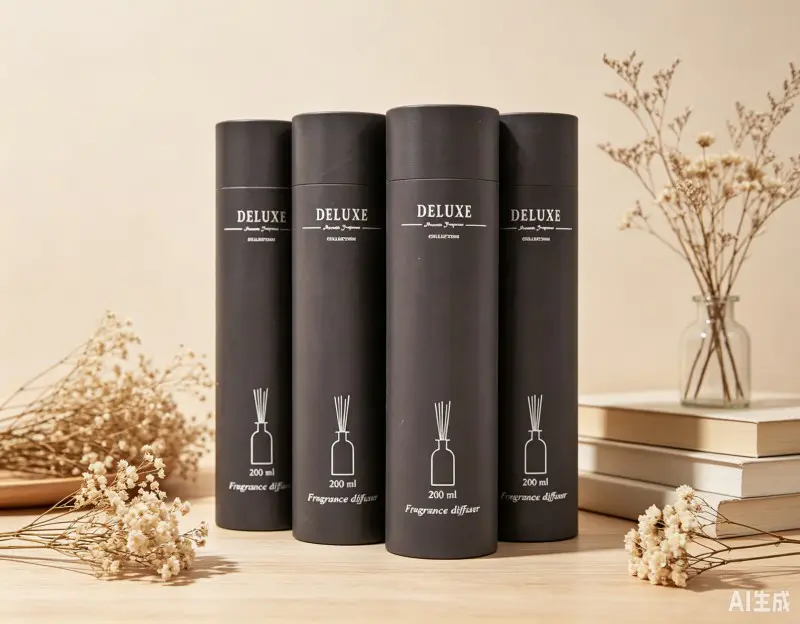
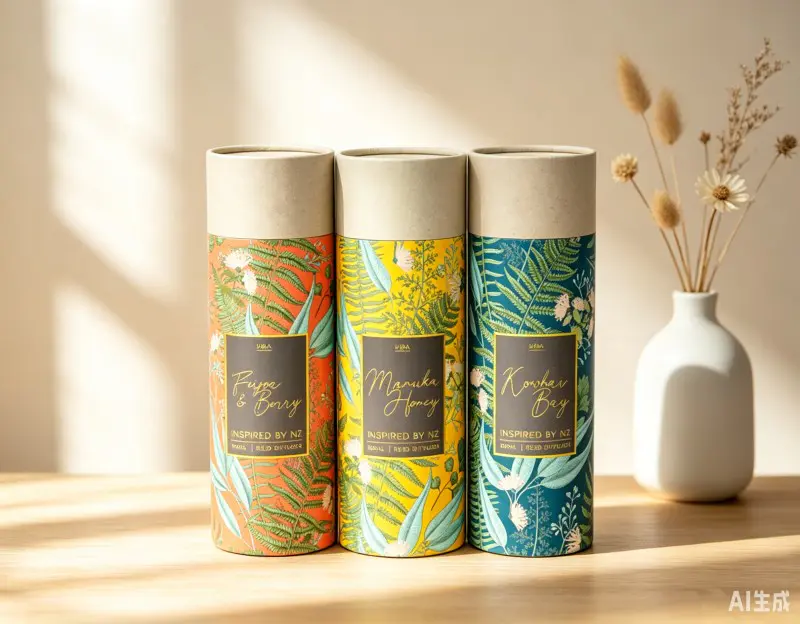
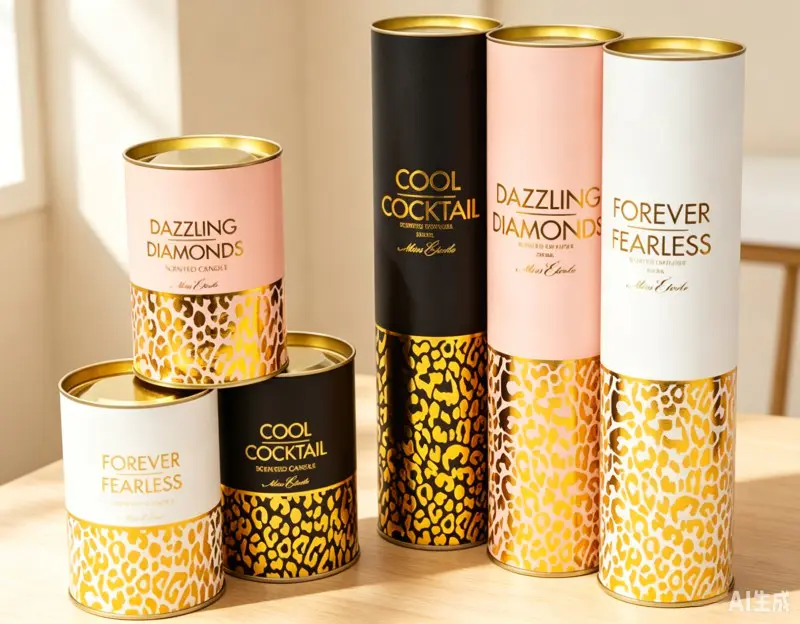
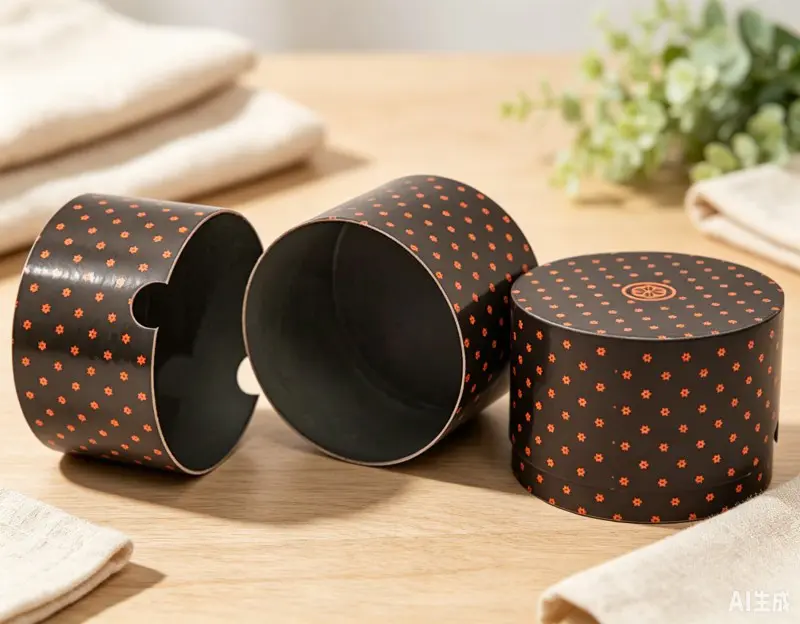
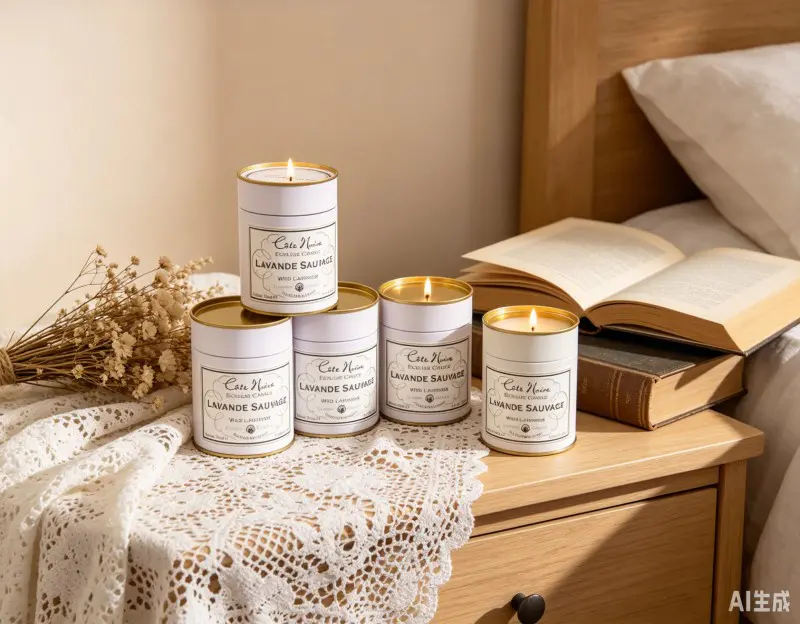

As one of the top China cardboard tube packaging manufacturers and paper tube packaging suppliers, we devote all of our efforts to research and launch more high quality packaging products to global market.
Content
- 1 What Is Food Tube Packaging?
- 2 Common Types of Food Tubes Used in the Industry
- 3 What Foods Are Commonly Packaged in Tubes?
- 4 Key Benefits of Using Tube Packaging for Food Products
- 5 How to Choose the Right Food Tube Packaging for Your Product
- 6 Food Tube Packaging Design Tips That Drive Sales
- 7 Sustainability Trends Shaping the Future of Food Tube Packaging
- 8 Questions to Ask Your Food Tube Packaging Supplier
What Is Food Tube Packaging?
Food tube packaging refers to cylindrical or elongated containers specifically designed to store, protect, and dispense food products. These tubes can be made from a variety of materials including aluminum, plastic (like LDPE or laminate), and paper-based composites. They're used across a wide range of food categories — from condiments and sauces to baby food and flavored pastes — offering a hygienic, convenient, and often resealable solution that keeps contents fresh from first use to last squeeze.
Unlike rigid containers such as jars or cans, food-grade tube packaging is flexible and squeezable, allowing consumers to dispense precise amounts with minimal waste. This makes them especially popular for thick or viscous food products where portion control and product freshness are priorities.
Common Types of Food Tubes Used in the Industry
Not all food packaging tubes are the same. The type of tube chosen depends on the product's viscosity, shelf-life requirements, branding goals, and budget. Here are the most widely used formats:
Laminate Tubes
Laminate tubes are made by bonding multiple layers of plastic films and sometimes aluminum foil together. They offer excellent barrier properties against moisture, oxygen, and light — making them ideal for products like tomato paste, mustard, and anchovy paste. The multi-layer construction also allows for high-quality printing directly on the surface, giving brands a polished, shelf-ready appearance.
Aluminum Tubes
Aluminum food tubes have been used for decades and are still favored for certain gourmet or specialty food items. They provide an airtight seal that protects sensitive products like truffle paste, caviar spreads, or concentrated fish paste from oxidation. One downside is that aluminum tubes do not spring back after squeezing — they hold their compressed shape — which some consumers find inconvenient, but it also serves as a visual indicator of how much product has been used.
Plastic (LDPE) Tubes
Low-density polyethylene (LDPE) tubes are among the most common food packaging tube formats due to their low cost, flexibility, and ease of manufacturing. They are widely used for items like mayonnaise, ketchup, and squeeze honey. LDPE tubes are lightweight, resistant to cracking, and can be produced in a range of sizes. However, they typically offer lower barrier protection compared to laminate or aluminum options.
Paper-Based Composite Tubes
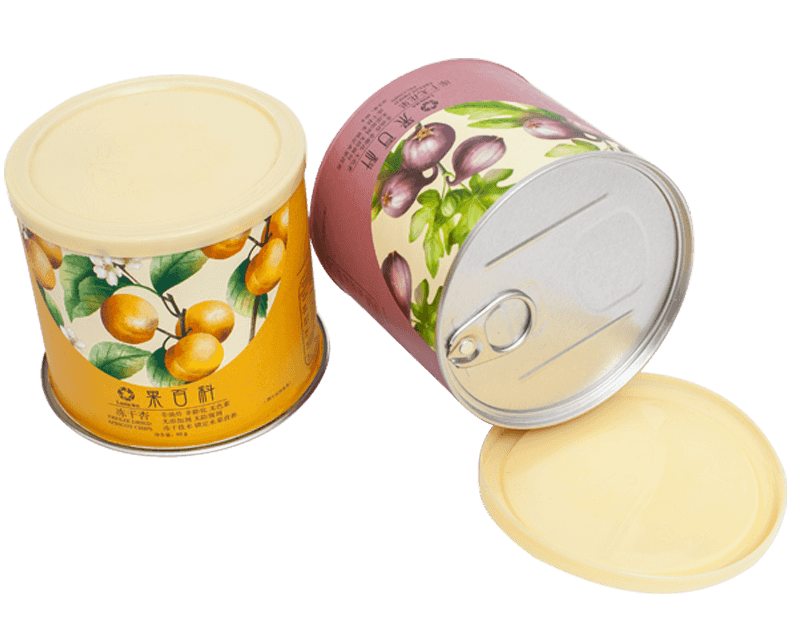
With sustainability becoming a major purchasing factor, paper-based composite tubes are gaining traction in the food industry. These tubes use a paperboard core with thin inner linings to maintain food safety. They're most suitable for dry or semi-dry food products like powdered flavoring, spice blends in stick form, or rolled snack packaging. Brands that prioritize eco-friendly food tube packaging often lean toward this option.
What Foods Are Commonly Packaged in Tubes?
Food tube containers are used across a surprisingly wide variety of product categories. Some are familiar staples, while others represent growing trends in convenience and gourmet food:
- Condiments and sauces — Mustard, ketchup, mayonnaise, hot sauce, and horseradish are classic examples where tube packaging excels in portion control and hygiene.
- Pastes and spreads — Tomato paste, anchovy paste, harissa, tahini, and miso paste benefit from the airtight seal that food-grade tubes provide, extending shelf life after opening.
- Baby food and purees — Squeezable food pouches and tubes for pureed fruit or vegetable blends are hugely popular for on-the-go toddler feeding.
- Flavored butters and cheese spreads — Herb butter, cream cheese, and processed cheese are increasingly available in tube format for easy dispensing.
- Energy and protein products — Concentrated energy gels, nut butter tubes, and protein pastes are popular with athletes and outdoor enthusiasts.
- Baking ingredients — Cake decorating gels, marzipan, and vanilla paste are sold in food squeeze tubes designed for precision application.
Key Benefits of Using Tube Packaging for Food Products
There are strong functional and commercial reasons why brands choose food tube packaging over jars, pouches, or bottles. Here's a breakdown of the most significant advantages:
| Benefit | Details |
| Extended Freshness | Airtight seals reduce oxidation and contamination after opening, keeping food fresh longer than wide-mouth jars. |
| Portion Control | Consumers can dispense just the amount they need, reducing food waste significantly. |
| Hygienic Dispensing | The nozzle or cap design prevents utensils from contacting the product, maintaining sanitation. |
| Portability | Lightweight and compact, tubes are ideal for travel, lunchboxes, camping, and on-the-go use. |
| Branding Surface | The cylindrical surface offers 360-degree printable space for bold, high-impact label design. |
| Product Evacuation | Flexible walls allow consumers to use nearly 100% of the product, unlike jars where residue is hard to access. |
How to Choose the Right Food Tube Packaging for Your Product
Selecting the correct tube format for your food product involves evaluating several factors. Making the wrong choice can affect shelf life, consumer experience, and even compliance with food safety regulations. Here are the most important considerations:
Product Viscosity and Texture
Thick pastes and dense purees require tubes with wide nozzles and strong wall flexibility. Thinner sauces or liquids may need narrower openings with flow-control tips to prevent spills. Always test dispensability across different temperature conditions, since many foods thicken when refrigerated.
Barrier Requirements
Products sensitive to oxygen, UV light, or moisture need high-barrier laminate or aluminum food tubes. If your product is less reactive and has preservatives, LDPE may be sufficient and more cost-effective. Always check the product's water activity and pH level when evaluating barrier needs.
Shelf Life and Storage Conditions
Will the product be stored at room temperature, refrigerated, or frozen? Some tube materials become brittle at low temperatures or warp under heat. Laminate tubes generally perform well across a wider temperature range than plain LDPE. Discuss storage conditions explicitly with your packaging supplier before committing to a material.
Regulatory and Food Safety Compliance
All materials used in food-grade tube packaging must comply with regulations such as FDA (in the US), EU Regulation No. 10/2011 (for plastic food contact materials), or equivalent standards in your region. Ensure your tube supplier provides material safety data and migration test results for any new packaging format.
Sustainability Goals
If your brand prioritizes eco-credentials, explore recyclable mono-material plastic tubes, PCR (post-consumer recycled) content options, or paper-composite tubes. Many major retailers now require suppliers to demonstrate sustainable packaging roadmaps, so this consideration increasingly has commercial relevance beyond just ethics.
Food Tube Packaging Design Tips That Drive Sales
A well-designed food packaging tube doesn't just protect the product — it communicates brand identity and persuades shoppers at the point of sale. Here are actionable design principles that work specifically for tube formats:
- Use the full 360-degree print area. Unlike bottles with front and back labels, tubes offer a seamless wrap-around canvas. Use it to display ingredients, usage instructions, and brand messaging without crowding.
- Match cap and nozzle style to product use. Flip-top caps suggest easy, frequent use (great for condiments). Pointed nozzles suggest precision application (good for cake decorating gels). The cap communicates use context before the consumer even reads the label.
- Make the product visible where possible. Some laminate tubes incorporate a small window or transparent panel so the consumer can see the product color inside — this works particularly well for colorful condiments or fruit pastes.
- Ensure the shoulder and crimp area are part of the design. Many brands neglect the top and bottom of the tube. Including color or graphic elements in these areas makes the packaging look complete and intentional.
- Choose tube diameter and length to fit the retail shelf. Standard shelf heights and facings affect whether your product stands upright or lays flat. Design with the intended shelf orientation in mind so your label reads correctly to shoppers.
Sustainability Trends Shaping the Future of Food Tube Packaging
The food packaging industry is under increasing pressure to reduce plastic waste and carbon footprints. Food tube packaging is evolving rapidly in response, with several key trends leading the way:
Mono-material tubes are growing in popularity because they're far easier to recycle than multi-layer laminate structures. Several brands have already switched to all-HDPE or all-PE tube constructions that meet curbside recyclability requirements in major markets.
Post-consumer recycled (PCR) content is being incorporated into tube walls — some manufacturers now offer tubes with 50% or more PCR plastic content without compromising on print quality or structural integrity. This significantly reduces reliance on virgin plastic.
Refillable tube systems are emerging in premium food and condiment categories, where consumers purchase a larger bulk container and refill a smaller, premium tube at home. While still niche, this model is gaining traction with sustainability-conscious shoppers in European markets.
Bio-based plastics derived from sugarcane or corn starch are being tested as tube materials, offering a lower carbon footprint than petroleum-derived plastics. These materials are still being refined for food contact safety and compatibility, but commercial adoption is accelerating.
Questions to Ask Your Food Tube Packaging Supplier
Whether you're launching a new food product or switching from a different container format, vetting your packaging supplier thoroughly is critical. Here are the most important questions to ask before placing an order:
- What materials are available, and do you have food contact compliance documentation for each?
- What is the minimum order quantity (MOQ), and do you offer short runs for product testing or seasonal SKUs?
- Can you provide compatibility testing between your tube materials and my specific food formulation?
- What filling and sealing equipment is compatible with your tubes, and do you provide recommendations?
- Do you offer sustainable or recyclable tube options, and what certifications do they carry?
- What are your lead times for stock versus custom-printed tubes?
- Can you share case studies or samples from similar food categories you've supplied before?
A reliable supplier should be able to answer all of these questions confidently and provide physical samples before you commit to a production run. Don't skip the sampling stage — subtle differences in wall thickness, nozzle diameter, and cap torque can significantly affect consumer experience with your finished product.
