 English
 Español

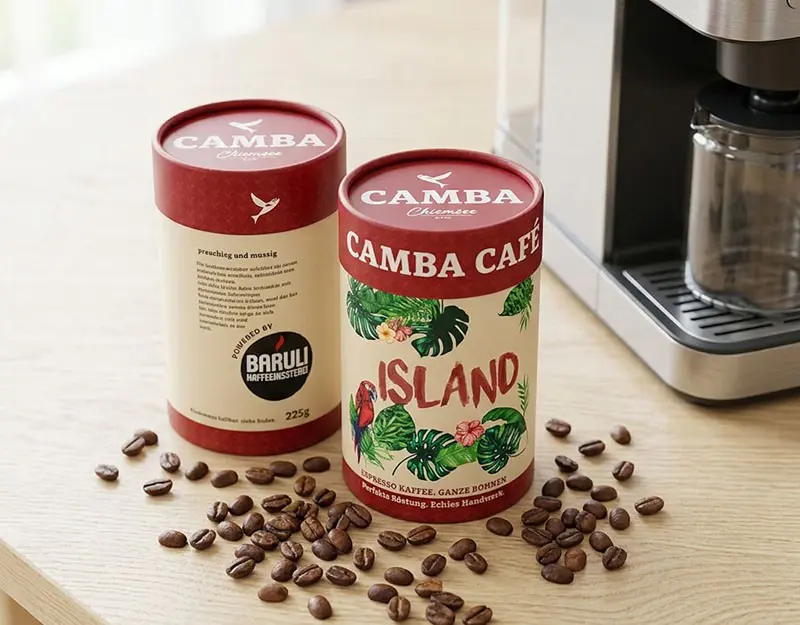
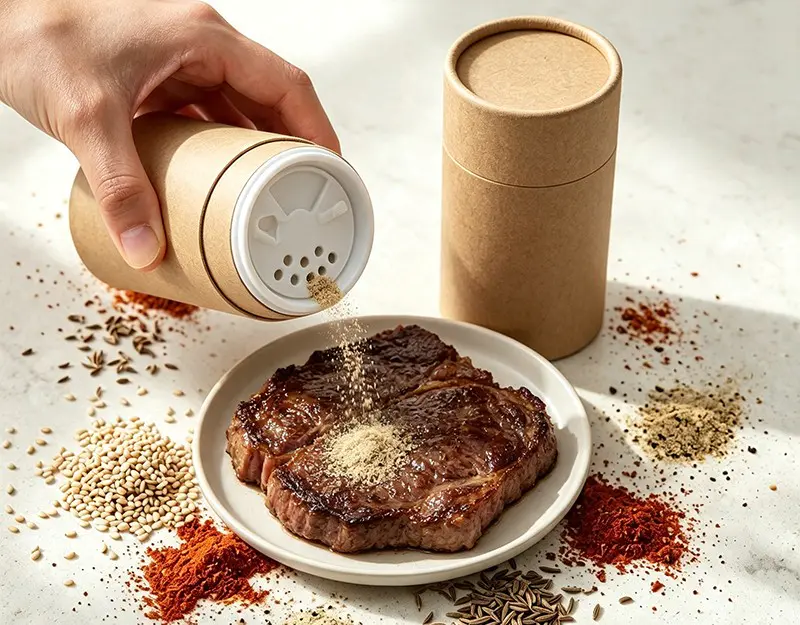
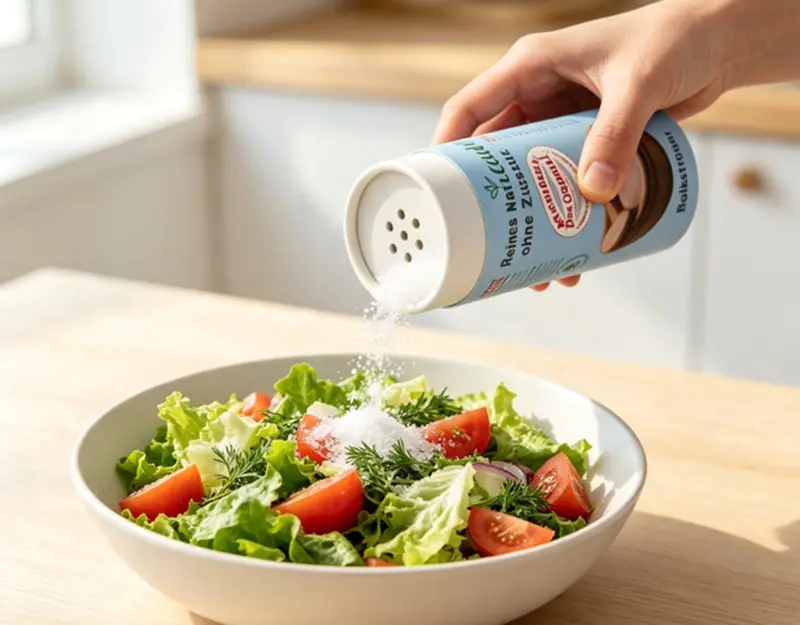
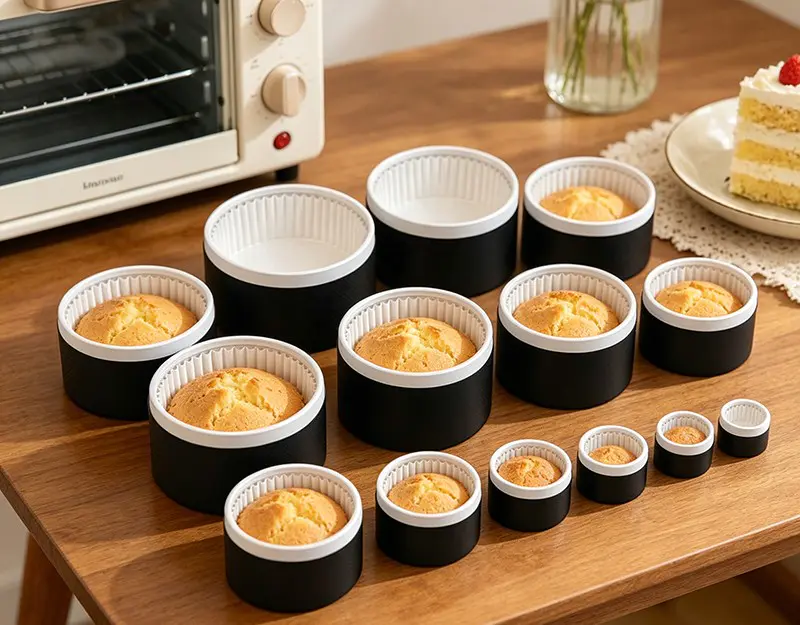

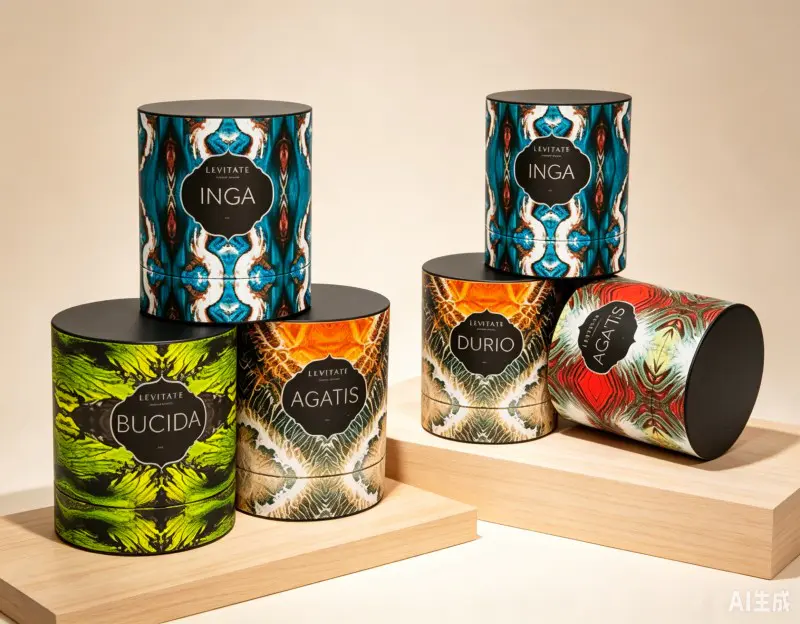
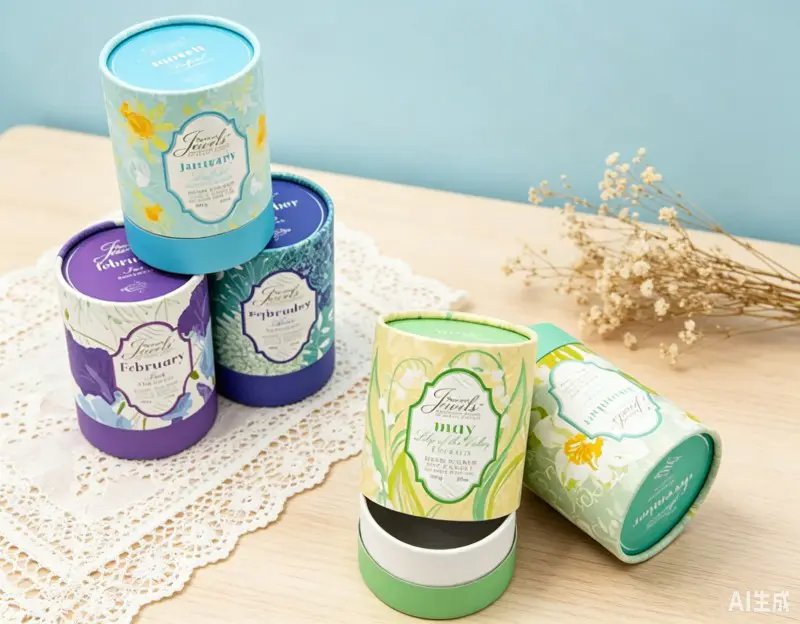
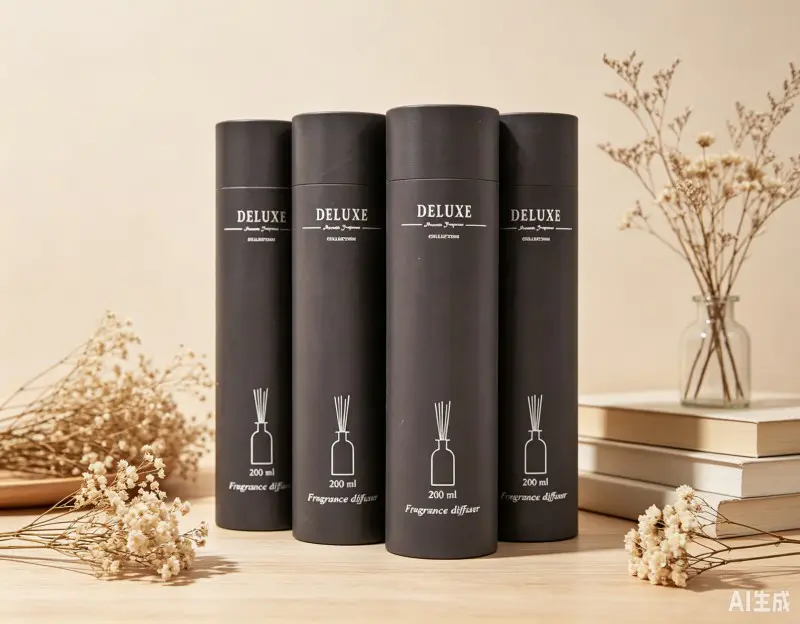
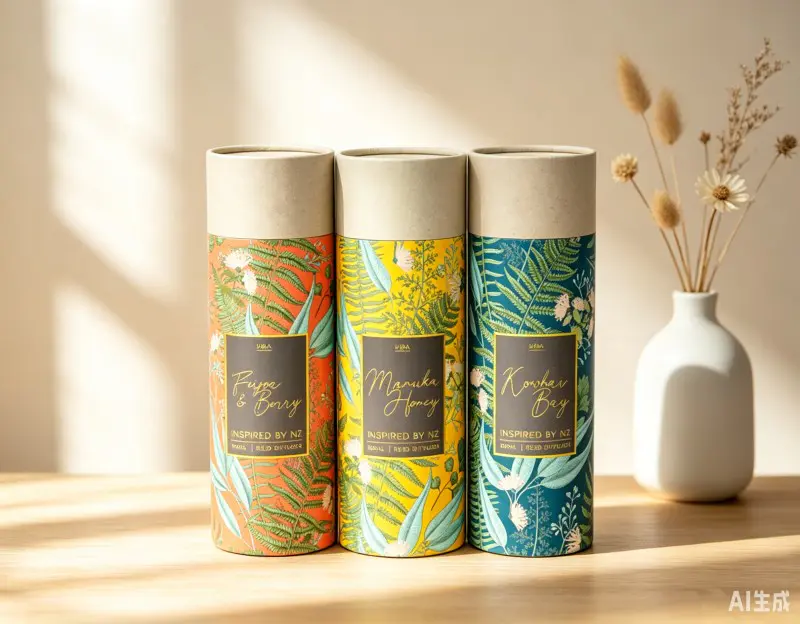
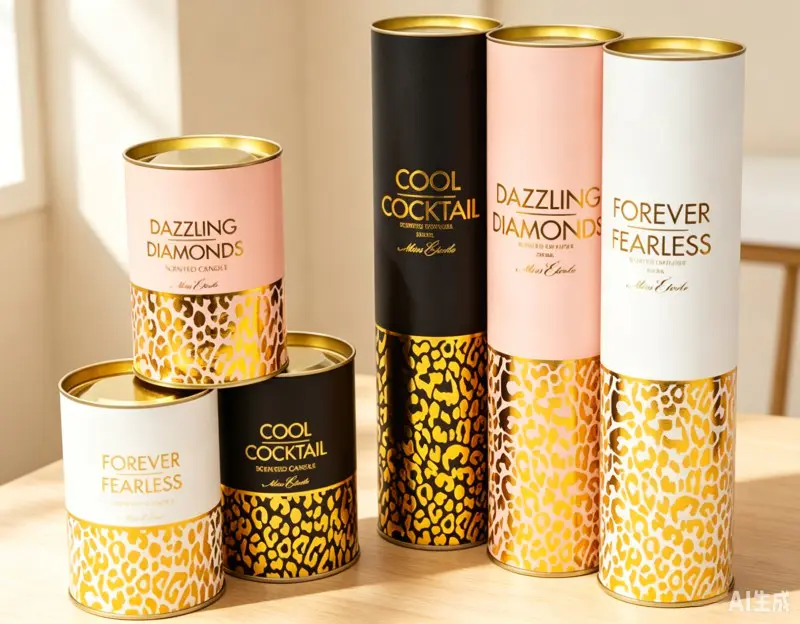
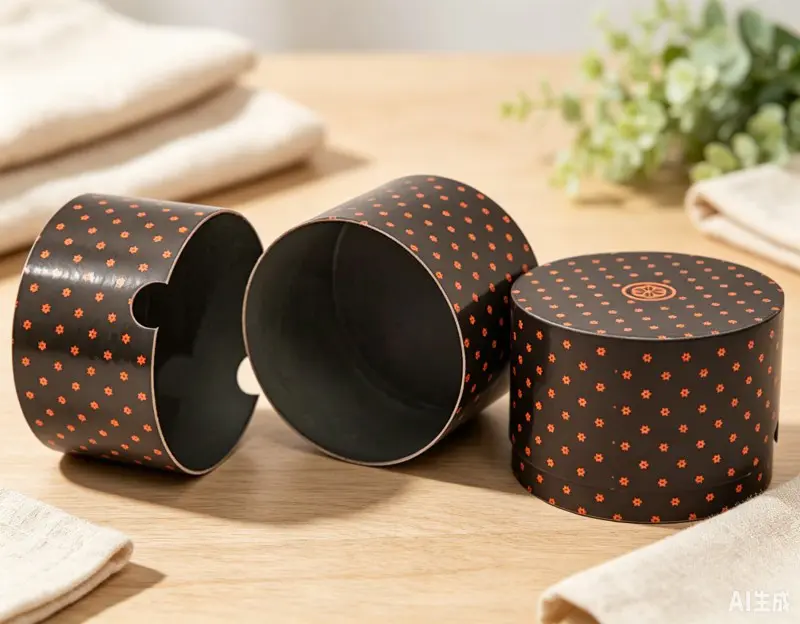
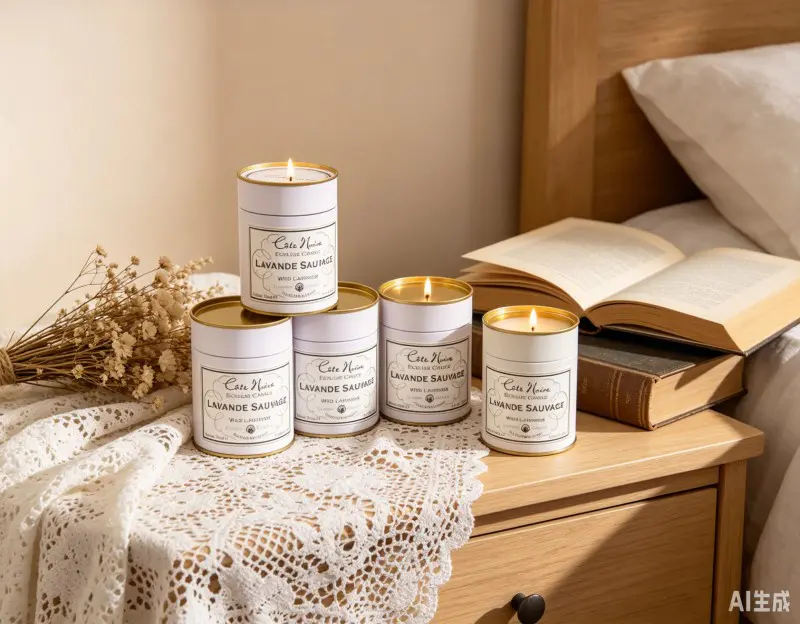

As one of the top China cardboard tube packaging manufacturers and paper tube packaging suppliers, we devote all of our efforts to research and launch more high quality packaging products to global market.
Packaging has a direct influence on how consumers experience baked pastries, cookies, biscuits, crackers, and other dry foods. A product may be carefully formulated and freshly produced, yet its quality can deteriorate quickly when the package allows moisture, oxygen, odours, or physical pressure to enter. For this reason, food brands increasingly require packaging that combines reliable barrier protection, attractive shelf presentation, convenient handling, and a more responsible material profile.
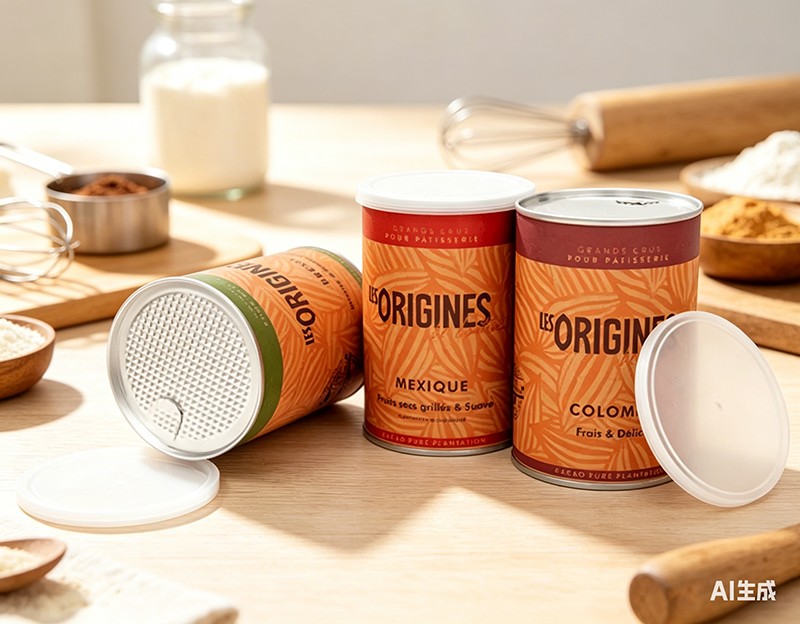
The food-safe airtight kraft paper canister for baked pastries and cookies is designed to meet these requirements in one cylindrical package. It combines a rigid paper body with a sealed tinplate bottom and a choice of airtight closure systems, including a membrane and ring top or a POE top with a plastic cap. The specified format, with an internal diameter of approximately 99 millimetres and a height of approximately 180 millimetres, provides a practical volume for retail portions of cookies, freeze-dried fruit, biscuits, snacks, and other dried foods.
Unlike ordinary paper boxes or basic cardboard cartons, this canister is developed around product protection. Its structure helps resist crushing, while its closure and bottom construction create a more controlled internal environment. At the same time, the kraft paper exterior offers a natural appearance that can support premium, organic, artisanal, and sustainability-focused brand positioning.
Manufactured by Hangzhou Qunle Packaging Co., Ltd., the canister benefits from more than two decades of experience in composite cans and paper containers. The company combines kraft paper forming, controlled component assembly, custom offset printing, varnishing, and can-sealed bottom construction to produce packaging suitable for modern food and consumer-product markets.
Food Safe Airtight Kraft Paper Canister for Baked Pastries Cookies
Content
- 1 Why Airtight Packaging Matters for Baked Foods
- 2 Construction of the Kraft Paper Canister
- 3 Food-Safe Applications
- 4 Advantages Compared with Common Alternative Packaging
- 5 Custom Printing and Brand Presentation
- 6 Sustainable Kraft Paper Construction
- 7 Advanced Manufacturing Capabilities
- 8 Quality Control from Artwork to Finished Goods
- 9 How Brands Can Use the Canister Effectively
- 10 Ordering and Customisation Process
- 11 Storage, Filling, and Handling Recommendations
- 12 Company Strengths and Industry Experience
- 13 Why This Canister Is a Strong Choice for Food Brands
- 14 Questions and Answers
- 14.1 Q1: What products can be packed in this airtight kraft paper canister?
- 14.2 Q2: What is the standard size stated for this product?
- 14.3 Q3: Which top closure options are available?
- 14.4 Q4: How is the bottom attached?
- 14.5 Q5: Is the canister suitable for direct food contact?
- 14.6 Q6: Can the outside be printed with a custom design?
- 14.7 Q7: What does varnishing do?
- 14.8 Q8: Does the paper body contain recycled material?
- 14.9 Q9: Is the complete canister fully recyclable?
- 14.10 Q10: Can the canister be reused?
- 14.11 Q11: How does the product compare with a standard paper tube?
- 14.12 Q12: Can the dimensions be customised?
- 14.13 Q13: What testing should a buyer request?
- 14.14 Q14: Is this package suitable for online food sales?
- 14.15 Q15: What information should be supplied when requesting a quotation?
- 15 Conclusion
- 16 References
- 17 Product: Food Safe Airtight Kraft Paper Canister for Baked Pastries Cookies
Why Airtight Packaging Matters for Baked Foods
Baked foods are often sensitive to changes in humidity. Cookies, crackers, pastries, and similar products can lose their intended texture when exposed to atmospheric moisture. A crisp biscuit may become soft, a crunchy cracker may lose its snap, and a delicate pastry may absorb unwanted odours from its surroundings. Oxygen exposure can also contribute to the gradual decline of flavour, especially when the product contains fats, nuts, seeds, chocolate, or other oxidation-sensitive ingredients.
Traditional paper packaging provides useful outer protection, but paper alone is not necessarily sufficient for maintaining a stable internal environment. A simple paper bag or folding carton may be suitable for short-term presentation, but it generally does not provide the same structural rigidity or closure performance as a composite canister with a sealed metal bottom and engineered lid.
The airtight kraft paper canister addresses these concerns through several coordinated features. The top closure is designed to reduce the movement of air and moisture after filling. The tinplate bottom forms a strong, impermeable base that is sealed by a can seamer. The cylindrical body provides a continuous, rigid wall around the product and helps reduce crushing during storage, transportation, and retail handling.
No package can guarantee indefinite freshness under every storage condition. Product formulation, filling temperature, residual oxygen, sealing quality, distribution conditions, and consumer handling all influence shelf life. However, a properly manufactured airtight canister can substantially improve the protective performance of the packaging system when it is correctly matched with the food product and closure specification.
Protection against moisture
Moisture is one of the most important causes of quality loss in dry baked foods. The kraft paper body creates the main structural shell, while the selected internal construction and closure help limit moisture transfer. A well-sealed top reduces the possibility of humid air entering after filling, particularly when the consumer closes the container carefully between uses.
This feature is especially valuable for products intended to be consumed over several occasions. A family-size cookie package, a premium biscuit assortment, or a snack canister may be opened and closed repeatedly. Compared with a carton that is folded shut or a flexible bag that may not reseal effectively, the rigid canister offers a more stable and convenient format for repeated use.
Reduction of odour transfer
Dry foods can absorb surrounding aromas. Coffee, spices, household cleaning products, and strongly scented goods may all affect an inadequately protected food package. The airtight closure helps reduce the exchange of air between the product and its environment. This is beneficial for neutral-flavoured biscuits as well as premium foods whose sensory identity depends on subtle aromas.
Physical protection during distribution
The cylindrical paper body is not merely decorative. Its rigid structure helps distribute external pressure around the circumference of the container. This can reduce the risk of crushed cookies, broken crackers, and damaged decorative pastries compared with less rigid flexible packaging. The round shape also avoids sharp carton corners and can provide a distinctive, premium appearance on shelves.
Construction of the Kraft Paper Canister
The canister is made primarily from kraft paper and incorporates other components selected for closure and barrier performance. The supplied specification identifies kraft paper as the paper type, offset printing as the printing method, varnishing as the finishing treatment, and a tinplate bottom sealed by a can seamer. The top may be supplied as a membrane and ring closure or as a POE top with a plastic cap, depending on the product and customer requirements.
| Component | Function | Customer Benefit |
|---|---|---|
| Kraft paper body | Creates the rigid cylindrical structure and provides the main printable exterior surface | Combines strength, a natural appearance, and a suitable platform for custom branding |
| Membrane and ring top | Supports airtight closure and controlled opening | Helps preserve food quality and may provide visible opening confirmation |
| POE top with plastic cap | Provides a resealable closure option | Improves convenience for products consumed over multiple servings |
| Tinplate bottom | Forms a durable and impermeable base | Improves package integrity and supports can-seamed sealing |
| Offset-printed exterior | Displays logos, product information, and decorative graphics | Creates a high-quality retail presentation with detailed colour reproduction |
| Varnished finish | Protects printed graphics and modifies the surface appearance | Supports gloss, matt, scuff resistance, and tactile design effects |
The cooperation of these components distinguishes the canister from a basic paper tube. A simple tube may provide shape and appearance, but a food-oriented airtight canister must be considered as a complete packaging system. The body, top, bottom, sealing method, printing, and filling process must work together to deliver consistent performance.
Rigid cylindrical body
The specified internal dimension of ID 99 millimetres by 180 millimetres in height offers a balanced format for retail food products. The internal diameter is wide enough for many cookies and snack pieces to be loaded without excessive breakage, while the height creates useful vertical capacity without making the package difficult to handle.
The cylindrical format can also make efficient use of display space. Multiple cans can be arranged in rows, grouped into gift sets, or displayed upright on a shelf. The round profile creates a different visual identity from rectangular cartons and may help a product stand out in a crowded bakery, specialty food, or supermarket environment.
Tinplate bottom sealed by can seamer
The tinplate bottom is an important structural and protective element. Metal provides a firm base that can withstand contact with shelves, pallets, and handling surfaces. Sealing the bottom with a can seamer creates a controlled mechanical closure around the circumference. This process is more consistent and secure than simply attaching a loose paper disc to the base.
A well-formed bottom seam can help protect the package from leakage pathways, external contamination, and accidental separation. It also reinforces the canister during filling and transportation. The bottom construction should be verified according to the intended food application, component specification, and applicable regulatory requirements.
Membrane and ring closure
The membrane and ring top is suitable for products where freshness protection and controlled first opening are priorities. The membrane can create an additional internal seal, while the ring component supports top attachment and opening. This format may be particularly appropriate for premium cookies, freeze-dried fruit, specialty snacks, and products where consumers value a clear indication that the package has not previously been opened.
For commercial production, the performance of the closure depends on accurate assembly, compatible dimensions, clean sealing surfaces, and appropriate filling-line handling. The package supplier can help determine the most suitable closure specification based on the food characteristics, target shelf life, filling method, and desired consumer experience.
POE top with plastic cap
A POE top with a plastic cap offers a different balance between airtightness and convenience. The cap can support repeated opening and closing, making it useful for cookies, confectionery, snacks, and dried foods that consumers may eat gradually. Resealability helps reduce unnecessary exposure after the first opening, although consumers should still close the cap fully and store the product under the recommended conditions.
The choice between a membrane and ring top and a POE top with plastic cap should not be based only on appearance. It should reflect the product’s moisture sensitivity, expected consumption pattern, filling process, transportation conditions, and desired packaging cost. Offering both options gives food brands greater flexibility during product development.
Food-Safe Applications
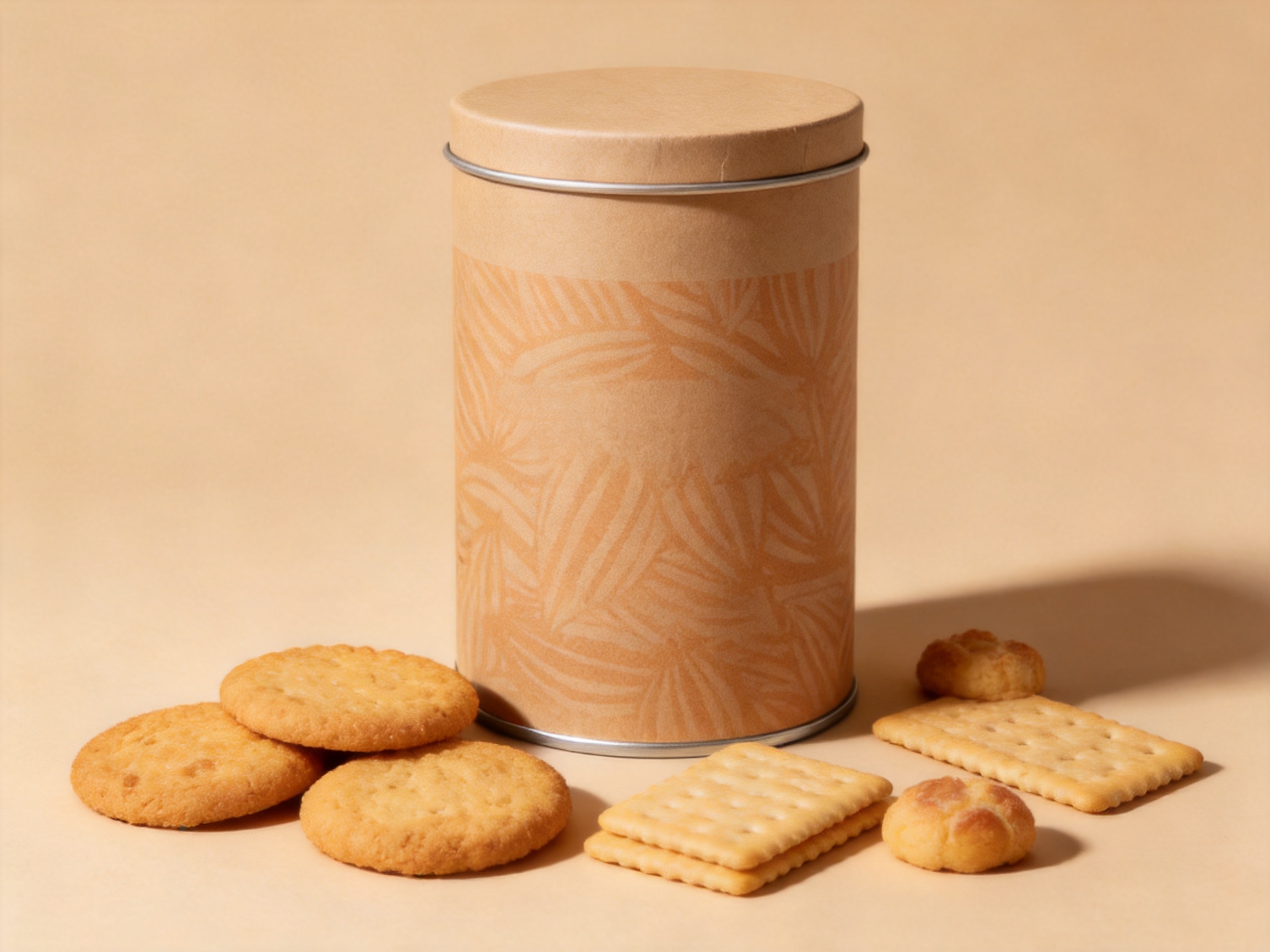
This canister is intended for dried food applications, including baked pastries, cookies, biscuits, crackers, freeze-dried fruit, and related snacks. It can also be considered for selected nuts, confectionery, tea products, cereals, and other dry goods when the package construction is confirmed as suitable for the specific product.
Food safety depends on the complete packaging system. Paper, coatings, adhesives, plastic components, metal parts, printing inks, and finishing materials must be selected and controlled for the intended application. The canister should be produced, stored, and transported in hygienic conditions, and its suitability should be confirmed through the customer’s required compliance documentation and testing program.
Cookies and biscuits
Cookies and biscuits are among the most natural applications for this format. Their appearance benefits from a rigid container, while their texture benefits from protection against humid air. The canister can hold standard retail portions, premium assortments, filled biscuits, butter cookies, chocolate cookies, and seasonal bakery products.
For fragile products, the internal dimensions can be matched with an insert, liner, or suitable arrangement to reduce movement. Product loading should be evaluated carefully because excessive empty space may allow pieces to collide during transport, while overfilling may cause breakage or make closure difficult.
Freeze-dried fruit and dry snacks
Freeze-dried fruit is lightweight and highly sensitive to moisture. Once exposed to humid air, it may lose its characteristic crisp texture. An airtight canister can offer a practical retail format for freeze-dried strawberries, mango, banana, berries, fruit pieces, and mixed snack products.
The same principles apply to roasted snacks, granola components, crackers, cereal bites, and other low-moisture foods. Product-specific testing remains essential because different formulations have different oxygen and moisture requirements.
Chocolate cookies, coated biscuits, confectionery pieces, and dry chocolate snacks can benefit from a rigid package that reduces crushing and provides an attractive premium appearance. Temperature control remains important because paper packaging alone does not prevent chocolate from melting. For products containing chocolate, the package should be evaluated in combination with the expected distribution temperature and storage environment.
Advantages Compared with Common Alternative Packaging
Food brands typically choose between flexible bags, folding cartons, plastic containers, metal tins, and composite paper canisters. Each format has strengths. The airtight kraft paper canister is competitive because it combines several desirable features that are often separated among other package types.
| Packaging Format | Typical Strength | Potential Limitation | Canister Advantage |
|---|---|---|---|
| Flexible bag | Low material weight and efficient shipping | May offer limited crush protection and weaker resealing depending on the closure | Provides a more rigid structure and a premium reusable-feeling format |
| Folding carton | Efficient printing and low-cost flat storage | Usually requires an additional inner bag for strong freshness protection | Integrates a rigid body with an airtight closure system |
| Plastic tub | Strong moisture resistance and resealability | May conflict with paper-focused or plastic-reduction positioning | Offers a kraft paper exterior and a more natural shelf appearance |
| Metal tin | High rigidity and long service life | Can be heavier and more resource-intensive to produce | Reduces the amount of metal while retaining a firm cylindrical format |
| Basic paper tube | Natural appearance and structural support | May not include a suitable airtight closure or sealed base | Combines paper construction with engineered top and bottom protection |
Compared with flexible bags
Flexible bags can be efficient and economical, especially for large-volume snacks. However, they may not protect delicate baked products from crushing, and their shape can look less premium after opening. Some bags have zippers or resealable strips, but sealing performance varies with product crumbs, film quality, and consumer handling.
The canister provides a firm wall and a stable base. It can be picked up, stacked, and displayed without collapsing. Its height and diameter can also be selected to create a distinctive product silhouette. For premium bakery brands, this visual and tactile difference can justify a higher perceived value.
Compared with folding cartons
A folding carton is an effective outer package, but it may need a separate inner bag to protect the food. That combination can add packaging components and create a more complicated opening experience. The airtight canister is developed as a composite container with the body and closure working together.
The canister can also provide better resistance to accidental compression. This is important when cookies are shipped through parcel networks, placed in gift boxes, or handled repeatedly in retail environments.
Compared with plastic tubs
Plastic tubs commonly offer good resealability and moisture protection, but many brands are seeking alternatives that communicate a more natural material story. The kraft paper canister provides a paper-forward exterior with a visible recycled-material positioning, while still using plastic where it is functionally required for selected closure options.
The environmental comparison should always consider the entire package, including coatings, adhesives, caps, transport weight, recyclability infrastructure, and end-of-life separation. Nevertheless, the canister can help brands reduce reliance on a fully plastic outer container and create a more responsible packaging profile.
Compared with metal tins
Metal tins are rigid, reusable, and visually attractive, but they may add weight and cost to shipping. The kraft paper canister offers a lighter alternative with a similar cylindrical, premium presentation. Its tinplate bottom supplies a robust base without requiring the entire body to be made of metal.
This balance can be valuable for brands that want a durable package while controlling logistics costs and maintaining a paper-based visual identity.
Custom Printing and Brand Presentation
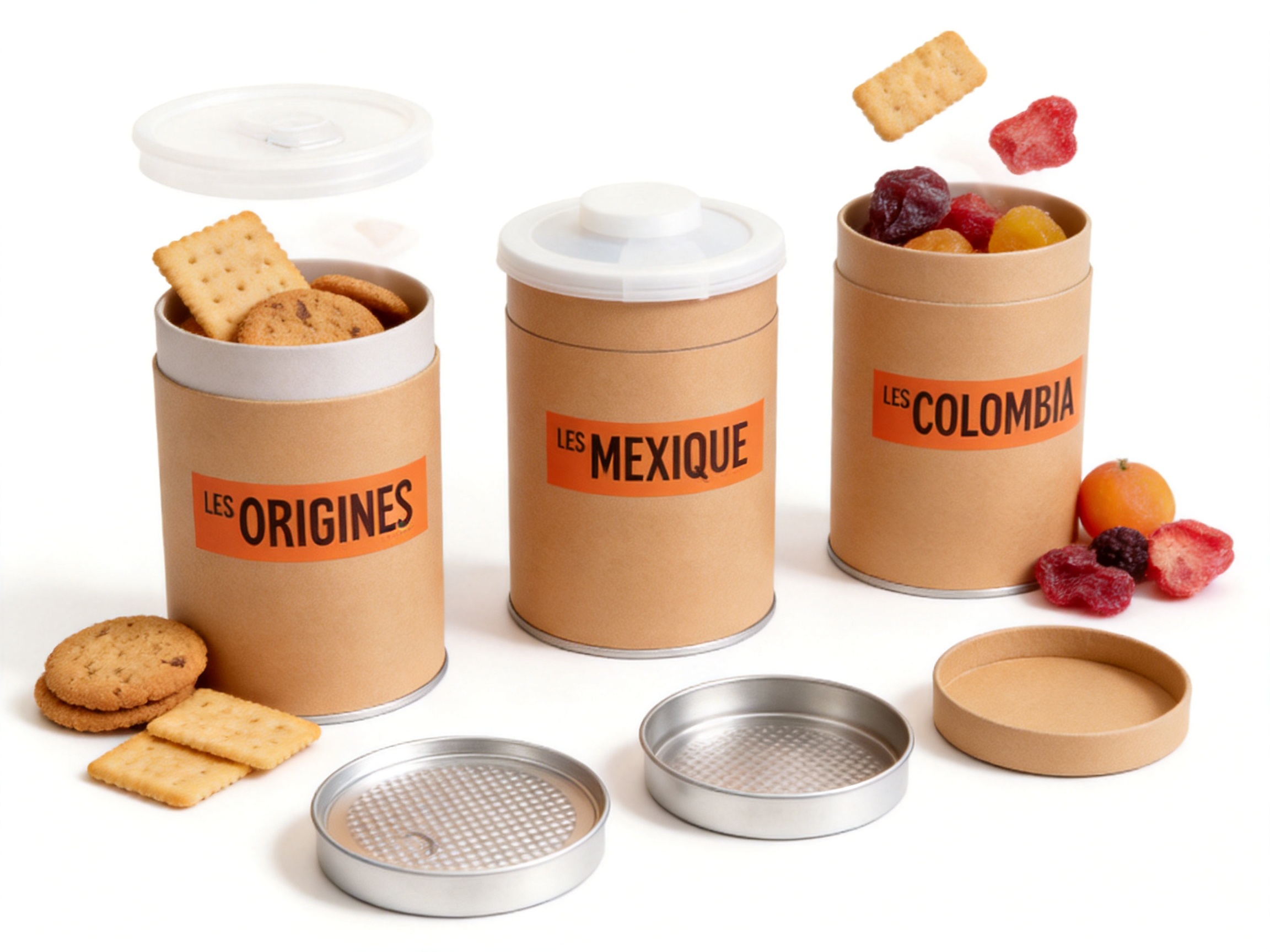
Packaging often performs as a silent salesperson. Before a consumer reads the ingredient panel or searches for product information, the colour, shape, typography, and surface finish influence the first impression. The canister supports custom printing through offset printing, allowing brands to reproduce detailed graphics, product illustrations, logos, patterns, and information panels.
Offset printing is particularly useful for designs that require precise registration, multiple colours, smooth tonal transitions, or a refined premium appearance. It can support minimalist kraft-style artwork as well as bright, highly decorative designs. A food producer may choose earthy brown and muted colours to emphasise natural ingredients, or use vivid artwork to attract attention in a confectionery aisle.
Varnishing options
Varnishing provides both visual and functional benefits. A gloss varnish can increase colour intensity and create a polished retail appearance. A matt varnish can produce a softer, more tactile surface that supports premium, organic, or artisanal positioning. Selective effects may be considered when the design requires contrast between matt and gloss areas.
The finish also helps protect printed graphics from scuffing during handling. The appropriate coating should be chosen according to the intended food-contact arrangement, environmental conditions, printing requirements, and compliance documentation.
Design opportunities for different market segments
For a bakery brand, the canister can feature hand-drawn illustrations, pastry photography, ingredient cues, or a traditional craft aesthetic. For a health-food brand, natural colours, restrained typography, and clear nutritional communication may work effectively. For a gift product, metallic effects, seasonal patterns, sleeves, and coordinated sets can increase presentation value.
The cylindrical surface provides a continuous design area. This allows a logo to face the consumer while additional panels carry ingredients, nutritional information, preparation details, recycling guidance, and brand storytelling. Artwork should be developed with attention to the seam area, closure, bottom edge, and viewing direction on the shelf.
Sustainable Kraft Paper Construction
Kraft paper is widely associated with natural materials, responsible sourcing, and recyclable packaging. The canister incorporates recycled materials in the paper body according to the supplied product specification. Using recycled fibres can reduce dependence on virgin paper resources and support a more circular material strategy.
The paper exterior also has a favourable weight-to-strength relationship. It creates a rigid container without the mass of a fully metal package. Lower package weight may contribute to more efficient transportation, particularly when products are shipped in large quantities or across international markets.
However, responsible packaging communication should be accurate and specific. The canister contains multiple components, including paper, metal, plastic, inks, coatings, and adhesives. Whether the package is accepted in a particular recycling system depends on local facilities and the ability to separate or process those materials. The most appropriate claim is therefore based on verified composition, documented testing, and the recycling infrastructure available in the target market.
Material efficiency
The rigid structure can help protect the food and reduce breakage. This may lower product waste during distribution, an important sustainability consideration because the environmental impact of wasted food can be greater than that of the package itself. A package that protects a premium cookie assortment from crushing may deliver value not only through appearance but also through improved product retention.
The canister can also be sized to suit the product quantity. Avoiding excessive empty space can reduce unnecessary material use and improve shipping efficiency. At the same time, sufficient internal clearance is needed to prevent product damage and allow the closure to function correctly.
Consumer reuse and second-life potential
After the original food has been consumed, consumers may reuse a rigid canister for dry household items, craft supplies, small gifts, or desk organisation. Reuse depends on the condition of the container and the consumer’s preferences, but the cylindrical shape and firm body naturally support a second life more readily than many single-use flexible packages.
Brands should distinguish between reuse potential and formal food-contact reuse. Unless the package is specifically validated for repeated food storage, consumers should follow appropriate hygiene practices and avoid using damaged or contaminated containers for food.
Advanced Manufacturing Capabilities
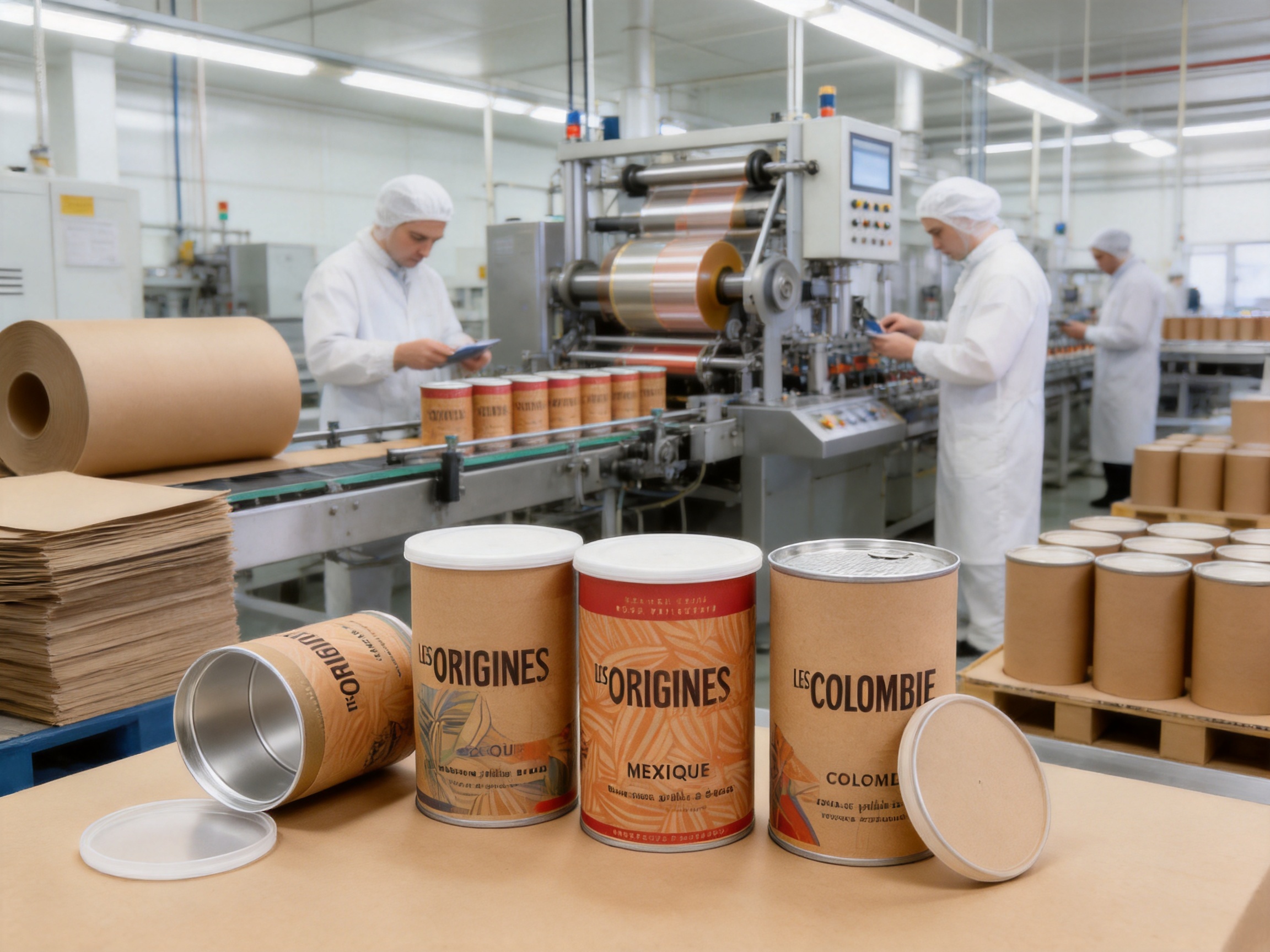
Hangzhou Qunle Packaging Co., Ltd. has been engaged in the composite can and paper can industry for more than 20 years. This experience is relevant because producing an airtight composite canister requires more than printing a paper label. It involves material selection, tube formation, dimensional control, closure compatibility, metal component integration, seam quality, print registration, and process inspection.
The company identifies itself as a member of the international Composite Can and Tube Institute and has developed specialist knowledge in composite packaging containers. It also reports experience serving food, daily chemical, fast-moving consumer goods, and other markets. This broad application background can support packaging development for products with different filling, handling, and presentation requirements.
Composite can production
Composite can manufacturing typically involves forming layers or components into a rigid cylindrical body with controlled dimensions and strength. The production process must maintain consistent wall geometry so that lids, bottoms, labels, and filling equipment fit correctly. Dimensional variation can affect airtightness, seam formation, package stability, and the overall appearance of a finished batch.
For food packaging, process control is especially important. Materials must be stored appropriately, production areas must be managed hygienically, and components must be checked before assembly. Finished canisters may be inspected for visual defects, closure fit, print quality, bottom integrity, and other customer-defined criteria.
European high-speed production technology
In 2015, Qunle Packaging introduced a high-speed composite can production line from Europe. The investment strengthened the company’s ability to manufacture composite cans at industrial scale. High-speed equipment can improve production consistency, throughput, and repeatability when supported by appropriate maintenance, quality control, and trained operators.
For customers, industrial production capability can improve supply planning and reduce the risk associated with relying solely on manual assembly. It may also support larger orders, repeat designs, and multi-size packaging programs. The final production schedule remains dependent on artwork approval, material availability, order quantity, closure selection, and technical requirements.
Offset printing and finishing integration
Printing quality is most effective when it is integrated into the manufacturing process rather than treated as an afterthought. Artwork must be checked for dimensions, colour specifications, text legibility, barcode performance, seam placement, and regulatory information. Offset printing can then be applied with controlled registration and consistent colour management.
Varnishing after printing helps protect the external design and creates the requested surface effect. The combination of printing and finishing allows the same base canister format to serve different brands and product categories while maintaining a consistent production platform.
Can-seamed bottom assembly
The tinplate bottom is sealed by a can seamer. This equipment forms the bottom connection through controlled mechanical operations. Seam quality can influence structural strength and the package’s ability to resist external contamination. Production checks should include seam appearance, dimensional consistency, attachment strength, and compatibility with the body material.
Customers requiring airtight performance should request validation appropriate to their application. This may include leak testing, closure testing, transport simulation, shelf-life evaluation, and food-contact documentation. Testing protocols should be agreed before mass production so that the results reflect actual materials, dimensions, and closure configurations.
Quality Control from Artwork to Finished Goods
Reliable packaging begins before the first canister is produced. A structured quality process should address the complete project, from customer artwork and material approval to production inspection and shipment preparation.
Artwork and specification review
The first stage is the technical review of the design. Important information includes the internal diameter, height, wall construction, top style, bottom type, print coverage, varnish selection, colour requirements, filling method, and expected product weight. The design team should also identify areas that may be hidden by the seam, closure, or bottom edge.
For food packaging, legal and technical information must remain legible. Ingredient declarations, allergen statements, nutrition panels, dates, batch codes, storage instructions, and recycling marks should be placed where they can be printed and read reliably.
Incoming material inspection
Kraft paper, tinplate components, plastic closures, inks, varnishes, adhesives, and other materials should be checked against approved specifications. Material consistency supports stable printing, forming, sealing, and finished appearance. Any special recycled-content requirement should be documented and verified according to the customer’s purchasing and compliance procedures.
In-process inspection
During production, operators and quality personnel may monitor body dimensions, print registration, colour consistency, surface defects, top fit, bottom attachment, and seam appearance. In-process inspection helps identify issues before a large quantity is completed.
Finished-product testing
Finished canisters can be evaluated for closure fit, package integrity, leak resistance, compression performance, drop or vibration response, and compatibility with the filling line. When a product requires specific shelf-life protection, the filled package should be tested under representative conditions rather than relying only on empty-container inspection.
This approach benefits both the supplier and the customer. It helps ensure that the package performs in real distribution conditions and reduces the possibility that a technically attractive container will fail after filling.
How Brands Can Use the Canister Effectively
The canister is suitable for more than basic containment. Its shape, printing area, and closure options create opportunities for product differentiation and improved consumer interaction.
Premium retail positioning
A rigid printed canister can make ordinary product categories feel more distinctive. A basic cookie can become a premium giftable assortment when the package uses thoughtful graphics, a refined matt finish, and a carefully selected closure. Specialty bakeries, imported food distributors, hotel gift shops, and gourmet retailers may benefit from this presentation.
Seasonal and promotional packaging
The same base format can be adapted for holidays, anniversaries, limited editions, and corporate gifts. Seasonal artwork can be changed while retaining the established dimensions and production concept. This can help a brand maintain recognition across different campaigns.
Multipack and gift-set formats
Canisters can be grouped into gift boxes or presented as coordinated collections. Different flavours may use different colour schemes while sharing a common logo position and overall structure. The 99-millimetre internal diameter and 180-millimetre height can serve as a starting format for product development, while other dimensions may be considered for custom projects.
Direct-to-consumer shipping
Online food brands need packaging that can tolerate parcel handling. The rigid cylindrical body can provide better resistance to compression than a soft bag, although an appropriate secondary carton and protective packing remain important. Shipping trials should be conducted with the filled product and final outer packaging to evaluate the complete delivery system.
Ordering and Customisation Process
Qunle Packaging accepts custom orders. A successful project normally begins with a clear technical brief. The customer should provide the food type, target capacity, approximate product weight, desired dimensions, closure preference, artwork requirements, annual volume, destination market, and expected distribution conditions.
The supplier can then review the application and recommend a suitable configuration. Questions may include whether the food is highly moisture-sensitive, whether repeated opening is expected, whether a tamper-evident inner membrane is required, and whether the package will be filled manually or on an automated line.
| Project Stage | Typical Activities | Recommended Customer Input |
|---|---|---|
| Application definition | Review food type, portion size, shelf-life goals, and distribution conditions | Product sample, target weight, storage requirements, and market information |
| Structural development | Confirm diameter, height, body construction, bottom, and closure | Preferred format, filling method, and consumer-use expectations |
| Artwork preparation | Adapt graphics to the cylindrical print area and production limitations | Vector artwork, brand guidelines, legal text, and colour references |
| Sampling | Produce or assemble samples for appearance and fit evaluation | Approval comments and filled-product testing plan |
| Validation | Assess sealing, handling, transport, and food-contact suitability | Required tests, compliance standards, and destination-market criteria |
| Mass production | Manufacture, inspect, pack, and prepare the canisters for shipment | Purchase order, delivery schedule, packaging instructions, and inspection terms |
Before mass production, it is advisable to conduct a filling trial. The trial can reveal whether the cookies load smoothly, whether product pieces are damaged, whether the selected closure fits correctly, and whether the canister works with the customer’s labelling or coding equipment.
Storage, Filling, and Handling Recommendations
Empty canisters should be stored in a clean, dry environment away from excessive humidity, direct sunlight, strong odours, and sources of contamination. They should remain protected in their shipping cartons until required for production. Improper storage can affect paper dimensions, printing appearance, closure fit, and overall package performance.
During filling, the product should be handled in accordance with the food manufacturer’s hygiene program. Crumbs, oils, powder, or moisture on the sealing surfaces may interfere with closure performance. The filling line should be adjusted to prevent overloading and to avoid impact damage to fragile biscuits.
After closure, finished products should be inspected according to the agreed quality plan. The package should not be dropped unnecessarily, and filled canisters should be packed in suitable secondary cartons. Pallet stacking patterns should distribute weight evenly and avoid excessive compression on the top layers.
Storage instructions for the consumer should reflect the food product rather than the package alone. In many cases, the best guidance is to keep the canister closed in a cool, dry place and protect it from direct heat and sunlight. For highly sensitive products, additional instructions may be appropriate.
Company Strengths and Industry Experience
Hangzhou Qunle Packaging Co., Ltd. is based in Hangzhou, Zhejiang Province, China, and focuses on composite cans and paper can packaging. Its reported industry experience exceeds 20 years, giving the company a long operating history in a specialised packaging segment.
The company reports that it was the first enterprise in China to pass the QS certificate for producing food packaging containers. Customers should request current certification and compliance documents relevant to their intended market, but this history indicates an early focus on food-container requirements.
Qunle Packaging has developed more than 10 patented technologies and has supplied packaging for food, daily chemical products, fast-moving consumer goods, and related applications. Its reported partnerships with established companies and brands demonstrate experience with demanding production and supply requirements. Such experience can be valuable when a customer needs consistent repeat orders, custom printing, multiple closure options, or support during packaging development.
The company’s membership in the international Composite Can and Tube Institute further reflects its connection with the specialised composite-can sector. Combined with the introduction of a European high-speed composite can production line in 2015, this background supports a manufacturing model based on industrial equipment, technical development, and process knowledge.
For international buyers, another advantage is the ability to work with a supplier that understands both packaging engineering and commercial presentation. The product is not limited to an unprinted container. It can be developed with custom dimensions, printed artwork, varnish, closure selection, and application-specific testing.
Why This Canister Is a Strong Choice for Food Brands
The main advantage of the airtight kraft paper canister is the way its features work together. Its paper body supports a natural and customisable appearance. Its cylindrical structure provides rigidity. Its tinplate bottom creates a firm, sealed base. Its closure options support airtightness and, where required, resealability. Its printing and varnishing capabilities help the finished product compete visually in retail environments.
Compared with a simple paper tube, it offers a more complete food-packaging solution. Compared with a folding carton, it can reduce the need for a separate inner structure. Compared with a fully plastic tub, it provides a more paper-forward presentation. Compared with a metal tin, it can reduce the amount of metal and package weight while retaining a premium rigid format.
Its sustainability benefits are strongest when the package is designed responsibly, manufactured with verified materials, transported efficiently, and accompanied by accurate end-of-life guidance. Its food-safety benefits are strongest when the package is matched to the product and validated through appropriate testing. These considerations do not weaken the product proposition; they make it more credible for professional buyers.
Questions and Answers
Q1: What products can be packed in this airtight kraft paper canister?
The canister is intended for dried foods such as cookies, baked pastries, biscuits, crackers, freeze-dried fruit, snacks, nuts, cereal products, and selected confectionery. The final suitability depends on the product’s moisture, oxygen, oil, aroma, and temperature sensitivity.
Q2: What is the standard size stated for this product?
The listed size is approximately ID 99 millimetres by 180 millimetres in height. This dimension can accommodate many standard retail portions, but the actual capacity depends on product density, piece size, loading method, and the amount of headspace required.
Q3: Which top closure options are available?
The listed options include a membrane and ring top and a POE top with a plastic cap. The first option can support controlled opening and freshness protection, while the second can provide a convenient resealable format. The best choice should be determined through product and filling-line evaluation.
Q4: How is the bottom attached?
The bottom is made from tinplate and is sealed using a can seamer. This creates a strong mechanical connection and provides a durable base for the paper canister.
Q5: Is the canister suitable for direct food contact?
The product is specified for food use and dried food applications. Direct food-contact suitability must be confirmed for the complete configuration, including paper, coatings, inks, adhesives, plastic parts, metal components, and the intended destination-market requirements. Buyers should request the relevant technical and compliance documentation.
Q6: Can the outside be printed with a custom design?
Yes. The product supports custom offset printing and varnishing. Customers can provide brand artwork, colour requirements, product information, and decorative graphics for review and production adaptation.
Q7: What does varnishing do?
Varnishing adds a protective surface treatment over the printed exterior. It can create a gloss or matt appearance, improve scuff resistance, and enhance the tactile impression of the package. The selected varnish should be appropriate for the intended application and compliance requirements.
Q8: Does the paper body contain recycled material?
The specification identifies recycled materials as a product feature. The exact recycled content, fibre source, and supporting documentation should be confirmed for each order because these details may vary by material availability and customer requirements.
Q9: Is the complete canister fully recyclable?
The paper body is designed to support a paper-based packaging profile, but the complete canister contains paper, metal, plastic, coatings, inks, and adhesives. Recycling outcomes depend on local collection and processing systems. Customers should use verified, market-specific recycling guidance rather than making an unrestricted claim.
Q10: Can the canister be reused?
The rigid body may be reused for dry household items, crafts, gifts, or organisation. Reuse for food should only be considered when the container remains clean and undamaged and when the intended use is consistent with applicable food-safety guidance.
Q11: How does the product compare with a standard paper tube?
A standard paper tube may provide a paper exterior and basic structural support, but it may not include an airtight closure or a can-seamed metal bottom. This canister is developed as a complete composite packaging system for food protection, custom printing, and retail presentation.
Q12: Can the dimensions be customised?
The company accepts custom orders, so alternative dimensions and configurations may be discussed. Customisation depends on the product requirements, tooling, production capability, order quantity, and selected closure and bottom specifications.
Q13: What testing should a buyer request?
Depending on the product, testing may include dimensional inspection, closure fit, leak resistance, seam integrity, compression, drop or vibration simulation, filled-product shelf-life trials, and food-contact compliance review. The exact test plan should be agreed before mass production.
Q14: Is this package suitable for online food sales?
It can be suitable for direct-to-consumer distribution when combined with appropriate secondary packaging. The filled canister should be tested through representative parcel handling, including vibration, compression, and impact conditions.
Q15: What information should be supplied when requesting a quotation?
A buyer should provide the product type, approximate filling weight, desired dimensions, annual or order quantity, closure preference, artwork requirements, destination market, delivery schedule, and any required certificates or tests. A product sample can also help the supplier recommend a suitable structure.
Conclusion
The food-safe airtight kraft paper canister offers a practical combination of freshness protection, structural strength, custom branding, and paper-based visual appeal. Its membrane and ring top or POE top with plastic cap can be selected according to the required balance between airtightness and resealability. Its tinplate bottom, sealed by a can seamer, reinforces the package and creates a reliable base for food distribution.
For cookies, baked pastries, freeze-dried fruit, crackers, snacks, and other dried foods, the canister provides advantages over ordinary paper cartons, flexible bags, basic paper tubes, and fully metal or plastic alternatives. It helps protect delicate products, supports repeat opening, and creates a premium cylindrical format that can be adapted to different market positions.
Qunle Packaging’s more than 20 years of experience, composite-can specialisation, European high-speed production equipment, custom offset printing, varnishing, and reported patented technologies provide a strong manufacturing foundation for this product. With appropriate specification review, food-contact verification, filled-product testing, and accurate sustainability communication, the canister can become a dependable packaging platform for brands seeking both performance and shelf appeal.
References
1. Qunle Packaging product specification for food-safe airtight kraft paper canisters, including dimensions, materials, closure options, printing, and bottom construction.
2. Qunle Packaging corporate information regarding composite can and paper can manufacturing experience, production capabilities, industry applications, and technical development.
3. General principles of food-packaging barrier performance, including moisture protection, oxygen exposure, aroma transfer, package integrity, and shelf-life evaluation.
4. General guidance on paper-based packaging design, recycled fibre use, material separation, recycling communication, and life-cycle considerations.
5. General packaging quality-control practices covering artwork approval, incoming material inspection, dimensional control, seam inspection, closure testing, transport simulation, and finished-product verification.
