 English
 Español
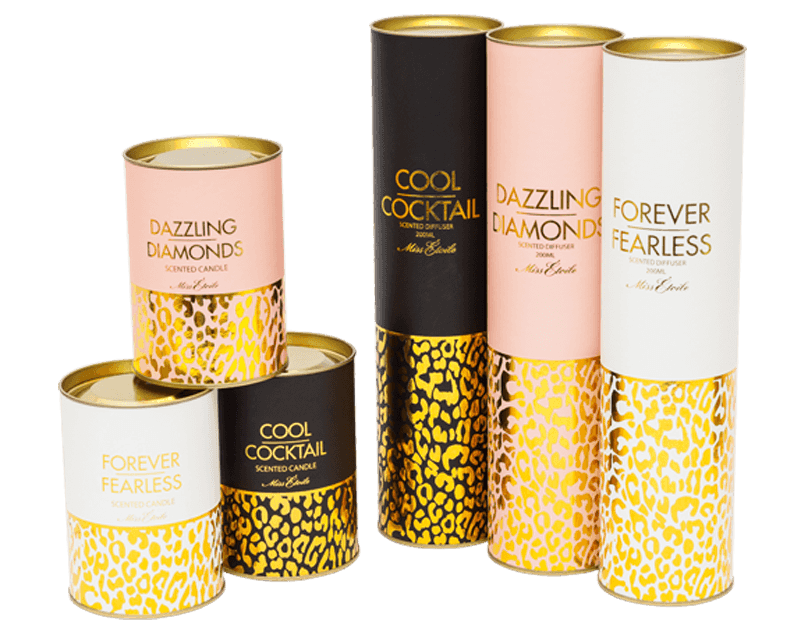
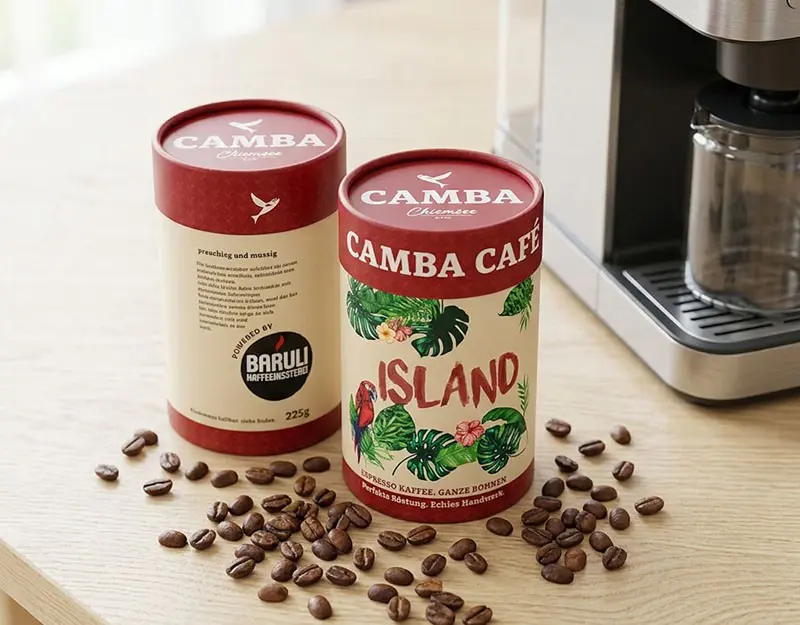


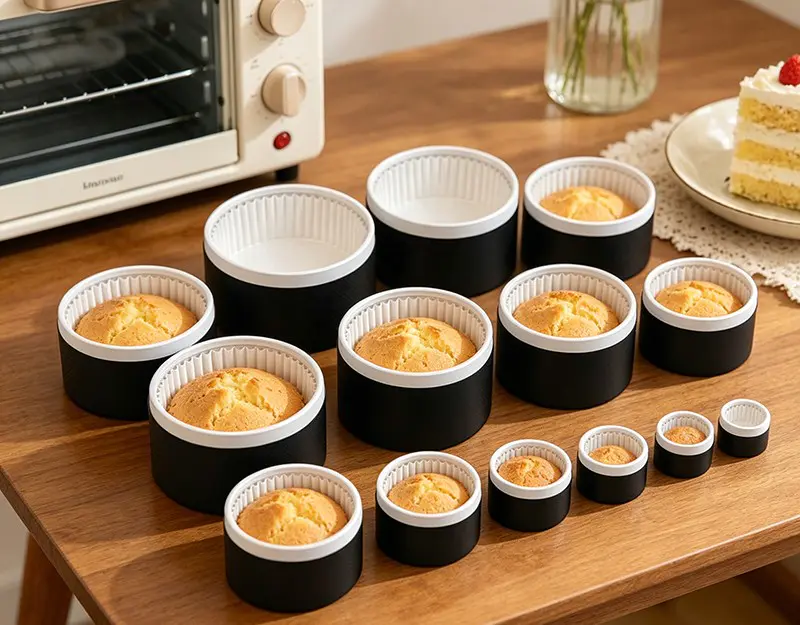

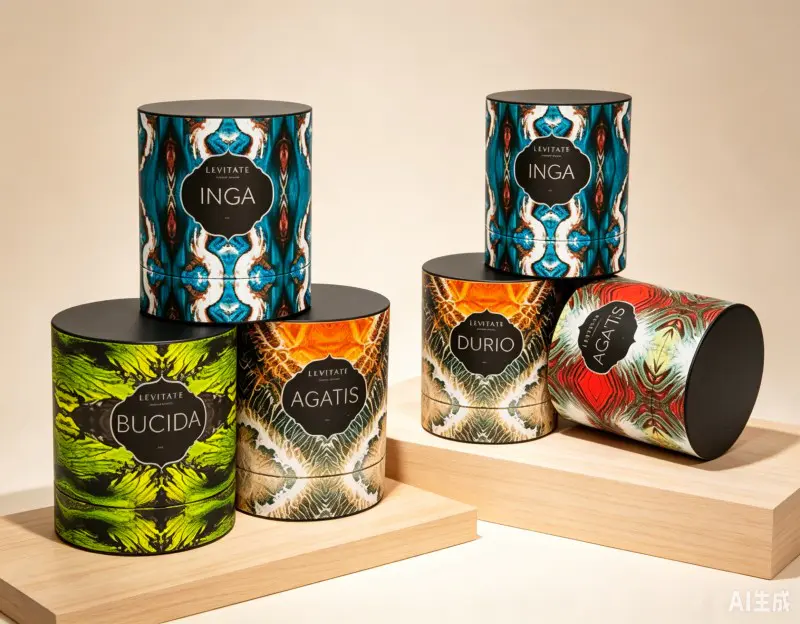
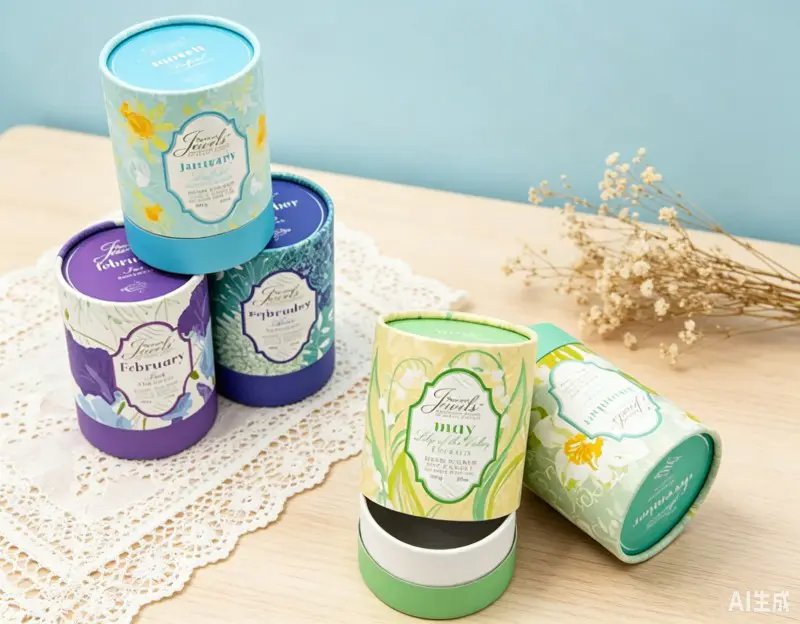
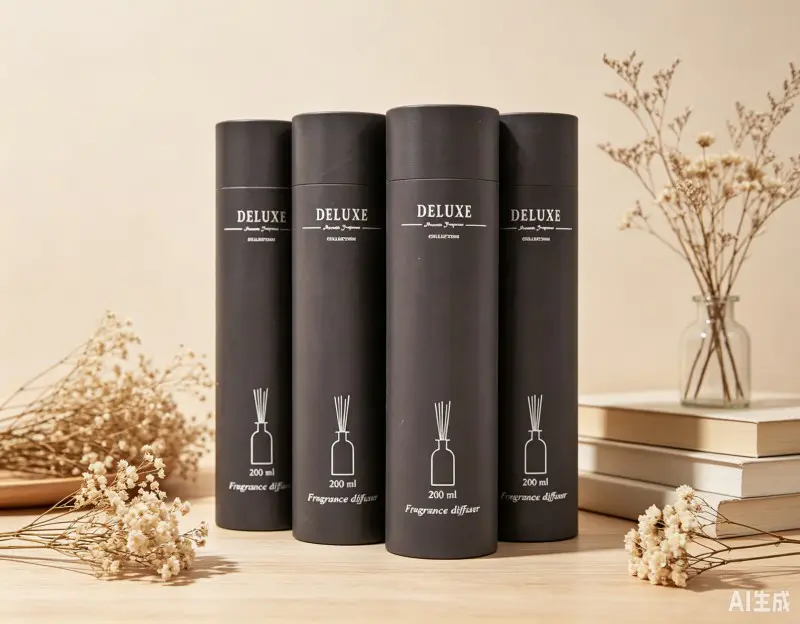
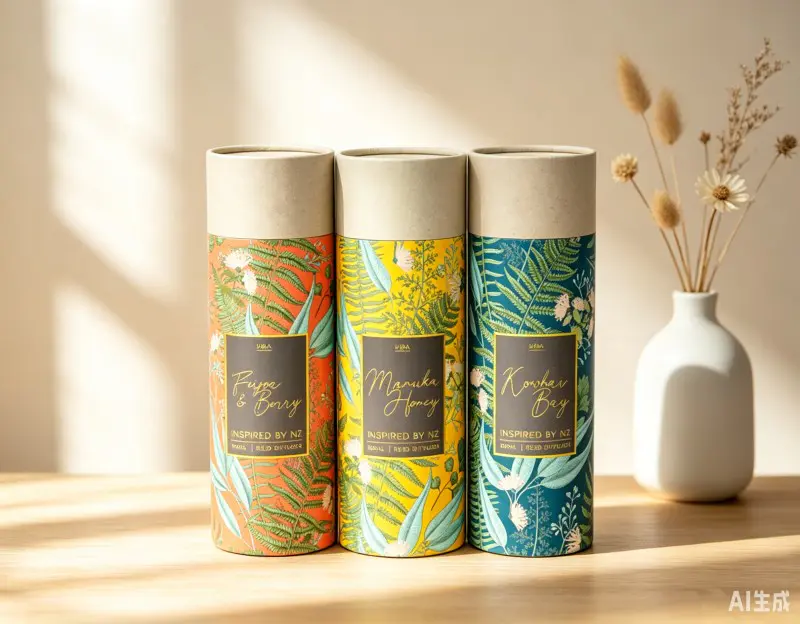
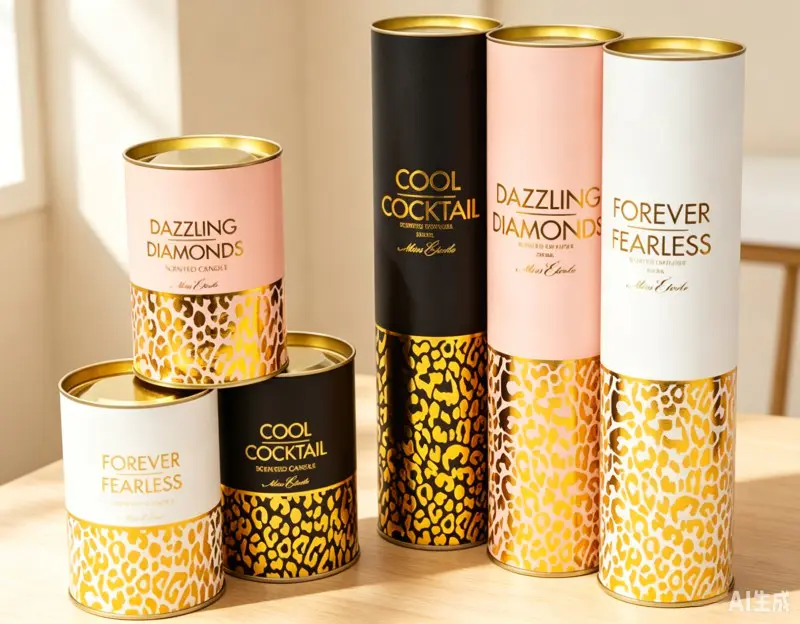
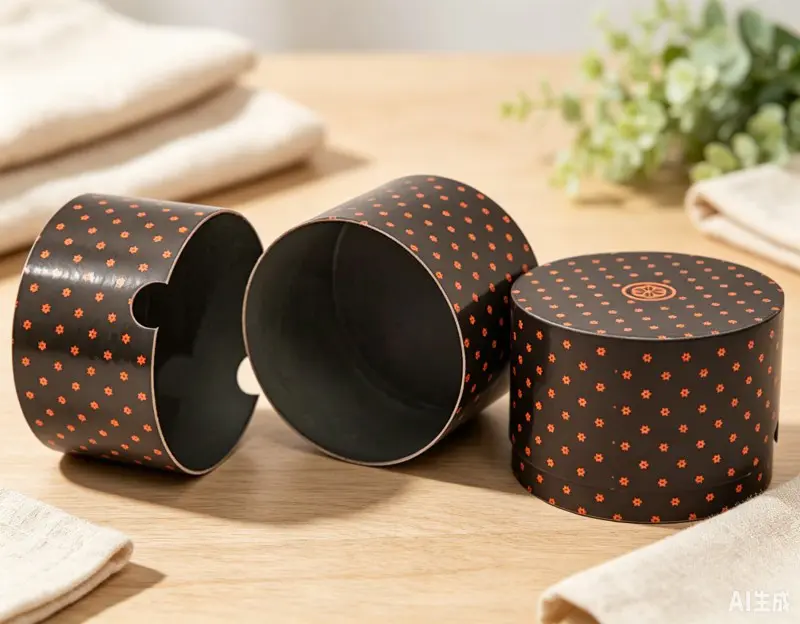


As one of the top China cardboard tube packaging manufacturers and paper tube packaging suppliers, we devote all of our efforts to research and launch more high quality packaging products to global market.
Content
The Structural Versatility of Industrial Cardboard Tubes
Cardboard tubes, often referred to as spiral-wound cores, are engineered by bonding layers of paperboard together under high pressure. This process creates a structural cylinder that possesses a remarkable strength-to-weight ratio. Unlike standard corrugated boxes, the cylindrical geometry of these tubes allows them to withstand significant crushing forces from the outside while remaining lightweight for transport. In industrial settings, they serve as the backbone for winding flexible materials like textiles, plastic films, and metal foils, ensuring that products remain wrinkle-free and structurally sound during high-speed manufacturing processes.
Key Physical Properties and Customization
The utility of cardboard tubes is largely determined by their wall thickness and the type of adhesive used during the winding process. Manufacturers can customize these tubes to be moisture-resistant, flame-retardant, or even food-grade depending on the final application. By adjusting the "ply" or number of paper layers, a tube can transition from a flexible mailing sleeve to a rigid structural column capable of supporting hundreds of pounds of weight.
Practical Applications Across Diverse Industries
The application of cardboard tubes extends far beyond simple shipping supplies. They are foundational components in the construction, textile, and logistics sectors. Their ability to be manufactured in virtually any length and diameter makes them a go-to solution for bespoke packaging and temporary structural needs. Below is a breakdown of common industrial uses for specialized cardboard tubing:
| Industry | Common Use Case |
| Construction | Concrete column forms (Sonotubes) |
| Logistics | Protective mailing and document storage |
| Retail | Point-of-purchase display stands |
| Manufacturing | Cores for paper, tape, and fabric rolls |
Sustainable Design and Creative Repurposing
As the global push for a circular economy intensifies, cardboard tubes are being recognized for their environmental benefits. Being made primarily from recycled paper pulp, they are 100% biodegradable and easily recyclable. Architects and DIY enthusiasts alike are leveraging these properties to create low-impact structures and furniture. This "paper architecture" movement highlights how a simple industrial byproduct can be transformed into functional art or emergency housing.
Innovative Ways to Reuse Cardboard Tubes
Because of their uniformity and strength, used tubes can be repurposed into high-value items rather than being sent immediately to the recycling bin. Consider these practical secondary uses:
- Modular room dividers and privacy screens for open-plan offices.
- Vertical gardening planters for small-scale urban agriculture.
- Protective internal supports for shipping fragile, irregular items in larger crates.
- Custom acoustic panels and sound diffusion tools in home studios.
Safety and Storage Best Practices
To maintain the structural integrity of cardboard tubes, proper storage is essential. Exposure to high humidity or direct water contact can soften the adhesives and cause the paper fibers to expand, leading to warping or "telescoping." It is recommended to store tubes horizontally in a climate-controlled environment to prevent flattening, especially if they are intended for use as heavy-duty winding cores. When handling large-diameter industrial tubes, using proper lifting techniques is vital, as the density of high-ply cardboard can be surprisingly heavy.
