 English
 Español

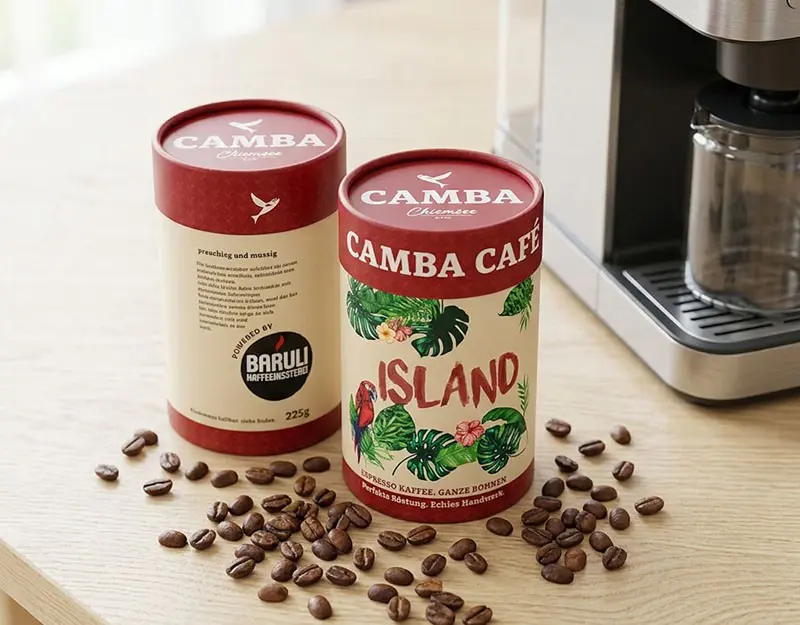
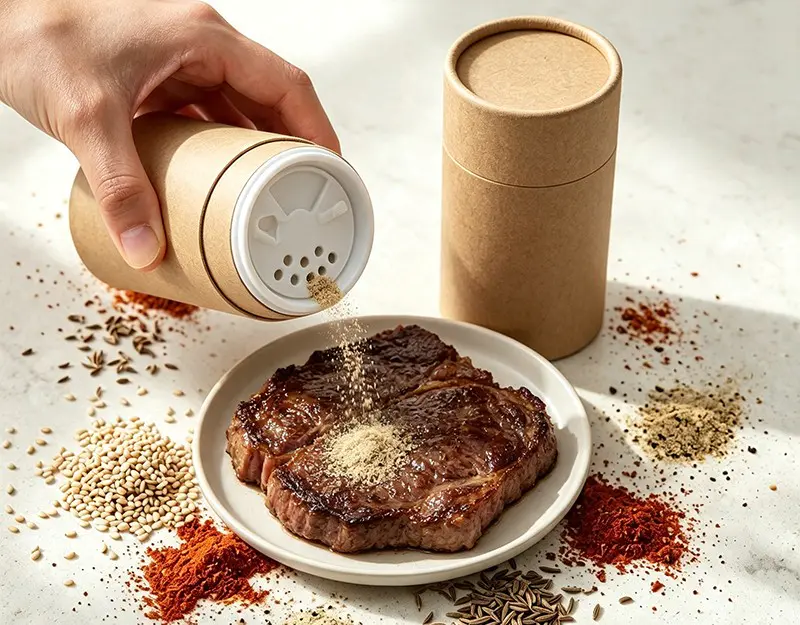
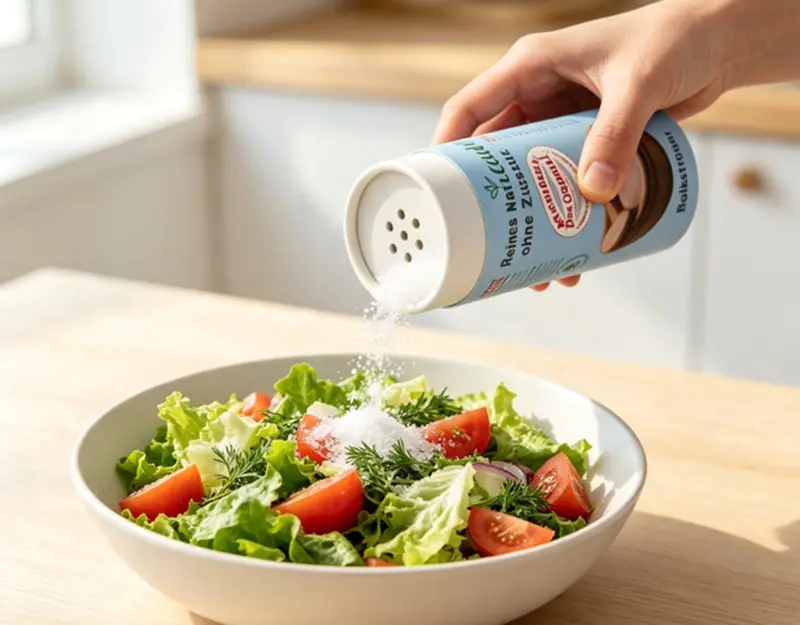
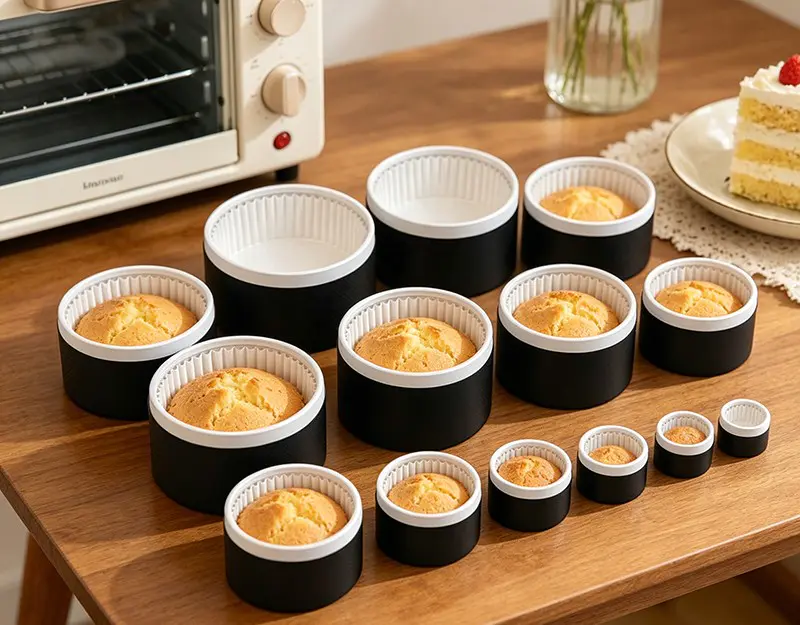

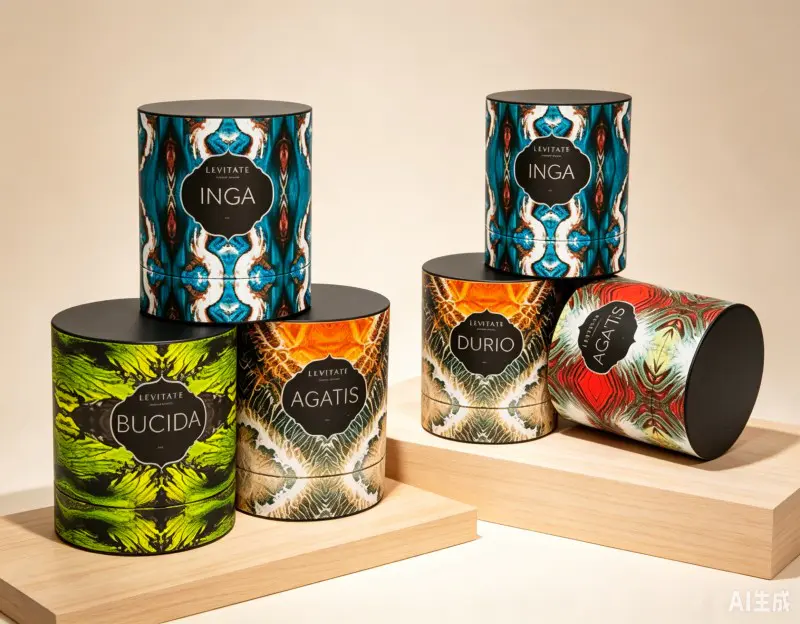
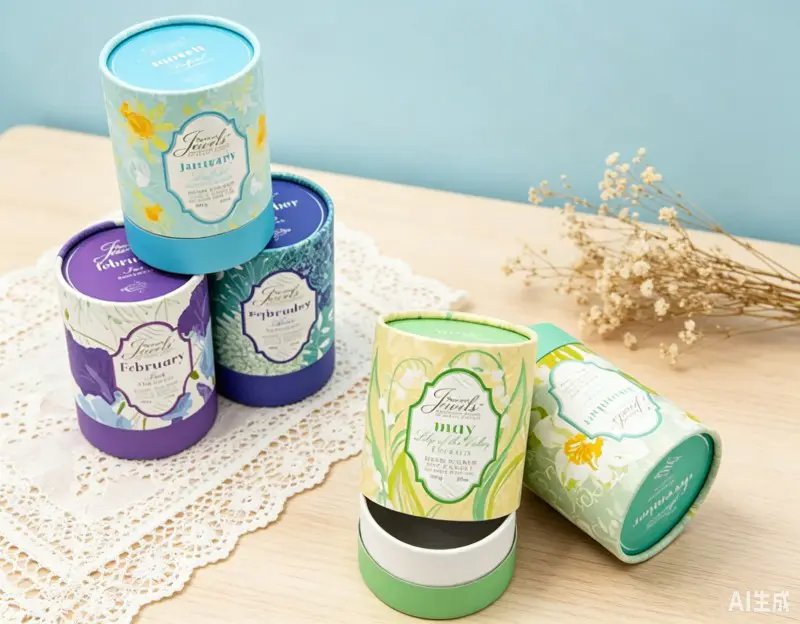
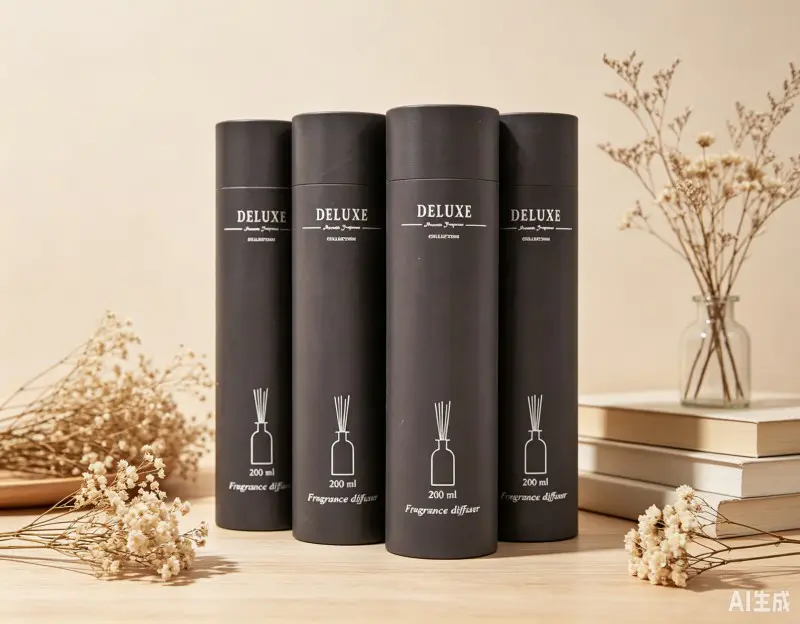
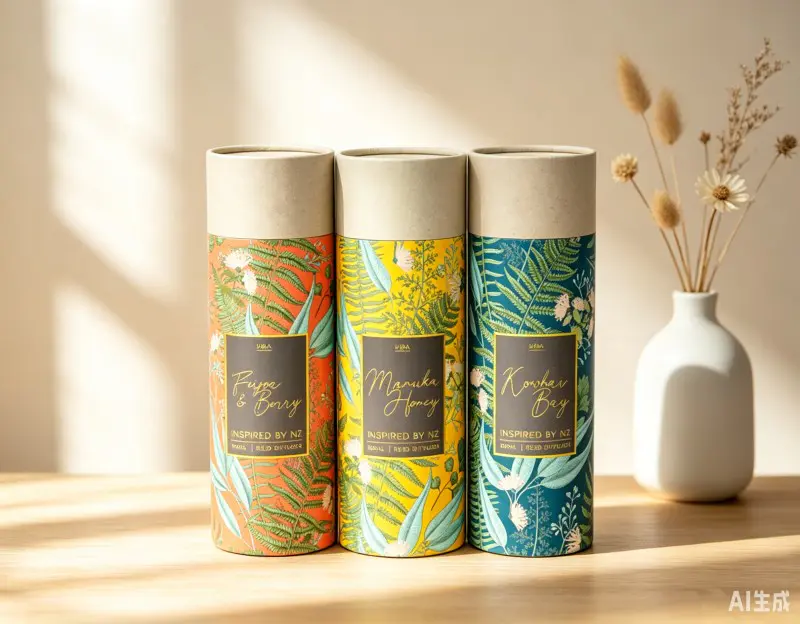
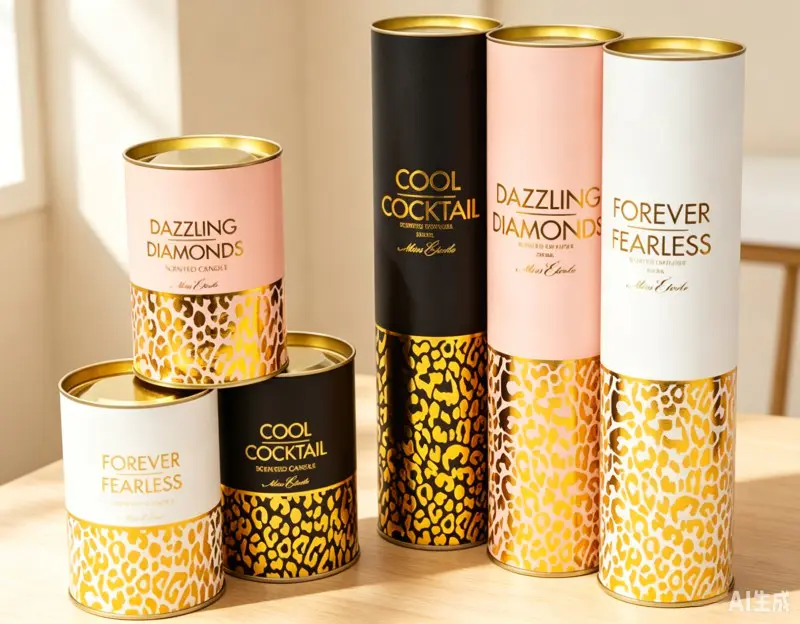
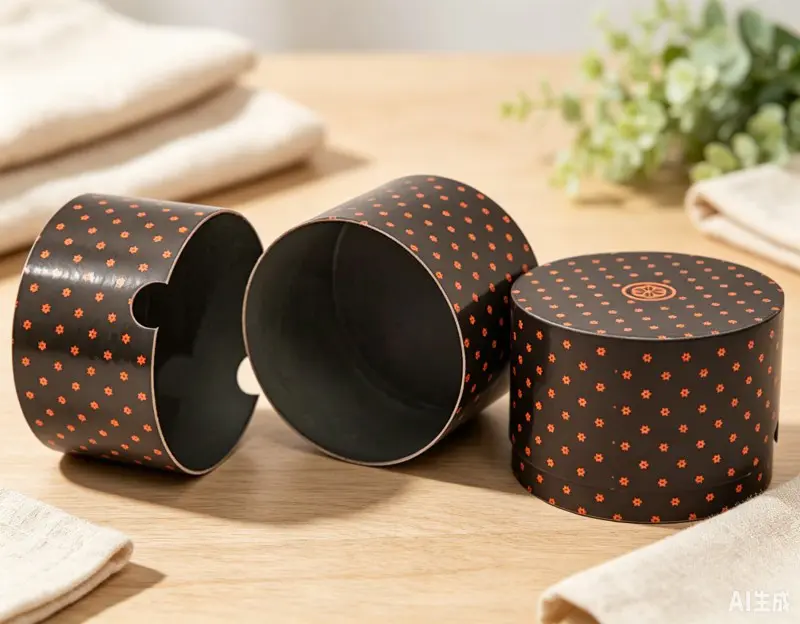
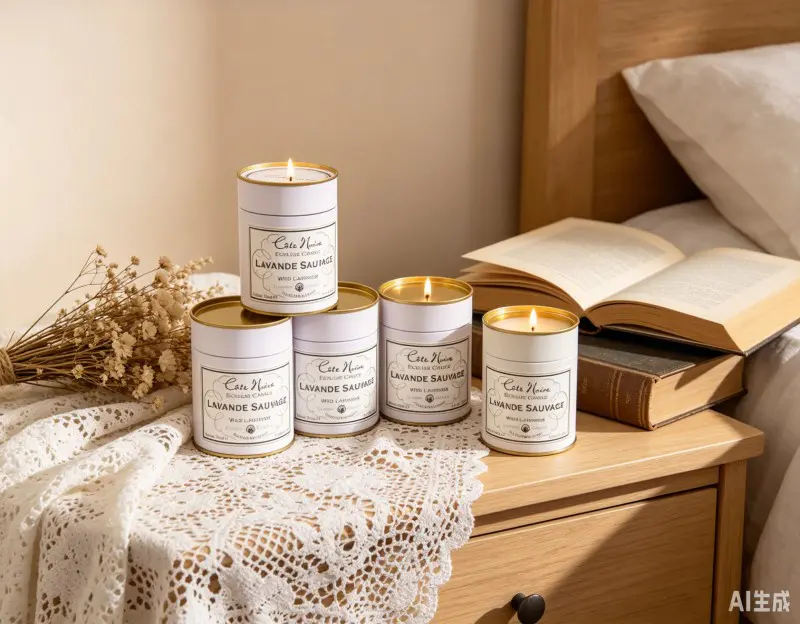

As one of the top China cardboard tube packaging manufacturers and paper tube packaging suppliers, we devote all of our efforts to research and launch more high quality packaging products to global market.
In modern food packaging, seasonings and spices demand more than attractive graphics and a convenient container. They require protection from moisture, oxygen, light, odor transfer, contamination, and handling damage from the moment they leave the production line until the last serving is used by the consumer. The Hermetic Composite Paper Can Packaging Snack Box is designed to meet these practical needs while also supporting the visual, sustainability, and customization goals of food brands. Built as a one-piece airtight paper can with an aluminum foil lining and a durable composite structure of paper, plastic, and tin components, this cylindrical package provides a reliable balance of barrier performance, shelf appeal, cost efficiency, and environmental responsibility.
Although the product can serve multiple dry food applications, its value is especially clear in the Seasonings and Spices category. Powders, granules, dried herbs, spice blends, cereal ingredients, nuts, and snack products are sensitive to humidity and aroma loss. Once the packaging fails, the product can clump, fade, oxidize, lose fragrance, absorb outside odors, or become less appealing to the end user. This hermetic composite paper can is made to reduce those risks through a sealed body, foil barrier protection, a sturdy cylindrical shape, and customized finishing that gives brands a premium retail presence.
Hermetic Composite Paper Can Packaging Snack Box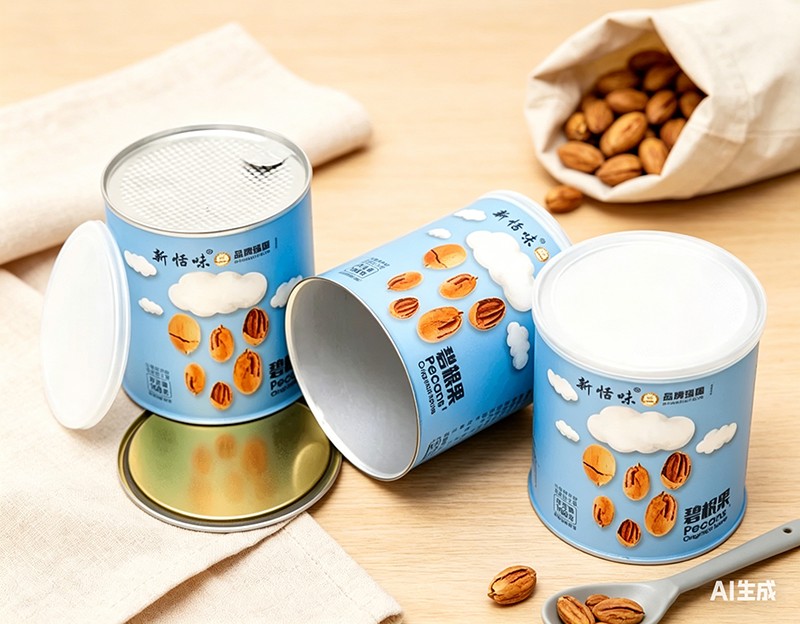
Content
- 1 Product Overview
- 2 Why Airtight Composite Paper Cans Matter for Seasonings and Spices
- 3 Key Advantages Over Common Competing Packaging
- 4 Technical Structure and Material Benefits
- 5 Specification Summary
- 6 Hermetic Performance and Freshness Preservation
- 7 Food Packaging Safety and Manufacturing Reliability
- 8 Advanced Manufacturing Process
- 9 Factory Strength and Industry Experience
- 10 Customization Possibilities for Brand Differentiation
- 11 Applications Beyond Seasonings and Spices
- 12 Sustainability and Eco-Friendly Positioning
- 13 Consumer Experience and Practical Use
- 14 Retail and E-Commerce Advantages
- 15 Quality Control Considerations
- 16 How the Product Supports Premium Positioning
- 17 Cost and Production Efficiency
- 18 Comparison With Competitor Packaging Options
- 19 Design Recommendations for Seasoning and Spice Brands
- 20 Supply Chain and Export Suitability
- 21 Why Choose This Manufacturing Partner
- 22 Q&A Section
- 22.1 What is the main use of the Hermetic Composite Paper Can Packaging Snack Box?
- 22.2 Why is aluminum foil lining important?
- 22.3 How does this package compare with a plastic spice jar?
- 22.4 Can the package be customized with a logo and brand design?
- 22.5 What is the listed size of the product?
- 22.6 Is the packaging suitable for food contact applications?
- 22.7 What is the minimum order quantity?
- 22.8 Why is the cylindrical shape beneficial?
- 22.9 Is the package eco-friendly?
- 22.10 What makes the manufacturer competitive?
- 23 Conclusion
- 24 References
- 25 Product: Hermetic Composite Paper Can Packaging Snack Box
Product Overview
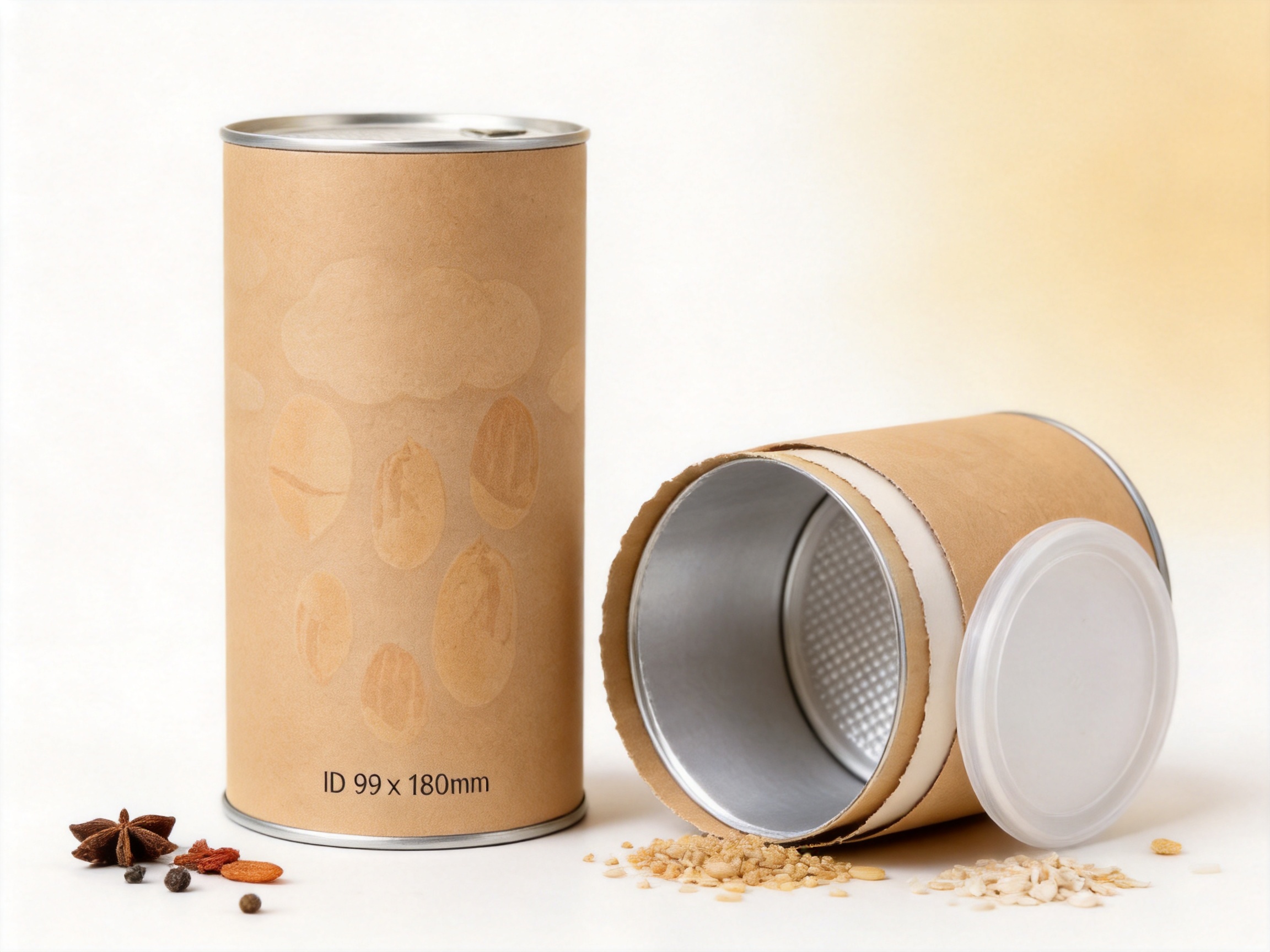
The Hermetic Composite Paper Can Packaging Snack Box is a cylindrical food-grade composite can developed for dry foods, cereals, grains, snack products, seasonings, spices, and similar fast-moving consumer goods. Its construction is based on a one-piece airtight paper can body, produced from coated paper and kraft paper, with an aluminum foil lining that creates an internal protective barrier. The standard listed size is ID99*180MM, offering a practical capacity for retail packs, gift packs, promotional editions, and premium pantry-style packaging.
The package is designed for brands that want a container stronger and more protective than a simple paper box, more sustainable in appearance than a fully plastic jar, and more customizable than a generic metal can. It combines the warm, natural texture of paper packaging with the enhanced functionality of composite can technology. With CMYK printing, matte finish post-print handling, and full custom logo support, it can be adapted to a wide variety of brand identities, from organic spice labels and gourmet snack companies to modern tea, coffee, cereal, and confectionery brands.
Its core specifications include coated paper and kraft paper as the main paper types, aluminum foil lining for barrier performance, a cylindrical shape, recycled and eco-friendly material features, custom ordering, and factory-direct production. The listed minimum order quantity is 5,000 pieces, which makes it suitable for commercial product launches, established SKU lines, seasonal flavors, private label packaging, and export food packaging projects.
Why Airtight Composite Paper Cans Matter for Seasonings and Spices
Seasonings and spices are small in volume but high in sensory value. Their commercial success depends heavily on aroma, color, texture, freshness, and user confidence. A spice blend that arrives clumped or dull in color reflects poorly on the brand, even if the original formulation was excellent. Similarly, a snack seasoning powder that absorbs moisture can become difficult to dispense and unpleasant to use. The packaging must protect the product before the consumer ever evaluates the taste.
Airtight paper can packaging addresses several challenges at once. First, it reduces exposure to moisture. Many spices, cereals, grains, and snack ingredients are hygroscopic, meaning they naturally absorb water vapor from the surrounding air. Moisture can cause caking, microbial risk in certain products, and deterioration of crispness or flowability. Second, the package helps preserve aroma. Spices such as cinnamon, cumin, pepper, chili, cardamom, garlic powder, and mixed seasonings contain volatile compounds that can dissipate when the closure or body is not sufficiently sealed. Third, the aluminum foil lining helps block light and oxygen transmission compared with ordinary paperboard, supporting better product stability during distribution and storage.
For spice brands, packaging is also a communication tool. Consumers often associate cylindrical canisters with quality, gifting, pantry organization, and freshness. Compared with a thin pouch that may collapse or a basic folding carton that may not reseal well, a composite paper can has a stronger hand feel and more permanent presence in the kitchen. This perception is important for premium seasoning lines, imported spice blends, baking ingredients, gourmet salts, nutritional powders, and snack mixes.
Key Advantages Over Common Competing Packaging
The Hermetic Composite Paper Can Packaging Snack Box has several advantages when compared with standard flexible pouches, folding cartons, ordinary plastic jars, and conventional metal tins. While each packaging format has its own suitable use, the composite paper can provides a well-rounded solution for brands seeking protection, sustainability appeal, premium design, and efficient manufacturing.
Stronger Shelf Presence Than Flexible Pouches
Flexible pouches are popular because they are lightweight and economical. However, they often lack rigid structure, making them less visually stable on the shelf and more vulnerable to deformation during shipping. A cylindrical composite paper can stands upright, presents a large printable surface, and creates a premium look even before the consumer picks it up. Its round structure also helps the product appear organized in retail displays and kitchen storage areas.
For seasonings and spices, shelf visibility matters because many consumers make quick decisions based on color, label clarity, and perceived freshness. CMYK printing and matte finishing allow this paper can to carry detailed brand graphics, ingredient information, color-coded flavor systems, certifications, and usage instructions. The rigid surface supports clean registration and a neat retail appearance.
More Natural and Sustainable Appeal Than Fully Plastic Jars
Plastic jars are widely used for spices, snacks, and powders, but many consumers increasingly prefer packaging that uses paper-based materials and communicates environmental responsibility. The composite paper can uses paper as a major structural component and is described with recycled material and eco-friendly features. This gives brands a packaging option that aligns with sustainability messaging while still maintaining a functional barrier system through foil lining and composite construction.
Unlike plain plastic containers, paper tube packaging offers a tactile quality that can feel warmer, more artisanal, and more premium. Kraft paper effects, matte finishes, and customized graphics can be used to create a natural or craft-style identity. For brands selling organic herbs, small-batch spice blends, wellness ingredients, cereal products, or nutritious snacks, this visual language can be highly valuable.
Better Branding Flexibility Than Standard Metal Tins
Metal tins are strong and protective, but they can be costly, heavier, and sometimes limited in terms of tactile paper-based design effects. Composite paper cans provide a strong cylindrical structure while allowing flexible printing, finishing, and surface treatments. The brand can use full-body CMYK printing, matte finishing, custom logos, clean typography, detailed patterns, or seasonal artwork without being restricted to a standard generic tin appearance.
For promotional snack boxes, gift seasoning sets, limited-edition spice blends, and premium retail items, this ability to customize is a major advantage. The package can be designed to look minimalist, luxury, natural, colorful, traditional, or contemporary depending on market positioning.
Greater Functional Protection Than Ordinary Folding Cartons
Folding cartons are commonly used as secondary packaging, but they are usually not sufficient as primary packaging for moisture-sensitive dry foods unless combined with inner bags. A composite paper can, by contrast, is engineered as a container. Its aluminum foil lining, airtight construction, and rigid paper body provide a higher level of protection and convenience than a simple paperboard box. This can reduce the need for excessive secondary packaging and can improve the consumer’s experience after opening.
When the packaging itself feels durable, consumers are more likely to keep the product in the original container instead of transferring it to a jar. This keeps brand visibility in the kitchen or pantry for a longer time, increasing repeat recognition and brand loyalty.
Technical Structure and Material Benefits
The product uses a composite material structure described as paper, plastic, and tin. Each component has a functional purpose. The paper body provides shape, printability, sustainability appeal, and a lightweight structure. The plastic component may support sealing, closure compatibility, or moisture resistance depending on the final design. Tin components can be used for ends, rims, or closure reinforcement, adding durability and improving the sealing performance of the package. The aluminum foil lining serves as an internal barrier layer that helps protect dry food contents from external environmental influences.
The use of coated paper and kraft paper provides both technical and aesthetic possibilities. Coated paper supports sharp printing and high-quality graphics. Kraft paper supports natural, rustic, and eco-conscious appearances. A brand can choose a polished retail design or a more organic look according to product positioning. The matte finish post-printing handling creates a refined surface, reducing glare and adding a smooth, premium touch.
The cylindrical shape is also important. Cylinders distribute stress evenly and resist crushing better than many rectangular paperboard containers. They are easy to hold, easy to pour from when fitted with suitable closures, and visually distinctive on shelves. The ID99*180MM size gives the package enough height for storytelling, nutritional details, spice origin information, recipe suggestions, QR code placement, and multilingual labeling for export markets.
Specification Summary
| Item | Specification | Value for Brands |
|---|---|---|
| Product Name | Hermetic Composite Paper Can Packaging Snack Box | Suitable for dry foods, seasonings, spices, cereals, grains, snacks, and premium pantry products |
| Construction | One-piece airtight paper can | Helps protect freshness and improves container strength |
| Paper Type | Coated paper and kraft paper | Supports premium printing and natural packaging styles |
| Lining | Aluminum foil lining | Improves barrier performance against moisture, oxygen, odor, and light influence |
| Material Structure | Paper, plastic, and tin | Balances sustainability appeal, durability, sealing, and food packaging functionality |
| Size | ID99*180MM | Practical for retail packs, gift packs, and customized food containers |
| Printing | CMYK printing | Allows detailed custom graphics and brand communication |
| Surface Finish | Matte finish | Creates a premium touch and reduces excessive shine |
| Shape | Cylindrical | Improves handling, shelf display, and structural strength |
| Customization | Custom logo and custom order accepted | Supports private label, seasonal packaging, and brand differentiation |
| Feature | Recycled materials and eco-friendly positioning | Matches consumer demand for more responsible packaging |
| MOQ | 5,000 pieces | Suitable for commercial-scale production and market launches |
Hermetic Performance and Freshness Preservation
The word hermetic refers to a sealed structure that restricts the exchange of air and moisture between the inside and outside of the container. In food packaging, hermetic performance is essential for products that rely on dryness and aroma. While the exact barrier values depend on final design and sealing choices, the combination of an airtight paper can construction and aluminum foil lining gives this package a clear functional advantage over ordinary paper tubes without barrier layers.
Spices are often exposed to long distribution cycles. They may travel from processing facilities to warehouses, then to supermarkets, e-commerce fulfillment centers, restaurants, or end consumers. During this time, packages can experience changes in humidity, temperature, compression, vibration, and storage position. A weak package may allow moisture intrusion or aroma loss. A properly engineered composite paper can helps reduce those risks and supports consistent product quality throughout the supply chain.
The foil lining is especially valuable because paper alone is porous. While paper is attractive and renewable in appearance, it needs a barrier layer when used for sensitive food contents. Aluminum foil lining helps block moisture vapor, oxygen, and light more effectively than untreated paperboard. For spices such as turmeric, paprika, curry powder, and chili powder, protection from light can help preserve color. For aromatic spices, the barrier helps reduce fragrance escape. For dry cereal grains or snack products, the lining helps maintain dryness and crispness.
Food Packaging Safety and Manufacturing Reliability
Food brands need packaging suppliers that understand safety, consistency, and documentation. The manufacturer behind this product has been engaged in the composite can and paper can industry for more than 20 years. Long-term experience matters because paper tube and composite can production involve multiple variables: paper selection, adhesive control, winding tension, lamination quality, cutting accuracy, lining integrity, rim formation, sealing compatibility, printing accuracy, and final inspection. A supplier with deep experience is better positioned to maintain consistent quality across large production runs.
The company was the first enterprise in China to pass the QS certificate for producing food packaging containers. This background is significant for food brands because primary packaging must be produced with attention to hygiene and food contact requirements. The company is also the only member of the international Composite Can and Tube Institute in China’s packaging container industry, reflecting its professional position in the composite can field. Membership in an industry institute indicates awareness of technical standards, market trends, and manufacturing best practices.
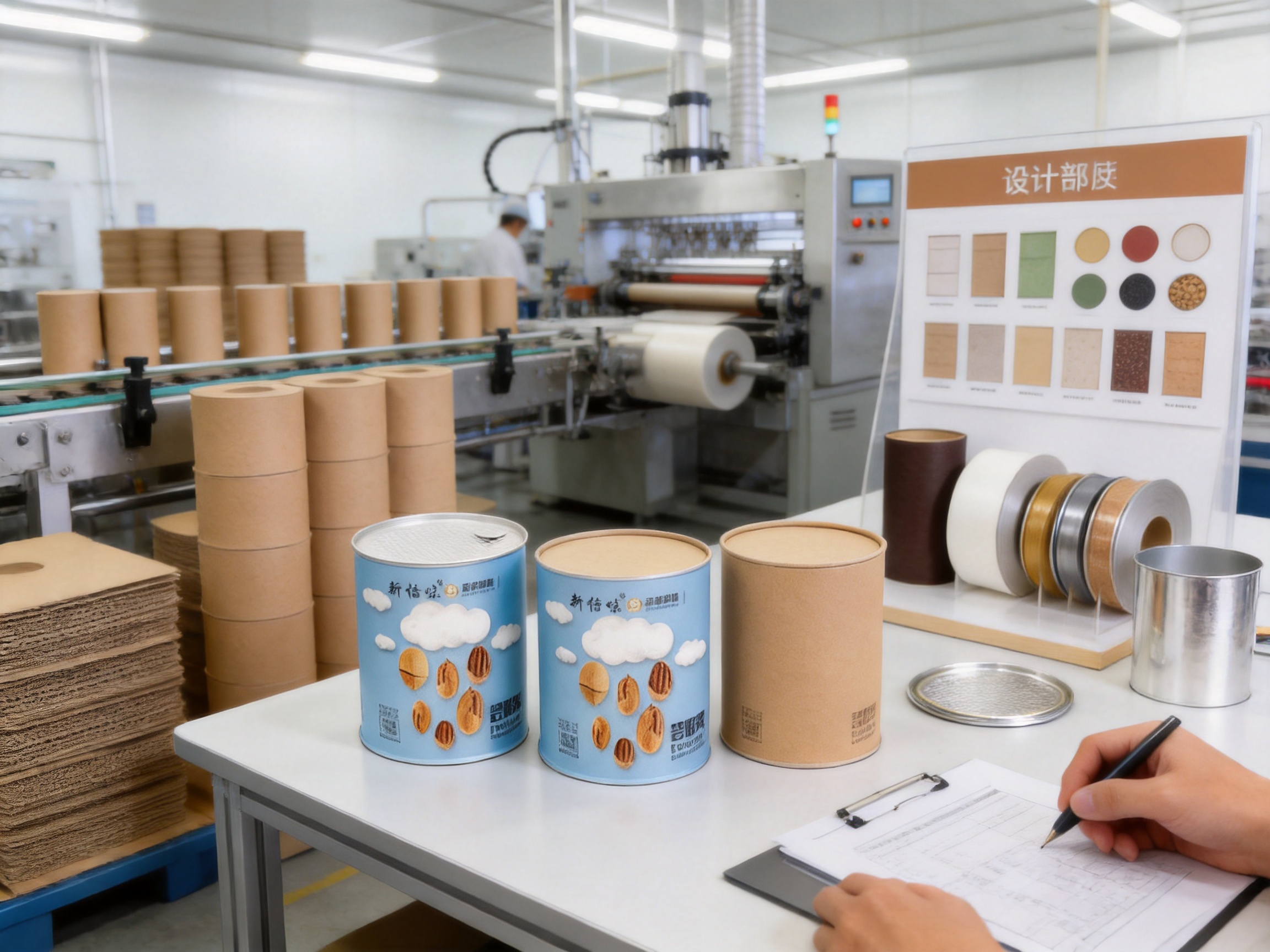
In 2015, the company introduced a high-speed composite can production line from Europe. This investment strengthened production efficiency, dimensional consistency, and large-scale manufacturing capacity. Modern high-speed composite can lines are important because they help reduce manual variability and improve repeatability. For buyers ordering thousands or millions of units, consistency is just as important as the quality of a single sample. A package must perform the same way from the first carton to the last shipment.
Advanced Manufacturing Process
The production of a hermetic composite paper can requires a coordinated manufacturing process. It begins with material selection. Coated paper, kraft paper, aluminum foil lining, adhesives, and closure materials must be chosen according to the product’s intended use. For seasonings and spices, the key concerns are moisture resistance, odor protection, food contact suitability, printing performance, and structural strength.
Next, the composite body is formed. Paper layers are wound or formed into a cylindrical tube with controlled tension and alignment. The lining must remain stable and continuous so that the internal barrier is not compromised. If the lining has gaps, wrinkles, or damage, barrier performance may be reduced. Experienced operators and advanced equipment help ensure smooth lamination and accurate tube geometry.
After body formation, the can is cut to the required height. The listed product size is ID99*180MM, so dimensional accuracy matters for fitting closures, stacking, shipping cartons, and filling equipment. Precision cutting also affects the appearance of the top and bottom edges. Clean edges make the final package look more professional and help maintain closure compatibility.
Printing and finishing are another important stage. CMYK printing allows brands to reproduce full-color designs, product photography, illustrations, flavor colors, icons, and regulatory information. Matte finish post-print handling provides a premium tactile and visual effect. Compared with a glossy surface, matte finishing often communicates sophistication and natural quality, which is suitable for premium spices, organic seasonings, gourmet snacks, and health-focused dry foods.
Finally, assembly and quality control complete the process. Tin components, plastic closures, or other sealing parts are fitted according to the design. Finished cans are inspected for appearance, dimensions, sealing quality, print alignment, and overall workmanship. For food packaging, cleanliness and storage conditions are also critical. Factory-direct production supports better communication, faster adjustment, and improved quality accountability compared with indirect sourcing through multiple trading layers.
Factory Strength and Industry Experience
Hangzhou Qunle Packaging Co.,Ltd. has built its reputation as a paper tube packaging manufacturer and cardboard tube packaging supplier through more than two decades of specialized work in composite cans and paper cans. The company’s packaging business covers food, daily chemical products, fast-moving consumer goods, and related markets. This wide application experience gives the manufacturer practical knowledge of different filling environments, branding requirements, export expectations, and consumer use scenarios.
Its long-term partnerships with well-known companies and brands such as COFCO, STANDERS, DAVIDsTEA, Avalanche Coffee, Whittaker’s, McSteven’s, Nongfu Spring, and Beingmate demonstrate its ability to serve demanding customers in food, beverage, and consumer goods sectors. Such partnerships are relevant because major brands typically require stable quality, consistent delivery, professional communication, and the ability to support custom packaging development.
The company has obtained more than 10 patented technologies and continues to research and launch high-quality packaging products for the global market. Patented technologies show an investment in product development rather than simple commodity manufacturing. For buyers, this means access to practical know-how in composite can design, barrier structure, sealing improvement, and production methods.
As a factory-direct supplier, the company can help customers manage product details from concept to production. This may include confirming size, material selection, printing artwork, surface finish, closure structure, sample approval, mass production, inspection, and delivery coordination. Direct factory cooperation can reduce communication loss, improve cost transparency, and shorten development time for customized packaging.
Customization Possibilities for Brand Differentiation
Customization is one of the strongest reasons to choose this paper can. Seasonings and spices often compete in crowded retail spaces where packaging design must quickly communicate flavor, quality, origin, and use. The cylindrical can provides a 360-degree branding surface that can be used for both visual impact and practical information.
CMYK printing allows full-color artwork, including ingredient photography, botanical illustrations, cultural patterns, modern geometric designs, or minimalist premium labels. A spice brand can use warm earth tones for chili and curry blends, green tones for herbs, black and gold for luxury pepper blends, or soft natural colors for organic products. The matte finish can elevate the perceived value and give the package a refined hand feel.
Custom logos are accepted, supporting private labels, food manufacturers, importers, gift companies, and retailers. Custom orders allow the package to be adapted for product families. For example, a brand can use the same can size for multiple spice blends while changing color bands and flavor names. This creates a cohesive shelf system and reduces complexity in filling and logistics.
For seasonal products, the can can be decorated for holiday gift sets, limited-edition snack flavors, baking spice collections, barbecue rub collections, tea-infused seasonings, or gourmet salt assortments. Because the container is rigid and attractive, it can function as both primary packaging and gift presentation. This reduces the need for extra decorative boxes in some product strategies.
Applications Beyond Seasonings and Spices
Although the product is categorized under Seasonings and Spices, its structure is suitable for many dry product categories. It can be used for cereal food grain containers, snack boxes, nuts, chocolate and confectionery items, tea, coffee, nutritional supplements, powdered drink mixes, pet treats, gifts, crafts, candles, and fragrance-related packaging when adapted appropriately. The key is matching the lining, closure, and dimensions to the contents.
For coffee and tea, the airtight and foil-lined structure can help protect aroma. For nutrition and supplements, the container can provide a premium and clean appearance while supporting powder protection. For snacks and nuts, the rigid body helps prevent crushing and improves giftability. For chocolate and confectionery, the tube can be used for specialty assortments or festive packaging. For gifts and crafts, the cylindrical shape creates a reusable container with strong decorative value.
This versatility is valuable for companies that manage multiple product lines. A brand owner may source similar paper can formats for spices, snacks, teas, and gift packs, creating a consistent packaging language across categories. This can simplify supplier management and strengthen brand identity.
Sustainability and Eco-Friendly Positioning
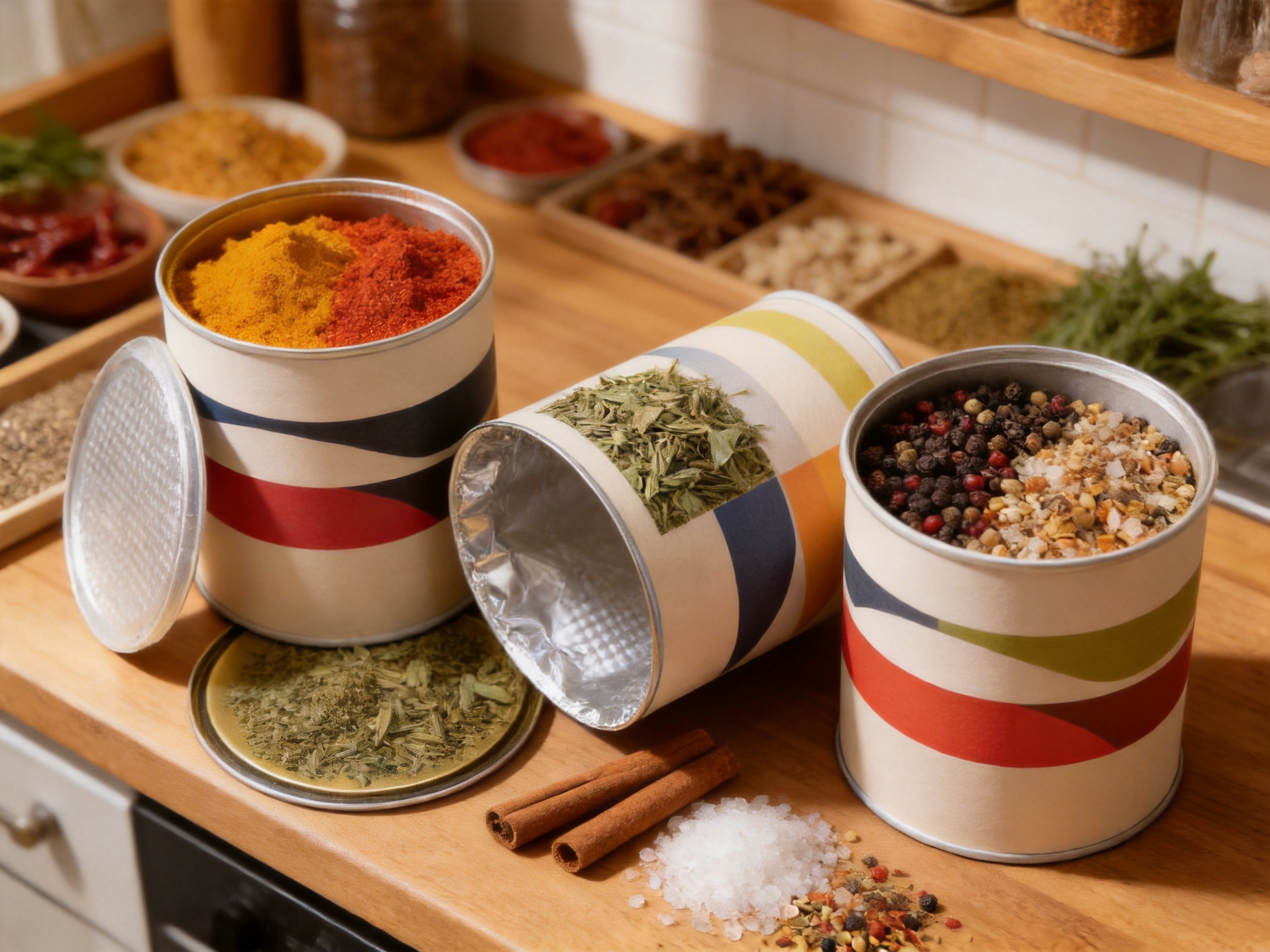
Sustainability has become a major decision factor in packaging procurement. Consumers, retailers, and regulators increasingly pay attention to material choices, packaging weight, recyclability, waste reduction, and responsible sourcing. The Hermetic Composite Paper Can Packaging Snack Box is positioned with recycled materials and eco-friendly features, making it appealing to brands that want to reduce dependence on fully plastic packaging while maintaining product protection.
Paper-based packaging is often perceived as more natural and responsible than plastic-only packaging. This perception can help food brands communicate values such as simplicity, freshness, natural ingredients, and environmental awareness. Kraft paper surfaces in particular can create a strong connection with organic, craft, and clean-label products.
At the same time, sustainable packaging must still protect the product. If packaging fails and food is wasted, the environmental benefit is weakened. Therefore, the combination of paper-based structure and aluminum foil lining is a practical compromise for many dry foods. It aims to provide a responsible appearance and reduced plastic feel while preserving the barrier performance required for sensitive contents.
Brands should evaluate local recycling systems and material separation options when making final sustainability claims. Composite packaging may be treated differently in different regions, so responsible communication should be based on actual material composition and local regulations. Even so, the reduction of full-plastic packaging and the use of paper as a major structural material can support a more sustainable brand story when presented accurately.
Consumer Experience and Practical Use
Packaging does not end its job at the point of purchase. It must remain convenient and satisfying during daily use. A cylindrical airtight paper can is easy to hold, easy to store, and attractive enough to remain visible on a kitchen shelf. Consumers often prefer packaging that feels sturdy, opens cleanly, and keeps the product organized after repeated use.
For seasonings and spices, a rigid can helps prevent messy collapses that can occur with soft pouches. It protects the product from being crushed in drawers or cabinets. The wide body can also make scooping or pouring easier depending on the closure design. Because the exterior can be fully printed, the product name and flavor remain easy to identify even after the package has been opened.
The matte surface also contributes to the consumer experience. It feels smooth and premium, reducing the slippery or overly glossy sensation sometimes associated with low-cost packaging. The package can become part of the consumer’s pantry display, increasing the likelihood that the brand remains visible and memorable.
Retail and E-Commerce Advantages
Retail and e-commerce place different demands on packaging, and this composite paper can addresses both. In retail, the package stands upright and presents strong shelf visibility. Its cylindrical shape creates contrast among flat pouches and rectangular boxes, helping products stand out. The 360-degree print area allows the front panel to communicate brand and flavor, while side and back areas can carry ingredients, nutrition facts, preparation instructions, certifications, origin stories, and promotional messages.
In e-commerce, packaging must survive parcel handling, compression, vibration, and unpredictable storage conditions. A rigid paper can provides better protection than a thin pouch and offers a premium unboxing impression. Consumers receiving spices, snack mixes, or gourmet food gifts in a sturdy printed can are more likely to associate the product with quality and care.
The container’s giftability is particularly relevant for online gourmet food sales. Many consumers purchase spice collections, snack assortments, and specialty pantry products as gifts. A beautifully printed cylindrical can can reduce the need for excessive gift wrapping while improving perceived value. This can help brands increase average order value through bundles, seasonal collections, and limited-edition products.
Quality Control Considerations
High-quality composite paper can production requires disciplined quality control. Important checks include material consistency, paper thickness, lining integrity, adhesion quality, dimensional accuracy, roundness, edge smoothness, print accuracy, color consistency, surface finish, closure fit, and sealing performance. For food packaging, cleanliness and odor control are also essential because packaging should not negatively affect the flavor or aroma of the product.
The manufacturer’s experience in food packaging containers and its long industry history support these quality requirements. A supplier with advanced production equipment and established inspection methods can help reduce common defects such as loose edges, distorted tubes, uneven printing, poor lid fit, weak seams, or damaged linings. This is especially important for export customers who need stable performance across shipments.
For buyers, sample testing is recommended before mass production. Brands should test the can with the actual product, filling process, storage conditions, shipping route, and intended closure system. Seasoning powders, coarse salts, dried herbs, and oily spice blends may behave differently, so packaging validation should reflect real use conditions. Factory-direct communication helps adjust details before full production.
How the Product Supports Premium Positioning
Premium packaging is not only about decoration. It is the combination of visual quality, tactile feel, functional reliability, and brand trust. The Hermetic Composite Paper Can Packaging Snack Box supports premium positioning through its rigid cylindrical structure, matte printed finish, barrier lining, and customizable design. These features help the product feel more valuable than products packed in ordinary bags or simple boxes.
For a spice brand, premium positioning may include highlighting origin, freshness, grinding method, flavor profile, culinary use, organic certification, chef recommendations, or small-batch production. The large printable surface of the can gives enough space for this storytelling. Instead of limiting the brand to a small label, the entire container becomes a communication platform.
For snack brands, premium positioning may involve emphasizing crunch, flavor innovation, clean ingredients, sharing occasions, or gift suitability. The paper can can be designed with bold graphics and a satisfying hand feel that encourages trial purchase. For cereal grains or pantry ingredients, the package can communicate freshness, neat storage, and kitchen organization.
Cost and Production Efficiency
Packaging cost must be evaluated in relation to protection, branding, logistics, and product value. While a composite paper can may cost more than a basic flexible pouch, it can deliver added value through stronger shelf appeal, improved rigidity, better perceived quality, and potential reduction in secondary packaging. For premium and mid-range products, these benefits can justify the investment.
The listed MOQ of 5,000 pieces provides a realistic entry point for brands that are ready for commercial production. It is large enough to support efficient factory production while still accessible for new product launches, regional brands, private labels, and seasonal campaigns. Factory-direct supply can also help manage cost by reducing intermediary markups and improving communication efficiency.
The introduction of a high-speed composite can production line from Europe supports manufacturing efficiency. High-speed production can improve lead time, consistency, and scalability. When a product gains market traction, the supplier’s ability to increase production while maintaining quality becomes critical. This is one of the advantages of working with an experienced manufacturer rather than a small workshop with limited capacity.
Comparison With Competitor Packaging Options
When choosing packaging for seasonings and spices, buyers often compare pouches, jars, tins, cartons, and paper tubes. The composite paper can stands out because it combines elements from several formats. It has the rigidity and shelf presence of a jar or tin, the paper-based branding appeal of a carton, and the barrier potential needed for dry food protection.
Compared with a low-cost pouch, the paper can offers better shape retention, easier shelf display, stronger gift appeal, and a more premium consumer experience. Compared with a plastic jar, it offers a more natural look and reduced plastic-centered perception. Compared with a metal tin, it offers paper-based print flexibility and a warmer tactile identity. Compared with a folding carton, it provides a more complete container function with improved protection.
This balanced performance makes it attractive for brands that do not want to compromise heavily in one area. Rather than choosing between sustainability appearance and product protection, or between branding and structural strength, the composite can provides a practical middle path.
Design Recommendations for Seasoning and Spice Brands
To maximize the value of this packaging, brands should design with both retail impact and daily use in mind. The front panel should clearly communicate the flavor name, product type, and key benefit. For example, a spice blend may highlight “smoky,” “hot,” “organic,” “salt-free,” or “chef-inspired.” The color system should be easy to recognize across a product family.
The side panels can include origin information, recipe suggestions, heat level indicators, pairing recommendations, or usage icons. Because the container has more surface area than many small spice jars, brands can educate consumers and encourage repeat use. For export products, multilingual labeling can be incorporated without overcrowding the front design.
Matte finishing works well with premium typography, natural paper textures, metallic color accents, or minimalist graphics. If the brand wants a rustic look, kraft paper design elements can be emphasized. If the brand wants a modern luxury style, dark backgrounds, fine lines, and restrained color palettes can be used. The package is flexible enough to support both directions.
Supply Chain and Export Suitability
Food packaging buyers often need suppliers who understand international business requirements. The manufacturer is based in Hangzhou, Zhejiang Province, China, an area with strong manufacturing and export infrastructure. Its experience with global market packaging products and established relationships with recognized brands support its capability to handle customized export packaging projects.
For export, packaging must be stable in varying climates and shipping conditions. Spices and dry foods may travel through humid ports, dry warehouses, cold storage environments, and warm retail spaces. The aluminum foil lining and airtight can construction help improve resilience against these external changes. The rigid structure also supports carton packing and stacking efficiency.
Brands should coordinate carton specifications, palletization, labeling, and storage recommendations with the supplier. Proper outer packaging helps ensure that the paper cans arrive without dents, deformation, or surface abrasion. Factory-direct communication makes it easier to confirm these details before shipment.
Why Choose This Manufacturing Partner
Choosing packaging is also choosing a manufacturing partner. A strong supplier provides not only a container but also technical guidance, stable quality, development support, and production accountability. Hangzhou Qunle Packaging Co.,Ltd. brings more than 20 years of industry experience, advanced composite can production capability, food packaging certification history, international industry recognition, patented technologies, and cooperation with well-known brands.
The company’s role as one of China’s top cardboard tube packaging manufacturers and paper tube packaging suppliers gives buyers access to broad product knowledge beyond one single item. This matters for companies planning to expand from one SKU to a complete packaging system. A brand may begin with a hermetic spice can and later develop tea tubes, coffee canisters, nutrition supplement containers, gift tubes, or promotional packaging using the same supplier relationship.
The company’s factory-direct model supports clearer communication and better control. Buyers can discuss size, material, printing, finishing, logo placement, order quantity, and packaging requirements directly with the production source. This helps reduce misunderstandings and makes it easier to solve technical issues quickly.
Q&A Section
What is the main use of the Hermetic Composite Paper Can Packaging Snack Box?
It is designed for dry food packaging, especially seasonings, spices, cereal food grains, snacks, nuts, powders, and similar products that require moisture protection, aroma preservation, and a premium retail appearance.
Why is aluminum foil lining important?
Aluminum foil lining improves the internal barrier performance of the paper can. It helps reduce the influence of moisture, oxygen, odor transfer, and light, which is important for preserving the color, aroma, texture, and freshness of spices and dry foods.
How does this package compare with a plastic spice jar?
Compared with a fully plastic jar, this composite paper can offers a more natural paper-based appearance, stronger sustainability appeal, a large printable surface, and a premium matte finish. It still maintains functional durability through its composite structure.
Can the package be customized with a logo and brand design?
Yes. Custom orders are accepted, and the can supports custom logos, CMYK printing, and matte finish post-print handling. Brands can create different designs for flavor lines, seasonal editions, private labels, and promotional products.
What is the listed size of the product?
The listed size is ID99*180MM. This format is suitable for retail food packaging, gift packaging, pantry containers, and dry product canisters. Other custom requirements can be discussed with the manufacturer.
Is the packaging suitable for food contact applications?
The manufacturer has long experience in food packaging containers and was the first enterprise in China to pass the QS certificate for producing food packaging containers. Final suitability should always be confirmed according to the specific product, destination market, and regulatory requirements.
What is the minimum order quantity?
The listed MOQ is 5,000 pieces, making it suitable for commercial launches, established product lines, private labels, and seasonal packaging projects.
Why is the cylindrical shape beneficial?
The cylindrical shape provides structural strength, easy handling, attractive shelf display, and a large 360-degree branding surface. It also helps create a premium pantry-style appearance that consumers are likely to keep and reuse.
Is the package eco-friendly?
The product is described as using recycled materials and eco-friendly features. Its paper-based structure gives it a more sustainable appearance than plastic-only packaging. Brands should verify specific recycling and disposal claims according to local systems and regulations.
What makes the manufacturer competitive?
The manufacturer has more than 20 years of experience, advanced high-speed composite can production equipment introduced from Europe, patented technologies, food packaging certification history, international industry recognition, factory-direct production, and partnerships with well-known food and consumer goods brands.
Conclusion
The Hermetic Composite Paper Can Packaging Snack Box offers a strong packaging solution for seasonings, spices, cereals, grains, snacks, and other dry food products that require both freshness protection and premium presentation. Its one-piece airtight construction, aluminum foil lining, coated and kraft paper options, composite material structure, CMYK printing, matte finish, cylindrical shape, and custom logo support make it a practical and marketable alternative to common pouches, cartons, plastic jars, and metal tins.
For brands, the package delivers multiple advantages at once. It protects sensitive contents from moisture and aroma loss, improves shelf visibility, supports sustainability messaging, enhances consumer experience, and creates a high-quality surface for brand storytelling. For manufacturers and retailers, it offers a stable and customizable format suitable for commercial-scale production with a listed MOQ of 5,000 pieces.
The company behind the product adds further value through more than two decades of composite can expertise, advanced production processes, industry recognition, patented technologies, food packaging experience, and relationships with respected brands. In a market where packaging must protect, promote, and perform, this hermetic composite paper can provides a balanced solution for brands seeking a distinctive and reliable container for premium dry foods.
References
1. Robertson, G. L. Food Packaging: Principles and Practice. CRC Press.
2. Coles, R., McDowell, D., and Kirwan, M. J. Food Packaging Technology. Blackwell Publishing.
3. Han, J. H. Innovations in Food Packaging. Academic Press.
4. Soroka, W. Fundamentals of Packaging Technology. Institute of Packaging Professionals.
5. Yam, K. L. The Wiley Encyclopedia of Packaging Technology. Wiley.
6. Composite Can and Tube Institute. Technical publications on composite can manufacturing and performance standards.
