 English
 Español


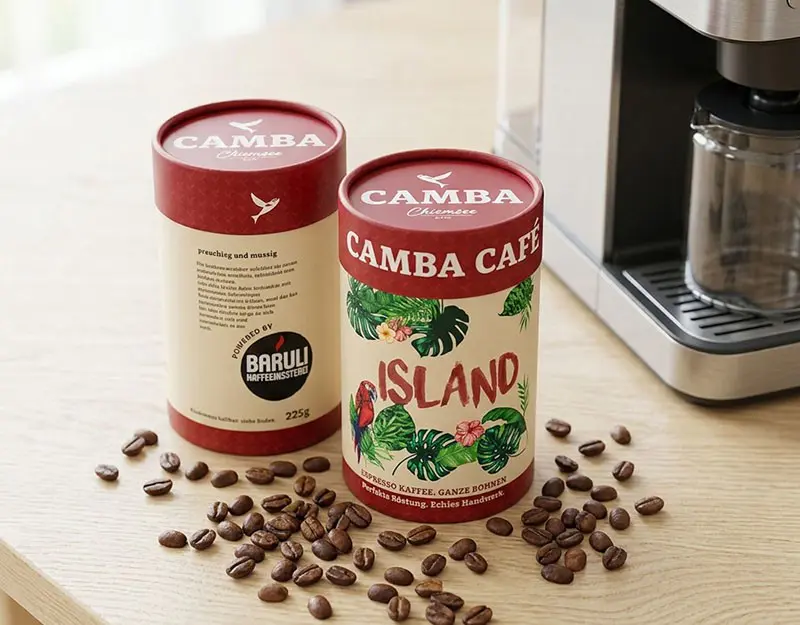
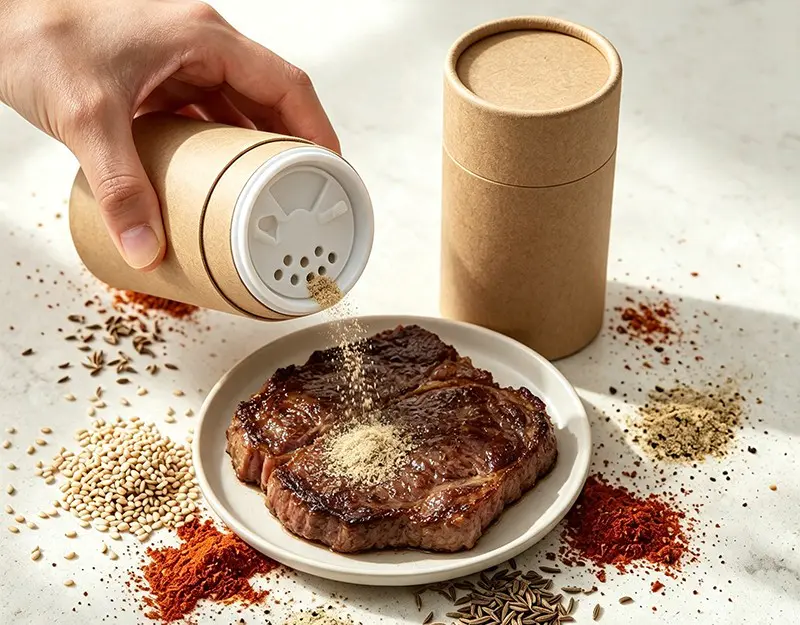

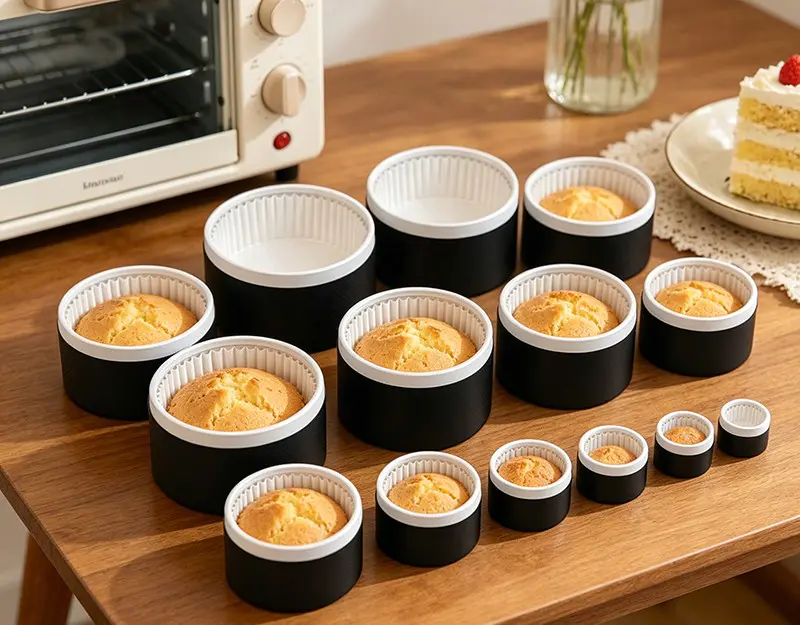
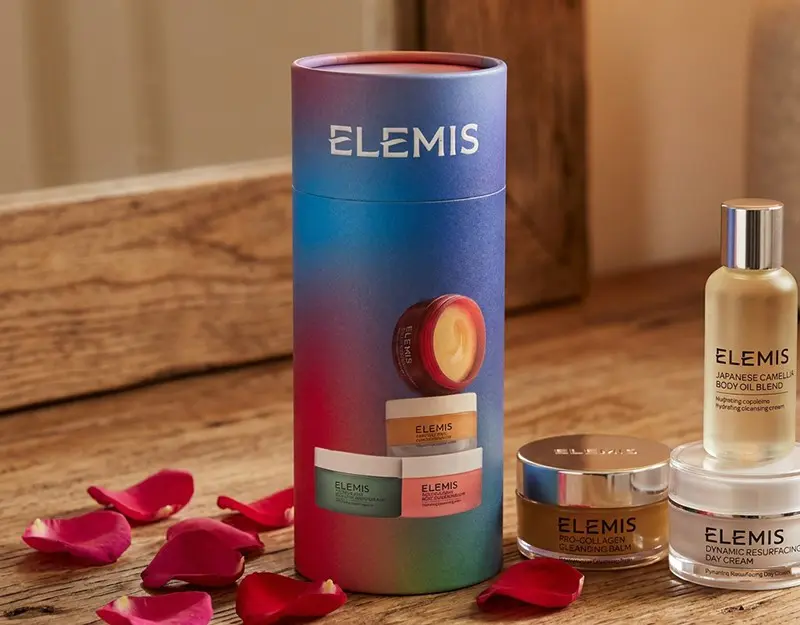
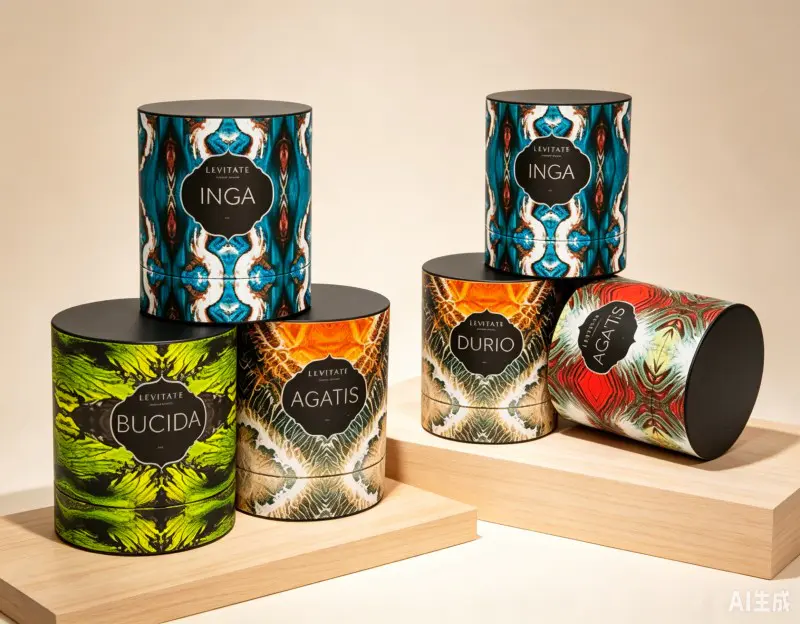
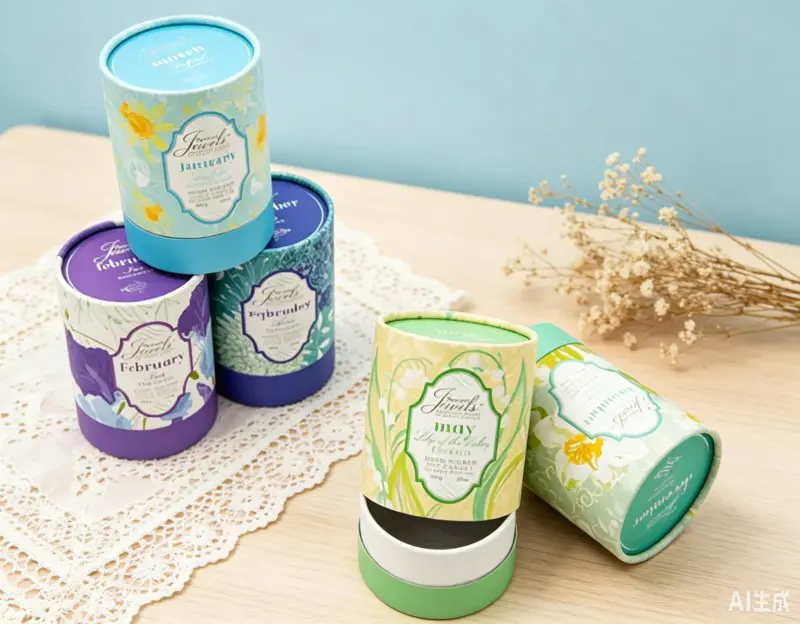
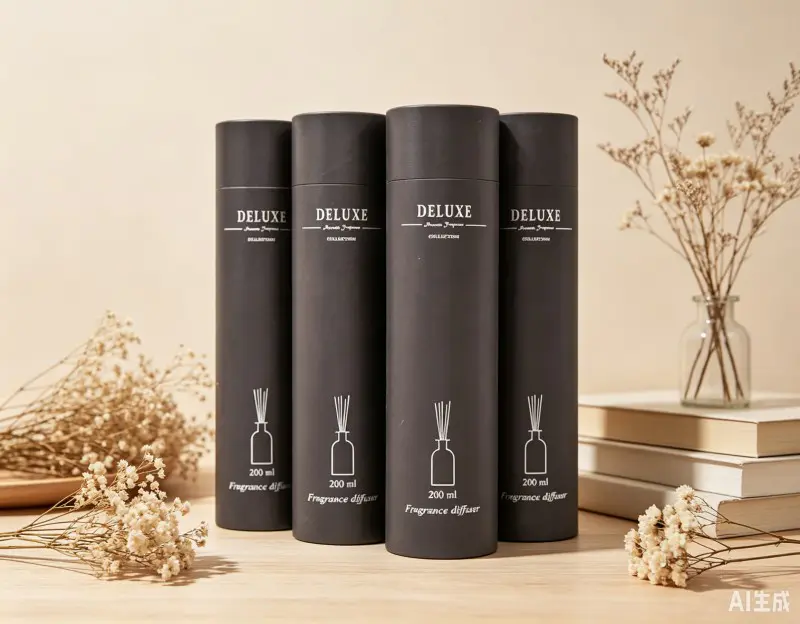
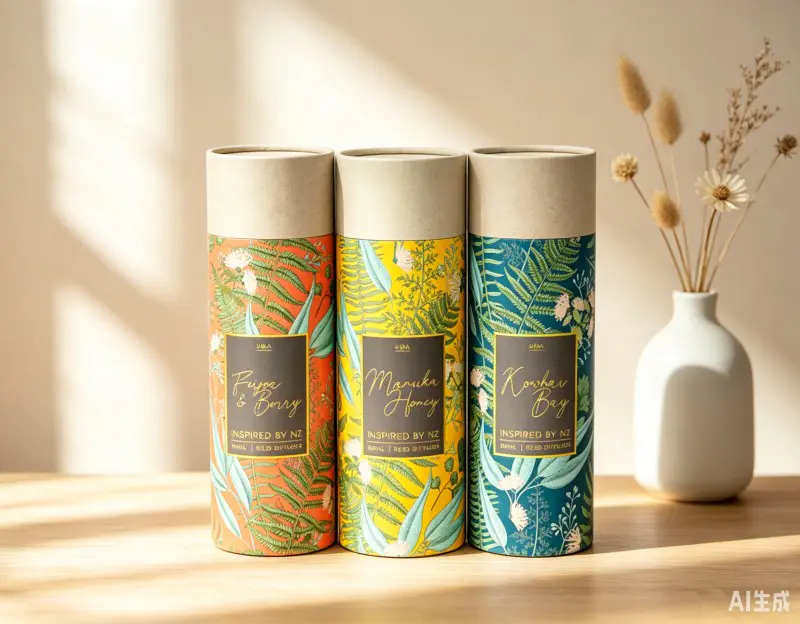
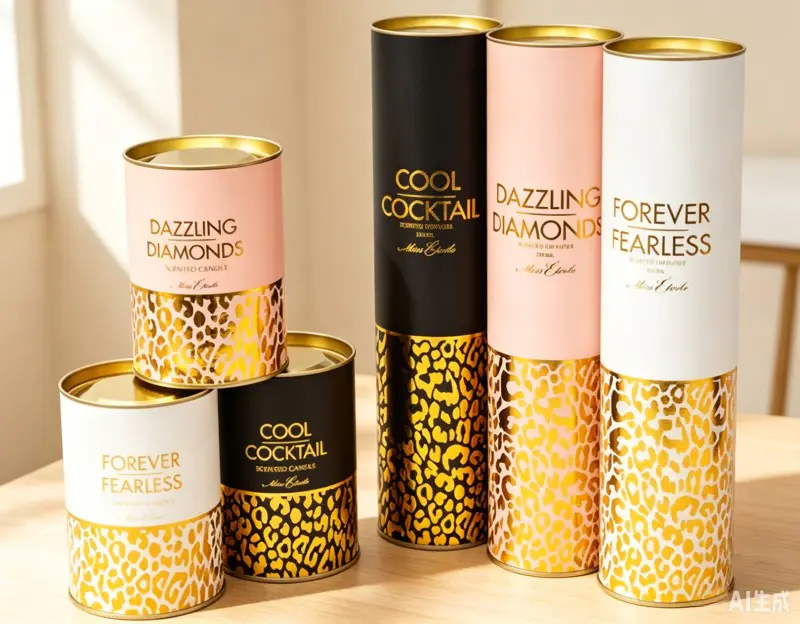
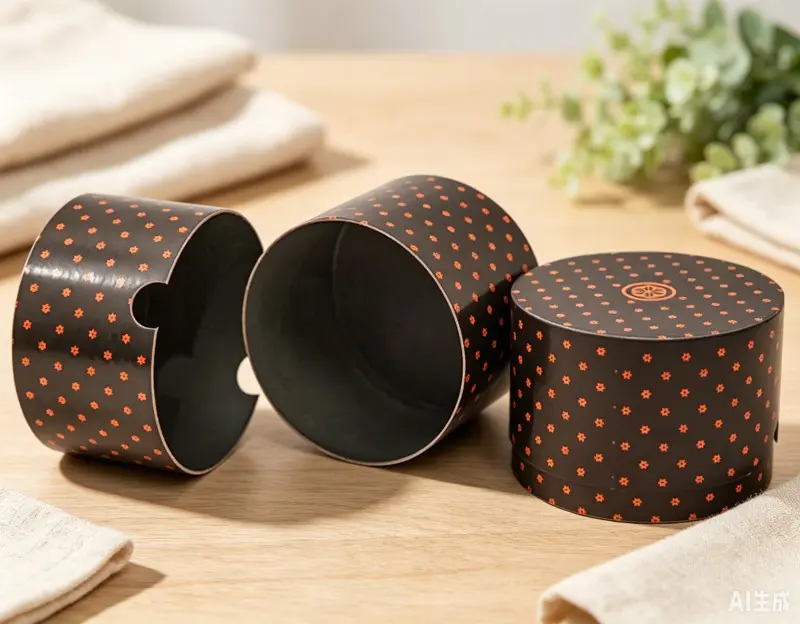
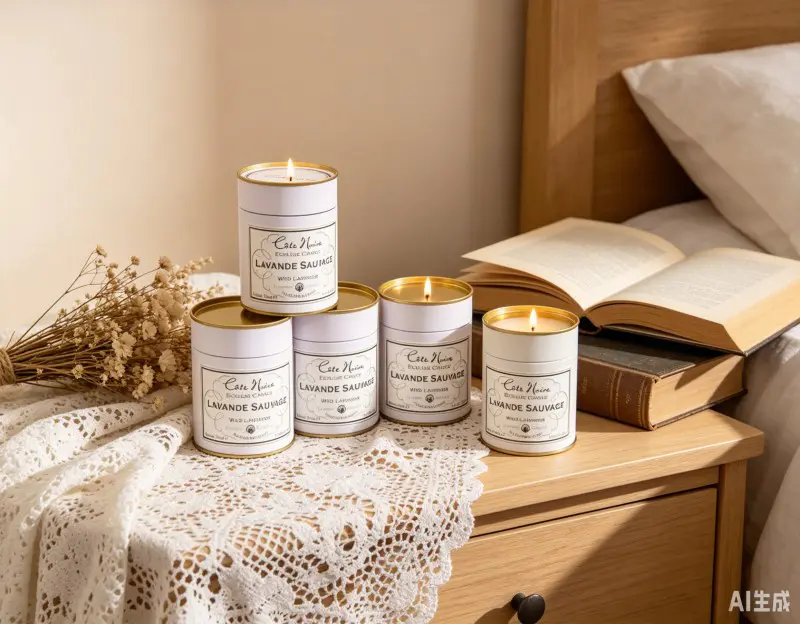

As one of the top China cardboard tube packaging manufacturers and paper tube packaging suppliers, we devote all of our efforts to research and launch more high quality packaging products to global market.
Cosmetic packaging is no longer judged only by its appearance. Consumers increasingly expect packaging to protect the product, communicate quality, support convenient use, and create a lower environmental impact. For cosmetic brands, retailers, and contract manufacturers, the package must also be reliable during filling, transportation, storage, display, and everyday handling. A cylindrical paper tube can meet these requirements while offering a distinctive alternative to conventional plastic jars, rigid boxes, and metal containers.
High-quality recyclable cylindrical round box cosmetic paper tubes combine a strong paperboard structure with carefully engineered closures, decorative surfaces, and optional interior barriers. They are suitable for a wide range of beauty and personal care applications, including facial creams, body care products, hair care items, bath products, solid cosmetics, gift sets, powders, soaps, candles, and other dry or semi-solid formulations.
This type of packaging offers a balanced solution for companies that want a premium appearance without relying entirely on plastic or excessively complex materials. Its round profile provides excellent shelf visibility, while its large printable surface creates opportunities for brand storytelling, product instructions, ingredient information, and decorative artwork. When produced with responsible materials and suitable components, the tube can also contribute to recycling and waste-reduction goals.
For manufacturers and purchasers, the most important question is not simply whether a paper tube looks attractive. The package must be manufactured with consistent dimensions, dependable strength, clean finishing, accurate printing, and suitable protection for the intended cosmetic product. Advanced composite can and paper tube production methods are therefore essential to achieving a reliable result.

High Quality Recyclable Cylindrical Round Box Cosmetic Paper Tube Manufacturer
Content
- 1 What Is a Cylindrical Cosmetic Paper Tube?
- 2 Why Cylindrical Paper Packaging Is Growing in Cosmetics
- 3 Core Product Advantages
- 4 Advantages Compared with Conventional Cosmetic Packaging
- 5 Advanced Manufacturing Process
- 6 Manufacturing Strengths of an Experienced Supplier
- 7 Design Options for Cosmetic Applications
- 8 Environmental Considerations
- 9 Quality and Performance Requirements
- 10 Applications Across the Beauty and Personal Care Market
- 11 Packaging Development Workflow
- 12 How to Choose the Right Manufacturing Partner
- 13 Why an Integrated Paper Tube Supplier Can Add Value
- 14 Cost and Commercial Efficiency
- 15 Common Mistakes to Avoid
- 16 Frequently Asked Questions
- 16.1 Are cylindrical cosmetic paper tubes suitable for wet products?
- 16.2 Can the tube be recycled after use?
- 16.3 Can cosmetic paper tubes be customized in size?
- 16.4 Can the tube include a plastic-free closure?
- 16.5 Is a paper tube strong enough for export shipping?
- 16.6 Can the packaging be used for premium cosmetics?
- 16.7 What information should be supplied for a quotation?
- 16.8 Can a paper tube hold a separate cosmetic jar or bottle?
- 16.9 How long does development usually take?
- 16.10 Why is manufacturing experience important?
- 17 Conclusion
- 18 References
- 19 Product: High Quality Recyclable Cylindrical Round Box Cosmetic Paper Tube Manufacturer
What Is a Cylindrical Cosmetic Paper Tube?
A cylindrical cosmetic paper tube is a rigid or semi-rigid packaging container made primarily from wound paperboard layers. These layers are bonded around a mandrel to create a round body with controlled diameter, wall thickness, height, and structural strength. The tube can be completed with a bottom, lid, shoulder, plug, insert, or other closure system depending on the product and the desired user experience.
Unlike a flexible paper pouch, a cylindrical paper tube maintains its shape during normal use. Unlike a conventional folding carton, it provides a three-dimensional container with a distinctive premium appearance. Unlike many plastic containers, it can be designed with a high percentage of paper-based material and a more natural tactile character.
The body may be manufactured from several grades of paperboard. The outer layer is selected for printability and visual quality, while inner layers provide stiffness and dimensional stability. In applications requiring additional protection, an internal lining or barrier may be incorporated. The precise structure depends on the cosmetic formula, expected shelf life, filling conditions, distribution environment, and recycling objectives.
Paper tubes can be produced in many diameters and heights. A compact tube may hold a balm, solid perfume, or travel-size cosmetic product. A wider format may be used for body cream, face masks, bath salts, powder, or a cosmetic gift set. The cylindrical design also works well for products that need an easy-to-grip package with a smooth, rounded profile.
Why Cylindrical Paper Packaging Is Growing in Cosmetics
The cosmetics industry is highly visual and highly competitive. Packaging must attract attention quickly, especially in retail environments where consumers compare many similar products. A cylindrical paper tube offers a different silhouette from standard rectangular cartons and molded plastic containers. Its curved surface can create a distinctive shelf presence, while its vertical format allows graphics to be viewed from several angles.
Consumers are also paying closer attention to the materials used in personal care packaging. Many shoppers prefer packages that appear responsibly designed, contain less unnecessary plastic, and communicate a thoughtful approach to resource use. Paperboard has a familiar, renewable-material image and can be printed with natural textures, soft colors, bold graphics, or minimalist finishes.
For brands, the package can support a broader sustainability message when its design is considered from the beginning. Material reduction, efficient sizing, responsible paper sourcing, water-based or low-impact inks, and easy separation of components can all contribute to improved packaging performance. A paper tube does not automatically solve every environmental issue, but it provides a practical platform for a more considered packaging strategy.
The tube format is also useful for product differentiation. A premium cosmetic package should feel appropriate in the customer’s hand. The sound of opening the lid, the resistance of the closure, the smoothness of the paper surface, and the accuracy of the printed details all influence perceived value. Properly manufactured cylindrical packaging can provide a tactile experience that feels warm, refined, and more distinctive than a basic plastic container.
Core Product Advantages
Recyclable Paper-Based Structure
The primary advantage of a paper tube is its paper-based construction. Depending on the exact specification and local recycling systems, the paper body may be suitable for recycling after use. Using a predominantly paper structure can help reduce dependence on conventional rigid plastic packaging and may lower the amount of persistent material entering the waste stream.
Recyclability must be evaluated as a complete package rather than as a single material claim. Closures, coatings, foils, labels, inserts, and internal barriers can affect sorting and processing. For this reason, responsible product development should identify each component and determine whether it can be separated or simplified. A packaging manufacturer with experience in composite paper containers can help select a structure that balances product protection and end-of-life considerations.
Premium Appearance
A high-quality paper tube can be finished with offset printing, flexographic printing, digital printing, embossing, debossing, matte coatings, gloss coatings, soft-touch effects, metallic details, textured papers, and custom labels. These options allow brands to create packaging that matches a luxury, natural, professional, youthful, or artistic identity.
The round body provides an uninterrupted visual surface. Designers can use vertical artwork, repeating patterns, panoramic graphics, wraparound illustrations, or restrained typography. The curved shape also creates subtle changes in light across the package, which can make colors and surface finishes appear more dynamic.
For premium skincare and cosmetics, the perceived quality of the packaging can influence a consumer’s expectations about the product inside. Clean edges, precise printing, accurate color registration, and a well-fitted lid are essential. A package that looks carefully made communicates attention to detail before the consumer even opens it.
Strong Protection During Distribution
Cosmetic packaging must tolerate more than shelf display. Products may pass through filling lines, warehouses, trucks, export containers, fulfillment centers, and parcel delivery networks. A properly engineered paper tube helps protect the contents from compression, abrasion, and routine impacts.
The tube wall can be adjusted according to the required strength. Increasing wall thickness, changing the paperboard grade, modifying the winding structure, or adding reinforcement in specific areas can improve performance. The base and lid can also be designed to prevent deformation during stacking and handling.
Compared with a thin folding carton, a rigid cylindrical tube typically provides greater resistance to crushing. Its curved geometry distributes external pressure around the circumference, which can help the package retain its form. This is particularly useful for gift sets and premium products that must arrive in excellent condition.
Flexible Customization
Cosmetic brands rarely share identical packaging requirements. Some need a short, wide tube for a cream. Others require a tall, narrow container for a powder, brush, or gift item. A custom paper tube can be produced in different diameters, heights, wall thicknesses, colors, closure styles, and internal configurations.
Customization can also extend to the opening experience. A simple friction-fit lid may be appropriate for a dry cosmetic product, while a tube with an inner plug may provide greater security and a more refined presentation. A metal-free paper-based closure may support sustainability goals, while a decorative lid may be preferred for a premium gift collection.
Custom inserts can keep jars, bottles, tins, or accessories centered inside the tube. These inserts reduce movement and help create an organized unboxing experience. They can also improve protection during shipment and make the package suitable for promotional sets or seasonal collections.
Efficient Branding Surface
The tube body provides a large area for essential information. Brands can print product names, usage instructions, warnings, ingredient highlights, batch information, recycling guidance, and visual storytelling without relying on multiple separate labels.
Because the graphics wrap around the package, the design can be read from multiple directions on a retail shelf. This helps the product remain recognizable even when other products partially block one side. The tube can also coordinate with secondary cartons, displays, and shipping packaging to create a consistent visual system.
Comfortable Handling
The rounded profile is comfortable to hold and easy to rotate. There are no sharp corners, and the smooth exterior can provide a pleasant tactile experience. For products used in bathrooms, bedrooms, travel bags, or dressing areas, the compact cylindrical shape can also be convenient to store.
Some tubes are designed for direct dispensing, while others contain a separate cosmetic vessel. The format can therefore be adapted to different product experiences. A carefully selected diameter allows users to open, close, carry, and store the package without unnecessary effort.
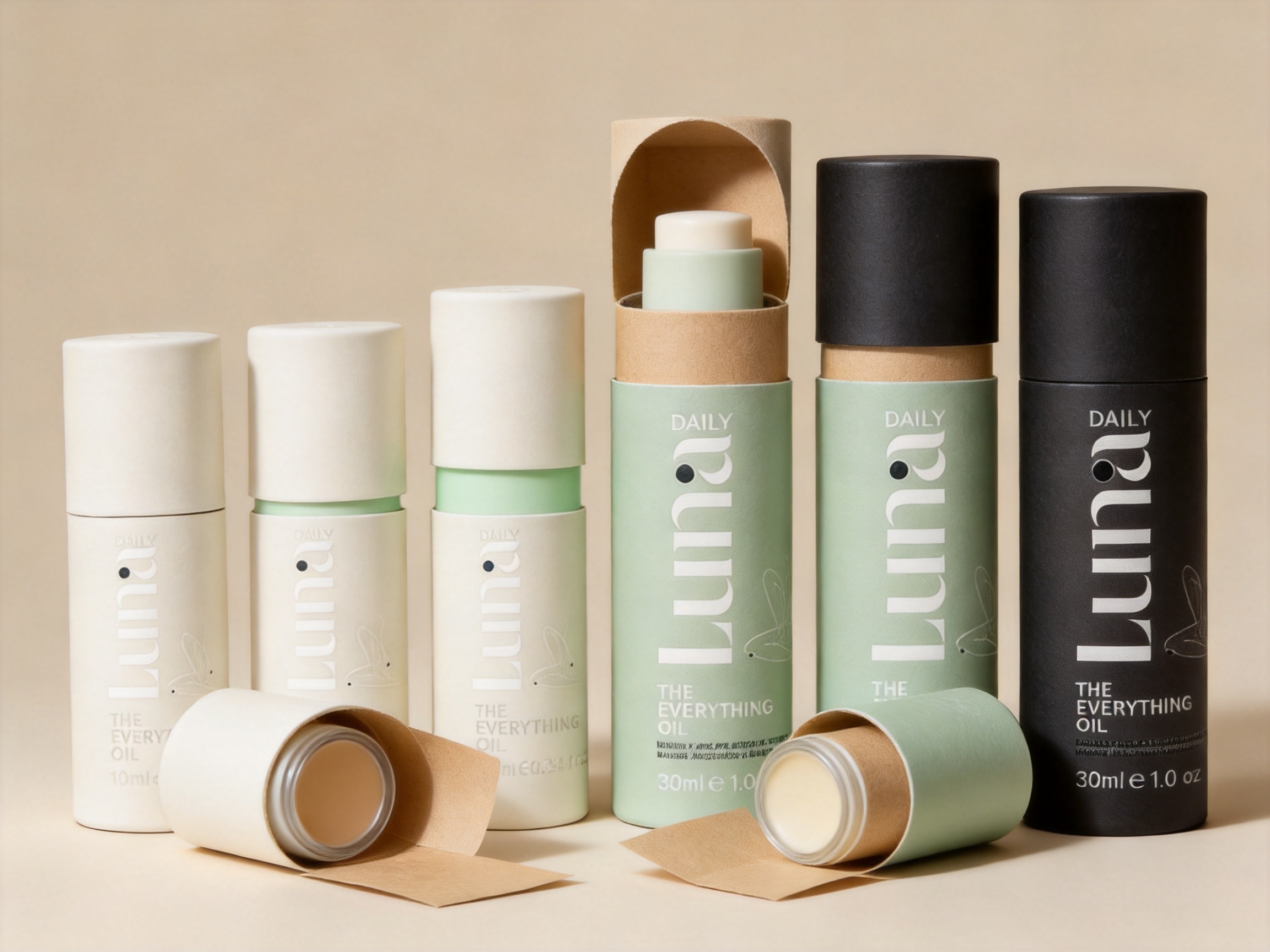
Advantages Compared with Conventional Cosmetic Packaging
| Packaging Format | Typical Strengths | Potential Limitations | Advantages of a Well-Designed Paper Tube |
|---|---|---|---|
| Plastic Jar | Lightweight, moisture resistant, familiar filling process | May rely heavily on plastic and offer limited tactile differentiation | More distinctive appearance, paper-based body, strong printing surface, premium natural feel |
| Folding Carton | Efficient printing and relatively low material use | Lower rigidity and limited protection for some products | Greater structural stability, cylindrical shelf presence, better impact resistance |
| Metal Tin | Strong and durable, suitable for some balms and solid products | Higher material weight and different printing requirements | Lighter paper-based construction, flexible graphics, warm tactile character |
| Glass Jar | Premium appearance and strong barrier properties | Heavy, breakable, and more demanding during shipping | Lower shipping weight, safer handling, lower breakage risk |
| Flexible Pouch | Low weight and efficient storage | Less rigid, less premium for some applications, limited shelf presence | Rigid form, improved display impact, more substantial unboxing experience |
The most suitable packaging depends on the cosmetic formula and commercial requirements. A paper tube should not be selected solely because it is visually appealing. It must be matched with the correct barrier, closure, filling method, and distribution conditions. When those factors are properly addressed, the tube can offer an attractive combination of sustainability, strength, customization, and perceived value.
Advanced Manufacturing Process
Product Requirement Analysis
The manufacturing process begins with a detailed review of the product and its intended market. The manufacturer should understand the cosmetic formula, fill weight, dimensions, dispensing method, shelf-life expectations, climate conditions, filling speed, transportation route, and target price.
Important questions include whether the product contains oil, alcohol, fragrance, water, powder, or active ingredients that could interact with paper materials. The manufacturer should also determine whether the package must resist humidity, oil migration, aroma loss, staining, or external contamination.
This early analysis prevents problems later in production. A beautiful printed tube may fail if its internal structure is unsuitable for the product. Conversely, an unnecessarily complex barrier may increase cost or complicate recycling when a simpler construction would provide sufficient performance.
Material Selection
Paperboard selection influences appearance, stiffness, winding quality, printability, and environmental performance. The outer paper may be chosen for its whiteness, smoothness, texture, or ability to reproduce fine graphics. Structural paper layers are selected according to the required compression strength and dimensional stability.
Adhesives are also important. They must bond the layers securely and remain stable during production, storage, and use. For cosmetic packaging, manufacturers should consider odor, migration, drying behavior, and compatibility with the intended product environment.
Where an internal barrier is required, the barrier material should be selected carefully. The goal is to protect the cosmetic while maintaining the highest practical proportion of paper-based material. Different products may require different levels of resistance to moisture, grease, oxygen, aroma, or chemical interaction.
Precision Paper Winding
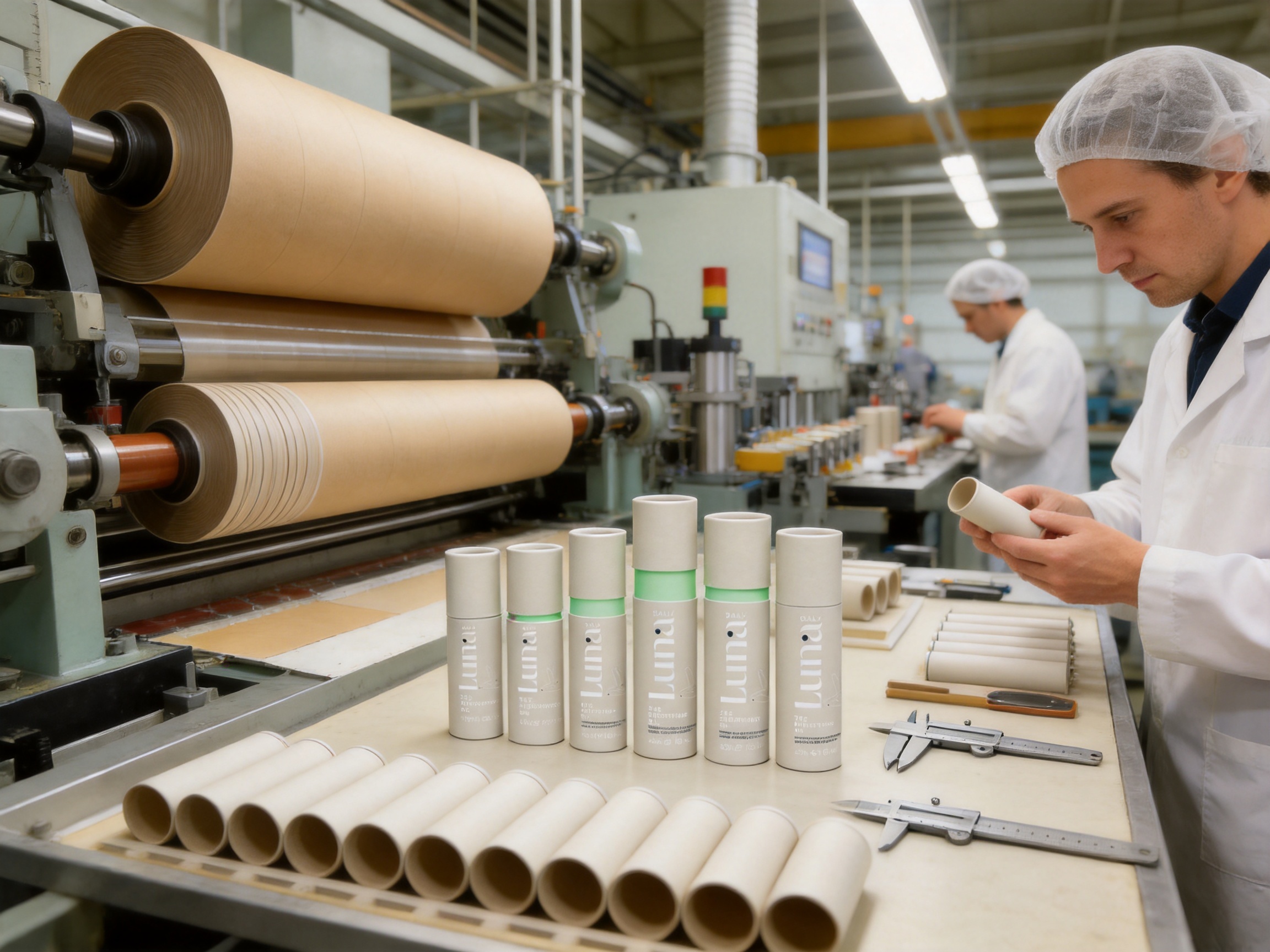
Paper winding is one of the most important stages in cylindrical tube production. Paper layers are wound around a mandrel under controlled tension. The winding pattern, overlap, adhesive application, and alignment influence the final tube’s strength and roundness.
Advanced winding equipment helps maintain consistent dimensions throughout a production run. Uniform tension prevents wrinkles, gaps, and irregular wall thickness. Accurate adhesive application ensures that layers bond effectively without creating excessive buildup or visible defects.
The mandrel diameter determines the internal dimension of the tube. Production teams must control winding speed, paper feed, tension, and curing conditions so that the finished tube can accept its lid, insert, or inner container accurately. Even small dimensional variations may affect closure performance, so process control is essential.
High-Speed Composite Can Technology
Modern composite can production lines are designed to produce strong, consistent cylindrical containers at commercial scale. High-speed European production equipment can improve output stability, reduce variation, and support efficient manufacturing for large and medium-sized orders.
Automation helps coordinate paper feeding, adhesive application, winding, cutting, curing, and inspection. It can also reduce unnecessary handling, improve repeatability, and support more reliable delivery schedules. Experienced operators remain essential because different paper grades, diameters, coatings, and closure systems may require different settings.
A manufacturer with long-term experience in composite cans and paper tubes is better positioned to identify the relationship between equipment settings and final product quality. Practical knowledge accumulated over many years can help solve issues involving paper curl, delamination, dimensional tolerance, printing alignment, and lid fit.
Cutting and Edge Finishing
Once the tube body reaches the required condition, it is cut to length. Clean, square cuts are necessary for a professional appearance and reliable closure fit. Rough or uneven edges may cause lid alignment problems, expose unprotected layers, or reduce perceived quality.
Edge finishing may include sanding, trimming, wrapping, folding, or adding a rim. The chosen method depends on the tube design and whether the edge will remain visible. Premium cosmetic packaging often requires especially careful finishing because consumers may inspect the package closely.
Base and Lid Assembly
The base must be securely attached to the tube body and remain stable when the package is placed on a shelf or vanity. The lid must provide an appropriate balance between security and ease of opening. A lid that is too loose may create leakage or presentation problems, while a lid that is too tight may frustrate users.
Friction-fit closures, telescoping lids, shoulder-and-neck structures, and separate inner plugs can all be used. The correct choice depends on the product, the desired appearance, the filling process, and the level of protection required.
Assembly tolerances are carefully controlled to ensure that components align concentrically. A centered lid creates a more refined appearance and reduces the risk of uneven stress on the tube wall. For gift packaging, the lid fit also contributes significantly to the unboxing experience.
Printing and Surface Decoration
Printing can occur on the outer paper before tube forming or on the completed tube, depending on the design and equipment. Pre-printed paper can provide high-quality graphics and precise repeat patterns, while post-forming decoration may be suitable for certain labels or localized effects.
Color management is essential when a cosmetic range includes multiple products. The manufacturer should use approved color references, controlled proofing, and consistent production settings. Accurate registration is particularly important for fine text, borders, logos, and repeated patterns.
Finishing options include matte varnish, gloss varnish, aqueous coating, spot effects, embossing, debossing, foil details, textured paper, and specialty labels. These techniques should be selected according to the desired product positioning and the package’s recycling objectives.
Quality Inspection
Quality inspection should take place throughout production rather than only at the end. Incoming paper, adhesive, printing materials, components, and finished tubes should be checked against agreed specifications.
Typical inspections include diameter, height, wall thickness, roundness, weight, lid fit, base stability, print alignment, color consistency, surface cleanliness, adhesive bonding, and visible damage. Functional testing may include compression testing, drop testing, stacking simulation, humidity exposure, and compatibility evaluation.
For cosmetic applications, cleanliness is especially important. The package should be protected from dust, fibers, oil, moisture, and other contaminants during production and packing. Well-organized manufacturing areas and documented procedures support reliable quality.
Manufacturing Strengths of an Experienced Supplier
A supplier with more than two decades of experience in composite cans and paper containers brings more than production capacity. Long-term industry experience supports better material selection, more accurate cost estimation, stronger process control, and faster problem solving.
Hangzhou Qunle Packaging Co., Ltd. has been engaged in the composite can and paper can industry for over 20 years. Its business covers food, daily chemical products, fast-moving consumer goods, and related packaging applications. This broad experience is valuable for cosmetic customers because the company understands how different product categories influence packaging design and performance.
The company is identified as the only member of the international Composite Can and Tube Institute in China’s packaging container industry. Participation in an international industry organization can provide access to technical exchange, professional knowledge, and broader awareness of composite container development.
The company was also the first enterprise in China to pass the QS certificate for producing food packaging containers. Although cosmetic packaging has its own requirements, experience with regulated food-contact packaging demonstrates the importance of controlled production, documentation, hygiene, and material discipline.
In 2015, the company introduced a high-speed composite can production line from Europe. The use of advanced production equipment strengthens manufacturing consistency and supports larger-scale orders. Automated or semi-automated processes can reduce production variation and improve repeatability across batches.
More than ten patented technologies have been obtained by the company. Patented technologies may relate to container structures, production methods, closure systems, material combinations, or process improvements. For buyers, this indicates an ongoing focus on research, development, and technical differentiation rather than simple commodity production.
Long-term partnerships with recognized companies and brands in food, beverages, tea, coffee, confectionery, and consumer products also demonstrate experience in serving demanding customers. Such partnerships generally require dependable quality, stable delivery, accurate communication, and the ability to maintain specifications over repeated orders.
Design Options for Cosmetic Applications
Size and Proportion
Tube dimensions should be selected according to the product volume and the intended user experience. A short, wide tube can create a stable and substantial appearance for face cream or body butter. A tall, narrow tube may be appropriate for powder, bath products, hair accessories, or a coordinated gift set.
The external dimensions should leave sufficient space for internal components and product clearance. Overly large packaging can appear wasteful and increase shipping costs, while overly compact packaging may be difficult to fill or open. Right-sizing is therefore important for both commercial efficiency and sustainability.
Closure Selection
Closure design influences convenience, protection, appearance, and manufacturing cost. A friction-fit lid is simple and visually clean. A telescoping lid can create a premium opening motion. An inner plug may improve security and help protect the contents from dust or accidental displacement.
For products used frequently, the lid should be easy to remove and replace. For gift products, a more substantial closure may enhance perceived value. For travel products, a secure fit is essential to prevent the lid from separating in a bag.
Interior Configuration
The interior can be designed to hold a direct-fill cosmetic product, a separate jar, a pouch, a tin, a bottle, or an accessory. Inserts may be made from paperboard or other materials depending on the required protection and sustainability goals.
An internal insert keeps components centered and prevents rattling. It can also create a layered unboxing experience, allowing the customer to discover the product gradually. For sets containing several items, a custom partition can prevent contact and organize the presentation.
Surface Finishes
Surface finishes should support the product concept rather than overwhelm it. A matte finish may communicate calmness, natural ingredients, or understated luxury. A gloss finish may make colors more vibrant and provide a polished appearance. Embossing can add tactile interest, while selective metallic effects can highlight a product name or decorative feature.
Paper texture is another important option. Uncoated or lightly coated paper can emphasize a natural positioning, while smooth coated paper may be preferred for detailed photographic graphics. The selected surface must be compatible with the printing method and the desired level of durability.
Environmental Considerations
A responsible packaging assessment should consider the entire life cycle of the package. This includes raw material sourcing, manufacturing energy, transportation, consumer use, and end-of-life processing. Paper tubes can support environmental objectives, but the best result comes from combining appropriate material choices with efficient design.
Right-sizing reduces unnecessary material and shipping volume. Lightweighting can lower transportation impacts when it does not compromise strength. Recycled paper content may be considered where it meets appearance, strength, hygiene, and compliance requirements. Certified or responsibly sourced virgin paper may be used when it provides necessary performance.
Coatings and decorative elements should be chosen carefully. Some finishes can complicate recycling or make material separation more difficult. If a premium visual effect is required, the manufacturer and brand should evaluate whether it can be achieved with a thin coating, printed effect, embossing, or a simpler structure.
Clear disposal guidance can help consumers make better choices. If the package includes components that should be removed before recycling, the instructions should be concise and easy to understand. Local recycling systems differ, so environmental claims should be accurate and supported by appropriate evidence.
It is also important to recognize that cosmetics may contain oils, fragrances, pigments, and other substances that affect packaging recovery. A used package may not be accepted in every recycling system if it is heavily contaminated. Brands should therefore consider product format, cleaning requirements, and local disposal conditions when communicating recyclability.
Quality and Performance Requirements
Cosmetic packaging must meet visual, structural, functional, and regulatory expectations. The exact test program depends on the product and market, but several areas are commonly evaluated.
Dimensional Accuracy
Diameter, height, wall thickness, and component fit should remain within agreed tolerances. Dimensional stability ensures that the package works correctly on filling lines and that the lid or inner container fits consistently.
Compression Resistance
Compression testing helps determine whether the tube can withstand stacking and external pressure. This is particularly relevant for warehouse storage and transport in cartons. The test result should reflect the expected distribution conditions rather than an arbitrary laboratory target.
Drop and Impact Resistance
Drop testing simulates accidental handling during packing, shipping, and delivery. The package should be evaluated both empty and filled, because the product weight can affect the impact response. Testing may also include different drop orientations and temperatures.
Humidity Resistance
Bathrooms, warehouses, ships, and international transport routes can expose packaging to high humidity. Paper absorbs moisture unless protected by its structure or a suitable barrier. Humidity testing helps determine whether the tube will soften, delaminate, swell, or lose its shape.
Product Compatibility
The cosmetic formula should be evaluated for interaction with the internal materials. Oil, alcohol, water, fragrance, and active ingredients may require specific liners or inner containers. Compatibility testing should reflect the intended storage temperature and time.
Print and Surface Durability
Printed surfaces may experience rubbing, fingerprints, moisture, and contact with other packages. Abrasion, rub, and color stability testing can help confirm that the package will maintain its appearance through distribution and retail handling.
Applications Across the Beauty and Personal Care Market
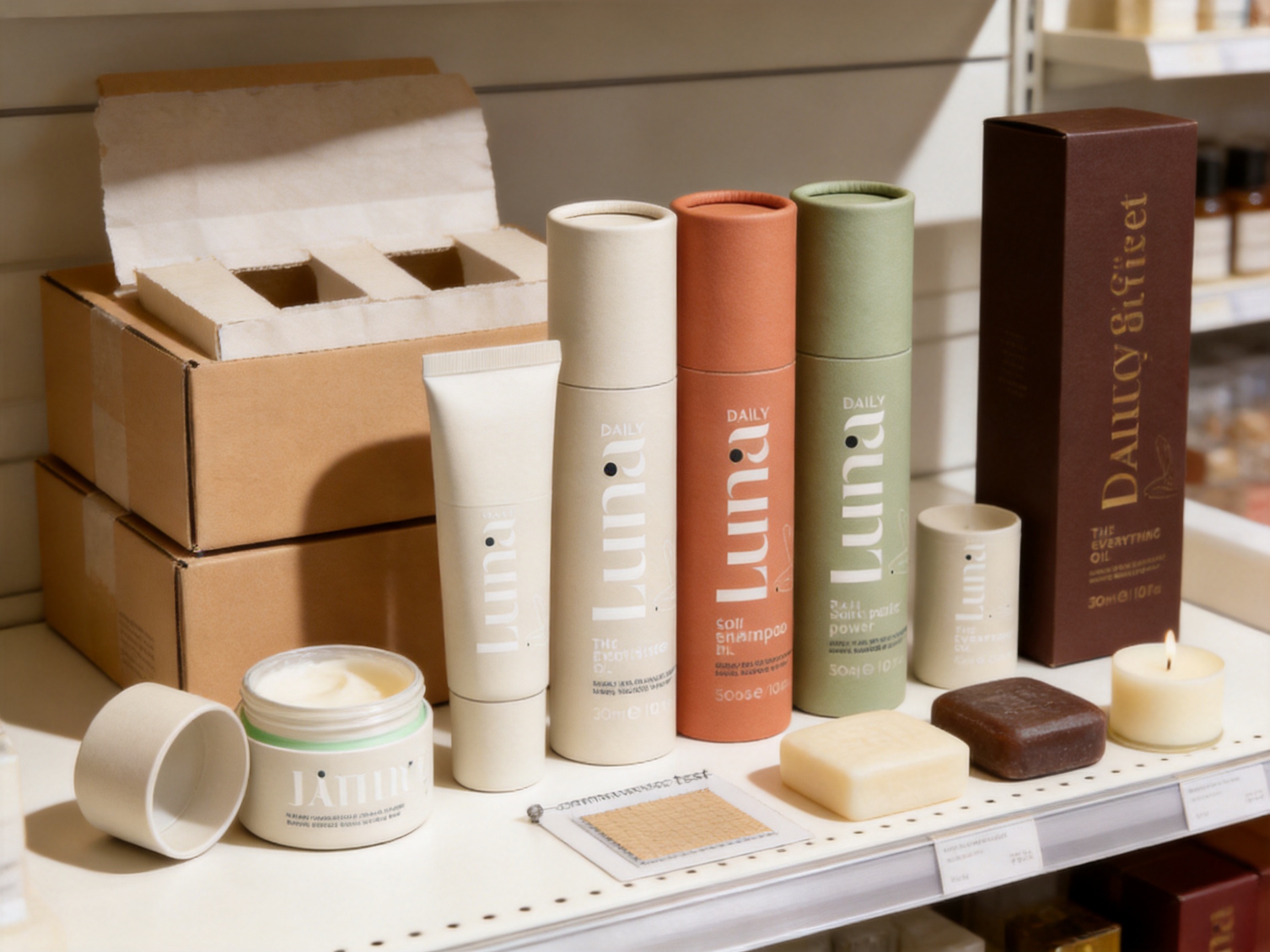
Cylindrical paper tubes can support many product categories. For skincare, they may hold facial creams, body creams, masks, scrubs, solid moisturizers, or promotional sets. For cosmetics, they can package loose powder, compact accessories, solid foundation, blush, or special-edition collections.
Hair care brands may use tubes for solid shampoo, conditioner bars, styling products, or travel kits. Bath and body companies can use them for bath salts, soaps, shower steamers, massage products, and aromatherapy accessories.
Fragrance and wellness products may benefit from the tube’s premium appearance and protective structure. A paper tube can hold a small bottle, solid perfume, candle, fragrance accessory, or curated self-care collection.
Gift packaging is another strong application. A rigid cylindrical container can present several small products in a coordinated arrangement. Seasonal colors, limited-edition artwork, embossed details, and custom inserts can create a memorable gift-opening experience.
Because paper tubes are also used for food, coffee, tea, confectionery, snacks, pet care, and other consumer products, a packaging supplier with broad experience can transfer knowledge between categories. Understanding how different products behave inside composite containers can help improve cosmetic package development.
Packaging Development Workflow
Initial Consultation
The development process begins with a clear project brief. The customer should provide product type, fill volume, target dimensions, estimated order quantity, artwork requirements, closure preference, market, distribution conditions, and sustainability objectives.
Samples of the cosmetic product may be needed for compatibility evaluation. If the product will be filled into an inner jar or bottle, the supplier should receive accurate component dimensions and tolerances.
Structural Proposal
The manufacturer then recommends a tube structure, paper grade, wall thickness, liner, closure, and insert. Several options may be compared according to cost, appearance, performance, and environmental impact.
A practical structural proposal should explain which features are essential and which are optional. This helps the customer avoid paying for unnecessary complexity while ensuring that important protection requirements are not overlooked.
Prototype and Testing
Prototype samples allow the customer to evaluate size, appearance, lid fit, opening force, print quality, and product presentation. If necessary, the prototype stage can include simulated filling, transport testing, humidity exposure, and compatibility studies.
Testing at this stage is more efficient than correcting problems after mass production. It also gives the design team an opportunity to refine artwork, change the closure, adjust the insert, or improve the internal barrier.
Artwork Approval
Artwork should be prepared according to the supplier’s print specifications. Important considerations include bleed, safe areas, color mode, image resolution, text size, barcode placement, and the distortion caused by the curved surface.
Digital proofs and physical color samples can help confirm the expected appearance. Customers should approve the final artwork, dimensions, materials, and finishing details before production begins.
Mass Production
During mass production, the approved specification becomes the manufacturing reference. Materials should be checked before use, equipment should be set according to the validated process, and samples should be inspected at defined intervals.
Production records support traceability and help identify the source of any deviation. Consistent packaging quality is especially important for cosmetic brands that plan to reorder the same design or expand a product range.
Final Inspection and Shipment
Finished tubes should be packed to prevent dust, abrasion, moisture, and deformation. Carton design should support efficient stacking and safe transportation. Export shipments may require additional protection because of longer transit times and changing climatic conditions.
Before shipment, the customer and supplier should confirm quantity, packaging method, labeling, documentation, and any inspection requirements. Clear communication at this stage helps prevent delays and misunderstandings.
How to Choose the Right Manufacturing Partner
Buyers should evaluate more than catalog photographs and unit prices. The supplier’s technical knowledge, production equipment, quality systems, material range, communication ability, and experience with similar products are all important.
First, confirm whether the supplier manufactures cylindrical paper tubes in-house or relies heavily on outside subcontractors. In-house control may improve consistency and make technical changes easier to manage.
Second, request information about available paper grades, internal barriers, closure systems, printing methods, and finishing capabilities. A supplier with a broad technical range can offer more practical solutions as the project develops.
Third, review the supplier’s quality-control process. Ask how dimensions, print, bonding, lid fit, cleanliness, and packaging performance are checked. A professional manufacturer should be able to explain its inspection procedures clearly.
Fourth, consider experience with international customers. Export packaging requires attention to communication, documentation, shipping protection, time-zone differences, and market-specific expectations.
Fifth, assess development support. The best supplier is not merely a producer of standard tubes but a technical partner that can help transform a concept into a manufacturable package.
Why an Integrated Paper Tube Supplier Can Add Value
An integrated supplier can coordinate structural design, paper selection, tube forming, printing, finishing, assembly, inspection, and shipment. This reduces the number of interfaces between different vendors and can make responsibility clearer when technical issues arise.
When the same company manages multiple stages, it can better control the relationship between the tube body and the closure. It can also adjust production settings when a particular paper, coating, or artwork creates an unexpected challenge.
For customers developing a new cosmetic range, integrated support can shorten the path from concept to production. The supplier can recommend common dimensions across multiple products, helping the brand create a coherent family appearance while improving manufacturing efficiency.
A long-established manufacturer may also have a broader network of material and component suppliers. This can support more stable sourcing and help identify alternatives when a specific paper or accessory becomes unavailable.
Cost and Commercial Efficiency
The unit cost of a paper tube depends on material structure, dimensions, printing, finishing, closure design, order quantity, tooling, inserts, testing, and shipping. A low initial quotation may not represent the lowest total cost if the package requires excessive manual assembly, fails during transport, or produces high rejection rates.
Efficient design begins with the required function. Avoiding unnecessary layers, oversized dimensions, complicated decorations, or excessive component variation can reduce cost without weakening the package. Standardized diameters and shared closures may also improve economies of scale across a product line.
At the same time, premium cosmetics may justify investment in tactile finishes and structural details that increase perceived value. The correct question is whether each feature contributes to product positioning, customer experience, protection, or operational performance.
Order quantity also affects the choice of printing and finishing methods. Large production runs may benefit from dedicated tooling and high-speed processes, while smaller launches may be better suited to digital printing or simplified decoration. An experienced manufacturer can help match the process to the commercial plan.
Common Mistakes to Avoid
One common mistake is selecting a tube based only on appearance. The package may look attractive but fail to protect an oily, wet, or volatile formulation. Product compatibility should be considered before artwork is finalized.
Another mistake is using excessive packaging volume. A large empty space can increase material use, shipping cost, and consumer dissatisfaction. The tube should be sized appropriately for the product and any required protective insert.
Some brands also overlook the opening force and closure experience. A lid that is difficult to remove can create negative feedback, while a lid that opens too easily may compromise security. Prototypes should be tested by representative users.
Inconsistent artwork preparation can lead to distorted graphics, unreadable text, or color differences. Designers should use the supplier’s dielines and print guidelines and approve a physical sample when appearance is critical.
Finally, environmental claims should be carefully worded. Recyclable paper content is valuable, but the entire package and local recycling infrastructure must be considered. Honest, specific communication is more credible than broad claims that cannot be supported.
Frequently Asked Questions
Are cylindrical cosmetic paper tubes suitable for wet products?
They can be suitable for some wet or semi-solid products when the internal structure, liner, closure, and formulation are properly matched. A paper tube without adequate internal protection may not be appropriate for products containing significant water, oil, alcohol, or fragrance. Compatibility and shelf-life testing should be completed before mass production.
Can the tube be recycled after use?
The paper body may be recyclable, but recyclability depends on the complete package, including coatings, liners, closures, inserts, and product residue. Local recycling facilities also differ. The package should be designed with end-of-life considerations in mind, and disposal guidance should be based on the target market.
Can cosmetic paper tubes be customized in size?
Yes. Diameter, height, wall thickness, closure style, internal configuration, printing, and finishing can generally be customized. The practical range depends on the manufacturing equipment and the customer’s performance requirements.
Can the tube include a plastic-free closure?
In some applications, a paper-based or metal-free closure may be possible. The correct solution depends on the required moisture resistance, product security, opening force, and shelf-life performance. A technical review is necessary before selecting the closure.
Is a paper tube strong enough for export shipping?
A properly engineered tube can be suitable for export shipping. Strength depends on wall construction, tube dimensions, closure design, product weight, outer cartons, stacking conditions, and climate exposure. Compression, drop, and humidity testing can help validate the design.
Yes. High-quality printing, textured papers, embossing, refined closures, precise assembly, and custom inserts can create a premium presentation. The final result depends on material quality, surface finishing, dimensional accuracy, and quality control.
What information should be supplied for a quotation?
Useful information includes product type, fill volume, tube diameter and height, closure preference, artwork requirements, quantity, target market, expected delivery schedule, interior components, and desired sustainability features. Product samples or technical drawings may also be helpful.
Can a paper tube hold a separate cosmetic jar or bottle?
Yes. Custom inserts can hold a jar, bottle, tin, or accessory securely inside the tube. This approach provides additional protection and allows the paper tube to function as a premium secondary package or gift container.
How long does development usually take?
The schedule depends on design complexity, material availability, prototype requirements, testing, artwork approval, and order quantity. Standard structures may move more quickly, while custom barriers, closures, tooling, or complex finishes require additional development time.
Why is manufacturing experience important?
Experience helps the supplier anticipate problems involving winding tension, adhesive bonding, paper behavior, print alignment, lid fit, humidity, and product compatibility. It also supports more accurate recommendations and improves the likelihood of stable mass production.
Conclusion
High-quality recyclable cylindrical round box cosmetic paper tubes offer a compelling packaging solution for brands seeking a balance of appearance, protection, customization, and responsible material use. Their rigid round structure creates a distinctive shelf presence, while the broad printable surface supports effective communication and visual differentiation.
The strongest advantages appear when the tube is engineered as a complete package. Paper grade, wall thickness, internal barrier, adhesive, closure, insert, printing, and finishing must work together. Proper testing is essential for products exposed to moisture, oils, fragrances, pressure, or long distribution routes.
Advanced manufacturing capabilities further improve the value of this format. Precision winding, high-speed composite can production, controlled assembly, accurate printing, and systematic inspection contribute to consistent quality. A supplier with more than 20 years of industry experience, international technical involvement, modern European production equipment, patented technologies, and broad consumer packaging knowledge can provide valuable support throughout the development process.
For cosmetic brands, the paper tube is more than an alternative container. It is a platform for product protection, brand presentation, customer experience, and packaging innovation. With the right structure and manufacturing partner, it can help create a package that looks refined, performs reliably, and aligns with the changing expectations of the global beauty market.
References
International Composite Can and Tube Institute. Technical principles for composite cans and paper tube packaging.
Packaging material science references covering paperboard structure, adhesive bonding, compression strength, and moisture resistance.
Cosmetic packaging development guidance concerning product compatibility, shelf-life evaluation, closure performance, and transport testing.
Recycling and packaging design publications addressing paper-based packaging, component separation, material reduction, and end-of-life considerations.
Quality-control manuals for printed packaging, including color consistency, dimensional inspection, abrasion testing, and finished-product evaluation.
Industry literature concerning sustainable packaging design for cosmetics, personal care products, and fast-moving consumer goods.
