 English
 Español
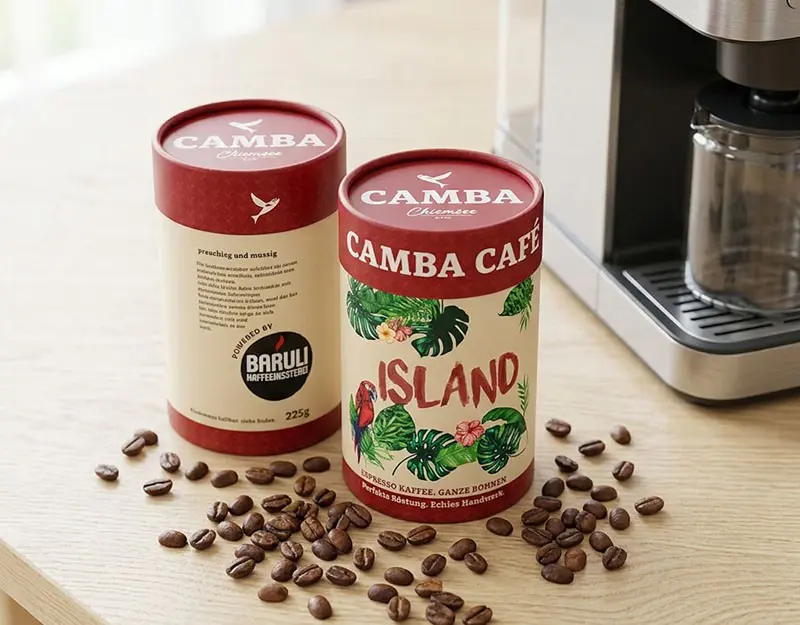
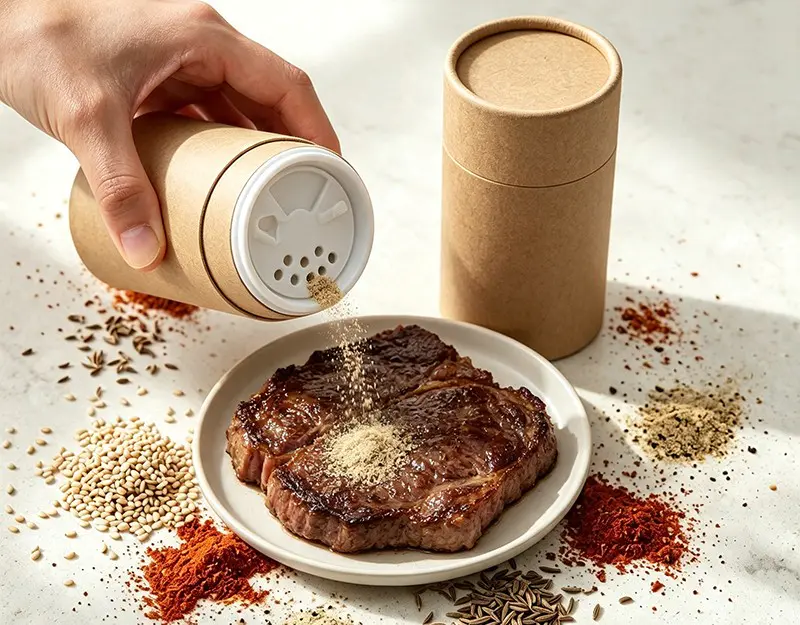

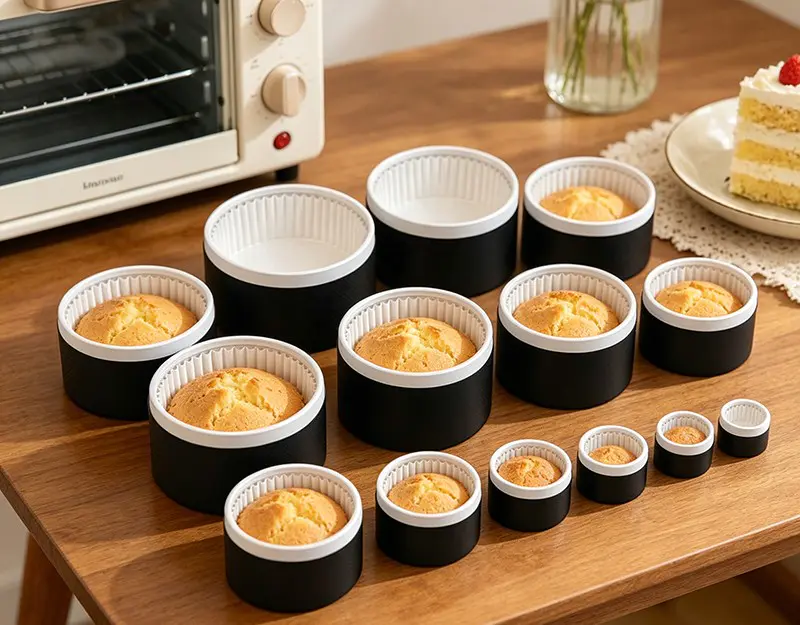

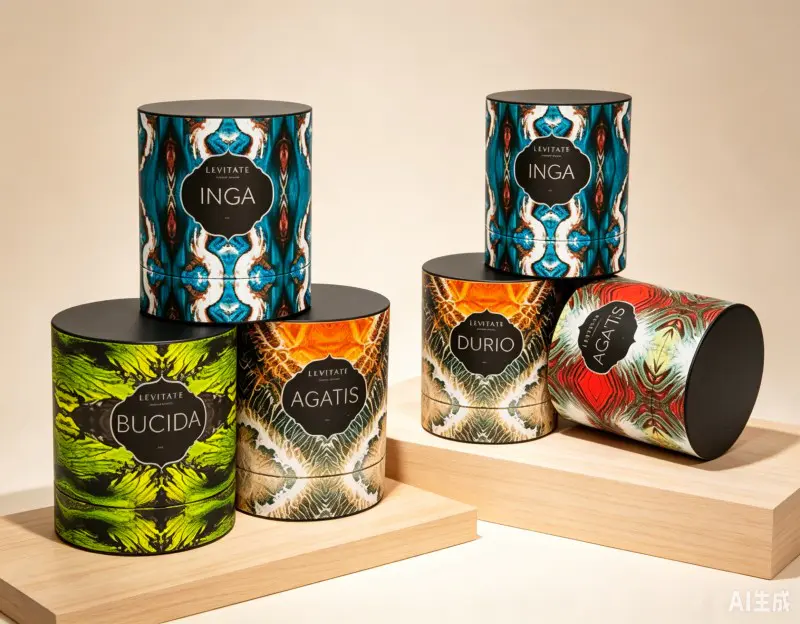
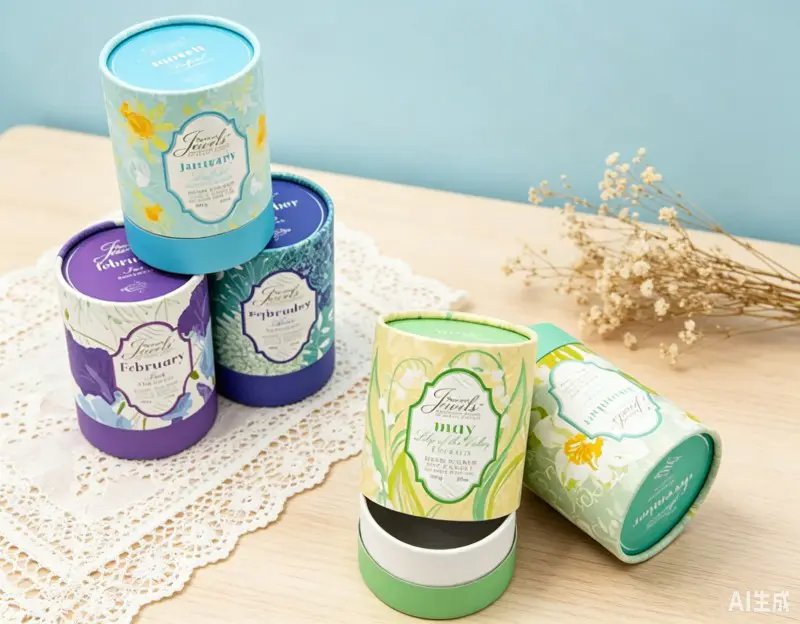
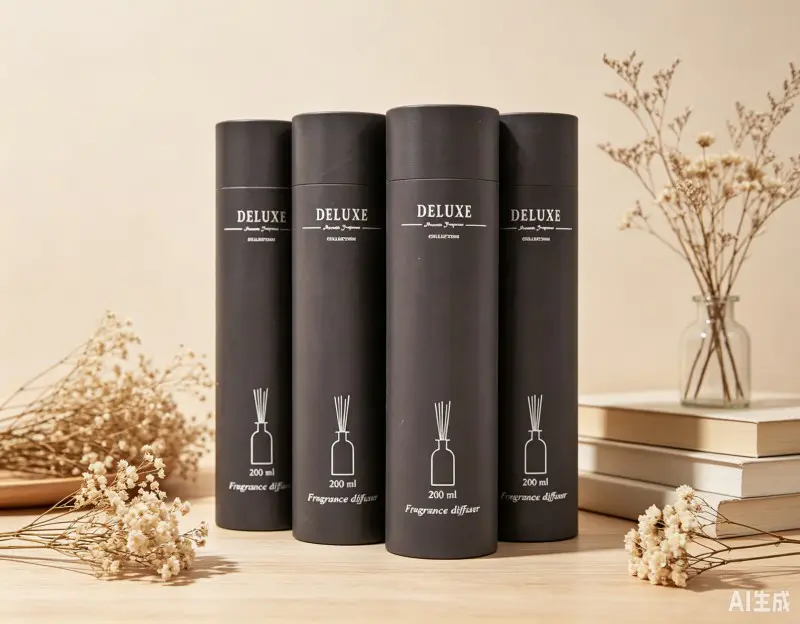
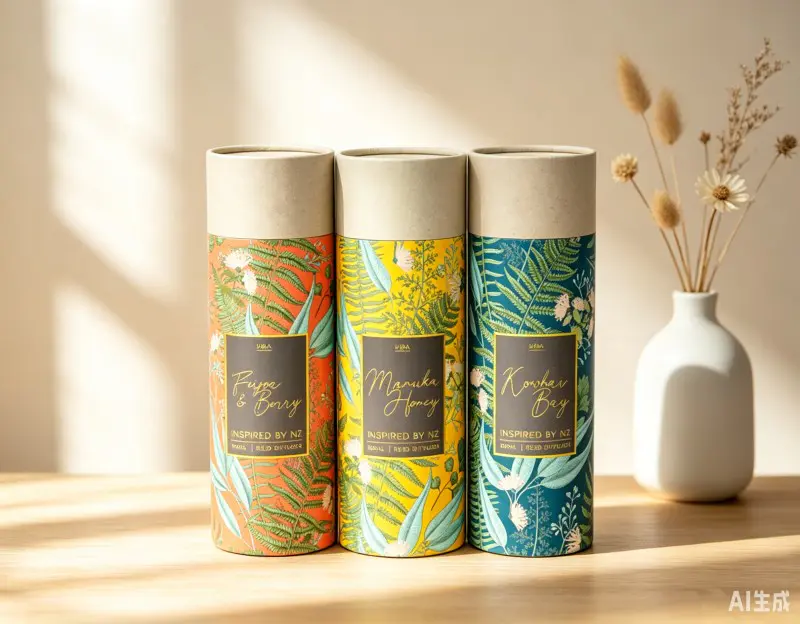
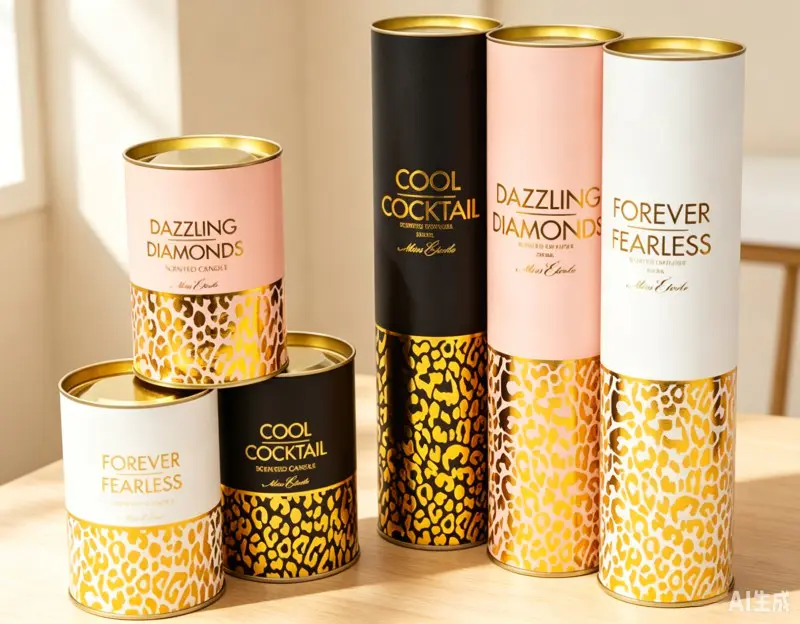
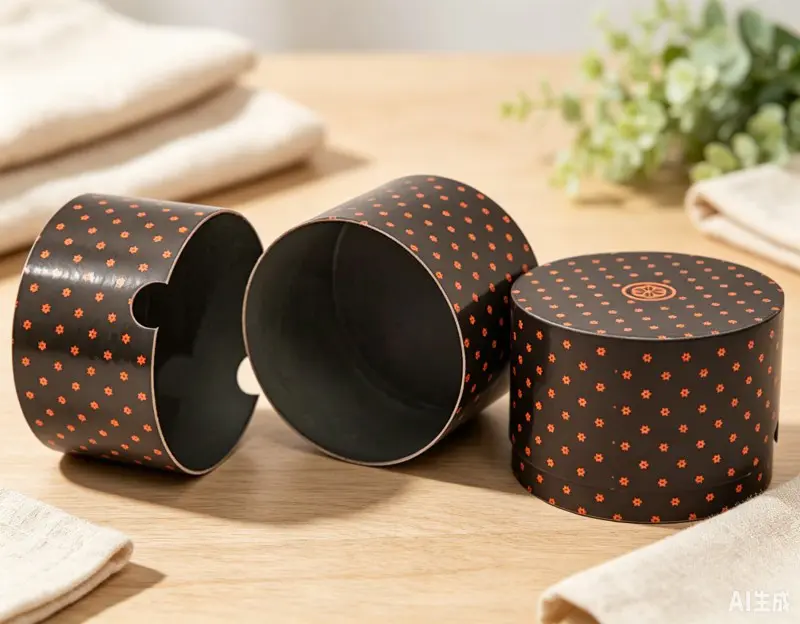
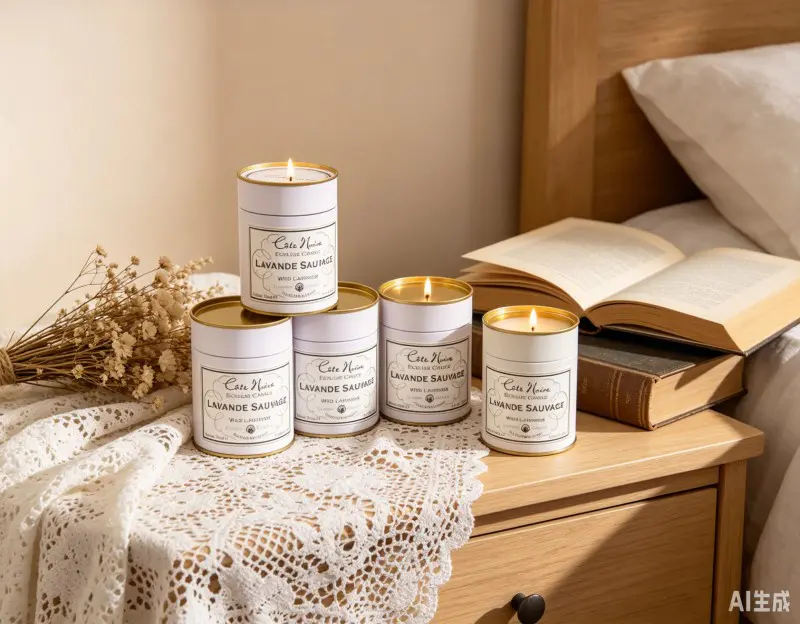

As one of the top China cardboard tube packaging manufacturers and paper tube packaging suppliers, we devote all of our efforts to research and launch more high quality packaging products to global market.
Content
The Structural Versatility of Industrial Paper Tubes
Paper tubes are no longer just the humble cardboard centers of household paper products; they have evolved into sophisticated engineering components used across diverse industries. At their core, these tubes are manufactured by winding layers of paper or paperboard around a mandrel, often using high-strength adhesives to ensure structural integrity. The spiral-winding process allows for precise control over the inner diameter, wall thickness, and overall length, making them highly customizable for heavy-duty applications such as textile winding, shipping large-format blueprints, or serving as concrete forms in construction.
The strength-to-weight ratio of a well-constructed paper tube is surprisingly high. By selecting specific grades of kraft paper and optimizing the ply-bonding process, manufacturers can produce tubes capable of withstanding immense radial pressure. This makes them ideal for the "master rolls" used in the film and foil industries, where the core must support hundreds of pounds of tensioned material without collapsing or deforming.
Technical Specifications and Material Grades
Choosing the right paper tube requires an understanding of the mechanical requirements of the task. Different applications demand specific wall densities and surface finishes. For instance, tubes used in the food industry may require grease-resistant liners, while those used for heavy industrial winding require high "crush strength."
| Tube Category | Common Applications | Key Feature |
| Mailing & Shipping | Posters, Blueprints, Documents | Impact Resistance |
| Industrial Cores | Stretch Film, Fabric, Paper Mills | High Crush Strength |
| Composite Cans | Cosmetics, Gourmet Coffee, Tea | Aesthetic Customization |
Eco-Friendly Advantages in Modern Packaging
As global industries pivot away from single-use plastics, the paper tube has emerged as a frontrunner in sustainable packaging design. Unlike plastic alternatives, paper tubes are predominantly made from recycled fibers and are fully biodegradable. This circular lifecycle is a significant selling point for brands looking to reduce their carbon footprint. Furthermore, the light weight of paper-based materials reduces shipping-related emissions compared to heavier metal or plastic cylinders.
Sustainability Benefits at a Glance
- Biodegradability: Naturally breaks down in composting environments without leaving microplastic residues.
- Recyclability: Can be processed by standard municipal recycling facilities multiple times.
- Renewable Sourcing: Often manufactured using FSC-certified paper sourced from responsibly managed forests.
Advanced Customization and Finishing Techniques
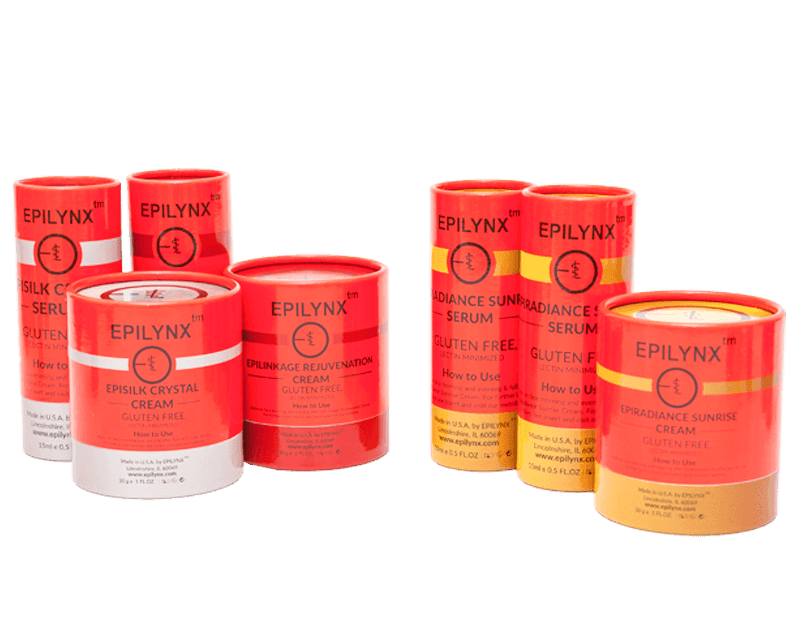
The utility of a paper tube is extended through various secondary processes. For consumer-facing products, the aesthetic appeal is just as important as the structural integrity. Customization options allow for a high-end feel that can elevate a brand's perceived value, particularly in the beauty and luxury gift sectors. Manufacturers now offer a range of finishes that transform a basic brown tube into a premium vessel.
Popular Customization Options
- Foil Stamping: Adding metallic elements for a premium, reflective finish.
- Embossing/Debossing: Creating tactile 3D textures on the tube surface.
- Custom End Caps: Using wood, metal, or biodegradable bioplastic plugs to secure the contents.
- Inner Linings: Applying aluminum foil or parchment paper to provide moisture and oxygen barriers for perishable items.
Future Trends: The Rise of Telescopic and Push-Up Designs
Innovation in paper tube design is moving toward functionality and "smart" packaging. Telescopic paper tubes—which consist of two pieces where one slides over the other—provide an adjustable length and a satisfying unboxing experience. Similarly, the "push-up" paper tube is becoming the gold standard for zero-waste cosmetics like deodorants and lip balms, replacing plastic twist-up mechanisms with a simple, manual paper-based movement. These designs demonstrate that with creative engineering, paper can replace complex plastic assemblies without sacrificing user convenience.
