 English
 Español
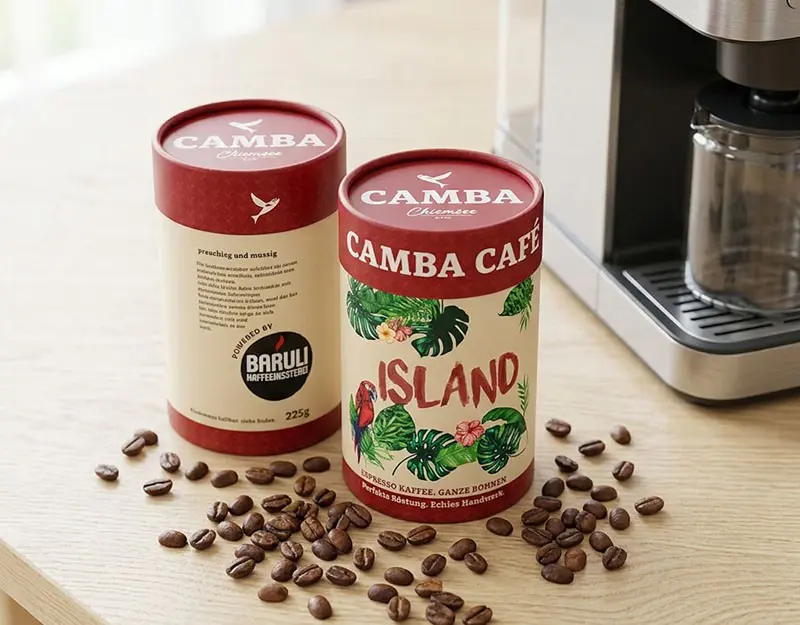
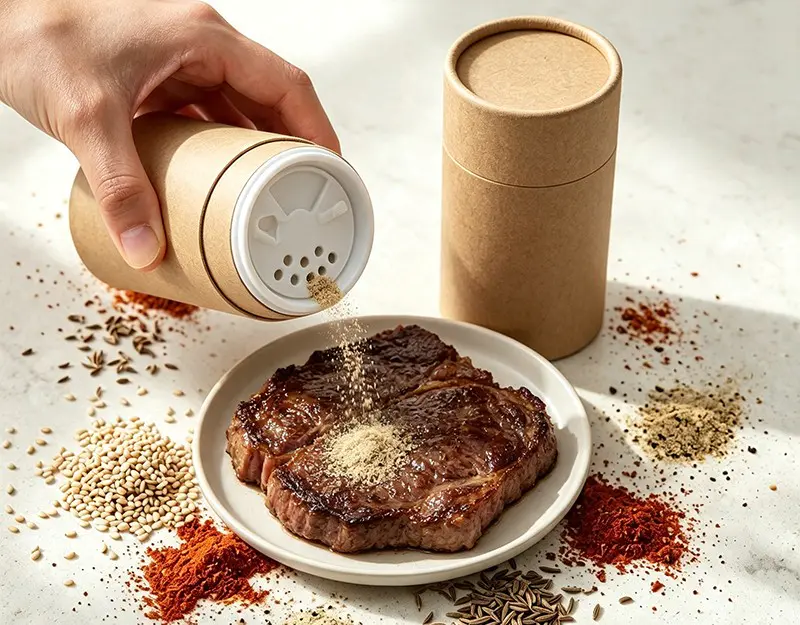
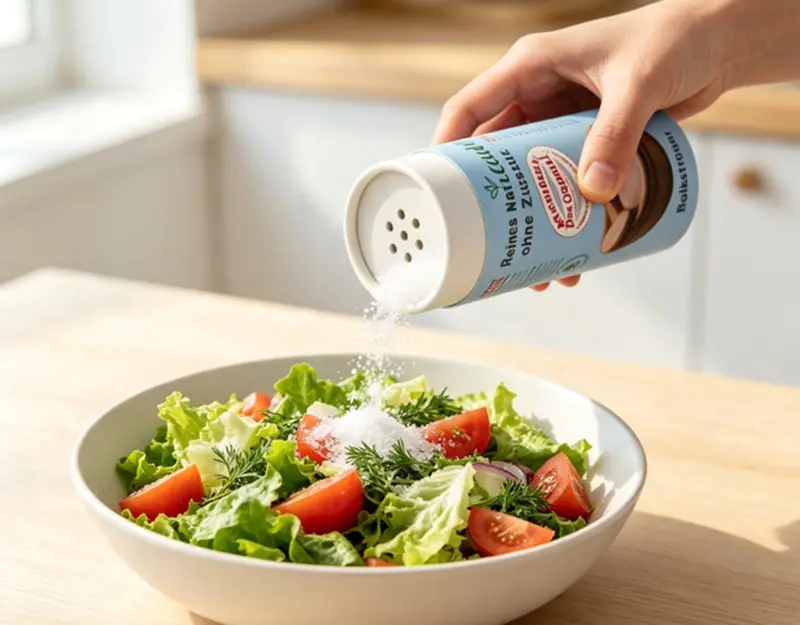
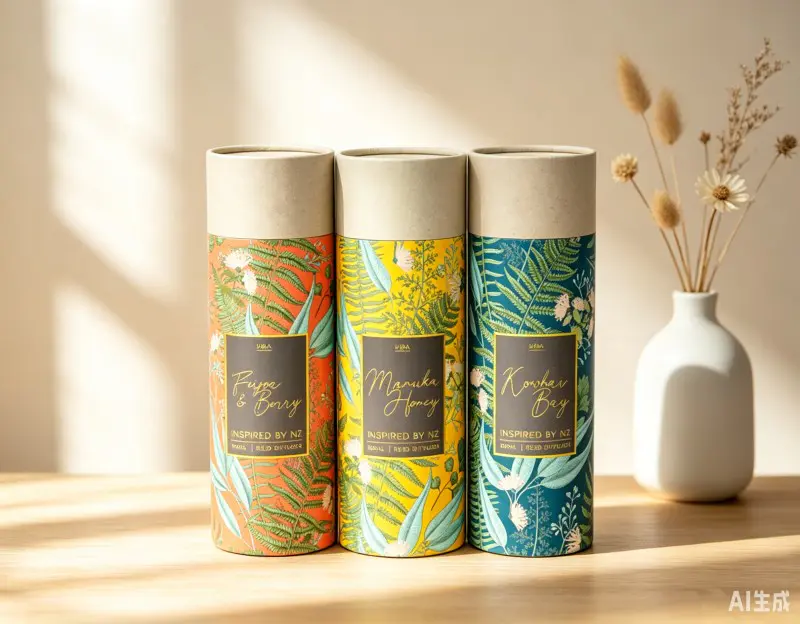
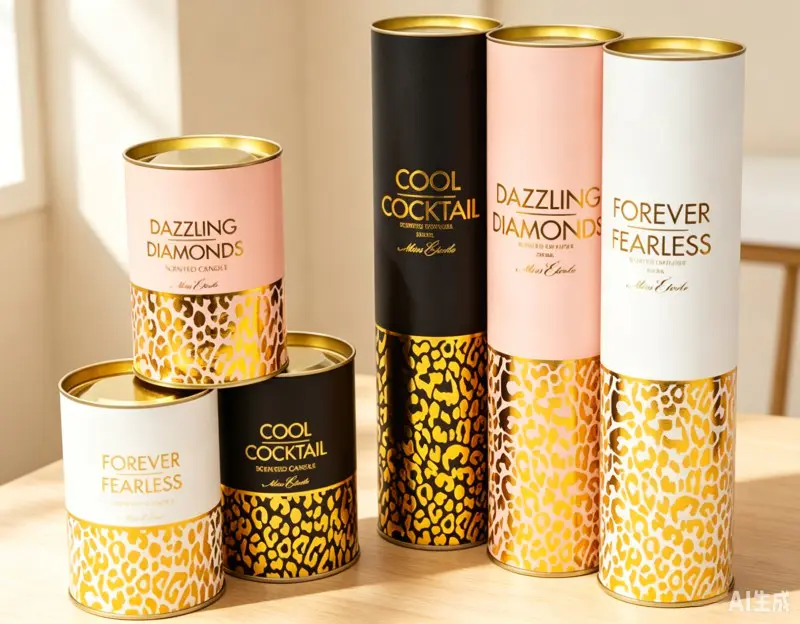
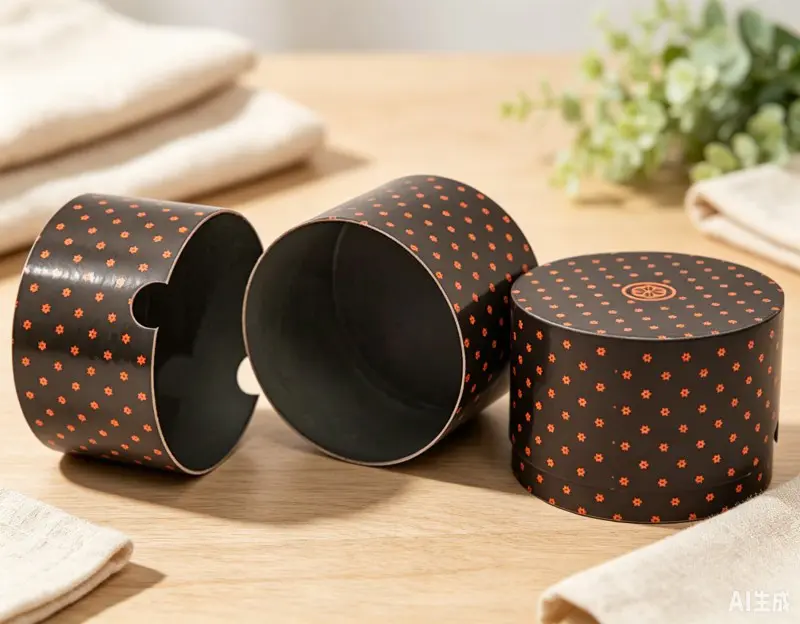
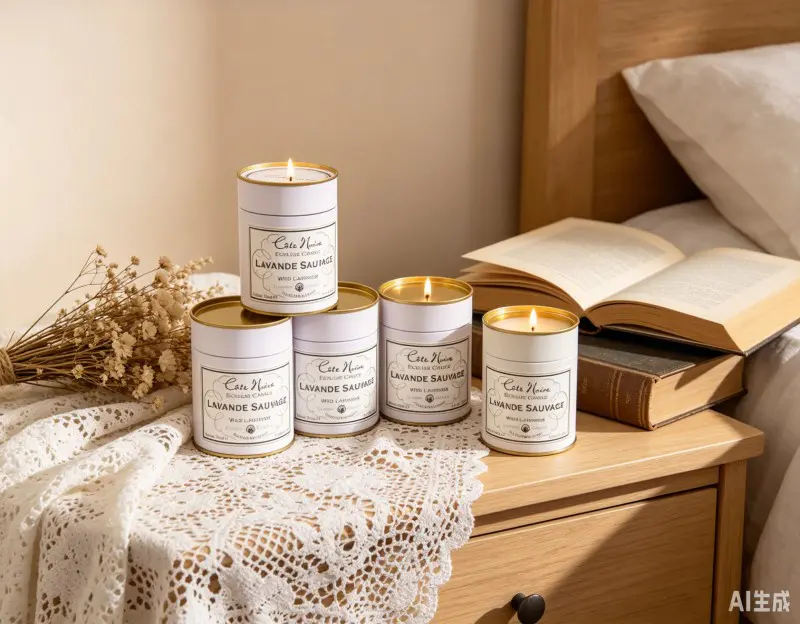

As one of the top China cardboard tube packaging manufacturers and paper tube packaging suppliers, we devote all of our efforts to research and launch more high quality packaging products to global market.
Content
- 1 Why the Right Chocolate Packing Box Matters More Than You Think
- 2 Popular Types of Chocolate Packing Boxes
- 3 Materials Used in Chocolate Packing Boxes
- 4 Custom Printing and Branding Options
- 5 Choosing the Right Size and Shape
- 6 Eco-Friendly Chocolate Packing Box Trends
- 7 Tips for Buying Chocolate Packing Boxes in Bulk
Why the Right Chocolate Packing Box Matters More Than You Think
A chocolate packing box is not just a container—it is often the first thing a customer touches before they ever taste what's inside. Chocolate is a delicate, temperature-sensitive, and emotionally driven product, which means the box protecting it has to do a lot of heavy lifting. It needs to prevent melting, cushion against breakage, block out moisture and odors, and still look appealing enough to justify a premium price tag or make a gift feel special. Brands that overlook packaging often lose sales not because their chocolate tastes bad, but because the box fails to communicate quality, freshness, or care. Whether you are a small home-based chocolatier or a large confectionery brand, understanding what makes a chocolate packing box effective can directly impact customer retention and word-of-mouth marketing.
Popular Types of Chocolate Packing Boxes
There is no single "correct" style of chocolate box—different formats serve different purposes, from everyday retail sales to luxury gifting. Below is a breakdown of the most common styles used across the industry today.
| Box Style | Best Use Case | Key Feature |
| Drawer/Sleeve Box | Gift sets, premium truffles | Elegant sliding reveal |
| Hinged Lid Box | Boxed assortments | Reusable, sturdy structure |
| Window Box | Retail shelf display | Visible product showcase |
| Tray & Sleeve Box | Bars and molded pieces | Snug-fit protection |
| Tin or Rigid Box | Seasonal or corporate gifting | High perceived value, reusable |
Choosing between these formats usually comes down to three factors: how the chocolate will be sold (online, retail, or gifted), the budget per unit, and how much shelf appeal is needed to stand out against competitors.
Materials Used in Chocolate Packing Boxes
Material choice affects everything from cost to shelf life to how "premium" a box feels in the hand. The most common materials used in chocolate packaging include the following.
Kraft Paperboard
Kraft board is a favorite for brands leaning into a rustic, natural, or eco-conscious image. It's biodegradable, relatively inexpensive, and takes printing well, though it typically offers less rigidity than other options.
Rigid Cardboard
Rigid boxes are thicker, sturdier, and give a distinct "luxury unboxing" feel. They are commonly used for premium truffle collections and holiday gift boxes because they hold their shape and can be reused by the customer afterward.
Corrugated Board
For shipping chocolate directly to consumers, corrugated inserts or outer boxes add shock absorption and temperature buffering, reducing the risk of melted or cracked products arriving at the customer's door.
Metal Tins
Tins are often chosen for seasonal collector's editions. They protect against light and moisture extremely well and give customers a keepsake they're likely to reuse rather than throw away.
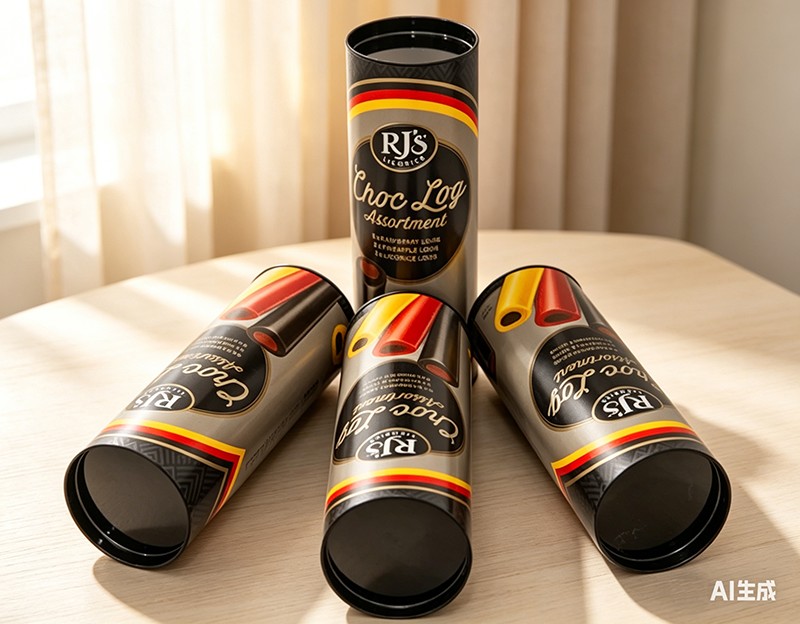
Custom Printing and Branding Options
Custom printing turns a plain chocolate packing box into a recognizable piece of brand identity. Most manufacturers now offer a range of finishing techniques that can be combined to match a brand's tone, whether playful, elegant, or minimalist.
- Foil stamping for metallic logos or accents that catch the light
- Embossing or debossing for tactile, raised design elements
- Spot UV coating to highlight specific graphics against a matte background
- Full-color offset or digital printing for detailed illustrations and photography
- Window cutouts paired with clear film to display the chocolate itself
A well-branded chocolate packing box should visually hint at the flavor or experience inside—warm tones for caramel or salted varieties, deep browns and golds for dark chocolate, and pastel palettes for fruity or floral-infused pieces.
Choosing the Right Size and Shape
An oversized box makes chocolate shift around and break during transit, while an undersized box can crush delicate pieces or make the product look cramped and cheap. Measuring the actual chocolate pieces, including any wrapping or foil, before selecting a box size prevents both problems. It also helps to consider whether inserts or dividers are needed to keep individual pieces separated, which is especially important for assortments with multiple flavors or fillings.
Standard Sizing Considerations
- Leave minimal empty space to prevent movement during shipping
- Use molded plastic or paper pulp trays for uniform piece placement
- Account for insulation layers if shipping in warm climates
- Match box height to chocolate thickness to avoid crushing during stacking
Eco-Friendly Chocolate Packing Box Trends
Sustainability has moved from a nice-to-have to an expectation for many chocolate buyers, particularly among younger and gift-conscious consumers. Recyclable kraft paper, soy-based inks, and plastic-free window alternatives such as cellulose film are increasingly replacing traditional materials. Some brands are also switching to mono-material designs, where the box and any internal trays are made from the same recyclable material, simplifying disposal for the end customer. Highlighting these choices directly on the packaging, through a small recycling icon or a short note about sourcing, can meaningfully influence purchase decisions without requiring a complete rebrand.
Tips for Buying Chocolate Packing Boxes in Bulk
Ordering chocolate packing boxes in bulk can significantly cut per-unit costs, but it also carries risk if the design or sizing isn't finalized first. Requesting a physical sample or prototype before committing to a full production run helps catch structural issues, color mismatches, or fit problems early. It's also worth confirming minimum order quantities, lead times around peak seasons like Valentine's Day or winter holidays, and whether the supplier offers climate-controlled shipping for the boxes themselves if ordering internationally. Building a relationship with a reliable packaging supplier ahead of high-demand periods often saves both money and last-minute stress.
- Request physical samples before bulk production
- Confirm minimum order quantities and pricing tiers
- Plan orders 6-8 weeks ahead of peak gifting seasons
- Ask about storage options if ordering more than needed for immediate use
