 English
 Español
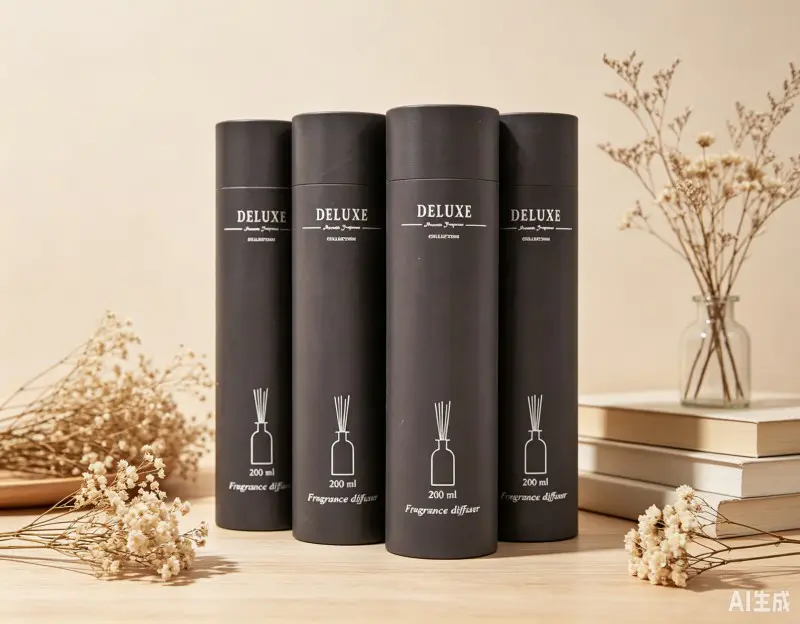
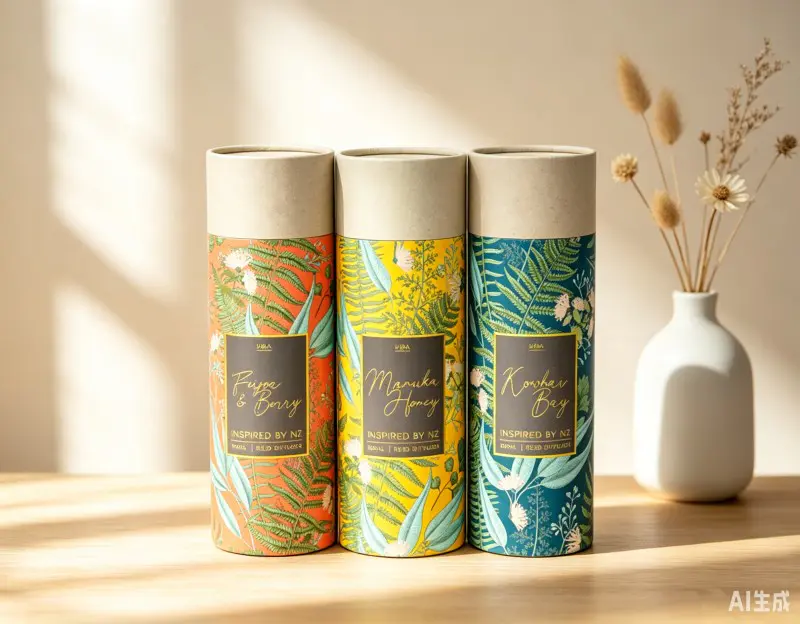
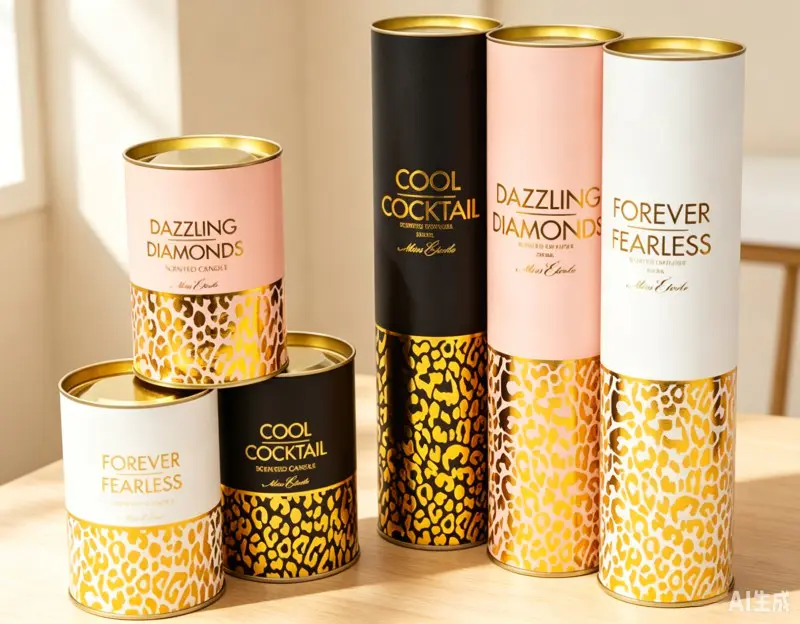
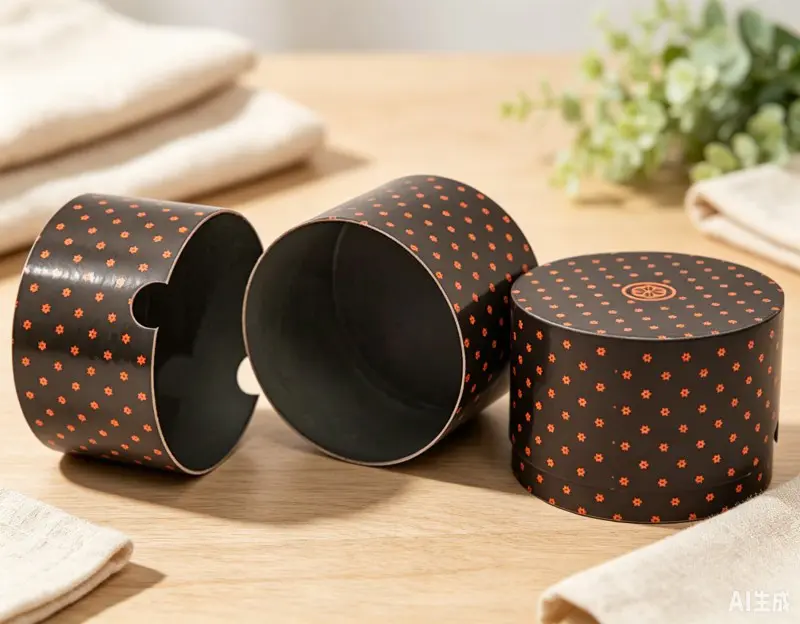

As one of the top China cardboard tube packaging manufacturers and paper tube packaging suppliers, we devote all of our efforts to research and launch more high quality packaging products to global market.
Content
The Engineering of High-Barrier Airtight Paper Packaging
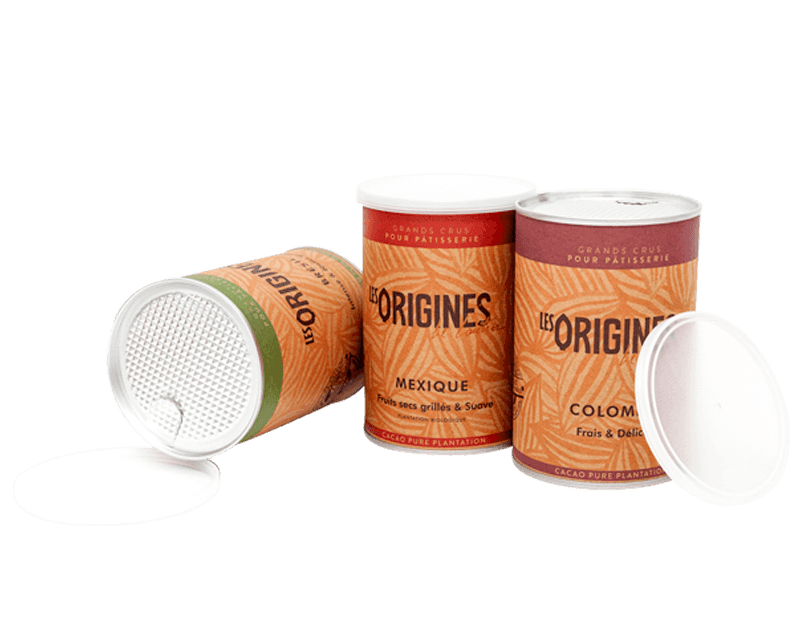
Airtight Paper Canister Packaging represent a significant leap in sustainable packaging technology. Unlike traditional cardboard tubes, these containers are engineered with a multi-layered structure designed to prevent oxygen and moisture ingress. The core usually consists of high-density kraft paper, while the interior is lined with specialized barriers such as aluminum foil, PET, or compostable PLA films. These layers are spirally wound and heat-sealed to ensure that the seam remains a fortress against external contaminants, preserving the freshness of sensitive products like coffee, tea, and powdered supplements.
Crucial Components of the Airtight Seal
- Aluminum Foil Liners: Provides the highest level of barrier protection against light and gas.
- Easy-Peel Membranes: An induction-sealed foil or film top that provides a tamper-evident, hermetic seal.
- Tinplate or Plastic Bottoms: Firmly crimped to the paper body to prevent air leakage from the base.
Comparison of Barrier Properties and Suitability
Choosing the right airtight canister depends heavily on the shelf-life requirements of the product. Products with high oil content or volatile aromas require a more robust internal structure compared to dry goods. The following table illustrates how different lining materials perform under standard storage conditions.
| Liner Material | Moisture Resistance | Aroma Retention | Ideal Use Case |
| Aluminum Foil | Excellent | Superior | Coffee & Baby Formula |
| PE / PET Film | Good | Moderate | Snack Foods & Nuts |
| Wax/PLA Coating | Moderate | Low | Short-term Dry Goods |
Environmental Advantages and Brand Perception
Modern consumers are increasingly prioritizing eco-friendly packaging, and airtight paper canisters offer a premium tactile experience that plastic bags cannot match. These canisters are often made from recycled fibers and are significantly easier to recycle than multi-layer plastic pouches. By utilizing soy-based inks and water-based adhesives, brands can create a fully premium, "earth-first" image that justifies a higher price point on the shelf.
Sustainability Benefits
- Biodegradability: The outer paper layers decompose naturally in industrial composting environments.
- Weight Efficiency: Lighter than glass or metal, reducing carbon emissions during logistics and shipping.
- Reusability: The rigid structure encourages consumers to repurpose the packaging at home.
Practical Implementation in the Food Industry
Implementing airtight paper canisters requires careful consideration of the filling process. Because these containers are rigid, they are compatible with automated high-speed filling lines. However, manufacturers must ensure that the "beading" or "crimping" process—where the top membrane is attached—is calibrated perfectly to maintain the vacuum or nitrogen flush. Nitrogen flushing is a common technique used within these canisters to displace oxygen, effectively doubling the shelf life of perishable dry goods without the need for chemical preservatives.
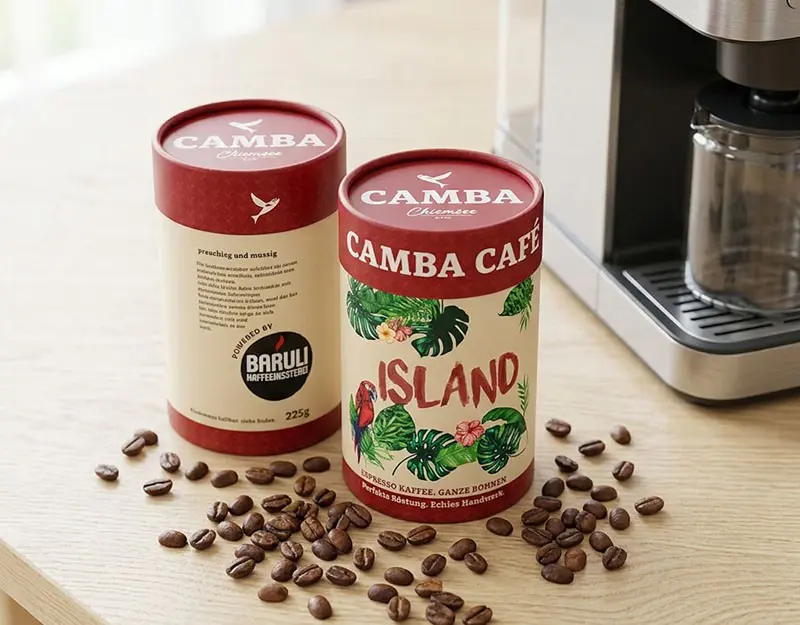
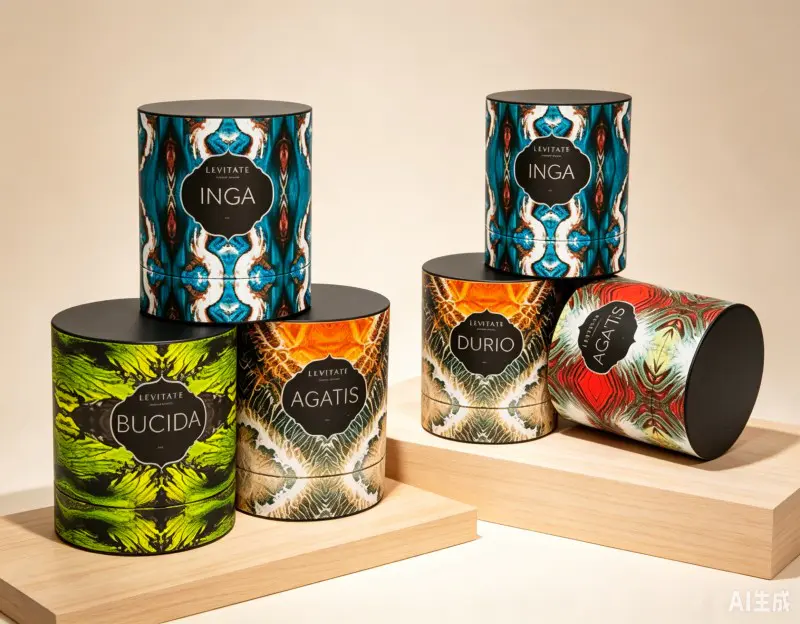
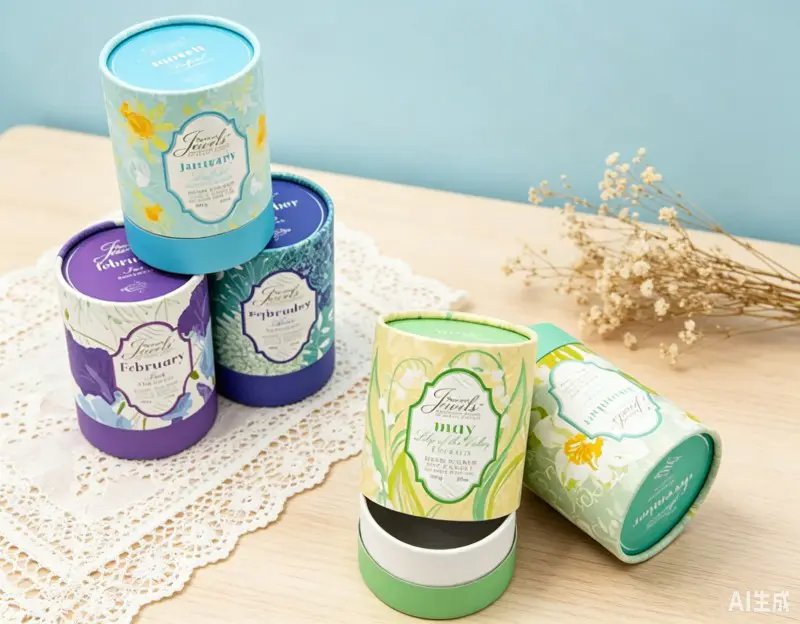
Furthermore, the cylindrical shape provides 360-degree real estate for branding and regulatory information. Unlike flexible pouches that may wrinkle or slump, the sturdy paper wall ensures that barcodes remain scannable and brand graphics remain crisp throughout the entire lifecycle of the product, from the warehouse to the consumer's pantry.
