 English
 Español
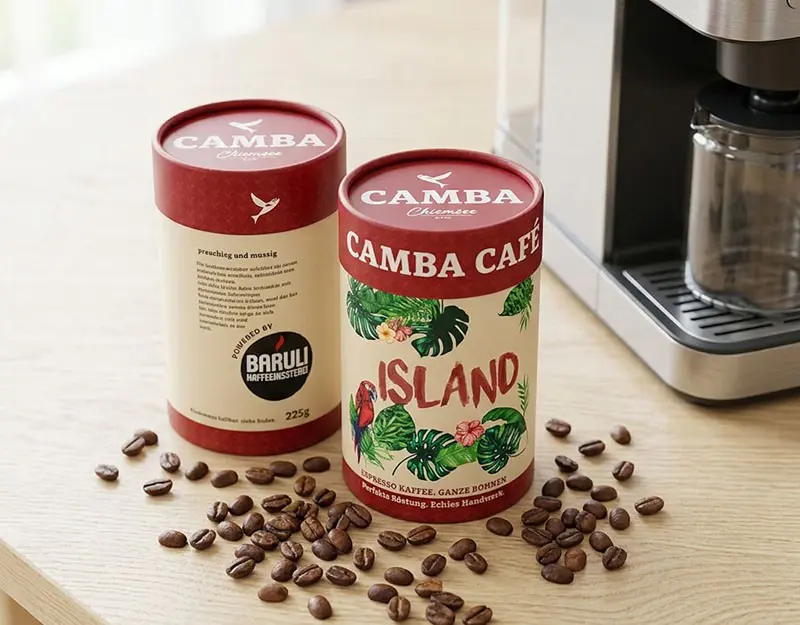



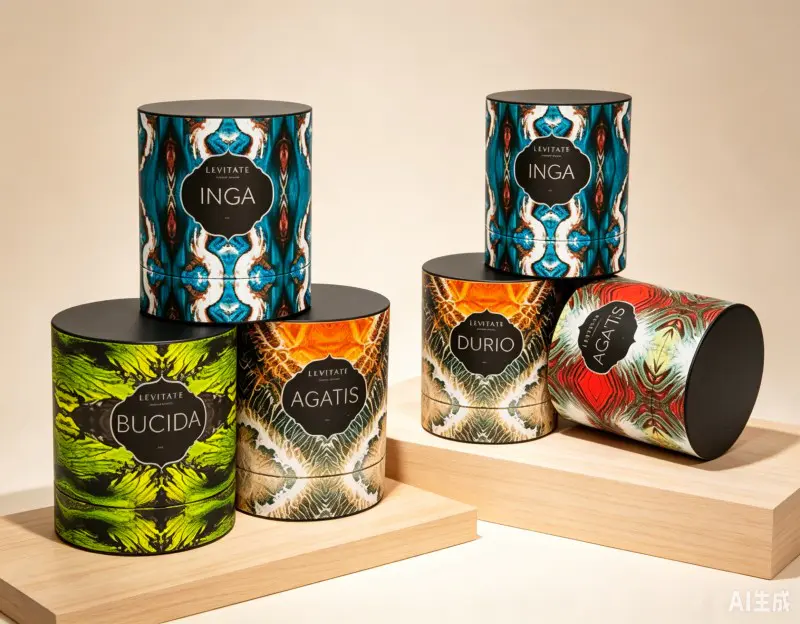
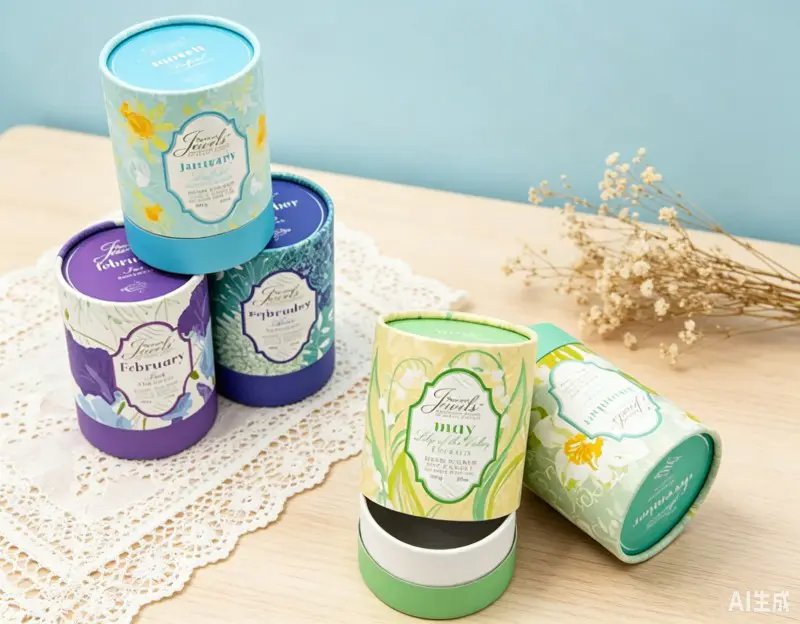
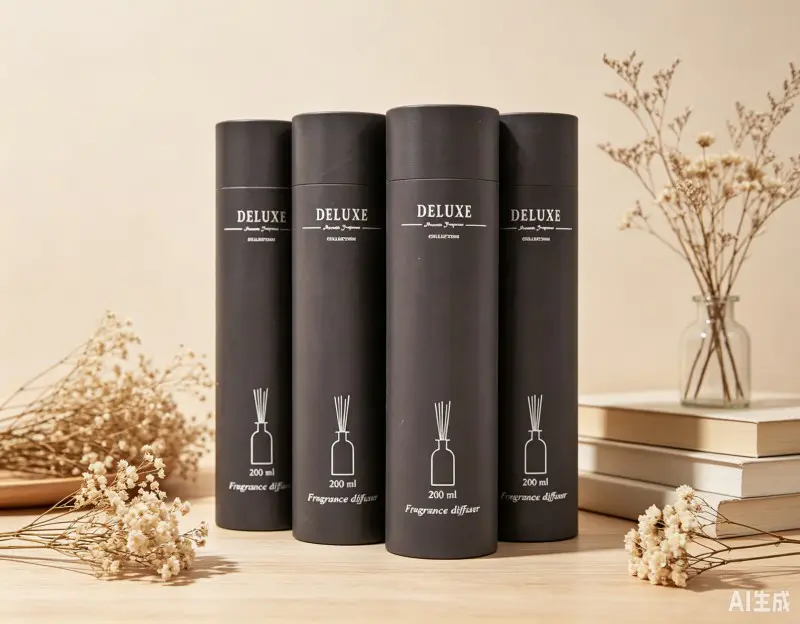
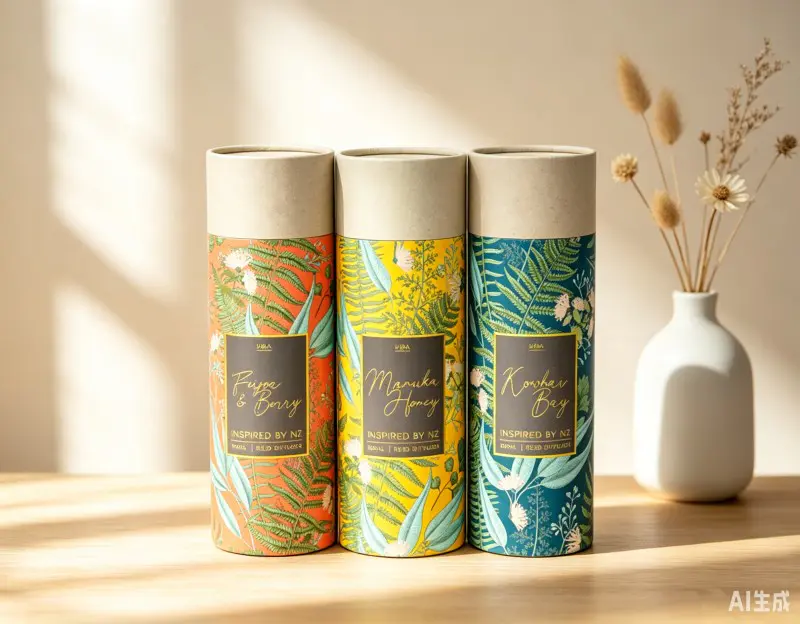

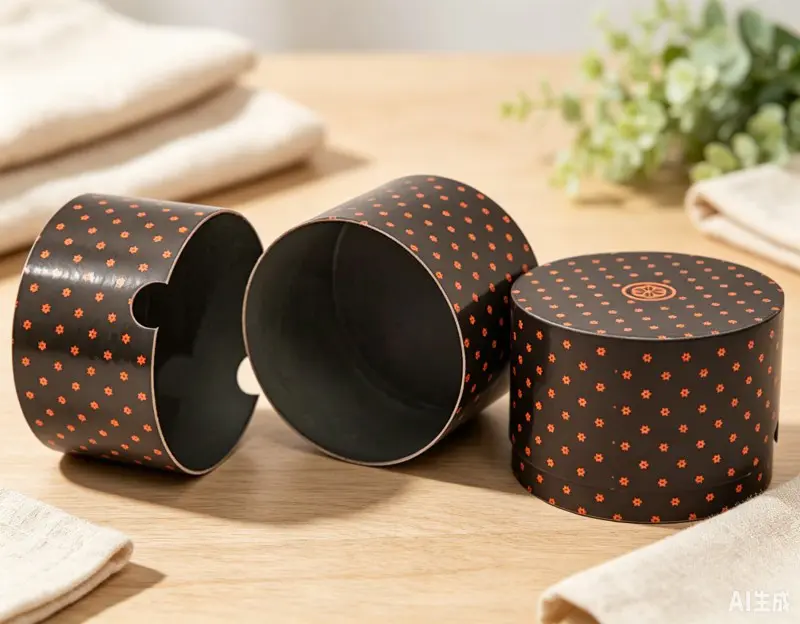
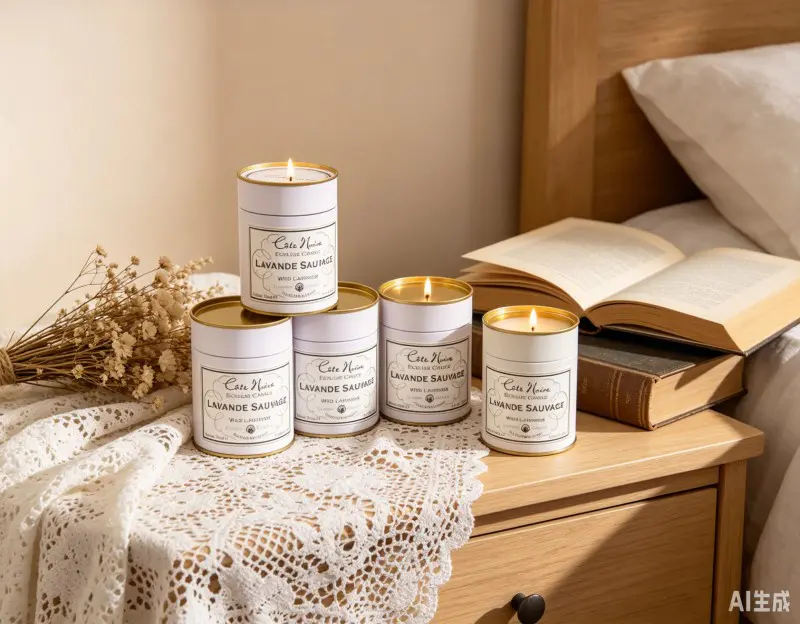

As one of the top China cardboard tube packaging manufacturers and paper tube packaging suppliers, we devote all of our efforts to research and launch more high quality packaging products to global market.
Content
- 1 What Exactly Are Kraft Paper Tubes?
- 2 Why So Many Businesses Are Switching to Kraft Tube Packaging
- 3 Common Uses for Kraft Paper Tubes
- 4 How to Choose the Right Kraft Paper Tube for Your Product
- 5 Customization Options Worth Knowing About
- 6 Are Kraft Paper Tubes Actually Eco-Friendly?
- 7 Tips for Buying Kraft Paper Tubes in Bulk
What Exactly Are Kraft Paper Tubes?
Kraft paper tubes are cylindrical containers made by winding layers of kraft paper around a mandrel and bonding them together with adhesive. The word "kraft" refers to the type of paper used — a strong, natural-colored paper made through the kraft pulping process, known for its high tear resistance and durability. Once the layers are wound and dried, the result is a rigid, lightweight tube that can be cut to any length and finished with caps, lids, or closures on either end.
These tubes have become a go-to packaging solution across many industries because they strike a balance between strength, cost, and sustainability. Unlike plastic tubes, kraft paper tubes are biodegradable and recyclable, which makes them especially popular with brands trying to reduce their environmental footprint without sacrificing product protection.
Why So Many Businesses Are Switching to Kraft Tube Packaging
If you've noticed more brands using kraft paper tubes for everything from cosmetics to candles, it's not a coincidence. There are several practical reasons this packaging format keeps gaining traction.
- Cost-effective compared to metal or plastic tubes, especially at scale
- Lightweight, which lowers shipping costs and carbon emissions
- Naturally biodegradable and easy to recycle
- Easy to customize with printing, embossing, or labels
- Sturdy enough to protect fragile or powdery contents during transport
Beyond the practical benefits, kraft paper tubes also carry a certain visual appeal. The natural brown tone and textured surface give products an earthy, premium feel that resonates with eco-conscious consumers — something plain plastic packaging simply can't replicate.
Common Uses for Kraft Paper Tubes
Kraft tubes aren't limited to one type of product. Their versatility means they show up in industries you might not immediately expect.
Packaging and Retail
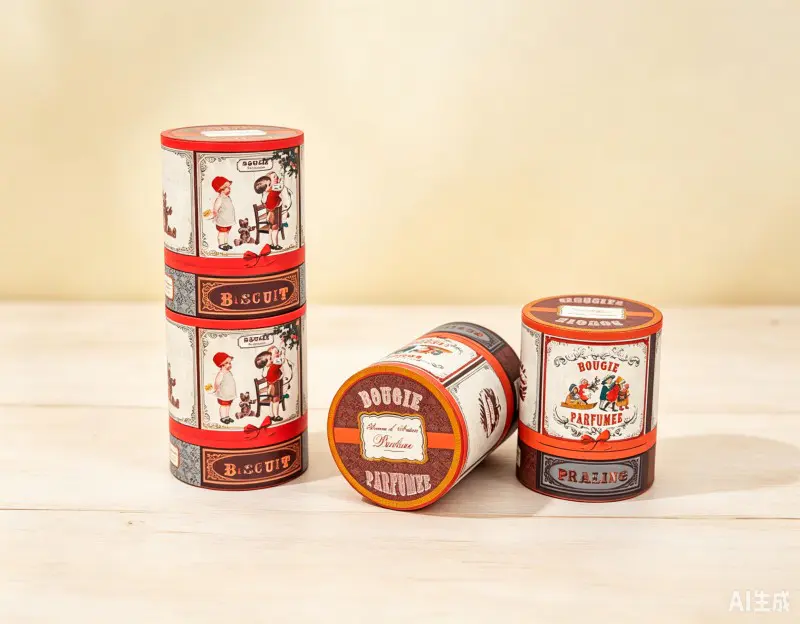
In retail, kraft paper tubes are frequently used to package cosmetics like lip balm and deodorant sticks, food items such as tea bags and spices, and even small electronics or accessories. Their rigid structure keeps products safe from crushing while allowing for creative label designs that stand out on shelves.
Shipping and Mailing
Larger kraft tubes are commonly used to ship posters, artwork, blueprints, and documents. Their length and rigidity prevent bending or creasing during transit, which is critical when shipping anything that can't be folded.
Industrial Applications
Beyond consumer products, kraft paper tubes also serve as cores for textiles, film, foil, and paper rolls in manufacturing. Their strength-to-weight ratio makes them ideal for winding heavy materials without collapsing under tension.
How to Choose the Right Kraft Paper Tube for Your Product
Not all kraft tubes are created equal, and picking the wrong specification can lead to damaged products or wasted packaging costs. Here's a simple breakdown of what to consider.
| Factor | Why It Matters |
| Wall Thickness | Determines how much weight or pressure the tube can withstand |
| Diameter and Length | Must match the product's exact dimensions to avoid shifting inside |
| Cap or Closure Type | Affects moisture resistance and how the tube opens or reseals |
| Printing Method | Impacts branding quality and overall production cost |
| Coating or Lining | Needed if the product is sensitive to moisture, oil, or light |
As a general rule, thicker walls are better suited for heavier or fragile products, while thinner walls work fine for lightweight items where cost savings matter more than maximum durability.
Customization Options Worth Knowing About
One of the biggest advantages of kraft paper tubes is how easily they can be tailored to fit a brand's identity. Manufacturers typically offer several customization paths, and choosing the right combination can make a real difference in how your product is perceived.
- Direct printing on the kraft surface for a natural, rustic look
- Wrap-around labels for full-color, high-resolution graphics
- Embossing or debossing for a tactile, premium finish
- Metal, plastic, or kraft paper end caps depending on the desired seal
- Internal coatings for moisture or grease resistance
Brands that want a minimalist, eco-friendly image often stick with plain kraft printing and simple typography, while those aiming for a bold retail presence tend to invest in full wrap labels and structural inserts.
Are Kraft Paper Tubes Actually Eco-Friendly?
Sustainability is one of the main reasons kraft paper tubes have grown so popular, and for good reason. Kraft paper is typically sourced from responsibly managed forests, and the tubes themselves are fully recyclable in most curbside programs as long as they don't have plastic linings or metal caps attached. Many manufacturers now also offer fully compostable versions, using paper end caps and water-based adhesives instead of synthetic alternatives.
That said, it's worth checking the specific tube's components before assuming it's 100% recyclable. A tube with a plastic-lined interior or a non-removable metal cap may need to be separated before recycling, so always review the manufacturer's specifications if sustainability is a top priority for your brand.
Tips for Buying Kraft Paper Tubes in Bulk
If you're sourcing kraft paper tubes for commercial use, ordering in bulk can significantly reduce per-unit costs, but it also requires more careful planning. Start by requesting samples to test durability and print quality before committing to a large order. It's also worth asking suppliers about minimum order quantities, lead times, and whether they offer volume-based discounts.
Another practical tip is to confirm storage conditions on your end. Kraft paper tubes are sturdy, but prolonged exposure to humidity can weaken the paper fibers over time. Storing them in a dry, temperature-controlled space will preserve their structural integrity until you're ready to use them for packaging or shipping.
