 English
 Español
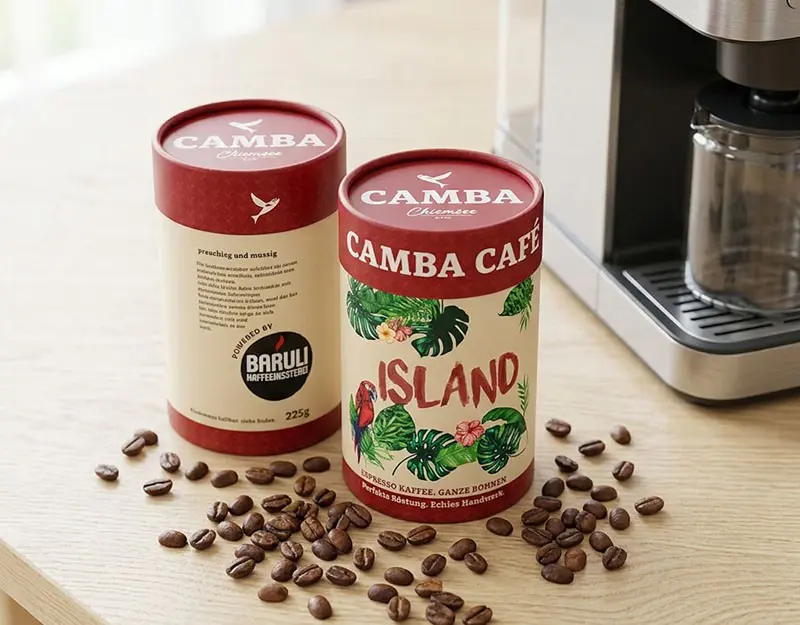
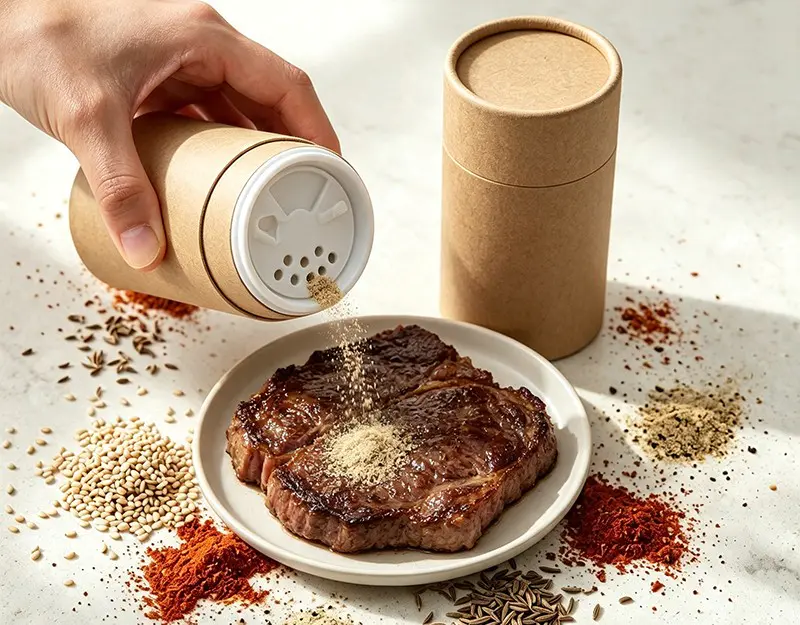

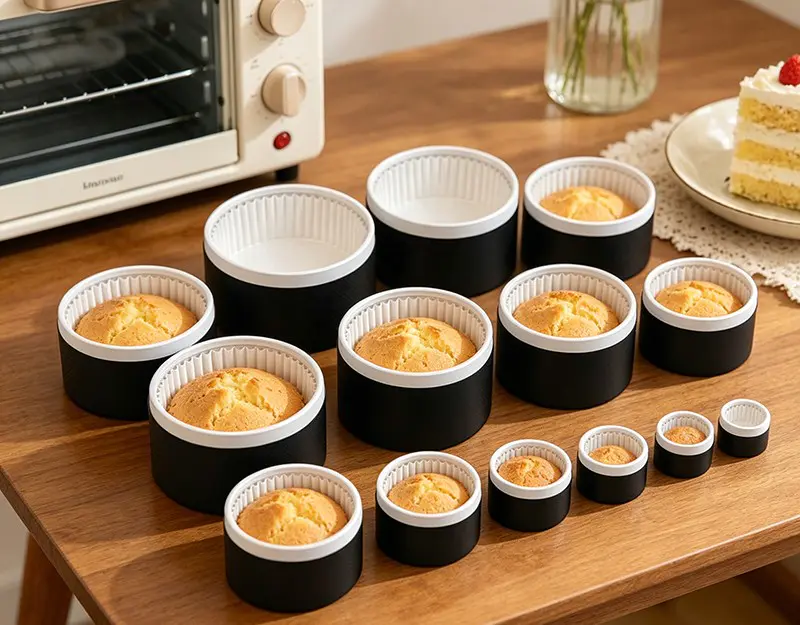

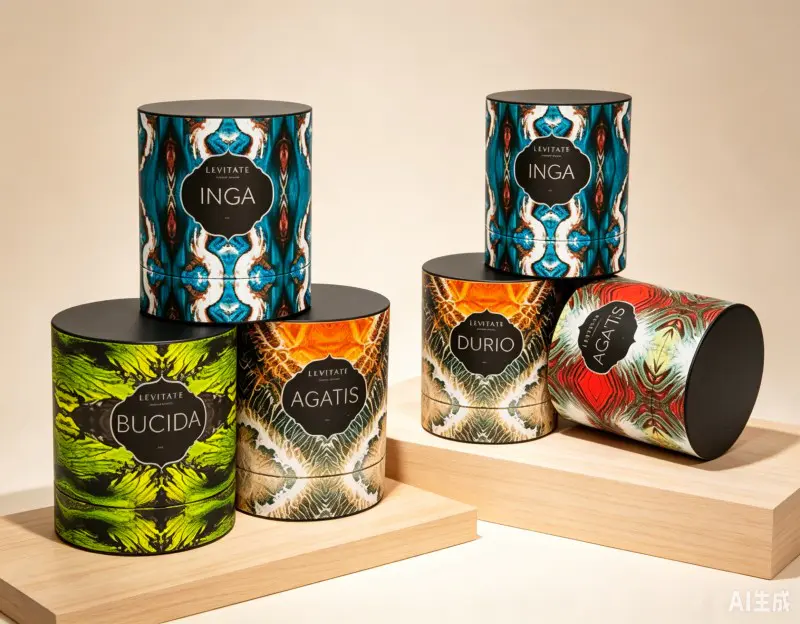
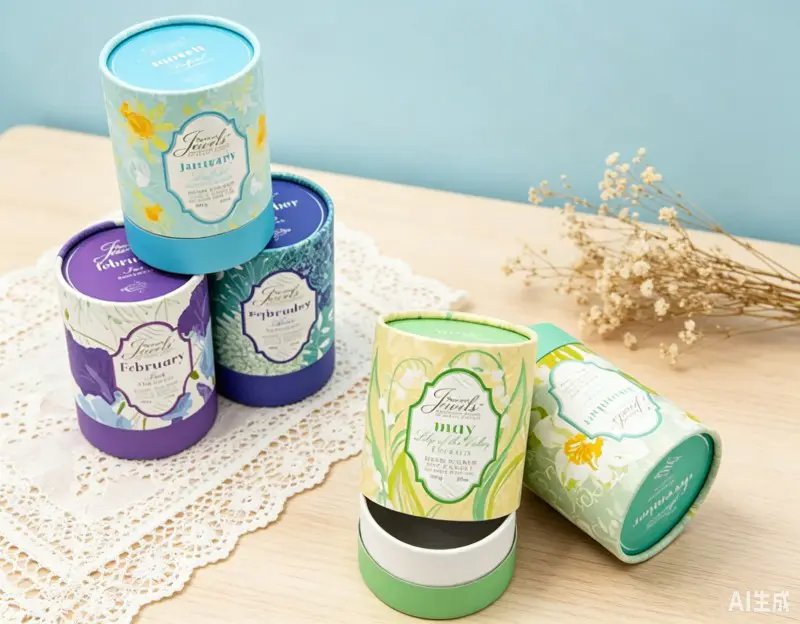
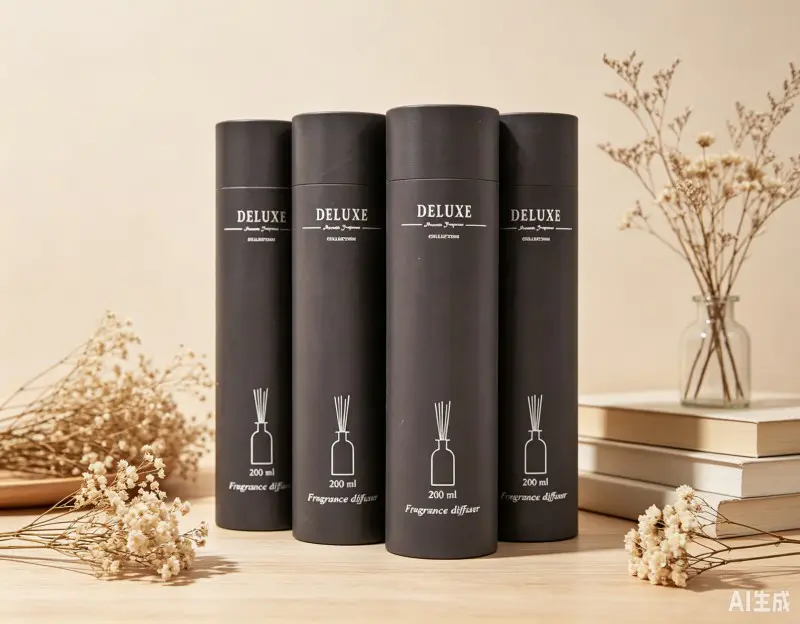
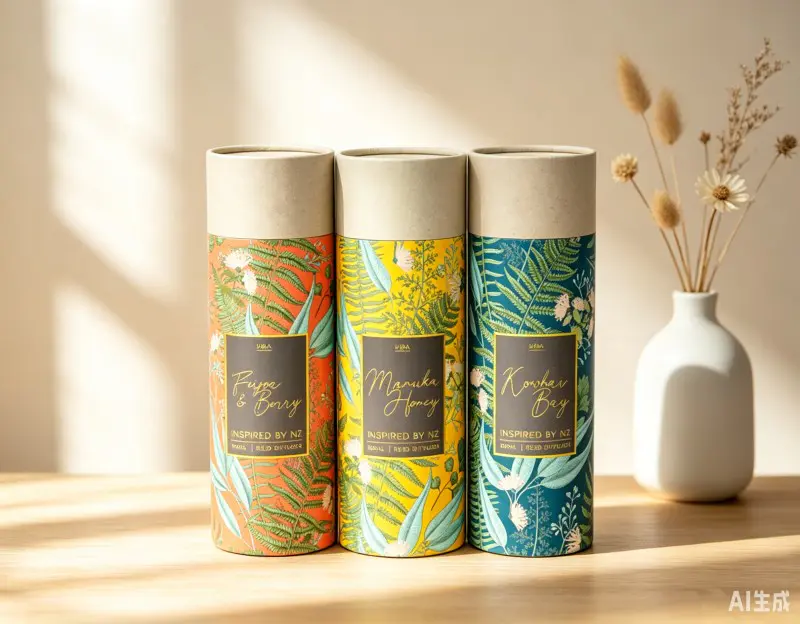
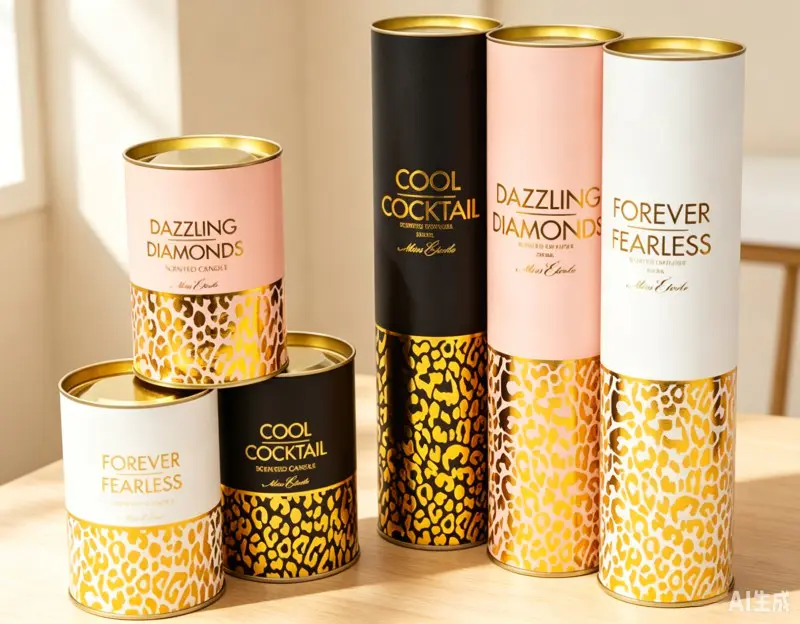
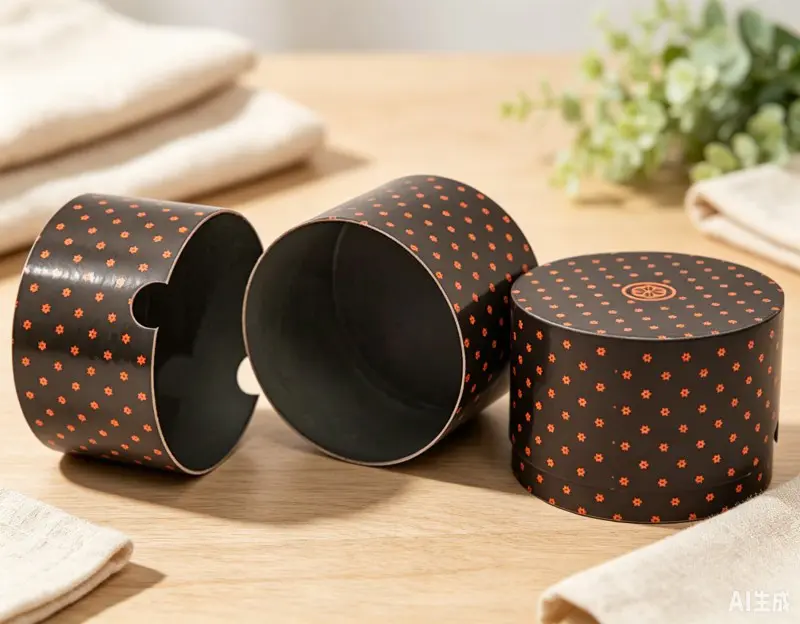


As one of the top China cardboard tube packaging manufacturers and paper tube packaging suppliers, we devote all of our efforts to research and launch more high quality packaging products to global market.
Content
- 1 What Kraft Tube Packaging Actually Is (And Why You're Seeing It Everywhere)
- 2 The Practical Benefits Driving Brands Toward Kraft Tubes
- 3 Matching Tube Specs to Your Product
- 4 Printing, Finishing, and Branding Options
- 5 Mistakes That Show Up After You've Already Placed the Order
- 6 Understanding the Real Cost Breakdown
- 7 Deciding If Kraft Tube Packaging Fits Your Product
What Kraft Tube Packaging Actually Is (And Why You're Seeing It Everywhere)
Kraft tube packaging is a cylindrical container made from kraft paperboard, a sturdy brown paper produced through the kraft pulping process that leaves the fibers longer and stronger than regular paper. Unlike plastic tubes or blister packs, a kraft tube is built by winding layers of kraft paperboard around a mandrel, then gluing the layers together to form a rigid, tube-shaped shell. You've probably held one without thinking twice about it — the tube around a candle, a set of socks, a bottle of wine, or a tin of loose-leaf tea. What used to be a niche packaging choice for eco-conscious brands has now become a mainstream option across cosmetics, food, apparel, and gifting industries, mostly because it solves several problems at once: it protects the product, it looks premium, and it's genuinely recyclable.
The rise of kraft tube packaging tracks closely with two bigger shifts in consumer behavior. First, shoppers increasingly judge a product by its unboxing experience, and a kraft tube with a clean label or debossed logo reads as intentional and high-end without the cost of injection-molded plastic. Second, both consumers and regulators are pushing back on single-use plastic, and paper-based tubes are one of the easiest swaps a brand can make without redesigning its entire supply chain. Once you understand what the material is and why it's trending, the more useful question becomes how to actually use it well.
The Practical Benefits Driving Brands Toward Kraft Tubes
It's easy to assume kraft tube packaging is just a sustainability trend, but the reasons brands keep coming back to it are more concrete than that. Below are the benefits that actually show up on a spec sheet or a profit-and-loss statement, not just in a marketing deck.
- Structural protection: the round shape distributes pressure evenly, so kraft tubes resist crushing better than flat boxes when stacked or shipped in bulk.
- Lower material cost per unit: kraft paperboard is generally cheaper than rigid plastic or metal tins at comparable thickness.
- Lightweight shipping: paper tubes weigh less than glass jars or metal canisters, which reduces freight cost, especially for e-commerce orders shipped individually.
- Recyclability and compostability: most kraft tubes are curbside recyclable, and some fully compostable versions exist for food-safe applications.
- Print-friendly surface: kraft paperboard takes ink, foil stamping, and embossing cleanly, giving small brands a premium look without a premium tooling cost.
None of these benefits are exclusive to kraft tube packaging alone, but the combination is what makes it hard to beat for mid-weight, mid-fragility products like candles, cosmetics, supplements, and specialty foods.
Matching Tube Specs to Your Product
Not every kraft tube is built the same way, and picking the wrong wall thickness or diameter is one of the most common (and costly) mistakes brands make when they first switch from plastic or glass. The tube needs to match both the weight of the product it holds and the way it will be handled during shipping.
Wall Thickness and Diameter by Product Type
The table below is a general starting point based on common industry use cases. Actual specs should still be confirmed with your packaging supplier based on product weight and fragility.
| Product Type | Recommended Wall Thickness | Typical Diameter |
| Candles | 1.5mm - 2mm | 70mm - 90mm |
| Cosmetics / skincare jars | 1mm - 1.5mm | 40mm - 60mm |
| Supplement bottles | 1mm - 1.8mm | 45mm - 65mm |
| Wine or spirits bottles | 2mm - 3mm | 80mm - 100mm |
| Apparel (socks, accessories) | 0.8mm - 1.2mm | 50mm - 70mm |
If your product is heavier than average for its category, round up on wall thickness rather than diameter. A slightly thicker wall adds pennies to the unit cost but meaningfully reduces the risk of crushing during transit, which is a far more expensive problem to fix after the fact.
Choosing the Right End Cap
The end cap matters as much as the tube body. Push-fit metal caps are the most common and give a satisfying, secure close, but they can be harder to reopen repeatedly without denting. Paper telescoping caps that slide over the tube body are cheaper and lighter, but offer less protection against moisture. For food or cosmetic products, look for caps with an inner foam or paperboard liner to prevent the product from shifting inside the tube during shipping.
Printing, Finishing, and Branding Options
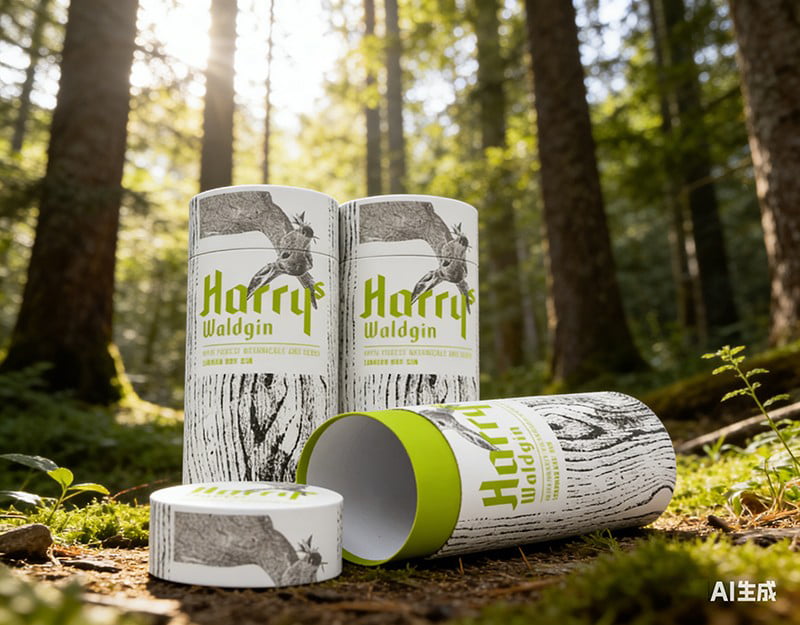
One of the biggest advantages of kraft tube packaging is how much visual customization it allows without requiring expensive tooling. Because the surface is paper-based, most standard printing methods that work on cardboard boxes also work here.
- Offset or digital printing: best for full-color labels, photography, or detailed graphics wrapped around the tube.
- Foil stamping: adds a metallic gold, silver, or copper accent to logos or text, often used for cosmetics and gifting.
- Embossing or debossing: presses a raised or recessed design into the kraft paperboard, giving a tactile, high-end feel without added ink.
- Spot UV coating: applies a glossy finish to specific design elements while leaving the rest of the kraft surface matte.
- Kraft label wraps: a cheaper alternative to direct printing, where a pre-printed label is wrapped around a plain kraft tube, useful for small batch runs.
For small or new brands, kraft label wraps are usually the smartest starting point because they let you test different designs without committing to a large minimum order of custom-printed tubes. Once sales volume justifies it, switching to direct printing on the tube itself tends to look more polished and slightly reduces per-unit cost at scale.
Mistakes That Show Up After You've Already Placed the Order
Most problems with kraft tube packaging aren't discovered until the first shipment arrives, which is exactly why they're expensive to fix. A few issues come up often enough that they're worth checking for before you finalize an order.
The first is underestimating internal fit. Tubes are often measured by outer diameter, but what actually matters is the internal clearance around your product. If a jar or bottle fits too loosely, it will rattle and scuff during shipping; too tightly, and customers will struggle to remove it, which shows up in reviews faster than almost any other packaging complaint. The second common mistake is skipping a moisture test. Kraft paperboard is not naturally water-resistant, so if your product is sold in a humid climate or shipped without an outer carton, an uncoated tube can soften or warp. A thin poly-laminate or wax coating on the inside of the tube solves this, but only if you specify it up front. The third mistake is ordering based on a supplier's stock sizes without checking if a custom size would actually reduce waste and cost — sometimes a half-inch adjustment in diameter means the difference between a snug fit and needing extra void fill.
Understanding the Real Cost Breakdown
Kraft tube packaging is generally cheaper than glass, metal, or rigid plastic alternatives, but the final price still depends on a handful of variables that are worth understanding before requesting quotes.
- Order volume: unit price drops significantly past 1,000 and again past 5,000 pieces, since setup costs for printing plates are spread across more units.
- Wall thickness and diameter: thicker walls and larger tubes use more raw material, which raises cost per unit fairly linearly.
- Printing method: direct offset printing has a higher setup fee than label wraps, but a lower long-run cost per unit.
- End cap material: metal end caps cost more than paperboard telescoping caps, but add a more premium tactile finish.
- Coatings and liners: moisture-resistant coatings or foam inserts add cost but reduce damage-related returns, which often pays for itself.
A practical way to budget is to request quotes at three different order volumes — your current need, double that, and five times that — so you can see exactly where the price breaks happen. Many brands discover that ordering slightly more than they need in the short term actually lowers their effective cost per unit enough to justify the extra upfront spend.
Deciding If Kraft Tube Packaging Fits Your Product
Kraft tube packaging works best for products that are solid or semi-solid, moderately durable, and benefit from a cylindrical shape — think candles, cosmetics, supplements, specialty teas, and small apparel items. It's a poor fit for liquids without an internal bottle, for extremely heavy items where the paperboard walls can't provide enough support, or for products that require an airtight seal beyond what a paper tube and cap can offer. If your product falls into one of the good-fit categories, the next step is simply requesting samples in your target diameter and wall thickness, testing them with your actual product under real shipping conditions, and adjusting the spec from there rather than guessing from a catalog. That one round of physical testing tends to catch nearly every issue before it becomes a production-scale problem.
