 English
 Español


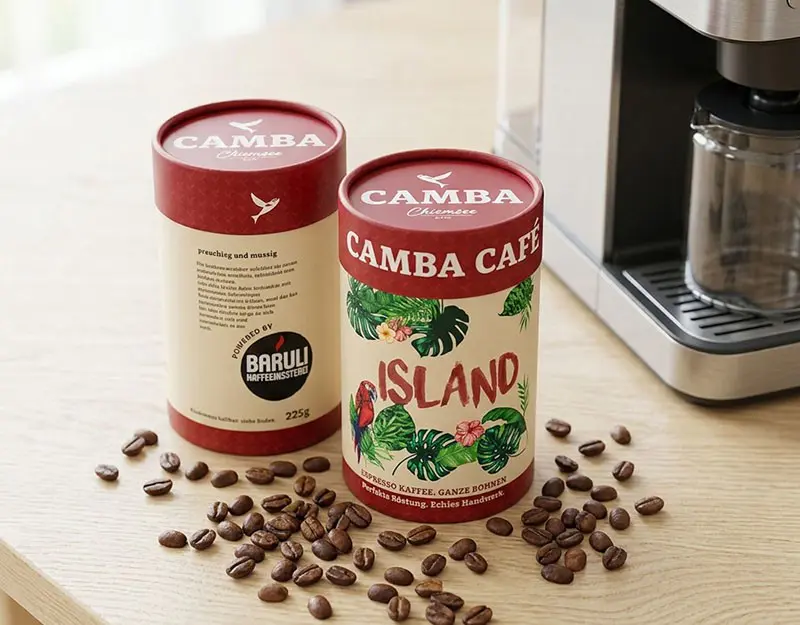
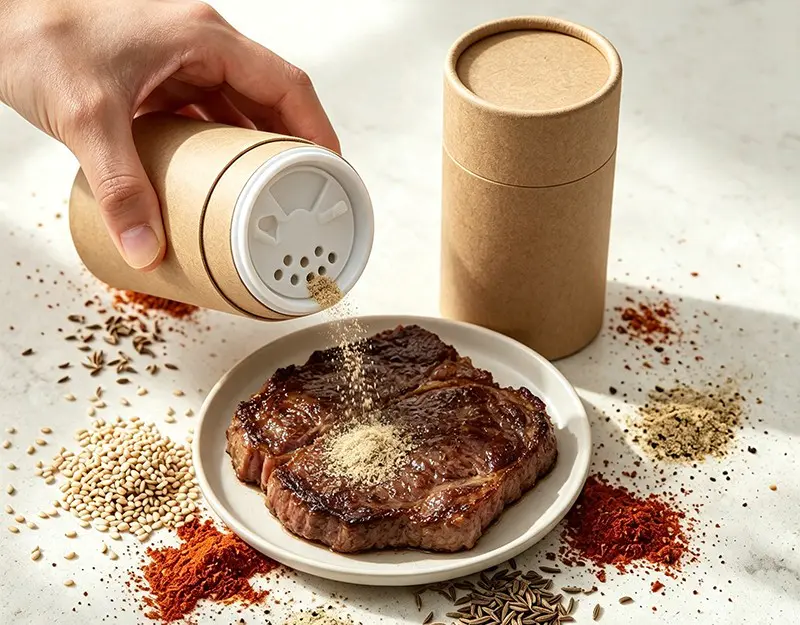

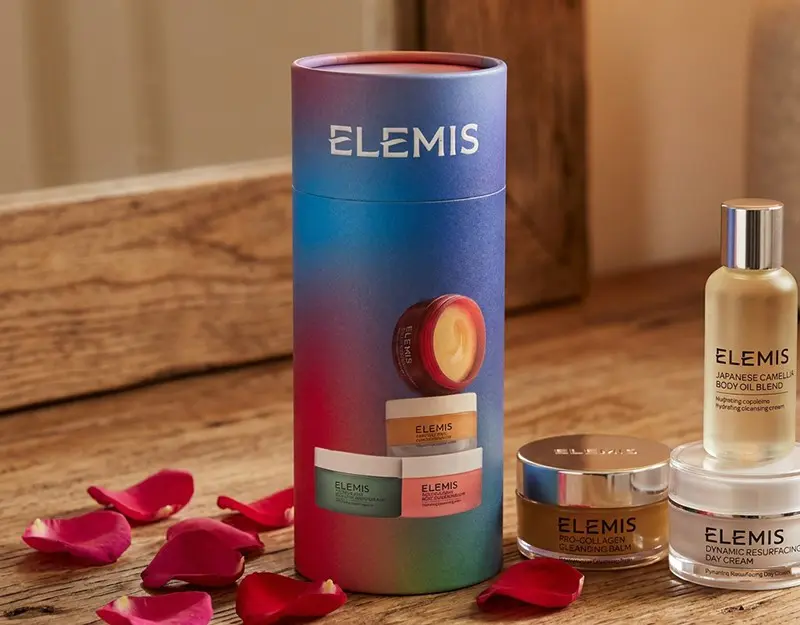
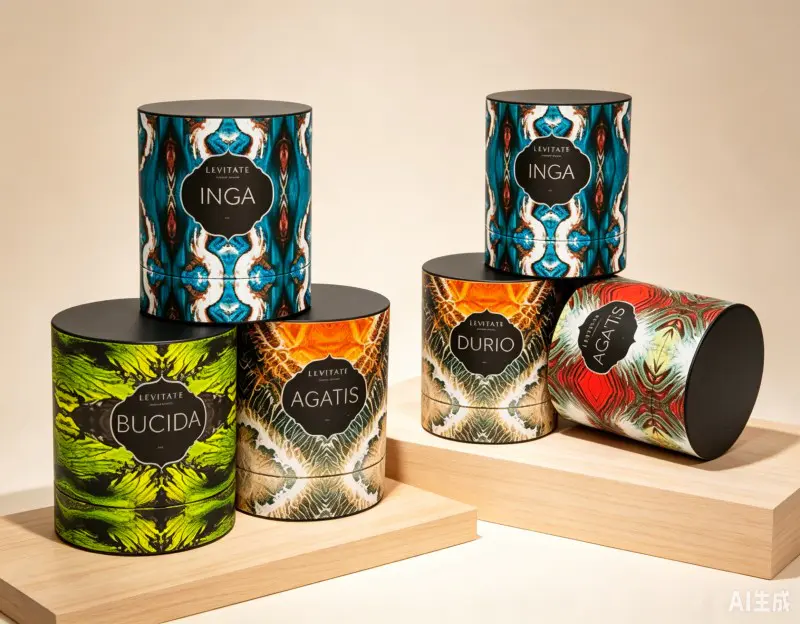
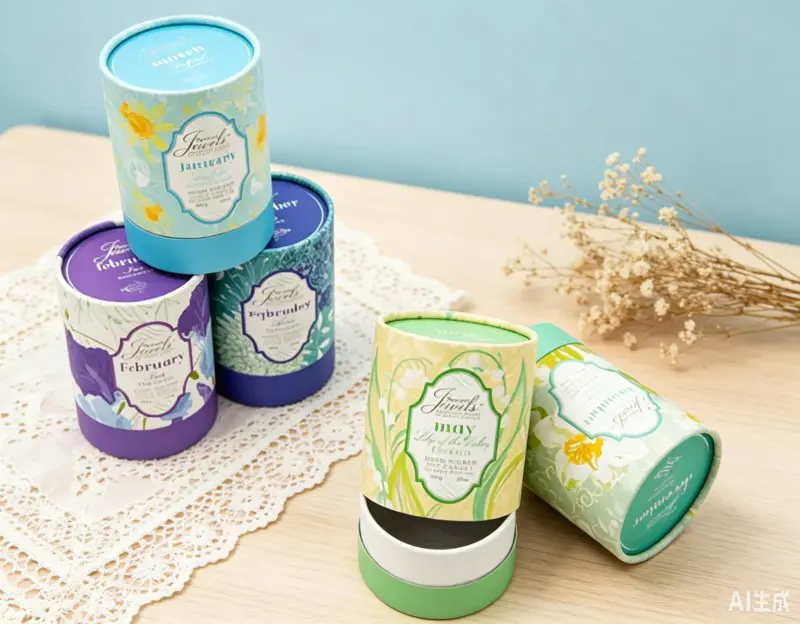
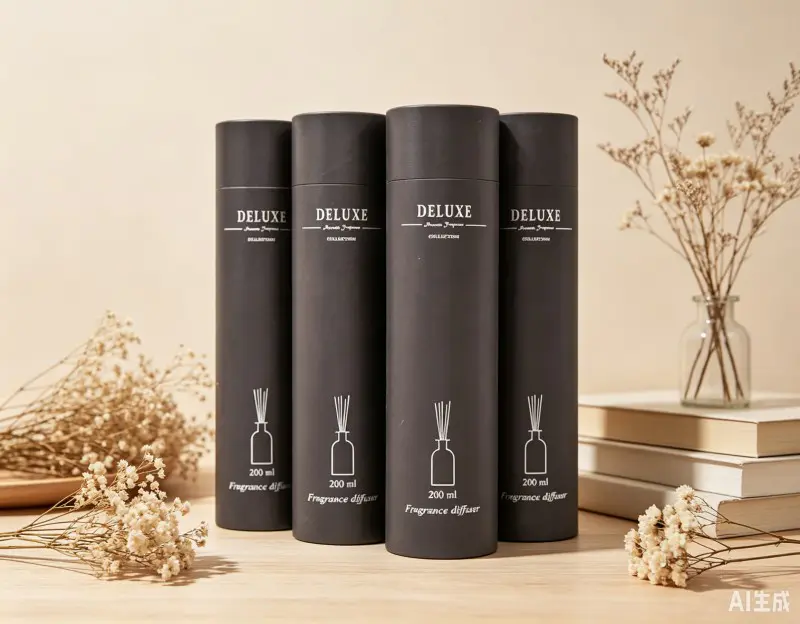
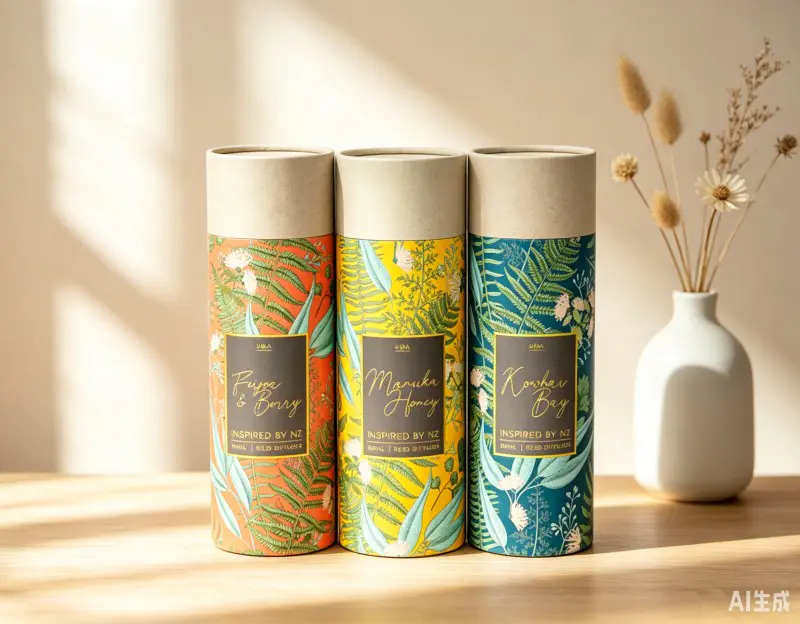
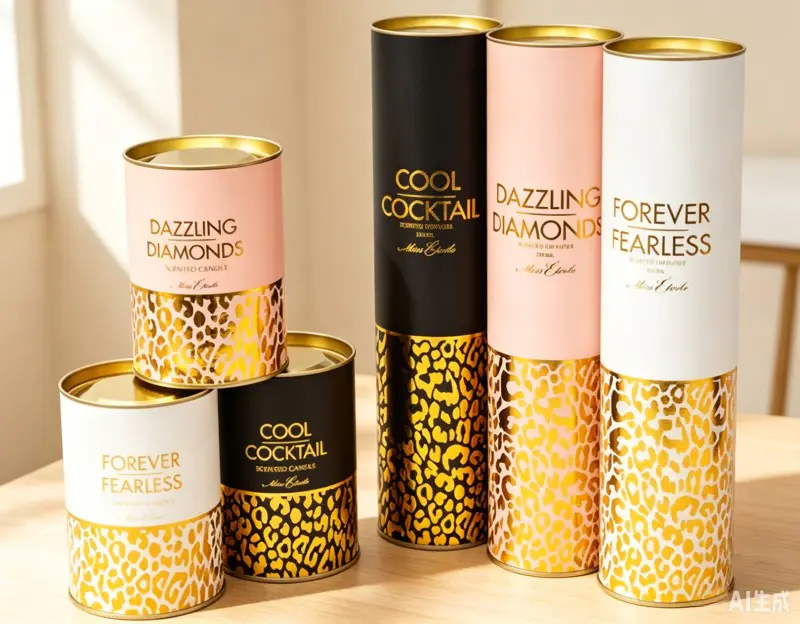
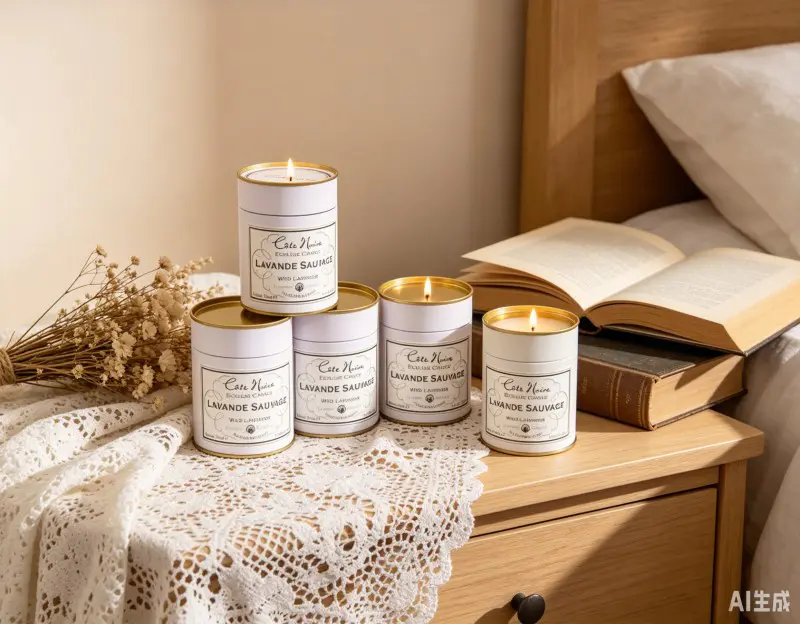

As one of the top China cardboard tube packaging manufacturers and paper tube packaging suppliers, we devote all of our efforts to research and launch more high quality packaging products to global market.
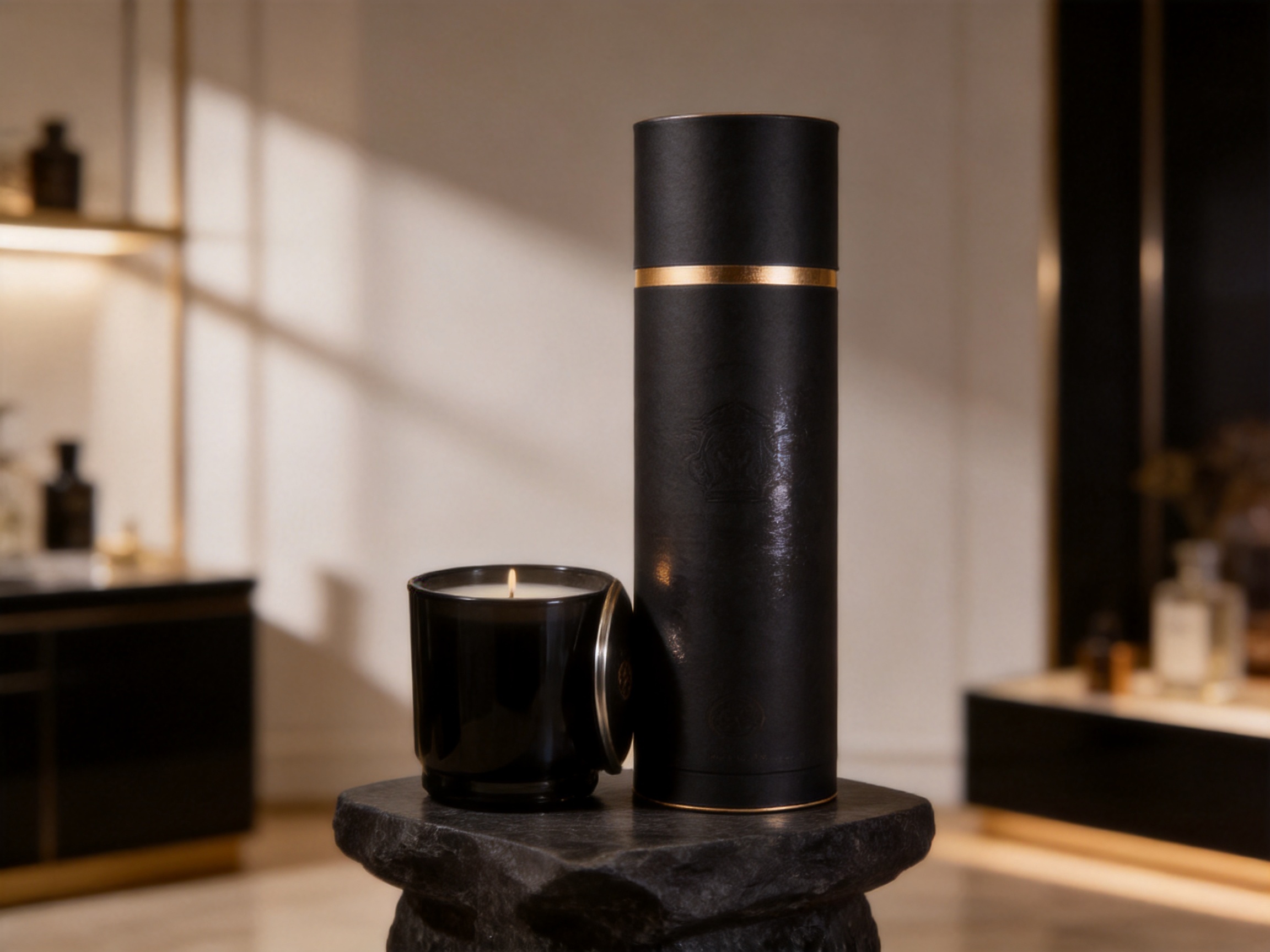
Luxury candle packaging must do more than hold a product. It must protect the candle during transportation, communicate the value of the fragrance inside, support a memorable unboxing experience, and reflect the visual identity of the brand. The 73*220MM luxury cylinder black candle jar packaging is designed to meet these requirements through a combination of rigid paper construction, a refined black exterior, metal components, and customizable finishing options.
Developed for candle brands, fragrance companies, gift businesses, and private-label manufacturers, this cylindrical package provides a distinctive alternative to ordinary cartons, folding boxes, and basic glass jar presentation. Its round format creates a strong shelf presence, while the dark exterior gives the product a premium and contemporary appearance. The use of paper-based materials also supports brands seeking packaging with a more responsible material profile and a practical balance between appearance, protection, and cost.
The product has an internal diameter of 73 millimeters and a length of 220 millimeters. This format is suitable for selected candle jars, candle sets, tall fragrance products, gift combinations, and other cylindrical items that require a protective outer package. Because the package is manufactured on an OEM and custom-order basis, brands can adapt dimensions, artwork, closure details, finishing, and internal components according to their product requirements.
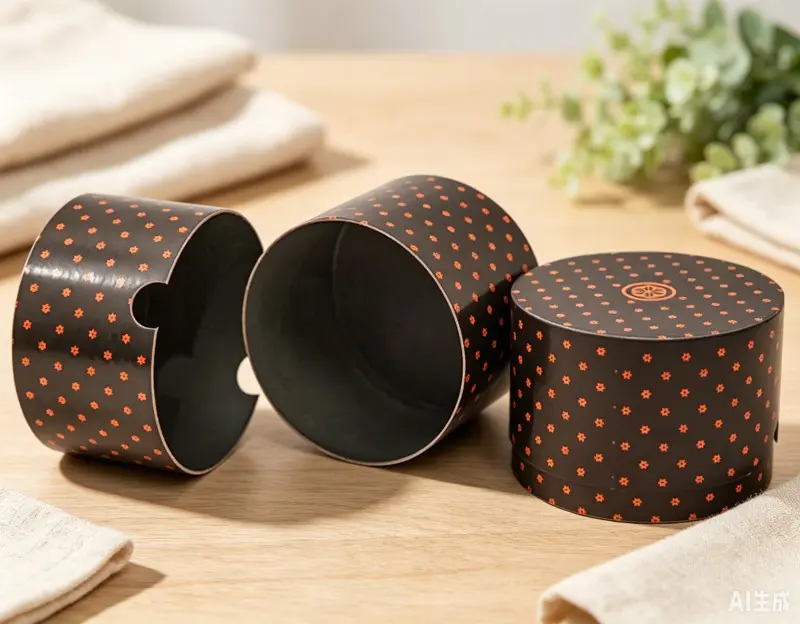
73*220MM luxury cylinder black candle jars packing
Content
- 1 1. Product Overview
- 2 2. Why Cylindrical Candle Packaging Matters
- 3 3. Premium Appearance and Finishing Options
- 4 4. Material Construction and Responsible Packaging Considerations
- 5 5. Protection During Handling and Transportation
- 6 6. Advantages Over Conventional Candle Packaging
- 7 7. Manufacturing Strengths of the Supplier
- 8 8. Advanced Production Process
- 9 9. Customization for Candle Brands
- 10 10. Quality Control Recommendations
- 11 11. Applications Beyond Candle Jars
- 12 12. Ordering and Project Development Process
- 13 13. Why Choose This Packaging for a Premium Candle Line?
- 14 14. Questions and Answers
- 14.1 Q1: What are the main dimensions of the package?
- 14.2 Q2: What type of product is this package designed for?
- 14.3 Q3: Is the package made from paper?
- 14.4 Q4: Can the package carry a custom logo?
- 14.5 Q5: Which decorative finishes are available?
- 14.6 Q6: Is the exterior available in black?
- 14.7 Q7: Can the dimensions be customized?
- 14.8 Q8: What makes a paper tube different from a standard candle carton?
- 14.9 Q9: Is this packaging suitable for shipping?
- 14.10 Q10: Does the supplier offer eco-friendly options?
- 14.11 Q11: Can the package be used for gift sets?
- 14.12 Q12: What should be checked before ordering?
- 14.13 Q13: What manufacturing experience does the supplier have?
- 14.14 Q14: Can the same package be used for different candle fragrances?
- 15 15. Final Assessment
- 16 References
- 17 Product: 73*220MM luxury cylinder black candle jars packing
1. Product Overview
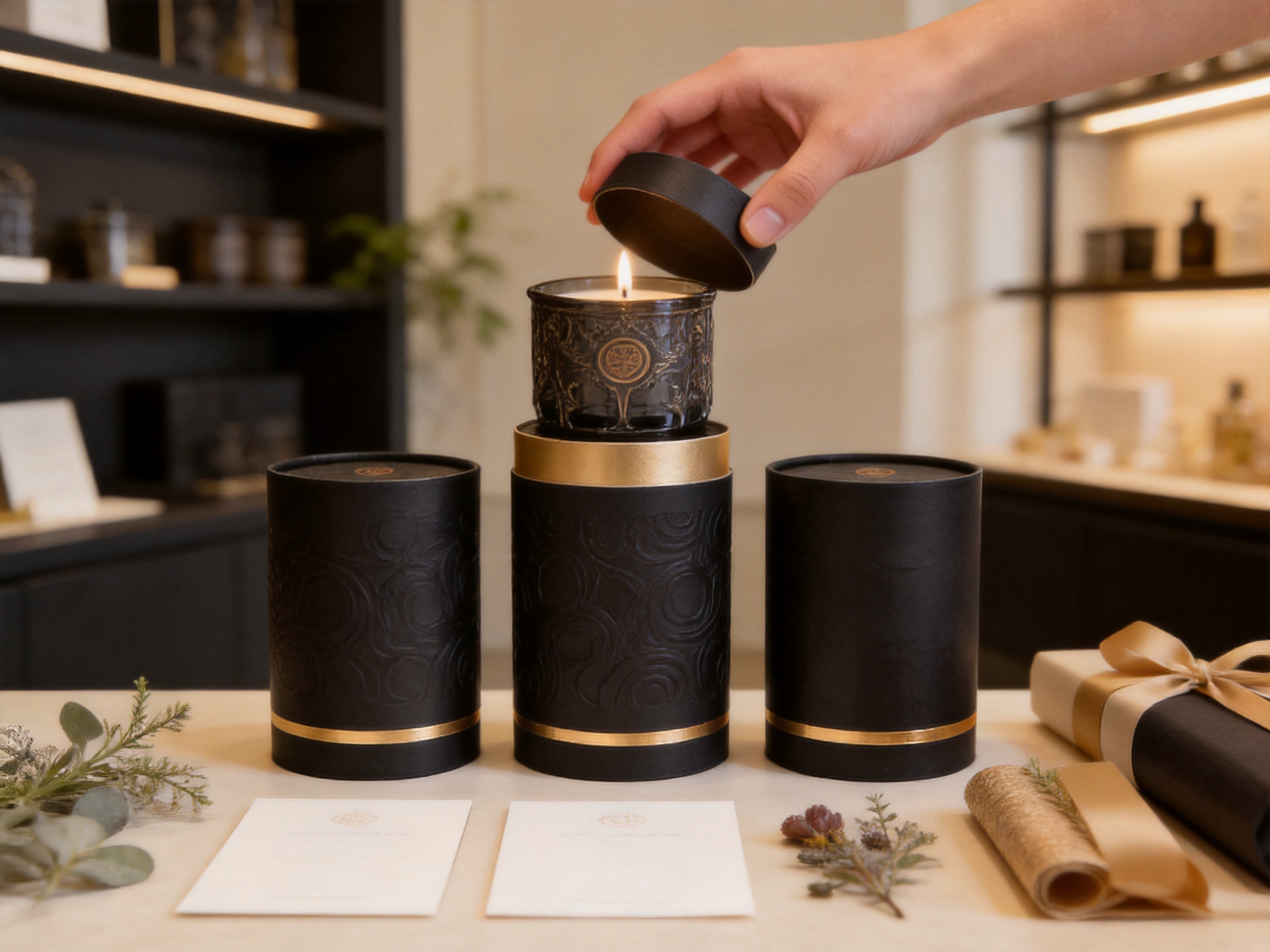
The 73*220MM luxury black candle paper tube is a rigid cylindrical packaging solution made primarily from paper, with tin components included in the construction. It is manufactured in a cylinder shape and can be supplied with custom logos, black printing, gold foil stamping, embossing, matte lamination, and UV coating. These options enable a brand to create packaging that is visually consistent with its candle collection, seasonal campaign, or broader product portfolio.
The black exterior is especially suitable for premium candles and fragrance products. Black packaging is commonly associated with elegance, refinement, mystery, and modern design. When combined with a metallic gold mark or a restrained embossed pattern, it can create a high-end appearance without requiring excessive decorative elements. The result is packaging that can function as both a protective container and a presentation sleeve.
The cylindrical design also differentiates the product from standard rectangular boxes. On a retail shelf, a round package can create visual rhythm among square and rectangular competitors. It is easy to arrange in gift displays, boutique environments, hotel shops, concept stores, and online product photography. Its vertical profile can also provide enough surface area for a logo, fragrance name, ingredients, usage guidance, barcode, and other required information, subject to the final artwork and regulatory needs of the intended market.
The package is described as a black candle paper tube with plugs and is intended for paper tube manufacturing and packaging use. Its structure can be adapted to suit the shape and weight of the candle jar or related product. Depending on the final project specification, the tube may be supplied with compatible top and bottom components, internal support, or other protective elements. The exact configuration should be confirmed during technical development and sampling.
Key Product Specifications
| Specification | Details |
|---|---|
| Product type | Luxury cylindrical candle packaging |
| Internal size | ID73*220MM |
| Shape | Cylinder |
| Primary material | Paper and kraft paper |
| Additional material | Tin components |
| Base color | Black |
| Printing | Black printing and customized graphic printing |
| Decorative options | Gold foil stamping, embossing, matte lamination, and UV coating |
| Logo | Custom logo accepted |
| Order model | OEM and custom orders accepted |
| Material features | Recycled-material and eco-friendly options |
| Primary application | Candles, candle jars, gift products, and selected cylindrical goods |
2. Why Cylindrical Candle Packaging Matters
The shape of packaging influences how consumers perceive a product before they read its label or smell its fragrance. A cylindrical package has a softer visual character than a rigid rectangular carton. It can suggest continuity, craftsmanship, and a connection with the circular form of many candle jars. This makes it particularly appropriate for home fragrance products, where atmosphere and sensory appeal are central to the buying decision.
A round tube can also provide a more immersive opening experience. Instead of lifting a product from a conventional carton, the customer may remove a lid or plug, reveal the candle gradually, and experience the package as part of the product ritual. For premium candles, this type of interaction can support a sense of discovery and make the product more suitable for gifting.
From a practical standpoint, the cylindrical wall provides a continuous protective surface around the product. Unlike a thin folding carton, a rigid paper tube can offer greater resistance to ordinary compression and handling. The final level of protection depends on wall thickness, board construction, closure design, interior clearance, and the weight of the packed item. These factors can be engineered during the development stage.
The 73*220MM format is also useful for brands seeking a tall, narrow presentation. It can accommodate a single candle jar with sufficient vertical space for a structured design, or it can be adapted for a product set when the internal dimensions and protective components are properly specified. The format should not be treated as universal for every candle, because candle vessels vary in diameter, height, lid shape, and material. Instead, it serves as a practical starting point for a defined packaging project.
Retail and E-Commerce Benefits
In retail environments, the package can help a candle stand out among conventional paperboard cartons. The black surface provides a strong base for metallic foil, tonal graphics, or minimalist typography. A consistent cylindrical format across multiple fragrances can also make a collection appear organized and premium.
For e-commerce, packaging has two important functions. First, it must help protect the candle during warehouse handling and delivery. Second, it must produce attractive images and encourage customers to share the unboxing experience. A black tube with gold foil or embossed branding can photograph well against light, neutral, or atmospheric backgrounds. It may also make the product look more substantial than a basic printed carton.
For subscription boxes, corporate gifts, wedding favors, hotel amenities, and seasonal collections, the tube can be customized with limited-edition artwork. The same structural format can therefore support different campaigns without requiring a completely new packaging concept for every release.
3. Premium Appearance and Finishing Options
The visual quality of premium packaging comes from the relationship between structure, color, surface texture, and decoration. The black candle tube provides the foundation, while finishing methods add contrast and tactile interest. The available processing options include embossing, matte lamination, stamping, and UV coating.
Black Printing
Black printing can be used to create tonal patterns, product information, illustrations, or background graphics. On a black base, black-on-black printing can produce a subtle effect that becomes visible through differences in gloss, density, or texture. This is appropriate for brands that prefer understated luxury rather than bright, highly colorful decoration.
Black printing can also be combined with another base color or a selected printed panel. Final color reproduction depends on the paper surface, ink system, artwork, and production conditions. A physical proof or pre-production sample is recommended when color accuracy is important.
Gold Foil Stamping
Gold foil stamping is one of the most effective ways to create a premium appearance on dark packaging. A gold logo, fragrance name, border, or decorative symbol can contrast strongly with the black surface. The technique is suitable for logos that need clear visual recognition and for product collections that use metallic accents as part of their identity.
Foil stamping should be planned carefully. Extremely fine lines, very small text, and complicated artwork may require adjustment to achieve consistent results. The size of the stamping area, the selected foil, the paper surface, and the position of the artwork all influence the final effect. The manufacturer can review artwork during the pre-production stage and recommend suitable line weights and spacing.
Embossing
Embossing adds a raised or pressed texture to the package. It can be used for a logo, botanical illustration, geometric pattern, or tactile border. On black packaging, embossing is particularly effective because it can create a premium effect even when no additional color is used.
Embossed details make the package more engaging to touch. This is valuable for candle brands because fragrance products are often purchased as lifestyle items rather than purely functional goods. Tactile packaging can reinforce the perception that the product has been thoughtfully designed and carefully finished.
Matte Lamination
Matte lamination creates a smooth, low-reflection surface that supports an elegant and contemporary appearance. It can reduce glare under retail lighting and make the package more comfortable to handle. Matte black is often associated with premium electronics, cosmetics, spirits, and fragrance products, making it a logical choice for luxury candle packaging.
Lamination can also help protect the printed surface from ordinary scuffing and handling. It should not be regarded as a substitute for careful transportation or moisture control, but it can contribute to surface durability when correctly specified.
UV Coating
UV coating can be applied selectively or across designated areas to create contrast between glossy and matte surfaces. A glossy logo on a matte black tube, for example, can produce a sophisticated tone-on-tone effect. Selective UV treatment may be used for a fragrance name, emblem, pattern, or other focal detail.
Combining matte lamination with selective UV coating allows brands to create visual depth without adding many colors. This approach is useful for minimalist packaging programs where the structure and surface finish carry much of the design value.
4. Material Construction and Responsible Packaging Considerations
The product uses paper and kraft paper as its primary material base, with tin components included in the specified construction. Paper-based rigid packaging offers several advantages for candle brands. It can be printed, laminated, embossed, and shaped into a stable cylindrical structure. It also provides a broad design surface and can support a premium appearance without relying entirely on plastic.
The product is identified as using recycled materials and offering eco-friendly characteristics. Responsible packaging decisions should consider more than the visible material. Brands should evaluate the paper source, recycled content, coatings, adhesives, metal components, ink systems, product protection, and end-of-life handling. The final environmental profile depends on the complete package and the requirements of the destination market.
A paper tube can help reduce the dependence on conventional rigid plastic packaging, particularly when the structure is designed efficiently and unnecessary components are avoided. At the same time, the tube must be strong enough to protect the candle. Packaging that fails during distribution can create product waste, returns, and additional transportation impact. The best approach is therefore to balance material reduction with appropriate protection.
Kraft paper is valued for its strength, natural fiber base, and compatibility with a wide range of printing and finishing processes. It can be used as part of a natural-looking design or covered with a fully printed exterior. For a luxury black candle tube, the surface may be treated to achieve a controlled, uniform appearance while retaining the structural benefits of a paper-based body.
The tin component can contribute to the appearance and functionality of plugs, lids, or other structural elements. Its use should be coordinated with the paper body so that the closure is secure, the package is easy to open, and the overall finish remains consistent. The exact material combination should be confirmed according to the final drawing and intended use.
Material Selection for Candle Products
Candles can be sensitive to heat, impact, vibration, dust, and surface abrasion. A suitable package should provide enough clearance to prevent the jar from rubbing against the tube wall while avoiding excessive movement inside the package. If the candle includes a glass vessel, internal support may be necessary to reduce the risk of impact during transportation.
The package should also be stored under appropriate conditions. Excessive moisture, extreme heat, or prolonged pressure may affect paper packaging and certain candle materials. A packaging supplier can help define storage and shipping recommendations based on the finished product, but product testing remains important before mass production.
5. Protection During Handling and Transportation
One of the principal advantages of a rigid cylindrical paper package is its ability to provide a protective outer layer around the candle. The tube can help shield the product from surface scratches, dust, and ordinary contact with other items. Its shape can also distribute external pressure around the circumference rather than concentrating all force on a single folding crease.
Protection performance depends on the complete design rather than the tube alone. Important factors include the paperboard grade, wall thickness, winding or forming method, plug fit, end construction, interior inserts, clearance, package weight, and shipping carton. These specifications should be selected according to the actual candle and distribution conditions.
For domestic and international delivery, brands should consider drop testing, compression testing, vibration testing, and environmental conditioning where appropriate. A sample packed in the intended shipping carton can reveal whether the product moves excessively, whether the lid loosens, or whether the exterior develops marks during transportation.
The vertical 220-millimeter dimension provides a substantial graphic and structural area, but it also means that the package should be evaluated for stability. A tall package may require an appropriately sized shipping carton and protective arrangement to prevent tipping. In retail displays, the format can be presented upright or combined with other products in a designed arrangement.
6. Advantages Over Conventional Candle Packaging
Stronger Visual Differentiation
Many candle products are packed in square cartons with similar proportions. A cylinder immediately creates a different silhouette. This can help a new fragrance collection attract attention and give established brands a recognizable packaging signature.
More Premium Unboxing Experience
A rigid tube can feel more substantial than a thin folding carton. The opening process may include removing a fitted plug, lifting a lid, or revealing the candle through a structured interior. These details can make the package suitable for premium gifting and special occasions.
Large Continuous Branding Surface
The curved exterior provides a continuous wraparound area for branding. A company can use the front section for the logo and product name, while the remaining area carries fragrance notes, ingredients, instructions, origin details, or decorative imagery. The artwork should account for the curvature and seam position during prepress preparation.
Flexible Decoration
With embossing, matte lamination, foil stamping, and UV coating available, the package can be developed in different visual directions. It can be minimal and monochromatic, richly decorative, botanical, industrial, or seasonal. This flexibility allows one structural format to support multiple brand identities.
Suitable for OEM Development
OEM production enables candle brands to order packaging according to their own specifications rather than choosing only from fixed stock designs. The logo, color, printed content, dimensions, closure, and finish can be discussed during development. This is particularly valuable for private-label products, contract fillers, and brands with distinct packaging guidelines.
Potentially More Efficient Product Presentation
A standardized tube format can help a brand organize several fragrances within one collection. Once the structure is approved, different artwork versions can be created for individual scents. This may simplify visual management across a product line, although minimum order quantities, tooling, and setup requirements should be confirmed before ordering.
7. Manufacturing Strengths of the Supplier
Hangzhou Qunle Packaging Co., Ltd. has been engaged in the composite can and paper can industry for more than 20 years. This long-term focus gives the company experience in developing paper-based cylindrical packaging for food, daily chemical products, fast-moving consumer goods, and other applications.
The company identifies itself as the only member of the international Composite Can and Tube Institute in China’s packaging container industry. Membership in an industry organization provides a connection with sector knowledge and professional networks, although buyers should still evaluate the specific technical requirements, samples, quality procedures, and documentation of each project.
Qunle Packaging reports that it was the first enterprise in China to pass the QS certificate for producing food packaging containers. This background is relevant because food and consumer packaging require attention to material selection, cleanliness, production control, and product safety. While a candle package is not automatically subject to the same requirements as food packaging, experience in regulated packaging applications can support disciplined manufacturing practices.
In 2015, the company introduced a high-speed composite can production line from Europe. Modern production equipment can improve consistency in forming, winding, cutting, printing coordination, and overall output control. For a cylindrical product, dimensional consistency is particularly important because the lid, plug, internal fit, and outer appearance all depend on accurate forming.
The company also reports more than 10 patented technologies. Patented technologies do not by themselves guarantee that every project will be suitable for every application, but they indicate ongoing investment in technical development. A buyer should discuss which processes or structural solutions are relevant to the specific candle packaging program.
The supplier’s production model supports both standard development and customized OEM projects. This is important for brands that need an exact internal diameter, a particular height, a special closure, or a combination of decorative treatments. Product specifications can be reviewed through drawings, samples, artwork files, and testing before mass production.
Experience Across Multiple Industries
Packaging experience across food, daily chemical products, consumer goods, and related categories can help a manufacturer understand different requirements for appearance, protection, storage, and logistics. Candle packaging shares some characteristics with cosmetics and household fragrance packaging, especially in the need for attractive presentation and controlled surface quality.
The company has built long-term partnerships with brands and businesses including COFCO, STANDERS, DAVIDsTEA, Avalanche Coffee, Whittaker’s, McSteven’s, Nongfu Spring, and Beingmate, according to the supplied company information. These relationships are presented as evidence of experience serving established customers. A prospective buyer should request project-specific information, samples, and quality documentation relevant to the intended candle product.
8. Advanced Production Process
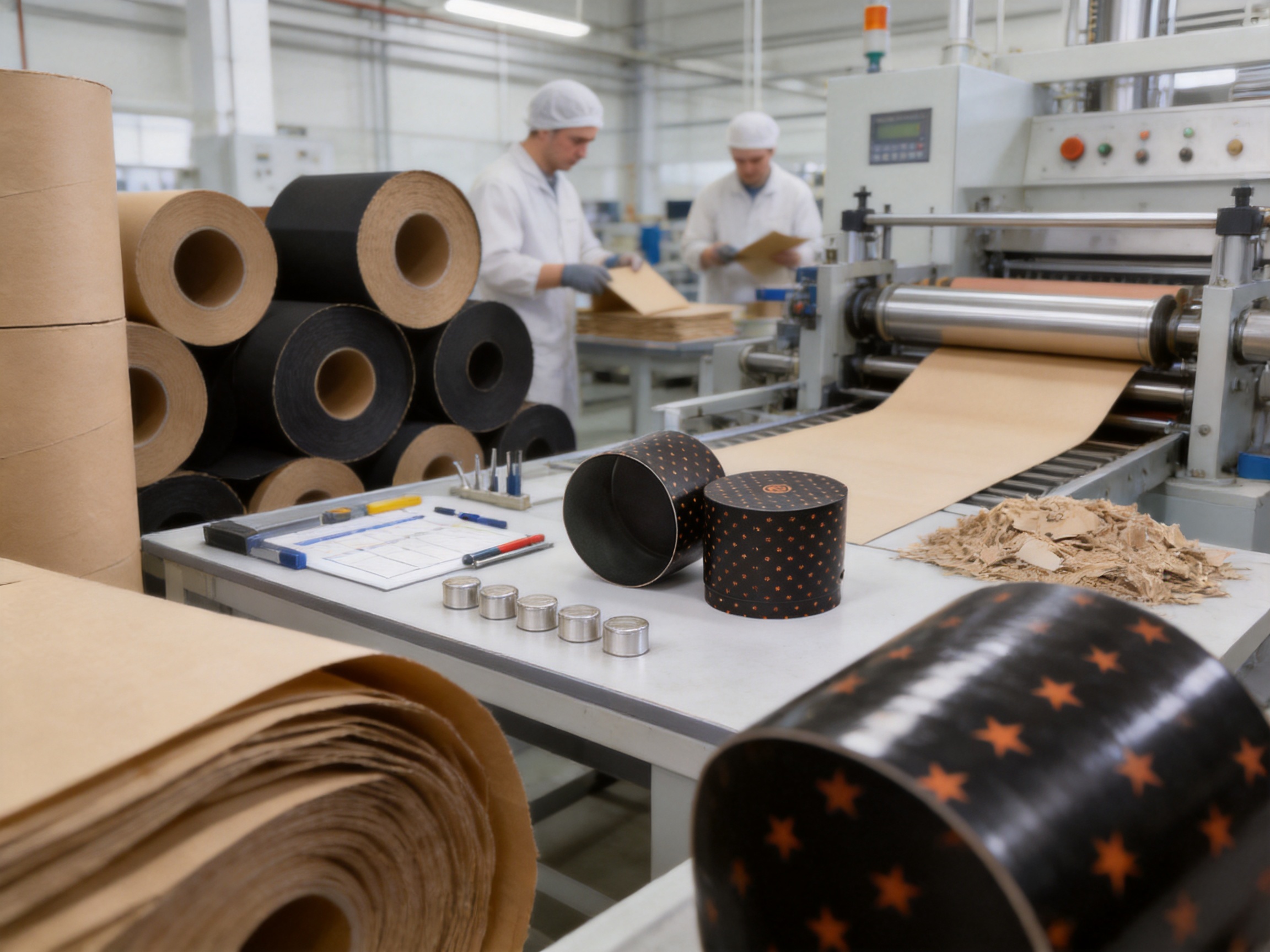
Although the exact process sequence can vary according to the final specification, premium paper tube production generally requires coordination among material preparation, cylindrical forming, cutting, printing, surface finishing, component fitting, inspection, and packing. The following stages describe the key manufacturing considerations for this product category.
Stage One: Structural Development
The process begins with confirmation of the internal diameter, length, wall construction, closure style, and product fit. For the specified package, the starting dimensions are ID73*220MM. The manufacturer should also confirm the candle jar dimensions, lid design, height tolerance, weight, and any internal support needed.
At this stage, the brand should provide product drawings or physical samples where possible. Packaging dimensions should allow sufficient clearance for safe insertion and removal without causing the candle to move excessively. The closure should be secure but not so tight that it damages the tube during opening.
Stage Two: Paper and Component Preparation
Kraft paper and other selected paper materials are prepared according to the structure and visual requirements. If tin plugs or other metal elements are used, their dimensions and surface finish are coordinated with the paper body. Material inspection may include checking appearance, thickness, moisture condition, color consistency, and surface suitability for printing or lamination.
Stage Three: Tube Forming
The paper layers are formed into a cylindrical body using controlled production equipment. The forming method must achieve a stable round shape and consistent internal diameter. Precision at this point affects the fit of the candle, the appearance of the seam, and the alignment of the end components.
High-speed composite can production equipment can support efficient output while maintaining repeatability when correctly operated and monitored. The production parameters should be adjusted according to the paper construction, adhesive system, wall thickness, and required strength.
Stage Four: Surface Treatment and Printing
The tube receives the selected black base treatment and printed artwork. Depending on the design, the package may use solid black printing, a black paper surface, or a combination of materials and inks. The logo and decorative elements are positioned according to the approved artwork.
Printing control is important for a premium package because uneven coverage, registration errors, or inconsistent density can be highly visible on a dark surface. The artwork should be checked for curved-surface distortion and seam placement before production begins.
Stage Five: Decorative Finishing
Gold foil stamping, embossing, matte lamination, and UV coating are applied according to the approved specification. These processes may be performed in a planned sequence so that each layer adheres correctly and maintains the intended appearance.
During inspection, the supplier can evaluate foil adhesion, embossing definition, lamination smoothness, coating coverage, and surface cleanliness. Sample approval is especially important when several techniques are combined on one package.
Stage Six: Assembly and Inspection
The finished body is assembled with plugs, lids, or other components. Inspection may include checking the internal diameter, height, roundness, closure fit, artwork position, surface quality, and general cleanliness. If the package includes an internal insert, its fit and stability should also be checked.
Stage Seven: Packing for Shipment
Finished tubes should be packed in a way that prevents crushing, scuffing, moisture exposure, and unnecessary movement. The outer shipping carton should be sized for efficient protection and palletization. For international orders, the packaging configuration should be reviewed in relation to container loading, warehouse storage, and final-mile delivery.
9. Customization for Candle Brands
Customization is one of the strongest reasons to select an OEM paper tube rather than an off-the-shelf container. A candle brand can develop a package that reflects its fragrance architecture, target customer, price positioning, and distribution channel.
Dimension Customization
The specified ID73*220MM size can serve as a starting point, but other dimensions may be possible depending on the production requirements. A brand may need a wider tube for a large candle jar, a shorter format for a travel candle, or a different height for a gift set. Dimension changes should be reviewed for tooling, production feasibility, material consumption, packing efficiency, and minimum order quantity.
Graphic Customization
Custom graphics can include a logo, fragrance name, scent family, ingredient information, pattern, illustration, barcode, warning statement, or recycling information. The artwork should be prepared in a format suitable for the selected printing and finishing processes. Text size, line thickness, foil areas, embossing depth, and seam location all need to be considered.
Closure Customization
Plugs and lids may be designed to provide a particular opening experience. A friction-fit closure can create a firm, secure feel, while another design may prioritize quick access. The selected closure should be tested with the filled candle, especially if the product may be exposed to temperature changes during transport.
Collection and Seasonal Programs
One tube structure can be used for multiple fragrances by changing the printed artwork, foil color, or surface treatment. A core collection might use black and gold, while a limited edition could introduce a different foil or embossed pattern. This approach can help a brand maintain structural consistency while creating visual variation.
10. Quality Control Recommendations
Before placing a large order, buyers should establish clear acceptance criteria. These criteria may cover dimensions, wall thickness, color, surface appearance, logo position, foil quality, embossing depth, closure fit, and packaging quantity.
A pre-production sample should be evaluated with the actual candle jar whenever possible. A package that looks correct when empty may fit differently when combined with a glass vessel, lid, dust cover, or internal insert. The sample should be opened and closed repeatedly to assess usability and wear.
Recommended checks may include:
• Internal diameter and overall height measurement.
• Roundness and stability of the cylindrical body.
• Fit between the tube and the candle jar.
• Security and usability of the plug or lid.
• Print registration and black color consistency.
• Foil adhesion and completeness.
• Embossing definition and alignment.
• Lamination and UV coating quality.
• Resistance to ordinary scuffing during handling.
• Performance after packing and simulated transportation.
For larger programs, a written quality standard can reduce disagreement between the buyer and supplier. Reference samples, approved color swatches, dimensional tolerances, packaging instructions, and inspection methods should be documented before production.
11. Applications Beyond Candle Jars
Although the product is categorized under Candles and Fragrances, its cylindrical construction may be applicable to other premium goods that fit the specified dimensions. Potential applications include fragrance accessories, home scent products, gift items, selected cosmetics, craft products, and promotional packages.
The tube can also be considered for seasonal gift packaging. A candle combined with matches, a fragrance card, or another small accessory may be presented as a coordinated set if the internal structure allows it. The contents must be tested to ensure that accessories do not create movement or pressure against the primary product.
Brands should confirm the intended application with the manufacturer before adapting the structure to a different product category. The required strength, interior cleanliness, coating suitability, and regulatory labeling may vary significantly between candles, food, cosmetics, and household goods.
12. Ordering and Project Development Process
A successful packaging project usually begins with a clear product brief. The buyer should provide the candle dimensions, product weight, jar material, lid details, target quantity, delivery destination, desired surface finish, and expected retail positioning.
The supplier can then review the requested ID73*220MM format, confirm whether it fits the product, and identify any structural adjustments. Artwork files are typically reviewed after the structure is approved. A physical sample is valuable because it allows the brand to judge appearance, fit, opening experience, and protective performance.
After sample approval, the buyer and manufacturer should confirm the final specification, approved artwork, production quantity, packaging method, lead time, inspection standard, and shipping arrangement. Any change to dimensions, paper, closure, foil, or finishing after approval may affect cost and production timing.
Because the product is offered as an OEM and custom-order package, buyers should discuss minimum order quantities and setup requirements directly with the supplier. Tooling or plates may be needed for certain decorative processes. The commercial quotation should identify whether these costs are included or charged separately.
13. Why Choose This Packaging for a Premium Candle Line?
The 73*220MM luxury black candle paper tube offers a combination of structure, appearance, and customization that is difficult to achieve with a basic folding carton. Its cylindrical shape creates immediate differentiation, while its black surface supports luxury positioning. Gold foil, embossing, matte lamination, and UV coating provide several ways to build a distinctive identity without changing the fundamental package structure.
Its paper and kraft paper construction responds to the growing interest in packaging that uses fiber-based materials and recycled-material options. The inclusion of tin components can add structural or decorative value when properly integrated. The final package should be designed as a complete system, balancing visual quality, product protection, material responsibility, and logistical performance.
Manufacturing experience is another important advantage. With more than two decades in composite can and paper can production, a dedicated supplier can bring relevant knowledge to the design and production process. The reported use of European high-speed composite can equipment, industry participation, food packaging experience, and patented technologies further supports the company’s position as an experienced paper tube manufacturer.
For brands that want packaging to become part of the product experience, this cylindrical format offers a strong platform. It can make a candle feel more giftable, more collectible, and more aligned with premium home fragrance positioning. With appropriate engineering and quality control, it can also provide practical protection during storage and delivery.
14. Questions and Answers
Q1: What are the main dimensions of the package?
The specified internal size is ID73*220MM, meaning an internal diameter of 73 millimeters and a length of 220 millimeters. The final external dimensions will depend on wall thickness, material construction, and the selected components.
Q2: What type of product is this package designed for?
It is designed primarily for candle and fragrance packaging, including selected candle jars and related gift products. The actual suitability depends on the candle’s dimensions, weight, vessel shape, and required internal protection.
Q3: Is the package made from paper?
Yes. The listed primary material is paper, with kraft paper specified as the paper type. The product information also identifies tin as an additional material in the construction.
Q4: Can the package carry a custom logo?
Yes. Custom logos are accepted. Brands can discuss logo placement, printing method, foil stamping, embossing, and other finishing requirements with the manufacturer.
Q5: Which decorative finishes are available?
The listed options include embossing, matte lamination, stamping, UV coating, and gold foil stamping. The final combination should be evaluated against the artwork, surface material, quantity, and desired appearance.
Q6: Is the exterior available in black?
Yes. The product is presented as luxury black candle packaging with black printing. The exact black tone, gloss level, and surface texture should be confirmed through an approved sample.
Q7: Can the dimensions be customized?
The product is available for OEM and custom orders, so dimension customization may be possible. Buyers should provide the candle jar dimensions and intended use so the supplier can confirm feasibility, cost, and production requirements.
Q8: What makes a paper tube different from a standard candle carton?
A paper tube has a cylindrical, rigid structure that creates a different visual identity and can provide a more substantial opening experience. It also offers a continuous curved surface for branding and may provide stronger protection than a thin folding carton, depending on the specifications.
Q9: Is this packaging suitable for shipping?
It can be suitable for shipping when the wall construction, closure, internal clearance, and outer shipping carton are correctly designed. Testing with the actual candle and intended delivery packaging is recommended before mass production.
Q10: Does the supplier offer eco-friendly options?
The product information identifies recycled materials and eco-friendly features. Buyers should request details about recycled content, coatings, adhesives, metal components, and disposal or recycling considerations for the final package.
Q11: Can the package be used for gift sets?
It may be suitable for selected gift sets if the internal dimensions and protective structure provide enough room for the candle and accessories. A custom insert or modified tube may be required to prevent movement.
Q12: What should be checked before ordering?
Buyers should confirm the candle dimensions, internal fit, closure, material construction, artwork, finishing, production quantity, minimum order requirements, inspection standard, shipping method, and sample approval process.
Q13: What manufacturing experience does the supplier have?
Hangzhou Qunle Packaging Co., Ltd. reports more than 20 years of experience in the composite can and paper can industry. The company also reports industry membership, food packaging certification history, European high-speed composite can equipment, and more than 10 patented technologies.
Q14: Can the same package be used for different candle fragrances?
Yes. A consistent tube structure can be used across a fragrance collection while the artwork, product name, foil detail, or decorative pattern changes for each scent. This can create a unified product family.
15. Final Assessment
The 73*220MM luxury black candle paper tube is a premium cylindrical packaging option for brands that want to combine product protection with a distinctive visual presentation. Its black paper-based body, tin components, and broad selection of finishing methods provide a strong foundation for candle and fragrance packaging programs.
Compared with ordinary folding cartons, the tube offers a more recognizable silhouette, a potentially more substantial structure, and a stronger unboxing experience. Compared with generic stock packaging, its OEM flexibility allows brands to develop custom dimensions, graphics, closures, and surface treatments. These advantages make it suitable for premium candles, home fragrance products, boutique gifts, and selected seasonal collections.
The supplier’s long-term focus on composite cans and paper cans, reported industry experience, high-speed European production line, food packaging background, and patented technologies support its capability as a specialized manufacturer. Nevertheless, every project should be validated through samples, dimensional checks, fit testing, transportation evaluation, and clearly documented quality standards.
For a candle brand seeking an elegant, customizable, and fiber-based presentation, this black cylindrical package can serve as more than an outer container. It can become a recognizable part of the product identity, strengthen shelf impact, improve gifting appeal, and help communicate the value of the fragrance inside.
References
1. Hangzhou Qunle Packaging Co., Ltd. Product specification information for the 73*220MM luxury black candle paper tube.
2. Hangzhou Qunle Packaging Co., Ltd. Company profile and manufacturing history in composite cans and paper cans.
3. Composite Can and Tube Institute. General industry information concerning composite cans, paper tubes, and cylindrical packaging.
4. Packaging design and development principles for rigid paper containers, including structural evaluation, printing, finishing, and transport protection.
5. General guidance on sustainable packaging assessment, including material selection, recycled content, product protection, and end-of-life considerations.
