 English
 Español


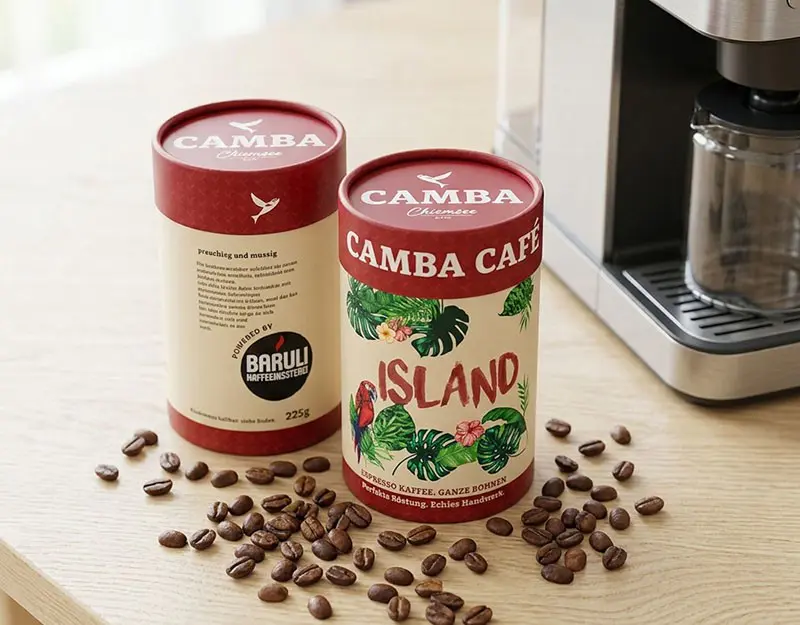
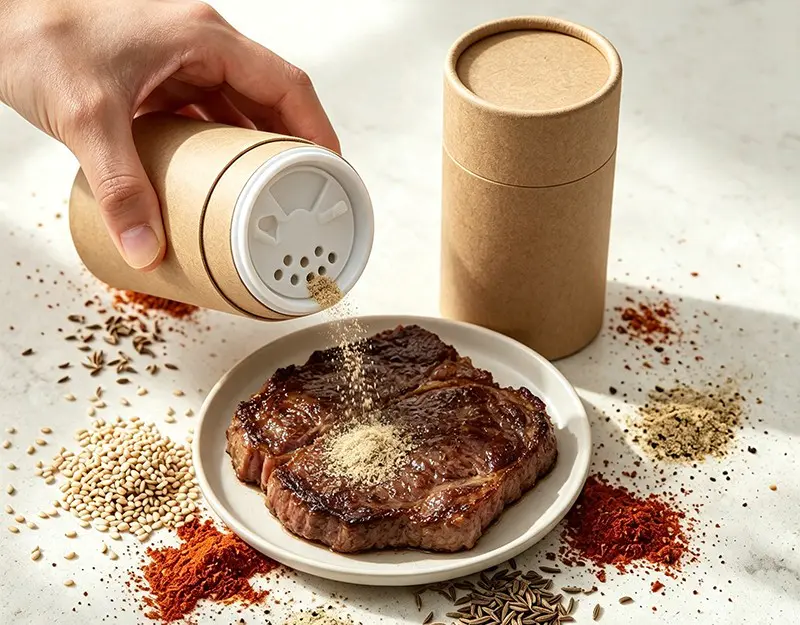
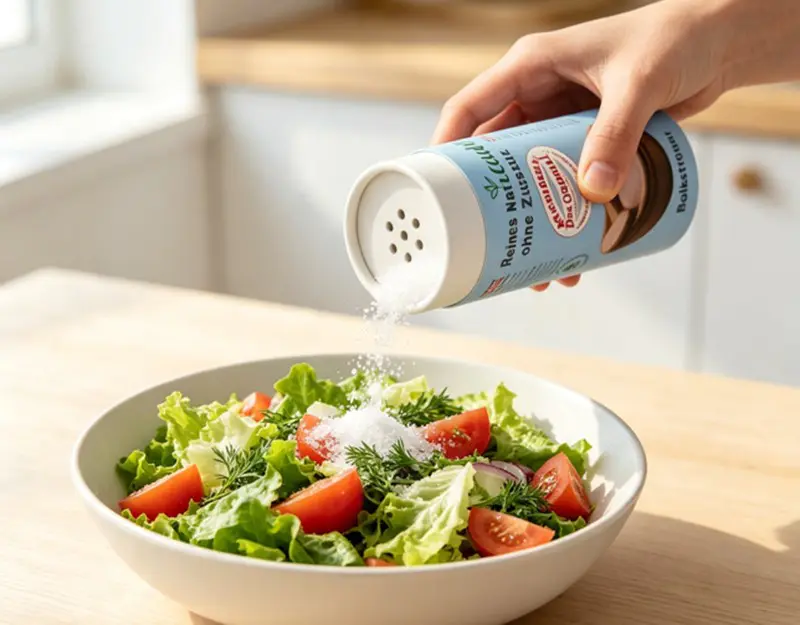
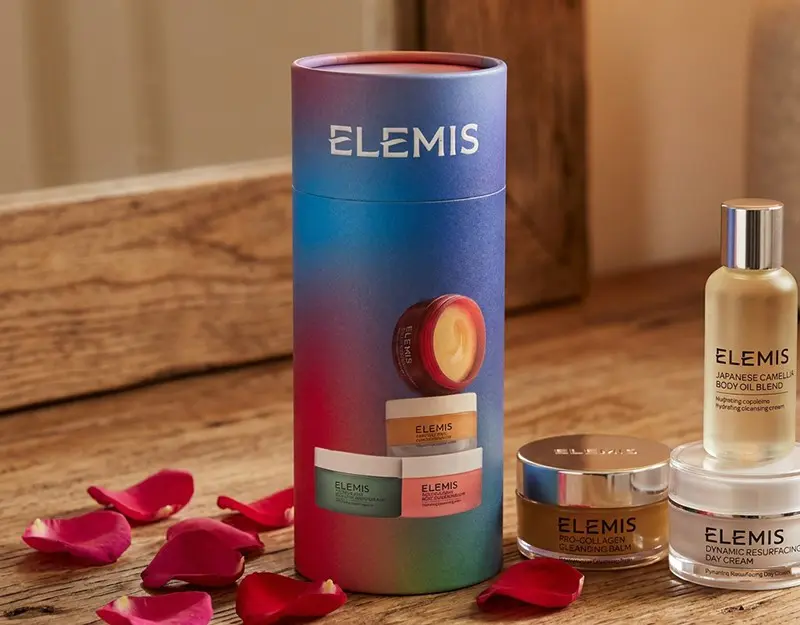
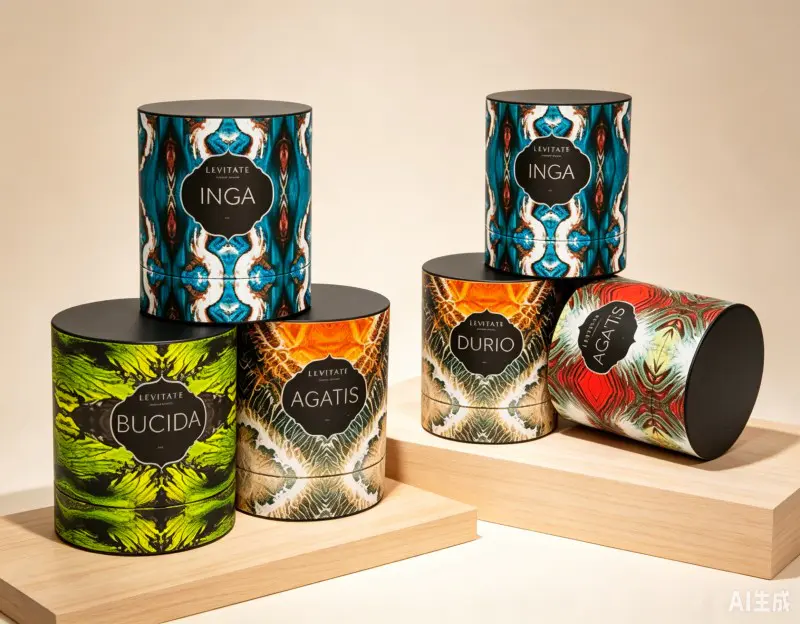
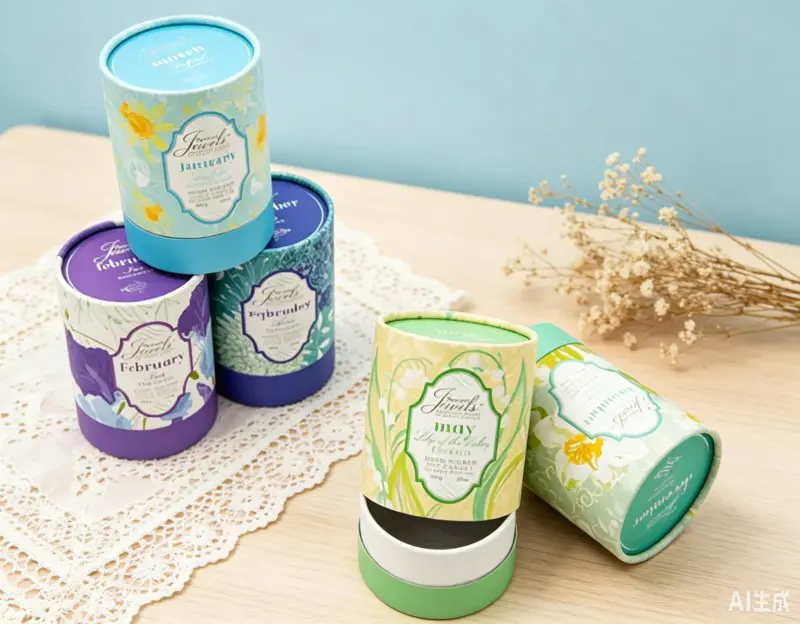
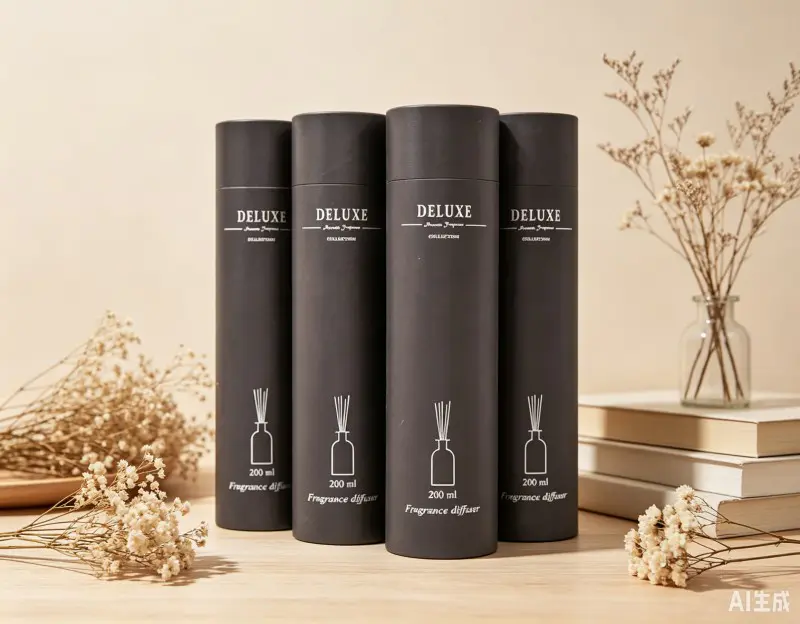
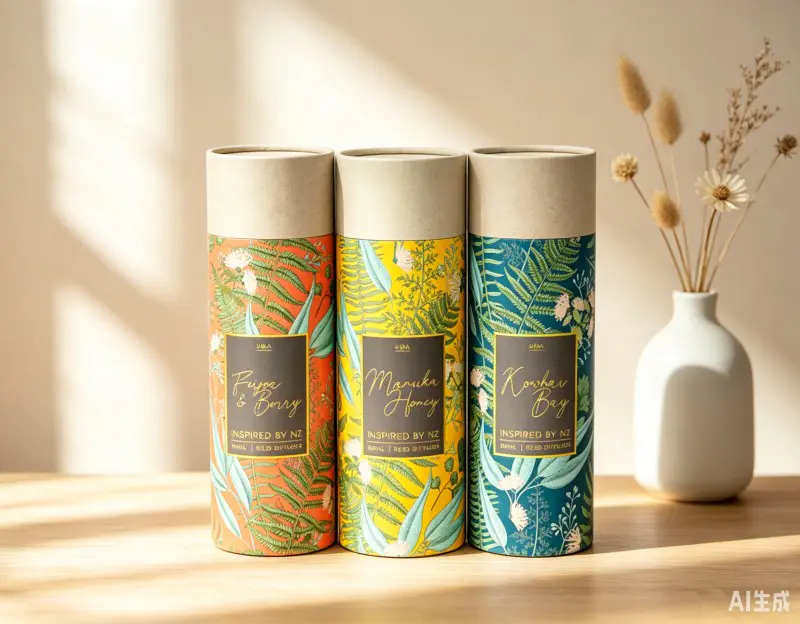
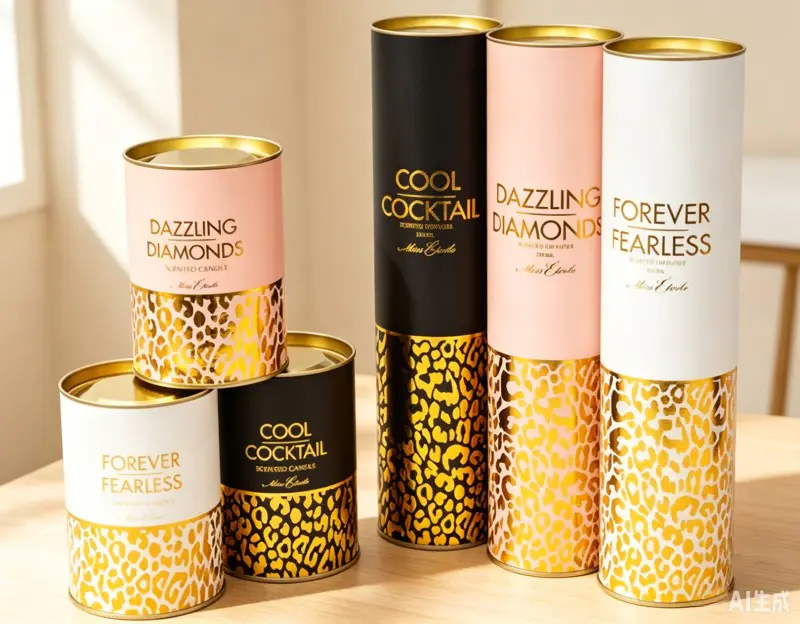
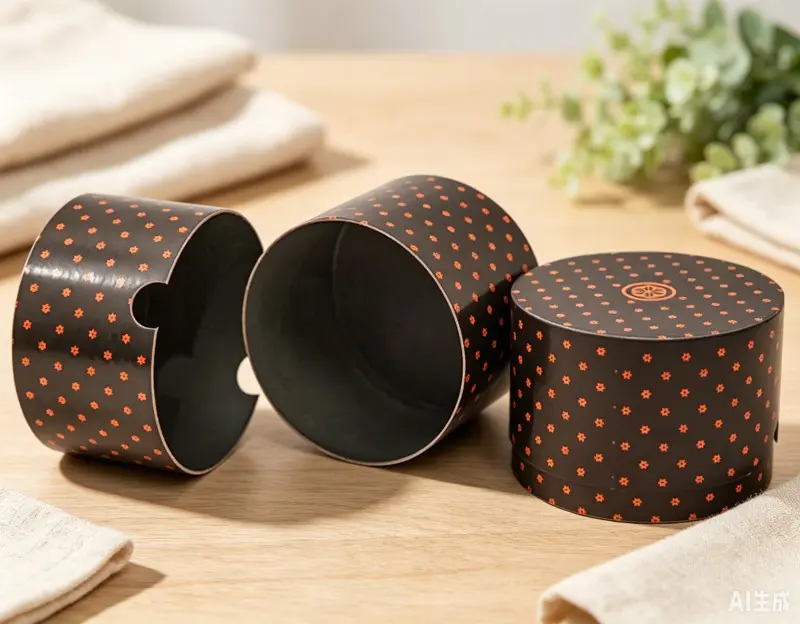
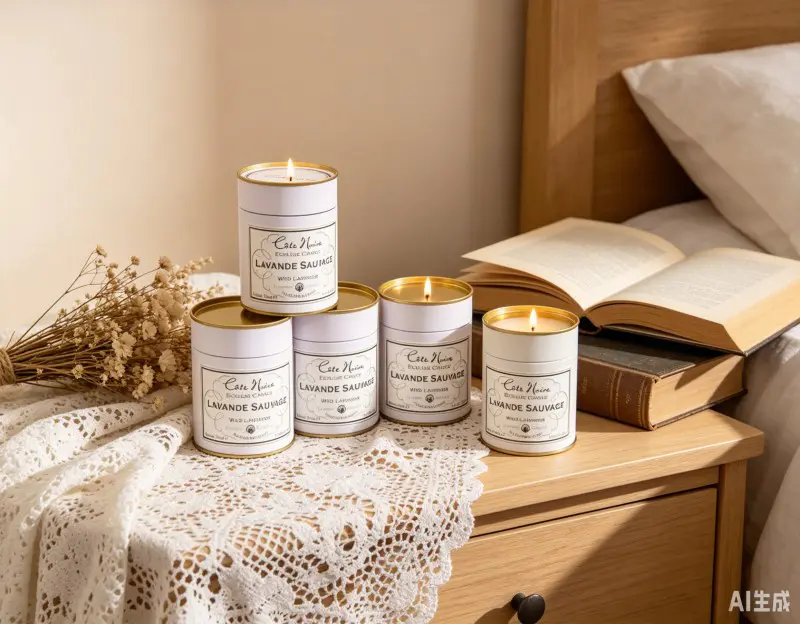

As one of the top China cardboard tube packaging manufacturers and paper tube packaging suppliers, we devote all of our efforts to research and launch more high quality packaging products to global market.
Packaging has become an important part of the pet food experience. It protects the product, communicates quality, supports convenient handling, and helps brands create a stronger emotional connection with pet owners. As the pet care market becomes more competitive, ordinary bags and standard cartons are no longer the only practical choices. Premium brands increasingly require packaging that combines reliable protection, attractive presentation, responsible material selection, and flexible customization.
Luxury Paper Tube Packaging Unique Design Pet Food Packaging Boxes are designed to meet these requirements. This cylindrical package uses a three-piece paper tube construction with rolled edges, kraft paper and coated paper materials, custom CMYK printing, and a matte laminated exterior. With an internal diameter of approximately 112.5 to 115.5 millimeters and a height of 160 millimeters, the container provides a distinctive format for selected pet food, treats, supplements, and related products.
The product is manufactured by Hangzhou Qunle Packaging Co., Ltd., a specialist packaging enterprise with more than 20 years of experience in composite cans and paper cans. The company serves food, daily chemical, fast-moving consumer goods, and other industries. Its manufacturing capabilities, material knowledge, custom production services, and experience with international customers make it well positioned to produce high-quality paper tube packaging for pet care brands.
This article examines the structure, materials, manufacturing process, customization opportunities, commercial advantages, and practical applications of this luxury pet food packaging solution.

Luxury Paper Tube Packaging Unique Design Pet Food Packaging Boxes
Content
- 1 1. The Role of Premium Packaging in the Pet Care Market
- 2 2. Product Overview
- 3 3. Three-Piece Construction and Rolled Edges
- 4 4. Kraft Paper and Coated Paper Materials
- 5 5. Matte Lamination and Premium Surface Quality
- 6 6. CMYK Printing and Custom Brand Communication
- 7 7. Advantages Compared with Conventional Packaging
- 8 8. Applications in Pet Care
- 9 9. Manufacturing Strengths of Hangzhou Qunle Packaging
- 10 10. Advanced Production Process
- 11 11. Quality Control Considerations
- 12 12. Customization Options
- 13 13. Minimum Order Quantity and Commercial Planning
- 14 14. Sustainability and Responsible Packaging
- 15 15. Retail and E-Commerce Performance
- 16 16. Why Choose This Packaging Solution?
- 17 17. Recommended Development Process
- 18 18. Questions and Answers
- 18.1 Q1: What is this paper tube primarily designed to package?
- 18.2 Q2: What is the construction of the tube?
- 18.3 Q3: What materials are used?
- 18.4 Q4: What are the listed dimensions?
- 18.5 Q5: Can the package carry a custom logo?
- 18.6 Q6: What printing method is specified?
- 18.7 Q7: What surface finish is used?
- 18.8 Q8: Is the tube waterproof?
- 18.9 Q9: Is the tube suitable for direct food contact?
- 18.10 Q10: What is the minimum order quantity?
- 18.11 Q11: Can the dimensions be customized?
- 18.12 Q12: How can brands evaluate the design before mass production?
- 18.13 Q13: What makes the tube different from a conventional pet food pouch?
- 18.14 Q14: Is the package environmentally friendly?
- 18.15 Q15: What manufacturing experience does the supplier have?
- 19 19. Final Assessment
- 20 References
- 21 Product: Luxury Paper Tube Packaging Unique Design Pet Food Packaging Boxes
1. The Role of Premium Packaging in the Pet Care Market
Pet owners increasingly view food, treats, and supplements as products connected to health, lifestyle, and emotional well-being. As a result, packaging must do more than contain the product. It must also support product positioning, protect contents throughout distribution, and give consumers confidence when they encounter the package on a retail shelf or in an online product image.
Pet food packaging commonly faces several practical requirements. It may need to resist dust, moisture, abrasion, and ordinary handling during transportation. It must remain structurally stable when stacked, displayed, shipped, or stored. It should also provide enough surface area for product information, branding, usage instructions, ingredient details, and regulatory communication.
At the same time, premium pet products often need a package that looks different from mass-market pouches and simple folding cartons. A cylindrical paper tube creates a recognizable silhouette and can help a product stand out in a crowded retail environment. Its vertical form offers a substantial printable surface, while the rolled edges provide a finished appearance that feels more refined than an unprocessed paperboard container.
For brands introducing high-value treats, gift sets, functional snacks, dental chews, nutritional products, or limited-edition collections, packaging can become an important part of the overall product value. A well-made paper tube can communicate quality before the package is opened.
2. Product Overview
The Luxury Paper Tube Packaging Unique Design Pet Food Packaging Box is a customized cylindrical paper container intended for pet food and related pet care applications. It is manufactured as a three-piece paper tube with rolled edges. The structure is made from paper materials, including kraft paper and coated paper, and can be decorated with full-color CMYK printing.
| Item | Specification |
|---|---|
| Product type | Luxury paper tube packaging for pet food |
| Primary application | Pet food, pet treats, snacks, supplements, and related products |
| Construction | Three-piece paper tube with rolled edges |
| Material | Kraft paper and coated paper |
| Shape | Cylindrical |
| Approximate size | Internal diameter 112.5–115.5 millimeters by 160 millimeters |
| Printing | CMYK printing |
| Surface treatment | Matte lamination |
| Logo | Custom logo available |
| Customization | Custom orders accepted |
| Minimum order quantity | 5,000 units |
| Material positioning | Recycled-material and eco-friendly packaging option |
The listed dimensions are suitable for a compact but substantial package format. The cylindrical body can accommodate a variety of pet treats, dry snacks, dental products, functional powders, and other items, depending on the product density, inner liner, closure design, filling method, and required headspace.
Because pet food products differ significantly in shape and density, brands should confirm the exact internal capacity through sampling and filling tests before mass production. A dimensional specification is a starting point for packaging development, while the final usable capacity depends on the product itself and the selected internal components.
3. Three-Piece Construction and Rolled Edges
The three-piece tube construction is one of the key features of this packaging format. A typical structure consists of a cylindrical body, a base, and a lid or top component. These elements are assembled to create a rigid package that can be decorated on the outside and adapted to the product’s filling and opening requirements.
Compared with a single-layer paper sleeve, a multi-piece tube can provide greater structural definition and a more finished appearance. The body maintains the cylindrical profile, while the separate base and lid allow the package to be opened and closed in a controlled way. This is particularly useful for products that consumers may access repeatedly.
Rolled edges add both visual and functional value. They create a smooth border around the opening or rim, reducing the impression of a sharp unfinished edge. A carefully formed rolled edge can improve handling comfort and help the package achieve the appearance expected from a premium product.
The rounded silhouette also provides a natural tactile experience. Consumers can rotate the package in their hands, examine the graphics from different angles, and store it vertically or horizontally depending on the design. This flexibility can be useful for retail displays, subscription boxes, gift collections, and home storage.
Structural Benefits
A rigid paper tube can offer better compression resistance than a thin flexible pouch in certain handling conditions. It is less likely to collapse during display, and its round shape can help distribute pressure around the body. The actual performance depends on paperboard specifications, wall thickness, adhesive selection, closure design, and production quality.
The tube format may also help protect products from ordinary exterior impacts. For delicate treats or carefully arranged product sets, a rigid package can create a buffer between the contents and external handling. If additional protection is needed, brands can use an inner bag, liner, tray, sealed pouch, or other food-contact component inside the tube.
4. Kraft Paper and Coated Paper Materials
Kraft paper is widely associated with natural appearance, strength, and responsible packaging design. Its brown or natural surface can support an earthy visual identity that is particularly suitable for organic pet food, natural treats, grain-free products, or products positioned around sustainability.
Coated paper provides a smoother surface for high-quality graphics. It can support more consistent color reproduction, sharper text, detailed illustrations, and a more polished visual finish. By combining kraft paper and coated paper components, the package can balance natural material appeal with professional branding performance.
The choice between natural kraft presentation and a printed coated exterior depends on the brand’s identity. A company may select a minimalist design with restrained colors and visible paper texture, or it may use a fully printed surface with detailed illustrations, product photography, character graphics, and strong color blocking.
Paper-based construction can also support a more favorable material story than packaging made entirely from rigid plastic or metal. However, environmental performance must be evaluated as a complete system. Coatings, laminations, adhesives, inks, inner liners, closures, and local recycling infrastructure all influence how the package should be handled after use.
The product is described as using recycled materials and offering an eco-friendly packaging option. Brands should request the appropriate material documentation, food-contact information, recycling guidance, and compliance records for their target market before making specific environmental claims on the package.
5. Matte Lamination and Premium Surface Quality
Matte lamination is applied to create a low-gloss exterior with a smooth and understated appearance. This finish can make colors appear sophisticated and can reduce strong reflections under retail lighting or photography equipment. It is especially appropriate for premium pet food brands that prefer a calm, modern, natural, or luxury visual identity.
A matte surface also provides a pleasant tactile quality. When consumers hold the package, the exterior can feel softer and more refined than an untreated printed surface. This tactile difference can reinforce the perception that the product is carefully designed and positioned above ordinary commodity packaging.
Matte lamination can help protect printed graphics from light surface abrasion, handling marks, and everyday contact. It does not make the package completely waterproof or eliminate the need for suitable storage and internal protection. Pet food packaging should still be tested under the intended distribution conditions, especially if it will be exposed to condensation, humidity, refrigeration, or long-distance shipping.
Designers should also understand that matte lamination may slightly influence color appearance. Colors can look less reflective and more muted than they would on a gloss surface. A physical proof is therefore recommended before production approval, particularly for brand colors, small text, barcode areas, and detailed illustrations.
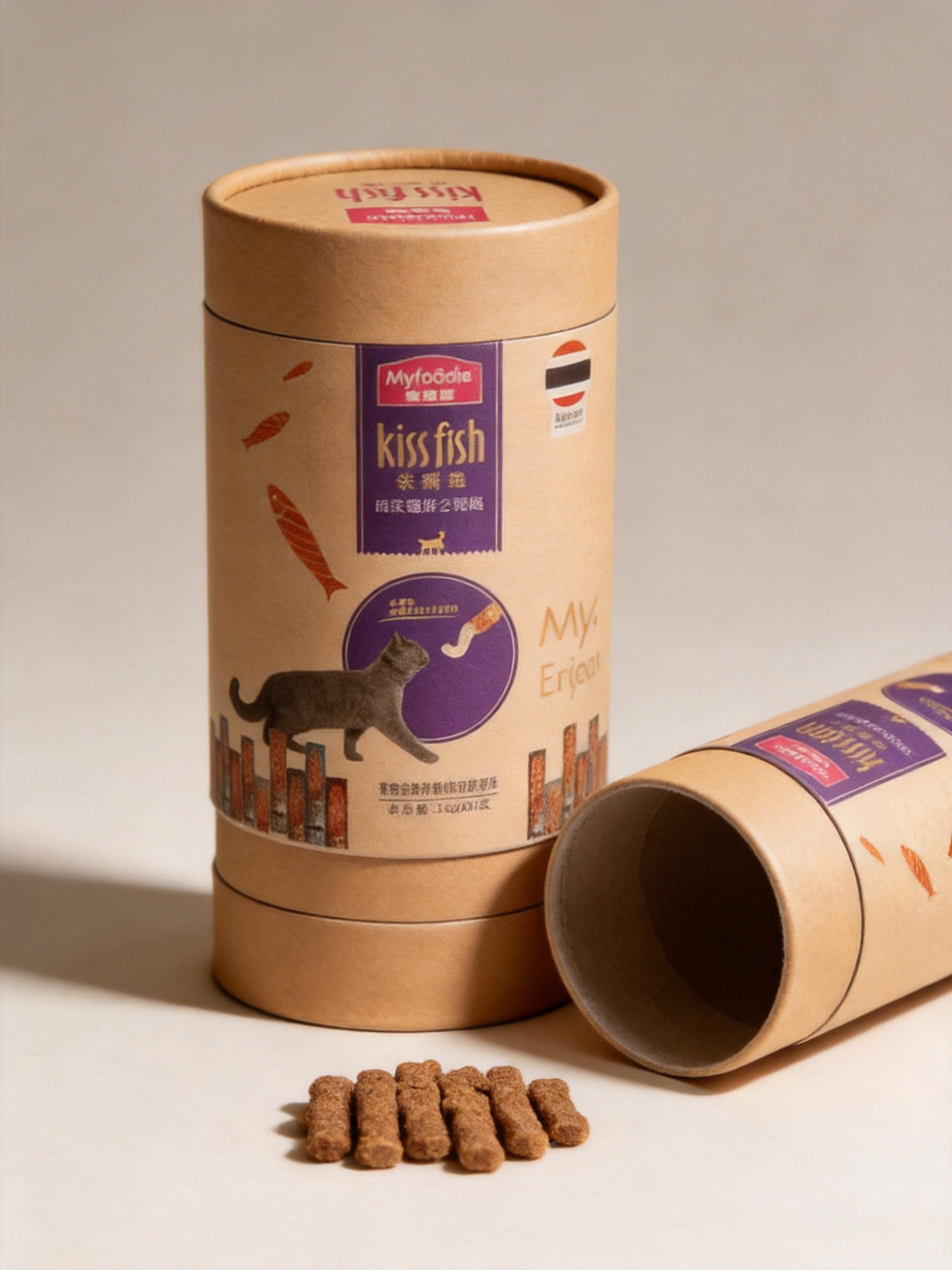
6. CMYK Printing and Custom Brand Communication
CMYK printing allows the package to carry custom graphics, logos, product names, illustrations, ingredient information, feeding instructions, and other communication. The four-color process is suitable for many packaging designs and can reproduce a broad range of images and color combinations when artwork is prepared correctly.
Custom logo printing enables the tube to function as a direct brand ambassador. Instead of presenting a generic container, the package can communicate the product’s identity from the moment it reaches the consumer. This is valuable for independent pet food companies, private-label sellers, specialty retailers, subscription services, and established brands developing a premium line.
The cylindrical shape requires careful artwork preparation. Graphics should be positioned so that important information remains easy to read when the package is viewed from the front. Designers must account for the joining area, curved surface, lid alignment, base position, and possible distortion around the tube circumference.
Important information should not be placed too close to edges, seams, or curved transitions. Small text should be tested at the actual printed size. Barcodes, batch information, expiration details, and regulatory statements should be positioned in areas that remain accessible and scannable.
The available print area also allows brands to use visual storytelling. For example, a pet food tube may feature illustrations of ingredients, photographs of companion animals, nutritional icons, feeding suggestions, or a short brand message. The package can be designed to appeal to the purchaser while remaining clear and practical for everyday use.
Design Strategies for Pet Food Tubes
A premium pet food package should usually communicate three ideas quickly: what the product is, which animal it is intended for, and why the product is valuable. A strong front panel can display the product name, pet type, flavor or formula, net quantity, and primary benefit. Supporting information can continue around the tube without creating visual confusion.
Color selection should correspond to the product’s positioning. Earth tones may support natural or organic messaging. Bold colors can make treats more playful and energetic. Dark backgrounds with metallic-looking printed elements may suggest luxury, although the actual print process and finish should be tested to ensure that the intended effect is achieved.
Illustrations can be especially effective for pet products. A carefully designed animal character or ingredient illustration can make the package more memorable. However, visual appeal should not replace legibility. Consumers need to locate product details, feeding information, allergen statements, and storage guidance quickly.
7. Advantages Compared with Conventional Packaging
The cylindrical paper tube offers several potential advantages over conventional flexible bags, ordinary paperboard cartons, and generic plastic containers. These advantages do not mean that one format is suitable for every pet food product. Instead, they show why the tube is an attractive option for specific premium applications.
Distinctive Shelf Presence
Many pet food products are packed in flat bags or rectangular cartons. A round tube introduces a different visual profile and can help a product attract attention. The vertical shape creates a clear silhouette, while the uninterrupted curved surface provides a large area for graphics.
Premium Tactile Experience
Rigid construction, rolled edges, and matte lamination can make the package feel more substantial than a thin flexible pouch. This supports premium positioning and can be particularly effective for products sold as gifts, limited editions, starter kits, or curated collections.
Organized Home Storage
A paper tube can be easier to place on shelves, counters, and display units than a soft bag that changes shape after opening. Its stable body can help keep the product organized in a pantry or pet supply area. The exact storage benefit depends on the closure and internal packaging system.
Flexible Branding Area
The tube’s body offers a continuous printable surface. Brands can use this space for front-of-pack communication, side-panel information, ingredients, preparation instructions, illustrations, and promotional messages without relying on a small front label alone.
Gift and Reuse Potential
After the product has been consumed, some consumers may reuse a durable paper tube for storing toys, accessories, craft materials, or household items. Reuse depends on cleanliness, structural condition, closure design, and the consumer’s preferences. Even when reuse is not the main objective, the possibility can contribute to a longer package life.
Material Story
Paper-based packaging can support brands that want to reduce dependence on conventional rigid plastic formats. Kraft paper and recycled-material options may be used to communicate a more responsible design direction, provided that claims are supported by accurate documentation.
| Packaging characteristic | Paper tube advantage | Important consideration |
|---|---|---|
| Shape | Distinctive cylindrical appearance | Artwork must be designed for a curved surface |
| Structure | Rigid body with stable form | Wall thickness and closure must match product needs |
| Surface | Large area for custom CMYK graphics | Physical proofing is recommended for color control |
| Handling | Rolled edges improve finished appearance | Edges and lids should be tested for repeated opening |
| Environmental positioning | Paper and recycled-material options are available | Full-package recyclability depends on components and local systems |
| Retail presentation | Strong shelf differentiation | Display dimensions should be reviewed with retailers |
8. Applications in Pet Care
The listed product category is Pet Care, but a customized tube can serve several related product types. The final application should be confirmed through filling trials, product compatibility testing, and any required regulatory review.
Pet Treats
Biscuits, training treats, dental snacks, freeze-dried pieces, and other dry products may be suitable for tube packaging when an inner barrier or sealed pouch is used as required. The tube can help create an attractive presentation for premium treats and gift-oriented selections.
Functional Pet Snacks
Products containing ingredients associated with digestion, skin and coat care, joint support, dental care, or general wellness may benefit from premium packaging. A rigid tube can create a clear distinction between a functional product and an ordinary snack.
Dry Pet Food Samples
The format may be used for sample packs, trial sizes, special formulas, or promotional sets. A short-height tube can provide an effective alternative to a small pouch when a brand wants a stronger physical presentation.
Pet Supplements
Powders, tablets, chews, and other supplements may be placed inside suitable inner packaging or containers. The external tube can serve as a decorative and protective secondary package. Moisture sensitivity, oxygen sensitivity, filling accuracy, and closure performance must be assessed for each supplement.
Seasonal and Limited-Edition Products
Custom printing makes it practical to create holiday designs, adoption-event packages, anniversary editions, collaboration products, or seasonal gift sets. A distinctive tube can help limited-edition products appear collectible and memorable.
9. Manufacturing Strengths of Hangzhou Qunle Packaging
Hangzhou Qunle Packaging Co., Ltd. has been engaged in the composite can and paper can industry for more than 20 years. This length of experience provides a foundation in paper forming, composite structures, printing, finishing, assembly, and quality management.
The company is described as the only member of the international Composite Can and Tube Institute in China’s packaging container industry. Participation in an industry organization can support technical exchange and awareness of developments in composite can and tube manufacturing.
Qunle Packaging has also built long-term partnerships with recognized companies and brands in food, beverage, tea, coffee, and consumer product industries. Experience across different product categories can help a manufacturer understand the varied requirements of product protection, branding, filling, logistics, and retail presentation.
The company was the first enterprise in China to pass the QS certificate for producing food packaging containers, according to the supplied company information. Food packaging credentials should always be reviewed against the requirements of the destination market and the specific product application, but this history demonstrates the company’s attention to packaging safety and production standards.
In 2015, the company introduced a high-speed composite can production line from Europe. Investment in advanced production equipment can improve manufacturing consistency, increase output capacity, and support more efficient production planning. High-speed equipment is especially valuable when producing large orders that require consistent dimensions, stable winding, reliable bonding, and repeatable finishing.
Qunle Packaging has obtained more than 10 patented technologies and continues to research and launch paper packaging products for global markets. Patented technologies may relate to structural design, forming, sealing, production efficiency, or other technical areas. Specific patent applications should be matched to the product design during technical discussions.
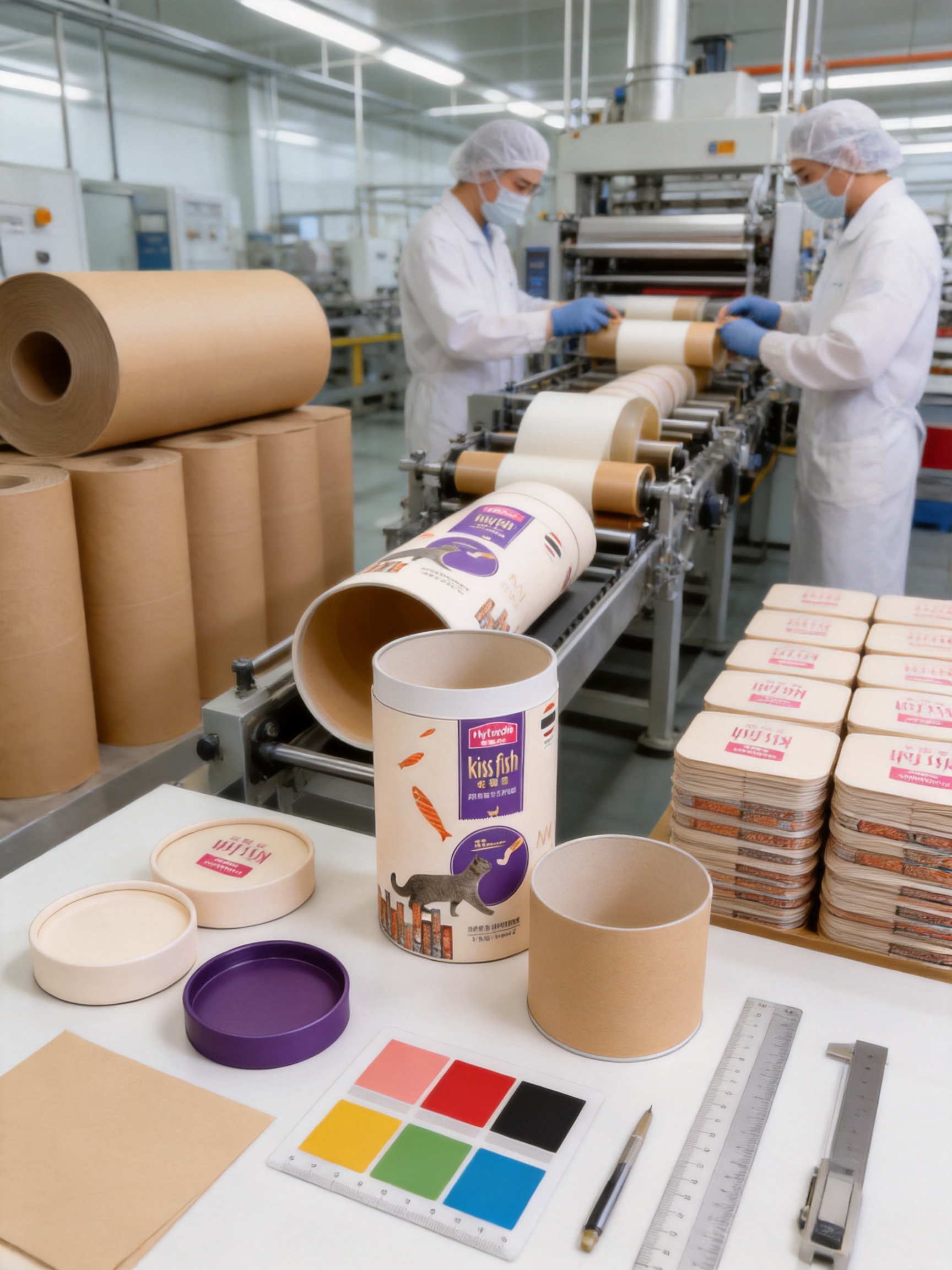
10. Advanced Production Process
Producing a premium paper tube requires coordination among material preparation, tube forming, printing, lamination, component assembly, edge finishing, inspection, and packing. Each stage influences the final appearance and functional performance of the package.
10.1 Material Selection
Production begins with the selection of suitable kraft paper, coated paper, board, adhesives, coatings, and related components. The material combination should be chosen according to the required wall strength, print quality, surface finish, product contact conditions, and environmental expectations.
Material rolls or sheets should be inspected for consistency in thickness, surface quality, moisture condition, and visual appearance. Stable input materials help reduce variation during forming and printing.
10.2 Printing Preparation
Before printing, the customer’s artwork is reviewed for dimensions, color separation, bleed, safe areas, text size, seam position, and cylindrical alignment. Any logos, barcodes, icons, or regulatory information should be checked carefully before plates or digital files are finalized.
Color proofs can help the customer evaluate the appearance of the design before mass production. Because paper texture and matte lamination can influence perceived color, approval should be based on an agreed reference rather than only on an illuminated computer screen.
10.3 Tube Forming
Paper layers are formed into a cylindrical body using controlled winding, bonding, or wrapping processes appropriate to the selected construction. The forming process must maintain the required internal diameter and roundness while ensuring that layers remain securely bonded.
High-speed composite can production equipment can support repeatable production when properly adjusted and maintained. Operators and quality personnel monitor alignment, adhesive application, tension, curing, and dimensional stability throughout the process.
10.4 Cutting and Component Preparation
After the tube body is formed, it may be cut to the specified height. Separate bottom and lid components are prepared and fitted according to the approved design. Accurate cutting is important because uneven height or poor alignment can affect the appearance of the finished package.
10.5 Rolled-Edge Formation
The edges are processed to create the rolled profile. This stage requires controlled pressure and accurate tooling so that the edge remains smooth, consistent, and properly aligned with the body. The finished edge should be checked for loose fibers, deformation, cracking, or irregular rolling.
10.6 Lamination and Surface Finishing
Matte lamination is applied to the printed exterior according to the approved specification. The process must provide even coverage without bubbles, wrinkles, delamination, excessive haze, or visible contamination. Surface inspection is especially important for premium packages because defects are more noticeable on large printed areas.
10.7 Assembly
The body, base, lid, and any additional components are assembled. Assembly must be controlled to maintain concentricity, fit, and visual alignment. If the design includes an inner bag, liner, insert, seal, or other component, the complete system should be evaluated rather than testing the empty tube alone.
10.8 Final Inspection and Packing
Finished units are inspected for dimensions, printing, color, edge quality, lamination, structural condition, closure fit, cleanliness, and overall appearance. Approved units are packed in a way that reduces abrasion and deformation during transport.
11. Quality Control Considerations
Quality control is essential for a custom packaging project because the package must meet both visual and functional expectations. A suitable inspection plan may include incoming-material checks, in-process checks, and final-product checks.
Dimensional inspection should verify the internal diameter, overall height, wall thickness where relevant, lid fit, and base alignment. Small dimensional variations can influence filling performance or the appearance of a stacked retail display.
Visual inspection should examine color consistency, image sharpness, logo placement, text readability, lamination uniformity, edge formation, and surface cleanliness. The inspection standard should be agreed before mass production so that the customer and factory share the same expectations.
Functional testing may include opening and closing trials, compression testing, drop testing, stacking evaluation, abrasion testing, and transportation simulation. The precise tests should reflect the intended supply chain and the sensitivity of the contents.
For pet food products, compatibility and safety requirements are especially important. If the tube is a secondary package, the inner food-contact package may provide the primary barrier. If any part of the paper tube directly contacts the product, the material, ink, adhesive, coating, and production conditions must be evaluated for the relevant food-contact requirements.
12. Customization Options
Custom orders are accepted, allowing brands to adapt the tube to their product strategy. The available customization scope may include artwork, logo, color, paper surface, dimensions, lid style, base style, internal components, surface finish, and packaging method.
The listed product uses CMYK printing and matte lamination, but brands may discuss alternative combinations if their design requires a different visual or tactile result. The best solution should balance appearance, performance, order quantity, lead time, and budget.
Customization should begin with a technical brief. The brief should identify the product type, filling weight or volume, target market, expected shelf life, distribution environment, opening frequency, desired closure, branding requirements, sustainability objectives, and required certifications.
A prototype or pre-production sample is strongly recommended. Sampling helps confirm the physical dimensions, product fit, lid performance, color appearance, surface texture, and overall shelf presence. It also gives the brand an opportunity to revise artwork before committing to the minimum order quantity of 5,000 units.
13. Minimum Order Quantity and Commercial Planning
The minimum order quantity for this product is 5,000 units. This quantity is appropriate for brands launching a new product line, preparing a seasonal campaign, supplying multiple retailers, or planning an initial regional distribution program.
A 5,000-unit order may also support better cost efficiency than very small custom runs because tooling, artwork preparation, setup, printing, forming, and assembly costs can be distributed across a larger number of units. The final quotation depends on materials, dimensions, printing coverage, surface treatment, closure design, internal components, packing method, shipping terms, and order quantity.
Brands should plan packaging inventory together with product production. A long shelf life for the empty tube does not remove the need to control dust, humidity, compression, and temperature during storage. Packaging should be stored in a clean and dry location and protected from excessive pressure or direct moisture.
For new products, a staged approach can reduce commercial risk. The brand may begin with a sample, proceed to a pilot order, evaluate customer response, and then adjust the design or quantity for future production. This is particularly useful when the package is intended for a new market or a new pet food format.
14. Sustainability and Responsible Packaging
The use of paper-based materials and recycled-material options can support a more responsible packaging strategy. Kraft paper offers a natural visual identity, while paper construction may reduce the amount of conventional rigid plastic used in the outer package.
However, sustainability should be considered from a full life-cycle perspective. A tube with multiple laminated layers, non-paper components, or an inseparable inner liner may have different recycling characteristics from a simpler paper container. Brands should request accurate information about material composition and disposal guidance.
Environmental communication should be specific and supportable. Terms such as recyclable, recycled content, renewable, compostable, or biodegradable can have different technical and legal meanings in different markets. Packaging claims should be reviewed against the applicable regulations and the actual construction of the finished product.
Good packaging design also reduces unnecessary material use. The tube should be sized appropriately for the product, avoiding excessive empty space while maintaining sufficient protection. Efficient packing and transportation can further reduce the environmental impact associated with distribution.
15. Retail and E-Commerce Performance
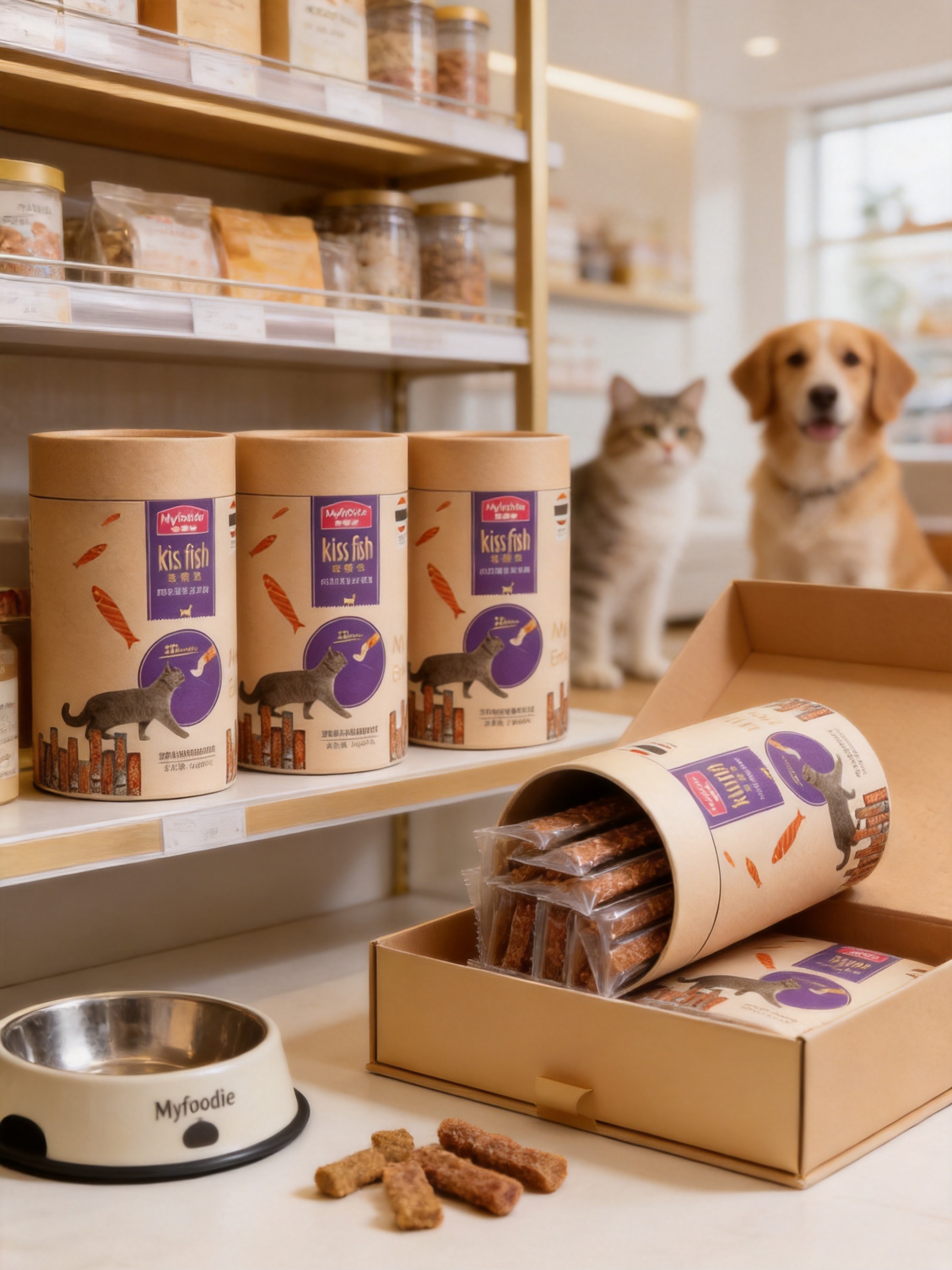
In physical retail, the cylindrical tube can create a strong vertical display. Its round profile may help it stand out among rectangular cartons and flat bags. Multiple tubes can be arranged in rows, grouped by flavor, or displayed as a coordinated product family.
The tube is also suitable for e-commerce presentation. A distinctive package can improve product photography and create a more premium unboxing experience. The matte surface may reduce glare in photographs, while the large printed area can carry recognizable visual elements that remain clear in online thumbnails.
For shipping, the package should be evaluated with the chosen outer carton and protective materials. Individual tubes may require separators or cushioning to prevent scuffing and movement. Shipping tests can identify whether the lid remains secure and whether the laminated surface withstands normal distribution handling.
16. Why Choose This Packaging Solution?
This paper tube is a strong option for pet food brands that need a package with a premium appearance, rigid cylindrical structure, custom graphics, and a paper-based material story. It combines several features in one format: a three-piece construction, rolled edges, kraft and coated paper options, CMYK printing, matte lamination, custom logo capability, and factory-direct production.
Its key competitive advantage is the balance between presentation and practicality. The package is more visually distinctive than many standard pouches, more tactile than a simple sleeve, and more brandable than an unprinted stock container. At the same time, it remains adaptable to a range of pet care products and can be produced at a commercial minimum order quantity.
The manufacturing background of Hangzhou Qunle Packaging strengthens the proposition. More than two decades of industry experience, composite can expertise, advanced European production equipment, patented technologies, food packaging experience, and international customer partnerships provide a substantial foundation for custom packaging production.
For brands, the value is not limited to the empty container. The package can support product differentiation, consumer confidence, shelf visibility, gift presentation, and a stronger connection between the pet owner and the product.
17. Recommended Development Process
A successful project should begin with a clear product and packaging brief. The brand should provide the intended product type, dimensions, filling quantity, target market, desired visual style, closure requirements, and expected distribution conditions.
The packaging manufacturer can then review the technical feasibility of the requested dimensions and recommend suitable materials and construction details. At this stage, the brand should discuss whether the tube is a primary package, a secondary package, or part of a multi-component packaging system.
Artwork preparation follows technical confirmation. The design team should receive a suitable dieline or template showing the printable areas, seam, lid, base, safe zones, and bleed requirements. All text, logos, legal information, and barcodes should be proofread before approval.
The next stage is sampling. A physical sample allows the customer to evaluate the package in real conditions. The brand should test filling, opening, closing, stacking, shipping, shelf display, and consumer handling.
After sample approval, the factory prepares mass production. Production specifications, approved color references, tolerances, inspection standards, packing requirements, and delivery details should be documented clearly. This reduces the possibility of misunderstanding during the manufacturing process.
18. Questions and Answers
Q1: What is this paper tube primarily designed to package?
The product is designed for pet food packaging and may be suitable for dry treats, snacks, supplements, dental products, sample products, and related pet care items. The final application should be confirmed through filling and compatibility testing.
Q2: What is the construction of the tube?
It uses a three-piece paper tube construction with rolled edges. The structure generally includes a cylindrical body, a base, and a lid or top component.
Q3: What materials are used?
The listed materials are kraft paper and coated paper. Recycled-material and eco-friendly options are available, subject to the detailed specification and the complete packaging configuration.
Q4: What are the listed dimensions?
The stated size is an internal diameter of approximately 112.5 to 115.5 millimeters and a height of 160 millimeters. Brands should confirm final tolerances and usable capacity through a technical drawing and physical sample.
Q5: Can the package carry a custom logo?
Yes. Custom logo printing is available, and the package can be decorated with brand graphics, product information, illustrations, and other artwork.
Q6: What printing method is specified?
The listed printing method is CMYK printing. This supports full-color artwork, product graphics, illustrations, and branding elements.
Q7: What surface finish is used?
The listed post-printing treatment is matte lamination. It provides a low-gloss appearance and a smooth, premium tactile finish.
Q8: Is the tube waterproof?
The supplied specification does not state that the tube is waterproof. Paper tube packaging should be protected from direct moisture, and the product may require an inner bag, liner, or sealed component when moisture or oxygen protection is necessary.
Q9: Is the tube suitable for direct food contact?
Direct food-contact suitability depends on the complete material system, including paper, ink, adhesive, coating, and manufacturing conditions. Brands should request the relevant technical and compliance documentation for their destination market.
Q10: What is the minimum order quantity?
The minimum order quantity is 5,000 units. The final price and production conditions depend on the complete design and order specification.
Q11: Can the dimensions be customized?
Custom orders are accepted. Brands should discuss the required internal capacity, product dimensions, wall structure, closure style, and printing area with the manufacturer before production.
Q12: How can brands evaluate the design before mass production?
A physical prototype or pre-production sample should be requested. It can be used to check product fit, appearance, printing, surface finish, lid performance, filling, storage, and shipping behavior.
Q13: What makes the tube different from a conventional pet food pouch?
The tube offers a rigid cylindrical structure, rolled edges, a premium tactile surface, and a distinctive printable format. It can provide stronger shelf differentiation and a more giftable appearance, although the appropriate format depends on the product’s protection requirements.
Q14: Is the package environmentally friendly?
The package is described as using recycled materials and offering an eco-friendly option. A complete environmental assessment should consider all components, coatings, laminations, adhesives, inner packaging, disposal systems, and applicable local regulations.
Q15: What manufacturing experience does the supplier have?
Hangzhou Qunle Packaging has more than 20 years of experience in composite cans and paper cans. The company has advanced production equipment, patented technologies, food packaging experience, and partnerships across food, beverage, tea, coffee, and consumer product sectors.
19. Final Assessment
Luxury Paper Tube Packaging Unique Design Pet Food Packaging Boxes provide a compelling combination of visual distinction, structural stability, custom branding, and paper-based material appeal. The three-piece construction with rolled edges creates a polished appearance, while kraft paper and coated paper support different design directions. CMYK printing and matte lamination allow brands to create refined, detailed, and recognizable packaging.
The package is especially suitable for premium pet treats, functional snacks, supplements, gift products, seasonal collections, and other items that benefit from enhanced presentation. Its cylindrical shape can distinguish a product from common flat bags and cartons, while its rigid body supports organized storage and attractive retail display.
Behind the product is a manufacturer with long-term experience in composite can and paper can production. Hangzhou Qunle Packaging’s production history, industry participation, high-speed European equipment, patented technologies, food packaging background, and international market experience provide important advantages for brands seeking a capable custom packaging partner.
For the best result, brands should treat packaging development as a technical and creative project. Careful material selection, accurate artwork preparation, prototype testing, product compatibility evaluation, and clear quality standards will help ensure that the finished tube performs as intended. When these elements are managed properly, the paper tube can become more than a container: it can serve as a durable, memorable, and premium part of the pet food product experience.
References
1. Product specification supplied for Luxury Paper Tube Packaging Unique Design Pet Food Packaging Boxes.
2. Company information supplied for Hangzhou Qunle Packaging Co., Ltd.
3. General principles of paperboard packaging structure, printing, lamination, and package development.
4. General considerations for pet food packaging protection, labeling, storage, and distribution.
5. General sustainability principles for paper-based packaging and recycled-material communication.
