 English
 Español

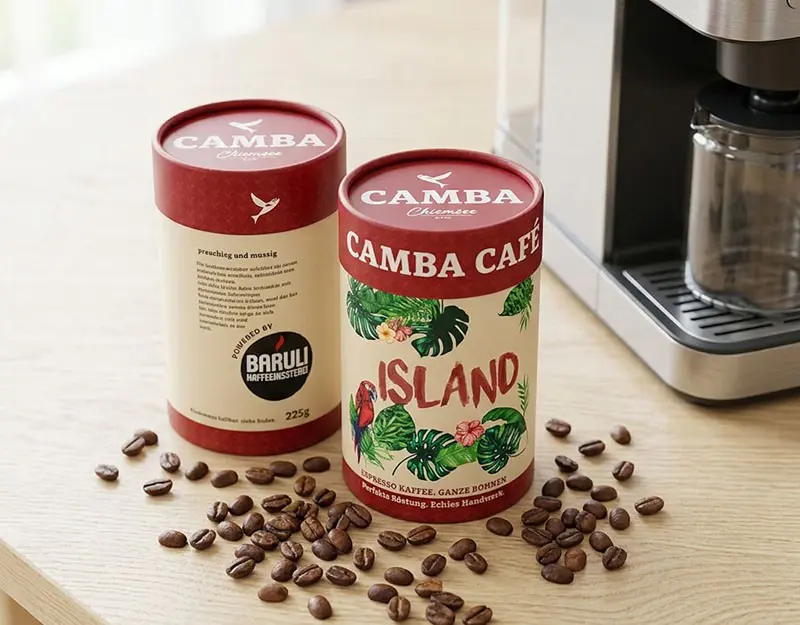
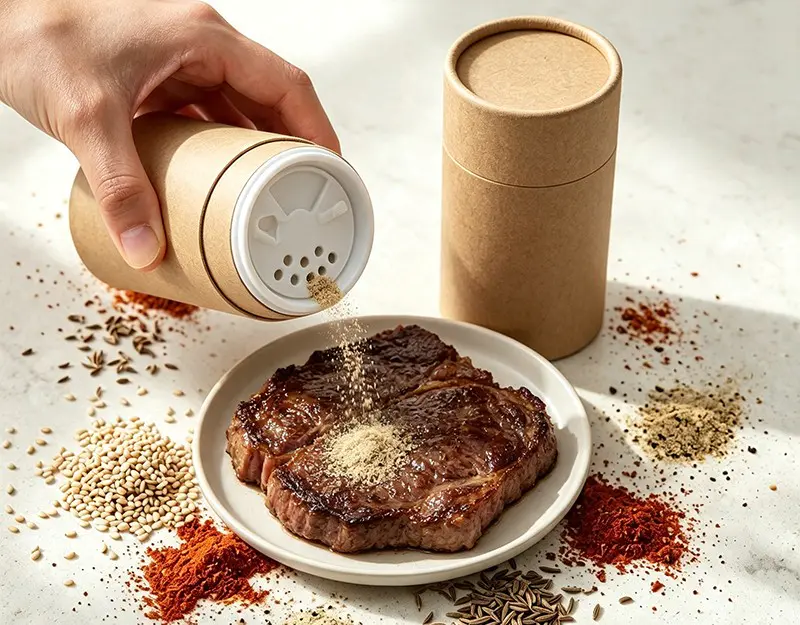
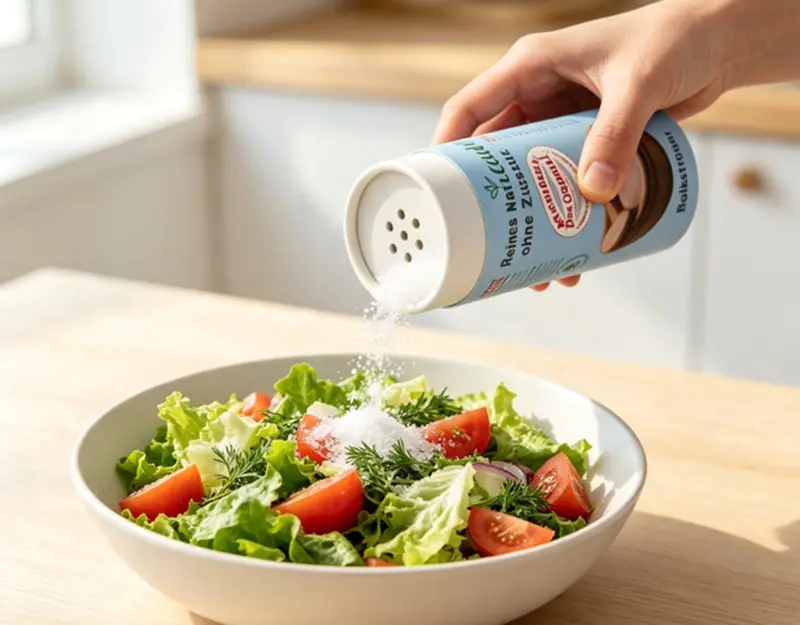
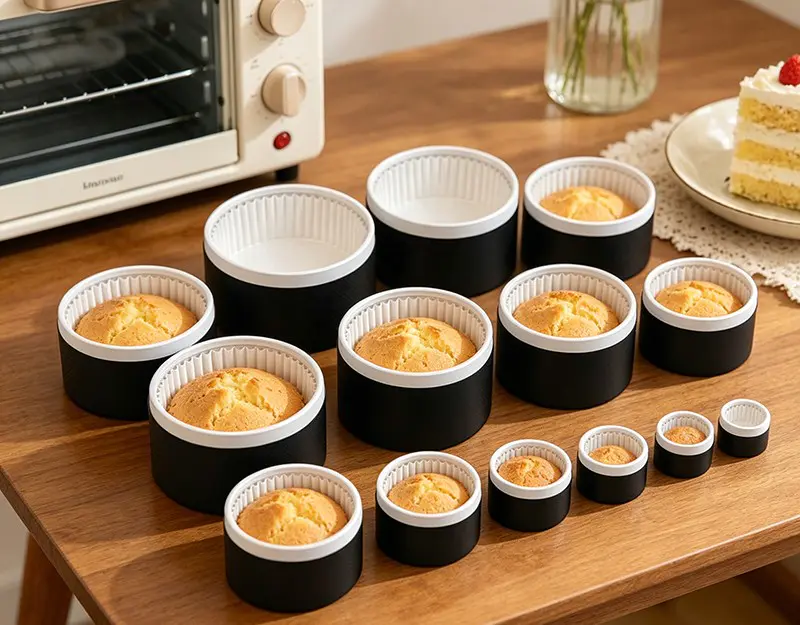
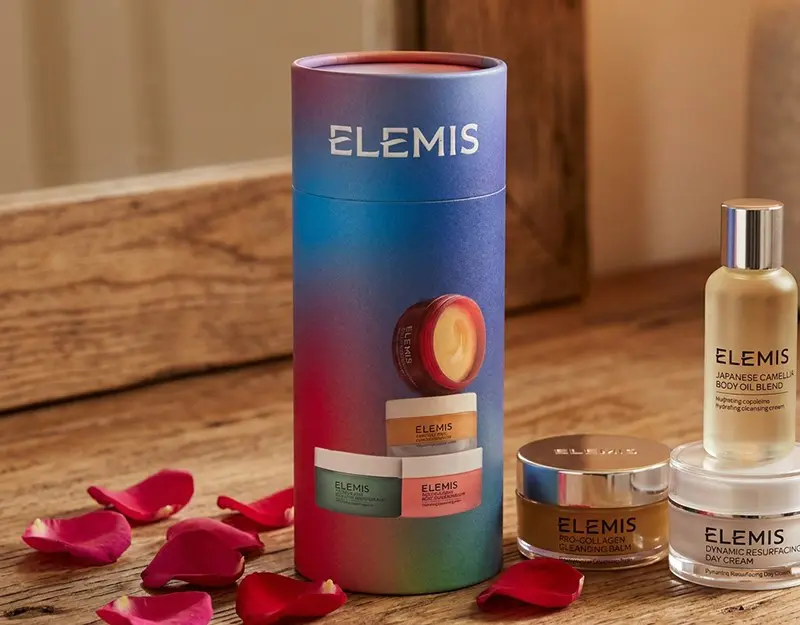
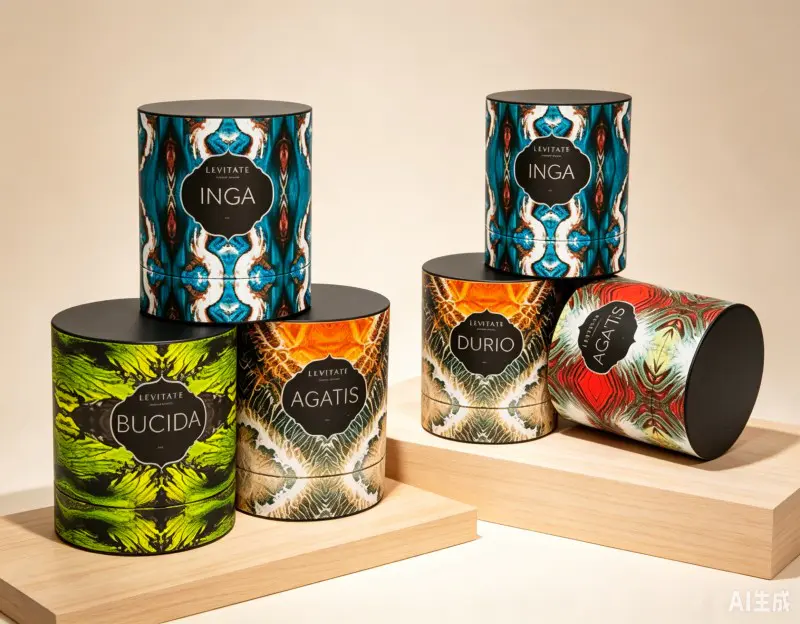
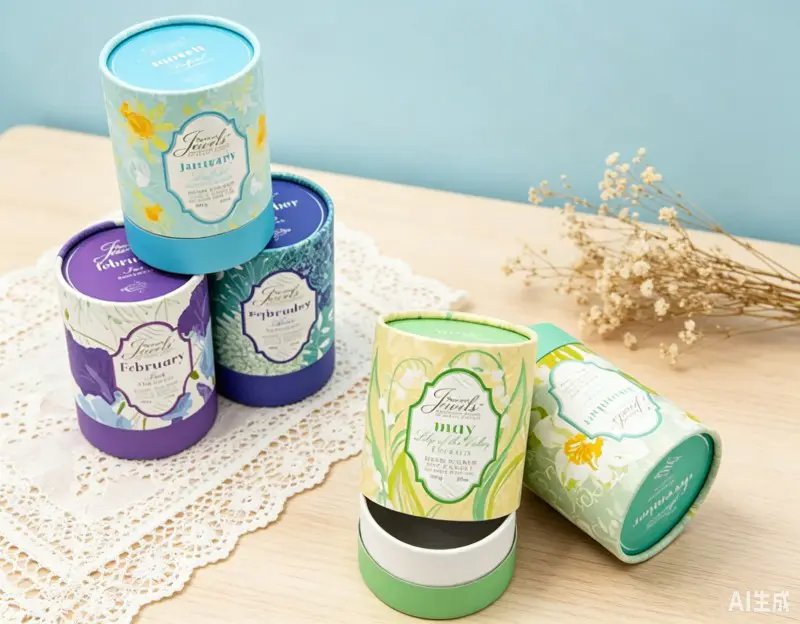
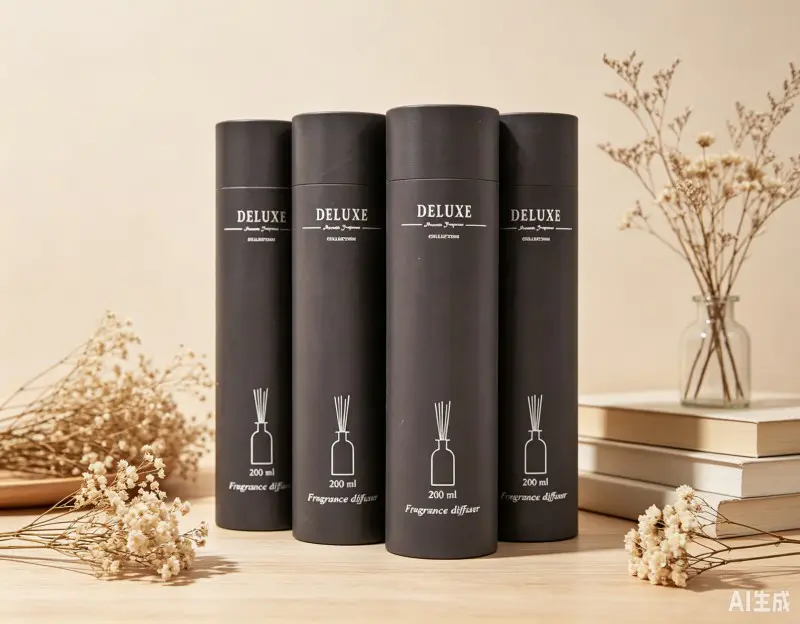
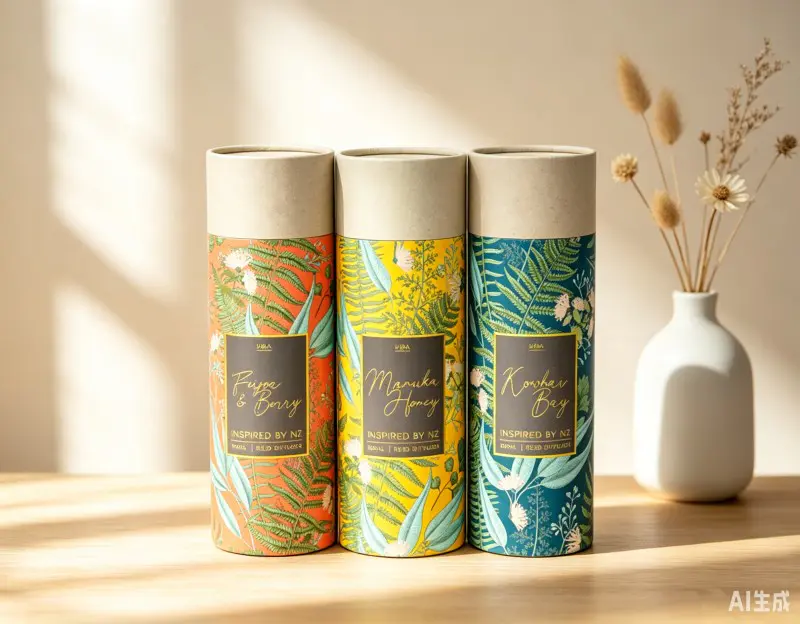
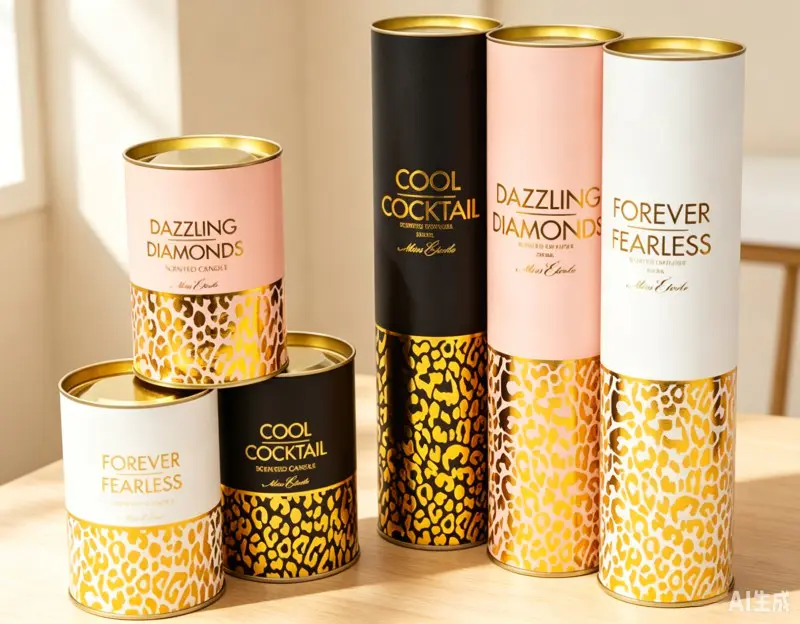
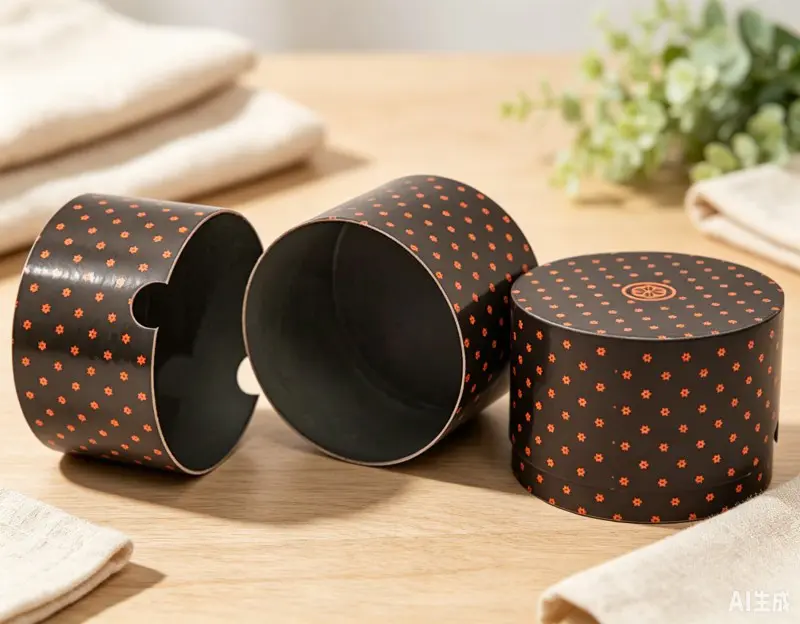
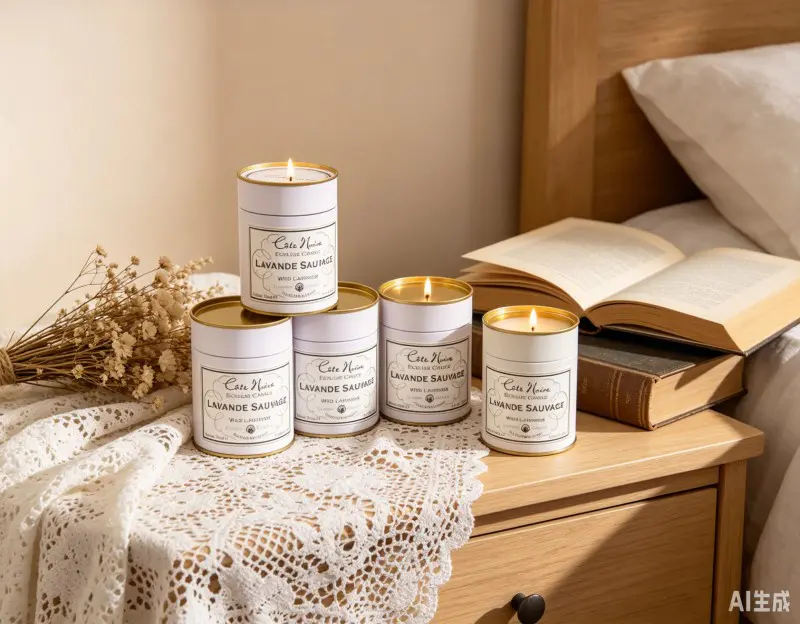

As one of the top China cardboard tube packaging manufacturers and paper tube packaging suppliers, we devote all of our efforts to research and launch more high quality packaging products to global market.
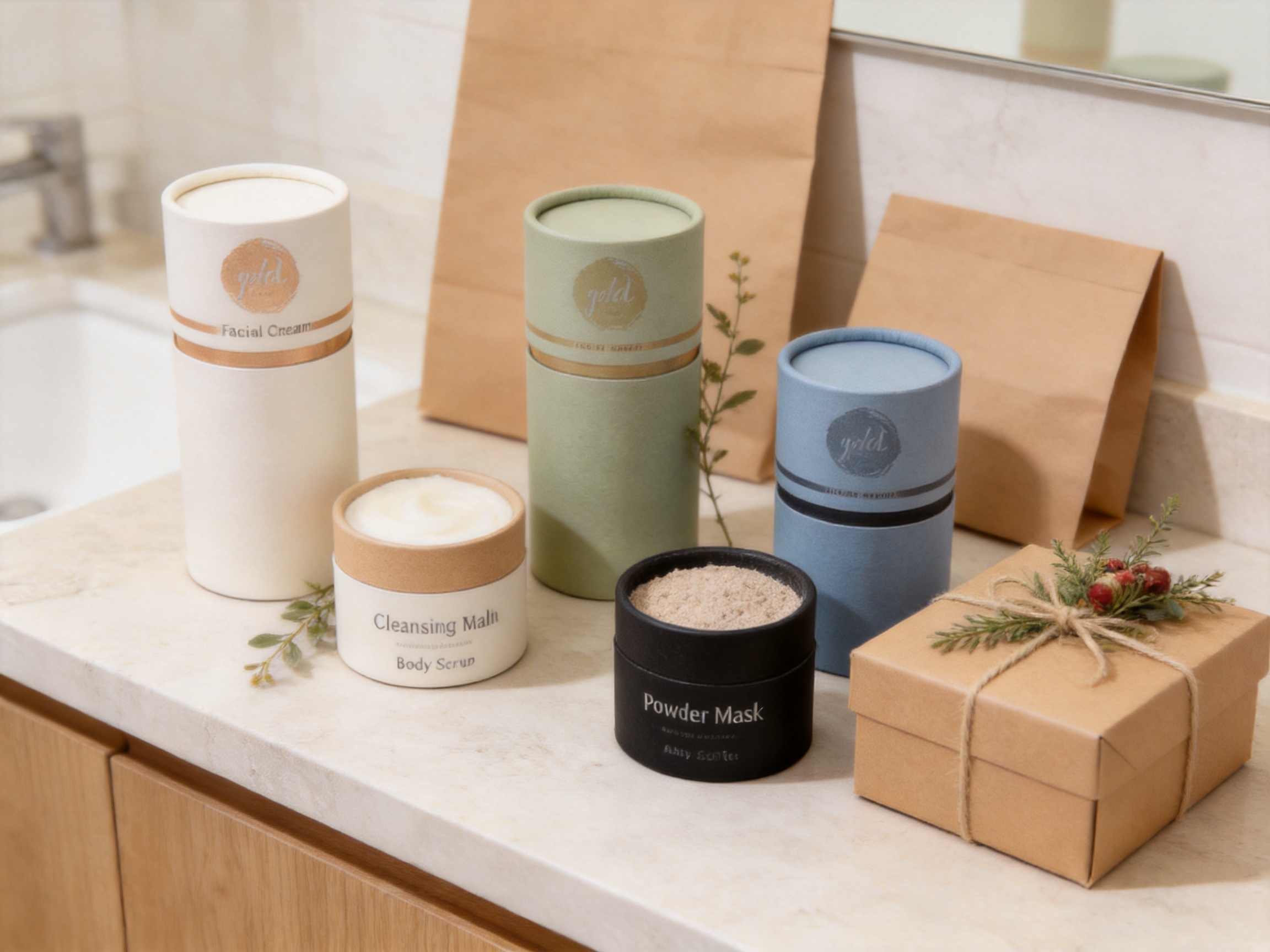
Luxury skincare packaging must perform several jobs at the same time. It must protect creams, balms, masks, powders, and other personal-care products while also communicating quality, supporting brand recognition, and meeting growing expectations for responsible materials. The luxury round paper box cosmetics packaging described in this article is designed to answer these requirements through a carefully engineered paper structure, customizable decoration, dependable closure, and a refined appearance suitable for premium skincare collections.
Unlike ordinary folding cartons or basic plastic containers, a round paper box can create a stronger physical and visual presence on a retail shelf. Its cylindrical form gives the product a distinctive silhouette, while its paper construction provides a natural, tactile impression. The packaging can be produced in customized colors, sizes, labels, surface treatments, and internal configurations, allowing skincare brands to develop packaging that reflects their market position instead of relying on a standard off-the-shelf format.
This packaging solution is manufactured by Hangzhou Qunle Packaging Co., Ltd., a company with more than 20 years of experience in composite cans and paper can production. Its capabilities include structural development, paper forming, printing, surface treatment, assembly, and quality control. The company’s experience in food, daily chemical, fast-moving consumer goods, and other packaging fields supports the production of paper containers suitable for demanding cosmetic applications.
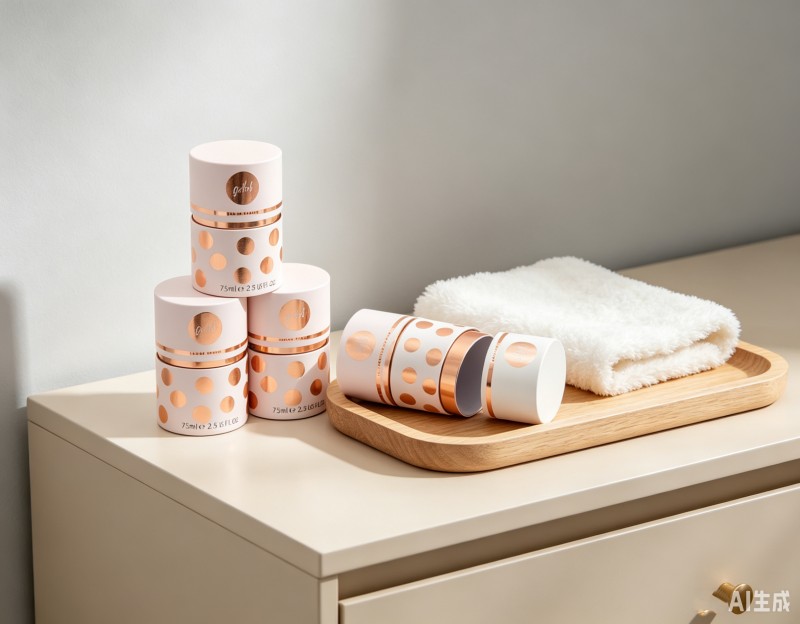
Luxury Round Paper Box Cosmetics Packaging for Skincare
Content
- 1 Why Round Paper Packaging Is Suitable for Premium Skincare
- 2 Product Structure and Main Specifications
- 3 Material Advantages Over Conventional Packaging
- 4 Protection and Practical Performance
- 5 Luxury Decoration and Visual Customization
- 6 Applications Across the Skincare Market
- 7 Advanced Manufacturing Experience
- 8 From Design Brief to Finished Package
- 9 Advantages Over Generic Folding Cartons
- 10 Advantages Over Conventional Plastic Presentation
- 11 Branding, Shelf Impact, and Consumer Experience
- 12 Sustainability Considerations
- 13 Quality and Supply Chain Strengths
- 14 Recommended Development Questions
- 15 Frequently Asked Questions
- 15.1 What products can use this round paper box?
- 15.2 Can the dimensions and colors be customized?
- 15.3 What printing and finishing methods are available?
- 15.4 Does the package include a paper lid?
- 15.5 Is the packaging biodegradable and recyclable?
- 15.6 Can the box directly contact skincare formulas?
- 15.7 Why choose a round paper box instead of a standard carton?
- 15.8 What makes the manufacturer suitable for custom projects?
- 15.9 Can the packaging be used for gift sets?
- 15.10 What should be approved before mass production?
- 16 Conclusion
- 17 References
- 18 Product: Luxury Round Paper Box Cosmetics Packaging for Skincare
Why Round Paper Packaging Is Suitable for Premium Skincare
Skincare products are closely associated with sensory experience. Consumers judge a product not only by its formula but also by the way the package looks, feels, opens, and fits into a daily routine. A round paper box contributes to this experience by offering a soft and elegant profile. The absence of sharp corners gives the container a friendly, approachable appearance, while the solid cylindrical body can suggest stability and craftsmanship.
The round format is also highly adaptable. It can be used for facial creams, body creams, solid perfumes, cleansing balms, bath products, beauty masks, exfoliating products, sample sets, and gift collections. Depending on the product’s dimensions and filling method, the interior can include a paper lining, a separate inner cup, a protective barrier, or another compatible component. This flexibility helps brands select a package based on the product’s physical and barrier requirements rather than choosing a container only for its appearance.
Paper packaging is particularly effective for brands that want to communicate naturalness, simplicity, craftsmanship, or environmental awareness. Kraft paper can provide a warm and authentic base, while offset printing and matte lamination create a more polished luxury finish. The combination allows a company to balance the raw appeal of paper with the consistent visual quality expected in the premium cosmetics market.
Compared with a conventional rectangular carton, a cylindrical box offers greater three-dimensional impact. It can stand out in department stores, specialty beauty shops, hotel amenities, subscription boxes, and online product photography. The curved body also provides a continuous printable surface, which can be used for branding, instructions, ingredients, patterns, or decorative illustrations. With an appropriate layout, the package can communicate information without appearing crowded.
Product Structure and Main Specifications
The product is a luxury round paper box designed for skincare packaging. Its primary material is paper, with kraft paper available as an important structural or visual option. The paper body is engineered to provide a stable form and a premium hand feel. The package may be produced with a paper lid and a white paper lining, creating a clean interior and a coordinated all-paper presentation.
The outside can be finished with offset printing and matte lamination. Offset printing is suitable for detailed graphics, precise brand colors, fine typography, and consistent reproduction across production batches. Matte lamination reduces excessive gloss and gives the surface a smooth, understated texture. It can also help protect printed graphics from ordinary handling, scuffing, and minor surface contamination.
Stamping is another available decoration method. Depending on the design, stamping may be used to create a raised, pressed, metallic, or otherwise distinctive visual effect. A restrained stamped logo on a matte surface can make a product appear more refined without requiring excessive ornamentation. The decoration strategy can be adjusted to match a natural skincare line, a clinical dermocosmetic range, a luxury facial-care collection, or a seasonal gift program.
The package is available in customized colors and sizes. This is important because skincare products vary widely in fill volume and form. A compact facial balm, a larger body cream, and a multi-piece gift set require different dimensions. Custom sizing can improve the relationship between the primary product and its outer package, reducing unnecessary empty space and creating a more balanced presentation.
The label can be made from art paper, which offers a suitable surface for brand marks, product names, usage information, and decorative elements. The label design can either contrast with the paper body or coordinate with it. For example, an ivory label on natural kraft paper can create a soft botanical appearance, while a dark label with metallic stamping can create a more dramatic luxury effect.
| Item | Available Specification | Value for Skincare Brands |
|---|---|---|
| Product format | Round paper box or cylindrical paper packaging | Distinctive shelf presence and flexible use across skincare categories |
| Main material | Paper, including kraft paper options | Natural appearance, tactile appeal, and renewable-material positioning |
| Surface treatment | Offset printing and matte lamination | Detailed graphics, controlled color reproduction, and a refined finish |
| Decoration | Stamping and customized labeling | Enhanced logo visibility and premium brand differentiation |
| Interior | White paper lining or customized internal structure | Clean presentation and adaptable product protection |
| Lid | Paper lid | Coordinated appearance and a predominantly paper-based package concept |
| Color and size | Customized | Alignment with product dimensions, brand identity, and sales channel |
| Order type | Custom orders accepted | Support for new launches, private-label projects, and branded collections |
| Product positioning | Luxury cosmetics and skincare packaging | Suitable for premium retail, gifting, spa products, and specialty beauty lines |
Material Advantages Over Conventional Packaging
One of the most important advantages of this packaging is its paper-based construction. Many conventional cosmetic packages depend heavily on plastic, even when the product does not require a fully plastic exterior. Plastic can provide strong moisture and impact resistance, but it may not communicate the natural or environmentally conscious positioning that many skincare brands now seek. A paper box can reduce the visual dependence on plastic and give a product a more responsible, material-focused identity.
The packaging is described as biodegradable and recyclable. These environmental attributes should always be evaluated according to the complete final structure, including coatings, adhesives, labels, inks, inner components, and the local recycling system. Even so, a paper-centered design can provide a meaningful advantage over packaging made primarily from difficult-to-separate materials. Brands can work with the manufacturer to select compatible finishes and components that support their intended disposal and sustainability communication.
Kraft paper contributes both structural and aesthetic benefits. Its visible fibers and warm color can reinforce a natural product story, particularly for organic-inspired skincare, botanical formulas, handmade creams, and wellness collections. If a brighter or more controlled graphic appearance is preferred, printed surfaces and labels can provide a clean visual field while retaining the dimensional character of the paper box.
The round paper format can also support efficient brand storytelling. A package does not need to rely only on a large front panel. The curved sidewall can carry a short product description, ingredient highlights, directions, recycling information, or a brand message. This provides more usable communication space while preserving a compact footprint.
Compared with thin paper cartons, a composite paper box generally offers a more substantial feel in the hand. The cylindrical body can resist casual deformation better than a lightweight folding carton, depending on the wall construction and dimensions. That perceived solidity is valuable for luxury skincare because consumers often associate weight, rigidity, and careful finishing with product quality.
At the same time, paper packaging can be designed with a less industrial visual character than metal or rigid plastic. It can feel warmer, quieter, and more approachable. This distinction is useful for brands seeking to occupy the space between mass-market cosmetics and highly ornate luxury packaging.
Protection and Practical Performance
Beauty packaging must look attractive, but appearance cannot replace basic protection. The package needs to maintain its shape during filling, storage, transportation, retail handling, and consumer use. The paper body, lining, lid, and any internal components must be considered as a complete system. Product-specific testing is recommended for formulas that contain oils, volatile ingredients, water, alcohol, acids, or other substances that may interact with packaging materials.
The white paper lining can create a clean interior appearance and provide an additional layer between the product and the outer paper structure when used with a suitable inner component. It can also improve the visual quality of the opening experience. When a customer removes the lid, a neat white interior may reinforce the impression of cleanliness and careful production.
A paper lid can be engineered for a secure fit while maintaining an easy opening action. The correct fit depends on the product dimensions, wall thickness, lid depth, paper characteristics, and intended user experience. For a gift box or secondary package, the lid may be designed for repeated opening and closing. For a package holding a primary cosmetic container, the lid may focus more on presentation and protection during distribution.
The round structure has no corners that can easily catch on adjacent packages or become visibly crushed at a sharp edge. This does not make the package damage-proof, but it can help create a more consistent appearance during normal handling. The cylindrical shape also works well in protective shipping inserts and can be arranged efficiently in cartons when the dimensions are standardized.
Product compatibility remains essential. A paper package should not be assumed to provide a complete barrier against every skincare formula. Brands should communicate the product composition and filling conditions during development so that the manufacturer can recommend an appropriate lining, inner container, coating, or separation layer. For dry products, solid products, and secondary packaging applications, a paper structure may be especially straightforward. For wet or oily formulas, additional technical evaluation is needed.
Luxury Decoration and Visual Customization
Luxury is often created through coordinated details rather than a single expensive feature. The round paper box supports this approach by offering several decoration options that can be combined carefully. A matte surface can provide a soft foundation. Offset printing can add brand colors and detailed imagery. Stamping can highlight a logo or product name. An art paper label can introduce a contrasting texture or a more formal information panel.
Offset printing is valuable for brands that require repeatable color and sharp detail. Botanical illustrations, fine lines, gradients, small text, and subtle patterns can be reproduced with a high level of consistency when the artwork, paper, ink, and production settings are properly controlled. Consistency is especially important when a skincare brand has several products in the same collection.
Matte lamination can reduce reflections under store lighting and during product photography. This makes the package easier to view from different angles and can give printed colors a more sophisticated appearance. A matte surface may also feel smoother and more contemporary than a high-gloss finish. The choice should be based on the desired brand personality, because a glossy or partially glossy detail may still be appropriate for selected designs.
Stamping can be applied as a focal point. A small logo stamped on the lid can create a memorable opening moment. A metallic mark may suit an anti-aging collection, while a blind or tone-on-tone stamp may better support a minimalist or environmentally focused line. Decorative effects should be balanced against recycling objectives and the overall material strategy.
Color customization enables packaging to work as part of a complete visual identity. Soft greens, creams, warm neutrals, and muted blues can support botanical or sensitive-skin positioning. Deep charcoal, rich brown, burgundy, or metallic accents can create a more luxurious presentation. Bright colors may be appropriate for youthful, energetic, or seasonal collections. The paper substrate can influence color appearance, so physical proofs and approved production samples are important before mass production.
Size customization is equally important. An oversized box can make a small product appear inefficient, while an undersized package may compromise protection or handling. A properly proportioned container improves shelf presentation, reduces wasted space, and helps consumers understand the product’s scale. Customized dimensions can also support bundles, discovery sets, travel sizes, and promotional editions.
Applications Across the Skincare Market
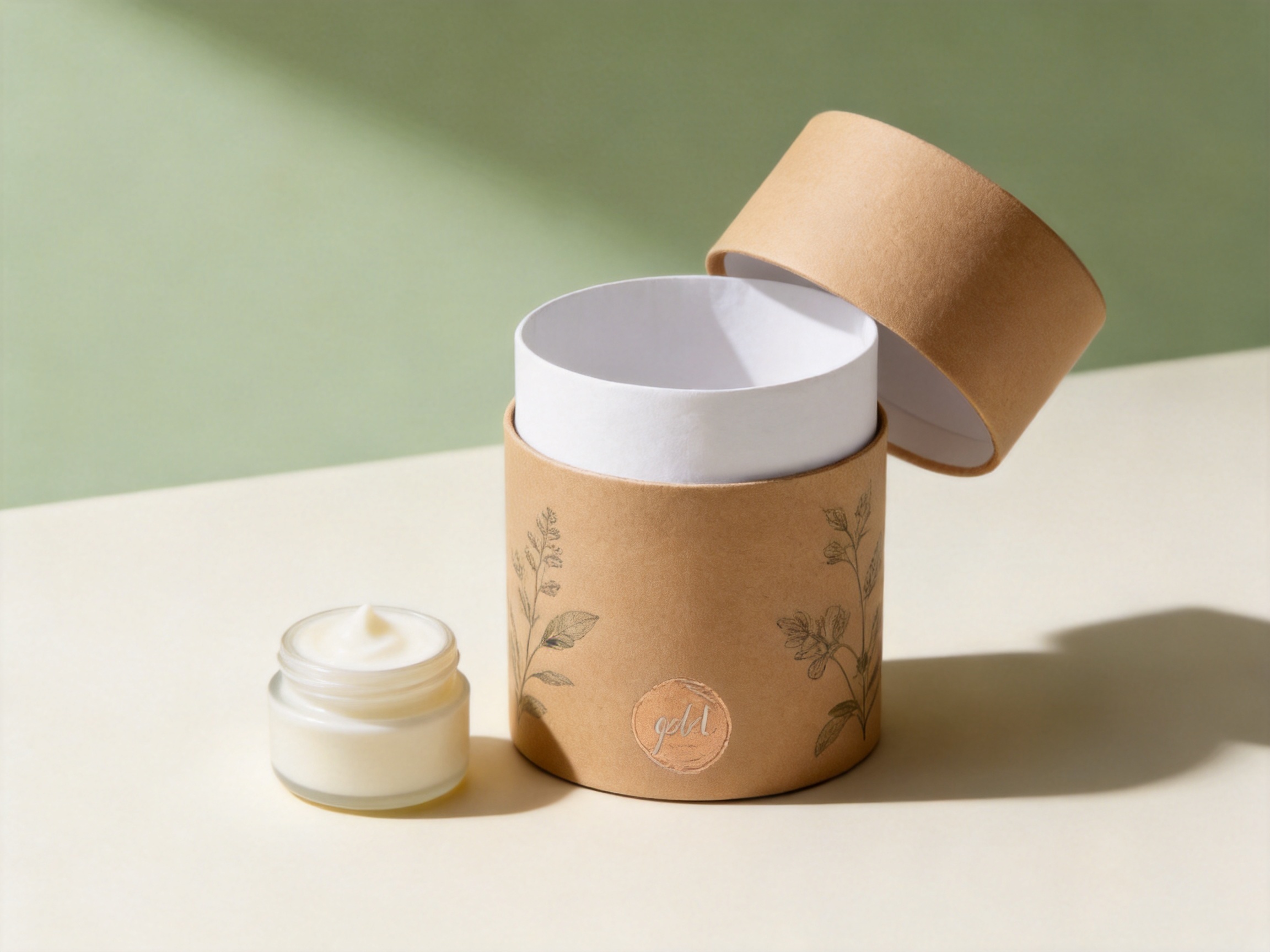
The packaging is suitable for a broad range of skincare applications. Facial creams and moisturizers can be presented in a refined cylindrical package, particularly when the paper box functions as secondary packaging around an inner jar. Cleansing balms and solid skincare products may benefit from the package’s giftable appearance and tactile opening experience. Body scrubs, bath products, and solid lotion bars can also use a round form that communicates natural ingredients and artisan production.
Premium facial masks represent another potential application. A box can contain a single larger product, a set of smaller portions, or a collection arranged with an inner insert. The cylindrical format works well for spa-inspired branding and can help create a calm, ritual-focused presentation. For powdered masks or dry formulations, the paper container may offer a useful combination of presentation and practical storage when the internal barrier requirements are satisfied.
The box can also be used for cosmetic accessories, trial kits, and gift-with-purchase programs. A brand may use a smaller customized version for samples or a larger version for a seasonal collection. Matching sizes and decorations across a product family can create visual continuity on a retail display.
Hotels, spas, wellness centers, and boutique retailers may use customized round paper boxes for amenity products or exclusive collaborations. A natural paper finish can complement wood, stone, linen, and other material palettes often used in hospitality environments. The package can be printed with a hotel mark, treatment name, event identity, or special message.
Online brands can also benefit from the format. Product photographs often need to communicate quality through shape and surface detail because customers cannot touch the package before purchase. A cylindrical paper box with a clear label, attractive lid, and controlled matte finish can create strong visual content for product pages, social media, unboxing materials, and subscription deliveries.
Advanced Manufacturing Experience
The production quality of a paper package depends on more than the selected raw material. It requires controlled forming, accurate dimensions, reliable bonding, stable printing, consistent finishing, and careful assembly. Hangzhou Qunle Packaging Co., Ltd. has been engaged in the composite can and paper can industry for more than 20 years. This long-term specialization provides a foundation for understanding how paper layers, adhesives, linings, labels, lids, and decorative surfaces work together.
The company’s packaging business serves food, daily chemical products, fast-moving consumer goods, and other markets. This range is valuable because it exposes the manufacturer to different performance requirements. Food packaging emphasizes cleanliness and material control. Daily chemical packaging may require resistance to active ingredients. Fast-moving consumer goods demand reliable production, visual consistency, and cost awareness. Experience across these areas can support more disciplined skincare packaging development.
The company is identified as the only member of the international Composite Can and Tube Institute in China’s packaging container industry. Participation in an industry organization can support technical awareness, professional exchange, and a broader understanding of composite packaging practices. It also reflects the company’s focus on paper cans and tubes as a specialized manufacturing category rather than an incidental product line.
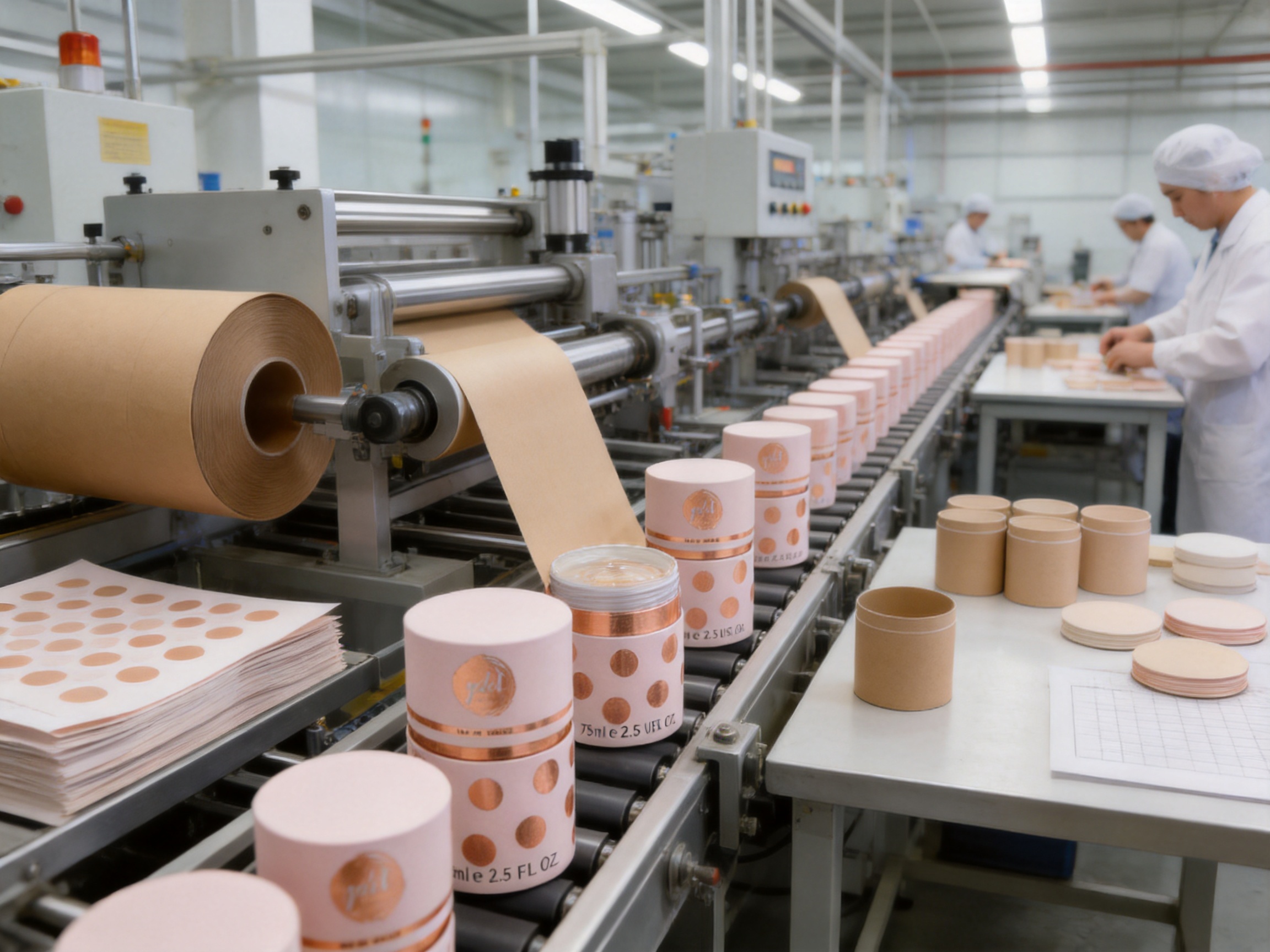
In 2015, the company introduced a high-speed composite can production line from Europe. A high-speed production line can improve throughput and help maintain repeatable forming conditions when properly operated and maintained. Automation and specialized equipment can reduce variation caused by manual handling, support larger production volumes, and create a more dependable schedule for established brands.
Production efficiency does not eliminate the need for inspection. A capable manufacturing process normally includes checks for paper quality, dimensions, alignment, surface defects, print registration, bonding, lid fit, label placement, and overall appearance. For customized skincare packaging, the approval process should include confirmed artwork, technical drawings, color standards, samples, and defined inspection criteria.
The company has obtained more than 10 patented technologies. Patents alone do not guarantee that every package will be suitable for every formula, but they indicate continued investment in technical development. In a specialized paper packaging project, technical development may involve improved forming methods, more stable structures, enhanced closures, manufacturing efficiency, or new approaches to composite paper containers.
The company was also the first enterprise in China to pass the QS certificate for producing food packaging containers, according to the supplied company information. Experience with food packaging standards can contribute to a disciplined approach to cleanliness, process control, and material management. Skincare projects still require their own specifications and evaluations, but cross-industry quality experience is a meaningful manufacturing strength.
From Design Brief to Finished Package
A successful custom packaging project begins with a clear design brief. The brand should identify the product type, fill weight or volume, dimensions, formula characteristics, intended sales channel, expected production quantity, decoration requirements, and target price. It should also clarify whether the paper box is the primary package, a secondary package, or part of a gift set.
The next stage is structural development. Engineers and packaging specialists determine the body diameter, height, wall construction, lid configuration, lining, label position, and opening method. If the package must contain an inner jar or cup, the outer dimensions should be developed around that component. If the paper box will directly contact the product, compatibility and barrier requirements become more critical.
Artwork development follows structural approval. Designers prepare the printable area, account for curved-surface placement, and check that text remains legible. The layout must consider seams, lid transitions, label overlaps, and areas that may not be suitable for important graphics. A design that looks correct on a flat screen may need adjustment when applied to a cylindrical surface.
Sampling allows the brand to evaluate the actual package. A sample can reveal whether the lid feels secure, whether the size is appropriate, whether the label is correctly positioned, and whether the colors and surface finish match the brand’s expectations. Product fit testing can also identify potential issues before mass production.
After sample approval, the manufacturer prepares production materials and schedules. Paper, adhesive, labels, inks, lamination materials, and decorative components should be checked against the approved specification. Production controls then focus on maintaining the same structural and visual standards from the first units to the last.
Final inspection should confirm both appearance and function. The package should be checked for clean edges, stable construction, accurate decoration, correct dimensions, proper lid fit, and freedom from significant dents, stains, delamination, or printing defects. For larger projects, agreed sampling plans and acceptance standards help the buyer and manufacturer evaluate quality objectively.
Advantages Over Generic Folding Cartons
Folding cartons are efficient and economical for many products, but they are not always sufficient for a premium skincare presentation. A carton can be folded flat before filling and offers excellent printable area, yet its lightweight structure may provide less impact and less memorable unboxing value. A round paper box creates a more substantial object and can be retained by consumers for storage or reuse, depending on its design.
The cylindrical shape also provides a different visual language. A rectangular carton communicates efficiency and information. A round box can communicate ritual, softness, craft, and exclusivity. This distinction may be useful for skincare products that are positioned as self-care experiences rather than simply functional personal-care goods.
Another difference is tactile quality. A well-made paper canister or round paper box can feel firm and smooth, with a carefully finished lid and continuous decorated surface. A carton typically depends more on printed graphics to create value. The round box combines graphics with volume, structure, and touch.
For gift sets, the round shape can create a more distinctive presentation. It may hold a single hero product, a collection of samples, or a coordinated accessory. Its appearance can support seasonal launches, limited editions, influencer kits, and special retail collaborations.
Advantages Over Conventional Plastic Presentation
Plastic containers remain useful in cosmetics, especially when strong moisture, chemical, and impact resistance is required. However, a plastic package may not match the visual direction of every skincare brand. The round paper box provides an alternative for brands that want to reduce the prominence of plastic in their presentation or use paper as the primary exterior material.
Paper also offers a different tactile signal. The surface may feel warmer and more natural than smooth molded plastic. Kraft paper communicates material authenticity, while matte lamination can provide a clean luxury finish. This combination is well suited to brands that want to appear modern without becoming overly glossy or technologically distant.
Environmental communication should be accurate and specific. A brand should explain which part of the package is paper-based, how it should be disposed of, and whether all components are recyclable in the target market. The use of a biodegradable or recyclable paper structure is an advantage, but responsible communication requires attention to the entire package and local waste infrastructure.
The paper box may also support brand differentiation in a crowded category. Many skincare products use similar plastic jars and bottles. A distinctive cylindrical paper package can help a new product create recognition more quickly, especially when its color, label, logo, and lid treatment are designed as a cohesive system.
Branding, Shelf Impact, and Consumer Experience
Packaging is often the first physical contact between a consumer and a skincare brand. A carefully produced box can establish expectations before the formula is opened. The lid, surface, label, and interior should therefore work together to create a consistent sequence: recognition, handling, opening, discovery, and storage.
A printed outer wall can introduce the brand identity from a distance. At closer range, stamping and matte texture can reward inspection. When the lid is removed, the lining and internal arrangement can create a sense of order. These small transitions can make a product feel more considered and help justify a premium price position.
The round shape may also improve the ergonomics of handling. It can be lifted from a shelf without catching on neighboring packages, and it can sit comfortably in a hand during opening. Its form is familiar enough to be approachable but distinctive enough to support product recognition.
For brands selling online, the opening experience can become part of content marketing. Customers may photograph or record the package for social media, reviews, and unboxing videos. A strong structure, clear graphics, and a refined lid can make the product more presentable in this environment. The package should still prioritize practical protection so that the visual experience survives shipping and delivery.
Sustainability Considerations
The use of paper in cosmetics packaging is part of a broader movement toward more responsible material choices. Paper comes from a renewable material stream and can often be collected through established recycling systems. A paper box may also be easier for consumers to identify and understand than a package made from multiple inseparable materials.
Nevertheless, sustainability is a design process rather than a single label. The paper grade, printing inks, lamination, adhesive, label, lining, lid, and inner container all influence the final environmental profile. During development, the brand and manufacturer should review whether each component is necessary and whether it can be simplified without reducing product protection.
Right-sizing is another important consideration. A customized package can be made large enough to protect the product but not unnecessarily oversized. Efficient dimensions can reduce material consumption, improve shipping utilization, and lower the amount of empty space in retail and transport cartons. Size optimization should be performed together with fit testing and brand presentation requirements.
Durability can also support sustainability. If the package remains attractive and functional after opening, consumers may reuse it to store small objects, accessories, samples, or personal items. Reuse is not guaranteed, but a sturdy and appealing box has a greater chance of being kept than a package that is immediately damaged or difficult to handle.
Brands should avoid broad environmental claims that cannot be supported. Instead, they can provide clear information about paper content, recycling guidance, responsible sourcing where applicable, and the limitations of the package. This approach builds credibility and helps consumers make informed disposal decisions.
Quality and Supply Chain Strengths
For an international skincare brand, manufacturing capability must be supported by communication and supply chain coordination. A reliable supplier should be able to discuss artwork, materials, prototypes, lead times, order quantities, packaging tests, and shipping requirements in a structured way. Custom projects are more successful when technical information is confirmed in writing before production begins.
Hangzhou Qunle Packaging Co., Ltd. has established partnerships with companies and brands in food, beverages, tea, coffee, daily chemical products, and other consumer categories. These partnerships indicate experience with commercial packaging programs that require repeat orders, consistent quality, and coordinated delivery. Experience with recognized consumer brands can be useful when a skincare customer needs a supplier capable of supporting long-term product development.
A broad product portfolio covering composite cans, paper tubes, and related packaging formats can also help the company recommend a suitable construction. A brand may begin with one skincare box and later need matching gift tubes, sample containers, candle packaging, or other cylindrical formats. A manufacturer with experience across several paper structures may simplify future expansion.
The company’s location in Hangzhou, Zhejiang, provides access to an established manufacturing region and export-oriented supply networks. International buyers should still confirm shipping terms, production schedules, inspection arrangements, and documentation for each project. Clear planning is essential when custom packaging must arrive in time for a product launch.
Recommended Development Questions
Before requesting a quotation, a skincare brand should define the product’s dimensions and filling method. The supplier needs to know whether the box will hold a jar, bottle, pouch, solid product, or another component. The expected product weight and formula characteristics can influence the required internal structure.
The brand should also specify its preferred paper appearance. Kraft paper, white paper, colored paper, and printed paper can create very different results. If a natural appearance is required, the visible paper surface may be part of the design. If precise brand colors are essential, the artwork may need a lighter or more controlled substrate.
Decoration requirements should be listed clearly. Offset printing, matte lamination, stamping, and art paper labels may be used individually or in combination. The buyer should identify which elements are essential and which are optional, especially when balancing luxury appearance, cost, sustainability, and production efficiency.
Finally, the brand should explain its quality expectations. Examples include color tolerance, lid fit, label alignment, surface uniformity, edge quality, and acceptable cosmetic defects. Specific criteria help the manufacturer prepare the right process controls and help the buyer evaluate samples consistently.
Frequently Asked Questions
What products can use this round paper box?
The box is designed for skincare packaging and may be suitable for facial creams, body creams, cleansing balms, masks, solid cosmetics, bath products, sample sets, and gift collections. The final application depends on the product’s size, formula, filling method, and required barrier performance.
Can the dimensions and colors be customized?
Yes. The supplied product information identifies customized colors and sizes. Custom dimensions allow the package to fit different product volumes and reduce unnecessary empty space. Color customization supports alignment with a brand identity, seasonal collection, or specific retail environment.
What printing and finishing methods are available?
The listed surface treatment is offset printing with matte lamination, and stamping is also identified as a printing or decoration option. An art paper label may be used for additional branding and product information. The exact combination should be confirmed during technical development.
Does the package include a paper lid?
Yes. The listed specification identifies a paper lid. The lid structure and fit should be developed according to the body dimensions, intended opening frequency, internal product, and desired user experience.
Is the packaging biodegradable and recyclable?
The product information describes it as biodegradable and recyclable. Actual performance depends on the complete package structure, including coatings, adhesives, labels, inner components, and local recycling facilities. Buyers should request project-specific material information and disposal guidance before making detailed environmental claims.
Can the box directly contact skincare formulas?
Direct contact depends on the formula and the internal construction. Dry or solid products may have different requirements from creams, oils, or water-based products. Brands should provide formula and filling information so that the supplier can evaluate the need for a lining, inner cup, barrier, or separate primary container.
Why choose a round paper box instead of a standard carton?
A round paper box offers a more substantial structure, a distinctive silhouette, tactile appeal, and a memorable unboxing experience. It can support premium positioning and provide a continuous surface for decoration. A standard carton may remain more suitable when flat shipping, maximum print area, or very low packaging cost is the primary objective.
What makes the manufacturer suitable for custom projects?
The manufacturer has more than 20 years of experience in composite cans and paper cans, operates a high-speed composite can production line introduced from Europe, has developed more than 10 patented technologies, and serves food, daily chemical, fast-moving consumer goods, and other packaging markets. These capabilities support structural customization, production consistency, and long-term packaging development.
Can the packaging be used for gift sets?
Yes. The customized size, round form, paper lid, labeling, and luxury finishing make the box suitable for individual products, promotional sets, discovery kits, and seasonal gift packaging. The internal layout should be developed according to the number and shape of the products included.
What should be approved before mass production?
The buyer should approve the structural drawing, dimensions, paper and lining specifications, artwork, color standard, surface finish, stamping details, label position, lid fit, sample appearance, and inspection criteria. Product compatibility and transportation performance should also be evaluated when the box is used with sensitive formulas or shipped internationally.
Conclusion
Luxury round paper box cosmetics packaging provides skincare brands with a distinctive alternative to conventional cartons and plastic exteriors. Its cylindrical form, paper construction, customizable dimensions, offset printing, matte lamination, stamping, art paper labeling, white paper lining, and paper lid can be combined to create a package that is attractive, practical, and aligned with contemporary material preferences.
Its greatest advantage is the combination of visual differentiation and manufacturing flexibility. The package can communicate naturalness through kraft paper, sophistication through matte finishing, and brand identity through carefully controlled printing and stamping. It can be adapted for facial care, body care, masks, balms, gift collections, and other cosmetic applications, provided that the final structure is matched to the product’s protection requirements.
The manufacturer’s more than two decades of industry experience, specialized composite packaging focus, high-speed European production line, patented technologies, food-packaging quality background, and established commercial partnerships provide a strong foundation for custom development. Through careful specification, sample approval, formula compatibility evaluation, and quality inspection, brands can use this paper box format to create a premium skincare package with reliable commercial potential.
References
1. Company product information for luxury round paper box cosmetics packaging for skincare, including material, decoration, lining, lid, customization, and application details.
2. Company profile information concerning composite cans, paper cans, paper tubes, manufacturing history, industry participation, and packaging markets served.
3. Packaging development principles for cosmetic containers, including structural design, product compatibility, labeling, printing, finishing, and quality inspection.
4. General guidance on paper packaging recyclability, biodegradable materials, component separation, responsible environmental communication, and local waste-management conditions.
5. General packaging engineering practices for prototype approval, dimensional control, closure testing, surface inspection, transport preparation, and customized production.
