 English
 Español

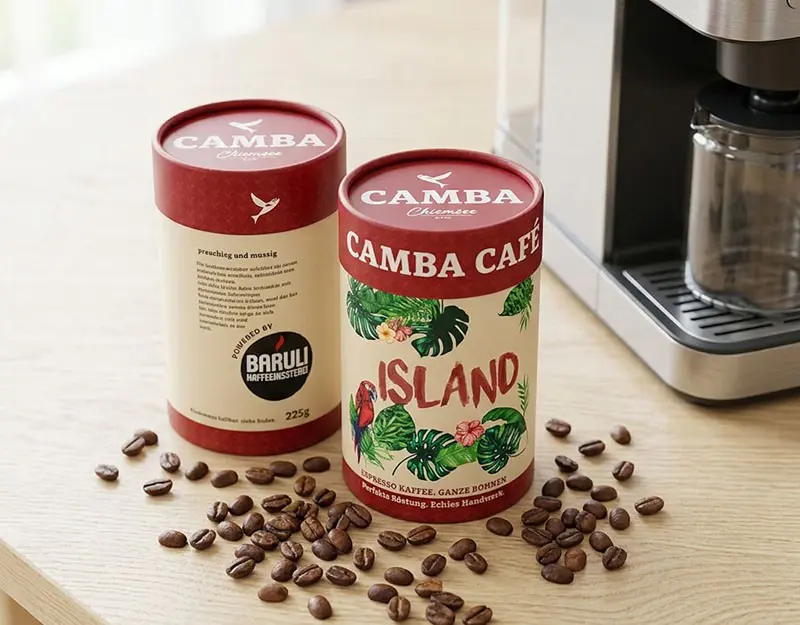
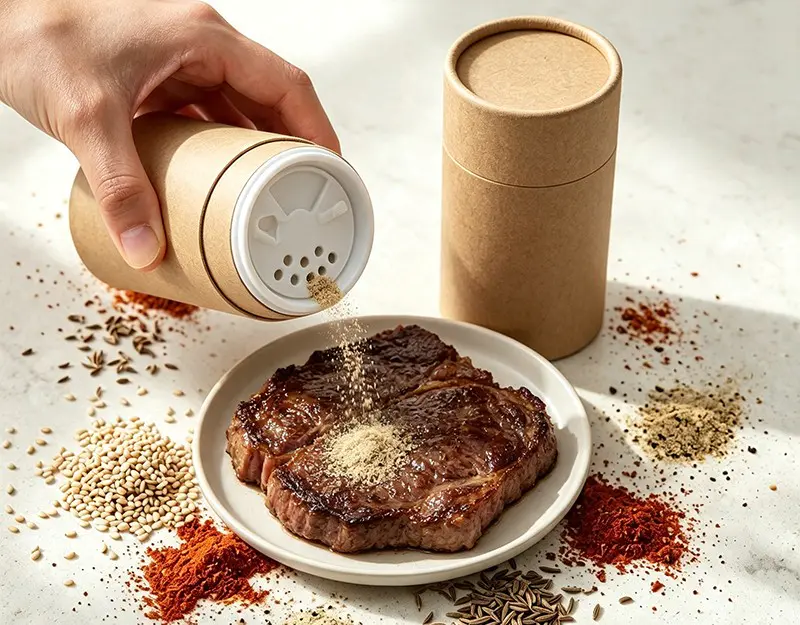

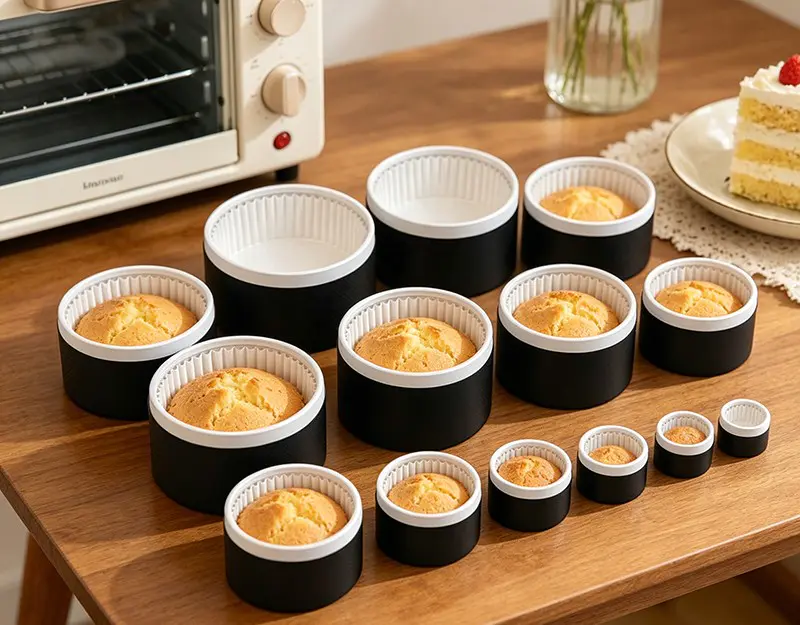
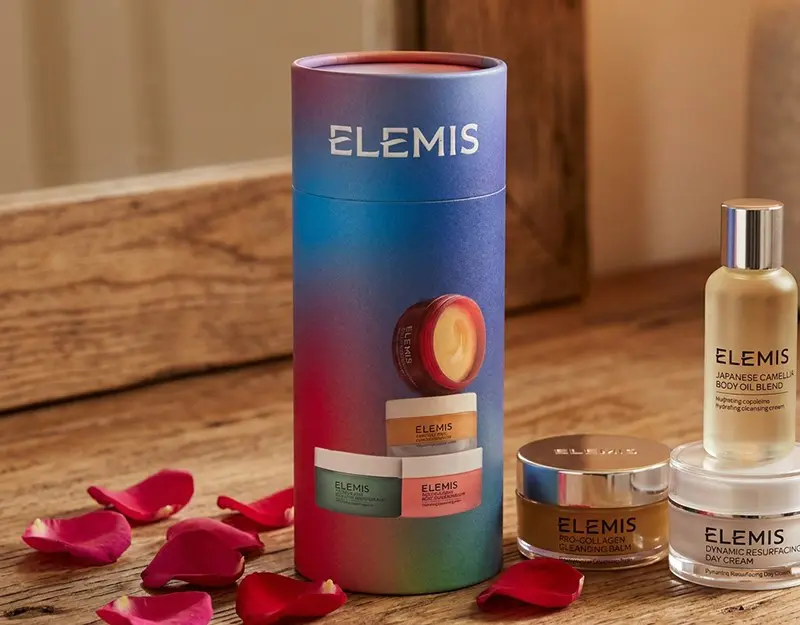
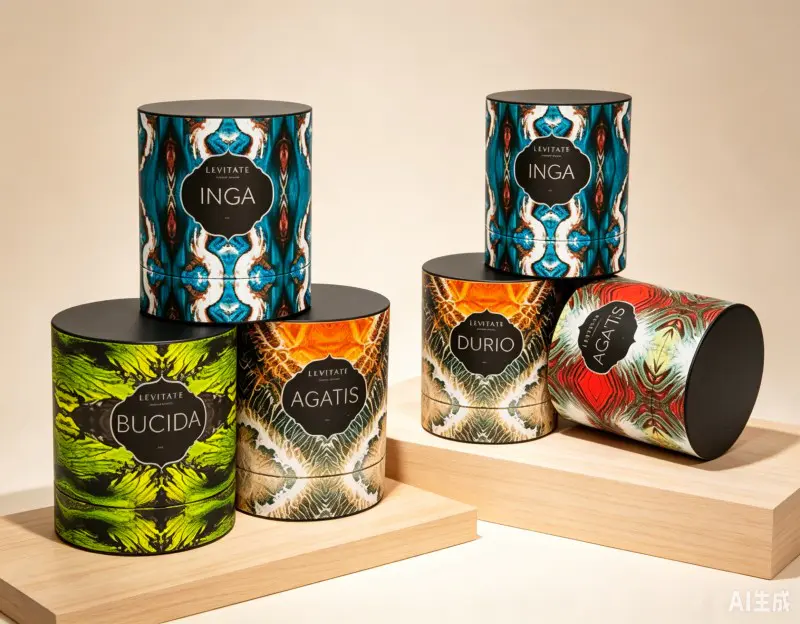
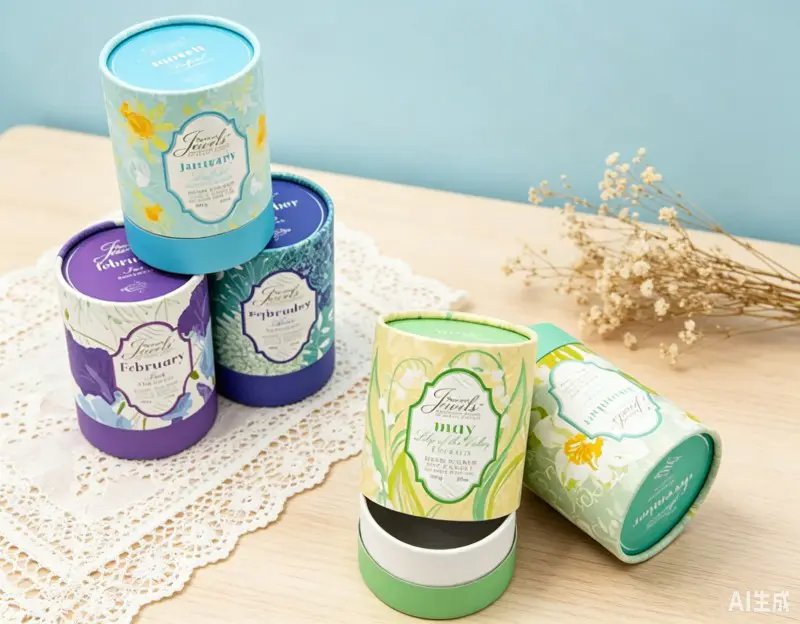
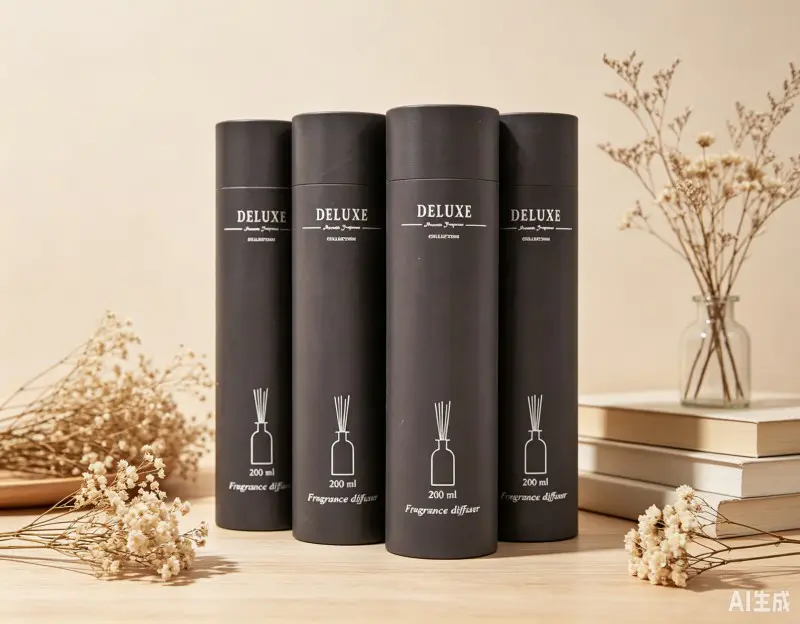
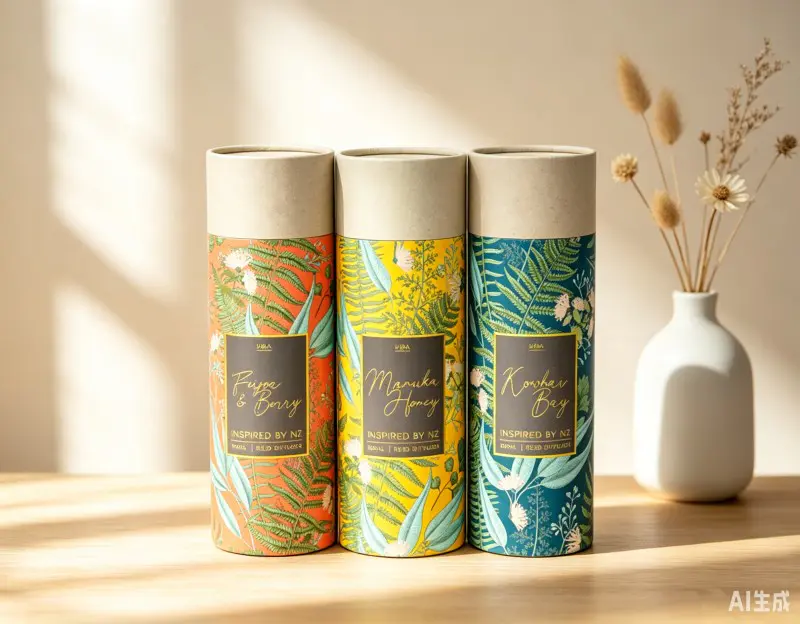
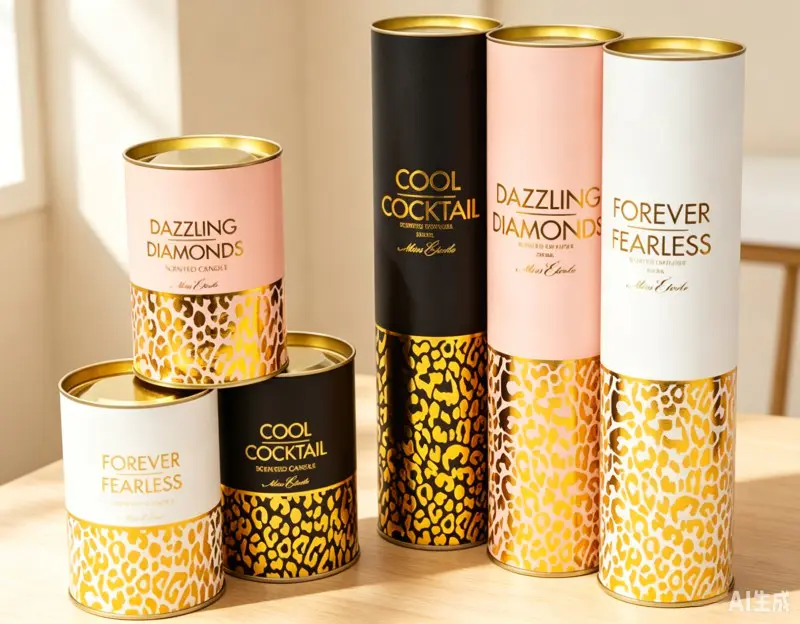
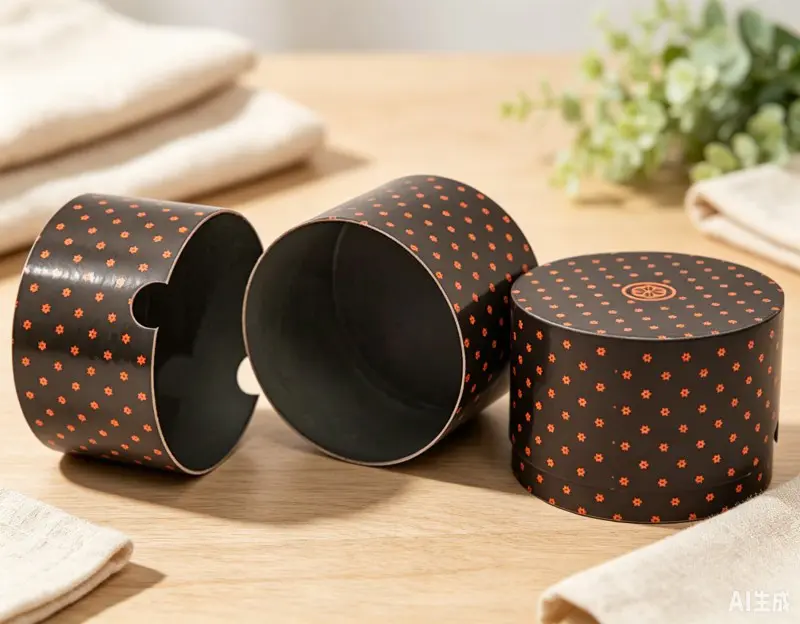
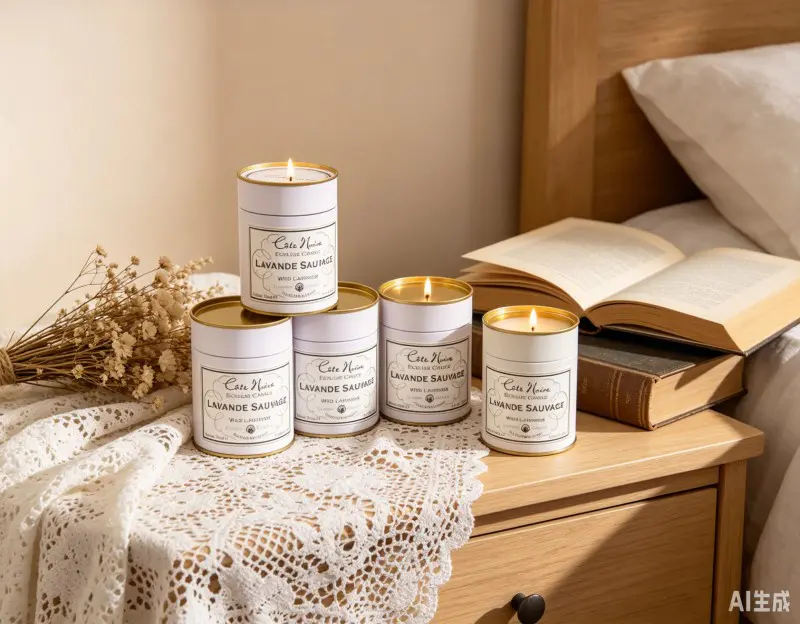

As one of the top China cardboard tube packaging manufacturers and paper tube packaging suppliers, we devote all of our efforts to research and launch more high quality packaging products to global market.
Content
- 1 Introduction
- 2 Product Overview
- 3 Design Advantages of a Round Cardboard Gift Box
- 4 Material Selection and Sustainability
- 5 Printing and Surface Finishing Capabilities
- 6 Manufacturing Process
- 7 Manufacturing Strengths and Industry Experience
- 8 Advantages Compared with Conventional Gift Packaging
- 9 Applications Across Product Categories
- 10 Customization Options
- 11 Performance, Handling, and Logistics Considerations
- 12 Procurement and Project Development
- 13 Why Choose an Experienced Paper Tube Manufacturer?
- 14 Recommended Brand Positioning
- 15 Frequently Asked Questions
- 15.1 What is the main material of the round gift box?
- 15.2 What are the approximate dimensions?
- 15.3 Can the box be customized?
- 15.4 Can the box be used for food?
- 15.5 Is the package recyclable?
- 15.6 What is hot foil stamping used for?
- 15.7 Does the box include a ribbon?
- 15.8 Is the round format suitable for fragile products?
- 15.9 Can the package be reused?
- 15.10 What printing method is identified for the product?
- 15.11 What company manufactures this product?
- 15.12 What experience does the manufacturer have?
- 16 Conclusion
- 17 References
- 18 Product: Luxury Texture Label paper Round Cardboard White Gift Box
Introduction
Packaging is often the first physical interaction a customer has with a product. Before a gift is opened, a candle is lit, a confectionery item is tasted, or a specialty product is used, the package communicates quality, care, and purpose. The luxury texture label paper round cardboard white gift box is designed for brands that want this first impression to be refined, memorable, and commercially effective. Combining a cylindrical cardboard structure with a clean white appearance, decorative labeling, and optional ribbon finishing, this packaging format offers an attractive solution for gifts, crafts, specialty products, promotional items, and selected retail applications.
The round gift box is manufactured from paper-based materials, including kraft paper and specially selected surface papers. Its recyclable and eco-friendly material characteristics support the growing demand for packaging that balances premium presentation with responsible material choices. Offset printing, hot foil stamping, and customized labeling allow businesses to create a distinctive appearance without relying on excessive plastic decoration or complicated structural components.
With an internal diameter of approximately 155–158 millimeters and a height of approximately 190 millimeters, the box provides a useful vertical format for products that benefit from cylindrical or upright presentation. The proportions can be adapted for different applications, subject to customization requirements. Its structure is suitable for gift products, crafts, decorative goods, seasonal collections, small retail assortments, and other items that require a visually impressive outer package.
This article examines the product’s design, material advantages, manufacturing process, customization options, performance characteristics, applications, and purchasing considerations. It also explains how the manufacturing experience and technical capabilities of Hangzhou Qunle Packaging Co., Ltd. support consistent production for customers seeking paper tube packaging and cardboard packaging solutions.
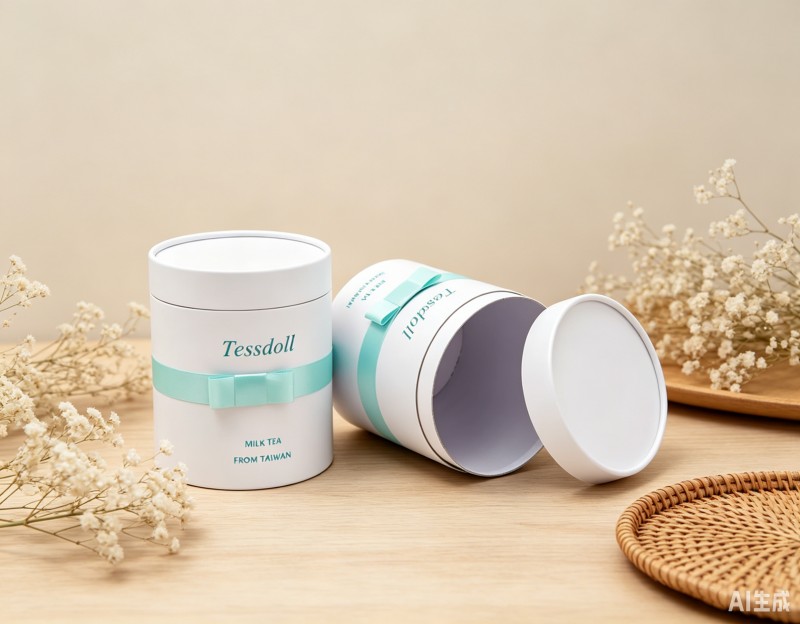
Luxury Texture Label paper Round Cardboard White Gift Box
Product Overview
The luxury texture label paper round cardboard white gift box is a paper-based cylindrical package developed for presentation-oriented products. Its round construction provides a different visual identity from standard rectangular cartons, making it particularly suitable for brands that want their packaging to stand out on shelves, display tables, gift counters, or online product photographs.
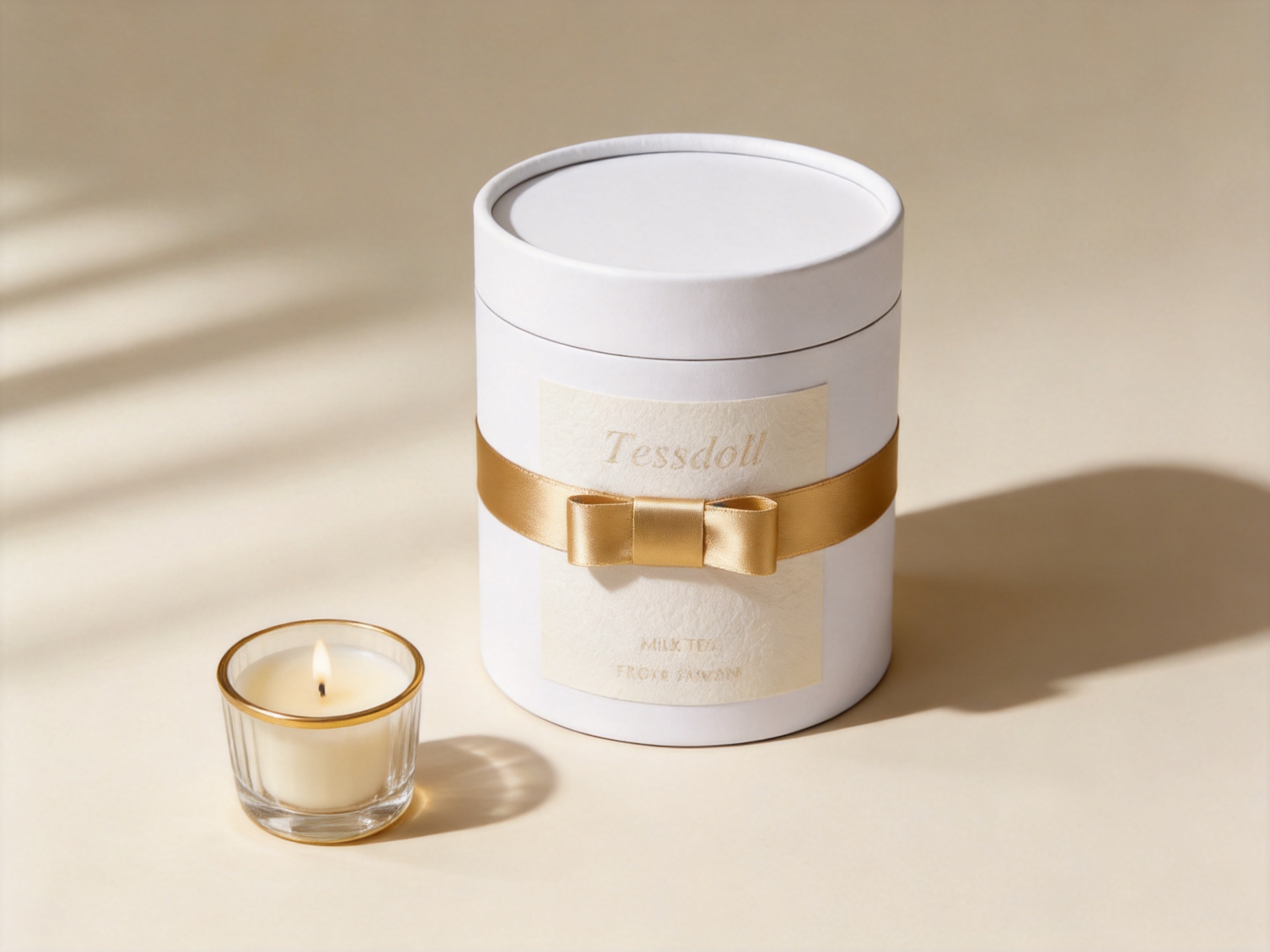
The white exterior offers a neutral and versatile foundation. White packaging can communicate cleanliness, elegance, simplicity, and modern design, while also providing a suitable background for printed graphics, metallic details, textured labels, and other decorative elements. The surface may be enhanced with special paper, offset printing, and hot foil stamping to create a more luxurious tactile and visual effect.
A ribbon may be added as a functional and decorative feature. It can reinforce the gift-oriented character of the package while also providing a convenient opening experience. Depending on the product concept, the ribbon can be coordinated with the brand’s colors, seasonal themes, event identity, or product category. The combination of a round body, white surface, luxury texture label, and ribbon creates a presentation that is appropriate for both premium retail goods and customized gift programs.
The product is identified for applications under the gifts and crafts category, but its potential use is broader. The cylindrical format can accommodate carefully arranged gift sets, craft materials, decorative accessories, selected food products with suitable internal protection, small lifestyle items, and promotional packages. The final application should always be evaluated according to the product’s weight, shape, moisture sensitivity, temperature requirements, and direct-contact regulations.
Basic Product Specifications
| Specification | Available Information | Practical Significance |
|---|---|---|
| Product type | Round cardboard white gift box | Creates a distinctive cylindrical presentation for gifts and specialty products |
| Main material | Paper and kraft paper | Supports a lightweight, paper-based packaging structure |
| Surface paper | Special paper or luxury texture label paper | Adds tactile character and a premium visual appearance |
| Printing | Offset printing | Allows detailed graphics, text, patterns, and color reproduction |
| Surface treatment | Hot foil stamping | Creates metallic or decorative highlights for premium branding |
| Approximate dimensions | Internal diameter 155–158 mm; height 190 mm | Provides a relatively tall, spacious round format |
| Customization | Customized production accepted | Supports different artwork, labels, dimensions, and finishing requirements |
| Material positioning | Recycled and eco-friendly materials | Helps address sustainability expectations in packaging procurement |
| HS classification | 4819500000 | Provides a reference for product classification and export documentation |
Design Advantages of a Round Cardboard Gift Box
Distinctive Shelf Presence
Most retail packaging is based on rectangular cartons, folding boxes, pouches, or plastic containers. A round cardboard gift box immediately introduces a different silhouette. This shape can help a product attract attention in a crowded retail environment because the visual outline is recognizable from several viewing angles. On a display, multiple round boxes can also be arranged in visually balanced groups, creating a curated and premium presentation.
The cylindrical form is especially effective for gift collections, seasonal assortments, and products that are marketed around celebration or discovery. It can make the package feel more like a keepsake container than a disposable box. This perceived value may encourage customers to reuse the package for storage, decoration, or personal organization after the original product has been removed.
Premium White Appearance
A white surface gives designers considerable freedom. It can support minimalist branding, soft pastel artwork, bold contrast graphics, monochrome patterns, or metallic foil details. Unlike heavily colored packaging, a white base can be adapted to different product lines and seasonal campaigns without changing the entire structural concept.
White also helps decorative elements remain legible. A dark logo, fine line illustration, embossed pattern, or gold-colored foil detail can stand out clearly against the background. For luxury gift products, this controlled contrast can communicate sophistication more effectively than excessive decoration.
Texture and Tactile Appeal
The luxury texture label is an important part of the product’s identity. Packaging is experienced through touch as well as sight. A textured paper surface can provide a subtle tactile signal that distinguishes the package from ordinary smooth cartons. Customers may associate this tactile quality with craftsmanship, attention to detail, and higher product value.
Texture can also contribute to brand recognition. A business may select a particular paper grain, embossed pattern, or special label finish and use it across a collection. Over time, the physical feel of the package can become part of the customer’s recognition of the product family.
Gift-Ready Presentation
The product is designed to function as a presentation package rather than merely as a transport container. The round shape, white exterior, luxury label, and ribbon option can reduce the need for additional wrapping. This is useful for retailers, event organizers, corporate gift suppliers, and consumers who want a finished presentation with minimal preparation.
A gift-ready package can also improve operational efficiency. Businesses may be able to display and sell the product directly in its finished box instead of adding separate wrapping at the point of sale. For online orders, the attractive box can enhance the unboxing experience and create more opportunities for customer-generated photographs and social sharing.
Material Selection and Sustainability
The main material is paper-based, with kraft paper identified as a key paper type. Kraft paper is widely used in packaging because it provides a favorable balance of strength, workability, and cost. In a cylindrical structure, properly engineered paper layers can form a stable wall that resists ordinary handling and supports the product during storage and display.
The use of paper and cardboard also responds to the market’s interest in reducing dependence on plastic packaging. While no material is automatically sustainable in every situation, paper-based packaging can offer advantages when it is responsibly sourced, efficiently manufactured, appropriately designed, and placed within a suitable recycling system.
The product is described as using recycled materials and eco-friendly materials. This positioning is relevant to brands that have sustainability objectives or need packaging that aligns with environmental communication. However, sustainability claims should be matched with accurate information about the actual material composition, coatings, adhesives, inks, foil elements, and local recycling conditions. Buyers should confirm the specific percentage of recycled content and the recyclability of the final customized structure before making formal environmental claims.
Efficient Use of Material
A cylindrical package can be designed to use a relatively simple set of paper components while still delivering a premium appearance. Its body, base, lid, label, and optional ribbon can be coordinated to achieve a finished look without requiring a complex multi-part plastic shell. Simplified structures may reduce assembly steps and make the package easier to handle during production and packing.
The tall format can also be useful for products that would otherwise require additional protective or decorative material inside a wide rectangular package. By selecting an appropriate internal fit, brands can reduce empty space and improve the visual relationship between the product and its package.
Responsible Packaging Communication
For brands using this gift box as part of an environmental strategy, the package can communicate sustainability through both material and design. A paper-based structure, restrained printing, recyclable components, and reusable construction may support a responsible packaging story. Natural kraft details can emphasize an artisanal identity, while a white special-paper label can create a more polished contemporary appearance.
It is important that environmental communication remains precise. Terms such as recyclable, recycled, and eco-friendly describe different characteristics. A package may be made with recycled fibers, be recyclable in certain systems, or reduce material consumption without meeting every possible sustainability standard. Clear documentation from the supplier helps buyers make accurate decisions and avoid misleading claims.
Printing and Surface Finishing Capabilities
Offset Printing
Offset printing is suitable for reproducing detailed artwork, text, logos, patterns, and color combinations on paper surfaces. For the round gift box, offset printing can be used to create a consistent visual identity across the label or outer paper covering. It is appropriate for businesses that require professional graphics rather than a plain unprinted package.
Designers can use offset printing for product information, decorative illustrations, seasonal motifs, care instructions, and campaign-specific messaging. The process can support both restrained luxury and more colorful gift-oriented designs. Accurate artwork preparation remains important, especially when graphics must align across a curved surface or connect at a seam.
Hot Foil Stamping
Hot foil stamping provides a decorative highlight that can make selected design elements appear more luxurious. Metallic gold, silver, copper, and other foil effects may be used for logos, borders, product names, patterns, or small graphic details. When applied thoughtfully, foil creates contrast without requiring the entire package to be covered in heavy decoration.
Foil stamping is particularly effective on a white background because the metallic elements remain visually clear. It can also complement textured paper, creating a combination of smooth reflective details and a tactile base. This contrast helps the package look more sophisticated when viewed under retail lighting or photographed for online presentation.
Special Paper and Texture Labels
A special paper label can introduce a controlled tactile surface while also providing an area for brand communication. The label may be designed as a central identity element, a band around the cylinder, or a focal panel on the exterior. Its texture can be selected to suit the product’s positioning, such as handmade, elegant, natural, festive, or contemporary.
The use of a label also allows a business to update selected information without redesigning every structural component. For example, a common white round box may be paired with different labels for various gift sets, colors, flavors, events, or seasonal launches. This approach can help brands maintain a consistent packaging platform while adapting the surface design to different product lines.
Manufacturing Process
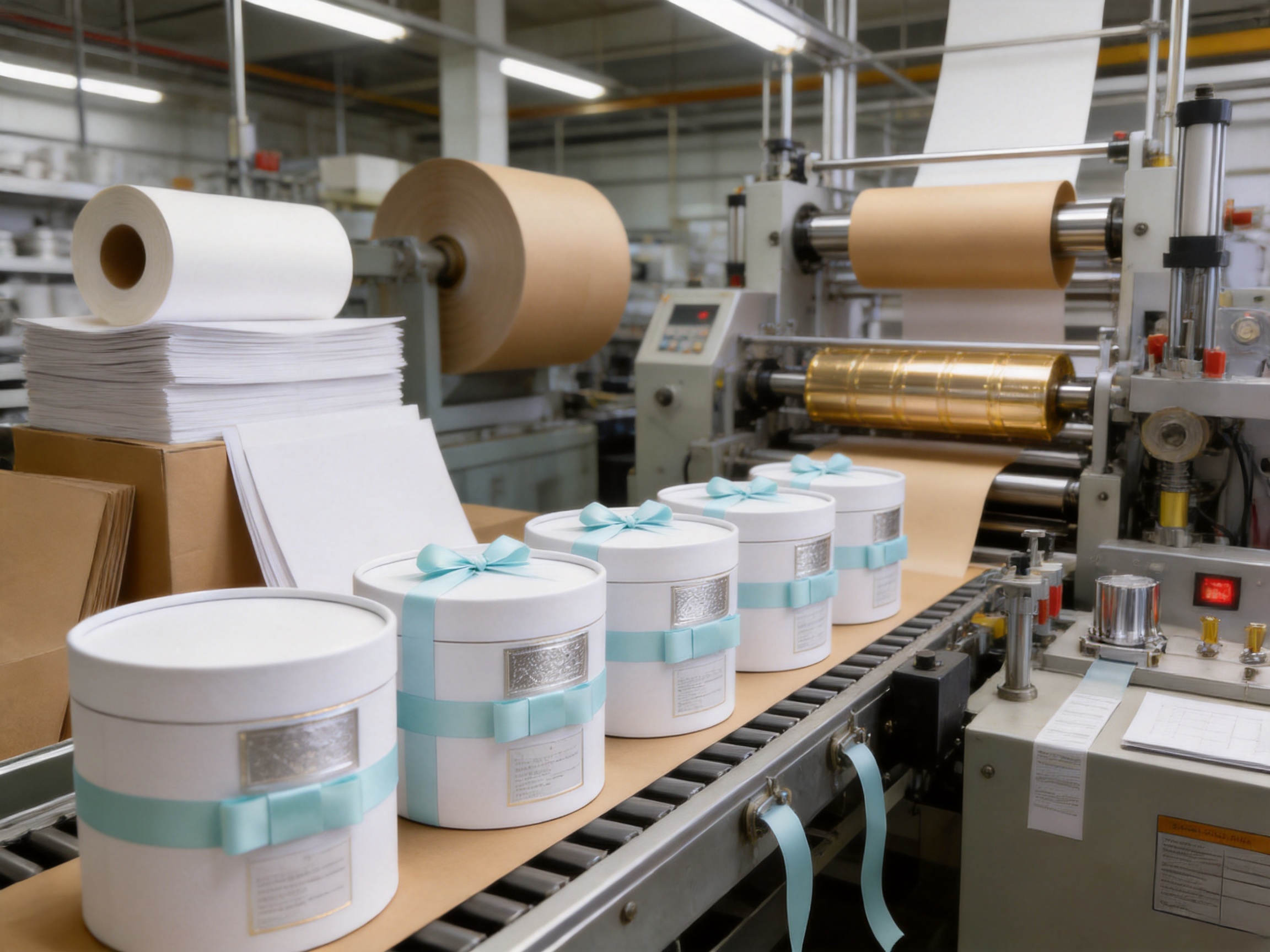
Producing a premium round cardboard gift box requires coordination between material preparation, forming, printing, finishing, assembly, and quality control. The precise production sequence may vary according to the customized design, but the overall process is based on converting paper materials into a stable cylindrical structure with a carefully finished exterior.
Design Development and Specification Review
The process begins with a review of the customer’s product requirements. Important information includes the product’s dimensions, weight, shape, fragility, intended display position, opening method, desired appearance, quantity, and distribution environment. The stated internal diameter of approximately 155–158 millimeters and height of approximately 190 millimeters provides a starting specification, but the final dimensions should be confirmed against the actual product and any required internal components.
At this stage, the manufacturer can evaluate the appropriate paper thickness, wall construction, lid style, base structure, label size, ribbon position, and printing requirements. A careful specification review helps avoid later problems such as an overly tight fit, excessive internal movement, lid interference, or inadequate clearance for decorative elements.
Paper Preparation
Paper and kraft paper are selected according to the required appearance and structural performance. The outer paper may be chosen for whiteness, printability, texture, or compatibility with foil stamping. Structural paper layers are selected to provide the necessary cylindrical stability.
Paper preparation includes cutting or processing materials to suitable dimensions. Grain direction, moisture conditions, adhesive compatibility, and surface characteristics can all influence the final result. Proper preparation supports smooth forming and helps reduce visible defects on the finished body.
Cylindrical Forming
The prepared paper layers are formed into the round body. The forming operation must maintain a consistent diameter and a smooth, stable wall. Adhesive application and seam control are important because the cylinder must remain secure during subsequent handling, filling, transportation, and display.
High-quality forming also contributes to the perceived luxury of the package. A round box with an uneven seam, distorted edge, or inconsistent diameter may appear less refined even when the printing is attractive. Manufacturing experience is therefore important in maintaining shape consistency across a production batch.
Base and Lid Assembly
The base and lid are assembled to create a complete box. Their fit should be secure enough to protect the contents while remaining practical for opening. The lid may be coordinated with the body’s material and surface treatment, or it may use a contrasting design to create a layered appearance.
For a gift product, the opening action is part of the customer experience. A lid that moves smoothly and closes with an appropriate level of resistance can make the package feel carefully engineered. The manufacturer may adjust the fit according to paper thickness, environmental conditions, and the expected handling process.
Printing, Labeling, and Foil Application
After the structural components are prepared, the external design is applied through offset printing, special paper labeling, and hot foil stamping as specified. Registration, color consistency, label placement, and foil alignment require careful control. On a cylindrical surface, even small positioning differences may become noticeable when the package is viewed from different angles.
Surface finishing should be coordinated with the artwork. Fine foil lines, small text, and detailed patterns may require appropriate line thickness and spacing. The manufacturer’s production team can review artwork before mass production to identify potential problems related to curved surfaces, folding areas, seams, or finishing tolerances.
Ribbon Attachment and Final Assembly
If a ribbon is included, it is attached after the relevant surface treatments have been completed. The position, length, color, and attachment method should be confirmed during the customization stage. The ribbon can act as an opening aid, a decorative tie, or both.
Final assembly includes checking the body, base, lid, label, foil, and ribbon as a complete package. This stage is important because individual components may appear acceptable when inspected separately but show alignment or fit issues once assembled.
Quality Control
Quality control should cover dimensions, roundness, surface appearance, printing clarity, foil adhesion, label alignment, structural bonding, lid fit, and ribbon attachment. Samples may be checked against approved artwork and specifications. Packaging intended for commercial distribution should also be evaluated for ordinary handling and packing conditions.
A consistent quality-control system reduces variation between production lots. It also helps buyers receive packaging that matches approved samples. For customized packaging, documented specifications and retained reference samples are valuable tools for maintaining continuity in future orders.
Manufacturing Strengths and Industry Experience
Hangzhou Qunle Packaging Co., Ltd. has been engaged in the composite can and paper can industry for more than 20 years. This long period of specialization provides an important foundation for producing paper-based cylindrical packaging. Experience with composite cans, paper cans, and related structures can support practical knowledge of paper forming, material behavior, adhesive use, dimensional control, and large-scale production planning.
The company is described as the only member of the international Composite Can and Tube Institute in China’s packaging container industry. Membership in an industry organization indicates involvement with specialized packaging knowledge and professional networks. For buyers, this can be relevant when evaluating a supplier’s familiarity with technical developments and industry practices.
The company’s packaging business covers food, daily chemical products, fast-moving consumer goods, and other markets. This broad application experience is useful because different product categories create different packaging requirements. Food-related packaging may require attention to hygiene and material suitability. Daily chemical products may require resistance considerations and safe separation. Fast-moving consumer goods often demand efficient production, attractive shelf presentation, and stable supply.
Qunle Packaging was the first enterprise in China to pass the QS certificate for producing food packaging containers, according to the supplied company information. This history reflects attention to regulated packaging production and quality requirements. Buyers should still request current certificates and product-specific compliance documentation for each intended application, especially when the package will be used for direct food contact.
Advanced Production Equipment
In 2015, the company introduced a high-speed composite can production line from Europe. The addition of high-speed equipment strengthened its production capabilities in the composite can and paper can sector. Advanced machinery can support production efficiency, repeatability, and process consistency when combined with trained operators and effective quality management.
For a customized round gift box, advanced production capability can provide several practical benefits. It may support more stable dimensions across larger orders, more efficient material conversion, improved production scheduling, and better control over repeat orders. Equipment alone does not determine product quality, but it can provide a strong platform for consistent manufacturing.
Technical Development and Patented Technologies
The company has obtained more than 10 patented technologies and continues to research and launch paper-based packaging products for the global market. Patented technologies may relate to particular structures, production methods, or functional improvements. Buyers should review the specific technology relevant to their project, but the company’s patent record indicates an ongoing commitment to technical development rather than relying solely on standard packaging formats.
Research and development are especially important for paper packaging because customer expectations continue to evolve. Buyers may seek lighter structures, improved opening experiences, stronger environmental credentials, more decorative options, or better compatibility with automated packing. A supplier with experience in product development may be better prepared to discuss these requirements and propose practical modifications.
Established Customer Partnerships
The company has built long-term partnerships with well-known companies and brands, including COFCO, STANDERS, DAVIDsTEA, Avalanche Coffee, Whittaker’s, McSteven’s, Nongfu Spring, and Beingmate, according to the supplied information. These relationships suggest experience serving customers across food, beverage, tea, coffee, consumer goods, and other packaging categories.
Long-term customer partnerships can reflect several operational strengths: the ability to maintain product consistency, communicate through repeated projects, manage technical specifications, and support ongoing supply programs. For a buyer of customized gift boxes, continuity may be important because packaging designs are often updated seasonally while the basic structure remains consistent.
Advantages Compared with Conventional Gift Packaging
Compared with Standard Rectangular Folding Cartons
Rectangular folding cartons are efficient and widely used, but they may provide a familiar appearance that does not strongly distinguish a premium gift. The round cardboard gift box offers a more sculptural silhouette and can create a stronger presentation at the point of sale. Its cylindrical body also gives the package a different tactile and opening experience.
The round format may be particularly advantageous when the product itself is cylindrical, circular, or presented as a curated set. It can create visual harmony between the container and the contents. For unrelated product shapes, an internal insert or protective structure may be needed to prevent movement and maintain a neat presentation.
Compared with Plastic Gift Containers
Plastic containers can provide transparency, impact resistance, or moisture protection, but they may not align with a brand’s preference for paper-based packaging. The round cardboard box offers a more natural and tactile alternative, with the additional benefit of extensive print and surface-finishing possibilities.
Paper packaging can also support a warmer emotional connection for gift products. A textured label, foil detail, and ribbon may create a handcrafted or premium impression that is difficult to achieve with a plain plastic container. The appropriate choice depends on the product’s protection needs, but for presentation-led applications, the paper format has clear aesthetic advantages.
Compared with Simple Paper Bags
Paper bags are lightweight and convenient, but they generally offer limited product protection and do not provide the same structured presentation. A rigid or semi-rigid round cardboard box can protect the product more effectively during display and create a reusable container after purchase.
The box also provides a defined surface for branding. Offset printing, special paper, and hot foil stamping allow a more complete visual identity than a basic bag. The ribbon can further enhance the gift experience without requiring separate wrapping material.
Compared with Plain Cardboard Tubes
A standard cardboard tube may provide the basic cylindrical structure but lack the decorative refinement required for a premium gift application. The luxury texture label, white exterior, foil treatment, and ribbon convert the functional tube concept into a more presentation-oriented package.
This distinction is important for brands that want the structural efficiency of a paper tube while presenting the product as a finished gift. The package can combine the material economy and cylindrical strength of paper packaging with the visual language of luxury retail.
Applications Across Product Categories
Gifts and Crafts
The primary category for this product is gifts and crafts. It can be used for handmade collections, event favors, decorative craft kits, artistic objects, seasonal gift sets, and premium presentation packages. The white surface allows the design to be adapted to weddings, anniversaries, festivals, corporate events, and personal celebrations.
Craft brands can use the package to reinforce an artisanal image through textured paper, restrained printing, and natural material references. Alternatively, a bold foil treatment and coordinated ribbon can position the same basic structure as a more glamorous gift container.
Chocolate and Confectionery
The round box may be suitable for selected chocolate and confectionery applications when an appropriate internal food-safe structure is used and all material requirements are confirmed. It can hold gift assortments, seasonal sweets, specialty candies, or individually wrapped products.
For confectionery brands, the exterior can support rich color graphics, metallic foil, flavor communication, and occasion-specific designs. The cylindrical presentation may also help the package appear abundant and celebratory. Direct food-contact suitability must be confirmed before using the box for unwrapped food.
Coffee and Tea
Coffee and tea brands often use cylindrical packaging because it can create a distinctive shelf profile and provide space for storytelling. The gift box can be used for tea collections, coffee gift sets, tasting assortments, or promotional combinations. A luxury textured label can communicate origin, craftsmanship, or premium quality.
For these applications, the box may require an inner bag, sealed pouch, or separate primary container to protect the product from moisture, oxygen, aroma loss, and contamination. The cardboard box should generally be considered an outer presentation package unless its barrier performance has been specifically engineered and validated.
Candles and Fragrances
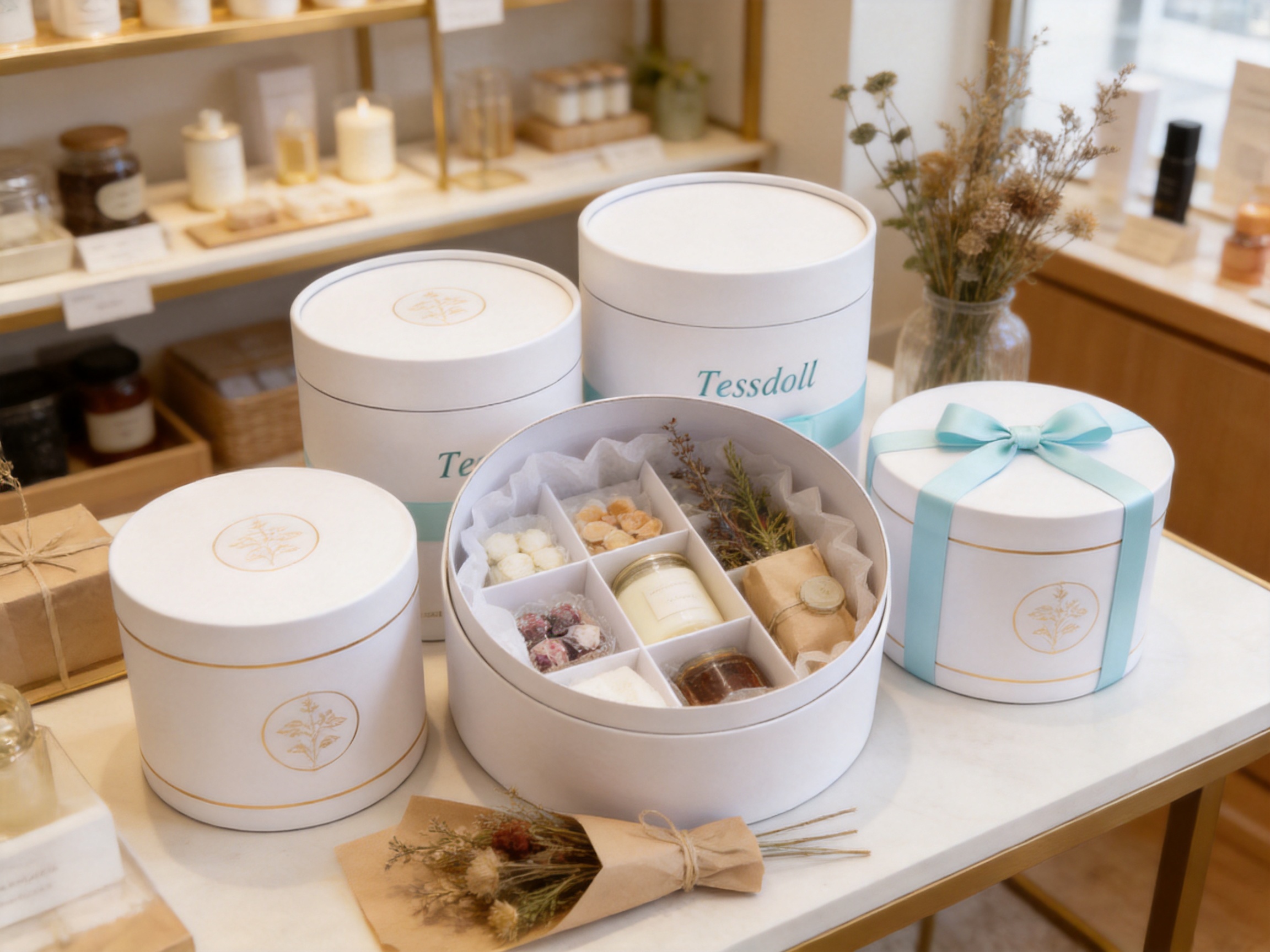
Candles, fragrance accessories, and home scent products can benefit from a round gift package that complements the shape of many candle vessels and decorative containers. A white box with foil stamping may communicate elegance, while a textured label can support a natural, botanical, or handmade identity.
When used for candles or fragrances, the package should be evaluated for heat exposure, glass protection, leakage risk, and internal cushioning. The outer box can provide a premium presentation, but the complete packaging system must be designed around the product’s physical and chemical characteristics.
Cosmetics and Skincare
Selected cosmetics and skincare gift sets can be presented in a round cardboard box, particularly when the products are arranged in a coordinated collection. The package can support premium launches, limited editions, holiday sets, and influencer or media kits.
Cosmetic products may require internal dividers or inserts to prevent bottles, jars, and tubes from contacting one another. The exterior design can remain simple and elegant, using a white background and foil details to create a clean luxury appearance.
Corporate and Promotional Gifts
Corporate gift programs often require packaging that looks professional, can be customized with a logo, and presents well in photographs and meetings. The round white gift box can be adapted for employee gifts, client appreciation packages, event merchandise, and campaign launches.
Because the package accepts customized printing and labeling, a company can create a dedicated design for a particular event without changing the entire packaging concept. A ribbon in corporate colors can provide an additional connection to the campaign identity.
Customization Options
Customization is a central advantage of this product. Buyers can develop a design that reflects their brand, product category, sales channel, and target customer. The most important customization areas include dimensions, paper selection, surface texture, printing, foil color, label design, ribbon style, and internal fit.
Dimensions and Capacity
The supplied reference size is an internal diameter of approximately 155–158 millimeters and a height of approximately 190 millimeters. This size may be appropriate for a relatively tall gift arrangement, but exact capacity depends on the product shape and required protective clearance.
Customers should provide technical drawings or physical samples whenever possible. The manufacturer can then evaluate whether the package should be adjusted in diameter, height, wall thickness, lid depth, or base construction. Accurate measurements reduce the risk of wasted internal space and improve the finished presentation.
Artwork and Brand Identity
Artwork can include logos, product names, illustrations, patterns, ingredient information, usage instructions, or seasonal messages. The design should account for the curved surface, seam position, label overlap, foil areas, and readable text size.
A restrained design often works well with a luxury texture label. One or two carefully selected colors, a clear logo, and a small amount of foil can look more premium than an overcrowded layout. However, colorful and playful artwork may be appropriate for children’s gifts, confectionery, craft products, or festive collections.
Ribbon and Decorative Details
The ribbon can be matched to the printed artwork or used as a contrasting accent. Options may include different colors, widths, textures, and attachment positions. Buyers should consider how the ribbon affects packing, storage, shipping, and retail display.
Additional decorative features may be discussed during product development, subject to technical feasibility and order requirements. These could include alternative labels, embossed details, inserts, or coordinated lid treatments. Any added process should be evaluated for cost, lead time, recyclability, and consistency with the intended product positioning.
Performance, Handling, and Logistics Considerations
A premium appearance is valuable, but the package must also perform reliably throughout its distribution cycle. Buyers should evaluate how the round cardboard box will be filled, closed, stacked, transported, displayed, and opened. The appropriate paper construction depends on the product’s weight and the stress expected during handling.
Protection During Distribution
The cardboard structure can provide a protective outer layer for lightweight and moderately delicate products. For fragile items such as glass vessels, ceramics, or delicate craft objects, additional inserts or cushioning may be required. The package should be tested with the actual product to determine whether movement, edge pressure, vibration, or impact creates a risk.
Shipping cartons should be selected to prevent excessive movement between individual round boxes. Dividers or protective packing materials may be used when necessary. A well-designed outer shipping system can help preserve the decorative surface and prevent dents, scuffs, or deformation during transportation.
Storage and Stacking
The cylindrical shape creates different stacking considerations from rectangular cartons. Round boxes may require trays, dividers, or carefully planned arrangements in warehouses and retail displays. Buyers should assess available storage space before confirming large quantities.
Paper packaging can be affected by high humidity, water exposure, and significant changes in temperature. Finished packages should be stored in a clean, dry environment and protected from direct moisture. If the final product is sensitive to these conditions, an additional protective shipping method may be appropriate.
Unboxing Experience
The opening experience is a major benefit of gift-oriented packaging. A smooth lid fit, visible ribbon, attractive label, and clean interior can create a sense of anticipation. This experience can add value without requiring complicated mechanisms.
Brands should consider how the customer will encounter the package. If the box is opened in a store, the ribbon and label should remain neat. If it is shipped directly to the consumer, the package should be protected from scuffing and compression. If the product is intended to be reused, the structure should be durable enough for ordinary secondary storage.
Procurement and Project Development
Successful packaging procurement depends on clear communication between the buyer and manufacturer. Before requesting a quotation, the buyer should prepare the product dimensions, estimated order quantity, target market, artwork requirements, preferred materials, finishing details, and expected delivery schedule.
Sample Approval
A sample allows the buyer to evaluate the actual size, texture, color, label position, foil effect, lid fit, and ribbon appearance. It is important to inspect the package with the intended product inside rather than evaluating the empty box only.
Sample approval should include written confirmation of critical specifications. This may cover internal dimensions, external dimensions, paper type, surface treatment, printing colors, foil location, ribbon details, and acceptable tolerances. An approved sample provides a practical reference for mass production.
Artwork Preparation
Artwork should be supplied in a production-ready format with clear instructions for printing and foil stamping. Design files should identify separate layers for standard printing and metallic foil. Text should be checked carefully, and all regulatory or product information should be approved before production begins.
Because the package has a curved body, the manufacturer should review how the artwork will wrap around the cylinder. Important elements should not be placed too close to seams, edges, or areas that may be hidden by the lid or base.
Order Quantity and Lead-Time Planning
Customized packaging requires preparation of materials, printing plates or files, labels, finishing components, and production scheduling. Buyers should allow sufficient time for sample development, revisions, approval, manufacturing, inspection, and shipping.
Order quantity can influence material purchasing, production efficiency, unit cost, and customization options. A larger order may support more efficient production, while a smaller order may require a discussion of available standard components or minimum quantities. The correct balance depends on the buyer’s sales forecast and launch schedule.
Compliance Documentation
For food, cosmetics, or other regulated applications, customers should request documentation relevant to the final use. This may include paper specifications, ink information, adhesive details, recycled-content statements, and food-contact or product-safety declarations where applicable.
The HS code provided for the product is 4819500000. Importers should confirm classification with their customs broker or relevant authorities because tariff treatment can vary according to destination, material composition, construction, and local regulations.
Why Choose an Experienced Paper Tube Manufacturer?
Paper packaging may appear simple, but consistent cylindrical production requires specialized knowledge. The body must remain round, the seam must be secure, the lid must fit correctly, and the surface finish must remain attractive across the production batch. An experienced manufacturer is more likely to understand the relationship between these elements.
Hangzhou Qunle Packaging Co., Ltd. focuses on composite cans and paper cans and has more than two decades of industry experience. This specialization is directly relevant to round cardboard packaging. The company’s work across food, daily chemical, fast-moving consumer goods, gifts, and related sectors also provides a broad perspective on product protection and presentation.
The company’s high-speed European composite can production line, patented technologies, quality history, and established customer partnerships demonstrate a manufacturing platform designed for professional packaging supply. These strengths may benefit buyers that require repeat orders, customized structures, stable quality, and technical consultation during product development.
Another advantage is the ability to combine structure and decoration within one packaging project. The product can bring together paper and kraft materials, white surface treatment, special texture labeling, offset printing, hot foil stamping, and ribbon finishing. Coordinating these processes through an experienced supplier can simplify communication and reduce the risk of incompatible specifications.
Recommended Brand Positioning
The round cardboard white gift box can support several brand positions. For a premium brand, white paper and hot foil stamping can create a clean luxury appearance. For a handmade brand, kraft paper and textured labeling can communicate authenticity and craft. For a contemporary lifestyle brand, a minimalist label and carefully selected ribbon can produce a modern look.
For seasonal campaigns, the same structure can be reused with different artwork. A winter collection may use metallic foil and deep-color ribbon, while a spring collection may use botanical graphics and a light textured label. This flexibility can reduce the need to develop a completely new structure for every campaign.
The package may also support a value-added strategy. When customers perceive the box as reusable, they may retain it for storage or gifting. A durable, attractive package can therefore extend the product experience beyond the original purchase and reinforce the customer’s relationship with the brand.
Frequently Asked Questions
What is the main material of the round gift box?
The product is made primarily from paper-based materials, including paper and kraft paper. The specific paper construction can be customized according to the required appearance, strength, application, and finishing process.
What are the approximate dimensions?
The supplied reference dimension is an internal diameter of approximately 155–158 millimeters and a height of approximately 190 millimeters. Final dimensions should be confirmed according to the product to be packed and any required inserts or protective clearance.
Can the box be customized?
Yes. Customized orders are accepted. Buyers may discuss dimensions, artwork, label design, paper selection, printing, hot foil stamping, ribbon details, and other project requirements with the manufacturer.
Can the box be used for food?
It may be used as an outer package for selected food products, but suitability depends on the product, internal packaging, material composition, and applicable regulations. Direct contact with unpackaged food should not be assumed. Buyers should request product-specific compliance information before use.
Is the package recyclable?
The product is described as using recyclable and eco-friendly materials. Actual recyclability depends on the final material combination, including labels, coatings, adhesives, foil, ribbon, and local recycling facilities. Customers should confirm the final specification before making recycling claims.
What is hot foil stamping used for?
Hot foil stamping is used to add decorative metallic or special-effect details. It can highlight logos, product names, borders, patterns, and other selected elements, creating a more premium appearance against the white or textured paper surface.
Does the box include a ribbon?
The product description identifies a gift box with ribbon. Ribbon color, width, placement, attachment method, and material should be confirmed during customization because these details may vary according to the project.
Is the round format suitable for fragile products?
The box can provide an outer presentation structure, but fragile products may require internal inserts, dividers, or cushioning. A sample test with the actual product is recommended before mass production and distribution.
Can the package be reused?
Its cylindrical cardboard structure and gift-oriented appearance may encourage reuse for storage, crafts, organization, or future gifting. Reuse depends on the product’s weight, handling conditions, moisture exposure, and the durability of the final construction.
What printing method is identified for the product?
Offset printing is identified as the printing method. It can reproduce detailed artwork, text, branding, and decorative graphics on suitable paper surfaces.
What company manufactures this product?
The product is supplied by Hangzhou Qunle Packaging Co., Ltd., a China-based manufacturer specializing in composite cans, paper cans, paper tubes, and related packaging solutions.
What experience does the manufacturer have?
The company has been engaged in the composite can and paper can industry for more than 20 years. It has introduced a high-speed composite can production line from Europe, developed more than 10 patented technologies, and built partnerships across food, beverage, tea, coffee, consumer goods, and other sectors.
Conclusion
The luxury texture label paper round cardboard white gift box combines distinctive cylindrical design with paper-based material advantages and premium decorative options. Its white appearance provides a flexible canvas for branding, while special texture paper, offset printing, hot foil stamping, and ribbon finishing can create a refined and gift-ready presentation.
Compared with ordinary cartons, plain paper bags, plastic containers, and undecorated cardboard tubes, this format offers a stronger combination of visual differentiation, tactile appeal, customization, and presentation value. It is suitable for gifts and crafts and may also be adapted for selected applications in confectionery, coffee, tea, candles, fragrances, cosmetics, skincare, and promotional packaging.
The product’s success depends on more than appearance. Dimensions, paper construction, lid fit, internal protection, artwork alignment, moisture handling, transportation, and regulatory requirements must all be considered. Sample approval and clear technical communication are essential steps before mass production.
With more than 20 years of experience in composite cans and paper cans, a high-speed European production line, patented technologies, industry involvement, and partnerships with recognized companies, Hangzhou Qunle Packaging Co., Ltd. provides a strong manufacturing foundation for customized cylindrical paper packaging. For brands seeking a premium, recyclable-oriented, and visually distinctive gift package, this round cardboard format offers a practical way to improve product presentation while maintaining the flexibility of paper-based production.
References
1. Product specification information supplied for the luxury texture label paper round cardboard white gift box.
2. Company information supplied for Hangzhou Qunle Packaging Co., Ltd., including manufacturing history, production equipment, industry participation, customer partnerships, and patented technologies.
3. General packaging engineering principles relating to paper tubes, composite cans, cylindrical cardboard structures, printing, labeling, and surface finishing.
4. General guidance on recyclable paper packaging, recycled materials, packaging design, and responsible environmental communication.
5. General considerations for packaging procurement, sample approval, artwork preparation, quality control, logistics, and product-specific compliance evaluation.
