 English
 Español


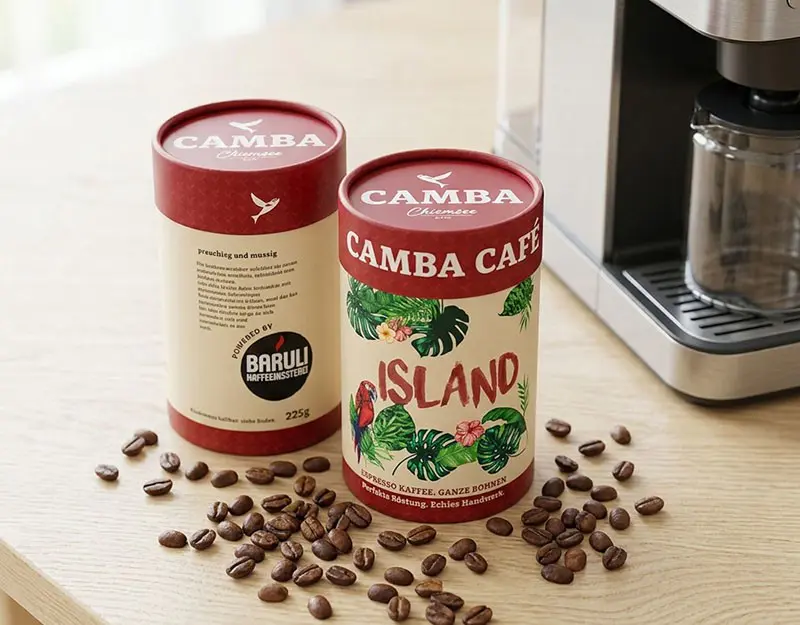
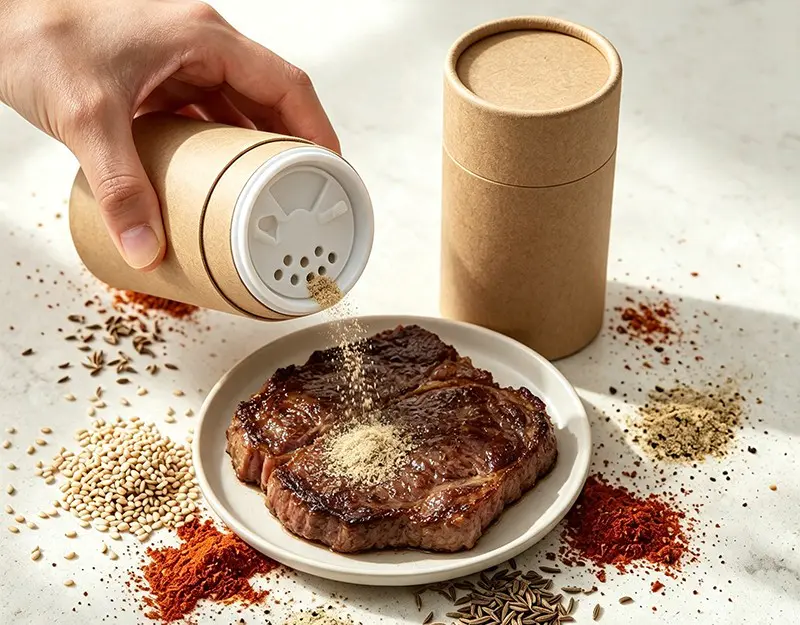

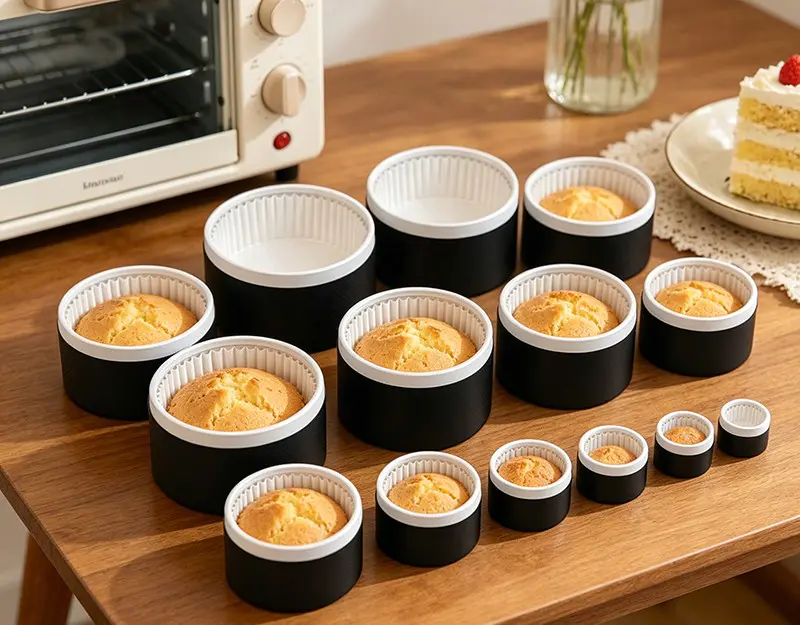

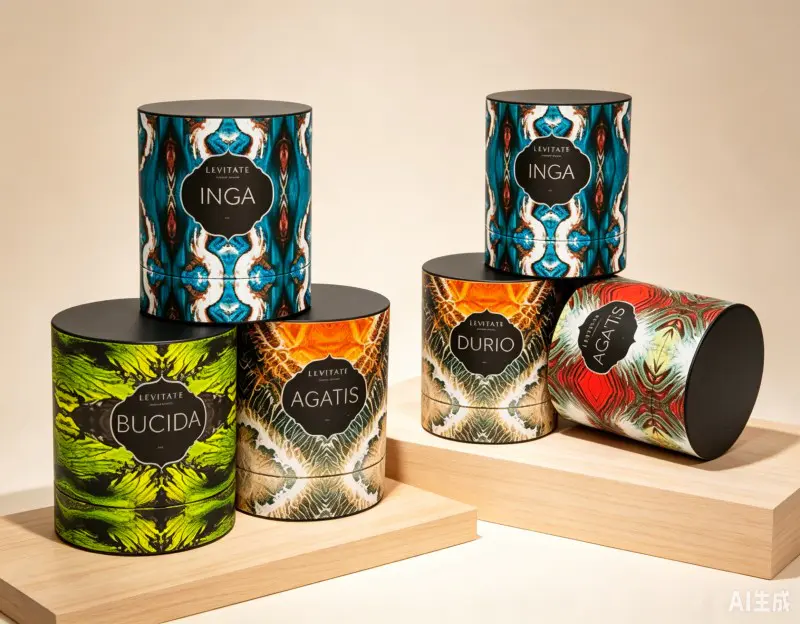
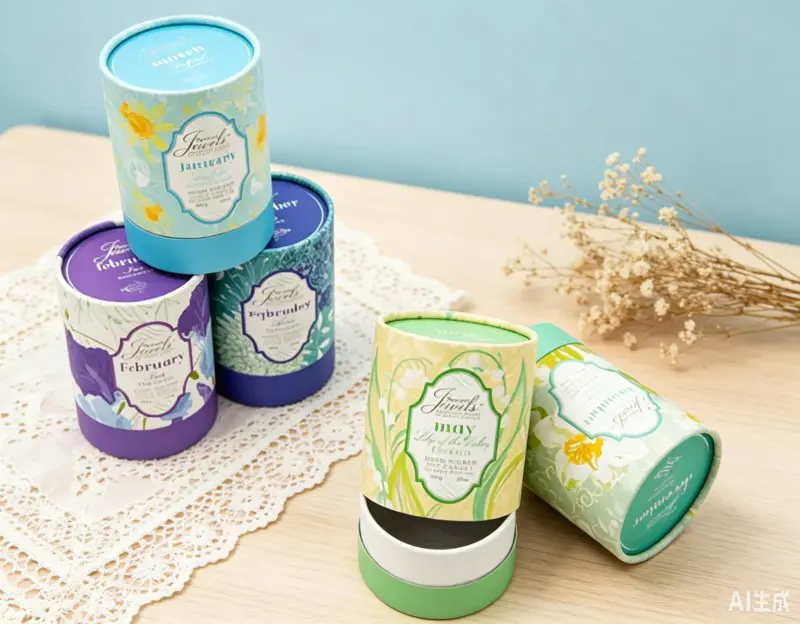
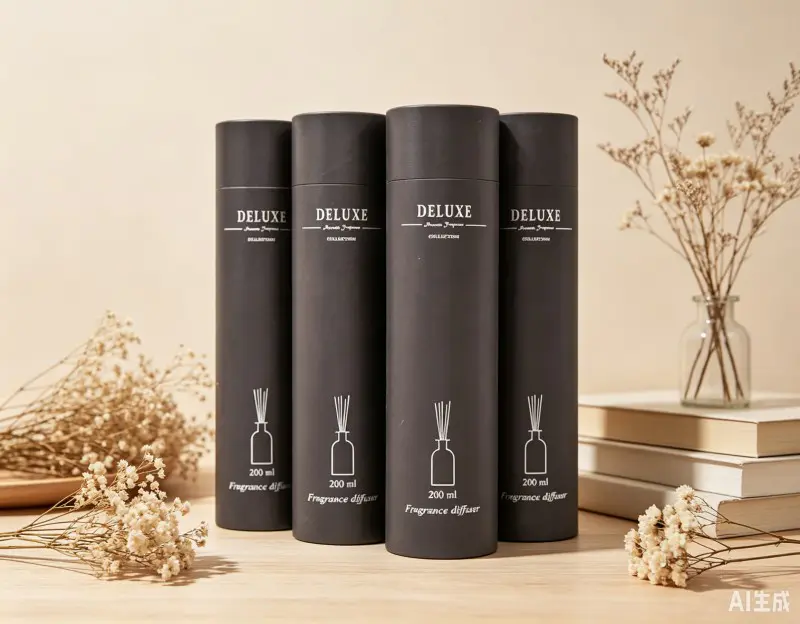
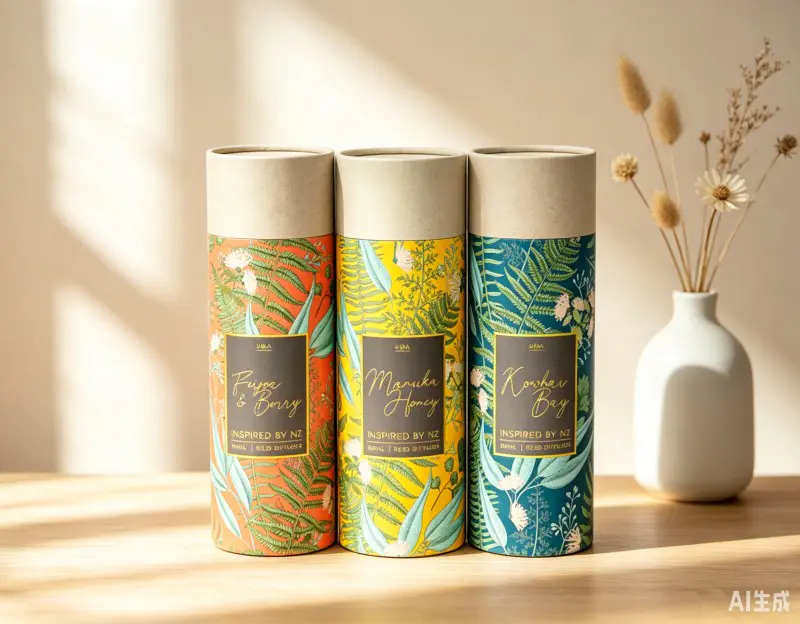

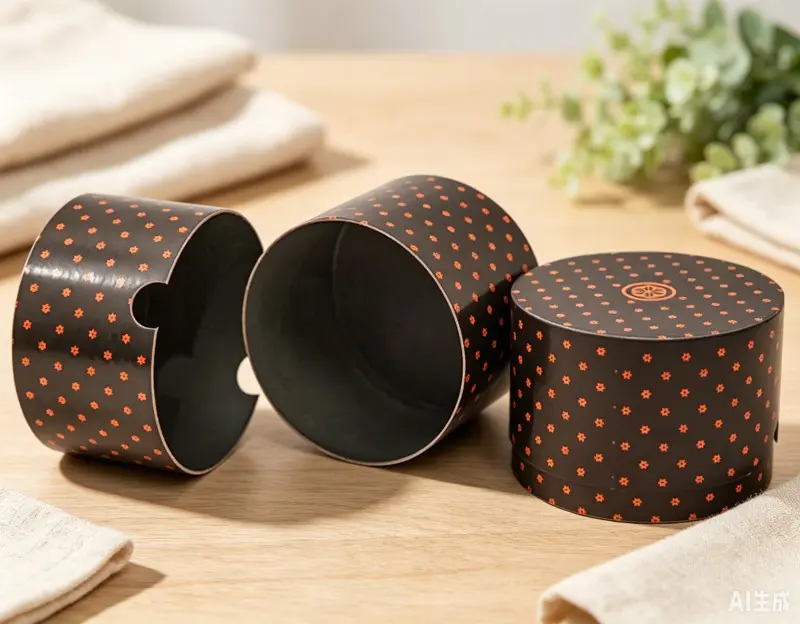

As one of the top China cardboard tube packaging manufacturers and paper tube packaging suppliers, we devote all of our efforts to research and launch more high quality packaging products to global market.
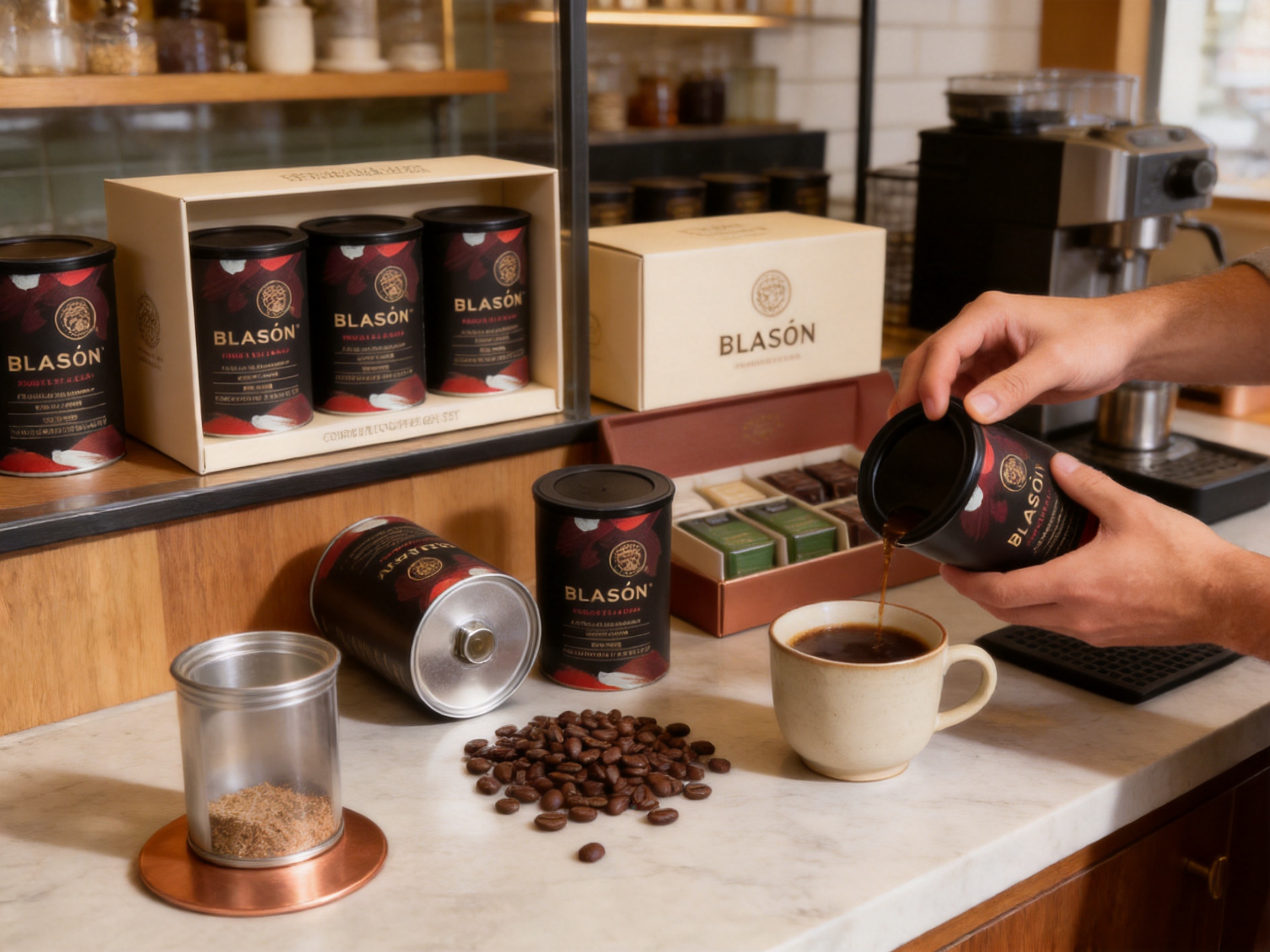
Coffee packaging plays a decisive role in preserving product quality, communicating brand value, and protecting coffee throughout distribution. A coffee bean or ground coffee product may be carefully selected, roasted, blended, and packed, yet its quality can deteriorate quickly if the packaging allows oxygen, moisture, light, or external pressure to reach the contents. The Paper Can Coffee with Valve is designed to address these challenges through a rigid composite paper structure, a tight-fitting lid, and a one-way degassing valve suitable for freshly roasted coffee.
With a supplied specification of ID9*140MM for approximately 340 grams of beans, this cylindrical coffee canister provides a distinctive alternative to conventional flexible coffee bags, plastic jars, and metal cans. It combines barrier protection with a substantial tactile experience, broad printing space, stackable geometry, and a more sustainability-oriented material profile. The format is suitable for premium whole beans, specialty coffee, gourmet ground coffee, limited editions, corporate gifting, and direct-to-consumer sales.
The product is manufactured by Hangzhou Qunle Packaging Co., Ltd., a company with more than 20 years of experience in composite cans and paper cans. Its manufacturing background includes food-packaging certification, patented technologies, membership in the international Composite Can and Tube Institute, and the introduction of a high-speed composite can production line from Europe. These capabilities support consistent quality, efficient production, and the development of packaging for food, daily chemical products, fast-moving consumer goods, and other applications.
Content
- 1 Why Coffee Packaging Requires More Than an Attractive Exterior
- 2 Core Product Specification and Functional Design
- 3 Composite Barrier Protection for Freshness
- 4 Freshness Management Through the One-Way Valve
- 5 Advantages Over Flexible Coffee Bags
- 6 Advantages Over Plastic Jars and Fully Plastic Containers
- 7 Advantages Over Metal Coffee Cans
- 8 Premium Brand Experience and 360-Degree Communication
- 9 Durability During Storage, Transport, and Retail Display
- 10 Advanced Manufacturing Capabilities
- 11 Sustainability Profile and Responsible Material Communication
- 12 Applications Across the Coffee Market
- 13 Customization Possibilities
- 14 How Coffee Brands Can Evaluate the Package
- 15 Ordering and Technical Coordination
- 16 Q&A
- 16.1 What is the approximate capacity of this paper coffee can?
- 16.2 Why does the package include a one-way valve?
- 16.3 Can the package be used for ground coffee?
- 16.4 How does the paper can compare with a flexible coffee bag?
- 16.5 Is the paper can recyclable?
- 16.6 Can the can be reused after the coffee is consumed?
- 16.7 What makes the package suitable for premium coffee?
- 16.8 Can the package be customized?
- 16.9 Is the package suitable for e-commerce?
- 16.10 What manufacturing strengths support this product?
- 16.11 What information should be confirmed before ordering?
- 17 Conclusion
- 18 References
- 19 Product: Paper Can Coffee with Valve
Why Coffee Packaging Requires More Than an Attractive Exterior
Coffee is a sensitive product. After roasting, beans continue to release carbon dioxide, while oxygen, humidity, heat, and ultraviolet light can gradually damage aroma and flavor. Ground coffee is even more vulnerable because its larger surface area accelerates exposure to the surrounding environment. Packaging must therefore do more than display a logo. It must create a controlled barrier while remaining practical for filling, transport, retail presentation, and consumer use.
Oxygen can contribute to oxidation, causing desirable aromatic compounds to fade and unpleasant stale notes to develop. Moisture can affect texture and freshness, especially when coffee is stored in humid environments. Light can accelerate quality loss, particularly when the package is displayed under strong retail lighting. Mechanical impact is another concern. Packages may be stacked, handled, dropped, or compressed during warehousing and delivery, and damage to the package can compromise both appearance and product protection.
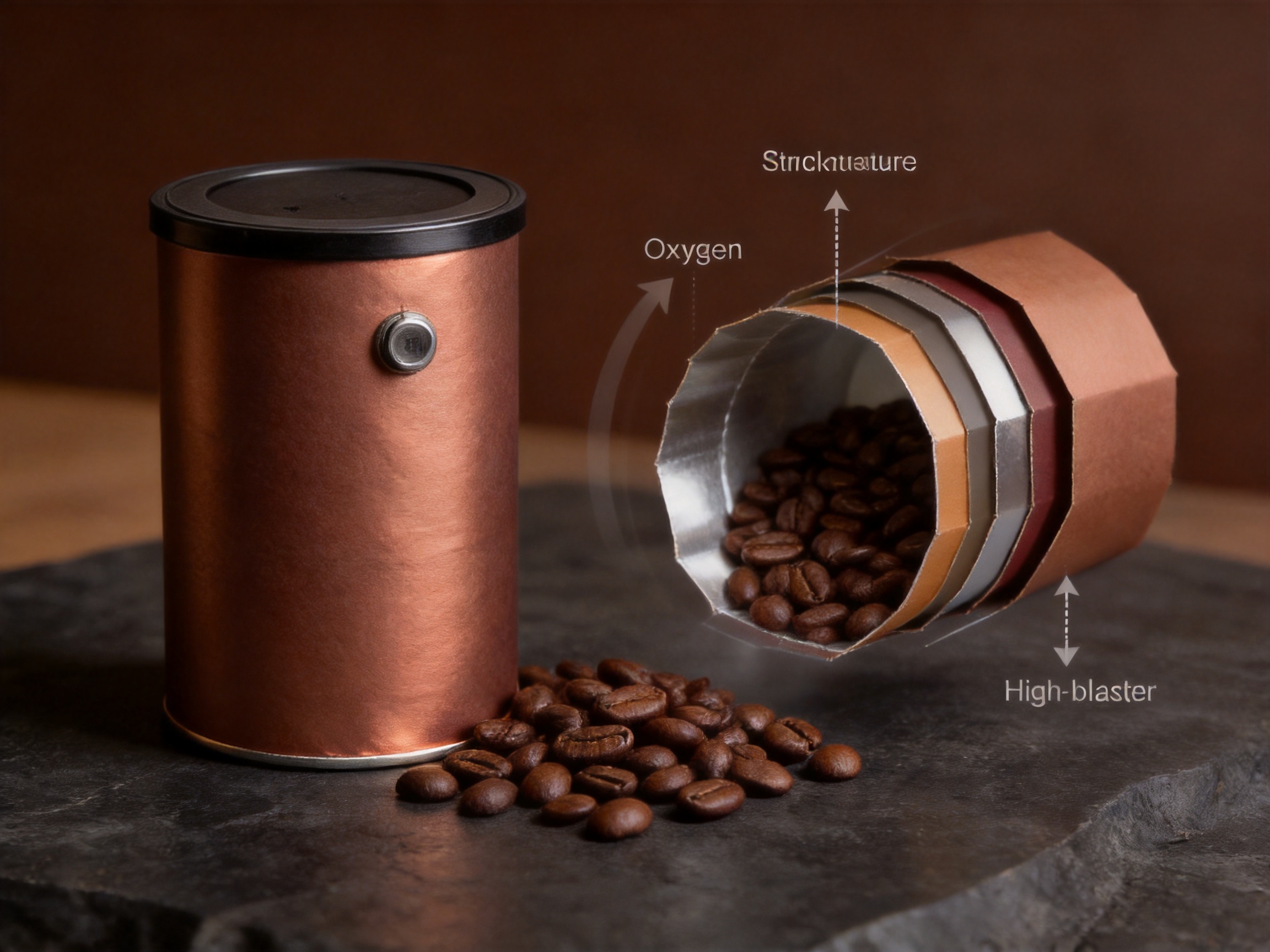
The Paper Can Coffee with Valve responds to these issues through a multilayer composite construction. The paperboard body provides rigidity and structural strength, while the inner barrier layers can be selected to limit the movement of oxygen, moisture, and light. A foil barrier or another high-performance barrier layer may be incorporated into the composite structure, depending on the required specification and application. The tight-fitting lid helps close the package after filling, and the valve allows coffee gases to escape without allowing outside air to enter in the same way as an uncontrolled opening.
Core Product Specification and Functional Design
The supplied product specification is ID9*140MM for approximately 340 grams of coffee beans. As packaging dimensions can be interpreted differently by different production teams, the final order should confirm the exact internal diameter, external diameter, height, fill weight, lid style, valve position, and product density. Bean size, roast level, degassing period, and filling equipment can all influence the actual capacity.
| Feature | Product Information | Practical Benefit |
|---|---|---|
| Product format | Rigid cylindrical paper can | Creates a premium appearance and helps resist crushing |
| Suggested capacity | Approximately 340 grams of whole coffee beans | Suitable for retail specialty coffee and premium blends |
| Reference size | ID9*140MM as supplied | Provides a basis for technical confirmation before production |
| Closure | Tight-fitting lid | Supports resealing and helps limit exposure after opening |
| Gas management | One-way coffee valve | Allows carbon dioxide to escape from freshly roasted coffee |
| Barrier structure | Composite multilayer construction | Helps protect against oxygen, moisture, and light |
| Exterior surface | Continuous cylindrical printing area | Provides a 360-degree platform for branding and information |
| Primary material direction | Paperboard-based construction | Reduces reliance on fully plastic packaging and supports a renewable-material story |
| Typical contents | Whole beans or gourmet ground coffee | Supports multiple premium coffee product lines |
The cylindrical body is more than a visual choice. It provides a balanced shape that can be handled comfortably, displayed neatly, and filled efficiently. Its wall structure offers resistance against radial pressure and helps the package retain its form when subjected to normal transportation and retail handling. The rigid shape also reduces the risk that the contents will be crushed by external pressure compared with a soft package that can be compressed easily.
The lid and valve must work together as part of the package system. Freshly roasted beans release carbon dioxide, and a sealed container without a suitable degassing mechanism may experience internal pressure. A one-way valve is designed to allow gas to move outward while limiting the reverse movement of air. The performance of the valve depends on valve quality, seal integrity, roasting conditions, filling timing, and storage conditions. For this reason, coffee producers should validate the complete packaging system with their own roast profiles and logistics requirements.
Composite Barrier Protection for Freshness
The main technical advantage of this paper coffee can is the use of a composite structure rather than a single unprotected paper wall. Ordinary paper is not sufficient on its own for long-term coffee protection because it can permit the passage of air and moisture. Composite construction adds functional layers that improve barrier performance while retaining the structural and graphic benefits of paperboard.
A typical composite coffee can may contain an outer printed paperboard layer, structural winding layers, adhesive systems, and an inner barrier layer. Depending on the desired performance, the inner barrier may include foil or another specialized material. The exact combination should be selected according to the coffee product, shelf-life target, filling method, distribution climate, and recycling requirements. The design objective is to form a continuous protective shield around the contents, including the body, bottom, and lid interface.
Protection from oxygen is particularly important for specialty coffee. Coffee aroma is made up of many volatile compounds, and these compounds can be lost or altered over time. A strong barrier cannot stop every freshness change indefinitely, but it can slow the environmental factors that accelerate deterioration. By reducing exposure to oxygen, moisture, and light, the package helps the roaster deliver a more consistent experience from the production site to the consumer’s cup.
The package also provides protection from external light. A fully or substantially opaque structure can help shield coffee from direct illumination and ultraviolet exposure. This is useful for retail displays, delivery networks, and home storage, where the package may be placed near windows, under lighting, or in kitchen areas. The protective effect is complemented by the printed exterior, which can be designed to communicate roast information, preparation guidance, origin details, and storage recommendations.
Moisture resistance is another important consideration. Coffee is generally best protected in a dry, stable environment, and uncontrolled moisture can affect freshness and sensory performance. The composite structure and properly sealed components help reduce the movement of water vapor. However, packaging performance is also influenced by the quality of the seams, the lid fit, filling conditions, storage temperature, and the duration of exposure. Packaging trials should therefore include humidity and transportation testing where appropriate.
Freshness Management Through the One-Way Valve
The valve is one of the product’s most important coffee-specific features. Roasted coffee releases carbon dioxide as it degasses. The amount and duration of gas release vary according to roast degree, bean origin, processing method, grind size, and packaging timing. A one-way valve offers a controlled outlet for this gas, helping the package remain closed while reducing the risk of excessive internal pressure.
For coffee brands, the valve also supports a clear product message: the container has been designed for freshly roasted coffee rather than adapted from a general-purpose food package. This detail can strengthen consumer confidence, particularly in specialty coffee markets where roast date, freshness, aroma, and preparation quality are central to the purchasing decision.
Valve performance depends on correct installation and sealing. During production, the valve area should be positioned accurately, and the surrounding material must be free from contamination that could interfere with adhesion or sealing. Finished packages should be evaluated for leakage, valve function, lid fit, and visual consistency. Coffee producers may also conduct filled-package testing to examine gas release and pressure behavior under realistic conditions.

Paper Can Coffee with Valve
Advantages Over Flexible Coffee Bags
Flexible coffee bags remain popular because they are lightweight and efficient to transport. However, the rigid paper can offers several advantages in situations where presentation, protection, and reuse are important. A bag can be squeezed, folded, or damaged during handling, while the cylindrical can maintains a defined shape and gives the product a more substantial presence.
The rigid format provides a stronger premium impression. When consumers lift the package, the weight, stiffness, and smooth cylindrical surface create a tangible sense of quality. This can be particularly valuable for single-origin beans, limited releases, seasonal collections, and coffee positioned at a higher price point. The container communicates that the product has received attention not only in roasting but also in presentation and protection.
A paper can also offers more continuous space for graphics. Flexible bags often include gussets, folds, seals, and irregular surfaces that can interrupt artwork. The cylindrical body provides a broad 360-degree marketing canvas. A brand can place the primary identity on the front, tasting notes on the side, brewing recommendations on another panel, and sourcing or sustainability information around the remaining surface.
Rigid construction may also be beneficial for e-commerce. During parcel delivery, packages may be placed under pressure or handled repeatedly. A strong can helps protect both the coffee and the visual appearance of the package. Although no container is immune to severe impact, the can’s crush-resistant structure can reduce the likelihood of deformation compared with a thin flexible bag.
The can may also be easier to reuse. Once the coffee has been consumed, consumers can use the container for dry ingredients, tea, desk accessories, craft supplies, or small household items. Reuse can extend the practical life of the package and maintain brand visibility in the consumer’s home. The success of this secondary use depends on cleaning instructions, odor retention, lid performance, and the user’s expectations, so brands should communicate appropriate reuse guidance when relevant.
Advantages Over Plastic Jars and Fully Plastic Containers
Plastic jars can provide strength and moisture resistance, but a paperboard-based composite can offers a different balance of performance, appearance, and material identity. Many consumers associate paperboard with renewable resources and reduced plastic use. This can support a brand’s sustainability communication, especially when the package is designed with responsible material selection and clear disposal information.
The paper can is also visually distinctive. Plastic containers may require specialized shapes or heavy decoration to create a premium effect, while the paper can naturally delivers a warm, tactile, and crafted appearance. Its printable exterior supports sophisticated finishes, custom artwork, color systems, and storytelling without depending entirely on secondary labels or sleeves.
Compared with a transparent plastic jar, the paper can offers better protection from light. This is helpful for coffee because full visibility of the contents is not usually necessary for preserving quality. Instead, the brand can use high-quality graphics, product photography, roast information, or a small window if visibility is required. The supplied product category includes tube-with-window formats, but the coffee can with valve should be configured according to the specific barrier and appearance objectives of the coffee brand.
Plastic remains useful in many packaging applications, and the best choice depends on product requirements, local recycling infrastructure, and regulatory expectations. The advantage of this paper can is not that one material is appropriate for every situation. Rather, it gives coffee companies a rigid, barrier-capable alternative that reduces dependence on fully plastic structures while supporting a premium market position.
Advantages Over Metal Coffee Cans
Metal cans are valued for their strength, durability, and barrier performance. However, they can be heavier, may require more energy-intensive forming processes, and often present a different tactile and visual identity. A paper-based composite can delivers a lighter and warmer impression while retaining a rigid cylindrical profile suitable for premium coffee.
The exterior of a paper can is well suited to high-quality printed graphics. Coffee companies can create detailed patterns, natural textures, minimalist designs, bold color blocking, or illustrated origin stories. The result can feel more approachable and contemporary than a conventional metal container, depending on the chosen design and finishing techniques.
Paperboard construction can also support a sustainability narrative based on renewable fiber content and reduced plastic usage. This narrative must be accurate and supported by the final material composition and local disposal conditions. Brands should avoid broad claims that do not reflect the actual structure. Instead, they can provide specific information about the paperboard content, barrier materials, recyclability guidance, and responsible use of resources.
Premium Brand Experience and 360-Degree Communication
Packaging is often the first physical point of contact between a coffee consumer and a brand. The Paper Can Coffee with Valve creates a high-value experience before the package is opened. Its rigid body feels stable in the hand, stands upright on a shelf, and can be presented as part of a gift set or corporate collection.
The cylindrical form offers a continuous communication surface. A coffee company can develop a visual system that guides the consumer around the entire package. The front can display the brand and coffee name. The side can explain the origin, altitude, varietal, processing method, or tasting profile. Another section can show brewing ratios and recommended equipment. A final area can provide storage instructions, roast date information, batch details, and disposal guidance.
This communication capacity is especially useful for specialty coffee. Consumers increasingly want to understand where their coffee comes from and how it was produced. A package that provides space for origin stories, farmer partnerships, roasting philosophy, and preparation instructions can create a stronger connection than a small label with limited room.
The design can also be adapted for the “financial CAGR” positioning described in the supplied product information. Such a theme may appeal to professionals, investors, entrepreneurs, and consumers who associate coffee with focus, productivity, ambition, and decision-making. The package can use disciplined typography, structured data-inspired graphics, and a refined color palette to position the coffee as fuel for achievement. This is an example of niche market targeting: the packaging is not only protecting coffee but also expressing a lifestyle and a specific consumer identity.
Durability During Storage, Transport, and Retail Display
Distribution can expose coffee packaging to vibration, compression, impact, temperature changes, and repeated handling. A paper can’s rigid wall helps maintain its shape during these conditions. The cylindrical form distributes external forces around the body and avoids some of the creasing and folding associated with flexible packaging.
Maintaining package appearance is commercially important. A dented, collapsed, or heavily wrinkled package may reduce consumer confidence even when the coffee inside remains safe. The strong paperboard wall helps the container arrive in better visual condition, which is especially valuable for online orders, gift sets, and premium retail displays.
The cylindrical format can be stacked in stable arrangements. Retailers and warehouses can organize cans in rows, cartons, or vertical displays. Stable stacking can improve space utilization and reduce disorganized shelf presentation. It can also make inventory counting and replenishment more convenient. Packaging teams should confirm the appropriate stacking orientation and carton design based on the final dimensions and filled weight.
For e-commerce, the can can be combined with a protective shipping carton, molded insert, paper cushioning, or other suitable secondary packaging. The rigid primary package does not eliminate the need for transportation testing, but it can reduce the risk of deformation inside the shipping system. Brands should assess drop, vibration, compression, and climatic conditions based on their intended sales channels.
Advanced Manufacturing Capabilities
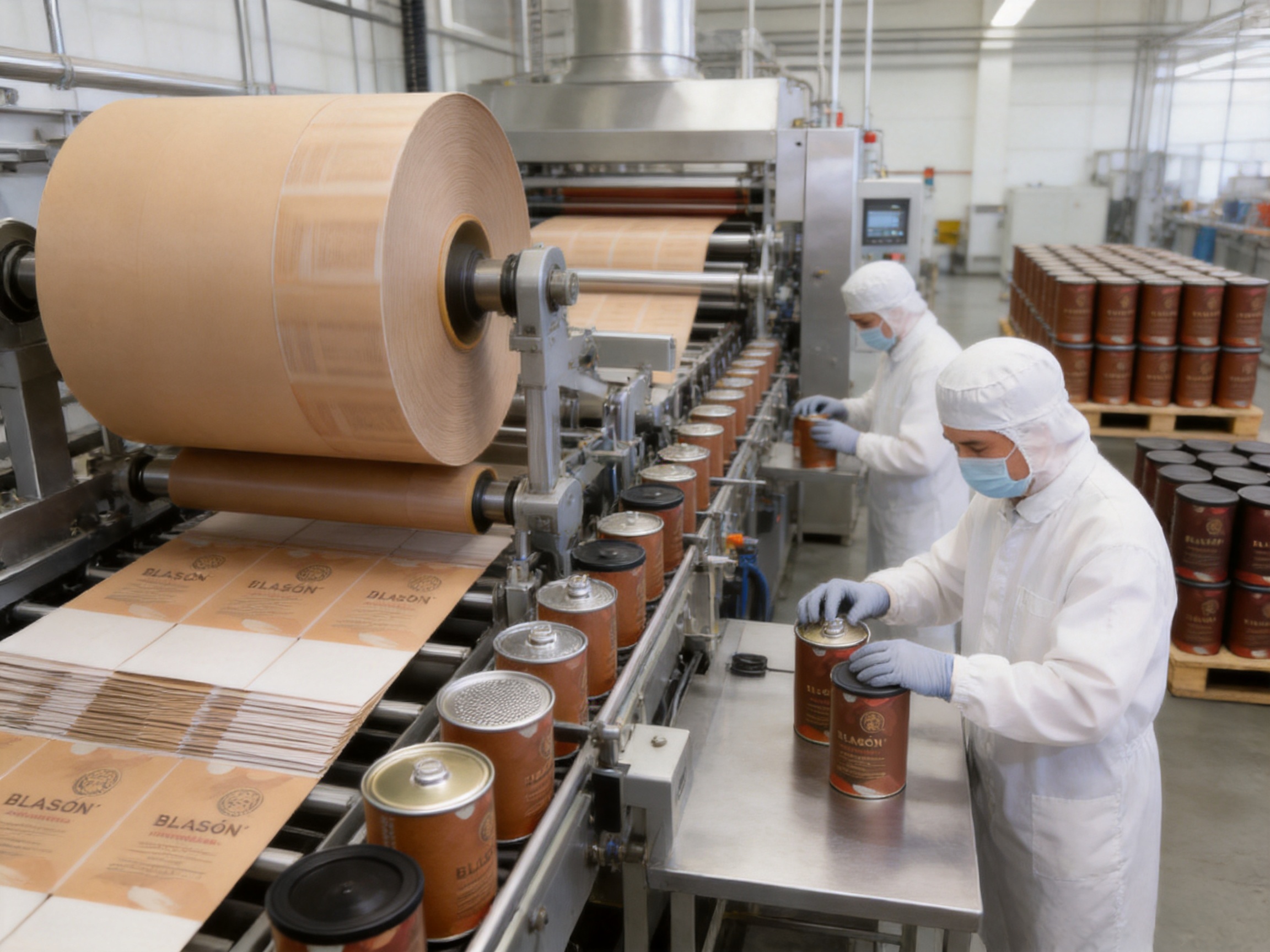
The product is supported by the manufacturing experience of Hangzhou Qunle Packaging Co., Ltd., which has been engaged in the composite can and paper can industry for more than 20 years. Long-term specialization is important because paper can production requires coordination between paperboard selection, printing, winding, adhesive application, barrier integration, bottom forming, lid matching, valve installation, and quality inspection.
Qunle Packaging is identified as the only member of the international Composite Can and Tube Institute in China’s packaging container industry. Membership in an industry organization provides a connection to technical knowledge and professional development within the composite can sector. It also reflects a focus on composite packaging as a specialized manufacturing discipline rather than a simple paper conversion process.
The company introduced a high-speed composite can production line from Europe in 2015. A high-speed production line can support improved production consistency, repeatability, and output capacity when properly managed. Automated or semi-automated equipment can help control winding tension, material alignment, adhesive application, dimensional accuracy, and production speed. These factors are important for coffee cans because a small variation in body dimensions or lid fit can affect filling, sealing, stacking, and consumer usability.
Manufacturing efficiency must be balanced with quality control. A high-speed line is valuable only when the process is stable and inspection systems are effective. Quality teams typically monitor raw materials, print registration, color consistency, wall formation, seam integrity, bottom attachment, lid fit, valve placement, surface defects, and finished dimensions. For food-contact packaging, production hygiene and traceability are also essential.
The company was the first enterprise in China to pass the QS certificate for producing food packaging containers, according to the supplied company information. This food-packaging background is relevant to coffee brands because packaging materials must be selected, produced, stored, and handled with food-contact requirements in mind. Specific regulatory and certification requirements may vary by destination market, so importers should verify the documentation required in each country.
Qunle Packaging has obtained more than 10 patented technologies and continues to research and launch packaging products for global markets. Patented technologies may relate to structures, processes, closures, materials, or production improvements. For customers, the practical value lies in the manufacturer’s ability to develop packaging beyond standard catalog formats and to support customized solutions for dimensions, barrier requirements, printing, lids, valves, and applications.
Material Preparation and Paperboard Selection
The manufacturing process begins with material selection. Paperboard must provide suitable strength, surface quality, printability, and compatibility with the intended composite structure. For coffee packaging, the material system also needs to support barrier performance and safe contact with the product. The selected grades should be evaluated for thickness, stiffness, moisture behavior, winding performance, and compatibility with adhesives or inner liners.
Material preparation includes roll inspection, slitting, storage, and conditioning. Paper rolls must be kept in a controlled environment to reduce dimensional changes caused by excessive humidity or temperature variation. Proper roll handling can reduce edge damage, wrinkles, telescoping, and alignment problems during production.
Printing and Surface Finishing
Printing is carried out on the paperboard surface before or during the forming process, depending on the structure and equipment configuration. High-quality printing is important for premium coffee because the cylindrical body functions as a continuous brand display. Color accuracy, registration, image sharpness, text legibility, and coating uniformity all influence the final appearance.
Finishing options may include matte or gloss coatings, spot effects, metallic details, textured surfaces, embossing, or other decorative treatments. The selected finish should be compatible with the intended use and should not compromise the performance of the body, lid, seams, or barrier layers. Artwork should also account for the curvature of the can so that logos, text, and illustrations remain visually balanced after winding.
Composite Winding and Structural Formation
In a composite can process, paperboard and functional layers are formed into a cylindrical body through controlled winding. The layers are bonded using an appropriate adhesive system, and the winding tension must remain consistent. Excessive tension may distort the material, while insufficient tension may create loose layers, dimensional variation, or weak structural performance.
Layer alignment is essential. The outer printed layer must remain visually consistent, while the inner barrier must form a continuous protective surface. Overlaps and seams should be controlled to reduce potential leakage paths. The body is then cut or finished to the required height, and the edges are prepared for bottom and lid assembly.
Barrier Integration and Sealing
The barrier layer is a key part of the package design. Depending on the product requirements, the structure may include foil or another barrier material to limit oxygen, moisture, and light transmission. The barrier must be properly bonded and continuous across the package body. Weak adhesion, wrinkles, pinholes, or incomplete coverage can reduce performance.
Sealing areas require special attention because the package is only as strong as its weakest interface. The bottom, lid contact area, seams, and valve installation point must be evaluated as a complete system. Production controls should identify leaks, delamination, poor bonding, contamination, and dimensional deviations before the cans are packed for shipment.
Bottom, Lid, and Valve Assembly
The bottom provides structural closure and helps the can stand securely on a retail shelf. Its attachment must be strong enough to withstand filling, handling, stacking, and normal consumer use. The lid must fit accurately and provide a practical opening and closing experience. A lid that is too loose may reduce protection, while a lid that is too tight may be difficult for consumers to remove.
The valve is installed in a designated position that supports efficient gas release and reliable sealing. Its location may be selected according to the package orientation, filling process, internal headspace, and visual design. Each valve should be securely attached, and the surrounding surface should remain clean and free of defects.
Inspection and Quality Assurance
Quality assurance can include incoming-material inspection, in-process checks, dimensional measurement, visual inspection, seal testing, valve testing, and finished-product sampling. For a coffee can, relevant checks may include internal and external diameter, height, roundness, wall integrity, lid fit, bottom strength, print quality, color consistency, barrier continuity, and package cleanliness.
Filled-package trials are valuable because an empty package may behave differently from a package containing coffee. Testing can examine filling speed, dust generation, lid application, valve function, stacking stability, storage behavior, and performance during transport. Coffee producers should also conduct sensory or shelf-life evaluations to verify that the packaging supports the desired freshness period.
Sustainability Profile and Responsible Material Communication
The product is made primarily from paperboard and is positioned as a recyclable alternative in many municipal systems. Its sustainability profile is supported by the use of renewable paper-based material and the potential reduction of fully plastic packaging. The rigid can can also be reused by consumers, extending the period during which the material remains useful.
Recyclability depends on the complete package structure, local collection systems, separation technology, and applicable regulations. Composite packaging may contain several bonded layers, including barrier materials, adhesives, inks, coatings, and plastic components. Consequently, brands should verify the disposal status of the exact finished specification in their target markets rather than making universal claims.
Responsible communication should be specific. A coffee company may explain that the package uses a paperboard-based composite structure, is designed to reduce dependence on fully plastic packaging, and may be recyclable where local facilities accept the relevant material. It may also encourage consumers to reuse the can for dry storage or household organization. Clear instructions are more credible than vague statements about being “green” or “eco-friendly.”
Manufacturing efficiency can also contribute to a lower environmental footprint by reducing material waste, improving production yield, and maintaining consistent dimensions. Accurate printing and controlled winding can limit rejected products. Efficient packing and stable stacking may improve transport utilization, although the overall impact depends on shipping distances, carton design, warehouse systems, and order quantities.
Applications Across the Coffee Market
Premium Whole Bean Coffee
The can is well suited to single-origin, micro-lot, estate, and small-batch whole beans. These products often command a higher price and require packaging that reflects their quality. The valve supports degassing, while the barrier structure helps protect aroma and flavor during the period between roasting and brewing.
Gourmet Ground Coffee
Ground coffee can benefit from strong protection because grinding increases surface area and may accelerate exposure to oxygen. A rigid can with a tight-fitting lid and suitable barrier can help preserve quality after filling and during consumer use. The final design should be matched to the expected opening frequency and storage period.
Limited Editions and Collaborations
The 360-degree printing area is valuable for seasonal blends, artist collaborations, anniversary releases, and special roasting projects. Limited-edition packaging can use distinctive artwork and finishing effects to create collectability. The sturdy container may also encourage consumers to keep and reuse the package after the coffee is finished.
Direct-to-Consumer and E-Commerce Coffee
Online coffee brands need packaging that presents well when opened by the customer and withstands parcel delivery. The rigid can helps protect the product from compression and gives the unboxing experience a premium character. It can be paired with branded shipping cartons, brewing cards, tasting guides, or subscription materials.
Corporate and Business-to-Business Sales
The product is appropriate for executive coffee programs, business-district retailers, client gifts, employee appreciation packages, conference kits, and hospitality applications. Its substantial format can make a standard coffee product feel more intentional and valuable. The can’s design can also be customized for corporate colors, event themes, or professional audiences.
Gift Sets and Seasonal Collections
A premium paper coffee can can be combined with mugs, brewing equipment, chocolate, biscuits, or other complementary products. Its rigid shape simplifies arrangement inside a gift box and helps protect the coffee from damage. Seasonal artwork can be changed without altering the fundamental package structure.
Customization Possibilities
Customization can begin with dimensions. Brands may require a specific capacity, shelf height, carton count, or compatibility with an existing filling line. The reference specification of ID9*140MM for 340 grams provides a starting point, but production teams should validate the actual fill volume using representative beans and roast profiles.
Artwork customization includes logo placement, background graphics, roast level, origin information, tasting notes, preparation instructions, regulatory text, barcodes, batch coding areas, and recycling information. Since the body is cylindrical, designers should prepare artwork using a template that accounts for the wrap direction, overlap area, lid position, and viewing angle.
Lid options can influence both appearance and usability. A smooth lid may support a minimalist design, while a contrasting lid can create a stronger visual accent. The lid color, texture, fit, and opening force should be evaluated together. If the coffee is intended for repeated household use, resealing performance and durability become especially important.
Valve options may vary according to the filling and roasting process. Brands should discuss valve specifications, installation position, degassing requirements, and compatibility with their product. If an internal foil or other barrier is required, its relationship with the valve must be verified during package testing.
How Coffee Brands Can Evaluate the Package
A structured evaluation should begin with product compatibility. The coffee producer should define the bean or ground coffee type, fill weight, roast date, degassing period, expected shelf life, storage environment, and distribution route. These factors determine the necessary barrier, valve, closure, and structural requirements.
The next step is line compatibility. The package should be tested on the intended filling equipment, including can positioning, filling speed, dust control, lid application, coding, labeling if required, and secondary packing. Manual filling may require different tolerances from automated filling. Early testing can identify problems before a full production order.
Transportation testing should reflect the real sales channel. E-commerce shipments may require drop and vibration testing, while palletized retail distribution may emphasize compression and stacking. Temperature and humidity testing can be useful for international shipping or tropical markets. The objective is to confirm that the package remains functional and visually acceptable after realistic handling.
Finally, the coffee should be evaluated in the filled package. Sensory panels, aroma comparisons, moisture monitoring, oxygen analysis, and periodic tasting can help determine whether the package protects the product for the intended period. The results should be interpreted alongside the coffee’s normal aging behavior and storage conditions.
Ordering and Technical Coordination
Before placing an order, customers should provide the desired capacity, dimensions, coffee type, fill weight, valve requirement, lid style, barrier expectation, printing colors, artwork files, annual volume, delivery schedule, and destination market. If the package will be sold as food packaging, the required compliance documents should also be identified at the beginning of the project.
Artwork approval should include a physical or digital proof. Important details include color matching, text size, barcode readability, seam placement, lid alignment, and the visibility of the valve. A prototype or pre-production sample can help the brand assess tactile quality, shelf appearance, filling convenience, and consumer usability.
Customers should also discuss minimum order quantities, tooling or setup costs, production lead times, carton dimensions, pallet configuration, and shipping protection. These details affect the total cost and the efficiency of the supply chain. A strong primary package delivers the greatest value when it is integrated into an equally well-designed secondary packaging and logistics system.
Q&A
What is the approximate capacity of this paper coffee can?
The supplied specification is ID9*140MM for approximately 340 grams of coffee beans. Actual capacity may vary according to bean size, density, roast level, headspace, and the interpretation of the stated dimensions. Final capacity should be confirmed using representative coffee samples before mass production.
Why does the package include a one-way valve?
Freshly roasted coffee releases carbon dioxide during degassing. The one-way valve is designed to allow this gas to escape while limiting the entry of outside air. Valve performance depends on the valve specification, installation quality, package sealing, roast profile, and filling conditions.
Can the package be used for ground coffee?
Yes. The product information identifies both premium whole bean coffee and gourmet ground coffee as suitable applications. Ground coffee can be more sensitive to oxygen exposure because of its increased surface area, so barrier performance, filling conditions, and shelf-life testing are particularly important.
How does the paper can compare with a flexible coffee bag?
The paper can provides a more rigid structure, stronger resistance to crushing, a premium tactile experience, stable retail presentation, and a continuous 360-degree printing surface. A flexible bag may be lighter and more compact, so the best option depends on the brand’s priorities, logistics, filling system, and sustainability objectives.
Is the paper can recyclable?
The package is positioned as recyclable in many municipalities, but recyclability depends on the complete composite structure and local recycling infrastructure. Because the can may include barrier layers, adhesives, coatings, and valve components, brands should verify the final specification and provide disposal guidance appropriate to each market.
Can the can be reused after the coffee is consumed?
The rigid structure makes it suitable for secondary uses such as storing dry ingredients, organizing pens, holding craft materials, or keeping small household items. Reuse depends on cleaning, odor removal, lid condition, and the intended contents. Brands may provide practical reuse suggestions while recommending that consumers avoid unsuitable food or non-food applications.
Its combination of barrier protection, a valve, rigid construction, high-quality printing space, and substantial hand feel supports a premium product position. The package can communicate origin, tasting notes, roasting information, preparation advice, and brand values across its cylindrical surface.
Can the package be customized?
Customization may include dimensions, fill capacity, artwork, color, surface finish, lid style, valve configuration, and barrier construction. The exact options should be reviewed with the manufacturer because they depend on production equipment, order volume, material availability, and the required performance specification.
Is the package suitable for e-commerce?
Yes. Its rigid body offers better resistance to compression and deformation than many flexible formats. Nevertheless, the complete shipping system should be tested with the intended carton, cushioning, palletization, and delivery method. Primary-package strength does not replace proper secondary packaging.
What manufacturing strengths support this product?
The manufacturer has more than 20 years of experience in composite cans and paper cans, operates with advanced composite can production capabilities, introduced a high-speed European production line in 2015, has food-packaging certification history, participates in the Composite Can and Tube Institute, and has obtained more than 10 patented technologies according to the supplied company information.
What information should be confirmed before ordering?
Customers should confirm the exact dimensions, fill weight, coffee format, valve requirement, lid design, barrier structure, printing specifications, food-contact documentation, minimum order quantity, production schedule, shipping configuration, and destination-market requirements. Filled-package trials are recommended before large-scale production.
Conclusion
The Paper Can Coffee with Valve is a purpose-built packaging solution for brands that need more than basic containment. Its rigid composite body helps protect coffee from external impact, while the multilayer barrier structure is designed to reduce exposure to oxygen, moisture, and light. The tight-fitting lid supports practical closure, and the one-way valve addresses the degassing needs of freshly roasted coffee.
Compared with flexible bags, the can offers stronger shape retention, a more substantial premium experience, and greater resistance to crushing. Compared with fully plastic containers, it provides a paperboard-based material story, a warm tactile identity, and a strong platform for sustainability communication. Compared with conventional metal cans, it offers a lighter and more design-oriented alternative while maintaining a familiar cylindrical form.
The product is also supported by a manufacturer with extensive experience in composite packaging. More than two decades of industry involvement, food-packaging expertise, advanced production equipment, industry participation, patented technologies, and experience serving food and consumer-goods companies provide a foundation for customized coffee packaging development.
For coffee roasters, retailers, corporate buyers, and e-commerce brands, the package can serve as both a freshness-management tool and a brand-building asset. With correct specification, testing, and responsible disposal communication, it can help deliver a stronger product experience from the roasting facility to the consumer’s shelf and, ultimately, the coffee cup.
References
1. International Composite Can and Tube Institute. General principles of composite can construction and industry practice.
2. Specialty Coffee Association. Coffee freshness, packaging, storage, and quality considerations.
3. International Organization for Standardization. Packaging, material testing, quality management, and environmental claim principles.
4. Food packaging safety guidance concerning materials intended for contact with coffee and other dry foods.
5. Technical information supplied for the Paper Can Coffee with Valve, including dimensions, capacity, barrier structure, valve function, applications, and product advantages.
6. Company information supplied for Hangzhou Qunle Packaging Co., Ltd., including manufacturing history, food-packaging certification background, production equipment, patents, industry membership, and composite packaging capabilities.
